Every hockey game has that split-second moment. A puck hits someone's face at 100 miles per hour. The player's smile changes forever. And yet — they just keep skating .
And yet — they just keep skating. Even the ecosystem behind it, from equipment brands to hockey jersey suppliers, is built around a sport where toughness is normalized at every level.
No pause. No panic about their dental future. Just gap-toothed determination and a mouthful of what used to be a working incisor.
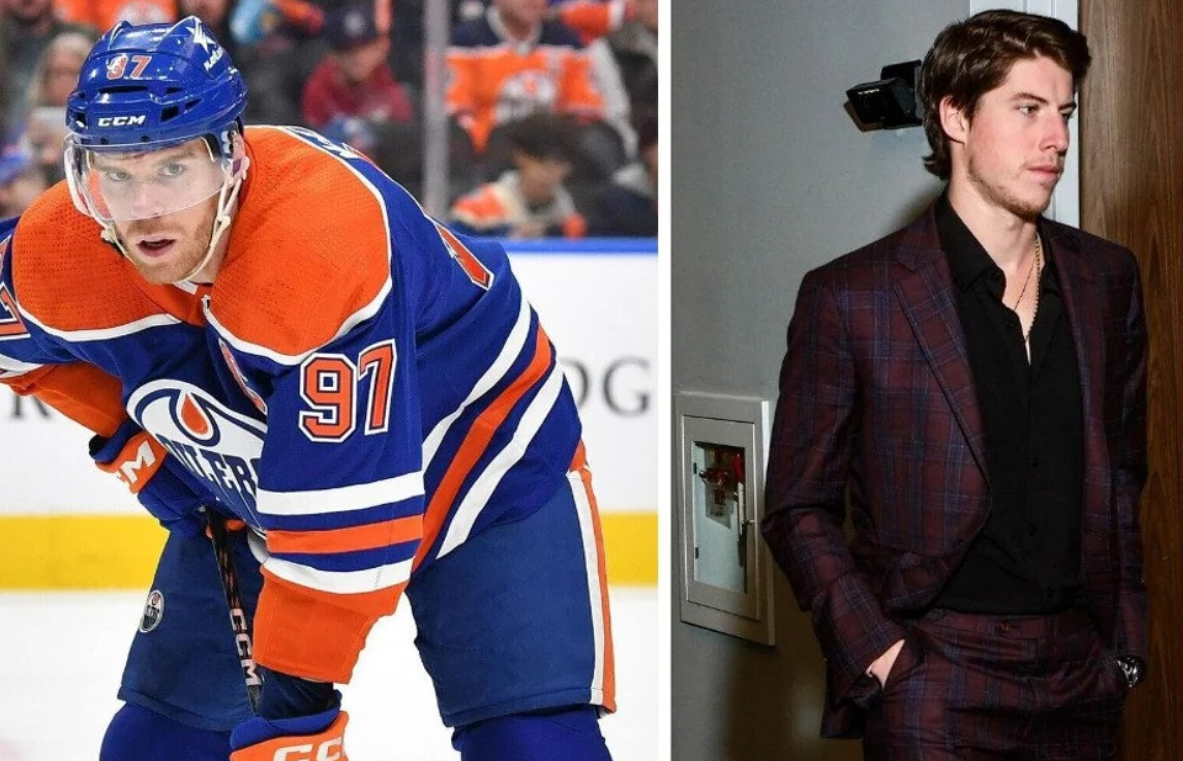
You've probably seen NHL players grinning at post-game interviews, looking like a kindergarten class photo. You've probably wondered what on earth is going on out there . That's a fair question — and a smart one.
This breakdown covers it all:
The brutal physics behind ice hockey facial injuries
Why elite athletes sometimes choose pain over protection
The strange cultural reasons behind those missing teeth
It's honest. Some of it is alarming. But it's the most straight-up look at hockey teeth you'll find.
Why Hockey Players Lose Teeth: The Physical Reality Behind the Risk
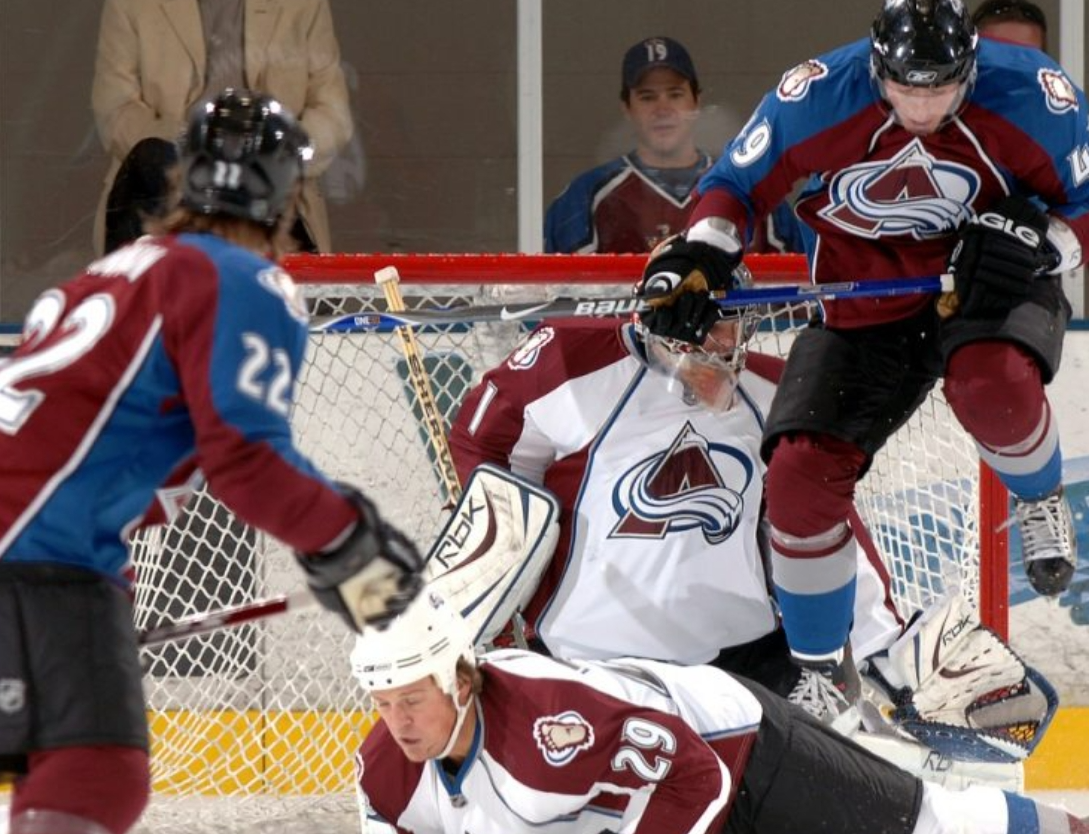
Here's a number that should make your dentist weep: 1,600 newtons .
That's the estimated peak impact force from a hockey puck traveling at 175 km/h (108 mph) hitting a human face. A healthy front tooth can take 200–500 N of lateral force before it breaks. The math is not comforting.
The puck weighs just 170 grams — about the same as a small apple. But at NHL speeds, that little rubber disc carries 190 joules of kinetic energy . Zdeno Chara once launched one at 175.1 km/h in the All-Star Skills Competition. Your incisors did not ask for this.
And it's not just pucks. Hockey sticks swing at 30–40 m/s and weigh 400–500 grams . In a high-stick incident, the blade does not miss your mouth. It sweeps upward — chin, lips, teeth — in one fluid motion. That motion generates 1,000–2,000+ N of localized force on a contact area the size of a postage stamp.
Why Front Teeth Specifically?
Upper central incisors sit at the front of your face with no structural protection behind them. They're wide — about 8–9 mm — and fairly tall. The bone surrounding them in that section of jaw is also quite thin.
Tooth enamel is hard — Vickers hardness around 250–400 HV — but hard is not the same as tough. Enamel is brittle. It handles vertical biting forces well enough. A diagonal puck strike at full velocity ? That's a different story. Think wine glass meeting a baseball bat.
Impact almost always hits at an angle. That angle sends bending and shear stress straight down the tooth root. This is what causes complete avulsion — the whole tooth coming out — rather than just a chip. One strike can take out 2–4 adjacent teeth at once. The entire front arch absorbs the energy as a single unit, not tooth by tooth. That's why documented cases show players losing 6–9 teeth in one collision . It's not a streak of bad luck. It's physics spreading force across the dental arch all at once.
The ice makes everything worse. The blade-to-ice friction coefficient is just 0.01–0.05 . Players hit 40–45 km/h and cannot stop fast. Every collision carries far more momentum than it would on any other surface. There is no gentle version of getting checked into the boards at that speed.
The 5 Most Common Ways Hockey Players Lose Teeth
Teeth don' T just decide to leave. There's always a reason. In hockey, those reasons fall into five specific categories — preventable in theory, rarely prevented in practice.
1. High Sticks to the Mouth (The Most Common Culprit)
Studies of junior and elite hockey players found that sticks cause 46.8–75% of all oral injuries . In one Canadian cohort, 57.7% of mouth injuries came from stick impacts . That's not a coincidence — that's a pattern with a physics explanation.
Picture the classic scenario. A puck battle breaks out in front of the net. Someone's stick rides up off a shoulder and whips straight into the upper front teeth . Full-speed slap shot follow-throughs catch a defender's mouth. Net-front scrums turn into a chaos of sticks at face height.
The result is almost always the same:
Lacerations (61.5% of oral injuries)
Crown fractures
Avulsed maxillary incisors (fully knocked-out front teeth)
Those specific teeth. Every time.
2. Puck Impacts to the Face
46.2% of injured players took a puck as the primary injury source. A standard game puck weighs 170–180 grams and travels at 80–100+ mph . Your dental insurance plan means nothing to it.
Deflections are the sneaky villain here. A shot from the point tips off a skate. It changes height with zero warning and arrives at mouth level faster than any human can react . Shot-blocking players who misjudge their angle by two inches end up stopping the puck with their face instead of their shin pad.
Documented outcomes include 7–9 tooth avulsions from a single impact . Not a typo.
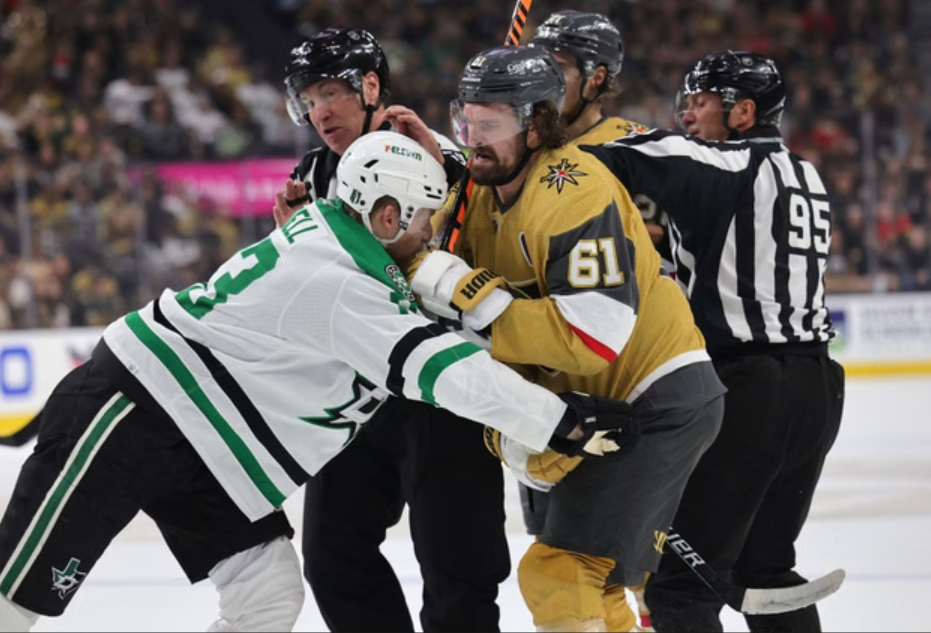
3. Fights, Elbows, and Direct Punches
Roughly 85% of NHL players experience tooth loss or severe dental damage over their careers. Fights are a big reason why.
A helmet gets knocked loose mid-fight. The mouth is now wide open. Fists land on protruding upper incisors — the first thing contact hits at face-to-face range. Elbows in corner battles drive into the upper lip with similar force. NHL dentists describe "some of the most gruesome oral injuries" — exposed nerves, split tongues, fractured jaws — tracing back to these high-force direct blows.
4. Collisions, Checks, and Falls
Players move at 40–45 km/h on ice. A check goes slightly off target — shoulder misses the chest, upper arm catches the mouth instead. The incisors absorb that redirected force in an instant. Checks into the boards snap the HEAD forward. Visors shift. Upper teeth collide with lower teeth or the lower lip.
Falls are their own kind of brutal. A player loses an edge and goes face-first with the mouth partly open. The front teeth hit the ice. The outcomes:
Chipped enamel
Luxation injuries (teeth driven inward — somehow worse than losing them)
Soft-tissue lacerations
Dental injuries make up 11.5–16% of all hockey injuries overall. A solid chunk of that comes from bodies hitting other bodies — no puck or stick needed.
5. Shot-Blocking Deflections and Freak Rebounds
These are rare events. But they cause the worst multi-tooth losses on record.
A New York Rangers defenseman lost six teeth in a single playoff game in 2013 — one impact, first game of the series against the Bruins. That kind of damage doesn' t build up over time. It happens in one bad-angle block where the puck ramps off equipment and straight into an unprotected mouth.
Freak rebounds are flat-out unpredictable. A puck hits a stick, a skate, or a stanchion. It changes direction at full speed and strikes the incisors before anyone even registers it's coming. Add in a mouthguard knocked loose mid-brawl , and the very next contact lands on teeth with no protection at all.
The pattern across all five causes is the same : upper front teeth, frontal impact, zero warning. Maxillary central incisors stick out 1–3 mm past the lower teeth. They sit in the path of every incoming force. No surrounding muscle cushions the blow. Sticks and pucks together account for half to three-quarters of all documented oral injuries in studied groups. The rest? Fists, boards, ice, and physics doing what they do.
Hockey Tooth Loss Statistics: How Serious Is the Risk?
Let's talk numbers. And the numbers are wild.
About 1 in 3 hockey players — 31.4%, to be precise — report at least one oral injury over their career. That already sounds rough. For professional players, the estimate climbs to 50% or higher . Look at NHL history, and some team dentists will tell you — with a straight face — that as many as 85% of NHL players have lost teeth at some point in their career.
Eighty-five percent. That's not a rounding error. That's basically a team tradition.
To put that in context:
Sport | Estimated Career Dental Injury Rate |
|---|---|
Ice Hockey (NHL) | Up to 85% (estimated) |
Ice Hockey (general) | ~30–40% |
Basketball | 10–25% |
Football (with full gear) | 10–30% |
Baseball | 5–15% |
Football players wear helmets, facemasks, and mandatory mouthguards. They still don't come close to hockey's numbers. Hockey sits in its own category — alongside boxing and field hockey — at the top of the "your dentist will know your name" leaderboard.
The money damage matches the physical damage. A single knocked-out tooth with root canal and crown runs $1,000–$2,000 . A dental implant? $3,000–$5,000 per tooth . Multi-tooth incidents are real. Documented cases exist of players losing 7–9 teeth in one collision , with 75+ stitches on top of that. One bad second on the ice can create $10,000+ in dental bills .
Across all sports, the U.S. loses an estimated 5 million teeth per year to sports injuries. Hockey punches well above its weight in that total. Fewer people play hockey compared to basketball or baseball. Yet the per-player injury rate? Near the top of every ranking.
So yes. The risk is serious. The data backs it up — clearly, repeatedly, and across multiple sources.
Mouthguard vs. Visor vs. Full Cage: Which Protection Works?
Three pieces of gear. Three very different outcomes. And somehow, the most dangerous league in the world makes one of them optional.
Here's what each one does — and doesn't do — before you (or your kid) steps onto the ice thinking everything is fine.
The Mouthguard: Helpful, But Not a Force Field
A standard mouthguard is 3–4 mm of molded plastic sitting between your teeth and whatever hits you next. It comes in three types: stock (cheap, clunky, fits no one well), boil-and-bite (better), and custom-fitted ice hockey jersey (the one your dentist makes that stays in place during a collision).
The way it works is simple. The flexible material spreads impact force across a wider surface area. Instead of one tooth taking the full hit, the load spreads out. Studies show mouthguards cut dental trauma rates by 31–60% , depending on the sport and study group. In hockey — a high-contact, high-speed sport — that number tends to land at the higher end.
But here's what a mouthguard cannot do: it cannot stop a puck or stick from reaching your face. It reduces how bad things get after contact. It does not stop the contact itself. Lip cuts, broken noses, fractured jaws — a mouthguard has no real effect on any of those.
The Half Visor: Great for Your Eyes, Useless for Your Teeth
The visor is polycarbonate. It curves over your eyes and stops around your nose. It does one specific job well: protecting your eyes and upper face from high-speed pucks.
Below the nose? You're on your own.
Your lower face — mouth, chin, front teeth — sits wide open to anything coming from the front, below, or the side. A stick blade riding up from a puck battle doesn't care about your visor. It goes straight into that unprotected zone.
The numbers here are striking: dental injury risk with a visor is 9.9 times higher than with full-face protection. Not slightly higher. Close to ten times higher. Dental repairs also cost about three times more than other hockey injuries. So choosing a visor over a cage isn't just a safety call — it's a financial one too.
The Full Cage: The One Thing That Stops the Puck
A full wire cage — steel, alloy, or titanium — puts a solid barrier between your entire face and everything coming at it. The bar spacing (1.9–2.5 cm) is tight enough to stop a puck dead. Titanium cages run about 25–40% lighter than standard steel. That makes the "it's too heavy" complaint hard to back up.
The coverage is thorough: teeth, lips, nose, eye sockets, cheekbones, jaw. In leagues where full cages are required — including PWHL and all youth hockey under USA Hockey's U18 rules — reported fractured teeth and facial bone injuries drop sharply. Most face injuries in cage-wearing players are minor bruising from bar contact. Not open cuts. Not knocked-out teeth. Bruising.
Why Do So Many Players Still Choose Less Protection?
Because visibility feels like survival.
NHL players wearing visors report near-clear peripheral vision — close to the same sightlines as playing bare-faced. That feels critical at 40 km/h reading a play. The full cage takes a few ice sessions to get used to. Most players who switch over say the bars fade out of view once they adjust.
Breathability matters too. Ventilation, ranked best to worst: visor → full cage → full bubble shield. Fogging is not a cage problem. It is a bubble shield problem.
Then there's the mouthguard comfort issue. A poorly fitted stock guard gets in the way of breathing and talking. A custom-fitted ice hockey jersey mostly fixes that — but it costs more upfront.
The Bottom Line on Protection
Protection Type | Teeth | Eyes | Nose/Jaw | Breathability |
|---|---|---|---|---|
Mouthguard only | Partial | ✗ | ✗ | Good (custom ice hockey jersey) |
Visor only | ✗ | ✓ | Partial | Excellent |
Full cage | ✓ | ✓ | ✓ | Very good |
Cage + mouthguard | ✓✓ | ✓ | ✓ | Good |
Youth players in North America don't get a choice — USA Hockey and Hockey Canada require full-face protection at U18 and below. NHL players must wear at least a visor. Everything beyond that is up to the player.
The evidence is clear. A cage paired with a well-fitted mouthguard is the one combination that covers every documented injury risk. Everything else means picking which part of your face you're fine leaving exposed.
Why NHL Players Still Choose Not to Wear Full Protection
The data is clear. Full cages prevent dental injuries. Players know this. And yet, at the NHL level, the number of skaters wearing a full cage on any given night rounds down to zero — unless someone just had their jaw rebuilt and has no other option.
This is not ignorance. This is a decision. A strange, culture-driven, money-tangled decision.
"That's Junior Hockey Gear"
In NHL dressing rooms, equipment has a social ranking. Nobody wrote it down. Everyone knows it anyway.
Full cage = youth leagues, college hockey, "soft"
Half visor = normal, professional, acceptable
No visor = old-school warrior (grandfathered veterans only, and that group is shrinking fast)
A 2013 study of 301 North American pro players found that 68–80% agreed with statements like "dental injuries are part of the game" and "missing teeth are common in hockey." Former enforcer George Parros called tooth loss "a badge of honor." Young players pull out their mouthguards for photos to look tougher. Missing teeth aren't an embarrassing side effect. They're a credential.
The Vision Argument (And Why It's Complicated)
Players believe full cages hurt their performance. That belief is real. Reports of blocked peripheral vision, fogging, trouble talking and drinking between shifts — those aren't made-up excuses. NCAA players who wear cages through their whole college careers still find the switch to a visor jarring once they turn pro.
The other side of that argument? Dr. Michael Stuart's research found zero scientific evidence that facial protection raises concussion risk or leads to reckless play. Zero. The "cage makes you feel invincible" theory runs on locker-room legend, not data.
Players are trading a constant, low-level discomfort for a rare but serious injury risk. And most of them are fine with that trade.
Rules, Grandfathering, and Change That Moves at a Crawl
Since 2013–14, NHL Rule 9.7 requires visors for players with fewer than 25 NHL games. Veterans who already had 25+ games before the rule passed? Grandfathered. Exempt. Done.
The NHL follows a clear pattern: require new protection for new players, then let the existing ones keep their old habits for another decade or two. The last helmetless player — Craig MacTavish — retired in 1997. That was eighteen years after helmets became mandatory for everyone else. Visors are on the same slow path.
Full cages for skaters aren't even on the current rule roadmap.
Money, Cameras, and the "Cool Factor"
There's a commercial side to this that rarely gets mentioned out loud.
Equipment deals with Bauer , CCM, and Warrior depend on brand visibility — logos on helmets and visors need to show up on TV. Full cages cover faces. That hurts sponsor exposure and cuts into a player's personal marketability. No one at the league level is pushing back on that logic.
Full cages are sold almost entirely to youth, women's, and recreational leagues. The product category sends a clear signal: not quite professional. Brands, teams, and players all pick up that signal and act on it.
The Bottom Line on Why Nothing Changes
Five forces are working together to keep full protection off NHL faces:
Performance perception — cages feel like they slow players down, even though the evidence says otherwise
Cultural identity — missing teeth are a feature, not a flaw, in how toughness gets shown
Risk calculus — players accept fixable dental damage to avoid daily gear discomfort
Grandfathering — rule changes in hockey move the way glaciers move
Commercial incentives — TV faces sell gear; caged faces don't photograph as well
None of this comes from players being in the dark about cages. They know cages work. The choice to skip full protection is made with open eyes — which is, oddly, the exact kind of visibility a full cage is built to protect.
Safety Guide for Youth Hockey Players and Parents
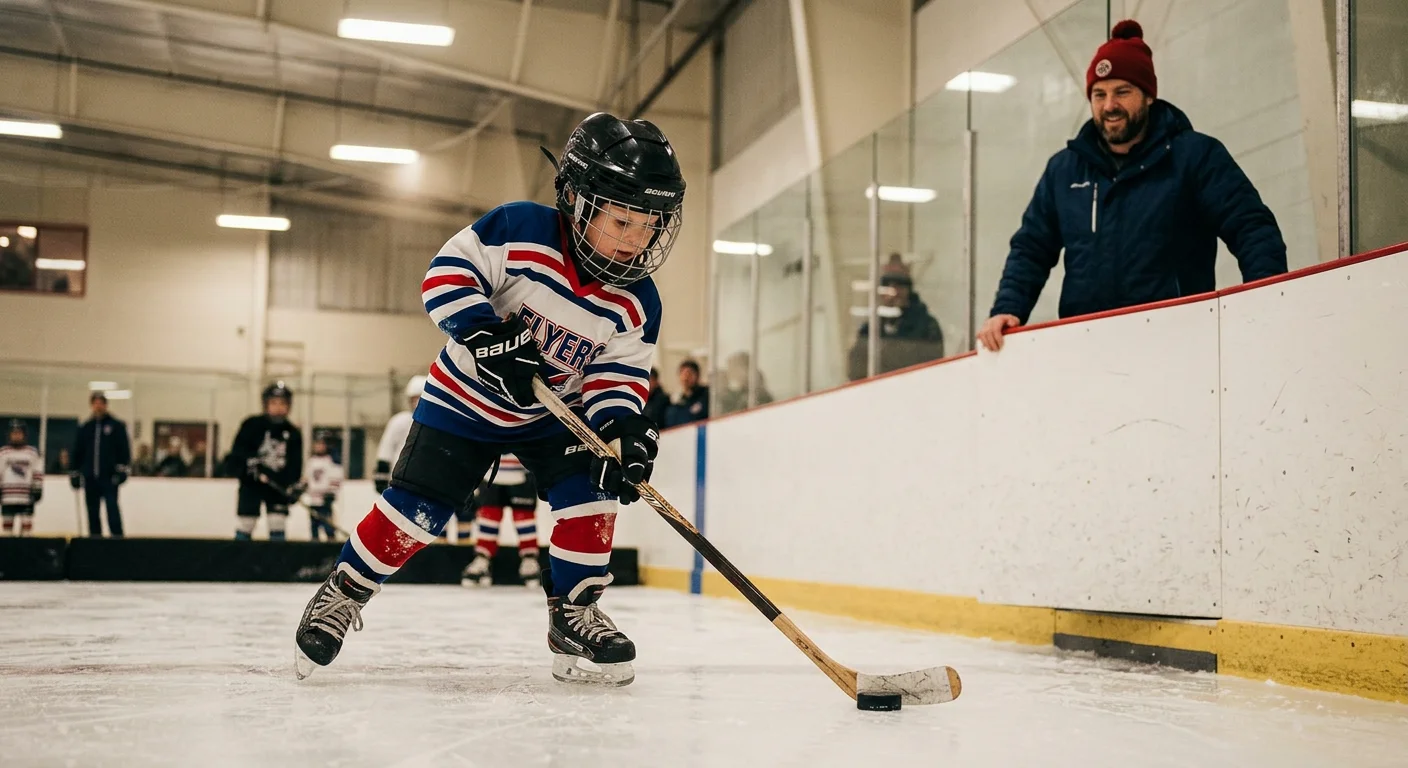
You're standing at the rink's edge, watching your eight-year-old wobble toward the puck. Before the season starts, here's something worth knowing: the rules protecting young players are far stricter than what you see at the professional level — and for good reason.
What the Rules Actually Require
Under USA Hockey regulations, every player aged 18 and under must wear a HECC-certified full cage or full shield . No exceptions. No "they're only doing light contact" workarounds. Mouthguards are mandatory starting at 12U. That combination — full cage plus mouthguard — is the one setup that prevents the vast majority of documented dental injuries.
Parents often miss one key detail: HECC-certified helmets expire . Check the label inside the helmet. Most certifications last 6.5–7 years from the manufacture date. An expired helmet isn't legal in most leagues. More than that, it may no longer absorb impact the way it should.
Hockey Canada follows the same framework. CSA/HECC-certified full-face protection is required for all U18 players. Full cage compliance rates in Canadian youth hockey sit near 100% .
Why Young Teeth Are a Special Case
This part matters more than most parents realize.
Children aged 6–12 are in mixed dentition. Their permanent upper front teeth have come in, but their roots aren't finished growing. An immature root handles impact force much worse than a fully developed adult tooth. Studies estimate that 25–30% of children in this age group will experience a front tooth injury at some point. Add organized contact hockey, and that risk climbs another 1.5–2 times .
The financial cost is real. A single damaged permanent tooth — one that harms the pulp — can require a root canal, a crown, and years of follow-up visits. The total bill? Several thousand dollars . That's far more than any mouthguard costs.
For the youngest players — roughly ages 2–6 — even falls during learn-to-skate programs carry real risk. Primary teeth sit close to the permanent tooth buds beneath them. Damage at that stage can change how adult teeth come in. Eruption angles, enamel quality, and later spacing problems can all get worse after dental trauma at this age.
Choosing the Right Mouthguard
Three options exist. They are not equal.
1.Stock (ready-to-wear): $5–15. Poor fit, blocks airflow, and offers weak protection. Use it only as a last-resort backup.
2.Boil-and-bite: $15–40. The standard pick for most youth players. You mold it at home using hot water. It works well with a proper fit — follow the time and temperature instructions to the letter, or the material becomes too thin to protect.
3.Custom high quality hockey jersry (dentist-made): $80–250. Best fit, most comfort, strongest protection. The top choice for players in orthodontic treatment or high-contact age divisions. Plan to replace it every 1–2 seasons as your child's jaw grows.
Fit check — four things to confirm:
1. With the mouth lightly closed (not clenched), the guard stays in place without the tongue holding it
2. Your child can speak clearly and breathe without strain during activity
3. Coverage reaches back at least to the first molar
4. The edges don't press into or cut the gum tissue
Toss the mouthguard and replace it right away if it shows cracks, permanent warping, or a loose fit after recent growth. Also replace it after any hard impact — internal micro-fractures don't always show on the surface.
Cage vs. Visor for Youth Players
The short version: no player under 18 should wear a half visor. That's not an opinion. It's the position of USA Hockey, Hockey Canada, and the dental injury data reviewed throughout this article.
Full cages cover the teeth, jaw, nose, and eye sockets. Full shields offer similar protection with a slightly clearer field of view, though they can fog more and need replacing once scratched. Both meet youth league rules. Half visors are an adult league option. They carry a much higher injury risk than either cage or full shield.
Some new wearers feel the cage affects their vision. That concern is real — but it fades. After a few sessions on the ice, the brain stops registering the bars. Players who wore cages through youth and college hockey nearly all say the same thing: switching to a visor as an adult brought the same adjustment period. The cage wasn't the problem.
Before the Season Starts
Two non-equipment items are easy to overlook:
Physical examination: Most leagues require a sports physical completed within the past 12 months . Schedule it before the season gets busy — not the week registration closes.
Basic skating competency before contact: A child entering a division that allows body contact should be able to skate forward and backward with ease, stop in a controlled way on both sides, and fall without catching themselves palm-first or snapping their head back. Rolling to the hip or side is the safe way down. Most dental and facial injuries in youth hockey happen after a player loses an edge and hits the ice unprepared. Skating skill is protective gear too.
What Happens After a Tooth Gets Knocked Out on the Ice
Thirty minutes. That's the window. Not "sometime before the third period ends" or "after the handshake line." Thirty minutes from the moment that tooth leaves your face to the moment it gets back into a socket — your socket — is the difference between saving it and losing it forever.
The tooth root is covered in periodontal ligament cells. These cells are alive. They also have zero interest in surviving on a locker room floor.
The First Five Minutes Matter
A player gets a tooth knocked clean out — the whole thing, root and all, not just a chunk of crown. Here's the right protocol:
Step one: find it. The nearest trainer or team doc finds it on the ice. Not the player. Not whoever's closest. The person who knows what to do with it. Everyone else stops skating in that area right away.
Step two: touch only the crown. The white part. Never the root. The American Association of Endodontists and the NHS agree: one fingerprint on that root surface destroys the cells you're trying to save. Yes, that sounds fragile for a sport with 100 mph pucks. It is that fragile. Do it anyway.
Step three: rinse it lightly if needed. Milk works. Saline works. The player's own saliva works. Tap water for more than a few seconds? No — the osmotic pressure damages root cells fast.
Step four: get it back in. The player is conscious. No suspected jaw fracture. Not about to pass out. Put that tooth back in the socket it came from. Push it in, orient it right, bite down on gauze. It sounds brutal. It is the correct medical call.
Not safe to reposition? Here's the storage order, best to worst:
Back in the socket
Cold whole milk (realistic in most rink environments)
Tucked in the player's cheek, between gum and inner lip
A dedicated tooth preservation kit like Save-a-Tooth® (balanced saline solution, keeps cells viable up to 24 hours — almost never found in a hockey bag, but it should be)
Never : dry paper towel. Never ice straight on the tooth. Never water sitting in a cup. These feel helpful. They kill the tooth.
Why Injured Players Skate Back Out Anyway
This part baffles people who don't follow hockey much.
A player loses a tooth. Maybe two. There's blood. There are stitches. Four minutes later, that same player is back on the bench waiting for their next shift.
This is not insanity. It is triage logic.
NHL medical priority runs like this: life safety → vision → brain and cervical spine → everything else. Teeth sit in the "everything else" column. No concussion, no jaw fracture, no arterial bleeding? The tooth goes in wet gauze or a cup of milk. The player goes back to work. A dentist deals with it after the final buzzer.
Playoffs compress this logic even further. A Game 7 overtime is not a Tuesday night in November. Risk tolerance goes up. The tooth waits.
What Recovery Looks Like
A tooth gets reimplanted successfully. Here's the realistic timeline:
Day of injury: Tooth repositioned and splinted to adjacent teeth using wire or fiber, removed around the two-week mark
7–14 days: Follow-up appointment; most adult avulsion cases need root canal treatment to stop inflammatory root resorption
3–4 weeks: The tooth starts reattaching to surrounding bone
6–8 weeks: Most patients get back to something close to normal function
Two complications worth knowing:
1.Inflammatory root resorption — the body breaks down the root over months or years. The tooth loosens. It fails.
2.Ankylosis — the tooth fuses to bone, then sinks below the gum line over time. More common in younger players. It can also affect jaw development in adolescents.
These aren't rare. Many players treat a reimplanted tooth as a short-term fix — something that buys time until a permanent solution is ready.
Long-Term Options When the Tooth Doesn't Make It Back
Not every tooth gets found in time. Not every reimplantation holds. The tooth is gone for good — here are the three standard routes:
Dental implants are the most stable long-term fix. The full process takes 6–18 months : extract any remaining root, let bone heal, place the implant, wait for osseointegration, then fit the final crown. Many NHL players put this off until the off-season — or retirement — because repeated high-impact collisions don't mix well with that timeline. A failed implant after a stick to the face is a far messier problem than a failed natural tooth.
Fixed bridges move faster. Soft tissue heals around 6–8 weeks — a temporary bridge goes in. The permanent version follows at 3–6 months . The tradeoff: healthy teeth on either side get ground down to serve as anchors. That said, a bridge failure from another hard puck tends to cause less bone damage than a broken implant.
Removable partial dentures and sport-specific flippers can be made in days. They restore your look for media appearances and off-ice life. On the ice? Most NHL players pull them out completely. A prosthetic tooth knocked loose mid-play becomes a choking hazard or causes soft tissue cuts. The gap stays open during games. The teeth come back for the post-game interview.
Those missing front teeth in every post-game photo aren't always permanent. A lot of the time, it's just a scheduling decision.
FAQ: Hockey Players and Teeth — Your Top Questions Answered
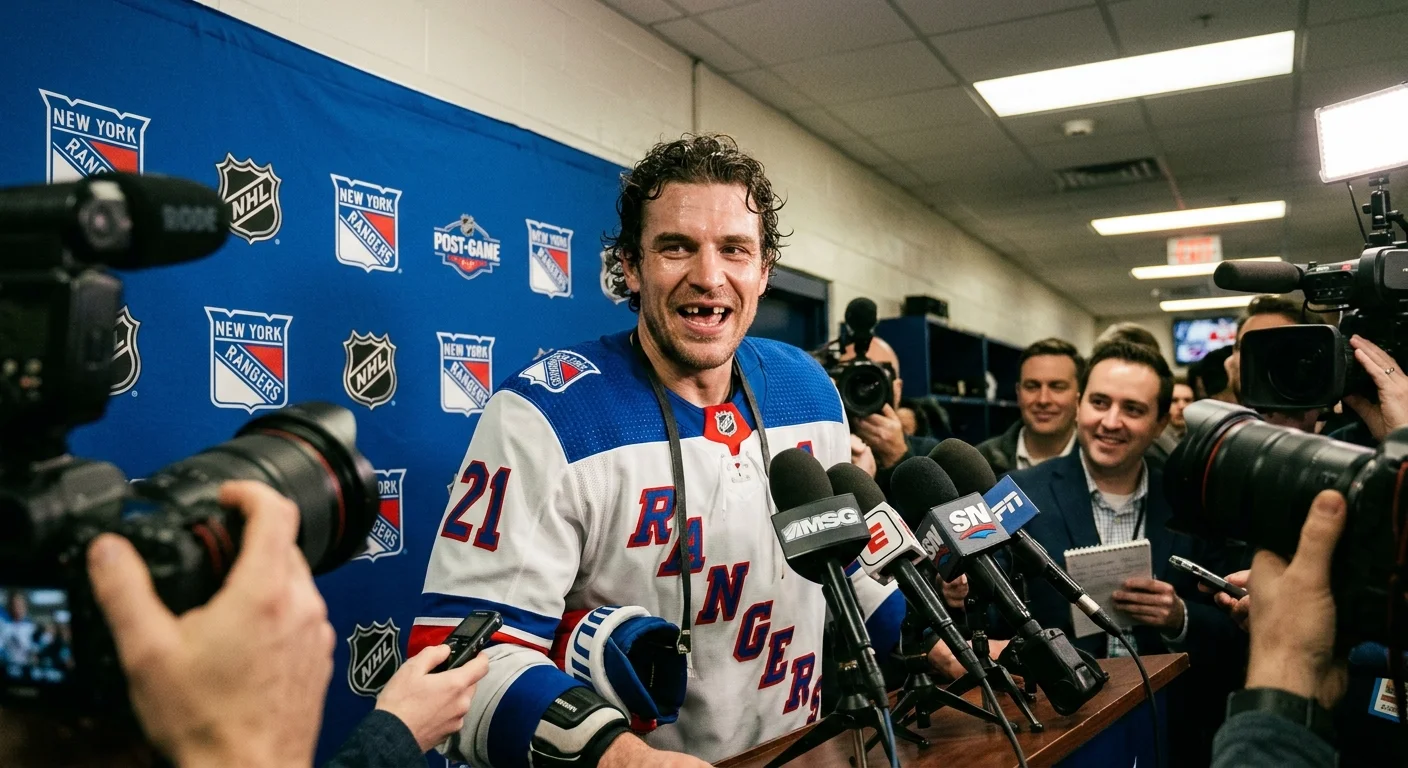
Teeth. We have so many questions about the teeth.
Do NHL players have to wear mouthguards?
No. Visors are mandatory for newer players (Rule 9.7, since 2013–14). Mouthguards? Recommended . Also ignored — by most players. Team dentists say adoption is climbing, and oral injury rates are falling too. But there's no league-wide rule with real consequences. Youth leagues are a different story. Mandatory mouthguards plus full cages cut orofacial injuries by 40–60% . The data is clear.
Why don't NHL players just wear full face cages?
Culture. Full cages are seen as "kids' gear" in NHL dressing rooms. The stigma is real — and makes little sense. Cages work. Youth leagues prove it every season. But pro players would rather lose a front tooth than look like they belong in a peewee division.
Can players play with missing teeth or dental implants?
Yes — and they do it all the time. A gap gets a modified mouthguard. A flipper (removable false tooth) handles media days. On the ice, the flipper comes out. Choking hazards are a real concern.
Implants are trickier. Dentists advise this: place the implant to preserve bone, but skip the permanent crown while still playing contact hockey. A rigid crown takes the full force of a collision and sends it straight to the jaw. That can crack the implant and damage the surrounding bone. A removable temporary prosthesis pops free on impact. The implant stays safe. Your smile is a problem for retirement.
When do players fix their teeth?
Off-season. Retirement. "Eventually." During the season, it's all about interim fixes — bonding, temporary crowns, up to 75 sutures in bad cases — just to keep things functional. Permanent implants, bridges, and veneers come later. Most players wait until they're no longer taking hits to the face for a living.
Conclusion
Here's the thing nobody tells you before you fall in love with hockey: the missing teeth aren't a flaw in the sport — they're a receipt. Proof that someone showed up, took the hit, and kept skating anyway.
But here's what you now know that most fans don't: losing teeth in hockey is preventable. A fitted mouthguard, the right face shield for your age and level, and a basic understanding of how ice hockey facial injuries happen — that's the difference between a war story and a needless dentist bill.
Maybe you're a parent sizing up youth hockey risks. Maybe you're a player debating gear upgrades. Or maybe you just fell down a Wikipedia rabbit hole at midnight trying to figure out why NHL players look like jack-o'-lanterns. Either way, you came here with a question. You're leaving with real answers.
Now go get the mouthguard. The teeth are not decorative.