A puck deflecting off a stick at 90 mph and hitting a player square in the collarbone — that split second decides whether he skates off or gets carried off. The shoulder pads strapped across his chest make all the difference.For hockey clubs and retailers sourcing in bulk, working with reliable custom hockey shoulder pads suppliers helps ensure players get protection tailored to different positions and levels of play.
NHL players don't just grab pads off a shelf. They work closely with equipment managers and brand reps. They also spend years testing gear through personal trial-and-error. The goal is simple: find something that protects well and still lets them play hockey .
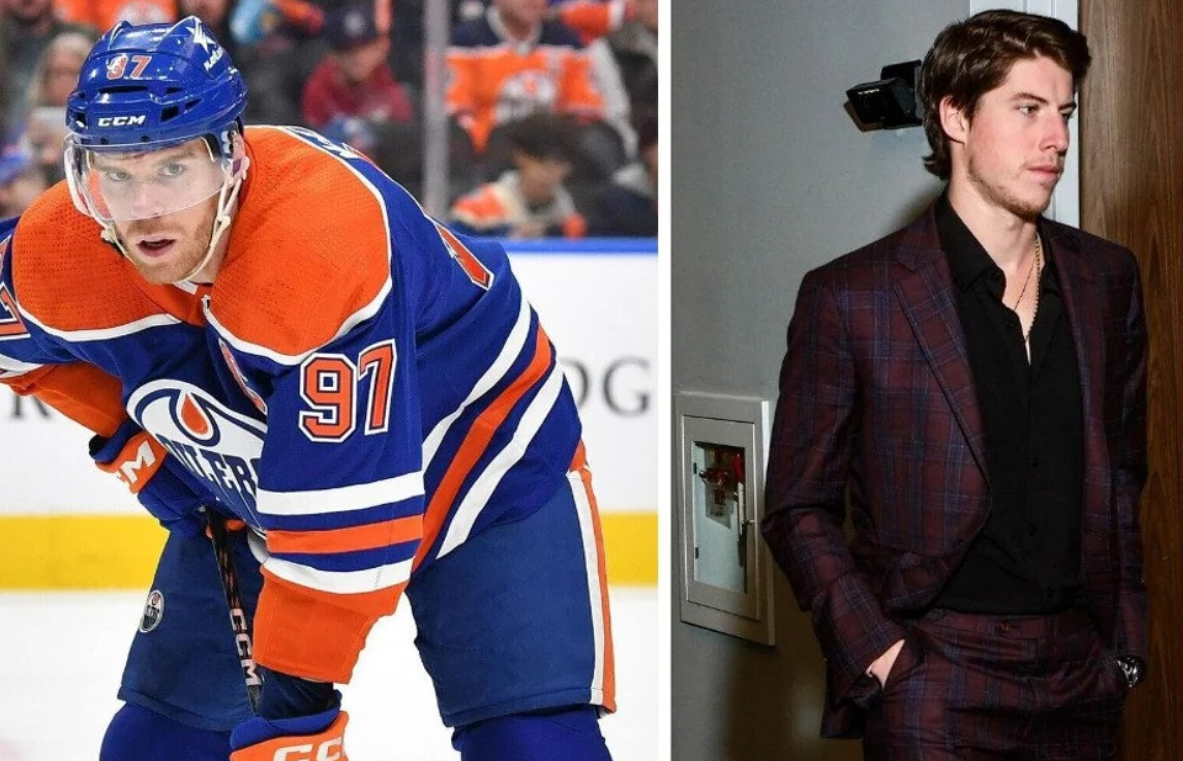
So what separates pro-grade hockey shoulder pad protection from the recreational stuff? What brands are dominating NHL locker rooms in 2026? What's under Connor McDavid's jersey right now? This breakdown covers all of it — the real technology, the top brands, and how to find that same level of protection for yourself.
How NHL Shoulder Pads Are Built: Key Protection Zones Explained
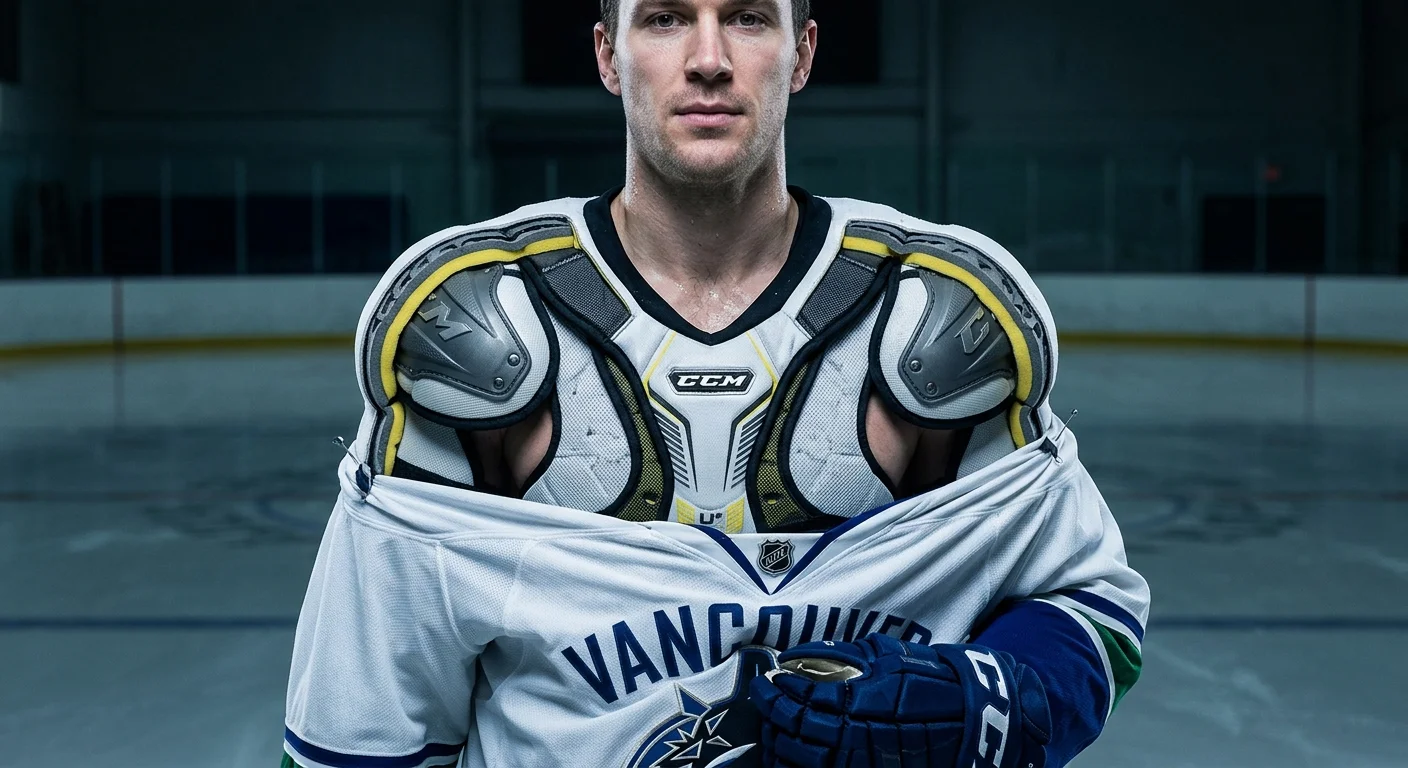
Pull off the jersey, and you'll find engineering underneath. Six distinct protection zones. Each one has a specific job. Each one stacks hard shells over calibrated foam — layers most players ignore until something goes wrong.
Knowing how that system works is the first step to judging any hockey shoulder pad protection on the market.
Many pro shops now partner with OEM/ODM hockey shoulder pads manufacturers to develop position-specific protection systems for elite players and teams.
The Six Zones, Top to Bottom
Elite NHL player gear covers the upper body in a clear sequence:
Shoulder caps — sit over the rotator cuff and AC joint
Clavicle wings — bridge both collarbones into the neck opening
Floating sternum plate + rib panels — cover the central chest and sides
Spine protection — runs down the upper back between the shoulder blades
Kidney/low-back wings — meet the top of the hockey pants
Bicep guards — close the gap down to the elbow pads
Nylon webbing and elastic straps connect every zone to the next. Each piece moves on its own while keeping overlapping coverage intact. No single rigid shell. No dead spots.
What Each Zone Is Made Of
Shoulder caps use an injection-molded polyethylene or composite outer shell. On pro-stock builds, that shell runs 2.5 to 3.5 mm thick. It sits over two or three layers of foam at different densities. The caps float on webbing, so they stay centered over the joint as the arms move overhead. Segmented foam rings around the hard edge stop the cap from pressing into the deltoid on contact.
Clavicle wings use a "bridge and bypass" design. A rigid PE or composite insert arches across both collarbones. Stick and puck impacts spread into the surrounding shoulder and chest mass instead of landing on the bone itself. That bone is thin and has almost no room for error under direct load.
The sternum plate floats on webbing — and that's the point. The floating mount lets it slide and rotate as the torso bends. It still keeps hard coverage over the chest centerline the whole time. At the pro level, the chest panels around it split into two or three separate segments, arranged in overlapping fan patterns. Same idea as articulated armor. The whole front of the pad moves with the player rather than fighting him.
Spine protection is where budget pads show their limits most clearly. Elite builds run an articulated strip of two to three overlapping high-impact plastic plates down the upper back. They hinge together so the whole strip bends without opening a gap at the center. Each plate slides over the next as the player rounds his back. Coverage holds throughout.
Kidney blocks and bicep guards close out the chain. The lower back wings overlap the top of the hockey pants. You get continuous protection across the lumbar and kidneys without stacking extra bulk. Bicep pads adjust 20 to 40 mm up or down, so the bottom edge lines up with the top of the elbow pad. No gap. No redundant overlap.
The Foam Inside Is Not Generic Padding
The hard shells draw attention. The foam does the real work.
High-density EVA or PE foams — rated 80 to 200 kg/m³ — spread structural load under the shells. Rate-sensitive "smart" foams like Bauer's Impax technology read the speed of impact. They stiffen under fast, hard strikes and stay flexible during normal movement. Testing on comparable CE-rated materials shows peak force reductions of 15 to 30 percent compared to standard EVA at the same thickness. Those are real numbers — a puck traveling at 90 mph doesn't forgive weak materials.
Cross-linked high-density foam , used in several newer designs, holds its shape better and resists water absorption. Open-cell foams soak up sweat and moisture and grow heavier across a three-hour practice. Cross-linked foam avoids that problem.
The real difference between low-profile and high-coverage designs comes down to this foam layer. Thinner, performance-focused pads lean on precise segmentation and overlapping panels to hold coverage. Thicker, traditional builds give you more forgiveness on fit but cut into your range of motion. The floating sternum and spine setups exist to solve that problem directly — you get large-pad coverage with small-pad mobility. The hard pieces decouple from the base body panels beneath, so protection and movement stop working against each other.
What Shoulder Pads Do NHL Players Wear in 2026?
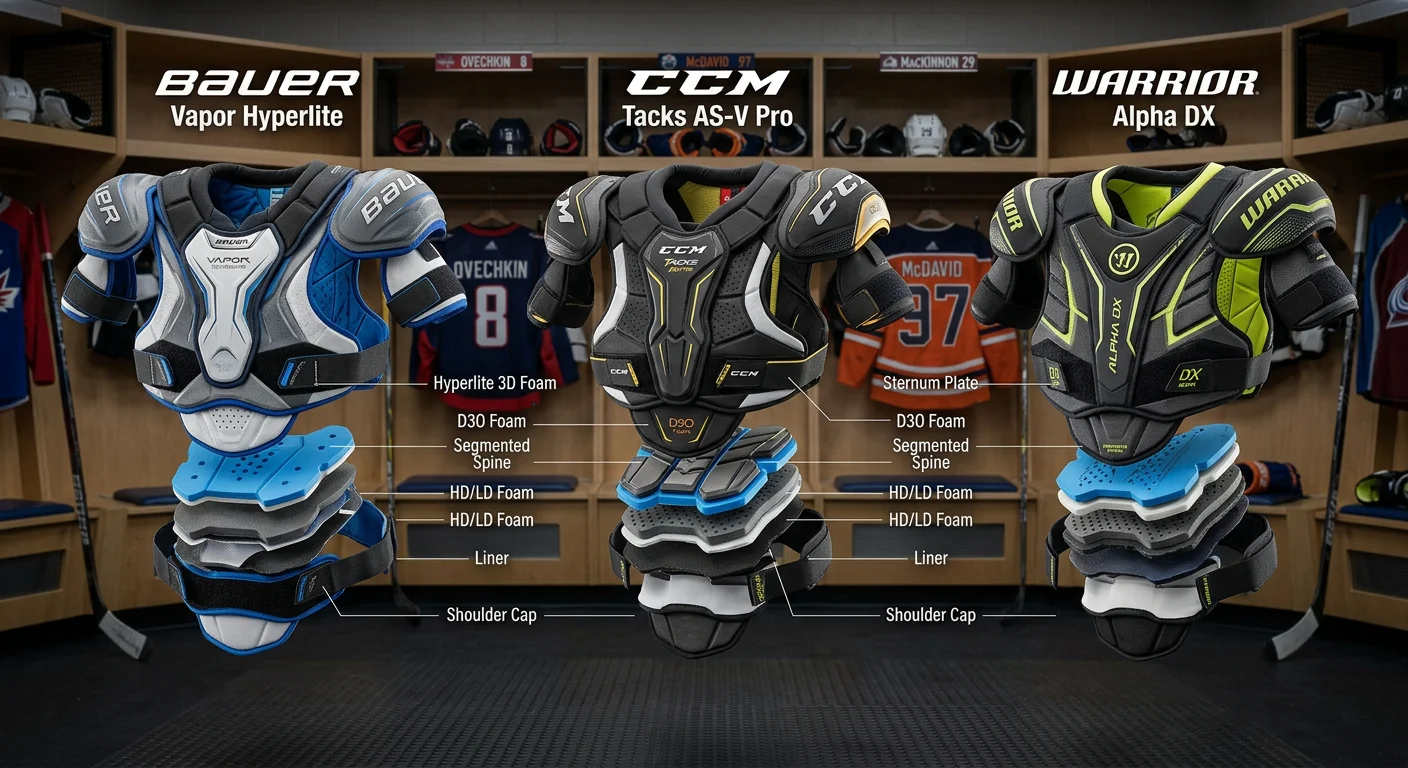
Check any NHL locker room this season. You'll see the same three names on shoulder pads: Bauer, CCM, Warrior. Everything else is noise.
The numbers break down like this:
Bauer — 45 to 55 percent of NHL skaters
CCM — 30 to 35 percent
Warrior — 8 to 12 percent
Sherwood, True, and others — under 5 percent combined
That's not a retail sales figure. That's what equipment managers pull out of the bags on game night.
Brand share is just the surface, though. The real story is which models — and why.
Bauer: The Supreme vs. Vapor Split
Inside Bauer's NHL use, the split is clean. About 55 to 60 percent of Bauer players run the Supreme line — the Mach, Ultrasonic, and 2S Pro pro-stock builds. You'll see these on high-minute defensemen and power forwards. Players who block shots for a living. Players who take cross-checks in front of the net for three periods straight. The Supreme line gives them extended rib wraps, larger shoulder caps, and thicker HD foam inserts across the sternum and spine.
The other 35 to 40 percent go Vapor — HyperLite, 2X Pro, FlyLite pro stock. Offensive wingers. Centers who need full torso rotation at top speed. The design choice is clear: thinner body panels, trimmed-down clavicle guards, and straps set lower on the torso so nothing bunches up into the neck.
CCM: Jetspeed for Skill, Tacks for War
CCM splits close to 50/50 along the same line. The Jetspeed FT4 Pro through FT8 Pro pro-issue pads go to skill forwards. These players need chest protection without extra weight slowing them into the offensive zone. The Tacks AS-V Pro and AS3 Pro go to shot-blockers and physical forwards. Bigger bicep guards. Rib flares. Some players even have equipment staff sew extra nylon-covered shot-block panels over the main chest plate.
Warrior: The Alpha Holds Almost Everything
Warrior's NHL footprint is smaller. Still, the Alpha line covers over 80 percent of it. Alpha Pro, Alpha DX Pro, Alpha LX Pro — these go to two-way forwards who want a compact pad with solid zone coverage. Pro-issue versions use compression-molded foam jackets that are much thicker than what you find in retail stores.
The Pro Stock Gap Nobody Talks About
Here's what you need to know before using any of this as a buying guide: the model name on the retail shelf is not the same product NHL players wear.
Pro-stock shoulder pads come with:
1.Higher-density foams
2.Larger rib and back panel coverage
3.Non-standard sizing tags — "M+1," "L-short," "XL narrow" — that don't exist in any store
Some players also mix parts across product lines. A Vapor torso with Supreme bicep guards. A Jetspeed body paired with Tacks shoulder caps. Equipment staff build these custom setups of Nhl shoulder pads over multiple seasons, fitting each player's exact needs.
The retail versions — Vapor FlyLite, Jetspeed FT8 Pro, Tacks XF Pro, Warrior Alpha Pro — put you in the same design family and general performance range. Teams purchasing at wholesale price hockey shoulder pads often prioritize these retail pro-level models for balancing protection and budget.That's genuine value. But the foam is lighter, the coverage patterns fit a broad range of body types, and the removable belly pads that most pros strip out right away are still attached. You're buying the design blueprint. Not the exact pro build.
That gap doesn't make retail pro-grade pads a bad pick. It just means you're going in with a clear picture of what you're getting.
The Best Pro-Level Hockey Shoulder Pads in 2026: Brand-by-Brand Breakdown
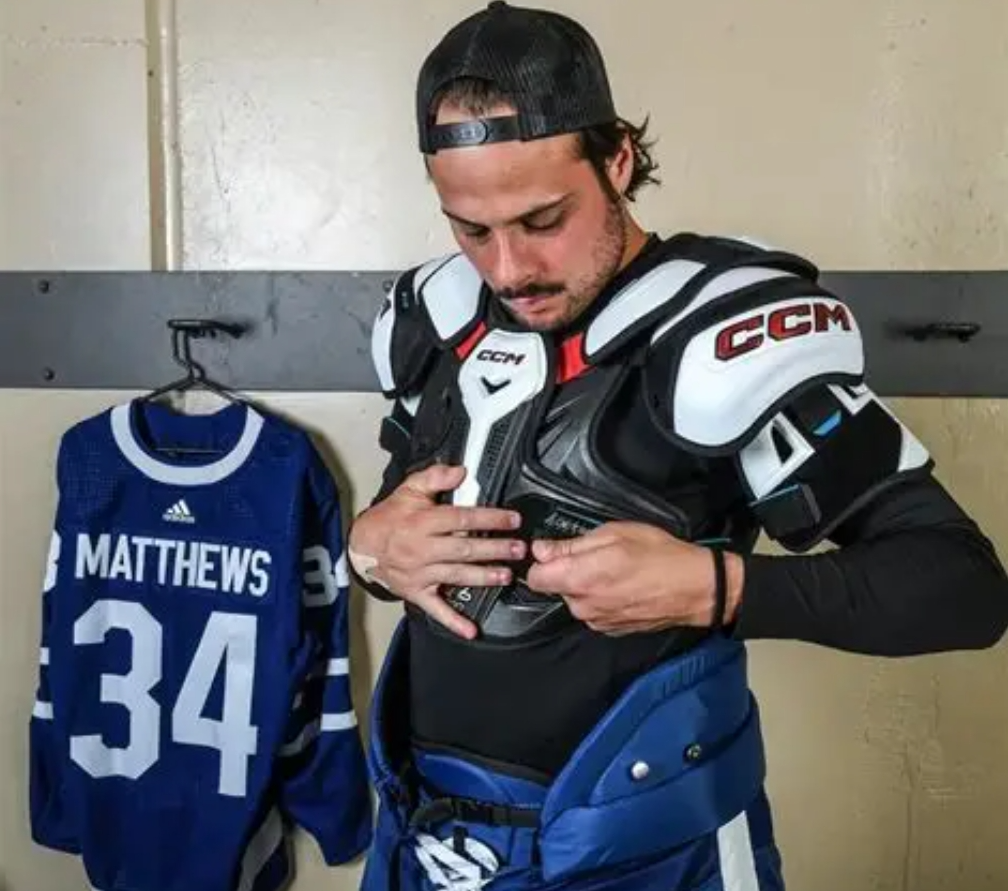
Four brands. Two design philosophies. One decision that shapes every shift you play.
Cut through the marketing and locker room noise. The 2026 pro-level shoulder pad market runs on one simple framework: mobility-first or protection-first . Every major brand picks a side. Knowing where each one stands tells you more than any spec sheet can.
Bauer: Two Lines, Two Very Different Players
Bauer holds the largest slice of the pro market for one reason — it covers both ends without cutting corners.
Bauer Vapor is the benchmark for low-profile, agile fit. Trimmed shoulder caps. Lighter body panels. Straps sit low enough to keep the neck opening clear through a full skating stride. Centers running a speed-based game and wingers needing full torso rotation in the offensive zone — Vapor is built around those movement patterns.
Bauer Supreme goes the opposite direction. Maximum coverage. Classic protection layout. Extended rib wraps, larger shoulder caps, thicker HD foam across the sternum and spine. This pad suits a defenseman who blocks five shots a game and eats a cross-check behind the net three shifts later.
The retail versions — Vapor FlyLite, Vapor HyperLite, Supreme Mach, Supreme Ultrasonic — sit at the top of adult pro-tier pricing. You get the same design logic NHL players use. Foam density differs from pro-stock builds, but the core engineering is genuine.
CCM: Jetspeed Moves, Tacks Absorbs
CCM splits its pro line along nearly the same logic. The two options are clearly separate products — not rebranded versions of each other.
CCM Jetspeed (FT4 Pro through FT8 Pro) focuses on lightweight, mobility-first build. The chest panels run thinner. The shoulder cap profile stays low. The whole pad is built to vanish under a jersey without restricting the player. The Jetspeed FTW women's version sits at 199 € in current European retail. That gives you a solid real-world reference for where premium CCM performance pricing lands.
CCM Tacks (AS-V Pro, AS3 Pro, XF Pro) is the heavy-duty choice. Bigger bicep guards. Fuller rib coverage. Equipment staff sometimes add extra shot-block panels over the chest plate. The Tacks XF 80 Junior comes in at 99 € — a useful anchor price for younger players or tighter budgets.
For adult players, full pro-tier Tacks and Jetspeed pricing runs higher. Those junior and women's benchmarks still show you how CCM positions each line against the other.
Warrior: Light Shell, Flexible Coverage
Warrior's NHL market share is smaller. The Alpha line still earns its spot at the pro level by doing one thing very well: light construction without removing key protection zones .
The Alpha Pro, Alpha DX Pro, and Alpha LX Pro use segmented mobility panels and compression-molded foam that keep weight down while holding sternum, spine, and bicep coverage. Two-way forwards — players who need protection on the defensive side and full range of motion on the attack — tend to favor this design more than any other.
True: Fit as a Feature
True competes on body-specific shaping. Bauer and CCM target broad fit across many body types. True builds pads with tighter dimensional control — closer contouring through the shoulder and torso, less empty space between the pad and the body. Players who've always found standard sizing a bit off tend to respond well to that level of fit precision.
How to Choose Between Them
Start with one measurement before any brand comparison: chest circumference just below the armpits . Sizing shifts across brands. Going by jersey size alone puts you in the wrong pad more often than not.
From there, think in three fit buckets:
Snug pro fit — Vapor, Jetspeed, Warrior Alpha
Standard fit — True, CCM Tacks mid-tier
Roomier/maximum coverage fit — Supreme, Tacks AS-V Pro
Then run through this checklist before you buy:
Measure chest below the armpits — use the brand's own size chart, not a generic guide
Pick mobility-first or protection-first before you look at specific models
Check sternum and spine coverage depth on each option you're considering
Confirm the pad has adjustable bicep guards and removable belly pads
Compare at least two brands at the same price tier — fit profiles differ even at identical chest measurements
The brand breakdown above gives you the design language. This checklist turns it into an actual buying decision.
Competitive programs frequently source from experienced hockey shoulder pads manufacturers to ensure sizing consistency and long-term durability across full rosters.
How to Choose Hockey Shoulder Pads the Way NHL Players Do
Equipment managers in NHL rooms don't eyeball fit. They measure. They document. They run four-point checks in full kit before a single skate hits the ice. Take that same system, scale it down, and apply it with purpose — that's how any serious player should pick their shoulder pads.
Here's the exact process, built from how pro staff do it.
Step 1: Measure First, Browse Second
One number drives everything: chest circumference measured just below the armpits , snug over a base layer. Write down the exact figure in inches.
Then map it:
38–40" → Senior S/M
40–42" → Senior M/L
42–44" → Senior L/XL
Don't stop at one size. Pull two adjacent options — say, M and L in the same line. NHL players often try three sizes before committing. Height is a secondary check, not the starting point.
Step 2: Run the Four-Point Fit Check
Put the pad on with elbow pads and pants. Then check four zones:
Shoulder caps — centered over the AC joint, within 5–10 mm front to back
Chest plate — bottom edge landing within 2–3 cm of the navel, overlapping the pant top by 2–5 cm
Spine plate — lower edge overlapping the pant by 2–4 cm, ending just above the tailbone
Bicep-to-elbow gap — target 0–2 cm. Anything beyond 3 cm leaves you under-protected. Overlap past 3–4 cm starts cutting into your mobility.
Any zone off by more than 5 mm at the shoulder cap, or 3 cm at the chest, spine, or bicep? Go up or down a size, or switch fit profiles.
One final check: raise both arms past shoulder height — about 120 degrees of flexion. Clavicle foam touching your neck before you hit 90 degrees means the fit is wrong. Try a different size.
Step 3: Match the Pad to How You Play
Position and playing style decide which design works for you.
Physical defensemen and power forwards need high-profile, maximum-coverage builds — Bauer Supreme, CCM Tacks AS-V Pro. Look for thick multi-density foams, full sternum and spine plates, and zero visible gap between the bicep guard and elbow pad.
Speed forwards and skilled centers do better in low-profile, anatomical designs — Bauer Vapor, CCM Jetspeed FT series. Slim caps and lighter chest panels keep you moving. A bicep-elbow gap up to 2 cm is fine, as long as sternum and spine coverage holds and you pass the arms-overhead test.
Two-way forwards fit best in mid-profile hybrids — Warrior Alpha series, balanced Bauer builds. Moderate foam thickness. One to two centimeters of elbow overlap. You get solid coverage without the bulk penalty.
Step 4: Budget Like a Pro
NHL players often pick up pro-stock elite pads at 30–50% below retail through clearance channels. That's real gear — same foam ratings, same construction — at previous-season prices. For players on a tighter budget, that math is worth paying attention to.
Can't stretch to full elite pricing ($219–$289 new retail)? Prioritize in this order:
Foam quality and sternum/spine protection first — an older elite pro-stock pad at $130–$180 beats a new mid-tier retail pad at the same price
Segmentation and mobility features second
Aesthetics last
Mid-tier performance pads ($129–$189) handle most competitive adult and junior play just fine. Recreational-tier pads under $120 work for non-checking environments — and nowhere else.
The fit checklist picks the size. Your playing style picks the profile. Your budget picks the tier. Work through those three in order, and you're selecting gear the same way the pros do.
Where to Find Pro-Style and Pro Stock Shoulder Pads in 2026
Most players spend hours comparing brands and zero minutes figuring out where to buy the gear they've settled on. That gap costs them — wrong sizing, outdated models, retail versions dressed up as pro stock.
Here's where to look, and how to shop smart.
Start With GearGeek
For hockey, GearGeek is the fastest tool out there. Search any NHL player by name, pull their current equipment page, and you get the exact shoulder pad brand and model they're wearing this season. That gives you a real SKU to hunt — not a vague brand suggestion, but a specific product name you can take straight into a pro-stock or used-gear search.
The workflow is straightforward: player name → equipment profile → shoulder pad model → search that model across pro-stock channels and secondary marketplaces.
Where to Buy Once You Have a Model
Brand direct sites — Bauer, CCM, and Warrior all carry current retail pro-tier lines. You get the newest construction first, full size charts, and return policies.
Pro-stock and pro-return retailers — These carry team-ordered gear that never made it onto the ice, or gear returned after a season. Same foam ratings as what the pros wore. Often priced 30–50% below retail.
Broad comparison retailers — Sites like Sports Unlimited run category guides that stack multiple brands side by side with position-based filtering. Useful for narrowing down two options at the same price tier.
One Risk With Pro Stock You Need to Know
Pro-stock sizing doesn't follow standard retail labels. Tags like "M+1," "L-short," or "XL narrow" are real — and common. Before buying any pro-stock or pro-return pad, pull out your current pad and compare chest width, shoulder span, and neck opening side by side. Don't trust an "adult large" label to mean what it means on a store shelf. Measurement photos from the seller matter more than any size tag.
Quick Decision Map
Goal | Where to Go |
|---|---|
Find exact player-used model | GearGeek → pro-stock search |
Buy current retail pro-tier | Brand direct (Bauer, CCM, Warrior) |
Get pro-level gear below retail | Pro-stock / pro-return channels |
Compare brands before deciding | Sports Unlimited 2026 category guide |
The players in NHL locker rooms didn't find their gear by scrolling a homepage. They had a model name, a size spec, and someone who knew how to source it. GearGeek gives you the model name. The size spec comes from your tape measure. The rest is just knowing which door to walk through.
Conclusion
Every piece of gear NHL players put on before the ice comes down to one truth: protection you can't feel is protection that works.
The best hockey shoulder pads in 2026 share the same core features. Bauer's Supreme series, CCM's Tacks lineup, and Warrior's streamlined builds all deliver:
Anatomical fit
Multi-density foam layering
Coverage that keeps you mobile without cutting corners on safety
You now know how pros pick their hockey protective gear . You know what separates a $400 pro-level pad from a $150 recreational one. You also know which brands are taking over NHL locker rooms this season.
So here's your next move: stop guessing. Start gearing up with a plan.
Browse the pro-style shoulder pads at berunclothes.com . Check what your position demands. Then gear up like someone serious about the game.
For teams, distributors, and training academies, investing in custom hockey shoulder pads can improve both player safety and on-ice comfort throughout the season.
Your body takes the hits. Make sure it's protected.