Every piece of gear a professional hockey player straps on before hitting the ice is a real choice. It comes from years of trial, failure, and hard data. Endorsement deals don'T drive every decision.
At the elite level, players swap out sponsored equipment mid-season. They push for pro stock alternatives and make backroom requests most fans never hear about. That's what makes their real-world brand choices so telling.
You might be gearing up for your first competitive season. Maybe you're chasing that next level. Or you just want to skate in what the pros trust. Either way, knowing which ice hockey apparel brands and equipment manufacturers earn genuine locker room respect changes how you spend your money — and how you play the game.
1. Bauer — The Undisputed On-Ice King Worn by More NHL Players Than Any Other
Two out of every three NHL skaters lace up Bauer. That's not a marketing claim. That's a locker room census.
Independent equipment surveys tracked what 733 NHL skaters wore during the 2023–24 season. Bauer came out on top with 67.26% market share — 493 players picking one brand over every competitor on the planet. CCM, the closest rival with a century of heritage, held 22%. True managed 11%. The gap isn' t close. It isn't even a competition in the same weight class.
The Models That Dominate NHL Ice
The Vapor HyperLite 2 is the single most-worn skate in professional hockey. 261 NHL skaters (35.61%) use it — more than the entire CCM roster combined. The reason is simple: it's extremely light and fits like a glove. It stays locked in through direction changes at full speed. At the elite level, milliseconds matter. Extra grams matter. Bauer removed both from the equation.
Behind it, the Supreme Mach (90 skaters) and Supreme Shadow (82 skaters) round out the top three. David Pastrnak was the first player to debut the Supreme Shadow update in April 2023. That tells you how closely top-tier forwards follow new Bauer releases.
Auston Matthews wears Bauer. Patrick Kane wore Bauer. These aren't sponsorship deals you brush off. These are players whose careers depend on getting every possible advantage from their gear.
What this means for you: 67% of the world's best players all landed on the same brand. That's not coincidence. That's evidence.
2. CCM — The Stick & Pants Champion Trusted by the Most Aggressive Forecheckers
CCM built its reputation the hard way. The gear they engineer survives the ugliest, most physical corners of the ice.
Bauer dominates skate counts. CCM owns a different battlefield — sticks and pants. These are the tools for players who crash the net, win battles along the boards, and make goalies uncomfortable at close range. That's not a niche. That's the engine of every winning hockey team.
Three Stick Lines Built for Different Kinds of Aggression
CCM's stick lineup isn't random. Each line targets a specific playstyle:
Ribcor — Low kick point, lightning release. Built for the forechecker who fires on the way in, not after setting his feet.
Jetspeed — Balanced loading with a fast snap. You get quick wrist shots and powerful slap shots in one stick, no trade-offs.
Super Tacks — Stiff blade, responsive loading. Built for the player who generates force through the forecheck and wants every ounce of that power going straight to the puck.
CCM's hybrid kick point technology runs across the entire lineup. Aggressive players get real versatility — multiple shot types, multiple angles, one stick.
Pro Stock Access at a Real Price
This is where CCM gets interesting for serious players. Pro stock CCM sticks — the exact same builds NHL players use — run 30–50% below retail MSRP . A Super Tacks AS2 Pro retails near $300. Through legitimate resellers like ProStockHockey.com, you'll find it in the $100–200 range . ProStockHockey.com carries the world's largest pro stock CCM inventory, so selection isn't an issue.
The Jetspeed FT2 Pro and Trigger 4 Pro follow the same pattern. Professional-grade construction. Honest pricing.
What this means for you: The aggressor's tool kit doesn't have to cost like one.
3. Warrior Hockey — The Underdog Brand Owns Close to 1 in 4 NHL Sticks
Nobody handed Warrior Hockey a seat at the table. They built their own chair, sat down uninvited, and now control close to one in five NHL sticks on the ice every night.
The numbers are clear: 127 out of 739 tracked NHL players carry Warrior. That's 17.37% market share — third in the league, behind Bauer and CCM's combined 77% grip on the top. In most industries, 17% sounds modest. In professional hockey, it's a bold statement. Bauer has led this space since 1927. Warrior carved out a real slice anyway.
The Models Carrying Warrior's Weight
Warrior earns its locker room presence through a tight, focused lineup:
Covert QR6 Pro — The most-used Warrior stick in the NHL, carried by 54 players (6.86%) . Low-kick release built for speed merchants.
Dynasty HD1 — 49 players trust it. Mid-kick point, solid all-around performance. The working man's pro stick.
Covert QRL — 45 players , unchanged in concept since its 2016 debut. A quick-release design that still holds its own at the elite level.
Alpha QX — 29 players . Warrior calls it their strongest and lightest build. The numbers back that claim up.
Alpha LX3 Pro — A top-5 NHL stick. Low-kick, elite snap. Snipers who live off the catch-and-release reach for this model every time.
What this means for you: Warrior holds the #5, #7, and #9 spots in NHL stick usage rankings. That's not luck. That's a brand doing serious work in the background while two giants soak up most of the attention.
4. TRUE Hockey — The Custom-Fit Specialist Taking Over NHL Skates
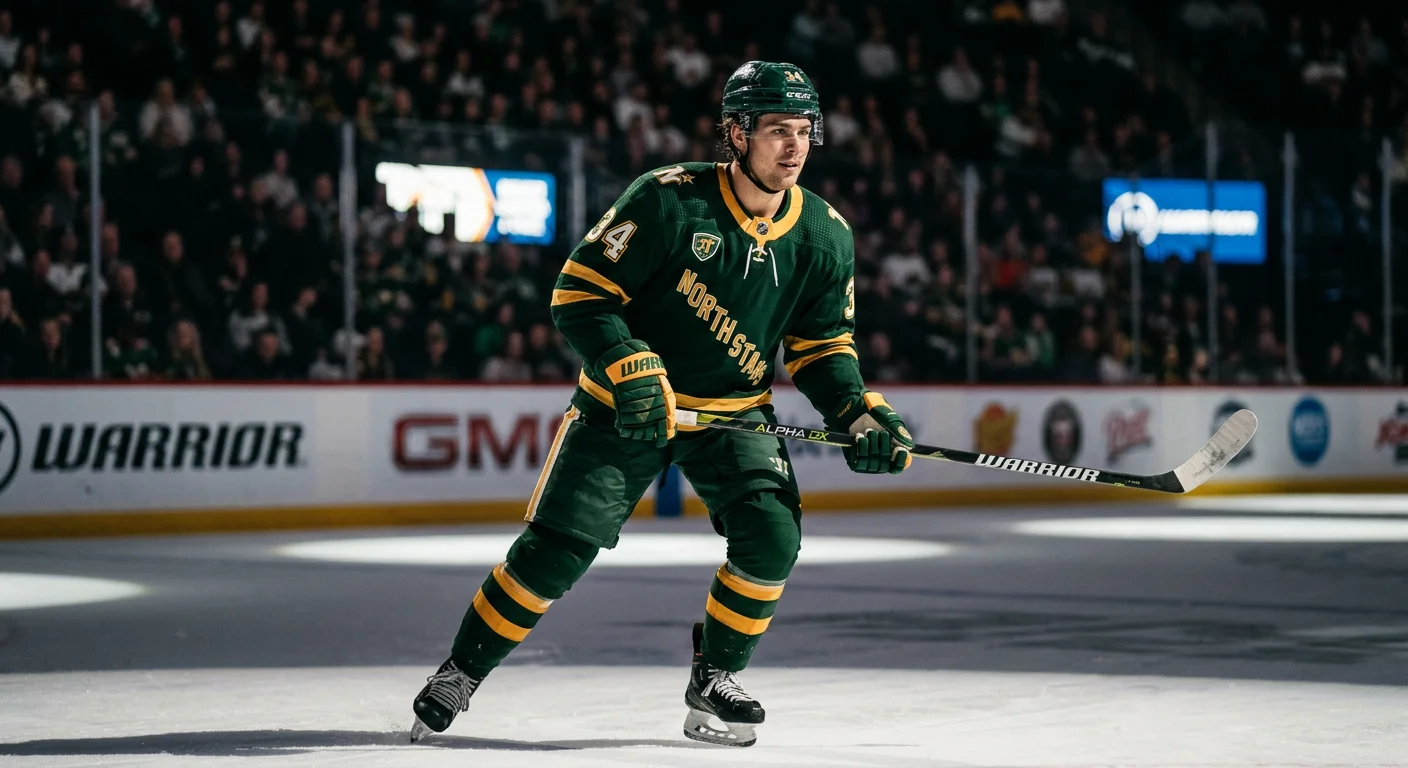
Custom ice hockey apparel fit isn't a selling point for TRUE Sports Hockey. It's the entire philosophy.
Bauer and CCM fight for shelf space and stick counts. TRUE took a different path — building its reputation one skate mold at a time. The SVH Custom Skate starts with a 3D anatomical foot scan at an authorized fitter. From that scan, a one-piece carbon boot gets built around your foot. Not a size. Not a width category. Your actual foot.
The process takes four to six weeks. You pick boot stiffness, holder and runner setup (including the SpeeShift DLC runner ), tongue style, liner, and tendon guard configuration. A digital preview locks everything in before production starts.
Why Pros Are Making the Switch
Industry estimates place TRUE's custom adoption at 15–20% of NHL players — and that number grows at 10% year-over-year in professional fittings. The reason isn't marketing. It's fit geometry. A one-piece carbon boot molded to your exact foot delivers power transfer and agility that stock sizing can't match. The boot moves with you, not around you.
The Catalyst 5X4 brings the same one-piece composite construction — plus Neurofit+ molding technology — at a lower price point. It sits right alongside Bauer and CCM custom offerings on cost, but the fit-first approach stays the same.
New TRUE SVH customs run $1,000–$1,500 at retail. For a skate built to your foot and no one else's, that's a fair price to pay.
5. Easton Hockey — Legacy Brand Still Used by a Niche Group of NHL Veterans
Easton once owned the NHL. Not in reputation — in actual numbers. At its peak in the early 2000s, 60% of NHL players trusted Easton equipment. During the 2007 Stanley Cup Finals, 78% of goals were scored with Easton sticks . Wayne Gretzky signed a $2 million endorsement deal with them in 1990. Brett Hull, Peter Forsberg, Steve Yzerman, Joe Sakic — all Easton men.
That era is gone.
What Happened to the Giant
The Mako skate line failed. NHL players left fast, moving straight to Bauer and CCM. Parent company PSG chose to fund Bauer's growth instead of Easton's survival. In 2016, PSG filed for bankruptcy. Easton never came back.
By 2024, the brand's on-ice presence had all but disappeared. Travis Hamonic stands as the one visible active endorser. A single player. From 300+ professionals down to one.
You can still find leftover stock through HockeyStickMan.ca and secondary markets. Vintage training gear goes for around $60 USD .
What this means for you: Easton is history worth knowing — not gear worth chasing.
6. Reebok Hockey — What Happened to the Brand That Once Dressed the Whole NHL
For close to a decade, every jersey on every NHL rink belonged to Reebok. All 30 franchises. One ice hockey apparel supplier. A $35 million per season contract. Reebok was the sole clothier of professional hockey.
Then Adidas walked in and doubled the check to $70 million. The era ended overnight.
From the 2017–18 season, Adidas took over the NHL deal — beating out Under Armour and Bauer Hockey to get there. Reebok didn't lose the contract on merit. They lost it to their own parent company, which simply wrote a bigger number.
The Comeback No One Saw Coming
April 2026. Reebok announced a partnership with Wholesale Sports Inc. to bring hockey equipment back — sticks, helmets, skates. The target launch is Q4 2026.
The focus is hardgoods, not NHL jerseys. WSI leads development, sales, and distribution.
What this means for you: Reebok isn't back on NHL ice yet. But the brand that once outfitted the whole league is lacing up again.
7. Sherwood Hockey — The Quiet Veteran Brand Still Trusted in Pro Stock Circles
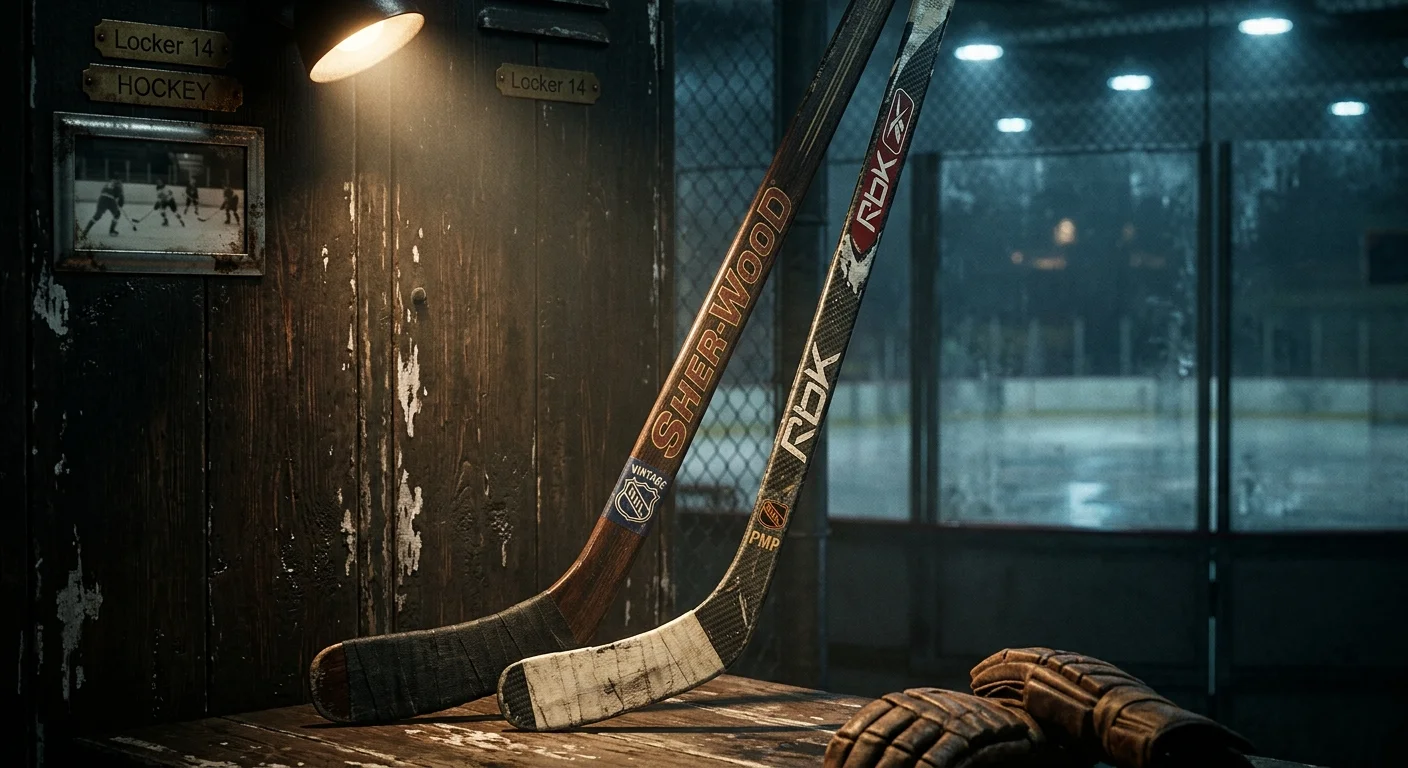
Sherwood has been making hockey sticks since 1949. That's older than the NHL's Western Conference. Older than the All-Star Game. Older than most arenas hosting professional hockey today.
Staying alive for 75 years in this industry is no small feat. The brand pushed through the composite revolution, two ownership changes, and a 2015 bankruptcy. Most brands that hit that kind of financial trouble simply vanish. Sherwood came back.
The Players Who Chose Them
William Nylander wears Sherwood. So does Juraj Slafkovsky. These aren't fringe players filling out a fourth line. Nylander is a top-six Toronto forward. Slafkovsky is the face of Montreal's rebuild. Both play in Original Six markets — the most scrutinized locker rooms in pro hockey. A veteran brand earning endorsements there gets noticed fast.
What the Numbers Say
Sherwood doesn't threaten Bauer's dominant stick share. Nobody does. But in the veteran and custom pro stock segment, they hold an estimated 5–10% of the market . That share was built on reputation and craftsmanship — not marketing spend.
If you're a serious player hunting pro stock custom builds, Sherwood's quiet locker room presence is a signal worth paying attention to. It means something when top players choose a brand without a massive ad campaign behind it.
8. Graf Skates — The Swiss Precision Brand for Players Who Prioritize Fit Above Everything
Graf has been hand-crafting skates in Kreuzlingen, Switzerland since 1921. Over a century. Family-owned. They still build boots overlooking Lake Constance, the same way they always have.
Most skate brands chase market share. Graf chases fit.
The whole product philosophy comes down to two design choices: narrow volume and a pronounced heel shape. These aren't aesthetic decisions. They're biomechanical ones. A skate that holds your heel in place cuts energy loss at the most critical point of every stride. Graf's heat-moldable PRO microfiber composite quarter panels wrap that shape around your actual foot. The brand's signature Deux flèche stitching reinforces that structure for extra precision.
Built Like Military Equipment, Priced Like a Pro Tool
The Supra 703 launched in 1986. It's Graf's longest-running model. The design pulls from Swiss military boot construction:
- Rugged microfiber composite upper
- Perforated AMC lining for quick-dry performance
- RMS™ Aluminium blade screws for adjustable mounting precision
That's not vintage nostalgia. That's durability engineering that never needed fixing.
The G755 Pro Senior runs $549.99 . The Ultra G3075 Senior sits at $509.99 . You can grab both through HockeyMonkey with 30-day returns.
The fit profile matches Bauer's Vapor line — narrow, shallow, precise. Vapor fits you well? Graf deserves a serious look.
What this means for you: Graf won't show up in NHL market share charts. But for players whose performance lives or dies on fit geometry, a 100-year-old Swiss boot maker still has something nobody else can match.
9. Bench Clearers — The Brand Redefining What Pro Hockey Players Wear Off the Ice
The hockey calendar ends in June. The loyalty doesn't.
That's the problem Bench Clearers set out to solve at launch in New York City in 2014. Traditional team apparel gives fans two choices: a cheap cotton tee that says nothing, or a full sweater that weighs a pound and traps heat like a furnace. Neither option works for a July game at a bar or a summer cookout.
Bench Clearers filled that gap. They built a sleeveless tank with the same structural detail and clean finish you'd find on a high-end hockey sweater. The cut is lightweight and breathable — closer to a basketball jersey than a traditional hockey top. You get real team gear you can wear all year. No trade-off between comfort and authenticity.
The licensing is legitimate. Bench Clearers works with Calhoun sportswear — an official NHL licensee. That covers NHL, AHL, and retro team designs. This isn't knock-off territory. It's real league authorization.
What this means for you:
- Free shipping on orders over $150
- Returns accepted within 30 days
- Ships to Australia and other countries outside the US
10. Berunclothes — The Rising Brand Equipping the Next Generation of Hockey Players
The global hockey equipment market hit $1.2 billion in 2023 . Youth players drive 25% of that number — and the segment is growing at 5.2% per year through 2030. That's a whole generation of players suiting up for the first time. They need gear built for them, not handed down from the pro level.
Berunclothes saw the gap.
Big legacy brands chase NHL endorsements and pro stock margins. berun goes a different direction — toward the player still finding his stride. The kid still learning where his hands go on a wrist shot. The one figuring out what a proper fit even feels like.
Built for the Player Just Getting Started
Youth hockey has its own set of standards. They're not optional.
Composite sticks sized for junior players
Adjustable skates that hold up through a full growth year
Helmets that meet CSA and HECC certification — full stop
Berun builds to every one of those standards. And they do it without pricing families out of the sport.
What this means for you: The brands shaping the next generation of hockey players aren't always the ones with century-old logos. Some of them are simply paying close attention to the kid lacing up for the very first time.
How to Choose the Right Hockey Apparel Brand for Your Playing Level
Not every brand is chasing the same player. Picking the right brand for your level isn't about prestige. It's about getting the right tool for the job.
Here's how to break it down:
Recreational (1–3x per week): You don't need what Auston Matthews wears. Competitive-level gear covers your protection needs, fits your training schedule, and holds up without a pro maintenance routine. Bauer's entry lines and CCM's recreational tier cover everything you need. Pure Hockey sells individual units too — no bulk order needed.
Amateur League / Intermediate: Step up to Performance-level gear. You get 20–30% less advanced materials than elite builds, but 15–25% more durability than recreational options. That trade-off works well for steady weekly play. Your gear takes real punishment, but it doesn't need to survive an 82-game NHL season.
Competitive / Semi-Pro: Go with elite-level builds. The Bauer Supreme Ultrasonic is built for this — composite construction, solid protection geometry, and materials made for players who push gear to its real limits.
Two details most players ignore:
Stick flex matters as much as brand. Playmakers need 75–85 flex for quick releases. Power forwards need 95–110 for board battles. Wrong flex hurts your game more than the wrong brand.
Skate hollow is non-negotiable. Speed players: 5/8"–3/4" for glide. Agility-focused players: 3/8"–7/16" for bite. Get this wrong, and no brand saves you.
One last thing: Bauer and CCM boot profiles differ by 5–10mm in width and ankle shape. Get measured at a pro shop before you commit. That one step cuts out half the bad purchases in recreational hockey.
Conclusion
Pro hockey players don't let a marketing department pick their gear. Every piece is earned — through performance, fit, and trust built shift by shift, season by season.
Bauer dominates NHL locker rooms. TRUE is reshaping skate customization from the ground up. The pattern is clear: the brands professional ice hockey players wear survive on merit, not hype. That same standard should drive your buying decision.
Got a goal in mind? Here's what that looks like in practice:
Chasing elite hockey performance wear to sharpen your game? Start with the brands NHL players trust on game night.
Looking for pro stock? You're honoring a real tradition — gear built for performance, not retail shelves.
Gearing up like the players you admire? The right brand for your level exists. You just need to find it.
Don't overthink it. Pick the category that fits your level. Go back to the brands that matched your needs. Then make one deliberate move toward better equipment.
The ice doesn't care what you wear. But you will — the moment you put on something worthy of the game.