The sportswear industry has evolved far beyond basic gym clothing and team uniforms. Today’s consumers expect premium-quality activewear that combines performance, durability, comfort, and modern design. From startup fitness labels to established athletic brands expanding into new markets, businesses are investing heavily in custom sportswear manufacturing to create products that stand out in a highly competitive industry.
However, selecting the right custom sportswear manufacturer is one of the most important decisions any apparel business can make. A reliable manufacturing partner can improve product quality, streamline production, and support long-term brand growth. The wrong manufacturer can create production delays, inconsistent sizing, quality issues, and reputational damage that is difficult to recover from.
Whether you are launching a new activewear startup or scaling an existing sportswear business, understanding how to evaluate manufacturing partners strategically is essential for long-term success.
Understand Your Sportswear Niche Before Contacting Manufacturers
Before approaching any factory, brands should clearly define the type of sportswear they plan to produce. Different manufacturers specialize in different apparel categories, and not every supplier has the expertise required for technical sportswear production.
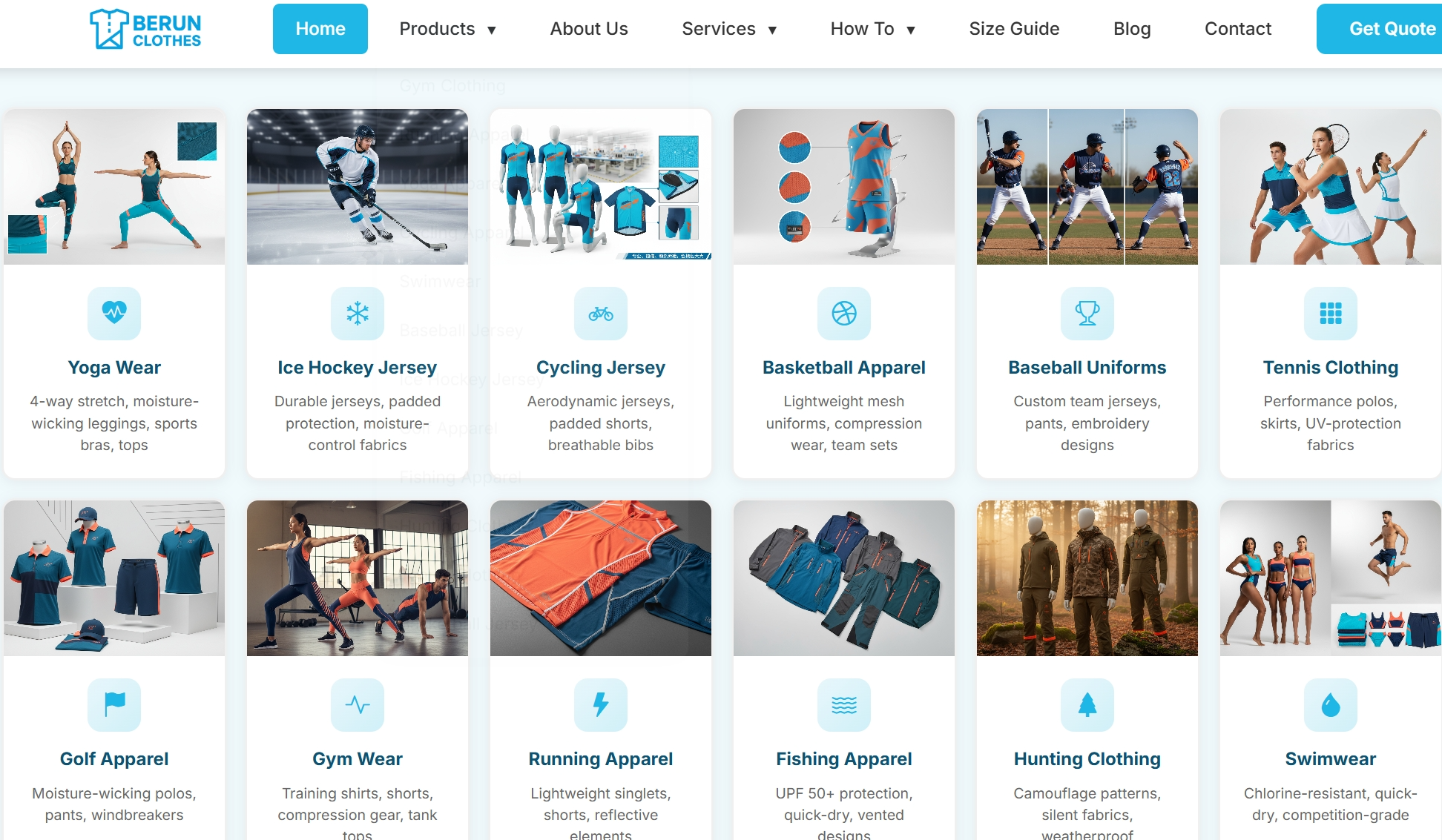
Sportswear categories may include:
- Compression wear
- Gym apparel
- Yoga clothing
- Running apparel
- Team uniforms
- Cycling wear
- Outdoor sportswear
- Swimwear
- Athleisure garments
Each category requires different materials, construction methods, and production capabilities. For example, compression garments require excellent stretch recovery and flatlock stitching, while team jerseys rely heavily on sublimation printing and moisture-management fabrics.
Factories experienced in casual apparel manufacturing may not fully understand the technical requirements of performance sportswear. Defining your niche early helps narrow your search and prevents costly production problems later.
Evaluate the Manufacturer’s Sportswear Experience
Experience matters significantly in activewear manufacturing. A factory producing technical sportswear regularly will understand garment performance, athletic fit, and fabric behavior much better than a general apparel supplier.
When evaluating manufacturers, ask for:
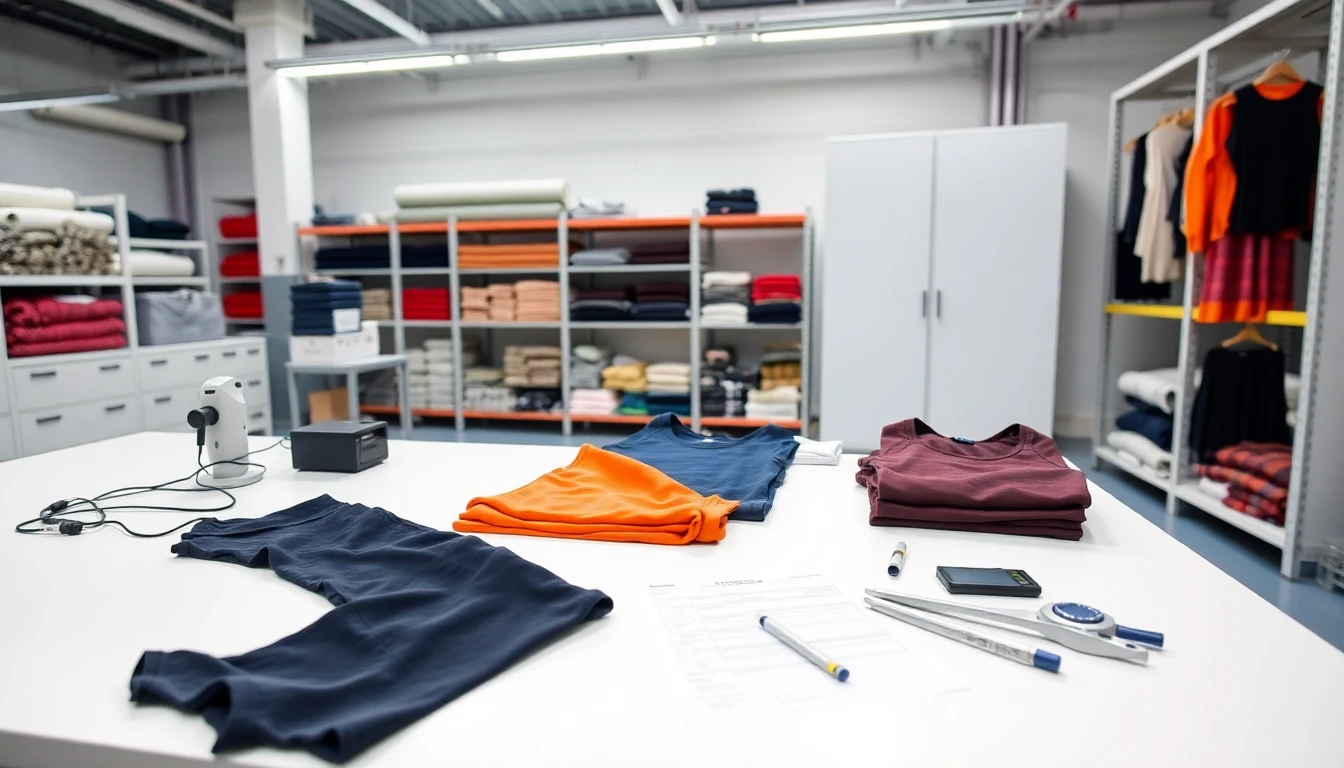
- Previous production samples
- Product catalogues
- Fabric swatches
- Branding samples
- References from existing clients
Carefully inspect:
- Stitch consistency
- Seam durability
- Print quality
- Fabric recovery
- Finishing standards
- Labelling and packaging quality
Professional sportswear manufacturers should understand concepts such as:
- Moisture-wicking performance
- Four-way stretch fabrics
- Breathability
- Compression support
- Abrasion resistance
- Shrinkage control
Manufacturers with proven experience in sportswear production are more likely to deliver consistent quality and reduce costly production errors.
Assess Fabric Sourcing Capabilities
Fabric quality directly affects the comfort, durability, and performance of sportswear products. Even excellent garment construction cannot compensate for poor-quality fabrics.
A reliable sportswear manufacturer should offer access to various performance textiles, including:
- Polyester-spandex blends
- Nylon-elastane fabrics
- Recycled polyester materials
- Quick-dry fabrics
- Compression knits
- Mesh ventilation fabrics
- Antimicrobial fabrics
Ask manufacturers about:
- GSM availability
- Stretch percentage
- Moisture management performance
- Colourfastness
- Anti-pilling properties
- Fabric certifications
Brands targeting premium markets should also look for certifications such as:
- OEKO-TEX
- GRS (Global Recycled Standard)
- Bluesign
- ISO certifications
Understanding fabric composition is essential when developing high-performance sportswear collections. Businesses can also learn more about textile materials and fabric properties through educational resources available on textilelisting.
Analyze Minimum Order Quantities (MOQ)
MOQ is often one of the biggest concerns for startups and small sportswear businesses. Some factories require large production quantities that may not be financially practical for emerging brands.
MOQ depends on several factors, including:
- Fabric customization
- Garment complexity
- Printing requirements
- Number of color variations
- Fabric sourcing method
For example:
- Stock fabric garments usually support lower MOQs
- Custom-dyed fabrics often require larger quantities
- Sublimated jerseys may allow smaller production runs
- Seamless activewear typically involves higher MOQs
Instead of focusing only on finding the lowest MOQ, businesses should evaluate whether the manufacturer can scale production as the brand grows. A long-term manufacturing partner should support both small startup orders and larger future production volumes.
Review Sampling and Product Development Support
Sampling is one of the most critical stages in sportswear manufacturing. Many production problems can be identified and corrected during sample development before bulk production begins.
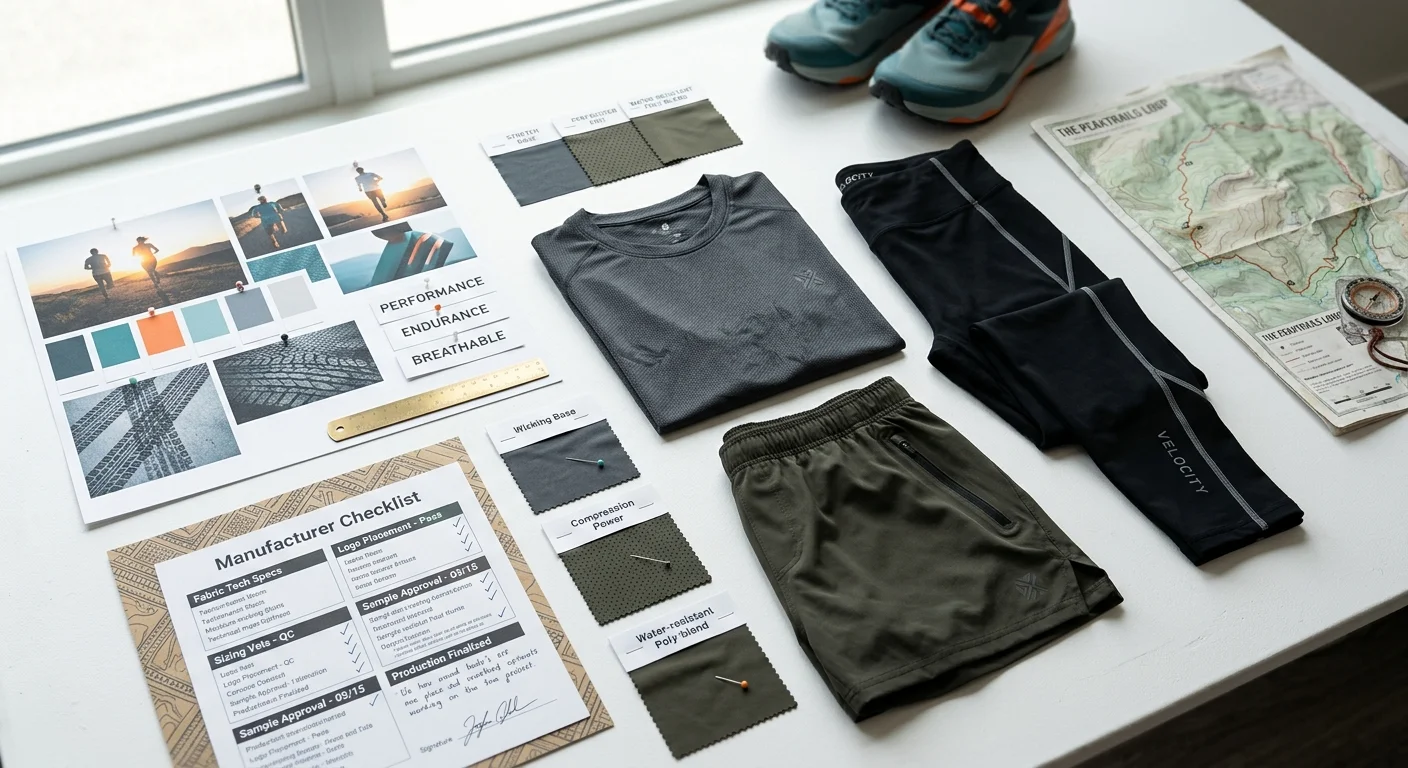
A professional manufacturer should provide:
- Prototype development
- Fit samples
- Pre-production samples
- Fabric testing support
- Technical recommendations
During sampling, brands should carefully evaluate:
- Garment fit
- Fabric comfort
- Stretch recovery
- Print durability
- Stitch quality
- Overall functionality
Sportswear should always be tested during physical activity to identify issues such as:
- Restricted movement
- Transparency under stretch
- Seam irritation
- Excessive moisture retention
- Shape distortion
Rushing the sampling stage often leads to expensive production problems later.
Check Printing and Branding Capabilities
Brand identity plays a major role in the sportswear market. Logos, labels, packaging, and customization quality directly influence how customers perceive a brand.
Modern sportswear manufacturers may offer:
- Sublimation printing
- Screen printing
- Heat transfer printing
- Embroidery
- Silicone branding
- Reflective printing
- Rubber patches
Each branding method has different advantages depending on the product type and target market.
For example:
- Sublimation is ideal for vibrant sports jerseys
- Silicone logos create a premium appearance
- Screen printing works well for bulk production
- Reflective prints improve visibility for outdoor sportswear
Brands should request wash-tested samples to evaluate long-term durability of prints and logos.
Packaging options should also be discussed, including:
- Hang tags
- Polybags
- Barcode labels
- Custom packaging
- Sustainable packaging materials
These details become increasingly important as brands expand into retail stores or large-scale eCommerce operations.
Evaluate Communication and Responsiveness
Poor communication is one of the most common causes of production delays and manufacturing problems.
Before committing to a supplier, evaluate:
- Response time
- Technical understanding
- Clarity in communication
- Willingness to answer questions
- Transparency about timelines
Reliable manufacturers typically:
- Respond promptly
- Provide realistic production schedules
- Clarify technical specifications
- Communicate production limitations honestly
Factories that make unrealistic promises during early discussions may create larger operational problems later.
Strong communication becomes even more important when managing:
- International production
- Seasonal collections
- Multiple product categories
- Frequent design revisions
Brands planning long-term growth should prioritize manufacturers with organized production management systems and professional communication practices.
Understand Lead Times and Production Planning
Production timelines are extremely important in sportswear manufacturing, especially for seasonal launches and promotional campaigns.
The manufacturing process usually includes:
- Product development
- Fabric sourcing
- Sampling
- Approval revisions
- Bulk production
- Quality inspection
- Packaging
- Shipping
Lead times may vary depending on:
- Fabric availability
- Factory workload
- Order quantity
- Customization complexity
- Shipping method
Brands should always build extra buffer time into their production schedules because delays in fabric sourcing, dyeing, or shipping are common in the apparel industry.
Professional manufacturers provide transparent production timelines rather than vague delivery promises.
Verify Quality Control Systems
Quality control is one of the most important factors when choosing a sportswear manufacturer.
Sportswear garments experience:
- Frequent washing
- Heavy stretching
- Sweat exposure
- Continuous movement
Weak quality standards can quickly result in customer complaints and product returns.
Ask manufacturers about:
- In-line quality inspections
- Final inspection procedures
- Measurement tolerances
- Fabric defect control
- Print durability testing
- Needle detection systems
Experienced factories often follow AQL (Acceptable Quality Limit) inspection standards during production.
Brands should also request:
- Measurement charts
- QC reports
- Production photos
- Random inspection approvals
For larger orders, third-party inspections can provide additional quality assurance before shipment.
Consider Sustainability and Ethical Manufacturing
Sustainability has become increasingly important in the sportswear industry. Consumers now expect brands to demonstrate responsible manufacturing practices and environmental awareness.
Businesses should evaluate whether manufacturers support:
- Recycled fabrics
- Eco-friendly dyeing
- Waste reduction systems
- Ethical labour practices
- Safe working conditions
- Sustainable packaging
Factories with environmental certifications and responsible sourcing practices may strengthen a brand’s credibility in both retail and online markets.
Sustainable manufacturing is no longer limited to premium activewear brands. It is becoming an industry-wide expectation.
Build Long-Term Manufacturing Partnerships
Many startups make the mistake of switching suppliers frequently based only on pricing. While production costs matter, long-term manufacturing relationships often produce better operational results.
Strong factory partnerships can provide:
- Better pricing flexibility
- Faster sample development
- Production priority
- Improved communication
- Consistent quality
- Collaborative product innovation
Manufacturers are generally more willing to support growing brands when they see long-term business potential.
Successful sportswear companies treat manufacturers as strategic partners rather than simple vendors.
Final Thoughts
Choosing the right custom sportswear manufacturer requires more than comparing prices and production capacity. The decision directly affects product quality, customer satisfaction, operational efficiency, and long-term brand reputation.
Startups should focus on finding manufacturers that offer:
- Sportswear-specific expertise
- Strong communication
- Flexible production
- Reliable quality control
- Technical fabric knowledge
- Scalable manufacturing capabilities
Established brands looking to expand should prioritize factories capable of handling larger production volumes while maintaining quality consistency and delivery reliability.
As the sportswear industry continues to grow globally, businesses that invest in strong manufacturing partnerships will be better positioned to compete in a market driven by innovation, performance, and customer expectations.
Frequently Asked Questions
What is the ideal MOQ for a startup sportswear brand?
Most startup sportswear brands should begin with manageable MOQs that reduce inventory risk. Depending on the garment type and customization level, MOQs may range from 100 to 500 pieces per style.
Which fabrics are best for custom sportswear manufacturing?
Popular sportswear fabrics include polyester-spandex blends, nylon-elastane fabrics, moisture-wicking knits, recycled polyester, and compression fabrics designed for performance and durability.
How long does sportswear production usually take?
Most sportswear manufacturing projects take between 30 and 90 days after final sample approval, depending on fabric sourcing, customization, and production complexity.
Why is sampling important in sportswear manufacturing?
Sampling helps identify issues related to fit, fabric performance, comfort, stitching, and branding before bulk production begins, reducing costly production mistakes.
What certifications should a sportswear manufacturer have?
Reliable manufacturers may hold certifications such as OEKO-TEX, GRS, Bluesign, or ISO certifications to verify quality standards, sustainability practices, and fabric safety.