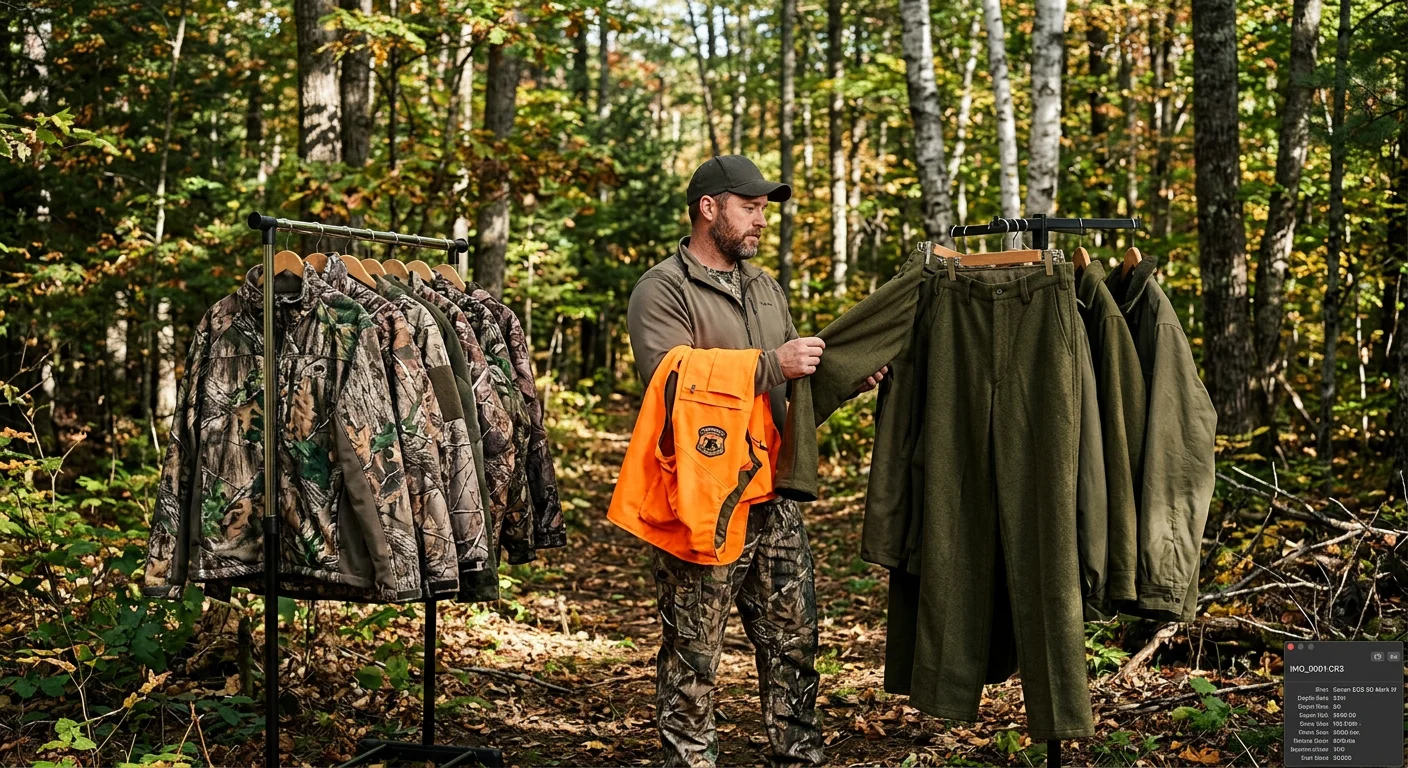
Reach for your pack in a frozen treestand — every layer you're wearing either works for you or against you. At 12°F before sunrise, there's no middle ground — which is why many brands now rely on custom fleece hunting apparel manufacturers for cold climates to engineer materials that balance warmth, weight, and field performance.
Hunters have argued the fleece vs. wool debate for decades. Both sides have a point. Wool carries centuries of field-proven performance. Fleece brings modern engineering and a lower price tag.
But standing 40 yards from a mature buck changes things. Your cold weather hunting apparel needs to stay silent, stay warm, and stay odor-free — all at once. "Both sides have a point" won't cut it at that moment.
You need a clear answer.
Here's a straight, no-fluff breakdown of how these two materials perform when temperatures drop and the stakes are real. Read this, and you'll stop guessing — and start hunting smarter.
Fleece For Winter Hunting: Performance Breakdown
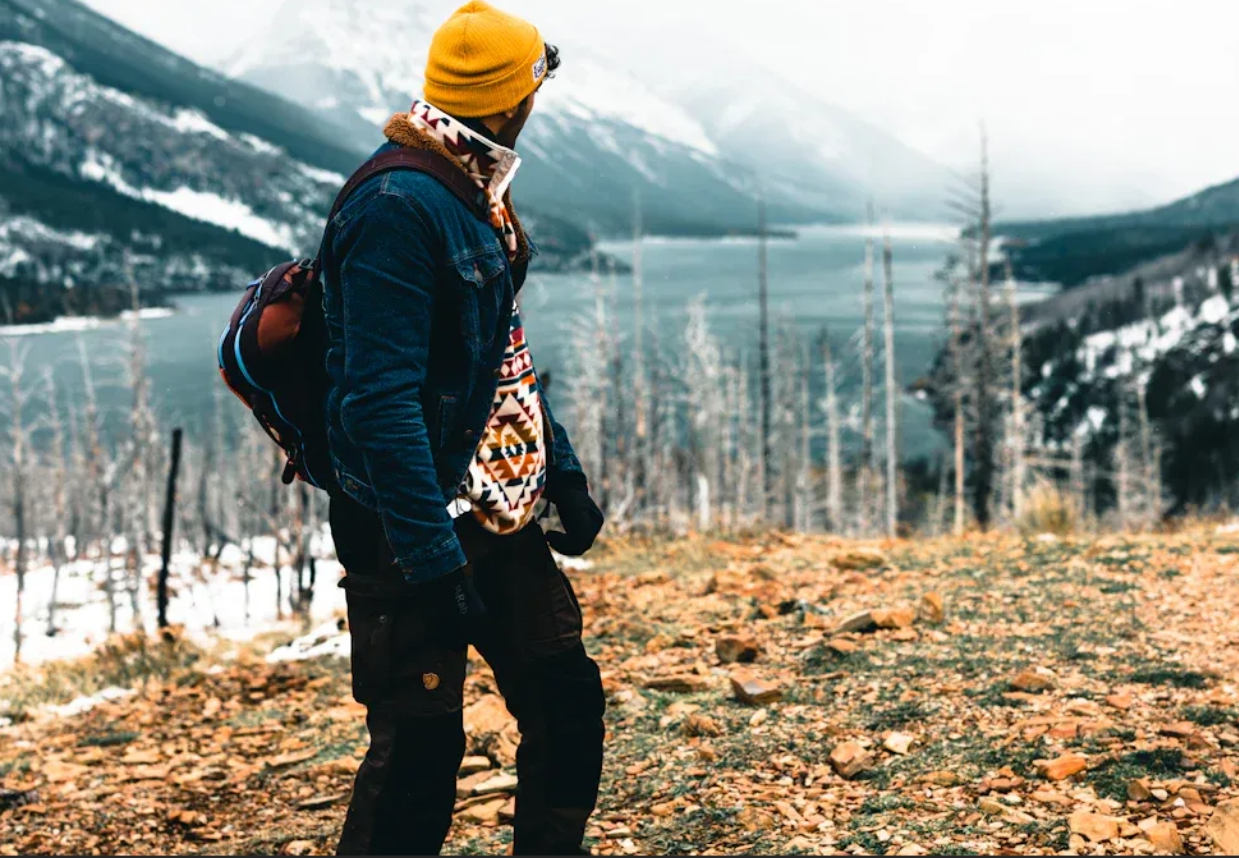
Fleece is a workhorse material. It performs well under the right conditions — and falls apart fast when pushed beyond them.Many breathable and moisture-wicking hunting apparel factories focus on improving synthetic fleece structures to enhance airflow and reduce sweat buildup during high-output hunts.
At its core, fleece is brushed polyester. Those fuzzy fibers trap still air, creating insulation that's 20–40% lighter than equivalent wool . For a backpack elk hunt where every ounce counts, that matters. An entry-level fleece mid-layer runs $30–$80 — a fraction of what comparable merino costs.
But fleece carries two real weaknesses every winter hunter should know:
It talks. Synthetic fibers create friction noise against brush, branches, and gear. Wool is quieter. In a silent treestand setup at close range, that rustle can cost you a shot.
It fails wet. Fleece saturates fast, and the air pockets collapse with it. Insulation drops to near zero. In cold, damp conditions, that's not just discomfort — that's a hypothermia scenario.
There's a third issue serious hunters miss: odor. Synthetic fibers trap sweat bacteria deep in the fabric. Wear fleece hard for two days and it will announce your presence before you spot a single deer.
Fleece excels in high-movement, dry-cold conditions — ridge-walking, spot-and-stalk, aggressive tracking in low precipitation. Pair it with a moisture-wicking base layer and a weatherproof shell, and a midweight Polartec 200 fleece handles the 30–50°F range well. Push hard uphill and it dries out in one to two hours.
The honest verdict: fleece earns its place in a layering system for hunting — just not as the whole answer.
Wool For Winter Hunting: Performance Breakdown
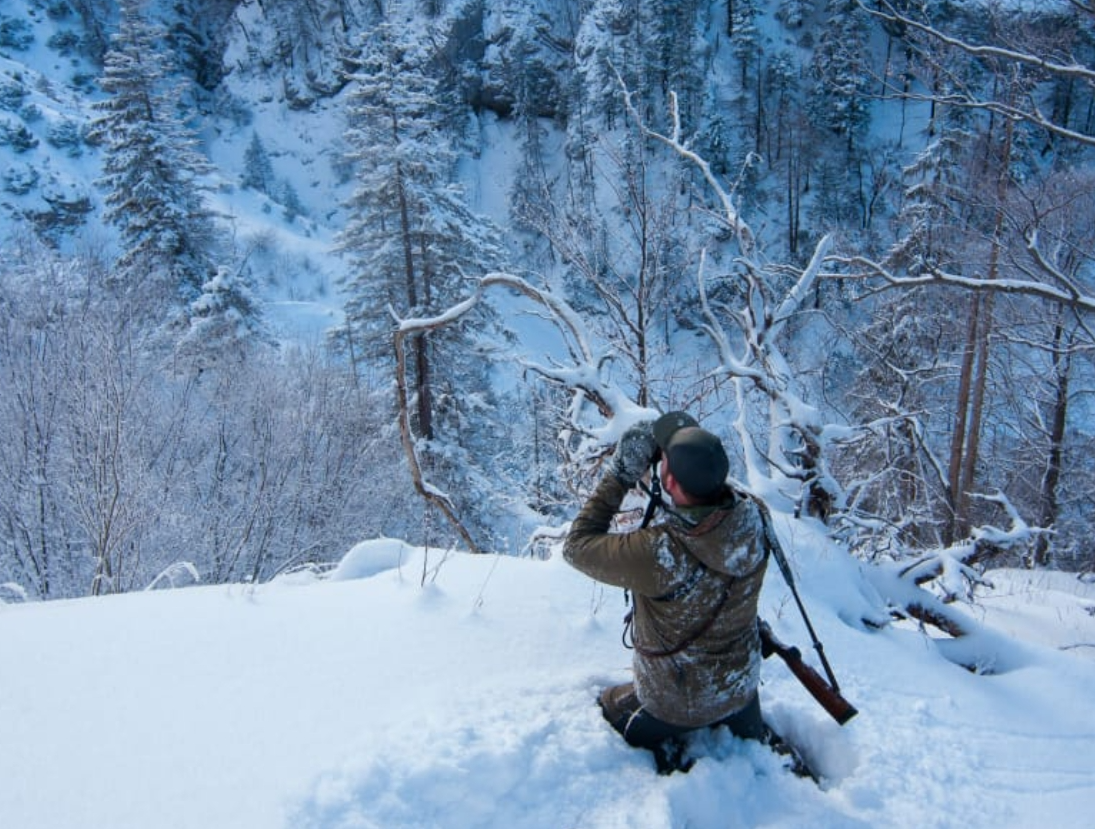
Wool doesn't ask for ideal conditions. It performs whether you give them or not.That’s why many wool hunting clothing suppliers for extreme cold conditions continue to prioritize merino-based fabrics for insulation, odor resistance, and wet-weather performance.
That's the core difference between merino and fleece. You see it fast once temperatures drop and rain moves in. Fleece collapses the moment it gets wet. Merino's crimped fiber structure keeps trapping air even after it's soaked through. Merino retains 70–80% of its warmth when wet. Lanolin — the natural wax built into the fiber — pushes water out and blocks bacterial growth at the same time. That's not marketing language. That's chemistry working in your favor at 4 a.m.
Odor control is just as serious. Merino's antimicrobial fibers don't mask scent — they stop the bacterial growth that creates it. In multi-day field tests, one merino layer went further than four synthetic layers without producing detectable odor. For scent control hunting clothes , that's a real edge on Day 3 of a backcountry elk camp.
Then there's silence. That same crimped fiber structure kills friction noise. It makes merino the go-to choice for silent hunting clothing — this matters most in bowhunting, where 30 yards is already close range.
Weight selection decides where wool fits in your layering system for hunting :
150gsm — active hunts, warm conditions
250gsm (Kiln-weight) — the all-purpose workhorse, 40–60°F
350gsm (Furnace-weight) — treestand sits, late-season cold
420gsm — brutal cold, minimal movement
The cost is real — $150–$400+ per piece for quality merino wool hunting gear . But for static treestand hunting in hard cold, nothing else hits all three marks at once: warmth retention, odor suppression, and silence.
Head-to-Head Comparison: 8 Critical Factors For Winter Hunting
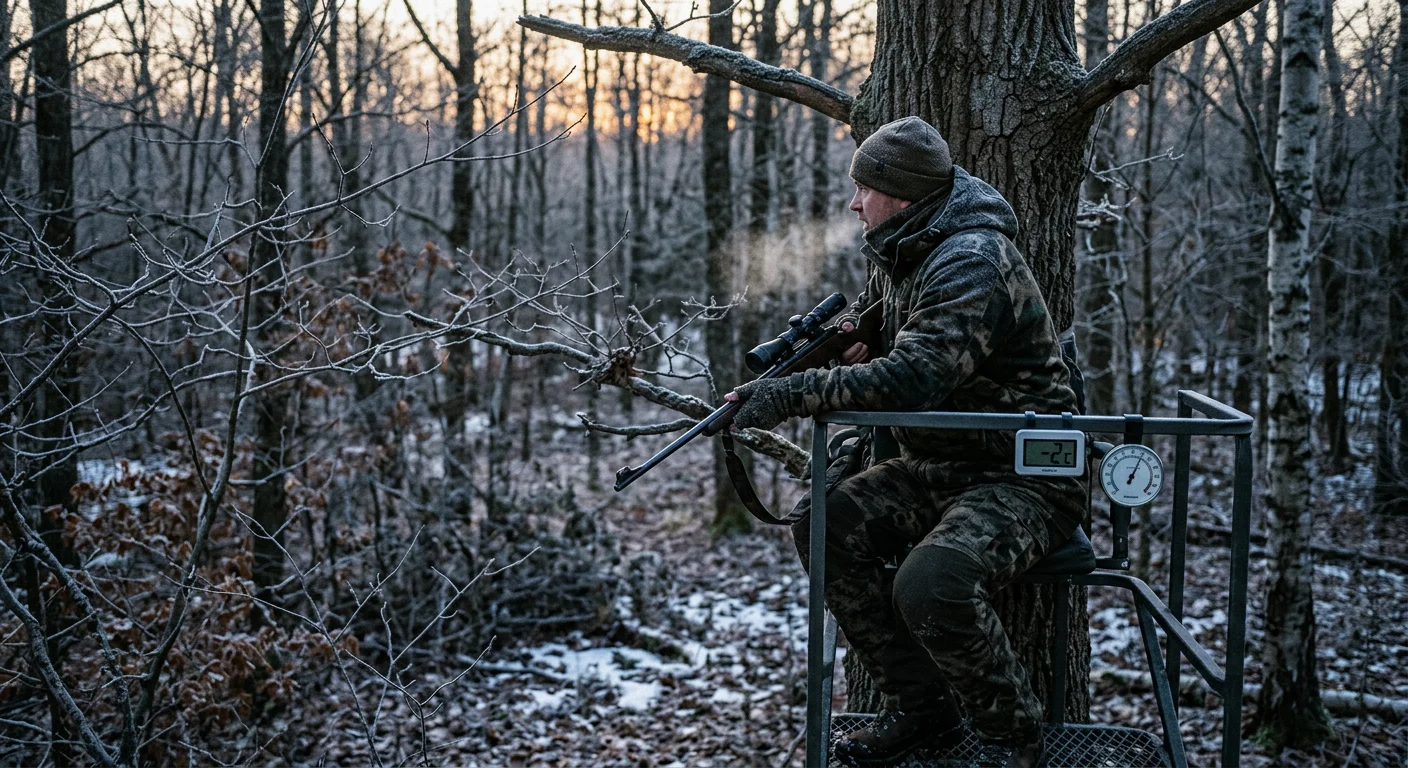
Bad cold-weather gear ends 31–38% of late-season hunts before the hunter sees a single animal. To address this, many brands now turn to OEM/ODM insulated hunting gear solutions for winter performance, developing systems that balance synthetic and natural materials for optimal results.That's not opinion — that's field data from Backcountry Hunters & Anglers across four straight seasons. So forget the abstract debate. Let's run both materials through the eight factors that decide real outcomes in the field.
1. Dry Warmth
Synthetic wins on raw warmth-to-weight math. PrimaLoft Gold Active+ at 133g body / 80g sleeves delivers more insulation per ounce than any wool build at the same weight. Here's the reference point: 80g PrimaLoft handles –20°F with proper layering. At 120g, you're into extreme late-season, high-altitude range. You're moving hard and weight is your main concern? Synthetic fill is the clear engineering answer.
2. Wet Warmth
This is where wool pulls ahead. Wool holds 70–80% of its insulating capacity after full saturation. Merino's crimped fiber structure keeps trapping air even soaked through. Synthetic fleece collapses. The air pockets that create insulation vanish the moment the fabric gets wet. In a cold rain or an unexpected stream crossing, that gap — 75% warmth retention versus near-zero — is the difference between finishing your hunt and calling for help.
3. Waterproofing
Synthetic wins by a wide margin. Wool outer fabrics depend on DWR coating alone — they are not waterproof. Synthetic membrane jackets start at 10,000mm hydrostatic head (Badlands Approach, Kryptek Valhalla) and climb to 20,000–30,000mm with taped seams for multi-day backcountry use. In heavy rain, wool is no replacement for a membrane shell.
4. Noise — The Factor That Kills Shots
This factor deserves hard numbers. The gap is bigger than most hunters expect.
System | Noise Level |
|---|---|
Merino base + grid fleece mid | 25–30 dB |
Silk base + any mid-layer | 20–25 dB |
Smooth polyester base + grid fleece mid | Up to 45 dB |
Synthetic moisture-wicking base + wool mid | 35–40 dB |
The threshold for undetectable fabric noise is under 30 dB. Wool-based systems hit that mark with consistency. Standard synthetic combinations don't get close. At bowhunting distances — 30 yards or less — that 15–20 dB gap between a merino system and a synthetic system is audible to the animal. Hard-shell membrane jackets make this worse. They stiffen in cold temperatures and produce sharp, high-frequency crinkling as you crawl through brush.
One more number worth knowing: unsecured metal zipper pulls are detectable at 50 yards. Switch to one-way zippers with zipper garages and you cut detectable noise by 70%.
For bowhunting : wool is the clear winner. No exceptions.
5. Scent Control
Wool's fiber structure absorbs and neutralizes odor compounds at the source. Merino with a permanent Polygiene finish — First Lite's Specter is the benchmark product — sits at the top for close-range scent management. Synthetic fabrics need added silver-ion or carbon treatments, and those treatments break down with washing.
One maintenance point that covers both materials: UV brighteners in standard detergents destroy scent-control treatments and make camo patterns glow in a deer's dichromatic vision. Use scent-free, UV-blocking detergent — nothing else. Standard detergents also stiffen fibers. Stiffer fibers mean more noise and worse scent performance at the same time.
6. Weight
Closer than most people expect. Both wool and synthetic jackets land in the 1.3–1.6 lb range at similar warmth levels:
Jacket | Weight |
|---|---|
First Lite Specter (wool) | 1.3 lbs (590g) |
KUIU Women's Vias (synthetic) | 1.3 lbs (590g) |
Badlands Approach (synthetic) | 1.4 lbs (635g) |
Kryptek Valhalla (synthetic) | 1.5 lbs (680g) |
Sitka Fanatic Heavyweight (wool blend) | 2.0 lbs (905g) |
Call it a tie. Weight alone shouldn't drive your material choice.
7. Drying Speed
Synthetic wins here — no contest. Fleece and polyester shed moisture fast and recover loft quickly. Wool dries slow. It holds moisture weight longer and loses loft in direct proportion to how wet it gets. On a multi-day backcountry hunt with no way to dry your gear — a wall tent stove is the one exception — wet conditions chip away at wool's performance day by day. This is the one category where synthetic holds a clear, real-world edge.
8. Durability and Fire Safety
Fleece pills with repeated friction from pack straps and brush. As pilling builds up, the surface texture changes — and that rougher surface gets louder over time. Wool pills too, but the natural crimp does some self-repair. The long-term pilling damage is lower compared to synthetic.
The fire safety gap is not a minor point. Wool is flame-resistant by nature. It chars and smolders. It does not melt. Synthetic fleece melts under direct spark or ember contact — it produces molten drips and leaves permanent damage. Sitting next to a camp stove or fire at the end of a cold day, that difference is worth knowing before you get comfortable.
The 8-Factor Verdict
Factor | Winner |
|---|---|
Dry warmth | Synthetic |
Wet warmth | Wool |
Waterproofing | Synthetic |
Noise (bowhunting <30 yards) | Wool |
Scent control | Wool |
Weight | Tie |
Drying speed | Synthetic |
Durability & fire safety | Wool |
Price range | Synthetic |
Four factors go to synthetic. Four go to wool. One tie. So the right answer isn't a material — it's a hunting scenario. The next section breaks down which system wins in each one.
Hunting Scenario Guide: Which Material Wins In Your Specific Situation
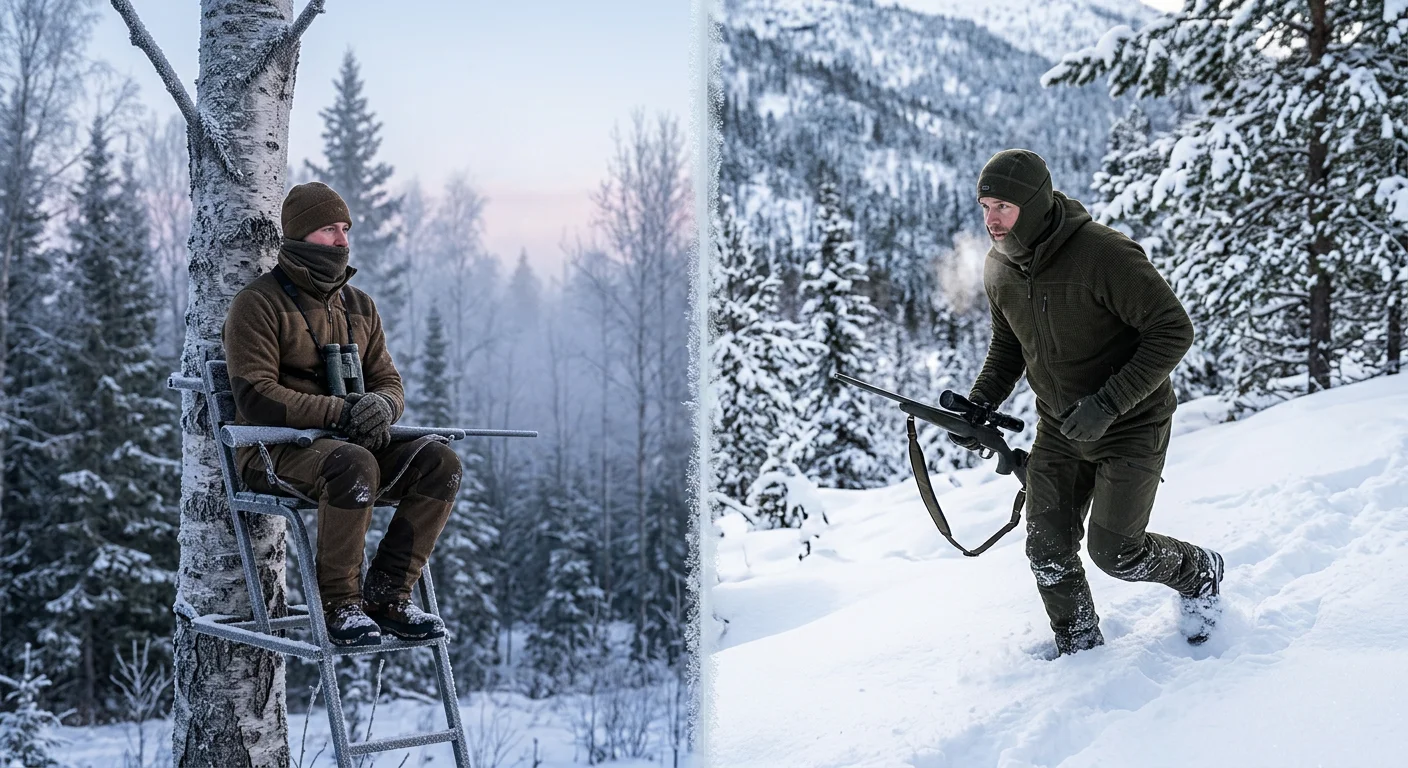
Four factors to wool, four to synthetic. That scorecard means nothing without context. The right material isn't decided in a lab. It's decided by what you're doing at 5 a.m. and what the weather is throwing at you.That’s why many brands offer private label fleece and wool hunting apparel collections, allowing retailers to tailor gear systems to specific hunting environments and user needs.
Here's how each scenario breaks down.
Treestand & Blind Hunting: Wool Wins
Stillness is the enemy of warmth. Sit motionless for four to six hours and your core temperature drops 1–2°C in the first half hour. You need insulation that holds as moisture builds. Wool does that. Merino keeps 70–80% of its insulating power even at 30–50% saturation.
The system that works:
- Base : Merino wool top and bottom
- Mid : Fleece or wool for moisture management
- Insulating : Puffy jacket and pants for long sits
- Shell : Softshell for wind and light rain
Zip your mid-layer before you stop moving. Trap heat early. Don't wait until your body temperature starts to drop.
Backcountry Spot-and-Stalk: Fleece Hybrid Wins
Push hard through elevation and your body pumps out 0.5 to 2 liters of sweat per hour. Wet insulation is dead insulation. Fleece dries two to three times faster than wool. It also runs 20–30% lighter at the same warmth level. On a weight-sensitive backcountry elk hunt, that difference adds up every mile.
The system that works:
- Base : Lightweight merino (odor control over multiple days)
- Mid : Midweight fleece (active insulation, fast drying)
- Shell : Softshell pants (wind resistance, mobility)
Shed your mid-layer on hard climbs. Add it back before you stop. Sweat chill is not something to gamble with.
Bowhunting: Merino Wool — No Exceptions
At 20 yards, every sensory edge belongs to the deer. Merino wool blocks detectable odor for five to seven days of hard use. Synthetic fabrics fall apart in two to three. The noise gap is real too — nylon shells run 20–40 dB louder than a full merino system. At close range, the animal hears that difference.
The system that works:
- Base and mid : Full expedition-weight merino
- Outer : Wool shirt — no hard shells during the stalk
Leave the waterproof membrane jacket in camp on close-range days.
Extreme Cold, Multi-Day Camp (Below -10°C): Expedition Merino + Puffy
Below -10°C, the math shifts. You need a nine-piece system. It has to handle hard movement and long stationary sits across three to five days. No resupply.
The system that works:
- Base : Expedition-weight merino (pulls moisture away over multi-day use)
- Mid : Fleece or wool
- Insulating : Puffy jacket and puffy pants
- Shell : Hooded, insulated, waterproof outer
Keep your insulation dry on wet hikes. Pull it on before you stop — not after the cold sets in.
Quick-Reference: Material by Scenario
Scenario | Top Choice | Key Advantage | Core Layer Combo |
|---|---|---|---|
Treestand / Blind | Wool | Insulates 30–50% wet | Merino base + Fleece mid + Puffy |
Spot-and-Stalk | Fleece Hybrid | Dries 2–3× faster, lighter | Merino base + Fleece + Softshell |
Bowhunting | Merino Wool | Odor resistance 5–7 days, silent | Full merino base and mid |
Extreme Cold | Merino + Puffy | Handles –20°C across multiple days | Expedition merino + Puffy pants + jacket |
The pattern holds: wool anchors every system at the base layer. Fleece earns its place in high-output, dry-cold conditions. Noise or scent decides the outcome in close-range hunting — and there, merino is the only answer.
The Layering System: How To Combine Fleece And Wool For Maximum Performance
Most hunters treat layering like an afterthought. But the right system is built with precision — something many high-performance layered hunting clothing manufacturers for winter expeditions specialize in when designing gear for extreme cold and multi-day hunts.They grab whatever's clean, pile it on, and hope for the best. That's how you end up soaked, cold, and walking out before noon.
The system that works is simple — three layers, each with a specific job.
Base layer: merino wool, worn snug against skin. This is non-negotiable. Merino pulls moisture away from your skin, stabilizes body temperature, and kills odor through multiple days of hard use. Look for a fiber gauge of 17 microns or finer — anything coarser and you'll feel it itch after an hour of moving. An 89–90% wool / 10–11% nylon blend dries faster than 100% wool. You don't lose the core benefits either. Fit matters here. Loose base layers wick badly. Snug skin contact is what makes the whole system work.
Mid layer: fleece, built to trap air and breathe. Fleece belongs in the middle of the system, not on the outside. Use Polartec 100-weight for high-output days, 200-weight for moderate temperatures, and 300-weight for sitting still in serious cold. Fleece breathes well and handles damp conditions better than down. Wind cuts straight through it, though. A shell on top is not optional.
Outer layer: hardshell or softshell, sealing the system. Waterproof nylon blocks rain and wind. Wool outer shells are a solid choice in wet environments — they hold loft even when soaked. Down won't do that.
Adjust by temperature:
Condition | Base | Mid |
|---|---|---|
30–50°F | Light merino | 100–200 weight fleece |
Below 30°F | Mid/heavy merino blend | 200–300 weight fleece |
Below -10°C | Expedition-weight merino | Heavy fleece + insulated puffy |
One rule runs through all of it: manage the base layer first. Keep it dry and everything above it performs. Let sweat soak into it and the whole system breaks down — no matter what you paid for your mid or shell.
Merino Wool vs. Standard Wool vs. Fleece: Which Grade Should You Buy?
Not all wool is merino. That distinction matters more than most gear guides admit.At the manufacturing level, breathable and moisture-wicking hunting apparel factories focus on refining fiber blends to balance warmth, weight, and odor control.
Standard coarse wool runs above 25–30 microns in fiber diameter. That thickness causes the scratching against your neck and wrists after an hour in the field. Merino sits below 20 microns — fine enough to wear against bare skin without irritation. It also grows at a longer staple length (2–5 inches per year). That means denser fiber structure and better moisture vapor transfer. The fabric pushes sweat away from your body instead of trapping it. Standard wool holds that sweat in. On a cold morning, you'll feel that difference fast.
For practical purposes, drop standard coarse wool from your list. The field case for merino is clear.
That leaves two real decisions: merino weight and fleece weight.
Merino and fleece both use GSM (grams per square meter) as the standard weight measure. Match the weight to your activity and temperature:
100–150 GSM — active base layer, above freezing, high-output movement
200 GSM — the all-purpose mid-layer, 0°C to -10°C, covers most winter hunting days
300 GSM — static cold, treestand sits, below -10°C; merino at this weight keeps its loft even wet; fleece at 300 GSM does not
On budget: a merino 200–300wt hunting shirt or jacket runs $120–$180. A comparable heavyweight fleece jacket lands at $80–$140. Fleece wins on upfront cost — 20–40% cheaper. Merino wins on multi-day value. After two days of hard use, fleece is broadcasting your location. Merino is still doing its job without giving you away.
Hunting wet, cold, or multi-day? The merino premium pays for itself. Running dry-cold, single-day active hunts on a tighter budget? A quality 200 GSM fleece mid-layer pulls its weight and gets the job done.
Common Mistakes Hunters Make Choosing Between Fleece and Wool
Most hunters don't fail in the field because they picked the wrong target. The real problem? They picked the wrong layer three months before the hunt. They stood in a gear shop and made a call based on bad information.
Here's where that goes wrong most often:
Chasing warmth ratings while ignoring wet performance. A jacket's insulation rating means nothing once it's soaked. Fleece loses its insulating ability when wet. Wool holds up. Your hunting ground sees rain, sleet, or stream crossings? That lab warmth number is the least useful spec on the hang tag. Don't let it drive your decision.
Applying one moisture strategy to every hunt type. Fleece dries fast — that's a real advantage on a hard stalk, not a treestand sit. Wool pulls moisture away from your skin at a slower pace but holds it longer — ideal for a six-hour sit, a poor fit for a 2,000-foot climb. The material itself isn't the problem. Using it in the wrong situation is.
Underestimating scent buildup on multi-day trips. Fleece grabs odor compounds and traps them deep in synthetic fibers. By Day 2, you're broadcasting your position to every animal in range. Merino wool fights bacterial growth at the fiber level — no special treatment needed, no washing required between wears.
Buying on price without thinking in systems. Fleece costs less upfront, no question. But put a fleece base layer on a wet, cold, static hunt and you'll either replace it or cut your trip short. Quality merino, matched to the right scenario, pays back the price gap over seasons — not a few days out.
Get the scenario right first. Then pick the material.
FAQ: Quick Answers To The Most Common Fleece vs. Wool Hunting Questions
Five questions come up every time hunters talk about cold-weather layering. Here are straight answers — no hedging.
Does fleece make noise in the field?
Less than most hunters expect. Fleece rustles far less than nylon shells or hard-membrane jackets. At close range in a bowhunt, a quality fleece mid-layer won't give away your position. Stiff synthetic outer shells do that. The noise that costs you shots? That comes from synthetic shells — not fleece mid-layers.
Is wool worth the higher price?
On a single-day hunt in dry cold? No, not really. On a three-day backcountry elk camp with unpredictable weather? Yes — no debate. The price gap closes fast once you factor in what synthetic smells like on Day 2.
Which is warmer — fleece or wool?
Dry conditions: both perform about the same at the same weight class. Wet conditions: wool wins by a wide margin. Merino holds 70–80% of its insulating value even soaked through. Fleece loses warmth fast when wet. Late-season weather shifts without warning, so wool is the safer choice.
What do experienced hunters wear in winter?
The pattern is clear: merino wool at the base and mid layer for slow stand sits, fleece mid-layer for active, high-output days. Not one material — a smart system built around what each day demands.
Can fleece work for bowhunting?
As a mid-layer, yes. As the outer layer at 20 yards? Stick with merino. The noise and scent advantages at close range are too big to give up.
Conclusion
Fleece vs. wool — there's no universal winner. There's only the right choice for your situation .
Locked in a tree stand at dawn, a buck working downwind. You're holding your breath. Wool's natural silence and scent control are worth every extra dollar in that moment. Out in the backcountry, grinding up a ridge on mile four? Heavyweight fleece keeps you dry and moving. It doesn't weigh you down.
Smart hunters don't pick sides — they build systems. Start with a merino wool base layer. Add a technical fleece mid-layer on top. That combo gives you the thermal control to handle whatever the November woods throw at you.
Stop researching. Start preparing. Winter doesn't negotiate, and neither does a spooked deer.
Browse Berun's cold weather hunting apparel lineup — layering systems built for hunters who take the field with full commitment. Your best season yet is one gear decision away.