You've stood in the yoga studio parking lot — or deep in a Google search — torn between signing up for Ashtanga or committing to Vinyasa flow. Both promise strength, flexibility, and that hard-to-find sense of calm. But they get you there in very different ways.
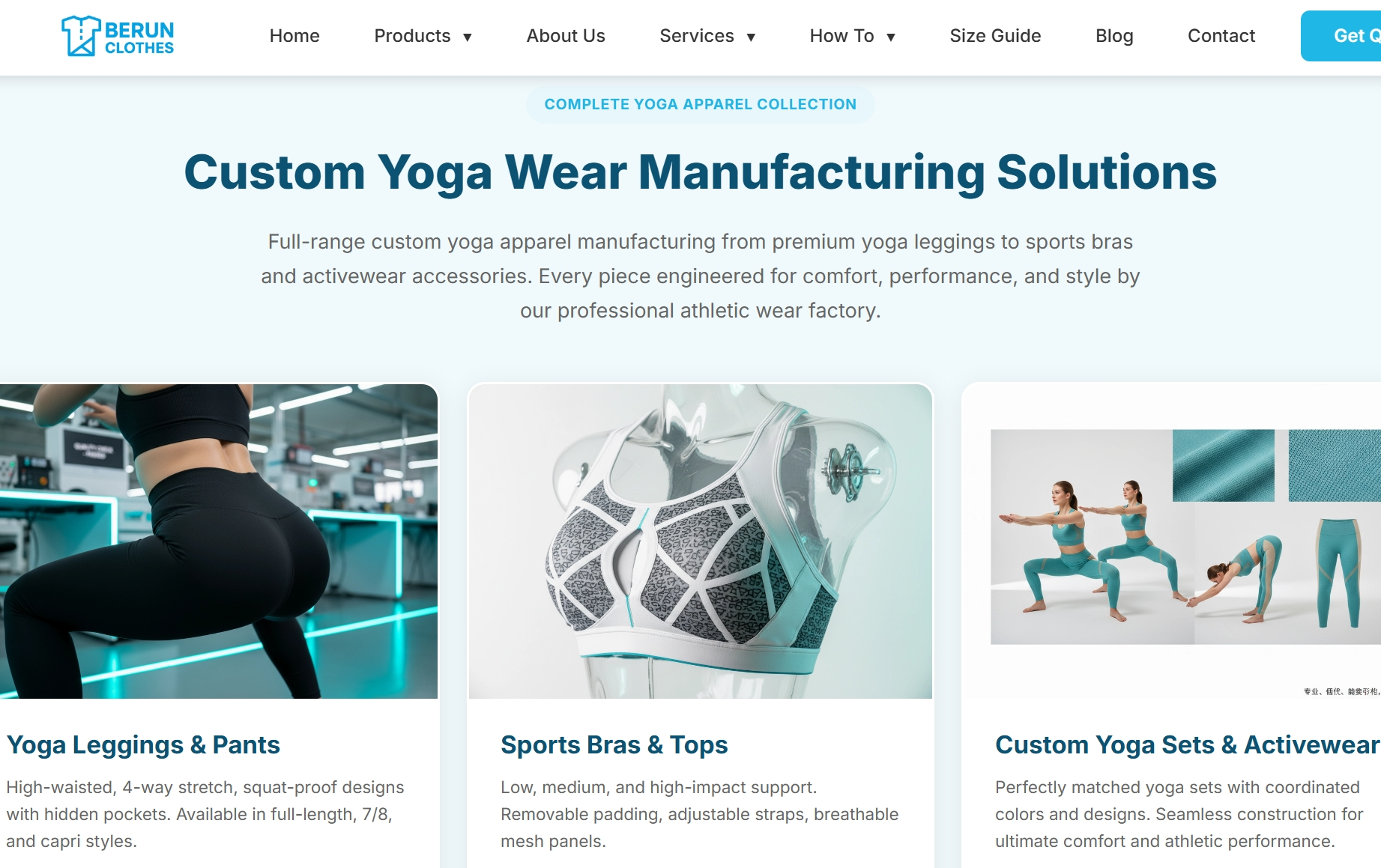
Choosing between Ashtanga and Vinyasa yoga isn't about which one is better . It's about which one fits you , right now, at this point in your life.For studios and brands working with Ashtanga & Vinyasa yoga apparel suppliers, this distinction matters more than it seems — flow-based practices demand lightweight, breathable, and highly adaptive fabrics that can keep up with constant movement.
Want a dynamic yoga workout? Building real structure into your practice? Or just figuring out where to start? This breakdown cuts straight to what you need to know.
What Makes Ashtanga and Vinyasa Yoga Different at Their Core
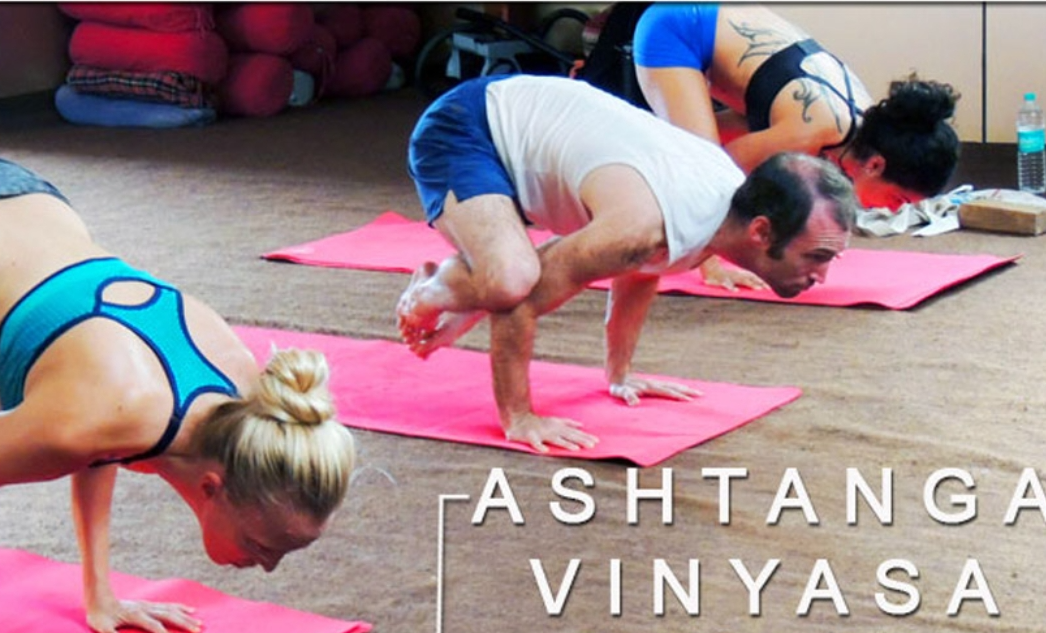
Here's the simplest way to think about it: Ashtanga is a curriculum. Vinyasa is a conversation.
Ashtanga yoga follows fixed, non-negotiable sequences — a Primary Series, an Intermediate Series, and two Advanced Series — practiced in the exact same order, every single time. There's no improvisation. No surprises. You earn your way through each series once your teacher says you're ready. That kind of structured practice creates something rare: a clear, measurable record of your own progress.
Vinyasa flow yoga runs on a different philosophy. Each class is a fresh creation — teacher-designed, freely sequenced, never quite the same as the last. That's not inconsistency. That's intentional variety.
The differences go deeper than just the sequence:
Breath discipline : Ashtanga uses the Tristhana method — a precise system that ties together breath (Ujjayi), gaze (drishti), and internal locks (bandhas). Vinyasa connects breath to movement too, but with far more flexibility and no set counts.
Class atmosphere : Traditional Ashtanga is often taught Mysore-style — self-paced, quiet, no music, no props. Vinyasa classes are teacher-led, often set to music, and built around group energy.
Intensity : Ashtanga stays demanding, class after class. Vinyasa shifts — from a gentle morning flow to a sweat-soaked dynamic workout.
One more thing worth knowing: Vinyasa descended from Ashtanga. Its roots trace back to the Mysore tradition of K. Pattabhi Jois . Modern styles like Power Yoga and Jivamukti both lead back to that same source. They share the same DNA — just expressed in very different ways.
For brands focusing on structured practice gear like custom Ashtanga yoga apparel, consistency, durability, and body-aligned fit become the priority — matching the repeatable, disciplined nature of the practice itself.
Ashtanga vs Vinyasa: Side-by-Side Comparison Table
Numbers and categories do something paragraphs can't — they make the choice feel real. Here's how these two practices compare across the areas that matter most to your life.
Dimension | Ashtanga | Vinyasa |
|---|---|---|
Sequence Structure | Fixed: Primary, Intermediate, Advanced — identical every class | Creative and variable — no two classes are the same |
Intensity Level | High across the board; steep learning curve | Ranges from gentle morning flow to intense power sessions |
Class Length | 75–90 minutes | 45–75 minutes |
Breathing Method | Tristhana system: Ujjayi breath + drishti + bandhas, tightly linked | Breath-movement sync, applied with flexibility |
Best For | Disciplined, goal-driven practitioners who love routine | Variety-seekers, beginners, and those who move with their mood |
Props | Not common | Modifications and props are welcome |
Progression Style | Sequential series — measurable, milestone-based | Diverse formats: slow flow, power, themed sequences |
Practice Environment | Traditional, quiet, often Mysore-style | Group energy, music-optional, community-forward |
Take this one thing from this comparison: Ashtanga gives you a framework. Vinyasa gives you freedom. Neither is better than the other. They answer different questions about what you need from your practice right now.
CTA 1Intensity & Physical Demand: Which One Will Challenge You More?
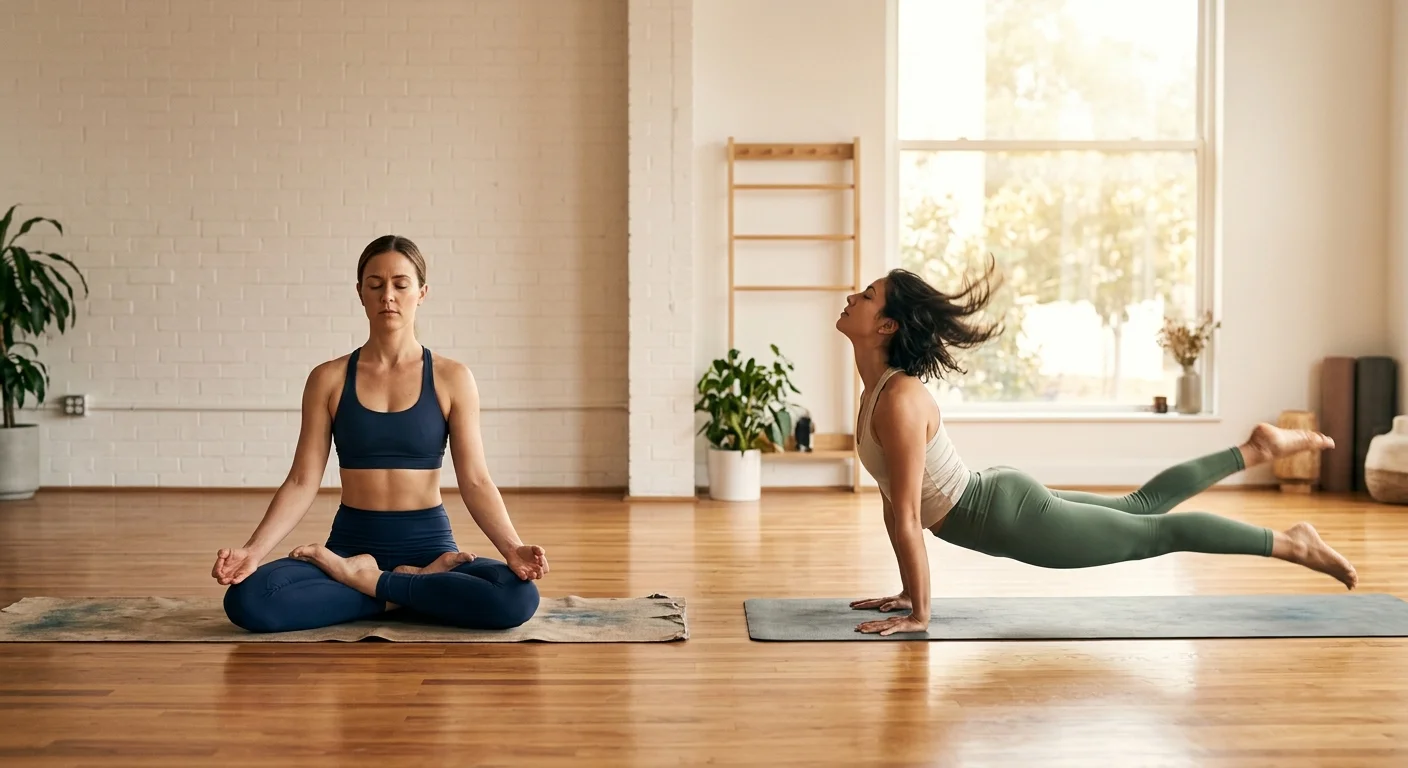
Let's be honest — most people asking "which yoga style is harder" are really asking: which one will change my body?
The answer isn't a simple ranking. Ashtanga and Vinyasa challenge you in different ways. Some of those ways might surprise you.For brands working with Vinyasa & Ashtanga yoga apparel suppliers, this difference directly shapes product design — from breathability for high-flow sessions to durability for repetitive, strength-focused sequences.
Ashtanga: The Discipline That Demands Everything
Ashtanga doesn't negotiate. The Primary Series — Sun Salutations, standing sequences, seated poses — runs in the same order every single time. No swaps. No skipping the poses that make your hips scream. That fixed structure is what makes it so effective for muscle toning, weight loss, and measurable strength gains .
You repeat the same movements week after week. Your body faces consistent overload on the same muscle groups. Progress becomes trackable with real clarity — something most fitness formats struggle to offer. That's a genuine advantage for anyone chasing specific goals.
The tradeoff? Repetition cuts both ways. The same wrists, knees, and shoulders absorb the same load, class after class. Overuse injuries show up often — wrist tendinitis, SI joint strain from deep hip rotations. These are the most common complaints from dedicated Ashtanga practitioners. The Mysore format adds some protection through personalized teacher adjustments, but the sequence itself never changes.
Vinyasa: The Challenge That Keeps Reinventing Itself
Vinyasa builds its intensity through constant motion. Poses flow one into the next without rest. Heart rate climbs. Calories burn at a higher rate than Ashtanga's steadier pace. In high-intensity Vinyasa classes, the cardio demand can be the bigger physical challenge of the two.
Here's the part that doesn't get talked about enough: that same variety makes structured progress hard to track. Each class targets different muscle groups based on the teacher's sequence. There's no fixed benchmark, no repeatable metric. Your body gets fresh stimuli each session — which prevents plateaus — but your fitness gains can feel unpredictable as a result.For studios and brands developing custom Vinyasa & Ashtanga yoga apparel, versatility becomes critical — garments need to handle both high-sweat flow sessions and slower, controlled strength work without compromising comfort or support.
Vinyasa's biggest injury risk isn't the intensity. It's inconsistent technique. Chaturanga — the low push-up that appears throughout every class — causes rotator cuff and shoulder damage when performed with poor form. Unfamiliar poses without proper warm-up make that risk worse.Behind both styles, many high-performance collections are developed through a specialized yoga clothing factory, where fabric engineering, stretch recovery, and moisture control are tested to meet the demands of real-world practice.
So Which One Is Harder?
Neither is more difficult across the board. They're hard in opposite directions.
Factor | Ashtanga | Vinyasa |
|---|---|---|
Intensity consistency | High, predictable | Variable, class-dependent |
Cardiovascular load | Moderate-High | High (continuous flow) |
Muscle toning | Superior (structured overload) | Moderate (variable targeting) |
Progressive tracking | Excellent | Difficult |
Injury risk type | Cumulative repetitive strain | Acute technical instability |
Beginner accessibility | Lower | Higher |
Here's a clear way to decide. You want structured, trackable results — weight loss, muscle definition, measurable endurance? Ashtanga's built-in progression is more reliable. You want cardiovascular challenge with enough variety to keep you excited to show up? Vinyasa delivers that in full.
Both styles will push you hard. Just in the ways that suit very different kinds of people.
Who Should Choose Ashtanga? (Personality + Goal Matching)
Some people don't just want a workout. They want a system — something to sink into, measure themselves against, and return to with full commitment. That's exactly who Ashtanga was built for.For studios and brands sourcing from OEM/ODM yoga apparel suppliers, this kind of high-frequency, repeat practice highlights the need for durable, structured garments that can handle daily wear without losing shape or support.
This isn't a drop-in practice. 67.9% of Ashtanga practitioners train four or more days per week.
Close to half show up five or more times a week. That's not a coincidence. Ashtanga draws a specific type of person — someone who finds comfort in structure, not restriction.
You're the Right Fit If You Recognize Yourself Here
You think in goals, not moods.
Ashtanga's fixed sequence gives you something most fitness formats skip: a built-in benchmark. Same poses. Same order. Every session. That repetition becomes your measuring stick. Practitioners put it plainly — "yoga makes me feel proud of myself, every time that I improve on my asanas." That quiet, personal pride? That's what structured progression feels like from the inside.
You're drawn to the deeper philosophy.
More than 70% of regular Ashtanga practitioners report engaging with yoga's ethical limbs — yama and niyama — not just the physical postures. Your practice can mean something beyond flexibility or calorie burn. Ashtanga gives you that framework.
You're managing something — stress, weight, emotional steadiness.
The physical results are real and well-documented. Three months of twice-weekly practice improved upper body endurance, trunk strength, and flexibility in untrained beginners. Mean heart rates during practice reach 101 bpm — far higher than hatha or gentle yoga. Over 12 weeks, participants saw measurable drops in BMI and hip circumference. On the emotional side, long-term practitioners report lower negative emotions and higher positive affect compared to non-practitioners.
You want your personality to shift, not just your body.
A 12-week Ashtanga-based program produced major increases in sattva guna — the quality of harmony and inner happiness — plus reductions in restlessness and mental dullness. These changes didn't show up in general yoga groups. That's specific. That matters.
The Honest Truth About Who Thrives Here
Ashtanga doesn't ask for perfection. It asks for consistency — a willingness to show up to the same thing, again and again, with fresh eyes . No athletic background needed. Research confirms untrained beginners made real fitness gains within three months. What you do need is a relationship with discipline that feels motivating, not punishing.
Some people's self-care looks like a morning ritual, not a spontaneous Saturday class. Some want their yoga practice to teach them something real about themselves over time. For those people, Ashtanga isn't just a good choice. It's the one that fits.For retailers and distributors working with yoga clothing wholesalers, this consistency-driven audience often values long-lasting quality and reliable fit — making repeat purchases more predictable and brand loyalty easier to build.
Who Should Choose Vinyasa? (Personality + Goal Matching)
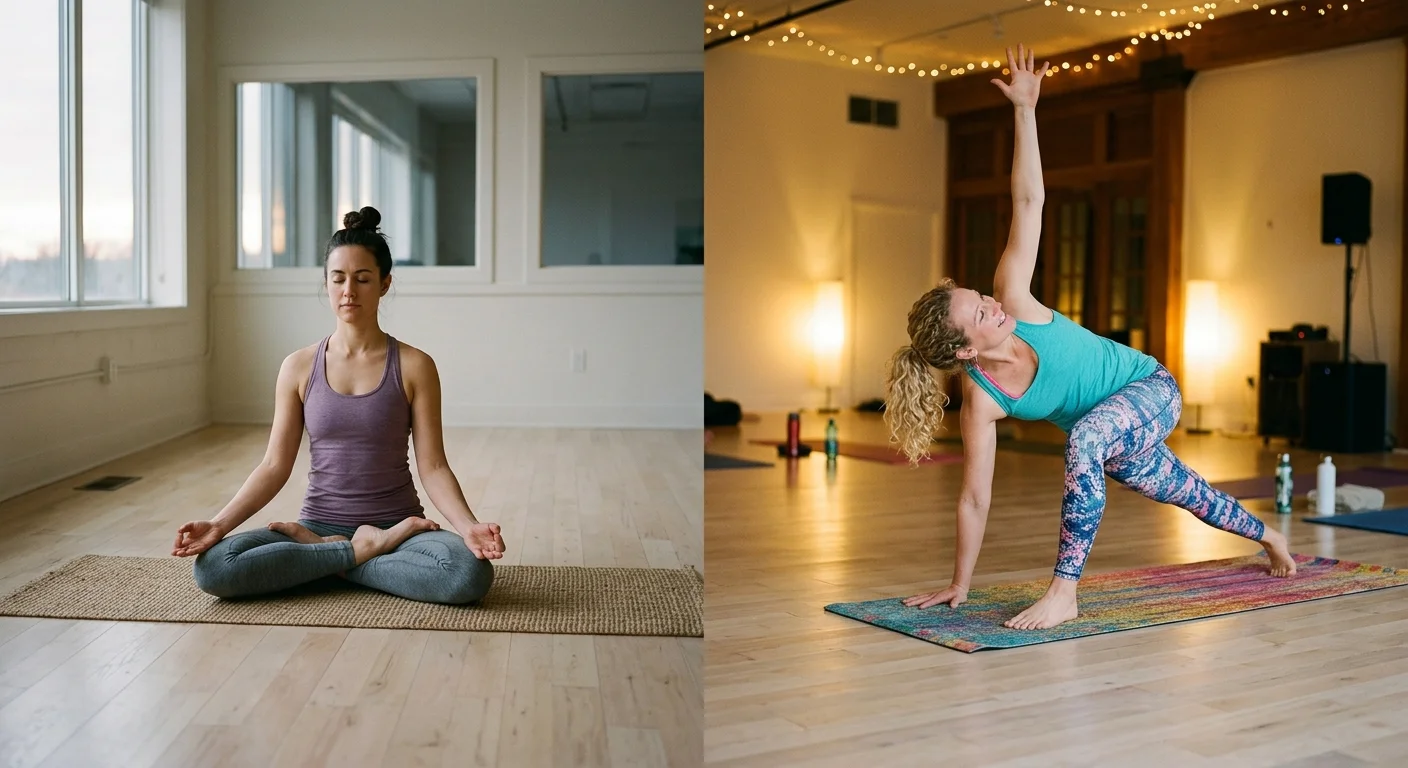
Not everyone finds freedom in repetition. Some people find it in the opposite — in a practice that shifts, breathes, and surprises you, class after class.
Vinyasa flow yoga was built for that person. And the research backs it up. This goes well beyond just "it's more fun."
The Personality That Thrives Here
There's a clear pattern in how yoga practitioners are wired. People drawn to dynamic flow styles like Vinyasa tend to score higher on extraversion . They also show a stronger "right-sided" cognitive style — a way of processing the world that connects with openness to experience (p=0.012) and dynamism (p=0.042). Put simply: you light up in creative, unpredictable spaces rather than structured ones. Your nervous system is already pointing toward Vinyasa.
Here's how to know if that's you:
Repetition drains you rather than grounds you. Doing the exact same sequence for months doesn't feel meditative — it feels like a sentence. Vinyasa's changing flows aren't a workaround. They're the whole point.
Your schedule doesn't follow a neat weekly rhythm. Vinyasa classes run across 60–90 minute sessions, two times a week. You can drop in when life allows. Your progress stays intact.
You want a mood shift, not just a body change. Here's where the data gets sharp: across an 8-week study, Vinyasa delivered real improvements in positive affect in 14 out of 16 sessions — an 87.5% hit rate. Negative affect dropped in 15 out of 16 sessions.
87.5%Positive Mood Sessions+23.2%Positive Affect Gain8 WksStudy DurationThose aren't small margins. One class can shift how you feel within the hour.
Who Benefits Most
Vinyasa isn't a one-size-fits-all style — it's a highly adaptable one. Certain life stages and situations respond to it in specific, documented ways:
Who You Are | What Vinyasa Delivers |
|---|---|
College students / high-stress professionals | HRV improvements after just 3 sessions; lower respiration rate post-class (p<0.05) |
Sedentary office workers | +23.2% positive affect per session; measurable reduction in sitting-induced anxiety |
Athletes cross-training | Parasympathetic recovery support; flexible scheduling without sacrificing intensity |
Postpartum or returning practitioners | Breath-centered flows that restore autonomic balance at a steady pace |
True beginners | Creative, non-fixed sequences lower the barrier to entry — no prerequisite series to unlock |
That last one matters. Ashtanga's Primary Series has prerequisites built into its structure. Vinyasa doesn't. It meets you where you are. Pilot data from college beginners — low activity baseline, 18+ — showed strong mood gains across most sessions within eight weeks.
The Honest Match
Your version of self-care looks like showing up differently each week — sometimes fierce, sometimes slow, always present. Vinyasa isn't a compromise for that. It was built around the way you live. The breath-movement sync, the shifting sequences, the shared energy of a room moving together — these aren't just aesthetic choices. They're how Vinyasa does its work. On your nervous system, your mood, and over time, your sense of yourself.
What to Wear for Ashtanga vs Vinyasa: Gear That Matches Your Practice
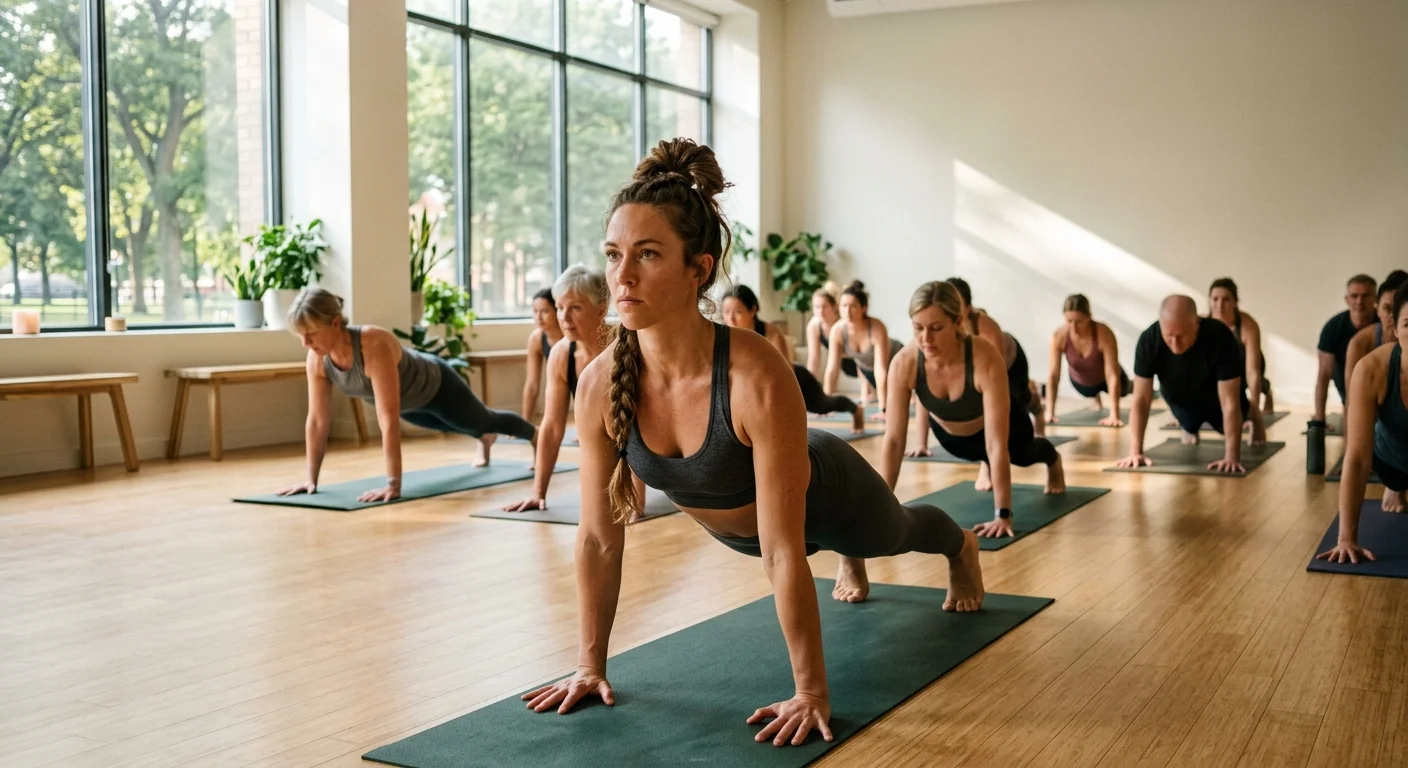
Your clothing is doing real work in both practices. Pick the wrong pieces and you'll feel it mid-chaturanga.
The good news: the rules are simpler than you'd think.
Both styles share one non-negotiable foundation — fitted, stretchy, moisture-wicking pieces that move with your body, not against it. Loose cotton tees are out. Full stop. They bunch, they shift, and they get in your way during inversions. Neither practice has room for that.
The two styles split apart in the specifics of what your body needs:
For Ashtanga , durability and security come first. You repeat the same deep twists, binds, and inversions — session after session. Your leggings need to stay put. Nylon or polyester blends with sweat-wicking technology hold up best under that kind of sustained, high-intensity work. A fitted tank that stays in place during inversions isn't a bonus — it's a safety must.
For Vinyasa , breathability leads. You're in constant motion. Heat builds fast. Your body needs fabrics that release it. Cotton-blend leggings with a 5–10% lycra or spandex content hit the sweet spot — enough stretch for smooth transitions, enough lightness to let you breathe through every sequence.
Ashtanga | Vinyasa | |
|---|---|---|
Top priority | Secure fit + sweat-wicking | Breathability + flexibility |
Best fabric | Nylon / polyester blends | Cotton blends with spandex |
Fit | Close, compression-level fit | Fitted, not constricting |
What to skip | Anything loose or cotton-only | Heavy fabrics, cuts that are too tight |
The most common mistake? Going too tight into a Vinyasa class. Tight clothing cuts off breathing. That defeats the whole point of a breath-driven practice. On the flip side, soft casual leggings built for low-impact movement will start fighting you the moment you hit the seated sequence in an Ashtanga Primary Series.
Dress for the practice you're walking into — not just the vibe of the studio.
FAQ: Your Most Common Questions, Answered
Still have a few doubts? That's normal. Choosing a yoga practice is a real commitment. These questions come up again and again for good reason.
Is Ashtanga or Vinyasa better for weight loss?
Ashtanga wins for structured fat loss. Its fixed sequence builds consistent muscle load. That kind of steady pressure produces real changes in BMI and body composition over 12 weeks. Vinyasa burns calories fast through non-stop movement, but results shift depending on class intensity. Fat loss is your main goal? Ashtanga's predictability gives you the edge.
Which one is better for complete beginners?
Vinyasa — no question. There's no required series to get through first. No fixed benchmark to hit before you move on. Teachers build each class around whoever shows up. Ashtanga's Primary Series has a real learning curve. It's not off-limits for beginners, but the Mysore format works best with a knowledgeable teacher watching your pace and correcting your form.
Can I practice Vinyasa flow yoga at home?
Yes — and it's easier to do at home than Ashtanga. You'll find plenty of online Vinyasa sequences built for home practice, with modifications already included. Ashtanga works at home too, since the sequence never changes. But without a teacher watching your alignment, injury risk goes up. Self-teaching? Start with Vinyasa.
Which style is better for flexibility?
Both build flexibility, just in different ways.
Ashtanga uses the same sun salutation sequence and seated postures every session. That repetition steadily opens the hips, hamstrings, and spine over time.
Vinyasa hits flexibility across a wider range. Different classes target different areas, so you cover more of the body overall.
Want deep, focused gains in specific areas? Ashtanga's repetition goes further. Want full-body flexibility across the board? Vinyasa's variety covers more ground.
Do I need special yoga breathing techniques for either style?
Ashtanga requires it. The Tristhana system combines Ujjayi breath, drishti (gaze), and bandhas (energy locks) — all at once. It takes real practice to pull together, and you can't skip it. Vinyasa also links breath to movement, but the approach is looser. You find your own rhythm as you go. Yogic breathing feels unfamiliar at first? Vinyasa gives you space to figure it out without the pressure of a strict method.
Which is more beginner-friendly for yoga poses?
Vinyasa offers modifications for almost every pose. The entry point is low, and teachers adjust the class to fit who's in the room. Ashtanga poses are fixed. You work through them in order, at your own level, but there are no substitutions. Both styles are accessible. Vinyasa just removes more of the intimidation upfront, which makes it easier to walk through the door for the first time.
CTA 3The Verdict: Stop Overthinking, Start Moving
Here's the truth you already know: the perfect yoga style is the one you'll do.
You crave structure, measurable progress, and a practice that works like personal discipline — Ashtanga is your answer . Your life runs on variety, flexibility, and showing up when you can — Vinyasa flow yoga was built for you .
Both build strength. Both improve flexibility. Both will change you.
The wrong move? Spending another week researching instead of practicing. Ask yourself one honest question: Do I thrive with a fixed routine, or do I come alive when things stay fresh? That answer settles it.
Roll out your mat. Choose one. Commit to four weeks. Your body will tell you the rest — more than any comparison guide ever could.
Conclusion
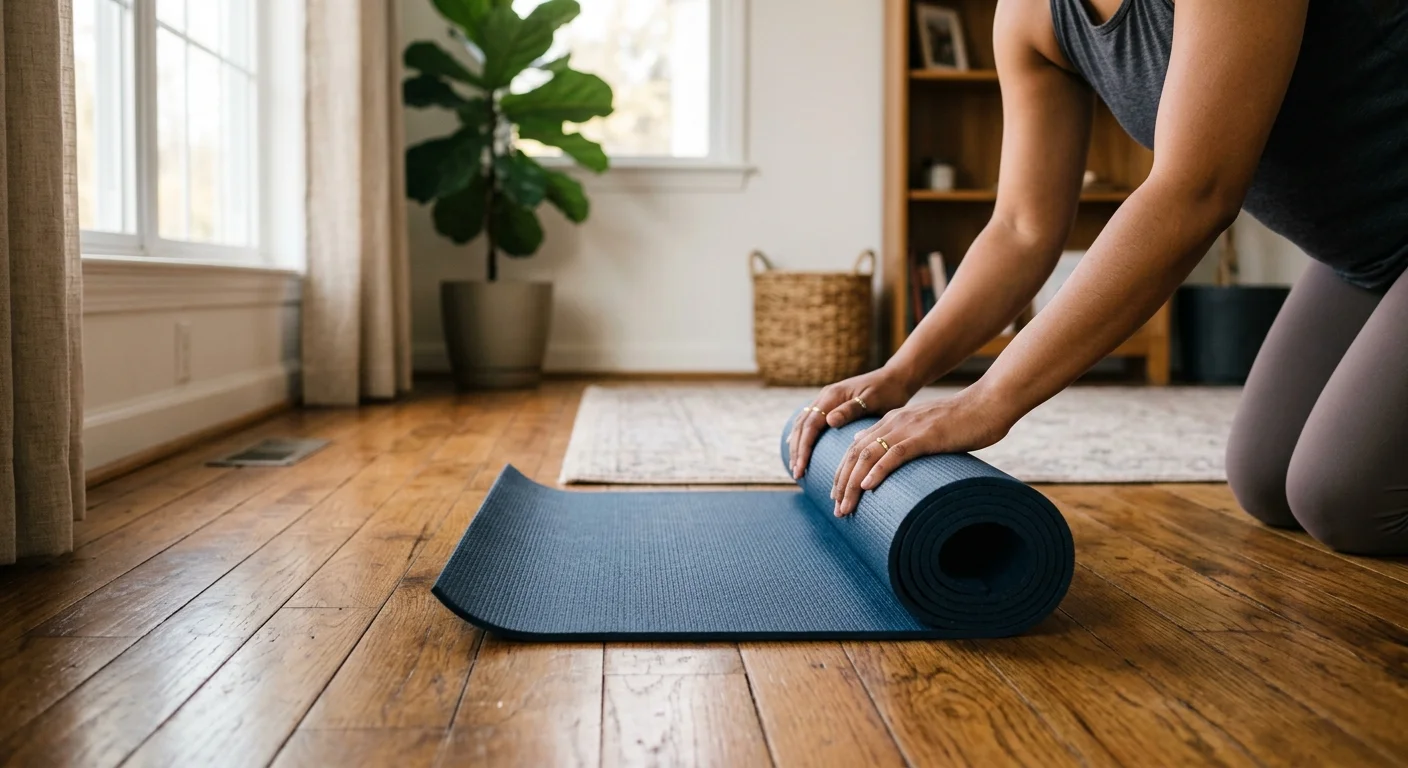
Here's the truth: there's no wrong answer between Ashtanga and Vinyasa yoga. The best choice is the one that keeps you coming back to your mat, day after day, with purpose.
Crave structure and discipline? Ashtanga's fixed sequence gives you a clear path forward. Progress is measurable. Patience pays off. Need variety and freedom? Vinyasa meets you where you are. It adapts to your mood, your body, your day.
Either way, the most important step is the next one — unrolling your mat and starting.
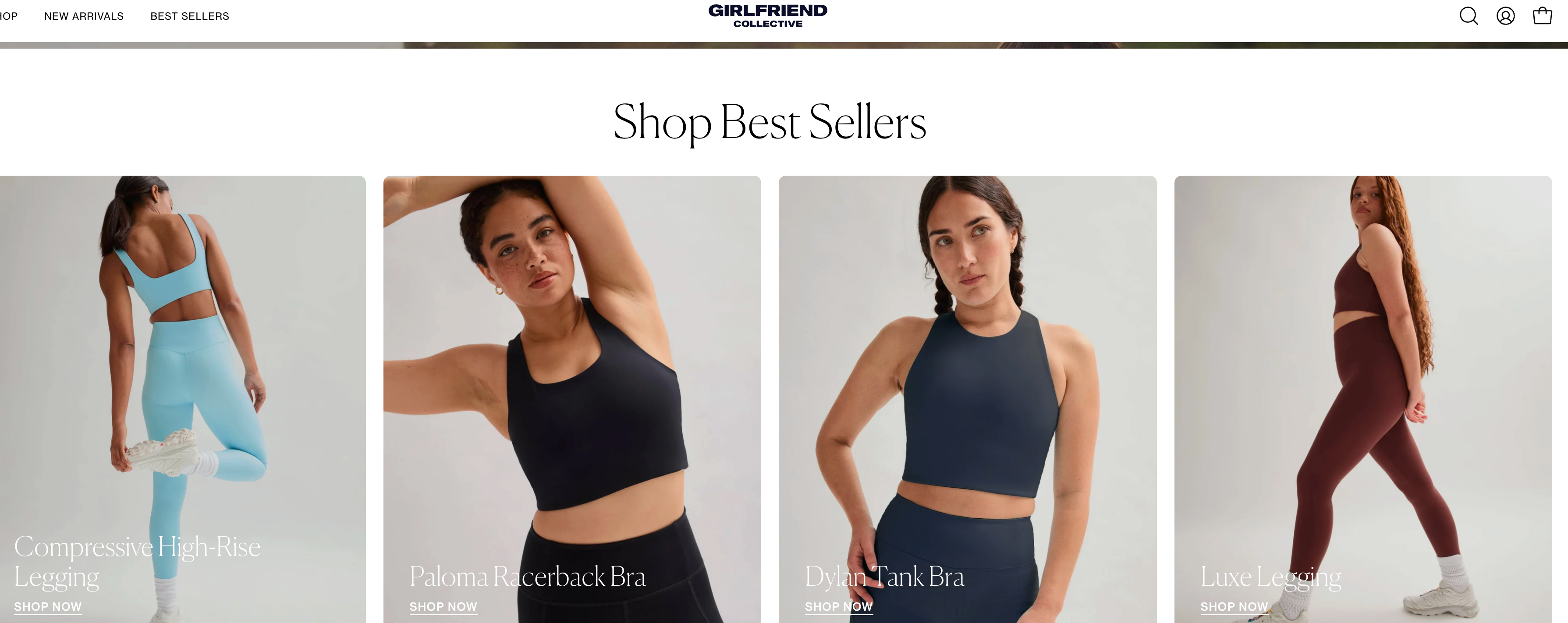
So wear something that moves with you, not against you. The right gear supports every breath and every transition. It works with your body, not against it. Browse Berun's yoga collection and find pieces built for the kind of movement you love.
Your practice is waiting. Go meet it.
CTA 2 Video Section