Step into a harvested cornfield or push through a tangle of wild rose and switchgrass — your clothing stops being an outfit and starts being equipment. A pheasant flushing wild at forty yards doesn' T care that your jeans are soaked through. It doesn't care that briars have turned your forearms into a road map of welts. It doesn't care that you can't feel your fingers anymore.
For brands, retailers, and hunting apparel suppliers, understanding these gear requirements is just as important as understanding the hunt itself.
This upland hunting clothing guide is built to spare you that pain. Blaze orange requirements vary by state. The right boots need to hold up through six hours of hard cover. Every layer gets a full breakdown here — so you can spend opening day focused on the dog, the birds, and the shot.
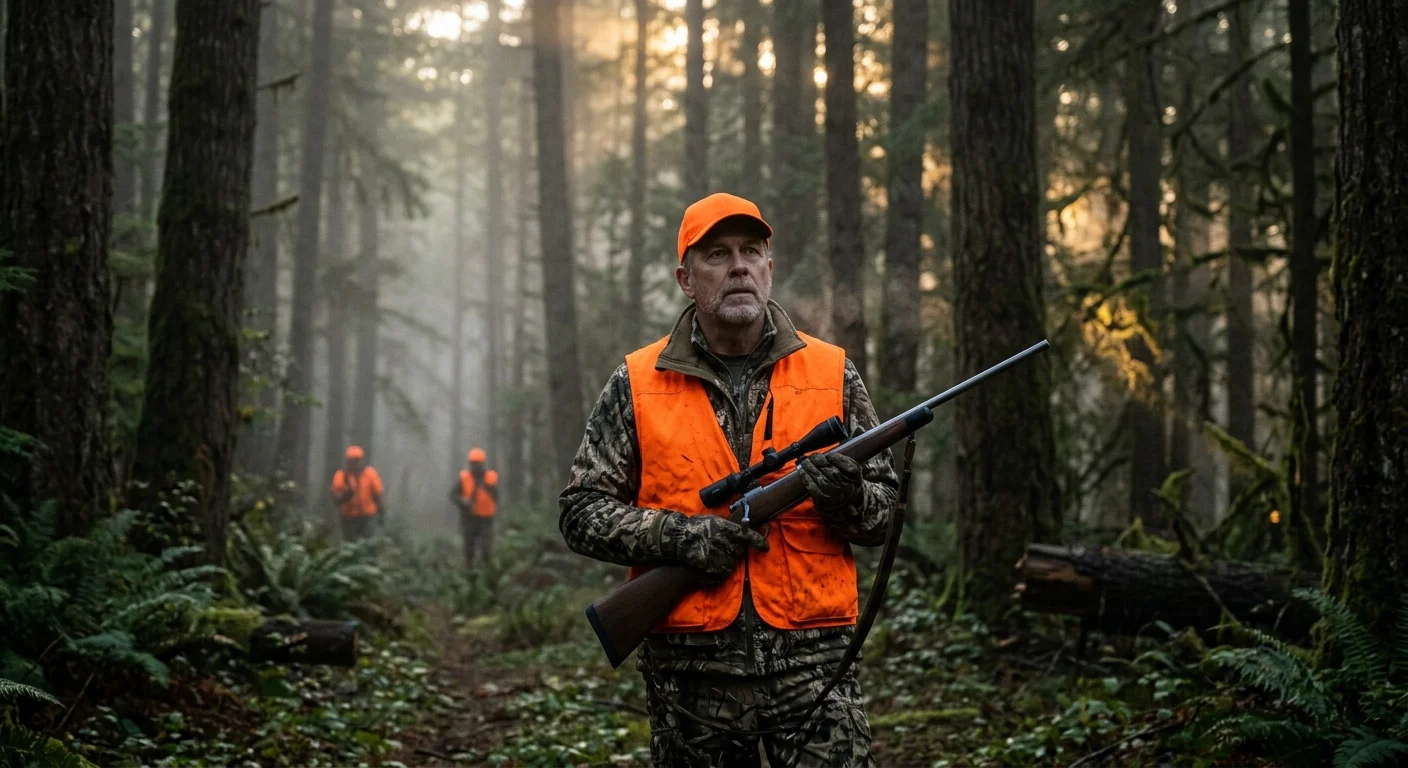
Blaze Orange Requirements for Pheasant & Quail Hunting: What the Law Says
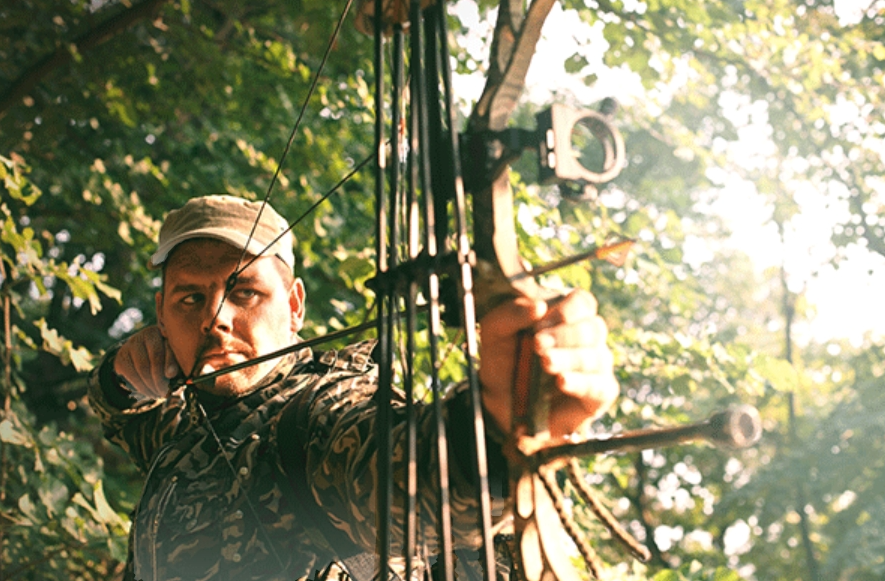
Here's the truth most hunters find out at the trailhead: blaze orange rules aren' t the same everywhere. "I didn't know" won't save you with a game warden.
The rules change by state — and sometimes by season overlap and land type.For a hunting clothing manufacturer, staying current with these regulations is essential when designing products for different regional markets. Chase roosters in Kansas or bob-whites in Oklahoma? Know what your state requires before you go.
How the Rules Break Down by State
Kansas requires a minimum of 200 square inches of blaze orange on your outer upper-body garments, visible from all directions. Your hat counts toward that total — but the orange needs to cover the torso, not just sit on your HEAD .
Iowa follows a similar standard: 200 square inches on your outer upper garment, visible 360°. The rules get stricter where upland seasons overlap with deer gun season.
Illinois controlled pheasant areas set the bar higher — 400 square inches of solid blaze orange , covering hat plus upper body. They're clear on this: camo-orange doesn't count. It has to be solid.
Oklahoma also hits the 400 square inch mark during firearm deer season. Hunt quail while rifle deer hunters are in the same woods? That 400-square-inch rule applies to you — whether the upland regs say so or not.
Pennsylvania sits in the middle at 250 square inches , spread across the head, chest, and back. This rule has been in place for over 30 years.
South Dakota — the pheasant capital of North America — has no blaze orange mandate for upland birds. Still, Pheasants Forever and the state wildlife agency both push for 200–400 square inches during any season that runs at the same time as rifle deer hunting.
Texas has no statewide blaze orange rule for upland birds. But individual public hunting areas can set their own rules. The smart move: wear a solid orange hat plus 144–200 square inches of visible orange on your upper body.
The Safety Case Isn't Theoretical
Hunter education data shows a clear pattern: after blaze orange became standard practice, "mistaken for game" incidents dropped by 30–50% across multiple states. In upland cover — cornfields, switchgrass, dense brush — a hunter in earth tones at 100 yards looks a lot like a deer. A hunter in fluorescent orange doesn't.
North Dakota Game and Fish said it straight: even where the law doesn't require blaze orange for upland birds, they push for it. This is especially true where pheasant season and rifle deer season fall on the same dates.
Dogs benefit from orange too. A blaze orange collar or vest on your bird dog isn't required by law anywhere. Still, it's become standard practice for groups hunting mixed-use land. It's a simple step that keeps your dog visible to other hunters nearby.
Does Blaze Orange Spook Birds?
It doesn't. Ring-necked pheasants and bobwhite quail see in four color channels. They're sharp on ultraviolet and blue-green wavelengths. But their ability to pick out red-orange tones is weaker than what humans see. Birds react to movement and sound. A still hunter in blaze orange looks about the same to a pheasant as a hunter in brown canvas. What flushes the bird is the crunch of your boot — not the color of your vest.
The practical rule: Check your state regulations before every season. In doubt? Wear more orange than the rule asks for — especially where your hunt runs alongside any firearm deer season. Treat 200 square inches of solid blaze orange on your torso as your personal baseline. Do this no matter what the statute requires.
The Upland Hunting Layering System: Building Your Kit from Skin Out
Temperature management is the unglamorous backbone of a successful upland hunt. Get it wrong and you're soaked in sweat by 9 a.m. or shivering by noon. Either way, your day ends faster than an empty game bag.
The system is simple: moisture out, heat in, weather blocked . Many brands now develop OEM/ODM upland hunting collections that follow this same three-layer performance principle.Three layers. Three jobs. One direction of travel for sweat and heat.
The Three-Layer Logic
Base layer — your first line of defense against your own body. Its job is pulling moisture away from your skin. Fit matters here. A loose base layer loses contact with skin and loses its wicking power. Go fitted. Go synthetic or merino wool. Never cotton. Cotton traps moisture against your skin. In cold weather, that moisture pulls heat straight out of your body. That's not dramatic — it's physics.
Mid layer — where heat lives. Synthetic insulation or fleece traps body heat through air pockets in the material. Here's the rule of thumb for upland hunting: 200–250g fill weight covers most active cold-weather days. Step up to 300g+ for stationary setups or hard-wind northern plains hunting in November and beyond.
Outer layer — the bouncer. It keeps wind and rain out without trapping moisture inside. Soft-shell and light hard-shell options outperform heavy insulated coats for upland work. You're moving all day, not sitting in a deer blind.
Build for the Season, Not the Calendar
Early season (September–October, Southern states): Strip it back. A lightweight merino base layer plus a light wind shell does the job. Carry a thin mid layer, but tuck it in your vest pocket. The goal is airflow, not warmth.
Late season (November–January, Northern Plains): Build a system you can shed fast. Walking hard with the dog? Drop the insulated mid layer. Standing to watch the point? Layer back up before you start shivering — not after. Ventilate before you sweat. Sweat is the enemy of insulation.
Upland Hunting Shirts & Jackets: Outer Layer Protection for Brush and Briars
The outer layer is where upland hunting gets specific.This is also the category where custom hunting apparel solutions can provide meaningful advantages for clubs, outfitters, and hunting brands. A general hiking jacket won't last a morning in wild rose. A standard work shirt gives out against multiflora hawthorn at the first thicket.
The Upland Field Shirt: Built Where It Counts
A proper upland hunting shirt — sometimes called a brush shirt or briar shirt — isn't reinforced everywhere. The reinforcement goes where it counts. The front chest and forearms take the most abuse. That's where quality briar proof hunting pants fabric logic moves upward: high-density nylon or polyester blend, woven tight enough to push a thorn aside instead of letting it through. Some shirts add a dedicated "brush guard panel" across the shoulders and upper sleeves. That's the difference between a shirt that lasts a season and one that's done by afternoon.
A few design details that matter more than they look:
Bi-swing back or gusseted underarms. Your shirt shouldn't fight your shoulders at the mount. A gusseted underarm or pleated back panel lets you raise the gun clean. No fabric dragging across your upper back.
Adjustable cuffs. Button or hook-and-loop closures let you seal the sleeve against briars, wet grass, and blowing snow. A loose cuff in dense brush catches on every branch you push through.
Chest pockets built for shells. Two-flap front pockets sized around 14 × 15 cm hold 6–10 rounds of 12ga per side. Button flaps or magnetic closures keep them from bouncing open at a run.
The Upland Hunting Jacket: Where Function Gets Serious
The upland hunting jacket carries more responsibility than any other piece in the kit. It has to handle blaze orange coverage, weather, thorns, and the weight of birds — sometimes all at once.
Game bag capacity determines how long you stay in the field between returns to the truck. Look for a full-width rear bag with side entry ports. You should be able to load a pheasant without pulling the jacket off. A waterproofed interior and a drain grommet at the bottom handle blood and feathers. Your jacket stays clean after a good morning out.
On waterproofing: most quality upland bird hunting apparel uses a DWR-treated outer shell rather than a sealed waterproof membrane. That's a deliberate trade-off. DWR handles dew, light rain, and wet grass. It stays breathable across six hours of hard walking. A sealed waterproof layer traps heat and moisture on the move — that's fine for a duck blind, but wrong for chasing a flushing rooster through a cattail marsh.
Recoil padding at the shoulder — 3 to 6mm of foam or quilted cushion under a non-slip face — soaks up repetitive 12-gauge recoil across a full day. Keep it thin. A pad that raises your cheek weld shifts your point of aim.
Field Coat vs. Upland Vest: Choose Your Environment
Condition | Field Coat | Upland Vest |
|---|---|---|
Temperature | 0–10°C, wind, snow | 5–20°C, variable |
Arm protection | Full sleeve briar coverage | Depends on inner shirt |
Breathability | Lower — builds heat on long pushes | Higher — open shoulders shed heat fast |
Best use | Thick cover, cold mornings | High-mileage days, early season heat |
Cold, wind, dense hawthorn? The field hunting shirt plus a full coat wins. Hot early season or a big-walking day? A blaze orange hunting vest over a brush shirt keeps you cooler and moving faster.
Upland Hunting Pants & Leg Protection: Defending Against Thorns, Dew, and Cold
Legs take the worst beating in upland country. From the waist up, you're pushing branches aside. From the waist down, you're walking straight through them.
That's the core reality of briar proof hunting pants — wild rose, hawthorn, and CRP switchgrass don't move for you. The fabric has to.
What Makes a Brush Pant Work
Fabric weight alone doesn't tell the story. A specialized hunting clothing factory will often focus more on reinforcement placement and abrasion testing than fabric weight alone.The real difference is reinforced leg overlays — panels of dense woven canvas or high-density nylon stitched to the front of the leg. That's where thorn contact hits hardest. A standard pant shreds in heavy cover by mid-morning. A proper hunting brush pant with briar panels deflects thorns and keeps you moving.
Beyond thorn resistance, look for:
Water-repellent or DWR-treated facing — morning dew soaks through standard pants in fifteen minutes. A treated face fabric holds that moisture on the outside. It stays off your base layer.
Articulated knees and inseam gussets — you're stepping over deadfall, side-hilling through CRP, and covering six-plus miles. Range of motion matters just as much as durability.
Match the Pants to the Cover
The cover dictates the kit:
Condition | Right call |
|---|---|
Open fields, early season | Lightweight breathable brush pants — protect stride efficiency, manage heat |
Dense rose tangles, wet cattails | Brush pants plus chaps — chaps add shin and thigh shielding that standard pants can't provide |
Cold, heavy late-season cover | Heavier briar pant with water-repellent facings, layered over base tights |
Chaps aren't a compromise. They're the right answer when vegetation turns wet, slashy, and punishing. They keep your pants dry from dew and add a second layer of scratch protection on top.
Cold days with no pant change on hand? Pull base tights under your upland hunting pants. That combo covers the gap without adding bulk.
Upland Hunting Boots & Socks: The Foundation of an All-Day Hunt
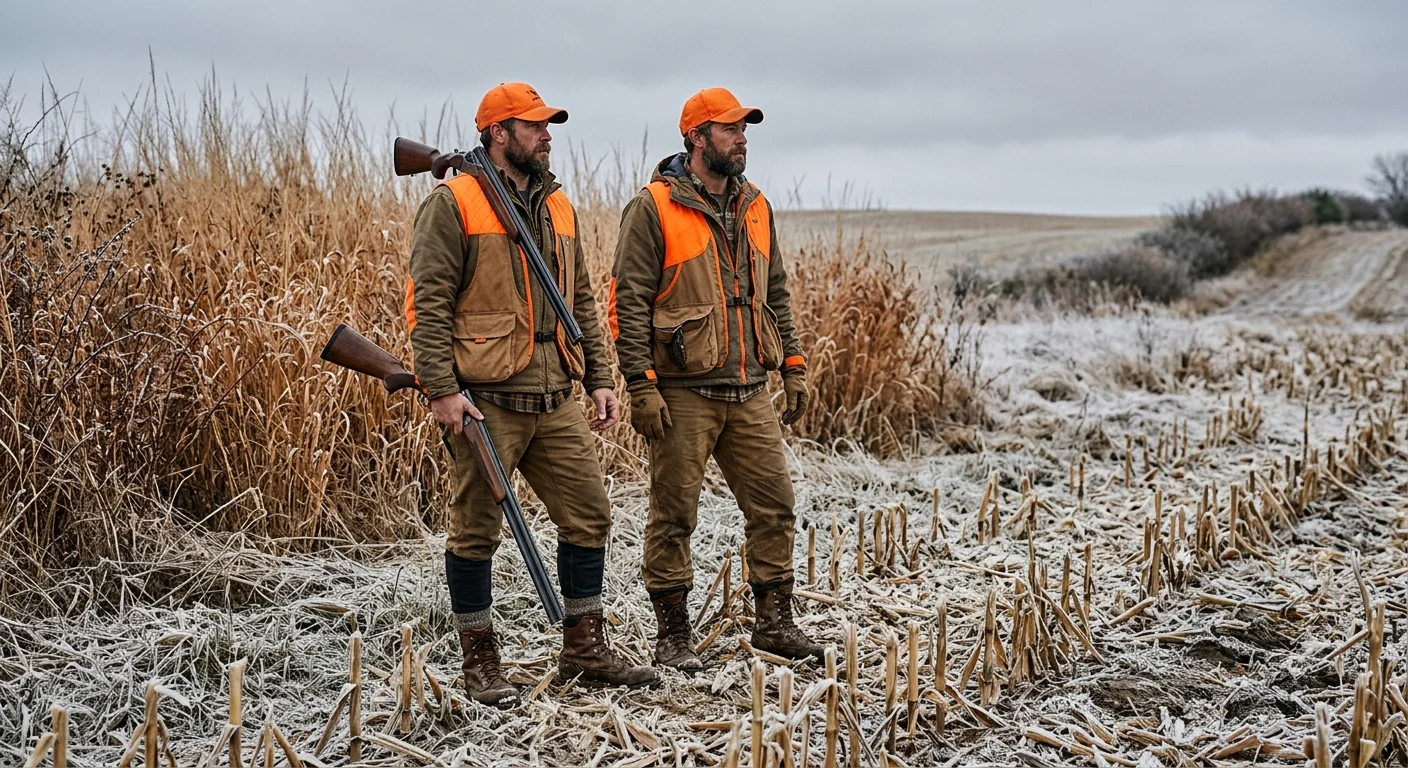
Six miles into a late-October pheasant hunt, your boots become the one thing standing between you and a miserable walk back to the truck. Everything else — the jacket, the vest, the layering system — can be adjusted on the move. Your boots can't.
Boot Height: Match It to Your Cover
Height is the first decision. Get it wrong and you're either carrying extra weight you don't need or paying for it in scratched shins and rolled ankles.
6" boots — Built for open fields, crop edges, and flat ground. Mobility and weight savings matter more than protection here. Light, flexible, and easy on long prairie walks.
8" boots — The standard upland height. You get solid ankle support for rolling terrain, plus enough shaft to keep briars off your lower leg through most cover types.
10"+ boots — For serious vegetation. Wild rose, hawthorn, snakes, or small stream crossings that would swamp a shorter boot. The Gokey Botte Sauvage sits in this category for good reason.
Waterproofing: What the Conditions Demand
Gore -Tex liners — like those in the Crispi Upland Pro — deliver genuine 100% waterproof protection while staying breathable. That matters in heavy dew, wet cattails, and creek crossings.
Full-grain leather boots with treated seams are the alternative. They work well, but they need consistent conditioning. Let the leather dry out and the water repellency goes with it.
One boot type to skip for all-day upland work: rubber muck boots. They'll keep your feet bone dry in a flooded field. They'll also cook your feet inside an hour of hard walking. Plus, they offer almost no arch support over a long day.
In high-desert or arid upland climates, breathability matters more than waterproofing. A full membrane becomes a problem — heat buildup is the real threat, not rain.
Weight, Outsoles, and Fatigue
A few ounces per boot sounds like nothing. Add it up across six to eight miles of uneven field and it stops being nothing. The Gokey Super Light Upland Boot — 1.5 lb (24 oz) per boot — sits at the lightweight end of full-leather upland construction. Hunters putting in serious miles each day should weigh boot weight just as carefully as waterproofing and support.
Outsole tread follows the same logic. Shallower patterns shed mud and small rocks on prairie and pasture. You get a stable shooting platform right when the flush happens. Save the aggressive lug for wet woods and slick hillside terrain, where real traction becomes a safety issue.
Breaking In Before Opening Day
Stiff, full-grain leather boots perform best — but that comfort takes time to earn through break-in. Head into opening day in unbroken boots and you'll pay the price by mile three.
The process is simple:
1. Size and fit boots wearing the same sock system you'll hunt in. Sock thickness changes the fit more than most hunters expect.
2. Try boots on late in the afternoon , when your feet are at their largest. This stops toe bang on long descents.
3. Before the season, walk several short 1–3 mile sessions in field conditions. This softens the uppers and surfaces any hot spots before they turn into blisters.
The Sock System Nobody Talks About Enough
The right boot paired with the wrong socks is still a bad setup.
Above freezing: Go with a light-to-midweight merino wool or synthetic blend. It handles moisture and reduces friction well. Cotton is off the table — wet cotton traps sweat against your skin, raises blister risk, and pulls heat away from your foot the moment you slow down.
Below freezing or long cold days: Run a two-layer system. A thin synthetic or fine merino liner sits against your skin. A heavier outer sock goes on top. Friction shifts to the sock-to-sock layer instead of your skin. Heat and moisture management both get better.
One lacing detail worth noting: snug at the ankle, heel, and instep — but your toes move free. Locked heel, wiggling toes. That combination stops heel lift and keeps blood moving through a full day in cold cover.
Choosing the Right Upland Hunting Vest: Game Bag, Shell Storage & Beyond
The vest carries birds, holds shells, manages water, and keeps you visible — all without slowing you down across eight miles of hard cover. No other piece of gear has to do that much at once.
Getting that balance right means knowing exactly what you're asking the vest to do.
Game Bag Capacity: Size It for the Birds You're Hunting
Daily bag limits shape the math here. South Dakota pheasant hunters work toward a 3-rooster limit. Your game bag needs to hold 3–4 roosters without the rear weight pulling your vest into a backward lean by noon.
Quail hunters face a different problem. Most states set limits at 8–15 birds per day , and bobwhites move fast — you're loading birds throughout the morning, over and over. A wider, longer game bag opening matters more than raw volume. Try stuffing in bird number nine with frozen fingers and you'll understand why.
Hunting mixed species? Use this conversion: one pheasant equals three to four quail by volume. Two roosters and six quail works out to four pheasant-equivalent units. Look for vests marketed as "full day" or "large game bag" capacity. The practical test: the bag should lay three to four roosters flat without overlapping, with room left for water and a layer you stripped off.
Two structural details that don't get enough attention:
Blood-proof lining. A game bag without it pushes blood and feathers into the outer shell fabric within the first hour. Once that sets, it won't come out.
Interior zip pocket inside the game bag. Several higher-end vests include one. It keeps your hunting license, a spare glove, and a few plastic bags away from wet birds — a small detail that pays off every single time.
Shell Storage: Match the Configuration to Your Target Bird
Shell needs differ between pheasant and quail hunting. Most hunters underestimate that gap.
For pheasant: A typical day runs 2–3 shots per bird. On a 3-bird limit, that's 6–9 rounds minimum — before accounting for misses. Most experienced rooster hunters keep at least 15 rounds on the vest , using a design with 10–12 external shell loops plus a secondary pocket for backup rounds. The loops give you fast access. The pocket covers overflow.
For quail: A covey flush burns 3–6 shells in under ten seconds. A solid morning can chew through 25–50 rounds . That changes the gear requirement completely. Look for vests with 20 or more total shell loops — ten per side — plus a shell bag wide enough to drop in a full box of 25 rounds flat. Zip-closure shell bags matter here. Running hard through switchgrass shakes loose shells right out of open-top pockets.
Hydration, Load Distribution & the Vest-vs-Coat Decision
A full-day upland hunt needs 1.5–3 liters of water for the hunter , plus another 1–2 liters for the dog . That weight builds fast against a loaded game bag.
Say you're carrying three to four pheasant equivalents, two liters of water, food, a dog lead, and a basic first-aid kit. Total back-loaded weight can push past 6–8 kg . At that point, a strap vest with a padded waist belt is not a luxury anymore. A well-fitted waist belt moves 60–70% of that load to your hips and off your shoulders — across every mile of terrain.
The temperature question settles the vest-versus-coat debate:
Condition | Right Call |
|---|---|
Early season, warm days (>15°C) | Lightweight strap vest over a brush shirt — max airflow |
Cold late-season (< 5°C, wind) | Field coat with integrated game bag; drop the extra shoulder load |
High mileage, heavy carry | Strap vest with waist belt regardless of temperature |
Blaze Orange Coverage Without Sacrificing Function
Most quality upland hunting vests with game bags solve the blaze orange problem through design. The front shell pocket panels and the full exterior game bag face use solid blaze orange fabric. One vest covers your upper-body visibility from every angle.
Pocket placement is the detail that matters most. Shell loop openings and water bottle slots should sit at the lower edge or cut-in sections of the orange panels. That keeps the visible surface area intact and still gives you fast access. A vest that breaks its orange panel into small fragments to fit more pockets may show orange on paper — but it destroys the 360-degree visibility that makes the color work in the first place.
Head, Hands & Eyes: The Accessories That Complete Your Upland Kit
Most hunters obsess over jackets and pants, then grab whatever cap and gloves are lying by the door. That's a mistake. Accessories don't finish your kit as an afterthought — they finish your shooting.
The Hat: Orange, Warmth, and Sight Lines
A blaze orange hat is your most visible piece of safety gear. Most safety organizations recommend 144–200 square inches of orange on your head , visible from every direction. Pennsylvania requires orange at the head, chest, and back — all at once. Minnesota treats it as the top checked item in the field.
Season determines style:
- Early season (25–35°C): A lightweight trucker cap — 50–80g, mesh back — keeps heat moving off your skull. Mesh panels covering 50–70% of the rear make a real difference over long miles.
- Late season (0–10°C): Switch to a fleece or wool beanie, 150–250 g/m², in solid blaze orange. Some hunters run both — beanie for the cold morning push, cap when temperatures climb by midday.
- Hard cold (-10–0°C): A double-layer trooper hat with ear covers raises ear skin temperature by 3–5°C. That's not comfort — that's focus.
One note on brims: a 6–8 cm brim cuts glare by 30–40% on a bright prairie morning. In light rain, a DWR-treated brim stays clear for 10–15 minutes. The trade-off? Brimmed hats press against over-ear hearing protection cups. That breaks the seal and costs you 3–5 dB of noise reduction. Running electronic ear muffs? A beanie fits cleaner.
Gloves: Trigger Feel vs. Cold Reality
The core tension in upland gloves is simple: thin enough to shoot, warm enough to last.
Goatskin or deerskin gloves — 0.5–0.7 mm at the palm, thinner at the trigger finger — preserve feel on a 2.5–3.0 lb pull. They hold up in 0–5°C walking conditions for two to three hours before your hands start pushing for warmer options.
Below that range, synthetic gloves with 40–80 g/m² Thinsulate stretch comfortable use to three to four hours at -5–5°C with wind. You lose some trigger sensitivity. That's manageable on standard field guns, but it becomes a problem on competition-weight triggers.
Cold-weather strategy that works:
- Above -5°C: Full-finger gloves with a thin palm and elastic fingers. Comfortable trigger pull for two to three hours in 10–15 km/h wind.
- Below -5°C: Warm gloves for the walk. Swap to a thin shooting glove 30–60 seconds before the shot. Swap back right after.
Keep Kevlar or cut-resistant knit liner gloves — rated EN 388 cut level 3–5 — on hand for bird processing . A morning of pheasant cleaning without them adds up fast. You won't notice the small cuts at first, but they stack up. Studies on repeated game bird processing show cut-resistant gloves cut minor hand injuries by 50–70%.
Eyes and Ears: Protection You Can't Skip
Lens tint is not a style decision. It's a field decision.
Bright sun or snow: Gray or smoke lenses at 10–20% VLT control glare and keep target edges sharp.
Overcast or tree cover: Amber or yellow lenses at 40–60% VLT boost contrast by 10–20%. That's enough to pull a bird's outline out of a switchgrass background.
Dawn and dusk: Clear or pale yellow lenses at 70–90% VLT. Top light transmission, nothing blocking your view.
On impact rating: ANSI Z87.1 is the floor , not the ceiling. It stops high-speed projectiles. Wad debris, branch strikes, and ejected shells in upland cover are the exact hazards that standard covers. Don't hunt behind fashion lenses.
For hearing protection, over-ear electronic muffs — NRR 23–30 dB — do two jobs: they block the shot, and they boost ambient sound between shots. So you hear your dog working cover before you see the flush. That's not a luxury. That's the difference between a shot you're ready for and one you scramble.
Pheasant & Quail Hunting Clothing: Complete Pre-Hunt Checklist
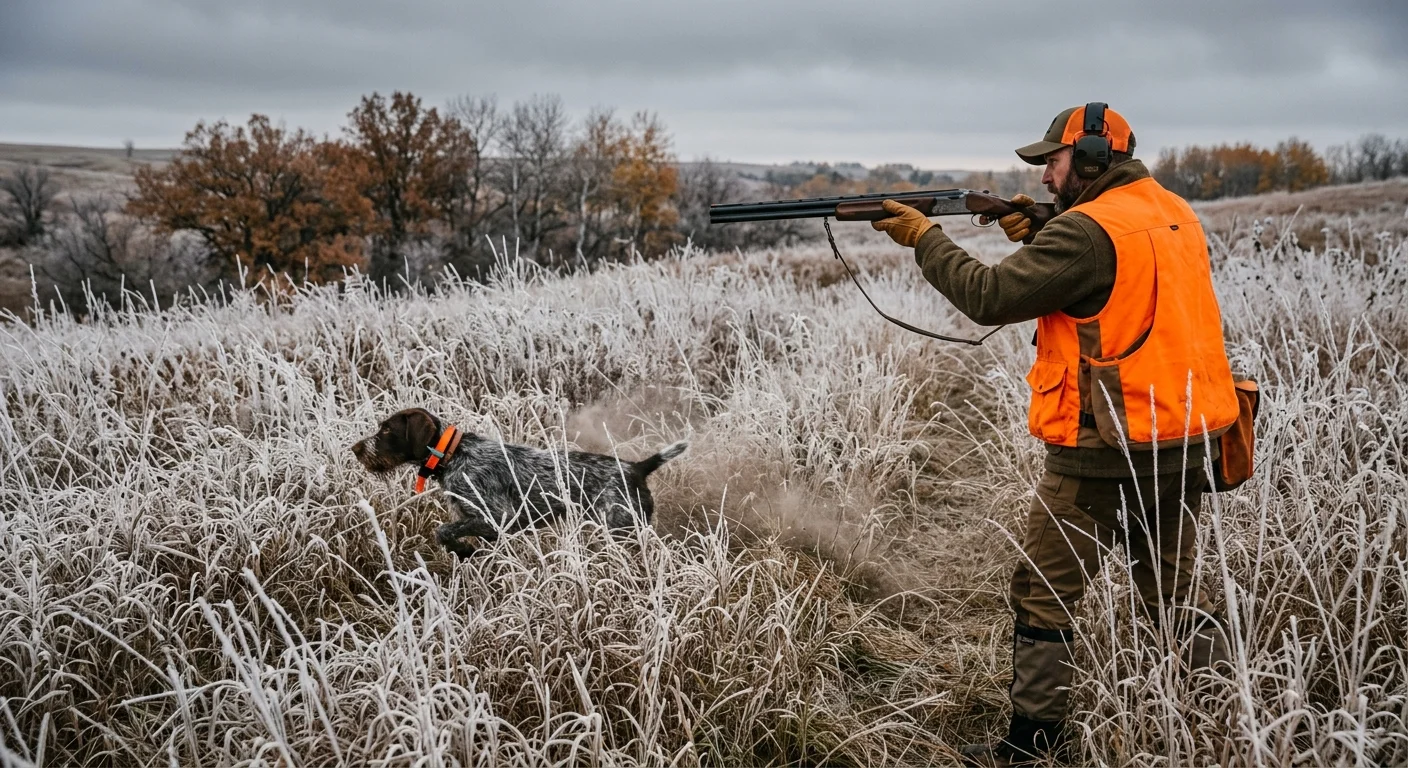
Gear failures don't warn you. They stack up — wet socks at mile two, a blister at mile four, frozen fingers when the covey flushes at mile six.
Run through this list the night before. Not the morning of.
Must-Have (No Exceptions)
Blaze orange hat — visible orange on the crown or front panel
Shooting glasses — ANSI Z87.1 rated minimum; pack a spare lens
Hearing protection — electronic muffs or foam plugs; shotgun blasts run 140–165 dB
Non-cotton base layer — merino wool or synthetic; cotton loses warmth the moment it gets wet
Long-sleeve brush shirt — reinforced shoulders and sleeves, 400–500 cm² of visible orange
Upland hunting pants — briar-resistant front panels, size up one waist for layering room
Wool or wool-blend socks — carry two pairs per day; wet socks ruin hunts
Broken-in upland boots — 20–30 km of pre-season walking minimum
Upland vest with game bag — shell loops loaded, water bottles staged
Conditional Gear (Weather and Cover Dependent)
Mid-layer fleece (below 5°C or wind)
Waterproof shell (rain ≥1 mm/h or wind ≥20 km/h)
Insulated gloves with flip-finger trigger access (below 0°C)
200–400g Thinsulate boots for late-season snow
The Mistakes That Cut Days Short
Upland hunting forums see the same four confessions every season. New boots straight to opening day — blisters by mile three. Cotton socks in wet cover — cold feet by noon. No shooting glasses — a branch or wad fragment turns that small oversight into a serious injury. Blaze orange on the hat alone — at 100 yards in tall switchgrass, your torso vanishes completely. Other hunters can't see you. That's a real safety problem.
Pack the gear. Check the list. Then go find the birds.
Conclusion
Every hour in the wrong gear is an hour lost. You're not hunting — you're just fighting the field.
The right upland hunting clothing isn't about looks. It's about staying out longer. Moving through cover with confidence. Getting home without cuts and scrapes you could've skipped. Blaze orange keeps you legal and visible. Briar-proof pants and a solid upland hunting jacket keep the brush from winning. A well-designed vest keeps your shells and your birds right where they belong.
You don't need a closet full of gear to start. You need the right gear, picked with purpose.For retailers and distributors evaluating new product lines, comparing performance features alongside upland hunting clothing wholesale price often delivers the best long-term value.
So before pheasant or quail season opens, run through the checklist. Spot the gaps. Fill them with pieces built to perform — not just to sell.
The dogs are ready. The fields are waiting. The question is whether your kit is.