Nobody tells you the real rules of beer league hockey.
Sure, you know the basics — skate, shoot, don'T fall on your face (too often). Step into that locker room for the first time, though, and you'll spot a whole separate game happening off the ice. There's an invisible social world running on unwritten laws, sacred traditions, and expectations nobody ever put on paper — until now. Miss them, and you won't get yelled at. You won't get benched. You'll just start noticing that nobody's passing you the puck anymore. Beer league hockey etiquette isn't about being polite — it's about earning your place in one of the most surprisingly wonderful communities in recreational sports. These 12 rules are your decoder ring.Teams ordering from reliable ice hockey jersey suppliers understand this culture well — identity and camaraderie matter as much as performance. These 12 rules are your decoder ring.
Rule #1: Check Your Ego at the Locker Room Door
Here's a number worth tattooing somewhere visible: 72% .
That's the share of recreational hockey players who say "fun first" is the whole point of showing up — from a USA Hockey survey of 5,000 rec league players. Not winning. Not proving anything. Fun. Your internal leaderboard doesn' t match that? Beer league will humble you. Hard. Personal.
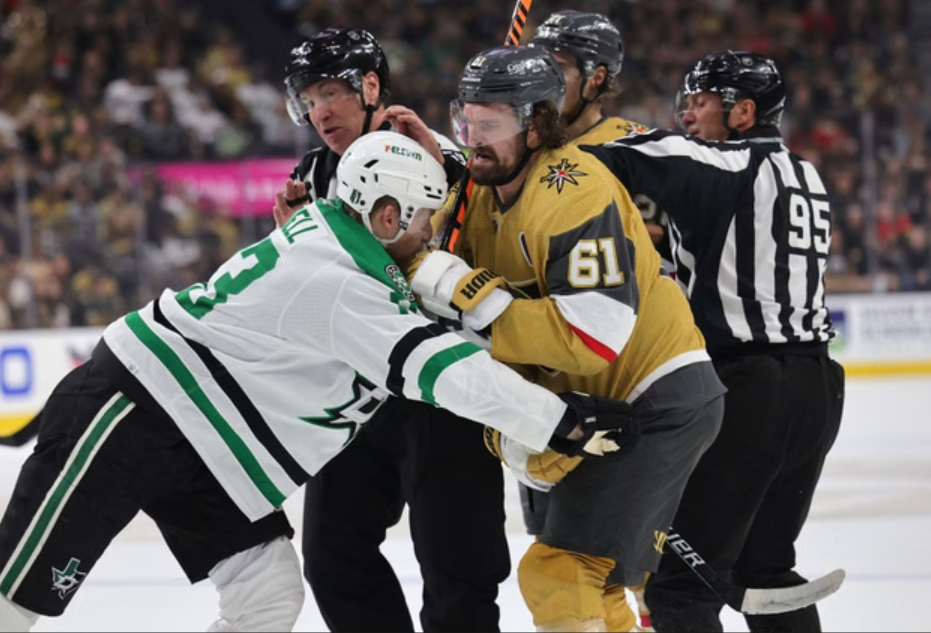
The unwritten ego tax is simple. Every rookie who skates in like Matt Rempe — slashing for "toughness," chirping opponents mid-play, sulking through a 6-1 loss — racks up an average of 3.8 penalty minutes per game . Veterans? 1.2. That gap isn't skill. It's attitude.
Teammates notice fast.
Beer league runs on an unofficial 60/40 rule : 60% genuine effort, 40% collective laughs. Disrupt that ratio and nobody confronts you. They just stop passing to you.
Leagues with "fun-first" cultures retain 91% of players season over season. Win-obsessed leagues? 62%. That's the real scoreboard. Nobody posts it. Everyone sees it.
Leave the NHL highlight-reel mentality on the couch. The ice is for everyone.
Rule #2: Respect the GM — The Unsung Hero of Every Beer League Team
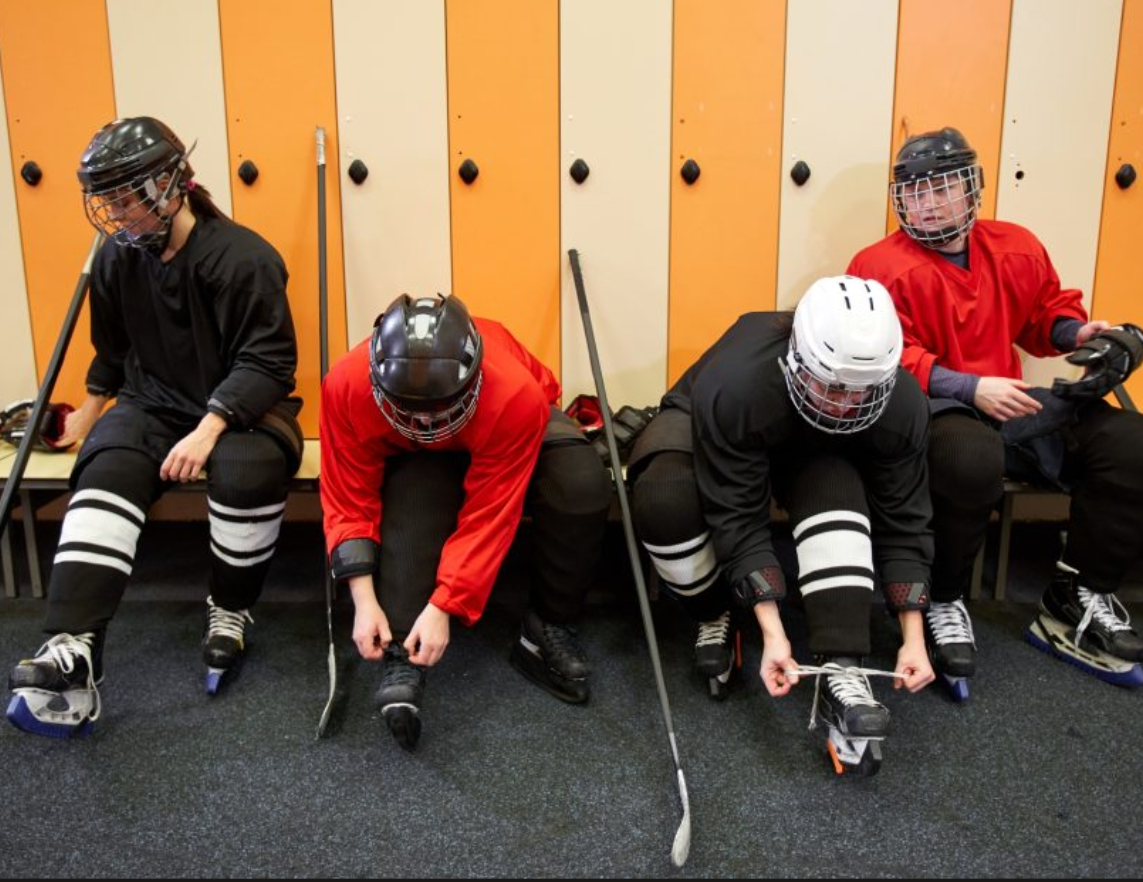
Right now, someone is sending their fourteenth unanswered text of the week. Not to a romantic interest. To twelve adults who can't confirm if they're playing hockey on Thursday.
That person is your GM. They are the one reason your team exists.
Think about what keeps a beer league team running: ice bookings, fee collection, roster juggling, emergency sub-hunting at 9pm on a Tuesday. Your GM puts in 10–20 hours of invisible admin work per week . For free. Driven by love of the game and, most importantly, beer.
Many rec teams even coordinate matching apparel orders through local ice hockey jersey manufacturers to build team identity without NHL-level budgets.
This is where beer stops being just a drink and becomes currency . Show up late with your fees? Beer. Forgot your helmet? Beer. Ghost the team on game night? That'll cost you a full case — around $50 , which is the standard penalty in about 70% of rec leagues.
The new player's starter checklist:
Pay your fees in Week 1. No reminders. Just do it.
Confirm attendance 24 hours before puck drop
Bring a 6–12 pack to your first few games — no explanation needed
Thank the GM out loud after a win
Lose your GM and you don't just lose an organizer. You lose the whole season.
Rule #3: Pay Your Hockey Fees on Time — No Exceptions, No Excuses
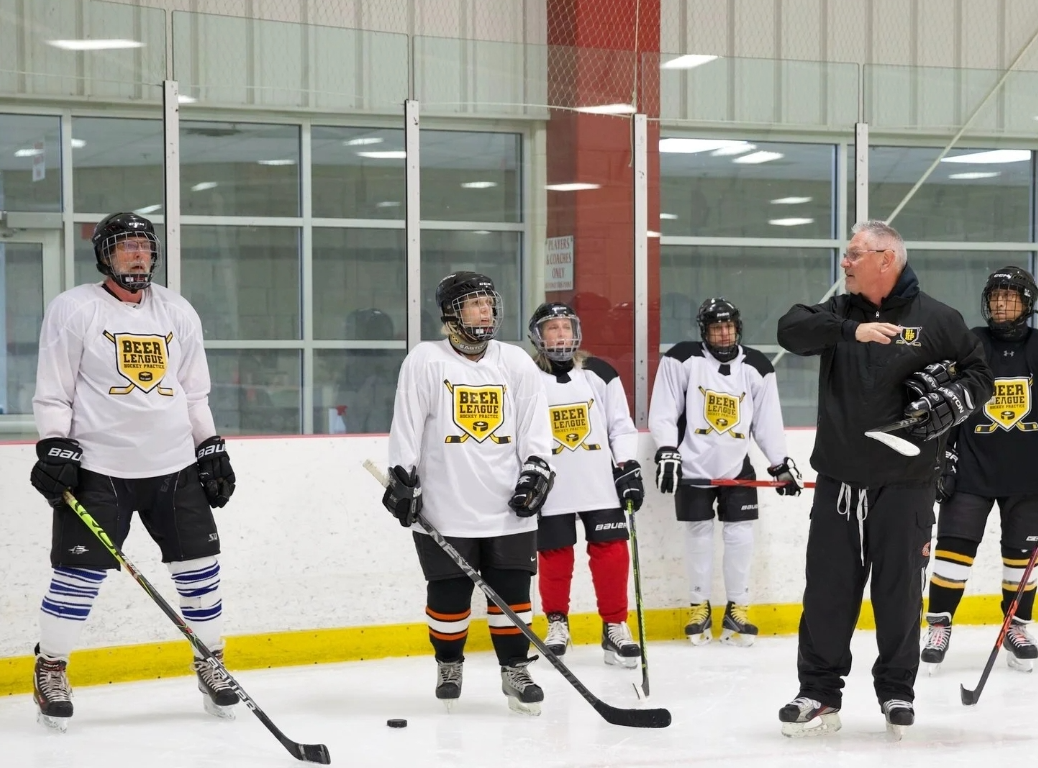
Late fees don't just cost money. They cost you ice time.
Most beer leagues aren't bluffing. Miss a payment, and you're watching Thursday's game from the parking lot. Legends of Hockey suspends you the moment you're one payment behind. Tier 1 Hockey Federation hits teams with a $1,000 fine for no-show forfeits. Skip that payment before playoffs — you're out. Two forfeits means you're off the playoff roster. Three, and you're expelled with zero refund.
The numbers are real. Season fees run $400–$800 per player . That covers 18–22 games of ice time, split across 15–18 teammates. Your GM already fronted that ice booking. Your late payment lands on their plate.That's also why many recreational clubs look for OEM/ODM ice hockey jersey packages that balance durability with manageable team costs.
The short version of every rec league's fee policy:
Pay before anyone asks — do it once, do it right
Set a Venmo reminder — 80% of rec leagues accept it
Don't make your GM text you twice
Pay on time. Stay on the ice.
Rule #4: Respect the Refs — They're Volunteers, Not Villains
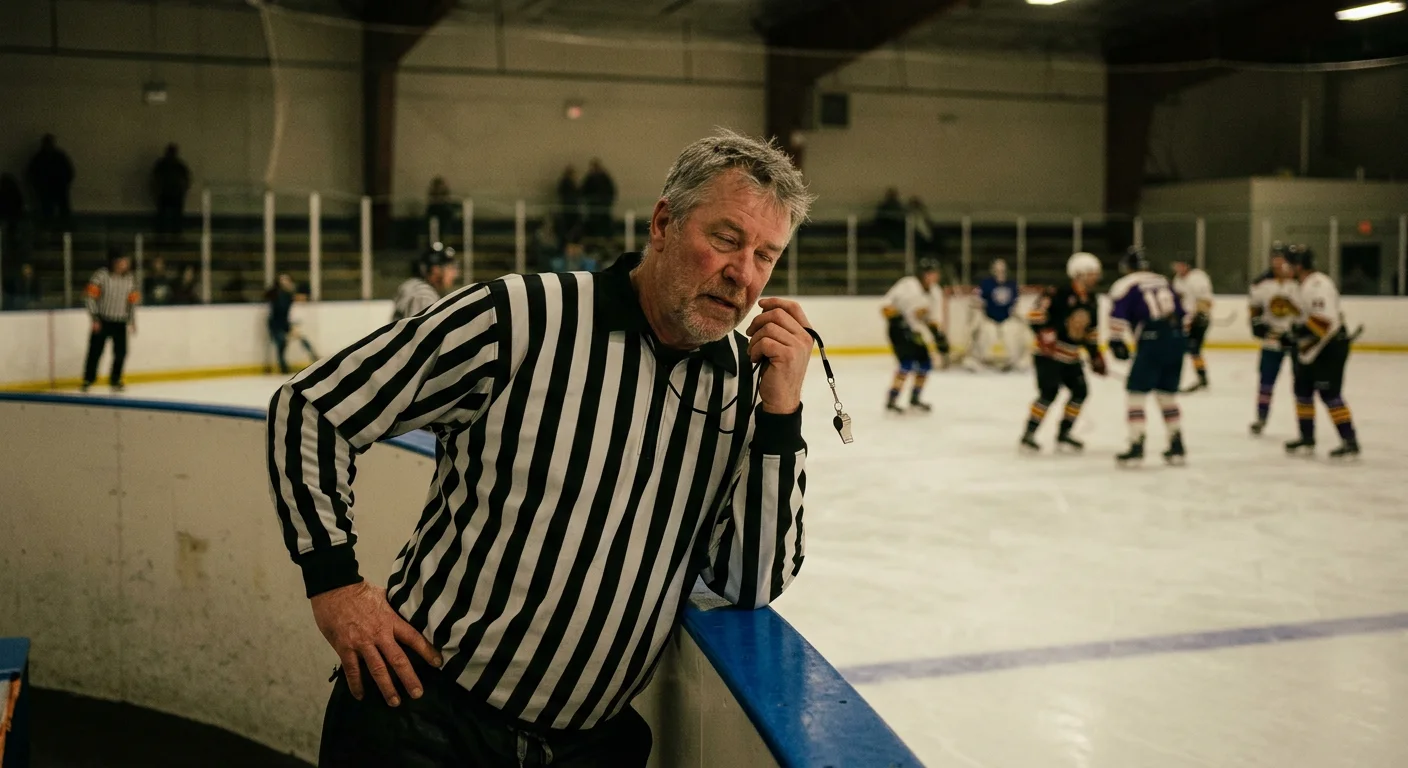
The guy who just called you offside? He has a dentist appointment tomorrow morning. He made $30 tonight . He drove 25 minutes to get here.
That's your beer league referee. Not a villain. He has a day job. He earned a Level 1 USA Hockey certification in a single 4-hour online course. He has zero patience for someone in a $15 jersey screaming at him from the blue line.
Teams investing in private label ice hockey jersey programs usually care more about long-term team culture than screaming over missed amateur calls anyway.
Here's the math. Amateur refs miss 10–15% of calls . Speed and bad angles cause most of those misses — not incompetence. Expect 12–18 judgment calls per game . About a third will feel wrong to someone on your team. That's not corruption. That's hockey at 20mph with one part-time official watching.
What arguing costs you:
Verbal outburst → 2–5 game suspension + $100 fine
Sarcasm ("Great call, ref!") → automatic bench minor
Hands up, dramatic head shake → unsportsmanlike penalty
The team damage is just as real. Squads that protest more than three times per game show a 22% higher player turnover rate . They also win 9% less often . The distraction is the real penalty.
Your captain talks to the ref. Once. After the whistle. Keep it calm and short.
Everyone else? Skate back to position.
Rule #5: Beer Day Is Sacred — Never Show Up Empty-Handed
Twenty-four. That's the number. Not 18. Not "whatever fits in my backpack." Twenty-four cold cans. In a proper cooler. There before you walk in.
This isn't a suggestion. In 90% of beer leagues , the 24-pack is the unwritten entry fee for post-game fellowship. The tradition goes back to 1990s OHL junior teams. A full case meant one beer per roster spot. The math was the message: I see every one of you.The same team-first mentality shows up in locker room culture too — many long-running rec squads even organize matching private label ice hockey jersey orders to strengthen identity across multiple seasons.
A few things that get you blacklisted fast:
Showing up empty — violation rates hit 15–20% among newcomers, and teams notice every single time
Buying the cheap stuff — sub-$15 generics signal low commitment; 85% of players want mid-tier domestics like Coors Light or Molson ($18–25/case)
Leaving warm beer — below 4°C is the baseline; warm cans are an insult dressed as a gift
Don't drink? Zero excuses. Heineken 0.0 or Athletic Brewing runs $20–24 a case. Both earn 82% acceptance across leagues. A $25 cash drop into the cooler fund works too. The ritual isn't about alcohol. It's about showing the team you made the effort.
Leaving early? Leave the cooler. Tell the group 30 minutes ahead. Restock it, set it somewhere central, and say it out loud: "Cooler's yours, boys." That one sentence does more for your reputation than any goal you'll score all season.
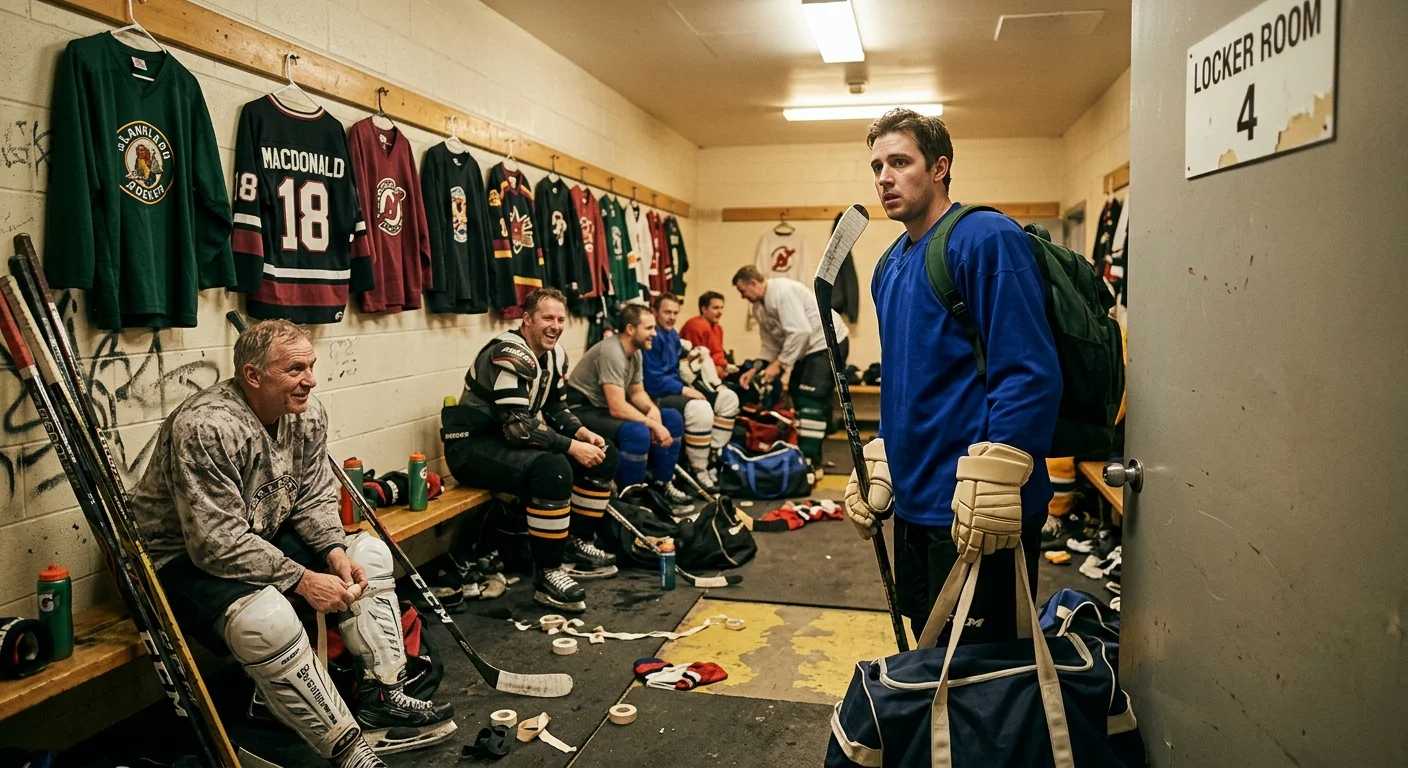
Rule #6: Locker Room Code — What Stays in the Room, Stays in the Room
The locker room is not the internet.
Everything said in there — the chirping, the venting, the raw post-game breakdown of Dave's terrible defensive zone coverage — stays within those four walls. That's the code. Unspoken. Universal. Non-negotiable.
Think of it as a vault. Teammates roast each other freely in there. That freedom exists because everyone trusts the door stays closed. Screenshot a locker room moment, share someone's rant with a guy on another team, or drag outside drama in — the vault cracks. Trust drains out fast. And trust, in a beer league locker room, is the real foundation of team chemistry. Not skating. Not scoring. Not even the 24-pack.
Three locker room laws every beginner needs to know:
Don't repeat it outside — jokes, complaints, personal stories. None of it leaves.
Don't bring outside drama in — the room resets after every game. Let it.
Respect everyone's space — gear, stall spots, routines. Touch nothing without asking.
The locker room stays sacred because everyone agreed — without a word — to keep it that way.
Rule #7: No Dumping, No Mooching — The Two Cardinal Sins of the Locker Room
Twenty-five percent. That's how many locker room conflicts come down to two things: someone leaving their mess for others to clean up, and someone always borrowing gear they never bought.
Dumping is simple. You leave wet towels, tape scraps, and empty water bottles in the middle of the room. Someone else has to deal with it. Mooching is just as bad. You show up to every game without your own tape, your own wax, your own laces — then dig through your neighbor's bag like it's a free supply store.
Both habits share the same mindset: someone else will handle it. That someone is your teammate. They notice.
The gear you need to own — no exceptions:
Hockey tape — 2 rolls minimum. $4–7 each.
Stick wax — one $6–10 tin lasts 20 games
Spare laces — 80% of beginners snap one in the first month
Blade guards — $15–25, prevents 90% of floor-damage drama
Total cost: under $70. Skip it, and you pay with your reputation instead.
Borrowing once in a real emergency? Fine. Borrowing every game is chronic mooching. Teams deal with that fast — a captain's warning first, then the bench. Clean up after yourself. Stock your own bag. These aren't hard rules. They're just basic respect, written out plainly.
Rule #8: Master Bench & Shift Etiquette — Short Shifts Save Friendships
Every beer league team has that one guy who just... doesn't come off.
You've seen him. He's been out there for 90 seconds. His lungs are shot. The puck sits in the neutral zone — a clean change opportunity — and he's still grinding like the Stanley Cup is on the line. Back on the bench, three guys are on their feet, sticks ready, making it very obvious they want on the ice.
That guy is costing his team. Every single shift.
Hockey Canada's guidelines put the optimal shift at 45–60 seconds . Push past that 60-second mark, and turnover risk climbs 25% per game . The best beer league teams average 48-second shifts . Not because they're fast — because they're disciplined.
The social cost hits even harder. 80% of surveyed players report genuine resentment toward chronic over-stayers. The guy two shifts behind you isn't just annoyed — his next shift performance drops 15–20% . Your long shift creates fatigue and miscommunication that ripples down the bench.
Bench basics that keep everyone sane:
No seat hogging — end spots go to captains; after two shifts, rotate to the middle
Never self-assign your line — wait for the captain's tap. Jumping that signal disrupts flow 65% of the time
Keep your gear compact — one square foot per player, no exceptions
Rookies: mirror your veteran linemates. Match their movements. Exit within 3 seconds of their skate tap. That one habit alone cuts first-game errors by 40%.
Short shifts aren't a sacrifice. They're how you earn the next one.
Rule #9: Don't Bail on Game Day — Your Team Is Counting on You
Thursday, 9:47pm. Your GM's phone lights up.
"Hey man, can't make it tomorrow. Something came up."
Somewhere, a grown adult lets out a quiet, exhausted sigh and opens the group chat. Again.
That one message sets off a 1–2 hour scramble across Discord, text threads, and half-forgotten contact lists. Someone has to hunt down a last-minute sub. The rest of the team is already asleep. Drop below the minimum headcount and the league doesn't negotiate. No players, no game. Forfeit. Your one bail just torched everyone's Thursday night.
The numbers are blunt. Players with more than 20% no-show rates get dropped from rosters in 80% of rec leagues — no warning, no appeal. Show up every game? You earn a spot in the "core 7" — the reliable nucleus that forms 60% of championship rosters. Attendance at 95%+ correlates with a +15% team win rate .
Real emergency? Here's the protocol:
Text the GM 2+ hours out — not 20 minutes before puck drop
Suggest a backup — "Try Mike from last week's subs" does half the GM's job for him
Bring a 6–12 pack to your next game — informal beer debt, honored in 70% of adult rec leagues
Two no-shows and you're not just absent. You're a liability.
Rule #10: Warmup & On-Ice Safety Etiquette — The Rules Nobody Tells You About
The pre-game warmup looks like organized chaos. Fifteen guys circling the ice, taking shots, stretching, chirping each other about last week's game. Casual. Loose. No big deal.
But there's a system running underneath all of it. The guy who doesn't know it becomes a human traffic cone.
Arrive 15–20 minutes before puck drop. Not to seem keen. Skates need lacing. Legs need waking up. Your brain needs to shift from "office mode" to "hockey mode." Ice time runs $200–500 per rink hour. Nobody wants to burn the first ten minutes waiting on someone still fumbling with their shin guards in the tunnel.
Step onto the ice, and a few invisible rules kick in:
Skate with the flow, not against it — match the direction everyone else is moving. Cutting against traffic at warmup speed causes collisions.
No standing around chatting — finish your conversation in the locker room. Stationary players eat up 10–20% of usable session time. At speed, they're hard to spot.
Check both ways before pushing off the boards — a full 360° look, every single time.
Fall down? Get up fast — under five seconds. A player flat on the ice is easy to miss until it's too late.
The one warmup sin that earns instant side-eyes: firing full slapshots while teammates are still stretching nearby. Save the cannon for actual play. Warmup is about flow, not flexing.
Rule #11: Post-Game Beer Tradition — Show Up, Drink Up, Bond Up
The game ends. Helmets come off. And right there — in that sweaty, exhausted 90-second window — your real audition begins.
Post-game beer isn't optional. It's not a bonus round for the social butterflies on the team. It's the actual second period of beer league hockey. Skip it, and you fade off the roster. No one will say it to your face. It just happens.
Here's what the tradition does: two teams spend 60 minutes bodychecking each other into the boards. Then they sit down, share a drink, and remember they're just adults who love hockey. Rivalries stay on the ice. Brotherhood gets built at the bar. That's the whole point.
The three-part rule is simple:
Show up — Presence is the only requirement. Non-drinkers count too. Grab a Coke, shake hands, stay for 30 minutes. Done.
Drink up — Join the ritual, whatever that looks like for you. Athletic Brewing counts.
Bond up — Talk to people. Yes, including the guys who just beat you.
Players who ghost post-game gatherings don't get called out. They just stop feeling like part of the team — and before long, they aren't.
Rule #12: The 5 Beginner Mistakes That Will Get You Blacklisted
Nobody sends you a memo. There's no meeting. No one pulls you aside after practice. One Thursday you just... notice the passes aren't coming. The locker room goes a little quieter when you walk in. The post-game invite somehow didn't reach your phone.
That's how beer league blacklisting works. Silent. Invisible. And 100% avoidable.
Here are the five mistakes that trigger it:
1. Bailing on game day — over and over.
One no-show is an emergency. Two is a pattern. Three and your name gets filed under "liability." Your GM stops texting first. Your spot opens up for someone more reliable.
2. Never learning your role on the ice.
Ignoring your position sends a clear message: I'm here for me, not the team. Cherry-picking up front, refusing to backcheck, hogging the puck in the offensive zone — veterans see it within two shifts. They don't forget it either.
3. Over-celebrating like you just won Game 7.
Scoring your first beer league goal feels huge. A modest fist pump? Fine. A full-length rink sprint with a helmet-off salute? In a 7-2 game? You've just made eleven people uncomfortable. Every single one of them noticed.
4. Never contributing to the cooler.
You show up empty-handed. Once. Fine. Every single week? Your teammates say nothing. But they're keeping score. Every time.
5. Treating the post-game like it's optional.
Ghost the bar three games in a row and you've already half-quit the team in everyone else's mind. You just don't know it yet.
The uncomfortable truth about all five mistakes? None of them are about hockey skill. A beginner who skates badly but shows up, chips in for beer, and stays for one round after the game will always outlast the skilled player who treats the team like a personal training session.
Beer league doesn't cut players with a loud announcement. It just stops making room for them.
Quick Reference: Beer League Hockey Etiquette Cheat Sheet
Print it. Screenshot it. Tape it inside your helmet if you need to.
# | The Rule | The Short Version |
|---|---|---|
1 | Check your ego | Play for fun. No exceptions. |
2 | Respect the GM | Pay fees. Say thank you. Bring beer. |
3 | Pay on time | No payment = no ice time. Full stop. |
4 | Respect refs | They made $30 tonight. Let it go. |
5 | Beer day is sacred | 24-pack. Cold. There before you walk in. |
6 | Locker room code | What happens in there stays in there. |
7 | No mooching | Own your tape, wax, and laces. |
8 | Short shifts | 45–60 seconds. Then get off. |
9 | Don't bail | Text the GM. Find a sub. Bring beer next game. |
10 | Warmup safety | No slapshots while teammates are stretching. |
11 | Post-game is mandatory | Show up. Stay 30 minutes. Coke counts. |
12 | Don't be that guy | Skill is forgiven. Attitude isn't. |
One line that covers all 12: Show up, contribute, don't make it weird.
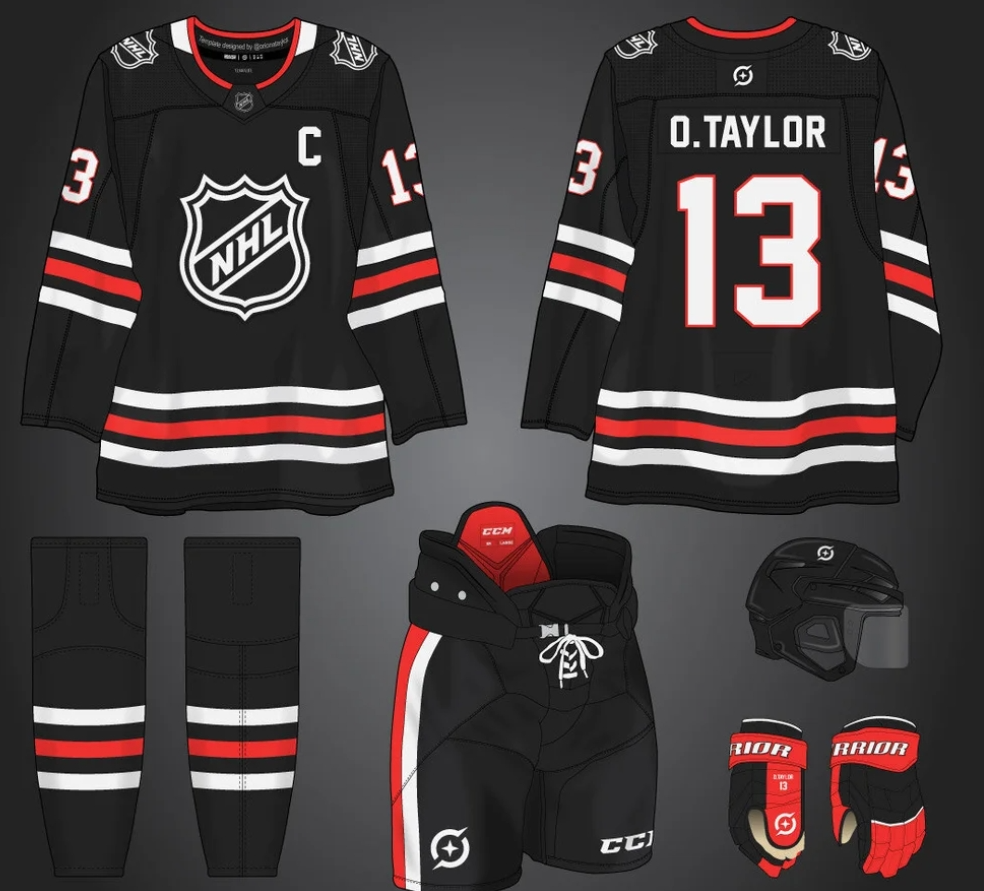
Looking sharp at the rink doesn't hurt either — berunclothes.com does custom beer league hockey jerseys starting at $45/unit, MOQ 12, two-week delivery. Your team deserves matching gear.
Conclusion
Here's the thing about beer league hockey — nobody hands you a rulebook your first time lacing up. The unwritten rules live in the locker room air. You feel them in the post-game pint. You see them in the knowing nod across the bench when you cut your shift short without being asked.
Now you have the cheat code.
Show up. Pay your fees. Respect the refs even when they're wrong. Bring the beer. Keep your ego in the parking lot where it belongs. Do those five things, and something almost magical shifts — you stop being the new guy and start being a teammate .
That's what beer league hockey etiquette is about. Not rules. Belonging.
So grab your gear, find your team, and step onto that ice knowing who you're supposed to be in that locker room.
And hey — want to look the part while you're learning it? Berunclothes.com has you covered.