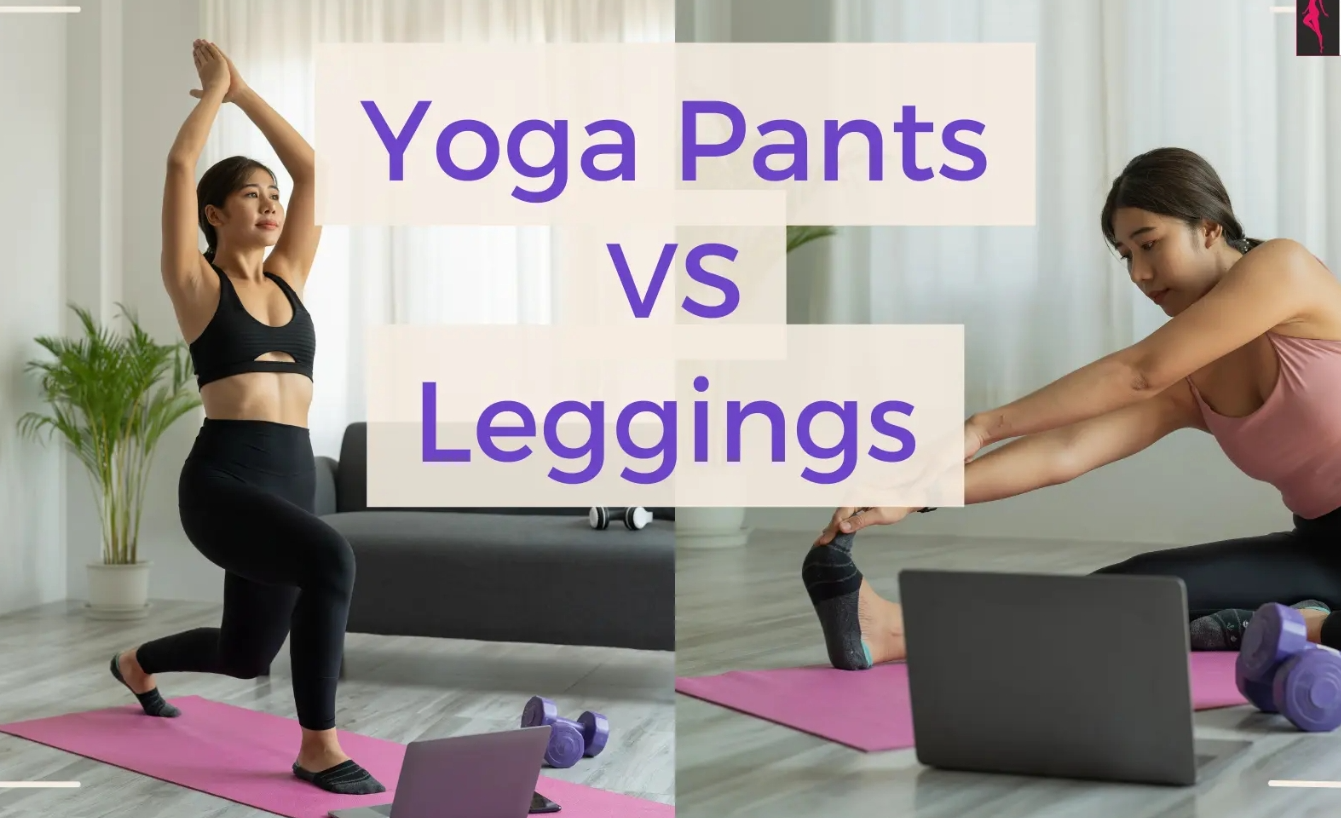
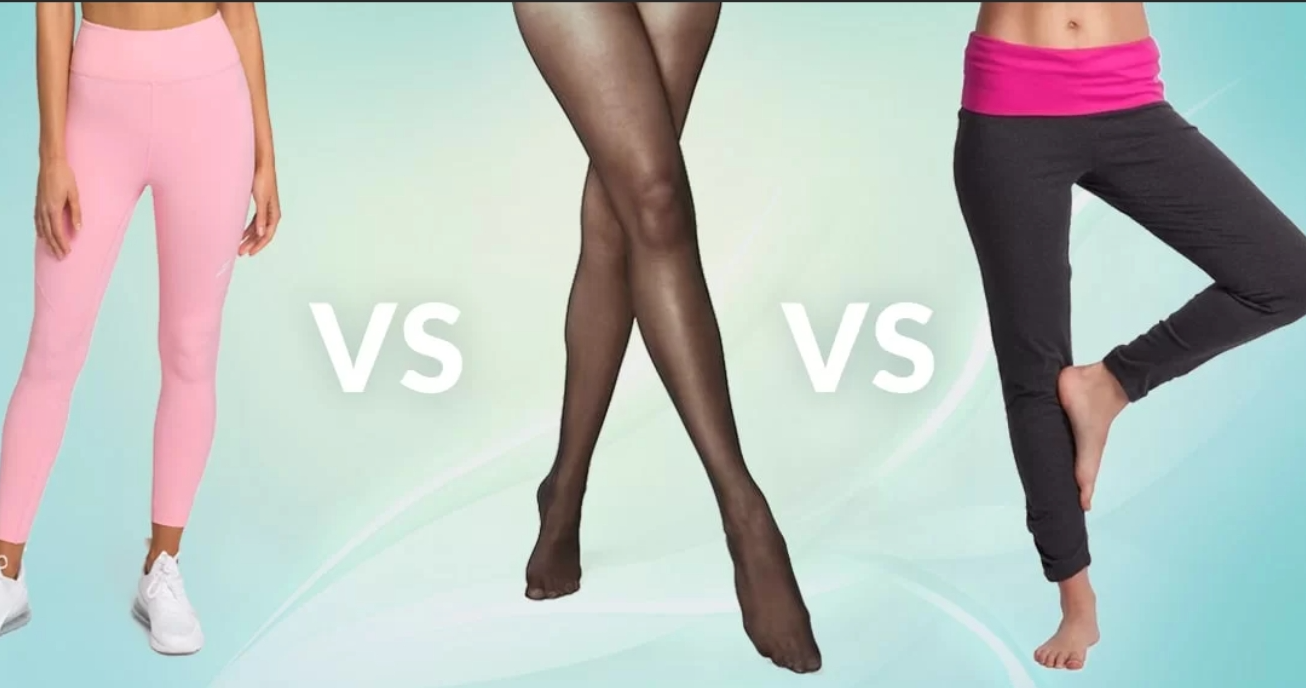
Standing in the activewear aisle (or scrolling through endless product pages), you've wondered: Are yoga pants and leggings different, or is this just clever marketing?
Here's the truth—these terms get used the same way, but yoga pants and leggings have different designs, fabrics, and features. The right choice can make or break your workout.
You might flow through vinyasa, crush a HIIT session, or run weekend errands. Picking the wrong bottoms means you give up comfort, support, or style.
The good news? You don't need a degree in textiles to understand yoga pants vs. leggings .
This guide covers fabric stretch, compression levels, waistband design, how to choose OEM/ODM Yoga Pants and Leggings Services,and squat-proof features. You'll make confident decisions that fit your body, your activities, and your lifestyle. No more second-guessing your activewear choices.
Material and Fabric Technology: Key Differences
Fabric is more than what touches your skin. It's the engineering that makes your activewear perform as you move, sweat, and stretch.
The textile industry measures nylon fabrics between 30–150 gsm (grams per square meter). Most workout bottoms average 82 gsm . This weight impacts how your pants feel and drape. Take samples with drape ratios of 0.32–0.33. Fabrics at 3.74 gsm versus 7.07 gsm create very different looks. The heavier option gives you a softer, more fluid line against your body.
Thickness matters too. Nylon samples with at least 70% nylon measure 0.07–0.41 mm thick . The average is 0.21 mm . These numbers mean real differences. Thinner fabrics give you lightweight breathability for hot yoga. Thicker ones provide better coverage and structure for high-impact training.
Stretch and Recovery Performance
Today's activewear blends polyester and nylon with elastic fibers. This creates four-way stretch. The blend ratios make the magic happen. Mixed materials perform better than single-fiber fabrics. Polyester blends absorb moisture faster than cotton. They pull sweat away from your skin during hard workouts.
Bending stiffness averages 0.416 gf/cm²/cm across quality fabrics. This number links to drape (r=0.640–0.721). Stiffer fabrics hold their shape better during squats and lunges. Researchers hit 98.4% accuracy sorting fabric quality by mass, thickness, and bending traits. These technical specs actually matter.
Breathability and Moisture Management
Top fabrics use tiny engineered structures for better breathability. Tests use a guarded sweating hot plate (the industry standard). Polyester blends beat cotton in stopping moisture buildup. The fabric's structure, thickness, and fiber type all affect heat resistance and vertical wicking. That's how fast moisture moves up and away from your skin.
Phase change materials, nano-modifications, and special fiber treatments work in different ways. Your best pick depends on your needs. Do you want cooling, warmth, or fast moisture removal? Know these fabric technologies. Then you can match performance features to your workout type and location.
Waistband Design and Support Systems
The waistband decides if your activewear becomes a favorite or gets tossed in the back of your drawer.
Standard elastic waistbands measure 25–50 mm (1–2 inches) across. That simple number hides big differences in how they work. The width changes how your pants feel and move with you.
Wide vs. Narrow: The Coverage Debate
Yoga pants use wider waistbands at 8–12 cm . This extra coverage hugs your core gently. The wider band spreads pressure over more skin. You skip that digging feeling during forward folds or seated twists. Factories use three-wheel rolling systems to make this broader elastic. These systems give you better core support and stretch.
Leggings use narrower bands around 3–5 cm . The slim design needs two-wheel roller systems during production. This creates exact tension control. You get a sleek look that sits flat under tunics or sports bras. The downside? Less core compression during high-impact moves.
The Science of Staying Put
Modern waistbands use 22.82 N of force during construction. Maximum break force hits 31 N . This exact tension allows 610 mm of half-waist expansion without damage or curl. Sensor systems replaced the old knee-switch parts. Your waistband stretches to fit you—then bounces back to its shape.
Top designs use differential feed systems. These stop fabric from twisting as you move. Separate puller roller parts keep equal tension across the waistband, hem, and body. No twisting. No rolling. No fixes needed mid-workout.
Folder wires guide the top fabric layer over the elastic to meet the bottom layer. Knives cut extra material. Air blowers remove curls and ripples before the final seam sets. Light sensors stop at set expansion points. This exact build makes your waistband feel made for you—not rushed off a line.
Pick wider bands for yoga, Pilates, or barre. Go narrower for running, cycling, or layered looks. Your waistband should help your movement, not work against it.
- Stays put during deep poses
- Reduces digging & rolling
- Best for yoga, Pilates, barre
- Disappears under tunics
- Sits flat, minimal bulk
- Best for running, cycling, layering
Durability and Performance Longevity
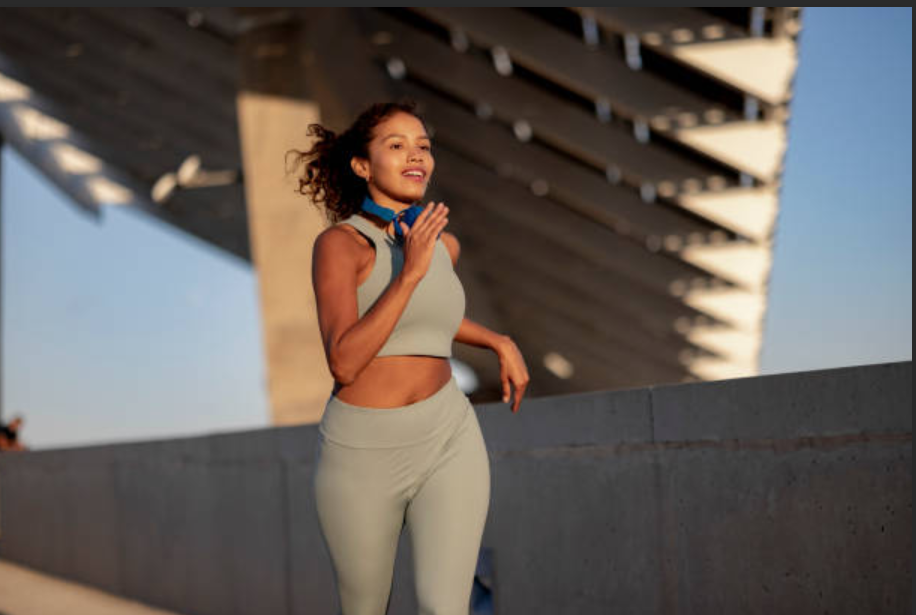
Good activewear outlasts trends and hundreds of workouts.
The textile industry tests fabrics to predict how your pants will age. ASTM D4966 measures wear resistance through 15,000–25,000 cycles. This test simulates years of use. Premium fabrics show no color loss or tears. Conventional materials? They break down fast under the same conditions.
Fabric Lifespan: The Real Numbers
Different materials age at different rates:
100% polyester : 500+ wash cycles, lasting 5–8 years
Nylon : 400+ wash cycles, lasting 6–10 years
Cotton-polyester blends : 300+ wash cycles, lasting 4–6 years
100% cotton : 100–150 wash cycles, lasting just 2–3 years
Yoga pants use nylon or polyester blends for their strong tensile strength (75–125 lbs). Leggings vary more. Budget options use cotton blends that pill and fade fast.
Construction Beats Thickness
Here's what brands don't tell you: thin fabric with strong fibers and tight weaves lasts longer than thick, weak material. The weave pattern matters a lot. Twill weaves, ripstop patterns, and canvas constructions add extra strength. They keep their shape and resist tears no matter what fiber you choose.
Washing machines run 1–20 cycles to test months of wear. Post-wash checks show the truth. Premium compression leggings return to their original shape. Budget versions? They stretch out at the knees and seat forever.
Standard problems follow clear patterns: color fastness, tear strength, zipper quality, and seam integrity . These cause most activewear to end up in landfills. Better construction means fewer replacements. Plus, you get better performance over time.
Yoga Pants vs. Leggings: Best Use Cases by Activity
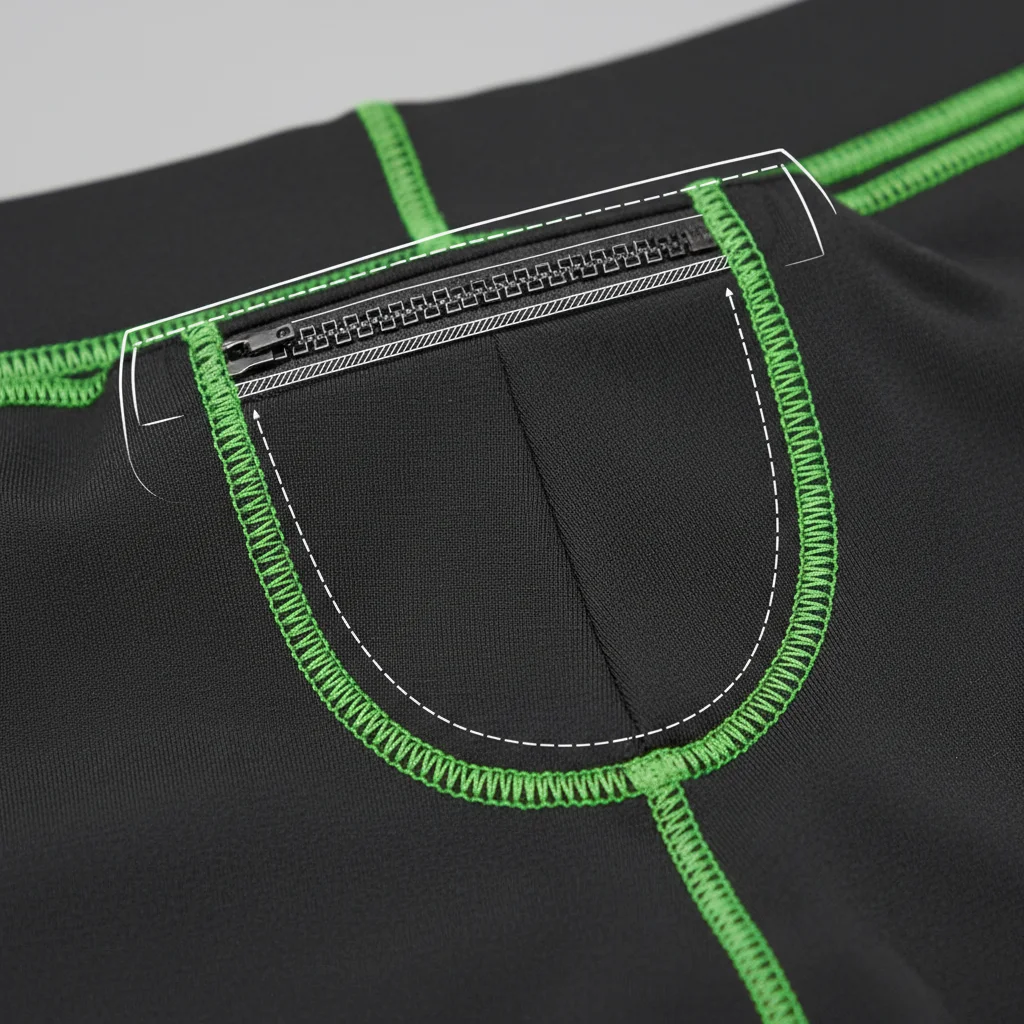
Your activity picks your ideal bottoms—not the other way around.
Yoga pants work best for high-intensity sessions that need stability. The 8–12 cm wide waistband supports your core. During vinyasa flows or Pilates hundreds, the band stays put. No rolling. No adjusting between poses. The higher spandex content (15–20%) gives you bounce in deep squats or warrior poses. The looser leg cut lets you move freely. No fabric bunching at your knees or ankles.
HIIT workouts and gym sessions test fabrics hard. Yoga pants handle the stress. Reinforced flatlock stitching at high-wear points does the job. The thicker material fights pilling after many washes. It prevents show-through during burpees or box jumps. Runners get muscle stability from higher spandex. The pants keep compression mile after mile. Standard leggings stretch thin and slide down.
Hot yoga can be tough. The thickness gives you coverage but feels warm in 95°F studios. Practice Bikram often? Look for moisture-wicking fabric with mesh panels.
Leggings win for daily wear. The 3–5 cm narrow waistband disappears under tunics. It sits well during long commutes. Cotton-blend versions breathe better than performance fabrics. You're not sweating? They're more comfortable. The sleek silhouette pairs well with ankle boots, oversized sweaters, or midi skirts. Lazy Sundays call for them—soft against your skin, easy to wash, perfect for layering in cold weather.
Shopping trips and casual outings? Leggings fit right in. The tight leg fit in full, knee, or capri lengths creates a polished look. It doesn't scream "gym." You blend into coffee shops and farmers markets. No athletic vibe like bootcut yoga pants or flare leg yoga pants give off.
Winter layering works both ways. Leggings slip under jeans for extra warmth. Yoga pants pair with hoodies for active outdoor sessions. Summer heat needs lightweight, breathable leggings—but skip light colors. They might become sheer after stretching.
Plus-size bodies often like yoga pants' stronger support. It flatters your figure. The butt-lifting cuts and reinforced seams handle curves well. Pregnancy changes your core each day. The high-rise wide waistband grows with your body. It gives gentle compression.
Match your movement. Your wardrobe—and your workouts—will thank you.
Need Custom Yoga Pants or Leggings?
OEM/ODM from 150 pcs. Free samples & quote in 24 hours.
How to Choose: Selection Criteria Based on Your Needs
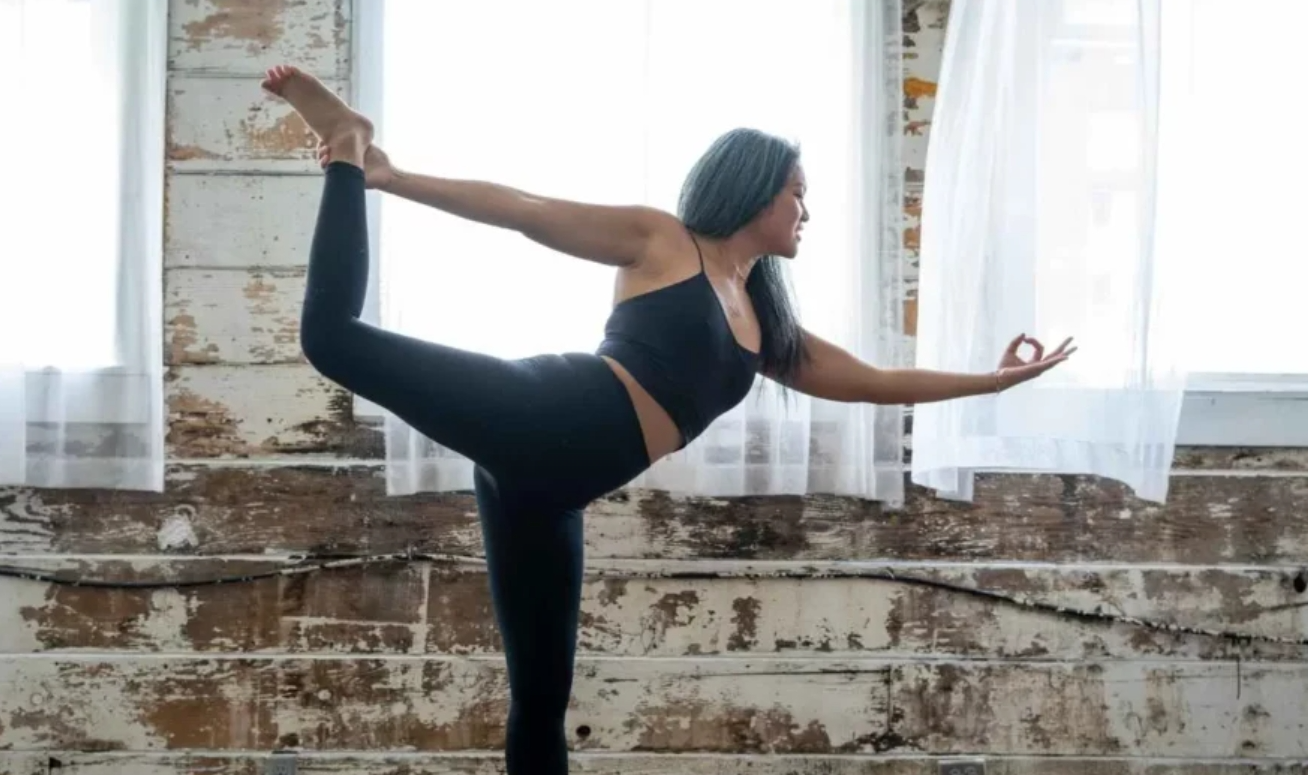
Your perfect pair starts with honest answers about how you move, where you're built, and what you'll wear.
Match Your Movement Intensity
Your workout type determines what fabric you need. Walking or gentle yoga? You need breathability above 80% and moisture-wicking rates exceeding 200%. Your body stays cool during these activities. Focus on comfort over compression.
Jogging, cycling, and barre classes need elastic recovery rates between 85-95% . Your pants bounce back after each squat. Check for coverage ratings of 70-85% and slip-resistance above 0.8. This keeps your waistband in place during bicycle crunches.
HIIT workouts, sprint intervals, and heavy lifting push fabrics hard. You need wear resistance above 4.0 and support force exceeding 15N/cm². Transparency ratings must stay below 20%. No one wants wardrobe issues during box jumps.
Your Body Shape Drives Design
Different bodies need different features:
Pear-shaped bodies (heavier through hips and thighs) work best with high-waisted designs. Look for 20% extra hip coverage. Choose 5-8 cm elastic waistbands that fit waist-to-hip ratios of 0.8-0.9. Anti-roll rates should hit 95%.
Apple shapes (weight around the middle) do well with mid-to-high rise cuts. You want 15-25 kPa abdominal compression . Seamless builds stop dig-in. Look for 10-15% waist contraction rates and breathable mesh with about 12 openings per square centimeter.
Athletic builds with strong muscle need low-rise, tight fits. Compression of 20-30 kPa supports muscle movement. Four-way stretch should exceed 300%. The best pairs offer 25N muscle support and handle 500+ stretch cycles.
The Coverage-Transparency Balance
Coverage changes with your activity. Light workouts need less than 300 cm² fabric per garment. Regular wear sits between 400-600 cm². Support-heavy activities need over 700 cm².
Test this yourself. Static stretch coverage should stay at 90%+ opacity . Do 50 squats. Coverage loss under 5% means the fabric works. Light pass-through below 5% stops see-through problems.
Budget Math That Makes Sense
Entry-level options ($10-25) last 200 wash cycles with 75% comfort ratings. Basic stretch works for beginners. Cost-per-year runs about 1.2. This makes them smart starter buys.
Premium pairs ($40-80) last 500+ washes with 95% comfort scores. Features like silver-ion antimicrobial treatments stop 99% of bacteria. Cost-per-year jumps to 2.5. You'll cut replacements by 60%. You break even around 18 months.
Use this weighted system: intensity needs (30%), body type fit (25%), coverage needs (20%), budget limits (25%). Score each area 1-10. Totals above 80 show a solid match. Quality brands keep return rates below 5% and user happiness above 90% across 10,000+ verified reviews.
Can You Swap Yoga Pants and Leggings?
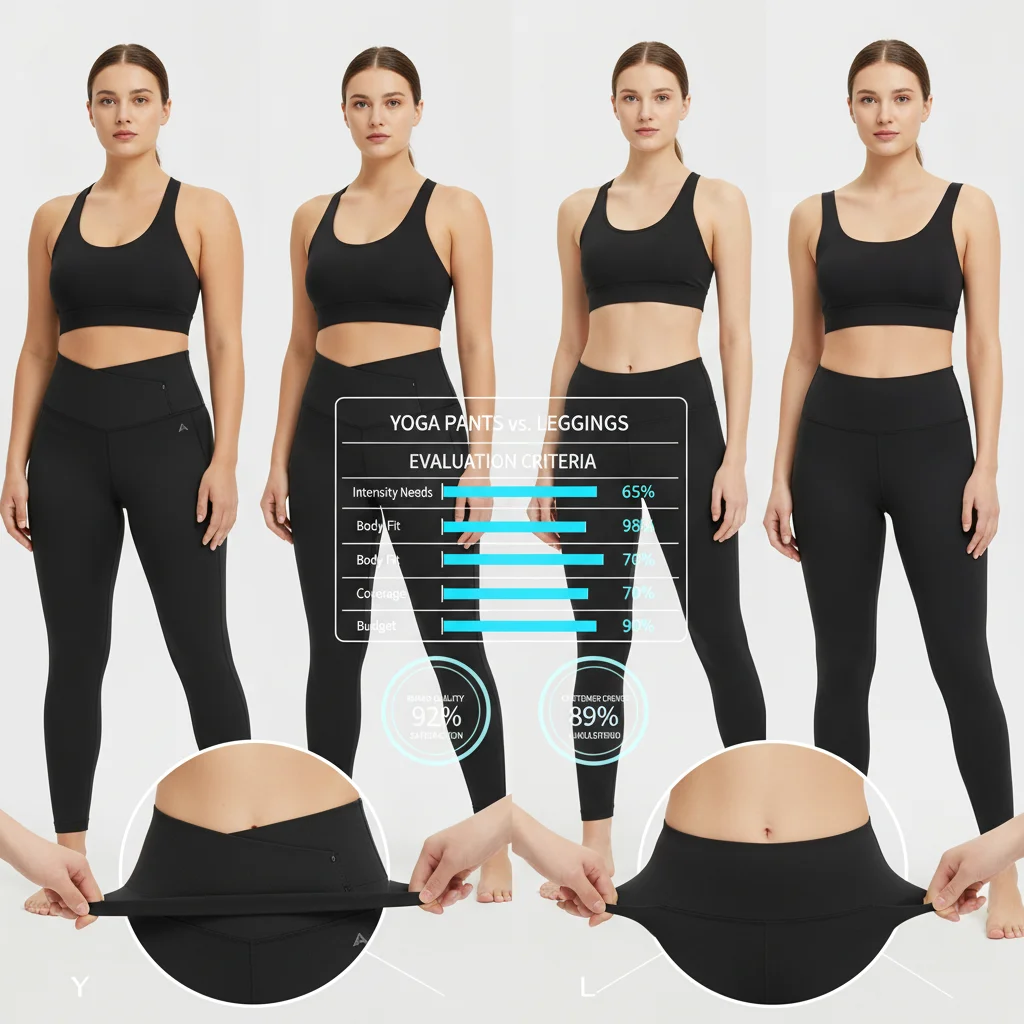
Quick answer: sometimes yes, sometimes no. They look alike in your closet. But they're built for different jobs.
Where You Can Swap Them
Daily life? Both work fine. Heading to work? Doing errands? Grabbing coffee with friends? Pick either one. Leggings slide easily under big sweaters and long cardigans. They fit close to your body. You get clean lines with no extra bulk. Yoga pants add more shape to casual looks. The thicker material looks more polished. Less like you just woke up. Throw on ankle boots and a blazer—you can wear them instead of jeans at casual offices.
Both excel at layering. Under dresses, tunics, or midi skirts, they keep you warm without adding weight. Leggings win here. The smoother surface sits flatter on your skin. You won't see seams or bunched fabric.
Light stuff like grocery shopping, easy stretching, or weekend walks? Either works. The tasks are simple. Your pants just need to move with you and feel good.
Where You Need the Right One
Hard workouts change things. Bootcamp, power yoga, Pilates reformer—these need yoga pants . The thicker material (around 0.21 mm versus thinner legging fabric) won't go see-through during squats. Gusseted crotch design adds strength to the seam that gets stressed most. Regular leggings? Those basic seams rip at the inner thighs from constant rubbing.
Sweat management counts during tough sessions. Sun salutations and HIIT make you drip. Yoga pants pull moisture off your skin. Cotton-blend leggings soak it up—then stay damp and heavy.
Upside-down poses and deep bends show another problem. Yoga pants stay solid even stretched. Leggings go sheer mid-downward dog. Not great in group classes.
Special activities need special gear. Cycling needs padded seats and flat seams to stop rubbing. Running needs tight zones that help specific muscles. Basic leggings creep up and create hot spots. They don't have these features.
How Long They Last
Yoga pants go 2+ years with good care. Activewear leggings last 1–2 years. Fashion leggings might make it 12 months. Cotton blends get fuzzy balls, sag at the knees, and lose stretch fast. The spandex wears out. Seams break at stress spots.
Thicker knit fabric fights wear better. Bar tacking adds strength to high-use areas. These build details aren't extras for regular gym use—they're must-haves.
Picking the Right One
Match your pants to what you're doing. Casual all-day wear, relaxing, layering, or easy exercise? Leggings work great. Tough training, yoga class, gym time, or stuff needing full coverage? Go with yoga pants.
Some mixed designs cross over—flared yoga leggings, tight pants with wide waistbands. But here's the truth: thickness and build decide how they perform . For sports and workouts, leggings can't fully replace yoga pants. The support, strength, and tech features just aren't built in.
Winter brings another use. Yoga pants work as warm leggings. The thicker fabric adds warmth without bulk under pants or long skirts.
How hard you push decides if swapping works. Easy day? Switch them around. Tough workout? Use what's made for it.
Common Mistakes Choosing Between Yoga Pants and Leggings
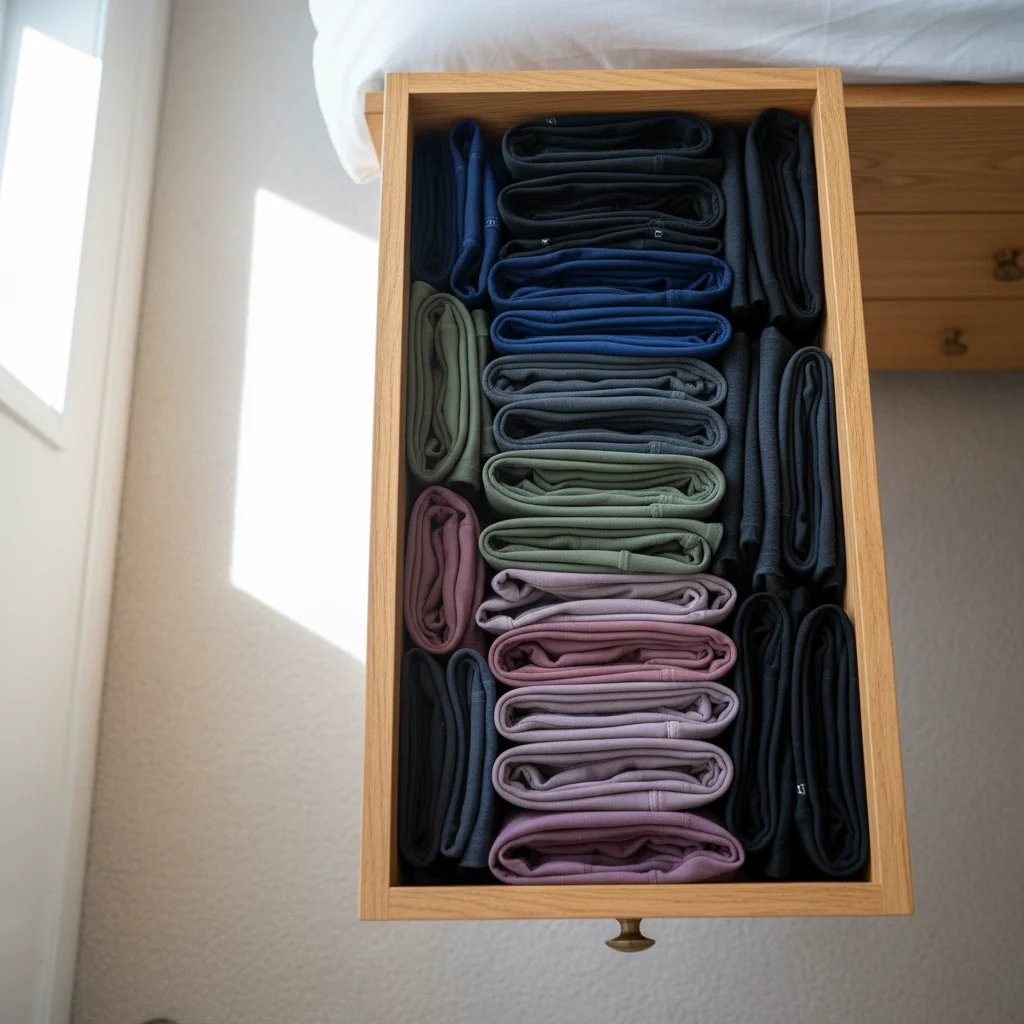
Most shoppers grab whatever fits their budget or looks cute on the hanger. That's how you end up with a drawer full of bottoms that don't work for your life.
Treating Them Like Identical Twins
Leggings and yoga pants share DNA—but they're not the same. Yoga pants have athletic structures with tailored lines, butt-lifting cuts, and reinforced stitching. They're built for movement. Leggings give you a minimalist style. Think fitted base layers that blend into your everyday wardrobe.
The visual similarity tricks people. You see two pairs of black stretchy pants on the rack. One costs $25, the other $65. The cheap pair seems like the obvious win. Then you try holding crow pose and your seams start splitting.
Skipping the Fabric Deep Dive
Touch tells the truth. Yoga pants use thicker performance fabrics with high-density knitting. The material bounces back after you stretch it. Higher spandex content (15–20%) creates rebound strength during deep squats.
Leggings put softness over support. Cotton blends feel amazing against bare skin. But they thin out fast under athletic stress. That gorgeous pair in pale gray? They'll go see-through after three hot yoga classes.
Here's what changes with hard use: yoga pants resist pilling and keep their shape through 400+ washes . Leggings stretch out at the knees. They thin at high-friction spots. They lose stretch around the waistband. The durability gap is huge.
Ignoring the Waistband Story
The waistband shows how your bottoms will behave. Yoga pants give you 8–12 cm of wide, high-rise coverage . This creates a "high-waist support zone" that anchors everything in place. No sliding during vinyasa flows. No rolling during bicycle crunches.
Leggings use 3–5 cm narrow waistbands that sit lower on your torso. They're perfect for slipping under long sweaters. Terrible for burpees. That narrow elastic rolls and shifts the second you bend over.
People buying leggings for HIIT workouts spend half their session yanking their waistband back up. It's not a fit problem. It's a design mismatch.
Chasing Bargains Over Function
Budget shopping makes sense for basics. Not for activewear bottoms you'll wear three times a week. Cheap leggings use thinner fabrics, basic stitching, and minimal spandex. They look fine hanging on a hanger. They fail in motion.
Premium yoga pants cost more upfront. You get double flatlock stitching, reinforced gussets, and thicker fabric construction . These features aren't luxuries. They're must-haves for high-impact use. The seams don't blow out. The fabric doesn't pill. You're not replacing them every six months.
Run the math. A $20 pair of leggings lasts eight months. A $60 pair of yoga pants lasts three years. The yoga pants cost less per wear.
Mismatching Activity and Garment
Your Sunday morning coffee run needs different gear than your Tuesday boot camp class. Leggings work great for low-intensity activities. Think commuting, running errands, lounging at home. The soft fabrics breathe well. The slim fit layers nicely.
Push them into high-intensity territory and problems pop up fast. The fabric restricts movement during deep lunges. The thin material offers zero muscle support during plyometrics. You feel every limit.
Yoga pants handle the athletic demands but feel too much for casual wear. The thicker fabric gets warm during summer shopping trips. The performance features you're paying for sit unused at Target.
The fix? Own both. Use each for its intended purpose.
Forgetting the Stretch Test
Grab the fabric between your hands. Pull. Does it stretch then snap back to shape? That's high spandex content giving you rebound strength. Does it stretch but stay stretched? That's cotton-blend softness without athletic support.
Yoga pants return to their original shape after every squat, lunge, and downward dog. The higher spandex ratio gives muscle support that helps your form stay correct during complex movements. This isn't about vanity. It's about injury prevention.
Leggings feel stretchy. They move with you. But they don't support your muscles through demanding positions. The difference shows up around rep fifteen. Your form starts breaking down and your pants aren't helping at all.
Ready to Build Your Own Activewear Brand?
Our OEM/ODM experts help brands launch custom leggings & yoga pants. Low MOQ, fast delivery.
Custom Yoga Pants and Leggings: OEM/ODM Services for Brands
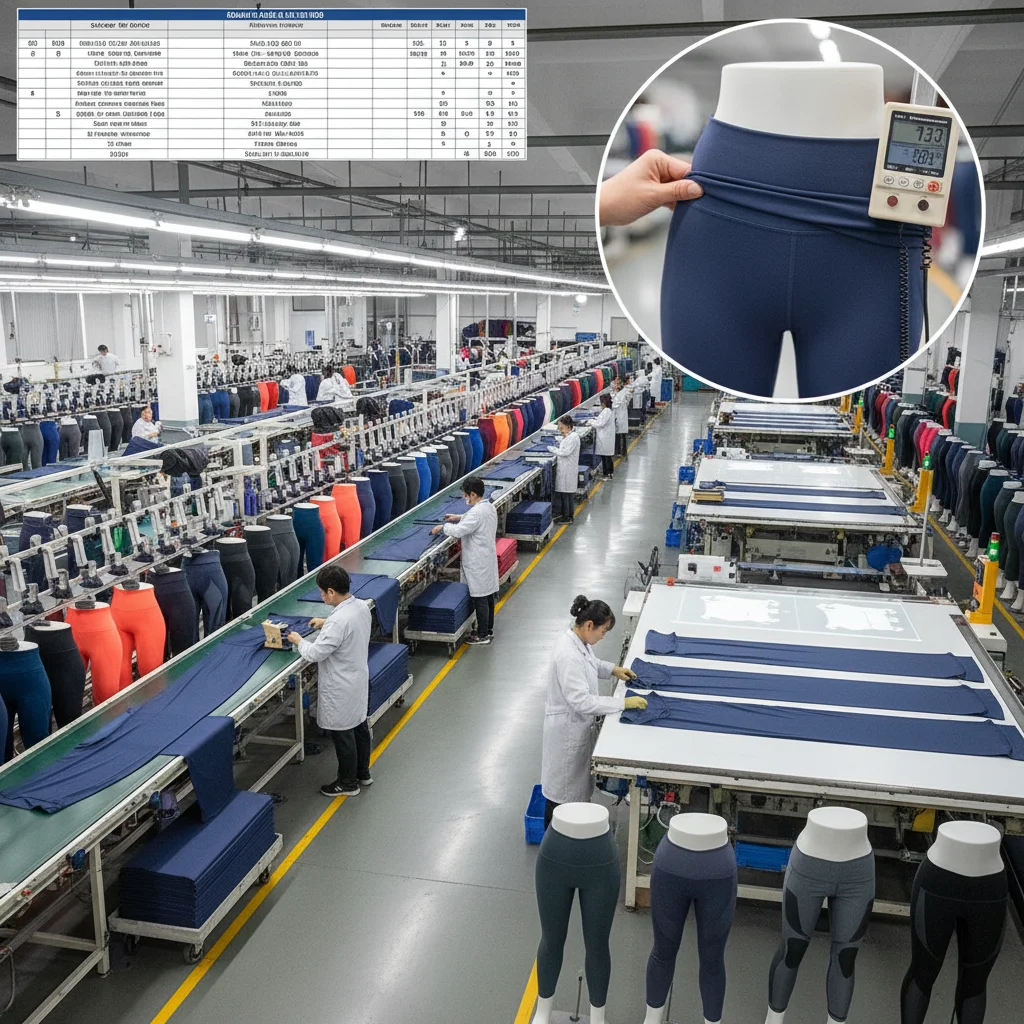
You don't need your own Yoga Pants and Leggings factory to build an activewear line. You don't need to master textile engineering either. The global yoga clothing market hit $8.7 billion in North America alone. Bottom wear—leggings and pants—leads the charge. By 2026, the U.S. market alone will reach $17.5 billion each year. Brands ready to move beyond generic inventory have serious opportunity here.
Modern Yoga Pants and Leggings manufacturers offer two paths: OEM (Original Equipment Manufacturing) and ODM (Original Design Manufacturing) . OEM gives you complete creative control. You bring detailed tech packs and specs. The factory executes your vision. No competitor can copy what you create. Picture signature compression zones. Think proprietary fabric blends. Imagine distinctive waistband builds.
ODM cuts your timeline and development costs. You pick from the Yoga Pants and Leggings factory's ready designs. Then customize colors of Yoga Pants & Leggings
, logos, and small details. Speed matters more than total originality? This works. Startup brands launching fast get the most benefit. You use proven patterns while building market presence.
Minimum order quantities vary by how much you customize. Standard runs start at 150 pieces per style and color . Private label options drop to 100-300 pieces using shared production lines. Full custom seamless construction needs 1,000+ pieces to cover setup costs. Smart brands start small. Test market response. Then scale production as demand grows.
Production Timelines and Capacity
Sample development takes 1-4 weeks . Your first prototype arrives in 7 days . Bulk production runs 3-6 weeks after you approve the pre-production sample. Total timeline from concept to warehouse: about 8-10 weeks .
Top facilities run 300,000+ pieces each month across 5,000 square meters of production space. Automated cutting and stitching lines keep quality steady at high volume. Quality control covers fabric checks, in-line reviews during production, and AQL-based final checks before shipping.
Customization Beyond Basics
Fabric selection goes deeper than polyester versus nylon. Manufacturers offer moisture-wicking blends, four-way stretch materials, and sustainable options like recycled polyester or organic cotton. Pantone matching ensures your seasonal colors translate from design file to finished piece.
Waistband design can make or break activewear. You can set compression levels. Add technical details like hidden pockets. Adjust rise heights for different body types. Pattern changes let you follow trending styles— high-waisted cuts, bootcut looks, flare leg designs —while keeping your size specs intact.
Logo and print placement options cover all-over prints, digital transfers, and embroidered badges. Place them at the hip for a quiet look. Spread them across the waistband for impact. Add them at the ankle for a subtle touch.
Choosing Your Manufacturing Partner
Quality control separates reliable partners from problems. Look for factories using proto-to-PP (pre-production) sample steps. This catches fit problems before bulk production starts. In-line checks during production stop defects from spreading. Final AQL audits confirm your standards before shipment.
Technical skill matters as much as low pricing. Advanced machines handle complex builds—gussets, flatlock stitching, bonded seams. Factories with inventory support offer split shipments and warehousing. This smooths cash flow. It also cuts your storage needs.
Certifications show professionalism. Advanced facilities scale from prototypes to high-volume runs without issues. Capacity above 300,000 pieces each month handles seasonal peaks without quality drops.
Strategic Path Selection
Choose OEM for strong brand identity. You need exclusive designs competitors can't copy. The investment in development time and higher MOQs pays off through unique products. Your signature compression legging becomes a brand asset.
Choose ODM Yoga Pants and Leggings for speed and lower risk. Use Yoga Pants and Leggings factory expertise in trending styles. Customize enough to feel distinct—your colors, your branding, your size range—without carrying full development costs. New brands test market fit before moving to custom development.
Hybrid approaches work well. Start with private label or ODM to prove demand. Gather customer feedback on fit, fabric choices, and style preferences. Then move to OEM Yoga Pants and Leggings production for your top sellers. You build brand value while managing financial risk smart.
Conclusion
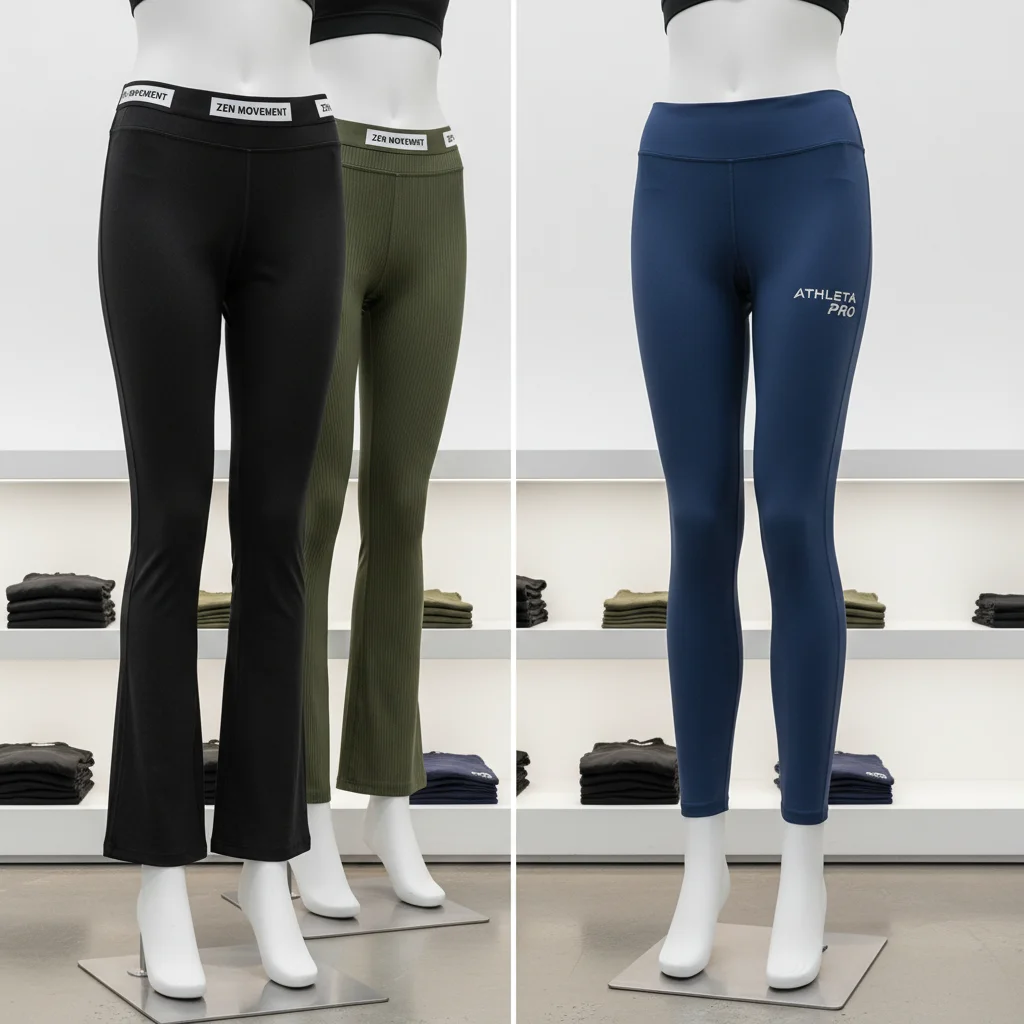
Picking between yoga pants and leggings? It's simpler than you think. Yoga pants give you a relaxed fit and varied styles (bootcut, flare leg). They work great for low-impact activities and casual wear. Leggings offer compression, four-way stretch, and performance features . They're built for high-intensity workouts and athleisure looks.
Your lifestyle makes the choice clear. Flowing through vinyasa or running errands? Yoga pants deliver easy comfort. HIIT classes, marathon training, or tough workouts? Leggings are your go-to. They stay squat-proof and wick moisture.
Here's what matters most: the "right" choice isn't about trends. It's about what your body needs. It's about how you move each day. Most active women own both types. This creates the perfect rotation.
Ready to find your ideal pair? Browse our collection of premium yoga pants and high-performance leggings. Or contact our OEM/ODM team of Yoga Pants and Leggings. We'll help you create custom designs of Yoga Pants and Leggings that match your brand's vision.