Table of Contents
You've stood in your closet at 7 AM, staring at your regular yoga pants. The question hits you: "Do I need special cycling pants just to bike to work?" I've been there. The answer isn't what the cycling industry wants you to hear.
Brands push technical gear for every activity. But the truth about women's casual cycling pants versus regular pants? It's more complex than "buy the expensive stuff." Some riders need that chamois padding and moisture-wicking fabric. Others do just fine in their everyday trousers.
The difference comes down to how you ride and where you're going. What does your body experience during those minutes (or hours) in the saddle? That matters most.
You might be a 10-minute commuter questioning the hype. Or maybe you're a weekend warrior dealing with serious chafing issues. Either way, understanding the real differences helps. We're talking fabric technology and safety features here. This knowledge saves you from unnecessary purchases. Plus, you avoid uncomfortable rides.
So let's cut through the marketing speak. We'll figure out what matters for your cycling routine.
Chamois Padding: The Game-Changer for Women Cyclists
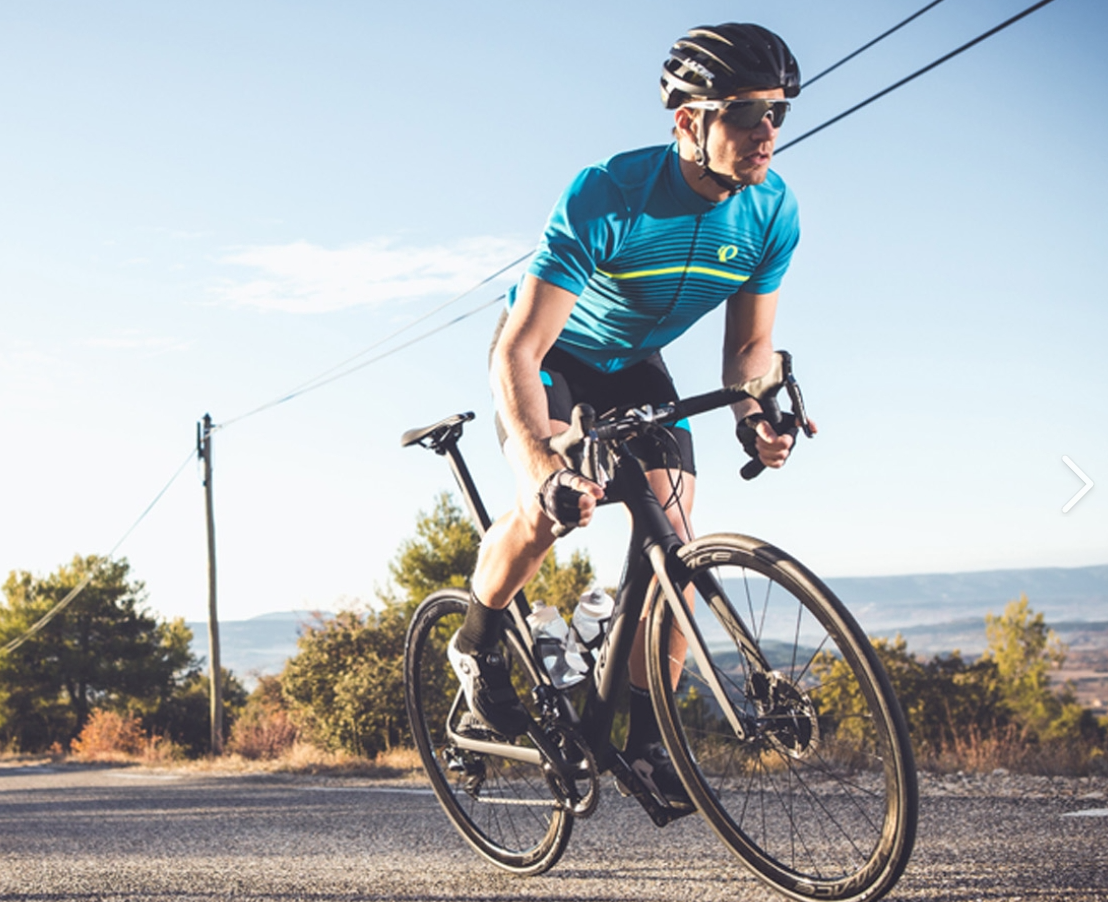
Cycling pants have a hidden layer that regular cycling pants don't. See that padded insert sewn into the crotch area? That's a chamois. It's built for your anatomy.
Women's bodies sit on bike saddles differently than men's. Your pelvis is wider. Your pubic arch angle is greater. Lean forward on the bike. Your weight shifts onto soft tissue and nerves. These areas weren't built to handle that pressure. Regular pants offer zero protection. A chamois does.
How Women-Specific Padding Works
Quality chamois pads like the WP1 from Elastic Interface put padding right where your sit bones touch. The design works with how your pelvis rotates during pedaling. You get softer, lighter foam in the perineal area. That's the spot between your legs where numbness shows up on longer rides. The sit bone region gets thicker, firmer support. That's where your weight sits.
Think of it as smart design. The padding changes thickness throughout. Near your genital area, you get thinner foam. Around your sit bones, support rises up. Pressure relief pads thin out right where blood flow matters most.
Matching Pad Thickness to Your Rides
Not all chamois are the same. You don't always need maximum cushioning.
Short rides under 30 miles? A thin, minimalist pad works great. It won't bunch or feel bulky during active pedaling.
Long distances? Thicker padding absorbs road vibration. It keeps cushioning you after hours in the saddle.
Daily commuting? Mixed density designs balance support. They don't add bulk under your work clothes.
The padding fights friction too. Moisture-wicking fabrics help. Four-way stretch materials like Shelastic 2.0 move with your body instead of rubbing against it. Antibacterial treatments stop the bacterial growth that causes saddle sores.
What Happens Without Chamois Padding
Regular pants leave you exposed. Expect chafing from direct friction against the seat. Road vibration travels straight through denim or cotton into your bones. Your weight shifts forward. Pressure builds on sensitive nerves. Numbness follows. Then irritation around your pubic area. Later, saddle sores develop. These are painful bumps. Sometimes they get infected. They can sideline you for weeks.
Making Your Chamois Last
Rinse your cycling pants after every ride with mild detergent. Air dry them. Skip fabric softeners and dryer sheets. They destroy the moisture-wicking features. Put chamois cream on before riding. Focus on your sit bones and seams. Reapply on longer rides.
Women make up 25-35% of cyclists. Cycling pants' Manufacturers now recognize we need female-specific designs. The investment pays off. You feel the comfort right away.
Fabric Technology: Moisture-Wicking vs Cotton Absorption
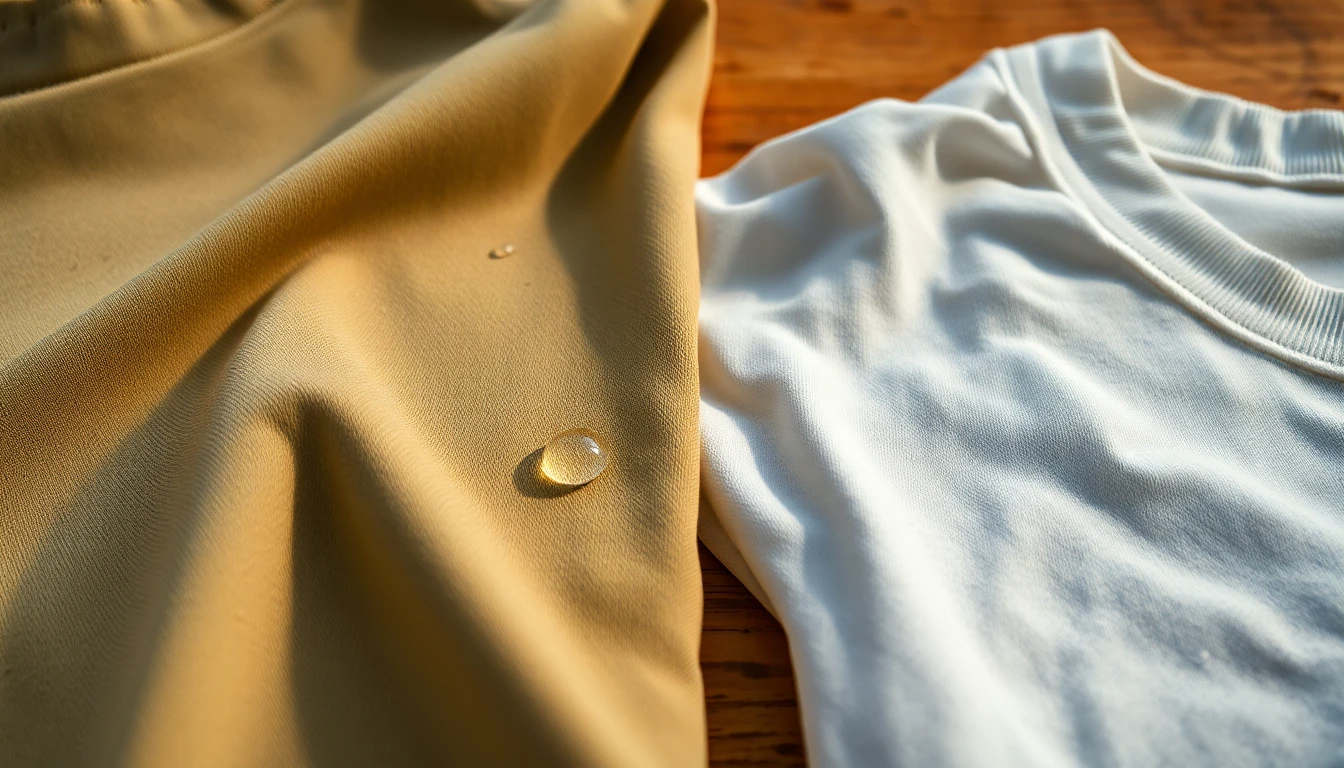
Your favorite cotton t-shirt feels soft and familiar. But take it on a 45-minute bike ride. You'll see why fabric choice matters.
Cotton fibers work like tiny sponges. They have hollow tubes that pull moisture in and hold it. Your sweat gets absorbed into the fiber core. Then it sits there. The fabric stays damp against your skin. That wetness weighs you down and creates friction. Bamboo fabrics absorb even more—about four times what cotton can hold.
Moisture-wicking fabrics work differently. Polyester and nylon blends don't absorb sweat into the fibers at all. They move moisture through tiny spaces between the yarns. This is called capillary action. Your sweat spreads across the outer surface of the fabric. Then it evaporates into the air.
The Real-World Performance Gap
Test data shows how this plays out. Scientists measured cotton fabrics with different densities. Lighter cotton with 30 tex weft yarn spread moisture at 5.83 mm/s. Heavier denim-weight cotton at 100 tex dropped to the lowest spreading speed. The denser the cotton weave, the worse it performs. Thick denim is the worst choice for cycling.
Your regular jeans or cotton pants turn into a wet blanket during rides. The fabric gains weight as it soaks up sweat. That extra weight creates drag. You're pedaling against wet, heavy fabric clinging to your legs. Wind resistance goes up. Your pedaling efficiency drops.
Cycling pants use polyester-Lycra blends for good reason. The synthetic fibers stay lightweight even during sweat sessions. The high stretch means the fabric keeps its fit through every pedal stroke. No sagging. No bunching. No moisture weighing down the material.
Treated athletic fabrics add another plus. Amino silicone polyether treatments improve how fast moisture spreads and wicks away. Your skin stays drier. Evaporation happens faster. You avoid that clammy, sticky feeling that ruins rides.
Cotton works great for casual wear. Just not for cycling.
Weather Adaptability: Mesh Panels, UV Protection, and Thermal Options
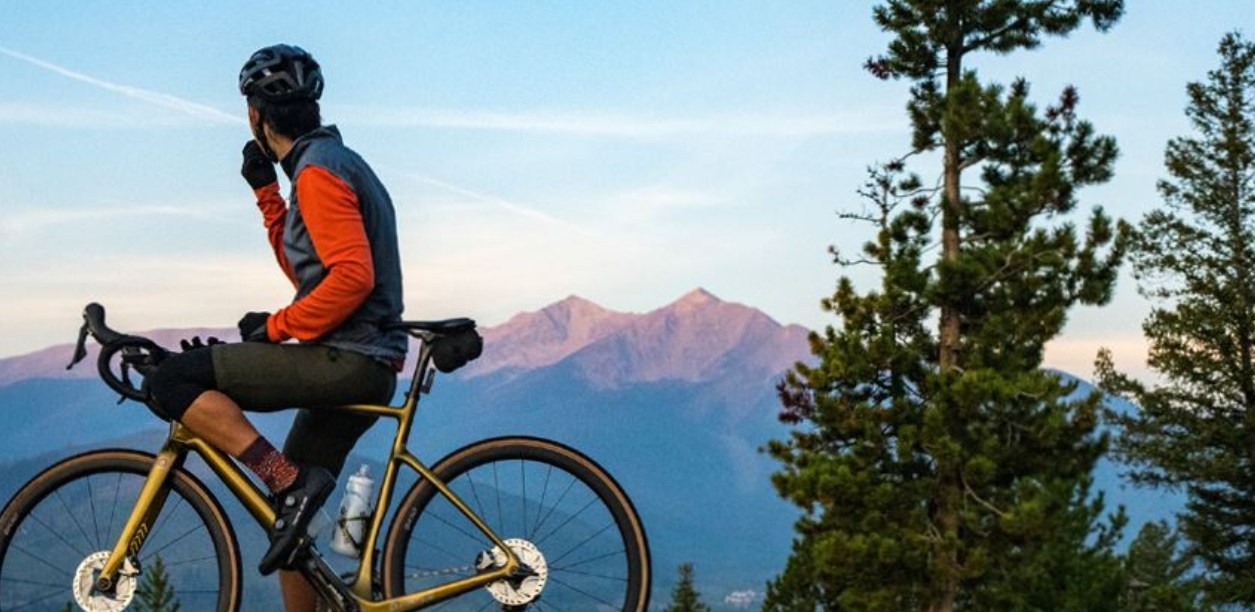
Cycling pants handle changing weather better than regular trousers. Temperature shifts? Unexpected rain? You'll notice the difference right away.
Strategic Ventilation Through Mesh Design
Cycling pants use mesh panels in high-heat zones. Check the inner thighs, behind the knees, and across the lower back. These panels allow 83% light transmission. Heat escapes through airflow channels instead of building up against your skin.
The mesh openings measure 0.8 cm × 0.8 cm. This size gives you good ventilation and keeps the fabric strong. Larger openings weaken the material. Smaller ones reduce airflow. This design keeps your body temperature stable during hard rides.
Regular pants trap heat. Cotton and denim block all airflow. Your legs get too hot. Sweat collects in spots you don't want. Mesh panels stop this problem.
UV Protection That Works
Quality cycling fabrics block harmful UV rays and still breathe well. Polyethylene-blend materials filter out excess solar radiation. Your pants won't feel like a sauna. Stainless steel-threaded fabrics go further. They create strong barriers against harsh UV exposure on long outdoor rides.
Everyday jeans give you zero UV protection. Dark denim blocks some rays. Lighter cotton pants? UV radiation passes straight through to your skin.
Temperature Control for All Seasons
Thermal cycling pants add insulation for cold weather rides. Fleece-lined options keep you warm without the bulk of winter jeans. Water-resistant shells repel light rain and road spray. Regular pants get soaked and stay wet.
Extreme conditions show the real difference. Cycling pants fabrics work in desert heat and cold morning frost. Standard trousers fail both ways. Too hot in warm weather. Not enough insulation in the cold.
Safety Features: Reflective Elements vs Zero Visibility

Regular pants make you invisible after sunset. Cycling pants with reflective elements can save your life.
The numbers tell a clear story. Drivers spot cyclists with reflective strips on their limbs from 1,000 feet away under low beams. Without reflectors? That distance drops to just 200 feet. Poor lighting makes you invisible until drivers get within 164 feet. At 40 mph, that's not enough stopping distance.
How Reflective Technology Works
Retroreflective materials bounce headlight beams straight back to the driver's eyes. Placement matters a lot. Strips on your ankles, knees, and calves create a biological motion pattern. Your pedaling legs move in a distinct cycling rhythm. This catches driver attention far better than static reflective jackets.
European data proves the impact. Pedestrian crashes dropped 30-50% after reflective materials became mandatory. Truck-trailer collisions decreased 29% with conspicuity markings. Fatal injuries fell 44%.
Diamond Grade reflective materials shine 10 times brighter than basic reflective tape. High-intensity prismatic designs work for faster speeds and night traffic. Cycling pants use these premium materials along seams and lower legs.
The Dark Reality of Zero Visibility
Your black yoga pants or dark jeans offer no protection at dusk or dawn. Automated emergency braking systems in vehicles? They fail on dark roads with non-reflective clothing. Studies show cars equipped with AEB hit test dummies 84-88% of the time. This happened even with reflective jackets that lacked limb placement.
The physics are brutal. At 30 mph without reflectors, drivers need 109 feet to stop after seeing you. At 40 mph, that jumps to 164 feet. Reflective cycling pants extend that critical visibility window by hundreds of feet. You get seen earlier. Drivers have time to react.
Regular pants turn you into a shadow on the road. Reflective cycling pants turn you into a visible, moving cyclist.
Riding Comfort Analysis: Short Commutes vs Long Rides
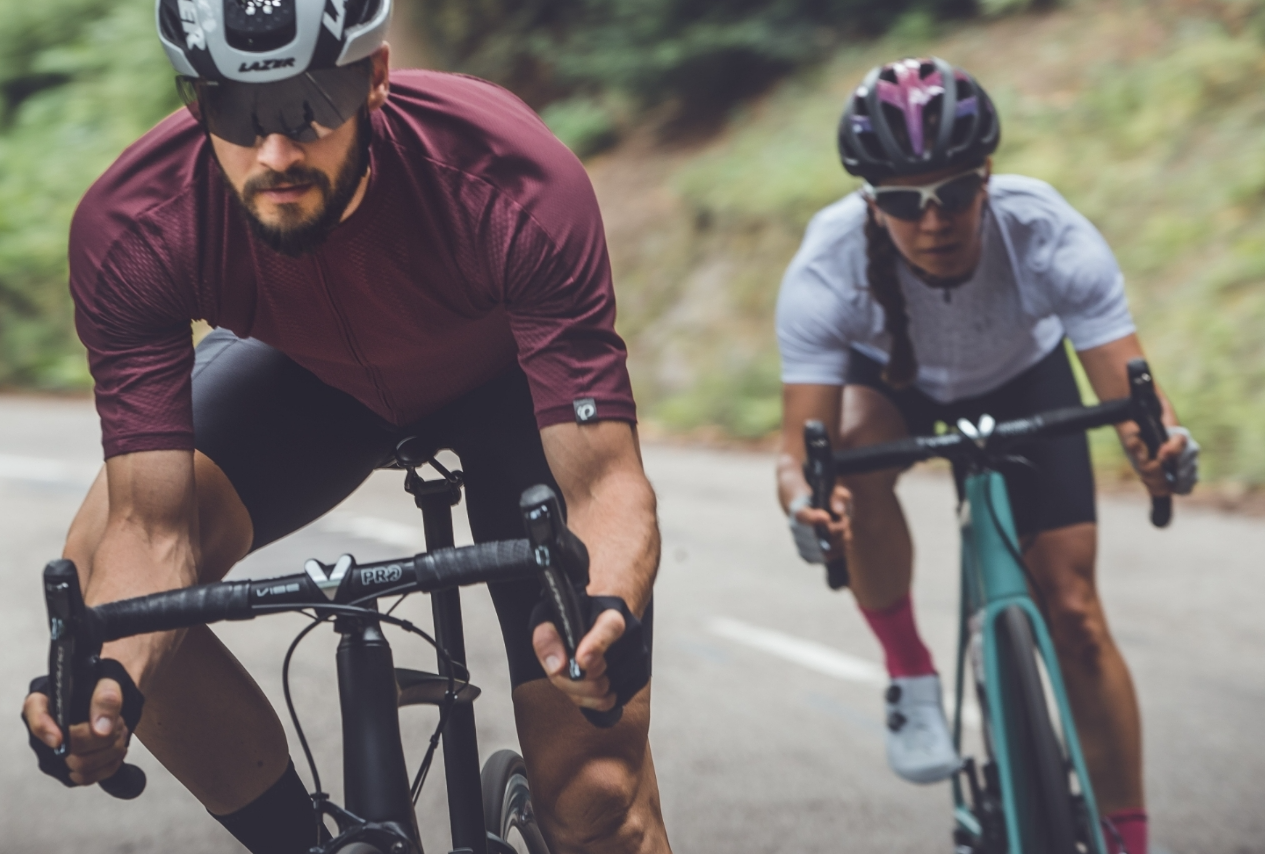
Time in the saddle changes everything. A quick 15-minute pedal to the coffee shop feels nothing like a two-hour weekend ride. Your body knows the difference before your mind catches up.
The 30-Minute Threshold
Regular pants handle short commutes just fine. Your body doesn't make enough friction or pressure to cause real problems in under 30 minutes. Flat urban routes keep things simple. Your hips stay neutral. Your sit bones don't bear weight long enough to ache. Ordinary yoga pants or stretchy work trousers move with you through those brief rides.
The calorie burn stays gentle too—around 100-150 calories for a casual 30-minute commute. Your muscles warm up without getting tired. Balance gets better. You arrive without that clammy, sticky feeling. No need for technical gear yet.
Comfort Issues Start After One Hour
Cross the one-hour mark and everything shifts. Stock bike seats that felt fine on short trips start showing their limits. Soreness creeps into your neck from holding your head up. Your lower back starts hurting from the forward lean. Wrists ache from gripping handlebars. These problems hide during quick rides. Long-distance commuting brings them out fast.
Regular pants show their weak points here. Seams rub against your inner thighs with each pedal stroke. Cotton soaks up sweat and stays wet. That dampness creates friction zones you didn't know existed. Your sit bones press into hard saddle surfaces for 60+ minutes. Pressure points turn painful without padding.
The Performance Gap
The performance gap becomes clear with these numbers:
Gel or memory foam chamois absorbs road bumps. Stretch fabrics stop the rubbing that cotton causes. The fabric pulls moisture away from your skin. You stay dry even going uphill.
Long rides need more than just better pants. Bike setup matters—handlebar height, seat position, suspension settings. But proper cycling trousers give you the first layer of defense. They work with your body instead of against it. Each pedal stroke past that 30-minute mark shows why this gear exists.
Casual Style Integration: Looking Normal While Riding Smart
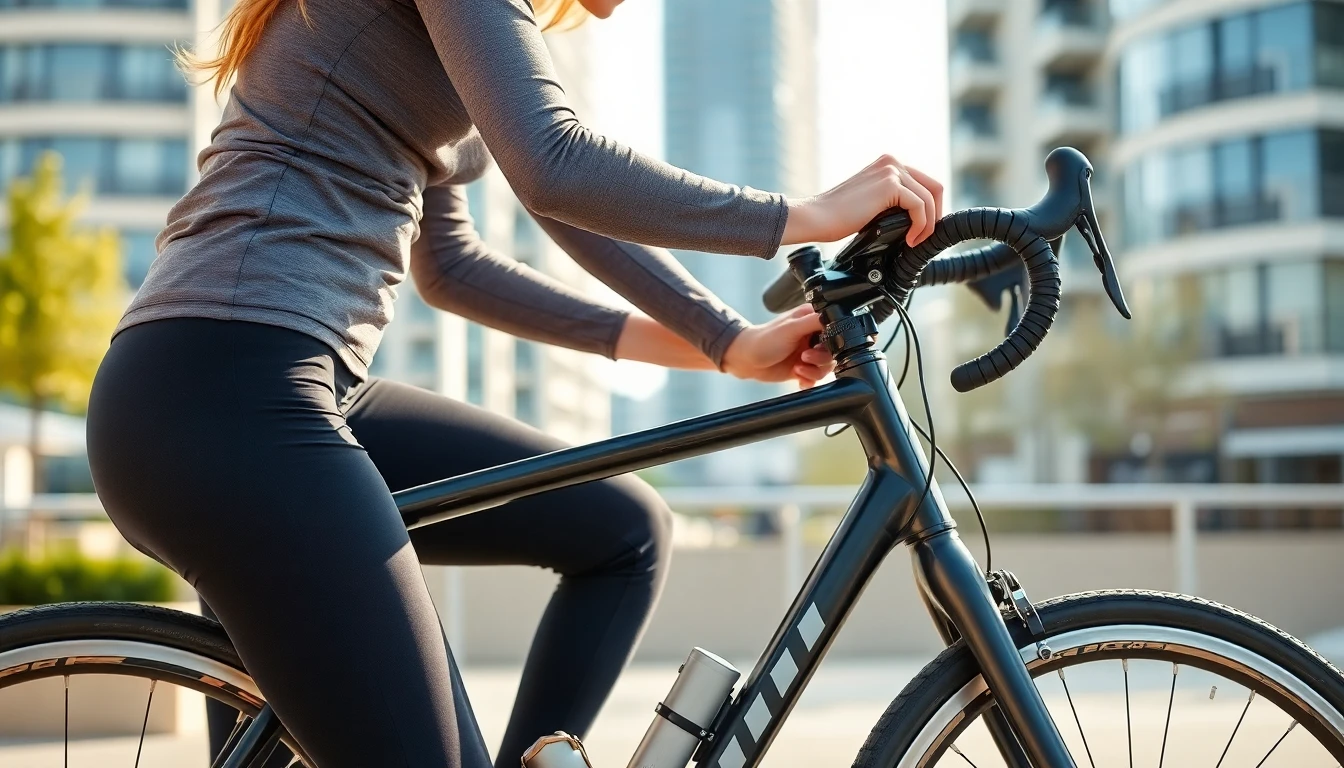
Cycling pants used to scream "athlete." Neon colors, shiny Lycra, and aggressive cuts made you look ready for the Tour de France. Even if you were just grabbing groceries. That era is over.
Modern casual cycling pants blur the line between technical gear and everyday wear. You can't tell them apart from regular trousers at first glance. Neutral colors like black, navy, charcoal, and olive dominate the palette. The cuts mimic straight-leg or tapered joggers. No garish logos. Smart designs hide reflective panels along seams or lower hems. So your thighs stay quiet.
The Secret Technical Features
The magic hides in the details. Stretchy cycling trousers use four-way stretch fabrics. These look like standard cotton blends. Touch them and you'll notice the difference—smoother, denser, with more give. These materials blend polyester and spandex. They're disguised to resemble casual pants. The moisture-wicking tech works behind the scenes. Your coworkers won't know your "work pants" breathe like cycling gear.
Waistbands sit at natural height without elastic bulk. Some brands add discreet drawstrings or low-profile elastic. These flatten under shirts. The chamois padding? Thin enough that it disappears under looser cuts. You won't get that diaper-bulk look from older cycling shorts.
Pockets matter here. Cycling-specific designs place them where your phone won't bounce out during rides. Yet they look like standard trouser pockets. Some add hidden zippered compartments for keys or cards. Functional without being obvious.
From Bike to Brunch
This versatility changes how you move through your day. Ride to the office in bike commuter pants women want to wear past the parking rack. The athletic fit doesn't clash with business casual dress codes. Pair them with ankle boots and a blazer. Nobody knows you biked 5 miles to get there.
Weekend errands become simpler too. Cycle to the farmer's market, then meet friends for coffee. Your casual cycling pants transition without fuss. The water-resistant finish protects against surprise drizzle. No stiff rain-gear texture. Reflective cycling pants keep safety elements tucked into ankle cuffs or back yoke seams. Visible to headlights, invisible to dinner companions.
The real win? You stop changing clothes three times a day. One pair handles your commute, your workday, and your evening plans. That's the point of smart design. Function that doesn't force you to sacrifice style.
Decision Matrix: Regular Pants vs. Cycling Pants
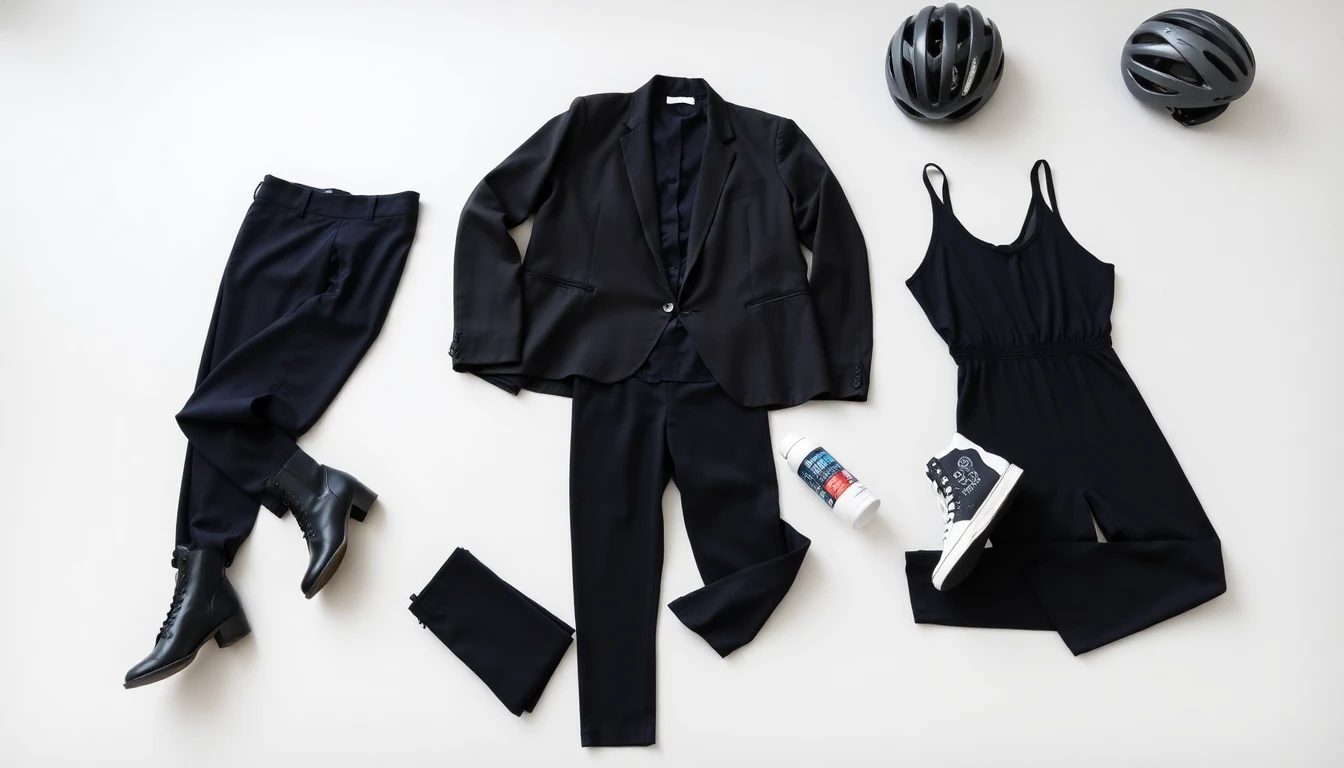
Three factors determine what you need: distance, how often you ride, and where you're going.
Regular Pants Work Fine Here
Quick errands under 3 miles . Biking to the corner store, meeting a friend for lunch, or dropping off mail doesn't stress your body. Your stretchy jeans or athletic leggings handle these trips fine. The ride ends before friction starts.
Flat, paved routes . City bike lanes and neighborhood greenways keep things easy. You're cruising at conversation pace. No hills. No sprinting. Your heart rate stays calm. Regular pants with stretch move with you just fine.
Rides ending at gym or home . Going to the gym? Heading home to shower? Your destination has facilities. Wear whatever gets you there. Switch into fresh clothes after you arrive.
Good weather . Temperatures between 60-75°F with no rain create ideal casual riding conditions. You won't overheat in cotton. You won't get soaked. Regular pants stay comfy.
You Need Cycling Pants Here
Commutes over 5 miles each way . Your body builds up friction over distance. That 30-minute threshold we mentioned? It's real. Padded cycling pants with chamois stop the saddle sores that develop on longer rides. The difference shows up around mile 4 or 5.
Riding three times a week or more . Frequent rides put stress on the same body parts. Your sit bones, inner thighs, and perineal area need protection. Bike pants wick moisture away. This stops bacterial buildup that causes infections.
Hills or faster speeds . Climbing hills makes you sweat more. Going 25+ mph downhill exposes you to wind chill. Cycling pants regulate temperature better than cotton. Water-resistant bike pants shield you from road spray on wet descents.
Early morning or evening rides . Commutes before 7 AM or rides after sunset need visibility. Reflective cycling pants make you seen from 1,000 feet away. Regular black leggings make you invisible to drivers.
Work or meetings without showers . Biking to work, client meetings, or dinner plans means you need moisture control. Athletic cycling pants use quick-dry fabrics. You won't feel clammy in your desk chair. Cotton stays damp for hours.
Riding all year . Year-round cyclists face rain, cold, and summer heat. Cycling pants with chamois work with thermal layers and weather-resistant shells. Regular pants fail below 50°F or above 85°F.
The honest truth? Most casual riders start with regular pants. That's fine. You'll know when you need an upgrade. Your body tells you. Listen to those signals—chafing, numbness, ongoing discomfort—and upgrade then, not before.
Common Myths About Cycling Pants: What You Really Need to Know

The cycling industry pushes absolute rules. "You must have this." "Never wear that." Most of these rules? Just marketing noise dressed up as expert advice.
Myth 1: You Can't Bike Without Pro Cycling Pants
Walk into any bike shop and someone will tell you lycra is a must. It's not. REI's own guidelines say "Spandex is not necessary" for everyday biking. Casual options work just fine.
Loose synthetic gym shorts from Target cost $12. They shed moisture faster than tight lycra on moderate rides. Pair them with a quality saddle. A good saddle takes care of most pressure points that padded pants claim to fix. Long-distance touring cyclists show up in Bicycle Quarterly photos wearing baggy cotton shorts. These people ride hundreds of miles at a time.
Your regular athletic shorts handle most rides. They stop chafing with proper bike setup. Save the specialized gear for times your body needs it.
Myth 2: Casual and Competition Cycling Pants Are the Same
Competition lycra focuses on performance. It fits skin-tight to cut drag at racing speeds. That tight fit creates "sausaging"—bulges that show every curve. These pants weren't made to look good. They were built to shave seconds off race times.
Casual cycling pants work differently. Loose wool blends, Randonee shorts worn over boxers, relaxed fits that flatter your body. Wool jerseys sit close without clinging. They shape your outline without that plastic-wrapped racing look.
Pearl shorts from 25+ years ago cost $175 and lasted decades without bibs. Descente jerseys were cheap and comfortable. The point? Good casual cycling wear sits between "regular pants" and "Tour de France spandex." That middle ground often looks better and feels more comfortable for everyday riding.
Textured fabrics on your limbs cut drag in turbulent air better than smooth materials. The science backs this up.
Myth 3: Regular Clothes Never Work for Cycling
Your everyday clothes can beat cycling-specific gear. Loose Hawaiian rayon shirts top technical jerseys in 100°F+ weather. They don't trap smell. They breathe better. Synthetic gym shorts handle hot, damp conditions minus the cost of "moisture-wicking bike pants."
Wool works great as a base layer. A merino undershirt beats any synthetic option. Plastics hold onto sweat and develop permanent stink. Wool stays fresh ride after ride. You don't need chamois padding with a well-fitted saddle. Long-leg shorts stop inner thigh chafing without built-in foam.
Full-zip jerseys create a visual effect too. They make you look 5-10 pounds lighter compared to half-zip styles. The vertical line slims your torso. Function meets style.
Myth 4: Tighter Means Better Performance
Vanity sizing in cycling gear sells you pants one size too small. Brands say this cuts drag. The real data? A jersey one size smaller drops your drag coefficient by just 0.0008. That's based on a 5'7", 152-pound model in racing position. The difference means nothing. The discomfort is real.
Snug lycra works if it lets you move freely without restriction. No loose folds flapping in the wind. But tight enough to restrict breathing or cut circulation? Too far. Skip ultra-thick chamois pads. They create a diaper-like bulge on larger body types. Men's cycling shorts run longer too. They extend below the widest part of your thigh. That extra length helps with coverage and comfort.
Basic gym shorts and wool blend pants match or beat lycra for everyday riders. Pick proper fit over marketing hype. Your body will feel the difference.
Conclusion
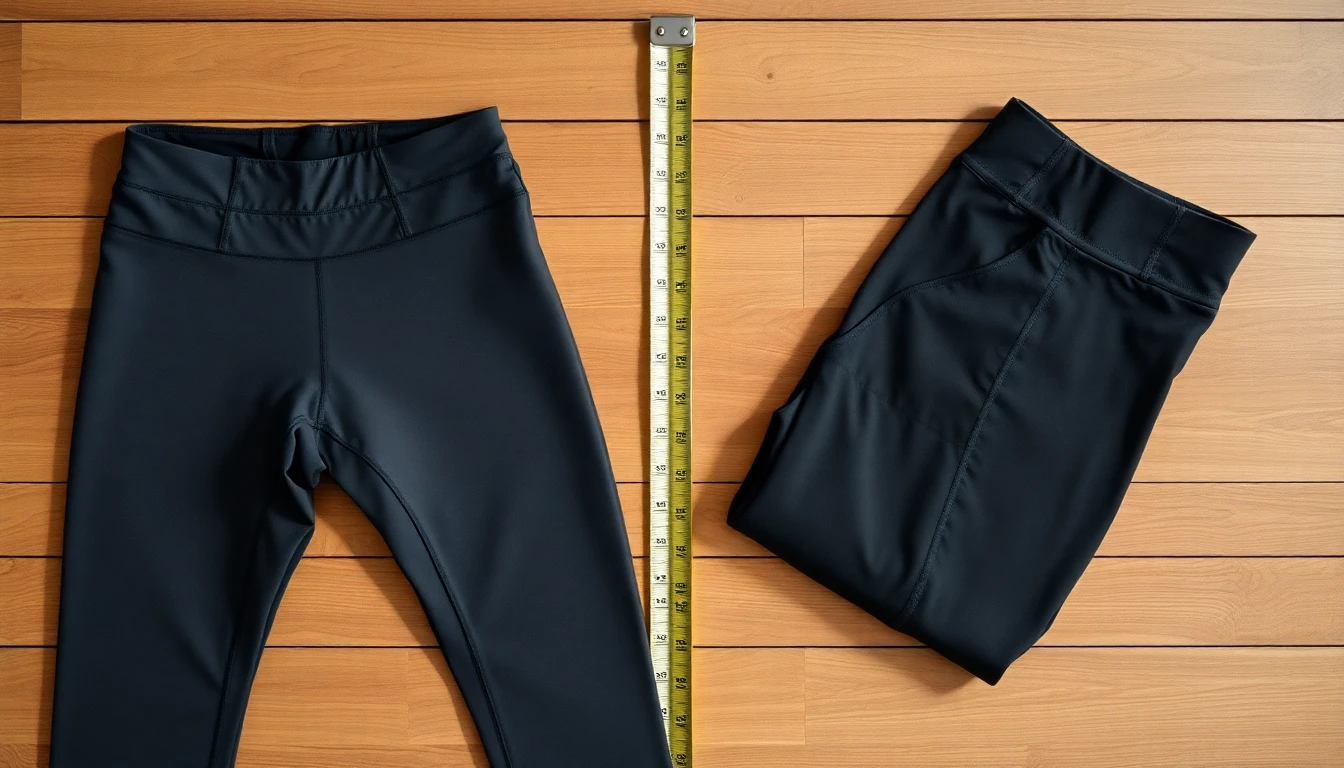
Here's what saves you money and pain: regular pants work for coffee shop rides. But they fail you after 20 minutes .
Three things make the difference: chamois padding, moisture-wicking fabric, and strategic stretch placement. This isn't marketing hype. It's what separates arriving fresh from waddling off your bike like a saddle-sore penguin.
Cycling three times a week? Commuting more than 5 miles? Padded cycling pants for women aren't a luxury. They're self-care that works.
Start with one versatile pair of stretchy cycling trousers. They look normal enough for grabbing lunch. But they perform like technical gear. Your body will thank you around mile three. Your sit bones especially.
The best part? Modern cycling pants get it now. Women want to look cute without suffering. You don't have to choose between fashion and function. Pedal in comfort and look put together.
Ready to upgrade your ride? Check out berunclothes' women's cycling collection . Style meets serious performance there.