Table of Contents
Summer rides feel amazing—until mile 15 hits. You're drenched, overheated, and questioning every choice that brought you here. The harsh truth? Your winter cycling kit does more than make you uncomfortable in hot weather. It hurts your performance. It risks your safety. It turns fun rides into brutal tests.
Here's what changes everything: choosing the best cycling apparel for hot weather riding means more than buying "lighter" gear. You need to understand how moisture-wicking jerseys work. Learn about cooling fabrics. Know how proper airflow can make you feel 10 degrees cooler.
Taking on century rides in desert heat? Commuting through sticky city summers? This guide breaks down the tech talk. You'll learn which features really help. We'll show you what's just hype. You'll build a summer cycling wardrobe that keeps you cool and protected. Your performance stays strong. Your wallet stays happy.
Key Fabric Tech for Summer Cycling
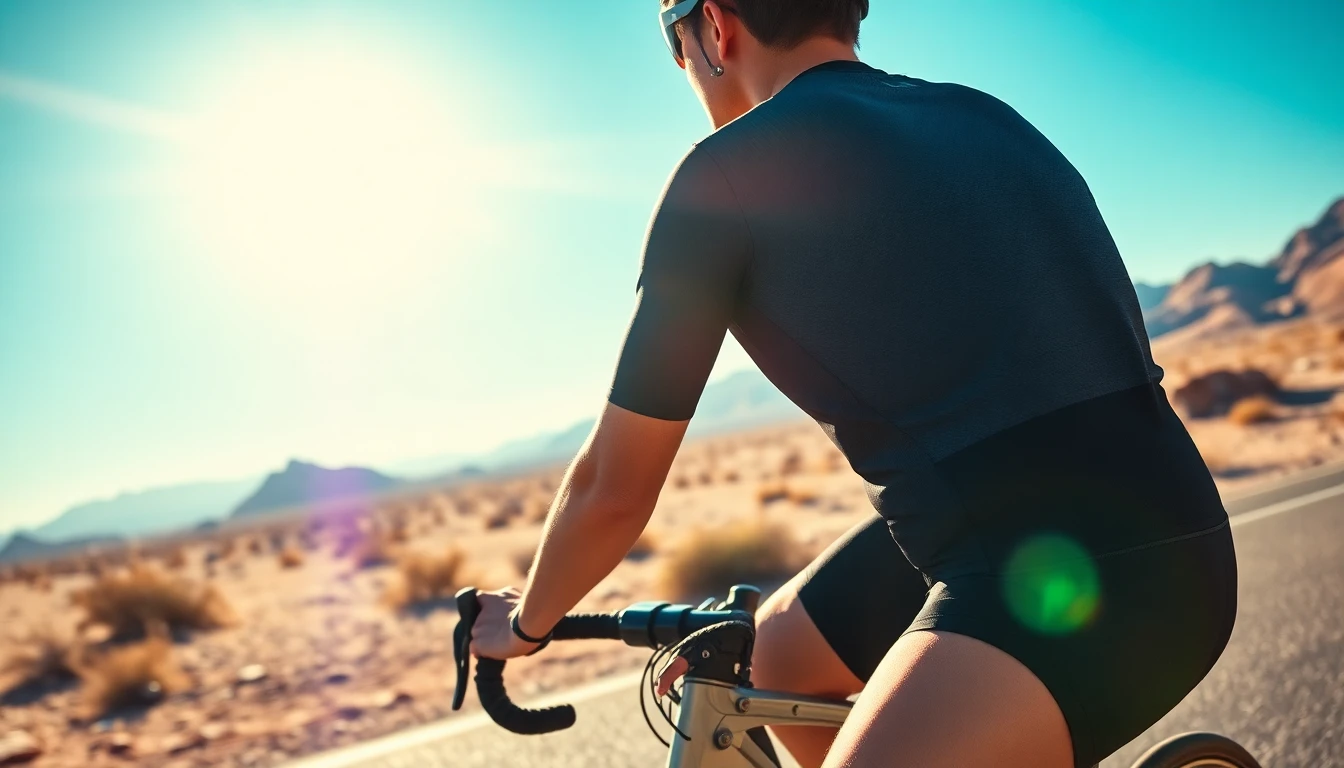
Your cycling fabric does serious work during summer rides. It cools you down, manages sweat, and boosts your performance—all at once.
Synthetic Fabrics: Your Performance Base
Cotton feels nice in the store. On the bike? It soaks up sweat, sticks to your skin, and stays wet. Synthetic fabrics change everything.
Synthetic materials deliver measurable performance gains in time trials—almost a full percentage point faster. The final 6 kilometers show the biggest difference compared to cotton.
Why? Synthetics let water vapor escape much better. They pull moisture off your body instead of holding it in. Think wet blanket versus breathable second skin.
Polyester makes up the core of most good cycling jerseys. You'll find it at about 80% of the fabric mix. It pulls sweat away fast. It dries quick. It stops UV rays and stays light.
Add 10-15% Lycra or elastane to the blend. Your jersey now flexes with your body instead of fighting your pedal stroke. This stretch-and-snap combo (tested at 65% width, 35% length) keeps the fabric bouncing back ride after ride. No sagging. No shape loss.
Better Cooling Tech
Phase Change Material (PCM) fabrics sound futuristic but give real results. The fabric pulls in heat and lets it out as the material shifts between solid and liquid states.
PCM fabrics deliver instant cooling you can feel. Ride from 35°C heat into an air-conditioned rest stop? PCM fabrics drop your skin temp from 39.8°C to 36.0°C. Regular fabrics only drop 2.1°C.
Top brands now use Polartec Delta for better cooling. Some high-tech jerseys add graphene threads . Brands like Alé use this tech for top-level heat spread while keeping weight super low.
Smart Design Details
Check for mesh inserts made from fine polyester in key spots—armpits, back panels, side panels. These aren't just for looks. They build air channels right where you make the most heat.
Aim for jersey weight between 110-130 grams . Ultra-light picks under 100g work for racers. Most riders find this range gives the best balance of tough build and air flow.
Key Features to Prioritize in Hot Weather Cycling Clothes
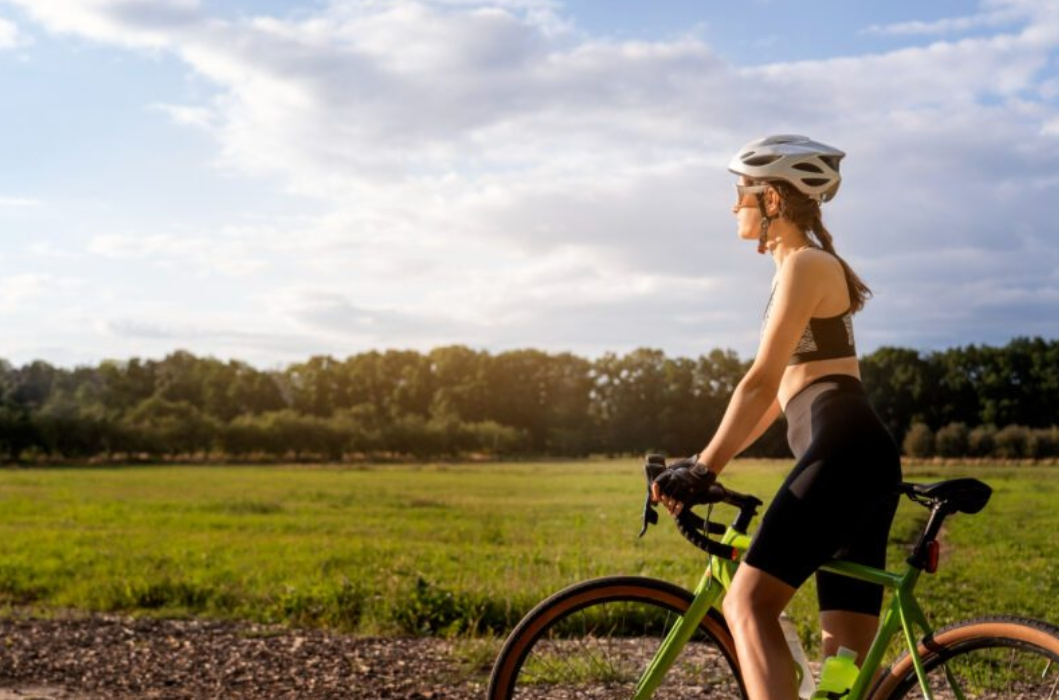
Design details separate cycling clothes that work from those that just look sporty. Here's what earns a spot in your hot-weather kit.
Jersey Architecture That Works
Full-length front zippers give you instant control. Pull the zipper down during climbs. Close it up on fast descents. This feature regulates your temp better than any fancy fabric can alone.
Look for silicone grippers at the waist and sleeve hems. These thin bands anchor your jersey without squeezing. No constriction means better blood flow. Better blood flow means more cooling power reaching your skin.
Laser-cut sleeves ditch the bulky seams. You get a cleaner fit around your biceps. Better yet? No rubbing. No irritation. Nothing to chafe after mile 30.
The fit matters more than you'd think. Go for a close but not restrictive cut —think second skin, not sausage casing. Race-fit jerseys stop fabric from flapping in the wind. Air still moves through those technical fibers.
Sleeve Length Strategy
Short sleeves work for most summer rides. They're simple. They're proven. But here's something odd: long sleeves with UPF 50+ protection can keep you cooler than bare arms in brutal sun.
Why? Direct sun on exposed skin heats you up fast. Ultra-light long sleeves with high UPF ratings create shade while still breathing. Just check that the fabric hits that sweet 110-130g range. You don't want to wrap yourself in a sauna.
Sleeveless jerseys maximize cooling but demand commitment to sunscreen. Miss a spot on your shoulders and you'll regret it by evening.
Bib Short Essentials
Fabric composition shifts in shorts versus jerseys. Look for higher polyamide content with less polyester . This blend brings better durability where you need it—rubbing against your saddle. It maintains excellent heat management too.
Thin, breathable bib straps keep your shorts where they belong. They don't trap heat across your chest and shoulders. Thick straps create sweat pools. Nobody needs that.
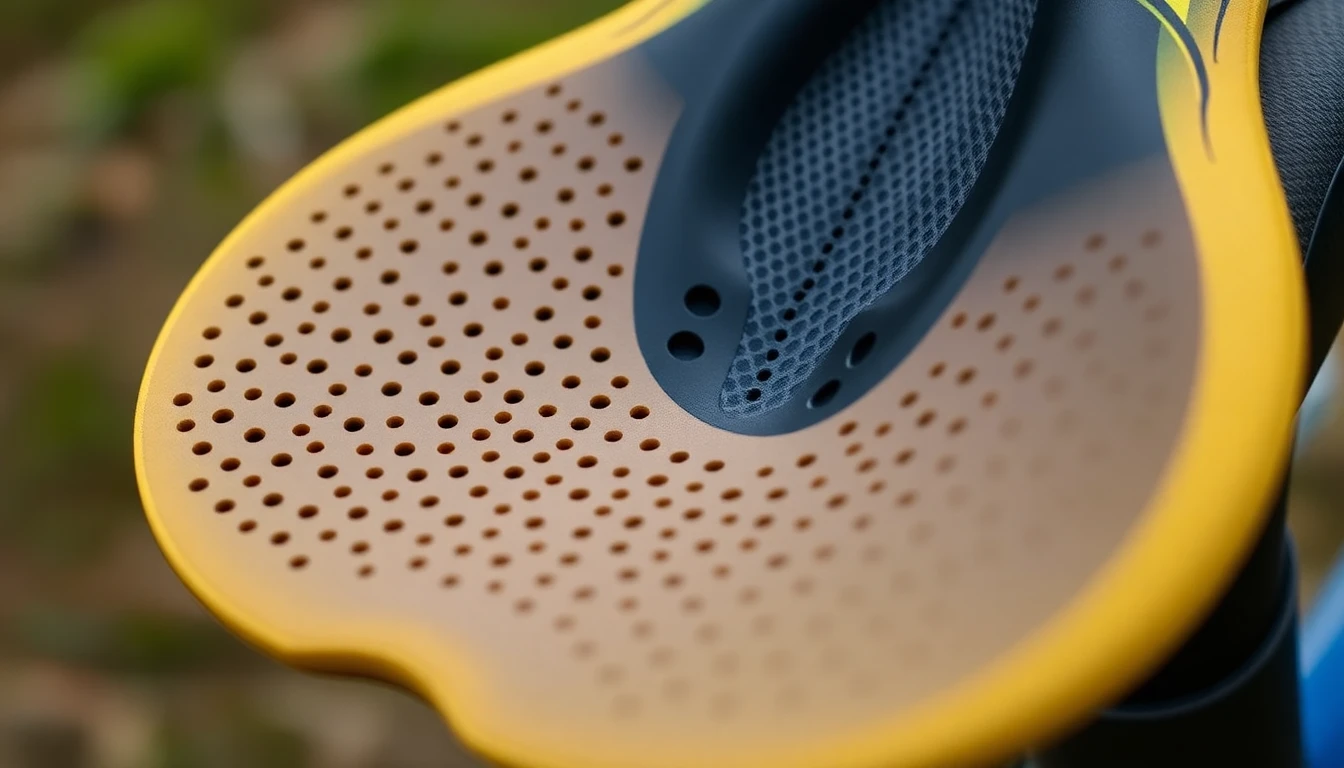
Your chamois pad should feature micro-perforations throughout the surface. These tiny holes speed up drying. They boost ventilation right where you're generating the most pressure and heat. Add antibacterial treatment and you prevent that musty smell from building up during long, sweaty rides.
Silicone leg grippers at the thigh endings work like the waistband grippers. They secure without strangling. Your circulation keeps flowing. Your comfort stays intact.
The Details Most Riders Miss
Sock height seems minor. But those tall 12+ cm cuffs trap heat around your lower legs. Drop down to 5-6 cm cuff height . You'll maximize airflow around your ankles and calves. You keep enough coverage to prevent shoe rub.
Summer base layers sound backwards. Adding a layer to stay cool? Ultra-lightweight mesh worn next to skin creates a wicking foundation. It pulls moisture away before your jersey even gets involved. Look for flatlock stitching that lies flat. Regular seams turn into sandpaper with sweat.
Each of these features solves a specific problem. Together, they transform your summer riding from an endurance test into something you might enjoy.
How to Choose the Right Cycling Jersey for Hot Weather
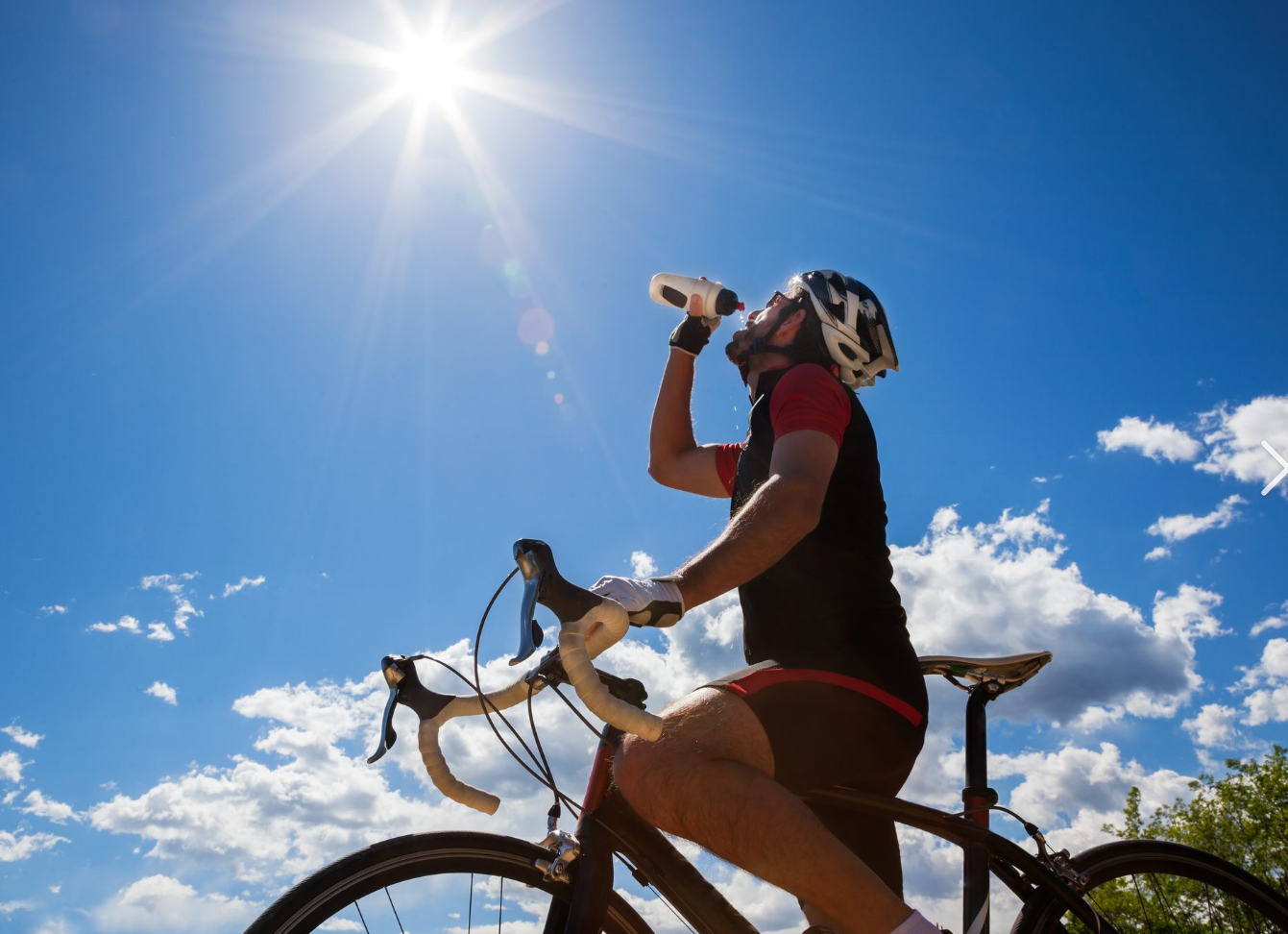
Stop overthinking jersey color. Start thinking about what happens when you sweat.
Your jersey makes the biggest difference in hot-weather comfort. Get this piece right and everything else falls into place. Mess it up and no amount of expensive shorts or fancy accessories will save your ride.
Fabric First: The Foundation That Matters
Synthetic fabrics aren't just "better" than cotton—they're in a different performance league. Polyester and nylon blends show three times lower thermal resistance compared to cotton. They push three times more air through the weave . Water vapor escapes three times faster .
What does this mean on your bike? Your skin runs about 1°C cooler throughout your ride. That single degree translates to maintaining 0.98 km/h more speed in the final 6 kilometers of a 20km effort. You'll hold 18.4 watts more power when it counts.
The best part? Your body doesn't work harder. Sweat rates stay identical whether you wear synthetic or cotton— about 1.18 to 1.26 liters per hour . The difference shows in where that sweat goes. Synthetics move it away from your skin. Cotton traps it against you.
Woven construction beats knitted for summer jerseys. The tighter weave absorbs sweat better. It also feels better against hot, damp skin during long rides.
The Color Conversation (And Why It Matters Less Than You Think)
Here's data that surprises most riders. A grey merino jersey hits 39°C in direct sun . A black jersey reaches 34.5°C . A white jersey? Sits in between. The range spans close to 20 degrees across different dry jerseys.
Now add moisture. Every jersey—no matter the color— drops temperature by at least 50% when wet. That grey jersey plummets from 39°C to just 12.3°C. The black jersey falls to 12.1°C. The white jersey? Also around 12°C.
Wet temperature range shrinks to just 6.2 degrees across all colors and fabrics. Add wind from forward motion and these differences fade away.
Bottom line: Moisture management beats color choice once you start pedaling. Buy the jersey color you like. Just make sure it wicks and breathes well.
Selecting Breathable Cycling Shorts and Bibs for Summer
Your chamois pad decides whether you finish that century ride smiling or wincing. Jersey, helmet, shoes—they all matter less than what sits between you and your saddle for four hours in 30°C heat.
The game changes in summer. That thick, plush chamois that coddles you during spring centuries? It traps moisture. It holds heat. By mile 40, it turns into a swamp.
The Chamois Architecture That Keeps You Cool
Single-density, low-volume chamois pads win in summer. The Rapha Pro Team III proves this design works. Minimal foam means less material soaking up sweat. Less bulk creates better airflow between you and your saddle. You dry faster during those brief stops at traffic lights.
Want better ventilation? Look for perforated foam structures . The Assos Mille GT C2 features waffle-like holes throughout the pad. The MAAP Aeon goes further. It has multi-density perforated foam with a central pressure relief channel. Those tiny holes work like air vents. They speed evaporation. They prevent that clammy, suffocating feeling.
Bacteriostatic covers on your chamois stop odor before it starts. The MAAP Aeon includes this treatment. Your shorts stay fresher through back-to-back riding days. Less washing extends pad life.
Test rides reveal what lab specs can't. The Velobici Jasper passed the real-world sweat test during mid-20°C climbs up Puig Major. The Rapha Pro Team III handles warm summer and autumn rides without moisture buildup. For the hottest days—think steady 35°C—the Assos Mille GTS breathes better than even the well-regarded Mille GT C2.
Fabric and Construction Details
UPF 50+ fabrics do double duty in summer bibs. The Assos Mille GTS and Nalini Aero combine sun protection with breathability. Your upper thighs get shielded from UV damage. The fabric still moves moisture away fast.
Reduced panel construction minimizes seams. Fewer seams mean fewer chafe points once everything's soaked. The Rapha Pro Team III uses this approach. The Specialized Prime hides what few seams exist for maximum breathability. The Velocio Concept has a seamless multi-density seat pad. It feels like it's not there.
The Grip Without the Squeeze
Silicone leg grippers keep shorts positioned without cutting circulation. The Assos Mille GT C2 uses these in smart spots. Better options? Laser-cut hems with micro-silicone dots like the Rapha Pro Team III. Or raw hems found in the Velobici Jasper and Rapha Powerweave. These updates remove the old rubber-band sensation of traditional grippers.
Your legs need blood flow to cool down. Good compression helps performance. The Velocio Concept nails this balance for airy comfort on hot climbs. Too much squeeze kills cooling. The Assos Mille GTS runs less tight than the Equipe racing line for this reason.
Making Your Choice
Start here: rides over 25°C need perforated or multi-density chamois with ventilation holes. The Elite Levitate pad in Assos models sets the standard. Check for UPF 50+ and high breathability fabrics.
Weight matters. Low-weight, light compression bibs like the Rapha Powerweave balance support and airflow. Bulky pads trap heat no matter how fancy the foam.
Match leg length to your needs. Long legs with proper grippers—like the Velobici approach—give you support without squeezing. Moisture management separates good from great. Your bibs should dry fast and never chafe when wet. Rapha delivers here.
Budget reality: The Castelli Entrata 2 works for shorter rides but the pad compresses on centuries. Less breathable budget options suit brief efforts. Thicker fabrics in some models limit extreme heat performance. The MAAP Aeon works great for northern European summers but might overwhelm riders in Arizona July heat.
Must-Have Accessories for Hot Weather Cycling Comfort
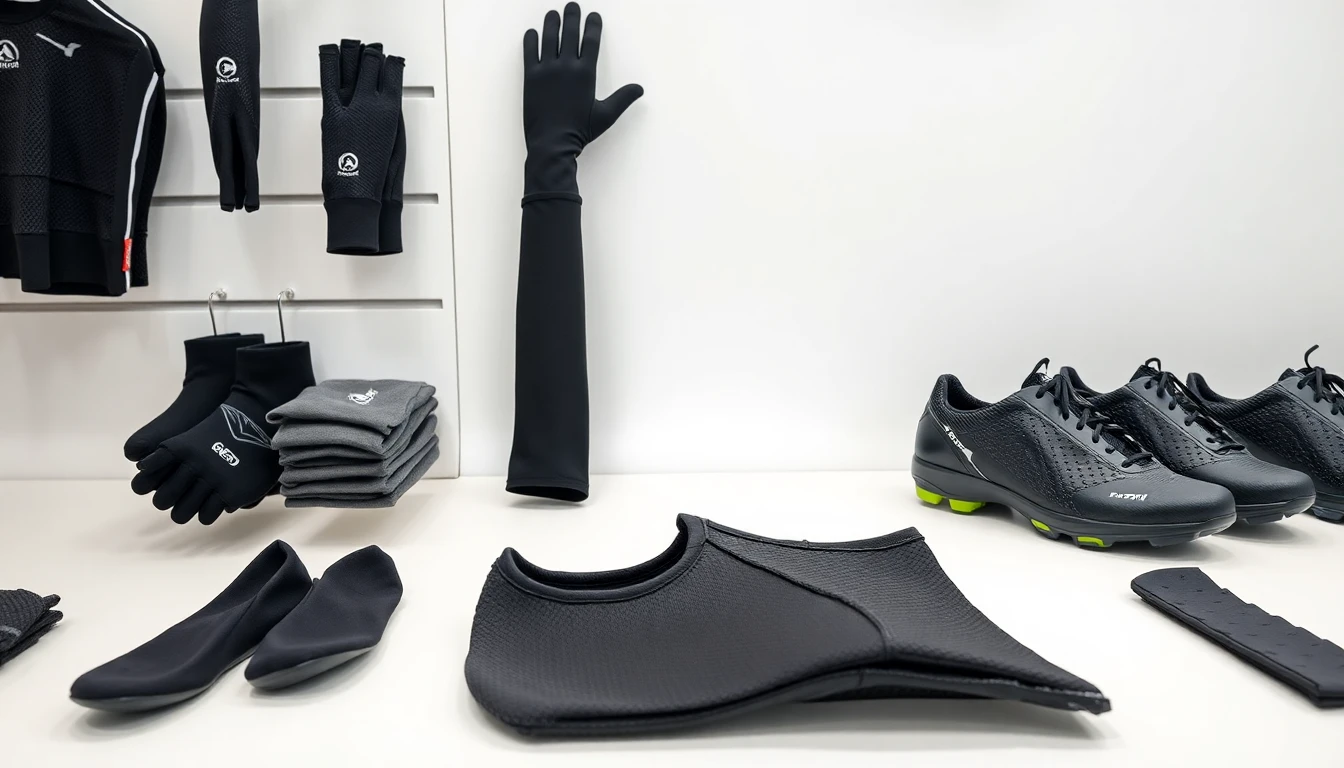
Cycling accessories are growing fast. Riders now know the right small gear solves big problems. Moisture-wicking gloves, UV-protective sleeves, and ventilated shoes give real relief. Fancy jerseys alone can't match that.
Sun Protection Without the Sunscreen Mess
Pearl Izumi Sun Sleeves ($30) change arm coverage. These thin stretch sleeves give UPF 50+ protection without bulk. You get white or hi-viz yellow in five sizes. They slip on in seconds. Road and gravel riders prefer these over reapplying greasy sunscreen mid-ride. Your arms stay cool. Your skin stays protected. No white residue on your bar tape.
Footwear That Breathes
Specialized S-Works Vent Shoes ($425) weigh just 223 grams per shoe in size 42 . The Swiss-cheese sole pattern creates serious airflow under your foot. Dyneema and mesh upper panels add vents in the toe bumpers. Sizes run from 36 to 49 with half-size options. Your feet stay drier during brutal afternoon climbs.
Mountain bikers face a tougher choice. Giro Empire VR70 Knit Shoes ($250) use knit uppers. They balance ventilation with armor for rock strikes and hike-a-bike sections. The breathable knit protects your feet on technical trails.
Gloves and Shorts That Work Harder
POC Essential Mesh Gloves ($45) outlast cheaper options through four seasons of hard use. The durable mesh keeps ventilation without falling apart like budget picks. Giro Trixter costs less. 100% Celium weighs less. But POC gloves keep performing ride after ride.
Fox Flexair Shorts ($130) prove thin beats thick in heat for MTB riders. These create a minimal layer. Airflow stays strong. Heavy baggies trap heat. Flexair lets it escape.
Performance Fabric Innovation
Polartec Delta technology appears in smart accessories like the Aero Tech Delta Tee ($50) . The fabric mixes water-repelling and water-loving yarns to speed sweat evaporation. Form-fit design works great for mountain biking. Movement stays free. This same cooling textile shows up across fast-growing accessory categories. All are built to regulate temperature in high heat.
Hydration systems stay vital for long rides. But these new fabric-based accessories tackle heat problems that water bottles can't solve alone.
Step-by-Step Buying Process for Summer Cycling Apparel
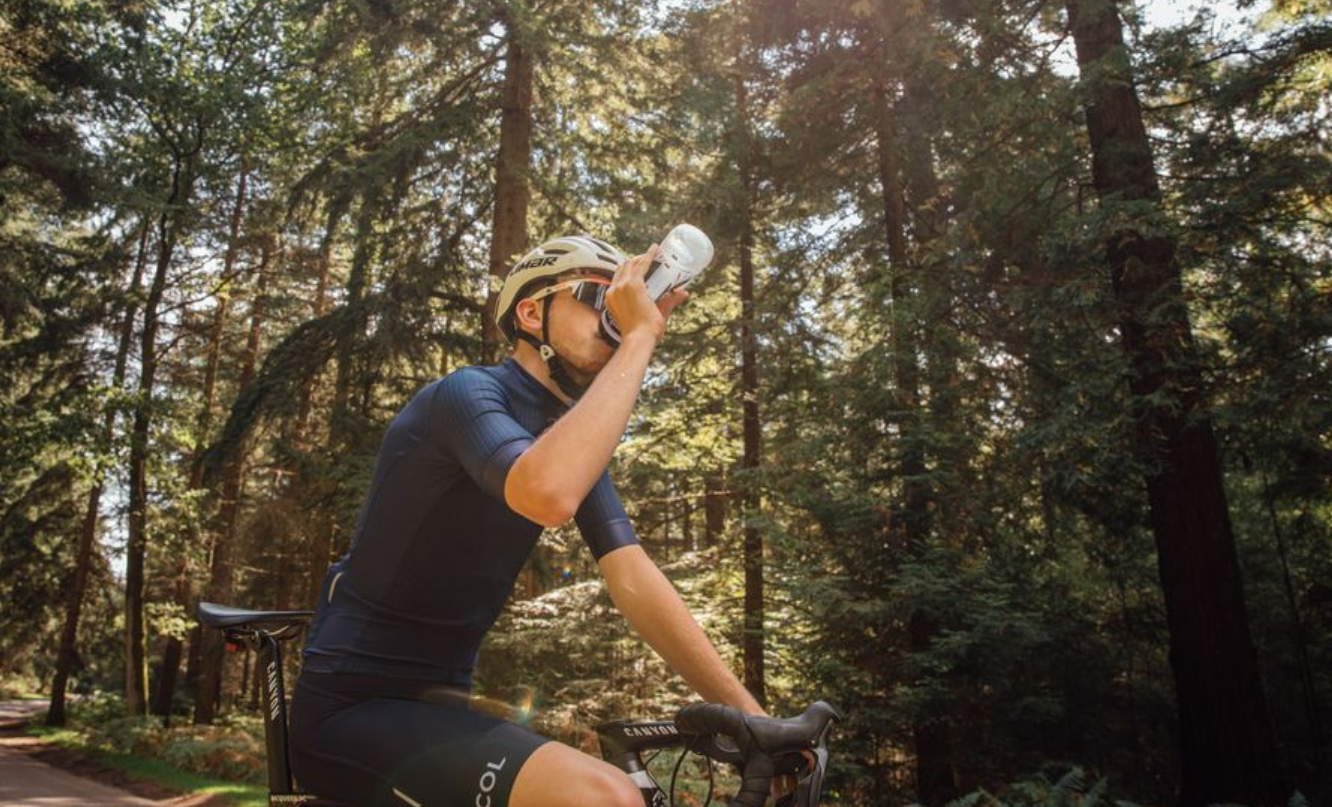
You don't need guesswork to build your hot-weather cycling wardrobe. This proven framework nails every purchase.
Step 1: Map Your Temperature Reality
Identify your actual riding conditions first. Temperatures above 60°F demand a core kit: cycling bib shorts, performance cycling jersey, cycling socks, short-finger gloves of cycling, cycling helmet, and cycling sunglasses. This baseline handles most summer riding.
The 50-60°F range is tricky. Add arm and knee warmers to your cart. Throw in a mesh sleeveless base layer . Morning starts often turn into hot afternoon finishes. These small additions give you flexibility.
Fabric composition beats brand names. Look for polyester, nylon, and Lycra/spandex blends with 4-way stretch. These synthetics move moisture fast. Merino wool works too. It regulates temperature and resists odor during multi-day tours.
Step 2: Lock Down Essential Features
Fit separates serious cycling gear from knockoffs. You want snug, athletic form-fit. This reduces drag by 5-10% in wind tunnel tests. Not restrictive—just close to skin. Pull out the measuring tape. Check your chest and waist against brand size charts. Vanity sizing doesn't exist in cycling apparel.
Your jersey needs three back pockets with 1-2 liters combined capacity. This space handles your phone, multi-tool, energy bars, and spare tube. No pack mule situation.
UPF 50+ protection is a must for summer riding. Look for mesh panels that still block UV rays. Coldblack fabric treatments reflect heat and shield skin. Add dedicated sun sleeves ($30, sizes XS-XXXL) for extra arm protection. You won't need to slather on sunscreen every hour.
The chamois pad makes or breaks long rides. Perforated designs like those in Rapha bibs speed up drying. They prevent that swampy feeling that ruins your third hour in the saddle.
Step 3: Select Your Gear Lineup
High-end options deliver real performance gains. The Rapha Pro Team Flyweight bibs ($215) use sheer fabric with mesh suspenders and perforated chamois. The MAAP Vector Pro Air jersey ($170) weighs just 4 ounces. Its micro-perforated mesh body with netted side panels creates serious airflow. Le Col brings performance fit with comfort focus. ASSOS uses Swiss-made Gore materials.
Budget riders have solid choices. DHB balances cost with versatility. Pearl Izumi competes on price—their sun sleeves cost $30 and deliver UPF 50+ in white or hi-viz yellow. Black Sheep mixes style with quality build.
Mountain bikers need different gear. The Aero Tech Delta tee ($50) uses Polartec Delta fabric in sizes S through 5XL (up to 50-inch chest). Fox Flexair shorts ($130) offer a lightweight swap for heavy baggies.
Step 4: Nail Your Sizing
Athletic fit means your chest sits snug. Arms move without restriction. Cycling shoes run in half-sizes from EU 36-49 (half sizes between 38-47). Try both your normal size and one half-size down. Brands vary.
Short inseams range from 8-10 inches for summer. Longer cuts trap heat. Shorter cuts boost airflow around your thighs.
Step 5: Execute Your Purchase
Online shopping lets you browse entire summer collections from home. Check out options like Cassiopeia's 2025 summer jersey line for the latest designs. You get home delivery and time to compare specs side-by-side.
In-store purchases give you hands-on fabric inspection. Squeeze the material. Check the weight. Feel the chamois thickness. Local bike shops often cut deals on price—last season's colors especially.
Size availability spans wide ranges. Shoes: EU 36-49. Jerseys: S through 5XL. Most riders find proper fit without settling.
Your complete summer kit should hit these marks: jersey weight around 4 ounces , UPF 50+ protection standard , and 80-90% synthetic materials for moisture handling. Meet these specs and you're ready for whatever heat summer throws at you.
Temperature-Specific Clothing Strategies
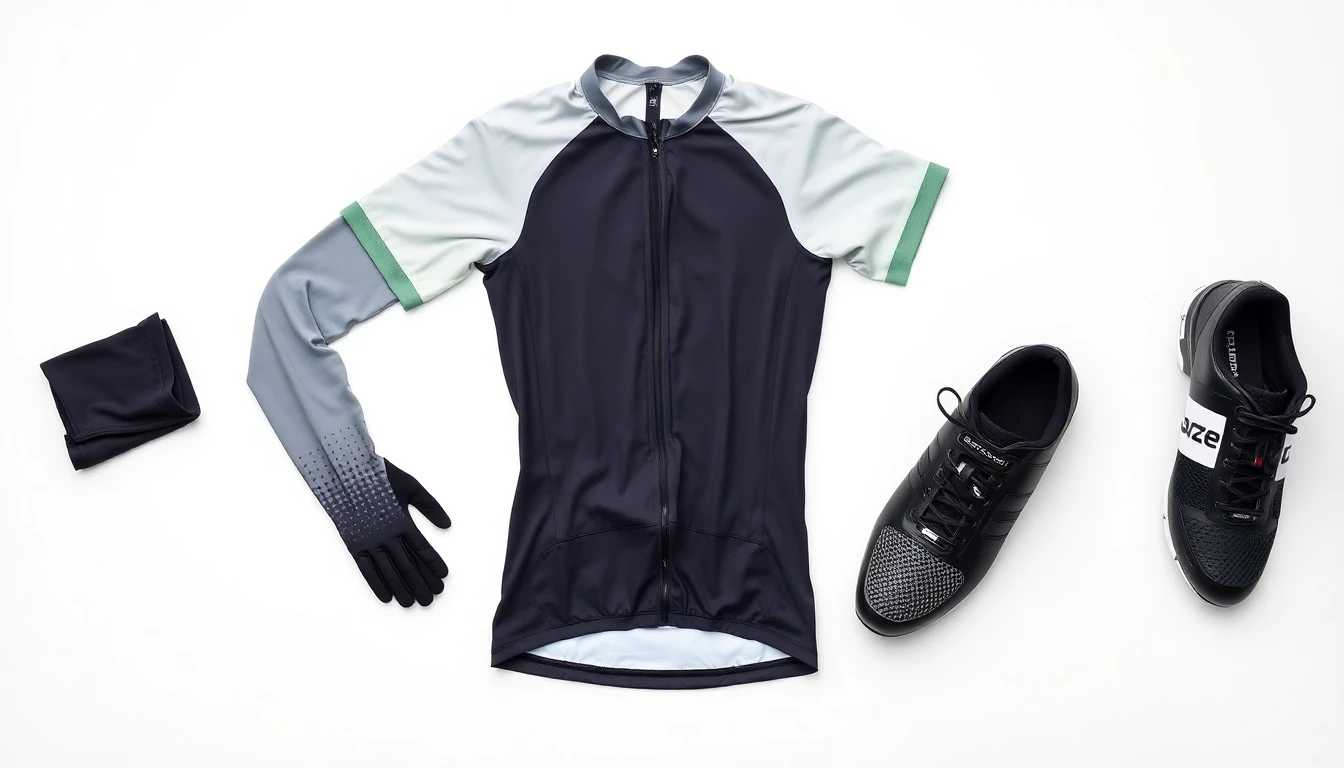
Different temperature zones need different fabrics. Here's what beginners don't hear: That "all-season" jersey sold as perfect for spring through fall? It fails once temps hit 25°C.
The 20-25°C Sweet Spot
This range is cycling's perfect zone. Clothing sales data shows peak purchases happen at 20-25°C for good reason. Your body makes moderate heat. Sweat evaporates well. Standard summer jerseys with single-layer polyester work great here.
Stick with jersey weights around 110-130 grams . The fabric breathes without feeling paper-thin. Three-quarter length bibs with mid-weight chamois pads handle rides up to three hours. Your body doesn't fight the gear.
MSE (mean squared error) drops 41.49% when riders match clothing to this temperature band versus wearing random summer pieces. Translation? You nail comfort more often by dressing for this zone.
Above 25°C: Standard Summer Gear Fails
Heat above 25°C changes everything. T-shirt and dress sales decrease once temps push past this point. Why? Standard fabrics can't handle the sweat load anymore.
Switch to ultra-lightweight mesh construction for both jersey and bibs. Look for fabrics under 100 grams total weight. The MAAP Vector Pro Air mentioned earlier lives here. That 4-ounce total weight matters in 30°C sunshine.
Your chamois needs maximum perforation . Solid foam pads turn into sponges. Perforated multi-density designs like the Assos Mille GTS Elite Levitate pad keep moisture moving instead of pooling.
Add UPF 50+ arm sleeves instead of going sleeveless. Sounds backward but works. Direct sun exposure on bare skin creates more heat than ultra-light long sleeves with sun protection. Your core temperature stays lower with covered arms in brutal heat.
The 15-20°C Transition Zone
Morning starts often hit this range before climbing to 25°C by afternoon. Knitwear and sweater sales peak at 15-20°C in retail data. Cycling follows similar logic.
Pack arm and knee warmers in your jersey pockets. These weigh almost nothing but transform your kit. Start with warmers on. Strip them off as temps rise. Stuff them back in your pockets.
Mesh base layers work magic here. They add minimal insulation but create better moisture management once you warm up. The thin mesh pulls sweat away before your jersey even gets involved. You stay drier through the temperature climb.
Wind speed has a negative link with knitwear sales in weather data models. Same applies to cycling. Windy 18°C rides need more coverage than calm ones. Check the forecast. Add a lightweight wind vest if sustained winds hit 20+ km/h.
Below 15°C: Wrong Article Territory
Just for reference: Down jacket sales peak at 5-10°C with the strongest negative temperature correlation at r=-0.520. You're not reading a summer cycling guide anymore at these temps. Save this article for May through September riding. Winter needs different strategies.
The data proves what experienced riders already know. Temperature-specific choices beat "versatile" compromises every single time. Match your gear to the forecast. Your comfort jumps. Your performance follows.
Conclusion
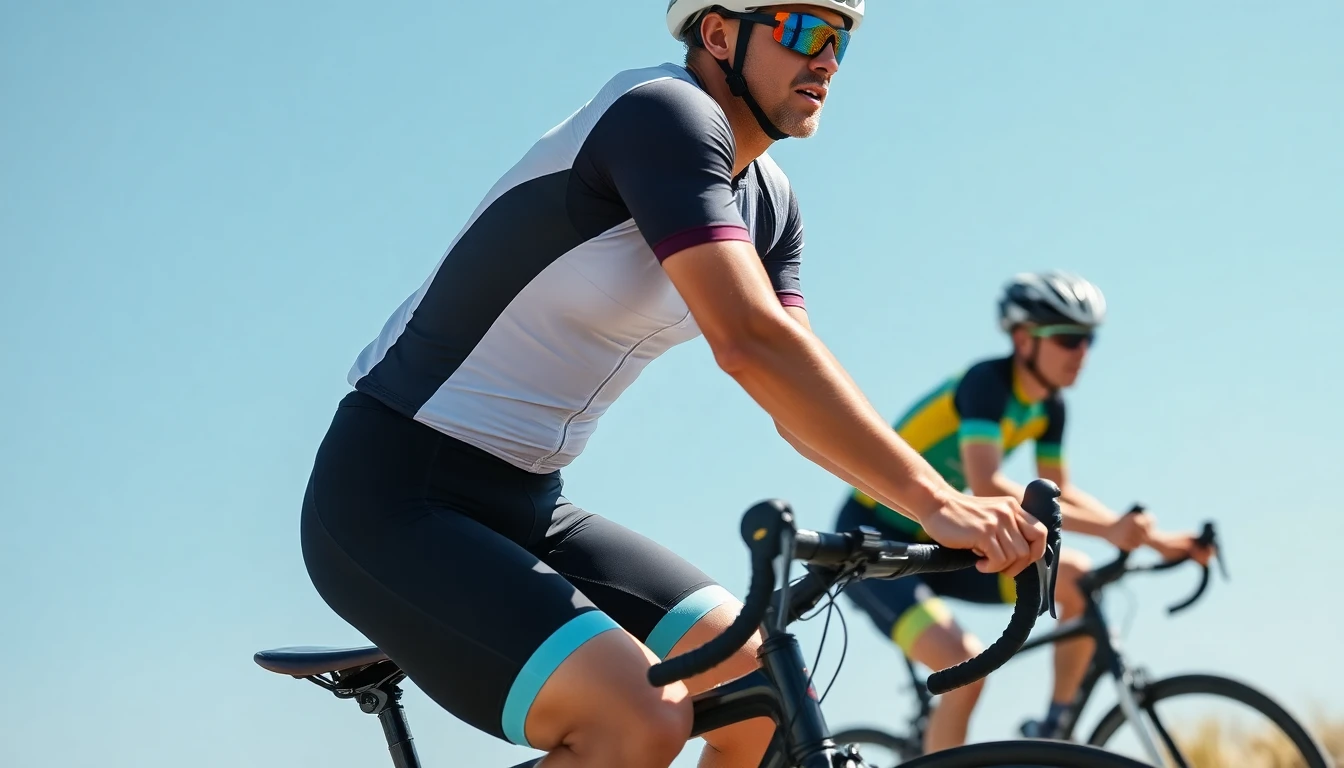
The best cycling apparel for hot weather isn't about expensive gear. It's about what your body needs to perform well in high heat. A good moisture-wicking jersey paired with ventilated shorts and smart accessories turns tough summer rides into fun adventures.
Here's a simple framework: put breathability first. Invest in UV protection cycling wear that blocks sun without trapping heat. Never settle on fit —loose fabric flapping in wind ruins even the best cooling technology.
Your next ride doesn't need to leave you soaked and overheated. Check your current gear against the features we've covered. Upgrade the pieces holding you back, one at a time. Summer cycling feels great in apparel that works as hard as you do.
Ready to beat the heat? Browse our collection of quick-dry cycling apparel made for riders who train regardless of weather. Your best summer rides are waiting.