Table of Contents
You've just bought your first pair of padded cycling shorts. Those long rides ahead look exciting. But then the question pops up— do I wear underwear under these, or not?
You've probably googled this in incognito mode. Most new cyclists do. Here's the truth: most beginners get this wrong. It costs them comfort, performance, and sometimes their skin health.
That cycling chamois pad inside your shorts? It wasn't built to work with an extra layer beneath it. Wearing underwear under your padded shorts causes problems. You'll deal with chafing, moisture buildup, and saddle sores.
Maybe you're worried about hygiene. Maybe going commando feels weird. Or maybe you just want to avoid mistakes that could mess up your riding goals. Understanding what padded bike shorts comfort really means will change how you ride.
Let's clear this up now.
How Chamois Padding Works (And Why Underwear Interferes)
The chamois pad isn't just foam stuffed into your shorts. It's an engineered system built to protect your body during hours in the saddle.
The Multi-Layer Build
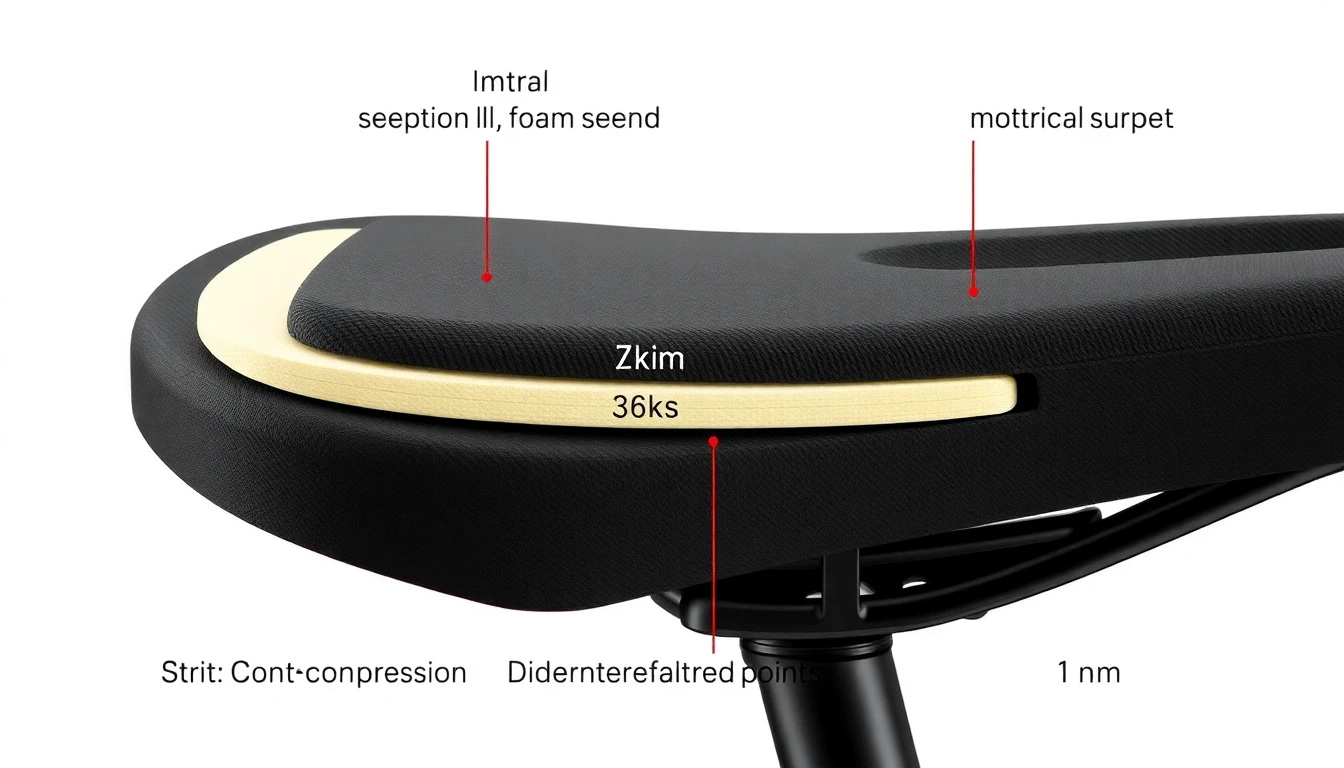
High-end chamois pads use 2 to 5 different foam densities stacked in layers. Each layer does a specific job. The top layer absorbs initial impact. Middle layers spread out pressure. The bottom layer gives you support against the saddle.
Look at premium road cycling pads. The sit bone area has high-density foam around 120 kg/m³ . This isn't random. Your sit bones carry 60-70% of your body weight while riding. Dense foam stops the padding from collapsing under constant pressure.
Thickness changes based on riding style:
The Giordana OmniForm system shows this well. Three separate layers work together. The top surface uses nylon microfiber mixed with Aloe Vera extract to cut down friction against your skin. Below that sits foam with varying thickness—thicker under sit bones, thinner at edges. Maximum thickness hits 13mm where pressure peaks.
The Contact Surface Science
Modern chamois use 4-way stretch recycled polyamide or polyester as the top fabric. This material of cycling apparel pulls moisture away from your skin in seconds. Many premium versions add germ-fighting treatments or carbon fiber elements like Resistex Carbon. These extras fight bacteria and cut down on static.
The Craft Infinity series shows smart engineering:
C2 pad : Three-layer foam system with medium and high-density zones making a "shock absorption system"
C3 pad : Perforated first layer for air flow, 85 kg/m³ high-density foam for long ride cushioning
C4 pad : Three-layer build with hard-density central foam for support, softer edge foam for smooth transitions
Pressure Mapping
Your body doesn't spread weight the same way in riding position. The chamois handles this.
Sit bone zones get those 120 kg/m³ density inserts . Thickness goes from 13-14mm at max pressure points down to thinner edges. This pressure spread stops hot spots. It keeps blood flowing.
Men's pads have central relief channels or grooves. These cut down perineal pressure. They prevent numbness. The Craft C1/C2 designs include a "front cup" depression that makes space. This lowers blood pressure in one spot and cuts fatigue.
The side wings use bent 3D shapes to boost saddle contact area. They do this without making edge pressure marks. Premium pads are pre-molded in three dimensions . This shaping keeps the pad in steady contact with your body and the saddle through your pedal stroke. No bunching. No pressure points.
Why Underwear Breaks This System
Here's where underwear ruins everything.
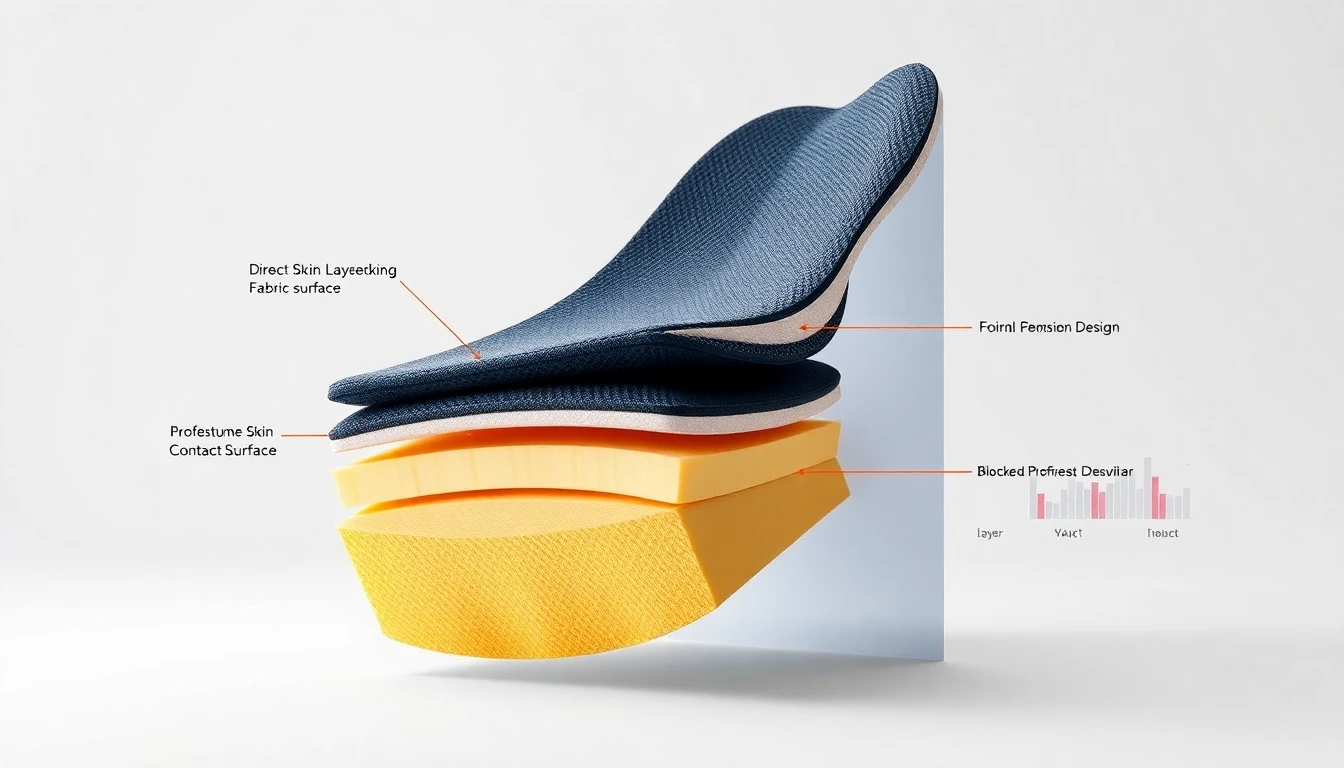
The chamois needs direct skin contact to work right. That moisture-pulling top fabric? It draws sweat away from your skin through small fibers. Add underwear, and you've made a moisture trap between two fabric layers.
Those pressure zones? They're mapped to your body, not to random fabric bunching. Underwear makes friction between three surfaces : your skin against underwear, underwear against chamois, chamois against saddle. Each layer shifts on its own during pedaling.
The germ-fighting treatments work on skin contact. Bacteria grow in the warm, damp space between underwear and chamois. You've made a breeding ground.
Underwear seams sit right where the chamois tries to remove pressure points. Those elastic bands? They dig into your thighs right where the pad's 3D shaping aims to cut edge pressure.
The chamois pad is built to be your single layer. Adding underwear is like wearing socks over gloves—it breaks the whole design purpose.
5 Major Risks of Wearing Underwear Under Cycling Shorts
That extra layer beneath your padded cycling shorts creates five distinct problems. Each one makes the others worse. Together, they ruin your ride and can damage your skin.
Risk 1: Friction Multiplication and Saddle Sore Development
Your underwear brings extra seams and fabric edges into contact with your most sensitive areas. These seams create friction lines across your groin, perineum, and inner thighs.
The chamois was built as a seamless skin interface . It uses multi-density foam paired with soft fabric. This removes hard edges. No pressure points. No cutting lines.
Add underwear, and you've introduced new seam paths. These rub against your skin with every pedal stroke.
Here's the friction cascade:
Your saddle presses against the chamois
The chamois shifts against your underwear
Your underwear slides against your skin
Each surface moves on its own during pedaling
Those underwear seams focus contact pressure and shear force at specific spots. Your skin develops tiny tears. The damp environment (we'll get to that next) breaks down your skin's protective barrier. Those tiny tears become saddle sores. Then open wounds.
For women, underwear seams create burning friction across the labia. External wounds develop where seam lines cross delicate tissue. Men face similar issues across the scrotum and perineal area.
Pro cycling media lists " seam friction leading to saddle sores " as the top reason to skip underwear. This isn't preference. It's cycling shorts hygiene best practice. Decades of rider experience back this up.
Risk 2: Moisture Trap and Skin Maceration
The chamois pad works through direct skin contact . Its top layer pulls sweat away from your body. The moisture moves outward through the fabric. Your skin stays dry.
Underwear blocks this system.
Cotton or standard underwear absorbs moisture but doesn't wick it away . Sweat gets trapped between your skin and the underwear fabric. That moisture can't escape. Your skin stays wet throughout your ride.
This creates the infection triangle: heat + moisture + enclosure .
Bacteria and fungi thrive in these conditions. Your skin softens from constant wetness. The outer layer swells with absorbed water. Soft skin tears more often. Bacteria enter through those tears.
You face increased risk for:
- Saddle sores with bacterial infection
- Folliculitis (infected hair follicles)
- Fungal infections in the groin area
- Vulvar dermatitis for women
- Scrotal inflammation for men
Multiple cycling shorts makers state this: "Underwear locks in sweat and keeps skin moist , increasing chafing and irritation." This isn't marketing speak. It's the reality of adding a non-technical fabric layer.
The chamois moisture-wicking was designed for skin-to-chamois contact. Throw underwear into that equation, and cycling shorts moisture wicking fails.
Risk 3: Padding Performance Degradation
Your chamois contains multiple foam layers at different densities. Some pads include gel inserts. Premium designs feature holes throughout to boost airflow and improve sweat removal.
This engineering requires one thing: stable, direct contact with your body .
The padding creates even pressure across your sit bones. The top fabric uses special fibers to pull moisture from your skin to the outer layers.
Underwear destroys both functions.
Cushioning breakdown : That extra fabric layer slides between your body and the chamois. The pad can't maintain steady contact with your sit bones. It shifts. It bunches. You get slippage during your pedal stroke.
Local pressure spikes increase. The shock absorption should spread impact across the entire pad. Now it focuses in random spots. Your chamois cream application can't even reach your skin properly—it sits on your underwear instead.
Moisture removal failure : Sweat now travels through skin → underwear → chamois. Each interface slows the transfer. The path extends.
Brand documentation confirms: "Underwear interferes with the pad's sweat absorption and moisture transfer performance." Your expensive cycling chamois pad becomes a basic foam layer. You've paid for advanced bike shorts padding technology and blocked it from working.
The Science-Backed Benefits of Going Commando
Skip underwear under your padded cycling shorts. This choice goes beyond comfort—medical research and physiology studies back it up for your body's health.
Lower Infection Risk Through Better Airflow
Your groin area gets hot during cycling. Add extra fabric, and you create what doctors call a "microbial incubator."
Bacterial and yeast infections drop once you remove that underwear barrier. The European Society of Human Reproduction published research on this. Moisture-trapping environments boost infection rates. This happens with cycling too.
Humid climates make it worse. Riders who wear underwear under chamois see higher rates of:
- Thrush (yeast overgrowth)
- Bacterial vaginosis in women
- Jock itch in men
- Folliculitis across both sexes
The chamois fabric alone gives you coverage. It allows proper air flow . Your skin breathes. Sweat dries instead of pooling. The pH balance in sensitive areas stays stable.
Dr. Kim Langdon is an Ob-Gyn specialist. She says: "There's no medical need for underwear during sports activities with technical fabrics against skin." Your chamois is that technical fabric.
Temperature Control Benefits for Male Cyclists
Men get specific benefits through proper temperature control.
Oxford University's Human Reproduction journal published studies on this. Scrotal temperature links to sperm quality. Tight underwear raises testicular temperature by 1-2°C . That sounds small. It's not.
Sperm production needs temperatures below core body temperature. Even small increases affect:
- Sperm count (you can measure the drop)
- Sperm motility (how well they swim)
- Sperm shape and structure
The European Society of Human Reproduction tracked men who switched from tight underwear to loose options or none. Results showed higher sperm counts and better fertility markers within months.
Go commando in padded shorts. Your body gets the temperature control it needs. The chamois gives cushioning without squeezing. Blood flow stays unrestricted. Your body keeps good pelvic circulation.
Friction Elimination at the Source
Cycling shorts chafing prevention comes down to simple physics.
Each fabric layer creates two friction surfaces. One rubs the layer below. One rubs the layer above. Your skin → underwear → chamois → saddle makes four friction points.
Remove the underwear. You cut those friction points in half.
Medical research on athletic skin damage shows friction grows with each added layer . The shear forces don't just add up—they multiply. One surface slides against another. That second surface slides against a third. This creates serious irritation.
Ob-Gyns say to cut out extra fabric in high-friction zones. Your cycling position puts constant pressure and movement across the perineum, inner thighs, and sit bones. That's already tough for your skin.
The chamois was built as your single protective layer . Its surface uses special weaves and treatments to reduce friction against skin. Add underwear underneath? You cancel out that design.
The University of Amsterdam studied sleep quality. They found data about skin temperature and friction. The study focused on nighttime rest, but the rules hold up: less fabric contact helps circulation and cuts down inflammation .
Blood Flow Optimization
Tight underwear bands press on your upper thighs and groin. These bands squeeze blood vessels.
Cycling demands maximum blood flow to your legs. Your muscles need oxygen. Your heart pumps harder. Any squeeze—even small—hurts performance and adds fatigue.
Underwear elastic sits right where your femoral arteries pass near the skin surface. Pressure here blocks blood return from your legs. You'll notice:
- Faster muscle fatigue
- Numbness in the saddle area
- Tingling in your legs during long rides
- Slower recovery after rides
The Padded cycling shorts use wide, spread-out elastic bands placed to avoid major blood vessels. The leg grippers spread pressure across a broader area. They don't squeeze single points.
Go commando and your circulation works without barriers. Your body controls temperature through blood flow. Nutrients reach working muscles with ease. Waste products clear faster.
This isn't about extreme performance gains. It's about letting your body work as designed during a tough activity.
The science is clear: your chamois works best alone, against your skin, doing the job it was built to do.
Real Comparison: With Underwear vs. Without Underwear
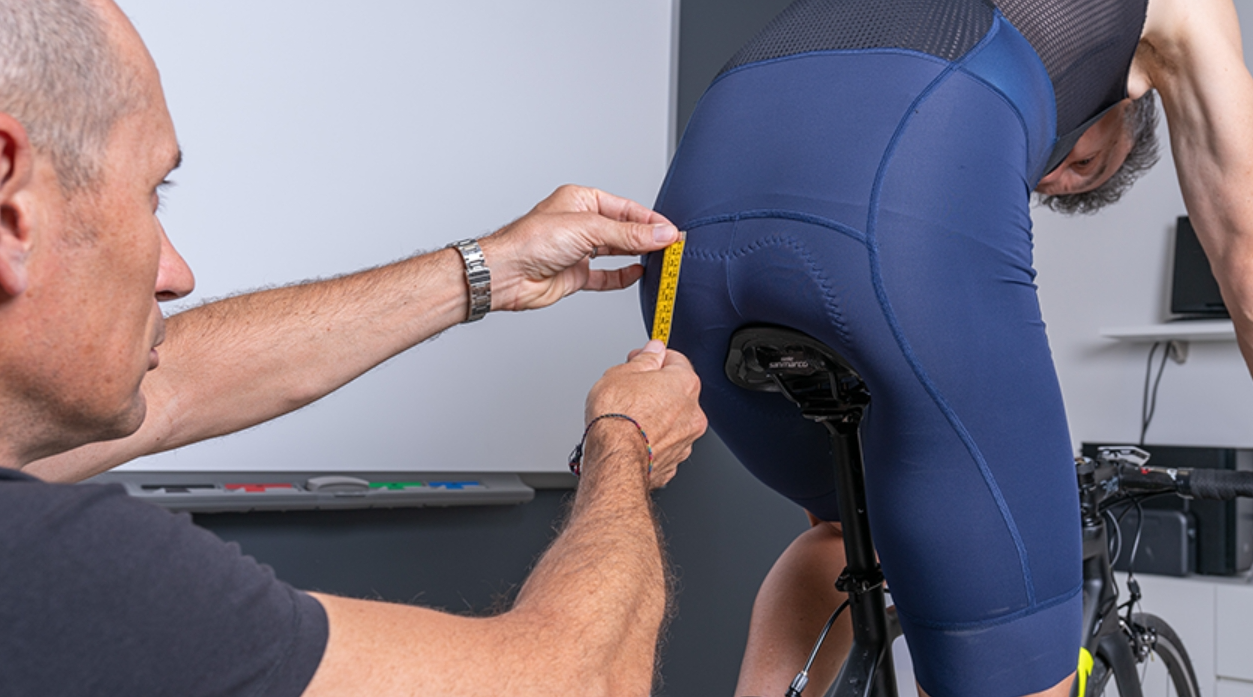
Picture two riders heading out for the same 50km route on a humid summer morning. One wears cotton briefs under padded shorts. The other goes commando. By kilometer 30, their experiences couldn't be more different.
The data tells a clear story about what happens to your body under each scenario.
The Comfort Gap Widens With Distance
Short rides under 10km might feel manageable with underwear. You'll notice some fabric bunching. Maybe slight irritation. Nothing terrible yet.
But extend that ride beyond 50km, and the problems stack up fast.
With underwear , you're dealing with:
- Chafing risk increases by 20-30% from fabric-on-fabric rubbing
- Seams cutting into your inner thighs and groin area
- Elastic bands restricting circulation at pressure points
- Constant friction across your labia, scrotum, or perineum
Without underwear , the experience shifts:
- 50% reduction in irritation across sensitive areas
- Direct sweat evaporation through the chamois fabric
- No seam lines creating pressure marks
- Unrestricted blood flow to working muscles
The difference becomes obvious after two hours in the saddle. Riders wearing underwear report burning sensations and visible redness. Those who skip it stay comfortable through longer distances.
The Moisture Trap Reality
Hot and humid conditions expose the biggest failure of wearing underwear under cycling shorts.
Your groin area generates serious heat during sustained pedaling. Add moisture from sweat, and you've created the perfect breeding ground for problems.
The underwear layer :
- Traps moisture against your skin for hours
- Creates a warm, enclosed environment
- Doubles your risk of jock itch and yeast infections
- Keeps fabric dampness even after sweat production slows
Research on genital health shows Candida thrives in warm, moist areas. That's what underwear creates during cycling. The infection risk doesn't just increase a little—it doubles on rides longer than 50km in humid weather.
Going commando changes the equation:
- Air circulates around your skin
- Sweat moves through the chamois to outer layers
- Moisture evaporates instead of pooling
- Bacteria and yeast can't establish colonies
Cold or wet weather adds another layer to this. Damp underwear holds moisture against your skin for hours. That wetness chills your most sensitive areas. It irritates delicate tissue. Your skin stays at risk throughout your ride and recovery.
Performance Impact You Can Measure
Male cyclists face specific performance issues with tight underwear under cycling shorts.
Studies tracking sperm concentration and motility found clear differences. Men wearing boxer briefs showed lower sperm counts compared to those in loose boxers or nothing at all. The mechanism? Heat in the scrotum.
Tight fabric raises testicular temperature. Even small increases—just 1-2°C—affect sperm production. Your body needs cooler temperatures in that area for optimal function.
Research tracking 53% of men who prefer boxers found they had a median age of 35.5 and BMI of 26.3 . These men showed higher sperm concentration than tight-underwear wearers. The looser fit equivalent? Going commando in well-designed padded shorts.
Beyond fertility, you'll notice practical differences:
- Better sleep quality after rides (less residual irritation)
- Faster recovery between training sessions
- No numbness or tingling in the saddle area
- Reduced muscle fatigue from unrestricted circulation
The Visual Evidence
Look at skin condition after identical rides with and without underwear.
The underwear scenario shows:
- Red, irritated skin across the labia or scrotum
- Visible chafe marks following seam lines
- Moisture sheen on skin even hours after riding
- Fabric creases creating pressure marks
The commando approach reveals:
- Smooth, unmarked skin across contact areas
- No moisture retention or dampness
- Natural skin tone without redness
- Visible air gap where the chamois allows ventilation
Health experts studying friction damage found dramatic differences. Women sleeping without underwear showed much less friction damage compared to those wearing it. The same principle holds during cycling—one less layer means one less friction source.
The Hygiene Trade-Off That Isn't
You might worry that skipping underwear creates hygiene issues. The opposite proves true.
With underwear , you're managing:
- Higher bacteria growth from trapped moisture
- Increased odor from poor ventilation
- Greater UTI risk for women (warm, damp fabric pathway)
- Potential allergic reactions to underwear dyes and chemicals
Without underwear , your hygiene improves:
- Reduced bacterial growth through better airflow
- Less odor production during and after rides
- Cleaner genital area from direct moisture wicking
- No chemical irritants from underwear materials under Padded Cycling Shorts
The key requirement? Wash your cycling shorts after every single ride . Your shorts become your underwear. Treat them that way. One wear, one wash. No exceptions.
This practice keeps your chamois clean and your skin healthy. It's simpler than managing both underwear and shorts hygiene. You've eliminated an entire layer of fabric that needs washing and care.
The comparison isn't subtle. Every measurable dimension—comfort, temperature control, infection risk, performance, skin health—favors going commando. Your chamois was engineered for direct skin contact. Let it do its job.
Practical Tips for First-Time Commando Cyclists
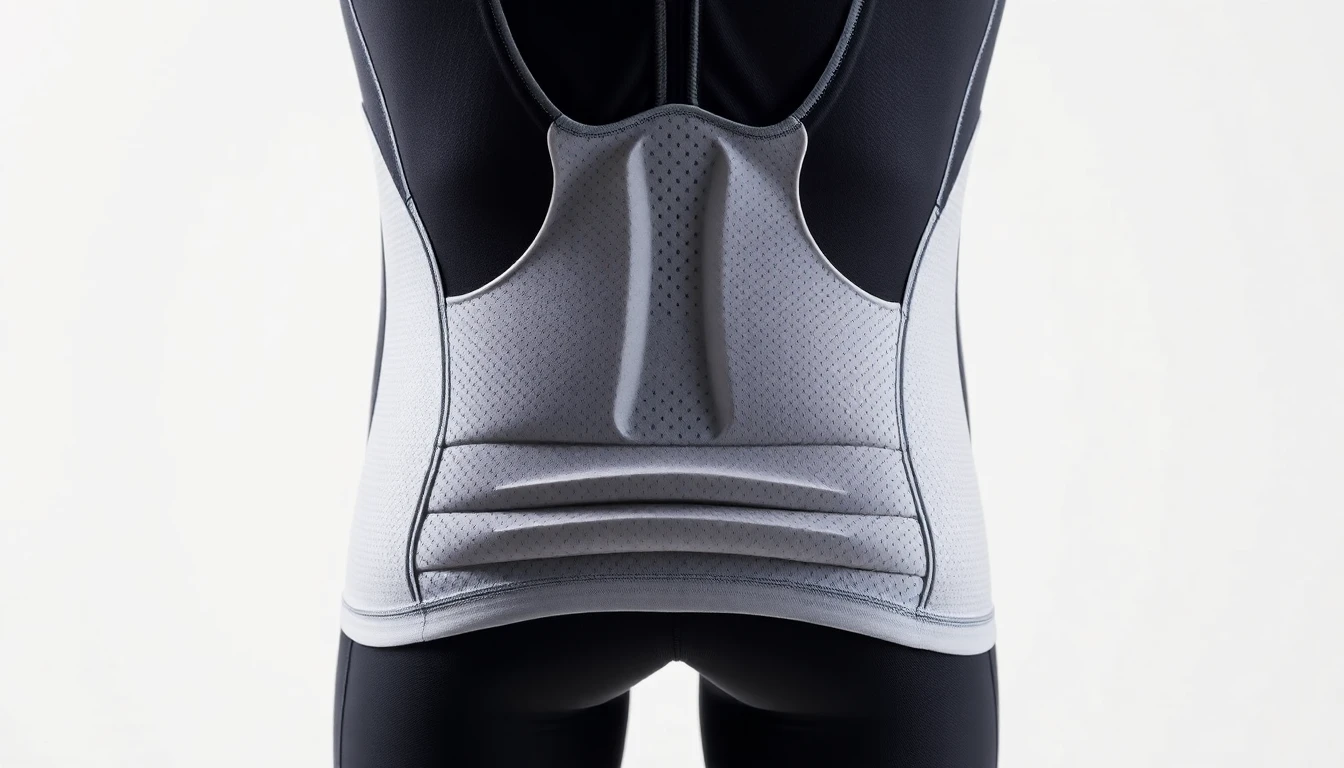
Making the switch feels strange at first. You're breaking a lifetime habit of always having that extra layer. Your mind might resist even when the logic makes sense.
Start small. Don't jump straight into a 100km ride without underwear. Try a 20-30 minute indoor trainer session first. Get used to the sensation in a controlled environment where you can stop anytime. Notice how the chamois feels against your skin. Pay attention to how your body moves without that extra fabric.
Your First Outdoor Ride
Pick a familiar route under 30km for your first commando ride. Choose a path where you know every turn, every rest stop, every bathroom. This cuts out extra worries. You're testing one new thing—the no-underwear experience.
Bring a small towel in your jersey pocket. A backup plan gives you confidence during this transition. That towel offers peace of mind even if you never use it.
The Chamois Cream Question
Apply chamois cream to your skin , not to the pad. Use a pea-sized amount across your sit bones, inner thighs, and any areas that feel pressure. The cream creates a barrier. It reduces friction during those first few commando rides.
Popular options include Assos Chamois Crème and Chamois Butt'r Original. Both work through skin application. Spread it thin. You need coverage, not thickness.
Managing the Mental Adjustment
The mental shift matters as much as the physical one. You might feel exposed or vulnerable during your first rides. That's normal. Your brain links underwear with security and hygiene.
Remind yourself: professional cyclists do this every single day . Your padded shorts give you more coverage and protection than regular underwear ever did. The chamois was designed to be your sole layer.
Post-Ride Hygiene Habits
Change out of your cycling shorts right after finishing . Don't sit around in sweaty chamois. Your skin needs air and dryness.
Shower within 30 minutes of getting home. Use gentle, pH-balanced soap. Pat dry well—especially in skin folds and creases. Leftover moisture causes irritation.
Wash your shorts after every single wear . No exceptions. This isn't like jeans you can wear multiple times. Your cycling shorts are intimate apparel. Treat them that way. Hand wash or use a delicate cycle with mild detergent. Air dry before the next ride.
Building Confidence Through Repetition
Your first five commando rides will feel the most awkward. By ride six or seven, you'll stop thinking about it. The sensation becomes normal. You'll start noticing the benefits—less chafing, better moisture control, improved comfort on longer distances.
Track your experiences in a simple riding journal. Note any irritation spots, comfort levels, and how far you rode. This data helps you adjust chamois cream application areas. It also shows if your shorts fit right.
Something Feels Wrong
Stop right away if you experience sharp pain, burning that worsens, or bleeding. These signals mean something isn't right. Could be poor shorts fit, low-quality chamois, or a saddle positioning issue.
Not all discomfort means you're doing it wrong. Some mild soreness happens as your skin adjusts to direct chamois contact. This differs from actual injury pain. Learn to tell the difference.
Give yourself 3-4 weeks of regular riding before deciding if commando cycling works for you. Real adaptation takes time. Your skin needs to toughen a bit. Your mind needs to accept the new normal.
The transition won't be perfect from day one. That's fine. You're retraining both body and mind after years of different habits.
Common Myths About Cycling Shorts and Underwear (Busted)
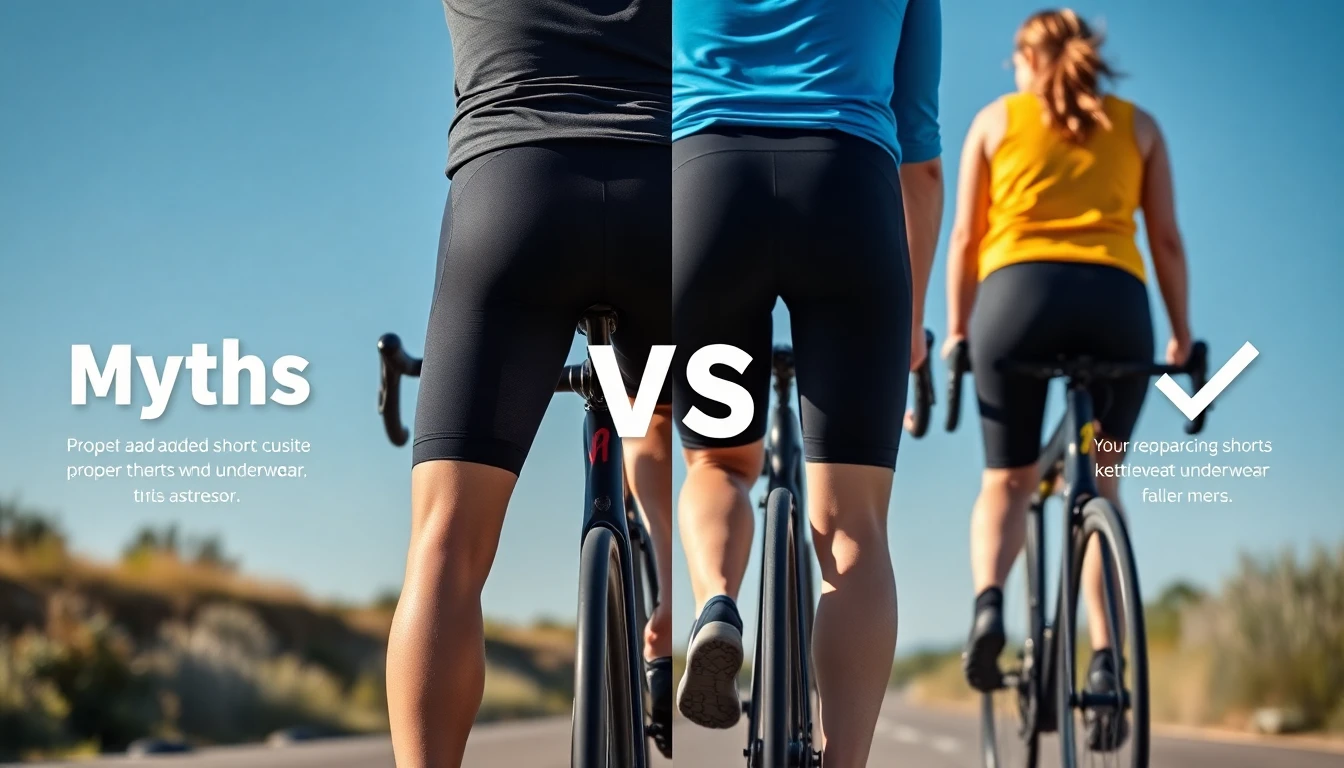
Cycling culture is full of assumptions. Casual riders passed them down. No one questioned the logic. These myths stick around because they sound reasonable. Let's break down the stubborn ones with real facts.
Myth 1: That Strange Feeling Means Something's Wrong
Your first commando ride feels odd. You expect that familiar underwear layer. Without it, things feel unusual, maybe uncomfortable.
This feeling doesn't mean something's wrong. It just means change.
Cycling shorts with chamois work as engineered second skin . The pad is built for direct body contact. That weird feeling at first? Your body is getting used to something new. Give it three to five rides. The feeling fades into the background. Then it's gone.
Function wins over what feels familiar. The chamois cuts friction and controls moisture . That's what it does best. You get more comfort once you adapt. Not because it feels like underwear, but because the design works better without it.
Myth 2: Underwear Keeps Things Cleaner
This myth gets it backwards.
Premium chamois use anti-bacterial materials of cycling apparel picked to fight germs. The fabric pulls moisture away from your skin. Sweat moves out. Your skin stays dry. Bacteria need moisture to grow. No moisture means no breeding ground.
Add underwear, and you trap moisture between two layers of fabric. That damp warmth? Bacteria love it. Your skin softens from the wetness. Soft skin tears more during friction. Those tears let infection in.
Women get more UTIs from underwear blocking moisture. Men deal with fungal infections in the groin. Both see more saddle sores, infected follicles, and skin eruptions .
Underwear seams press hard on certain spots. These spots get chafed faster than seamless chamois contact.
Going commando is cleaner. The hygiene facts prove it.
Myth 3: Regular Tight Pants Work Just as Well
Yoga pants, compression tights, regular athletic shorts—none replace proper cycling shorts.
Pro bib shorts have multi-layer chamois padding with zones of different density. High-density foam sits under your sit bones where pressure is highest. Medium-density padding covers areas around it. Softer foam makes smooth transitions at the edges.
This density layout comes from body research. It matches where pressure hits during cycling. Random foam padding can't do this.
Chamois placement matters just as much. Road cycling pads sit forward for a leaned-over position. Mountain bike chamois sit different for upright riding. Women's pads fit wider sit bones and different anatomy than men's.
Regular tights don't have these features. They might feel snug. They might look close. But they cause rubbing, irritation, and pressure points that proper cycling shorts prevent through smart design.
Seam placement is different too. Cycling shorts keep seams away from high-friction zones. Athletic tights put seams wherever it's easy to make them. Often right where cycling creates the most movement and pressure.
Myth 4: Extra Protection Helps on Long Rides
New riders think longer rides need more layers for safety. The design says no.
Long time in the saddle needs precise chamois placement . The pad must stay right where your body touches the saddle. Any shift makes new pressure points. New friction zones pop up. Your padding stops protecting the right spots.
Underwear moves on its own from your cycling shorts. Each pedal stroke makes tiny movements. The underwear shifts a bit. The chamois shifts a different way. This adds up over thousands of pedal strokes. By 50 kilometers, your padding sits off-center. The protection you added has made your chamois work worse.
Direct skin-chamois contact keeps the pad in place. Your body's natural moisture makes it stick slightly. The chamois moves with you as one piece. It pulls sweat right from your skin and sends it out through the fabric layers.
Century rides and gran fondos show this every day. Riders going 160+ kilometers use chamois-only contact because distance makes every small friction worse. What feels minor at 20km hurts at 100km.
The longest rides need the best moisture control and the most stable padding. Both mean skipping underwear.
Conclusion
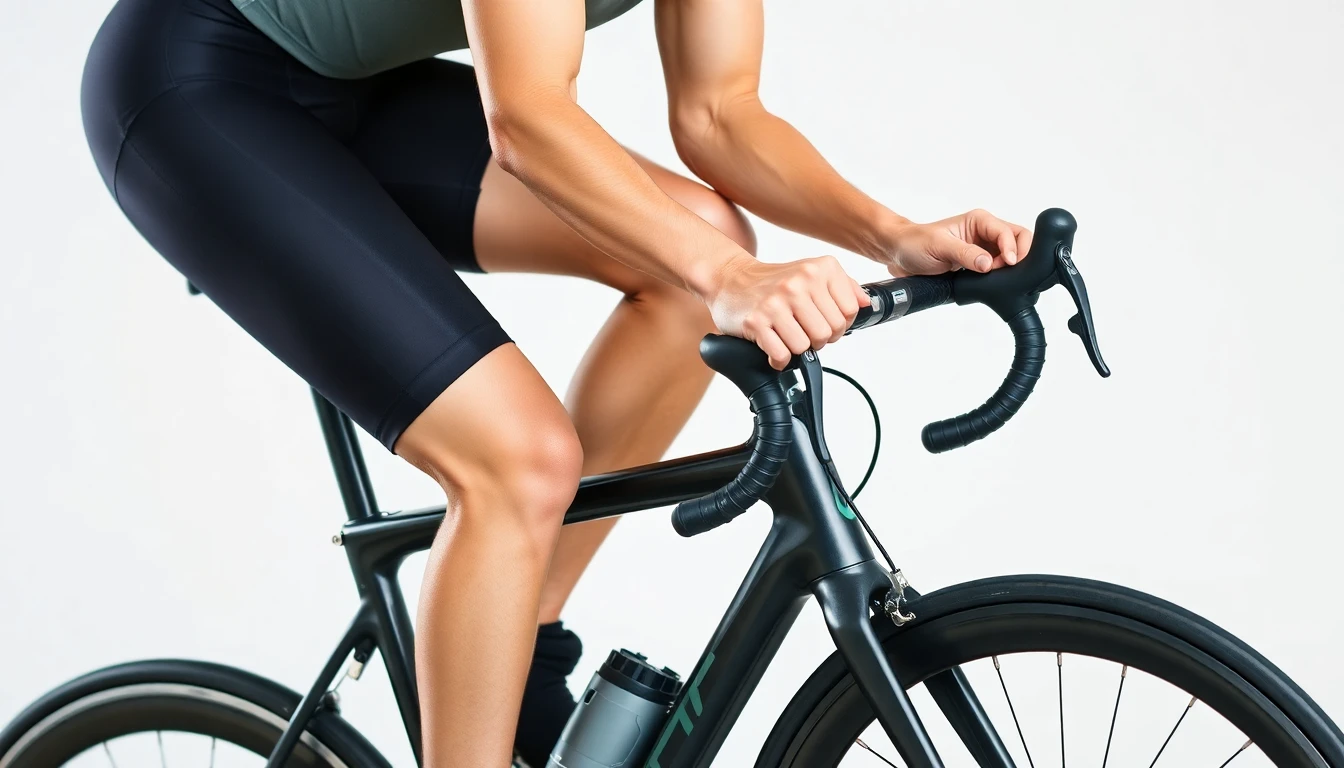
Here's what matters: padded cycling shorts work best when worn against your skin—no underwear needed . The chamois padding moves with your body and pulls moisture away from your skin. It stops friction that causes chafing and saddle sores. An extra layer of fabric underneath works against this design.
Yes, going commando might feel odd at first. But thousands of cyclists—from weekend warriors to Tour de France competitors—skip underwear for a reason. The difference in comfort, hygiene, and performance is huge once you try it yourself.
Ready to give it a try? Start with a shorter ride to build confidence. Use chamois cream. Invest in quality padded bike shorts that fit well. Your body will thank you around mile 20. You'll still feel comfortable while other riders shift around in their saddles.
The best hygiene practice? Wash your shorts after every single ride. Treat your gear right, and it'll take care of you on the road.
Happy riding—and trust the padding!