Table of Contents
You flip over your Adidas sneakers and see "Made in Vietnam." Does this tag matter? Is your Indonesian-made hoodie less real than one from Germany?
Fake goods flood the market. Production labels show dozens of countries. So knowing where Adidas makes its products helps you buy smart.
Most people miss this fact: Adidas stopped making shoes in Germany back in 1993. But the brand runs a network of over 500 independent factories across more than 40 countries.
This guide gives you current data on Adidas's global production. You'll learn which countries lead the way (Vietnam tops the list at 27%). You'll see how the brand keeps quality high across borders. And you'll understand what those tags tell you about your gear's authenticity and performance.
Checking a recent purchase? Researching the brand's ethical practices? Just curious about global manufacturing? You'll find solid answers here. We cover production percentages, sportswear factory locations, and practical tips you can use right now to verify your Adidas products.
Adidas Global Manufacturing Footprint: Where Products Are Made
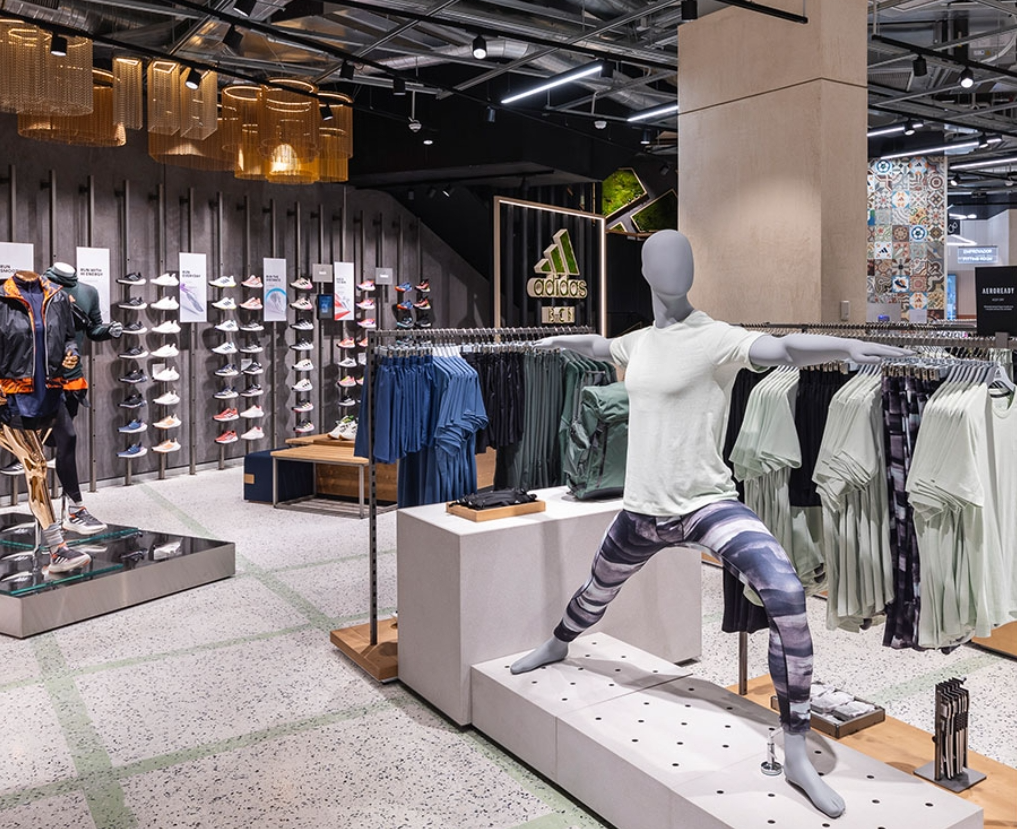
Asia dominates Adidas production. The brand sources 92% of its total volume from Asian factories in 2024—a notable jump from 90% the previous year. Adidas focuses on Asia's manufacturing infrastructure, skilled workforce, and competitive pricing.
Vietnam Leads the Pack
Vietnam sits at the top. The country produces 27% of all Adidas goods. This makes it the brand's single largest manufacturing hub. For footwear, Vietnam's share climbs even higher to 39%. Four out of every ten pairs of Adidas shoes you see come from Vietnamese factories.
The numbers prove it: 15 independent factories employ 104,466 workers in Vietnam. This is the largest workforce in Adidas's entire supply chain. Vietnam offers political stability, improving infrastructure, and competitive labor costs. Global sportswear brands flock there for these reasons.
Indonesia and China Round Out the Top Three
Indonesia holds second place with 19% of total production. The country excels in footwear manufacturing. It accounts for 32% of all Adidas shoes. Nine factories employ 96,698 workers there. The workforce scale matches Vietnam's.
China produces 16% of Adidas's total volume. This ranks third overall. China shows different strengths. The country dominates accessories and gear production with 26% market share. It also manufactures 14% of footwear and 16% of apparel. Thirteen factories employ 31,755 workers—fewer than Vietnam or Indonesia. But these facilities handle more technical production.
Where Your Apparel Comes From
Clothing follows a different pattern. Cambodia leads apparel manufacturing with 23% of production. Eight factories employ 39,152 workers there. Vietnam takes second place for clothing at 18%. China follows at 16%.
This makes sense based on product complexity. Footwear requires special machinery and technical expertise. Apparel production needs different skills and equipment. Countries like Cambodia have developed these capabilities.
Accessories Tell Another Story
Gear and accessories spread across three main countries. China produces 26%. Pakistan contributes 23%. Turkey adds 21%. This spread reflects simpler manufacturing needs. Items like bags, balls, and small accessories are easier to make than shoes or technical apparel.
The Outsourcing Reality
Adidas owns zero factories. The brand outsources 100% of production to independent partners. Over 500 factories across more than 40 countries make Adidas products. This lean model lets Adidas scale fast. The company adjusts production based on demand. It avoids the fixed costs of owning facilities.
the largest sportswear OEM manufacturer handles about 5% of total sourcing volume. This is up from 4% in 2023. Adidas relies more on proven, high-capacity partners. The brand doesn't spread production too thin.
What This Means for Product Categories
Product mix shapes these geographic patterns. Footwear drives 59% of Adidas's net sales. Apparel accounts for 35%. Accessories make up just 6%. Vietnam and Indonesia's footwear dominance reflects where the brand's revenue comes from.
The tag inside your Adidas product tells a story about global manufacturing strategy. It doesn't indicate quality differences. Products made in Vietnam, Cambodia, or China meet the same Adidas standards.
Vietnam: Adidas's Largest Manufacturing Hub (27% Total Production)
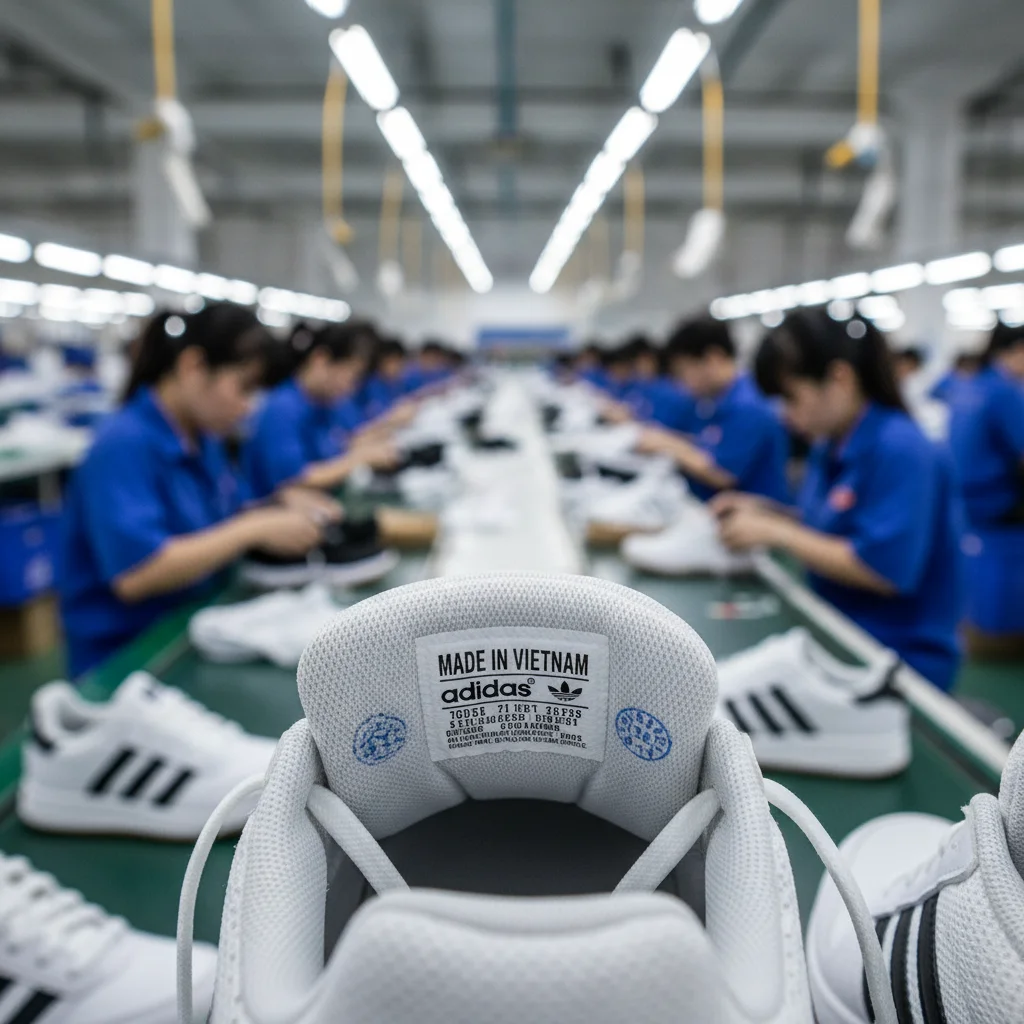
Vietnam makes more Adidas products than any other country on Earth. Walk into any Adidas store. More than one-in-four items you pick up came from Vietnamese factories. This Southeast Asian nation has become the brand's most critical production base.
The footwear story tells it best. Vietnam produces 38% of all Adidas shoes globally —that's 118 million pairs out of 311 million total in 2023. This percentage jumped from 32% just one year earlier. No other country comes close to this output scale. Indonesia ranks second at 32%. China trails at a distant 14%.
Why Vietnam Dominates Footwear Production
Seventeen Adidas contract factories operate across Vietnam. That's more than in any other country. These facilities cluster in Dong Nai province near Ho Chi Minh City . Over 2,200 footwear factories create a massive manufacturing ecosystem there. This concentration matters. Suppliers, materials, and technical expertise sit within short distances. Production moves faster. Problems get solved quicker.
The region churns out more than 1 billion pairs of shoes each year across all brands. Adidas taps into this established infrastructure. Factories share sportswear supplier networks. Workers bring proven skills. You're building on decades of industry experience. The learning curve flattens.
The Economics Behind the Numbers
Labor costs make Vietnam attractive. But they don't tell the whole story. Vietnamese sportswear factory workers earn about $3 per hour . That's less than half of China's $6.50 rate per hour. But Adidas pays above baseline minimums. Wages at Adidas contract factories run 72-78% higher than Vietnam's government-mandated minimum. They exceed the Global Living Wage Coalition benchmark by 18%.
This wage premium helps Adidas attract skilled workers. It maintains quality standards. It also reflects the brand's public commitments to ethical manufacturing practices .
Beyond Footwear: Vietnam's Growing Apparel Role
Shoes built Vietnam's reputation with Adidas. But clothing production grows. Vietnam now handles 20% of Adidas apparel manufacturing , up from 17% in 2022. This expansion makes strategic sense. Factories that master complex footwear construction can handle technical garments. The infrastructure exists. The workforce adapts.
Compare this to Cambodia, which leads apparel at 23%. Vietnam closes the gap year by year. The country positions itself as an all-category manufacturing powerhouse. Not just a footwear specialist.
How Vietnam Stacks Up Against Competitors
Nike's Vietnam dependence runs even deeper. The rival brand sources 51% of its footwear from Vietnamese factories. That's 13 percentage points more than Adidas. Nike operates Vietnamese sportswear suppliers as of late 2022. This concentration creates risk. Disruptions hit harder with such dependence on one country.
Adidas spreads production more. The 27% total Vietnam share combines footwear, apparel, and accessories. This leaves room for flexibility. Indonesia and China provide backup capacity. Cambodia and other countries handle overflow.
Vietnam's 97% share of Asian footwear production for Adidas reveals the brand's regional strategy. Asia dominates. Within Asia, Vietnam leads. This two-tier concentration shapes every decision the company makes about its production chain.
Check that "Made in Vietnam" tag. You're seeing the output of the world's most concentrated athletic footwear manufacturing zone. The country doesn't just make a lot of Adidas products. It makes the ones that matter most to the bottom line. The shoes drive 59% of brand revenue.
Indonesia: The Footwear Powerhouse (19% Total, 32% Footwear)
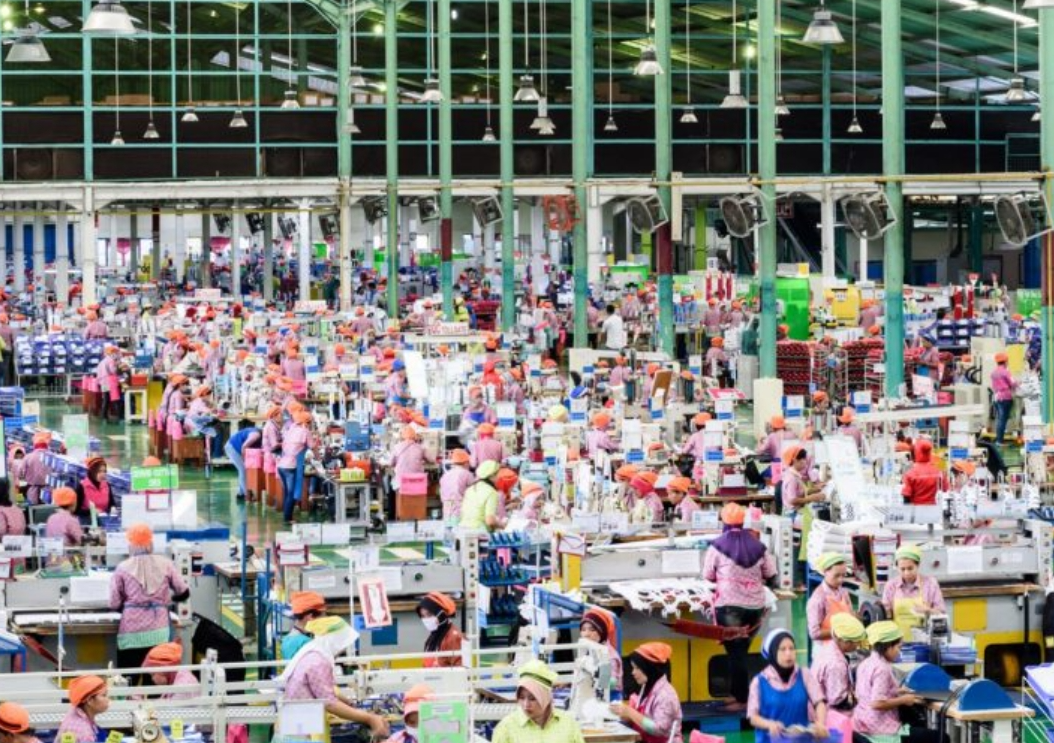
Indonesia's factories stamp "Made in Indonesia" on one-third of Adidas's global shoe output. The country produces 32% of all Adidas footwear . That's 99 million pairs out of 311 million total in 2023. Vietnam beats this number. Indonesia's share hits 19% across all Adidas production categories .
Nine independent factories employ 96,698 workers making Adidas products in Indonesia. This workforce ranks second, right behind Vietnam's 104,466 employees. The scale shows commitment. These factories run big operations. They're massive manufacturing complexes. They form the backbone of Indonesia's footwear economy.
Why Indonesia Dominates Athletic Footwear
The numbers show Indonesia's footwear strength. The country ranks 6th worldwide in footwear exports . From January to August 2025, Indonesia shipped US$5.16 billion worth of shoes . That's an 11.89% jump from the previous year's US$4.61 billion. Full-year 2024 exports hit US$7.28 billion .
Indonesia produces 601 million pairs each year . This makes it the world's 4th largest footwear and sportswear manufacturer . That's a 4.1% global market share in 2024. China (62.2%) and Vietnam (10.7%) produce more. The country employs 921,000 workers across the footwear sector as of February 2025. That's a 35% increase in just months.
The United States buys the most Indonesian shoes. It's the largest export market . This represents 9.9% of Indonesia's total exports or US$26.31 billion by end-2024. The EU, Japan (7.8%), and India (7.7%) follow.
Manufacturing Infrastructure and Growth
Indonesia's leather and footwear industry grew 8.31% year-over-year in Q2 2025. That beats the national GDP growth of 5.12%. The sector has 53,333 small businesses with 159,000 employees. Plus 737 medium-to-large facilities employ 571,000 workers.
Adidas taps into this strong system. Production centers near Jakarta and in East Java. The Indonesian Footwear Industry Empowerment Center in Sidoarjo provides technical training. It supports industry development too.
Your Indonesian-made Adidas shoes come from the world's fourth-largest footwear maker. The tag shows decades of skill and huge production power.
China: From Dominance to Diversification (16% Total Production)
China makes 16% of Adidas products today —third place behind Vietnam and Indonesia. This is a big shift. The country once led global manufacturing with a 29% share of worldwide output in 2023 . Adidas now uses China for special products, not mass production.
The numbers show clear strategy. China makes 14% of Adidas footwear, 16% of apparel, and 26% of accessories . That accessories number stands out. China handles one-quarter of Adidas's bags, balls, and gear. The country moved toward higher-value, complex tech products .
Thirteen factories employ 31,755 workers making Adidas goods across China. Vietnam has 104,466 workers. Indonesia has 96,698. China's workforce is smaller. But these facilities handle tougher tasks—advanced materials, precision tools, and fast prototypes.
Why China's Manufacturing Role Evolved
Global manufacturing spread out fast. Companies moved production beyond China's borders. Apple poured money into India . South Korea and Taiwan grabbed US semiconductor funding. Southeast Asia pulled in massive foreign direct investment (FDI) flows.
China moved up the value chain. The country's manufacturing value hit $4.8 trillion in 2023 —that's 27% of China's entire GDP . By 2025, this grew to RMB 34.67 trillion (about $4.85 trillion) . That's 24.7% of GDP with 6.1% yearly growth .
The numbers prove strength. China's manufacturing production jumped 5.7% in December 2025 alone. Full-year 2025 output grew 2.9% . Forecasts for 2026 show 3.6% growth . This isn't collapse. It's change.
Export Patterns Tell the Real Story
China shifted its export focus. US shipments dropped 10% in the first half of 2025 . But ASEAN purchases jumped 13% . India's imports from China rose 14% . Manufacturing exports made up 98.9% of China's total goods exports in 2024 —worth RMB 25.17 trillion (about $3.53 trillion) .
Adidas follows this pattern. Chinese factories make materials, parts, and finished accessories. They feed production lines across Vietnam, Indonesia, and Cambodia. Your "Made in Vietnam" shoes might have Chinese-made foam, laces, or packaging.
What This Means for Your Adidas Products
That "Made in China" tag on your Adidas gear means something different now. It signals technical skill . Chinese facilities make complex accessories. They test new designs. They produce advanced materials that go to assembly plants elsewhere.
China stays the world's largest sportswear manufacturer for 16 straight years . The country holds ~30% global manufacturing share in 2025 . For brands like Adidas, China shifted from bulk production to special manufacturing. Quality stays the same. Standards stay firm. The factory location just shows a smarter, spread-out supply chain.
Mid-Article CTANeed Custom Sportswear Manufactured to Global Standards?
BeRun Sports partners with top-tier factories in China, Vietnam & beyond — offering OEM/ODM sportswear production with full quality control and ethical practices.
Cambodia: Apparel Manufacturing Leader (23% Apparel)
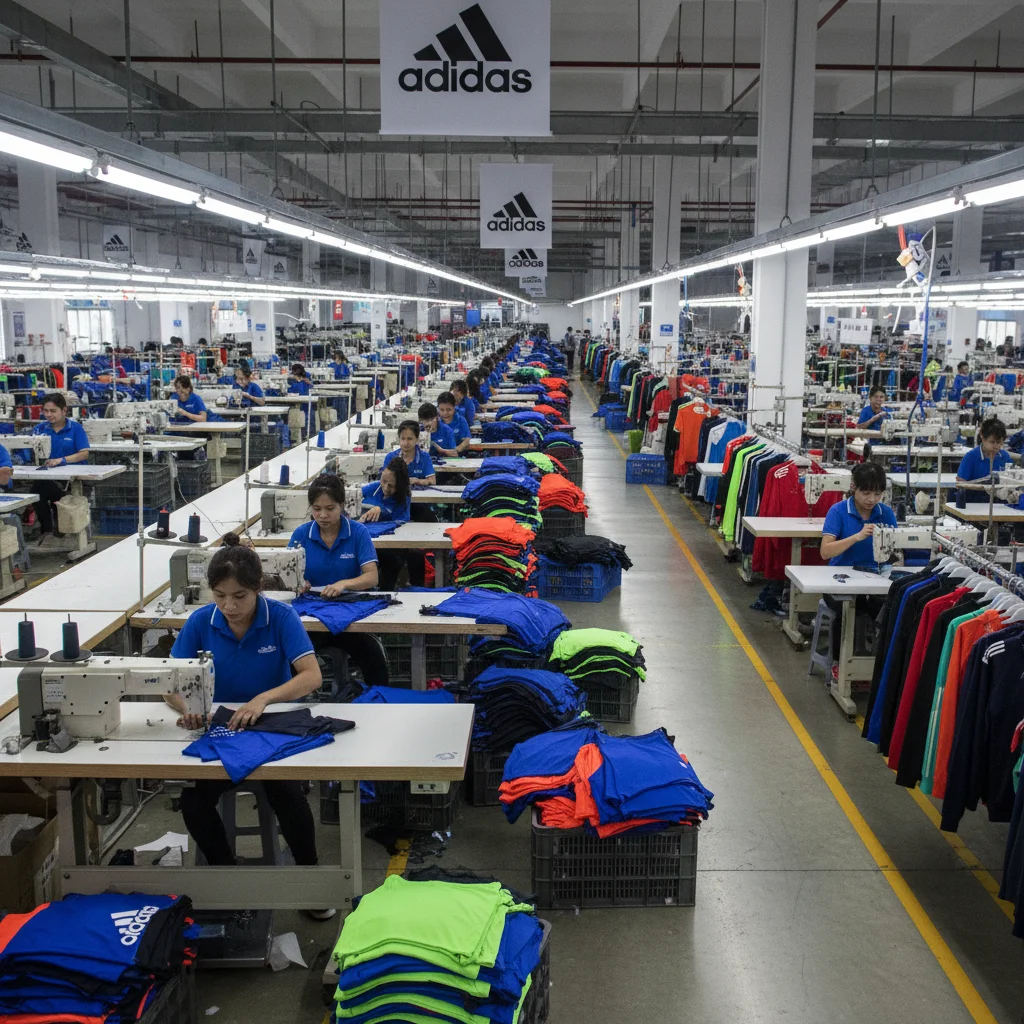
Cambodia stitches one-quarter of all Adidas clothing . The country produces 23% of the brand's global apparel output . Eight factories employ 39,152 workers . They make Adidas shirts, shorts, jackets, and athletic wear. This Southeast Asian nation built its reputation on garments, not shoes.
The scale shows Cambodia's textile power. The country ranks as the 6th largest sports apparel supplier to both the EU and USA . It's the 8th largest global apparel exporter . Cambodia shipped $11.1 billion in textiles and apparel in 2023. That's down 13.3% from the previous year due to global demand slowdowns. But the numbers still beat most competitors.
Why Cambodia Specializes in Clothing
Garments drive Cambodia's economy. The apparel sector accounts for 25% of the country's GDP . It represents 50.6% of total exports . Over 900,000 workers make clothes in Cambodia—80% are women. These jobs support 2 million people through families and communities.
The country runs 1,579 active garment, textile, and footwear factories as of 2024. That's up 241 new facilities from the previous year. Most focus on clothing. Just 10% handle footwear. The setup favors fabric cutting, sewing, and finishing. Not shoe production.
Over 90% of these factories are foreign-owned . Chinese, Hong Kong, and Taiwanese investors control 70%. This matches Adidas's outsourcing model. Independent contractors run the facilities. The brand sets standards. The brand monitors compliance.
How Cambodia's Apparel Model Works
Most Cambodian factories operate on Cut-Make-Trim (CMT) basis . They import over 80% of raw materials from China. Fabric, thread, zippers, and buttons arrive ready to use. Factories cut patterns, sew pieces, and finish garments. The average facility employs 800-1,000 workers .
This system keeps costs down. Cambodia's minimum wage hit $208 per month in 2025 . That's double from $100 in 2014. Average garment worker earnings reached $61 per month in 2023 after deductions. These wages sit below Vietnam's rates. But they're rising as the government pushes for better labor conditions.
The Challenges Behind the Tags
Cambodia faces pressure. 50 factories closed in 2023 . That erased 20,000 jobs . Global brands cut orders as consumer spending dropped. Energy costs bite too. Electricity runs $0.13-0.15 per kilowatt-hour . That's higher than Vietnam or Bangladesh.
The country fights back with strategy. Cambodia targets 5-7% annual export growth from 2022 to 2027. Factories invest in automation. By 2027, machines will replace 15% of low-skill positions . Workers shift to quality control, machine operation, and technical roles.
Your "Made in Cambodia" Adidas shirt shows this evolution. It comes from one of the world's most clothing-focused economies. The country doesn't try to compete in footwear or accessories. It focuses on what works—cutting and sewing athletic apparel at scale.
Pakistan & Turkey: Gear and Accessories Hubs
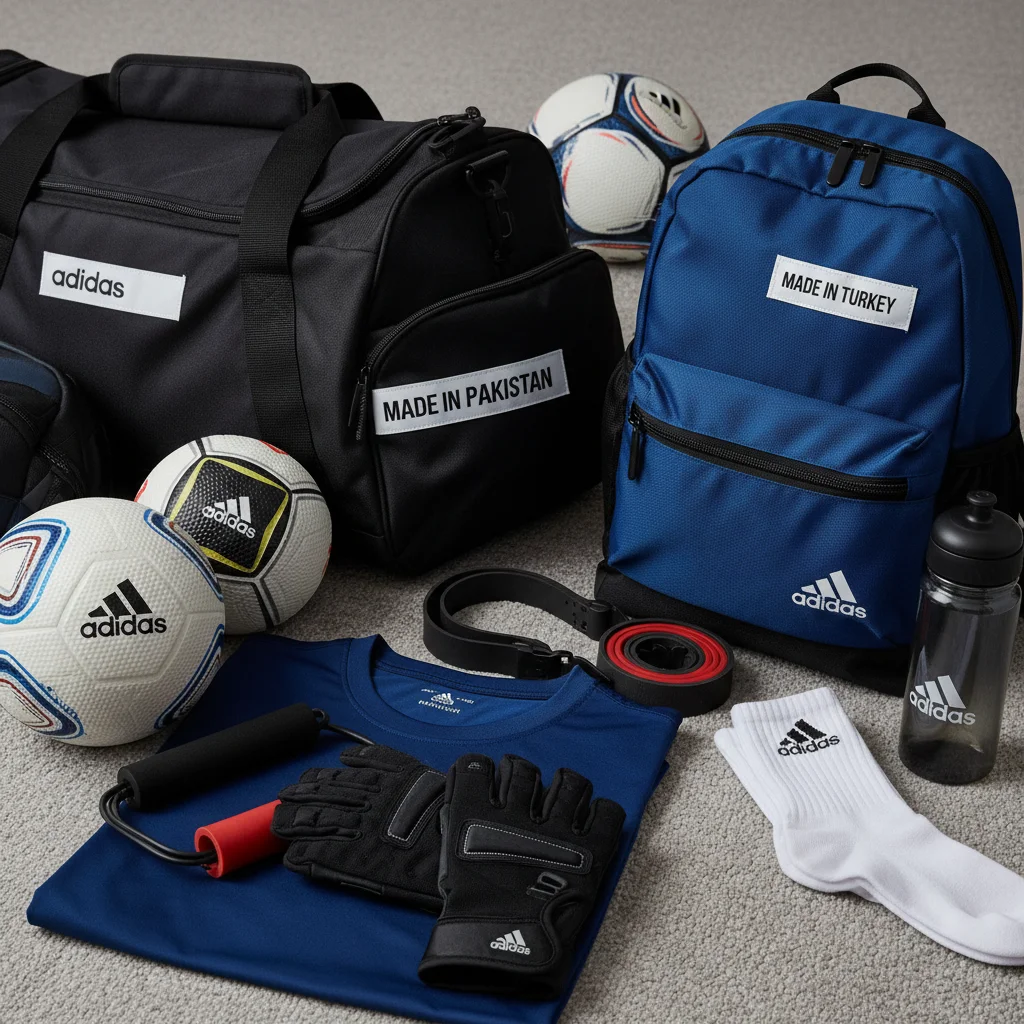
Pakistan and Turkey handle the unglamorous work—the bags, balls, and small gear that complete your Adidas kit. Pakistan produces 23% of Adidas accessories . Turkey makes 21% . Put them together, and they make almost half of the brand's non-footwear, non-apparel items.
These countries don't compete in shoes or clothing. They found their spot in "hard goods." Your gym bag? It came from Pakistan. That training ball? Turkey made it. Both nations built textile infrastructure decades ago. Then they expanded into related products.
Pakistan's Textile Foundation
Pakistan is the 8th largest textile producer in Asia . The country ranks 4th globally in cotton production and 3rd in cotton consumption . This raw material base feeds gear manufacturing. Factories spin cotton into yarn and make canvas bags. Plants weave fabric and produce protective padding.
The accessories output shows this range. Pakistan exports $7.35 million in sports equipment and toys each year. Recent trade data shows specific strengths: cotton boys' trousers jumped 50.53% in export value. But sports leg protectors dropped 71.69% . Textile travel bags fell 58.45% . The country shifts production based on demand.
Turkey's Manufacturing Ecosystem
Turkey's garment sector hit $13.5 billion in 2011 through export-driven growth. That base supports accessories production today. Turkish factories import $440.13 million worth of textiles and raw materials from partners like Pakistan. They turn these into finished goods.
The trade flow tells the story. Turkey ships $986 million in textiles and raw materials around the world. Pakistan ranks as Turkey's #2 quantity export destination —a 108% increase in volume from the previous year. Turkish yarn exports to Pakistan alone surged 210% in January 2025 compared to January 2024.
Why Accessories Cluster Here
These countries have what accessories need. They offer established textile mills. Labor costs run lower than footwear hubs. Logistics networks work well for bulk shipments. Your Adidas gym bag doesn't need the precision of a running shoe. It needs durable materials, reliable stitching, and cost efficiency. Pakistan and Turkey deliver that at scale.
The trade between them backs this up. Pakistan exports $293.58 million to Turkey (73.83% textiles, most of it raw materials). Turkey processes these inputs. It serves as a production base for European markets. This two-tier system keeps costs down and quality consistent.
India & Other Emerging Manufacturing Countries
India's manufacturing PMI hit 56.8 in January 2026 —up from 55.0 the month before. Operating conditions improved more than they had in three months.The sportswear factory output grew faster. New orders jumped at the quickest rate in four months. These aren't just numbers. They show a real shift in India's manufacturing capacity.
The country's GDP grew 7.4% in fiscal year 2026 . Manufacturing makes up 17% of that total . India now ranks 6th in the 2026 Asia Manufacturing Index among 11 regional economies. The manufacturing market alone is valued at $310.30 million in 2025 . Experts predict 9.11% compound annual growth through 2033.
Adidas doesn't share exact India production percentages. But the country's boom in electronics, automotive, and textile manufacturing opens doors. Tamil Nadu leads India's electronics exports— $12.62 billion in the first 11 months of fiscal 2025 . That's 37% of India's total electronics exports . Mobile phones alone brought in over $20 billion in recent years.
The Production Linked Incentive (PLI) scheme drives this growth. The government spreads these incentives across key sectors. Smart factories use automation, AI, and digital controls. MSMEs—small and medium enterprises—produce over one-third of manufacturing output and close to half of exports . This spread-out model works well for Adidas's contractor setup.
Other emerging markets show similar patterns. Bangladesh built up apparel capacity over time. Ethiopia draws footwear investment with low labor costs and trade deals. Mexico attracts nearshoring demand as brands move away from Asia. These countries don't appear in Adidas's top production lists yet. But they give the brand backup options as it spreads risk and tries new manufacturing bases.
How to Verify Where Your Adidas Product Was Made
The "Made in Vietnam" tag inside your Adidas sneakers means something. But first, confirm it's real. Counterfeiters print fake country labels all the time. They slap "Made in Indonesia" on shoes that never saw a certified sportswear factory. Smart verification starts with details that quality sportswear manufacturers can't fake.
Read the Tongue Tag Like a Detective
Flip your shoe's tongue over. Look at the "MADE IN" label. Real Adidas products show precise typography. The letters " IN " fit inside a perfect square. Check the " R " in the country name—Vietnam, China, wherever. That R has a curved hook that ends within the letter's curve. It doesn't stick out. It doesn't go straight.
Fakes mess this up. The "IN" letters sit crooked or misaligned. The R's hook extends past the curve or runs straight. Look at " FR " if you see France mentioned. The R hook curves. The end stays inside the round part. Check " JP " for Japan. The gap between J and P stays minimal on authentic tags. Fakes leave big spaces.
Scan the QR Code Under the Tongue
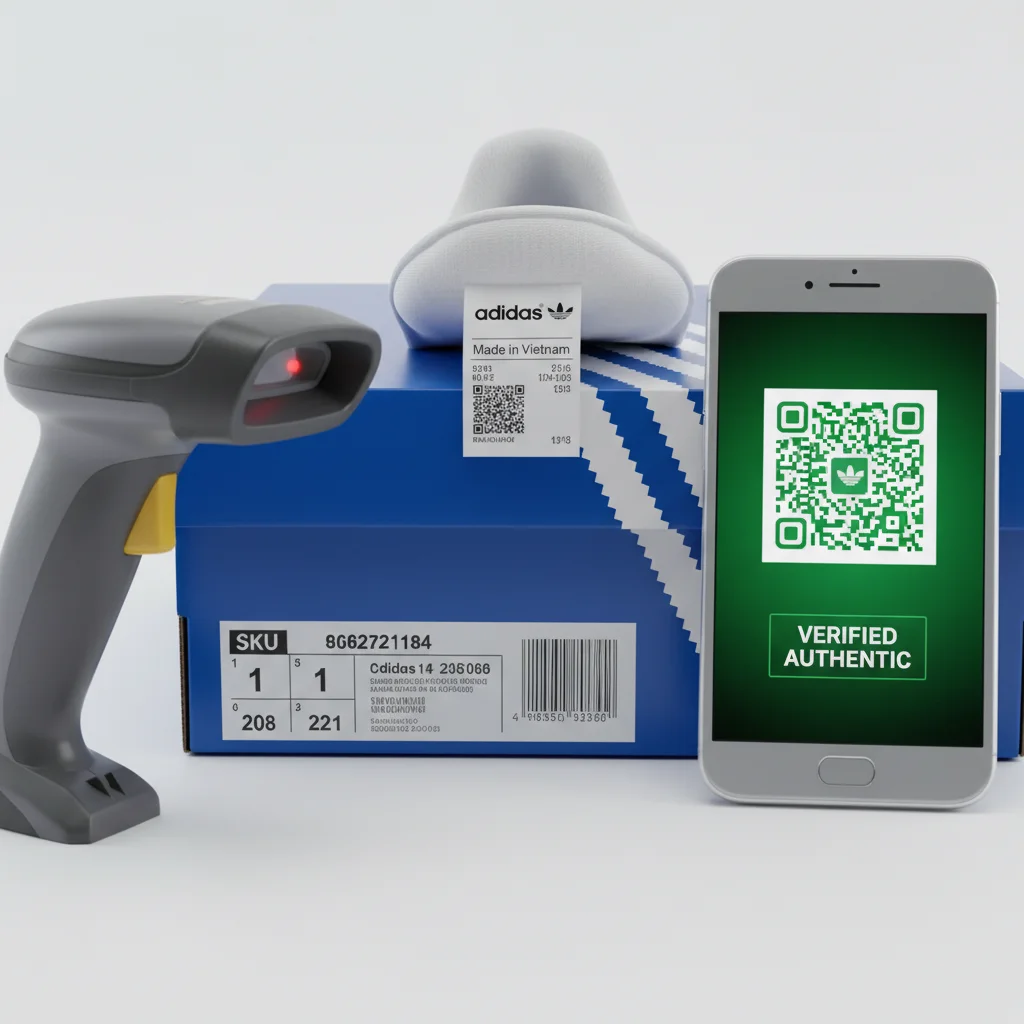
Most 2023+ Adidas products hide a QR code under the tongue. Pull out your phone. Use any QR scanner—your camera app works, or try Zalo. Point it at the code.
Real products show the model number, materials, production address, and size. Everything matches what you see on the shoe. Fakes either show nothing, throw an error, or display different product information. This takes five seconds. Most counterfeits fail this test right away.
Run the Barcode on the Label
The bottom of that tongue tag shows a barcode. It sits next to a component code—letters mixed with numbers. Scan this barcode with your phone or any retail scanner app.
Real Adidas barcodes show exact product details. This includes country of origin. The origin listed must match the "Made in" tag you see. Fakes fail the scan. Or they show a different product. Or the country doesn't match. This mismatch proves fraud.
Match the Size Tag to the Box
Pull out the size tag inside your shoe. It lists shoe size, country of manufacture, and barcode. Write down that SKU number (the long product code). Now grab the shoebox.
The box label must show the same SKU and country. Real Adidas uses quality printing. Letter spacing stays consistent. The fonts look sharp. Numbers line up right. Fakes use blurry printing. Letters sit uneven. The SKU numbers don't match between tag and box.
Use RFID Technology on Newer Products
Adidas put RFID tags in many 2023+ products. These tiny chips store unique IDs. Download an RFID reader app to your smartphone. Some Android phones read these tags without extra apps.
Scan the tag. The system traces where your product came from through blockchain. Adidas's blockchain tracks every production step. It records every distribution step too. No one can alter this data. You see which factory made your item. You see when it shipped. Counterfeiters can't copy this technology at scale.
Check the Insole Codes
Real Adidas insoles have extra codes hidden inside. Pull out the insole. Look at the toe area and heel section. Real products stamp a small code in one of these spots.
Notice how the "adidas" logos print on left and right insoles. They run opposite directions on authentic pairs. Left shoe logo faces one way. Right shoe logo flips the other direction. Fakes either skip this detail or print logos the same direction on both insoles. They also skip the toe/heel codes.
Buy Direct for Zero Doubts
Want zero doubt about where your Adidas gear came from? Buy from Adidas's official online shop or authorized retailers . These channels guarantee real origin labeling. The manufacturing country listed is real. The certified sportswear factory. Quality standards got applied.
Third-party sellers on marketplaces carry higher risk. They might sell real products. But origin tags sometimes get switched during gray market distribution. Stick with official channels if country of manufacture matters to you.
Conclusion
Knowing where Adidas products are made helps you buy smarter. The "Made in Vietnam" or "Made in China" label doesn't show quality. Adidas's strict global standards do that. Your sneakers might come from Indonesia's footwear factories. Your jersey could be from Cambodia's apparel plants. Each Adidas sportswear manufacturing factory follows the same quality rules and ethical practices.
Here's what matters: Adidas's production approach has changed big time. It went from one central location to a smart network across 40+ countries. This balances cost savings with worker welfare and environmental care. Check that inside tag. You're not just seeing a country name. You're seeing decades of production network improvements .
Want to buy with confidence? Save this guide for quick checks. Are you a business seeking reliable OEM/ODM sportswear production ? Look at how partners like Berunclothes use these same global standards for custom athletic gear. Your next Adidas buy—real or custom—needs this kind of openness.
Know your product. Know your brands. Buy smarter.