Table of Contents
You've nailed your cycling apparel designs. You've built a strong brand story. You know your target market.
Now comes the big decision: where to manufacture. This choice will shape your margins, product quality, and market position for years.
China versus Europe—it's not just about finding cheap factories or nearby suppliers of cycling wear. You need to think about minimum order quantities. These could lock up all your startup money. Quality standards will define your brand. Hidden costs won't show up on first quotes.
Launching a premium cycling brand for European riders? Or maybe a budget-friendly line for Asia's growing market? Either way, you need to understand the real trade-offs between Chinese factories and European manufacturers of cycling apparel. This understanding separates sustainable growth from expensive mistakes.
This analysis breaks down the real numbers. You'll see actual cost structures. MOQ requirements. Quality control systems. Production capabilities in both regions.
You get a data-driven framework to make this sourcing decision with confidence. No more guessing.
China Cycling Apparel Manufacturing: Cost Structure & Capabilities
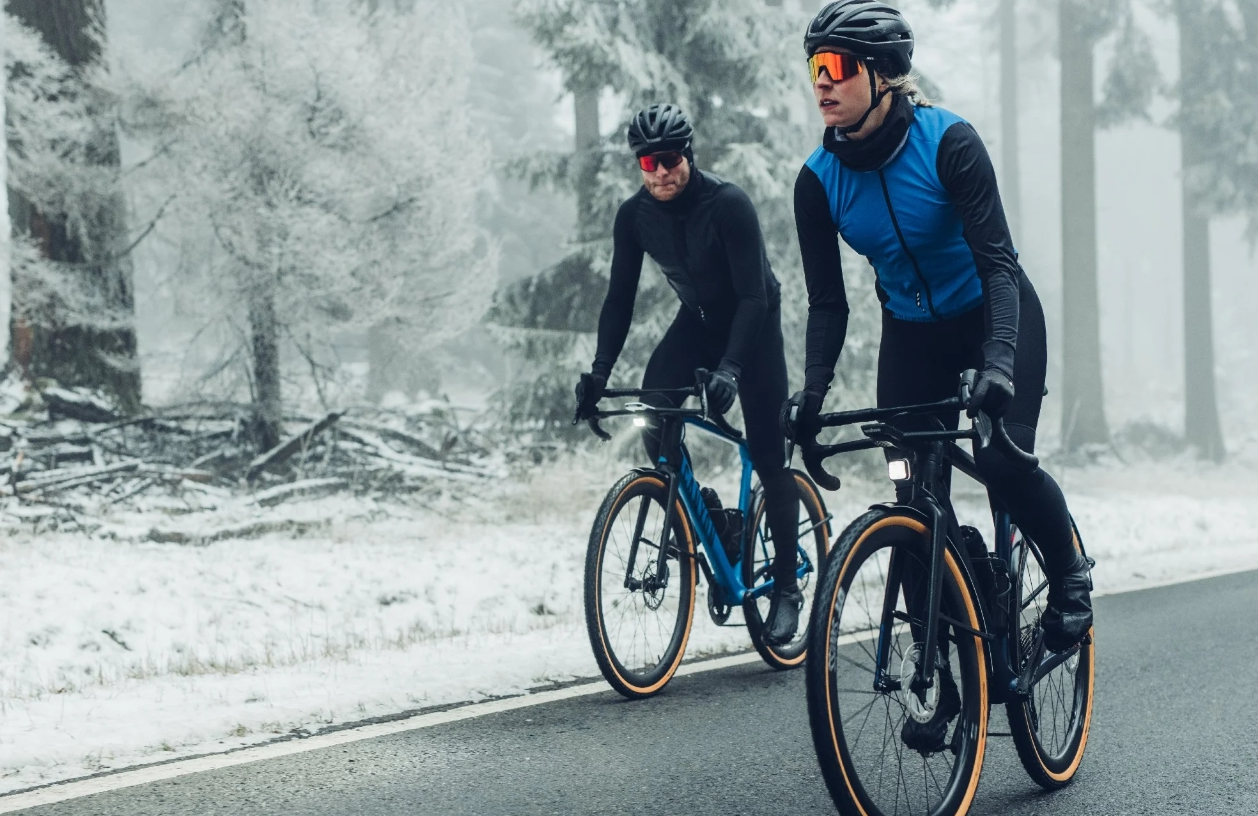
Chinese sportswear factories dominate global cycling apparel production for one simple reason: they've mastered the cost-capability equation . The numbers tell a clear story.
Breaking Down Your Factory Invoice
Fabric eats most of your budget. Expect 60–70% of your garment cost to go straight into materials. That Italian-designed sublimation print fabric? That LYCRA-blend chamois? They're your biggest line items, not labor.
Labor costs sit low: US$2–5 per piece for standard cycling jerseys or shorts. Chinese apparel workers earn US$161–357 each month depending on region and skill level. This wage structure gives China about a 20% total production cost advantage over U.S. manufacturing.
The remaining 25–35% covers everything else. Factory overhead, trims (zippers, grippers, reflective tape), quality control, and domestic logistics before your goods even leave port.
What Drives Your Per-Unit Price Up or Down
Order volume matters most. Large runs unlock cheaper fabric pricing through quantity discounts. Factories set minimum order quantities to secure these bulk rates. A 500-piece order pays more per meter than a 5,000-piece run.
Garment complexity multiplies labor time. Multi-panel race jerseys with bonded seams and multiple print positions need more skilled minutes than basic club jerseys. Each flatlock stitch line adds labor cost. So does each sublimated panel. Same with each silicone gripper.
Material choices create the widest price gaps. Basic polyester-spandex blends cost far less than branded performance fabrics. We're talking COOLMAX-type yarns, water-repellent treatments, or membrane laminations. Your fabric choice sets your profit margin.
Decoration method changes economics. Sublimation printing—the cycling industry standard—puts costs in the printed fabric itself plus the printing process. Screen printing and digital sublimation each have different setup-versus-volume break-even points.
Manufacturing Capabilities You Can Use
China's US$298.3 billion apparel industry (2025) has spent decades refining performance sportswear processes. Their cycling factories handle:
Technical fabric expertise : high spandex content, compression knits, moisture-wicking materials of cycling apparel
Advanced construction : flatlock stitching, coverstitching, seam taping, ultrasonic bonding
Decoration range : sublimation printing, embroidery, reflective heat transfers, laser-cut ventilation
Functional details : YKK zippers, anatomically-placed pockets, elastic grippers, branded chamois pads
Quality control, finishing, ironing, and packaging come standard. They're already costed into your per-piece price. You're not paying extra for basic QC inspections or poly-bag packaging.
This infrastructure lets Chinese factories execute complex technical designs without the learning curve. European boutique cycling wear's manufacturers often struggle with performance cycling specs. Chinese factories don't face that problem.
Europe Cycling Apparel Manufacturing: Cost Structure & Capabilities
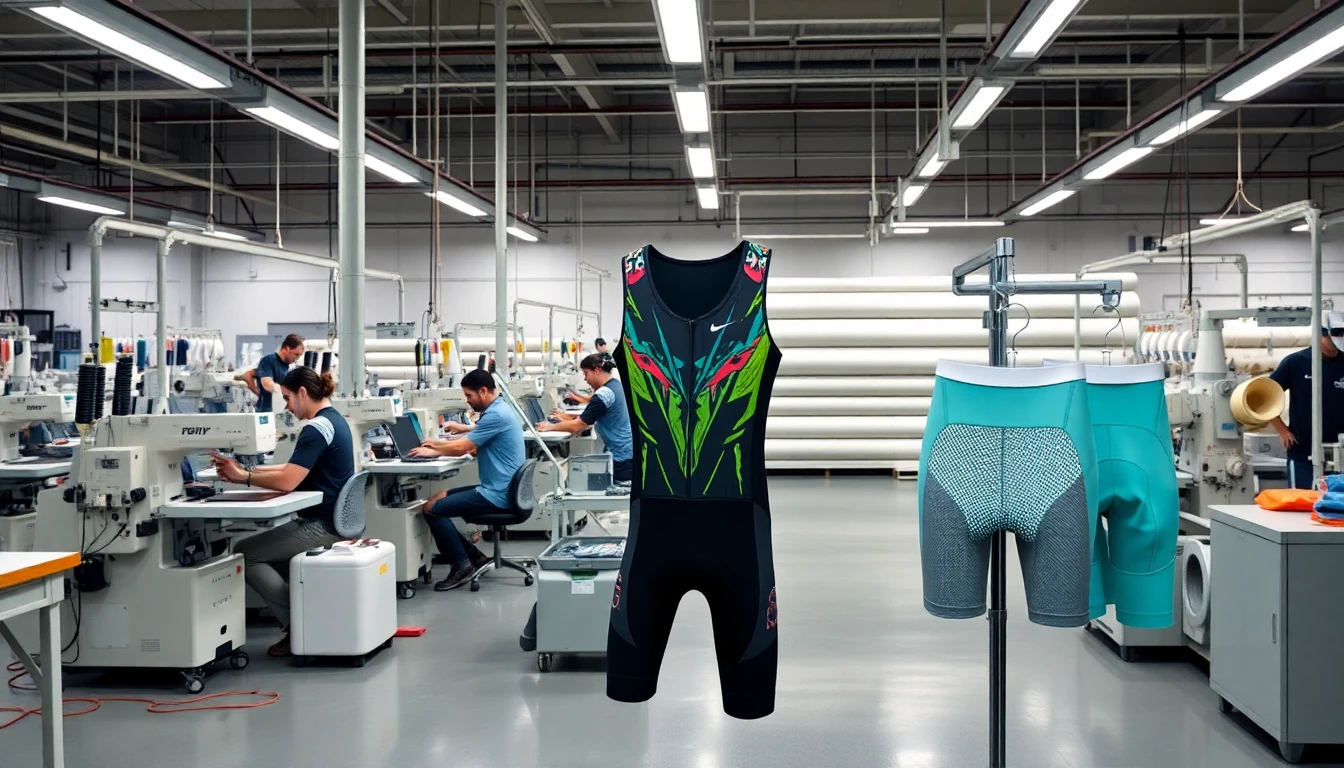
European cycling apparel manufacturing sits at the premium tier. The region's €100 billion clothing industry employs 1 million workers. But profit margins face constant pressure. Rising energy costs, inflation, and raw material prices squeeze margins tight.
The Real Numbers Behind European Production
European factories charge more than Chinese counterparts. Labor costs tell the story. Chinese workers earn US$161–357 monthly . European garment workers command several times that amount. This wage gap shows up on your invoice.
Your cost breakdown looks different here. Fabric still takes 50–60% of total garment cost. Labor jumps to US$15–35 per piece for technical cycling jerseys and shorts. Factory overhead, utilities, and compliance costs fill the remaining 30–40% .
Europe's cycling apparel market reached US$1.1 billion in 2021 . Projections show US$1.8 billion by 2031 (CAGR 5.2%). Some analysts predict even stronger growth— US$3.1 billion by 2030 with a 7.4% CAGR. This expanding market supports premium pricing that offsets higher production costs.
What You Get for the Premium
Heritage craftsmanship : Italy and France lead European cycling apparel with fashion-industry precision. Brands like ASSOS of Switzerland and Rapha built their reputations on European manufacturing quality standards.
Shorter supply chains : Production sits closer to major markets (Germany, France, UK). You get faster response to design changes. Shipping times drop. Carbon footprint shrinks.
Advanced R&D capabilities : European manufacturers put serious money into material innovation. Think stretchable fabrics, moisture-wicking technology, microfiber regulation compliance. These R&D costs get baked into pricing. But you get cutting-edge performance.
Regulatory alignment : EU manufacturing of cycling apparel meets European market standards from day one. No surprise compliance issues. No material restrictions pop up after production.
Growth infrastructure : Countries like Malta (+7.3% CAGR), Switzerland (+7.3%), and Finland (+6.4%) show strong manufacturing sector expansion. This signals renewed investment and modernization.
The trade-off is clear: You pay more per unit. You accept stricter regulations. But you gain proximity, heritage quality, and instant market credibility.
Direct Cost Comparison: Jerseys, Bib Shorts & Development Fees
Cost Comparison CardsLet's skip the marketing talk and check real prices. Where you manufacture changes your costs—and how you price your products.
What You'll Pay Per Garment
Chinese factory's cycling clothing pricing (FOB, 500-piece MOQ):
Basic cycling jersey: US$12–18 per piece
- Standard sublimation print
- 3-pocket back panel
- Full-length YKK zipper
- Polyester-spandex blend fabric
Mid-tier jersey with premium features: US$22–35 per piece
- Italian performance fabric
- Bonded seams
- Laser-cut ventilation
- Anatomical race fit
Bib shorts (entry level): US$18–28 per piece
- Basic Italian chamois pad
- Compression fabric
- Silicone leg grippers
- 6-panel construction
Premium bib shorts: US$35–55 per piece
- Branded chamois (Cytech, Elastic Interface)
- 8+ panel ergonomic cut
- Compression mesh bib straps
- Flatlock stitching on all seams
European factory pricing of cycling apparel (500-piece MOQ):
Basic cycling jersey: US$35–55 per piece
Mid-tier jersey: US$60–95 per piece
Bib shorts (entry level): US$45–70 per piece
Premium bib shorts: US$85–140 per piece
The numbers don't lie. European manufacturing costs 2.5–3x more than Chinese production. This holds true for garments with the same specs.
Development Fees and Sample Costs
China: Sample development runs US$150–400 per design. Most factories drop fees once you start production. Tech pack review comes included. Pattern development too. You get 2–3 physical samples within 15–20 days.
Europe: Sample development starts at US$400–800 per design. Factories seldom credit fees back. Pattern engineering adds to your bill. Timeline: 3–4 weeks for first samples.
Hidden Costs That Change Your Real Price
Chinese manufacturing adds shipping costs. Air freight runs US$3–6 per piece. Sea freight costs US$0.80–1.50 per piece. Import duties average 16.5% for cycling apparel. Quality inspection services cost US$300–500 per factory visit.
European production cuts ocean freight. Duties drop within the EU. But minimum order values climb higher. Europe asks for €8,000–15,000. China asks for US$3,000–5,000.
Your landed cost sets your retail viability. Chinese-made bib shorts cost US$28 FOB. After all fees, they land at US$38–42. European bibs run US$70 ex-factory. They land around US$75–80. This cost gap reshapes your entire markup strategy.
Minimum Order Quantity (MOQ) Analysis by Region
 MOQ Comparison Cards
- 300-500 pcs per style baseline
- 100-200 pcs per colorway
- US$6,000-15,000 capital lock-up
- Container-load economics driven
- 50-300 pcs per style typical
- 20-50 pcs per colorway possible
- US$4,000-8,000 capital lock-up
- 40-80% higher unit costs
Order quantities shape your cash flow more than any other sourcing decision. Lock up too much capital in inventory and you can't react to market feedback. Order too little and factories won't take your business.
China and Europe operate on different business models. The gap isn't just about numbers.
China's Volume-First Approach
Chinese cycling apparel factories built their infrastructure around high-volume runs. Their MOQ expectations show this reality.
Standard cycling jersey or bib shorts: 300–500 pieces per style is your baseline. Some factories push to 1,000 pieces per design to justify setup costs.
Per-color minimums add complexity: Expect 100–200 pieces per colorway within each style. Planning a jersey in five colors? You're committing to 500–1,000 total units minimum.
Private label cycling lines hit higher thresholds: First production runs often require 500–2,000 units per SKU. Big factories that serve known brands may demand 5,000–10,000 pieces to prioritize your order.
Container economics drive the math. A 20-foot container holds 3,000–4,000 cycling jerseys or 2,500–3,500 bib shorts. Many cycling apparel's suppliers structure MOQs around half or full container loads. This cuts their logistics costs. Hit those volumes and they pass the savings to you.
Technical fabrics change the equation. Factories order performance materials in bulk rolls. Your 300-piece order might force them to buy a 2,000-meter minimum fabric run. They either eat the excess cost or push the MOQ higher to move that inventory.
Europe's Flexibility Premium
European manufacturers run smaller production facilities. This creates breathing room for emerging brands.
Cycling jerseys and shorts: 50–300 pieces per style is typical. Boutique Italian or Swiss shops sometimes accept 20–50 pieces per colorway—if you're willing to pay the premium.
No container-load pressure. European production ships via road freight within the EU or short ocean routes to UK markets. This removes the FCL economics that dominate Asian sourcing.
Faster style rotation. Lower MOQs let you test multiple designs without massive inventory risk. Launch three jersey concepts at 100 pieces each. You don't have to bet everything on one 500-piece Chinese production run.
The trade-off is obvious: unit costs climb 40–80% higher at these lower quantities. You're paying for manufacturing flexibility and proximity to market.
The Real Decision Framework
Your brand strategy decides which MOQ structure works.
Launching with limited capital? China's 300–500 piece minimums still lock up US$6,000–15,000 per style (jersey + bib short combo). Europe's 50–100 piece runs need US$4,000–8,000 total but cost more per unit.
Testing market response? European low-MOQ flexibility wins. Validate your designs with small batches before scaling production.
Ready to scale? China's volume economics become unbeatable once you're moving 1,000+ units per quarter. Your per-piece costs drop. Container shipping efficiency kicks in.
Most cycling brands follow a hybrid path: prototype and test in Europe at 50–150 pieces, then shift volume production to China once product-market fit proves out. This balances risk and unit economics at each growth stage.
CTA SectionQuality Standards: Materials, Construction & Consistency Control
 Quality Standards Comparison Cards
Material specs make the difference. They separate cycling gear that lasts from stuff that falls apart after ten washes. Your quality standards decide the outcome. Customers either love your brand or leave one-star reviews about pilling fabric and blown seams.
The Fabric Foundation
China sources technical cycling fabrics from around the world. Then they make them in huge quantities at home. Factories work with:
Italian mills (Miti, Eurojersey, Carvico) for premium polyamide-elastane blends at US$8–15 per meter
Taiwanese suppliers of cycling wear(Eclat, Singtex) for mid-tier moisture-wicking fabrics at US$4–8 per meter
Domestic Chinese mills for basic polyester-spandex at US$2.50–5 per meter
European manufacturers keep tighter control over fabric sourcing. They want EU-origin materials that meet REACH compliance and Oeko-Tex Standard 100 certification from day one. Italian factories often buy from the same Lombardy mills that serve luxury fashion houses. Como and Biella districts remain global fabric innovation centers.
Consistency reveals the quality gap. Chinese factories accept ±5% variation in fabric weight and stretch recovery between production lots. European suppliers hold ±2% tolerances . This matters. You're matching jersey and bib short colors across separate production runs months apart.
Construction Standards That Define Durability
Flatlock stitching is cycling apparel's signature seam finish. It lies flat against skin. It stretches with fabric movement. Chinese factories handle 4-thread and 6-thread flatlock well. But thread tension consistency varies between operators and production shifts.
European workshops train stitchers on performance sportswear. Their seam failure rate runs 0.3–0.8% in final inspection. Chinese factories average 1.5–3.5% seam failures that need rework. The difference adds up across a 500-piece production run.
Chamois pad attachment makes the difference between functional bib shorts and torture devices. Premium pads from Elastic Interface or Cytech cost US$8–18 per unit. You need precise alignment and multi-point stitching. Misalignment by 5mm creates pressure points. Chinese factories achieve correct placement 94–97% of the time. European manufacturers hit 98.5–99.2% .
Quality Control Systems in Practice
Chinese cycling factories use AQL (Acceptable Quality Limit) sampling plans . For a 500-piece order, they inspect 80 garments using AQL 2.5 standards:
Critical defects (unwearable): 0 allowed
Major defects (affects function): 5 allowed
Minor defects (cosmetic): 14 allowed
European factories use zero-defect philosophy with 100% inline inspection. Every garment passes through individual quality checkpoints. This catches construction errors before they turn into finished inventory problems.
The consistency difference shows up in fabric shade matching, print registration accuracy (±1mm Europe vs ±3mm China), and gripper placement symmetry. European production keeps tighter process control. Chinese factories deliver acceptable quality at volume. But you get higher variation between individual pieces.
Production Lead Times & Chain Flexibility
 Lead Time Comparison Timeline
Time kills deals. You've locked your design. Your factory confirmed pricing. Then they tell you "12–16 weeks" for delivery. Your launch window closes. Your competitor ships first.
Chinese and European cycling apparel makers work on different production timelines. These timelines reshape your entire go-to-market strategy.
What "Lead Time" Means
Most factories break production into three phases: fabric buying , making , and quality control plus finishing . Your total lead time covers all three.
China's timeline reality:
Fabric sourcing: 15–25 days for in-stock materials, 35–50 days for custom-dyed technical fabrics
Sample development: 12–18 days for tech pack to physical sample
Bulk production: 25–35 days for 500–1,000 pieces
QC and packing: 3–5 days
Total: 55–108 days from order confirmation to factory gate
Europe's compressed schedule:
Fabric sourcing: 10–15 days (EU suppliers), 25–35 days (Italian technical mills)
Sample development: 18–25 days
Bulk production: 20–30 days for 50–300 pieces
QC and finishing: 2–3 days
Total: 50–73 days
European makers of cycling apparel cut 15–35 days off Chinese timelines. They sit closer to fabric suppliers of cycling wear. Plus, smaller production batches move through factories faster.
How Lead-Time Changes Destroy Your Planning
Average lead times don't tell the full story. Changes matter more.
Recent data shows raw material delivery times running 81 days in late 2024 versus 65 days pre-pandemic . That's a 25% increase that sticks around years after chain disruptions ended.
Chinese factories face bigger changes. Your 60-day timeline might stretch to 85 days. Fabric mills run behind. Port congestion hits. This forces you to carry 15–35% more safety stock than planned. Your inventory costs climb. Your cash flow suffers.
European production shows tighter consistency. Domestic shipping and shorter cycling wear's supplier chains help. Promised delivery dates hold 90–95% of the time . Chinese makers of cycling apparel hit 75–85% reliability.
The Real Cost of Being Late
Lead-time delays cost revenue. They're not just annoying.
One industrial maker of cycling apparel tracked delivery performance before new planning systems. Their suppliers delivered 20–50% later than promised . This caused around 5% revenue loss from canceled orders. Customers switched suppliers.
Cycling apparel works the same way. Miss your spring launch by six weeks? You're selling warm-weather gear in summer clearance. European retailers won't reorder. Your margin evaporates.
Flexibility Under Pressure
China's volume-first model creates stiffness. Production starts on your 1,000-piece order. Changing quantities or specs costs serious money. Factories lock fabric. They schedule labor. They allocate machine time. Mid-production changes mean fabric waste. You get rescheduling penalties and delayed completion.
The European cycing clothing makers build more give into smaller runs. Need to add 50 pieces to your 150-unit order? Most European cycling clothing shops fit this within the same production window. The premium pricing you pay includes this responsiveness.
Strategic staggering helps manage Chinese lead times. Don't order all components at once. Your jersey needs custom fabric (6-month lead time) and standard zippers (3-month lead time)? Place fabric orders first. Order zippers three months later. You avoid paying for components that sit in your warehouse—or the factory's—waiting for the slowest item.
Companies shifted from pure just-in-time models to flexible inventory strategies with buffer stock . They performed better managing lead-time changes. Part shortages dropped by 50–90% . Inventory cut by 15–35% . On-time delivery improved by 10–15% .
Your sourcing decision isn't just about where to make products. It's about how much planning flexibility you can afford to lose.
Strategic Sourcing Decision Framework

Your spreadsheet holds twenty quotes. Half from Chinese factories. Half from European workshops. The numbers blur together. You need a system that cuts through the noise and points to the right choice for your business—not someone else's.
Map Your Category Position First
Before you compare unit prices, figure out where cycling apparel sits in your portfolio. Use the Kraljic Matrix : plot items by risk (how easy to switch suppliers) versus profit impact (how much margin the product generates).
High-end cycling jerseys with custom Italian fabrics? That's a strategic item . Risk runs high—few factories handle technical sublimation on premium materials. Profit impact sits high too—these products carry your best margins. This category needs partnership relationships , not quick price shopping.
Basic club jerseys in standard colorways? That's a leverage item . Risk stays low—dozens of factories can execute the specs. Volume gives you negotiating power. Here you run competitive bidding across multiple Chinese suppliers of cycling apparel to drive down costs.
Specialized chamois pads from a single European supplier of cycling apparel? Bottleneck item . You need that specific pad. Risk climbs. But it's a component, not your entire margin story. Solution: dual-source with a Chinese alternative qualified as backup. Keep safety stock of the premium European pads.
This matrix stops you from treating all sourcing decisions the same way. You don't need a "partnership" with every supplier. You don't want cutthroat bidding wars for strategic components that define your brand.
Calculate Total Cost of Ownership, Not Just FOB Price
That Chinese factory of cycling wear quoted US$22 per jersey FOB . The Italian workshop wants US$65 ex-works . Simple choice? Not even close.
Build your TCO model with these line items:
Purchase price (the quote)
Logistics costs : ocean freight (US$0.80–1.50/piece China), air freight (US$3–6/piece), EU road transport (US$0.40–0.80/piece)
Import duties : 16.5% average on cycling apparel entering EU from China, zero within EU
Quality control : US$300–500 per inspection visit for Chinese production, included in European pricing
Inventory carrying costs : lock up cash longer with Chinese 12-week lead times versus European 6–8 weeks; calculate cost of capital × inventory value × time
Switching costs : re-qualifying a new supplier, re-cutting patterns, new sample development runs US$800–2,000
Failure costs : returned goods, warranty claims, brand damage from quality issues
Example calculation for 500 jerseys:
China route:
- FOB: US$22 × 500 = US$11,000
- Sea freight: US$1.20 × 500 = US$600
- Duties: US$11,600 × 16.5% = US$1,914
- QC inspection: US$400
- Inventory carrying (12 weeks @ 8% annual): US$202
- Total landed cost: US$14,116 (US$28.23/piece)
Europe route:
- Ex-works: US$65 × 500 = US$32,500
- Road freight: US$0.60 × 500 = US$300
- Duties: US$0
- QC: included
- Inventory carrying (6 weeks @ 8% annual): US$300
- Total landed cost: US$33,100 (US$66.20/piece)
The gap narrowed from US$43 per piece to US$38 per piece once you counted real costs. Still big. But now you're comparing actual numbers, not fantasy FOB quotes that ignore half your expenses.
Run this TCO model for your specific situation. Your cost of capital might be higher than 8%. Your inspection costs might climb if you're new to Chinese sourcing. Your inventory carrying costs drop if you have warehouse space paid for.
Set SMART Sourcing Objectives That Drive Decisions
Vague goals like "get better pricing" or "improve quality" won't guide tough trade-off calls. You need specific, measurable targets that force clarity.
Bad objective: "Source cycling apparel at good value."
SMART objective: "Reduce total cost of ownership for core cycling jersey line by 12% within 9 months while maintaining ≤1.5% defect rate and ≥96% on-time delivery."
This objective tells you what to optimize. It stops you from chasing a 15% unit-price cut that destroys quality and tanks your delivery performance.
More examples:
"Diversify 30% of cycling shorts production to a second supplier within 12 months to reduce single-source risk."
"Achieve 8-week average lead time on re-orders of existing designs by Q3 2025."
"Partner with one European technical fabric supplier capable of co-developing proprietary materials by end of 2025."
Each objective points to different sourcing strategies. The diversification goal might push you toward qualifying a second Chinese cycling wear's factory or adding a European backup for critical SKUs. The lead-time goal favors European manufacturing or building buffer inventory with Chinese suppliers. The fabric partnership objective needs European engagement with Como-area mills.
Write down three sourcing objectives specific to your cycling brand. Rank them by importance. China versus Europe trade-offs force you to choose? Your ranked objectives show the answer.
Build Your Supplier Scorecard With Weighted Criteria
You need a decision tool that compares suppliers across multiple dimensions, not just price. Create a weighted scorecard that reflects what matters to your brand positioning.
Standard weighting pattern for cycling apparel:
Cost (30–35%) : TCO per piece, payment terms, price stability
Quality (25–30%) : defect rates, material compliance, construction consistency
Delivery (15–20%) : lead time, on-time percentage, flexibility for changes
Innovation (10–15%) : technical fabric capability, design input, R&D collaboration
Risk & sustainability (10–15%) : financial stability, labor practices, environmental certifications, geographic concentration
Adjust weights to match your strategy. Launching a premium European cycling brand? Push quality to 35% and innovation to 20%. Running a value-focused e-commerce play? Keep cost at 40% and delivery at 25%.
Score each supplier 1–5 on each criterion. Multiply by the weight. Sum to get total score.
Example scorecard:
Styled Supplier Scorecard TableThis framework gives Europe a narrow edge despite higher costs— if your weights reflect a premium brand strategy . Change cost weight to 45% and quality to 20%? China wins at 3.85 versus Europe's 3.40.
The scorecard doesn't make the decision for you. It forces you to think about what you're optimizing for. Then it shows which supplier alignment matches that strategy.
Choose Your Sourcing Model: Partnership vs. Market Competition
How you engage suppliers changes everything about execution and results.
Market/transactional model works for leverage categories. You run competitive RFQs across 5–8 Chinese jersey manufacturers. You re-bid each year. You switch suppliers for 8% better pricing. This model delivers cost optimization but zero loyalty. Factories won't invest in custom development for you. You get standard service.
Partnership/collaborative model fits strategic categories. You work with one Italian fabric mill on proprietary material development. You share your 3-year product roadmap. You commit to volume minimums that let them plan capacity. They give you first access to new innovations. This model costs more upfront but unlocks differentiation and co-innovation .
Most cycling brands run a hybrid portfolio :
Strategic partners for signature products and technical innovation (often European)
Preferred suppliers for core volume production (Chinese, 2–3 qualified factories)
Spot market for basic accessories and one-off needs
Define relationship tiers upfront. Your "strategic partner" Italian mill gets business reviews every three months, joint development sessions, and 18-month volume commitments. Your "preferred" Chinese factories get 6-month forecasts and price negotiations twice a year. Spot suppliers get transactional RFQs.
This stops you from treating a strategic relationship like a commodity bid—or wasting partnership effort on leverage items that should face market pressure.
Real Brand Case Studies: China vs Europe Manufacturing Choices

Numbers don't lie, but they don't tell stories either. Here's how real brands handle the China-versus-Europe manufacturing choice—and what happened after they decided.
The Automotive Pivot: BMW and Volkswagen's Chinese Manufacturing Bet
BMW and Volkswagen built their names on German engineering. Both companies now source 25-28% of their suppliers from China . This isn't just about cost savings. China dominates component manufacturing capacity.
BMW's chain analysis shows the shift. Chinese factories make electric motor parts, battery management systems, and advanced sensors. German suppliers of cycling apparel can't match them on delivery speed or technical iteration cycles. The company keeps final assembly in Germany for European markets. But the value chain flows through Chinese manufacturing at multiple stages.
Volkswagen went deeper. 28% of suppliers headquartered in China means major component sourcing plus complete vehicle production for Asian markets. The brand accepts Chinese manufacturing quality standards for technical components. Fifteen years ago, this was unthinkable. Back then, "Made in Germany" drove all marketing.
The lesson for cycling brands : Automotive giants trust Chinese suppliers of cycling apparel for electric powertrains and advanced electronics. Your cycling jersey production doesn't carry more technical risk. The question isn't whether Chinese manufacturing meets quality standards. It's whether you've built the right quality control systems.
Luxury's Split Strategy: Richemont and ASML
Richemont—the Swiss luxury group behind Cartier and Montblanc—pulls 27.6% of revenue from China . But manufacturing stays in Switzerland and Italy. Their logic is clear: brand positioning needs European heritage. Chinese consumers pay premium prices because Richemont makes products in traditional craft centers.
ASML follows the opposite logic. The Dutch semiconductor equipment maker of cycling apparel depends on Chinese manufacturing value chains. Not for final assembly—their extreme ultraviolet lithography machines stay Netherlands-made. But component sourcing, testing infrastructure, and industrial upgrade partnerships tie ASML's success to China's manufacturing capabilities.
The cycling apparel parallel : Premium positioning doesn't require European manufacturing. It requires consistent positioning. Your brand story emphasizes Italian design heritage and Como fabric innovation? Manufacture there. Your story focuses on technical performance and accessible pricing? Chinese production supports that narrative better.
Adidas: The Volume-Market Reality
Adidas generates 23% of revenue from China . They source most apparel production from Asian factories—including Chinese manufacturers for specific technical categories. The German sportswear brand doesn't manufacture cycling-specific apparel at scale. But their chain decisions mirror cycling industry economics.
Adidas keeps design and innovation in Germany. Prototype development happens in European studios. Then volume production shifts to Asia. Small-batch limited editions sometimes return to European contract manufacturers for brand storytelling. But the core business runs on Asian manufacturing efficiency.
Their quality control system shows the solution: Adidas has embedded quality teams in Chinese factories of sportswear . They don't inspect finished goods at the port. They catch defects during production. This costs more than prayer-and-hope approaches. But it gives consistent results across millions of units.
For cycling brands scaling past 5,000 units per quarter : Follow the Adidas quality control model, not their manufacturing location. Embed your standards in production, wherever that production happens.
The Raw Material Dependency: Rio Tinto's China Exposure
Rio Tinto—the mining giant—derives 56.6% of revenue from China . This shows the deepest chain reality: Chinese manufacturing doesn't just assemble products. It consumes raw materials at scale that reshapes global commodity markets.
European cycling fabric mills buy polyamide polymers, elastane fibers, and specialty yarns. Where do these materials come from? More and more, Chinese chemical manufacturers. Even "Italian" technical fabrics often start with Chinese-origin raw materials processed through Como finishing mills.
The hidden risk : Choosing European manufacturing of cycling wear doesn't eliminate Chinese chain of cycling wear exposure. It just moves that exposure upstream. Your Italian fabric mill might depend on Chinese polymer suppliers. A trade disruption hits both manufacturing routes.
What These Cases Reveal About Your Decision
These examples share three patterns:
Volume production goes to China regardless of brand origin. BMW, Volkswagen, and Adidas keep European design and brand headquarters. Production follows different logic—cost, capacity, and technical capability.
Strategic components get diversified sourcing. No brand puts 100% of critical components in one region. ASML and Richemont show the split: final assembly or brand-defining processes stay close to home. Everything else flows to optimal manufacturing locations.
Quality control determines outcomes more than geography. Adidas proves it. Chinese factories can meet strict standards—if brands invest in embedded quality systems. European workshops offer tighter baseline consistency—if you're willing to pay for smaller volumes and slower scaling.
Your cycling apparel choice isn't "China or Europe." It's "Which combination of sourcing, quality control investment, and brand positioning creates the business model you need?"
CTA SectionHidden Costs & Risk Factors Comparison
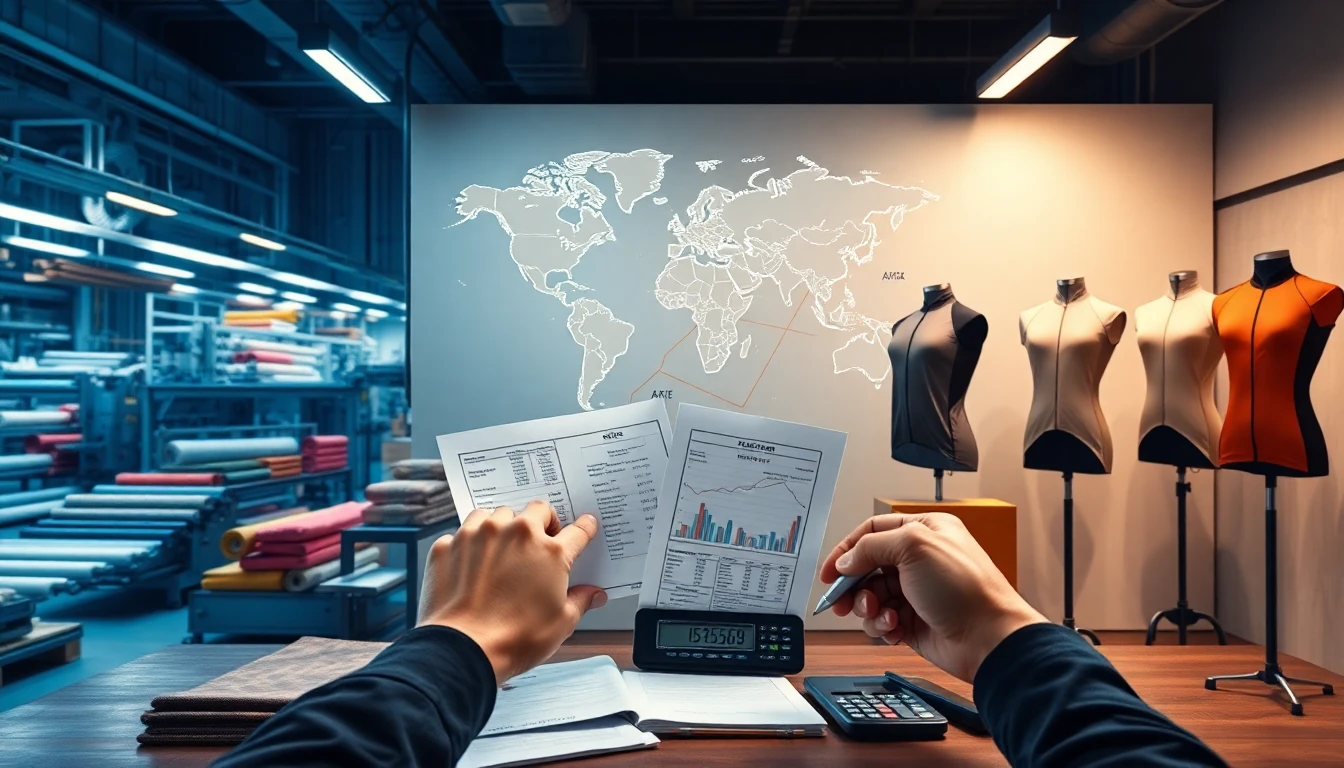
Factory quotes show one price. Your actual spending? That's a different story. Profitable cycling brands know this gap. The ones burning cash on "cheap" manufacturing? They learned the hard way.
Currency Fluctuation Exposure
Chinese manufacturing ties you to USD-CNY exchange rate risk . The yuan swung ±8–12% per year against the dollar over the past five years. Your US$22 jersey quote hits US$24.20 after a 10% yuan appreciation. That's US$1,100 extra on a 500-piece order you thought was set.
European contracts within the Eurozone skip this for EU brands. UK or US buyers of cycling wear face EUR-USD volatility though. Recent swings hit ±6–9% per year . Your €60 Italian jersey costs £51.60 at 1.16 exchange rate. Or £54.60 at 1.10. Plan your budget or use forward contracts at 1.5–3% of order value .
Payment Terms That Drain Working Capital
Chinese factories of cycling clothing want 30% deposit, 70% before shipping . You pay US$7,700 upfront on that US$11,000 jersey order. The remaining US$7,700 goes out 45–60 days later. Production finishes, but your cash sits locked for 75–90 days before goods arrive and you can sell them.
European workshops often take net-30 or net-60 terms after delivery. You get goods first. Then pay 30 days later. This 120-day cash flow gap between models? It changes your capital needs big time. A €32,500 European order needs zero upfront cash. Just payment capability 30 days post-delivery.
Calculate your weighted average cost of capital . Most small cycling brands run at 12–18% per year . Chinese deposits 90 days early versus European net-30 terms? That costs you US$200–350 in financing per US$11,000 order. Scale to twelve orders per year? You're looking at US$2,400–4,200 in hidden capital costs.
Quality Failure Financial Impact
Defect rates decide your real margin. Chinese factories average 1.5–3.5% seam failure rates . European workshops run 0.3–0.8% . These percentages hit your wallet hard.
Your 500-piece Chinese production has 8–18 defective jerseys. Replacement manufacturing costs US$176–396 (at US$22 per piece). Air shipping replacements to customers adds US$24–54 . Customer service time costs US$80–160 (at US$20/hour × 4–8 hours). Plus brand damage from negative reviews.
Total quality failure cost: US$280–610 per 500-unit run. That's US$0.56–1.22 per piece added to your TCO. European production cuts this to US$66–176 total (1.5–4 defective pieces). Or US$0.13–0.35 per piece .
Minimum Order Value Lock-In Risk
Chinese MOQs force US$6,000–15,000 inventory buys per style before you test market demand. Launch three jersey designs at 500 pieces each? You've tied up US$33,000–45,000 in untested inventory.
European 50–150 piece minimums need US$3,250–9,900 per design test . Three designs cost US$9,750–29,700 . Your inventory risk drops 70–80% while testing market response.
Run the Expected Monetary Value calculation:
Chinese route: 40% chance design fails × US$11,000 locked inventory = US$4,400 EMV loss per design test
European route: 40% chance design fails × US$3,250 locked inventory = US$1,300 EMV loss per design test
You pay a US$3,100 risk premium every time you test a new design in China. Test four designs per year? That's US$12,400 in extra risk compared to European low-MOQ testing.
Regulatory Compliance Landmines
Chinese exports face 16.5% average import duty entering the EU. Plus compliance verification costs. Recent cases show cycling brands paying US$1,500–3,500 for rushed REACH testing. Customs flagged shipments for chemical content checks.
Azo dyes, phthalates in prints, and restricted flame retardants trigger these holds. European manufacturing builds compliance into the process. Chinese factories? You handle regulatory checks yourself. Miss it and your container sits in port at US$75–150 per day in fees while you scramble for documentation.
Budget US$2,000–4,000 per year for compliance checks if sourcing from China. European production of cycling wear? This cost disappears.
How to Choose the Right Manufacturing Region for Your Brand
Skip the marketing talk. Your manufacturing location comes down to six solid factors. Site planners use these everywhere—from chip factories to bike clothing shops.
Raw materials of cycling apparel availability comes first. Don't just ask "can I get fabric?" Ask these questions: How many days from order to delivery? What's the minimum buy? Can suppliers meet your technical specs without custom runs that push up MOQs? Chinese factories sit next to the world's largest textile hub. Italian mills need 25-35 days for performance fabrics. Your material lead time controls your entire production schedule.
Labor availability means more than worker numbers. You need trained flatlock stitchers. These workers must understand compression garment construction. Chinese Guangdong province has 50,000+ apparel workers with performance sportswear experience. European workshops? Maybe 200-500 skilled technicians per region. Skills density affects your quality and hiring risk.
Location and transport setup control your logistics costs and speed. European road freight links workshops to retailers in 2-5 days. Chinese production needs ocean freight (28-35 days) or air (5-7 days at 4× cost). Think about port proximity. Consider customs efficiency. Check container availability.
Score each region 1-10 on these factors. Weight them by importance to your brand strategy. Do the math. Add up the totals. The highest score wins—but be honest with your weighting. Base it on what drives your business success, not what looks good in pitch decks.
Conclusion
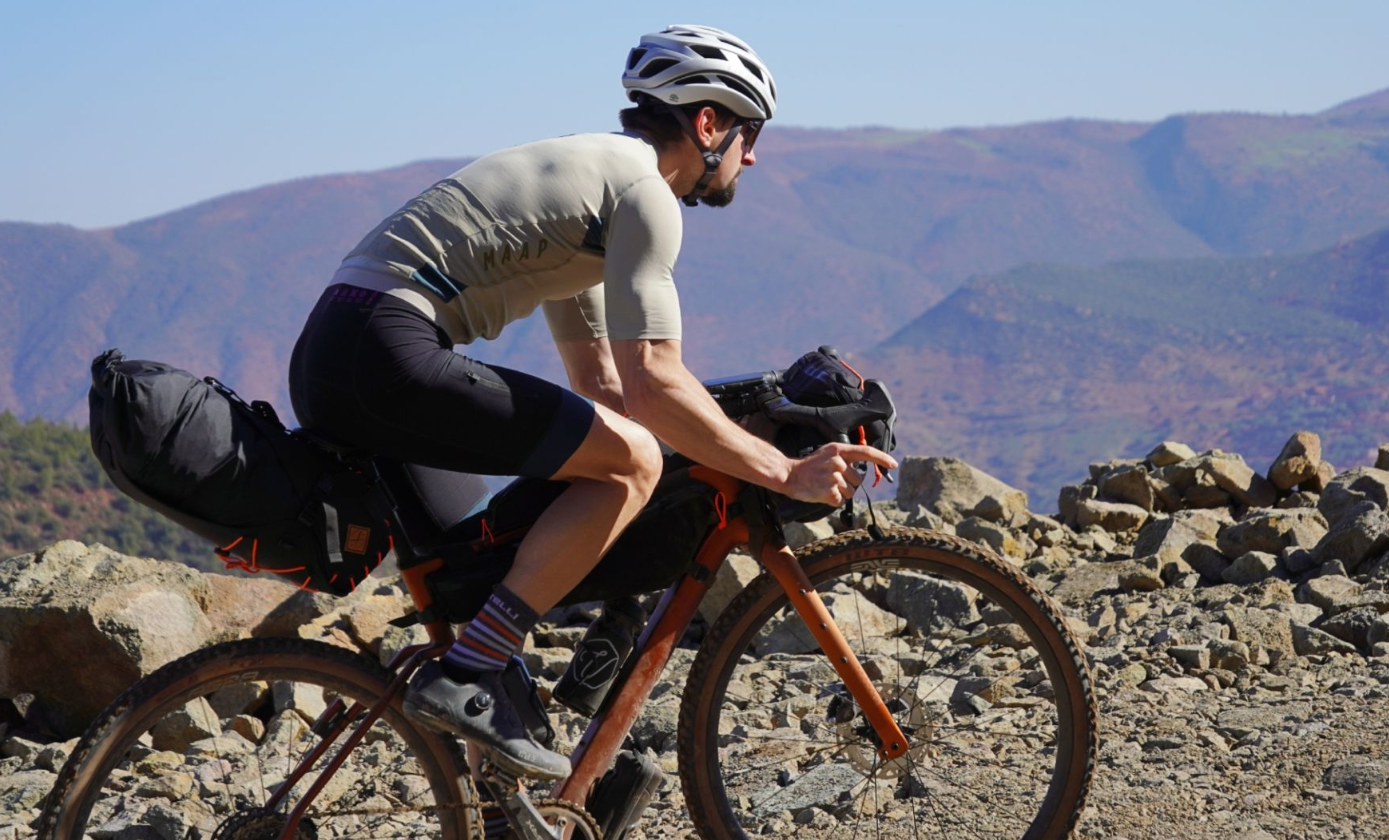
China vs Europe cycling apparel manufacturing - there's no universal "winner" here. It's about matching production strategy to your brand's DNA. Chinese manufacturers give you unbeatable unit costs and scalability for growth. European cycling wear factories deliver premium craftsmanship and speed for boutique brands ready to invest more per piece.
Winning brands don't just hunt for the lowest bike clothing production costs . They build chains that match their market position, cash flow, and quality standards. A $4,000 MOQ in China can fuel fast growth. A €800 European run lets you test your concept before scaling.
Your next move? Map your 12-month volume projections. Define your quality standards. Run the numbers with real factory quotes—skip industry averages. The right cycling wear manufacturing partner exists in both regions. But first, answer what success looks like for your cycling brand. Then pull the trigger and start building samples.