Table of Contents
You've spotted a gap in the UK cycling market. You've designed the perfect jersey collection in your mind. You're ready to launch your private label brand—but then reality hits.
Which manufacturer can deliver moisture-wicking fabrics that perform on a rainy Manchester morning? How do you spot the difference between a supplier showcasing impressive samples and one who'll deliver quality at scale? I've watched countless British cycling brands stumble at this exact hurdle. They burned through £20,000+ on poor inventory before finding the right sourcing partner.
Sourcing high-quality cycling apparel for private label brands in the UK isn't just about finding the cheapest cycling jersey manufacturers. It's not about browsing bike clothing wholesale catalogs either. You need to understand technical cycling fabrics. You need to build relationships with reliable custom cycling apparel production partners. You need quality control systems that protect your brand reputation.
Bootstrapping your first 100-unit order? Scaling to meet retailer demands? This guide walks you through the exact framework successful UK cycling brands use. You'll learn how to source performance cycling wear that riders want to buy again.
Understanding Your Private Label Cycling Apparel Positioning Strategy
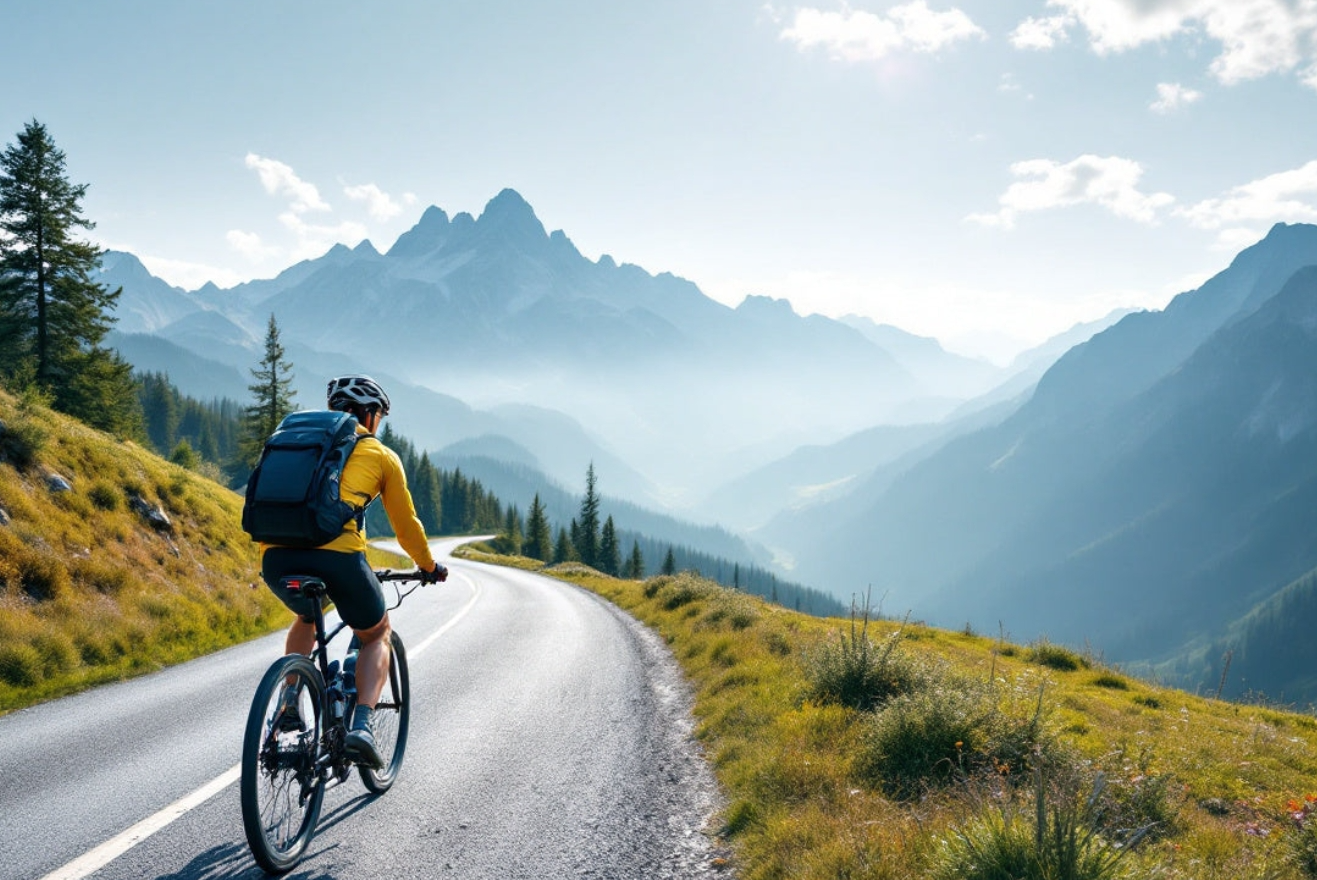
The global cycling apparel market is racing forward. Europe holds the largest share, with the UK sitting at the heart of this growth. Private label cycling apparel brands have driven impressive sales growth over the past two years by doing one thing well: filling gaps the big brands ignore.
Here's what most founders miss. Your positioning isn't about beating Rapha or Castelli. It's about owning a specific slice they're not serving well.
Define Your Core Segment Before You Source Anything
Amateur riders dominate the market . They're not racing in the Tour de France. They're riding to work on rainy Birmingham mornings. Or doing weekend rides in the Cotswolds. This segment wants performance without the £200 jersey price tag.
Pick your battleground:
Price-conscious recreational riders (60–70% of UK market) → Position as "performance quality at accessible prices." Use moisture-wicking technical fabrics . Sell through supermarkets and online marketplaces .
Premium commuters (urban e-bike surge) → Focus on durability, visibility, and packability . Target specialty shops + DTC channels .
Female cyclists (fastest-growing segment) → Women's-specific fit and design. Legacy brands have failed to serve this group well.
Your first product line needs 2–3 hero categories : jerseys, padded cycling shorts, and one standout item (arm warmers, caps, gloves). Don't spread thin.
Defining Technical Specifications and Brand Requirements for UK Market
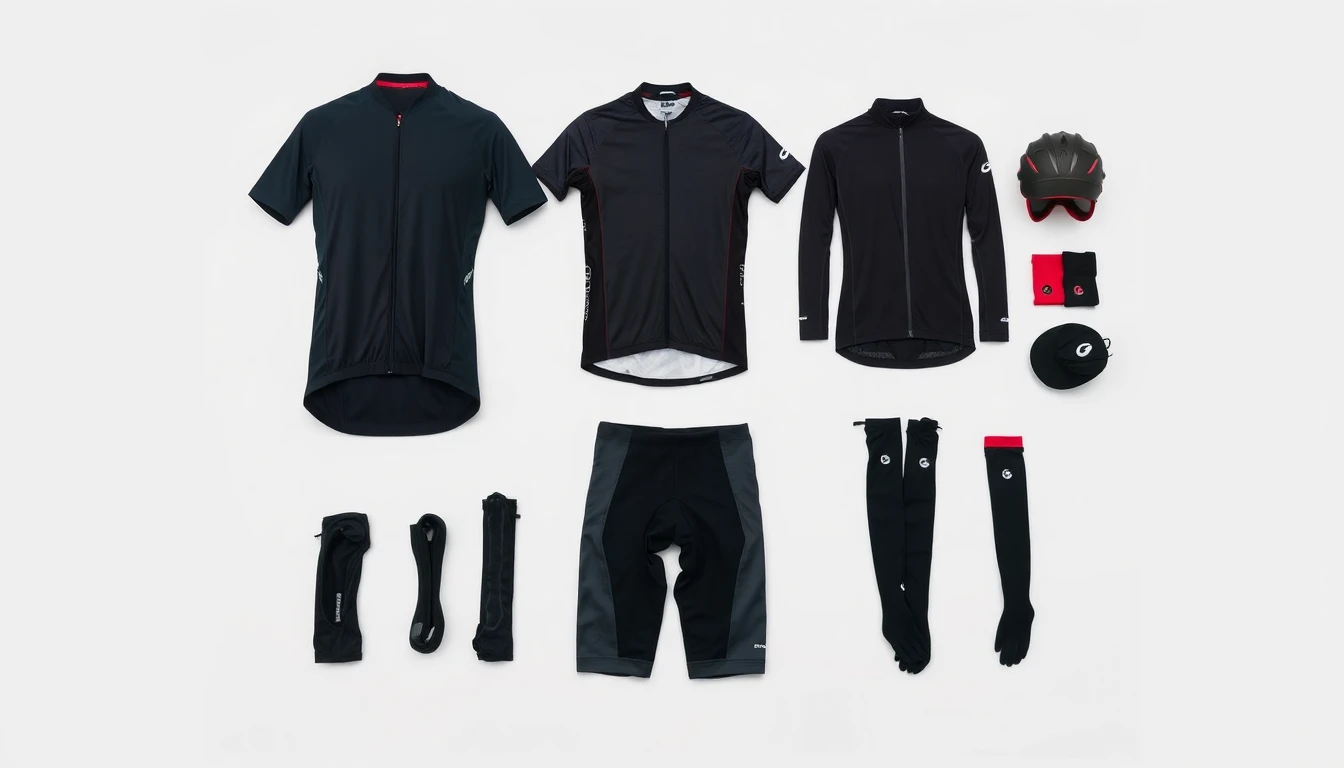
Your tech specs document will make or break your first production run. I've seen UK brand founders hand manufacturers vague briefs like "breathable jersey, good quality" and wonder why samples arrive unwearable. Cycling jersey manufacturers need exact measurements, fabric codes, and construction standards —not wishful descriptions.
Start with fabric specs that match UK riding conditions. British cyclists face rain 156 days per year on average. Your moisture-wicking cycling materials need water-resistant treatments rated at 10,000mm+ waterproof rating for performance cycling wear. Specify fabric weight in GSM (grams per square meter): 140–160 GSM for summer jerseys, 220–280 GSM for winter pieces.
Document these technical cycling fabrics requirements:
Base layer composition : 85% polyester / 15% elastane minimum for stretch recovery
Mesh panels : 3D honeycomb structure for ventilation zones (underarms, back)
Chamois density : 80–120 kg/m³ high-density foam for padded cycling shorts suppliers
Flatlock seams : 4-thread construction to prevent chafing
Reflective elements : EN 20471 compliance for visibility (mandatory for commuter lines)
Your cycling bib manufacturing specs need exact measurements. UK riders have different body proportions than Asian markets. Create a size chart with 15+ measurement points: chest circumference, arm length, torso length, inseam, thigh width. Add 3–5cm ease allowance for comfort.
Quality benchmarks protect your reputation. Set Martindale rub test minimums (20,000+ cycles for abrasion resistance). Demand colorfastness ratings of 4+ (ISO 105 standard). Specify UPF 50+ sun protection for summer ranges.
Sustainable cycling clothing matters to 68% of UK consumers under 35. Request OEKO-TEX certified fabrics. Ask custom cycling apparel production partners for recycled polyester options (GRS-certified). This adds £2–4 per unit but opens premium retail doors.
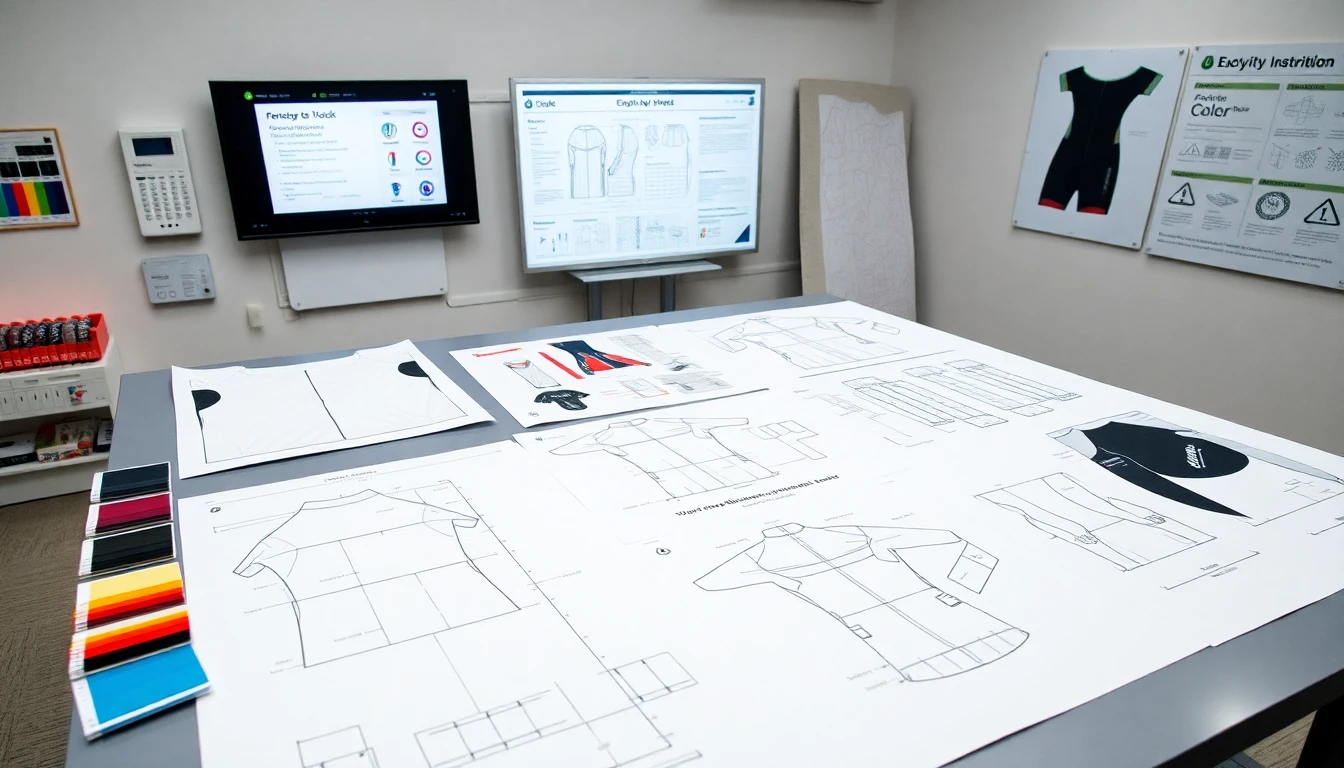
Create a detailed tech pack for each design. Include front/back/side views, seam placement diagrams, colorway codes (Pantone TPX), and care label requirements (UKCA marking compliance). British Standards Institution guidelines apply—even bike clothing wholesale needs proper labeling.
Finding UK and EU Cycling Apparel Manufacturers
Europe holds 32–45% of global cycling apparel demand. This creates a dense network of manufacturers you can tap into—once you know where to look.
These numbers show something key: there's enough volume to support a strong manufacturing base across many countries.
Map Your Target Zones
Start with the manufacturing clusters.
Italy has technical specialists like Castelli (Manifattura Valcismon) in Fonzaso, Veneto. They've perfected performance cycling wear for decades.
Switzerland offers precision-focused operations like ASSOS in Stabio (51–100 employees).
Slovakia has emerging players like Isadore in Púchov. Smaller teams (1–10 employees), but quick to handle custom cycling apparel production runs.
The UK has established names: Rapha in London (251–500 employees) and Endura in Livingston, Scotland. Germany, Netherlands, and Denmark fill out the ecosystem with bike clothing wholesale specialists.
Build your shortlist using three filters:
Production capacity (employee count works as a proxy)
Product specialization (cycle wear apparel represents 59%+ of UK revenue)
Segment focus (professional vs. amateur)
Professional-tier manufacturers work with race teams. They know padded cycling shorts and cycling bib manufacturing standards that amateur-focused factories might skip.
Check brand headquarters against actual production sites. Many cycling jersey manufacturers use contract makers in Eastern Europe. They keep Western European quality oversight in place.
Conducting Sample Validation and Field Testing
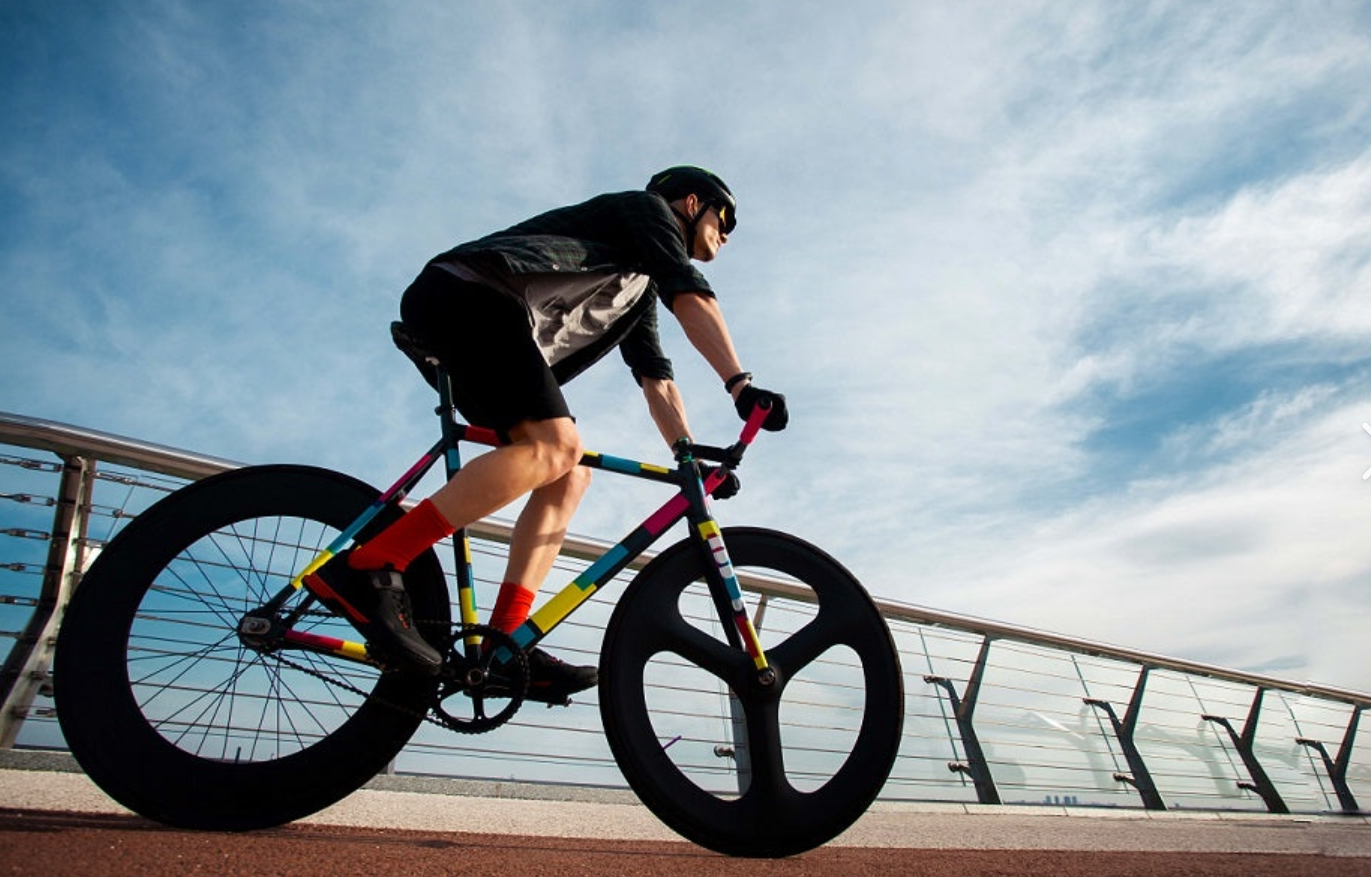
Your manufacturer sends 10 "perfect" samples. They look great on the rack. But here's the question: will they survive 500km of Welsh mountain roads? What about three washing cycles and a sweaty commuter stuffing them into a backpack every day?
Sample validation isn't just opening a box and nodding. It's a structured testing protocol . This protects your brand from £15,000+ worth of unusable inventory. UK cycling brands skip this step? They end up with customer return rates above 18% . That's triple the industry standard.
Set Your Confidence and Risk Parameters First
Define "quality assurance" in numbers. A 95% confidence / 99% reliability statement tells you this: you're 95% certain that at least 99% of production units will meet your requirements. High-risk items like padded cycling shorts suppliers products need 95%/99% or 95%/95% thresholds. Lower-risk accessories like caps? You can use 95%/90% .
Pass/fail checks need planning. A 95%/95% confidence plan with zero acceptable failures requires 59 sample units . That's expensive. Use stress testing to cut this down. Test 5 samples at conditions 10× harsher than field use. Those survive? You've proven field reliability.
Structure Your Physical Testing Protocol
Run 30 minimum samples through real-world conditions. This applies if distribution data is unknown (FDA design verification standard). For moisture-wicking cycling materials , simulate these conditions:
50 wash cycles at 30°C (typical rider laundry frequency over 6 months)
UV exposure chambers rated at 500 hours (equal to 2 UK summers)
Abrasion tests on saddle contact zones (20,000+ Martindale cycles)
Seam strength tests under 100N force (cycling bib manufacturing stress points)
Measured values like fabric stretch recovery need testing too. You'll need 15–100 samples , best is 50 , to validate normality. Below 15 samples? You can't detect meaningful quality issues.
Document Precision and Repeatability Metrics
Run F-tests to compare variance between production batches. Three sample units show equal variance across 10 test runs each? You can pool those 30 runs as representative data. Calculate standard deviation , normalized precision (Pn) , and bias versus tolerance limits using t-tests.
Field-test with 5–10 actual riders over 4–8 weeks . Track feedback on chamois comfort. Monitor strap elasticity fade and color retention. One UK brand found their "premium" jerseys pilled after just 15 wears. This was before they'd committed to 500-unit production. That £8,000 mistake? It became a £200 sample test investment.
Creating Technical Packs and Brand Identity Elements
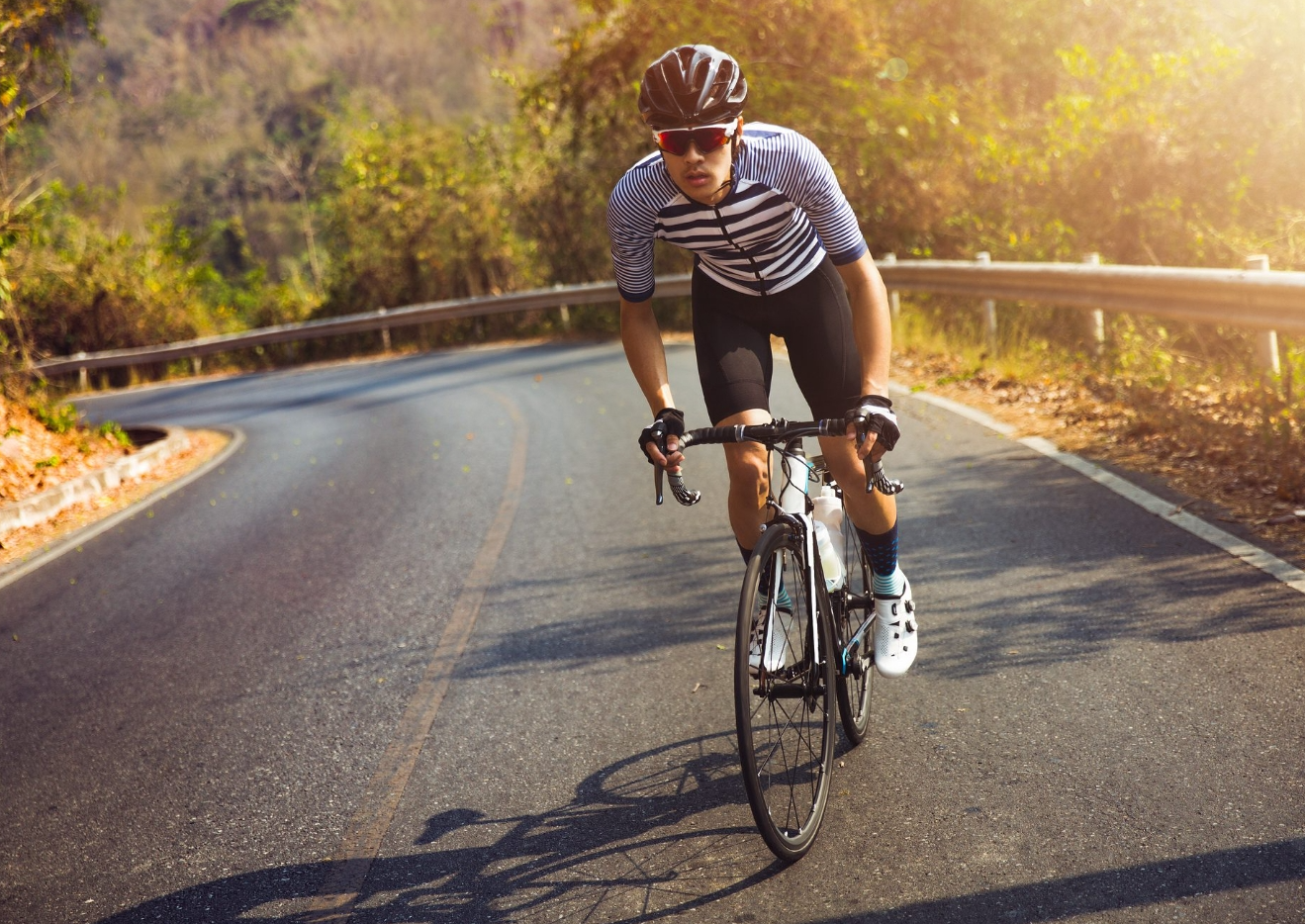
Your tech pack is a contract. Your brand identity is a promise. Both need precision before you contact cycling jersey manufacturers.
A technical pack translates your design vision into factory language. It removes guesswork. It prevents the £8,000 mistake where your "sky blue" jersey arrives looking like a swimming pool accident. Every measurement goes into this document. Every fabric code. Every stitch placement.
Build Your Tech Pack Foundation
Start with detailed technical drawings . Front view, back view, side view—all flat. Add close-up callouts for zipper placement. Show pocket dimensions. Mark reflective strip positions. Specify seam types: flatlock 4-thread for side seams, overlock 3-thread for hems.
List every material with supplier codes:
Main body fabric : Polyester moisture-wicking mesh, 145 GSM, supplier code #TX-9847
Sleeve panels : Lycra blend, 180 GSM, UPF 50+, code #LY-4423
Chamois pad : High-density foam 100 kg/m³, 12mm thickness, code #CH-7712
Document color standards with Pantone TPX codes for fabrics and Pantone C codes for prints. Your "racing red" needs exact specification—not a printer's guess. Include RGB codes (for digital mockups), CMYK (for print marketing), and HEX codes (for website). This stops mismatches between jersey photos and actual product.
Add construction notes. Stitch count per inch (12–14 for cycling apparel). Thread type (polyester core-spun for durability). Placement of reflective elements for EN 20471 compliance.
Design Your Brand Identity System
Your logo needs three versions minimum : full-color primary, monochromatic (for single-color printing), and simplified icon (for zipper pulls and small applications). Set clear space rules—usually 25% of the logo's height on all sides. Apple enforces this without exception. You should too.
Create a color palette that works across all materials:
Primary colors : 2–3 core shades (e.g., navy #1A2B3C, electric green #4FD627)
Secondary colors : 2–3 supporting tones
Neutral colors : Black, white, grey for text and balance
Accent colors : 1–2 highlight shades for CTAs and details
British cycling brands often use heritage navy or racing green as anchors. Rapha built an empire on pink and black. Endura owns their Scottish blue.
Typography choices signal your position. Performance brands use clean sans-serifs (Montserrat, Gotham). Heritage brands lean toward refined serifs with modern cuts. Specify:
Display font : Headings, logos, hero text (30pt+)
Body font : Product descriptions, size charts (14–16pt)
Print font : Care labels, tech specs (8–10pt)
United Sodas uses minimal typography on white boxes—the flavors (Toasted Coconut, Pear Elderflower) become the visual heroes. Fatso peanut butter uses heavy typeface with a playful peanut mascot across every touchpoint. Both work because they're consistent .
Create Recognizable Brand Devices
Shapes and graphic elements build instant recognition. Target's bold circle shows clarity. Lego's blocky design screams playful creativity. Your cycling brand needs similar visual shortcuts.
Consider:
Geometric patterns for jersey panels (diagonal stripes, chevrons, hex grids)
Signature elements like Bira's "91" code or Kaspersky's immunity energy field
Mascot or icon that appears on packaging, website favicon, and swing tags
One UK startup used a stylized chain link across all products. They wove it into fabric patterns. Embossed it on buttons. Printed it on packaging tape. Riders started recognizing the brand from 50 meters away.
Your tagline needs eight words maximum. Nike's "Just Do It" launched in 1988 through Wieden+Kennedy. Three words. Global recognition. Your version should capture your position: "Built for British Roads" or "Performance Without Pretense."
Compile everything into a brand guidelines document . This keeps consistency across bike clothing wholesale partners, custom cycling apparel production teams, and future marketing agencies. Include logo placement rules. Add color usage examples. Show typography pairings. Define photography style (bright/moody, urban/rural, action/lifestyle).
Negotiating Costs and Understanding Price Breakdowns

Most UK cycling brands lose 18–20% of potential profit before their first container ships. They accept the manufacturer's initial quote. They skip the breakdown analysis. They think negotiation means asking "can you do better?" once, then giving up at the first "no."
Here's the truth: systematic negotiation increases company revenue by up to 20% . Businesses with a structured sales approach see 42.7% greater bottom-line growth versus those winging it. For cycling apparel sourcing, this saves £4,000–£8,000 per 500-unit order. That's money for your next collection or marketing push.
70% of negotiations fail due to lack of preparation . Get hard numbers before you contact cycling jersey manufacturers.
Build Your Price Intelligence Foundation
Gather 3–5 independent quotes for identical specs. Same fabric GSM. Same chamois density. Same MOQ. This sets your market range. Custom cycling apparel production quotes spread ±15–20% around the median for identical products.
One UK brand requested quotes for 500 moisture-wicking jerseys. The specs: 145 GSM polyester, sublimation print, YKK zippers. Results:
Supplier A (Italy) : £28.50/unit
Supplier B (Portugal) : £24.20/unit
Supplier C (China) : £18.80/unit
Supplier D (Vietnam) : £21.40/unit
Supplier E (Turkey) : £23.10/unit
Median price: £23.10 . Range: £18.80–£28.50 . That's a £9.70 spread per unit . On 500 units? £4,850 difference between cheapest and most expensive.
Request detailed breakdowns from each supplier. Demand line-item costs:
Fabric cost : £X per meter (specify quantity needed per garment)
Trim costs : Zippers, elastic, labels, hang tags
Labor cost : Cutting, sewing, finishing per unit
Printing/decoration : Sublimation, screen print, embroidery setup + per-piece
Packaging : Polybags, boxes, inserts
Quality control : Inspection fees
Shipping to UK : FOB vs. CIF pricing
Payment terms impact : 30% deposit standard, but 50% upfront might unlock 3–5% discount
Data preparation achieves 25% better outcomes . This means taking that £24.20 quote and negotiating it to £18.15–£19.36 through informed discussion.
Apply Strategic Negotiation Tactics
75% of negotiations are influenced by the first offer . Don't let the supplier anchor high. Counter with your research-backed target right away.
Use this three-round framework ( 65% of B2B negotiations need multiple rounds ):
Round 1 : Present your target price based on median competitor quotes minus 8–12%. "Your quote is £24.20. I have three comparable offers at £21.40, £23.10, and £18.80. My target is £20.50 for this spec and volume."
Round 2 : Break down their cost structure. "Your fabric cost shows £8.20/unit but Supplier C quoted £6.80 for the same 145 GSM moisture-wicking material. Can you match that component?" Attack individual line items rather than total price.
Round 3 : Offer strategic concessions that cost you little but unlock supplier flexibility. "I'll commit to 50% deposit instead of 30% if you reduce unit cost to £21.00 and waive sampling fees." Concession strategies are used in 65% of successful closings and increase agreement chances by 30% .
Silence works . Make your counteroffer, then stop talking. Let the supplier fill the gap. This tactic increases favorable outcomes by 20% .
Decode Hidden Costs in Bike Clothing Wholesale Deals
Padded cycling shorts suppliers often hide margin in small fees:
Sampling costs : £150–£400 per design (negotiate to waive after commitment)
Mold/setup fees : £200–£800 for custom sizing (spread across larger orders)
Fabric minimums : Some technical cycling fabrics require 500-meter rolls. You're paying for waste.
Color matching : Pantone accuracy fees of £50–£150 per colorway
Revision charges : £80–£200 per design change after approval
One UK startup found their "£22/unit" cycling bib quote included £1,200 in hidden setup costs . These costs weren't disclosed until contract stage. Spread across 300 units, actual cost became £26/unit —an 18% increase.
64% of vendors selling to major retailers face cost-decrease requests during annual negotiations. Don't be passive. Amazon forces this conversation—you should too.
Demand itemized invoices that separate:
Unit production cost
One-time setup costs (spread out)
Per-order fees (inspection, handling)
Shipping and duties (verify Incoterms—DDP vs. FOB changes your landed cost by 15–25%)
Leverage Volume and Timing
MOQ negotiation follows clear patterns. A manufacturer quoting £24/unit for 300 pieces will often hit £19.50 at 1,000 pieces and £16.80 at 2,500+ pieces. That's a 30% reduction through volume commitment .
But here's the smarter play for bootstrapped brands: negotiate staged orders with price locks .
"I'll commit to 1,500 units total across three shipments (500/500/500) over six months at the 1,500-unit price tier." You get bulk pricing without carrying inventory risk.
Timing matters. The Cycling jersey manufacturers have slow periods. For Northern Hemisphere suppliers, this means November–January. Negotiate 15–20% deeper discounts for production slots during their off-season. You'll wait longer for delivery, but your margins improve.
AI tools speed up procurement negotiations by 80% and boost savings over 280% according to recent procurement data. Use spreadsheet models to run scenarios. Show suppliers your cost analysis. Data-driven strategies improve outcomes by 25% .
Lock in Terms That Protect Your Margins
Payment terms impact your cash flow and negotiating power:
30% deposit / 70% before shipping : Industry standard
50% deposit / 50% on delivery : Unlocks 3–5% discount but increases your risk
100% advance payment : Can yield 8–12% discount but removes leverage if quality fails
66% of negotiators who set clear goals are 40% more apt to reach agreement . Your goal isn't the lowest possible price. It's the best total value equation :
(Quality × Reliability × Service) ÷ (Total Landed Cost + Risk)
A Portuguese supplier at £23.10/unit with perfect quality control beats a Chinese factory at £18.80/unit if the Chinese supplier has 8% defect rates. Returns and replacements cost you £4–6/unit in logistics plus brand damage.
Document everything. 84% of organizations don't measure negotiation success beyond contract signature. Track your negotiated terms, then audit actual delivery. Did they honor the £21/unit price? Were hidden fees added? Use this data for your next negotiation cycle.
One final tactic: negotiation training improves deal outcomes by up to 30% and delivers 16.08× ROI within three months for corporate programs. Even a £200 online course in procurement negotiation pays for itself on your first 500-unit order.
Successful UK cycling brands treat cost negotiation as a core skill, not an awkward conversation. Master it, and you'll outmaneuver competitors still paying retail prices for custom cycling apparel production.
Evaluating Supplier Capabilities: Cycling-Specific Checklist
A supplier sends you glossy photos of pro team jerseys they've made. They claim ISO certification. Their sales rep promises "premium quality at factory prices." But none of that tells you if they can deliver padded cycling shorts that won't cause saddle sores after 80km rides.
You need a clear audit framework. One that separates real cycling jersey manufacturers from rebranded garment factories slapping logos on generic activewear.
Product Category Depth Assessment
Check their catalog focus first. Do they make road cycling apparel, mountain bike gear, gravel riding kits, commuter wear, and triathlon suits ? Or do they just make generic "sports jerseys" that happen to work on bikes?
Ask for their product breakdown by category:
Performance cycling wear (race-cut jerseys, aerodynamic suits, thermal winter gear)
Recreational cycling clothing (relaxed-fit jerseys, casual shorts, urban commuter pieces)
Accessories (arm warmers, leg warmers, caps, gloves, overshoes)
Women's-specific designs (not just "shrink-and-pink" versions of men's cuts)
A supplier making 60%+ of revenue from cycling-specific products gets the technical needs. They know why moisture-wicking cycling materials need different weights for summer jerseys (140–160 GSM) versus winter base layers (220–280 GSM).
One UK brand found their "specialized cycling supplier" made 80% yoga pants and fitness tops. The cycling range? An afterthought with poor chamois selection and wrong bib strap tension.
Material Sourcing and Fabric Technology
Ask for detailed fabric specs with supplier codes and material datasheets :
Technical cycling fabrics : polyester blends, merino wool mixes, recycled materials
Chamois pad options : high-density foam (80–120 kg/m³), gel inserts, multi-density build, antibacterial treatments
Reflective elements : EN 20471 compliant materials, placement options, durability ratings
Specialty treatments : DWR coatings (10,000mm+ waterproof rating), UV protection (UPF 50+), anti-odor finishes
Ask where they source materials. Italian fabric mills like Miti or Sitip signal premium custom cycling apparel production . Generic fabric wholesalers raise red flags.
Sustainable cycling clothing needs proof. Ask for OEKO-TEX certifications for fabrics. Get GRS-certified recycled polyester documentation. Bluesign-approved materials show real environmental commitment. Don't accept vague claims without third-party verification.
Manufacturing Process Capabilities
The Cycling bib manufacturing needs specific technical skills. Not every factory can handle:
Flatlock 4-thread seaming (prevents chafing on 100km+ rides)
Graduated compression build (leg grippers that don't cut circulation)
Multi-panel design (anatomical fit needs 8–12 pattern pieces per garment)
Sublimation printing (fade-resistant graphics that survive 50+ wash cycles)
Ask for factory floor tours (virtual works too). Look for specialized equipment:
Ultrasonic cutting machines (precision pattern cutting for technical fabrics)
Bonding stations (no-sew build for premium pieces)
Screen printing and sublimation lines (in-house vs. outsourced decoration)
Chamois attachment stations (proper pad positioning and securement)
Ask about their max and min production runs per design . Some bike clothing wholesale suppliers need 500+ units per colorway. Others can handle 100-unit test runs for new UK brands.
Testing Infrastructure and Quality Documentation
Get specifics on their testing capabilities. Do they run:
Abrasion resistance tests (Martindale method, 20,000+ cycles for saddle contact zones)
Colorfastness testing (ISO 105 standard, rating 4+ for pro-grade)
Stretch recovery tests (fabric should return to 95%+ original shape after 100 wear cycles)
Seam strength testing (100N+ force tolerance for high-stress areas)
Wash durability tests (50+ cycles at 30°C to verify build quality)
Ask for actual test reports from recent production runs. Look for documented quality metrics :
Defect rates per batch (target: <2% critical defects, <5% cosmetic issues)
First-pass yield rates (percentage of units passing QC without rework)
Customer return percentages (top suppliers keep <3% return rates)
One Portuguese padded cycling shorts supplier gave 18 months of quality data. It showed consistent 1.4% defect rates and 97.8% first-pass yields. That's transparency worth paying extra for.
Compliance and Certification Portfolio
UK market needs go beyond general garment standards. Check:
UKCA marking compliance (required post-Brexit for Great Britain market)
REACH regulation adherence (chemical safety for EU/UK sales)
Care labeling accuracy (British Standards Institution guidelines)
Flammability standards (BS EN ISO 14116 for protective clothing)
Factory-level certifications matter just as much:
ISO 9001 (quality management systems)
ISO 14001 (environmental management)
WRAP certification (ethical manufacturing practices)
SA8000 (social accountability, worker rights)
Ask for copies of current certificates. Check expiration dates. Verify certifying body credentials through independent databases.
Delivery Performance and Supply Chain Reliability
Ask for on-time in-full (OTIF) delivery stats from the past 12 months. Top-tier suppliers keep 95%+ OTIF rates . Anything below 85% signals operational problems.
Break down lead times by production stage:
Sample development : 2–3 weeks typical
Pre-production approval : 1–2 weeks
Bulk production : 4–6 weeks (depends on order size)
Quality inspection : 3–5 days
Shipping to UK : 3–4 weeks (sea freight) or 5–7 days (air freight)
Get references from 3–5 current UK or EU clients . Ask those brands specific questions:
"How often do they miss delivery deadlines?"
"What's their response time for quality issues?"
"Have they handled rush orders well?"
"Do they communicate production delays upfront?"
Create Your Supplier Scorecard
Give weighted scores across five categories:
Quality & Safety (40%) : Test capabilities, defect rates, compliance documentation, warranty claim history
Delivery & Flexibility (25%) : OTIF rates, lead time accuracy, MOQ flexibility, expediting capability
Cost & Total Value (20%) : Unit pricing, hidden fees transparency, payment terms, volume discount structure
Technical Innovation (10%) : New fabric access, design collaboration willingness, sustainability options, R&D investment
Communication & Service (5%) : Response time, language capability, time zone coverage, problem-solving attitude
Score each supplier 1–10 per category. Times by weightings. Total scores above 8.0 show strong partnership potential. Scores below 6.5 signal risk.
A £2 higher unit cost from a 9.2-rated supplier beats £2 savings from a 6.8-rated factory. The higher-rated partner will save you £8,000+ in returns, delays, and quality crisis management over your first year.
Build this checklist into a PDF audit template . Use it the same way across every cycling jersey manufacturer you check. Data-driven supplier selection stops the expensive mistakes that kill UK cycling brands before their second season.
Setting Quality Standards for High-Performance Cycling Wear
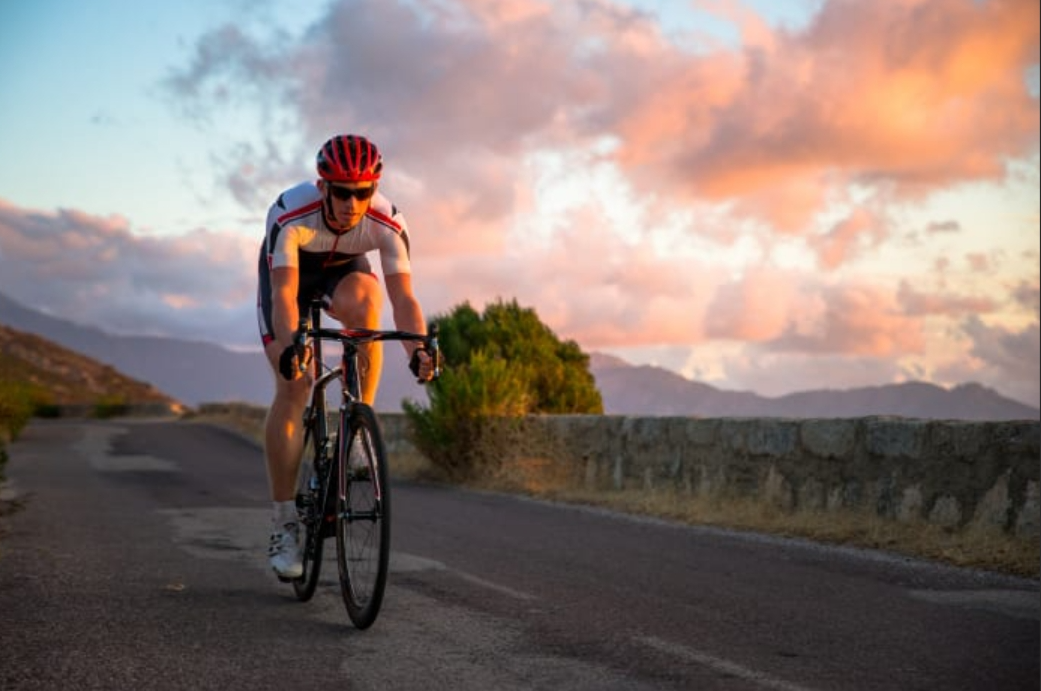
Performance cycling wear either works or it fails. There's no middle ground at hour three of a Lake District climb. You need seven must-have quality checks before approving any sample from cycling jersey manufacturers .
Moisture-wicking performance comes first. Polyester-based technical cycling fabrics should move sweat away from skin within 2–3 seconds. Test samples with a simple water drop. The liquid should spread across the fabric surface, not soak through. Moisture-wicking cycling materials that fail leave riders clammy after 20 minutes.
Breathability ratings matter more than most UK brands think. Demand fabrics with air flow scores of 80–120 cfm (cubic feet per minute). Higher scores give better temperature control during hard efforts. Ask custom cycling apparel production partners for actual lab test data—skip the marketing talk.
Aerodynamic fit needs specific stretch and bounce-back. Lycra/Spandex blends should deliver up to 500% stretch with instant snap-back. Test fabric stretch after 100 wash cycles. Performance cycling wear needs to keep 85%+ of its original stretch. Poor materials lose shape after 15–20 wears. This creates loose fabric that flaps in the wind and ruins aerodynamics.
Set durability benchmarks that match real riding:
Nylon content : 30–50% in high-friction zones (saddle contact, inner thighs) provides 710+ abrasion cycle resistance
Tensile strength : 9.5+ grams per denier prevents seam failure under stress
Tear resistance : Minimum 22 lbs force tolerance for emergency situations
Request Merino wool specifications for cold-weather pieces. Quality suppliers use 18.5-micron fibers blended with 30–50% nylon. This mix survives 150+ wash cycles while keeping temperature control. Pure Merino wool pills and wears out fast for UK riding.
Define Chamois Performance Criteria
Padded cycling shorts suppliers stand out through chamois quality. Set clear density rules: 80–120 kg/m³ high-density foam prevents saddle pressure during multi-hour rides. Multi-density construction works better. You get firmer foam at sit bones, softer foam in sensitive zones.
Antibacterial treatments aren't optional. They cut saddle sore risk by 18% based on textile studies. Specify silver-ion treatments or similar germ-fighting finishes that survive 50+ wash cycles.
Test chamois positioning through actual wear trials. The pad should stay centered during 80km+ rides. Poor cycling bib manufacturing lets the chamois shift. This causes friction and pain.
Set Visibility and Safety Standards
UK riding needs UPF 50+ sun protection in summer jerseys. That's 98%+ UV block. Test fabrics under UV exposure chambers rated at 500 hours (two British summers). Colors shouldn't fade below 10% of original strength.
Reflective parts need EN 20471 compliance for commuter lines. Specify minimum 100 cm² of reflective material on rear panels and sleeves. Test reflection at 150 meters distance under low-light. Drivers should spot riders from that range.
Quality sustainable cycling clothing meets these standards while using OEKO-TEX certified fabrics. Don't accept green claims without third-party proof. GRS-certified recycled polyester should match virgin material performance in all moisture-wicking and toughness tests.
Comparing UK, EU, and Asian Manufacturing Options
Manufacturing landscapes shift faster than most UK cycling brands realize. Between 2000 and 2022, the G7's share of global manufacturing value dropped from 56% to 33%. China took that lost ground. It climbed from 6.4% to 31% of worldwide production. The UK's slice fell from 3.1% to 1.9%. Your sourcing decision sits at the center of this major shift.
Three regions matter for cycling jersey manufacturers : domestic UK production, European Union partners, and Asian hubs. Each brings different trade-offs. Cost, lead time, quality control, and supply chain reliability all vary.
UK Manufacturing: Premium Quality With Shrinking Capacity
UK manufacturing output hit $279 billion in 2025 . This ranked 11th worldwide. The country lost manufacturing jobs faster than any of the 31 economies tracked in April 2025's PMI data. This was the second-sharpest decline since COVID-19. National Insurance tax hikes squeezed margins. Minimum wage increases added pressure. Weak sales made things worse.
Rapha in London and Endura in Scotland represent UK's premium tier. They deliver excellent custom cycling apparel production . Quality oversight stays tight. Expect £28–£35 per unit for performance jerseys at 500-unit MOQs. Lead times run 8–12 weeks from approval to delivery.
UK advantages stack up for certain brands:
Zero import duties or customs delays
English-native communication stops misunderstandings
Quick sampling turnaround (2–3 weeks vs. 4–6 from Asia)
Strong sustainability credentials (OEKO-TEX adoption rates 22% higher than global average)
Easier factory visits for quality audits
But UK production costs show the highest selling price inflation as of April 2025. This hit a two-year peak. Raw material costs drove it up. Staffing expenses added to the pressure. Supply chain delivery times got longer for the 16th month in a row. This ranked second-worst worldwide after Myanmar.
UK export orders collapsed to their steepest decline since May 2020. Domestic manufacturers struggle with volume. Most bike clothing wholesale operations moved production overseas decades ago.
EU Manufacturing: Quality Meets Reasonable Scale
European production centers in Italy, Portugal, Germany, and Slovakia. Italy's Castelli (Manifattura Valcismon) leads the pack. Portugal's mid-tier factories dominate performance cycling wear . Germany and France fell in global manufacturing share. Germany dropped from 7.6% to 4.9%. France fell from 3.2% to 1.7% between 2000 and 2022.
Eurozone suppliers improved delivery times in April 2025. UK times got worse at the same time. Single Market membership gives EU manufacturers smoother logistics. Moisture-wicking cycling materials and technical cycling fabrics from Italian mills like Miti set industry standards.
Pricing sits between UK and Asia: £19–£26 per unit for jerseys at 500-unit runs. Lead times average 6–10 weeks . Padded cycling shorts suppliers in Portugal excel at chamois integration. Proper anatomical builds come standard.
EU strengths include:
Established cycling apparel expertise (Italy produced for pro teams since the 1970s)
Faster shipping to UK (3–7 days vs. 3–4 weeks from Asia)
Shared quality standards (EN and ISO certifications align)
Moderate price inflation (modest output price rises vs. UK's surge)
Strong sustainability infrastructure (GRS-certified recycled polyester available)
Eurozone GDP growth forecasts stay modest: 1.3% in 2025, 1.2% in 2026, 1.4% in 2027. Industrial goods sectors grew just 4% market cap in 2024. The 10-year average sits at 11%. This signals capacity constraints. Asia shows aggressive expansion. Europe does not.
Asian Manufacturing: Volume, Cost, and Growing Quality
China commands 27.7% of global manufacturing output in 2025 . This makes it the world's largest. The country's export growth in machinery hit 17% CAGR from 2000–2020. Automotive manufacturing expanded about 20-fold. Textile and apparel productivity beat UK and US rates by 2017. This applied across food, metals, and machinery.
China ranks first in the 2025 Asia Manufacturing Index. It leads in economy, infrastructure, and innovation metrics. Large supplier networks back this up. World-class ports help too. EV manufacturing strength reinforces dominance despite tariff pressures. Mainland China's output prices fell in April 2025. UK prices spiked at the same time.
Pricing advantage stays clear: £12–£18 per unit for the same jersey specs at 1,000-unit MOQs. Lead times stretch to 8–12 weeks production plus 3–4 weeks shipping (sea freight). Air freight cuts delivery to 5–7 days. This adds £3–5 per unit.
Vietnam and Bangladesh offer alternative Asian hubs. Pricing runs £14–£20 per unit . South Korea placed fourth in the Asia index. It ranked third in manufacturing growth. Low inflation helps. Resilience beats Japan.
India ranked sixth overall. It took first place in economy and workforce categories. It posted the highest growth rate among the 11 Asian economies tracked. Expect £13–£19 per unit . Cycling bib manufacturing capabilities improve as technical expertise grows.
Asian trade-offs need careful management:
Advantages:
- 30–50% cost savings versus UK/EU at volume
- Massive production capacity (handle 5,000+ unit orders with ease)
- Advanced fabric technology (Chinese mills produce moisture-wicking materials that rival Italian quality)
- Falling output prices (deflationary pressure benefits buyers)
Challenges:
- Extended lead times (12–16 weeks total from order to UK delivery)
- Quality control distance (factory audits need flights and hotel costs)
- Communication barriers (time zones, language, cultural differences in business practices)
- Supply chain vulnerabilities (delivery times got worse across Asia in April 2025)
- Import duties and compliance (UKCA marking, customs documentation, potential tariff changes)
The Strategic Choice Framework
Match your brand stage to the right region:
Launch phase (first 500 units) : EU suppliers offer the best risk-reward balance. You get faster iteration. Minimums stay manageable. Quality assurance comes without flying to Shanghai.
Growth phase (1,000–3,000 units per design) : Split production. Use EU for premium lines and quick-turn restocks . Move core basics to China or Vietnam. This improves margins.
Scale phase (5,000+ units) : Asian manufacturing becomes essential. The 30–50% cost advantage funds your marketing. It powers retail expansion too. Invest in third-party quality control services in-country.
One UK cycling brand started with a Portuguese padded cycling shorts supplier . They paid £24/unit for 300 pieces. They tested designs. They gathered rider feedback. They refined fit over two production runs. Once they validated product-market fit, they moved to a Chinese factory. Cost dropped to £16.50/unit for 2,000-piece orders. They kept their premium sustainable cycling clothing line in Italy. Price stayed at £28/unit. This maintained brand positioning.
The manufacturer data tells a clear story. UK production shrinks under cost pressure. EU holds steady in technical expertise. Asia expands capacity. Quality improves at the same time. Your sourcing strategy needs to use all three regions. Pick the right one for each business moment.
Avoiding Common Pitfalls in Cycling Apparel Sourcing
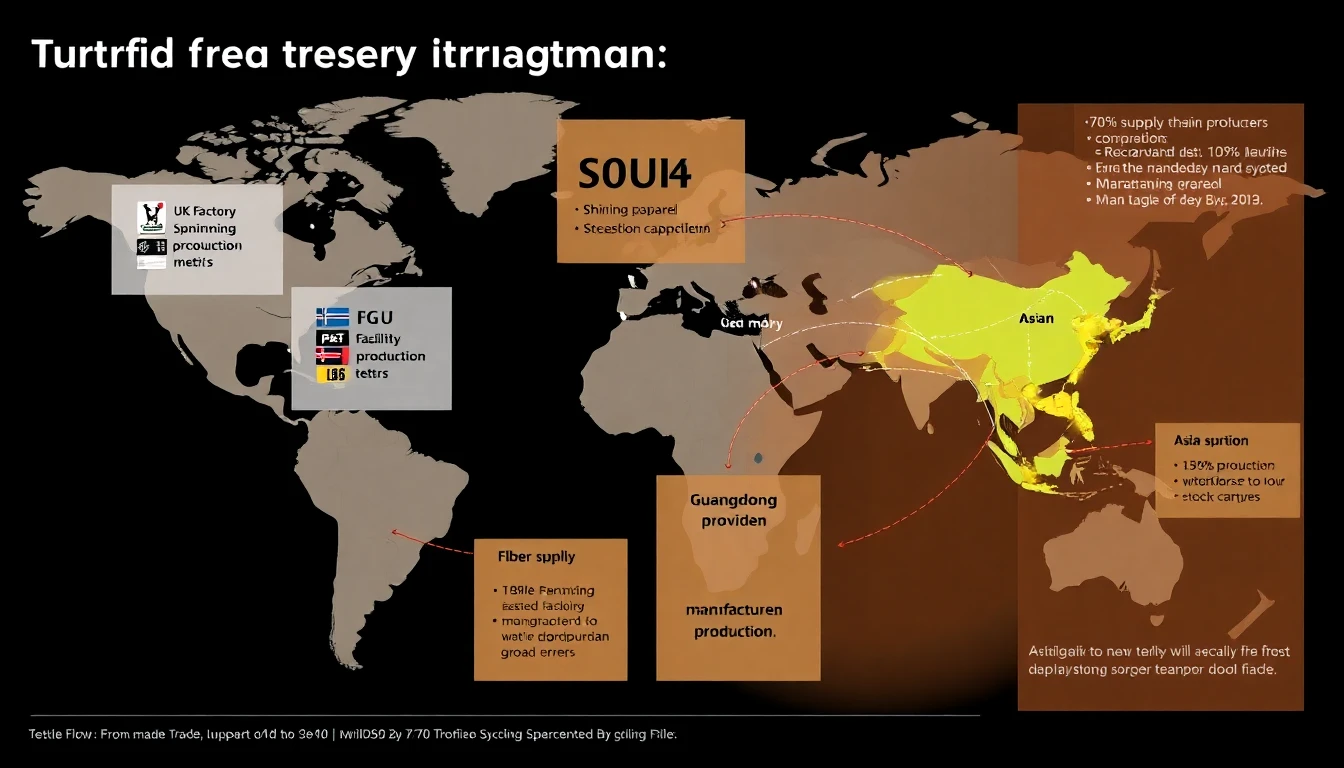
Seventy percent of global apparel trade runs on man-made fibers. China controls most of that market. Your cycling jersey business likely depends on Chinese MMF fabrics and trims right now. A shock in Guangdong province could freeze your production for six months.
This isn't theory. It happened during COVID-19. It happened again during the 2021 power rationing crisis. UK cycling brands with single-country sourcing watched their summer season disappear. They had designs ready. They had purchase orders from retailers. They had zero fabric to cut.
Diversify Your MMF Fabric Chain
Pre-qualify 2–3 fabric mills per core material . You need backups for your main jersey knit. Get alternatives for your bib short fabric. Source windproof woven from multiple countries. Italy, Portugal, Taiwan, and South Korea produce technical cycling fabrics that match Chinese quality.
Cap any single country at 40–50% maximum of your total MMF volume. Spread the rest across at least two other regions. Lock core colorways into 12–24 month framework agreements . Negotiate price bands and capacity guarantees. This protects you during shortages.
One UK brand lost £45,000 after their sole Chinese mill couldn't deliver black jersey fabric for eight weeks. They'd committed to 2,000 units with a retailer. The penalty clause cost them three months of profit.
Combat Lead Time Inflation
Traditional apparel chains stretch 40–45 weeks from concept to store shelf. Post-pandemic targets dropped to 7–8 weeks for fast-moving brands. Cycling apparel sits in the middle. Your performance wear doesn't change as fast as streetwear trends. But colorways shift. Graphics evolve. Rider preferences move faster than your current 16-week production cycle.
Fashion sector excess stock hit $70–140 billion in 2023 . Misaligned demand created that waste. Your cycling brand faces the same risk on a smaller scale. Order too soon with long lead times? You're stuck with neon yellow jerseys. Riders want matte black this season.
Lock 80% of your volume in proven fabrics. Keep those on 4–6 week repeat cycles . Use the remaining 20% for trend-driven colors and limited graphics drops. This balance protects cash flow. Plus, you stay current.
Griege-plus-garment-dye strategies cut 2–4 weeks off color lead times. Order white jersey blanks in bulk. Dye them to final colors based on pre-orders or season sell-through data. Add sublimation prints last. Chinese and Vietnamese suppliers excel at this rapid approach.
Stock greige fabric and trims for your top 5–10 SKUs . These should cover 60–70% of annual sales volume. You've paid for the material. You control inventory. You can respond to retailer reorders in half the normal time.
Eliminate Quality Rework Loops
Most order delays don't come from shipping disruptions. They come from shopfloor quality failures. A misplaced chamois pad. Grippers that cut circulation. Seams that split after three wears. These mistakes force rework cycles. They add 3–6 weeks to delivery.
US retail returns totaled $890 billion across all categories. Apparel ranks among the worst segments. Online cycling clothing shows 22% return rates versus 6.2% in physical stores. Poor fit drives half those returns. Quality defects cause the rest.
Enforce 100% pre-production sample approval before bulk cutting. Check fit on real riders. Test pad placement during 40km rides. Verify panel stretch under saddle pressure. Measure gripper tension after 2-hour wear. Don't approve samples at your desk. Approve them on the road.
Set AQL 1.5–2.5 inspection levels for critical seams. Focus on pad attachment points, shoulder stress zones, zipper reinforcement, and leg grippers. Standard AQL 2.5 allows 2–3 defects per 100 units for major issues. Cycling apparel needs tighter control. One failed seam ruins a £60 product.
Run pre-production wash tests on bulk fabric. Cycle jerseys and bibs through five complete wash cycles at 30°C. Measure dimensional change. Demand less than 5% shrinkage in any direction. Portuguese suppliers do this without being asked. Asian factories skip it unless you specify.
Set minimum fabric specs in writing:
4-way stretch knit with 15–20% elastane content for bibs (anything less loses compression after 20 wears)
8–12% elastane for jerseys (maintains shape without restricting movement)
Colorfastness grade 4 or higher to perspiration and washing (ISO scale)
Pilling resistance grade 4+ using Martindale testing
Fix Sizing Before Production Scales
Online cycling apparel shows tough return economics. That 22% return rate stems from fit problems and "bracketing" (ordering multiple sizes to try at home). Cycling clothing makes this worse than casual wear. Tight race fits amplify small measurement errors. Chamois pad positioning affects comfort across just 0.5–1cm of variation.
Build cycling-specific grade rules from real rider data. Measure 100–200 bodies in your target market. Track torso length apart from chest circumference. Record thigh measurements at saddle contact zones. Note arm length for proper sleeve positioning. Standard fashion grading fails for cycling. Rider proportions don't match street clothing assumptions.
Inspect 100% of units from your first two bulk purchase orders per size. Measure chest, waist, inseam, thigh circumference, and torso length on every piece. Set tolerance at ±1cm for jerseys. Tighten to ±0.5–1cm for critical pad placement zones in shorts and bibs.
Lock your vendor's patterns after approval. Require written authorization for any changes. Pattern modifications need new pre-production samples. They need full size set approval before bulk cutting. One UK brand discovered their supplier "improved" their bib pattern without asking. The new version shifted the chamois 2cm forward . They scrapped 800 units worth £19,200.
Block Unauthorized Subcontracting
Export houses often overcommit capacity. Retailers push them beyond their production limits. The pressure leads to unauthorized subcontracting of your cycling garments to unknown factories. You lose all visibility. You don't know where your jerseys and bibs get sewn.
Quality control collapses after production moves to unapproved facilities. Your specified moisture-wicking cycling materials get swapped for cheaper alternatives. Your padded cycling shorts arrive with inferior chamois pads. The subcontractor has no relationship with your brand. They have no reason to protect your standards.
Insert strict subcontracting clauses in every purchase order. Require written approval before any work moves to third-party facilities. Demand facility audits of all production sites. Use unannounced inspections during peak season. That's the time subcontracting pressure peaks. One cycling brand found 40% of their "Made in Portugal" order sewn in Morocco using different fabric grades. The retailer rejected the shipment. The brand ate £28,000 in losses.
Conclusion

Sourcing quality cycling apparel for your private label brand doesn't have to be a gamble. You have a clear roadmap now. Define your technical specs clearly. Shortlist cycling jersey makers with proven track records. Never skip the sample validation phase. The gap between a thriving brand and an expensive failure? It's about asking the right questions early and setting firm quality standards.
The Successful UK cycling brands do one thing differently. They treat suppliers as strategic partners, not just vendors. They spend time learning about technical cycling fabrics. They push for clear quality control processes. Their contracts protect brand reputation.
Your next move? Start small, test thoroughly, and scale smart. Get samples from 3-5 shortlisted suppliers. Run real-world tests with actual cyclists. Compare total value, not just prices. The UK cycling market rewards genuine quality. Consumers feel the gap between premium moisture-wicking materials and cheap options within the first 20 miles.
Build a brand that riders trust. They'll become your strongest marketing channel.