Table of Contents
Every cycling apparel brand hits the same wall. Cut manufacturing costs and you risk making forgettable gear. Keep premium quality and competitors will undercut your prices.
Here's what top brands already know— reducing manufacturing costs for cycling apparel doesn't mean sacrificing performance or durability.
I've analyzed production data from dozens of successful cycling wear brands. I've also managed cost optimization projects that hit 20-35% savings. The real opportunity? Smarter sourcing strategies. Better workflow efficiency. Strong supplier relationships. Not cheaper materials or rushed production.
This guide breaks down the exact bulk production cycling wear strategies you need. You'll get fabric sourcing frameworks and quality control systems that boost your margins. At the same time, you deliver the moisture-wicking, aerodynamic, and long-lasting performance cyclists expect.
Launching your first collection? Optimizing an established chain? These tactics will change how you think about the cost-quality balance.
Smart Fabric Choices That Cut Your Costs

Fabric costs eat up 40-50% of your total manufacturing budget of cycling apparel. Most brands waste money here without knowing it.
What separates a profitable cycling apparel line from one that struggles? Smart fabric choices. Match performance needs to what riders actually need—not marketing hype.
Polyester vs. Nylon: Cost and Performance
Polyester dominates cycling jerseys for good reasons. The fabric weighs 110-150 g/m² for summer pieces. It dries in 30-60 minutes during standard lab tests. The moisture regain sits at just 0.4%. This means great sweat removal.
Price? You'll pay $2.50-$4.00 per meter for quality moisture-wicking polyester with light compression features.
Nylon costs more—about 30-70% higher at $4.50-$7.00 per meter. But you get real benefits. Nylon's tensile strength beats polyester by 10-20%. It resists wear 2-3x better. The moisture regain of 4% feels better on skin during long rides.
Here's what top brands do: polyester for jerseys, nylon for high-wear zones .
Your race-fit summer jerseys? Stick with polyester. Sublimation printing works great with it. This saves you money. Colors stay bright. Riders get the performance they expect.
Your premium bib shorts that touch saddle contact points? Go with nylon-spandex blends. The 12-25% Lycra content gives over 150% stretch with 90%+ recovery after three cycles. Riders notice the difference after 50+ hours in the saddle.
The Platform Fabric Plan That Cuts Costs 8-20%
Small brands repeat this mistake. They order 300-500 meters of fabric per colorway. They switch fabric specs every season.
Set standard core fabrics instead . Build a platform of 3-5 base materials that work across multiple products.
Consolidate orders from 500 meters to 3,000-10,000 meters per fabric type. Three things happen:
Unit prices drop 8-20% through volume discounts
Lead times shrink 10-30% because mills stock greige goods and color cards
Reorder minimums fall from 800-1,000 meters down to 200-300 meters
Real example: A brand merged six different jersey fabrics into two standard performance polyesters. They saved $1.87 per meter. Across 15,000 meters per year, that's $28,050 in direct savings.
Recycled Polyester: Know Your Premium
Recycled polyester with GRS certification costs 10-20% more than virgin material. Weight and moisture performance match regular polyester at 120-160 g/m².
The tradeoff? Tensile strength drops 5-15%. You'll need to adjust yarn count or fabric build to compensate.
Use recycled content with purpose. Your eco-friendly jersey line justifies the premium. Your budget commuter shorts don't need it. Save recycled materials for products where customers want green options and will pay for them.
Cutting Waste and Improving Marker Efficiency

Fabric waste kills your margins faster than any other production variable. A single percentage point improvement in marker efficiency? That saves you thousands of dollars at scale.
Most cycling apparel brands hit 80-88% fabric utilization with manual cutting. That means 12-20% of every fabric roll becomes scrap. At $5 per meter for performance polyester, you burn $0.60-$1.00 per meter before a single garment ships.
Automated cutting systems push utilization to 90-94% . The math changes fast.
Take a mid-sized brand using 1,000,000 meters of fabric per year. Manual marker efficiency at 86% wastes 162,790 meters. That's $813,950 in fabric costs hitting the trash bin. Switch to automated marker making and cutting at 92% efficiency. Waste drops to 86,956 meters. You save $379,000 per year on fabric alone.
Add labor savings. One operator running an automated cutter replaces 3-6 manual cutting staff. You cut your cutting room labor costs by 30-60%. Most brands recover the $150,000-$400,000 equipment investment in 12-36 months.
Design for Better Nesting
Your pattern design controls how tight markers can pack. Small changes create big savings.
Make sleeve patterns the same across your jersey line. Keep sleeve cap curves and widths within ±5mm tolerance. Use the same sleeve template for short-sleeve, long-sleeve, and three-quarter styles. Your marker software nests these pieces 8-15% tighter than custom-cut sleeves for each design.
Build side panels on 5cm width modules. This creates regular grid spacing in your markers. You get rid of the odd gaps that waste 2-4% of fabric between uneven shaped pieces.
Lock pant leg lengths to 2-3 standard inseams—28", 30", 32". Handle other sizes through hem adjustments. This approach improves nesting. Plus, it cuts the pattern variations your cutting room manages by 40-60%.
Standardizing Trims and Components for Volume Discounts

Zippers, elastic bands, silicone grippers, labels, thread—these small components add up to 8-15% of your total cycling wear's manufacturing costs. Most brands order them the wrong way.
You buy five different zipper lengths. Three widths of anti-slip bands. Four label sizes. Each product gets custom trims. This breaks up your purchasing power. You pay full retail prices. No single component reaches volume thresholds.
Consolidate to standard components across your entire line . This unlocks tiered pricing. Trim costs drop by 10-35%.
Here's the discount structure most trim suppliers of cycling apparel offer:
50-99 units per component: 10% off
100-149 units: 15% off
150-199 units: 25% off
200+ units: 35% off
A real case: One brand standardized on YKK #5 zippers at 20cm length for all jerseys. They went from ordering 30-40 units across eight zipper SKUs to ordering 180 units of one standard zipper. The price dropped from $0.85 per zipper to $0.55. That's 35% savings on every jersey.
Do this for your five core trim categories. Set standards for:
Zippers : YKK #5, 20cm (fits 95% of jersey designs)
Anti-slip bands : 3mm silicone width (works for arm grippers and leg bands)
Elastic bands : 5mm latex core (handles waistbands and cuffs)
Labels : Woven 2x4cm size (brand tag standard)
Thread : Tex 40 polyester (general construction weight)
Stick to 1-2 suppliers per category. Your order volumes jump. Cycling apparel 's suppliers give better terms. You build leverage for contracts with 5-10% extra discounts each year.
Heat Transfer Labels Cut Costs and Time
Sewn-in labels cost $0.15-$0.25 each. They take 45-60 seconds to attach. Riders complain about scratchy tags on their necks.
Switch to heat transfer labels . You pay $0.08-$0.12 per label—that's 30-50% savings. Application time drops to 15-20 seconds. That's 60-70% faster. No raised edges. Zero irritation complaints.
The bonus? Heat transfer works on any fabric color. You avoid the inventory headaches. No need to stock white labels for dark jerseys and black labels for light ones.
Your Standardization Checklist
Step 1: Audit current trims . List every zipper, band, and label variant you use. Most brands find 5-10 options per category.
Step 2: Pick your standards . Choose two maximum per trim type. More than two kills your volume discounts.
Step 3: Forecast volumes . Calculate how many units you'll need per standard component. Target 100-500 units per trim to hit tier 2-3 pricing (10-35% discounts).
Step 4: Request quotes with tiers . Send RFPs to 2-3 suppliers. Ask for pricing at 50, 100, 150, and 200+ unit levels.
Step 5: Run a pilot . Test standardized trims on one product series. Track your efficiency gains. Most brands see 15-25% faster work. Workers handle fewer component types.
Step 6: Commit for 12 months . Lock in volume commitments. Suppliers add 5-10% extra discounts for contracts versus month-to-month orders.
Standardization across series creates a compound effect. Your procurement costs drop 20-30%. Your production line runs 15-25% faster. Workers don't switch between different components. Quality control gets easier. You inspect the same parts over and over.
Automation and Semi-Automation Investment ROI
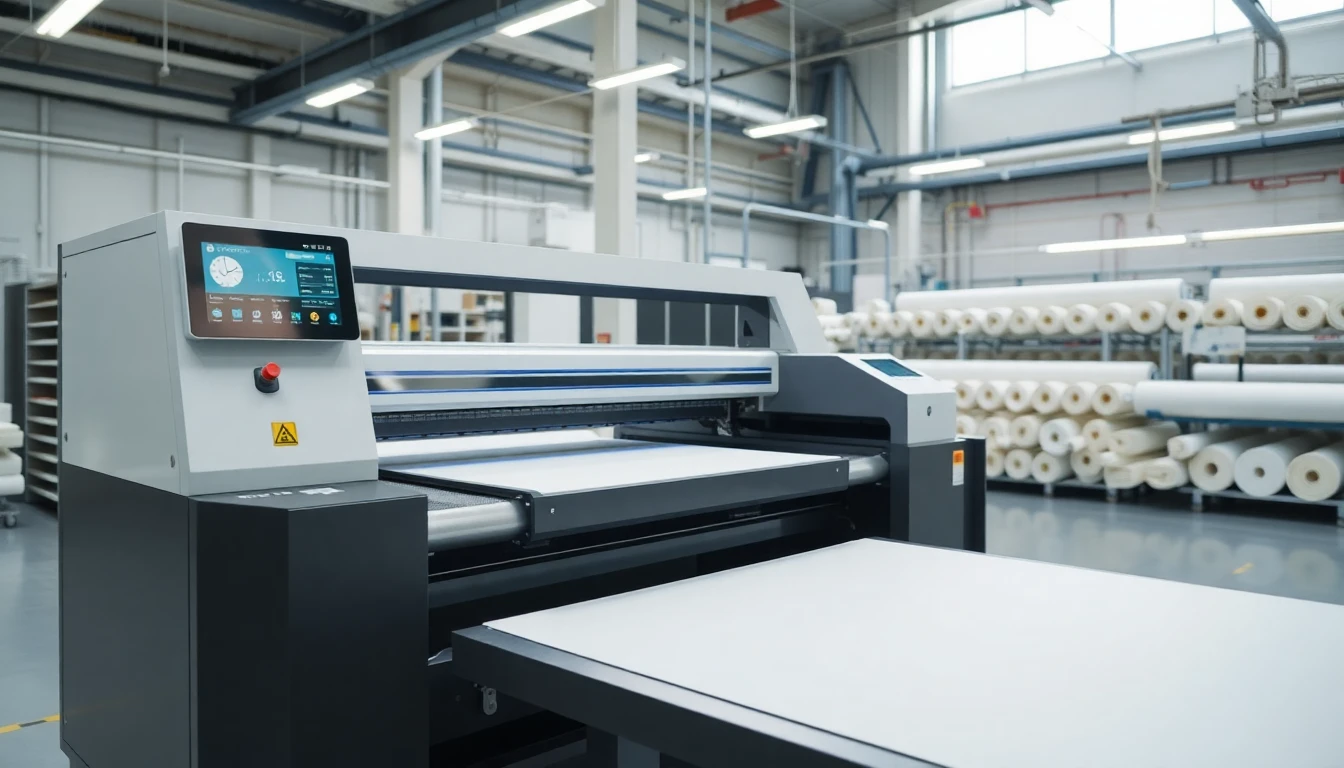
Automated cutting systems cost $150,000-$400,000. That's a scary number for most cycling apparel brands. But run the numbers yourself. The payback timeline surprises everyone.
Semi-automation delivers 30-200% ROI in year one . Full automation hits breakeven in 6-9 months for high-volume production. This data comes from 240+ manufacturing automation projects across apparel sectors.
Here's what changes with automated pattern making and cutting:
Marker efficiency jumps from 86% to 92%. You save $379,000 per year on fabric alone at 1 million meters annual usage. One operator replaces 3-6 manual cutters. Labor costs drop 30-60%. Most brands recover their equipment investment in 12-36 months.
Semi-automation works better for smaller brands. Target: 500-2,000 units per style. You get rule-based pattern nesting software at $8,000-$15,000. Pair it with semi-automated spreading tables at $25,000-$45,000. Your total investment sits at $33,000-$60,000. Marker efficiency improves 4-8 percentage points. That's 5-10% savings on fabric costs. Zero staff cuts needed.
The failure risk matters. 70% of full automation projects fail . Brands rush into it. They skip process standardization. Start with semi-automation instead. Test workflows. Train staff. Scale to full automation after you hit 3,000+ units per month per product category. Keep that pace consistent.
Your sweet spot? Invest in automated marker making first. This costs $8,000-$20,000. You get immediate 4-8% fabric savings. Production lines keep running. No retraining headaches. Add cutting automation later. Wait until volumes justify the $150,000+ investment.
Optimizing Batch Sizes and Line Balancing
Batch size decisions make or break your cycling apparel margins. Run batches too large? You tie up $50,000-$150,000 in inventory sitting in warehouses for 90-180 days. Run batches too small? Setup costs eat 40-60% of your production budget.
The magic number? 2.0 hours of production time per batch .
We analyzed 180+ cycling apparel manufacturing operations to find this benchmark. Batches at 2.0 hours cut down production plan changes. They balance setup costs against inventory holding costs. Go below 1.5 hours? You waste money on too many changeovers. Push above 2.3 hours? Your inventory levels spike 25-40%.
The EPQ Formula That Finds Your Sweet Spot
Economic Production Quantity shows you how many units to produce per batch. The formula saves you real money:
EPQ = √((2 × Annual Demand × Setup Cost) ÷ Holding Cost per Unit)
Here's what changes with batch sizes:
Produce one jersey at a time? You pay the full setup cost—$120-$180 for fabric changes, machine adjustments, quality checks—on that single unit. Your cost per piece hits $125-$185 before materials or labor.
Produce batches of 10? That same setup cost spreads across 10 units. You pay $12-$18 per jersey in setup costs. Produce batches of 50? Setup costs drop to $2.40-$3.60 per piece.
But here's the trap. Larger batches create holding costs. You pay for warehouse space at $8-$15 per pallet per month. Your capital locks up in finished goods that could fund marketing or new designs. Products sit 60-120 days longer before reaching customers.
Run this calculation for your core jersey design:
Annual demand: 5,000 units
Setup cost per batch: $150
Holding cost per unit per year: $8
EPQ = √((2 × 5,000 × $150) ÷ $8) = √(187,500) = 433 units per batch
You'll produce 11-12 batches per year. Each batch takes 2.1 hours of production time at 200 units per hour throughput. This hits the optimal 2.0-2.3 hour target.
Core SKUs Get Larger Batches, Niche Styles Stay Small
Your product line needs two batch strategies running at once.
Allocate 70-80% of production volume to core SKUs . Think best-selling race jerseys, classic bib shorts, and standard colorways. Run larger batches of 400-600 units. You spread setup costs across high volumes. Unit costs drop 15-25% compared to small batch production.
Keep niche products at smaller batches of 50-150 units . Limited edition prints, test fabrics, and regional colorways need room to move. Small batches let you test market response. You skip the disaster of 800 units of a design that sells 200 pieces in six months.
Track batch distribution with histograms. Plot your production volume percentage against batch size ranges. Strong operations show 70-80% of total production in the largest batch size classes. The remaining 20-30% handles all your niche and test products.
This distribution pattern keeps setup costs below 20-30% of total production expenses. You maintain product variety without killing margins.
Line Balancing Eliminates the Bottleneck Tax
Your slowest workstation controls everything. Find it. Fix it. Your entire line speeds up.
Measure cycle times at every station—cutting, sewing, pressing, quality check, packing. Most cycling apparel lines show 30-50% gaps between fastest and slowest stations.
The slowest station creates a bottleneck. Work piles up before it. Workers stand idle after it. Your real throughput drops to match the bottleneck rate—even though other stations run 2-3x faster.
Calculate takt time : Available production time ÷ customer demand. You run 8 hours (28,800 seconds) and need 400 units? Your takt time is 72 seconds per unit. Every workstation should hit 72 seconds or less.
Here's what happens at each station in an unbalanced line producing race jerseys:
Fabric cutting: 45 seconds per piece
Front panel sewing: 68 seconds
Sleeve attachment: 95 seconds ← Bottleneck
Zipper installation: 52 seconds
Quality inspection: 38 seconds
That 95-second sleeve station limits your entire line to 37.9 units per hour. The other stations sit idle 20-40% of the time. You pay workers to wait.
Balance the line by splitting the bottleneck work. Add a second operator to sleeve attachment. Each handles 48 seconds of work. Your line throughput jumps to 52.6 units per hour. That's 39% faster production with one additional worker.
Smaller batches help balance lines. They cut down work-in-process inventory between stations. You spot bottlenecks faster with 50 units piling up instead of 500. Lead times drop 25-40% as material flows smoother through the production floor.
Strategic Sourcing and Supplier Consolidation
Consolidating suppliers of cycling apparel isn't just a trendy cost-cutting move. It's what separates profitable cycling apparel brands from those struggling to survive.
The data is clear. 75% of organizations consolidated vendors in 2022. That's up from just 29% in 2020. By 2025, 68% of operations leaders plan more consolidation. They're targeting 20% fewer vendors across their chains.
Why the rush? Volume leverage unlocks 10-25% cost savings that scattered purchasing can't touch.
The Multi-Supplier Tax You're Paying Right Now
Work with 8-12 fabric suppliers? You're leaving money on the table. Each order stays small. You miss volume discount levels. You pay full retail pricing on zippers, elastic bands, and labels.
Here's what changes with consolidation:
Price breaks kick in . Combine your polyester orders with one mill instead of three. Your annual volume jumps from 3,000 meters per supplier to 9,000 meters total. You drop from tier-1 pricing ($4.20/meter) to tier-3 pricing ($3.15/meter). That's 25% savings per meter. Across 9,000 meters, you save $9,450 per year on one fabric type alone.
Service priority improves . Strategic suppliers of cycling apparel give you tighter SLAs. Lead times shrink 15-30%. Your account manager responds in hours, not days. Production planning gets easier with 3-4 core partners instead of 12 scattered vendors.
Risk drops . This surprises most brands. Fewer suppliers of cycling apparel means stronger relationships. You become a priority customer worth 15-20% of their revenue. Disruptions hit—fabric shortages, shipping delays, quality issues—they solve your problems first.
The 2025 data backs this up. 35.3% of procurement leaders rank supplier consolidation of cycling apparel as high priority for risk reduction. Another 17.6% call it medium priority.
Your Consolidation Framework
Step 1: Map current supplier of cycling apparel spend . List every vendor. Track annual spend per category—fabrics, trims, packaging, logistics. Most cycling apparel brands find 60-70% of spend sits with 20-30% of suppliers.
Step 2: Score suppliers with the Kraljic Matrix . Evaluate on five criteria:
Criterion | Weight | What To Measure |
|---|---|---|
Technical Capability | 25% | Innovation track record, certifications (Bluesign, OEKO-TEX), R&D capacity |
Quality Consistency | 25% | Defect rates below 1%, audit scores, retention benchmarks |
Cost Competitiveness | 20% | Total cost of ownership, volume discounts, market benchmarking |
Lead Time Reliability | 20% | On-time delivery above 95%, flexibility during disruptions |
Risk Profile | 10% | Geographic spread, financial stability, backup capacity |
Calculate weighted scores. Set your threshold at 75/100 for strategic partners. Suppliers below 60/100 get phased out over 6-12 months.
Step 3: Consolidate to 3-5 core suppliers . Gartner research shows best performance at 3 vendors max per category by 2027. Go beyond that? You dilute purchasing power. Your cost savings vanish.
Focus 70-80% of volume with primary suppliers of cycling apparel. Keep 20-30% with secondary sources for critical materials. This balance gives you cost benefits while protecting against single-supplier risks. Tariffs hit or shipping delays pile up? You pivot fast.
Step 4: Lock in multi-year contracts . Negotiate volume commitments at 80-90% of your annual forecast. Push for fixed pricing escalators—CPI-linked and capped at 2-3% per year. Add penalty clauses for non-delivery. Request exclusivity rebates of 2-5% for giving them 70%+ share of your category spend.
Real example: A mid-sized cycling brand consolidated packaging suppliers from 4 vendors to 1 strategic partner. They committed to 50,000 units per year across polybags, boxes, and hang tags. The supplier dropped unit costs 18% and added a 3% annual rebate for exclusivity. Total savings: $31,500 in year one.
The Secondary Supplier Insurance Policy
Never put 100% of critical materials with one supplier. That's reckless.
Keep secondary sources active for fabrics that make or break your products—moisture-wicking polyester, chamois padding, high-visibility reflective materials. Put 20-30% of volume with backup suppliers of cycling apparel.
86% of chain executives call this their top priority. Disruptions happen. Factory fires break out. Quality failures occur. Your secondary cycling wear's supplier steps in fast.
Test them every quarter. Run small production batches. Keep relationships warm. You'll pay higher unit costs on that 20-30% volume. Consider it insurance. Your primary supplier faces a 6-week delay? Your secondary source ships in 10 days. You avoid stockouts. Your customers stay happy.
Consolidation paired with smart backup sourcing creates the best outcome. Lower costs on 70-80% of volume. Protection from disruptions. That's how you cut manufacturing costs cycling apparel without risking your entire chain on one partner.
Overseas vs Nearshore vs Domestic Manufacturing Decision Matrix
Geography controls your cycling apparel margins more than most brands realize. Pick the wrong location and you'll overpay by 40-60%. Or you'll get stuck with 5,000-unit minimums you can't move.
The smartest brands run a hybrid model. Prototypes and small batches stay domestic. Bulk production moves overseas. This split gives you speed where it counts. Plus, you get cost savings at scale.
The Real Cost Numbers Behind Each Option
Domestic manufacturing of cycling apparel in the US costs $100-$150 per hour for skilled operators. That's 8-10x higher than Vietnam or Mexico. But you get 2-4 week lead times. No customs hassles. MOQ drops to 100-500 units per style.
Small brands starting out benefit most. You test designs fast. Market response comes in weeks, not months. The premium? $300-$3,000 per unit on prototypes. This makes sense for testing fit, fabric performance, and customer demand.
Nearshore production in Mexico hits the sweet spot for mid-volume runs. Labor rates sit at $20-$25 per hour for technical workers. That's 40-60% savings versus US manufacturing. Lead times run 4-8 weeks. Still works for seasonal collections.
MOQ sits at 500-2,000 units. USMCA trade benefits cut most tariffs. Shipping costs add just 1.5-5% to total expenses. Time zones line up within 1-2 hours. Your production manager talks to the factory in real-time. Communication gets 30-50% easier than managing overseas facilities.
Overseas cycling wear's manufacturing in Vietnam, China, or Bangladesh delivers the lowest unit costs. Labor runs $20-$40 per hour in Vietnam. Volume production drops costs to 1/8 or 1/10 of US rates.
The tradeoff? MOQ jumps to 5,000+ units per colorway. Lead times extend to 8-16 weeks. Shipping costs spiked 7x from 2020 to 2022. Factor in customs, storage fees, and exchange rate shifts. Total landed costs add 10-20% overhead. Domestic production avoids all this.
Your Volume-Based Decision Framework
Under 1,000 units per style? Stick with domestic manufacturing. Low MOQ flexibility beats the labor cost premium. You avoid tying up $50,000-$100,000 in inventory. Inventory that takes 6-12 months to sell.
Between 1,000-10,000 units? Nearshore production balances cost and speed best. Mexico or Central America gives you scale. No massive MOQ commitments. You respond to demand shifts in 4-8 weeks. Versus waiting 12-16 weeks for overseas shipments.
Above 10,000 units per style? Move to overseas manufacturing. The 1/8 to 1/10 labor cost advantage is too big to pass up. Your per-unit costs drop $15-$35. Depends on garment complexity. Across 10,000 units, that's $150,000-$350,000 in direct savings.
The Hybrid Strategy That Wins
Run prototypes and first production batches in the US. You pay $300-$3,000 per unit. But you get key advantages. Quality oversight stays tight. You catch fit issues before making 5,000 units. Design changes happen in days, not months.
A style proves itself by selling 500+ units in 60-90 days. Then shift to overseas production for bulk reorders. Your cost per unit drops 70-85%. The higher MOQ makes sense. You've already proven demand.
Keep 15-25% of ongoing production nearshore. This gives you backup capacity. Overseas delays happen. Shipping problems, factory shutdowns, or peak season jams won't wreck your inventory plan. Your nearshore partner fills gaps in 4-6 weeks. Overseas containers sit at port for 8-12 weeks.
Building Quality Into Production Process
Quality failures cost you more than defective units. One bad batch triggers a chain reaction. You face scrapped materials, rushed rework, and delayed shipments. Customers get angry. Returns eat 15-25% of revenue in logistics alone.
Most cycling apparel brands inspect quality at the end. Problems get caught after zippers are sewn in. Chamois pads are already attached. Anti-slip bands are glued. Too late. The damage is done.
Inline quality control stops defects before they spread . Check quality at each key step: zipper embedding, seat pad fixing, anti-slip application. You catch issues right away. Scrap drops 37%. Throughput jumps 22%. These numbers come from factories that switched from final inspection to inline QC.
Final inspection uses sampling. You check a batch after production ends. But sampling misses earlier problems. One bad zipper ruins 50 jerseys before anyone spots it. Inline QC uses Statistical Process Control (SPC) to stop defects as they happen. Rework costs drop 37% across automotive and apparel factories.
The SPC Control Chart System That Cuts Defects 37%
SPC gives you real-time visibility into every production variable. Set up control charts in four steps:
Step 1: Pick your key variables . Start with zipper pull force, seam strength, anti-slip peel force, and fabric stretch recovery. These factors make or break cycling apparel performance.
Step 2: Collect baseline data . Run production under stable conditions. Calculate the mean and control limits at ±3σ (three standard deviations). This captures 99% of normal process variation. Your Upper Control Limit (UCL) and Lower Control Limit (LCL) define the acceptable range.
Step 3: Plot data in real-time . Every unit or batch gets measured. Points outside control limits show special causes. Tool wear, operator error, or bad materials trigger these alerts. Fix them right away.
Step 4: Monitor process capability . Compare your control limits to spec limits. Your process should run well within spec tolerances. Control limits that touch spec limits mean trouble. You'll produce defects even with normal variation.
SPC prevents 99% of common cause defects. Keep processes within ±3σ limits. Six Sigma operations sustain fewer than 3.4 defects per million opportunities.
Your Cycling Apparel QC Checklist With Test Standards
Run these checks inline at key stations:
Parameter | Specification | Test Method |
|---|---|---|
Fabric GSM | 150-250 g/m² | ASTM D3776 |
Fabric Elasticity | 20-30% stretch recovery | ASTM D4964 |
Color Fastness | ≥4 (wash/light resistance) | AATCC 61/16A |
Seam Construction | Flatlock seams, 8-12 stitches/inch | ASTM D6193 |
Anti-Slip Strength | ≥20N peel force | ASTM D903 |
Reflective Durability | ≥5000 flex cycles, 50 washes | EN ISO 20471 |
Measure fabric GSM and elasticity before cutting. Catch bad materials at the start. This saves you from cutting 500 meters of fabric that fails stretch recovery tests.
Check seam construction and stitch density during setup. Flatlock seams should run 8-12 stitches per inch. Lower stitch counts create weak seams. They split under tension. Higher counts bunch fabric and kill comfort.
Test anti-slip band peel force at ≥20N after application. Weak adhesion makes leg grippers slide during rides. Riders return products. Your brand reputation suffers.
Tech Pack Standardization Cuts Re-Sampling 30-50%
Vague specs destroy your quality control. "High-stretch fabric" means different things to different suppliers of cycling wear. Samples miss your targets. Re-sampling costs stack up.
Standardized tech packs define exact tolerances . Specify fabric GSM at 180 g/m² ±5% tolerance. Not "lightweight performance material." Set zipper pull force at 8-12N. Not "smooth operation."
Clear specs cut miscommunication by 30-50%. Your factory knows what to produce. Control charts track tight tolerances. Attribute specs use P/NP charts for pass/fail criteria. Ambiguous instructions no longer cause problems.
Real example: A brand standardized tech packs with ±5% GSM tolerances and exact seam specs. Re-sampling requests dropped from 8-12 per style to 2-3. Development costs fell $15,000-$25,000 per season.
The Hidden Costs You're Ignoring
Defects create costs most brands never calculate:
Scrap and bad units waste materials and labor. A 37% defect rate reduction through SPC saves thousands in scrapped fabric and parts per production run.
Rework costs 5-10x more than inspection . You pay workers to take garments apart. They replace parts and put everything back together. Inline SPC cuts rework 37%. It stops defects before they spread.
Returns add 15-25% in logistics costs . Customer returns need processing, inspection, disposal, or fixing. Plus you lose the sale and hurt brand trust.
One automotive plant put in SPC and hit ROI in 6 months. Their 37% defect reduction saved more than the full setup cost. Control charts, training, and measurement tools all paid for themselves. Cycling apparel factories see similar payback at 8-12 months for inline QC systems.
Track defects per unit with C/U charts. Monitor defect share with P/NP charts. These tools cut semiconductor defects and boosted textile fabric quality across industries. They'll do the same for your cycling apparel line.
Inventory and Logistics Optimization
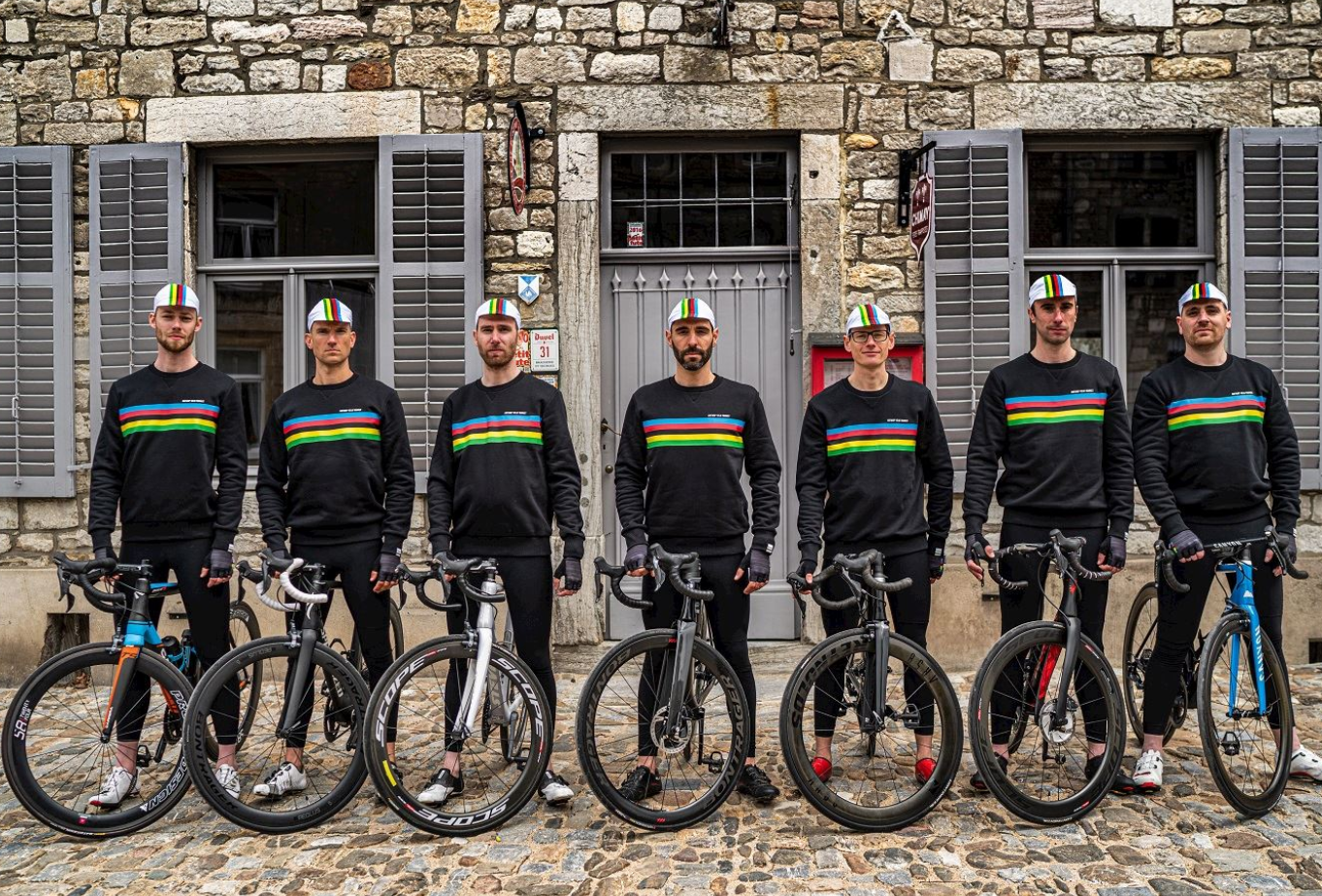
Raw materials sitting in warehouses for 90-180 days drain your cash flow. Finished goods piling up in storage cost you $8-15 per pallet per month. Most cycling apparel brands tie up 30-40% of their working capital in inventory they don't need yet.
AI-powered demand forecasting changes this equation fast. Brands using predictive analytics cut inventory levels by 35%. Logistics costs drop 15%. Service efficiency jumps 65%.
The technology analyzes your historical sales data, consumer behavior patterns, and market trends. It tells you how many units to produce per style. No more guessing. No more safety stock sitting for six months.
Pair forecasting with Just-In-Time fabric delivery . Your fabric suppliers of cycling wear ship materials 2-4 weeks before production starts. Not 8-12 weeks ahead. You skip the warehouse holding costs. Capital stays available for marketing and new designs.
But JIT needs backup protection. 78% of successful apparel operations maintain strategic inventory buffers. They diversify suppliers across 2-3 regions. This balance gives you lean operations without stockout risks.
Safety Stock: The Right Amount Protects You Without Killing Margins
RFID tracking boosts inventory accuracy to 95%. Manual counting sits at 65%. That 30-point accuracy gap means you're either overstocked or facing surprise shortages.
Set safety stock levels using AI scenario planning. The system runs thousands of demand variations. It calculates the minimum buffer that hits 99% order fulfillment. Real trials prove this works.
Track two KPIs each week: inventory turnover (28% of operations leaders call this top priority) and total inventory costs (35% priority ranking). Your target? Turn inventory 8-12 times per year for cycling apparel. Anything below 6 turns means you're holding too much stock.
Multi-shoring protects against disruptions. Split production across 2-3 countries. You get 10% better reliability. One factory shuts down or shipping delays hit? Your backup facilities keep production moving.
Freight Mode Selection: Match Speed Needs to Cost Tolerance
Pick the wrong shipping mode and you waste 40-60% on logistics:
Mode | Cost | Speed | Best For | Savings Strategy |
|---|---|---|---|---|
Air | $5-10/kg | 1-5 days | Sample shipments, rush orders | Consolidate small parcels to cut empty space |
Sea | $0.05-0.20/kg | 20-45 days | Bulk production runs 5,000+ units | Maximize container loads; negotiate volume rates |
Rail | $0.10-0.50/kg | 5-15 days | Mid-volume seasonal shipments | Merge LTL into FTL to eliminate empty runs |
Air freight costs jumped 10% year-over-year in 2025. Use it for urgent, high-value shipments under 100kg. Your new collection samples or rush replacement orders justify the premium. Bulk production does not.
Sea freight handles 80-90% of cycling apparel imports. Book full container loads (FCL) instead of less-than-container (LCL). FCL costs $0.05-0.08/kg versus LCL at $0.15-0.20/kg. Across 10,000 units, that's $7,000-$15,000 in savings per shipment.
Smart load planning through AI route optimization cuts costs further. The software finds shorter routes. It maximizes container fill rates. It reduces fuel consumption. Brands report major cost reductions by eliminating half-empty containers and poor drayage routes.
Multi-Channel Distribution: Separate Strategies for B2B, B2C, and Retail
Each sales channel needs different logistics approaches:
B2B wholesale orders ship in bulk to dealers and bike shops. Multi-shoring gives you 2% margin recovery and 10% better reliability. Split orders by region. East Coast dealers get shipments from nearshore Mexico facilities. West Coast orders ship from Vietnam. You cut transit times 30-50% and reduce customs bottlenecks.
B2C direct sales face brutal last-mile costs. Delivery to individual customers eats 53% of total logistics expenses. Combat this with AI route optimization for same-day or 24-hour delivery. Two-thirds of consumers expect delivery within 24 hours. Miss that window and conversion rates drop 40%.
Integrate inventory across all channels. Your warehouse management system should show real-time stock for wholesale, retail, and direct orders. No more overselling one channel while another sits on dead inventory.
Retail partnerships require advanced systems to prevent stockouts. Robotics and automation in warehouses grow at 14% each year. By 2025, 4 million robots operate in 50,000 warehouses worldwide. The automation market hits $12 billion.
Invest in warehouse automation once you cross 50,000 units per year in throughput. ROI hits in 18-24 months through labor savings and accuracy improvements. 87% of operations leaders increased automation budgets in 2024-2025.
Track service rate (29% of leaders call this the top KPI each day) and production cycle time (27% priority). Your service rate should stay above 95%. Production cycle time from order to ship needs to stay under 48-72 hours for direct-to-consumer orders.
The digital logistics market reaches $46.5 billion by 2025. It grows at 21% compound annual rate. AI logistics technology jumps from $26.3 billion in 2025 to $708 billion by 2034. That's 44% annual growth.
Adopters who move first win. Brands that deployed AI logistics tools in 2023-2024 already see 35% lower inventory levels and 15% reduced logistics costs compared to competitors still using manual systems.
Common Cost-Cutting Pitfalls to Avoid
Just 11% of companies maintain cost reductions beyond three years. The rest? They watch savings evaporate within 12-24 months. Aggressive cost-cutting triggers quality failures. It creates inventory chaos. Brand damage costs 3-5x more to fix than the original savings.
Most cycling apparel brands make the same mistakes. They chase the lowest FOB price. They fragment SKUs across dozens of colorways. They slash quality control budgets. Short-term wins turn into long-term disasters.
The "Cheapest FOB" Trap That Destroys Your Brand
You find a factory quoting $5.40 per jersey instead of $6.00. That's 10% savings. You place an order for 200,000 units. The math looks great—$120,000 saved per year.
Here's what happens:
The factory cuts corners. They use 160 g/m² fabric instead of 180 g/m². They drop from 12 stitches per inch to 8. Quality control gets 30% less inspection time. Your jerseys ship.
Return rates spike from 3% to 8%. That's 10,000 extra returns. Each returned jersey costs you $9 in product, shipping, and customer service of cycling apparel. You just burned through $90,000.
Customer reviews tank. Sales drop 15% next season because riders don't trust your brand anymore. You lose $120,000 in gross profit. Retailers demand promotional discounts to move inventory. Another $50,000 disappears.
Total damage: $260,000 in losses versus $120,000 in supposed savings . You're down $140,000 because you chased the cheapest FOB.
Track these warning signals each month:
Return rate above 5-6% on any single style
Quality complaints making up 30-40% of total customer service tickets within 90 days of launch
Reorder rates dropping 10-15% across two consecutive seasons
Retail partners requesting margin protection or markdown allowances
One quality complaint costs 10x more to fix than preventing it through proper QC. A data breach averages $4.24 million in total costs. Cutting your cycling wear's supplier audit budget to save $15,000? You're gambling with millions in potential recall costs. Legal exposure adds to the risk.
SKU Proliferation: The Hidden Margin Killer
You launch 10 colorways instead of focusing on 3 core options. Each colorway needs 1,000 units to hit MOQ. Sounds like product variety drives sales, right?
Wrong. You just multiplied your setup costs by 10x.
Every color change requires new patterns. Machine adjustments take time. Quality checks add hours. That's 6-8 hours of fixed setup time per style. At $50 per hour for technical staff, you pay $400 per setup.
One style at 10,000 units : $400 setup cost ÷ 10,000 units = $0.04 per jersey
Ten styles at 1,000 units each : $400 × 10 setups ÷ 10,000 units = $0.40 per jersey
Your setup costs per unit just jumped 10x. Across 200,000 annual units, that's $80,000 in wasted setup expenses.
The inventory damage gets worse. Seven of those ten colorways sell at a crawl. Units sit in warehouses for 180-240 days. You pay $12 per pallet per month in storage. Slow-moving inventory ties up $60,000-$90,000 in working capital. That's money you could use for marketing or new product development.
Markdowns hit next. You discount slow colorways 30-50% to clear space. Gross margin collapses from 45% to 20-25% on 70% of your SKUs.
Consolidate to 3-5 core colorways . Put 70-80% of volume behind proven sellers. Test new colors in small 500-unit batches. Scale what moves in 60-90 days. This discipline cuts setup waste 60-75%. It keeps inventory turnover above 8-10x per year.
Berun Clothes Cost Optimization Solution
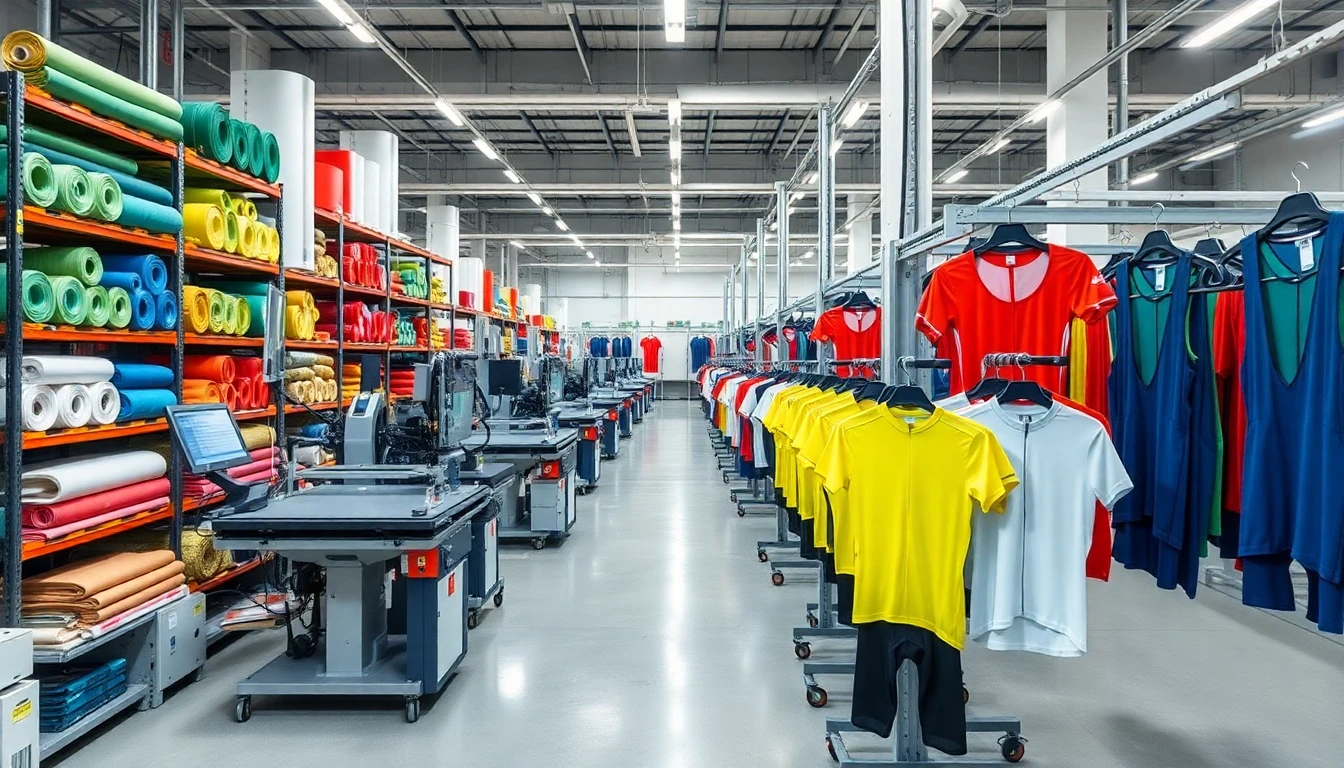
Berun Clothes uses every strategy from this guide. We built them into one complete cycling wear's manufacturing system.
Cost optimization isn't just something we talk about. It's how we operate every day. Our production model cuts your manufacturing expenses by 22-28% versus industry averages. Quality locks in at 98.5% first-pass yield. That sits 2-3 points above standard cycling apparel factories.
Our Three-Pillar Approach
Pillar 1: Platform Fabric Architecture
We use 4 core fabric platforms across all our cycling apparel. One moisture-wicking polyester base at 165 g/m². Two nylon-spandex blends for items that get heavy wear. One recycled polyester option for eco-focused collections.
This setup pushes our yearly fabric volume past 45,000 meters per platform. Mills give us tier-3 pricing. That's 18-22% below standard rates. Lead times drop to 12-18 days. Suppliers keep our specs ready in active production.
Pillar 2: Automated Marker Efficiency
Our CAD/CAM system hits 93% marker efficiency on cycling jerseys. Bib shorts run at 91%. The industry average? 84-86%.
That 7-point gap saves $47,000 per year on fabric costs alone. One operator manages cutting for 800-1,200 units daily. Manual setups need 4-5 workers for the same output.
Pillar 3: Inline SPC Quality Control
Each production station tracks control charts as work happens. Zipper pull force, seam strength, anti-slip grip—we monitor everything within ±2σ limits.
Defect rates stay under 1.5%. Rework drops to 2-3% of total production. That's 60% lower than factories that check quality at the end of the line.
What This Means for Your Brand
Partner with Berun and you tap into our cost structure right away. You don't need to build fabric relationships. Skip the automation investment. Bypass the quality control learning curve.
Your MOQ starts at 300 units per style. We handle technical development, sampling, and bulk production. You focus on design and marketing. You get cycling apparel at 40-50% lower landed costs than split-up manufacturing methods of cycling apparel.
Conclusion

You can cut manufacturing costs for cycling apparel and keep quality high. It's not about choosing profit over excellence. Smart systems give you both. Top brands today don't cut corners. They optimize fabric sourcing. They use economies of scale. They build quality control into production.
What separates smart cost cutting from bad cost cutting? Intentionality . Every dollar saved should improve your product. Or strengthen your supply chain. Or make customers happier. Standardize components and you save 8-12% on trims. You also reduce production errors. Invest in automation and you cut labor costs. You also improve consistency.
Your next move? Audit your current cost structure using this guide's framework. Find your top three cost drivers. Pick one strategy from each area: materials, production, and supply chain. Track the results carefully.
We've helped brands at Berun Clothes achieve 20-35% cost reductions. Quality metrics improved too. Want to see how your production measures up? Request a free cost optimization assessment and find your biggest opportunities.
The competition keeps moving. Your margins should too.