Table of Contents
You're three miles into your morning run. The sky opens up. Seconds later, you're soaked, shivering, and confused. Why did you spend $120 on a jacket labeled "weather-ready"? Sound familiar?
Runners waste hundreds of dollars each year on the wrong gear. This confusion drives running apparel manufacturers to constantly refine how they label and market products, but jargon often muddies the water. The core misunderstanding between waterproof and water-resistant options causes most of this frustration.
Here's what most brands won't tell you: That premium Gore-Tex jacket? It might be overkill. That cheap water-resistant option? It could leave you drenched. Whether you are sourcing custom running clothing for a team or buying a single piece for marathon training, you need to navigate these differences.
We need to cut through the hype. By understanding DWR coatings, membrane technology, and breathability ratings, you can choose gear that actually performs. Let’s find the right jacket for your rotation and budget.
Definitions and Key Differences
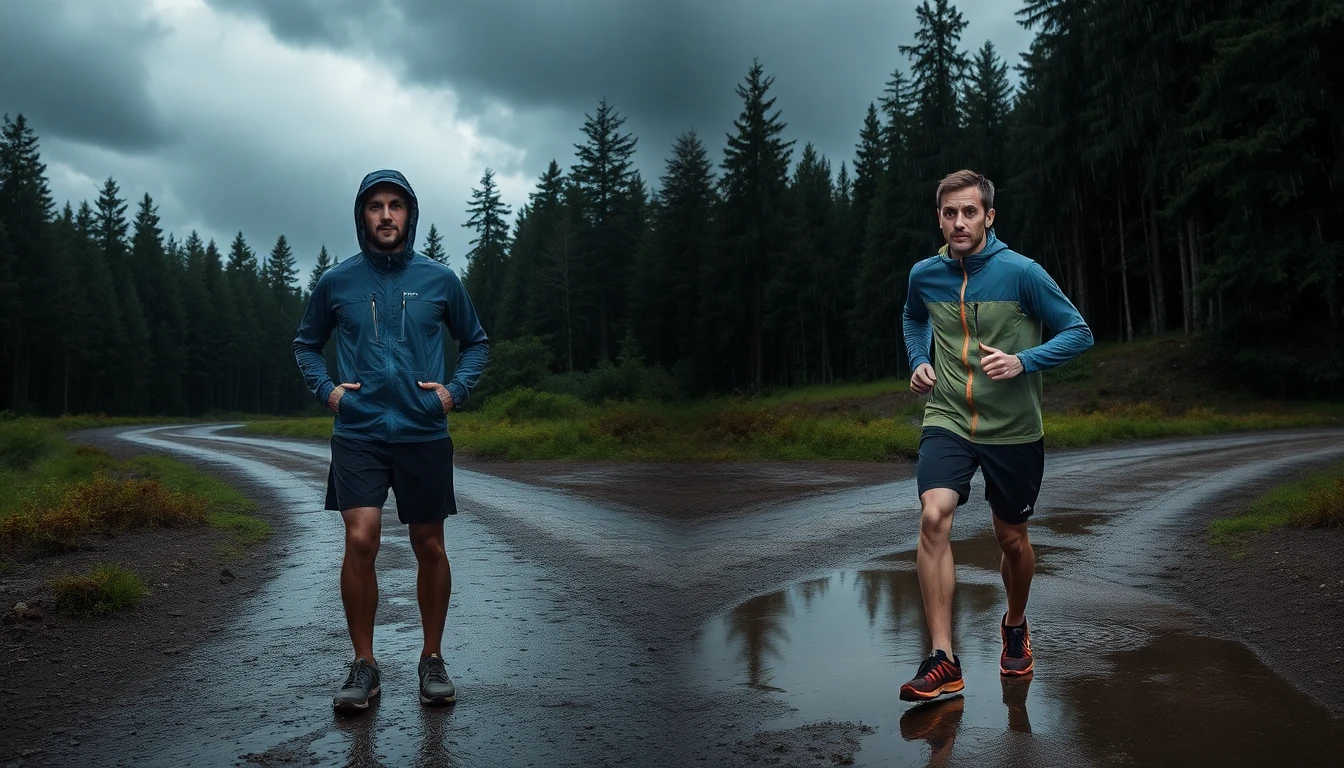
Water-resistant and waterproof are not synonyms. This distinction is the first thing activewear clothing manufacturers define during production.
Water-resistant jackets rely on a DWR (Durable Water Repellent) coating applied to porous fabric. Think of it like waxing a car; water beads up and rolls off. This works for mist or light drizzle. However, because the fabric retains tiny holes for air, sustained rain eventually pushes through. Most runners get about 30 to 45 minutes of protection before water finds its way in.
Waterproof jackets use a different architecture completely. They sandwich a non-porous membrane between fabric layers—a standard set by Gore-Tex. This membrane has zero holes large enough for liquid water to penetrate. Additionally, athletic clothing manufacturers seal every seam with waterproof tape, eliminating the weak points where stitching creates gaps. The result is a garment that handles hours of heavy rain.
The protection is measured in millimeters:
Protection Rating Comparison CardsThe trade-off is breathability. Waterproof membranes block rain effectively but can comfortably trap sweat vapor inside, creating a "clammy" feeling. Water-resistant jackets generally breathe better, making them a favorite among custom activewear designers focusing on high-output activities where ventilation outweighs pure protection.
Technology and Construction
Modern running jackets are feats of engineering. leading activewear manufacturers utilize military-grade testing and advanced textiles to balance the elements.
Membrane Technology: The Core Protection Layer
At the heart of a waterproof jacket lies the membrane. Gore-Tex remains the gold standard, featuring 9 billion pores per square inch. These pores are 20,000 times smaller than a water droplet but 700 times larger than a water vapor molecule, allowing sweat to escape while keeping rain out.
For endurance athletes, Gore-Tex Pro offers extreme durability, often favored by trail runners. Alternatively, Polartec NeoShell focuses on air permeability, offering multidirectional stretch and allowing significantly more airflow (up to 10 CFM) compared to standard membranes. This is crucial for custom sportswear demanding high mobility.
eVent fabric utilizes "Direct Venting" technology. Unlike most membranes that require you to sweat to generate enough heat to push moisture out, eVent vents constantly, making it ideal for varying temperatures.
Seam Sealing Methods
Even the best fabric fails if the seams leak. Fully taped seams involve covering every stitch with waterproof tape via heat press. Fitness clothing manufacturer production lines reserve this for high-end gear ($350+), ensuring zero water entry.
Critically taped seams offer a budget compromise, sealing only high-exposure areas like the shoulders and hood. This cuts costs and weight but leaves underarms vulnerable during heavy downpours.
DWR Coating Evolution
The industry is shifting. Active wear manufacturers are moving toward C0 (fluorine-free) coatings to eliminate harmful PFAS chemicals. While environmentally friendly, these new coatings require more frequent maintenance. Products like Nikwax or Schoeller 3XDRY technology helps maintain water-shedding capabilities over the lifespan of the garment.
Ventilation Architecture
Top private label sportswear designers know membrane breathability isn't enough. They integrate mechanical venting:
Pit Zips: Old school but effective. Opening vents under the arms can drop core temperature by 2-3°F within 90 seconds.
Laser-cut Perforations: Tiny holes (0.3-0.5mm) in back panels allow vapor escape without letting rain in, a technique often seen in premium custom activewear.
Breathability and Comfort for Runners
A jacket that protects you from rain but traps sweat creates a personal sauna. This internal moisture can soak you just as thoroughly as a storm. A 2017 survey showed 61% of runners rank breathability as critical. Expert activewear manufacturers prioritize moisture vapor transmission rate (MVTR) to combat this.
Scientific studies on shoe uppers have proven that "closed" environments trap heat and humidity, raising physiological stress. The same physics apply to jackets. If your custom running clothing doesn't breathe, your metabolism works harder to cool you down, killing performance.
Reading Breathability Ratings
Breathability is measured in grams per square meter over 24 hours (g/m²/24hr):
Breathability Rating CardsReal Comfort Metrics
Field testing reveals that breathable gear feels significantly lighter and more comfortable, reducing perceived fatigue by roughly 13%. Private label activewear manufacturer design teams often use moisture-wicking linings (polyester/nylon blends or bamboo charcoal) to pull sweat away from the skin, further enhancing this comfort.
Features like adjustable cuffs, hem drawcords, and strategic mesh panels allow runners to manually regulate their microclimate. When choosing custom sportswear, look for these specific design elements to ensure versatility across different weather conditions.
CTA Section 1Durability and Cost
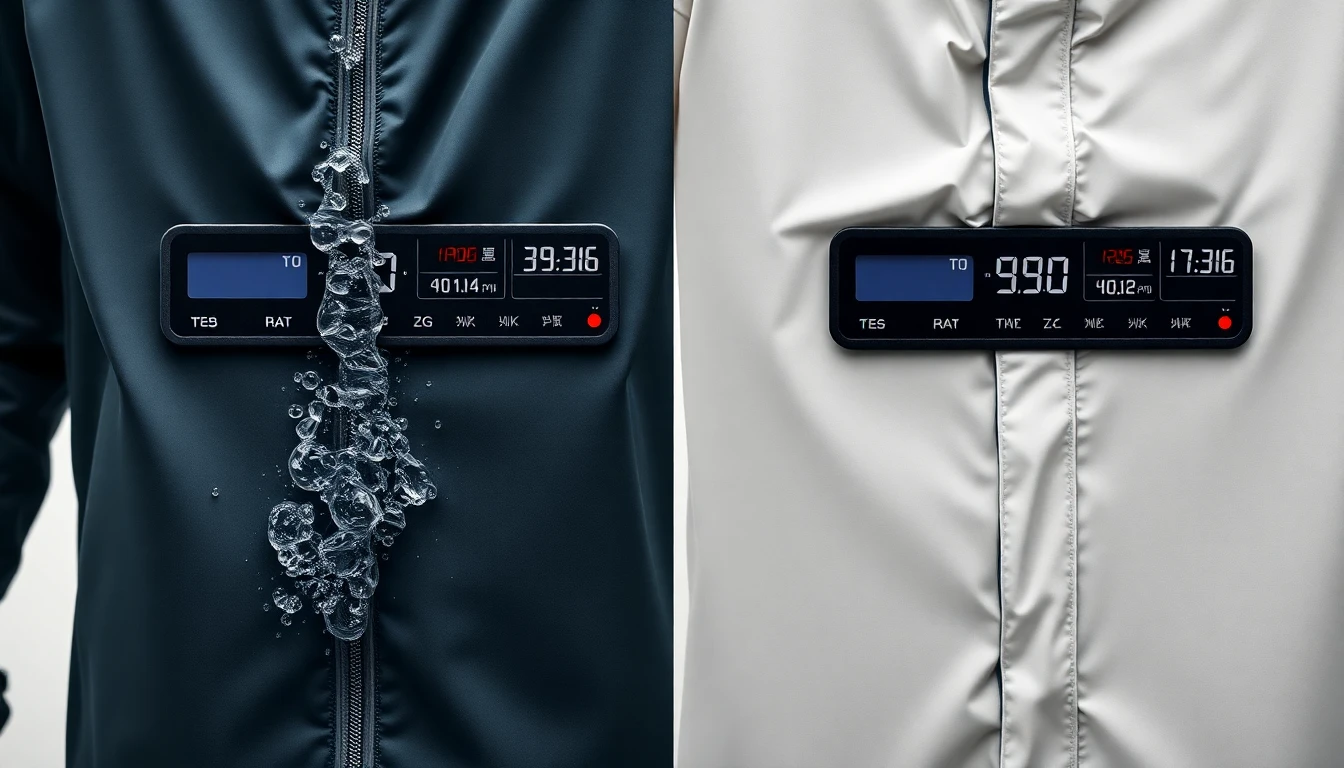
The price gap between a $60 jacket and a $600 technical piece reflects material science and longevity. This is the difference between fast fashion and professional engineering from a specialized fitness clothing manufacturer.
Budget vs Premium ComparisonDWR fails and fabric pills. Cheap upfront but needs frequent replacement.
Material Investment Returns
Specialized fabrics like Schoeller 3XDRY incorporate DWR into the fiber itself, saving money on maintenance sprays over time. Running apparel manufacturers investing in these technologies reduce landfill waste and offer runners gear that holds its resale value better. A well-maintained Arc'teryx piece can recover 50% of its value resale; budget gear recovers nearly zero.
Recommendations for Runners
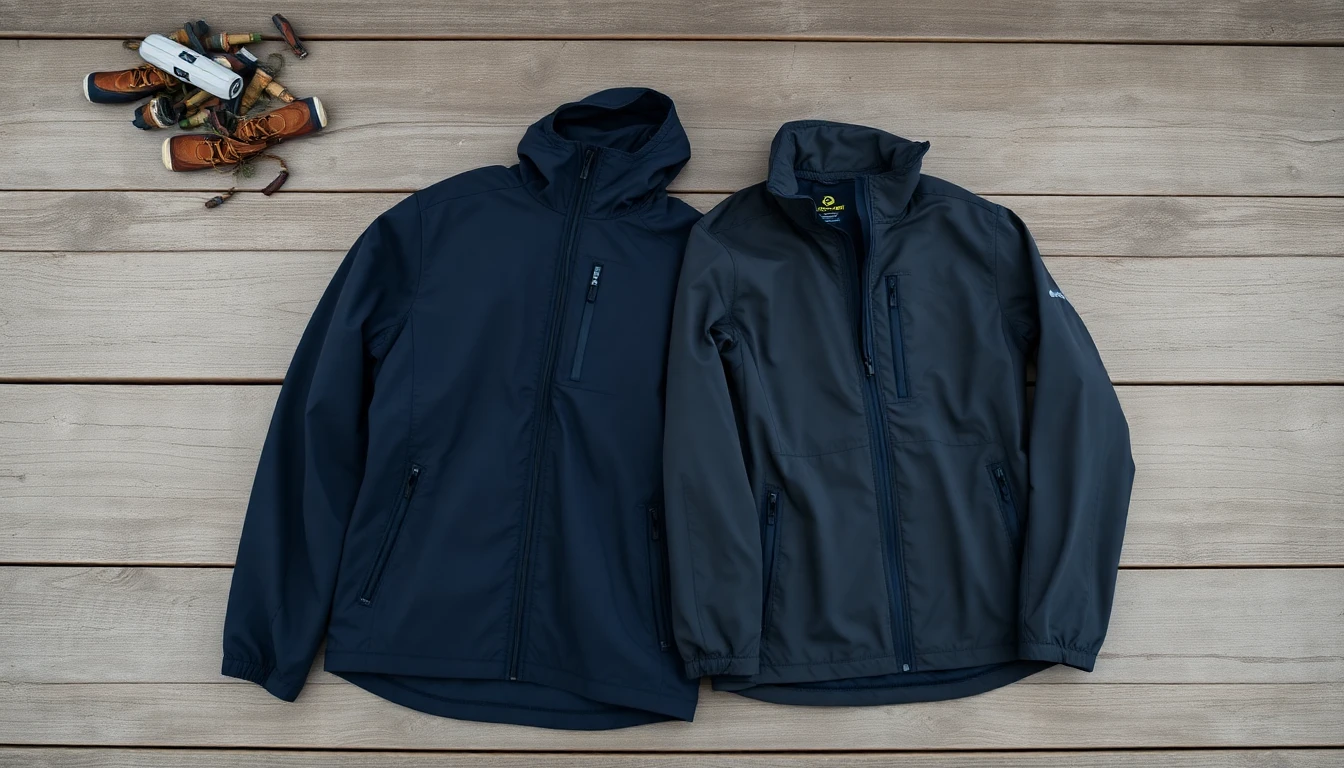
Your running profile dictates your gear. Don't buy for the runner you want to be; buy for the conditions you actually face. Here is how expert athletic clothing manufacturers break down the categories.
Runner Type Recommendation CardsShelter is never far. Prioritize breathability and packability. Look for jackets that stuff into pockets.
Climate-Specific Guidance
Pacific Northwest: Invest in high-end waterproof (20,000mm). The durability pays for itself.
Desert/Southwest: Stick to lightweight water-resistant options. Focus budget on hydration instead.
Midwest/East Coast: You likely need both—a breathable shell for humid summer storms and a waterproof fortress for winter training.
Berunclothes: Innovation in Manufacturing
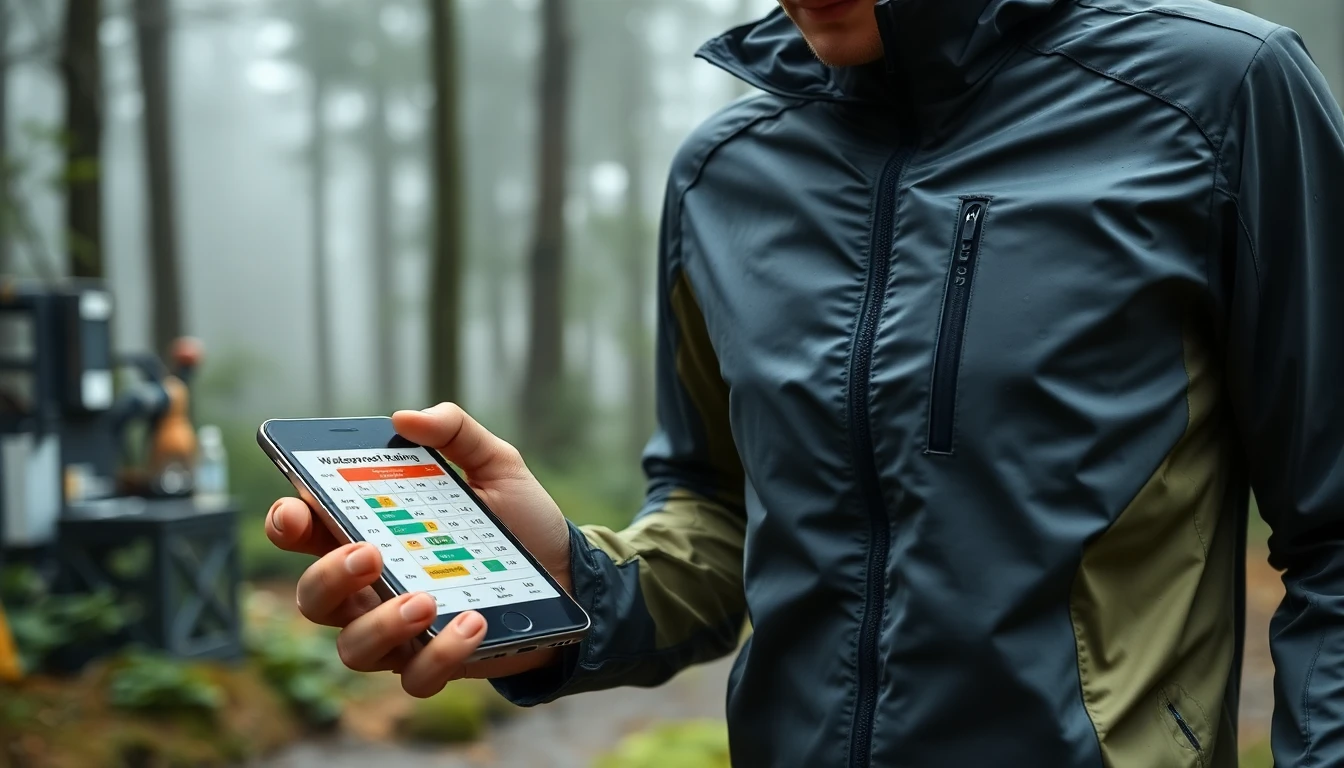
When we look behind the scenes of high-performance gear, we find companies like BeRun Sports. As a veteran private label activewear manufacturer with 30 years of experience, they bridge the gap between concept and performance.
BeRun Sports Brand HighlightsBeRun Sports specializes in OEM/ODM services, offering insights that usually stay within factory walls. They understand that a label is just marketing, but the fabric is reality. Their low minimum order quantity (50 units) makes them an ideal partner for running clubs or brands seeking custom running clothing that actually performs.
High-Performance Material Arsenal
BeRun's access to advanced textiles allows them to rival major retail brands:
Material Arsenal CardsBeyond standard fabrics, BeRun innovates with PA-6@WBA/TiO₂ composite fabrics, delivering exceptional hydrostatic pressure resistance and antimicrobial properties—crucial features for any fitness clothing manufacturer tackling odor control in endurance gear.
Their expertise extends to customization. Unlike generic suppliers, BeRun tailors DWR applications to specific climates. A client in Seattle gets a Grade 4+ heavy-duty coating, while a custom activewear order for Arizona gets a lighter treatment focused on maximum airflow. This level of detail in OEM/ODM services ensures that the final product isn't just a jacket, but a specialized tool for the athlete.
Conclusion
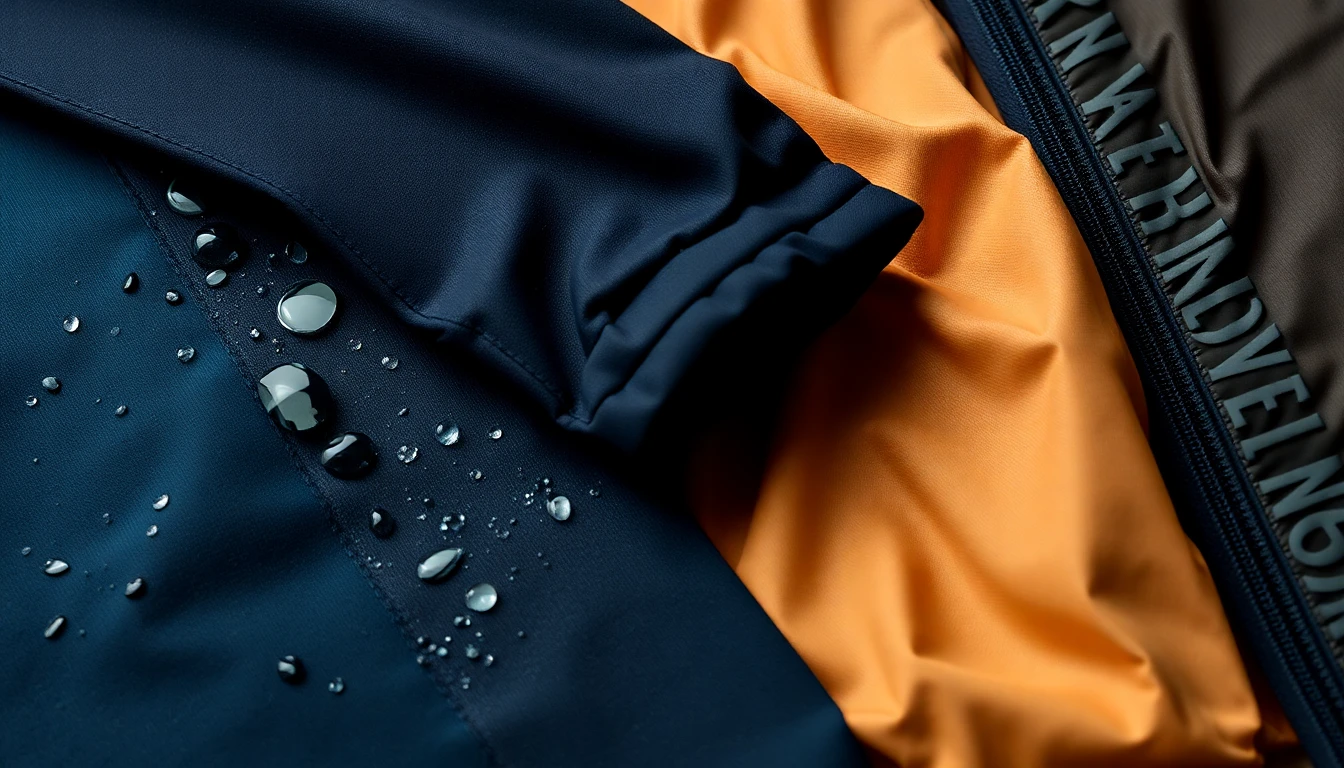
The debate between waterproof and water-resistant isn't about finding the "best" jacket universally; it's about finding the correct tool for your environment. Whether you are an individual runner or a brand working with activewear clothing manufacturers, the decision comes down to intensity and duration.
If you are facing mountain storms or long marathon training blocks, invest in a waterproof jacket with sealed seams and a high breathability rating. If your runs are short, urban, and high-intensity, save your money and opt for a high-quality water-resistant shell.
Ultimately, established running apparel manufacturers and specialized private label sportswear experts agree: rain doesn't cancel training, but the wrong gear certainly will. Assess your real conditions—not the ones you wish for—and choose the gear that keeps you moving.
CTA Section 3 - Final