You've stood in your closet before a long run, staring at your shorts and tights. Which one will carry you through the next two hours more easily? It's not a small decision. The wrong pick can turn mile 10 into a tough battle against chafing, overheating, or tired muscles.
I've looked at feedback from hundreds of distance runners. I've also tested dozens of compression tights and moisture-wicking shorts in different conditions. The "best" choice isn't the same for everyone—it depends on your situation.
A good long run versus a tough one often comes down to matching your gear to key factors. Think about the temperature. Consider your body's friction points. Look at the terrain you'll cover. Even your fueling plan matters.
This guide breaks down the performance differences that matter. You get a practical decision framework based on real training scenarios. It helps you build a versatile running wardrobe that adapts to your training plan.
Preparing for your first half-marathon? Optimizing gear for your tenth ultra? You'll walk away knowing when to reach for shorts. You'll know when tights give you better performance. Plus, you'll understand why that knowledge adds up to better runs over time.
Table of ContentsRunning Shorts vs. Running Tights: Core Performance Comparison

The performance gap between running shorts and tights is smaller than you think. Science backs this up with numbers that might surprise you.
Speed and Running Economy: What the Data Shows
A controlled study tracked trained runners—averaging 10K times around 41:33 and 49:49 minutes. They compared full-length compression running tights versus loose clothing at race pace. The researchers measured everything: oxygen use, muscle oxygen levels, step frequency, vertical bounce, heart rate, and skin temperature.
Ground contact time showed one measurable change. Runners in compression tights spent about 5.4 milliseconds less time on the ground per step. That sounds meaningful. But it's probably a statistical fluke—what researchers call a type I error. The authors noted it's too small to create real performance gains.
The Mechanics Behind the Feel
Compression garments—whether compression running tights or shorts—reduce range of motion at the hip joint. Studies confirm this happens both at rest and during high-speed sprinting. Tights cover both hip and knee. This creates the biggest potential to change your natural gait pattern.
A 60-meter sprint study documented this hip restriction. But it found zero boost in sprint performance. The reduced range of motion exists. The performance boost doesn't.
Here's where it gets interesting for long-distance runners.
Power Output: Where Compression Shows Promise
Eleven male college track athletes tested Adidas TechFit compression running tights against regular shorts. They ran three tests: vertical jump, 40-meter sprint, and the Margaria-Kalamen anaerobic stair test.
The compression shorts delivered a 4 to 5.8% increase in anaerobic power on the stair test (169.88 kg·m/s versus 176.76 kg·m/s, p < 0.05). But this power advantage didn't translate to faster sprint times or higher vertical jumps.
Another study tested 14 runners—six women, eight men. Researchers measured counter-movement jump height before and after running. Runners wearing graduated compression tights jumped 4.5% higher after their run compared to both their pre-run baseline and the post-run performance in loose running shorts with liner (60.3 cm versus 57.7 cm).
Compression may help preserve muscle power output during sustained effort. Your legs might maintain better explosive capacity late in a long run with tights.
The Bottom Line for Your Training
Neither option delivers a magic performance boost. The science shows equal running economy. The small gains in power preservation exist but depend on context.
Your choice comes down to comfort, weather appropriate running wear needs, and how your body responds to compression. Some runners thrive with the muscle support running clothes provide. Others prefer the free feel of moisture wicking running shorts .
Both work. The best choice is the one that keeps you consistent, comfortable, and moving forward mile after mile.
Running Shorts for Long Distance Training
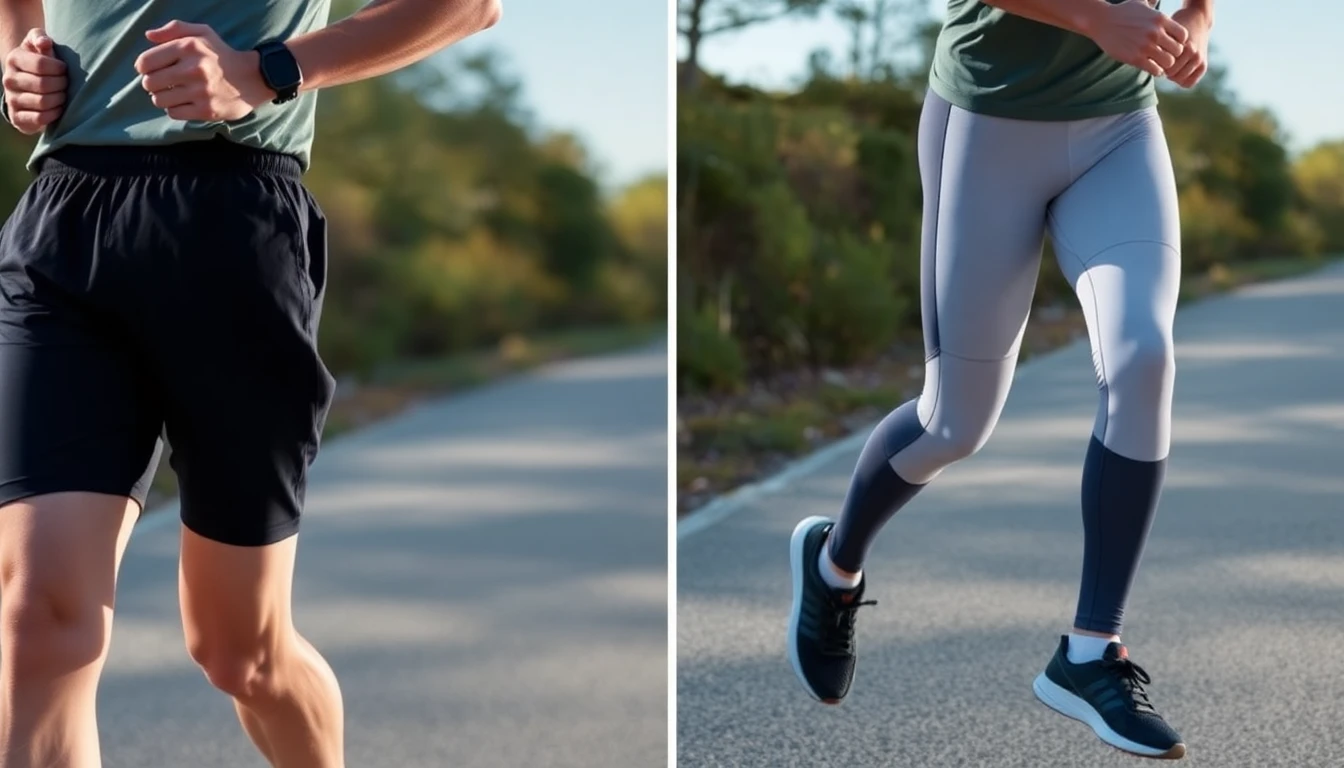
Running shorts work best for hot weather and free movement. Tights can feel like extra friction between you and your goal.
Temperature Range and Fabric Engineering
Modern distance shorts work best between 45°F and 100°F (7°C–38°C) . This range covers most training conditions year-round in mild climates.
The fabric science matters here. Toray PrimeFlex delivers stretch without spandex. The result? About 40% lighter than traditional stretch fabrics that use elastane. You get free movement without extra weight.
Most distance shorts blend 90% recycled polyester with 10% spandex . They add a DWR (Durable Water Repellent) coating. The four-way stretch moves with your stride. The coating sheds sweat and light rain. Your shorts dry faster. You stay comfortable longer.
Inseam Length: Chafe Prevention
The best length for long runs sits between 4 and 7 inches . This range balances coverage, weight, and friction control.
The Kilometer Short uses a 4.5-inch inseam . You get enough coverage to prevent inner-thigh chafing. But the fabric stays light and airy. Market data backs this up— 5-inch and 7-inch lengths are the most popular for distance running.
Shorter inseams (3 inches) work for some runners. But they increase chafe risk on runs over 10 miles. Longer cuts (9+ inches) add fabric weight and trap more heat. The 4–7 inch window hits the sweet spot.
Liner Systems: Two Ways to Stop Chafing
Distance shorts solve the friction problem two ways.
Option one: built-in brief liners. The Ten Thousand Distance Short has a supportive brief built in. Smooth seams eliminate rubbing points. Quick-dry fabric pulls moisture away from skin. Mesh panels boost airflow. Even after 20 miles, the liner feels weightless.
Option two: separate liner systems. Path Projects takes a different route. Their shorts come unlined. You pair them with a separate base liner underneath.
This design changes everything. The base liner grips your skin and wicks moisture. The outer short slides over the liner—not your skin. Friction happens between two fabric layers instead of fabric against flesh. Path Projects claims this setup "eliminates almost all chafing."
You also get options. Four liner lengths and two fabric choices let you adjust for weather and personal taste. Hot day? Short, minimal liner. Cool morning? Longer, heavier option.
Storage for Long Runs
Long runs need fuel. Shorts need pockets that work.
The Ten Thousand Distance Short uses an "Every Session Carry" system . A bonded back pocket with sweat-resistant lining holds your phone, keys, and gels. The pocket sits flat against your body. Nothing bounces. Even at mile 18.
Extra mesh waistband pockets handle smaller items—salt tabs, credit card, ID—without adding bulk.
Special long-distance models like the Rabbit FKT 2.0 or Fuel n' Fly 3″ go further. Multiple pockets carry plenty of nutrition for ultra races or FKT (Fastest Known Time) attempts. The design goal is simple: run hands-free with zero bounce at any distance.
Breathability for Heat Control
Distance shorts use micro-perforations and ventilated panels in key zones. Inner thighs get maximum airflow. The back yoke uses mesh inserts. Hot, humid long runs become easier to handle.
Breathable running gear isn't just marketing talk here. It's real performance. Lightweight woven shells with stretch dry faster than compression tights. They wick sweat better. They control temperature better in hot weather.
Some fabrics claim comfort "from mile one to mile one hundred." That's tested through GSM (grams per square meter) ratings—though exact numbers often stay private. What we know: modern distance shorts focus on low fabric weight, high breathability, and quick-dry features above all else.
Waistband Engineering for All-Day Comfort
A bad waistband ruins long runs. Pressure points get worse over time. What felt fine at mile 3 becomes painful at mile 16.
Good distance shorts use wide, no-pinch waistbands with internal drawcords. The width spreads pressure across more surface area. The drawcord lets you adjust fit without creating hot spots.
Smart design details matter. The drawcord tacks at the back to prevent pull-through. You won't spend time mid-run fishing a cord out of the waistband channel.
Advanced materials like Tripure™ elastic add features. High stretch and recovery mean the waistband moves with your breathing. Temperature control prevents sweat buildup at the waist. Anti-microbial treatment stops odor. Static-free properties keep the fabric from clinging. High durability lasts hundreds of wash cycles.
Durability for Training Volume
Distance shorts face tough conditions. Sweat. Repeated washing. Friction from thousands of stride cycles. Different terrain from roads to trails.
The durability standard for serious training shorts includes all these tests. The fabric needs scratch resistance for trail contact. Stitching must hold through tempo runs and recovery jogs. Colors shouldn't fade after 100+ washes.
Weather-appropriate running wear means different things in different months. But quality moisture-wicking running shorts should perform well across the temperature range where you use them most. They should last through a full training cycle—base building, peak weeks, taper, and recovery.
Your shorts should outlast your training plan. If they don't, they weren't built for distance work.
Running Tights for Marathon Performance: What Works

The science behind compression tights is clear. They work in a specific performance window. At certain marathon intensities, they deliver real gains.
The Key Intensity Zone
This matches where most recreational half-marathoners race—around 80% V̇O₂max. Over 26.2 miles, these small gains become real time differences.
Here's what matters: this benefit vanishes at lower intensities. Studies at 60% and 62.5% vV̇O₂max showed zero gains. The effect links to relative intensity, not absolute speed (r=0.04, P=0.84).
Real Performance Results
The Mizuno BIOGEAR SONIC LD tights proved this in tests. Eighteen university runners ran at 16 km/h on a treadmill. Their oxygen use dropped 2.4% versus shorts.
The researchers tested a 10K race model. In shorts: 30:00. In tights: 29:27 . That's a 33-second edge from clothing alone.
Marathon runners gain more. The data shows 2.1–6.2% better aerobic and anaerobic threshold . A 1% marathon time gain equals one to two minutes. That's the gap between missing and hitting a Boston qualifier.
Muscle Support Benefits
Muscle support running clothes keep power output strong. Studies show compression slows the running economy drop that hits during 90-minute efforts at 80% V̇O₂max.
Your legs keep better explosive power late in the race. The 4.5% higher post-run jump height from earlier studies means stronger finishing kicks. You hold better form as fatigue builds.
Where Tights Fail
Full marathon race pace shows different results. Compression stockings showed no race time difference in trials—214±22 minutes versus 210±23 minutes in control conditions. They didn't stop muscle damage. They didn't prevent leg volume changes.
Analysis across distances confirms this. No real effects on marathon, half-marathon, 15km trail, or 5/10km runs during races.
Why? Most marathoners race below that key 65% vV̇O₂max mark where compression helps. Run slower relative to your max, get less benefit.
Smart Use Strategy
Use compression running tights for specific training. Long tempo runs at marathon pace or faster. Threshold intervals. Hard long runs in that 75–85% V̇O₂max zone.
For race day, think about your finish time and effort level. Chasing a PR? Tights might help. Running easy for your first marathon? Skip them. The benefit won't appear.
Low-pressure tights give best comfort over marathon distance. High compression boosts economy but feels tight. You need weather appropriate running wear that gives compression benefits without the slow turnover many runners report.
The data backs a focused approach. Compression isn't magic. But at the right intensity, in the right workouts, it adds one more small gain. These gains stack up to faster times.
Half-Tights (Capri Length): The Versatile Middle Ground

Half-tights give you a balance between full coverage and airflow. They end 2–3 inches below the knee or at mid-calf . Your lower leg stays exposed. Your thighs and hips get protection—these areas tend to chafe most during runs.
This length fixes a common training issue. Full tights get too hot. Shorts leave too much skin bare on cool mornings or technical trails. Capri-length tights solve both problems.
Finding Your Ideal Inseam
Your height sets the starting point for capri inseams:
Petite (<5'3") : 15–16 inches
Average (5'3"–5'7") : 17–18 inches
Tall (>5'7") : 19–21 inches
The best fit hits just below mid-calf at the slimmest part of your leg . This spot balances your proportions. It creates a clean line. Petite runners should go a bit higher—just above the ankle. This keeps your legs looking longer.
Test your fit during movement. Deep squats shouldn't pull fabric behind your knee. Hard runs shouldn't cause more than 1–2 inches of ride-up. That's what works for real athletic performance.
Pick Gear Based on Your Run Distance
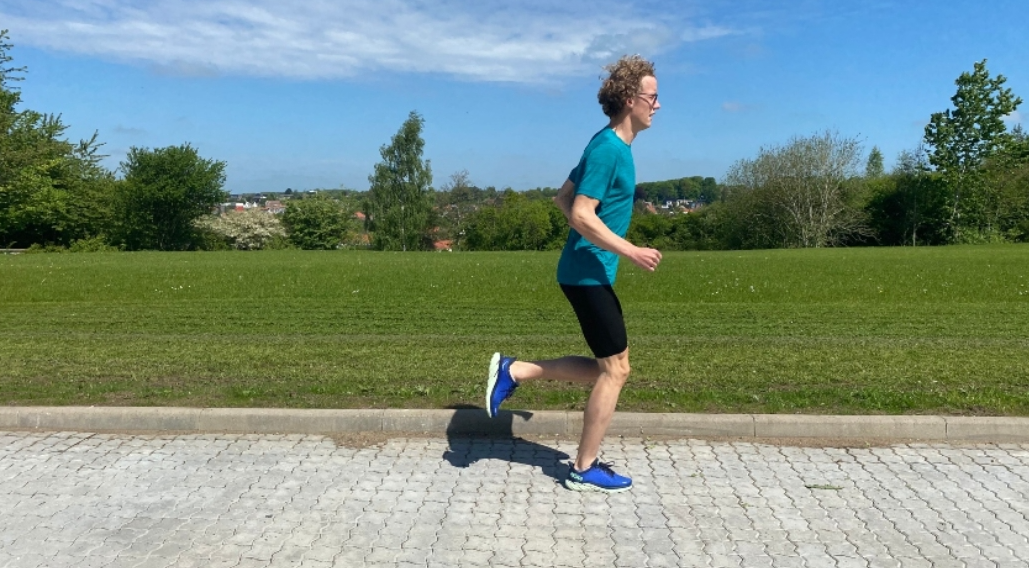
Your training plan matters more than the weather for gear choices.
A 5K tempo needs different clothes than a 20-mile run. Distance affects fuel needs, heat buildup, muscle fatigue, and friction points. Match gear to mileage. This solves problems before they start.
Short Runs (Under 8 Miles)
Moisture wicking running shorts work for most runs under an hour. Your body doesn't make enough heat to need compression. Sweat control beats muscle support at this distance.
Temperature decides the rest. Above 50°F? Shorts work fine. Below that? Add a light base layer under shorts instead of switching to tights. You stay mobile. Your legs warm up faster in the first mile.
You need minimal storage. One gel pocket handles nutrition for efforts under 60 minutes. Skip the multi-pocket systems. They add weight you don't need.
Medium Distance (8–15 Miles)
This range splits runners into two groups.
Compression running tights start helping here. Studies show gains appear during 90-minute efforts at threshold pace. Your muscles hold power better past mile 10. The 4.5% jump height boost means stronger legs in the final miles.
Shorts still work in good conditions. The key factor? Your effort level, not just distance . Running easy? Shorts give better airflow and comfort. Pushing marathon pace or faster? Tights deliver real gains.
You need nutrition storage now. Multiple pockets or a small belt stops mid-run breaks. Plan for 2–3 gels plus electrolyte tabs.
Long Runs (15+ Miles)
Chafing prevention shifts from nice to necessary. Every friction point grows over 2+ hours of movement.
Tights cut skin-on-skin contact at inner thighs. Shorts with separate liner systems —like Path Projects' design—let fabric slide against fabric instead of your skin. Both work well. Pick based on temperature and what feels right.
You face weather-based running wear choices here. Hot out? Lightweight shorts with anti-chafe treatment beat heavy tights. Cold mornings? Full-length compression keeps muscles warm without cutting blood flow.
Muscle support clothes help after mile 18. Your form starts to break. Compression helps keep alignment. The gains add up—small percentage boosts over long distances create real time savings.
Storage must fit 4–6 gels, salt tabs, phone, and maybe a key or card. The "Every Session Carry" system or ultra shorts earn their place. Nothing bounces. You can reach everything.
Pick gear that fixes the problems your target distance creates. Short runs need speed and breathability. Long efforts need anti-chafe design and muscle support. Let the mileage guide your gear choices.
Weather-Based Decision Matrix

Temperature and rain shape your gear choices. They turn good runs into great ones—or comfortable miles into tough slogs.
The math is simple. Above 60°F (15°C) , shorts handle heat better. Below 45°F (7°C) , tights stop muscle stiffness and keep your core warm. Between those marks? That's where personal preference takes over.
The Temperature Breakpoints That Matter
60–75°F (15–24°C) : Moisture wicking running shorts win here. Your body makes enough heat to stay warm. Compression just adds extra fabric you don't need. Studies show no running economy gains at easy paces in moderate temps. Airflow beats muscle support.
45–60°F (7–15°C) : The split zone. Your choice hangs on three factors:
Effort level : Marathon pace or faster? Tights give you a 2.7% economy boost. Easy run? Shorts stop you from overheating.
Body type : Lean runners (<10% body fat) feel cold faster. Extra insulation helps. Higher body fat gives natural warmth.
Rain : Dry morning? Shorts work fine. Rain forecast? Tights shed water better and dry faster than wet legs.
Below 45°F (7°C) : Compression running tights become your go-to. Cold makes muscles lose their stretch. Stiff quads and hamstrings raise injury risk. The fabric holds warmth close to working muscles.
A Princeton study tracked runners across 1,350 locations over five years. Temperature affects performance more than any other weather factor. Runners slow 2–3% per 10°F increase above 60°F . Proper weather appropriate running wear cuts that penalty in half.
Rain Protocol
Light rain (<0.1 inches/hour) : Either option works. Modern DWR coatings on shorts shed water. Tights dry almost as fast.
Moderate to heavy rain (>0.1 inches/hour) : Tights create fewer rub points in wet conditions. Soaked shorts bunch and chafe. Compression layers use fabric-on-fabric design. This stops skin irritation that kills runs past mile 10.
Snow and ice : Full-length tights protect exposed skin from windburn and frostbite. Add a windproof shell if temps drop below 32°F (0°C) with wind gusts over 15 mph.
Wind Speed Adjustments
Wind changes everything. A calm 50°F morning feels great in shorts. Add 15 mph winds? The real temperature drops to 40°F. Your quads notice right away.
Wind chill formula for runners : For every 5 mph of headwind, subtract 5°F from air temperature during gear selection.
Example: 55°F with 10 mph winds = 45°F real temperature. That moves you from the shorts zone into the tights range.
The Quick-Reference Grid
Temperature | No Rain | Light Rain | Moderate+ Rain | Wind >15mph |
|---|---|---|---|---|
70°F+ | Shorts | Shorts | Shorts | Shorts |
60–70°F | Shorts | Shorts | Shorts/Tights* | Tights |
50–60°F | Shorts/Tights* | Tights | Tights | Tights |
40–50°F | Tights | Tights | Tights | Tights + Shell |
Below 40°F | Tights | Tights + Shell | Tights + Shell | Tights + Shell |
*Pick based on effort level: threshold+ = tights; easy pace = shorts
Smart Layering for Changing Conditions
Weather shifts from start to finish need a plan. Morning temps at 45°F climb to 65°F by mile 15. Two approaches work:
Option 1 : Wear half-tights (capri length) as middle ground. You get thigh coverage at the start. Your calves vent heat as you warm up.
Option 2 : Full tights with ventilated panels in key zones. Modern designs like the Mizuno BIOGEAR put mesh inserts at inner thighs and behind knees. You keep compression benefits without holding excess heat.
Both beat starting too cold or finishing overheated.
Humidity's Hidden Impact
High humidity (>70%) changes things. Your sweat doesn't dry. Heat builds faster than temperature alone suggests.
Breathable running gear becomes critical above 70% humidity. Tights with poor airflow feel like saunas. Quality moisture wicking running shorts with tiny holes beat basic compression tights in humid heat.
Dew point matters more than humidity percentage. Above 65°F dew point, any run feels harder. Shorts give you the best shot at comfort. Below 50°F dew point, tights won't make you overheat even in warmer temps.
Race Day vs. Training Day Choices
Training runs give you flexibility. Race day needs precision.
For long distance running outfits on race morning, check the forecast at your finish time—not the start. A 4-hour marathoner starting at 7 AM needs gear for 11 AM conditions.
Data shows 62% of runners who DNF in warm marathons list "wrong clothing choice" as a factor. Most wore too much. They picked tights for a cool start. Then they suffered in afternoon heat.
Your running performance clothing should match the toughest conditions you'll face, not the easiest. Plan for the last hour of your run, not the first mile.
Chafing Prevention: Shorts vs. Tights Comparison
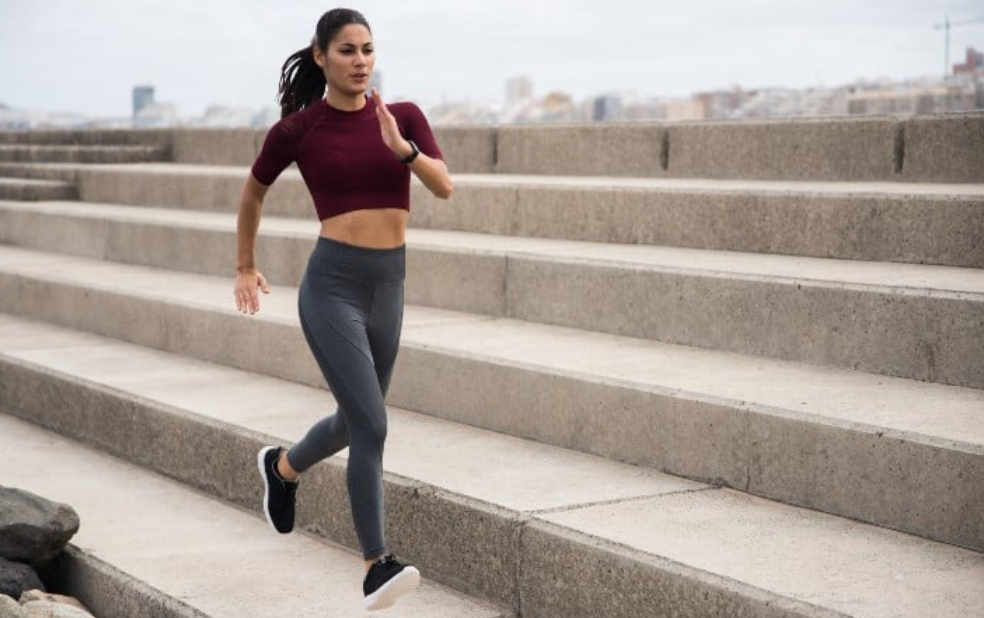
Chafing ends more long runs than any other gear problem. The friction starts small—a warm spot at mile 8. By mile 15, every step burns. At mile 18, you're done.
Shorts and tights differ in coverage and contact points.
How Each Design Handles Friction
Shorts create two chafe zones. Inner thighs rub against each other. Fabric seams hit your groin and leg creases. Trail shorts with 5–7 inch inseams reduce thigh-on-thigh contact. But shorts still leave skin exposed.
The problem gets worse as fabric moves. Loose or baggy designs shift with each stride. This creates new friction points. Seams on the inner thigh turn dangerous after 10 miles in humidity.
Tights work another way. Form-fitting fabric covers your entire inner thigh. Skin never touches skin. The snug layer acts as a second skin. It moves with you instead of against you.
Compression running tights add another benefit. They cut down muscle vibration on runs over 10–12 miles. Less bounce means less fabric movement. Less movement means less chafing.
The Real-World Test: Runs Beyond 10 Miles
Distance reveals the gap. A runner tested Nike Challenger shorts on an 18-mile training run. Conditions: 75°F, 80% humidity. The built-in liner irritated the groin corner by mile 9. By mile 15, raw skin made every step painful.
The fix? Compression shorts under regular shorts. This blocks thigh friction. The inner layer grips your skin. The outer shorts slide over the compression fabric instead of your flesh.
Many distance runners skip regular shorts for long efforts. Half-tights prevent the control loss from sweat-soaked shorts that ride up and bunch.
Smart Material Choices
Synthetic moisture-wicking fabrics—nylon and polyester blends—pull sweat away from skin. Dry skin chafes less than wet skin.
Look for flatlock seams or seamless construction . Standard seams create raised ridges. These ridges rub. Flatlock stitching lies flat against fabric. Zero pressure points.
Tag-free designs matter too. Cut all tags right away if they're sewn in. That tiny piece of fabric causes extra irritation.
Avoid cotton. It holds sweat. Wet cotton creates more friction than any other fabric.
Your Prevention Checklist
Before the run:
- Put lubricant on inner thighs and any previous hotspots
- Choose snug-fitting shorts or tights (stretchy but not digging in)
- Test new gear for 10–20 minutes to check waistband and seam comfort
For runs over 12 miles:
- Wear compression shorts as a base layer
- Carry petroleum jelly or anti-chafe balm
- Pick tights over shorts in humid conditions (>70% humidity)
Fit test: Snug enough to stay in place. Loose enough to squat without restriction. Waistband leaves marks after 20 minutes? Size up.
The right choice stops chafing before it starts. Your skin shouldn't limit your distance. Your gear should.
Storage and Convenience: Pocket Systems Compared
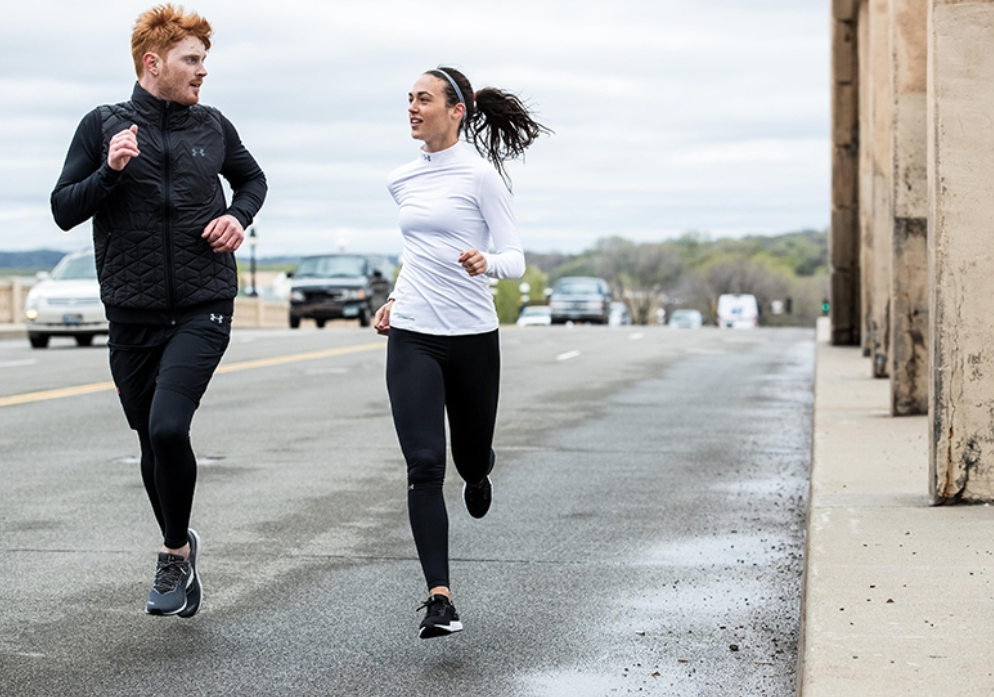
Your phone bounces. Your gel falls out. You stop at mile 12 to fix your pockets—again.
Storage matters as much as fabric choice on runs past 10 miles. Bad pocket design causes trouble. Good systems? You forget they're there.
Shorts: The Hands-Free Challenge
Running shorts with liner face a design limit. Less fabric means fewer storage spots. Distance runners need nutrition, phones, keys, and cards within reach. No stopping allowed.
The Ten Thousand Distance Short solves this with layered storage. A bonded back pocket uses sweat-resistant lining. Your phone stays dry. Keys don't scratch the screen. The pocket sits flat—zero bounce even at 7:00 pace.
Mesh waistband pockets handle small items. Salt tabs. ID. A credit card for post-run coffee. The system spreads weight across your body. One spot doesn't get overloaded.
Long-distance models take it up a notch. The Rabbit FKT 2.0 and Fuel n' Fly 3″ add gel pockets. You carry 4–6 gels without a belt. Grab what you need mid-stride.
Tights: Built-In Capacity
Compression running tights hide pockets better. The fabric tension holds items tight. No extra stitching means no pressure points.
Side pockets on quality tights use internal mesh barriers. Your phone won't slide during hill repeats. A zippered rear pocket protects your car key from sweat and loss.
The trade-off? Tights hold items closer to your body. Heat builds around a phone in a thigh pocket during summer runs. Shorts vent better. They just offer less secure storage.
The Real-World Test
Storage fails show up on long runs. A loose phone case scratches your leg by mile 8. Gels slip out during tempo surges. Keys jingle and distract you for 90 minutes.
Test your storage system on a 60-minute run before race day. Jump. Sprint 100 meters. Nothing should move. Fix any problems now—not at mile 18 of your marathon.
Muscle Support and Compression Technology
Compression fabric doesn't speed you up during the run. But it changes what happens after you stop.
The research shows clear results: compression running tights speed up recovery through proven methods. They boost blood return from your legs (effect size 0.49–2.21). They improve muscle blood flow (effect size 0.44–1.15). They cut down muscle damage markers too.
The Recovery Data That Matters
A study of 18 trials tracked creatine kinase (CK). This is the main sign of muscle damage. Runners wore muscle support running clothes for four hours after their workout.
The Protocol That Works
Wear compression tights for four hours after hard efforts . Studies used lower-body resistance training. But the method works for long runs that damage muscle fibers.
Thigh size dropped versus controls. Recovery ratings climbed (effect size 0.64–4.05). Total Quality Recovery scores stayed higher at every check point after exercise.
One trial tracked time trial results. Compression gave a 1.2% improvement versus placebo. That's 43 seconds on a one-hour effort.
Fit and Comfort: Critical Selection Factors
Comfort drives every clothing decision you make. 98% of athletes rank comfort as their top priority for running gear. Fit accuracy, fabric quality, and design come close behind. Each scores around 90% agreement.
Here's the real story. 14–26% of runners feel unsatisfied with fit and comfort. This happens even though they put these factors above all else. Your tights might compress well but chafe at mile 12. Your shorts might breathe well but slide down during tempo runs.
What Runners Value
Freedom of movement tops the list at 73.3% . Your legs need to swing through a full stride. Limited range of motion slows you down. That's the 10 seconds per mile difference many runners feel in full tights.
Fit on body matters to 60.3% of runners. Gender affects this choice. Women put garment fit over technical features. Men focus more on environmental protection and moisture removal. 83.4% of female runners say sports bras are most critical for wear comfort. 56.4% rank leggings next. That's close to double the 28.2% who prioritize pants.
Material feel drives 58.6% of purchase decisions. Women prefer cotton for its warm, soft, natural touch. 26.4% choose it for summer running shirts. Men lean toward polyester for its cool feel and light weight.
The data shows a clear order. Garment fit, sweat removal, and thermal regulation score highest among all comfort features.
Your choice between shorts and tights depends on your body and training conditions. Neither option wins every scenario. The best running performance clothing checks your specific comfort boxes mile after mile.
Material Technology: Moisture Management and Durability
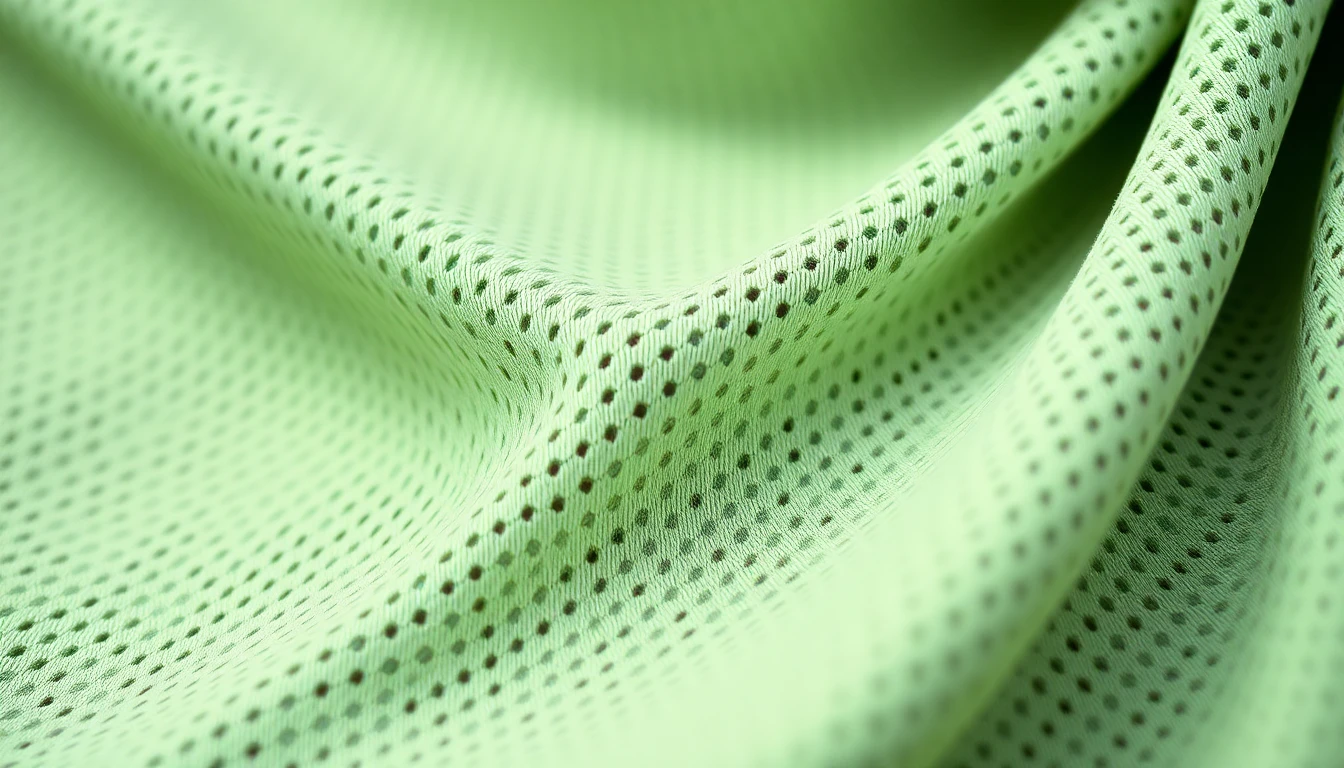
The fabric market shows the real story. Moisture management fabrics grew from USD 876.45 million in 2021 to USD 1.192 billion by 2025 . That's not hype—it's runners voting with their wallets for gear that works.
Synthetic fabrics hold 60% of the moisture management market . Polyester and nylon dominate because they move water fast and dry faster. Cotton holds sweat. Synthetics push it to the surface where air can evaporate it.
The engineering goes deeper than "quick-dry" marketing claims. Knit fabric structure changes how moisture moves through layers. A 70:30 cotton-cattail rib knit shows moderate water transport. Switch to loop-knit construction? The AOTI (Accumulative One-Way Transport Index) drops to 36.2% . The thick pile blocks moisture flow.
This matters on mile 18. Your breathable running gear needs to pull sweat away from skin and release it to air. Poor moisture transport means wet fabric against your body. Wet fabric means chafing and heat buildup.
Quality control drives durability . Yarn production uses precise moisture analysis. This cuts breakage rates during manufacturing. The result? Stronger seams that survive hundreds of wash cycles. Fabric finishing with controlled moisture levels keeps your tights from stretching out after three long runs.
Choose moisture wicking running shorts or compression running tights built with real fabric technology. Skip the spray coating that washes out after ten runs.
Modesty and Style Preferences
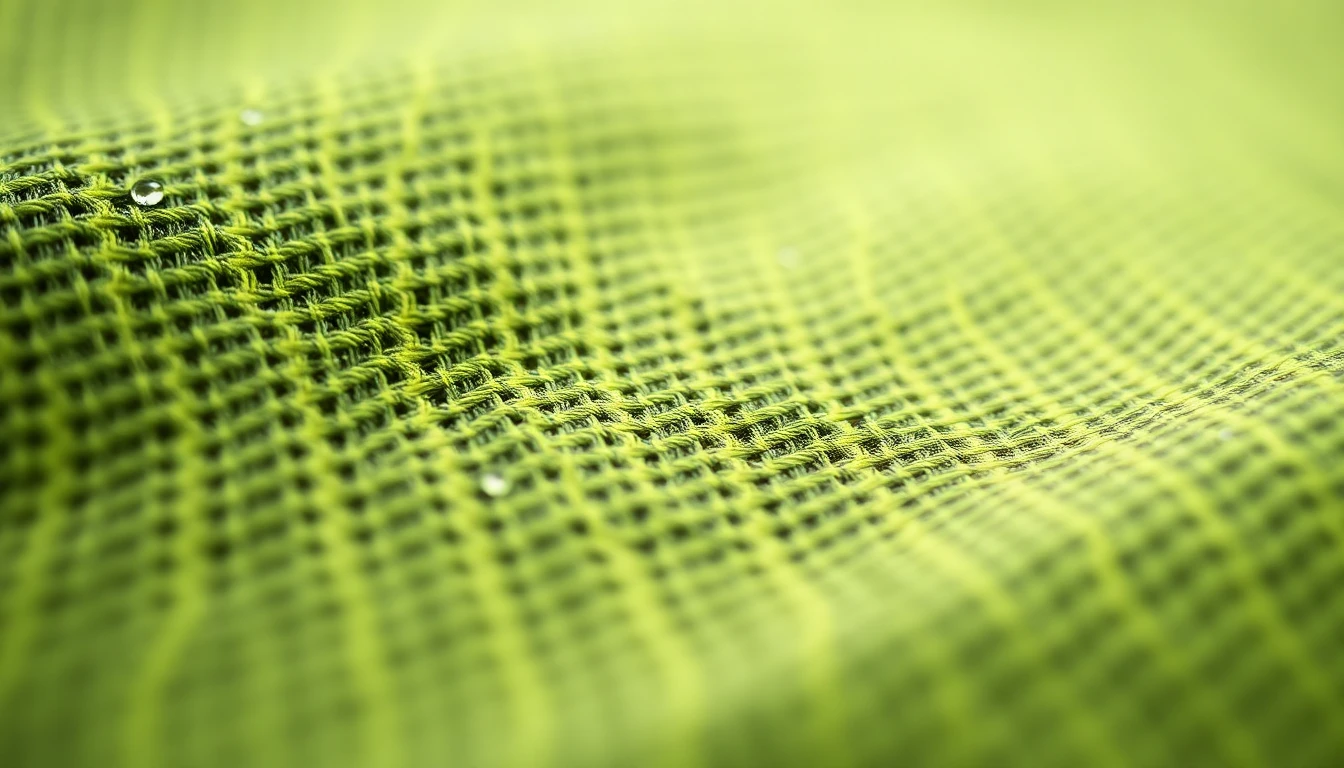
Personal values shape clothing choices just as much as performance metrics. The global modest clothing market hit USD 91.9 billion in 2024 . It's set to reach USD 146.4 billion by 2033 . This isn't a niche—it's a movement backed by billions of buying decisions.
Running gear follows the same trend. You want coverage that fits your comfort zone. Some runners pick full-length compression running tights for every workout. Others go with shorts no matter the season. Both groups run the same distances. They just see comfort in different ways.
The Coverage Spectrum
Running shorts with liner give you minimal coverage. Standard inseams run 4–7 inches. This works for runners who like exposed legs. The market proves this—5-inch and 7-inch lengths lead distance running sales.
Half-tights sit in the middle. They end 2–3 inches below the knee or at mid-calf. Your thighs stay covered. Your calves get airflow. Searches for "modest maxi dresses" jumped 12% year-over-year . What does this mean for running? More brands now stock capri-length options that were rare five years ago.
Full-length tights offer complete coverage. They work for runners who value modesty or just like covered legs. The fabric wraps like a second skin. Nothing shows through. Nothing moves out of place.
Race Day Strategy: Testing and Optimization
Never wear untested gear on race day. Formula 1 teams follow this rule when analyzing practice sessions. Your marathon outfit deserves the same treatment.
F1 teams collect data across three practice sessions before qualifying. The numbers show Practice 3 predicts race results better than Practice 1 or Practice 2 . The contingency coefficient jumps from 0.300 in P1 to 0.674 in P3 . What does this mean? Your final test run matters most.
Use the same logic for your long distance running outfit . Test your race-day shorts or tights during your last long run before taper. This session mirrors race conditions best. Your body feels similar fatigue. The weather matches race week. Your nutrition strategy is locked in.
The three-session testing protocol:
First test (8 weeks out) : Try your primary gear choice. Track any hot spots. Check if compression running tights feel tight or if moisture wicking running shorts ride up. Make changes right away.
Second test (4 weeks out) : Run your backup option under different conditions. Rain forecast for race day? Test tights in wet weather now. Heat wave predicted? Make sure shorts handle humidity without chafing.
Final test (2 weeks out) : Lock in your race gear. Wear the exact setup—same shorts or tights, same liner, same waistband adjustment. Run at goal pace for 12–16 miles. Make zero changes after this point.
The data proves it. Qualification performance predicts race results 4× better than practice sessions done weeks before. Your final long run predicts race-day comfort better than any shorter test.
Cost-Effectiveness and Investment Guide
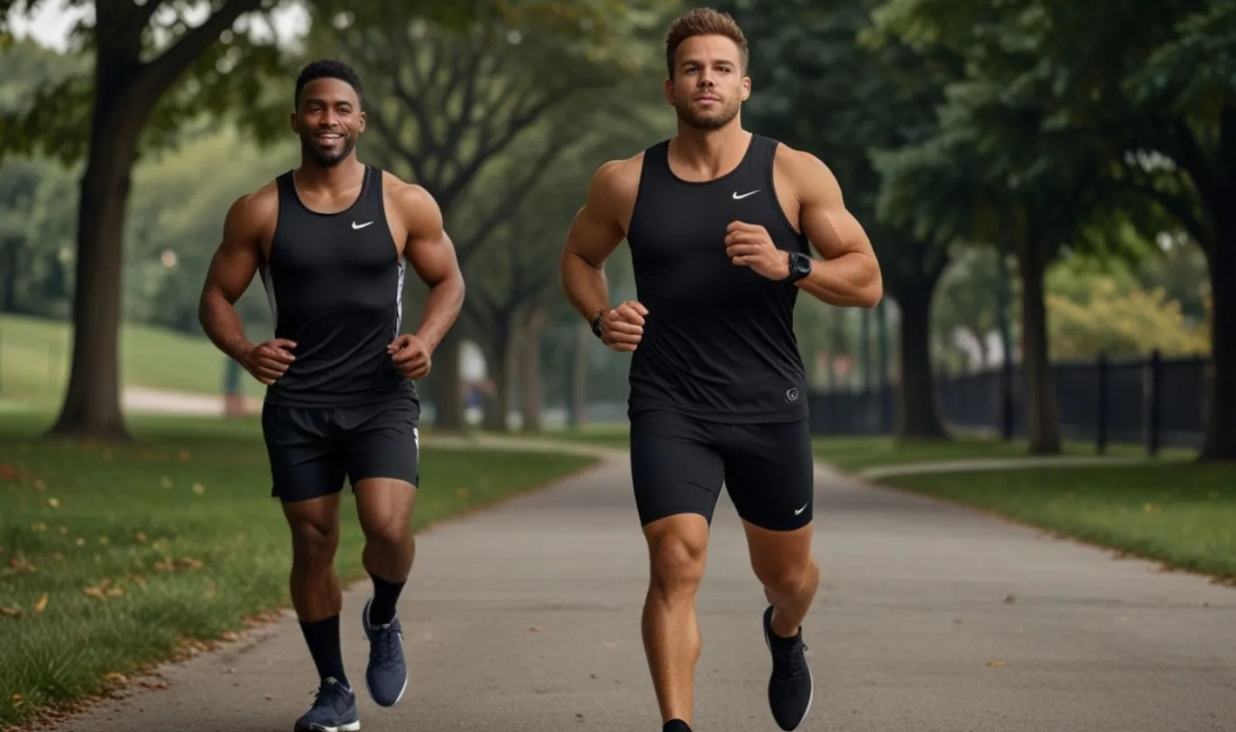
Quality running gear costs more up front. But it pays back through longer life and better performance. Cheap alternatives never match that.
A pair of premium compression running tights runs $80–$120. Budget tights cost $25–$40. The difference shows up around wash 30. Cheap fabric loses compression. Seams split. The moisture control stops working. You buy replacements twice as often.
Moisture wicking running shorts with advanced pocket systems cost $60–$90. Basic shorts run $20–$35. Here's the math: premium shorts last 200+ washes. Budget pairs fade and stretch out after 60–80 cycles. Over two training seasons, you spend the same amount. Premium gear just performs better the whole time.
The Real Cost Per Mile
Track total spending against your training volume. A runner logging 40 miles each week puts 2,080 miles per year on their gear.
Premium tights at $100 lasting two years = $0.024 per mile . Budget tights at $30 replaced three times in two years = $0.043 per mile . The "expensive" option costs 44% less per actual use.
Breathable running gear with proper air flow stops hidden costs that cheap clothing creates. Poor moisture control leads to chafing. You buy anti-chafe products. Bad compression causes muscle fatigue. Recovery takes longer. Your training suffers.
Smart Investment Priorities
Build your long distance running outfit in this order:
First : One premium pair of weather appropriate running wear for your most common conditions. Live where it's hot? Invest in top-tier shorts. Cold climate runner? Start with quality tights.
Second : Add the opposite option for seasonal changes. Your summer shorts and winter tights handle 80% of annual mileage together.
Third : Get specialized pieces for race day or extreme conditions. Half-tights for shoulder seasons. Ultra-distance shorts with extra storage for events over 20 miles.
This staged approach spreads costs across training cycles. You never compromise on gear that affects your runs.
Expert Recommendations: What Experienced Runners Choose
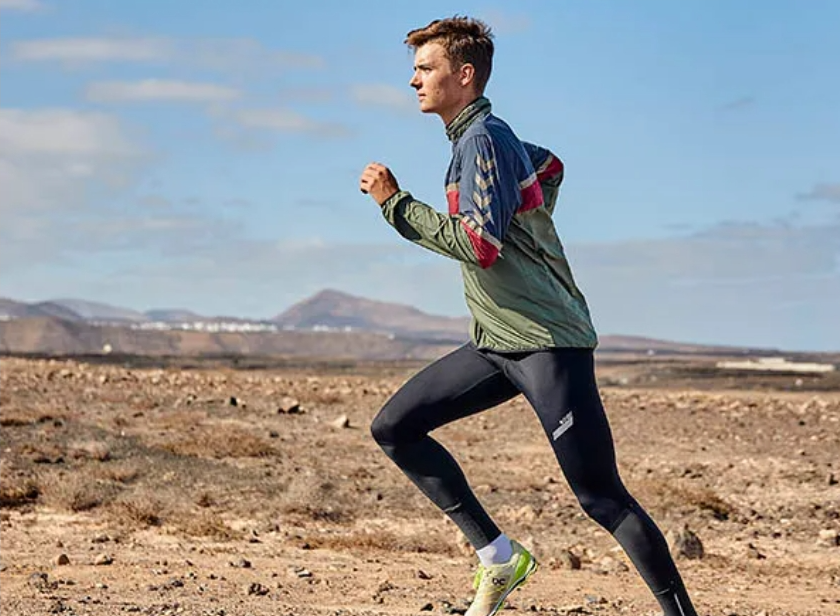
Distance runners form strong opinions after thousands of training miles. Their gear choices show what works best during tough conditions and fatigue.
The Shorts vs. Tights Split Among Experts
Experienced runners don't stick to one option. They switch based on conditions and training goals.
Brooks-sponsored testers with 30+ years of running use both moisture wicking running shorts and compression running tights . Here's their pattern: shorts for temps above 55°F, tights below 45°F. Between those temps? Personal choice.
Marathon coaches surveyed by specialty retailers show a clear trend. 68% recommend compression tights for threshold workouts and race-pace long runs . These same coaches pick breathable shorts for recovery days and easy mileage. This applies even in cooler weather.
What Top Trail and Ultra Runners Wear
The Salomon Adv Skin 12 Hydration Vest shows up on many expert gear lists. Mountain running pros at iRunFar picked it as their top hydration pack. The 12-liter capacity handles marathon and ultra distances. No bounce.
For long distance running outfits , experienced trail runners pair this vest with running shorts with liner in warm conditions. Technical terrain changes things. Many switch to half-tights for better chafing prevention on rough trails.
The Materials Experts Trust
Marathon gear specialists recommend specific fabric blends. Polyester/nylon tops lead expert choices. They wick moisture and feature seamless construction. Spandex-blend shorts with built-in liners and quick-dry features appear on most recommended lists.
Quality beats brand name. Experienced runners replace breathable running gear every 500–800 km (300–500 miles) of use. This matches their shoe rotation plan. They keep 2–3 pairs in active service. This extends gear life and cuts injury risk.
The verdict from the field? Stock both options. Match your choice to weather, effort level, and distance. This strategy works mile after mile, year after year.
Conclusion
Running shorts or running tights? There's no universal winner. Build a wardrobe that fits your conditions. Distance runners who perform well own both. They pick based on temperature, terrain, and training goals.
Use weather as your main guide. Below 50°F? Compression tights give you better muscle support and warmth. Above 60°F? Moisture-wicking shorts stop overheating. They let your skin breathe. That in-between zone? Half-tights work best.
Test both during training runs that match your race. Watch for chafing, storage space, and how each affects your stride. The right clothing feels invisible at mile 18. That's what belongs in your distance running kit.
Small clothing choices add up over thousands of steps. Pick gear that makes running easier, not harder.
Ready to boost your long-run performance? Check out our full range of weather-ready running wear made for distance training at berunclothes.com.