You click "buy now" on what seems like the perfect cycling jersey. Then the package arrives. You get either a second skin that cuts off your circulation or a parachute that catches wind like a sail. Sound familiar?
You're not alone. Choosing the right cycling jersey size frustrates cyclists constantly. Online shopping makes this worse—you can't try before you buy.
A race fit cycling jersey versus a relaxed fit bike jersey? The difference goes beyond comfort. It affects performance and aerodynamics. Plus, you want to wear that $80+ jersey more than once.
Here's the truth: getting your cycling jersey measurements right isn't rocket science. But you need to understand a few key principles. Most brands gloss over these.
Stuck between sizes? Confused about chest circumference standards? Wondering whether to size up for comfort or down for speed? This guide breaks down everything you need to choose cycling gear that fits your body and riding style. No guesswork. No expensive returns. Just the right fit from day one.
How to Measure Yourself for a Cycling Jersey
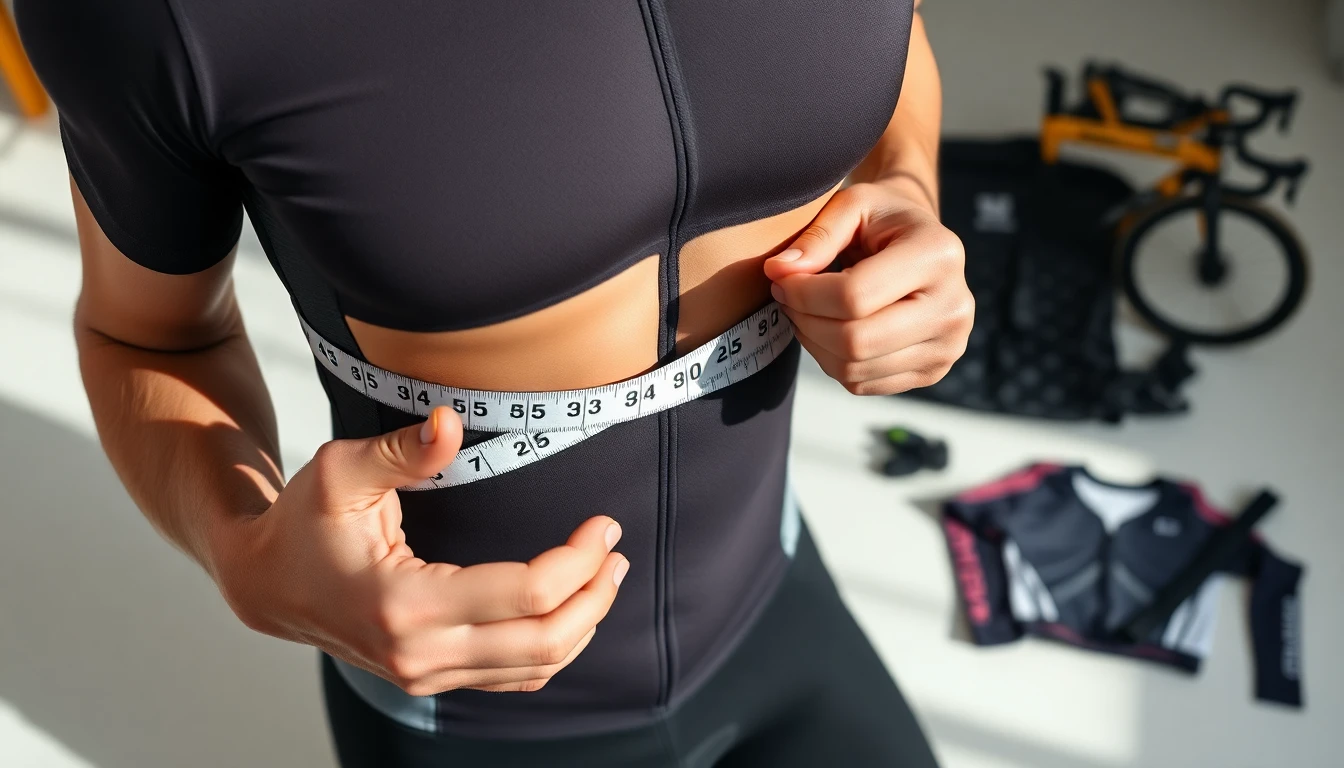
Grab a flexible measuring tape. That's your first tool for nailing the perfect cycling jersey fit.
Don't measure over your favorite hoodie or winter sweater. That adds bulk and throws off your numbers by 1-2 inches. That's enough to bump you into the wrong size category. Strip down to bare skin or wear a thin base layer you'd ride in.
Stand up straight with your feet together. Let your arms hang at your sides. No flexing. No sucking in your gut. You want measurements that reflect your real riding position, not your gym selfie pose.
The 3 Critical Measurements You Must Take
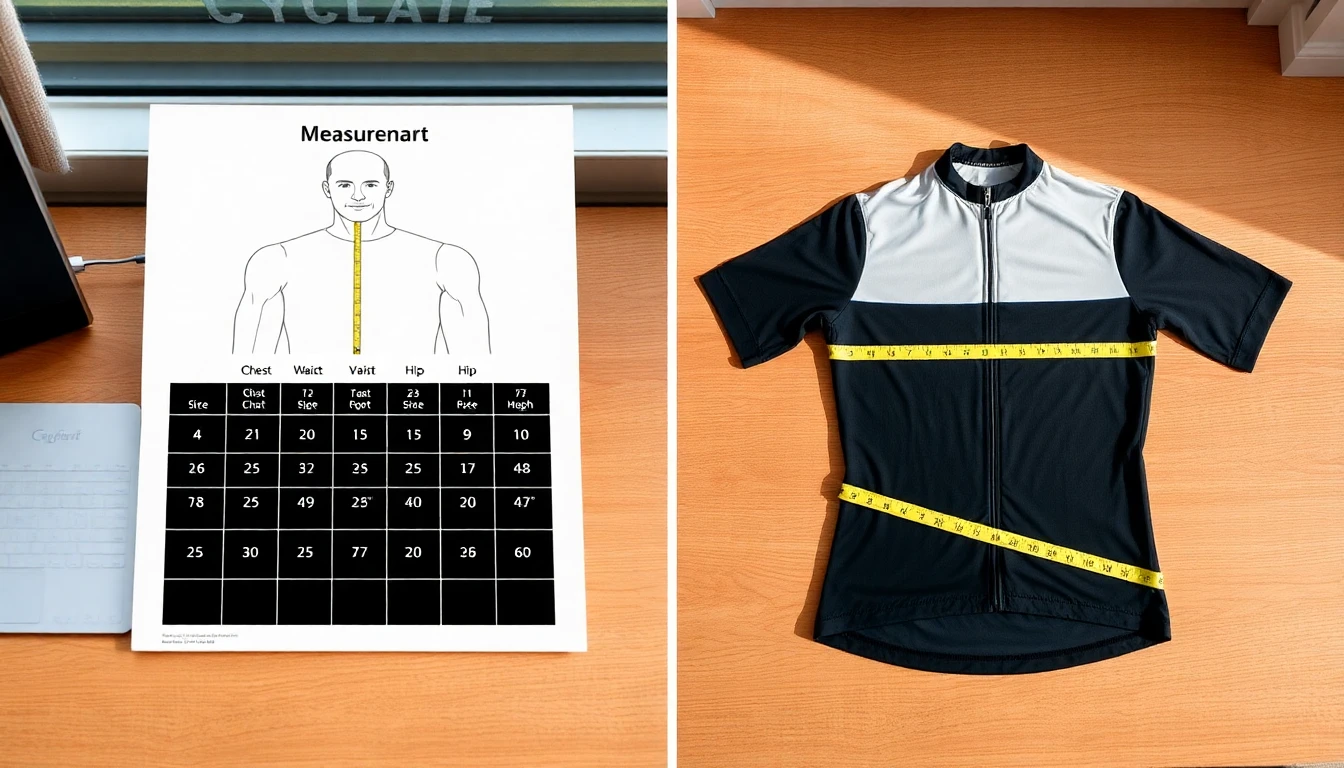
Chest circumference comes first. Wrap the tape around the fullest part of your chest, right at armpit level. For men, this sits just below your pecs. For women, measure across the fullest part of your bust. Keep the tape parallel to the ground. It shouldn't ride up your back or dip down your front.
Here's what those numbers mean in practice:
Men's Small : 35-38 inches chest, 29-32 inches waist
Men's Medium : 38-41 inches chest, 32-35 inches waist
Men's Large : 39-43 inches chest, 35-38 inches waist
Waist measurement targets your natural waistline. That's the narrowest point of your torso, an inch or two above your belly button. Don't measure where your pants sit. That's your hips. It'll skew your results.
Hip measurement matters most for women's cycling jerseys. Measure around the fullest part of your hips with your feet together. This keeps the jersey's hem from riding up or feeling tight in the saddle.
Women's sizing looks like this:
Small : 32-35" chest, 25-29" waist, 34-39" hips
Medium : 34-37" chest, 27-29" waist, 36-42" hips
Large : 36-40" chest, 29-32" waist, 39-45" hips
Height and Weight: The Supporting Data
Some brands factor in height and weight with your measurements. A 5'7" rider with a 38-inch chest fits one way. A 6'2" rider with the same chest measurement fits another. The taller rider needs more jersey length.
Track your height in feet and inches, your weight in pounds. If your weight shifts more than 10 pounds, remeasure everything. Body composition changes how jerseys fit across your shoulders, through your core, and around your arms.
The Brand Chart Reality Check
You've got your measurements. Here comes the tricky part: every brand uses different sizing standards.
A Medium from one cycling Jersey manufacturer might match a Small from another. Compare your numbers against the specific brand's size chart before checkout. Don't assume your usual size works across brands.
Stuck between two sizes? Size down if you want that aerodynamic race fit cycling jersey. Size up if comfort beats every marginal watt saved. The jersey material stretches and gives you some wiggle room. But you can't count on fabric alone to fix choosing the wrong baseline size.
Understanding Cycling Jersey Fit Types
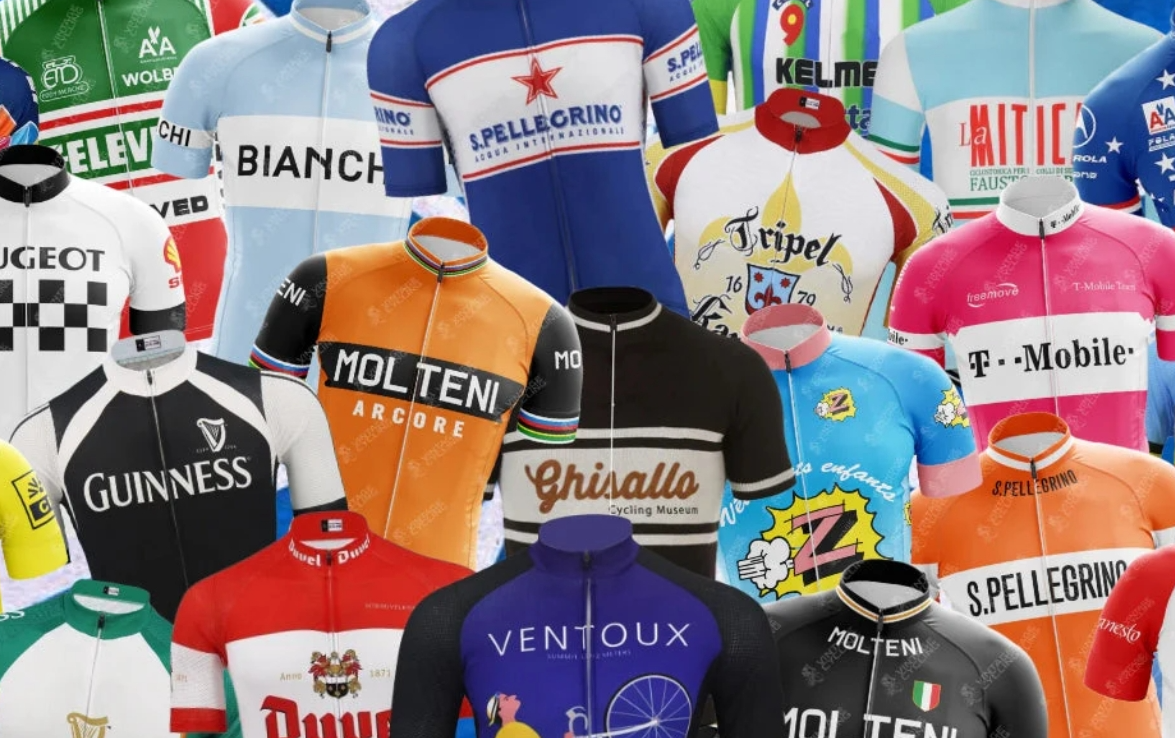
Three fit types dominate the cycling jersey market. Each one serves a different rider. Each has different priorities.
Relaxed fit gives you room to breathe. The fabric drapes over your body. It doesn't cling to every curve. You'll feel this extra space through your torso, arms, and shoulders. Air flows between the jersey and your skin. Sometimes this creates drag. Sometimes it keeps you cool on hot days. Weekend warriors love this cut. So do bike commuters who want performance fabric without the skin-tight feel. Think coffee shop rides, not criterium races.
Race fit (some brands call it slim fit or club fit) strikes the middle ground. The jersey hugs your body close enough to reduce wind resistance. But it doesn't squeeze like you're vacuum-sealed. You get aero benefits without losing comfort on 3-hour rides. Most serious recreational riders pick this option. Competitive amateurs do too. It works for training rides, gran fondos, and local race series.
Pro fit (also called aero fit or sleek fit) means business. The fabric wraps tight around your chest, waist, and arms. Like a second skin. The sleeves cut narrow. The torso tapers sharp. Every millimeter fights drag. Professional racers wear this. So do triathletes chasing KOMs and age-groupers hunting podiums.
How Tight Should Your Jersey Feel?
Your cycling jersey should fit like a firm handshake—snug without crushing. No fabric flapping in the wind. No restriction when you take a deep breath or reach for your drops.
Here's the test: wear a thin base layer underneath. Zero air pockets should form between the layers. The jersey shouldn't pull tight across your chest when you inhale deep. Your shoulders need free range of motion. This matters when you shift positions from hoods to drops to aero bars.
Stand in front of a mirror. Raise your arms overhead. The jersey hem shouldn't ride up past your lower back. Now twist your torso left and right. The fabric should move with you, not against you. See bunching around your armpits? Notice pulling across your shoulder blades? That's a fit problem. It won't get better with time.
Most cyclists make one big mistake: they size up thinking extra room equals comfort. Wrong. Loose jerseys catch wind like parachutes. The fabric moves on its own. This creates friction against your skin. That "comfortable" Medium you grabbed instead of the snug Small? It's costing you watts. Plus, it's creating hot spots on mile 40.
The right fit disappears during your ride. You forget you're wearing it.
How to Read and Use Cycling Jersey Size Charts
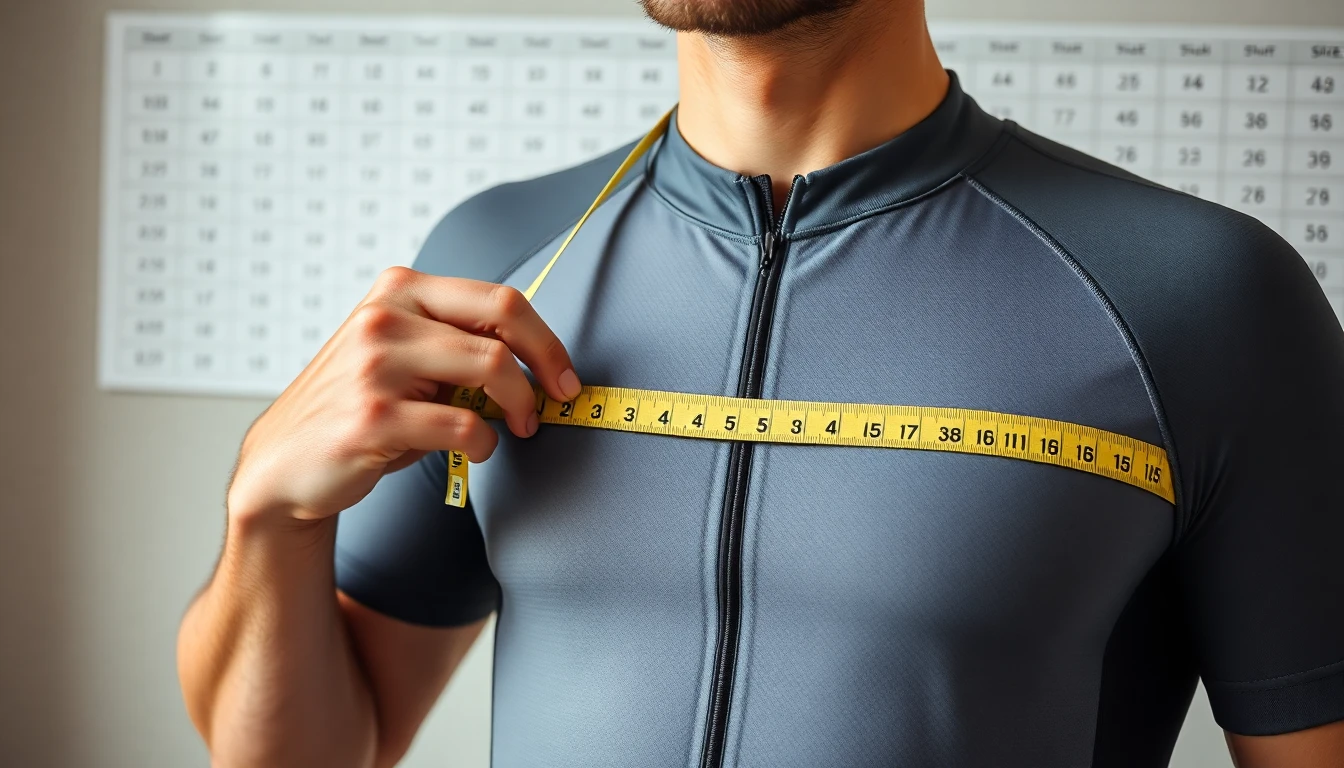
Size charts look simple at first glance. A grid of letters and numbers. But here's what brands don't tell you: those charts measure two different things. Mix them up and you get a bad fit.
Body measurement charts show YOUR dimensions. Your chest circumference. Your waist. Your hips. These numbers come from measuring yourself with a tape measure. They're about your physical body.
Garment measurement charts show the JERSEY's dimensions. How wide the fabric measures when laid flat. The pit-to-pit distance across the chest. The length from shoulder to hem. These numbers tell you what the actual clothing piece measures, not what body size it fits.
Most cyclists stumble here. They measure their 40-inch chest, see "40" on a chart, and click buy. Wrong chart. That 40 might be the jersey's flat measurement, which stretches to fit a 42-inch body. Or it's a body measurement that fits a 38-inch garment.
Breaking Down Real Brand Size Charts
Let's look at Wright Brothers Cycling for men. Their Medium fits a 38-40 inch chest, 32-34 inch waist, riders between 5'7" and 5'11", weighing 145-170 pounds. Four data points working together. Your 39-inch chest alone doesn't tell the full story. You're 6'2"? You need extra jersey length even if your chest says Medium.
Primalwear uses a simpler system. Men's Medium covers 39-41 inch chest and 32-35 inch waist. Notice the overlap? A 39-inch chest qualifies for Medium at Primalwear but hits the top of Wright Brothers' range. Same measurement, different size pick.
Women's sizing gets trickier. Wright Brothers connects US dress sizes to measurements. Their Medium equals US 8-10, fitting 34-36 inch chest, 27-29 inch waist, 36-38 inch hips. Height matters here too: 5'4" to 5'8". A 5'2" rider with the same measurements should size down to Small. This gives proper sleeve and torso length.
The Critical Garment Measurement Details
Cutaway's race cut chart shows actual jersey dimensions. Their Medium measures 17 inches pit-to-pit laid flat. That's 34 inches around. Cycling jersey material stretches 15-20%. So this 34-inch jersey fits a 38-40 inch chest well.
This stretch factor changes everything. A relaxed fit bike jersey uses less elastic fabric. It needs closer measurements to your body. A race fit cycling jersey with high Lycra content? It can stretch far beyond its flat measurement.
Check the hem measurement too. Cutaway's Medium shows 25 inches around the bottom. This needs to wrap your waist without riding up or cutting in. Compare this to your waist measurement plus 2-3 inches for easy movement.
What to Do With Conflicting Numbers
Your measurements put you in Medium on one brand's chart, Large on another's. Now what?
Read the fine print. Some brands design for athletic builds—broader shoulders, narrower waists. Others cut for casual riders with balanced measurements. Jelenew's women's chart focuses on bust and waist ratio. Perfect for road cyclists. Wright Brothers factors in height and weight. Better for varied body types.
Still torn between sizes? Check if the brand lists their fit type. A race fit Medium from Brand A might match a club fit Small from Brand B. The fit style matters more than the jersey measurements.
Order from brands with clear return policies. Try both sizes if you're stuck. The $10 return shipping beats wearing an ill-fitting $90 jersey for three seasons.
Selecting the Right Size for Your Riding Style
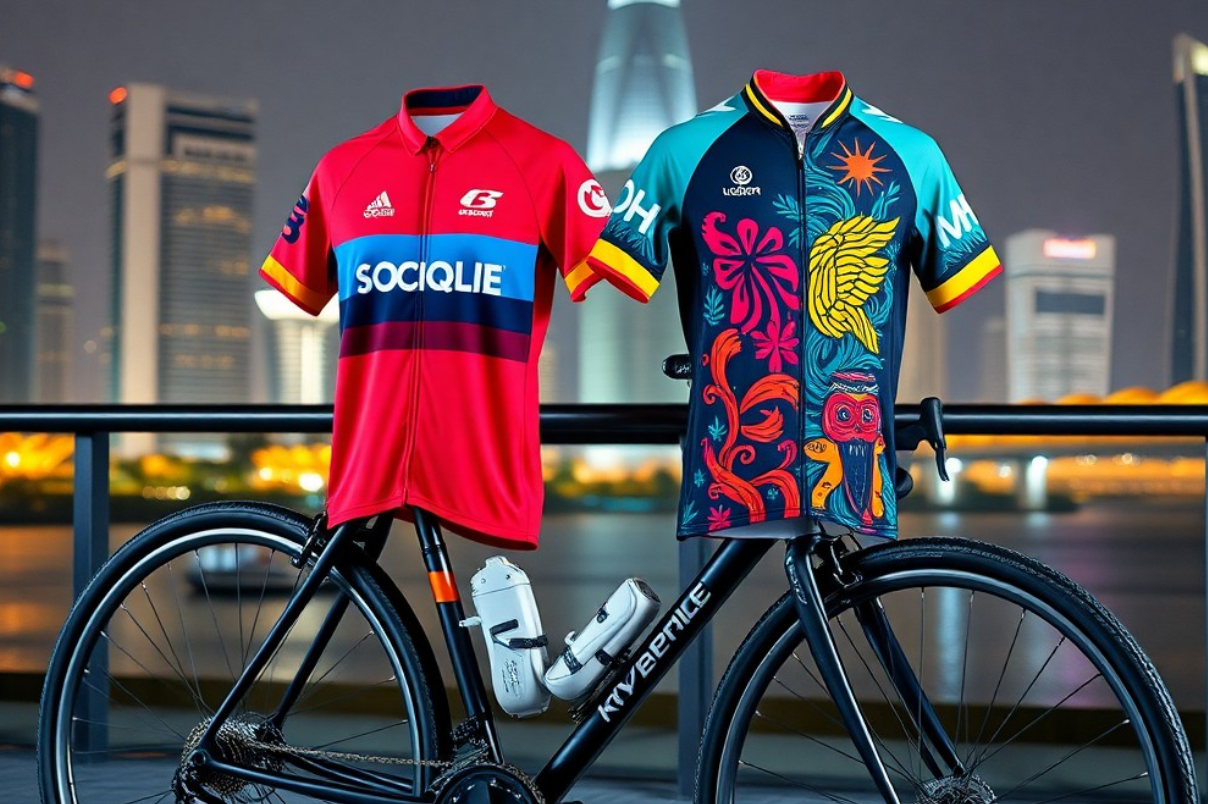
Your riding discipline shapes more than just which bike you buy. It determines the cycling jersey fit you need.
Road cyclists hammering out long rides need a different cut than mountain bikers on technical trails. Commuters pedaling to work want comfort over speed. Triathletes obsess over every watt saved. Your jersey should match how you ride, not how you wish you rode.
Road Cycling: Aerodynamics Matter Most
Competitive road cyclists live in race fit cycling jerseys. You're crouched in the drops for hours. Wind resistance costs you speed and energy. A tight cycling jersey stops fabric flap. The sleeves cut close to your arms. The torso tapers to match your lean position.
Size down if you race crits or time trials. That snug Medium instead of your casual Large? It shaves seconds off your 40k time. The jersey shouldn't balloon at 30 mph descents. Zero air pockets between fabric and skin.
Gran fondo riders and weekend warriors split the difference. Pick a club fit or performance fit. You get aero benefits without the compression-wear feeling. This works for 3-hour training rides. Comfort matters as much as speed.
Mountain Biking: Movement Over Aerodynamics
Mountain bikers need range of motion more than wind-cheating profiles. You're standing on the pedals. Leaning into corners. Reaching for branches. A relaxed fit bike jersey gives you room to move.
Size up compared to your road jersey pick. That Large you avoid? It prevents restriction during manuals over logs or pumps through berms. The looser cut also handles crashes better. Less fabric stress during slides across dirt.
Trail riders want pockets that work. Stuff a phone, keys, and a protein bar in there. They shouldn't shift around or pull the jersey sideways. Check the back pocket capacity against the brand's measurements. Some "relaxed" fits skimp here.
Commuting and Casual Riding: Comfort Wins
City cyclists don't need marginal gains. You need a jersey that works from your door to the office without screaming "I'm training for the Tour de France."
Go with relaxed or classic fit options. The extra room around your chest and waist fits your upright position. You're not hunched over aero bars. You're sitting up, looking at traffic.
Hybrid bike riders fit here too. Your jersey measurements should allow a base layer in spring and fall. Nothing tight enough to show every outline at the coffee shop.
Triathlon: The Tightest Fit Justified
Triathletes wear their jerseys under wetsuits and through transitions. Every second counts. Aero fit or pro fit makes sense here.
Size down hard. That Small fitting your 38-inch chest? Try the XS if the brand offers it. The jersey needs to work wet, dry, and everything between. Loose fabric adds drag in the water. It adds wind resistance on the bike.
Check cycling jersey length with care. Tri jerseys run shorter through the torso. This prevents bunching after adding a race belt. Compare the measurements against your road jersey. You want 2-3 inches less length.
Your riding style isn't just about performance. It's about what makes you want to ride more often. Pick the fit that matches your real miles, not your dream Strava segments.
Need Help Finding Your Perfect Fit?
Our sizing experts can help you choose the right cycling jersey for your body type and riding style. Get personalized recommendations today.
Get Sizing HelpHow to Check If Your Cycling Jersey Fits
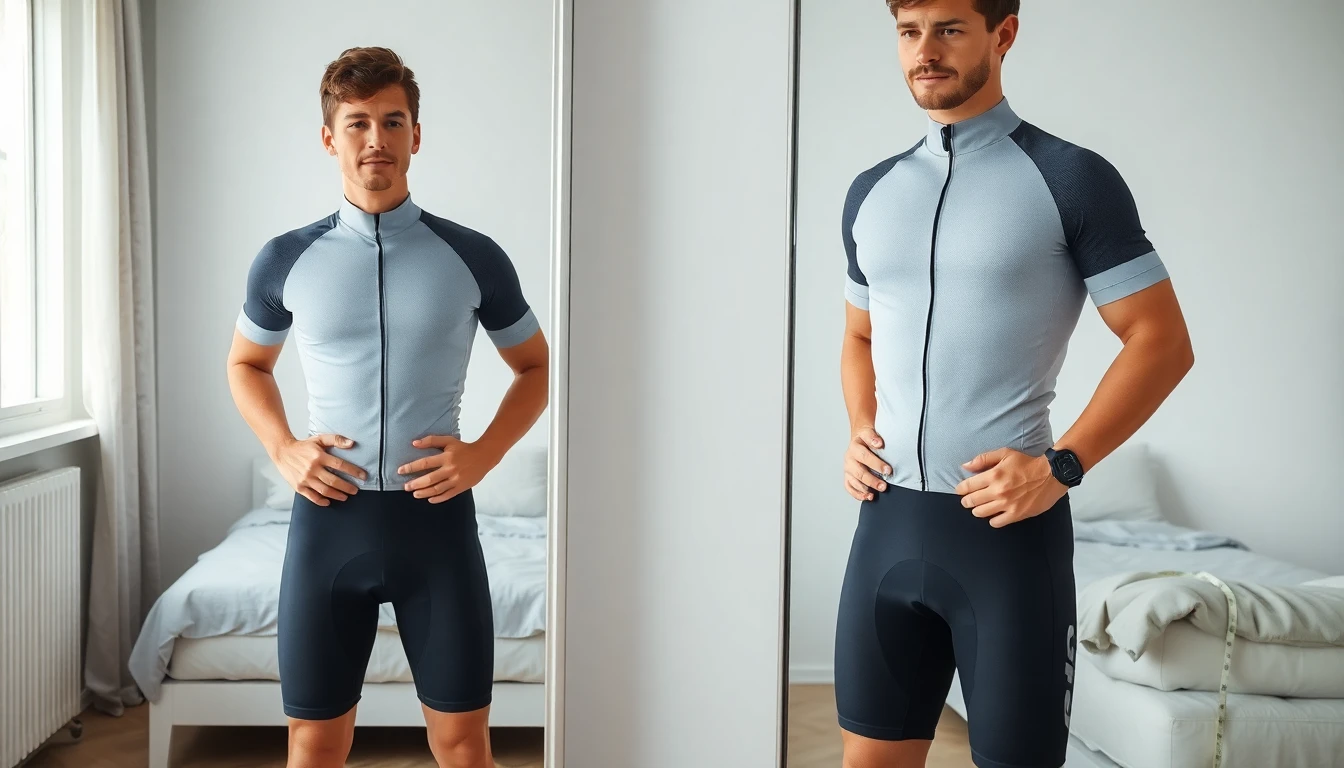
Pull on your new jersey and stand in front of a mirror. Five checkpoints tell you whether you nailed the fit or need to hit the return button.
The hem position matters first. Look down at your waist. The jersey's bottom edge should sit 2-4 inches below your waist button. Stand straight for this check. Not at your hips. Not riding up to your ribcage. Right there in that sweet spot where your natural waistline lives.
Now bend forward into your cycling tuck position. This mimics how you ride. The hem rises as you lean over. That's normal. But it should stay at your hip bone level. Zero lower back exposure. Skin shows? That jersey runs too short for your torso length.
The Chest and Armpit Reality Check
Run your hands across your chest and under your arms. The fabric should lie smooth against your skin. No gaping between the jersey and your body. No air pockets forming when you move. That's wasted space creating drag.
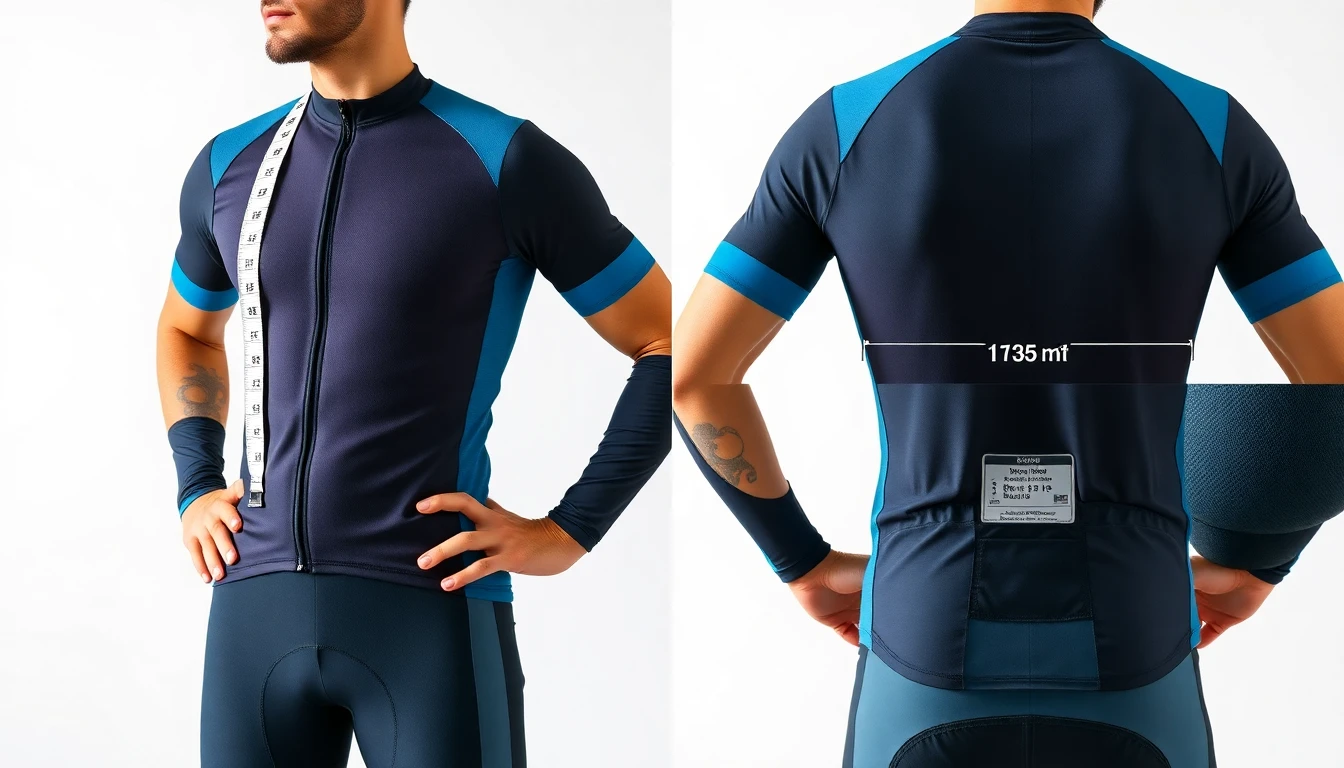
Check the armpit-to-armpit measurement. Know the garment specs? A Medium jersey measures 17 inches across the chest laid flat. That's 34 inches around. Performance fabric stretches 15-20%. So it fits a 38-41 inch chest. See bunching or pulling? The size doesn't match your measurements.
Your armpits need special attention. Raise your arms overhead. Lower them. Reach forward like you're grabbing your handlebars. The fabric should move with you. Not bind. Not dig into your underarms. Tight arm panels restrict your breathing. They also limit movement on hour three of your ride.
Sleeve and Shoulder Function Test
Sleeves should lie flat against your biceps. No squeezing. A Medium fits arms with 11-13 inch circumference. Too tight? Your arms go numb after 20 miles. Too loose? The fabric flaps in crosswinds and looks sloppy.
The shoulders reveal fit problems fast. Drop your arms to your sides. The jersey's shoulder seam should sit right at your natural shoulder point. Not sliding toward your neck. Not sagging down your arm. Side panels need to lie flat against your ribcage without twisting.
Grab the zipper and pull it all the way up to your neck. Easy closure without strain? Good. Struggling to connect it? Fabric pulling tight across your back? Size up. The jersey shouldn't fight you during a basic zip test.
Testing the Fit in Motion
Most cyclists skip this step. Test the fit in motion. Pedal around your living room. Swing your leg over an imaginary top tube. Twist your torso left and right. The jersey should feel like a second skin through all these movements.
Between two sizes? The larger one wins 70-80% of the time. This applies to riders who put comfort over pure aerodynamics. That extra inch in chest width prevents restriction. Deep breathing on climbs stays easy. The longer torso length keeps your lower back covered. You're down in the drops? Still covered.
Your cycling jersey passes the fit test? You forget you're wearing it. That's the standard. Anything pulling, binding, gaping, or riding up fails the check.
Common Sizing Mistakes to Avoid
Cycling jersey returns cost the industry $890 billion in 2024. The culprit? Sizing mistakes. 53% of all apparel returns trace back to fit issues. That's not a small problem—it's the number one reason riders send jerseys back.
You're making at least one of these errors right now.
Guessing your size based on street clothes. Your everyday t-shirt fit means nothing for cycling jerseys. A Medium in Gap doesn't translate to a Medium in cycling gear. Street clothes cut loose. They focus on casual comfort. Cycling jerseys focus on speed and muscle support. That race fit cycling jersey you need? It's supposed to feel tighter than your favorite hoodie. This disconnect trips up 70% of first-time buyers.
Ignoring brand-specific size charts. Every cycling Jersey maker uses different sizing standards. Period. A Medium from one brand might match a Small from another—or even a Large. Wright Brothers' Medium fits a 38-40 inch chest. Primalwear's Medium covers 39-41 inches. Same letter. Different measurements. Same chest size could land you in two different sizes. Always check the brand's chart before checkout.
Measuring over bulky clothing. Strip down to bare skin or a thin base layer before measuring. That thick sweater you forgot to take off? It adds 1-2 inches to your measurements. That's enough to bump you into the wrong size. Those extra inches cost you the right fit—and put you in the return cycle that clogs the entire system.
Picking sizes between measurements without considering stretch. Stuck between a 38-inch and 40-inch chest? Cycling jersey material stretches 15-20%. This isn't denim. The fabric gives. But here's where riders mess up: they size up thinking more room equals comfort. Wrong. That loose fabric creates drag. It costs you watts. It also creates friction hot spots on longer rides. Size down for race fit. Size to your actual measurement for club fit. The stretch handles the rest.
Failing to account for riding position. You measured yourself standing straight in front of a mirror. Perfect form. Shoulders back. But you don't ride standing at attention. You're bent over in the drops. Leaning forward in an aero tuck. This changes how fabric sits on your body. The cycling jersey length that looked perfect standing up? It rides up and exposes your lower back once you bend forward. Test the fit in riding position—not mirror selfie position.
Ignoring regional sizing differences. US brands use inches. European brands use centimeters. UK sizing runs different from both. A size 10 in Milan fits different than a size 10 in Mumbai. Just 30% of consumers find exact-fit shoes because brands make their own sizing rules. The same chaos exists in cycling jerseys. Check whether the chart uses imperial or metric units. Then convert the numbers right. Rounding centimeters to "close enough" inches creates fit problems.
Skipping the garment measurement vs. body measurement distinction. This trips up even experienced cyclists. Some charts show body measurements—your actual chest, waist, and hip dimensions. Other charts show garment measurements—how wide the jersey fabric measures flat. A 40-inch chest on a body chart means your chest is 40 inches. A 40-inch measurement on a garment chart means the jersey stretches to fit larger chests. Mix these up and you order the wrong size 100% of the time.
What to Do If You Order the Wrong Size
Wrong size showed up at your door. It happens to 53% of online jersey buyers. You're not stuck with it.
Check your email receipt first. Most cycling brands offer free returns within 30-60 days. No questions asked. Here's what they don't tell you: each return costs them $21-46. That covers shipping, restocking, and lost product value. They want to get your size right the first time. You do too.
Your Immediate Action Plan
Contact customer service before you ship anything back. Many brands will send you the correct size right away. They'll let you keep or donate the wrong one. This saves them processing costs. You skip waiting another week for the right jersey.
Can't find the return label? Log into your account on the brand's website. Download it there. Print it at home. Most shipping carriers let you drop off packages without printed labels. Just show the QR code from your email.
Package the jersey in its original condition. Tags attached. No wear marks. No wash cycles. Retailers reject returns that look used. That $90 jersey becomes your expensive mistake if you've ridden 50 miles in it.
The Bracketing Strategy for Next Time
Order two sizes next time. Keep the winner. Return the loser. This is called bracketing. 15% of all returns come from this approach. Yes, it ties up more money for a bit. But it kills the guesswork that causes 77% of fashion returns.
The math works in your favor: 49% of shoppers add 1-2 more items to their cart once they feel confident about sizing. You nail the fit on the first package? You'll come back and spend more.
Prevent Future Sizing Problems
Save your correct size in your account profile. Add your actual measurements too. 60% of cyclists agree to share chest, waist, and hip numbers if it guarantees the right fit. Smart brands use this data to auto-recommend sizes for your next purchase.
Check if the brand offers a virtual fitting tool. Macy's True Fit technology predicts whether items run loose or true to size. It's based on 10 billion data points. Similar tools exist for cycling gear. Use them. They cut returns by showing you whether to size up or down before checkout.
Take photos of yourself in the jersey that fits just right. Front view. Side view. Arms raised. Note the brand, size, and measurements. Build your own reference library. Shopping a new brand? Compare their size chart against your proven fit. A Medium chest measurement varies 2-3 inches between makers. Your photos kill the guesswork.
The wrong size isn't a dead end. It's data. Use it to dial in your perfect fit for every future order.
Ready to Order Your Perfect-Fit Jersey?
Browse our collection with detailed size charts and hassle-free exchanges.
Shop Cycling JerseysConclusion
Getting your cycling jersey size right matters. It's about comfort AND peak performance on every ride. Take accurate cycling jersey measurements . Know the difference between race fit cycling jersey options and relaxed fit bike jersey styles. You now have what you need to buy with confidence.
Here's the bottom line: measure twice, order once. Chasing KOMs in an aerodynamic race fit? Or cruising weekend rides in a relaxed cut? The right fit takes your cycling from "just okay" to exceptional.
Ready to find your perfect fit? Browse our collection at berunclothes.com. Every jersey has detailed size charts. Plus, we offer hassle-free exchanges. Still torn between sizes? Our customer service team will help you nail the perfect fit. Your jersey fits right, so you can focus on the road ahead.
Your next best ride starts with the right fit. Let's get you suited up.