Table of Contents
You've seen those sleek cycling teams roll by and thought, "I want that for my crew." Then the budget question hits. Here's what custom cycling jerseys cost: basic designs start around $30 per piece, while premium gear runs $150 or more. Understanding these price gaps can save you hundreds or help you dodge an expensive mistake.
The price depends on a few key factors. Order quantity matters. Fabric quality makes a difference. Your printing method affects cost. Design complexity plays a role too. Are you outfitting a racing team? Planning a charity ride? Getting matching kits for your weekend group? Each scenario has different needs.
This guide breaks down real pricing from cycling apparel's manufacturers. You'll see the hidden costs that catch buyers off guard. Plus, you'll learn how to calculate your budget based on what you need. No fluff, no sales pitch—just honest pricing info to help you make a smart decision for your team or event.
Price Ranges by Order Quantity
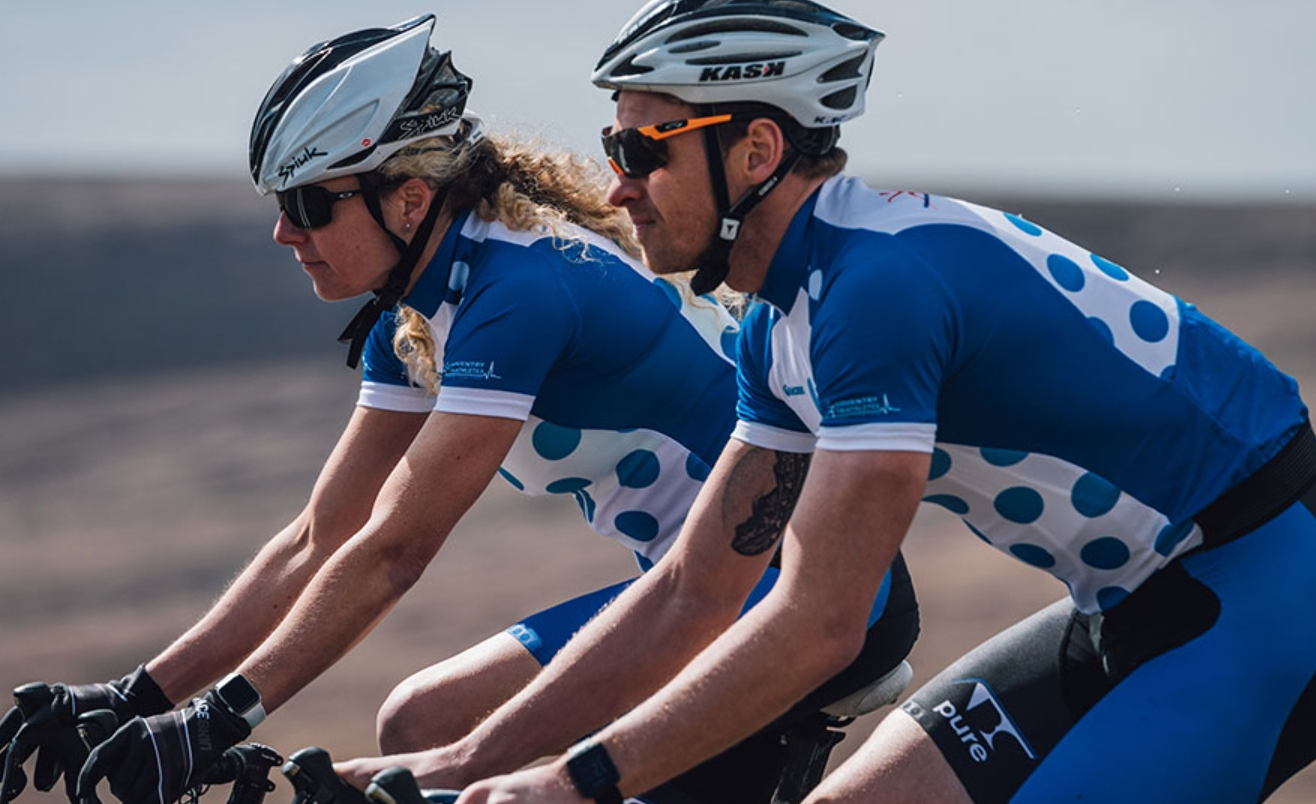
Volume discounts change the game with custom cycling jerseys. Order 10 pieces and you'll pay more per jersey than if you order 100. Here's how the math works.
Small Orders (10-24 pieces)
Expect to pay $45-$75 per jersey for basic quality at this quantity. Mid-range jerseys run $65-$95 . Premium options jump to $110-$150 each. The per-unit cost stays high. You're splitting setup fees across fewer pieces. Design fees add up. Screen setup costs matter. Minimum production runs factor into that price tag too.
Medium Orders (25-49 pieces)
This sweet spot drops your cost to $35-$55 for basic jerseys. Mid-range pieces fall to $50-$75 . Premium jerseys land around $85-$120 each. You're saving about 20-25% compared to smaller orders. Most cycling clothing manufacturers work best at this quantity. They're efficient enough to offer better pricing. Plus, it's still manageable for weekend clubs or small racing teams.
Large Orders (50-99 pieces)
Now you're looking at $28-$42 for basic quality. Mid-range jerseys cost $40-$60 . Premium options run $70-$95 per piece. The per-jersey price drops another 15-20% from medium orders. Established clubs use this quantity. Corporate cycling events do too.
Bulk Orders (100+ pieces)
Hit triple digits and prices fall to $22-$35 for basic jerseys. Mid-range runs $32-$50 . Premium pieces cost $55-$80 each. Some cycling clothing manufacturers go even lower at 200+ pieces . Prices drop another 10-15% . Major cycling events and large clubs operate at this level.
The Real Impact
Your club needs 50 jerseys. At 10 pieces, you'd pay $3,250 total ($65 each). Order all 50 at once? You pay $2,500 ($50 each)—saving $750. That's the power of volume pricing.
Volume Savings ComparisonCost Breakdown by Jersey Type and Style
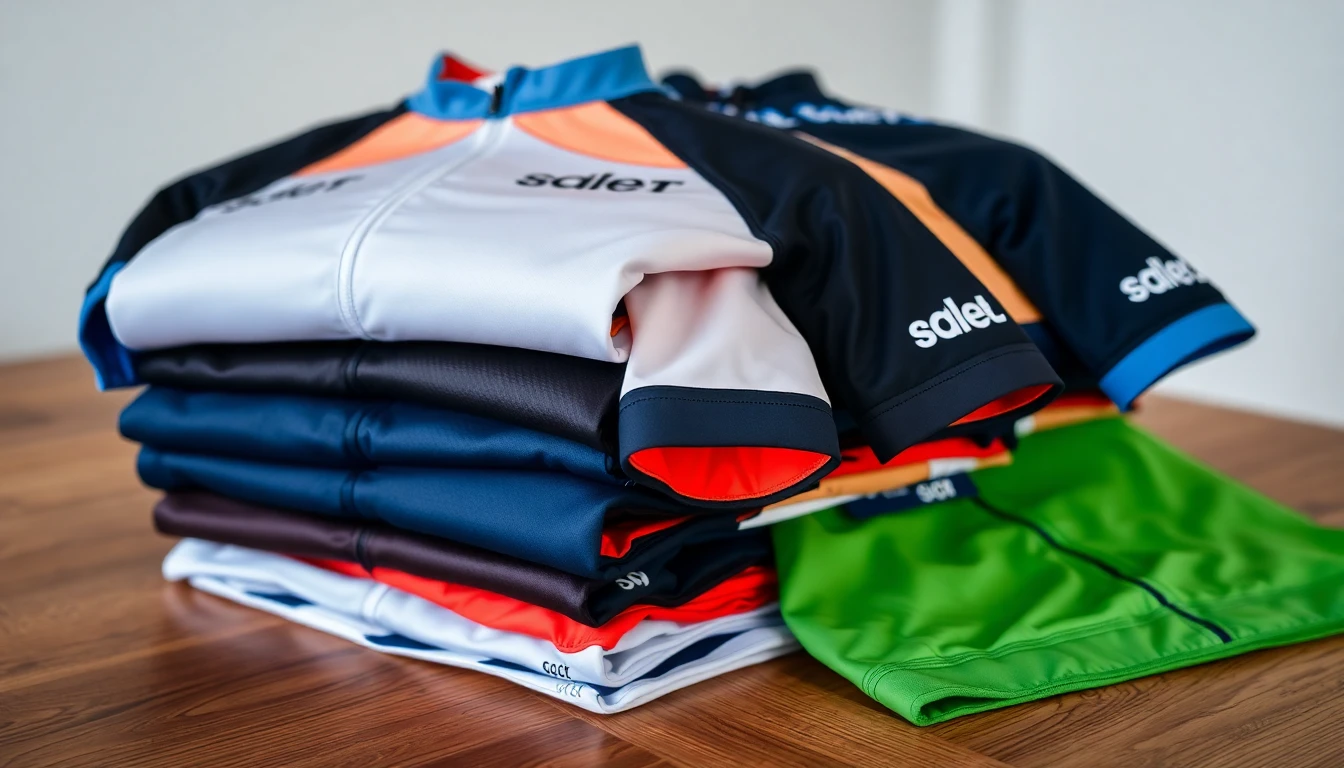
Jersey style affects your bottom line more than you'd think. A basic training jersey costs half what you'll pay for a race-cut aero piece. Different styles serve different purposes. Each comes with its own price tag.
Short Sleeve Jerseys
The workhorse of cycling apparel. Short sleeve jerseys run $30-$120 depending on quality tier. Basic recreational jerseys with simple polyester fabrics start around $30-$45 . Club-level jerseys with better moisture-wicking materials cost $50-$75 . Race-quality pieces with premium fabrics and exact fit hit $85-$120 . Most teams pick this style. It works for training and events.
Long Sleeve Jerseys
Add $8-$15 per piece compared to short sleeve versions. The extra fabric and construction time drive costs up. Expect $38-$55 for basic long sleeve jerseys. Mid-range options cost $58-$90 . Premium racing gear runs $95-$135 . Fall and spring riders love these. Cold-weather training teams need them.
Sleeveless/Vest Styles
These don't cost less. Sleeveless jerseys run $28-$100 —similar to short sleeve pricing. Why? The armhole finishing takes precision work. Pattern changes add labor costs. Triathletes and hot-climate riders prefer this style.
Women's-Specific Cuts
Tailored women's jerseys match men's pricing— $30-$120 . But they need separate pattern development. Some makers charge an extra $50-$100 design fee for women's patterns. This happens if your order includes both cuts. Plan for this if you're outfitting a mixed-gender team.
Aero Race Jerseys
Premium race-cut jerseys with aero fabrics cost $95-$180 . The tight fit needs exact patterning. Advanced materials like dimpled fabrics or compression panels increase production costs. Competitive teams justify this expense. Casual riders don't need it.
Key Factors That Affect Custom Cycling Jersey Pricing
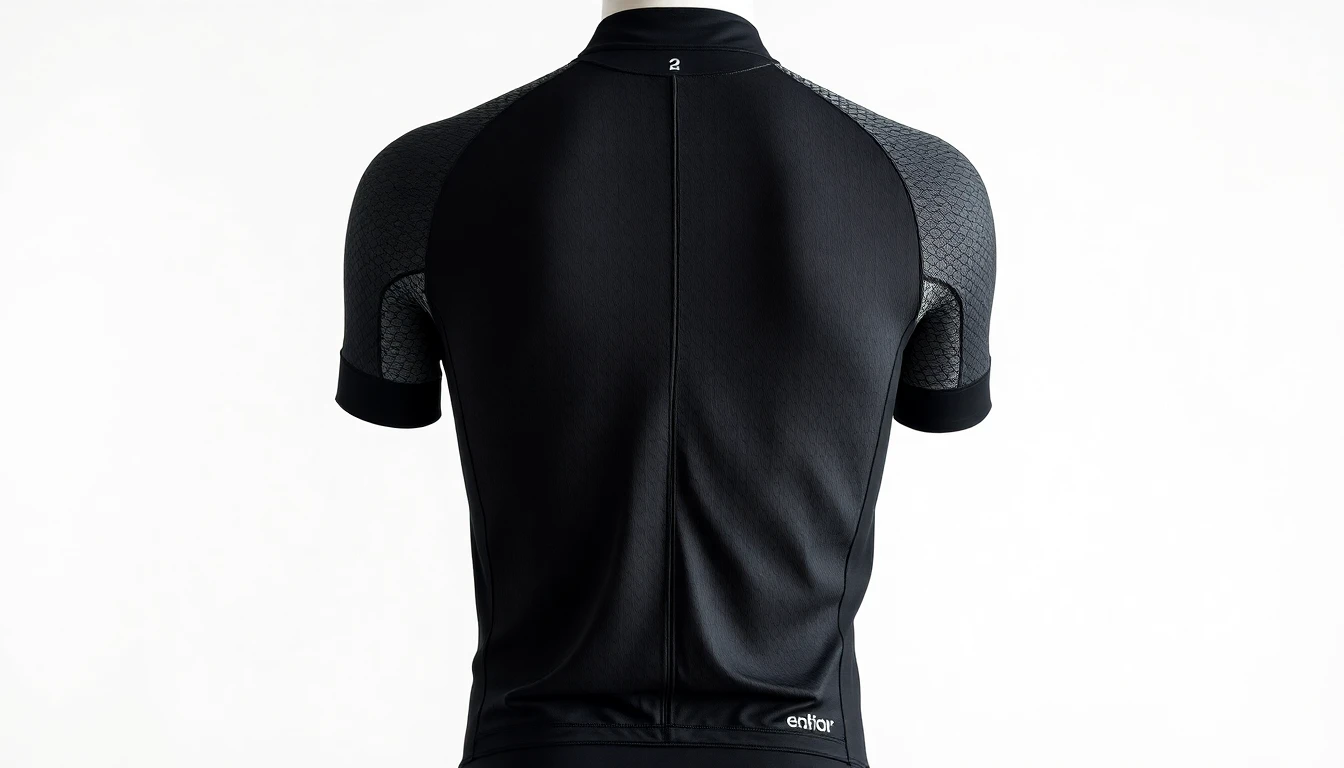
Material costs make up most of your final bill. Fabric quality varies a lot in cycling jerseys. Suppliers buy in bulk—200 meters of cloth, boxes of zippers, rolls of silicone grippers. You order 15 custom jerseys? The manufacturer still buys materials for 200. That leftover inventory gets passed to you through higher prices per jersey.
Premium fabrics cost a lot more. Engineered Lycra with four-way stretch costs 3-4 times more than basic polyester. Merino wool blends push prices even higher. Most makers use polyester for good reasons—it's cheap and wicks moisture well enough for casual riders. Quality matters though. Budget jerseys under $100 use basic fabrics that pill after one season. Mid-range pieces ( $100-200 ) add mesh ventilation panels, stretch zones, and proper silicone grippers. Top jerseys over $200 include UPF protection, aero-optimized weaves, and sometimes smart textiles that control temperature.
Design Complexity and Labor
How much you customize changes everything. About 35% of buyers want custom designs—unique patterns, specific logo spots, color gradients. Full custom requires designer meetings. Size checks. Material samples. Several revision rounds. Labor costs pile up fast.
Semi-custom works better for teams on a budget. Manufacturers give you set fabric options and base patterns. You pick colors and add your logos. Design costs drop 30-40% compared to full custom. The downside? Less creative freedom. But most weekend clubs get what they need from semi-custom.
Production Location and Brand Premium
European makers—Italian ones in particular—charge premium prices. Strict labor laws and eco rules raise their costs. You pay for ethical production and better craftsmanship. An Italian-made jersey might cost $150-250 wholesale. An Asian-made version runs $50-80 .
Big brands add costs for research and development. They've spent years perfecting fit, testing fabrics, and creating new features. You're paying for that expertise. New cycling apparel's manufacturers price lower but don't have proven results yet.
Market Forces
The custom cycling jersey market hit $718 million in 2024 . It grows 5.8% each year through 2031. More demand means higher pricing. Supply chain problems and tariffs create price swings. Manufacturers spread out their suppliers to control costs. These changes take time though.
Factory numbers show the real markup. A jersey selling for $100 costs manufacturers about $12 to make . The difference covers design, minimum order costs, branding, shipping, and retail profit.
Major Custom Cycling Jersey Suppliers Price Comparison
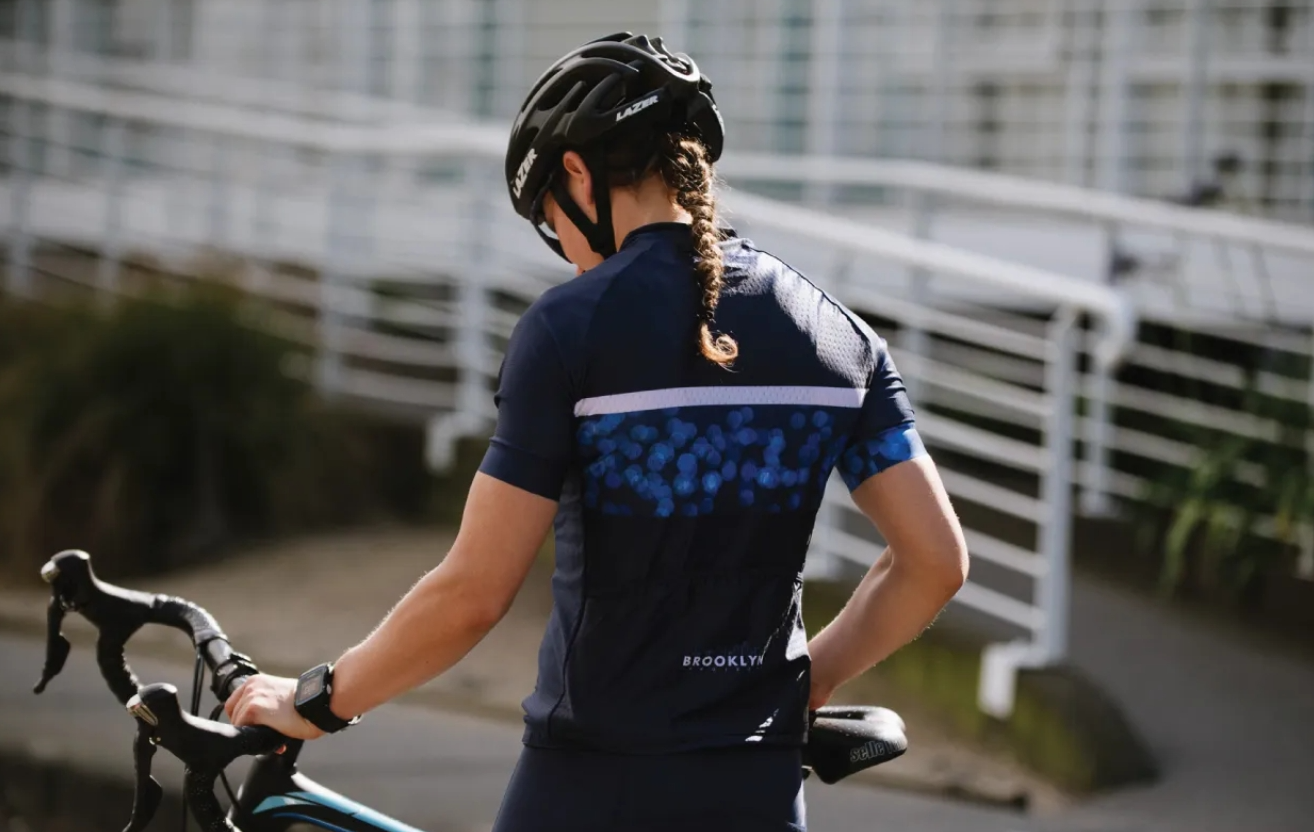
Compare manufacturers to spot pricing patterns. European brands charge premium rates—often double what Asian producers ask. Direct-to-consumer companies skip middlemen. This cuts costs. Each supplier prices differently. Match your budget and quality needs accordingly.
Premium European Manufacturers (MOQ 1-5 pieces)
Biehler brings German craftsmanship. Their aero jerseys cost €170 per piece with a €150 design fee . No minimum order. They sew everything in Germany—you pay for local labor and quality control. One jersey? Sure. Five jerseys? Same per-piece price.
Cuore gives you flexibility. Their aero jerseys start at €165 each for single orders. Buy five and you pay €116 per piece —a 30% discount . Design costs €140 upfront . They offer multiple fit options. This helps if your team has different body types.
Champion System works differently. Their aero jerseys cost €102 per piece for 10-piece orders. Premium pro versions run €160 each . No design fees—they use an online configurator. Small orders pay penalties: 50% surcharge for under 10 pieces , 100% extra for under 5 . Production happens in China, Thailand, and Hong Kong.
Rapha needs bigger orders. Their Classic Flyweight jersey costs £110 per piece for 5-piece orders. Club Bibs run £89 each . You pay full retail prices. Eight-week lead time. 5 pieces per item style minimum.
Mid-Range Options (MOQ 5-10 pieces)
Bioracer delivers value. Their Professional Body Fit jerseys cost €49.08 per piece for 5-piece orders. Total runs around €400 including the €150 project fee . Made in Belgium. Riders praise them for quality-to-price ratio.
Castelli prices by market. UK customers pay £52.50 per piece for Squadra jerseys (5-piece minimum). US buyers pay $100 per piece for Podio jerseys. Design runs $100 per hour after 3 free hours in the US. UK gets free design over £4,000 orders. Lead time: 4-6 weeks .
Santini keeps it simple. £47.70 per jersey for 10-piece orders. Bibs cost £58.51 each . No design fees. 5-piece minimum per product style. Expect 6-8 weeks production time.
Direct-to-Consumer Brands
Pactimo includes design work. Ascent jerseys cost $90 per piece for 5-piece orders. Full-print bibs run $125 each . Design included—no separate fee. 5-piece minimum . Eight-week turnaround .
Owayo uses a digital configurator—no design fees. Standard jerseys cost €85 per piece . 5-piece minimum . Made in Germany using green energy. You customize online and order straight from them.
Bulk Wholesale (15+ pieces)
Monton Sports focuses on larger orders. Their PRO Cut aero jerseys start at $58 per piece and drop with volume . 15 pieces per design minimum. Alibaba listings show custom jerseys as low as $7-15 per piece for bulk wholesale. But quality swings at that price point.
How to Calculate Your Custom Jersey Budget
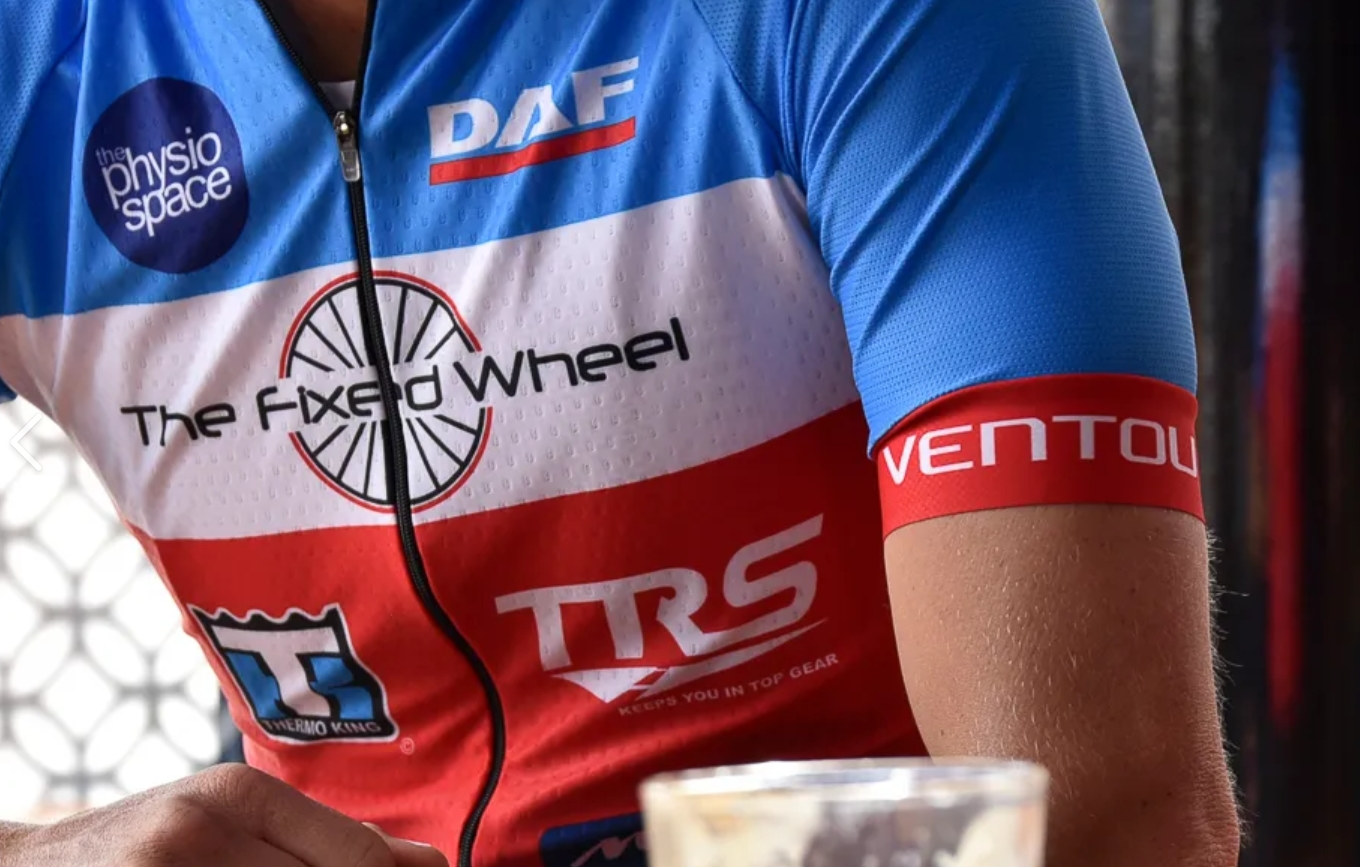
Three numbers matter for budgeting custom cycling jerseys: base price, add-ons, and hidden costs. Miss one and your budget falls apart. Start with a simple formula that covers everything.
The Basic Formula
Take your base jersey cost and times it by quantity. Add customization fees per piece. Include setup charges. Factor in shipping. Take off volume discounts. That's your real budget.
Here's what it looks like in practice:
(Base cost × quantity) + (customization × quantity) + setup fees + shipping - discounts = total budget
Each Component Explained
Your base cost depends on jersey quality. Basic training jerseys start at $30-$45 per piece. Mid-range club jerseys run $50-$75 . Premium race gear hits $85-$120 . Pick the tier that fits your needs—not your dreams.
Customization adds up fast. Each design element costs extra:
- Team logo placement: $5-$12 per jersey
- Individual rider names: $6-$10 per jersey
- Sleeve sponsors: $4-$8 per jersey
- Custom collar design: $3-$6 per jersey
Setup fees hit once per order. Expect $50-$150 for design work. Screen printing setup runs $25-$75 per color. Sublimation printing costs $100-$200 upfront. But it handles unlimited colors.
Shipping varies by location and speed. Standard bulk shipping adds $2-$4 per jersey. Rush orders jump to $200-$400 total no matter how many you buy.
Real Team Budget Example
Your cycling club needs 20 mid-range jerseys with logos and rider names:
Base jerseys: $60 × 20 = $1,200
Logo placement: $8 × 20 = $160
Rider names: $8 × 20 = $160
Design setup: $100
Shipping: $75
Subtotal: $1,695
Volume discount (20 pieces, 15% off): -$254
Final total: $1,441
Per rider: $72.05
The Volume Discount Sweet Spot
Order size changes your per-piece cost big time. Here's how discounts usually work:
10-15 jerseys: 10-12% off base price
16-25 jerseys: 15-18% off base price
26-50 jerseys: 20-25% off base price
51+ jerseys: 25-30% off base price
A club ordering 12 jerseys at $65 each pays $780 total. Order 25 instead and the price drops to $55 each— $1,375 total. You're paying $595 more but getting 13 extra jerseys . That's $46 per jersey for the extra pieces.
Cost-Saving Strategies for Custom Cycling Jerseys
Smart ordering cuts your jersey costs in half. Quality stays the same. What separates savvy buyers from those who overpay? Knowing which levers to pull.
Order Enough Pieces to Hit Volume Breaks
Five jerseys get you better pricing than one or two. Bioracer's PRO Body Fit jerseys cost €49.08 per piece for 5-piece orders. Add a €150 one-time setup fee . Total spend: €395 for five jerseys. That's €79 per jersey with the setup cost included.
Champion System needs 10 pieces to avoid surcharges. Order under 5 pieces? You face a harsh 50-100% penalty . Their aero jerseys run €102 each at 10 pieces. Order just 4? You're paying double.
The pricing table tells the story:
Provider | 1 Piece | 5 Pieces | 10 Pieces | Setup Fee |
|---|---|---|---|---|
Bioracer | €150 | €49 | - | €150 |
Champion System | +100% surcharge | +50% on €102 | €102 | None |
Owayo | - | - | €85 | None |
Maisch | - | - | €85.50 | €55 |
Skip Design Fees With Online Configurators
Design fees drain budgets fast. Most cycling wear's manufacturers charge €100-€150 per project. Owayo removes this cost. Their online configurator lets you build custom jerseys for €85 per piece . Zero design charges. Champion System works the same way. Teaspo offers a configurator option that drops time-based design fees. Design it yourself? You save €150-€200 right there.
Choose Base Models Over Feature-Loaded Versions
Every upgrade costs extra. Teaspo's base aero jersey runs €120 . Add zip pockets and reflective elements? The price jumps to €139 . That's €19 more per jersey . Most recreational riders don't use these features. Take that across 10 jerseys. You've spent an extra €190 on bells and whistles. Stick with essentials unless you need those extras.
Quality vs Price: What You Get at Different Price Points
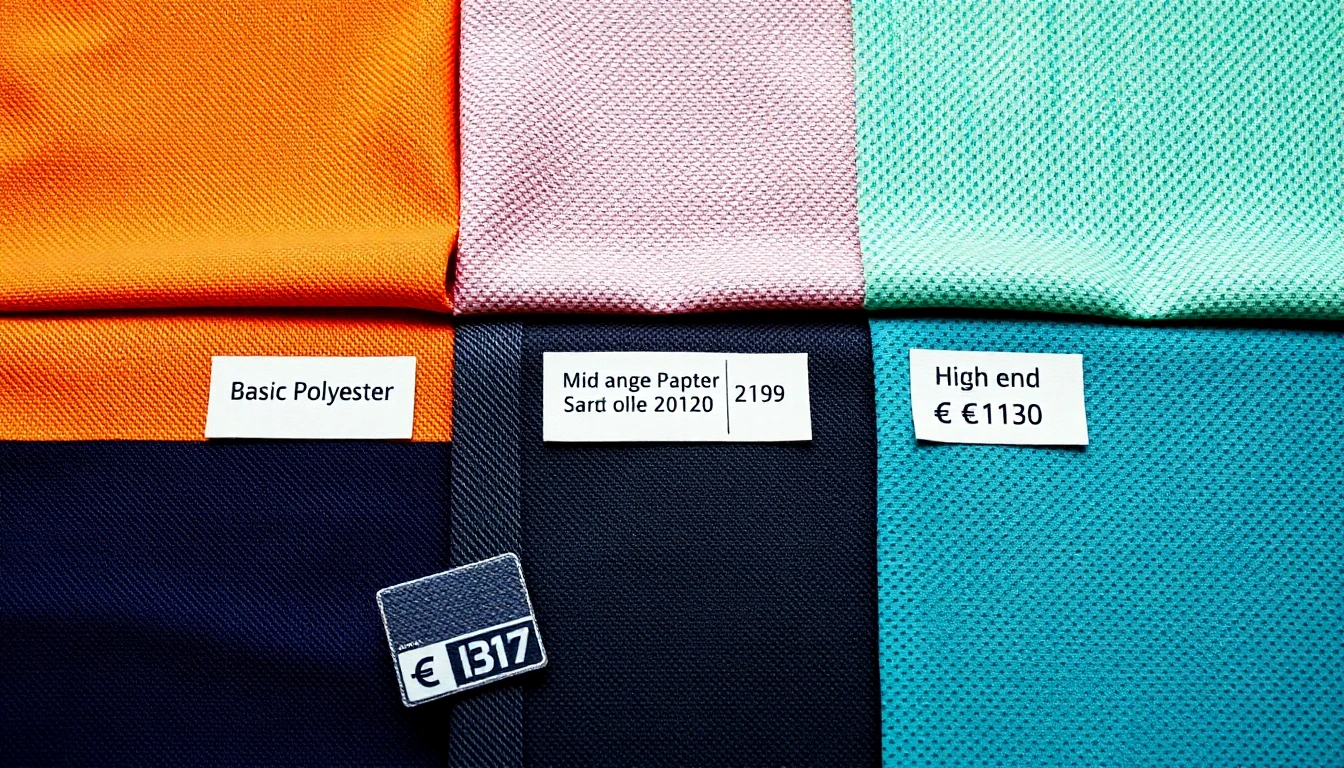
Spending more doesn't guarantee better cycling jerseys. Research across product markets shows price and quality link weakly—around 0.20 to 0.25 on average. Some categories hit +0.90 , while others drop below -0.80 . Cycling jerseys fit into the semi-durable clothing category. Here, price works better as a quality guide than it does for electronics or household goods.
Budget Tier: $30-$50 Per Jersey
Basic jerseys get you on the road. These use standard polyester fabrics—100% synthetic with moisture-wicking traits. You'll find flat-lock seams that stop chafing. Basic silicone grippers hold the jersey in place. Screen-printed logos last about one season. Then they fade.
The trade-offs show up fast. Fabrics pill after 15-20 washes . Zippers catch or break within six months. Colors fade. Fit runs generic—one size template stretched across all sizes. Ventilation? Not much. Most budget jerseys skip mesh panels.
Who benefits? Charity rides. One-time events. Casual weekend groups that ride twice a month. Companies ordering promotional gear for giveaways. You're not buying durability. You're covering bodies at the lowest cost.
Mid-Range Tier: $50-$85 Per Jersey
This sweet spot brings real improvements. Better polyester blends include 4-way stretch zones. Makers add mesh ventilation panels under arms and across the back. Sublimation printing puts designs into fabric—they won't crack or peel. Silicone grippers use 3-band systems instead of single strips.
Quality jumps in how they're built. Flat-lock seams get reinforced at stress points. YKK zippers replace generic brands. Fabrics resist pilling for 30-40 washes . UV protection ranges from UPF 30-40 . Fit improves with tailored patterns. Different cuts work for different body types.
Serious weekend clubs ride here. Teams training for gran fondos. Charity rides wanting jerseys that last multiple events. You're getting 2-3 seasons of regular use before quality drops.
Premium Tier: $85-$150+ Per Jersey
Race-level jerseys earn their cost through material science. Engineered Lycra blends cost makers 3-4 times more than basic polyester. You get aerodynamic fabrics—dimpled surfaces or compression weaves that cut drag. Temperature-control materials wick moisture and manage heat.
Construction reaches another level. Laser-cut edges remove seams in some areas. Ergonomic patterns follow body shape—no extra fabric flapping. Compression zones support muscles during hard efforts. Reflective elements spread through the design, not just tacked on as strips.
These jerseys last 4-5+ seasons with proper care. Fabrics keep elasticity and color. Zippers work smooth year after year. Competitive teams need this toughness. Serious amateur racers see real performance gains.
The Real Price-Quality Gap
Big cycling apparel's brands charge premium prices that don't always match quality boosts. Studies of durable goods show major brands cost way more than store brands despite little quality difference . Cycling clothes follow the same path.
A jersey selling for $150 might cost the maker $12-15 to produce. Where does the markup go? Research and development. Marketing. Retail distribution. Brand prestige. Sometimes you're paying for real innovation. Other times? Just the logo.
How we see things makes this tricky. We think higher prices mean higher quality—especially with products we can't test before buying. This applies to cycling jerseys. You can't check fabric toughness, long-term color hold, or how well grippers work after 50 rides. We use price as our quality signal.
The truth? Mid-range jerseys from cycling-focused makers often match or beat premium brand quality at 40-50% lower cost . Small European producers like Bioracer build race-level gear at mid-tier prices. Direct-to-consumer brands cut out retail markups.
Making Smart Quality Decisions
Match jersey quality to your real riding needs. Training three times a week for competitive events? Premium jerseys pay off through toughness and performance gains. Riding on weekends for fun? Mid-range pieces give you everything you need. One charity ride per year? Budget options work fine.
Test fabric in person if you can. Stretch it. Check opacity. Look at seam work. Compare zippers. Feel the silicone gripper thickness. Physical checks tell more than price tags.
Here's the thing: t-shirts show the strongest price-quality link among tested clothing types . Cycling jerseys work the same way. Electronics? Price means little. Furniture? Big brands charge too much for the quality you get. Cycling clothes? Prices do match performance. Not perfectly. But better than most product types.
Hidden Costs and Common Pricing Pitfalls
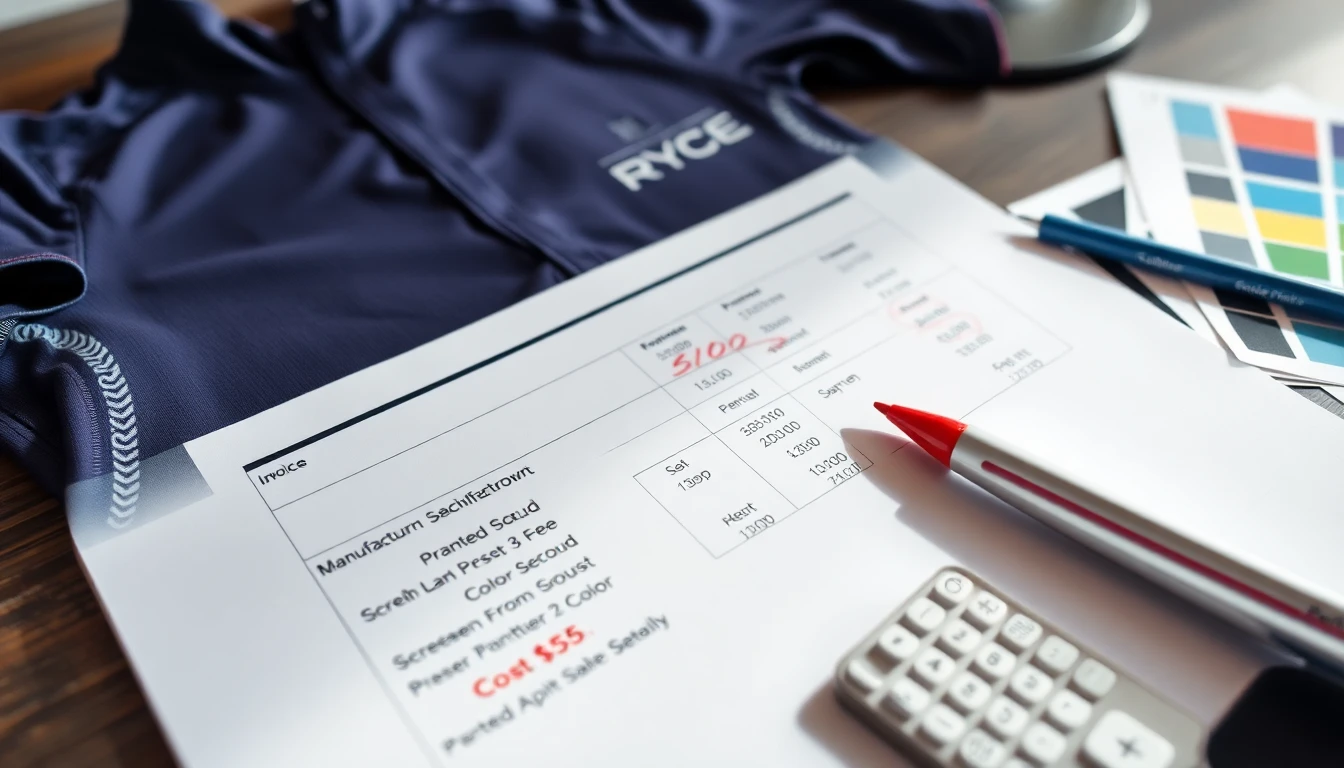
Setup fees sneak into your invoice unexpectedly. Most manufacturers charge $50-$150 just to prepare your design files. Screen printing adds $25-$75 per color . Want a red logo and blue text? That's two colors. Two separate charges.
Sublimation printing costs more upfront at $100-$200 . But it handles unlimited colors. No extra fees.
Rush production kills budgets. Standard turnaround runs 6-8 weeks . Need jerseys in three weeks? Expect a 25-40% surcharge on your entire order.
One European manufacturer of cycling apparel charges €50 extra per jersey for fast production. A 15-piece rush order? That adds €750 just for speed.
Shipping and Import Surprises
Domestic shipping seems straightforward. Then you see the bill. Standard bulk delivery adds $2-$4 per jersey .
International orders? Costs add up fast. Import duties vary by country. You'll pay 12-25% of your order value for European shipments.
Customs delays create storage fees. These pile up at $75-$150 per day . A delayed 50-piece shipment? You're paying $225-$450 just for warehouse sitting time.
Minimum order quantities trap small teams. Ordering 8 jerseys but the supplier needs 10? You pay for 10 anyway. Or worse—you face a 50-100% penalty per piece like Champion System charges. The math hurts either way.
The Invoice Error Tax
Pricing mistakes happen more than you'd think. Invoice errors raise processing costs by 20% per invoice according to research. Wrong quantities. Incorrect customization charges. Forgotten design fees.
Each mistake delays payment. It adds rework hours. Some teams spend weeks fixing billing problems instead of riding.
Design revision fees catch buyers off guard. Most makers include 1-2 free revision rounds . After that? $50-$100 per change .
Team members requesting "just one small tweak" seven times? You've spent $350-$700 on revisions alone.
Samples cost real money too. Quality manufacturers of cycling apparel charge $75-$150 for physical samples before production. Want to test three fabric options? That's $225-$450 before you've ordered a single jersey.
Skip samples? You risk receiving 50 jerseys in the wrong shade of blue.
Conclusion
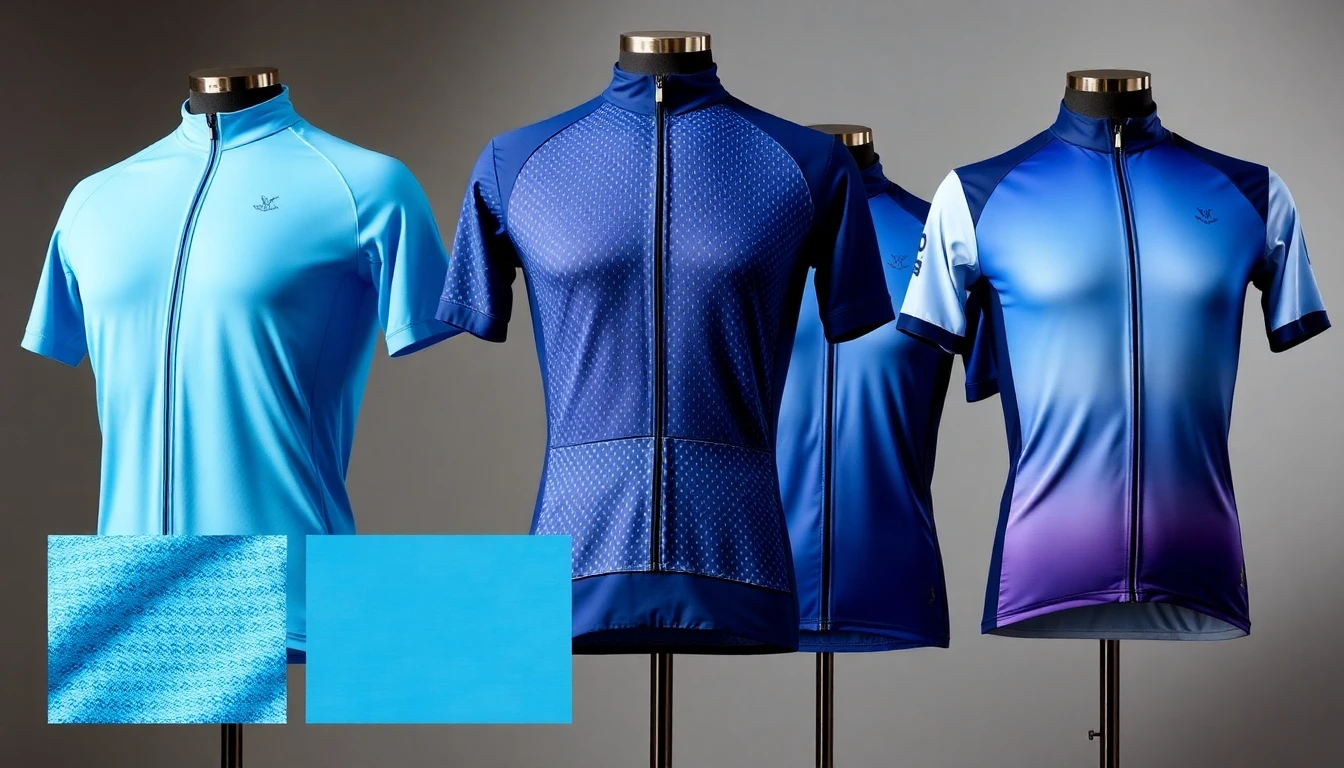
The Custom cycling jerseys cost varies based on what you choose. You control your team's apparel budget once you understand the pricing. Large club orders might run $25 per jersey. Premium individual pieces can hit $60 or more. What drives these numbers? Fabric quality, order quantity, printing complexity, and supplier choice all matter.
Most teams find their sweet spot here: 25-50 jerseys in performance polyester with sublimation printing. This runs $30-$45 per piece. You get quality without breaking the bank.
Cost-saving strategies work. Consolidate your orders. Simplify your designs. Choose the right supplier. These steps can cut your total investment by 20-40%.
Ready to make your cycling team uniform budget real? Define your must-haves first. Moisture-wicking fabric? Reflective elements? List what you need. Then request detailed quotes from 2-3 suppliers. Use the same specifications for each. At Berun Clothes, we price everything transparently. No hidden fees. Your focus should be on the ride ahead, not on confusing invoices.
[Get Your Free Custom Jersey Quote →] Share your design vision and order size. We'll provide a detailed breakdown within 24 hours.