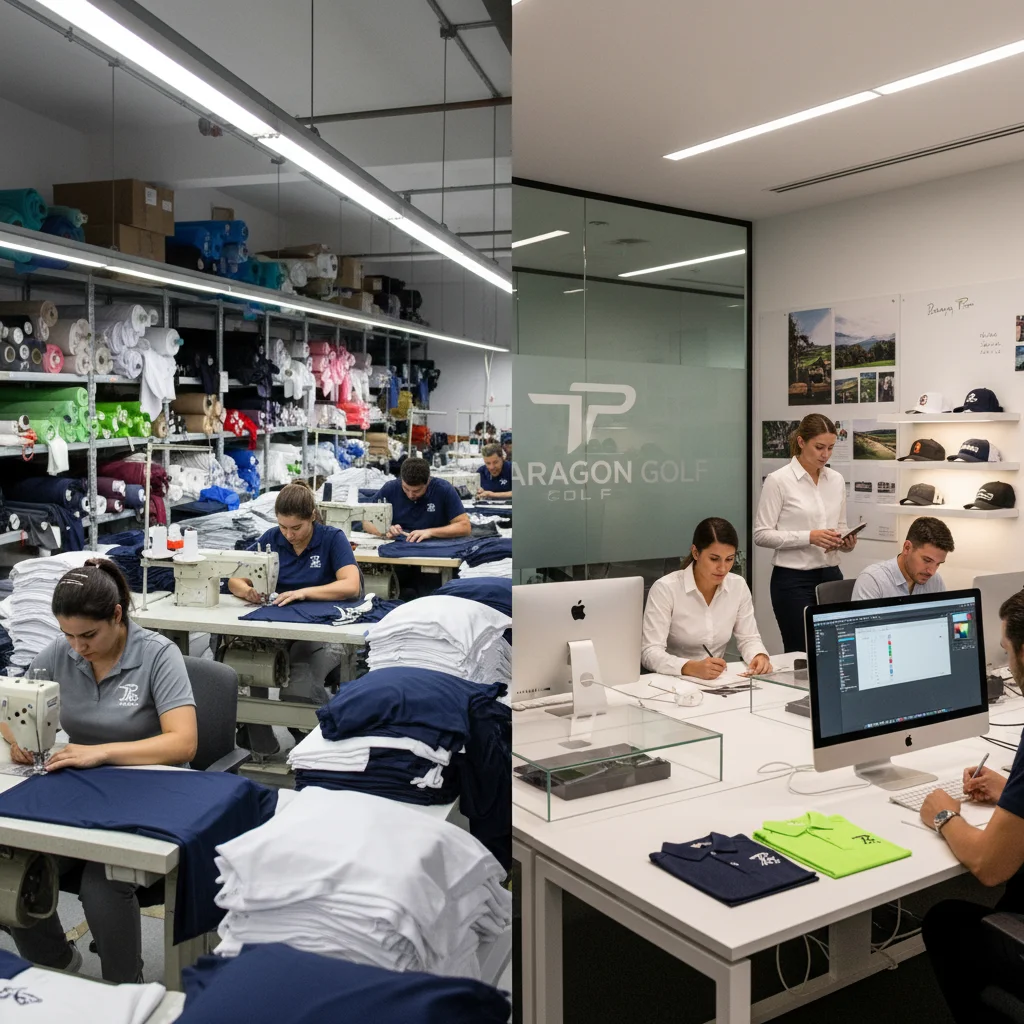
Spend enough time in the pro shop, and you'll hear it at least once: "Is there a difference between a golf shirt and a polo shirt — or are they the same thing?" It's a fair question. The answer is more layered than most people expect.
Both styles share that classic collar and placket. But a true moisture-wicking golf shirt and a standard polo are not the same. The gap shows up in how you move, how you feel on hole 14 when humidity hits hard, and whether the course marshal waves you through or turns you away at the gate.
This guide breaks down the technical details that separate these two garments. You'll also find out what PGA Tour players wear under those sponsor logos. By the end, you'll know exactly how to dress smarter — on the course and off it.
Golf Shirt Vs Polo Shirt: 5 Key Differences You Need to Know
The details live in the construction — and once you see them, you can't unsee them.
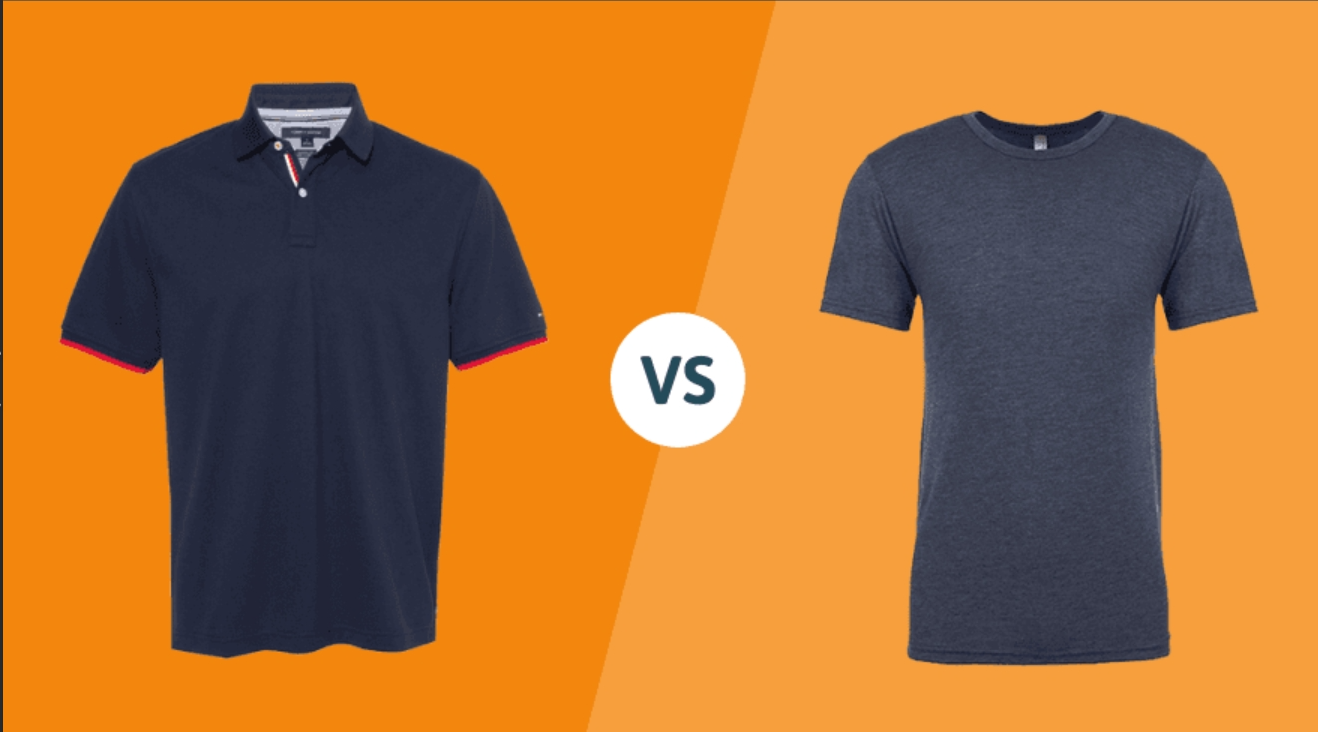
A golf shirt and a polo shirt look almost identical hanging on a rack. Same collar, same placket, same general silhouette. But put one on during a four-hour round in July heat, and the difference hits you fast. Below are five clear technical distinctions that separate a true performance polo shirt from its casual lookalike.
1. Fabric: The Foundation of Everything
Standard polo shirts use cotton or cotton blends . Cotton breathes well in calm conditions. But it absorbs sweat instead of moving it away from your skin. After a few holes in humid weather, you're wearing a wet shirt.
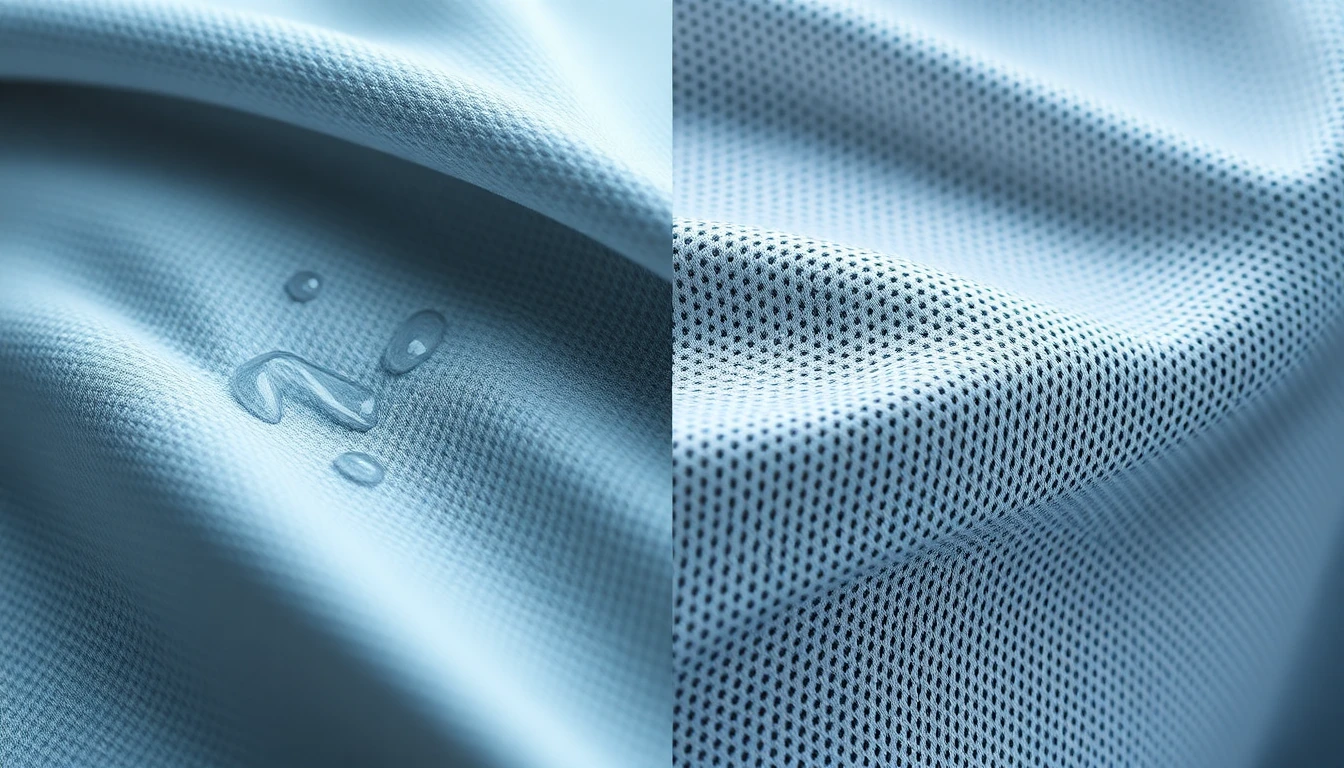
Moisture-wicking golf shirts use polyester blends and performance synthetics . These fabrics pull sweat away from your body, speed up evaporation, and in many cases block UV radiation. That's not a marketing claim — it's a real functional need for anyone spending 4+ hours under direct sunlight. Golf shirt fabric does physical work that cotton isn't built to do.
2. Fit and Cut: Built for a Swing, Not a Boardroom
A polo shirt is cut slim and fitted. That structure looks sharp at a dinner table. On the tee box, it limits your backswing.
Athletic polo shirts designed for golf offer a relaxed fit through the torso and shoulders , longer sleeves , tapered sides , and — most importantly — split hems . The split hem alone makes a bigger difference than most buyers expect. It lets your hips rotate at the bottom of your swing without the shirt coming untucked mid-round.
3. Collar Design: Small Detail, Real Consequences
Most polo shirts use soft ribbed or knit collars . They look clean off the rack. After an hour of neck movement and humidity, they curl. A curled collar can get a player flagged under certain golf dress code standards.
Golf collar shirts use structured, self-fabric collars built to resist curling under heat and movement. Playing a course with collar requirements? This detail isn't about looks — it's about staying compliant.
4. Placket and Buttons: Adjustability Under Pressure
Most polo shirts carry a 2-button placket . That works fine for casual wear. For someone generating heat across 18 holes, it falls short.
Golf shirts tend to feature a 3-button placket , so you get real-time ventilation control as course conditions shift. It's a small detail with a large impact on comfort during long rounds.
5. Arm Holes, Sleeves, and Rotation: Where Polo Shirts Fail Golfers
This is where the gap is most measurable. Standard polo shirts have smaller, tighter arm holes . Those restrict the shoulder rotation a proper golf swing needs.
Performance golf shirts address this with:
- Larger arm holes for a full range of motion
- Raglan or set-in sleeves with built-in stretch
- Shoulder pleats or side panels for added movement
- Ribbing at the cuffs to stop ride-up during your follow-through
Every one of those features exists for a mechanical reason — not aesthetics.
Quick-Reference Comparison
Bottom line on selection:
- Pick a golf shirt for heat, sun, and high-rotation athletic movement.
- Pick a polo shirt for office settings, casual dinners, or light outdoor use.
These two garments serve different purposes. Knowing which one fits your situation saves you money — and keeps you on the right side of the clubhouse dress code.
What Do Professional Golfers Wear on the Course?
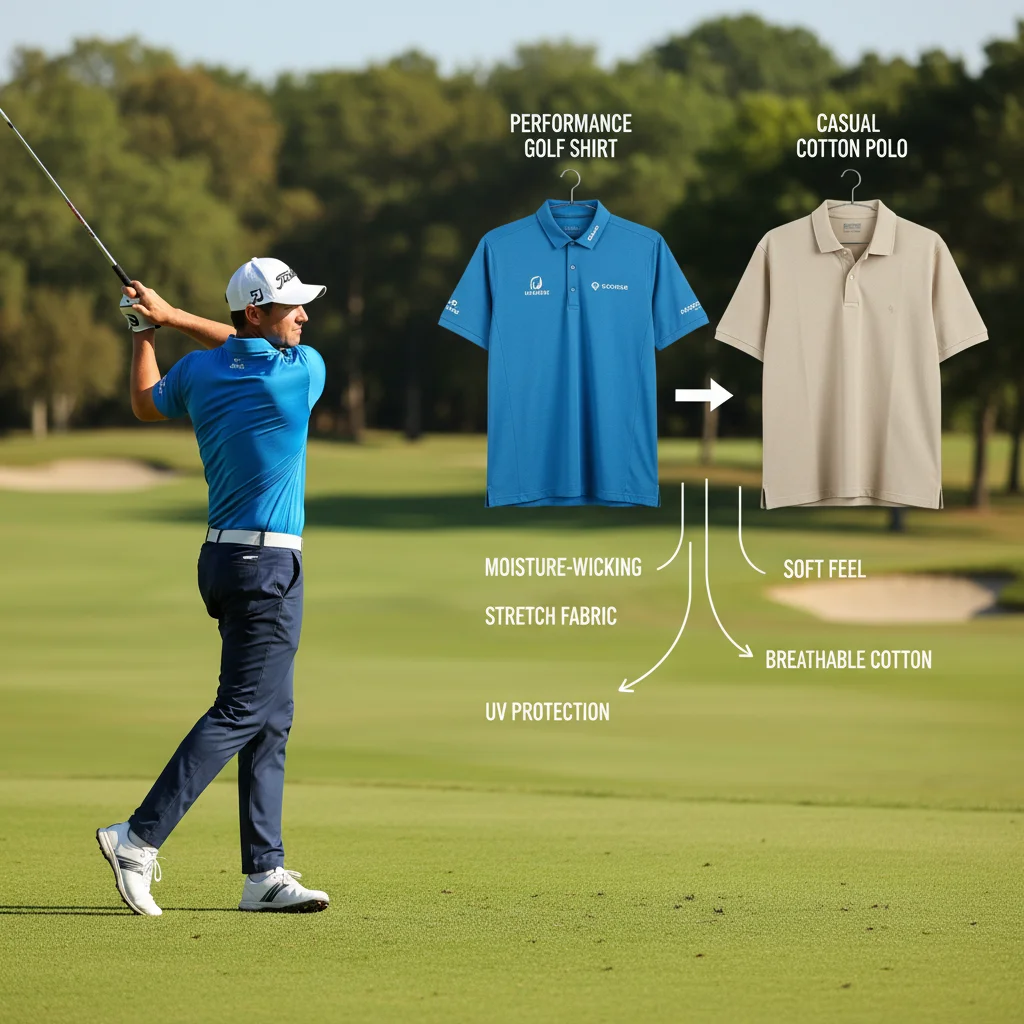
Watch any PGA Tour broadcast and you'll spot a pattern fast. Under the sponsor logos and brand patches, every pro is wearing the same type of garment — a high-performance golf shirt built for athletic output, not store shelves.
This isn't a fashion choice. It's a functional one.
The Performance Standard Pros Demand
Pro golfers spend four to five hours per round in direct sunlight. They generate explosive rotational force on every single swing. The golf apparel they pick has to meet real physical demands. A standard polo shirt can't do that.
Here's what that looks like in practice:
Moisture-wicking golf shirts made from polyester, spandex, and nylon blends — these fabrics pull sweat away from skin and speed up evaporation during long rounds
4-way stretch construction that lets you rotate your shoulders and hips without any restriction
Seamless or flatlock stitching to stop chafing through thousands of repeated swing movements
UPF-rated fabrics that block UV radiation during hours of outdoor play
Ergonomic, low-weight cuts that sit close to the body without squeezing — so the shirt stays out of your swing path
The collar stays structured. The hem stays down. The sleeve doesn't ride up on the follow-through. Every design decision solves a specific mechanical problem.
What the Brands Behind the Logos Are Building
Nike Golf and Adidas lead Tour-level endorsements. Their grip on the market comes from technical credibility, not brand recognition alone. Callaway has pushed deeper into sustainable construction, adding 30% recycled polyester into their 2024 performance lines. These aren't marketing stunts. They show where golf shirt fabric development is heading at the pro level.
The numbers back this up. The global golf apparel market hit USD 4.42 billion in 2024 . It's on track to reach USD 6.61 billion by 2030 — a 6.9% CAGR driven by strong demand for performance polo shirts with advanced technical specs.
What pros wear isn't about looking the part. It's the clearest signal in the industry of what golf clothing needs to deliver — because on Tour, performance is the measure that counts.
Custom Golf Apparel Manufacturer
Need Performance Golf Shirts for Your Team or Brand?
BeRun Sports offers OEM/ODM custom golf shirts with moisture-wicking fabrics, UPF 50+ protection, and full logo customization. MOQ from 100 pieces.
Get a Free Quote →Golf Dress Code: Golf Shirt or Polo Shirt — Does It Matter?
Here's a number worth knowing before you show up at any clubhouse: 72% of golfers consider dress code a key factor when choosing where to play (2025 National Club Golfer survey). That's not a minor preference — it's a majority. The collared shirt sits at the center of every dress code conversation in the sport.
The rule is simple. Wear a collar. Everything else is just variation.
How Strict the Rules Get
Dress codes aren't the same at every course. They scale with the type of facility:
Private clubs enforce the tightest standards — traditional collared shirts, tucked in, no denim, soft-spike shoes required. No exceptions. No negotiation.
Public courses require collared shirts but apply the rule with more flexibility. Some permit logo T-shirts. Most draw the line at tank tops.
Resort courses lean casual. Non-collared golf T-shirts can pass. Smart casual is the standard phrase here.
Real enforcement does happen. Staff at Rancho Las Palmas CC in California and Eagles Nest CC in Arizona told women to buy collared shirts on-site after they arrived in similar-cut tanks. The rule held regardless of how close the garments looked in style.
Golf Shirt or Polo — Does the Course Care?
Short answer: no . A polo shirt and a golf shirt meet the same dress code requirement. Both have a flat collar, a 2–3 button placket, and the fitted silhouette courses expect. A marshal checks the collar — not the performance specs underneath.
For your own comfort, the details shift. Look for moisture-wicking fabric, a proper fit (not too loose, not too tight), and neutral colors or clean patterns. Bright, chaotic prints read as casual. Solid or subdued tones read as deliberate.
The Pre-Round Checklist
Before you head to any course:
Check the dress code policy — most clubs publish it on their website
Wear a collared polo or golf shirt — moisture-wicking and fitted
Choose tailored shorts or pants — no denim, no cargo, no rips
Wear golf or athletic shoes — flip-flops will get you turned away
Skip tanks, gym wear, and loud patterns — even at public courses, these draw the wrong kind of attention
The bottom line: a performance golf shirt and a standard polo shirt both clear the bar. But one of them keeps you comfortable through 18 holes in July heat. The dress code gets you through the gate — the right fabric gets you through the round.
How to Choose Between a Golf Shirt and Polo Shirt: Practical Buying Guide

The wrong shirt doesn't just look bad — it fights your game.
Knowing the difference between a golf shirt and a polo shirt is one thing. Buying the right one for your situation is another. Here's a five-step framework that cuts through the noise.
Step 1: Start With Your Activity
This is the first question that matters. Are you swinging a club outdoors for four hours, or walking into a client lunch? High-motion, high-sweat situations call for a moisture-wicking golf shirt made from polyester-spandex blends. Low-intensity, indoor, or office settings are where a cotton polo shirt fits.
Step 2: Read the Fabric Label Before You Buy
Don't guess. Check that the golf shirt fabric lists polyester blends near the top. Also look for UPF 40+ certification — it blocks 97.5% of UVB radiation. Performance fabrics evaporate sweat three times faster than cotton. That's a real, measurable gap — not a brand promise.
Step 3: Test the Fit Before You Commit
Raise your arms overhead. Do a backswing rotation. A solid athletic polo shirt built for golf moves with you. It sits looser through the shoulders and arms, then tapers at the sides. Feel resistance at the shoulder? The armholes are too small. Golf shirt armholes run 20–30% larger than standard polo cuts — that's the whole point.
Step 4: Inspect the Construction Details
Check three things:
Collar stiffness — structured and curl-resistant vs. soft knit
Button count — 3-button placket for ventilation control vs. standard 2
Hem length — extended back tail that stays tucked mid-swing vs. a straight even hem
Each detail tells you what the shirt was built for.
Step 5: Match the Brand to the Use Case
Nike Golf and Adidas build for athletic output — raglan sleeves, sport-focused cuts. Lacoste and Ralph Lauren build for lifestyle wear — ribbed collars, relaxed fits. Neither is wrong. They're just made for different lives.
Need Custom Golf Shirts or Performance Polos?
Sourcing for a team, a club, or a brand? Berun Clothes offers manufacturer-direct customization on both golf shirts and golf polo shirts . Choose your fabrics, UPF ratings, fit specs, and logo placement. You get performance-grade construction — no retail markup attached.
Custom Golf Shirts for Teams & Golf Clubs
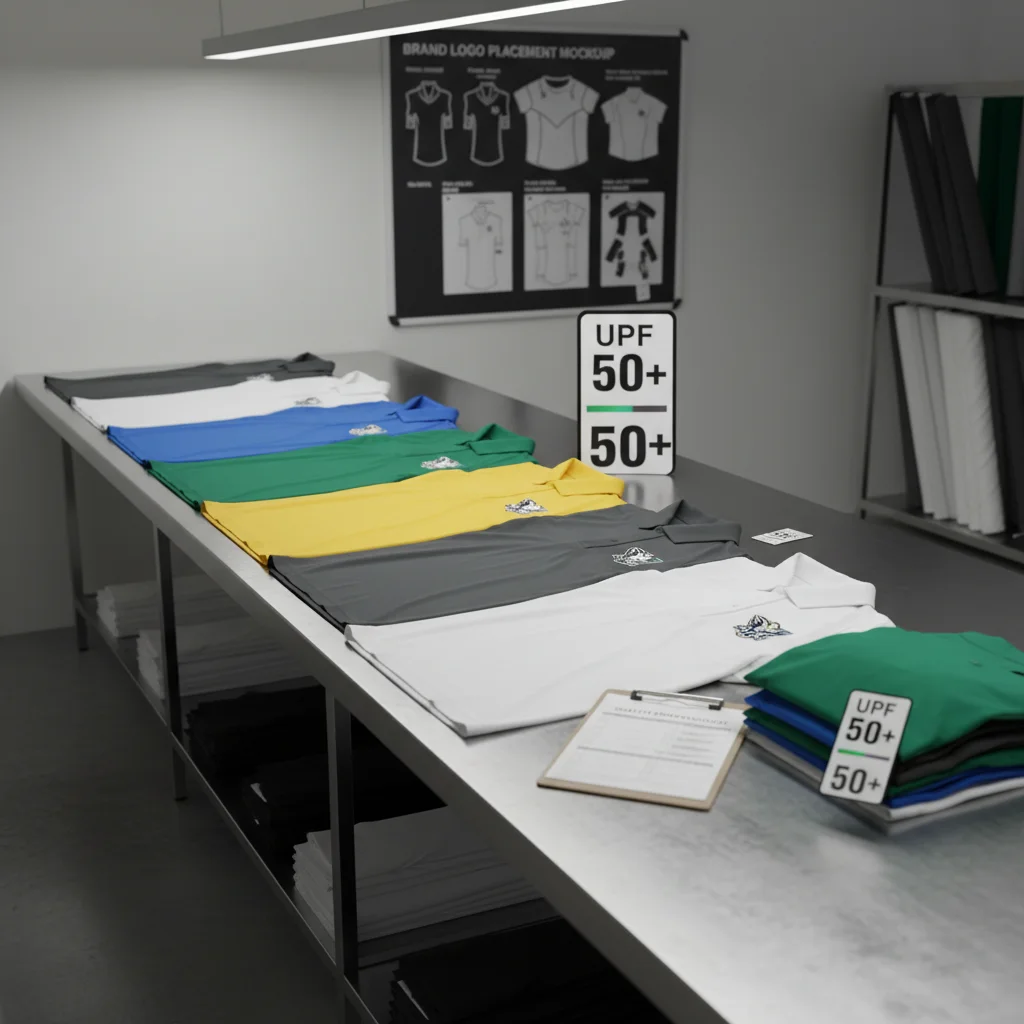
Ordering custom golf shirts for a team or club is straightforward — until you're six weeks from your tournament and a supplier delivers the wrong color, the wrong fit, and a collar that curls on day one.
The right OEM partner of golf shirt stops that from happening. Here's what separates a reliable golf shirt manufacturer from a costly mistake.
Fabric and Construction Standards Come First
Any OEM worth your budget needs to meet these non-negotiables on golf shirt fabric :
4-way stretch with moisture-wicking construction — not a coating, built into the yarn
UPF 50+ UV protection, certified to AATCC 183 standards
Pre-shrunk to under 3% post-wash shrinkage — so size S on delivery day stays size S after laundering
±0.5cm tolerance per size across S–5XL , with graded patterns for a consistent fit across your roster
Logo Application and Color Accuracy
Pantone color matching with ±1ΔE tolerance is the industry standard for a sharp, uniform look. A solid manufacturer offers all three core logo methods:
Embroidery (6–12 thread count, 5–7mm height) for premium chest logos
Dye-sublimation for all-over prints that keep full breathability
Heat transfer vinyl for smaller placements and player numbering
MOQ, Lead Times, and Scalability
Starting a capsule collection or outfitting a new club? A 50-piece MOQ works well for smaller programs. Bigger teams and leagues tend to land in the 300–500 piece range . That's where per-unit costs drop in a noticeable way.
Standard production takes 30–45 days. Look for flexibility on rush orders and staggered deliveries. Real schedules shift, and your supplier should handle that without friction.
Why Berun Clothes Works for Golf Programs
Berun Clothes is BSCI-audited and ISO 13934-certified. Their automated cut-piece sorting keeps error rates under 1%, and on-time delivery runs at 98–99%. Their 2-year product warranty sits 33% above the industry norm — that comes from build quality, not marketing language.
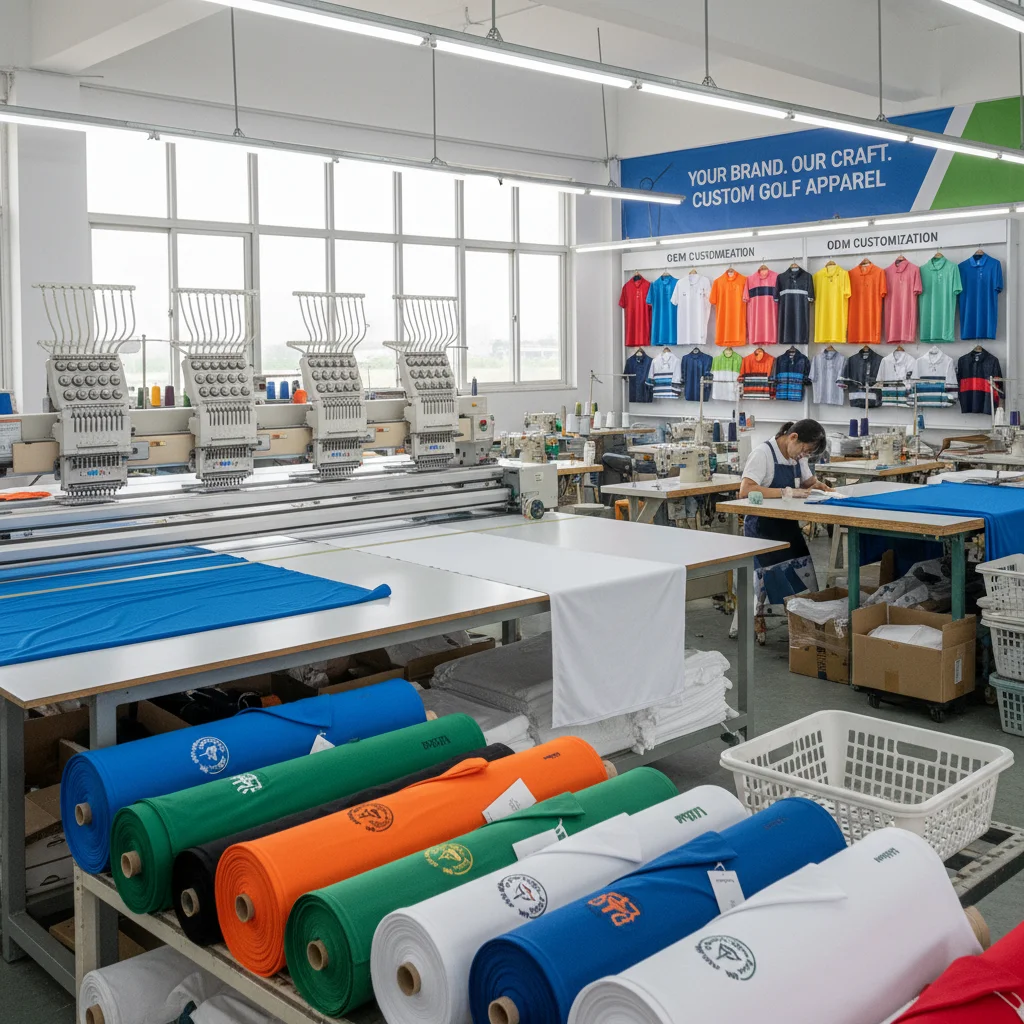
Teams that know what they want can take the OEM path. You get full control over fabrics, fits, and logo placement. Clubs still building out their uniform identity can go the ODM route. That gets you to market faster, with design support from the professional golf shirt manufacturer's own team.
FAQ: Golf Shirt Vs Polo Shirt — Quick Answers
Still have questions? Here are the ones that come up most.
Are golf shirts and polo shirts the same thing?
No. They share a collar and a placket. That's where the overlap ends. Golf shirts are built for athletic performance. You get moisture-wicking fabrics, structured collars, larger armholes, and extended back hems. Polo shirts are built for versatility and style. Different purpose. Different build.
Can I wear a regular polo shirt on the golf course?
Yes — it'll pass the dress code. But you'll feel the difference by hole 9. Cotton absorbs sweat. It doesn't push moisture away from your skin. A performance golf shirt moves moisture out three times faster.
What fabric should a golf shirt have?
Look for polyester-spandex blends with UPF 40+ certification. That combination handles sweat, UV exposure, and four hours of rotational movement. Cotton struggles with all three.
Do golf shirts need to be tucked in?
Most course dress codes say yes. A proper golf shirt has an extended back hem. It's built to stay tucked through a full swing. A standard polo hem won't hold through that range of motion.
📌 Framework Summary Notes

This guide covers a lot of ground. Here's what's inside.
What this article delivers:
Section 1 — 5 technical differences between golf shirts and polo shirts: fabric, cut, collar, placket, and armhole construction
Section 2 — What PGA Tour professionals wear on the course, plus the performance standards behind those choices
Section 3 — Golf dress code rules by course type, with a practical pre-round checklist
Section 4 — A five-step buying framework for individuals, plus custom OEM guidance for teams and clubs
Section 5 — How to choose a golf shirt manufacturer for bulk orders, with a recommended supplier for custom golf apparel
Section 6 — FAQ covering the most common confusion points
The core takeaway: Golf shirts and polo shirts serve different purposes. One is built for athletic performance. The other is made for everyday versatility. Understanding which is which helps you make smarter decisions in the golf apparel space.
Conclusion
A golf shirt and a polo shirt are not the same thing. The difference goes beyond labels — it's the gap between looking the part and performing the part.
Stepping onto a private club course for the first time? Outfitting an entire golf team? The right shirt comes down to three things: fabric technology, functional fit, and context. Professional golfers don't grab just any collared shirt — and neither should you.
Sourcing custom golf shirts for a club, team, or brand? That decision matters even more. Berun Clothing is a reliable OEM partner. They focus on performance-grade golf and polo shirt manufacturing. You get full control over fabric, cut, and branding — without the premium markup.
Know what you're buying. Know why it matters.
Top PGA Tour golfers pay close attention to every detail of their game. Your apparel deserves that same care.
Ready to customize? Explore Berun Clothing's OEM golf shirt solutions →