You're halfway through planning your next ride. Two similar-looking pieces of kit are sitting in front of you, and you can't tell the difference between a cycling gilet and a vest. They both lack sleeves. They both go over your base layer. But most riders get this wrong — they're not the same thing. Grabbing the wrong one on a 6am autumn morning can turn a great ride into a miserable one, fast.
This guide clears up the confusion. It covers key features, real-world wearing conditions, and which piece belongs in your kit bag for each situation. For brands or product developers researching this category, the terminology also appears across supplier catalogs — many cycling kits sold by cycling gilet manufacturers are listed as vests in U.S. retail channels, even when the construction is identical.
Building your cycling layering system for the first time? Or just deciding if that windproof cycling vest is worth buying? Either way, you'll find the answers here.
Cycling Gilet vs Vest: Are They Actually Different Things?
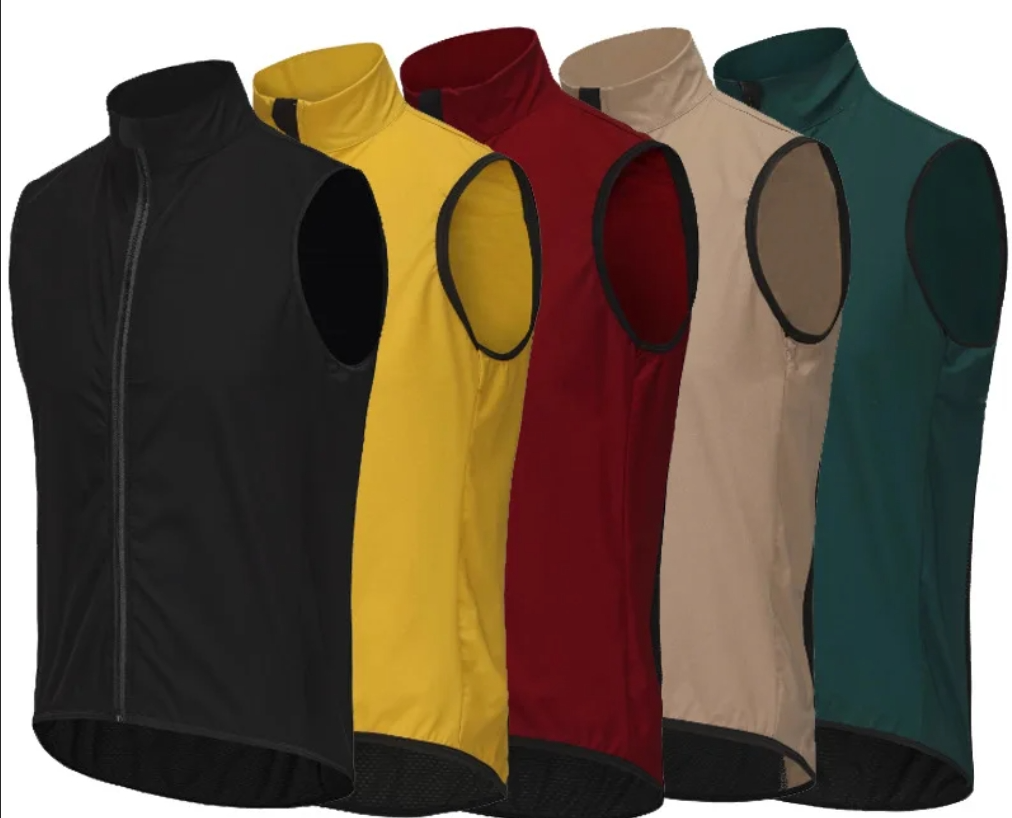
Short answer: no. A cycling gilet and a cycling vest are the same piece of kit. Both are sleeveless, torso-covering layers built for wind protection and core warmth. Same function. Same construction. Same place in your cycling layering system . The only real difference is geography.
In the UK and most of Europe, riders call it a gilet (pronounced "ji-lay"). Cross the Atlantic, and that same garment gets labeled a vest . Retail terminology varies as well. A windproof layer sold through UK cycling shops may appear as a gilet, while the same design might be listed by U.S. cycling vest suppliers simply as a vest model with identical specs.
Search "cycling vest" on REI or Amazon — you'll find packable, windproof models weighing 100–200g. Search "cycling gilet" on Wiggle or any UK retailer — you'll find the same specs. Sleeveless, windproof, 50–150g, zippered. Different word. Same product.
This matters more than it sounds. Say you're reading a cycling apparel comparison article, shopping across international sites, or picking up a kit tip from a European training guide. The name change can make two identical products look like separate categories. They're not.
How to Identify One, Regardless of What It's Called
Forget the label. Check these key features instead:
Sleeveless construction — torso coverage only, full arm freedom
Packable design — folds to palm size, under 10×10cm
Lightweight build — most windproof versions sit between 100–200g
Core insulation materials — nylon or polyester, 100–300 denier
Front wind protection — the front fabric blocks wind; the back panel breathes
Tag says "gilet" or "vest" — doesn't matter. Check those boxes, and it's the same garment. A windproof cycling vest sold in Boston and a packable cycling gilet sold in Bristol fix the exact same problem on the bike.
Key Features of a Cycling Gilet: What to Look For
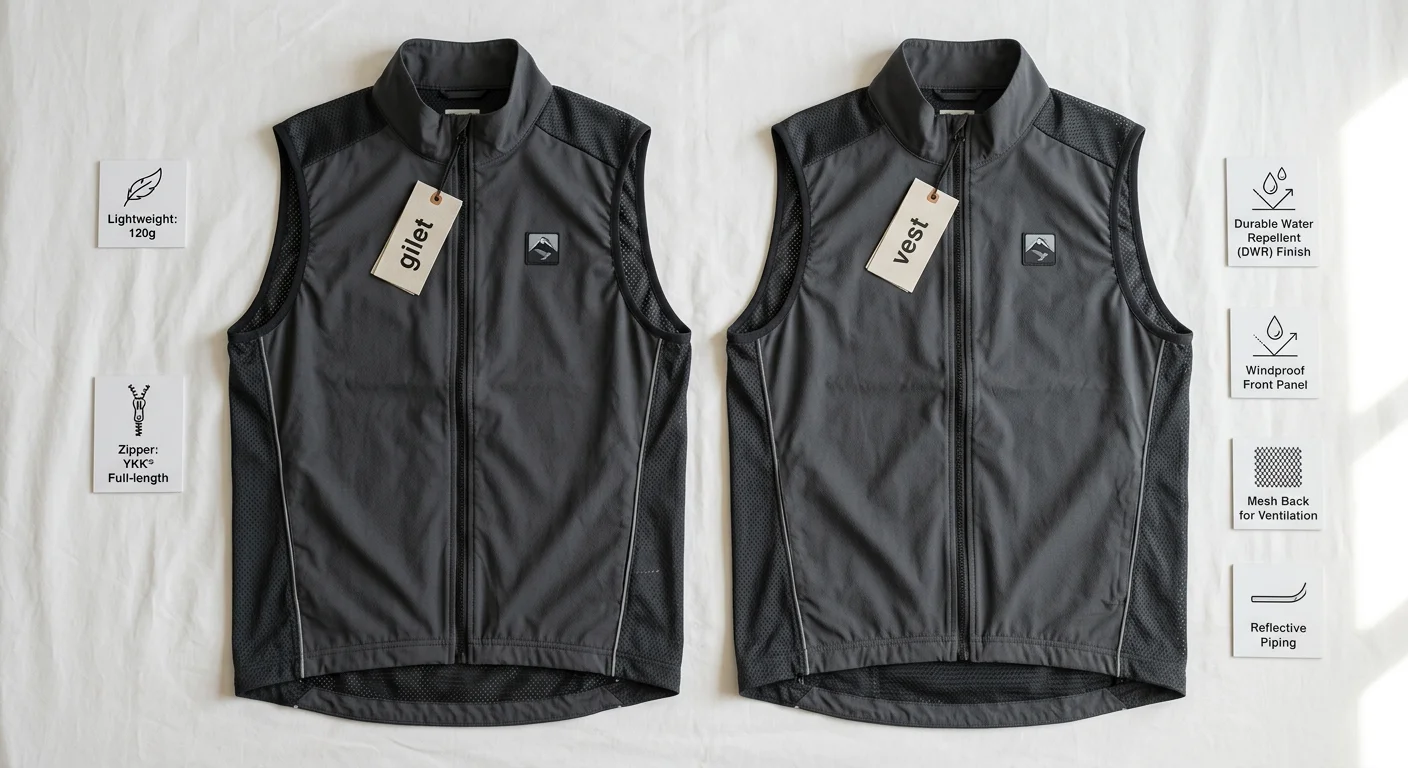
Most riders buy the wrong gilet for one reason: they don't know what the numbers mean. For example, when brands develop a custom best cycling gilet, they usually start with the front-panel fabric weight and airflow mapping rather than the marketing specs riders see on the tag.
Wind and Water Protection
The front panel does the heavy lifting. Tightly woven fabrics — around 100g in weight — block wind without adding bulk. The back panel works differently. It's breathable mesh, built to vent heat on a climb. That front/back split is deliberate: one side shields, the other breathes.
Water resistance shows up as a two-number rating — something like 20K/20K . The first number is waterproofness. The second is breathability. Higher on both means the gilet handles heavier rain without trapping sweat. Most breathable cycling gilets also carry a DWR (durable water-repellent) finish. That's a surface treatment that sheds light drizzle and spray before it soaks through.
Weight and Packability
A well-made gilet weighs around 100 grams . High-performance models go lower — 72 to 80 grams in size S. That's not a marketing number. It's the difference between a piece of kit you carry and one you leave at home. A good lightweight cycling vest collapses into a jersey back pocket. No pocket fit means it's a jacket you haven't admitted to yourself yet.
Fit: Matched to How You Ride
Fit isn't one-size logic. It follows riding style.
Racing or high-intensity riding — tight, aerodynamic cut, minimizes drag, no collar flap at 40kph
Casual or off-road riding — roomier through the torso, easier to layer underneath, more forgiving on varied terrain
Women's-specific cuts — tapered waist, wider hip, built for a snug fit without excess fabric across the back
Men's cuts — straighter through the trunk, broader shoulder seam, more chest volume
One rule applies across all of them: flapping at speed means it's too big. Cold air gets in at the collar and waist, and that kills the warmth benefit. Size your gilet to match your jersey size. Use the garment's own measurements — not your body measurements.
Zipper and Pocket Details
Two-way full-length zips matter more than most riders expect. You can open from the bottom mid-ride — without pulling the whole zip down — and dump heat fast on a long climb. Vislon® zippers run smoother than standard coil zips and resist snag. Hidden or taped zips cut wind penetration at the closure point.
Pockets should sit where your hands reach them in the drops. Double front pockets with zip closures are the standard worth looking for.
Reflective Elements and Collar Construction
Reflective hits — rear logo, full-length zip strip — aren't decorative. They're useful on early morning or late evening rides where visibility drops fast. A high collar with an elasticated hem seals the two most common cold-air entry points: neck and waist. Stretch panels along the sides cut drag and let you move across the full pedal stroke without restriction.
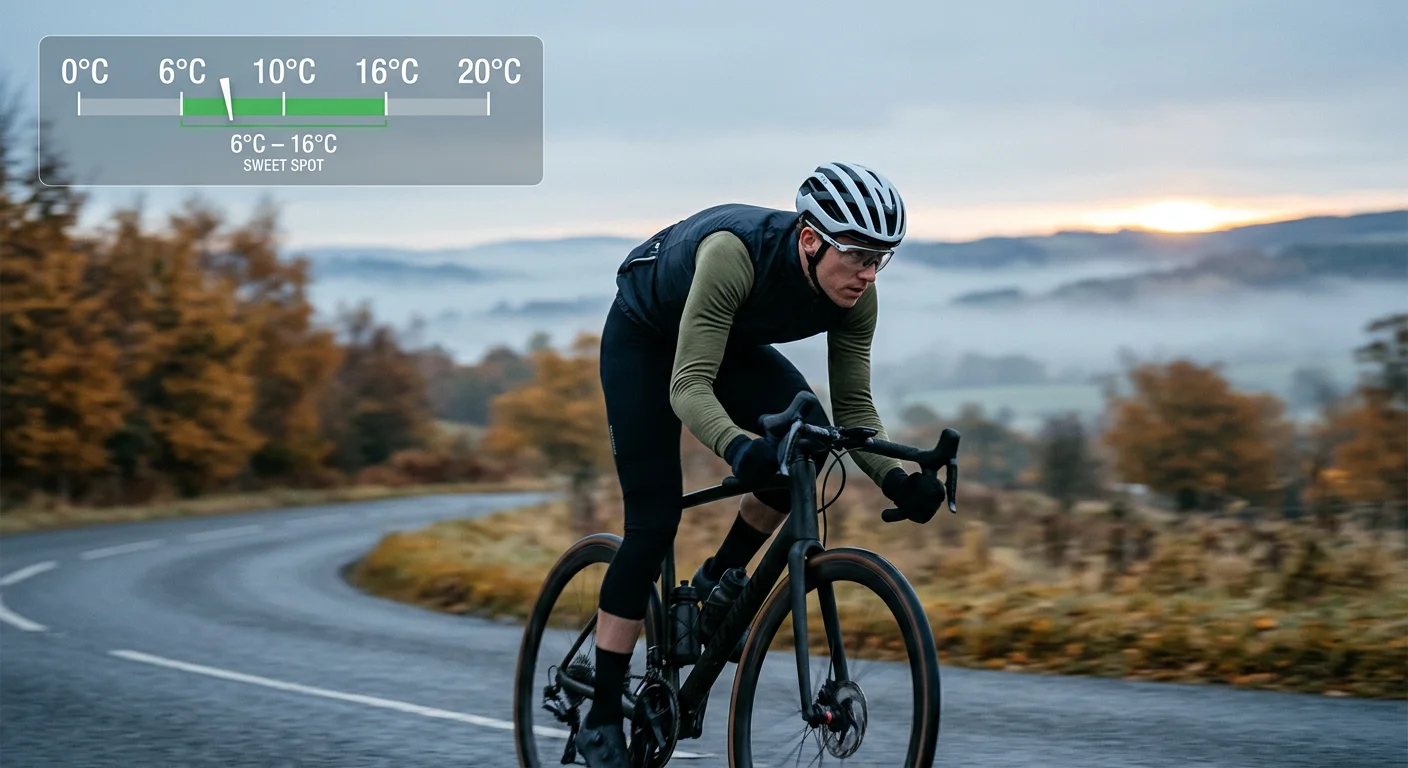
Operating temperature for most gilets runs between 6–16°C (43–61°F) . That's the sweet spot — too cold and you need sleeves, too warm and you're overheating. Stay in that range, and a well-specced road cycling gilet is the most efficient layer in your bag.
Cycling Gilet vs Jacket: Which One Do You Need?
Sleeves. That's the whole argument — but the difference runs deeper than it sounds.
A gilet and a jacket share the same front-panel windproofing, the same DWR coating, and the same spot in your layering stack. Arm coverage is what sets them apart. Product lines often expand from gilets into jackets through the same development pipeline — many brands launch seasonal capsule releases through OEM/ODM cycling gilet & vest services before extending those fabrics into full jackets.That one difference changes how each piece performs across a full ride.
Here's the functional breakdown:
| Feature | Gilet | Jacket |
|---|---|---|
| Arm Coverage | None | Full |
| Packability | Jersey pocket | Bulky |
| Ventilation | High | Moderate |
| Rain Protection | Basic spray only | Superior |
| Best Temperature | 6–16°C | Below 10°C |
| Layering Flexibility | High | Low |
The Gilet's Strength
Go for the gilet on high-effort days with borderline temperatures. Think long climbs followed by fast descents — the kind of ride where a jacket turns into a furnace on the way up, then fails you once you stop moving. The gilet handles those shifts well. Open the zip from the bottom on the climb. Close it at the top. Your arm warmers stay dry. Nothing gets crammed into a back pocket.
The gilet's one real weakness is no arm coverage. Arm warmers fix that. Pull them off mid-ride without stopping. Pack the gilet and warmers together in a single jersey pocket. Your movement stays free through the full pedal stroke.
The Jacket's Strength
Below 5°C, the gilet stops working for you. Arms go cold before your core does, and no amount of chest warmth makes up for that. Sustained rain speeds things up — a gilet handles light spray, not two hours on a soaking wet road.
On long, low-intensity rides in serious cold, the jacket's full coverage isn't about comfort. It's about function.
Cycling Gilet: Temperature & Riding Condition Guide
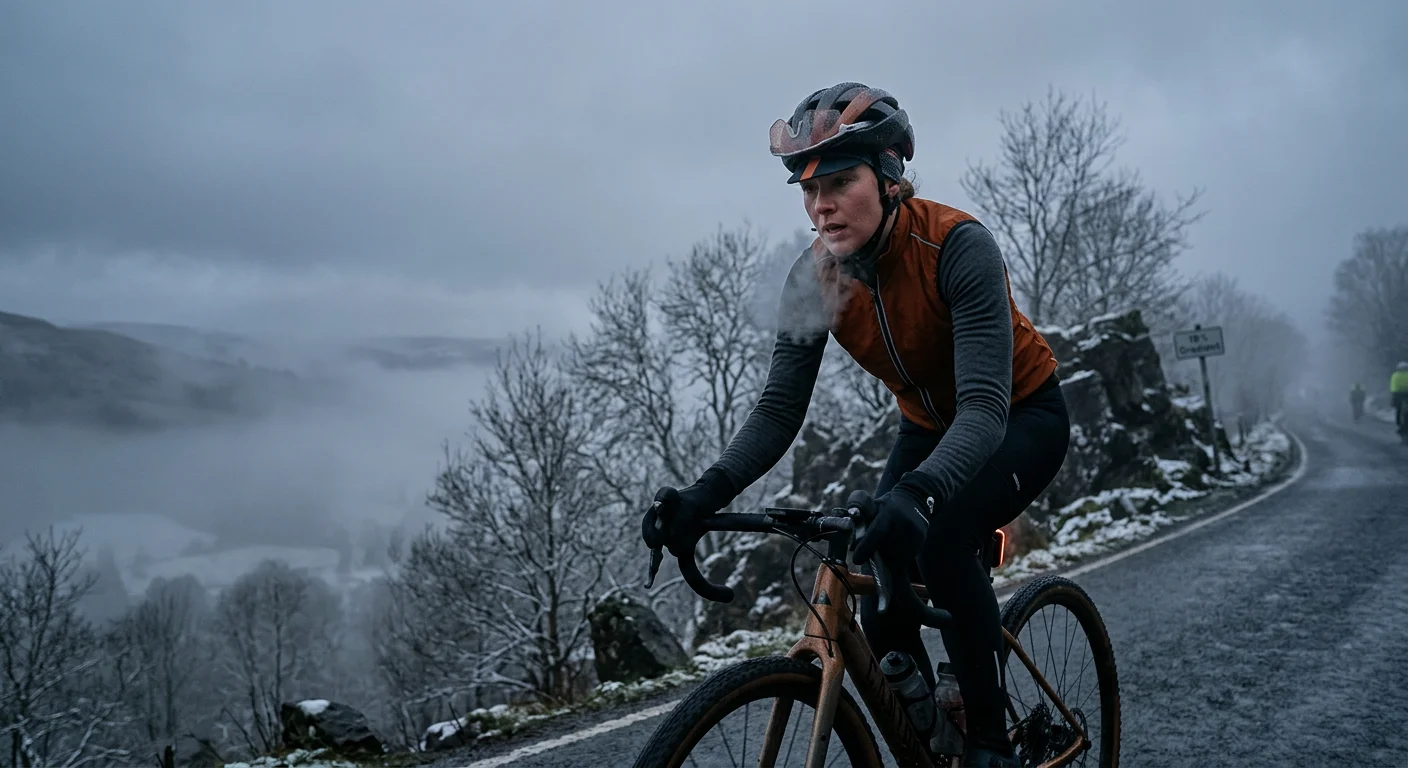
Temperature decides everything. Get it wrong and you're sweating through a climb — or shivering on a descent with zero motivation left. In the sourcing side of the cycling apparel market, these seasonal performance ranges are also what guide product lines offered by cycling gilet & vest wholesalers, especially for spring and autumn riding collections.The gilet works within a specific range. Know that range, and you'll stop second-guessing your kit every morning.
The Temperature Breakdown
Here's where each temperature band puts you:
| Temperature | Gilet Call | What to Layer |
|---|---|---|
| 15–25°C (59–77°F) | Lightweight windproof for descents only | Short-sleeve jersey + bib shorts; arm warmers at the lower end |
| 8–15°C (46–59°F) | Windproof or light insulated gilet — essential | Long-sleeve jersey + arm warmers + knee warmers; light gloves |
| 5–8°C (41–46°F) | Insulated gilet for hard riding; jacket for easy riding | Thermal base + long-sleeve + tights |
| Below 5°C (41°F) | Don't use the gilet alone | Full jacket, thermal base, tights, overshoes |
Ride Intensity Changes the Equation
Temperature alone doesn't make the call. Effort level does.
At high intensity — intervals above 200W, fast group rides, race pace — your body produces about twice the heat of an easy spin. If you ride in hot weather conditions, the equation shifts even further toward lightweight layers. An insulated gilet becomes a problem fast in that situation. Reach for a lightweight windproof cycling vest instead. Keep it on for exposed sections or descents only. Once you're climbing hard, it comes off.
At Zone 2 or endurance pace — under 150W, long steady hours — an insulated gilet keeps your core warm without pushing you into a sweat spiral. Here's a useful benchmark: at 10–15°C, high-output riders are stripping the gilet off 20–30 minutes into a ride. Low-output riders keep it on the whole way.
Three Scenarios That Catch Riders Out
Post-climb descents : Wind chill hits fast. At speeds above 30km/h, felt temperature drops by around 10°C. Even above 15°C at the top of a climb, a packable cycling gilet belongs in your back pocket. Pull it on before you crest. Don't wait until you're already cold.
Morning and evening temperature swings : A 10°C gap between 7am and 10am is common in spring and autumn. Knowing what to wear in 50-degree weather helps you plan these transitional rides. Start with your gilet, arm warmers, and knee warmers. Peel them off as the ride warms up. One jersey pocket handles all of it easily.
Wind and rain : Wind adds an effective chill of around 5°C. A calm 12°C day and a 25km/h headwind day feel nothing alike. Add a windproof cycling gilet as the wind picks up — the thermometer reading doesn't matter on its own. In light rain at 17–21°C, pair the gilet with a breathable shell as a mid-layer. That three-piece cycling layering system — base, gilet, shell — covers most mixed-weather days without overloading you.
CTA CardNeed Help Choosing the Right Gilet?
Our cycling apparel experts can help you select the perfect gilet for your brand or team.
Explore Cycling ApparelCycling Gilet Buying Guide: 5 Things to Check Before You Buy
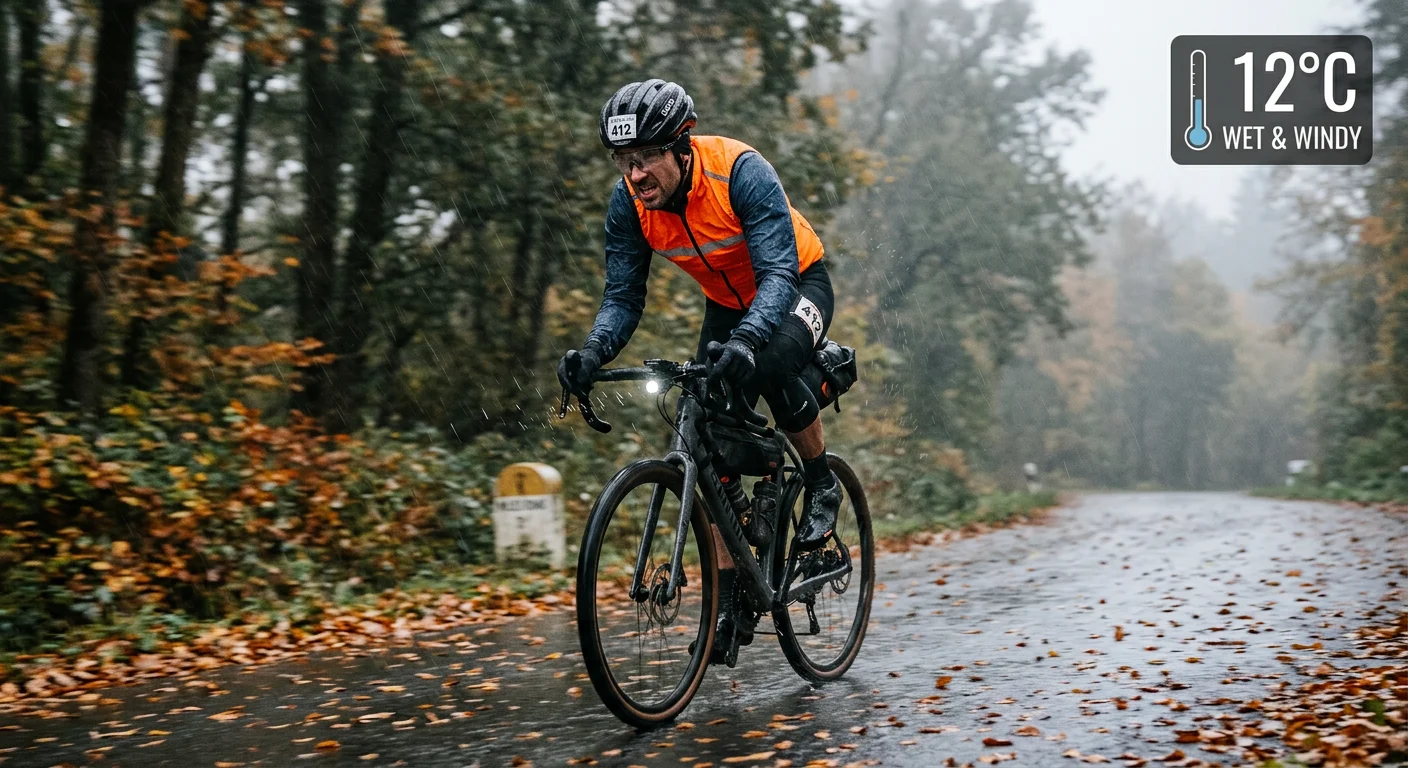
Five minutes in a changing room — or five minutes on a product page — tells you whether a gilet will hold up on a wet October morning. When brands design new commuter or race layers, they often refine pocket layouts, packability, and zipper placement through custom cycling vest services that test different constructions before a final retail release.Here's what to check, in order of importance.
1. Fit in the Riding Position
Don't test fit standing upright. Put on your cycling shorts and bend forward into riding position. That's the posture that matters.
Two things to check right away: the rear hem and the armholes.
The hem should stay within 2–3cm of where it sits when you're standing . Anything more and cold air gets in at the waist every time you reach for the drops.
The armholes need to allow a full forward reach without pulling across the shoulders.
Then zip it and ride hard — even just down the road. At speeds above 20km/h, loose fabric starts flapping. That kills wind protection. A racing fit sits tight against the chest with zero movement. A casual fit allows a base layer underneath but still conforms in the riding position. Neither should feel like a tent.
2. Front Windproofing and Back Breathability
Hold the front panel to your mouth and blow. No airflow should pass through. That's the windproof front doing its job.
Now press your palm flat against the back mesh. You should feel your own warmth reflecting back — that panel breathes. A good breathable cycling gilet stays more than 50% open on the back, compared to the sealed front. That split keeps the gilet functional rather than suffocating on a climb.
Front fabrics to look for: lightweight nylon or polyester under 100g/m², with a DWR coating that sheds light drizzle on contact.
Water beads and rolls off? The coating is active.
Water soaks in? The coating has been washed out or was never applied.
3. Zipper System and Collar Height
A two-way zip gives you real heat control mid-ride. Open from the bottom on a climb without touching the collar. Close it in five seconds before a descent. Look for a double-slider YKK® zipper with a large puller you can work with gloves on.
The storm flap is just as important. At speeds above 30km/h, a bare zip line turns into a direct wind channel straight to your chest. A taped or covered storm flap closes that gap.
Collar height: above 10cm is the practical minimum. A fleecy lined collar at that height fills the gap between your helmet strap and jersey collar. That gap is one of the fastest routes for cold air to reach your core.
4. Packability Under Real Conditions
A packable cycling gilet that won't fit in your jersey pocket isn't packable. It's just small.
Target volume: under 150cm³ — about the size of a clenched fist. Test it in the shop. Fold it down, hold it in one hand, and check it against a standard jersey rear pocket. No fit? It'll stay in your bag every time you're in a hurry.
The second test: one-handed don/doff in under 10 seconds. That's the real benchmark — pulling it on at the top of a climb without unclipping.
Some gilets roll into a built-in chest pocket.
Others pack into a self-contained pouch.
Both work. What doesn't work is anything that needs two hands and a flat surface.
Even insulated models — like the Castelli Unlimited Puffy with its Polartec Alpha fill — fold down to jersey pocket size. Insulation doesn't have to mean bulk. A gilet that claims insulation but won't pocket? Check the construction before you buy.
5. Price Tier and What You Get
The market breaks into three clear tiers:
| Tier | Price | What You Get |
|---|---|---|
| Entry | Under $50 | Basic windproof front, mesh back, packable build — limited DWR, no insulation |
| Mid | $50–$120 | Wind-resistant front with DWR, two-way zip, 2–3 rear pockets, silicone gripper hem |
| Pro | Over $120 | Premium insulation (PrimaLoft Gold, Polartec Alpha), full storm flap, high collar, winter-rated to 0–10°C |
The mid tier covers most riders in most conditions. A windproof cycling vest at $80–$100 handles the core 8–15°C range without cutting corners. The pro tier earns its price through insulation quality. The Endura Pro SL uses 80g PrimaLoft Gold on the front and 60g Silver Active on the back. That's a real step up from the synthetic fill on a $40 entry model.
One thing worth knowing: insulated pro-tier gilets split by season. Endura's construction targets winter down to 0°C. Castelli's Polartec Alpha version targets spring and summer — warmer conditions where breathability matters more than raw warmth. Buying the wrong insulation spec is as easy as buying the wrong size. Check the rated temperature range before you commit.
FAQ: Common Questions About Cycling Gilets and Vests
These questions come up all the time. Here are straight answers.
Do I need a cycling gilet?
Riding between 5–15°C ? Yes, you do. It's the top layer in any cycling layering system — light enough to pocket, useful enough to turn a bad ride into a good one. Above 20°C, leave it at home. Below 5°C, grab a jacket instead.
Can I wear a cycling gilet in the rain?
Light drizzle, yes. A DWR-treated windproof cycling vest sheds spray for up to an hour. Sustained rain is a different problem. Most gilets carry a hydrostatic head rating under 2000mm — about half what a proper rain jacket delivers. Once it saturates, you lose 20–30% of its warmth value. For anything heavier than mist, layer a waterproof shell over the top.
Is a gilet warmer than a jacket?
On the torso, yes — the sleeveless design traps core heat well. But your arms stay exposed. Below 8°C, or in persistent wet conditions, the jacket wins. Above that, the breathable cycling gilet performs better and cuts 200–400g off your kit weight.
What's the difference between a gilet and a wind vest?
A wind vest is an uninsulated shell. It weighs 40–80g and blocks airflow above 20kph — that's its only job. A packable cycling gilet adds insulation fill — 40g PrimaLoft or similar. Total weight runs 100–200g, and it handles temperatures down to 5°C with real warmth. The vest breathes a touch better at high output. The gilet covers a wider temperature range.
Conclusion
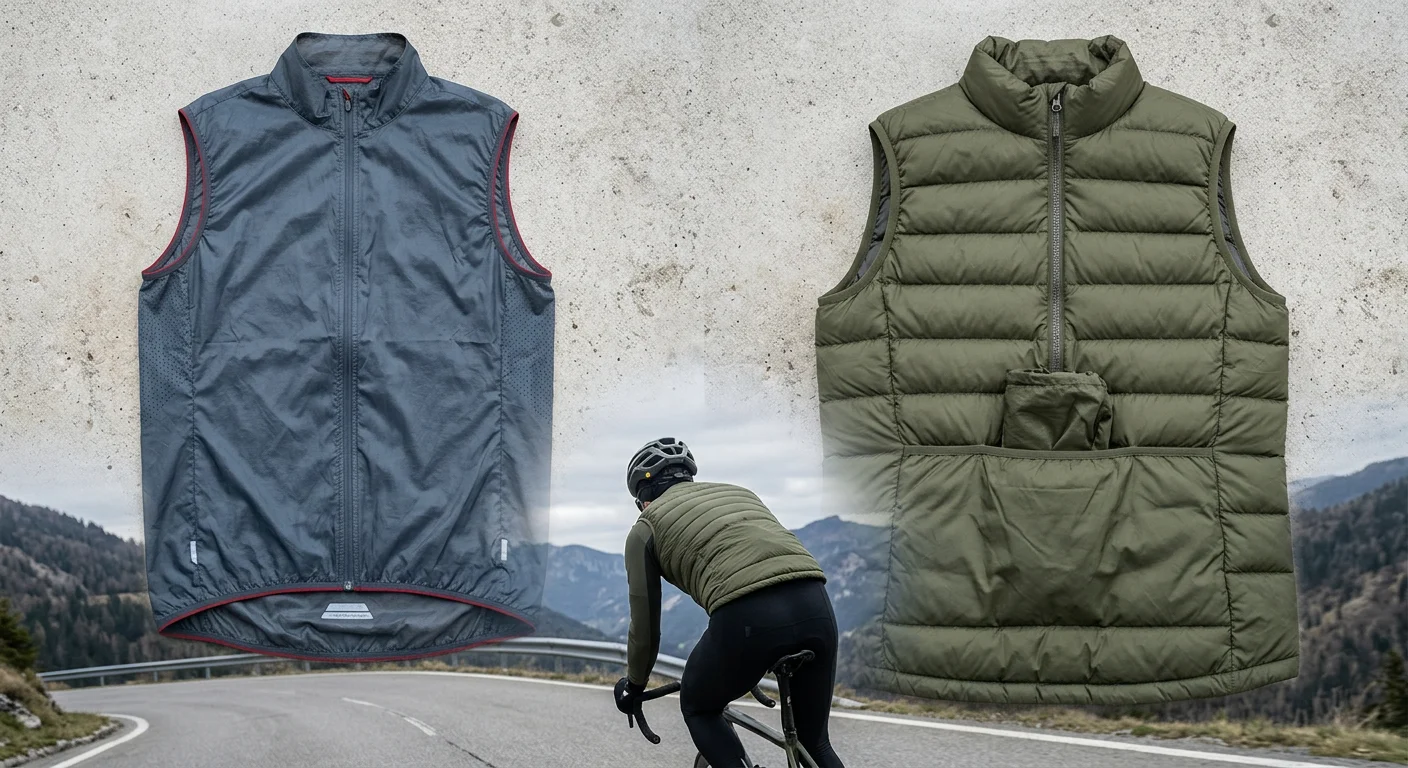
Picking between a cycling gilet and a standard vest is simpler than it sounds. A windproof cycling gilet protects your core on cold or windy days. It packs down small and fits right into any cycling layering setup. A basic vest can't do that. It won't save you from a sudden chill on a descent or a surprise headwind.
The right choice comes down to your ride — your terrain, your weather, your comfort level. Now you have what you need to make that call.
Your next move? Browse Berun's cycling gilet collection and find the fit that suits your riding style. The best piece of kit isn't the priciest one. It's the one you grab every time the temperature drops.
CTA Banner Video Section