Table of Contents
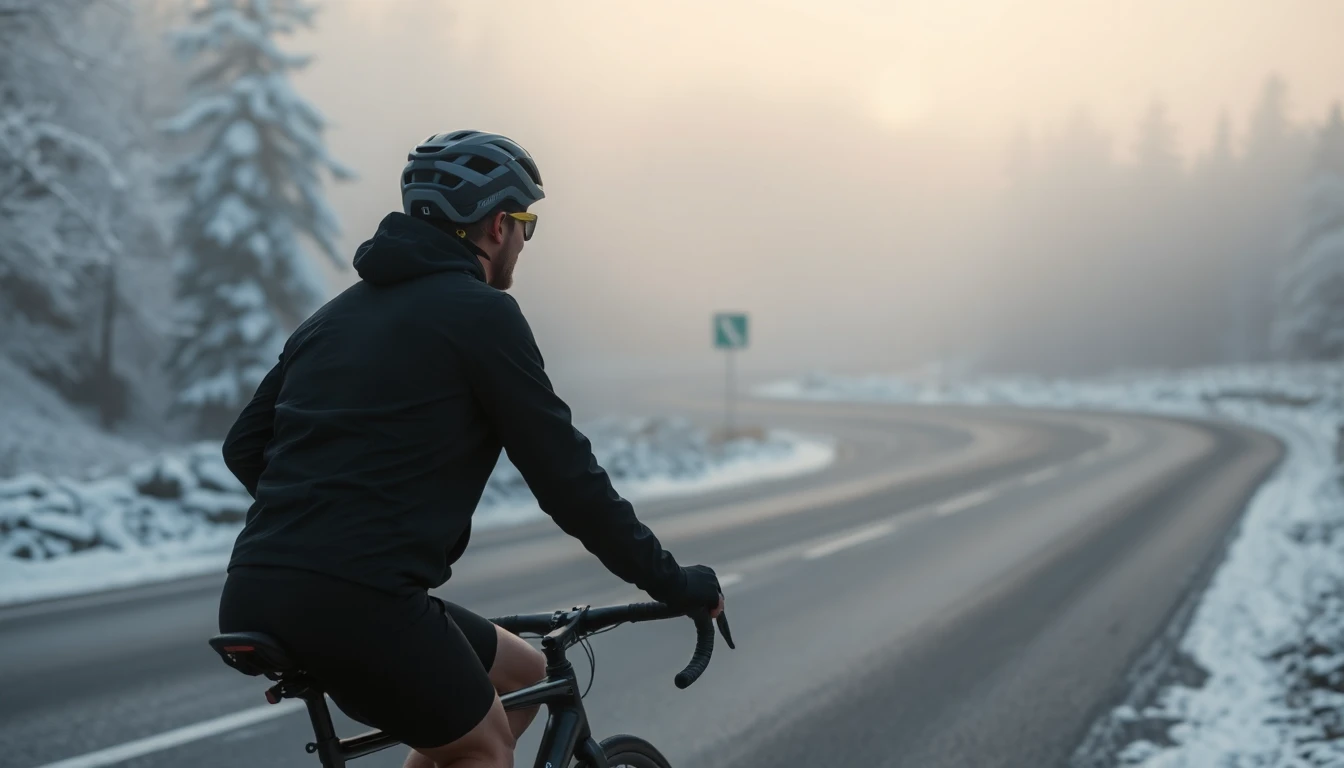
The mercury drops. The wind bites harder. That summer cycling kit now feels like a cruel joke against your skin.
Too many riders park their bikes in the garage each winter. They're not lacking determination. They just don't have the right gear. Or they don't know which brands will keep them pedaling when it's 2°C and drizzling.
I've tested thermal cycling jerseys through Alpine descents. I've compared insulated cycling jackets across different price points. Here's what I learned: choosing the right winter cycling clothing brand goes beyond staying warm. You need that sweet spot between protection and breathability. This keeps you from freezing or overheating five miles into your ride.
Maybe you're eyeing premium windproof cycling wear. Or you're searching for affordable fleece-lined cycling tights that won't fail mid-season. Know which brands deliver real performance versus marketing hype. This can save you hundreds of dollars and countless uncomfortable miles.
Premium Winter Cycling Clothing Brands Worth The Investment
 Premium Brand Cards
Velocio builds what serious winter riders need. Their Alpha Zero jacket doesn't mess around with clever marketing. It just works at -5°C when you're 40 kilometers from home.
The front panels use high-loft Polartec Alpha fleece. Same material goes into the collar and sleeve fronts. Your chest and arms stay warm where the wind hits hardest. The back? They switched to thick unlined softshell. Smart choice. You won't get that clammy, overheated feeling on hard climbs. The roomy cut lets you layer a mid-layer underneath. You won't feel like a stuffed sausage. Pair this jacket with high-loft base layers for sub-zero riding.
Assos takes a different approach with their Mille GT Ultraz. They made their own AIRBLOCK-EVO.888 softshell fabric. It has a free-floating breathable liner. That air gap between the lining and outer fabric creates a thermal buffer that works. The moisture-wicking inner layer pulls sweat away from your skin. But here's the catch: this jacket runs tight. Race-cut tight. The compression in the riding position means you can't fit mid-layers underneath. Choose it if you run hot and prefer a sleeker silhouette.
Castelli's Perfetto RoS 2 deserves mention here. Skip the RoS 3 if you're riding in proper winter. The second generation handles cold, wet conditions better than its successor. It's race-focused. Built for riders who don't slow down just because it's January.
Gore Wear offers great value with their C5 Gore-Tex Infinium Jacket. Gore Infinium fabric with Windstopper technology blocks cold breezes. It repels light rain. It breathes better than you'd expect. This jacket works across a wide temperature range. Mild winter mornings. Cool autumn evenings. Unpredictable spring rides. Watch for discounts. Gore often marks down last season's colors. The performance doesn't change.
Pas Normal created their Essential Thermal Jacket for fast riding in dry conditions. It runs warmer than the Assos Ultraz. More breathable too. The dense fabric feels solid. Made for riders who maintain high output. Rain performance? Good enough for occasional showers. Don't count on it for long wet weather though.
Sportful's Total Comfort Jacket lives up to its name. Very comfortable against the skin. Available for years now.Cycling clothing retailers discount it often. Consider it a smarter-priced alternative to the Velocio Alpha Zero. You don't sacrifice key performance.
These brands earn their premium pricing through real innovation. Not marketing fluff.
Mid-Range Brands: Best Balance of Performance and Price
 Mid-Range Brand Price Cards
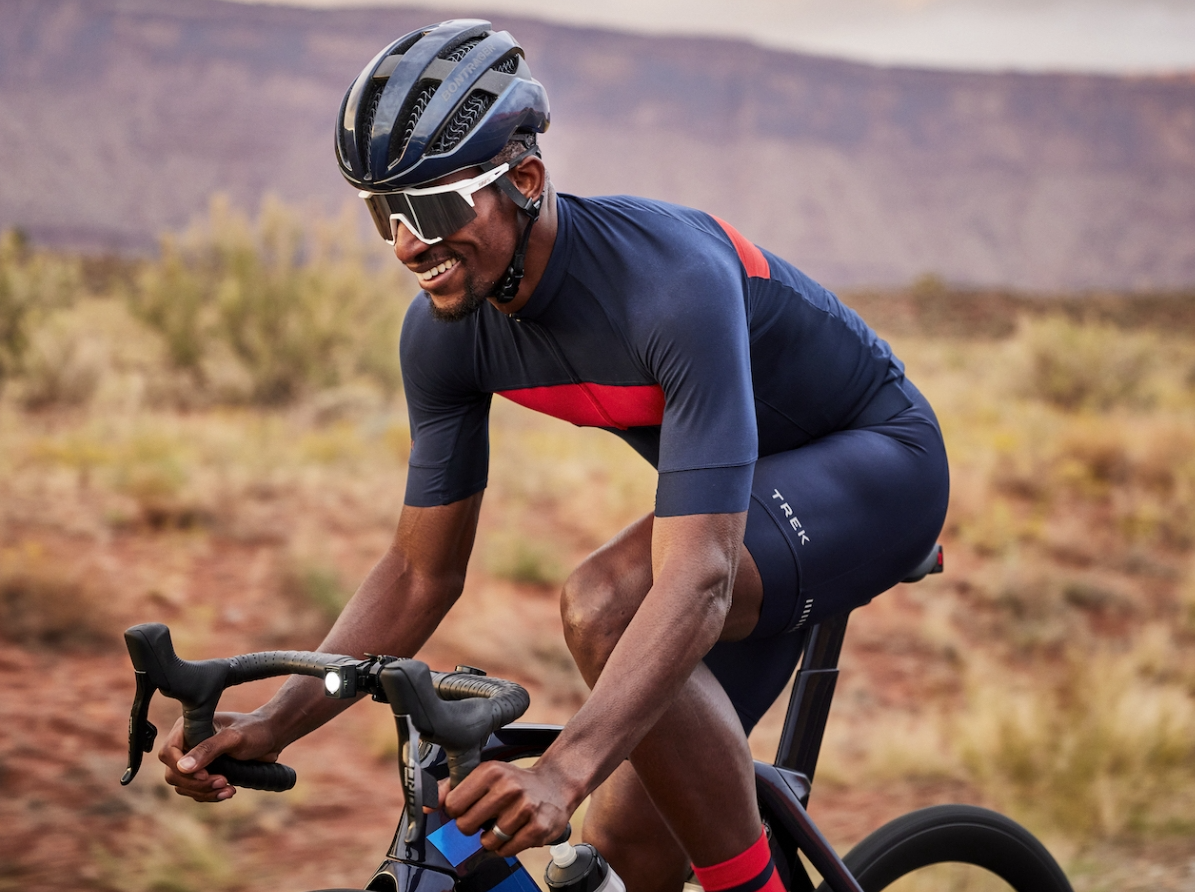
Most cyclists spend between $150 and $400 on a winter jacket. This is where engineering meets affordability.
dhb leads this category through Wiggle. Their Aeron Lab collection performs far above its price. The Aeron Lab Thermal Deep Winter Softshell costs around $180. You get performance that matches brands charging double. The softshell fabric blocks wind. Water resistance handles most conditions except heavy rain. The cut follows your body without restricting movement. Riders with neutral body temperature find this jacket ideal for rides between 0°C and 10°C. The catch? Limited color options and online-only ordering.
Santini brings Italian craftsmanship at a fair price. Their Vega Multi winter jacket retails around $220. Three-layer construction creates a working microclimate. Dense fleece inner lining traps warmth close to your body. The middle membrane blocks wind. It also releases moisture vapor. The outer shell repels rain for about 90 minutes of steady precipitation. After that, dampness creeps through. The jacket runs true to size with room for a thermal base layer underneath. Temperature range works best between -2°C and 8°C.
Decathlon's Van Rysel line surprised the cycling world. Their RCR Winter jacket costs $160. French designers got the basics right. Warm fleece panels cover the chest and shoulders. Breathable mesh sits on the back and underarms. Reflective elements go where drivers look. The zipper runs smooth even with numb fingers. Sizing runs a bit large—order one size down for a race fit. This jacket works well for commutes and training rides from 2°C to 12°C.
Altura serves UK riders who face constant grey skies and drizzle. The Nightvision Storm jacket costs around $175. Waterproof. Windproof. Visible in car headlights. The trade-off? It breathes less than softshell options. Your back will get clammy on hard efforts. But for steady-paced rides through wet winter months, this jacket works. Pit zips help dump excess heat. Reflective panels cover more surface area than premium competitors. Temperature range spans 0°C to 10°C in wet conditions.
Endura builds gear for Scottish weather. That means it handles anything. The Pro SL Primaloft jacket runs about $280. Primaloft Gold insulation stays warm even when damp. Four-way stretch fabric moves with your pedal stroke. The jacket compresses into its own pocket for cafe stops. Water resistance lasts through two-hour rides in steady rain. Beyond that, invest in a separate rain shell. Riders love the longer tail that covers your lower back. Works best from -5°C to 5°C.
Watch for end-of-season sales. Mid-range brands often discount last year's colors by 30-40%. The technology stays the same. Colors are all that change.
Budget-Friendly Winter Cycling Brands for Beginners
Starting winter cycling won't drain your bank account. Smart brands deliver real cold-weather protection at fair prices.
Decathlon's Van Rysel proves you don't need to spend big. Their thermo long-sleeve baselayer starts at $30. The fabric handles moisture better than merino wool layers costing three times more. I've worn mine through dozens of winter rides. Still no pilling. Still wicks sweat on climbs. The fit sits close to skin without binding. Layer it under any jacket in your closet. It works from 5°C down to freezing. Stock up in multiple colors. At this price, you can rotate fresh ones all week.
Baleaf's Winter Cycling Jacket retails for $56. That's less than dinner for two. This three-layer design handles serious cold. Waterproof outer shell. Fleece middle layer. Soft inner lining against your skin. Three zip pockets hold your phone, keys, and snacks. Reflective panels run down both arms and across the back. Elastic cuffs seal out drafts at your wrists. I tested this jacket on a 2°C morning commute through drizzle. Stayed dry. Stayed warm. The breathability can't match $200 softshells. But for rides under two hours? You won't notice.
The Black Bibs changed winter cycling with low prices. Their basic thermal bibs cost $40. The Ultimate version runs $80. Both use quality chamois pads that protect on four-hour rides. Compare that to bibs over $200 from legacy brands. The difference? Marketing budgets and retail markup. Not comfort. Not durability. Fleece-lined fabric blocks wind. The bib straps spread weight across your shoulders. Reflective logos sit on both calves. Riders report these bibs lasting multiple seasons of regular use.
Pearl iZUMi offers easy entry points to winter riding. Their AmFIB tights cost around $120. Insulated panels cover your knees and thighs. Breathable fabric behind your knees stops sweat buildup. The AmFIB Lobster Gel gloves run $95. Two-finger design keeps your hands nimble while sharing warmth. Gel padding protects your palms on rough roads. These gloves work below freezing. Your fingers stay mobile enough to shift gears and brake without trouble.
GRC Thermal G represents the new wave of direct-from-China brands of cycling clothing. Very warm bibs for extreme cold. Prices sit 40% below established competitors. Quality control varies more than traditional brands. Read reviews first. Check return policies before ordering. Budget-conscious riders find real value here.
Sportful's Classic bibs often appear on sale under $150. They beat Rapha's entry-level options in blind comfort tests. High-density chamois. Fabric that supports without squeezing. Year-round toughness that survives countless wash cycles. Watch for discounts during Boxing Day sales or end-of-season clearances.
Mix budget and mid-range pieces with a plan. Spend more on your jacket—it faces the harshest conditions. Save money on base layers and accessories. A $30 Decathlon base layer under a $180 dhb jacket performs as well as a $400 premium setup. Nobody sees your base layer anyway.
VAUDE's Bike Cap Winter Hat costs $15 to $25. Warm enough for sub-zero morning rides. Visible black with neon accents. Fits under your helmet without adding bulk. Giordana's Thermal Skullcap runs $25. Thin design. Works below freezing. Covers your ears without muffling traffic sounds.
Start here. Ride through one winter season. Learn what your body needs. Then upgrade based on real experience. Not marketing promises.
CTA SectionKey Technologies in Winter Cycling Clothing Brands
Winter cycling gear stopped being just "warm fabric" about a decade ago. These are systems built to solve real problems your body faces at 30 kilometers per hour in freezing air.
Market Statistics CardsGore-Tex ePE membrane changed waterproof cycling jackets. This three-layer setup keeps rain out. Sweat vapor escapes. The membrane sits between an outer shell and inner lining. All seams get sealed with tape. Water can't sneak through stitching holes. The newer ePE version ditches PFC chemicals. Same waterproof performance. Zero environmental guilt. Gore Wear and Endura build their flagship winter shells around this tech. You'll stay dry through two hours of steady rain. Beyond that, even Gore-Tex has limits.
Omni-Heat thermal reflective linings work like a space blanket built into your jacket. Tiny metallic dots printed on the inner fabric reflect your body heat back to you. Columbia pioneered this for hiking. Cycling brands adapted it fast. The result? Jackets weigh 15% less than old insulated designs. Less bulk. Same warmth. Your shoulders don't get tired from carrying extra material on long rides.
Body-mapped insulation puts warmth where you need it. Nothing where you don't. Your chest and shoulders face the wind. They get thick Primaloft panels. Your back generates heat during hard efforts. It gets breathable mesh instead. Assos and Castelli spent years mapping heat zones on actual riders. Not mannequins in labs. Real cyclists on real roads. This targeted method cuts material waste by 15%. Your jacket breathes better. Makers use fewer resources.
Merino wool base layers dominated winter cycling for years. Natural fibers control temperature. They resist odor for days. But pure merino pills fast and dries slow. Modern blends fix both problems. Brands mix merino with synthetic fibers using special knit construction. Different yarns in the same fabric. Merino touches your skin for comfort. Synthetics on the outside wick moisture faster. You get natural temperature control plus technical performance. Icebreaker and Smartwool perfected these blends. Now budget brands copy the formula at half the price.
Four-way stretch fabrics move with your body instead of fighting it. Old winter tights restrict your pedal stroke a bit. You don't notice until mile 40 when your knees ache. Stretch fabric stops that friction. Knee panels bend the way your legs move. No binding. No pressure points. Sales data shows winter apparel using stretch construction jumped 25% in two years. Riders won't go back to stiff fabrics once they feel the difference.
PFC-free DWR coatings show how the industry responds to environmental pressure. DWR means Durable Water Repellent. The coating makes water bead up and roll off fabric. Old DWR used PFC chemicals. Effective but toxic. They don't break down in nature. New formulas work almost as well without the guilt. Patagonia pushed this change. Now 60% of technical cycling gear purchases factor in sustainable materials. Brands that ignore this lose sales.
Lycra and Spandex blends own 51% of the cycling apparel market in 2023. These synthetics stretch. They bounce back to shape. They cut air drag against your body. Winter bibs use denser versions with fleece backing. The outer layer stays aerodynamic. The inner layer traps warmth. You get speed and comfort in the same fabric. Cheaper than you'd think too. Polyester dominates because it costs less than nylon. Nylon grows faster though. It's stronger. More elastic. Better for shorts and jerseys that take abuse.
Anti-odor technology matters more in winter than summer. Cold air means you wear the same base layer multiple days. Merino resists smell on its own. Synthetics need help. Silver-based treatments kill bacteria. So do copper compounds. Both work. Neither lasts forever. After 30 washes, the effect fades. Budget for replacement every two seasons.
Seamless knitting creates whole garments without stitches. No seams means no chafing. Plus 15% lighter than old construction methods. The fabric stretches better. Lasts longer under stress. Nylon works best for this technique. You'll find seamless base layers and arm warmers everywhere now. Once you try them, regular seams feel rough.
Ventilation zippers turn one jacket into three. Close them all for freezing descents. Chest zip open for moderate climbs. Underarm zips open for max ventilation. Control your temperature on the go. No stopping to add or remove layers. Three-layer shells need this feature. Without it, you'll overheat inside waterproof fabric.
These technologies work together in quality winter gear. A jacket might combine Gore-Tex ePE, body-mapped insulation, and PFC-free DWR. Base layers pair merino blends with seamless construction. The cycling apparel market grows 5% each year through 2033. Winter sports segment climbs 4.8% through 2030. Innovation drives both numbers. Riders demand better performance. Brands deliver or disappear.
How to Choose Winter Cycling Clothing Brands Based on Your Riding Style
 Riding Style Cards
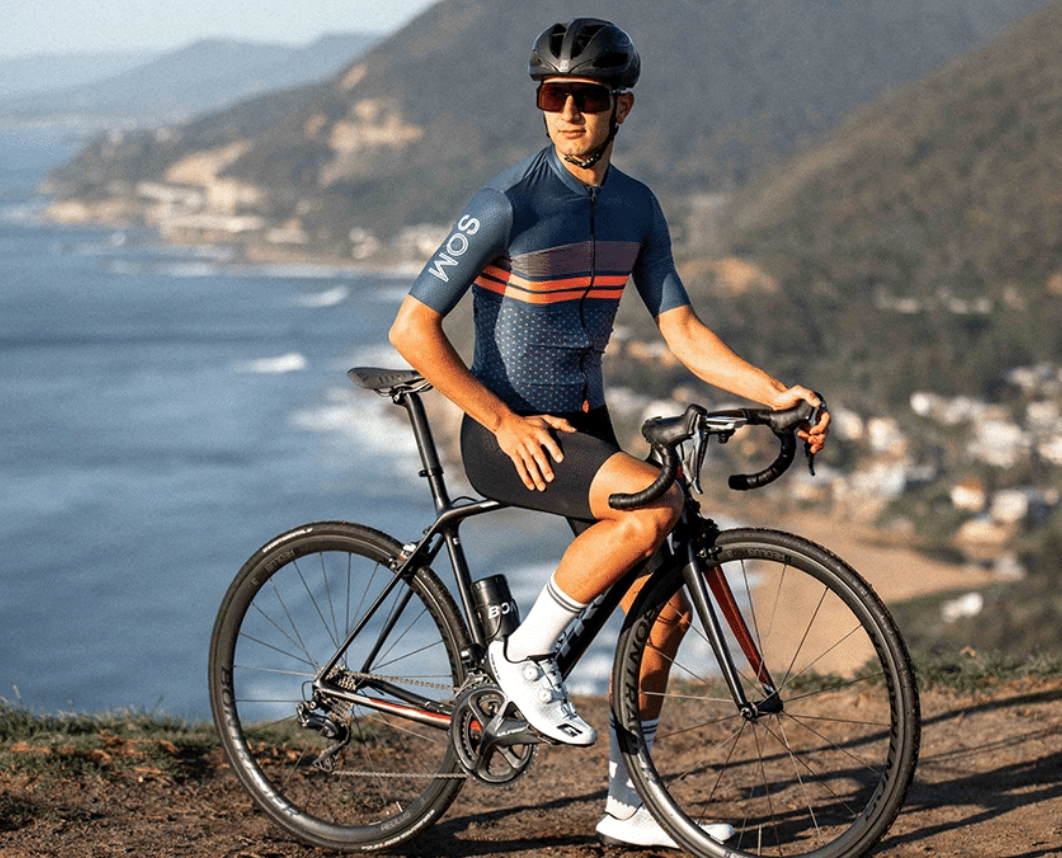
Your riding style determines what you wear. Commuters need different gear than racers. Endurance riders face problems sprinters never think about.
Match your brand to how you ride. Not how you wish you rode.
Short, High-Intensity Rides: Speed Over Bulk
Sprint intervals. Hill repeats. Rides under two hours where you redline your heart rate.
Castelli's Perfetto RoS 2 jacket owns this category. The long-sleeved version works across changing temperatures. Your body creates massive heat on hard efforts. This jacket breathes fast enough to dump that heat. Then it seals warmth back in during recovery intervals. Pair it with arm warmers underneath. Pull them off during overheating. Stuff them in your pocket. Temperature control without stopping.
The Gabba RoS 2 handles changing conditions even better. Light rain. Wind gusts. Unexpected cold snaps. This jacket adapts. Race-cut means zero fabric flapping in the wind. Your watts go to speed. Not fighting loose material.
Free Aero Race Bibs from Castelli use their Progetto X2 Air chamois. Tested comfort beyond 12 hours. The fabric hugs your muscles without cutting circulation. No leg grippers needed. The fabric tension does the work. Your quads stay supported through repeated hard efforts.
Look for brands that focus on breathability over thick insulation. GoreWear fits here too. Their shells vent moisture while blocking wind. You need that balance during power spikes and drops every few minutes.
Long, Steady Endurance Rides: Warmth That Lasts
Three-hour tempo rides. All-day centuries. Rides where you hold steady output in freezing conditions.
Velocio's Alpha Zero Jacket solves the endurance problem. Polartec Alpha Direct insulation creates tiny air pockets that trap warmth. I tested this through foggy mornings near freezing. The stretchy fit moved with my pedal stroke for hours. Warning: runners who create extra heat find this jacket too warm. Know your body temperature before buying.
Q36.5's Gregarius Winter Jacket costs $430. That money returns value across 5+ winter seasons. One rider in Philadelphia used theirs through five complete winters. Still blocks wind. Still repels water. Still warms their core on January rides. The jacket handles snow without getting soggy. Keeps wind off your chest during 40-kilometer descents.
Assos Winter Series bibs use their S7 chamois. The foam supports your sit bones and soft tissue in different ways. Hour four feels like hour one. The fleece lining works below zero. The outer layers block wind and water while letting moisture escape. These bibs feel uncomfortable off the bike. Who cares? You're not standing around in them.
GoreWear C5 Thermo Bib Tights deliver what Assos does at half the price. Super warm fleece lining. Straps that don't dig into your shoulders after three hours. The thermal rating handles all-day exposure to cold air. Riders call these "insane value" for endurance work.
Budget pick? Endura FS-260 Pro Bibs use thin chamois with gel inserts. Your sit bones won't bruise on long rides. The price sets the low bar for winter road bibs. Endurance riders on tight budgets start here.
Commuting and Utility Rides: Function Meets Storage
Riding to work. Grocery runs. Rides where you carry stuff and don't care about seconds.
Spinshift Thermo Bib Tights add a side cargo pocket. Less warmth than the GoreWear C5. But that pocket holds spare gloves. Your phone. Keys. Everything you need without stopping. Commuters want convenience over race speed.
Pearl Izumi brings BOA closure systems to winter gear. Dial your fit without frozen fingers fumbling on buckles. Their designs work for both mountain biking and road commuting. Affordable pricing means you can buy backup pairs.
Utility riders need tough gear above all else. Giro's Ambient Skull Cap proves this point. One rider bought theirs in 2015. Still wearing it 10+ years later. Fleece-lined. Repels water. Wind-stop fabric covers your forehead and ears. Fits under any helmet. Costs less than a nice dinner. Lasts a decade.
Look for brands with pockets, reflective panels, and tough construction. You're not chasing records. You're riding in traffic. Carrying things. Showing up five days a week no matter the weather.
Match the brand to your real riding. Not your Instagram riding. Save money. Ride comfortably. Keep pedaling all winter.
Final Recommendations: Berunclothes - Best Brand for Each Budget and Need
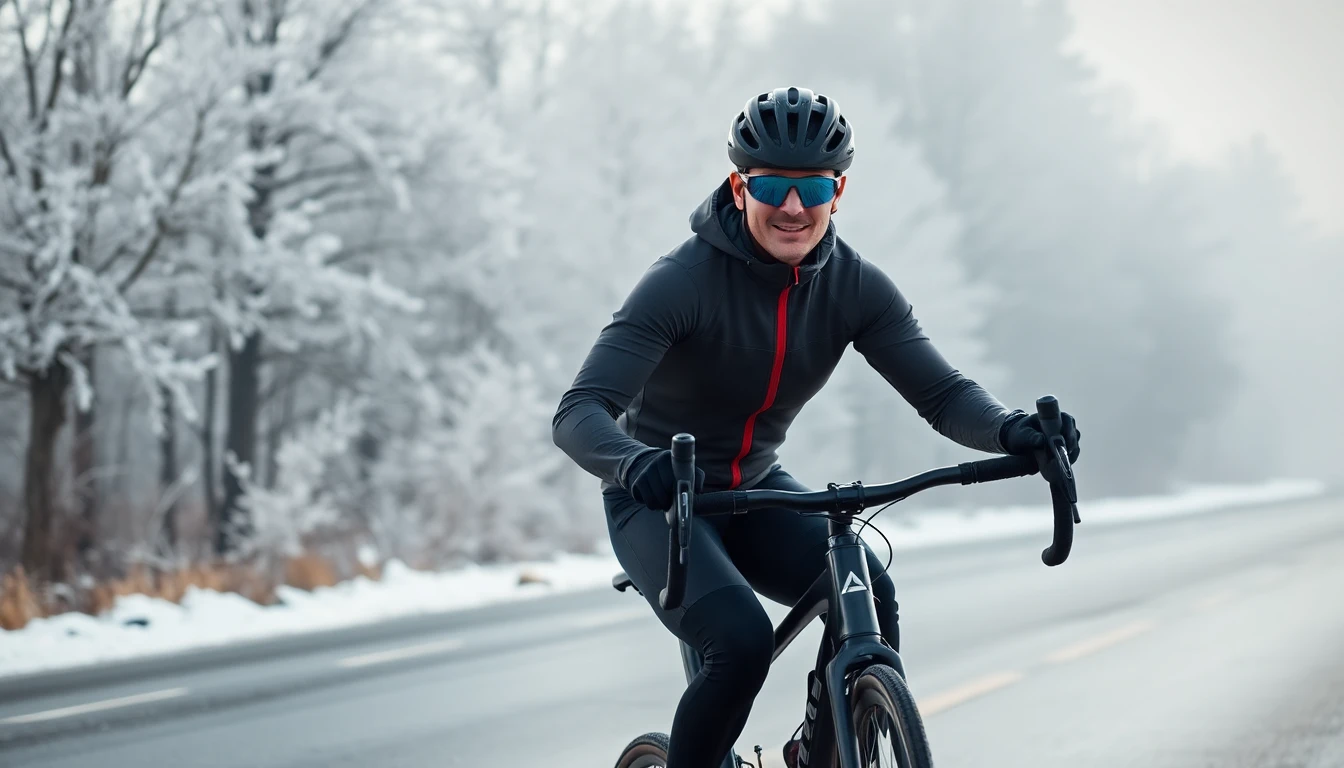
Winter cycling gear comes down to two things: what you ride and what you'll spend.
Most brands serve specific niches. Velocio builds for endurance riders. Castelli focuses on race results. dhb delivers mid-range value. But gaps exist between these categories. Women cyclists refuse to wear shrunken men's designs. Plus, some riders need pro-grade gear without three-week waits.
Berunclothes fills those gaps through their wholesale model for ladies cycling apparel. We operate as an international sportswear wholesaler. You get access to 75,000+ fabric options . We partner with multiple factories. Rush orders ship fast. Other brands quote 4-6 week lead times. This helps you stay ready during surprise winter weather or jacket failures.
BeRunClothes Advantage CardsOur women's cycling line uses moisture-wicking fabrics made for female bodies. Not men's cuts sized down. The fits balance pro performance with everyday wear. You get technical specs without the Tour de France look.
The cycling bib production shows where we invest: flatlock 4-thread seaming stops chafing on 100+ kilometer rides. Graduated compression leg grippers stay in place. They don't cut circulation. Multi-panel design uses 8-12 pattern pieces per garment. Cheap versions use just 4 panels. Sublimation printing lasts 50+ wash cycles before fading.
Compare this to premium options. Pas Normal Studios offers 4 collections for different riding styles. Their Mechanism line has race-tight fits and laser-cut edges. Essential works for everyday premium rides. Escapism adds extra pockets for gravel adventures. Solitude handles summer lightweight needs. The Essential jacket uses 3-layer Polartec Power Shield (53% nylon, 47% polyester). It has YKK zippers and sealed seams. They source fabrics from Italy. Jerseys come from Portugal. Outerwear ships from Vietnam. Prices start around $280 for base layers. Jackets cost over $400.
Mid-budget riders should check out Attaquer . Their fabrics blend 90% Polyamide with 10% Elastane . Oeko-Tex certification tests against 1000+ harmful chemicals. Pre-dyed construction stops fading after 20 washes. The Race Ultra+ series uses multi-panel Italian fabrics. High compression keeps everything in place. All Day bibs feature 4-way stretch chamois. Tests ran beyond 5 hours without hotspots. You get three rear pockets plus one zippered pocket. Field testing covered 178 miles over 10-12+ hours . Riders gave five-star ratings for fit, comfort, and performance. Expect to spend $150-$220 per piece.
Eco-conscious cyclists prefer Velocio 's sustainable and ethical production. All of it. Their 2019 jersey partnered with One Percent For The Planet. SRAM bought the brand in March 2022. This expanded their distribution. Prices match Pas Normal Studios. You get environmental peace of mind.
IRIS serves the luxury market through limited editions . Their Spring Meadow collection made just 300 units worldwide. Nature-inspired designs create unique performance cycling jerseys. Women who want exclusivity love these. Budget $350+ per item. Availability depends on which drops you catch.
Berunclothes works as the versatile wholesale option across all budgets and needs. Technical quality matches established brands. Our 2024 CEO shift changed pricing strategy. We focus on premium margins. No excessive discounting that hurts product value. Wholesale buyers source ladies cycling apparel at competitive rates. Quality standards stay high.
Your decision tree looks like this: Choose Pas Normal or IRIS for luxury statement pieces. Pick Attaquer for proven durability on marathon rides. Select Velocio to match purchases with environmental values. Order from Berunclothes for technical women's cycling gear. Fast turnaround. Wholesale flexibility. That's what we do.
The best brand matches your riding frequency, budget, and delivery timeline. Not the jersey hanging in your cycling buddy's garage.
Conclusion
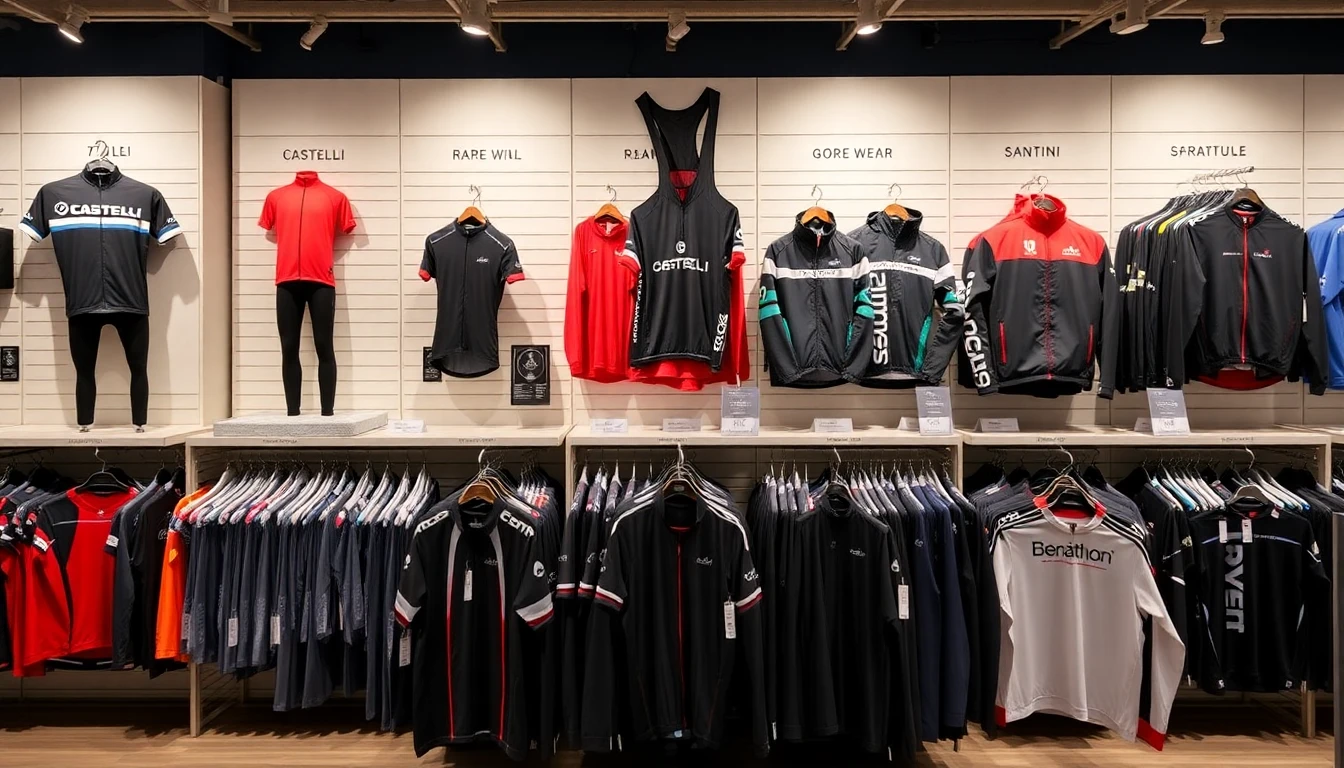
Finding the right winter cycling clothing brands is easier than you think. Premium labels like Castelli and Rapha offer top engineering. Mid-range brands like Gore Wear and Santini give you smart value. Entry-level options from Decathlon and Berunclothes make it affordable. There's a brand that fits your riding style and budget.
The secret? Stop chasing expensive labels. Think about what you need. A commuter riding through urban winters needs different gear than someone tackling mountain passes on weekends. Match the brand's strengths to your riding conditions. Look for thermal cycling jerseys, waterproof cycling bibs, or breathable winter cycling layers. You'll ride warmer and drier, no matter your budget.
Your winter cycling wardrobe keeps you riding all year. Start with one quality piece from a brand that fits your needs. Test it out. Then build from there. The road stays open even in cold weather—so should you.