Every angler remembers their first fishless afternoon — the tangled line, the wrong bait, the quiet suspicion that everyone else knows something you don't. Here's the truth: most beginners don't fail because fishing is hard. They fail because nobody told them what not to do.Even insights shared by beginner-friendly fishing apparel manufacturers show that success often comes down to avoiding simple, fixable mistakes — not buying more gear.
Some mistakes are obvious. Others are not. A bad fishing line setup sends your rig straight to the bottom. Poor casting technique scatters every fish within thirty feet. These are real, fixable problems — and beginners hit them all the time.
Below, you'll find a breakdown of the seven most common fishing mistakes beginners make. Each one comes with a clear fix, so you stop losing mornings on the water.
Mistake #1: Choosing the Wrong Fishing Gear for the Job
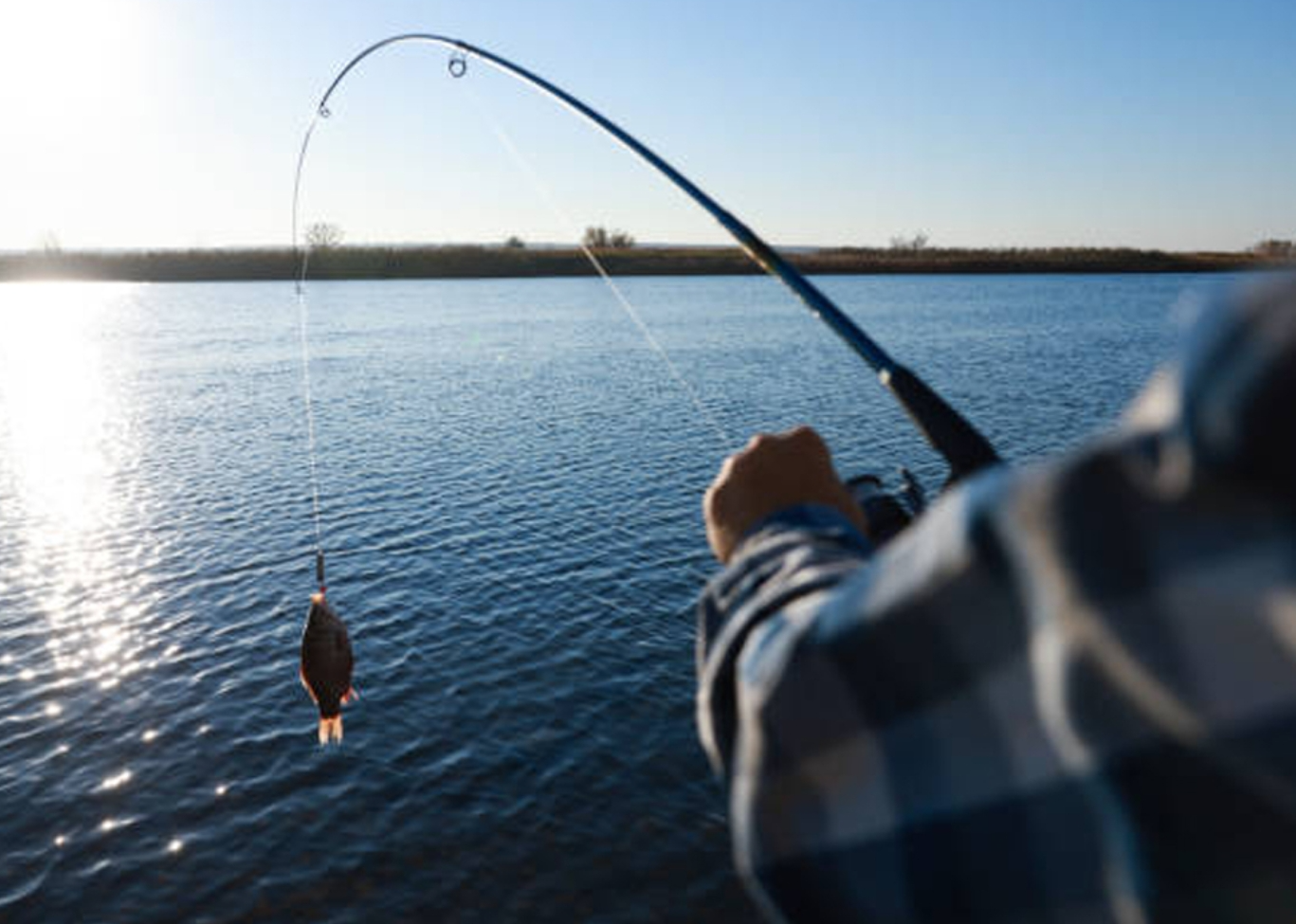
Walk into a tackle shop without a plan, and you’ll likely walk out with mismatched gear — something often highlighted by entry-level fishing clothing suppliers when educating new anglers. Not because the gear is bad — because nobody explains that fishing equipment is species-specific. Using the wrong setup is like showing up to a knife fight with a sledgehammer.
The mismatch shows up in three predictable ways:
Rods too stiff for the fish you're targeting
Line too heavy for the conditions
Hooks so oversized the fish never takes the bait
A 20lb test line on panfish. A heavy-action rod for trout. A 1/0 hook where a #8 belongs. Each one kills your day before you've made a single cast.
Here's what the numbers look like:
Target Fish | Rod Action | Line (lb Test) | Hook Size |
|---|---|---|---|
Panfish | Ultralight | 2–6 lb | #6–#10 |
Bass | Medium | 8–12 lb | #2–#1/0 |
Large Game | Heavy | 20+ lb | 1/0+ |
Studies on recreational angling behavior suggest that 90% of unused tackle comes from buying the wrong specs upfront — and mismatched gear contributes to over 50% of lost fish incidents among beginners. That's not bad luck. That's a solvable equipment problem.
The fix is simple. For most beginners targeting bass or trout, start with a medium-action spinning rod (5–7 ft), a 2500–3000 series reel, and 6–10 lb monofilament. That setup covers the majority of freshwater situations. Match the hook to the fish's jaw size — small-mouth species take #4–#2; larger mouths need a 1/0.
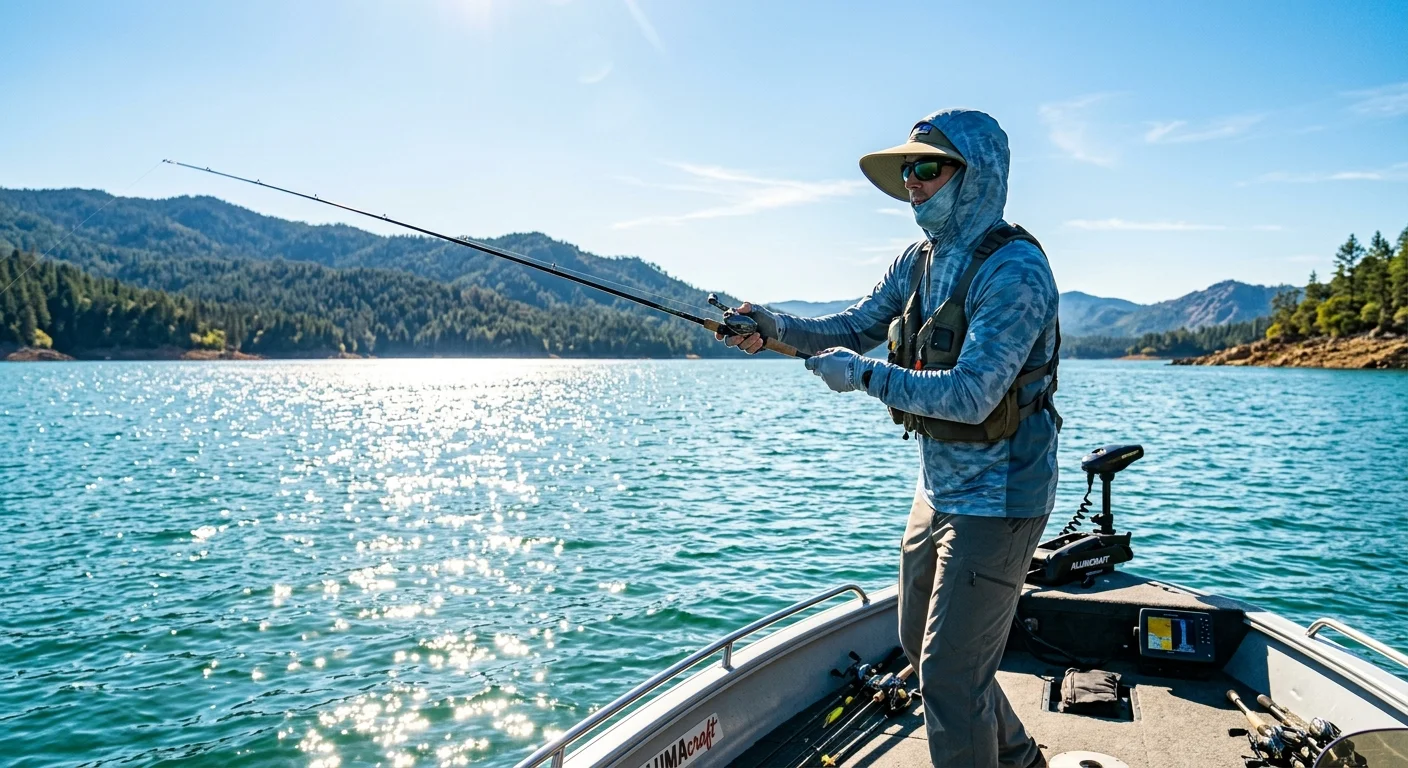
One last variable beginners overlook: comfort. Long hours fighting tangled rigs in direct sun aren't just miserable — they break focus. A UPF 50+ fishing shirt and quick-dry pants aren't luxury items. They're functional gear, same as your rod. No sunburn, no soaked cotton — you stay sharp and handle your equipment better. It's that simple.
Mistake #2: Ignoring Tides, Weather Conditions, and Prime Fishing Times
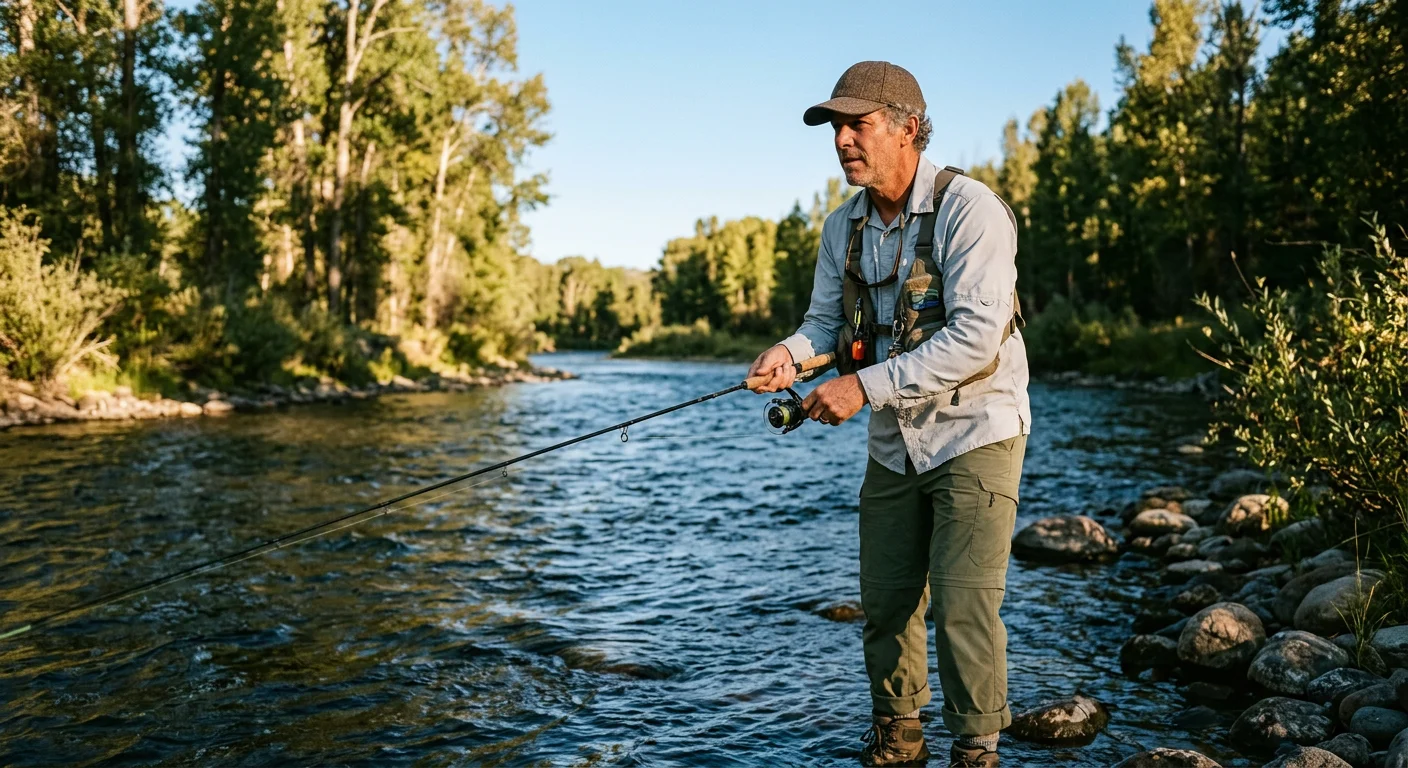
Timing isn't a bonus skill in fishing. It's the whole game.Many guides working with custom fishing wear for new anglers stress that timing is more important than tackle.
Most beginners pick a Saturday, drive to the water, and assume the fish will cooperate. They won't — not because the fish are stubborn, but because fish run on a schedule. That schedule has nothing to do with your weekend plans. Ignore it, and you're just a person standing near water.
Tides move fish. Full stop. Activity peaks during a rising or falling tide. Currents push baitfish through structure, and predators stack up to catch them. Hit slack tide — that flat, still window between tidal shifts — and the water goes dead. The fish didn't leave. They just shut off.
Add solunar timing on top of that. Moon phase and lunar position create major and minor feeding periods. These repeat throughout the day at predictable times. The best window? About one hour after sunrise or just before sunset. That's where a solunar major lines up with tidal movement. It doesn't happen often, but the water comes alive when it does.
For species-specific timing:
Redfish, sea trout, snook, flounder — check tide peaks against weather too. Solunar data alone gives you mixed results
Migratory species — target night tides along migration routes. Bigger fish move after dark
General saltwater fishing — rising tide + sunrise/sunset transition = your highest-odds window
Two tools worth using: PrimeTimes2 forecasts the best hours by combining solunar tables with tides. FishingReminder grades days from poor to excellent — but cross-check its sunrise and moonrise data against your local tide chart before you commit.
One more thing beginners miss: sun position and wind . On bright, high-sun days, fish push into shaded areas and deeper water. They're dodging the light. Work those zones. On windy days, set up on the windward side of structure. Baitfish pile up there, and predators follow. Cold fronts shut activity down fast — plan around them, not through them.
The right day matters as much as the right bait. Pick fair-rated days where tides, solunar majors, and sunrise all line up. Nothing biting after an hour? Move. Don't wait. The fish are on a schedule. Your job is to show up on their clock.
Mistake #3: Poor Casting Technique That Spooks Fish or Wastes Distance
Full-time fishing guides — veterans with 30+ years on the water — name bad casting as the #1 reason anglers miss fish in feeding zones . Not bad bait. Not wrong timing. The cast itself.This is why many training programs tied to OEM/ODM fishing apparel for starter markets include casting fundamentals.
Most beginners don't see the damage they're doing before the lure even lands.
The fish heard you coming. Every false cast over a fish-holding area makes the problem worse. In wild streams, a sloppy overhead pass scatters every trout in the zone. You've spooked fish you haven't even targeted yet.
The Three Faults Breaking Your Cast
Beginner casting problems fall into the same mechanical failures every time:
The slingshot stroke — Too much power on the forward cast creates tailing loops. Distance drops 20–30%, and your hook starts catching rod guides instead of fish.
Arm rotation instead of wrist snap — Your lure drifts 1–2 rod lengths off target. It lands in the fish's escape zone, not its strike zone.
Thumb pressure on the backcast spool — Line tangles fast. You lose up to 50% of your casting distance before the forward stroke even starts.
Each fault is fixable. None require talent. All require practice — done on purpose, done often.
How to Fix It (Before You're on the Water)
Three drills. Do them at home.
Smooth arc drill — Set a target 10–20 ft out. Keep your elbow high, swing from 10 o'clock back to 2 o'clock forward. Repeat 50 times a day until the path feels natural.
Pause timing — On your backcast, hold 1–2 seconds before the forward stroke. False cast no more than once. Extra false casts over water mean more spooked fish.
Landing control — Aim 6–12 inches past your target, then feather the line with your index finger. A soft, controlled splash is hard for fish to notice. A hard slap might as well be a warning bell.
Precision Beats Distance. Every Time.
Here's the number that changes how you think about casting: 80% of hookups require a cast within 2 feet of the fish . Go beyond 3 feet, and spooky fish pick up the intrusion 70% more often — through splash, vibration, and surface disturbance.
Stop chasing distance. Guides call it the "Johnny Distance" trap — casting to the edge of your ability and trading accuracy for ego. The data doesn't back it up. Guides report 3x more landings when accuracy comes first.
The move that works: cast past the feeding boil by 1–2 feet, then retrieve back through the strike zone at 12–18 inches per second. You come in from outside the fish's awareness, then pull the bait right across its nose. No spook. Clean presentation. That's the whole game.
Mistake #4: Using the Wrong Bait, Lure, or Rig Setup
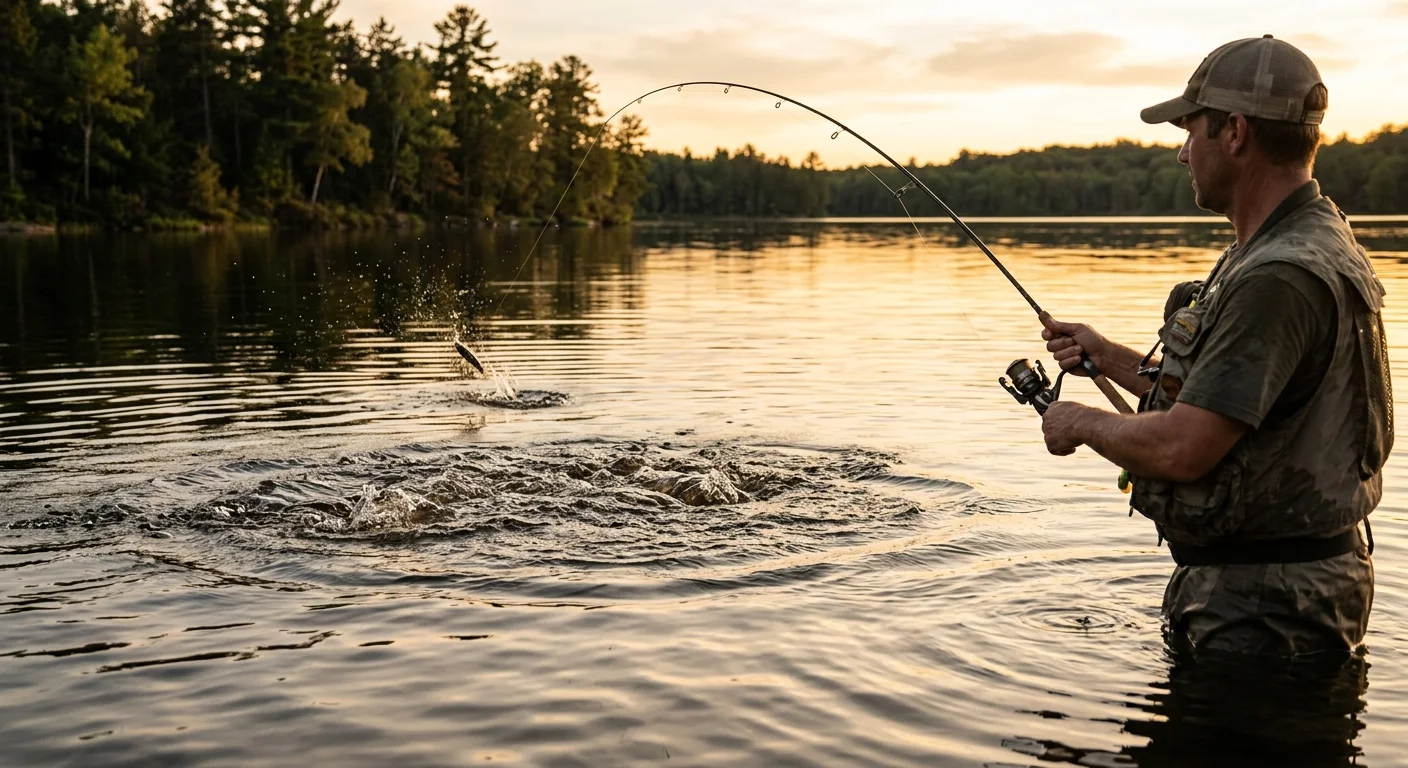
Fish are selective. Not intelligent — selective. That distinction costs beginners more fish than almost any other misunderstanding on this list.
The wrong bait doesn't just fail to attract fish. It signals something is off. You're presenting food that doesn't look, move, or behave like anything in their environment. They ignore it, or worse — they spook. Either way, you're fishing at an empty table.
Fish don’t think — they react. And if your bait looks wrong, they ignore it. Many beginners learn this quickly when working with guides supported by lightweight fishing wear factory for easy movement setups in real conditions.
Match What's Already in the Water
Water clarity is your first variable. Clear water calls for natural, subdued colors — translucent whites, silvers, greens that mirror actual baitfish. Murky water flips the rule: go darker or high-visibility — blacks, chartreuse, gold. Fish can't pick out subtlety in low visibility. Give them contrast.
Size is the second variable. Beginners almost always go too big. A 3-inch lure for 3-inch glass minnows. A 6-inch for 6-inch mullet. In spring, fish run smaller forage — scale down. By late summer and fall, baitfish have grown — scale up.
Profile matters too. Fish chasing baitfish? Use a baitfish profile. Hunting shrimp or crab? Switch to a paddletail or shrimp imitation. You're not guessing — you're observing and responding.
Keep the Rig Simple
Most beginners overcomplicate their setups. Complex rigs twist, spin with no natural movement, and cut your bites down fast . Start with one or two proven rigs. A paddletail soft plastic on a 1/8 oz jighead covers about 90% of freshwater and inshore scenarios.
One detail most beginners miss: your knot. A loop knot — not a snug cinch knot — keeps up to 80% of your lure's natural action intact. Cinch it tight, and you've killed the movement that triggers strikes.
For hooks, Owner, Gamakatsu, or Hayabusa beat budget options every time. This matters in grassy, muddy, or oyster-bottom environments. In those spots, penetration and sharpness decide whether you land the fish or lose it.
Mistake #5: Lack of Patience and Fishing Without a Plan
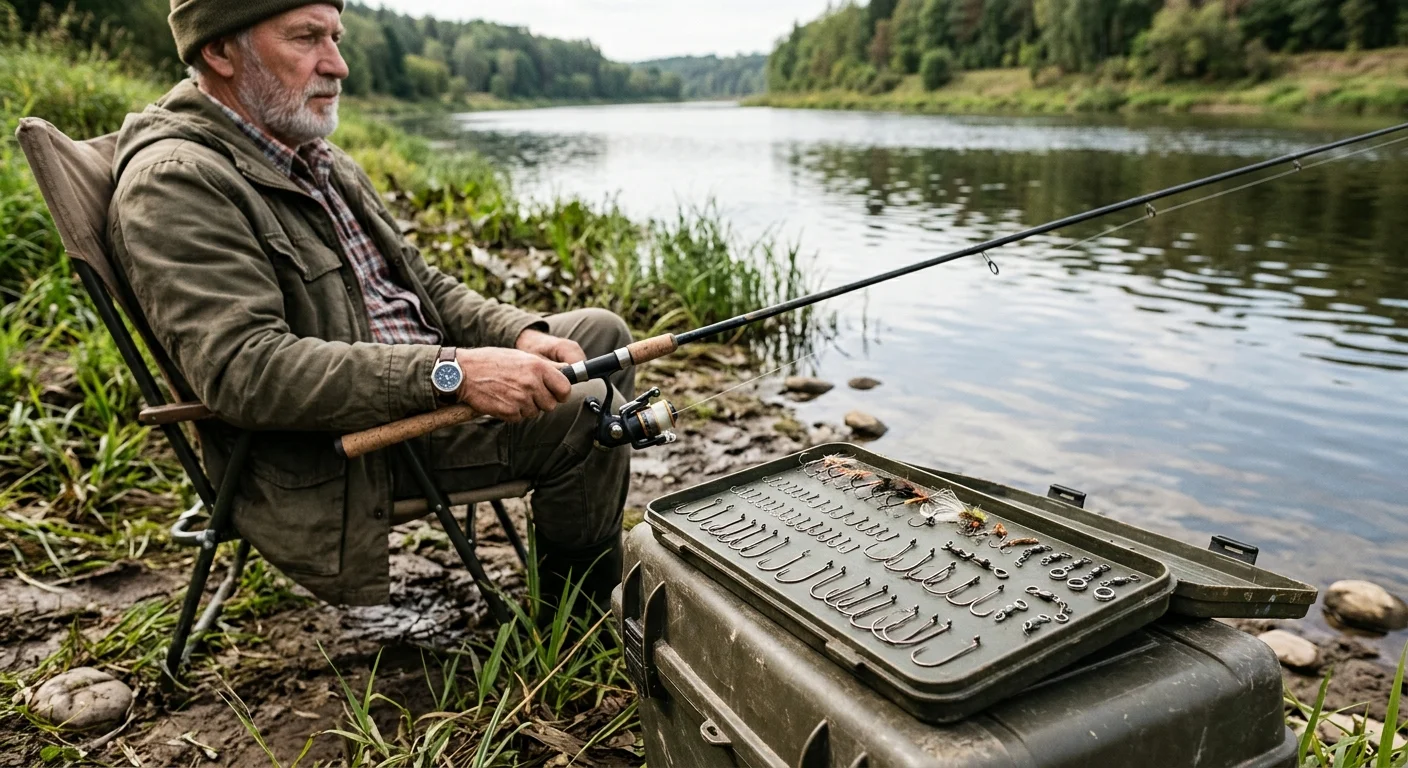
Two minutes. That's how long most beginners wait before reeling in and recasting. Fish need 5–10 minutes to commit to bait. Do the math — you're pulling the bait away before the fish ever decides.
Patience isn't a personality trait here. It's a technical requirement.
Most beginners reel in too fast and move too often — a pattern often observed by private label fishing clothing for beginner brands targeting first-time anglers.
The fix : cast to a promising spot and hold for at least 5 minutes. Experienced anglers wait 10+ minutes before moving on. Take 30 seconds to read the water before you cast — look for current breaks, shaded edges, and structural transitions. Don't just fire at the first "fishy-looking" spot you see.
The other half of the problem is showing up without a plan.
Fish With a Route, Not a Hunch
Open Google Earth or Navionics before you leave the house. Find drop-offs, submerged timber, weed edges, and humps deeper than 15 feet. Pick 5–7 high-probability spots . Line them up in order. Give each one 15–30 minutes before moving to the next.
Mistake | Real Cost | Fix |
|---|---|---|
Reel in under 2 min | Fish abandon approach | Wait 5–10 min/spot |
No plan, constant lure switching | Under 1 hr actual fishing | Pre-plan 3–5 spots, 15 min each |
Quit after 1–2 trips | Zero catches, zero learning | Commit to 4–6 sessions before judging results |
One factor most anglers miss: physical comfort kills patience faster than boredom does . Discomfort cuts fishing sessions 50% short . Moisture-wicking layers and UPF 50+ sun protection cut early quit rates by 30–40% . Not because they look good — but because four hours in soaked cotton under direct sun is flat-out unbearable. Bring water. Bring food. Treat it like a marathon, not a quick errand.
Mistake #6: Weak Knots and Incorrect Drag Settings That Lose Fish
The fish was there. The cast was good. The hookset was solid. Then the line went slack.
That gut-punch feeling of a lost fish? It almost always comes down to two silent failures: a knot tied wrong, or a drag that didn't match the line. Neither one warns you. You only find out when it's too late.
Losing a fish after the hookset is one of the most frustrating beginner mistakes — something often addressed by affordable fishing apparel suppliers for entry-level users in starter guides.
The Knot Problem
A well-tied knot holds 90–100% of your line's breaking strength . A bad one cuts that number by 20–50%. That gap is the difference between landing a fish and watching it swim off.
Three errors show up again and again:
1.Loose loops — wraps that never cinched tight, collapsing under load
2.Wrong knot for the job — a basic overhand where an improved clinch belongs
3."Cooking" the knot — pulling fluorocarbon tight without wetting it first. The friction heat weakens the line. The fish hasn't even touched it yet, and your line is already compromised.
The fix is the Improved Clinch Knot . Tie it right, every time:
Pass the line through the hook eye, then wrap it 5–7 times around the standing line
Thread the tag end through the small loop above the eye
Pull the standing line to snug the wraps together
Pass the tag end back through the large loop you just formed
Wet the knot , then pull both ends hard to cinch — trim the tag to 1/4 inch
Before your first cast, run a quick field test. Pull the knot against something fixed at a 45° angle. It should hold without sliding more than 1/16 inch. No fraying, no melted edges, uniform pressure across every wrap.
The Drag Problem
Most beginners either crank the drag all the way down or leave it so loose it does nothing. Both ways lose fish.
The right setup: set drag at 20–30% of your line's test weight . On 20 lb line, that's 4–6 lbs of resistance — enough to wear a fish out without snapping the line on a hard run. Test it at the reel (target 15 lbs) or at a 45° rod angle (target 18 lbs). Those two numbers account for the friction added by rod guides under load.
Too tight, and a big fish has all it needs to snap your line in one run. Too loose, and you've got zero control. Dial it in before the first cast — not after you've already got something worth keeping on the hook.
Mistake #7: Neglecting Gear Maintenance and Improper Fish Handling
Gear doesn't fail on the couch. It fails mid-fight, at the worst possible moment — because nobody cleaned it after the last trip.
Poor maintenance causes 40% of gear failures during a fish fight . Line breaks, reel seizures, dull hooks that never find purchase. None of these announce themselves in advance. They just cost you fish.
Keep Your Gear Fighting-Ready
After every session, run through this checklist:
Reels : Rinse with fresh water. Salt and grit are slow killers. Pop the spool off if you can. Dry every part completely before putting it away.
Lines : Run your fingers along the line. Feel for nicks and fraying. Anything over 10% damaged gets replaced — not trimmed around, replaced.
Hooks : Drag the point across your fingernail. It should catch. If it slides, file it or swap it. Sharp hooks improve catch rates by 20–30% .
Rods : Check each guide for cracks. Store them upright or flat — never leaning at an angle. That position lets the blank develop a permanent bend over time.
Do the same check before you leave for the water. A pre-trip inspection takes five minutes. Losing a fish to a seized reel takes one second.
Handle Fish Like You Intend to Release Them
Improper fish handling kills 30–70% of released fish . The main cause isn't the hook — it's slime coat damage. That thin mucus layer is the fish's immune system. Bare dry hands strip it in seconds.
Wet your hands or gloves before you touch any fish. Then follow these steps:
Support the full body — one hand under the belly, one under the tail. Never hold by the gills or eyes.
Keep air exposure under 30 seconds . Submerge the fish during hook removal where you can.
Use rubberized knotless nets. Nylon nets scrape scales and slime. Rubber doesn't.
At release, slide the fish back feet-first at a 45° angle , facing into the current. Hold it upright until the gills flare and it swims off on its own — this takes 1–5 minutes . Done right, survival rates exceed 90% .
Barbless hooks make this easier. They cause 25% less tissue damage and push survival rates even higher. Worth the trade-off.
Most beginners skip this part: your fishing clothing needs maintenance too . Quick-dry UPF fabrics — the kind built for long days on the water — need a cold water rinse after salt exposure. Air-dry them flat. Wash with mild soap (pH 5–7), skip the bleach, and put UV spray back on once the sun protection starts to fade. Skip the fabric care, and a shirt built to last years wears out in a single season.
Fishing is a long game. So is the gear that gets you through it.
Quick Reference: Beginner Fishing Mistakes Checklist
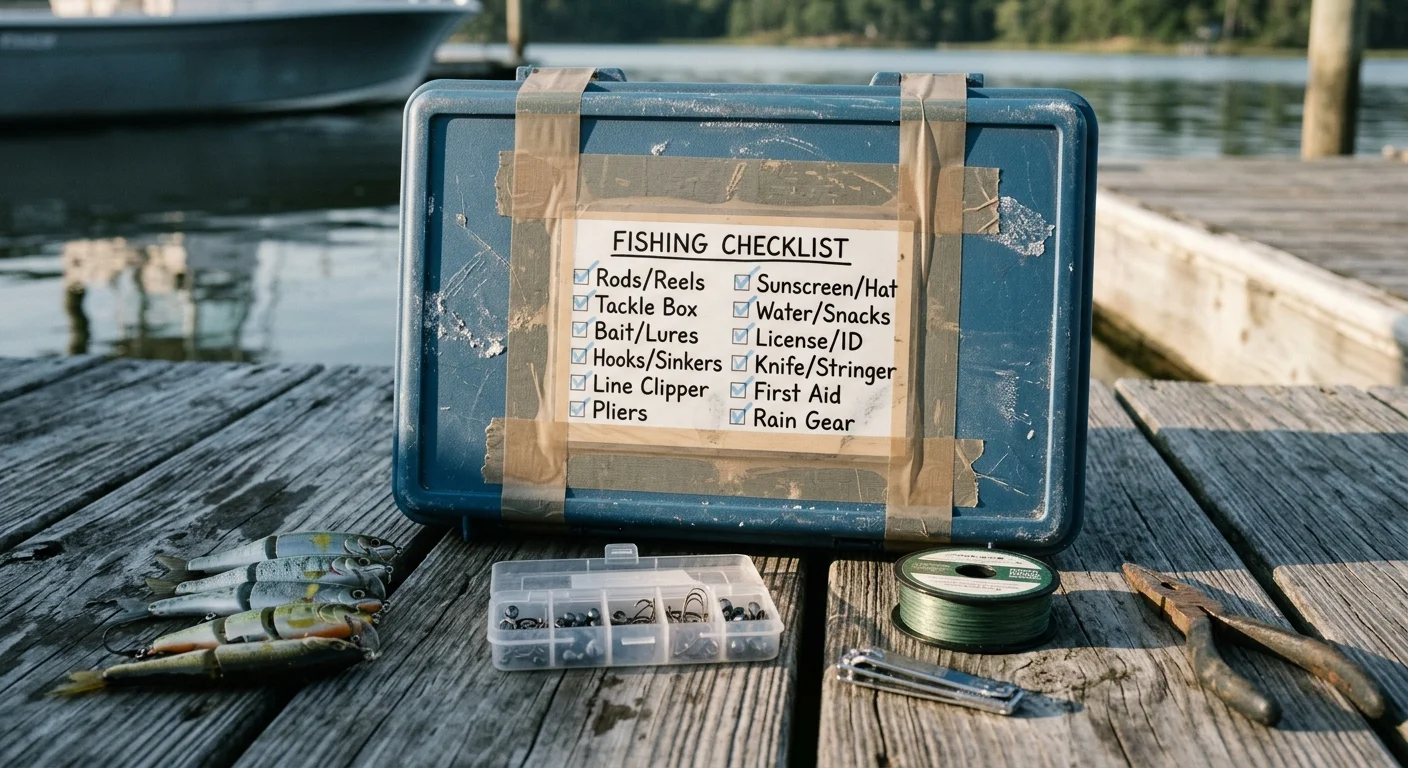
Print this. Screenshot it. Tape it to your tackle box if you have to.
❌ Mistake | ✅ Fix |
|---|---|
Gear mismatched to target fish | Match rod, line, and hook to species before you leave |
Dull hooks, wrong bait size | Sharpen hooks; scale bait to the fish's mouth |
Random spot selection | Study depth, current breaks, and cover edges on a map first |
Drag too tight or ignored | Set drag at 20–30% of line weight; reel slow and deliberate |
No patience, no plan | Commit 15 min per spot; stick to 1–2 proven baits |
Ignoring tides and weather | Cross-check solunar tables with local tide charts |
Wet lures stored in box | Dry everything before it goes back in — rust ruins tackle fast |
Seven one-line rules: match your gear, scout before you cast, set the drag right, stay patient, read the conditions, stay quiet, and dry your equipment. Study after study points to the same finding — 80% of beginner failures trace back to location and gear mismatch , not bad luck. Fix those two things. Every other variable gets easier from there.
FAQ: What Beginners Ask Most About Fishing Mistakes
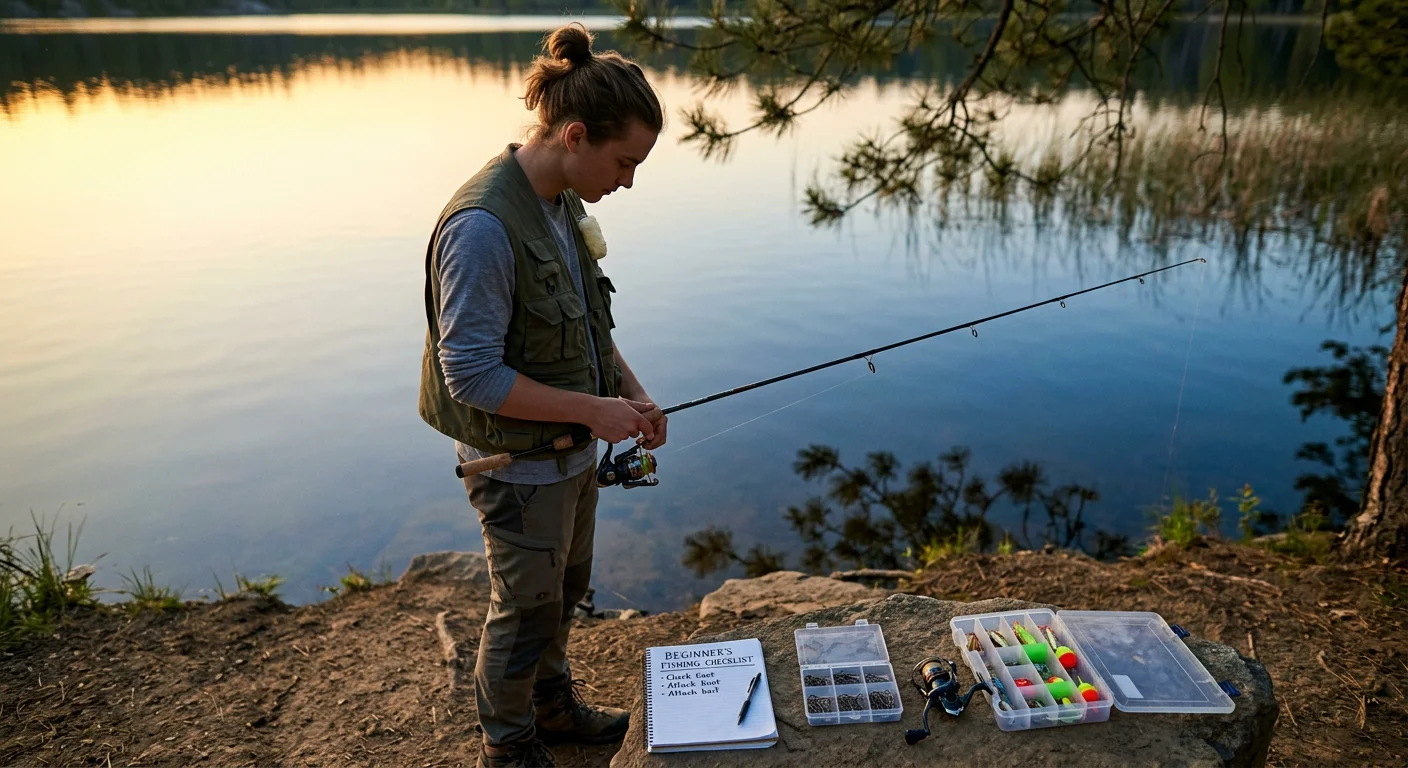
These questions come up on every beginner fishing forum, every tackle shop counter, every time someone walks away empty-handed and wants to know why.
Why am I not catching anything?
Most blank days come down to three things: wrong bait for the local species, wrong time of day, and sloppy casting. Bad casting pushes fish out of the zone before your lure even lands. Before your next trip, spend twenty minutes checking what fish are biting in your area right now — and when. Catfish feed at dusk. Bass go hard in the early morning and again before sunset. That's not folklore — it's biology.
What gear should a beginner start with?
A medium-action spinning rod and reel combo. That's it. Don't overthink this. One versatile setup beats a bag full of mismatched gear every time. Stop by your local tackle shop and ask about line weight and hook sizes for your specific water. Wrong specs mean lost fish — simple as that.
Why does my bait get ignored?
It doesn't look like anything in the water. In saltwater, snapper and jack go for live bait or soft plastics that move like real prey. Match your lure profile and size to what's swimming in that water — not what looked good on the shelf.
How do I stop losing fish after the hookset?
Check two things: drag tension and hook sharpness.
1.Set drag at 20–30% of your line's test weight.
2.Drag your hook point across your thumbnail. Catches? Good. Slides? Sharpen it or swap it out.
Dull hooks and wrong drag settings are a quiet double-failure. Most beginners never spot either one until fish are already gone.
Does fishing location really matter that much?
More than most beginners expect. Casting parallel along a bank edge beats casting straight out from a pier — most of the time. Work an area well before moving on. Don't burn through ten lure colors in the same dead spot. The right bait in the wrong place still catches nothing.
How important are tides?
In saltwater, tides run the show. Fish move with tidal shifts — full stop. Cross-check tide charts with your local forecast before you head out. Wrong timing isn't bad luck. It's just empty water.
Conclusion
Every great angler you've ever admired once stood where you are right now — frustrated, tangled up, and wondering why the fish weren't biting.
The difference between those who stick with it and those who quit after two trips comes down to awareness. You now know the basics: match your gear to the water, read the conditions before you cast, and never skip a well-tied knot. These aren't advanced tactics. They're the core skills that separate a wasted afternoon from a great day on the water.
Fix these fishing line setup mistakes and casting technique errors one at a time. Your success rate will climb faster than you think.
Before your next trip, run through the checklist. Prep your gear. Dress for the conditions — comfort and concealment matter more than most beginners expect.
Then go. Be patient. The fish are out there.
You just have to stop getting in your own way.