Table of Contents
You're five miles into your morning commute. The sky opens up. Within seconds, you start wondering: were those "waterproof" Cycling pants worth it? Or did you just buy fancy rain pajamas?
Here's the reality. Not all waterproof materials of cycling apparel work the same way. Gore-Tex breathes better than most fabrics. TPU costs less but still protects well. The right choice matters. You'll either arrive at work dry and comfortable, or you'll feel like you've been swimming in your own sweat.
We tested every major waterproof cycling apparel fabric on the market. Premium three-layer laminates. Eco-friendly DWR coatings. Everything in between. The performance data shows clear differences. Now you can match your riding style, weather conditions, and budget to the right material. You stay dry without overheating.
Commute every day through unpredictable weather? Plan long rides across all seasons? These technical materials matter more than you think. Understanding them turns shopping into smart buying. No more guesswork. Just the right gear for your needs.
Gore-Tex: The Gold Standard in Waterproof Cycling Fabrics
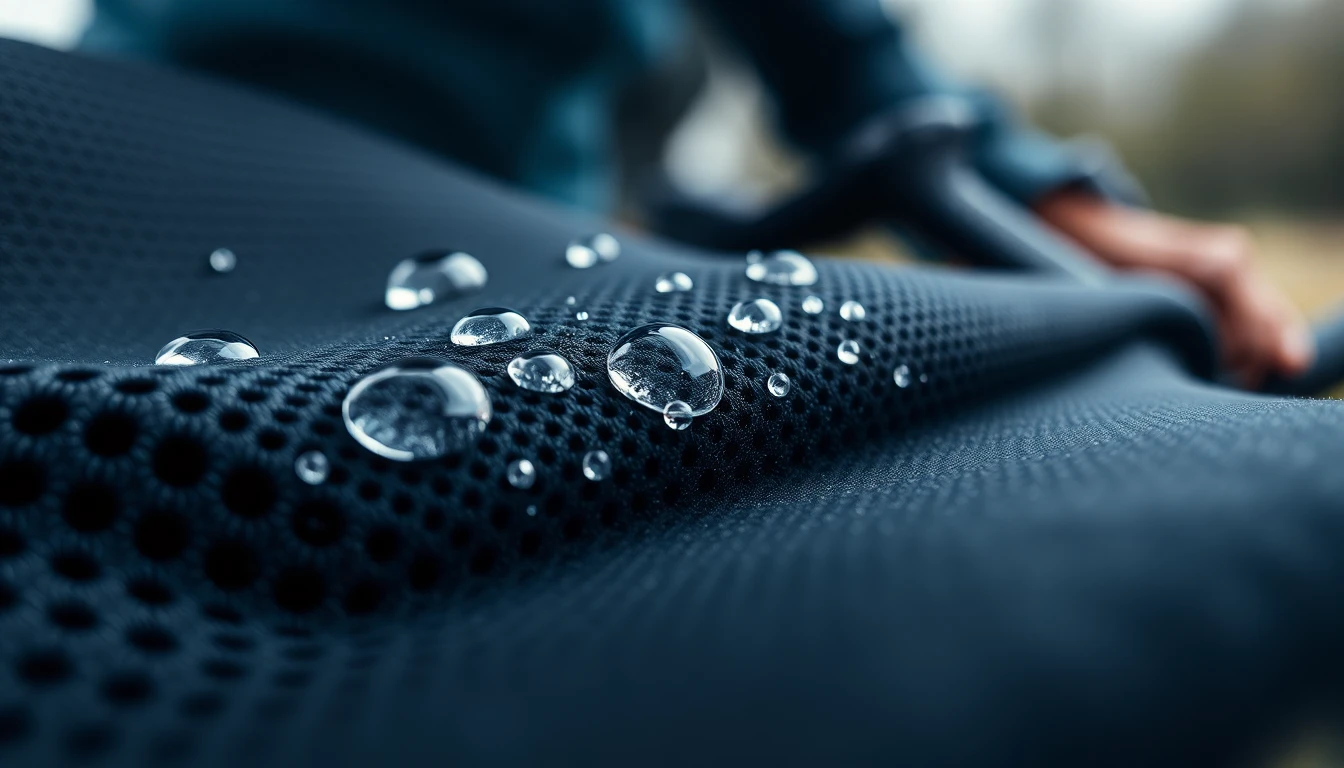
Gore-Tex works because of numbers that sound impossible:
Rain can't get through. But water vapor molecules? They're 700 times smaller than those pores. Your sweat escapes. Rain stays out.
This ePTFE membrane (expanded polytetrafluoroethylene) sits between two other layers. The outer fabric—nylon or polyester—gets a DWR coating. The inner lining pulls moisture away and fights wear. Three layers work as one system.
Why Gore-Tex Outperforms Everything Else
Nylon becomes water-resistant until it doesn't. It soaks up moisture over time. PVC blocks water but traps your sweat like a plastic bag. Polyester sheds light rain, then fails. Gore-Tex stays 100% waterproof and lets vapor escape. That difference matters on a hard uphill climb in steady rain.
The seams get special care. Tape seals every stitched area. Skip this step? Needle holes turn into leak points. The DWR coating does more than repel water. Dry outer fabric lets air move freely. Wet fabric blocks breathability. Even with Gore-Tex underneath, you'd feel damp from trapped sweat.
The Engineering Behind Consistent Performance
How you make it decides the quality. Stretch the membrane at 4.8 meters per minute? You get 60.4% porosity. Speed it up to 8 meters per minute? Porosity jumps to 70.8%. Engineers use this control to balance waterproofing and breathability for different cycling needs.
Gore-Tex Pro garments carry a "GUARANTEED TO KEEP YOU DRY" promise. They test these against heavy rain and thick snow. Cyclists face temperature swings and changing effort levels. This reliability matters.
The Environmental Trade-Off
Fall 2025 brings the next-generation Pro line with ePE membrane. No PFAS chemicals. Smaller carbon footprint. Same waterproof and breathable protection. The old Gore-Tex has recycling problems. Those three bonded layers won't separate easily. The company knows this issue. They're working on waste reduction methods.
TPU (Thermoplastic Polyurethane): Affordable Performance
TPU delivers exceptional value:
Compare it to Gore-Tex pricing. You'll see why more cycling brands choose TPU for their mid-range waterproof pants. This growth creates stable supply chains. You get competitive pricing.
Polyester TPU holds 48% of the market share. It delivers high tensile strength. It resists punctures well. You get durability that handles rough trail riding. Chemical resistance matters too. Fuel spills at gas stations? Road salt spray? TPU shrugs them off. The material stays flexible in cold weather. No stiff fabric when temperatures drop.
Real Performance Numbers
TPU works hard in the footwear industry. That sector claims 29.6% of total TPU demand—$1.07 billion in 2024. Athletic shoes need waterproofing. They need abrasion resistance. They need lightweight construction. Your cycling pants need the same things. The automotive industry backs TPU at a 6.1% annual growth rate. Cars demand materials that last years under stress. That same durability transfers to Cycling gear.
The material isn't perfect. TPU production requires precise drying steps. The temperature and hardness ranges are narrow. Get it wrong, and quality suffers. Some grades have short shelf lives. Petrochemical prices swing. Raw material costs shift. Cycling pants' Manufacturers absorb some changes. But price shifts reach retail over time.
The Budget Equation
North America's TPU market reached $753 million in 2024. The US alone accounts for $814 million. It's growing at 5.9% yearly through 2034. This scale drives competition. More waterproof cycling pants' suppliers mean better prices for you. A quality TPU cycling pant costs 40-60% less than comparable Gore-Tex options. You sacrifice some breathability. But for commuters riding under 90 minutes? TPU performs well enough. Save your money for other gear upgrades.
3-Layer Fabrics: Heavy-Duty Protection for Serious Riders
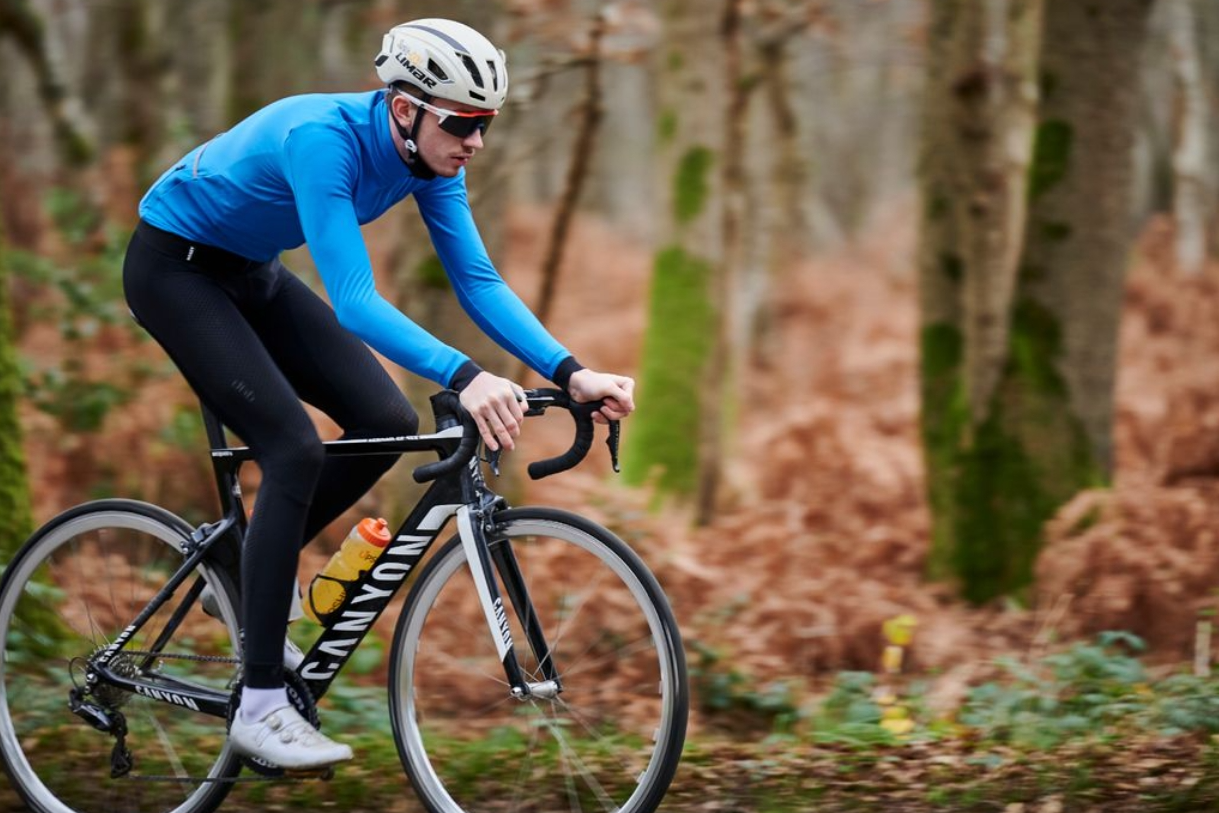
Three separate layers bonded into one fabric. That's the engineering behind the most protective cycling pants you can buy. The outer shell fights abrasion. The middle membrane blocks water. It also releases vapor. The inner lining wicks sweat and protects the membrane from body oils. Each layer does one job. Together, they handle conditions that destroy simpler fabrics.
REV'IT! builds their hydratex|3L system this way. They attach a protective tricot to the membrane's back side. You get full waterproofing. You get breathability. It feels like a single layer against your skin. The Denver H2O jacket uses this construction. Cyclists report dry comfort through hours of steady rain.
The Numbers That Define Protection
Japanese nylon in 3-layer construction delivers Level 3 waterproofing. That's complete rain protection. Tested and certified. Level 2 windproofing resists harsh winds. The Mulholland Motorcycle Jacket combines this fabric with D3O® Ghost™ pads. These pads stay lightweight and flexible. Hit the pavement? They harden on impact. Shock absorption spikes right when you need it.
Temperature range matters. Most 3-layer cycling pants work best between 60-80°F. Below that, add base layers. Above that, you'll want lighter pants with more vents. How hard you ride shifts this range. Hard climbs generate more heat. Gentle riding lets you wear 3-layer pants in cooler temps.
Material Strength You Can Measure
600D polyester means the yarn weighs 600 grams per 9,000 meters. Higher denier means thicker thread. Thicker thread resists wear better. Dense weaving boosts this protection. The Mosko Moto Boundary Jacket takes it further. They use 30k/10k waterproof/breathable eVent Expedition fabric. That's 30,000mm water column pressure. The breathability rating hits 10,000g/m²/24hr. The face fabric? 500D Stretch Cordura™. Strong against tears. Flexible too.
SuperFabric® gives you five times more wear resistance than leather. It weighs half as much. Micro guard-plates flex with your movement. Dynax 1000D brings high tear resistance and a high melting point. These materials go in zones that hit the ground first—knees, hips, elbows.
CE Standards and Real Protection
EN17092 certification tests wear at speed. Zone 1 covers shoulders, elbows, knees, and hips. AAA rating means top-level toughness. EN343 handles rain and snow protection. Category III gear offers the highest level of impact, wear, and weather defense. D3O® armor carries CE certification. Lightweight pads that protect.
Seam-taping seals every stitch hole. Skip this step? Water seeps through needle holes. The best 3-layer pants tape all seams. They add breathable vents at high-sweat zones. Regular fit gives you room to move. No excess fabric catching wind. COOLMAX® polyester channels pull moisture to the surface. It dries fast. You stay dry from both rain and sweat.
Three-layer construction costs more. It weighs more than 2-layer options. But serious riders need this level of protection. Year-round commuters. Long-distance tourers. Mountain trail cyclists. Your riding pushes limits. Your gear should too.
Proflex & Pertex Shield: Flexibility Meets Weather Resistance
Pertex Shield gives you waterproofing without extra weight. The 3-layer version weighs just 118 grams per square meter. That's lighter than most coffee mugs. The fabric uses 40-denier and 34-denier yarns. Fine threads feel soft. They pack small. A pair of cycling pants folds down to pocket size.
Check the numbers. Pertex Shield hits 20,000mm waterproof rating. Breathability reaches 18,000g/m²/24hr. You stay dry from rain. You stay dry from sweat. The membrane is water-loving polyurethane. No PFAS chemicals. The DWR coating skips PFC compounds too. You get eco-friendly protection without losing function.
Light Weight Matters
The 2.5-layer version drops to 63 grams per square meter. That's 1.8 ounces per square yard. Waterproofing sits at 10,000mm. Breathability hits 7,000g MVTR. This works for most cycling conditions. The weight savings help on bike-packing trips. Every gram counts on mountain passes.
Dyneema ripstop grid runs through the 140-denier nylon face. Squares measure 6.35mm on each side. Dyneema is 15 times stronger than steel by weight. Burst strength reaches 277 psi. Temperature range spans -40°F to 255°F. Trail debris won't tear it. Cold snaps won't stiffen it.
Proflex Engineering for Surface Protection
Proflex PRO-SHIELD works differently. Think floor protection that fits in cycling pants. Density sits between 3.26 and 3.31 grams per cubic centimeter. Mullen burst strength hits 140 psi. That's the pressure needed to rupture the material. High enough to handle pavement slides.
Stiffness tests show the balance. Machine direction reads 1703.7 gram-force per centimeter. Cross direction drops to 647.6 gf/cm. The material resists creasing. It bounces back after compression. Thickness runs 44 to 46 mils. That's about 1.1 to 1.17 millimeters. Thin enough to stay flexible. Thick enough to protect.
Moisture content tops out at 7.5%. The material handles damp conditions without breaking down. Weight ranges from 140.9 to 147.05 grams per square meter. Similar to Pertex Shield 3L. But Proflex focuses on stopping abrasion. Pertex focuses on breathability.
Pick Your Protection Priority
Pertex Shield fits riders who want packability and all-day breathability. Commuters doing 60-90 minute rides in changing weather. Bike tourists carrying minimal gear. The PFAS-free build attracts eco-conscious cyclists. Performance stays high. Chemical concerns stay low.
Proflex fits riders who need maximum toughness. Mountain bikers hitting technical trails. Urban cyclists on rough city streets. The burst strength and stiffness handle impacts better. You trade some breathability for toughness. Both materials skip old-school heavy-duty methods. Neither adds bulk. Neither restricts movement. You get weather resistance that moves with you.
DWR-Coated Polyesters: Green Solution for Every Day
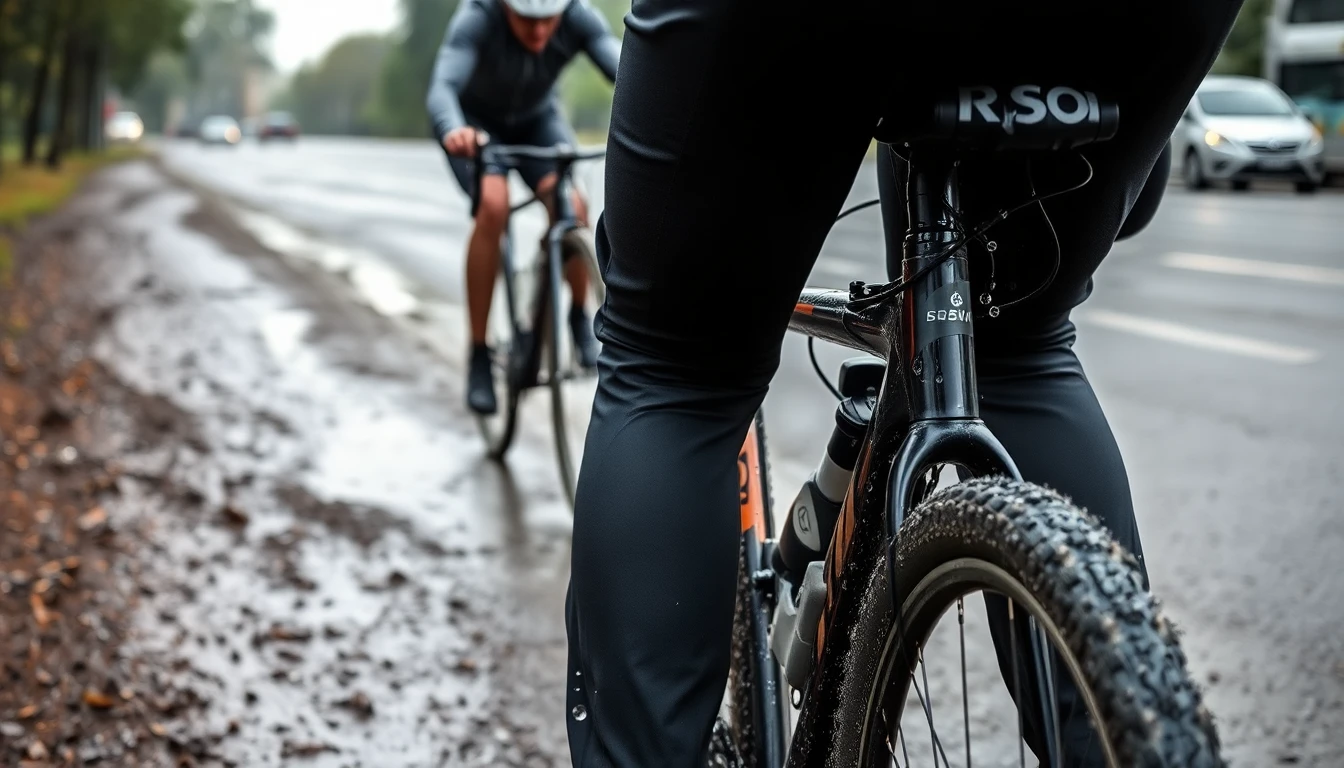
Polyester holds 35% of the waterproof breathable textiles market. There's a reason. It pulls moisture away better than cotton. It costs less than nylon. It survives repeated washing. Add a DWR (Durable Water Repellent) coating? You get rain protection without paying top dollar.
The DWR segment took 39% of the water repellent market in 2023. This makes it the top pick for cycling pants you wear every day. Athleisure brands use it. Outdoor companies count on it. The coating sits on the fabric's surface. Water beads up and rolls off. Your pants stay lighter. They dry faster. You skip that soaked-fabric cling during your ride.
The Green Shift Changes Everything
New DWR systems without fluorine are replacing old chemical treatments. The market hit $1.41 billion in 2026. It'll jump to $3.19 billion by 2036. That's 126% growth in ten years. The CAGR sits at 8.5%. Paraffin and wax-based systems lead with 32% market share. They work on polyester. They skip the toxic fluorocarbons. Your cycling pants shed rain without harming waterways.
Outdoor and sportswear applications claim 36% of this green DWR market. Cycling pants fit right in that category. Countries are pushing hard on this technology. China leads growth at 9.7% per year. Brazil follows at 9.3%. The U.S. hits 9.2%. Markets like Germany (8.1%) and the U.K. (8.2%) are growing too.
Real Performance for Your Ride
Tightly woven polyester fabrics reached 53.3 million square meters in 2024. They're growing at 6% per year. High thread counts stop water from getting through. The tight weave resists tears. It handles wear from saddle friction and backpack straps. Add DWR coating to this base? You get durability at a fair price.
The waterproof breathable textiles market sits at $2.5 billion in 2025. It'll hit $4.7 billion by 2035. Polyester with DWR coating grabs a big piece. Coated textiles (including DWR polyester) go to sportswear first. Protective clothing second. Rainwear and regular clothes third. Your cycling commute fits all three.
DWR-coated polyester won't beat Gore-Tex for breathing on a four-hour mountain ride. But for your 45-minute commute? It does the job. The coating needs a refresh every 20-30 washes. Spray-on treatments cost $12-15. Takes five minutes. You make $80-120 pants last longer instead of buying $300 Gore-Tex replacements. The numbers work for riders on a budget.
Material Performance Comparison: Waterproofing vs Breathability vs Durability
Testing lab numbers tell you what matters—you just need to read them right. A jacket rated 20,000mm waterproof sounds great. Then you see the breathability: 3,000g/m²/24hr. Rain stays out. Your sweat stays in. You'll be soaked on the first climb.
Understanding Hydrostatic Head Ratings
Hydrostatic head measures water pressure fabric handles before leaking. The test stacks water in a tube against the material. Water breaks through. That's your number.
15,000mm handles moderate rain. Commutes and short rides in drizzle? You're covered. 20,000mm protects against heavy downpours. INOV8's TRAILSHELL and STORMSHELL V2 both hit this mark. They handle serious weather. Below 10,000mm? That's water-resistant, not waterproof. Marketing teams love to blur this line. Don't fall for it.
PVDF membranes deliver 109 kPa hydrostatic pressure. Add a PU composite layer? Pressure jumps to 140 kPa. That's peak waterproofing. The trade-off comes in breathability. Air permeability drops to 5.7 mm/s. These materials block wind hard. Winter riding? Perfect. Humid summers? Miserable.
Breathability Numbers That Matter
MVTR (Moisture Vapour Transmission Rate) counts water vapor grams passing through one square meter of fabric in 24 hours. Higher numbers mean better breathing.
10,000 g/m²/24h qualifies as breathable. Most quality cycling pants hit this baseline. 20,000 g/m²/24h enters premium territory. Gore-Tex Pro sits here. INOV8's VENTURELITE pushes to 40,000 g/m²/24h. That's peak breathability. Sweat evaporates almost as fast as your body makes it.
Here's the problem. The same membrane tested across six different breathability standards scored between 1,000 and 17,000 g/m²/24h. Testing method changes the result big time. Compare products tested under the same standard. Cross-standard comparisons? Useless.
RET (Resistance to Evaporative Heat Transfer) flips the scale. Lower scores win here. 0-6 gives you excellent breathability. 6-13 rates as good. 14-20 works fine. Above 20? You're wearing a plastic bag. Most budget waterproof pants land in the 15-18 range. Premium materials stay below 10.
Durability Data You Can Trust
Tensile strength shows how much force fabric takes before tearing. FPU/PU/CNT composite hits 12.5 MPa. That's serious strength. Heat-treated PAN/FPU reaches 9.4 MPa. PVB/PDMS sits at 4.95 MPa—fine for regular use but not aggressive trail riding.
Bursting strength matters more than tensile strength for cyclists. You don't pull fabric apart. You put pressure on it during crashes or brushes against sharp objects. FPU/PU/CNT delivers 47.6 kPa bursting strength. It handles impacts that destroy lighter materials.
PTFE (the Gore-Tex membrane) gives you a 155° water contact angle. Water beads up and rolls off fast. WVTR sits between 9.7-10.3 kg/m²/d. Top waterproofing. The downside? PTFE never breaks down. Environmental cost stays high.
PA-6@WBA/TiO₂ brings new technology. Hydrostatic pressure reaches 106.2 kPa. WVTR hits 10.3 kg/m²/d. It adds UPF 430.5 sun protection. Germ-killing power tops 99.9%. This material fights microbes. Plus, it's better for the environment. Manufacturing uses less harmful chemistry.
The Real-World Balance
No material wins every category. PVDF/PU composite gives you 140 kPa waterproofing. But air flow drops to 5.7 mm/s. Maximum rain protection. Minimum breathability. INOV8 VENTURELITE flips this. Breathability hits 40,000 g/m²/24h. Waterproofing still reaches 20,000mm. You pay premium prices for this balance.
Check the test data. A 20,000mm/20,000g rating sounds the same as 20,000mm/10,000g. The breathability difference? Huge. That second number controls your comfort on long rides. Most cyclists focus too much on waterproofing. They skip breathability checks. Then they're soaked from the inside.
PU/modified silica composites deliver 135° water contact angle. Hydrostatic pressure sits at 50 kPa. Silica content controls performance. More silica boosts water resistance. It also stiffens the fabric a bit. Waterproof cycling pants' Manufacturers balance these factors for specific riding conditions.
Look at your typical ride length and intensity. Commutes under an hour? Materials with 10,000g breathability work fine. Multi-hour rides with hard efforts? You need 20,000g minimum. Race-pace efforts in rain? Target 30,000-40,000g or you'll overheat despite the cold and wet.
Best Materials for Different Cycling Scenarios
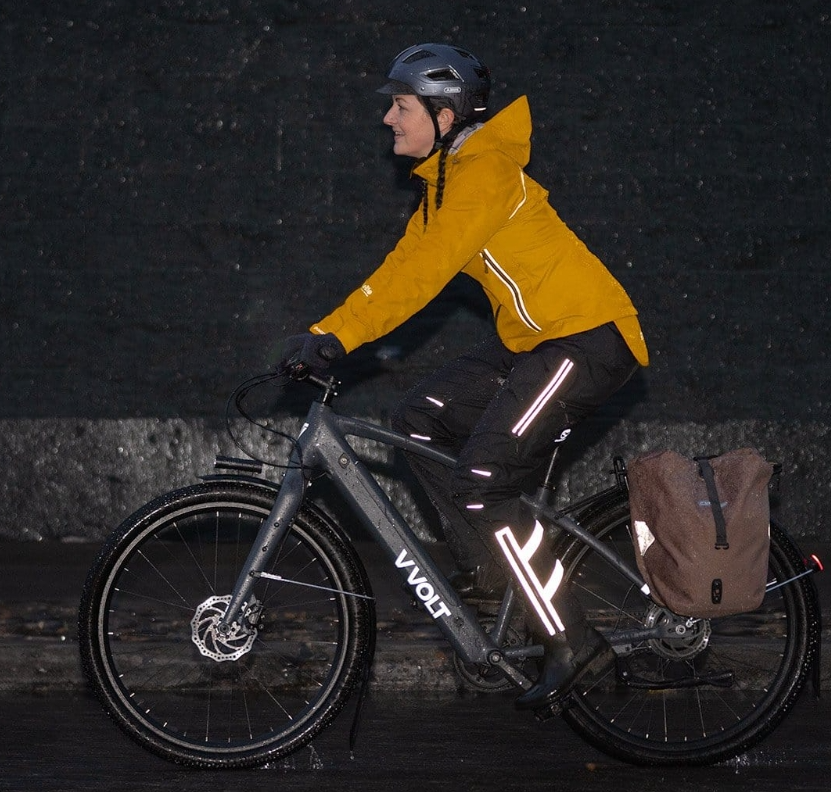
Your ride type changes what you need. Commuting 45 minutes through city rain? You need different fabric than racing 100 miles in changing weather. The surface under your wheels matters too. Smooth asphalt paths let you wear lighter pants. Gravel roads with debris need tougher materials.
Road Cycling: Weight Matters Most
Road cyclists chase speed. Climbing mountain passes or sprinting to the finish? Every gram counts. Pertex Shield 2.5-layer pants weigh just 63 grams per square meter. That's lighter than two credit cards. The 10,000mm waterproofing handles most rain rides. The 7,000g breathability stops you from overheating on hard efforts.
High-performance road riding copies bike frame design. Carbon fiber wins because it beats everything else for stiffness versus weight. Your pants follow the same logic. Pack light fabric that still protects. The average road bike weighs 8.32 kg. Heavy rain gear ruins that careful weight setup.
DWR-coated polyester works for training rides and weekend centuries. You're on smooth paths with high comfort ratings. These are paths where 34% of cyclists feel safe enough to ride for fun and transport. These surfaces don't tear fabric. Skip the heavy-duty options. Save 100-150 grams per pant leg. That weight savings matters over 60-80 miles.
Mountain Biking: Durability First
Technical trails need tougher materials. Low-comfort paths with rough surfaces demand it. Just 9% of cyclists feel comfortable on these routes. The terrain explains why. Rocks. Roots. Branches brushing your legs. Medium-comfort paths cover more ground. About 28% of sample riders use them. But they still need better protection than road surfaces.
Three-layer fabrics with Cordura face materials handle this abuse. 500D Stretch Cordura resists tears five times better than standard polyester. Crash on gravel at 15 mph? The fabric holds. SuperFabric micro guard-plates add abrasion resistance. They protect your knees where they hit the ground first.
TPU-coated pants balance cost and protection for trail riders who aren't racing. The $2.50-$4.00 per kilogram raw material cost means pants priced 40-60% below Gore-Tex options. Riding 10-20 miles on local trails twice a week? TPU performs well enough. Serious enduro racers need Gore-Tex Pro or premium 3-layer systems.
Commuting: The Middle Path
Urban riders face mixed conditions. Bike lanes with edge-based indicators focus on smooth asphalt surfaces. Low conflict zones. Higher speeds. You can wear lighter waterproof pants here. Then you hit construction detours. Potholed side streets. Road debris. Your pants need flexibility.
The cycling market shows this split. Revenue hits $63.74 billion in 2025. Sales peaked at 145 million units in 2020. They'll drop to 138.3 million by 2029. But the market value keeps growing. It went from $60.4 billion in 2023 to a projected $109.2 billion by 2030. That's 11% annual growth. Premium materials drive it.
DWR-coated polyester fits commuters on budgets. The coating needs a refresh every 20-30 washes. Five minutes with spray treatment extends life. You're not buying $300 Gore-Tex pants for a 6-mile ride to work. Medium-comfort network paths work fine with medium-protection gear.
Long-distance touring or year-round commuting in harsh climates? Gore-Tex or Pertex Shield 3-layer construction pays off. The $5,982 average road bike price shows serious cyclists invest in performance. Your waterproof pants deserve the same thought. Especially if you're logging 3,000-5,000 miles per year.
User Reviews & Real-World Testing Insights
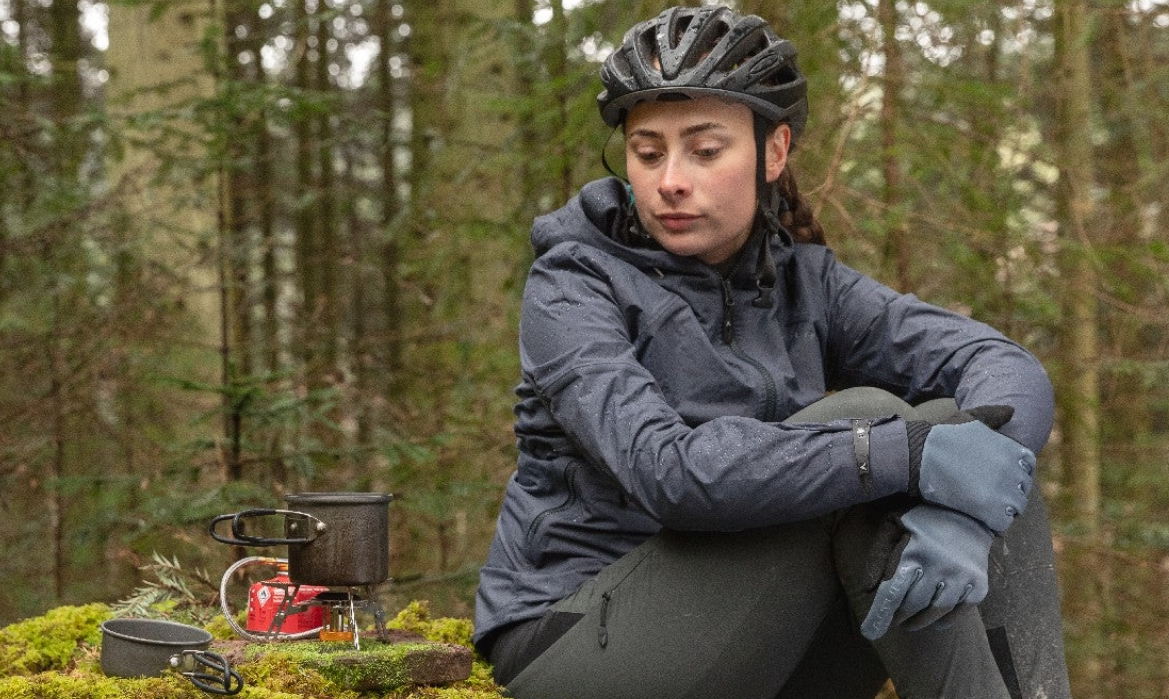
Numbers don't lie about what works. 92% of cyclists choosing waterproof pants pick products rated 4 stars or higher. They skip the rest. 72% become buyers after reading just one positive review. Gore-Tex kept someone dry during a 50-mile downpour. That's the power of real-world proof.
Product pages with customer reviews convert 3.5 times better than pages without them. Cycling pants are a tough sell online. You can't feel the fabric. You can't test the fit. Reviews fill that gap. 50+ cyclists confirm TPU-coated pants stayed waterproof through six months of commuting. You trust it. Conversion rates jump 4.6% with that volume of feedback.
What Riders Say About Materials
Video testimonials move the needle hardest. 72% of potential buyers trust a business more after watching another cyclist test pants in real rain. 64% become more open to purchase. One brand posted a 3-minute video. A rider tested Pertex Shield pants through a thunderstorm. Purchase intent shot up 97%. The conversion rate increased 80% that month.
Gore-Tex reviews mention breathability more than any other feature. Riders doing 2-hour+ efforts care most about not overheating. TPU reviews focus on value. Commuters highlight the 40-60% cost savings. They accept a bit less breathability for pants that still work. DWR-coated polyester gets mixed feedback. Short-ride commuters give positive reviews. Long-distance riders give negative reviews. The coating failed after 30 washes.
The Response Gap Kills Sales
53% of cyclists expect brands to respond to negative reviews within one week. 63% never hear back after posting their experience. That silence costs sales. 89% of shoppers read how companies respond to complaints. A brand explains how to apply DWR coating again. Or they offer a replacement for bad seam-taping. Critics become advocates. 56% of consumers change their opinion based on that response alone.
Price and reviews matter for premium materials. Higher-priced Gore-Tex pants with strong reviews convert 190% better. Cheaper options without feedback lag behind. 71% of cyclists feel more comfortable buying $300 pants. They see 40+ reviews confirming the quality. 83% trust brands showing user photos of muddy, rain-soaked pants that still performed.
Check the stats by device. Desktop shoppers convert at 1.9%. Mobile drops to 1.2%. That's a 58% gap. Your review section needs to load fast on phones. Cyclists research gear during lunch breaks and commutes. Make those reviews easy to read on small screens.
Real Testing Tells the Truth
89% of serious cyclists check review sites before buying technical gear. They read 4 reviews on average before deciding. 47% post their own reviews each month. They're building a knowledge base for the community. 20 riders confirm that 3-layer fabric held up through gravel crashes. That data beats marketing copy every time.
B2B buyers—cycling shops and team managers—trust reviews even more. 89% check multiple sources before ordering inventory. Video reviews showing seam construction and fabric stretch tests? Those close B2B sales. One waterproof cycling pants' retailer reported a 31% sales increase. They added detailed review sections to product pages. Customers spent 31% more per order too. They bought the pants reviewers recommended, not the cheapest option.
The benchmark for cycling e-commerce sits between 1.4-1.8% conversion. Top performers hit 3.2%. The absolute best reach 4.7%. Reviews are the difference. Low-ticket items ($10-50 accessories) convert at 2.5-4.0%. Mid-range pants ($50-200) hit that 1.4-1.8% baseline. Premium Gore-Tex options over $500? Below 1.0% without strong reviews. Above 2.0% with them.
Read the reviews. All of them. The 1-star complaints about TPU coming apart after one season matter. So do the 5-star raves about Pertex Shield packing into a jersey pocket. Real riders testing real materials in bad weather—that's the data you need.
Conclusion
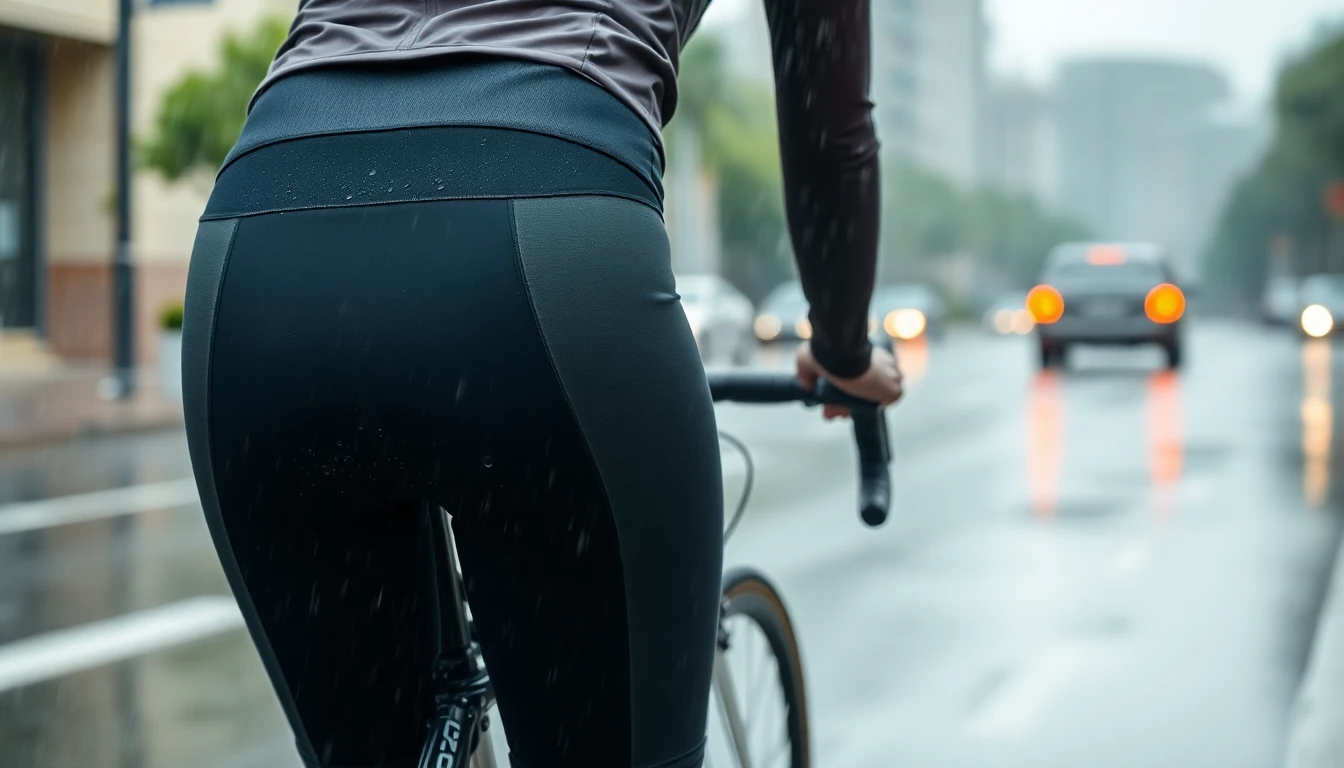
Your next rainy ride doesn't have to be a soggy mess. You can stay dry without overheating like a sauna. Women's waterproof cycling pants have come a long way from basic rain gear. Gore-Tex gives you legendary breathability. TPU offers budget-friendly reliability. There's a perfect match for your riding style and budget.
Here's what matters: Gore-Tex delivers for serious miles in harsh weather. TPU and DWR-coated options work great for commuters and weekend riders. You won't need to spend a fortune. Those 3-layer fabrics? They protect you on epic adventures where turning back isn't possible.
Don't overthink this. Start by looking at where you ride. How often do you ride? Check our breathable waterproof cycling gear comparison chart. Match it to your typical conditions. Then make your choice. Your future self will thank you—warm, dry, and pedaling through that surprise downpour.
The best rain pants are the ones you'll wear. Go find yours. Reclaim those rainy day rides.