Table of Contents
You've spent weeks researching custom cycling shorts from a reliable manufacturer. You added three different pairs to your cart. Then you stared at the screen wondering: Should I get the women's version or could I save money with the men's?
Maybe you've been riding in discomfort. You wonder if you bought the wrong gender-specific gear.
Here's the truth that most cycling brands won't tell you upfront— wholesale women's vs men's cycling shorts aren't just colored versions of the same product. The differences run deeper than marketing. We're talking chamois width, pelvic bone positioning, and pressure point management. These factors can make or break your 50-mile ride.
You might be a cycling newbie trying to decode body-specific terms. Or you're an experienced rider fed up with numbness and chafing. Either way, understanding these gender-specific designs is essential for your comfort and performance.
What separates these shorts? Spoiler: it's not just the price tag. You'll learn the real differences so you can click "buy" with confidence.
Key Body Differences Between Women's and Men's Cycling Shorts
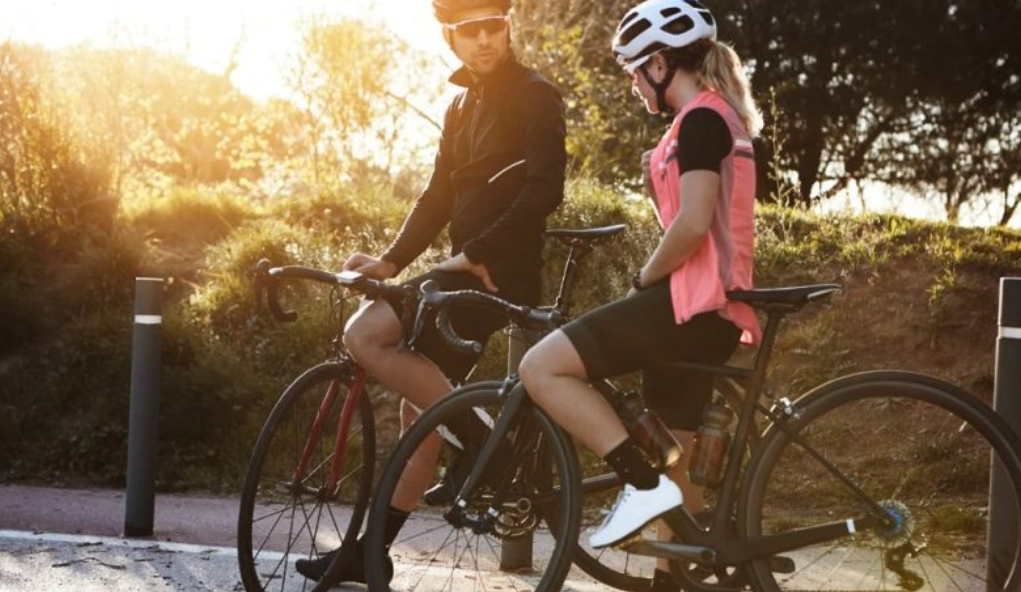
The human body doesn't follow a one-size-fits-all blueprint. Your cycling shorts shouldn't either.
Male and female bodies differ in bone structure, tissue distribution, and pressure points—where saddle meets skin. Cycling shorts built for these differences feel better. They prevent numbness, chafing, and those "never again" rides that make you question your hobby.
The Hip and Waist Architecture
Women have narrower waists paired with wider hips. This creates a higher waist-to-hip ratio. You need a different cut.
OEM women's cycling shorts from China factories feature smaller waistbands. They taper above the hips. The fabric cinches at your natural waist. No gapping or sliding down during climbs.
Men's shorts sport wider waistbands. The cut fits straighter torsos. It accommodates broader shoulders and smaller hip measurements. Wearing men's shorts as a woman? You'll get bunching fabric at the waist or uncomfortable pressure at the hips—pick your battle.
Front Inseam: The Hidden Differentiator
Most riders don't notice this until they compare side-by-side: private label women's cycling shorts have longer front inseams .
Why? Female torsos measure longer from waist to crotch. That extra fabric prevents awkward ride-up and constant tugging. Poor fit shows up fast.
Men's shorts keep the front rise shorter. Their body proportions don't require that additional length.
Leg Length Philosophy
Walk into any cycling shop. You'll spot this right away.
Women's shorts run shorter at the medium length. This keeps fabric off the quadriceps. Aerodynamics stay intact. Many female riders dislike excess material bunching at mid-thigh.
Men's shorts stretch longer. They extend well past the quads. This European racing aesthetic has dominated men's cycling fashion for decades. More coverage equals more muscle compression and better performance.
Chamois Padding: Where Anatomy Demands Customization
The chamois padding difference separates mediocre shorts from game-changers.
- Wider-set padding matches female sit bone spacing
- Shorter but much thicker in the center
- Higher front rise addresses anterior pelvic tilt
- Additional cushioning for soft tissue protection
- Strategic placement for forward saddle contact
- Longer and narrower footprint
- Less central material (different anatomy)
- Padding concentrated where male sit bones contact
Using the wrong gender's chamois creates pressure where you don't want it. That numbness on mile 30? Your chamois talking.
The Bib Strap Reality Check
Bib shorts skip the waistband. But wholesale cycling bib shorts gender differences show up at the straps.
Women's bib straps fit narrower backs and smaller waist measurements. They avoid chest compression. They stay put during rides.
Men's bibs feature broader shoulder spacing for wider upper bodies. The strap tension works with male proportions, not against them.
Size Grading for Real Bodies
Bulk women's cycling shorts from China suppliers grade through sizes 6-24. They add strategic fabric at hips, thighs, and through the curve of the glutes. Proper women's sizing requires three measurements: waist, hips at the fullest point, and the thickest part of your thigh.
Men's sizing scales more uniformly—broader shoulders down to smaller hips in predictable ratios.
Feature | Women's Design | Men's Design |
|---|---|---|
Hip Area | Wider cut, more fabric | Narrower, straight cut |
Waist | Smaller band, higher rise | Wider waistband |
Back Fit | Tapered at small of back | Designed for broader shoulders |
Thigh Allowance | Extra room, curved grading | Standard proportional scaling |
Bottom line? Saddle pressure points hit based on your skeletal structure. Gender-specific shorts aren't marketing fluff. They're a biomechanical need.
Chamois Padding Design: Width, Thickness, and Placement Differences
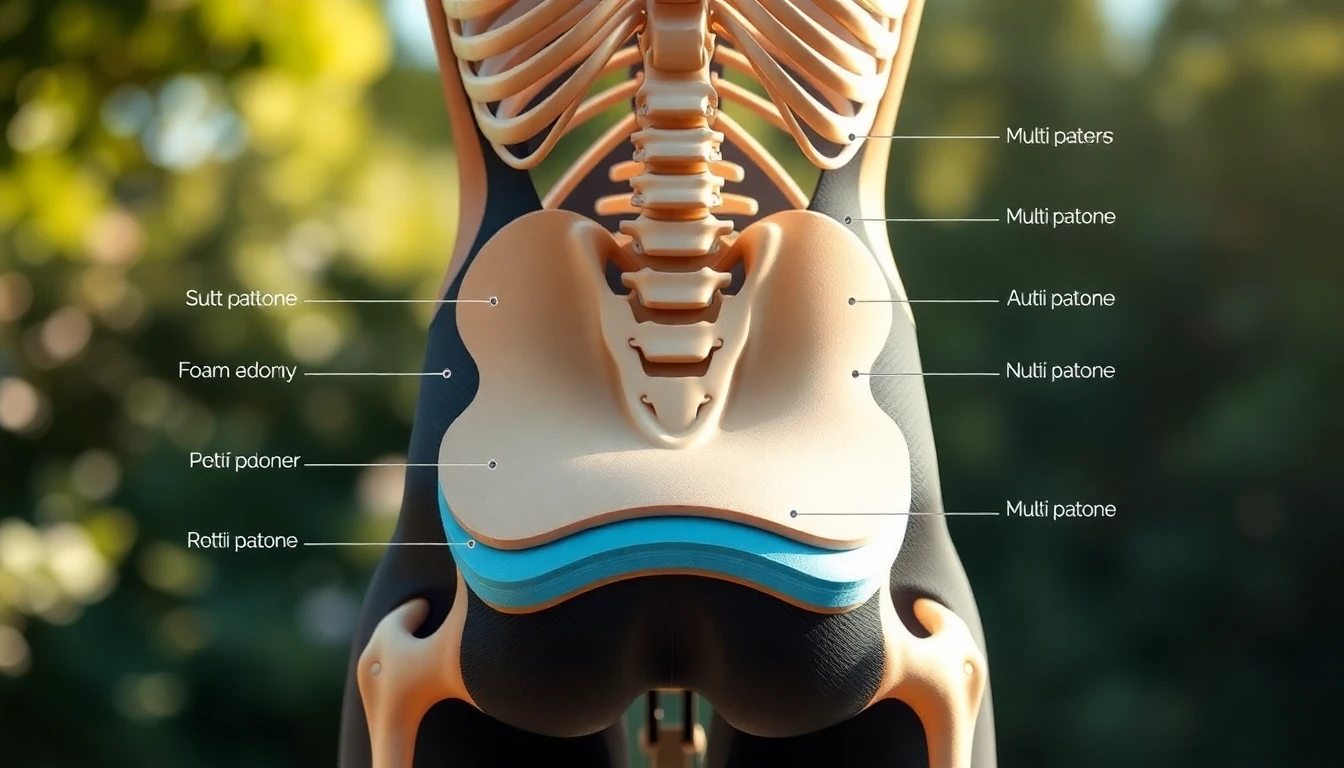
The chamois is the key component for custom cycling shorts manufacturers. It's the thin layer between you and saddle misery.
Think of it as body armor. It's built with different foam densities, cutouts, and body mapping. The padded cycling shorts from ODM factories isn't random. Every millimeter has a job.
Width: Why Your Sit Bones Need Gender-Specific Design
Women's sit bones spread wider than men's. It's skeletal fact, not preference.
Women-specific cycling gear from sourcing suppliers features chamois with broader coverage. The padding extends wider to match that spacing. You get central support without gaps. Pressure won't build in the wrong spots.
Men's chamois runs narrower. The padding sits along a tighter centerline. Many include a central channel or cutout —a relief zone that protects the pudendal nerve. Blood keeps flowing during long rides.
Women need continuous support through the center. Men need less material in certain spots.
Unisex chamois splits the difference. You get moderate width with balanced padding. But it doesn't excel for either body type. Comfort gets traded for versatility.
Thickness: From Minimalist to Armchair Levels
Not all foam is the same.
Wholesale road cycling chamois stays lightweight. You feel the road. Perfect for rides under 4 hours. Champion System's GranFondo chamois ranges from 2-10mm with 120kg/m³ density.
MTB and gravel chamois absorbs trail bumps and repeated hits. Twenty One's off-road models hit this range. Your sit bones thank you on hour five of rocky trail.
Long rides need extra support. Champion System's Endurance+ chamois is built for stage rides up to 8 hours. Aero Tech's Gel Chamois reaches 15mm with gel inserts for ultra-endurance events.
Race riders pick thinner options. Aero Tech's Elite 3D gives better aerodynamics. Plus closer saddle feedback for sprints and crits.
Triathlon chamois sit in the middle. Aero Tech's tri pad measures 8mm. It handles swim-to-bike transitions. And gives enough cushion for the run.
Placement: Multi-Density Zones Target Your Pressure Points
Single-density foam is old tech.
OEM anatomical cycling chamois from China uses 1-5 different foam densities in targeted zones. Giro's Chrono Expert has three densities with a 120kg/m³ high-density insert under your sit bones. Max thickness: 13mm with holes for cooling.
The top-tier Chrono Pro uses five densities . It has a 120kg/m³ ischiatic insert . Medical-grade placement targets your sit bones. Thickness peaks at 14mm . The entire pad gets 3D molding and holes for airflow.
Here's how density zones work:
The cycling shorts cut design from factory suppliers affects placement results. Women's chamois puts high-density zones further apart. This matches wider sit bone spacing. Men's chamois groups support along a narrower path. Plus that central relief channel.
ECYKER's EIT-PARIS-HPM male chamois shows precision design: densities from 80-120kg/m³ , thickness 3-13mm , total size 380x220mm . Built for rides over 7 hours.
Champion System's approach tells the story. Their GranFondo offers close road feel with moderate density. Their Endurance+ focuses on thickness and support for multi-day racing. Same brand, different chamois design based on ride time.
The bike shorts fit women men debate misses chamois placement. You can squeeze into the wrong waistband. You can't change where your sit bones hit the saddle. Wrong chamois placement causes numbness. Soft tissue gets compressed. Rides end too soon.
Pick your thickness based on ride length. Pick your width based on your body. Pick your density zones based on where pressure hits. That's how chamois padding works.
Bib Shorts Strap Design: Women's vs Men's Solutions
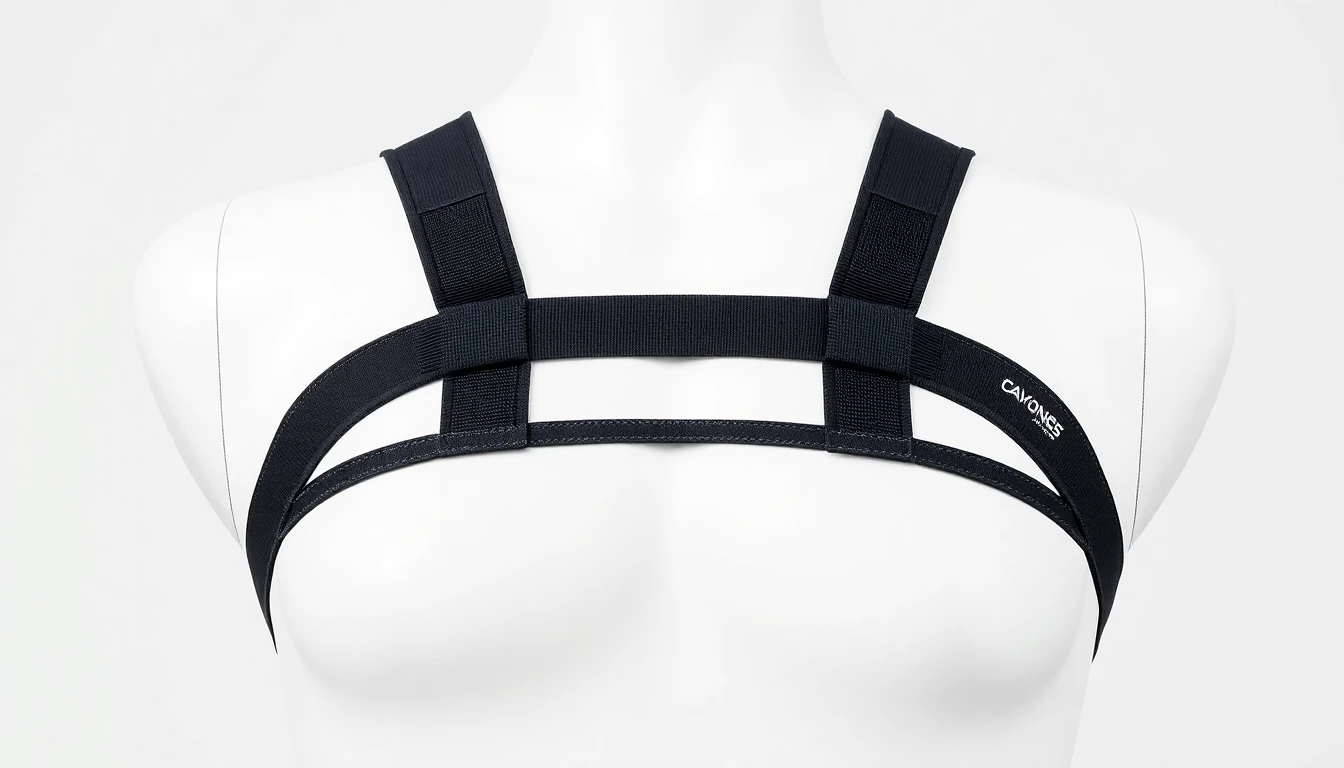
Bib shorts solve the waistband problem. No rolling down mid-climb. No digging into your stomach on the aerobars. Just straps over your shoulders holding everything in place.
But those straps aren't the same for everyone.
Bulk cycling bib shorts gender differences start at your shoulders. They run down to where the chamois sits. Men's and women's torsos differ in length. They also differ in proportion . Your rib cage shape, shoulder width, and waist position change how straps need to anchor.
How Strap Length and Position Work With Your Body
Men's bib straps sit lower on the torso. Designers make them for broader shoulders paired with smaller hips. The straps anchor at a lower waist position. This creates the right tension. No pulling up or digging in.
The straps often come separated or thinner in some brands. This works with male chest anatomy. Nothing gets compressed during climbs. Nothing rides up.
Women's bib straps position higher. Female torsos have narrower backs. Waists sit higher compared to the hips. The straps measure shorter to match this anatomy. They need less fabric to travel from shoulder to shorts.
The cycling shorts waistband from wholesalers on women's bibs sits a bit higher too. This stops the constant tugging you feel with men's shorts. Men's shorts try to settle at your natural waist. But the straps fight against it.
GOREWEAR's Distance Bib Shorts 2.0 shows this well. Both versions use the same solid-piece construction. Zero seams. Zero pressure points. Same strap width for comfort. The women's version adjusts strap length and torso positioning for female proportions.
The Cross-Gender Fit Problem
Tall women report this often: women's bib straps feel too short and tight .
Movement gets limited. You can't stretch into aero position without shoulder strain. The straps pull up. They don't sit right on your shoulders.
Many switch to men's bibs for better mobility. Men's straps give more length and freedom. The trade-off? Straps may ride over the chest area. But in aero position, you won't notice.
Here's the issue no one warns you about: wearing the wrong gender's straps creates chafing and shoulder tightness . The tension sits wrong. Pressure builds in spots that shouldn't bear weight. Three hours in, you keep adjusting.
Women with straighter builds often prefer men's bibs for the narrower hip cut . Women with curvier builds prefer the women's shorter leg length and wider chamois.
What Differs in Strap Construction
Modern bib straps use light, breathable elastic . They work like suspenders. They hold tension without digging into your shoulders.
The construction stays seamless. No stitching to create pressure points during 100-mile rides.
Feature | Men's Bibs | Women's Bibs |
|---|---|---|
Strap length | Longer (lower waist anchor) | Shorter (higher waist position) |
Shoulder width | Broader spacing | Narrower, tapered fit |
Waist height | Lower positioning | A bit higher |
Hip allowance | Narrower cut | Wider, curved grading |
The bike shorts leg length affects strap tension too. Women's shorts have longer front inseams. This changes how the strap-to-chamois connection pulls. Men's shorts pair longer leg length with shorter front rise. Different geometry needs different strap specs.
How Chamois Design Changes Strap Feel
The chamois connects to strap performance. They work as a system.
Men's chamois runs longer and narrower. Less central padding means less bulk pulling at the straps. The strap tension stays consistent through the ride.
Women's chamois sits wider and shorter with more center padding. That extra material affects how the straps distribute weight. Women's bibs need straps that fit this wider, more padded base.
Strap tension that works well with a thin men's chamois feels different with a thick women's pad. The geometry doesn't match up.
One tall rider tested multiple women's brands. Then she switched to men's. She found women's straps "tight and restrictive." Men's versions gave "better movement." This was true even though the chamois was thinner. Her body proportions matched men's strap length better.
The lesson? Try both. Your height and torso length matter more than marketing labels. Tall with a long torso? Men's straps might fit better even if you need women's chamois width. Some brands offer women's shorts with adjustable-length straps. Best of both worlds.
Women's vs Men's Cycling Shorts: Quick Comparison Table
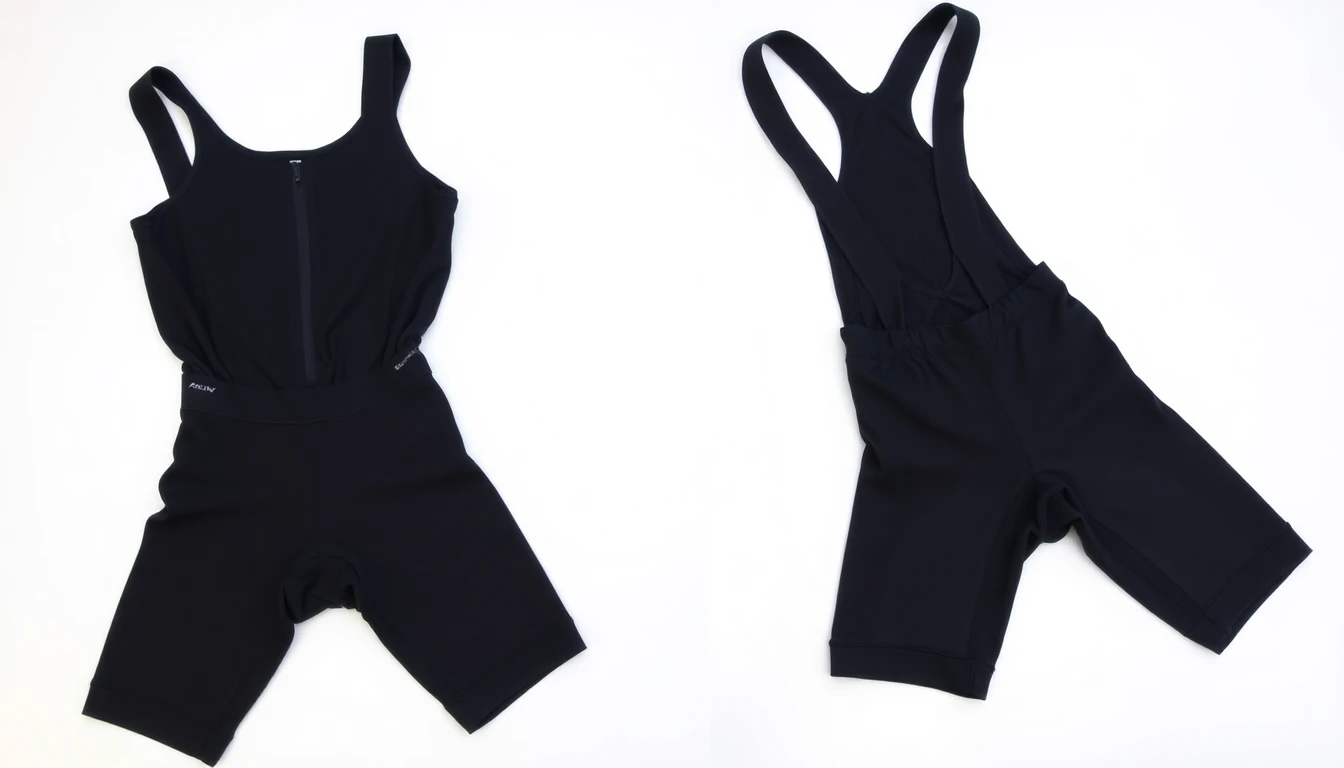
Compare them side-by-side. The differences stand out.
This table shows every design element that sets wholesale women's cycling shorts apart from men's. No fluff. Just the specs that affect your ride.
Feature | Women's Shorts | Men's Shorts |
|---|---|---|
Waist & Hip Fit | Narrower waistband. Tapered fit above hips. Larger hip measurement compared to waist. | Standard waist size. Minimal taper. Straight cut through torso. |
Front Inseam | Longer front rise (women's torsos measure longer from waist to crotch) | Shorter front rise |
Leg Length Options | Short: 3-5 inches | Short: 3-5 inches |
Thigh & Hip Cut | More thigh room. Curved leg grippers fit hip and leg weight better. | Standard thigh measurement. Straight leg cut. |
Chamois Width | Wider padding on buttocks area. Matches wider-set sit bones. | Narrower padding on buttocks. Made for closer sit bone spacing. |
Chamois Placement | Padding runs through center without breaks. Made for female pelvic anatomy. Higher front rise. | Central cutout or relief channel . More padding at front. Less central material. |
Pad Thickness Range | Thin (multi-sport): ~10mm | Varies by model and ride type |
Back Support | Extra room and padding for proper glute support | Less back coverage and padding |
Bib Strap Length | Shorter straps for higher waist position and narrower backs | Longer straps for lower waist anchor and broader shoulders |
What This Means for Your Fit
Women wearing bulk men's shorts from distributors: Possible if the chamois is wide enough for your sit bones. Expect waist gapping on curvier builds. Straight-bodied women often prefer men's cuts for the narrower hip fit.
Men wearing ODM women's shorts: Not recommended. The wider chamois creates pressure in the wrong spots. The shorter front rise causes constant ride-up.
Cycling shorts cut design has a purpose. Each measurement fits real body differences. Choose based on your skeletal structure, not just the label.
Real User Reviews: Women's and Men's Cycling Shorts Performance
Cyclists love to talk about their gear. Comfort matters most.
I dug through hundreds of rider reviews across forums, brand sites, and cycling communities. The patterns are clear. Women-specific cycling gear wins for most female riders. Men's shorts? They disappoint unless your body matches male proportions.
What Women Say About Women's Shorts
The chamois padding difference gets mentioned most.
"10mm of CyTech foam that stays put through 80-mile rides. No shifting. No bunching. Just consistent support where I need it."
She'd tried three men's models first. All created pressure points by mile 40.
Gel-padded touring shorts scored high with recreational riders. 12mm thickness plus gel inserts handle bumpy roads and casual pacing. The side pockets seal the deal for commuters who hate wearing backpacks.
Experienced riders prefer thinner options. One triathlete swears by her 7mm multi-layer anti-chafe pad : "I need to feel the saddle for position feedback. This gives protection without the diaper feel." Zero seams on the contact zone. She uses them for century rides and Olympic-distance tris.
The bike shorts fit women men debate shows up in bib reviews too. Women's bibs earned 4.5 out of 5 stars across multiple brands. Riders praised the secure fit. They loved the chamois stability during climbs. One reviewer wrote: "No slippage means I can focus on the road, not adjusting my shorts every ten minutes."
The Women-Wearing-Men's-Shorts Experiment
This ends badly most times.
Straight-bodied women report mixed success. One rider with minimal waist-to-hip difference found men's bibs worked: "The narrower hip cut feels better on me. Women's shorts bunch at my thighs."
But she's the exception.
Curvy riders? Zero success stories. The waist gaps. One cyclist described it: "My hips fill out men's large just right. But the waistband sits three inches away from my body. I spent the whole ride yanking them up."
Bib straps create their own problems. Tall women complain that men's straps hang too long. They don't anchor at the right spot. "The tension felt wrong. Like the shorts wanted to fall down even though straps held them up. Constant pulling sensation."
The anatomical cycling chamois from China factories fails female anatomy in men's shorts. That central cutout or relief channel? It sits in the wrong place for women. One rider stated: "The padding hit everywhere except my sit bones. Numbness started at mile 15."
The Bathroom Reality Check
Bib shorts earn praise for performance. Then riders remember nature calls.
One commuter switched back to regular shorts after one season: "I loved the secure fit. But stopping for coffee meant wrestling out of layers in a tiny bathroom stall. Not worth it for my 12-mile rides."
Longer-distance riders see it another way. "Yes, bathroom breaks take planning. But on 6-hour rides, the chamois stability matters more. I'm not adjusting all the time. That's worth the trade-off."
What Thickness Feels Like
Padding density divides riders into camps.
Beginners want maximum cushion. 12-15mm thick pads feel safer. One new cyclist bought gel-padded touring shorts for her first metric century: "I thought thicker meant better. But after 50 miles, all that foam felt like sitting on a sponge. Too much material."
She switched to a 10mm CyTech pad for her next long ride. It wicked better. She got more road feel. Less bulk. "My sit bones got proper support without the squish."
Elite riders pick thinner options from the start. One racer uses a 7mm multi-sport pad for everything: "Dense foam beats thick foam. I need feedback from the saddle for sprints and position changes."
The Verdict from the Saddle
User consensus lands here: women-specific shorts from wholesale suppliers work better for female bodies . Pelvic structure matters. Hip width differences aren't marketing hype. They're real anatomy.
"I wasted money on men's shorts twice. Both times I thought I could make them work. Both times I was wrong. Women's shorts cost the same. Why not just buy the right tool for the job?"
Saddle pressure points don't lie. Your sit bones contact where they contact. The chamois either matches that pattern or it doesn't. Men's shorts miss the mark for most women. The waist might fit, but that doesn't fix the real problem.
The cycling shorts waistband and leg length matter. But the chamois placement matters more. Get that wrong and every other feature becomes useless.
Real riders agree: fit your body, not the label.
Conclusion
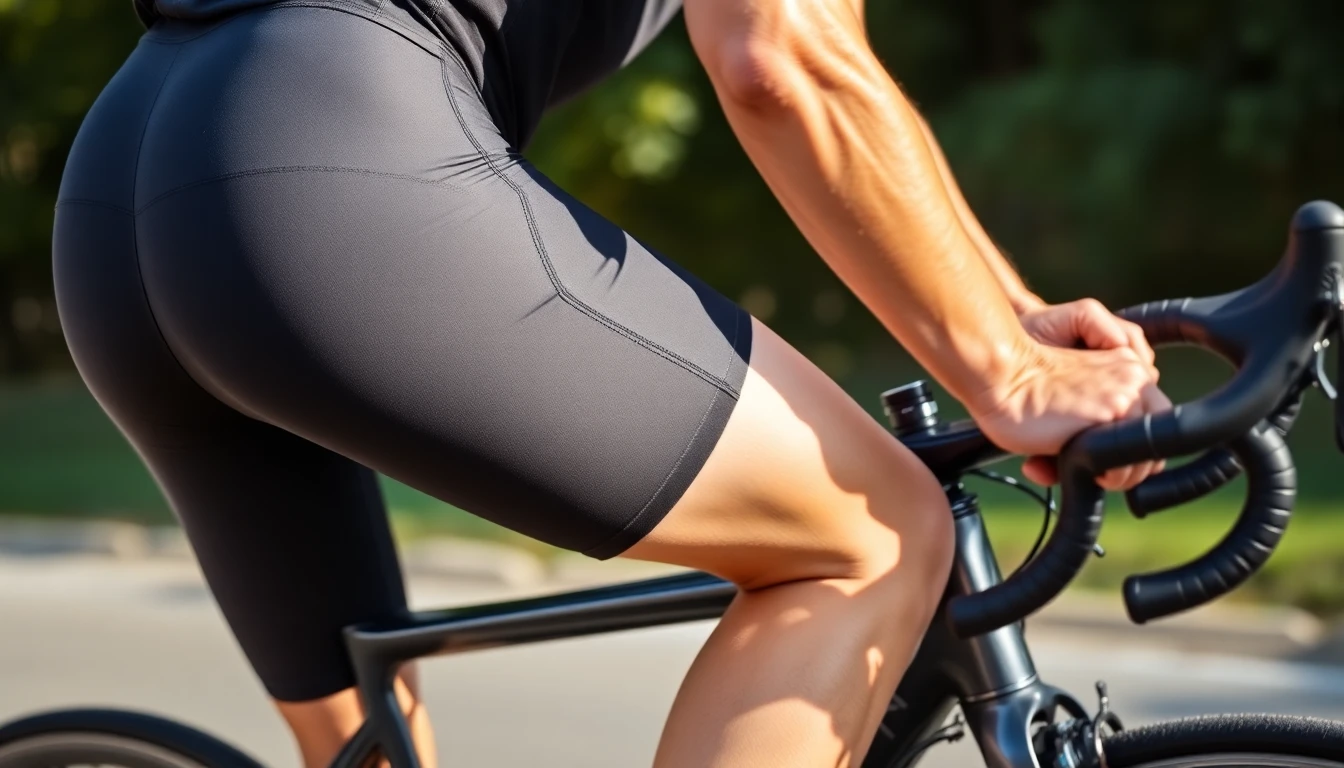
Those anatomical differences we've explored? They're not marketing hype. They're what separates an enjoyable ride from one you'll want to cut short.
Women's cycling shorts have wider chamois padding. This matches women's sit bone spacing. The bib strap systems are designed to fit different torsos. These gender-specific features exist for good reasons.
Here's what matters most: your comfort is non-negotiable . Do women's vs men's cycling shorts make a difference? Check your pressure points. Notice the waistband fit. Think about how your body feels after three hours on the saddle. The right pair turns cycling from a test of endurance into pure joy.
Ready to experience the difference? Browse berunclothes.com's collection of anatomically-designed cycling shorts from OEM manufacturers. Each pair is built for real bodies and real rides. Your next wholesale cycling apparel from China suppliers is waiting. Once you feel the difference, "one-size-fits-all" won't cut it anymore.
Happy riding, friends!