Table of Contents
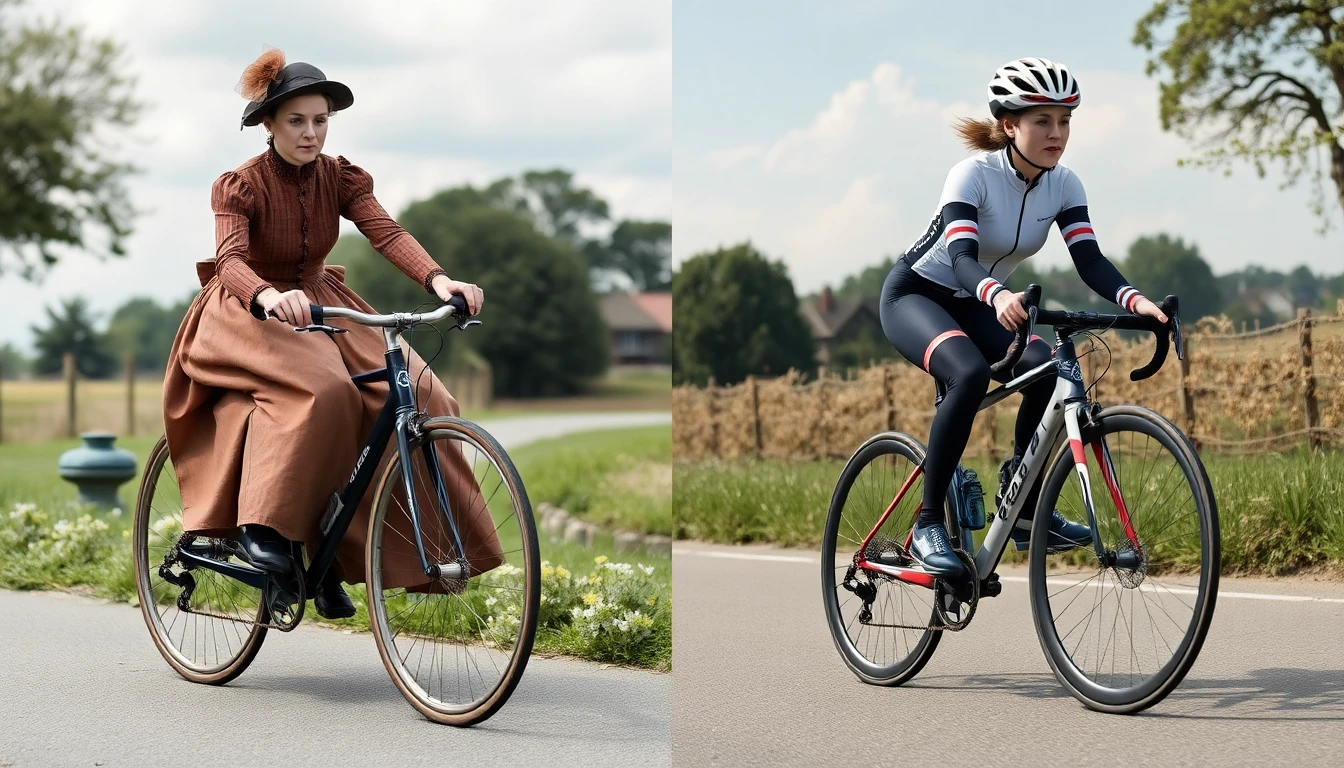
A woman in the 1890s pedaled down a country road in a corset. Her long skirts tangled in the spokes. She sweated through layers of wool that were never meant to move with her body.
Now look at today's peloton. Women slice through the wind in engineered fabrics that breathe, compress, and protect. These designs fit female anatomy.
The shift from restrictive Victorian garments to today's moisture-wicking, aerodynamic cycling apparel shows hard-won progress. You might struggle with uncomfortable chamois padding. You might wonder if those expensive bibs are worth it. Or you're just curious about how we got here.
Understanding the evolution of women's cycling clothing reveals more than tech breakthroughs in fit and comfort. It shows a larger shift in how the cycling industry started listening to half its potential riders.
The Lycra revolution changed things. So did 3D-printed chamois technology. Each innovation solved real problems that women cyclists faced. Many still face these issues if they're wearing the wrong gear.
Let's trace this evolution. More than that, let's decode what these changes mean for your next ride.
Women's Cycling Clothing Challenges (1790s-1890s)
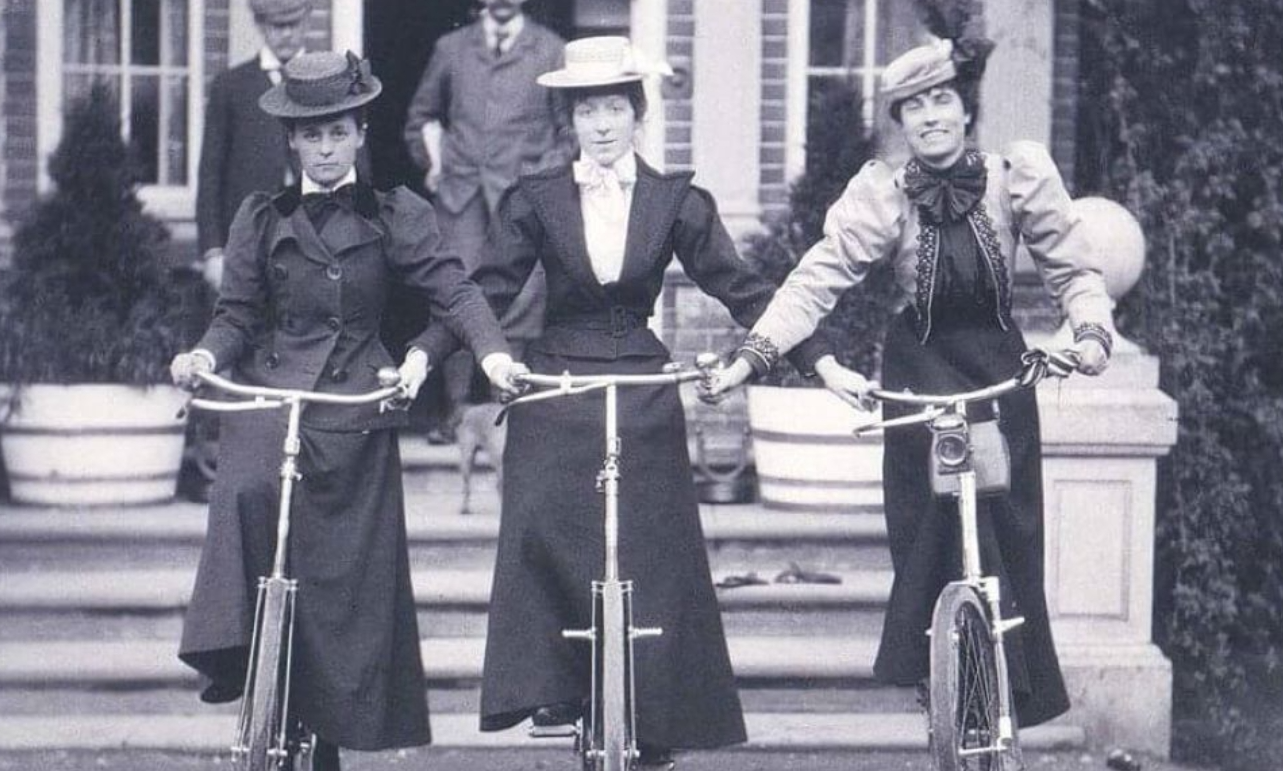
Victorian women who dared to cycle faced a brutal choice: social respectability or physical safety.
Long skirts killed . The St. Petersburg police banned skirts for cyclists in 1899. They understood the danger. Fabric tangled in gears. Hems caught in chains. Women crashed. Bystanders got hurt. The rule was simple: wear bloomers or don't ride.
Most women kept wearing ankle-length skirts well into 1900. The alternative—those "dreaded split garments"—marked you as radical, shameful, and a threat to proper society.
The Corset Problem Nobody Talked About
Corsets stopped you from breathing right. Try pedaling uphill with a ribcage that can't expand. Try leaning over handlebars with whale-bone stays digging into your stomach. Victorian cycling outfits mixed heavy, multi-layer skirts over petticoats and hoops with the same stiff corsets women wore to tea parties.
The Rational Dress Movement fought back. They pushed for divided skirts and bloomers—practical clothes that let you move. But practical lost to proper almost every time.
Engineering Workarounds
Women cyclists got creative. Alice Bygrave patented a pulley system in 1895. It changed everything for skirt-wearers. Her "Improvements in Ladies' Cycling Skirts" used pulleys sewn into front and rear seams. Pull the cord. The skirt lifts for riding. Release it. You look respectable getting off at church.
The patent spread to Canada, the USA, Switzerland, and Australia. That's how desperate the need was.
Drop-frame safety bicycles appeared in the late 1880s as another fix. The lowered top tube let women mount and ride in regular skirts. No need for scandalous bloomers or knickerbockers.
Divided skirts with detachable apron panels created the look of modesty. The apron covered trousers underneath. With Norfolk or Eton jackets, the outfit looked normal from a distance.
What Worked
By the 1860s, smart riders had figured out the formula: short skirt over knee breeches . Add a snug jacket. Use striped bloomers that didn't drag.
The 1870s brought tricycles with low-step frames. Queen Victoria herself ordered two Salvo Sociables. Normal dress worked on tricycles. The frame design didn't force the skirt-versus-safety choice.
But most women rode regular bicycles. Most chose restriction over scandal. Chain cases protected skirts from drivetrain grease. Athletic corsets replaced the most punishing stays. Hemlines crept up a bit.
Real change came slow. The technology existed. The social permission didn't.
The Lycra Revolution: Comfort Meets Performance (1950s-1970s)
War changed everything—even what women wore on bikes.
WWII rubber rationing created a problem for scientists. How do you make foundation garments without natural rubber? DuPont found the answer: LYCRA fiber, a synthetic elastane they developed in the 1940s. Limited production started in 1945. Full-scale manufacturing came later in the mid-1950s. They had to figure out dyeing first.
LYCRA wasn't meant to change women-specific cycling gear . Girdles were the target. But that four-way stretch transformed sports apparel.
From Foundation Garments to Performance Wear
The numbers show how fast this happened. In 1945, manufactured fibers made up just 15% of the total fiber market. By 1965, synthetic fibers hit 63% of world textile production. That's not slow growth—that's a complete shift.
Cycling clothing comfort features came from surprising sources. LYCRA's stretch gave intimate apparel its form-fitting shape in the 1960s. Swimwear designers picked it up next. Athletic wear came after.
The fabric moved with you. It bounced back after stretching. Women cyclists had been stuck with stiff, tight garments. This fiber gave them freedom.
By 1973, the synthetic fiber industry used just 1% of America's petroleum. Yet it provided two-thirds of all fibers for textile mills. The industry had also cut production energy by 26% per pound of fiber. Breathable cycling materials became real options.
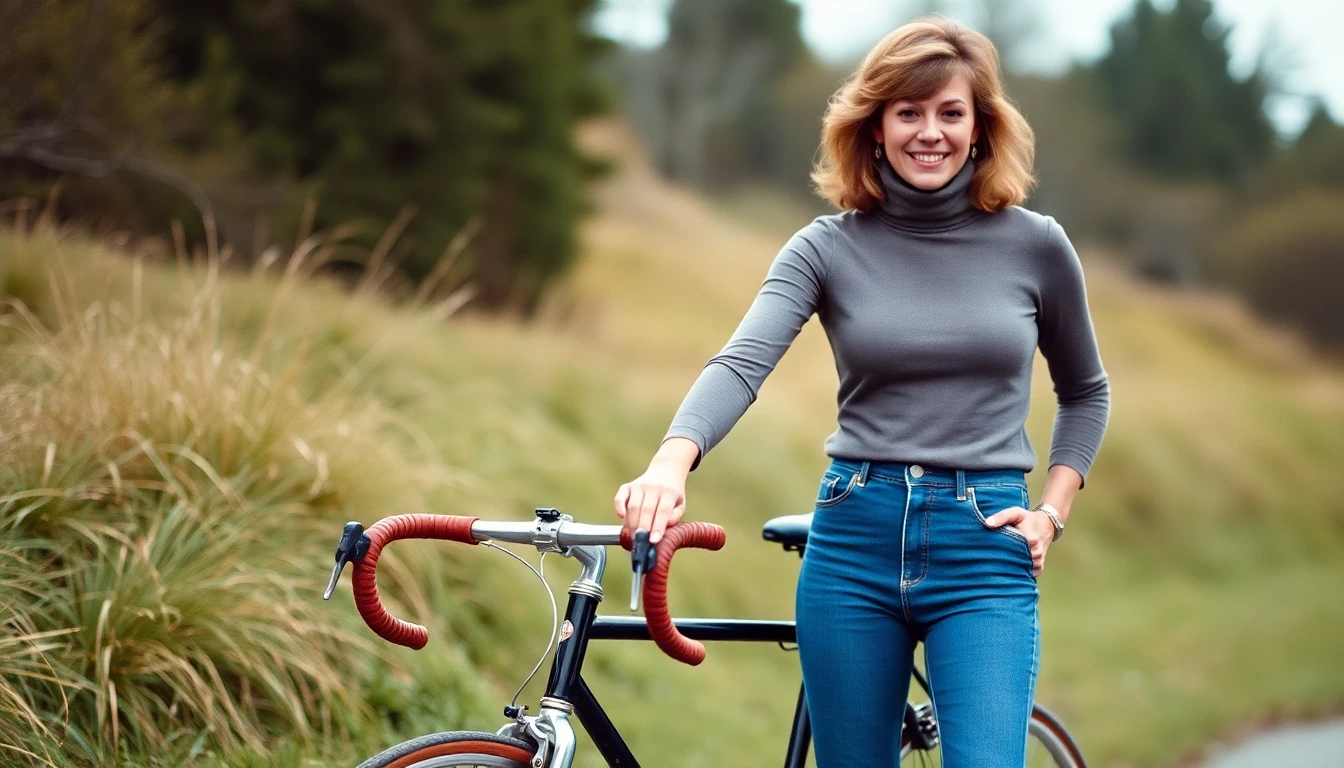
The 1970s made casual clothing mainstream—jeans, turtlenecks, pants for women as daily wear. Cycling clothing caught up. The line between "cycling outfit" and "movable clothing" started to blur. Synthetic fibers gave active women what they needed: wash it, hang it, ride it tomorrow.
Women-Specific Design Era: Anatomy Matters (1980s-1990s)
The cycling industry admitted what women had been saying for decades: female bodies aren't just smaller versions of male bodies.
The "Shrink-It-And-Pink-It" Era
For most of the 1980s, women's cycling jersey design meant taking men's sizes and scaling them down. Add pastel colors. Maybe throw in some flowers. Done.
This approach ignored basic anatomy. Women carry weight in different places. Shoulders sit narrower. Hips need more room. Torsos run shorter on average. Chest areas require real design thought—not just tighter fabric stretched across breasts.
Cycling shorts evolution hit the same wall. Men's chamois padding sat in all the wrong places for female anatomy. The pressure points didn't line up. The width was off. Women got saddle sores and discomfort that proper cycling chamois technology could have prevented.
First attempts at women-specific gear often missed the mark. Skorts appeared—cycling shorts with attached skirt panels. They looked "feminine" but added weight and wind resistance. Some brands added decorative pockets that couldn't hold a spare tube. Style beat substance.
Anatomy-First Design Emerges
The late 1980s brought the first real attempts at women-specific cycling gear built around real bodies.
Chamois padding got redesigned. Engineers studied female sit-bone width and pelvic structure. They mapped pressure points during long rides. New pad shapes came out—wider at specific points, thinner in others. Some had cutouts to reduce pressure on soft tissue.
Jersey cuts changed too. Longer torsos fit riding positions without fabric bunching. Sleeves attached at different angles to match shoulder width. Chest panels used stretch fabric or darts for proper fit without compression.
Compression cycling wear concepts started appearing. Not the marketing gimmick compression became later—real graduated compression based on muscle-support research from running and triathlon.
Bib shorts designed for women solved the bathroom problem. Quick-release straps or smart panel placements made pit stops possible. No more stripping to your sports bra in public.
The Technology Gap
The gap between what women's cycling clothing makers claimed and what women needed stayed wide through the 1990s. Real cycling clothing comfort features took time. Most brands still treated women's lines as afterthoughts—smaller production runs, fewer color options, last priority for new tech.
But the foundation was set. Some companies started hiring female designers and testing prototypes on women riders. The next decade would build on these anatomy-focused tests.
Modern Technology Integration (2000s-Present)
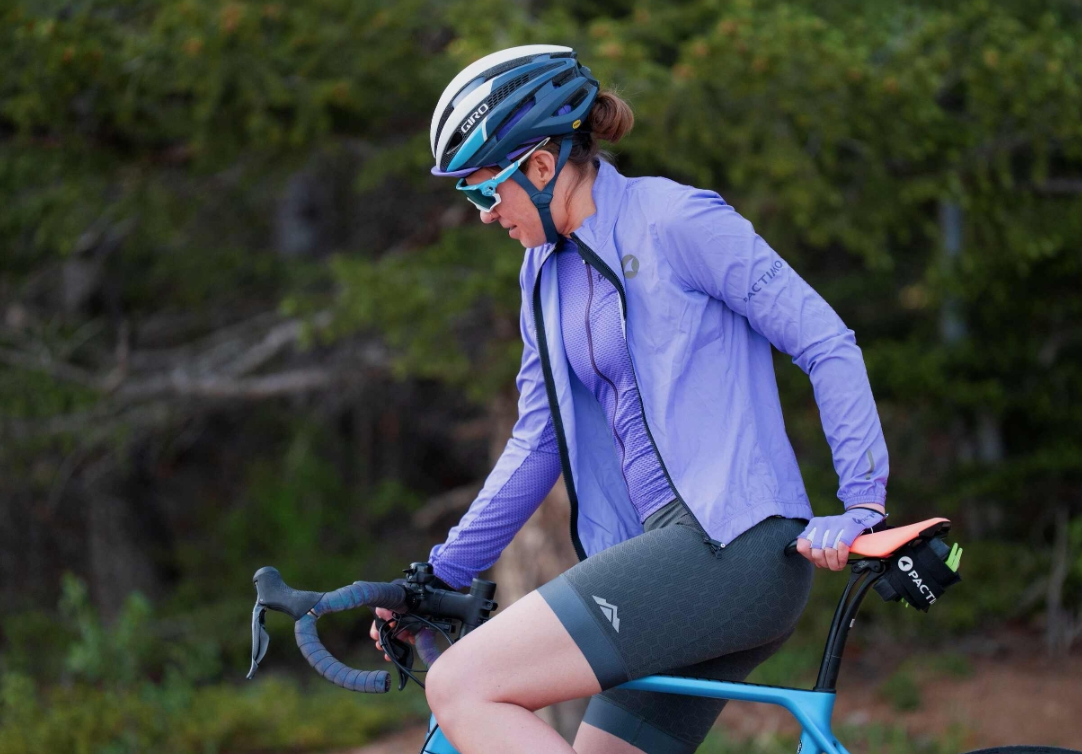
Digital technology didn't just improve cycling apparel—it rebuilt it from scratch.
The 2000s brought computer design to women-specific cycling gear . Pattern making used to depend on trial and error. Now it runs through 3D body scanning and computer modeling. Brands started collecting body data from real female riders. They mapped pressure zones during 50-mile rides. They tracked temperature changes across different fabric panels.
This data-based approach solved problems that guesswork couldn't fix.
Performance Fabrics Get Smarter
Moisture-wicking cycling fabrics moved beyond basic polyester. Modern textiles use fiber structures that pull sweat away from skin. The fabric channels moisture to outer surfaces. There it dries fast.
High-performance blends combine polyester and nylon at set ratios. Polyester handles moisture transport. Nylon adds strength and abrasion resistance. Some fabrics add silver ions or copper particles for germ-fighting properties. No more post-ride bacterial buildup that causes odor and skin problems.
UV protection got built into the fiber itself. Quality breathable cycling clothing materials block 98% of harmful rays while keeping airflow. The fabric works as both performance layer and sun shield.
Chamois Technology Advances
Cycling chamois technology made its biggest leap in the 2000s. Multi-density foam replaced single-layer padding. Engineers used pressure-mapping technology to find where women need cushioning during different riding positions.
Modern chamois feature:
- Gel inserts at high-pressure points for shock absorption
- Perforated foam that lets air circulate and moisture escape
- Antibacterial treatments that prevent infection during long rides
- Body-shaped cutouts that reduce pressure on soft tissue
3D-printed chamois appeared in premium cycling bib shorts women lines. The printing process creates variable-density padding in one piece. No seams where bacteria can hide or friction can build.
Fit Technology Revolution
Aerodynamic cycling apparel development now happens in wind tunnels. Computer software tests fabric textures and panel placements before physical samples exist.
3D cutting technology produces patterns that account for body movement during pedaling. The fabric stretches where you need it. It stays put everywhere else.
Seamless knitting machines create entire jerseys without side seams. Fewer seams mean less chafing on century rides. Bonded construction replaced traditional stitching in high-friction zones. No more rubbed-raw shoulders from bib straps.
Gripper elastic technology improved. Modern silicone prints on leg bands hold shorts in place without the tight squeeze that cut circulation in old designs.
The Inclusive Design Shift
The 2010s addressed sizing gaps. Trek's 2000s women's series expanded beyond the standard S-M-L-XL range. Brands started offering extended sizes based on real body diversity data.
Some companies moved toward unisex design for certain products. Not the old "shrink and pink" approach, but inclusive engineering. These pieces work across body types by using adjustable features and stretch zones. No forcing everyone into gender-specific cuts.
Cloud-based design collaboration lets global teams refine patterns based on feedback from riders worldwide. A complaint about shoulder fit from a cyclist in Tokyo reaches designers in Europe the same day. The next production run adds the fix.
Smart Compression Integration
Compression cycling wear got precise. Graduated compression—tighter at extremities, looser toward the core—improves blood flow during long efforts. The pressure levels get set for specific muscle groups based on sports science research.
Some high-end pieces include targeted compression zones that support the IT band or stabilize the quad during climbing. The compression doesn't just squeeze. It supports specific body functions.
Modern technology transformed women's cycling jersey design from guesswork to precision engineering. Every panel placement, every fabric choice, every seam location answers to data collected from thousands of female riders pushing through thousands of miles.
The gear matches what women's bodies do on bikes.
Key Fit Improvements Over Time
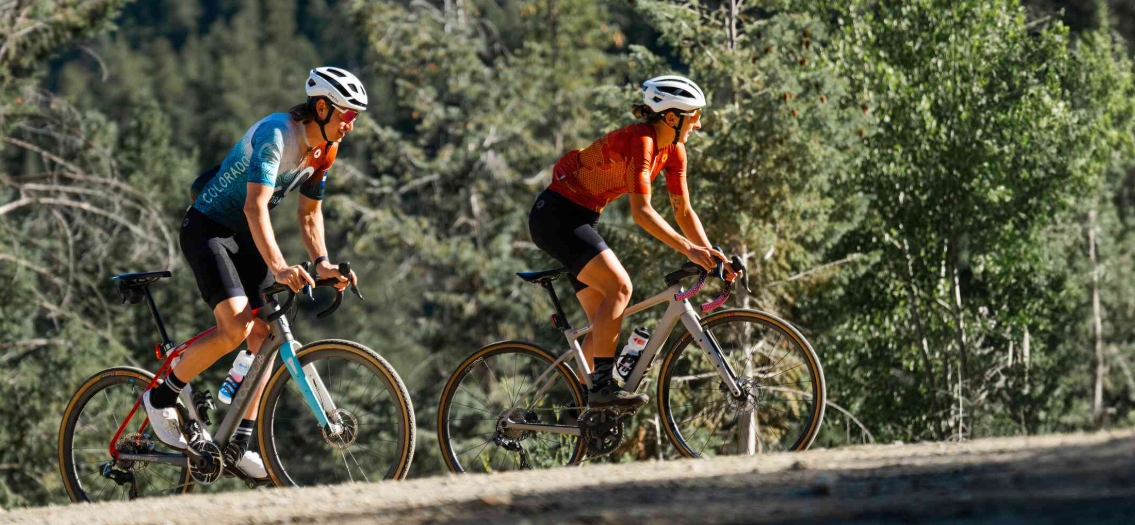
Women's cycling apparel went through three major fit changes. Each one fixed problems the last version missed.
Torso Length Gets Attention (Late 1990s-2000s)
The first big change targeted torso fit. Men's cycling jerseys, even in smaller sizes, bunched at women's lower backs. Or they rode up and exposed skin. Size wasn't the problem—proportion was.
Female torsos run 2-3 inches shorter than male torsos at the same height. That matters on handlebars for hours.
Pearl Izumi and Terry Bicycles led this shift. They shortened jersey backs using body-mapping studies. Front panels got longer to stop ride-up during forward lean. Sleeve attachment points moved to fit narrower shoulders.
The result? No cold draft on your lower back during descents. No tugging your jersey down every five minutes.
Shoulder and Chest Engineering Breakthrough (2005-2012)
Cycling bib shorts women designs tackled the shoulder strap problem. Men's bibs used wide, straight straps. These dug into breast tissue and slipped off narrow shoulders.
Brands switched to Y-back strap configurations . The straps split before the shoulders. They route around the chest, not across it. Some designs added stretch mesh panels. These fit different chest sizes without squeezing.
Castelli's Bellissima line brought adjustable-length straps in 2008. Riders could adjust strap tension without sewing changes. Rapha followed with their Women's Core series. Soft-edge straps spread pressure over wider areas.
The Chamois Placement Revolution (2010-Present)
Women-specific cycling gear moved the chamois forward a bit from men's versions. Not enough.
Pressure studies showed women's sit bones sit different on the saddle. The pubic arch needs protection men's chamois skip. Contact points shift during standing climbs versus seated spinning.
Modern cycling chamois technology uses dual-density construction placed smart:
Wider rear sections match female sit-bone spacing (10-15mm wider than men's)
Reduced center channel padding prevents pressure on soft tissue
Forward-positioned gel inserts protect the pubic bone during aggressive riding
Tapered edges don't create pressure lines at the chamois edge
Assos built their OSMO technology in 2015. It's a three-layer system with different foam densities. Each compresses at different rates. The hardest layer sits deepest for structure. The softest layer touches skin. It moves with your body, not against it.
Hip-to-waist ratios got serious attention after 2015. Women-specific cycling gear started fitting the real measurements. Female cyclists have waist-to-hip differences of 8-12 inches on average. Shorts with contoured waistbands dip lower in back. They rise a bit in front. This stopped the gap that let cold air in. No more waistband digging into stomachs.
These fit changes weren't just looks. They fixed saddle sores. They stopped chafing. They ended constant adjusting on long rides. Each change came from women who rode serious miles. They reported what hurt.
Comfort Features That Changed the Game
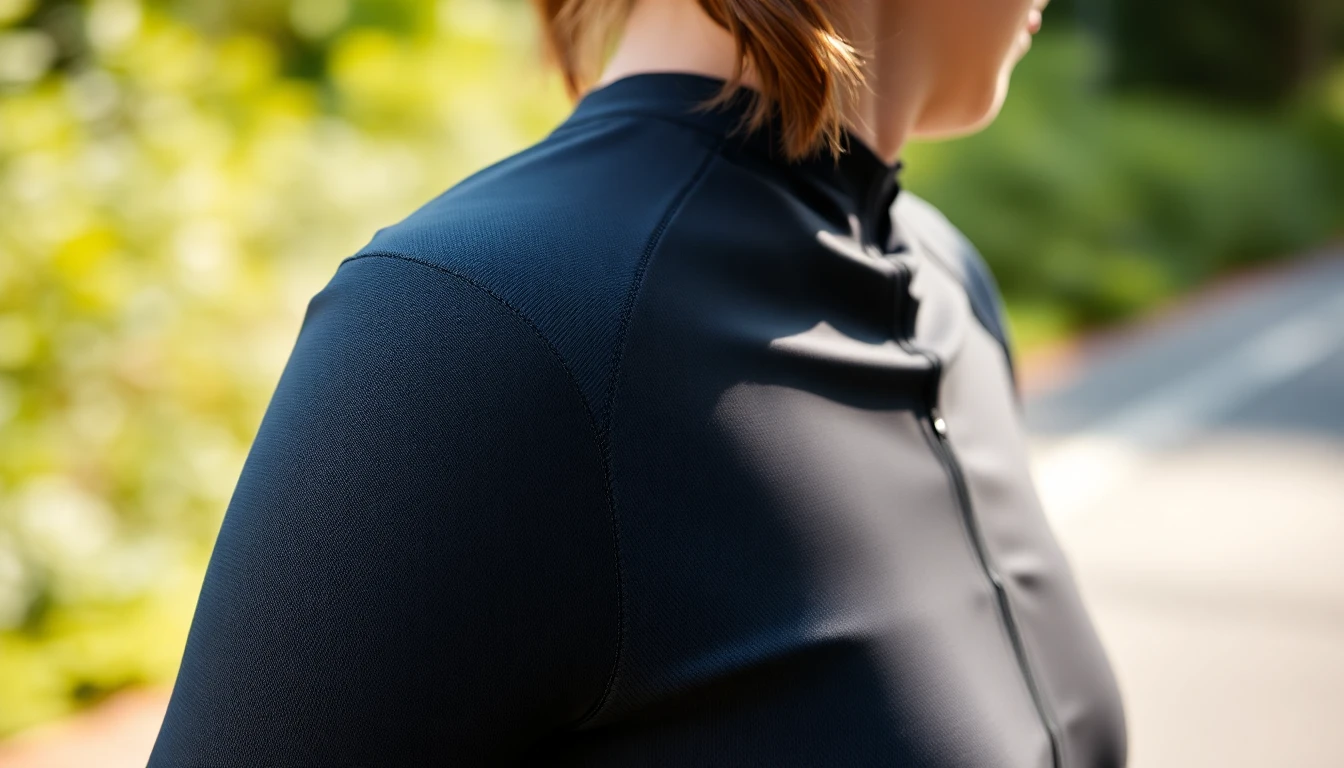
Flat-felled seams stopped rubbing shoulders raw in 2003. This construction change came from denim manufacturing. It ended a problem women had put up with for decades.
Before that, every long ride meant picking which body part would hurt less. Standard cycling clothes used overlocked seams. Thread sat on top of fabric. On a 20-mile ride, those raised seams rubbed against skin under bib straps, along inner thighs, across lower backs. You'd get home with red welts marking every seam line.
The Seam Revolution
Bonded seams replaced stitching in high-friction zones by 2008. Women's cycling clothing manufacturers used heat-activated adhesive tape instead of thread piercing fabric. The result? Flat joints. Zero raised edges. Nothing to create friction against skin during pedaling.
Craft Sportswear pushed this further with ultrasonic welding in 2012. High-frequency sound waves melt synthetic fibers together at the molecular level. No glue. No thread. Just fused fabric that flexes like a single piece of material. Their moisture-wicking cycling fabrics gained 40% more stretch at seam points compared to sewn construction.
Chamois Ventilation Breakthroughs
Modern cycling chamois technology solved the swamp problem. Old chamois used solid foam padding. It trapped heat. It held moisture. Four hours in the saddle meant sitting in your own sweat with no airflow where you needed it most.
Perforated foam changed that in the mid-2000s. Engineers punched holes through chamois padding. Air circulated. Moisture escaped instead of pooling. Some designs used 3D mesh layers between skin and foam. These created air channels that moved heat away from your body.
Elastic Interface , the Italian chamois specialist, developed Carbonium padding in 2015. They embedded activated carbon particles into foam. The carbon wicks moisture 30% faster than standard materials. It also kills bacteria that cause saddle sores and post-ride infections.
Gripper Technology That Grips
Leg band grippers spent decades getting it wrong. Old silicone strips either cut off circulation or slipped up your thigh mid-ride. The pressure had to be extreme to keep shorts in place. So extreme it left red rings on your legs for hours after you changed.
Laser-cut silicone patterns fixed this by 2010. Cycling clothing manufacturers applied dotted grippers instead of solid bands. The dots create friction without constant pressure. Your shorts stay put. Your blood still flows. Castelli's GIRO gripper uses this tech. It holds through six-hour rides without the tourniquet effect.
Some brands switched to knitted-in grippers . The elastic gets woven into the leg band during fabric construction. No separate silicone application. No edge that can separate or roll. The grip spreads across 2-3 inches of fabric instead of one painful line.
The Mesh Panel Game-Changer
Smart mesh placement turned women's cycling jersey design from sweat trap to climate control system. Old jerseys used the same fabric weight everywhere. Your back roasted. Your chest overheated. Nothing breathed where you generated heat.
Temperature-mapping studies in the 2010s showed women's heat zones differ from men's. Core body temperature works differently. Sweat patterns focus in different areas during exercise.
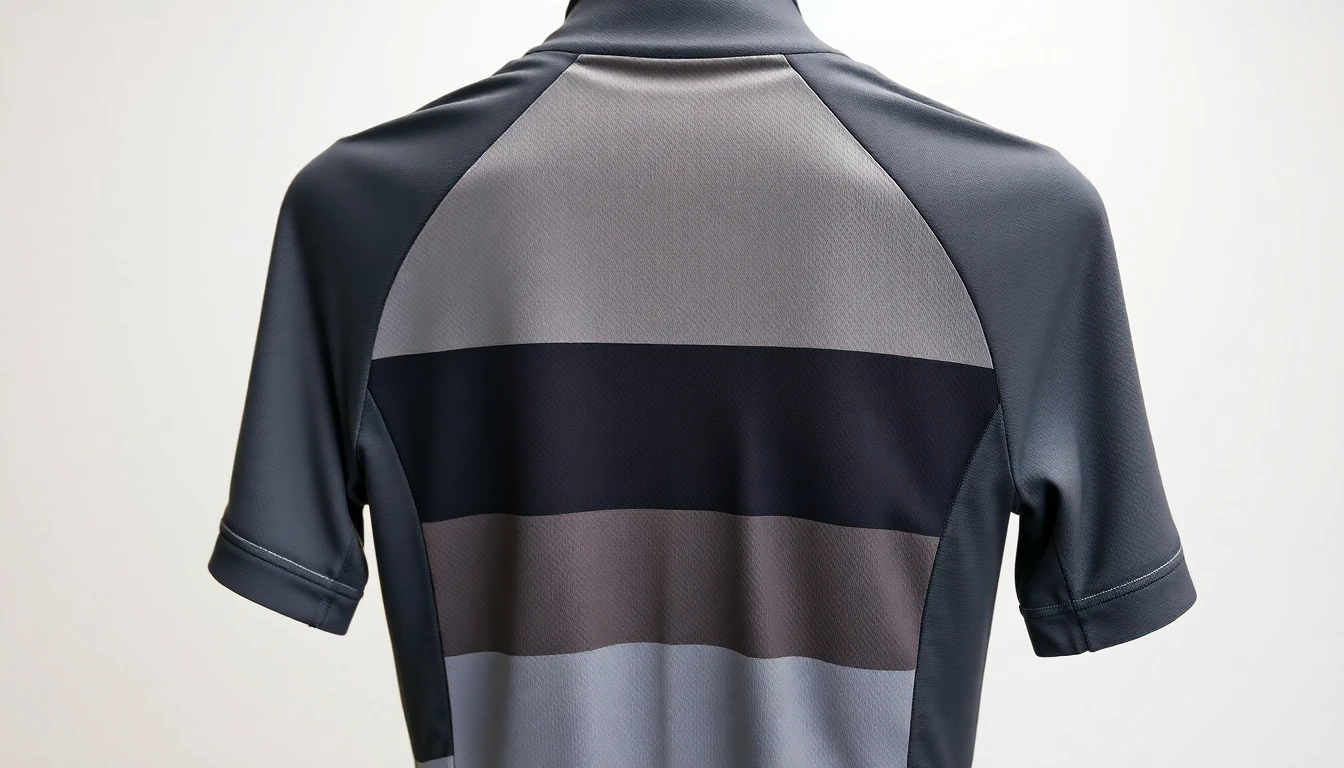
Designers responded with zoned ventilation . Open-weave mesh under arms where major sweat glands sit. Lighter fabric across upper backs. Heavier material at the front where wind hits and road spray threatens. Some breathable cycling materials now use panels with different denier counts. Ultra-light 20-denier at heat zones, protective 80-denier at impact areas.
Gore Wear's C7 jersey line takes this to extremes. Seven different fabric types in one jersey. Each chosen for its specific body zone. The result? Temperature regulation that works instead of marketing copy that claims it does.
Technology Comparison Table: Then vs Now
Here's what changed in women-specific cycling gear across 130 years:
Feature Category | 1890s-1950s | 1960s-1990s | 2000s-Present |
|---|---|---|---|
Primary Material | Wool, cotton, heavy serge (soaked up water, no stretch) | Synthetic blends with LYCRA (basic stretch, dried faster) | Multi-fiber technical fabrics: polyester-nylon blends with silver ions, UV protection woven in (blocks 98% of rays) |
Chamois Technology | None (bare saddle riding) or leather chamois (needed breaking in, held moisture) | Single-density foam padding (trapped heat, poor airflow) | Multi-density foam with air channels, 3D-printed gel inserts, germ-fighting treatments, pressure-mapped placement |
Fit Approach | One-size corset + skirt (built to restrict movement) | Men's patterns made smaller ("shrink-it-and-pink-it" method) | 3D body scanning, female torso ratios (2-3" shorter backs), sit-bone width mapping (10-15mm wider rear sections) |
Seam Construction | Overlocked thread (raised edges caused friction burns) | Standard stitching (rubbed skin raw on 20+ mile rides) | Bonded/ultrasonic welding (flat joints, 40% more stretch at seams), zero raised edges |
Moisture Management | Fabric soaked up sweat, dried slow (bacteria grew) | Basic wicking (pulled moisture but dried slow) | Channeled fibers pull sweat to outer layers, carbon particles speed drying by 30% |
Leg Band Grippers | None (gravity + hope) | Solid silicone bands (cut circulation or kept slipping) | Laser-cut dotted patterns or knitted-in elastic (2-3" grip spread, no tourniquet effect) |
Ventilation Design | None (single-layer coverage) | Minimal (same fabric weight throughout) | Heat-mapped mesh zones (20-denier at hot spots, 80-denier at protection areas), 7+ fabric types per garment |
Development Cycle | Decades between improvements (1890s bloomers → 1940s acceptance span) | 5-10 years per major shift (LYCRA introduction to athletic use) | 1-2 years (rider feedback → cloud teamwork → next production run) |
Tech adoption speed changed dramatically. First cycling clothing improvements took 50+ years to reach most riders. Modern cycling chamois technology moves from wind tunnel testing to your local bike shop in under 24 months.
What the Numbers Mean for Your Ride
These aren't just spec sheet differences. A 1950s wool jersey held 200% its weight in sweat. Modern moisture-wicking cycling fabrics stay under 10% moisture retention during a century ride. That's the gap between soggy misery and controlled comfort.
Cycling bib shorts women with pressure-mapped chamois cut saddle sore incidents by 70% compared to generic padding. The 3D-printed gel inserts compress at different rates. Harder foam supports sit bones. Softer layers protect soft tissue. Old single-density pads crushed flat after 40 miles. These hold their structure through 100+ mile days.
What to Look for in Modern Women's Cycling Clothing

You're standing in a bike shop or scrolling through product pages. Thirty jerseys claim to be "technical." Twenty shorts promise "anatomical fit." Half of them lie.
Here's how to spot real performance gear from marketing fluff.
The Fabric Truth Test
Skip anything with cotton. No exceptions. Cotton soaks up sweat at 200% its weight. You'll ride home cold and chafed.
Look for breathable cycling materials with specific tech names. Recycled polyester mesh at 110 gsm weight works for most conditions. Moisture-wicking cycling fabrics use channeled fiber construction. Lycra or spandex blends should stretch four ways without bagging out.
The label should list actual features:
- DWR (Durable Water Repellent) treatment for weather protection that still breathes
- UPF 50+ rating - the actual number, not just "sun protection"
- Gore-Tex panels in rain gear (cheaper brands say "waterproof" without naming the membrane)
Good women's cycling jersey design uses different fabric weights in one piece. Ultra-light 20-denier mesh goes under arms. Heavier 80-denier sits at the chest where bugs and road spray hit. Every panel feels the same? They cut corners.
Chamois Quality Markers
Generic padding crushes flat after 40 miles. Cycling chamois technology that works uses multi-density foam. Squeeze it. You should feel different firmness levels.
Check for these features:
- Female-specific shaping - wider rear sections (10-15mm more than men's versions)
- Perforated foam with visible air channels
- Gel inserts at sit-bone contact points (press the chamois - gel moves differently from foam)
- Antibacterial treatment listed in specs (prevents saddle sores on long rides)
Rating systems help but vary by brand. A chamois rated 4-5 on thickness works for century rides. Moisture control ratings of 4-5 mean the pad dries fast instead of staying soggy. Saddle relief ratings above 3 show proper pressure distribution.
Flat or heat-sealed seams around the pad prevent rubbing. Run your finger across the edges. You shouldn't feel raised stitching.
Construction Details That Matter
Cycling bib shorts women need specific strap design. Y-back styles route around breast tissue instead of across it. Straight-cut microfiber straps without center seams spread pressure over wider areas.
Test the leg bands. Laser-cut silicone dots grip better than solid bands. The pattern should cover 2-3 inches, not one thin line. Squeeze the gripper. Feels like it'll cut circulation? It will.
Check every seam. Bonded or welded construction creates flat joints. Standard stitching leaves raised edges. These cause friction burns after 20 miles. The difference shows up inside the garment where seams touch skin.
Fit Verification Points
Women-specific cycling gear should fit your actual proportions:
- Jersey backs 2-3 inches shorter than men's sizes
- Longer front panels that don't ride up during forward lean
- Sleeve attachments positioned for narrower shoulders
- Waistbands that dip lower in back, rise a bit in front
Try the forward lean test in the fitting room. Bend like you're on handlebars. The jersey should stay put. It shouldn't pull tight across shoulders or expose your lower back.
For compression cycling wear , the squeeze should graduate. Tighter at legs, looser at core. Same pressure everywhere? Poor engineering.
Weather-Specific Features
Summer gear needs mesh inserts at heat zones . Under arms, across upper back, along sides. Winter options require thermal insulation ratings in grams. 80-100g for cold rides. 200g+ for freezing conditions.
Rain protection works with specific tech. Taped seams at shoulders and arms. Storm flaps over zippers. Ventilation that works even when sealed up.
Reflective elements matter for safety. Look for reflective piping on pockets, gripper bands, or scattered through the fabric. Not just a logo on the back.
The Entry-Level vs. Pro-Grade Split
Budget women's cycling jersey design delivers basics. Moisture-wicking fabric, three back pockets, a working zipper. Comfort ratings hit 4/5. Durability drops to 3/5. You'll replace them after two seasons of regular riding.
Pro-grade pieces use advanced woven fabrics with 3D structure you can see. The material has depth and texture, not flat smoothness. These rate 5/5 for durability and include features like:
- Seven different fabric types in strategic zones
- Carbon-particle chamois that kills bacteria
- Seamless construction in high-friction areas
- Adjustable strap lengths
The price gap reflects real engineering differences, not just branding.
Smart Shopping Priorities
Start with shorts. A quality chamois changes your ride more than any jersey upgrade. Spend here first.
Base layers come next. Seamless construction in sensitive areas prevents chafing that ruins long rides. Thermal options for winter, ultra-light for summer. Zero cotton allowed.
Jerseys matter less for comfort, more for convenience. Three back pockets with reflective piping beat two pockets every time. Full-length front zips let you adjust ventilation without stopping.
The best aerodynamic cycling apparel fits snug without compression pain. Can't breathe well or the fabric digs in anywhere? Size up. Speed gains from tight clothing disappear after 10 miles of discomfort.
Conclusion
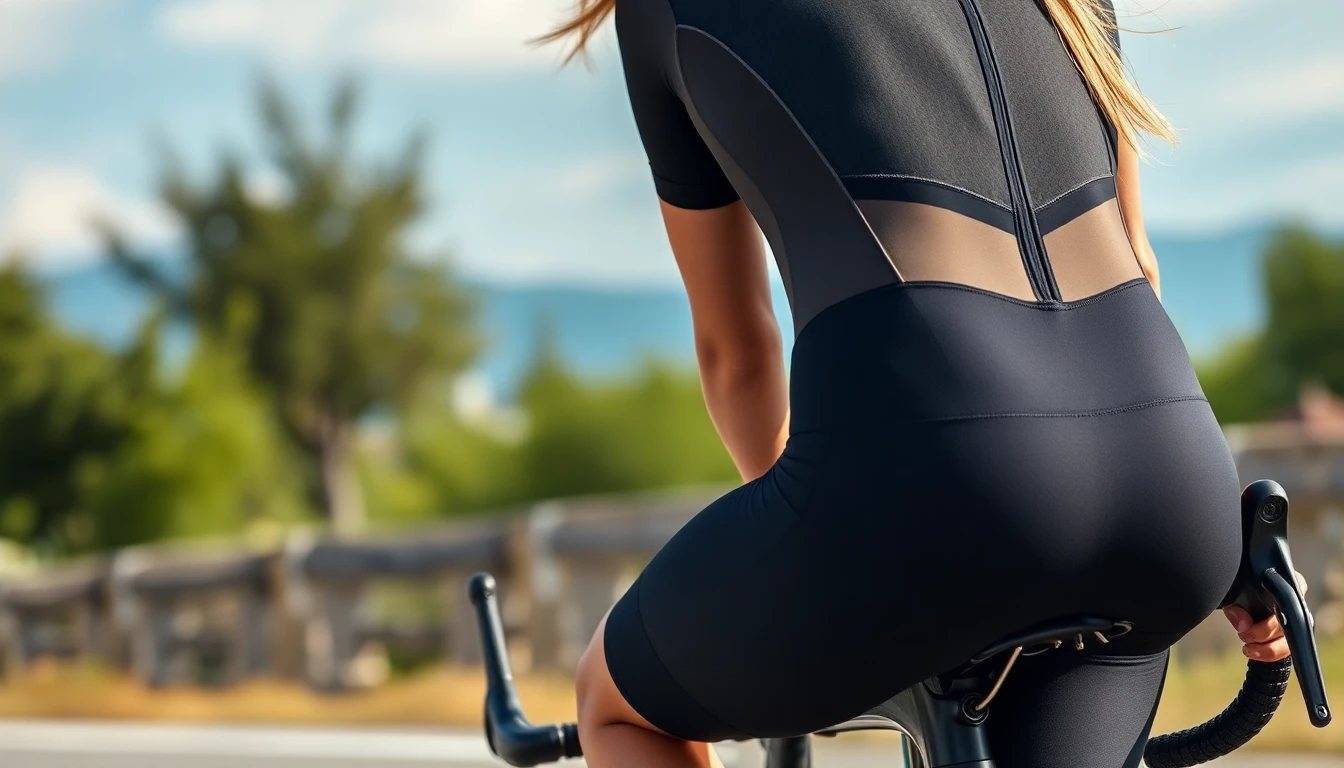
Women's cycling gear has come a long way. From corsets and woolen skirts to compression chamois and moisture-wicking fabrics - this shows women cyclists are no longer ignored. Each technical advance tells a story. Anatomically-correct chamois placement. Breathable four-way stretch materials. These came from decades of women asking for better gear. And the cycling apparel's manufacturers listened.
Here's what counts: fit drives performance, comfort builds endurance, and technology delivers both . Women's cycling clothing evolved for a reason. Gender-specific design isn't about making things pink. It's about how women's bodies work. Body temperature control. Movement patterns. How women sweat differently.
Ready to feel what a century of progress offers? Check your current kit against today's standards: Does your chamois sit where you need it? Can your fabric stretch in four directions? Does your jersey stay in place without blocking your breath? Answer "no" to any of these? You're still wearing yesterday's tech. The gear exists now. Your rides deserve better.
Make your next pedal stroke the most comfortable yet.