Table of Contents
You're about to spend $60 to $150 on cycling shorts. Here's the problem: pick the wrong type and you'll be uncomfortable 30 miles into your ride. Or worse, you'll waste money on gear that doesn't fit your riding style.
I've seen many riders face this same choice. They go back and forth between bib cycling shorts and regular cycling shorts. They're not sure which one will give them the performance and comfort they're paying for.
The truth? Both types have real benefits. But the "better" choice depends on how you ride, how often you ride, and what matters most to you—total comfort or easy bathroom breaks.
Maybe you're a weekend rider doing 20-mile loops. Or you're a serious cyclist tackling century rides. Either way, you need to know the real differences between padded cycling shorts with straps and traditional waistband designs. This knowledge will save you from regret. Plus, it could change your whole riding experience.
Let's skip the marketing talk. Here's which cycling shorts deserve a spot in your kit, based on practical insights that matter in the saddle.
What Are Bib Cycling Shorts and How Do They Differ From Regular Cycling Shorts?
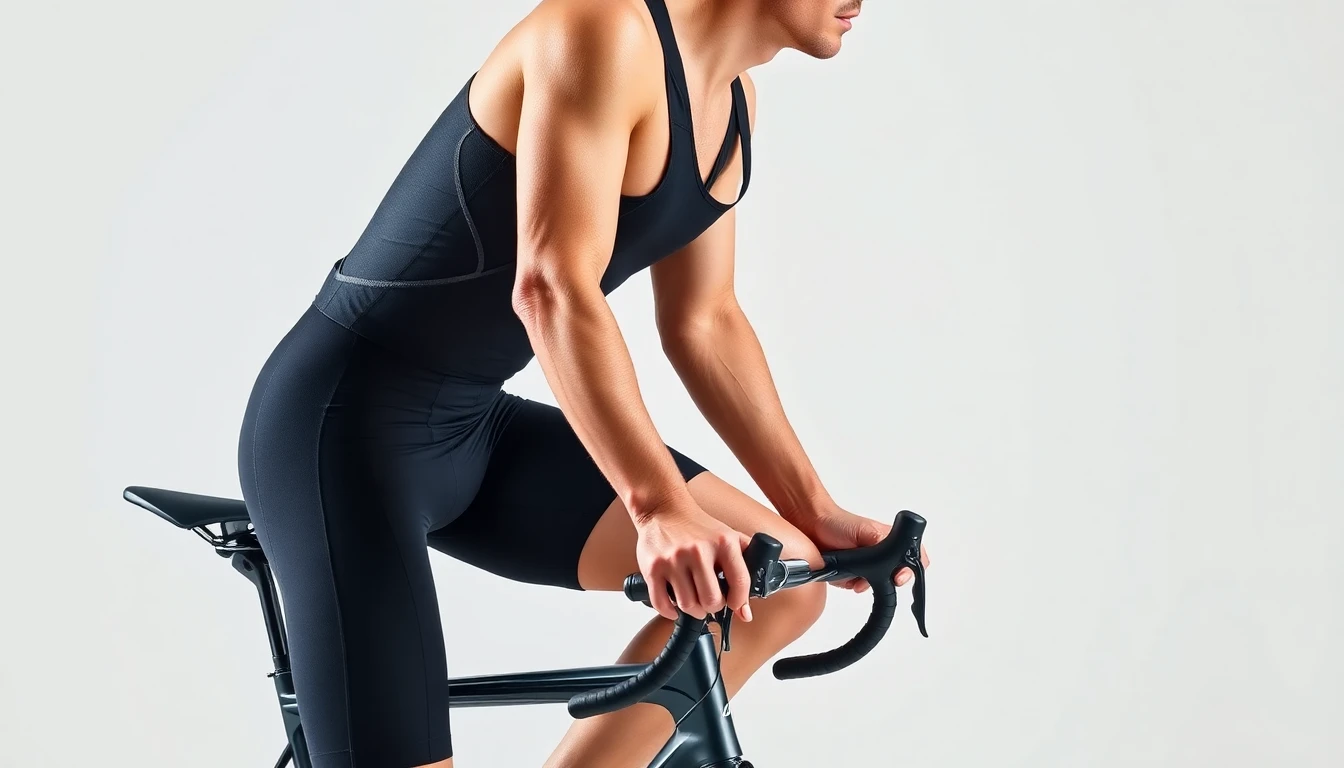
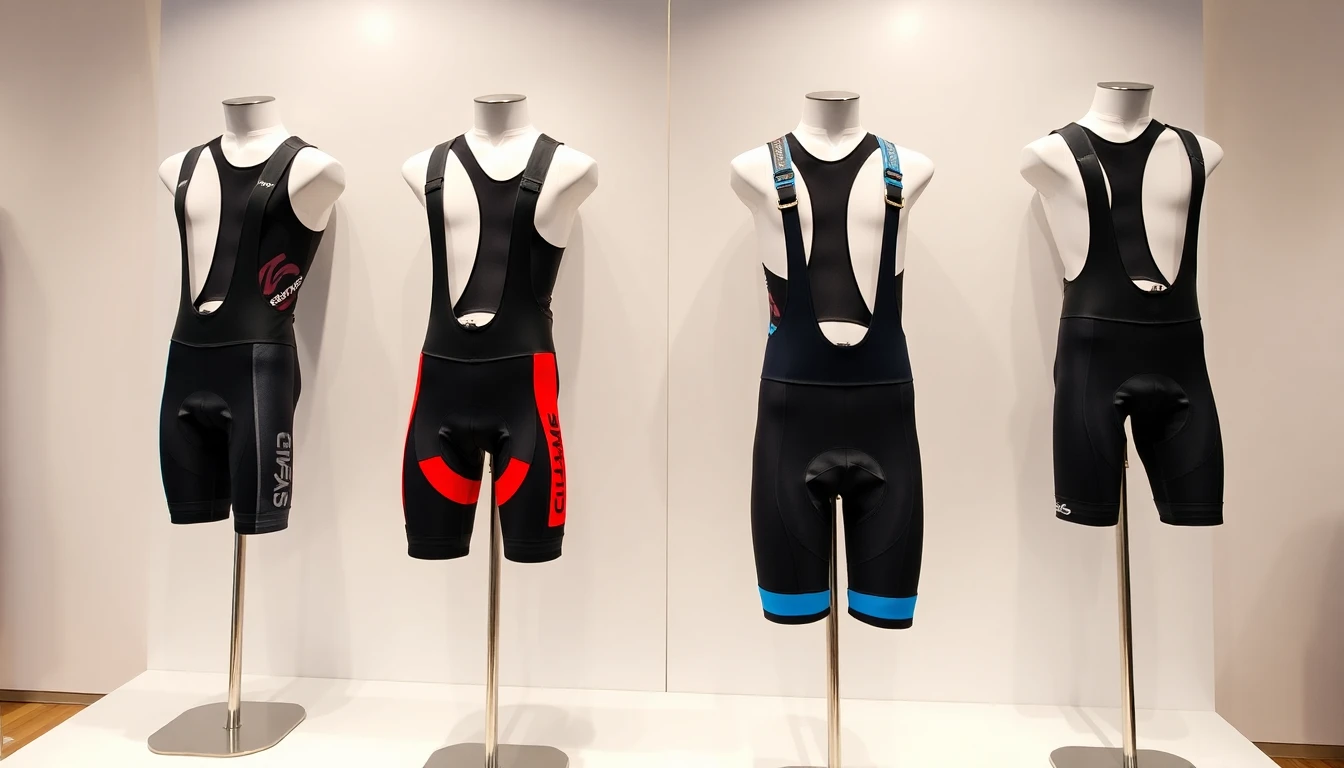
Bib cycling shorts are cycling bottoms with shoulder straps (also called braces). These straps run over your shoulders and behind your neck. Think of them like suspenders attached to your shorts. The straps hold the chamois in place without needing a waistband. The chamois is the padded cushioning that keeps you comfortable.
The chamois is a ventilated foam pad. It contains antibacterial carbon particles. This pad sits between you and the saddle. It reduces friction and prevents discomfort during rides.
Regular cycling shorts use an elastic waistband to stay up. No straps. No upper body coverage. Just shorts with an elastic grip around your waist and legs.
The Core Structural Differences
Bib shorts feature mesh shoulder straps that breathe well. These straps support the shorts. Bibs sit higher on your torso than regular shorts. This creates a seamless transition with your cycling jersey. You'll find silicone hem grippers on the legs. These prevent any shifting during rides. The design uses fewer seams. Seams are placed to reduce chafing. The torso design enhances core fit and stability.
Regular cycling shorts use elastic waistbands and leg grippers to hold position. They offer a looser fit. This is true for trail and mountain biking types. The strapless design means zero shoulder pressure. No upper body contact either.
Side-by-Side Comparison
Here's how they stack up in real riding conditions:
Styled Comparison CardsRegular: Can shift on longer rides
Regular: Better airflow in hot weather
Regular: Pull down in 30 seconds
Regular: More budget-friendly option
Regular: Slip on like normal shorts
The choice isn't about which design is "better." Match the shorts to your riding style and priorities.
Bib Cycling Shorts: Key Advantages for Long-Distance Cycling
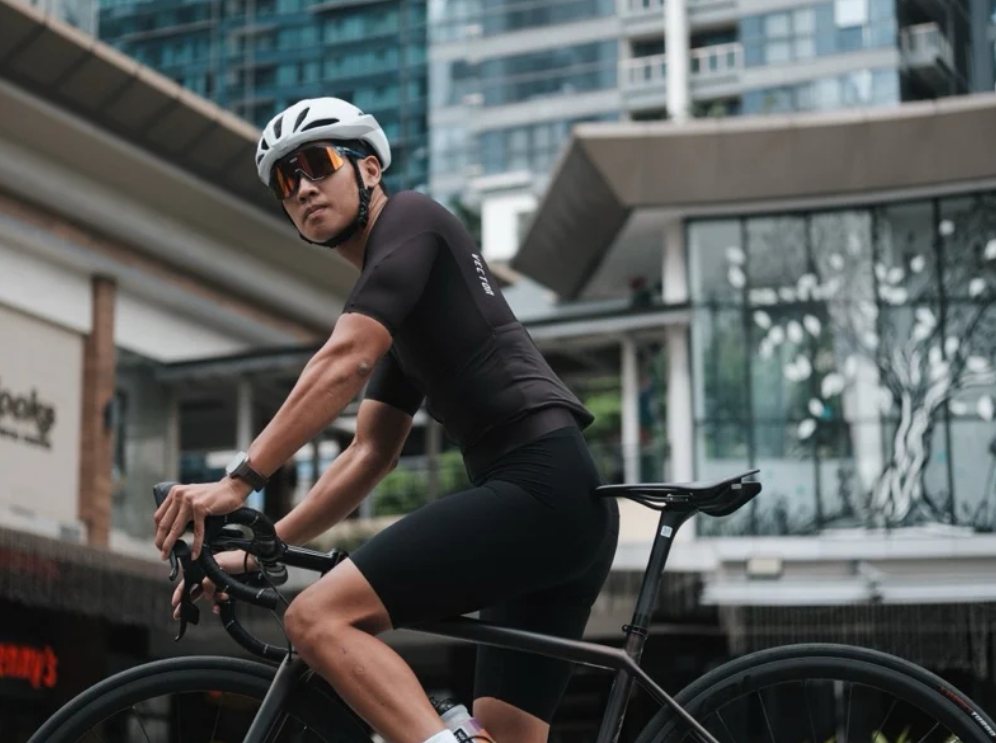
Shoulder straps do more than just hold your shorts up. They solve the biggest problem long-distance cyclists face: staying comfortable during 3, 4, or even 6 hours in the saddle.
Bib cycling shorts are built for endurance performance. Every design element keeps you comfortable. Regular cycling shorts start to fail on long rides.
Zero Waistband Means Zero Restriction
Your diaphragm needs room to expand on long rides. An elastic waistband creates a pressure point right where you breathe. After mile 40, this becomes a real issue. You're breathing harder. Your body needs more oxygen. But that waistband is digging into your abdomen.
Bib shorts eliminate this problem. No elastic band. No compression around your core. You can take full, deep breaths without fighting your gear. Blood flow stays open through your midsection. You get better endurance and higher power output over long distances.
The Chamois Stays Right Where You Need It
Here's what happens with regular waistband shorts on a century ride: the chamois starts to shift. Maybe it moves left. Maybe it slides backward. Either way, protection moves away from where you need it most.
Shoulder straps create constant, even tension. This locks the padded insert in the best position. The chamois pad doesn't migrate. It doesn't bunch up. It stays aligned with your sit bones from mile 1 to mile 100. This stability stops the friction that causes saddle sores and chafing during long contact with your saddle.
Complete Back Protection Throughout Your Ride
Regular cycling shorts stop at your waist. Lean forward into an aggressive riding position. Your lower back becomes exposed. Your jersey rides up. Cool air hits exposed skin. This gap also ruins your aerodynamic profile.
Bib shorts use a high-waisted design that covers your entire lower back. Full coverage. No exposed skin. No jersey creep. The stretchy fabric moves with your body as you shift positions. You stay covered while climbing, descending, or locked into an aero tuck.
Fabric That Works With Your Body
The mesh shoulder straps and torso panel support without restricting. The material stretches with your movement. This keeps consistent blood flow to your muscles. Better circulation means less fatigue. Less muscle tension. More power available.
You can shift your sitting position easily. Lean forward. Sit upright. Move side to side. The fabric adapts. There's no binding. No pinching. Just smooth, easy motion.
The Moisture Management Advantage
Waistbands collect sweat. That elastic band around your midsection becomes a wet, uncomfortable barrier. The trapped moisture increases friction. Friction leads to chafing. Chafing ruins long rides.
Bib shorts skip the waistband. Sweat doesn't pool around your core. The moisture-wicking fabric pulls sweat away from your skin. This cuts your chafing risk during those 4-hour training rides or all-day cycling adventures.
Aerodynamic Performance That Matters
Form-fitting bib shorts create a streamlined body profile. The material hugs your torso without bunching. Pair them with an aero jersey. You get a seamless, wind-cutting surface. Less drag means less energy wasted fighting air resistance.
Every watt you save on aerodynamics is a watt you can use for forward motion. On a 100-mile ride, these small gains add up to real time savings and less fatigue.
The bottom line? Bib cycling shorts outperform regular shorts as distance increases. They're built for riders who stay in the saddle long enough for comfort issues to become serious problems.
Regular Cycling Shorts: Best Features for Convenience and Versatility
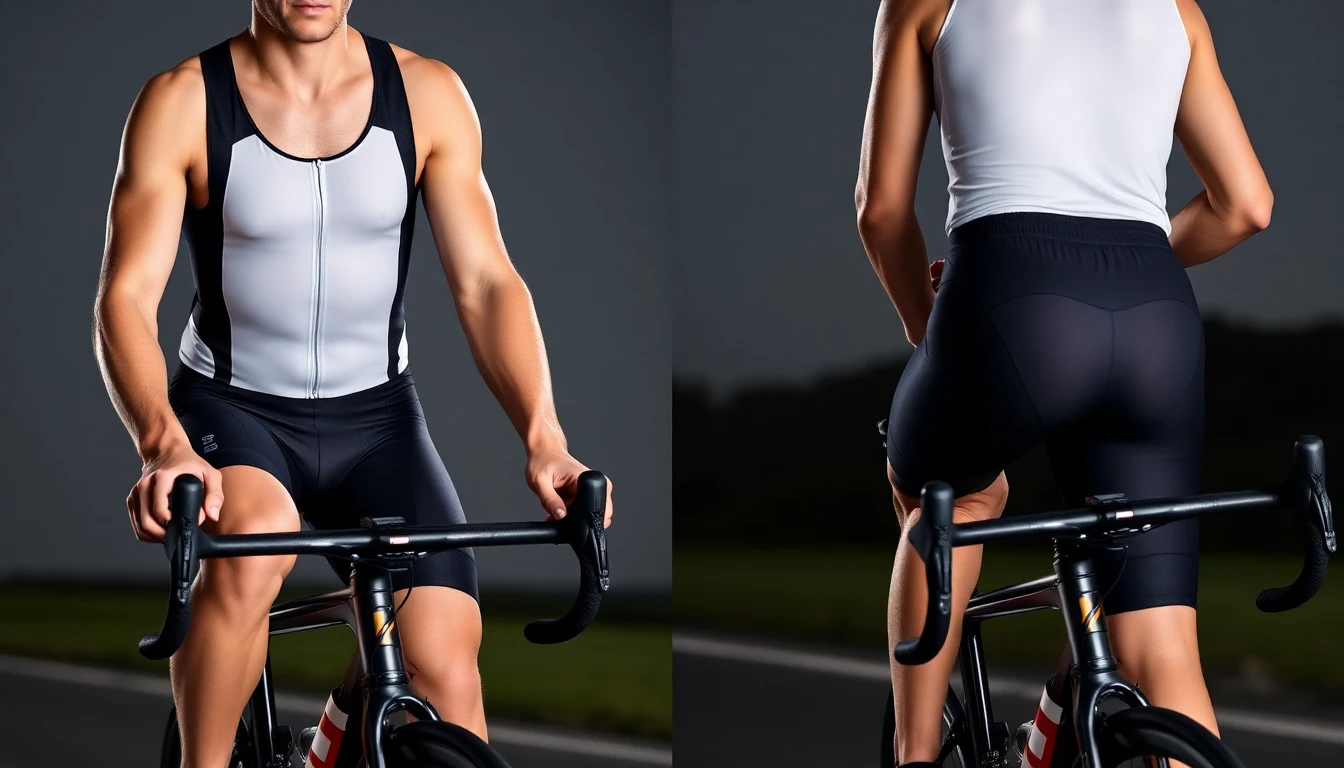
Regular cycling shorts win on simplicity. Pull them on like normal athletic shorts. No straps to adjust. No threading your arms through anything. Riders who value quick changes love this simple design. Flexible riding schedules? These shorts make it easy.
Instant Access for Bathroom Breaks and Quick Stops
You're 40 miles into a group ride. Nature calls. With regular shorts, you're done in 30 seconds. Pull down. Pull up. Back on the bike. No wrestling with shoulder straps. No removing your jersey in a cramped gas station bathroom. Summer rides mean lots of water. Morning coffee rides too. This convenience matters.
The elastic waistband means you can change anywhere. Your car. A public restroom. Behind a tree. No gymnastics needed. Multi-sport athletes switch between swimming, cycling, and running. This quick-change feature helps a lot.
Multiple Inseam Options Match Your Riding Style
Regular cycling shorts offer real choice in leg length:
Inseam Options Data CardsWomen get 7-inch standard and 8.5-inch alternative options. Different body types need different fits. Men get 11-inch standard or 9.5-inch alternative cuts. You can customize based on weather. Terrain matters too. Pick what feels right.
Adaptable Fit Across Different Body Types
The flexible waistband adjusts to your core. No rigid structure. Your waist changes size throughout the day. After meals. During long rides. Through training cycles. Regular shorts handle these natural changes better than fixed-strap bibs.
Quality regular shorts use 15-20% spandex blended with moisture-wicking nylon or polyester. This fabric creates a second-skin fit. It grips your legs without bunching. The material stretches as you shift positions. No squeezing. No pressure points around your midsection.
Panel construction affects fit quality:
Panel Construction CardsMore panels mean better fit. Fewer pressure lines too.
Temperature Control You Can Adjust
Your torso stays exposed with regular shorts. Hot-weather rides get better ventilation. Pair them with different jersey styles to control your temperature. Light mesh jersey for scorching days. Long-sleeve base layer for cool mornings. You control your upper body climate separate from your lower body.
The chamois pad thickness ranges from a few millimeters to 1 centimeter . Thicker padding suits longer rides and rough terrain. Thinner pads work better for shorter rides. High-intensity efforts too. Less sweat buildup. Regular shorts give you padding options. No need for full-torso coverage.
CTA Section 1Comfort Comparison: Which Shorts Deliver Better Riding Experience?
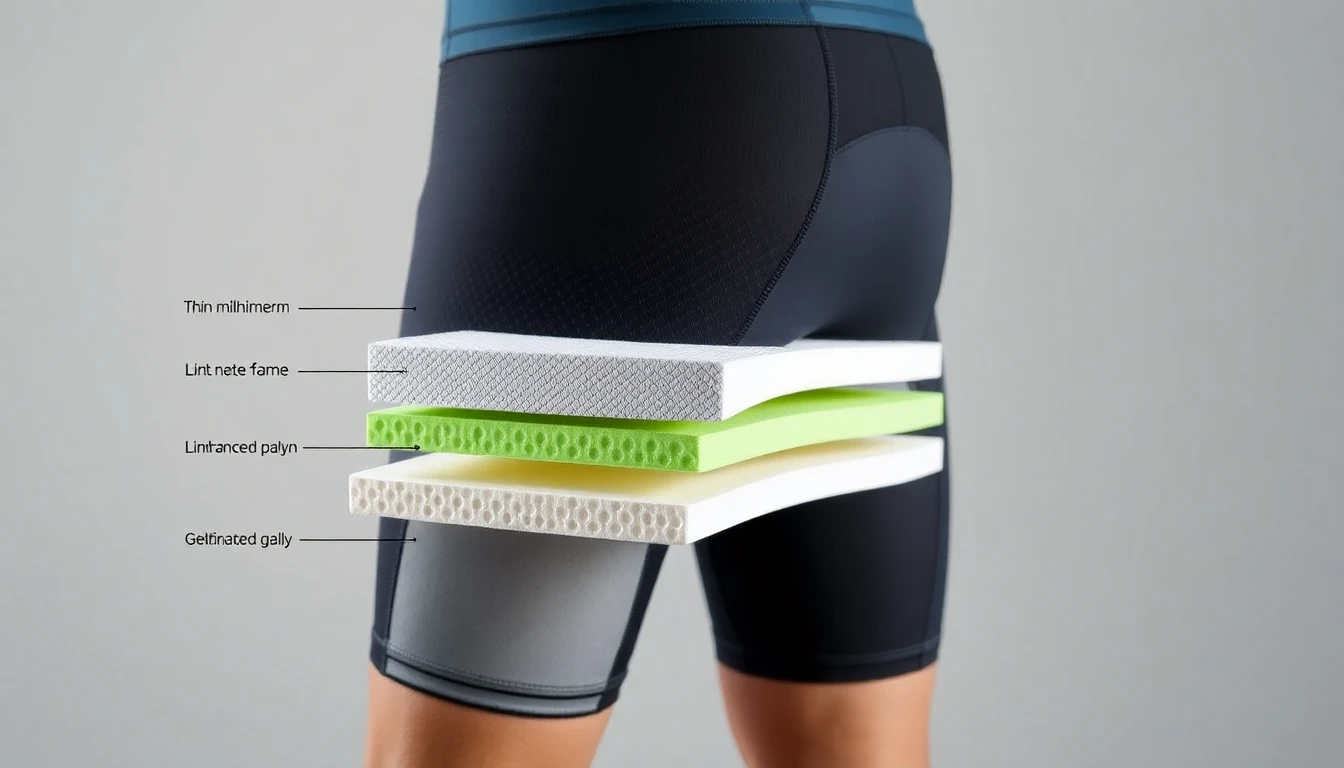
Comfort isn't subjective during hour six of a century ride. Your body tells you which shorts work and which ones create problems. Bib and regular cycling shorts differ in three key areas: padding performance, fabric interaction with your skin, and how the design handles your body's movement during long rides.
How Padding Technology Affects Your Ride Quality
The chamois pad decides whether you finish strong or suffer through the last 30 miles. Both bib and regular shorts use the same padding tech. The real difference? Shoulder straps versus waistbands keep that padding where you need it most.
Foam padding compresses to match your body shape. It balances cushioning with pedaling feel. You stay connected to your bike. Gel padding absorbs more shock. This helps on rough pavement or gravel roads. Long-distance riders need this extra protection. Hybrid padding combines both materials. Foam goes in areas that need feedback. Gel protects your sit bones under constant pressure.
Elite-level chamois use high-density foam and gel in 3D molded shapes. These designs match your pelvic structure. They dampen road vibrations. They stop the friction that causes saddle sores. The Elite Air Gel pad features perforated foams with gel inserts. Ventilation holes prevent heat buildup. Riders report 8+ hours of comfort with this design.
Bib shorts hold these advanced pads in perfect alignment. The shoulder strap tension creates stable positioning. Regular shorts use elastic grip. Your chamois can shift as the waistband loosens with sweat and movement.
A biomechanical study tested three pad types during 20-minute pedaling sessions. The BAS and INT pads ranked highest for short rides. But here's the catch: the END pad designed for long rides scored lower. Why? Twenty minutes doesn't test long-distance padding enough to show its benefits. Your body needs hours in the saddle to feel the gap between good padding and great padding.
Fabric Breathability and Moisture Management Performance
Your skin needs to stay dry. Wet fabric creates friction. Friction creates hot spots. Hot spots become saddle sores that end your ride.
The ideal fabric blend is 82% nylon and 18% spandex . This mix pulls moisture away from your skin faster than pure synthetic materials. The spandex creates a compression fit. The nylon pulls sweat to the fabric surface where it evaporates.
Bib shorts add lightweight mesh panels across the chest and shoulders. These boost airflow through your kit. The mesh provides stretch without trapping heat. Regular shorts expose your torso. Better ventilation in hot weather. But no moisture control across your core during cooler conditions.
Advanced fabrics use elastic carbon fiber construction . This creates a funnel airflow structure. Air moves through the material as you pedal. Less friction means less chafing over 100-mile distances. Perforated foams in the chamois pad add another layer of breathability. Heat escapes through ventilation holes. Your contact points stay cooler.
How Fit Design Impacts Long Riding Comfort
Size matters. Get the measurements wrong and even the best padding fails.
Here's what proper fit looks like across larger sizes:
Styled Size Chart Table| Size | Waist (inches) | Waistband Width | Weight Range (lbs) |
|---|---|---|---|
| XXL | 34-38 | 1.4 inches | 170-190 |
| XXXL | 36-40 | 1.4 inches | 180-210 |
| 4XL | 38-42 | 1.4 inches | 190-220 |
Regular shorts use a 1.4-inch elastic waistband . This width spreads pressure across your midsection. Too narrow and you get a cutting feeling. The elastic must be non-binding. It needs to stay put without constant adjustment. Quality regular shorts include drawstrings for custom tension control.
Leg grippers create the seal that prevents ride-up. They must be tight enough to stay positioned. But not so tight they restrict blood flow. Anti-chafe design in the gripper bands stops irritation during 4+ hour rides.
Inseam length affects comfort more than riders think. Too short and your inner thighs rub against the saddle. Chafing starts within 40 miles. Too long and excess fabric bunches behind your knees. This limits your pedal stroke. Regular shorts offer multiple inseam options. Match the length to your riding position and leg length.
Bib shorts use a 9 to 11-inch inseam for men. The shoulder straps remove waistband pressure. But they add fabric across your torso. More material means more heat retention. Regular shorts give you temperature control options.
Anti-Fatigue Features That Matter Past Mile 50
Long-distance cycling shorts use anti-slip high-density foam in the chamois. This foam doesn't compress flat after hours of pressure. Designs vary foam density and thickness across the pad. Thicker protection goes under your sit bones. Thinner, more responsive padding supports areas that need pedaling feedback.
Both short types use flatlock seams that lie flat against your skin. Traditional raised seams create pressure points. These turn into painful spots after long contact. Anti-chafe design places seams away from high-friction zones.
Dual compression fabrics with 6-way stretch panels reduce muscle fatigue. The compression supports your leg muscles during pedaling motion. Better support means less energy wasted on muscle vibration. You maintain power output longer.
Regular shorts achieve this through elastic waistband design. Bibs use shoulder strap tension combined with torso compression. Different mechanics. Similar muscle support results.
The question isn't which design is more comfortable overall. It's which comfort features match your ride duration and intensity. Rides under 3 hours? Regular shorts deliver enough comfort with better convenience. Rides over 4 hours? Bib shorts' better chamois stability and zero waistband pressure justify the bathroom break hassle.
Both types use identical padding tech. Both offer moisture-wicking fabrics. Both feature anti-chafe construction. The comfort gap appears during long rides that stress these features enough to show performance differences. Your body—and your typical ride length—decides which gaps matter most.
Budget Considerations: Is the Price Difference Worth It?
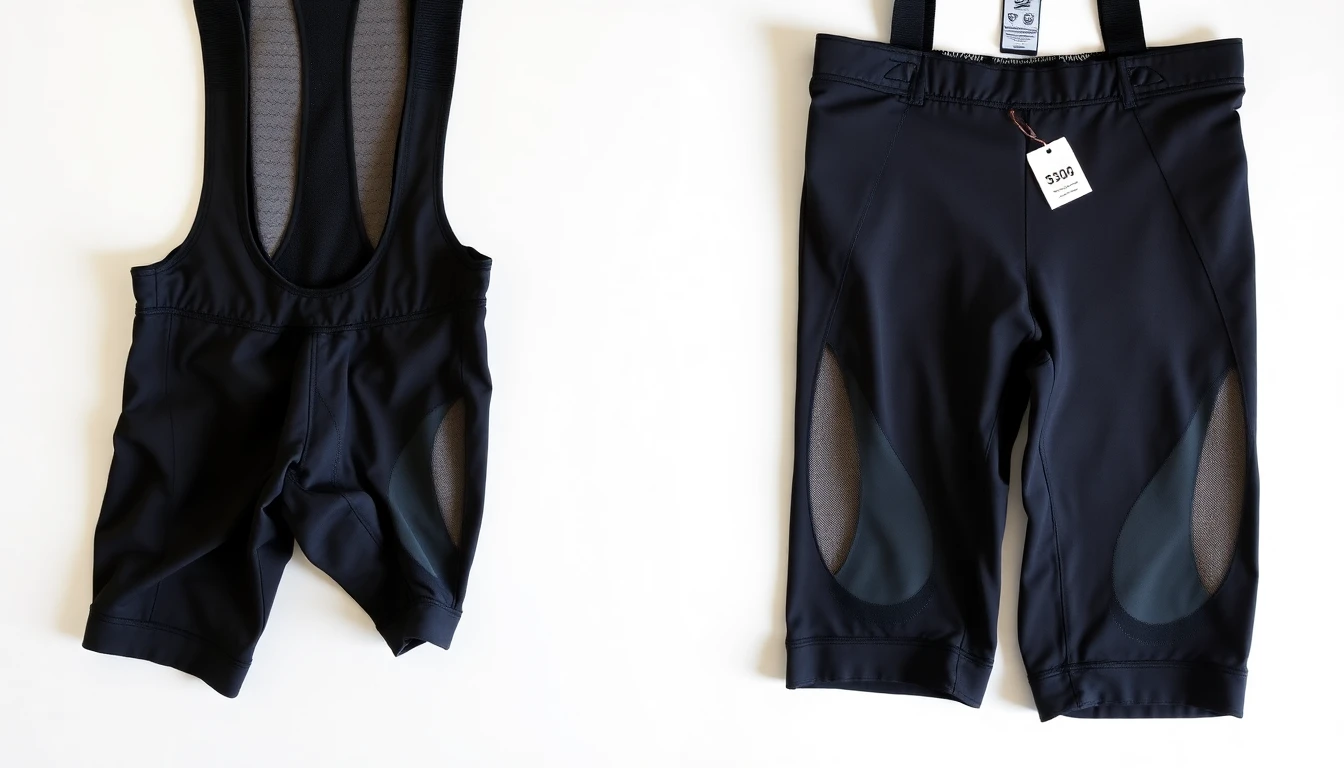 Price Range Comparison
That $30 to $50 gap makes riders hesitate. You're staring at two products that look similar. One has straps. One doesn't. Is the extra cost justified?
The answer depends on your annual mileage and riding goals.
Breaking Down the Real Cost Per Ride
Let's run the numbers. A quality pair of bib shorts at $120 lasts about 3,000 to 5,000 miles:
Cost Per Ride Data CardsThe bib premium adds about $1 to $2 per ride to your gear costs.
Now factor in ride duration. Three-hour rides and longer? Bib shorts eliminate waistband discomfort. The chamois stays in place. You avoid muscle fatigue from fighting tight elastic. Performance improves. Post-ride soreness drops too.
Weekend warriors doing 20 to 40-mile loops won't notice these benefits. The cost gap doesn't pay off. You're paying for features your body doesn't need on shorter rides.
Premium Pricing That Delivers Real Returns
Serious cyclists logging 150+ miles per week see different economics. The comfort gains add up over long training blocks. No waistband pressure means you breathe better during hard efforts. The chamois stays put. This prevents saddle sores that force training breaks. These advantages matter.
A single saddle sore can sideline you for 5 to 7 days. Recovery time costs more than the price difference between shorts. Medical-grade chamois creams run $15 to $25 per tube. Multiple tubes per season add up fast. Bib shorts reduce your need for these products.
Berun Clothes offers both options at competitive price points. Our regular padded cycling shorts start at $59. Elite bib models with premium chamois technology reach $149. The mid-range sits around $89 for quality bibs that serve most riders well.
The Hidden Costs Nobody Talks About
Cheap regular shorts under $40 use thinner chamois foam. The spandex percentage is lower too. The padding flattens after 1,000 miles. You'll need replacement sooner. Two cheap pairs per season cost more than one quality pair that lasts the full year.
Budget bibs create different problems. Poor shoulder strap construction digs into your skin. The mesh doesn't breathe well. You get the bathroom break hassle. You don't get the comfort benefits. This wastes money.
The sweet spot? Invest in one excellent pair of bibs ($100 to $130) for rides over 50 miles. Add one quality pair of regular shorts ($60 to $80) for shorter efforts and hot-weather rides. This two-short rotation covers all your riding needs. Total investment: $160 to $210.
Compare this to buying three cheap pairs across a season at $40 each. Same $120 spend. You get worse performance. You replace them more often.
Your riding frequency makes this decision simple. Ride three times per week or more? Bibs justify their cost. Once or twice per week for casual miles? Regular shorts deliver enough comfort at better value.
CTA Section 2Top Bib Shorts and Regular Shorts Options from BerunClothes
BerunClothes makes cycling shorts for every rider's needs and budget. We offer weekend warrior gear and professional-grade equipment. Each option tackles specific riding challenges.
Elite Performance Bib Shorts: Premium Comfort for Serious Miles
The Elite Air Gel Bib Shorts ($149) are our top model. They use 3D molded high-density foam with perforated gel inserts. The chamois gives you 8+ hours of continuous comfort. Pro cyclists and century riders pick this model for multi-day tours and races.
Shoulder straps have dual-density mesh. The chest panel blends 82% nylon and 18% spandex. This wicks moisture and keeps your core dry during hard efforts. Flatlock seams remove pressure points across 500+ contact areas.
The Pro Series Bib Shorts ($119) give you similar padding at a mid-range price. You get the same chamois stability and waistband-free design. The fabric has standard mesh panels instead of dual-density build. This lowers the cost but keeps core performance strong. Riders doing 100+ miles per week find this sweet spot gives them everything they need.
Regular Cycling Shorts: Versatile Options for Every Ride
Our Flex Performance Regular Shorts ($69) fix the bathroom break issue while keeping premium padding. The 1.4-inch elastic waistband doesn't bind. It includes drawstring adjustment. You control the exact tension around your core. The chamois has hybrid foam-gel padding. This gives you cushioning plus pedaling feedback.
Three inseam options fit your riding style. The 8-inch standard length works for road cycling and fitness rides. The 9.5-inch option covers more for cooler weather. Hot-weather riders pick the 6-inch version for maximum airflow and tan line flexibility.
Essential Padded Shorts ($59) give you reliable comfort for rides under 50 miles. The chamois uses high-density foam without gel inserts. This makes a lighter, more breathable design. Weekend warriors and casual cyclists get pro-grade build at an easy price.
Anti-slip leg grippers have silicone-backed elastic bands. They stay in place without restricting blood flow. The 6-panel build contours to your body shape. Less fabric bunching gives better comfort during 2 to 3-hour rides.
Women's Specific Designs
The Women's Elite Bib Shorts ($139) have chamois padding designed for women's anatomy. The foam gets denser under female sit bone positions. Shoulder straps adjust for different torso lengths. Chest panels use extra stretch fabric. This lets you move without restriction.
Our Women's Regular Performance Shorts ($64) come in 7-inch and 8.5-inch inseam options. The waistband sits higher than men's versions. This stops gaps during riding position. The chamois is wider to match female pelvic structure.
Size Range That Fits Real Cyclists
We stock waist sizes from 30 to 54 inches in men's shorts. Women's sizing runs from size 2 to 24. Extended sizes (XXL through 4XL) keep the same 1.4-inch waistband width. This spreads pressure across larger frames. No cutting. No binding.
Value Bundles and Free Shipping
Buy two pairs and save 15% across our entire line. Orders over $100 ship free to your door. Our 1-year warranty covers manufacturing defects and chamois compression failures. This protects your investment through your first full season of riding.
Conclusion
Here's the bottom line: bib cycling shorts win for serious riders who log 30+ miles on a routine basis. Regular cycling shorts excel for casual cyclists who value convenience and versatility. The chamois pad quality matters more than the style you choose. Both can deliver great comfort with the right fit.
Your next move? Ask yourself: "How often do I ride, and how serious am I about this sport?" You're committing to long-distance rides? Invest in quality bib shorts with straps. Your lower back will thank you 50 miles in. Weekend warriors and commuters? Regular padded cycling shorts offer unbeatable practicality. Performance stays strong.
Ready to upgrade your cycling comfort level? Browse BerunClothes' premium collection . Every pair – bib or regular – features professional-grade chamois padding designed for real riders. Don't let analysis paralysis keep you off the bike. Choose based on your riding style, not just the price tag.
The best cycling shorts are the ones you'll wear over and over. Start there. Everything else falls into place.
CTA Section 3