Table of Contents
Why Breathable Fabric Matters for Running Performance
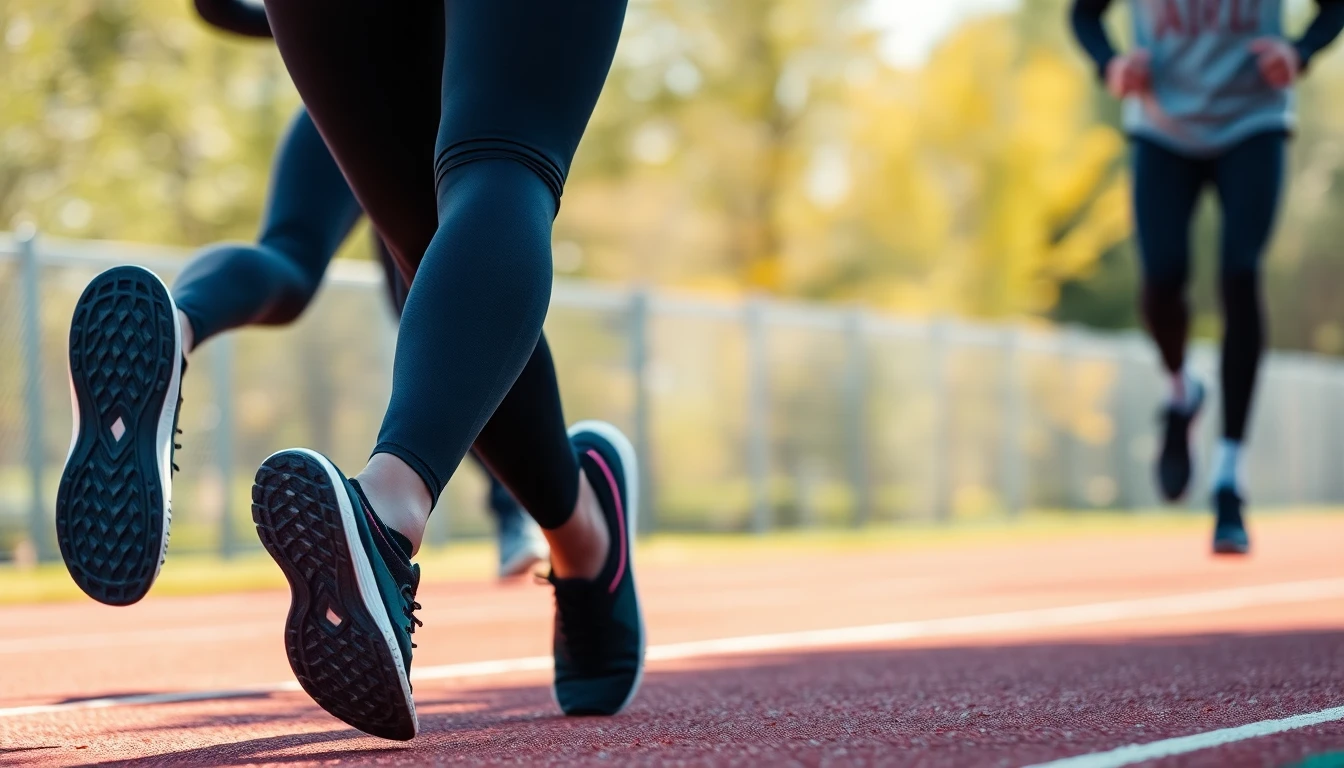
Your running leggings do more than look good. They shape how your body performs under pressure. Mile after mile, the fabric on your legs plays a key role in your body's cooling system. Here's what happens with breathable fabric in real running conditions.
The Science Behind Better Performance
Researchers ran a 20-kilometer cycling time trial. They compared engineered synthetic fabric against traditional cotton. The numbers tell a clear story.
Athletes wore synthetic fabric (60% polyester, 40% nylon) with air permeability of 192.3 mm/s. They finished 15.7 seconds faster than those in cotton. That's a 0.8% improvement over a 30-minute effort.
Here's the interesting part. The final stretch is where fatigue sets in. Cyclists in breathable synthetic kept 1 km/h higher speed. They pushed out 18.4 watts more power. Their skin temperature stayed about 1°C cooler throughout the entire trial.
What This Means for Your Running
Think about your runs at different paces. Studies tracked runners at speeds from moderate (around 9.5 km/h) to intense (12.5 km/h). Fabric breathability had a big effect on their body's workload:
Most breathable options like Tencel single jersey and polyester mesh created the lowest skin temperatures. Runners in these fabrics showed lower oxygen consumption at the same speeds. Their bodies worked more efficiently at the same effort level.
Least breathable fabrics trapped heat and moisture. Polyester single jersey with poor air flow produced the highest back temperatures. It forced the heart and blood vessels to work harder. Heart rates climbed higher in tight fabrics even at the same pace.
The humidity pattern shows another layer. Between 9.5–10.5 km/h, moisture buildup peaked. Mesh polyester fabrics moved vapor away so well they kept humidity lower despite heavy sweating. Cotton held moisture close to skin.
Bottom line: Good breathing leggings mean your heart doesn't beat as hard. Your body burns less oxygen. You maintain stronger output during the tough moments.
Key Features to Look for in Breathable Running Leggings
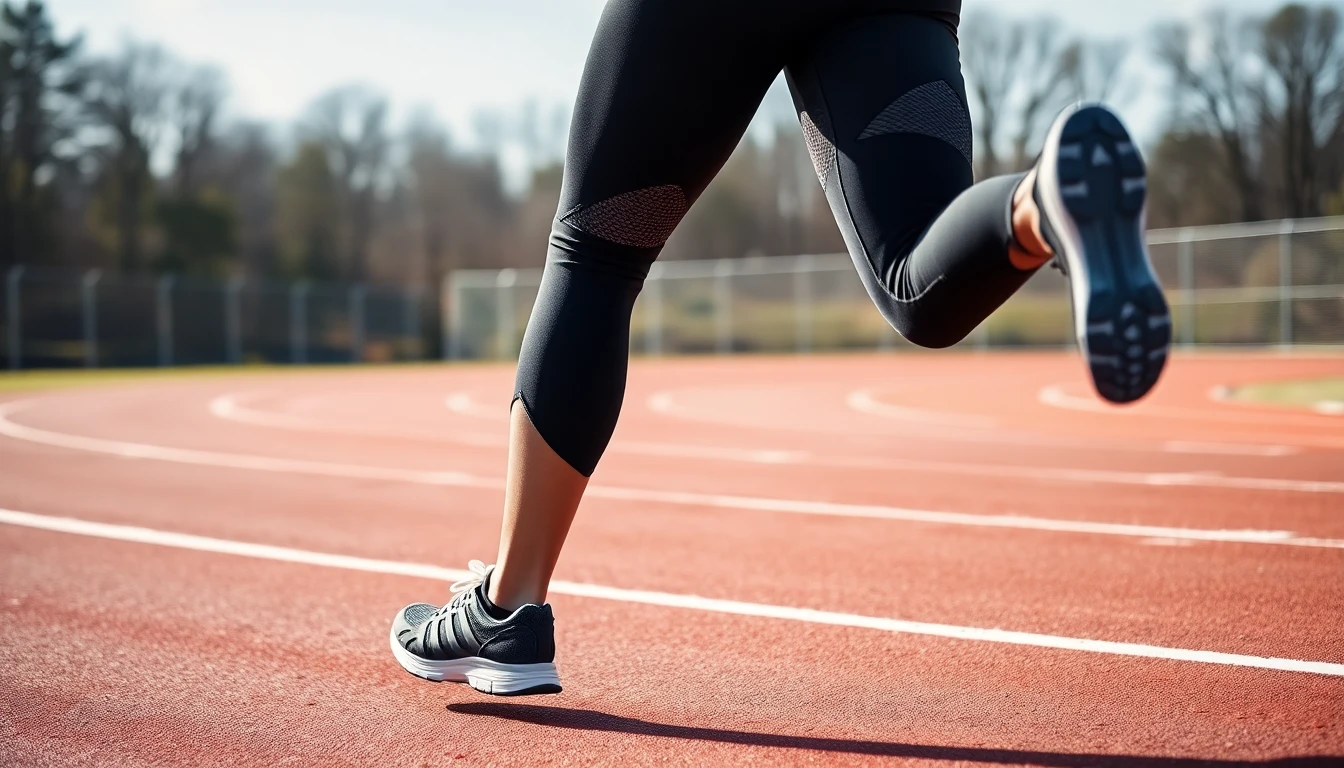
The right pair of leggings comes down to fabric choices and smart design details. Here's what to prioritize.
Fabric Composition That Works
Synthetic blends work best for breathable running gear. Look for 80–90% polyester or nylon paired with 10–20% elastane or spandex. This mix pulls moisture away from your skin. Plus, you get the stretch needed for full range of motion.
Take the Montane Slipstream as an example: 88% polyester and 12% elastane in the main body. The rear knee mesh panels use 96% polyester and 4% elastane. Skip high-cotton content. Cotton holds moisture against your skin instead of wicking it away.
Strategic Ventilation Zones
Mesh panels at heat points stop you from overheating. Look for ventilation behind the knees, along the lower legs, and at the back of the calves. Heat builds up fastest in these spots during runs.
Nike and Jordan styles feature ventilated mesh panels along the back of lower legs for heat exchange. Montane uses Apex-Dry mesh panels behind the knees to create airflow right where you need it. For hot weather, choose lighter fabric weights. Capri or 7/8 lengths expose more skin for cooling.
Fit and Construction Details
A snug, second-skin fit works best. But it shouldn't restrict your circulation. Medium compression supports muscles without trapping heat. It won't block blood flow either. Reviews praise fits described as "snug but comfortable" and "not too tight or restrictive."
Four-way stretch appears in top-performing models. The fabric moves with you in every direction. This stops bunching that can trap heat and cause chafing.
Flatlocked seams or seamless construction reduce friction on long runs. Some designs cut out the front center seam for cleaner lines and less irritation.
Practical Features That Don't Compromise Breathability
A high-rise or secure mid-rise waistband with an internal drawcord keeps leggings in place. They won't roll down. This keeps the ventilation pattern working as designed.
For storage, look for low-bulk thigh pockets or rear waistband zip pockets. The Montane design includes a discreet thigh pocket, a rear YKK zip pocket, and gel shot pockets. All positioned to avoid bounce and keep airflow moving.
Choose fabrics labeled squat-proof or non-see-through. The best options stay opaque even under stretch. They balance thinness for airflow with enough density for coverage. Some performance tights add UPF 50+ sun protection tested to ASTM D6603 standards. You get full-length coverage without extra heat.
Top Brands and Where to Buy Breathable Running Leggings
The right brand changes everything. You can go from a sweaty, uncomfortable run to one where you forget what you're wearing. Dozens of options exist, but only a few brands nail breathability without sacrificing performance.
Premium Performance Leaders
Lululemon leads in technical innovation. Their Fast and Free High-Rise Tight uses Nulux™ fabric with Lycra. This material is built for road running in heat and humidity. It pulls sweat away from skin and dries fast. Sizes run from 0–20 across multiple inseam lengths. You'll pay around $128. But you're getting fabric technology that truly performs. The Wunder Train High-Rise Tight offers another great choice at $98. Testers report zero sweat stains during hard workouts. The compression feels supportive. The fabric stays light and breathable.
Shop Lululemon's website and retail stores for the full size range and newest releases. Select styles appear at large sporting goods chains. Inventory varies by location.
Sweaty Betty brings European design to technical running gear. Their Zero Gravity High-Waisted Running Leggings pair lightweight fabric with high compression and UV 40+ protection. Side pockets and a back zip pocket add storage. The Power Gym Leggings work great for cross-training days. You can run and then hit strength work. Both styles handle moisture well. Check our guide on top fitness clothing brands for women for more options. Buy from Sweaty Betty's own site and stores. Major European and US sports retailers online carry them too.
Specialized Running Brands
Brooks focuses on runners' needs. The Run Visible Tight ($130) features mesh ventilation zones behind the knees. This targets airflow where heat builds. The standout feature: 360° reflectivity using 3M Scotchlite with high-contrast yellow at the ankles. You get breathability in a cool-weather tight designed for visibility. Purchase from Brooks Running direct, specialty running stores, or major online sports retailers.
Saucony Women's Elite Tight ($110) uses recycled nylon and spandex in a breathable and wicking blend. Reviewers recommend these for warmer runs. Find them at Saucony's site, dedicated running shops, and sport e-commerce platforms.
CEP Run Compression Tights 4.0 bring medical-grade compression technology to running. The graduated compression supports circulation. The fabric maintains excellent breathability. Available through CEP direct and performance running specialists.
Smart Budget Picks
Old Navy Powersoft High-Rise Leggings deliver above their price point. The Powersoft fabric manages moisture well for a budget option. Shop Old Navy stores and online.
The Gym People Running Leggings offer solid breathability basics. No premium pricing here. Find them on Amazon with detailed size charts and customer reviews.
Baleaf provides fleece-lined options that still breathe. Perfect for cold-weather runners who overheat fast. Available through Amazon and the Baleaf website.
Sustainable and Specialty Options
Janji 7/8 Pace Tights combine eco-conscious materials with technical breathability. Their commitment to clean water projects adds purpose to your purchase. Buy from Janji direct.
PUMA x Modibodi Recycled Active Period Leggings solve two problems at once. You get breathability and period protection in one garment. Available at PUMA and select activewear retailers.
Most premium brands offer generous return policies. Buy your usual size. Test them on a short run. Return within the window if the breathability doesn't work for you.
Where to Buy: Online Retailers and Shopping Tips
Shopping for breathable running leggings online? You're entering a huge digital marketplace. In 2025, 2.77 billion people shop online. That's about one-third of the world's population clicking "add to cart." 28 million ecommerce sites compete for your attention. Know where to start. You'll save hours of scrolling and second-guessing.
Start With the Big Players—But Not Without Thinking
Amazon dominates U.S. online retail with a 40.9% market share in 2025. That's more than $540 billion in sales. Translation: two out of every five dollars spent online in America flow through Amazon. For breathable running leggings, this platform gives you the widest selection fast. You'll find budget picks like The Gym People and Baleaf next to premium options.
But here's the thing. Amazon excels at price comparison and speed. It falls short on expert advice. You won't get detailed fit guidance or fabric breakdowns. Running-focused retailers do better here.
Lululemon, Sweaty Betty, and Brooks all run their own online stores. Buying direct from the brand often unlocks perks Amazon can't match: extended return windows, membership rewards, first access to new releases, and detailed size guides. Lululemon's site lets you filter by inseam length and fabric type. That precision matters. You're choosing between Fast and Free at $128 and Wunder Train at $98.
Compare Three Prices Before You Commit
$6.8–7.4 trillion in global ecommerce sales are projected for 2025. Competition runs fierce. Use that to your advantage.
Set a simple rule: for any leggings over $50, collect three prices. Check the brand's official site. Check a major marketplace like Amazon. Check one specialty running retailer. Don't just compare the ticket price. Calculate the landed cost—that's price plus shipping plus any taxes.
Some brands discount more on their own sites during seasonal sales. Others keep pricing consistent but throw in free hemming or bonus items. Specialty running shops sometimes bundle gear with expert fitting services.
Mobile Shopping Unlocks Hidden Deals
Mobile commerce hit $2.51 trillion in 2025. That's a 21.25% jump from the prior year. Retailers know shoppers browse on phones. They respond with app-only discounts, mobile-first flash sales, and push notifications for restocks.
Download apps from your top three brands. Turn on notifications. You'll catch price drops the desktop crowd misses. Old Navy and PUMA often run mobile-first promotions. These shave 15–20% off already reasonable prices.
Specialty Retailers Offer What Algorithms Can't
Numbers tell part of the story. U.S. ecommerce captured 16.3% of total retail in Q2 2025. But the shopping experience matters beyond raw percentages. Specialty running sites like Fleet Feet, Runners Need, and Running Warehouse employ actual runners. They test gear. They answer technical questions about how different polyester blends wick moisture.
These retailers often stock the same leggings you'd find on Amazon—CEP compression tights, Saucony Elite tights. But they pair products with real guidance. Many offer virtual fit consultations. You describe your usual size, running style, and climate. They recommend specific cuts and fabrics.
Check Return Policies Like You Check Reviews
Easy returns separate smart online shopping from regretful purchases. Read the fine print before you buy. Lululemon offers simple returns within policy windows. Brooks and Sweaty Betty provide similar flexibility. Budget brands on Amazon vary wildly. Some accept returns within 30 days with free labels. Others charge restocking fees. Some require you to cover return shipping.
For leggings, fit matters as much as breathability. You need to test them on a short run. A generous return policy lets you do that without financial risk.
Cross-Border Buying Unlocks Global Options
China alone has 904.6 million online shoppers. European and Asian brands ship to other countries. See our guide on Italian sports clothing brands for premium European options. You're hunting specific sustainable materials or niche designs? Think Janji's water-project leggings or PUMA's period-friendly tights. Going global expands your options.
Watch out for customs fees and extended shipping times. Factor those into your landed cost calculation. Sometimes a $90 pair from Europe ends up costing $120 after duties and slow shipping. Know the math before you click.
Use Online Tools to Shop Smarter
Price-tracking browser extensions alert you to price drops below your target. Honey, CamelCamelCamel, and Rakuten automate the monitoring. Set alerts for specific models. You'll snag Montane Slipstream tights or Nike ventilated styles at seasonal lows.
Customer reviews filter noise. Look for verified purchase badges and detailed feedback about breathability. Check comments on durability after multiple washes. Check true-to-size fit. Five-star ratings mean little without substance. A three-star review explaining how mesh panels performed during a humid 10K run tells you more. Ten generic "love these!" comments don't help much.
Smart online shopping combines scale with strategy. You're not just finding breathable leggings. You're finding the right breathable leggings at the best total cost with the least hassle.
How to Choose the Right Fit and Size for Maximum Breathability
Sizing for breathable leggings isn't about vanity numbers. It's about creating space between fabric and skin where your body needs it most. Get this wrong and even the best moisture-wicking polyester loses its edge.
The 2–4 cm Rule Changes Everything
Research in protective apparel shows a clear sweet spot. For light runs and moderate activity, choose leggings that measure 2–4 cm larger in circumference than your actual hip and thigh measurements. Push into high-intensity training or hot climates? Increase that to 4–8 cm of ease.
Here's why this matters. Fabric plastered against skin blocks the thin air layer your body creates during sweating. That 1–3 mm gap over your chest, back, and thighs needs to exist. It keeps your microclimate temperature around 32–34°C instead of climbing toward 35°C. Humidity inside the fabric stays below 80% rather than spiking to 90%.
Tests on runners (VO₂max 59–64 ml/kg/min over 50-minute sessions) showed chest microclimate temps varied between 32–35°C. Fit made the difference between comfort and overheating. Too-tight garments with negative ease created higher thermal resistance. Sweat couldn't escape. Heart rates climbed even at the same pace.
Target Your Sweat Zones
Pull out a tape measure. Record your hip circumference at the widest point. Measure your thigh at its largest part. Check the garment's actual measurements—not the size chart's body measurements, but the finished garment dimensions.
For best breathability in hot weather, add 4–6 cm to your hip measurement and 2–4 cm to your thigh. This prevents fabric strain that reduces air flow. Polyester mesh panels work best without excessive stretch on the surrounding fabric.
Waistband and Hem Openings Matter
Tight hems at your waist or ankle create a "chimney blockage." Vertical airflow stops. Heat gets trapped inside the leggings like a closed vent.
Choose waistbands with 1–2 cm additional ease over your natural waist. The elastic should sit without digging in. Ankle hems need similar breathing room. Fabric that compresses your skin kills the cooling effect that makes breathable leggings work.
Keep Layers to Two Maximum
Every layer you add reduces total air flow and moisture transport. Running tights plus compression shorts underneath? You've just cut breathability by a lot. Stick to two layers total unless you're in conditions that demand extra protection.
Studies comparing single-jersey cotton to polyester mesh showed that adding even one extra layer increased microclimate humidity by 15–20 percentage points. The polyester mesh that performed well alone lost much of its advantage paired with a base layer.
Test the Air Gap
Put on the leggings. Squat down. Run in place for 30 seconds. The fabric should move with you but not cling like a second skin across your entire leg. You want slight separation over your quads and hamstrings—that's where the highest sweat rates occur during running.
Pinch the fabric at mid-thigh. You should be able to lift it 5–10 mm away from your skin without excessive stretching. Less than that means you've sized down too far for optimal breathability. The fabric will plaster against you the moment serious sweating begins, around 9.5–10.5 km/h running speed where moisture buildup peaks.
Choose your size based on movement and air circulation, not the number on the tag. Your body's cooling system will thank you mile after mile.
Best Breathable Leggings for Different Running Scenarios
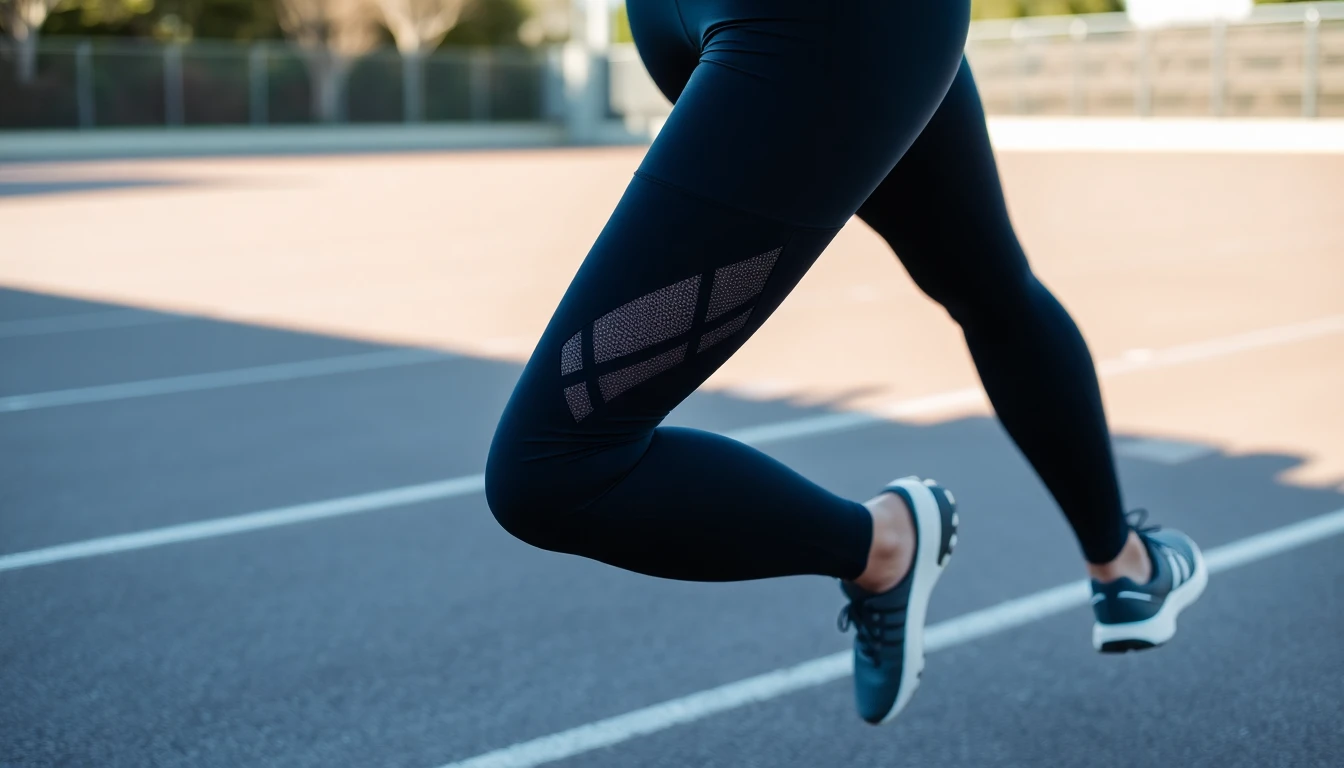
Different runs need different fabrics. A casual 5K on a mild morning? That's different from race-day intervals under humid August sun. Here's how to match breathability to your training calendar.
Hot Weather and Summer Runs: Go Ultralight
Temperatures above 75°F? Fabric weight is your priority. Look for leggings described as "feels like nothing on" or ultra-lightweight. The sweet spot sits around 70–80% polyester or recycled polyamide blended with 10–30% elastane. This mix wicks moisture fast. Plus, it stays soft against skin.
Adanola Ultimate Leggings nail hot-weather design. Their recycled polyamide and elastane blend creates what testers call a barely-there sensation. Reviews mention super moisture-wicking performance. The breathability keeps you dry as heat builds. These work great for speed work in warm climates or treadmill sessions in stuffy gyms. If you're building a fitness clothing brand, understanding these fabric preferences helps you design better products.
Choose capri or 7/8 lengths with 21–25 inch inseams for maximum cooling. Exposed ankles and lower legs increase ventilation. Minimal seams prevent rubbing. Skip brushed or fleece-lined interiors—they trap sweat instead of releasing it.
One practical tip: dark colors hide sweat stains better than pastels. Black and navy don't show wet patches during heavy perspiration.
High-Intensity Intervals: Prioritize Sweat Management
Tempo runs, track repeats, and hill sprints push your sweat rate higher than steady-pace efforts. You need leggings built for zero sweat stains and instant drying.
Lululemon's Wunder Train High-Rise Tight ($98) uses a sweat-wicking nylon blend. It handles intense sessions without showing moisture. Testers report it dries much faster than most leggings during HIIT and strength combos. The fabric gives you supportive compression without restricting your stride.
Athleta Interval High-Rise Leggings take moisture control further. Their PowerMove fabric (polyester plus elastane) earns descriptions like "extreme moisture-wicking". Sweat dries "almost right away." A hidden drawstring and power mesh waistband keep them locked in place during explosive movements.
For intervals, choose fabrics with over 75% polyester or nylon and 15–25% elastane. This ratio delivers stretch and recovery. It doesn't sacrifice quick-dry performance. 4-way stretch gives you full range of motion through lunges and strides.
Long Runs and Marathon Training: Balance Support with Airflow
Distance running needs steady breathability over hours, not just minutes. You want mid- to high-compression that reduces muscle bounce. At the same time, it keeps airflow going.
Nike Dri-FIT styles use blends like 63% nylon and 37% spandex (InfinaSoft fabric). The moisture-wicking tech keeps you dry, comfortable, and focused through double-digit mileage. The fabric feels cool, lightweight, and smooth against skin. This holds up as effort builds.
For marathon prep, stick with 26–30.5 inch full-length inseams. These provide coverage in colder weather. You won't need extra base layers that kill breathability. Look for high-rise waistbands that stay secure. No constant adjustment needed. Squat-proof construction means the fabric won't turn see-through. You can bend to tie shoes mid-run without worry.
The right leggings make forgettable gear. The kind you don't think about. Everything just works.