Table of Contents
Kappa
The Omini logo—that striking silhouette of a man and woman seated back-to-back—didn't come from a design studio. Two models sat down during a break at a 1969 swimwear photoshoot. Their profiles were captured against backlighting. That accidental image became one of sport's most recognizable symbols. It set Kappa apart from its Bavarian-striped competitors forever.
Robe di Kappa started in Turin in 1967. The brand first salvaged misprinted B-brand t-shirts from parent company Maglificio Calzificio Torinese. Creative damage control turned into a sportswear empire. Kappa entered athletic apparel in the mid-1970s. They worked with football clubs. Training kits became cultural artifacts.
The Football Revolution
Kappa changed sports sponsorship during the 1979-80 season. They put oversized logos on Juventus jerseys—among Europe's first prominent front-facing brand displays. This bold move redefined how sportswear companies marketed themselves. Athletes became walking billboards. Kit design rose to fashion statement.
Their signature taping design—those continuous Omini logos running down sleeves and trouser sides—got recognized across European pitches right away. Adidas had three stripes. Puma had its formjacking cat. Kappa's repeated silhouettes created hypnotic visual rhythm. The brand dressed Barcelona (1992-1997), Italian national training squads, and countless Serie A, La Liga, and Ligue 1 teams. Each kit featured slim-cut tailoring and saturated color-blocking that stood out against competitors' looser fits.
Performance Meets Street Credibility
Kappa's polyester-elastane blends delivered 120-160 g/m² fabric weights. Light enough for professional performance. Substantial enough for everyday wear. Those 1990s narrow-fit tracksuits came drenched in neon blues and racing greens. They moved beyond stadiums. Youth subcultures across Europe wore them as uniforms.
BasicNet S.p.A. acquired the bankrupt brand in 1999. They kept Turin headquarters. They launched lifestyle sub-brands like Kappa Kontroll and Kappa Authentic. Those back-to-back figures stay relevant beyond matchday.
Diadora
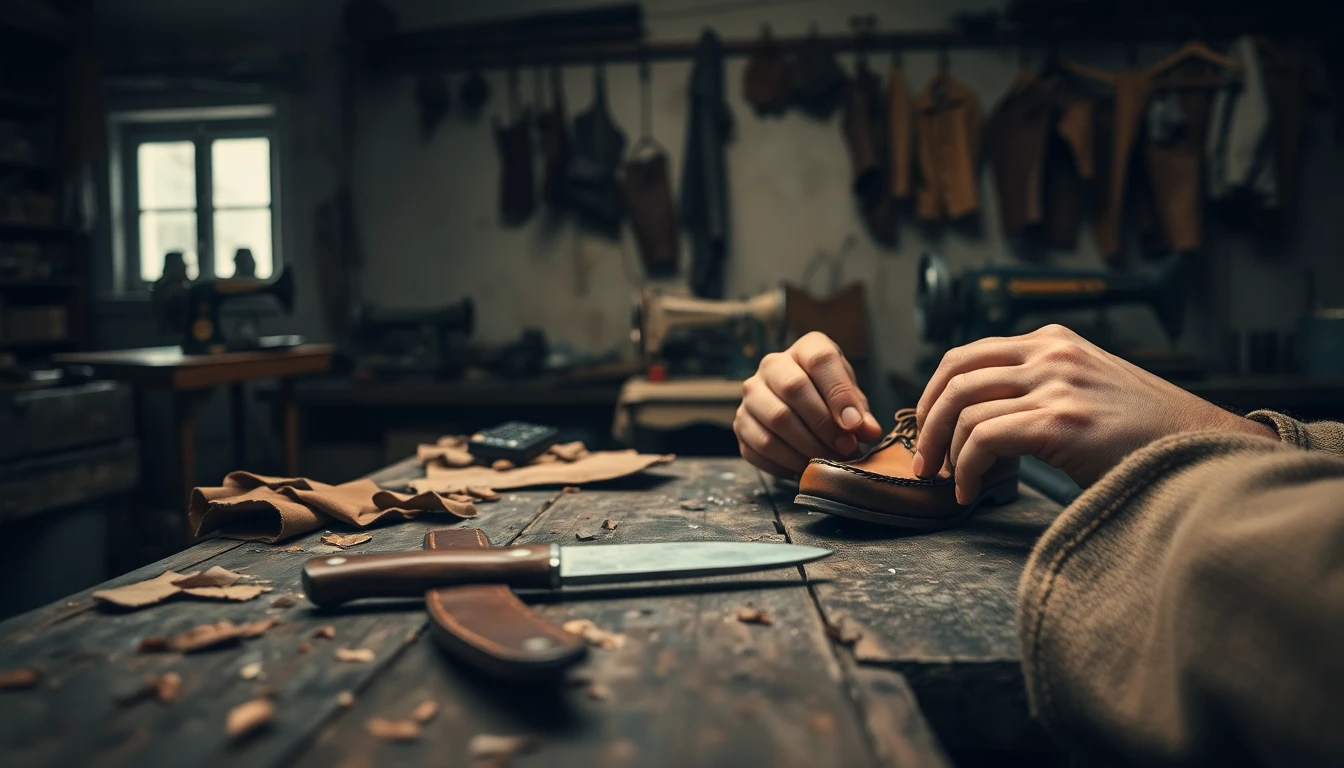
Marcello Danieli left Montebelluna's shoe factories in 1948. His hands were blistered. He carried a leather-cutting knife. He'd made military boots for years during the war. Peace meant new goals. He named his workshop after an old Greek colony called dia doros. This means "through gifts." The Veneto region already made lots of shoes. Danieli did things differently. He said no to mass production. Workers stitched each sole by hand. Each upper got special care.
The Björn Borg Effect
Tennis courts launched Diadora into the spotlight. Björn Borg wore their shoes from 1975 to 1981. He won five Wimbledon titles in a row. Six French Opens too. All those wins came in Diadora's canvas and suede shoes. The Swedish star's support boosted sales across Europe. Then football picked up. Roberto Baggio and Marco van Basten wore Diadora boots during Serie A's best years. The brand's Brasil football boot became a common sight on pitches through the 1990s.
But heritage doesn't pay bills. 2020 revenue fell to €138 million—down from €168 million the year before. Pandemic shutdowns hurt. The company reached About Us$2 million each month by late 2025. Their 3.0-3.5% conversion rate is normal for the industry. 562,700 people visit the website each month. This shows people still care. But 100% first-party sales is a problem. They're not on other platforms. No Amazon backup.
The Handcrafted Persistence
Diadora still makes limited batches in Caerano di San Marco. Their 46 employees work from the same Veneto spot where Danieli began. The Heritage Collection brings back 1970s tennis styles. They use top Italian leather. Prices run higher than Nike or Adidas regular lines. Lower than luxury brands. This middle spot pulls in buyers who want quality over trends. The U.S. market tripled from 2020 to 2021—from €3.2 million to €9.7 million. Growth looks to be 5-10% each year through 2025.
Lotto
Mud-covered football boots tell better stories than any marketing department could. Lotto Sport Italia knew this from day one. The Montebelluna workshop opened in 1973. Same mountain town where Diadora began, but with a different vision. The Caberlotto family founded the brand. They skipped tennis celebrities and Olympic contracts. Football was their target. Serie A players wore those first leather boots within two years.
The Tennis Gamble That Paid Off
Tennis changed everything in 1984. Boris Becker smashed through Wimbledon at seventeen. He wore Lotto's bright green and white kit. Cameras caught every serve. The young German won three Wimbledon titles, two Australian Opens, one US Open—all in Lotto gear. Martina Navratilova joined the roster. Then Andrei Medvedev. The brand's polyester wear gave you 280 g/m² cotton-blend comfort. Plus professional-grade stretch panels. Those color-blocked tracksuits became a 1990s icon on baseline rallies.
Revenue hit €800 million in the late 1990s. You could find Lotto in 110 countries. Then bigger competitors showed up. Market share fell. The company restructured several times. BasicNet S.p.A. took over in 2021. This was the same group that saved Kappa years before. Operations got leaner. The focus went back to heritage football collections and Italian-made limited editions. The Stadio boot came back in 2023. Same 1990 specs, priced at €189. Nostalgia works if quality supports it.
Macron
Bologna needed a football sponsor in 1971. The club turned to Valter Mezzetti and Gianni Mazza. Both men ran a small tailoring shop on Via Emilia. They'd been making custom suits for local businessmen. Athletic wear seemed like a stretch. But Serie A demanded proper kits. The partners took the contract. They named their venture after the French word for a rolled pastry mark—macaron. Dropped the last vowel. Macron sounded sharper. More modern.
From Regional Kits to Continental Contracts
That first Bologna contract led to others. Tottenham Hotspur signed in 2006. A Premier League deal proved the brand worked beyond Italy's borders. By 2011, Celtic wore Macron green and white hoops. The Scottish club brought fans across British and European markets. Stade Français joined for rugby union. Their pink and blue jerseys became cult items in French stadiums. Macron saw what competitors missed: mid-tier clubs wanted quality gear. Just not at Nike prices.
Technical fabrics grew with partnerships. Macron's Desmo fabric technology launched in 2013. The polyester-elastane blend hit 145-165 g/m² weights. Light enough for pro matches. Tough enough for training five days a week. Mesh panels sat under arms and along side seams. This kept temperature steady. Players stayed cooler during second-half runs.
Revenue hit €150 million by 2019. We dressed over 200 professional teams across football, rugby, basketball, and volleyball. Our reach spread to 80 countries. The Cernusco sul Naviglio factory outside Milan handled production. Some items came from Eastern European partners. But design stayed in-house. You can see Italian style in the color mixes and precise cuts.
The Heritage Reissue Strategy
Retro collections appeared in 2021. Bologna 1963-64 championship kit got reissued at €89. Exact wool-cotton blend from the original. Collectors bought them. So did younger fans who never saw that team play. Reading FC's 2006-07 promotion kit came back in 2023. Limited run of 2,000 units. Sold out in four days. Nostalgia pays off with good execution.
Macron faces tough competition from brands with ten times the marketing budget. But Macron's client retention rate sits at 78%. Clubs stick around because we respond faster. Custom designs get approved in weeks, not months. This speed keeps contracts coming back season after season.
EA7 Emporio Armani
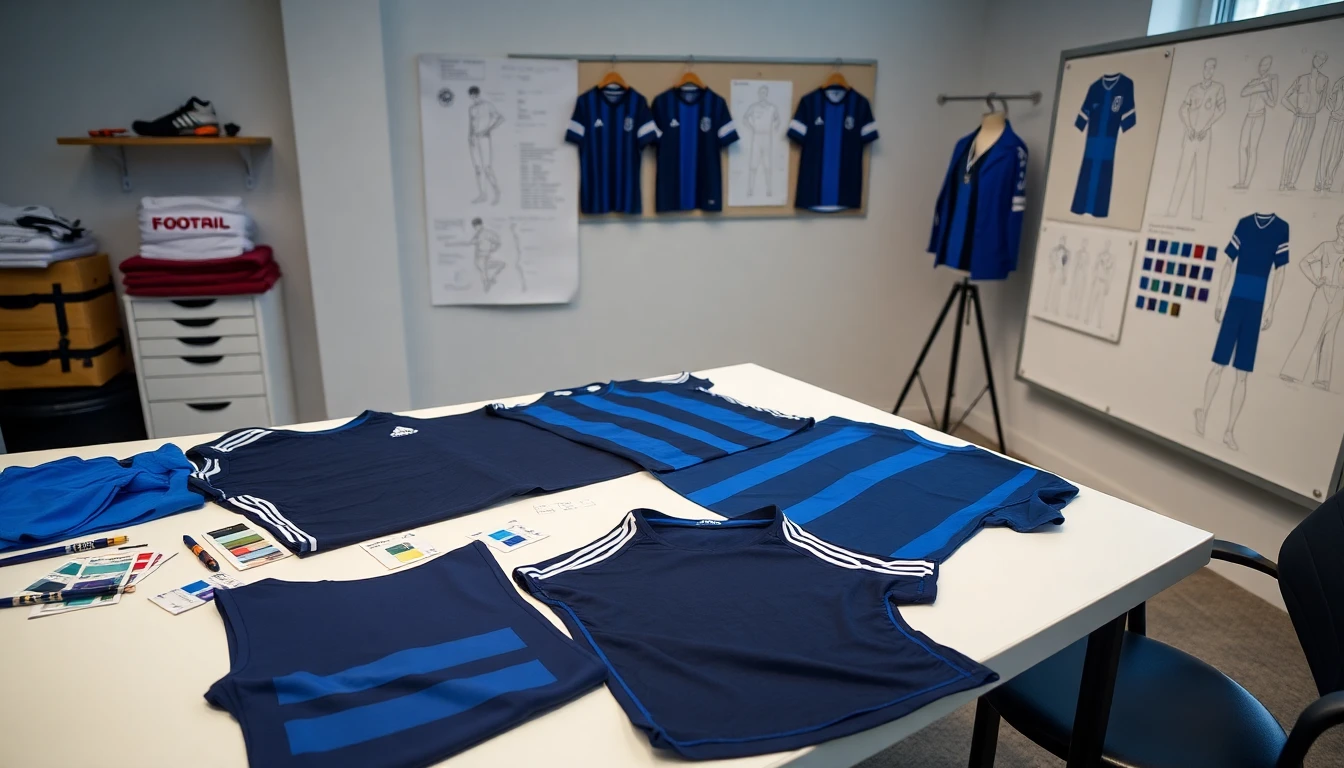
Giorgio Armani launched EA7 in 2004. The name honors his lucky number—seven. Olympic athletes wore these pieces first. Italian national teams needed performance gear that looked good off the field. Armani gave them both. The brand blends Milan fashion with athletic function.
The Olympic Legacy
EA7 dressed Team Italy at the 2006 Turin Winter Olympics. Navy blazers showed the eagle logo—borrowed from Armani's main line. Athletes got technical tracksuits with moisture-wicking polyester blends at 160-180 g/m². Light enough for movement. Polished enough for award ceremonies. The brand came back for London 2012, Rio 2016, Tokyo 2020. Each Games got fresh collections. Tailored fits stayed the same.
Ventus7 fabric technology showed up in 2015. Wind-resistant shells had three-layer laminate construction. Outer polyamide handled weather. Middle membrane stopped moisture. Inner mesh dealt with sweat. Jackets weighed under 280 grams. Skiers and runners both loved them.
Street Credibility Beyond Stadiums
EA7's Train Core collection speaks to gym-goers who want designer touches. Hoodies cost €120-160. Technical tees go for €65-85. More than mass-market sportswear. Less than Armani's mainline prices. The brand makes €300+ million each year. Growth flows from China and Middle Eastern markets. Buyers want logos they recognize. Italian roots. Performance that works outside photo ops.
Sergio Tacchini
White tennis whites belonged to country clubs and tradition. Sergio Tacchini threw color onto Centre Court instead. The seventeen-year-old pro from northern Italy won three Italian national championships before hanging up his racket in 1968. But he'd already started something bigger two years earlier. In 1966, while still competing, he launched his brand. The idea was simple: make tennis clothes that didn't apologize for standing out.
The Color Revolution
Wimbledon's all-white dress code had ruled tennis fashion for decades. Tacchini ignored it. His Young Line tracksuits came in rich greens, vibrant reds, and navy blues. Those chest stripes and sleeve bands became the uniform of champions. Jimmy Connors wore them all the time. Fans couldn't separate the man from the brand. Same with Ilie Năstase from 1972 onward. The Romanian's fiery style matched those bold color blocks.
The numbers tell the story. Tacchini-sponsored players collected 37 Grand Slam titles across four decades. John McEnroe, Vitas Gerulaitis, Martina Navratilova, Pete Sampras—the roster read like a tennis hall of fame. Novak Djokovic joined in 2009. By 2011, he'd won the Australian Open, Wimbledon, and US Open wearing that logo. Five Masters 1000 titles too. Year-end world number one.
The 1970s and 1980s were golden years. "Tennis" and "Sergio Tacchini" became the same thing. The Italian elegance showed in tailored fits. Performance met leisure. You could walk from courts to streets without changing clothes.
Fila
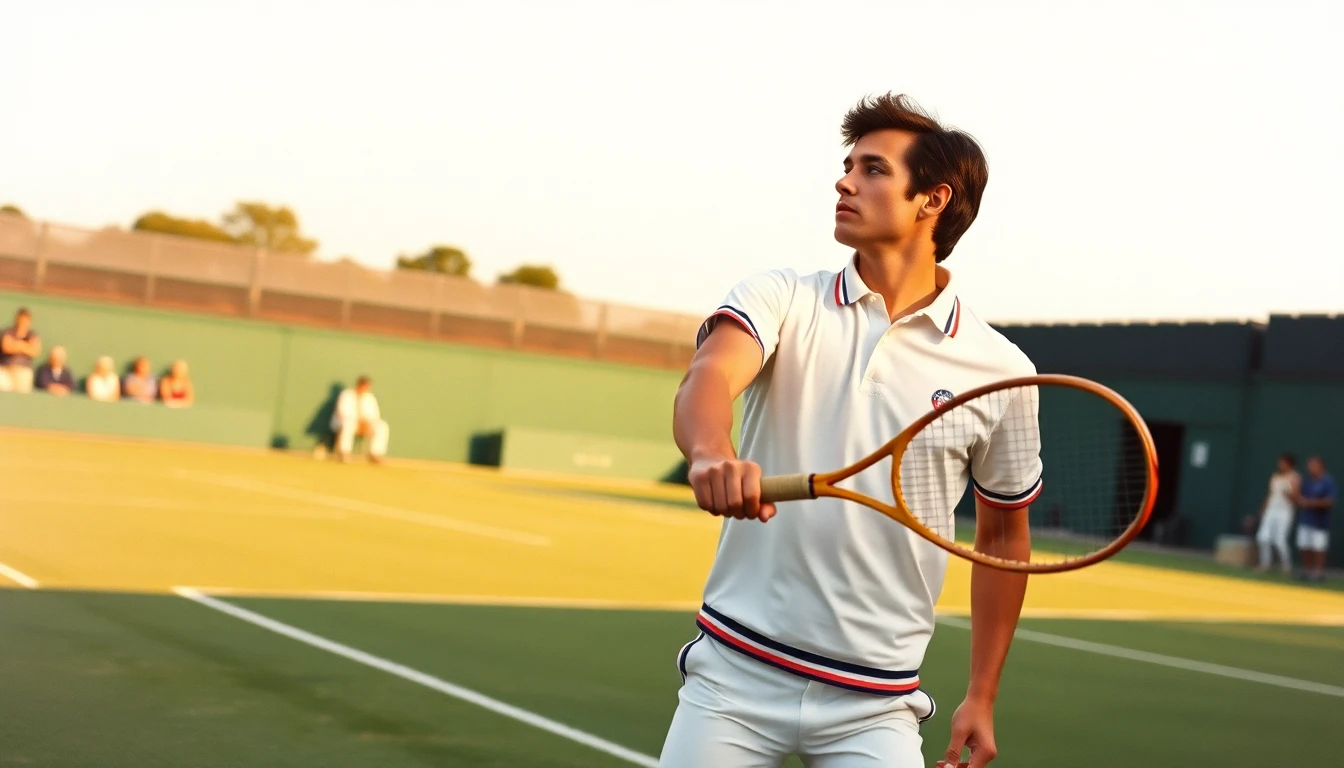
The Fila brothers never planned to dress tennis champions. Their 1911 Biella workshop made luxury underwear and knitwear for Italy's upper classes. Fine merino wool. Hand-finished seams. Wealthy Piedmontese wore these garments beneath tailored suits. Sixty years passed. Then those same tailoring instincts reached the tennis court. Björn Borg changed everything in the 1970s. The Swedish star wore Fila's crisp white polos with navy and red trim. Five straight Wimbledon titles followed. The brand's clean lines and bold colors became linked to his baseline play.
The Red-White-Blue DNA
Fila's signature colors came from smart restraint. Red (Pantone 185C), navy blue (289C), and white created high contrast. No shouting needed. That squared "F" logo—red block, blue border—sat on chest panels and sleeve stripes. The script wordmark flowed beneath. You could spot it across stadiums. Tennis whites had ruled for generations. Fila added color without losing class. Their 1970s tennis dresses and polo shirts mixed Italian tailoring with athletic function. Fabrics stayed light at 140-160 g/m². Cuts allowed movement. Collars kept their shape through five-set matches.
Asian Production, Italian Image
Brand ownership split across decades. Korean and Asian licensees took over making and distributing products by the 1990s. Production moved to China, Vietnam, India, and Southeast Asian factories. These facilities made mass-market sneakers and tracksuits. Italy kept design direction and heritage storytelling. The gap between "Made in Italy" image and "Made in Asia" reality grew wide.
Disruptor sneakers launched the streetwear comeback in 2017. Those chunky soles and big proportions hit fashion weeks first. Gyms came later. Prices sat at €80-120—cheaper than luxury, pricier than pure sportswear. The Mindblower and Original Tennis lines followed. Each pulled from 1980s archives. Each sold better as a lifestyle piece than a performance tool.
Fila's tennis roots still show in functional polos, pleated skirts, and moisture-wicking shorts. But 80-90s retro tracksuits, oversized hoodies, and logo-heavy joggers drive sales now. Streetwear platforms and boutique collaborations replaced tournament sponsorships. The Biella roots stay in marketing. The supply chain tells a different story.
Stone Island
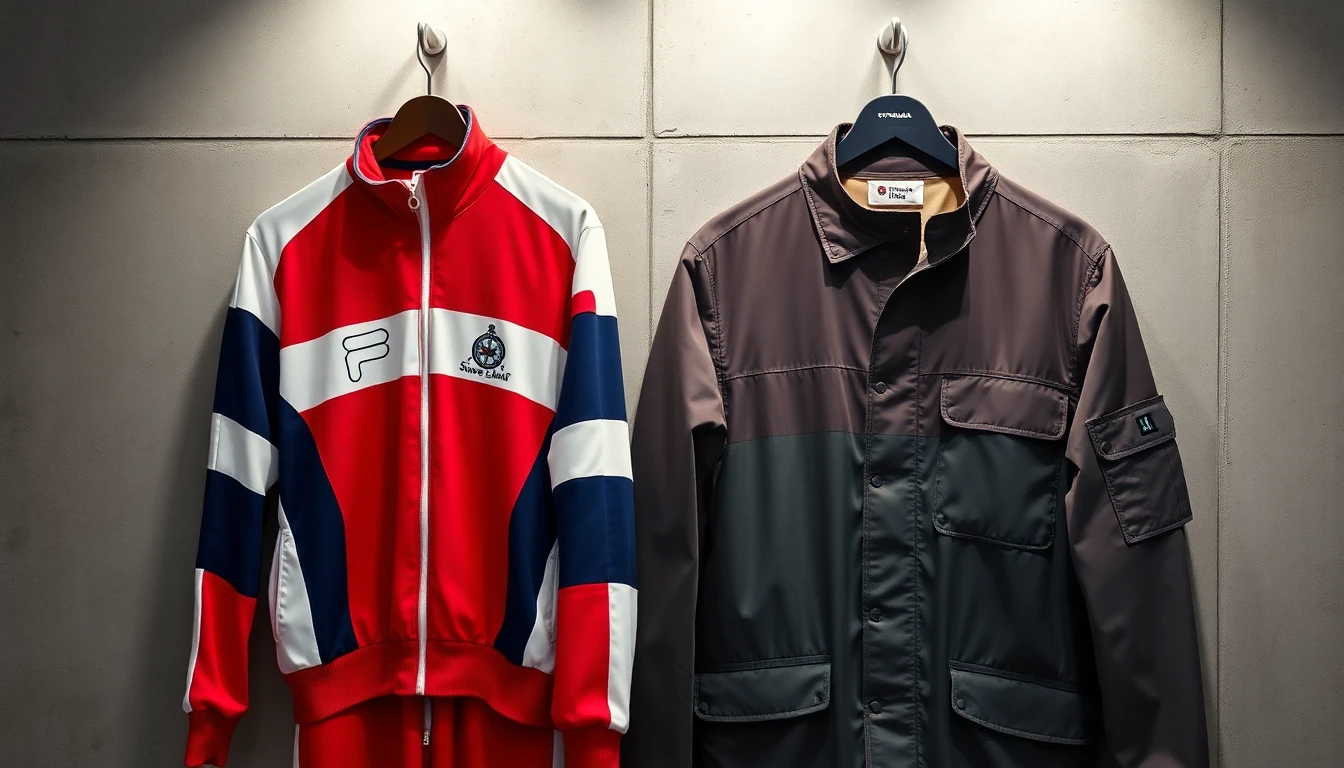
Carlo Rivetti didn't invent sportswear. He changed what fabric could do. The Ravarino company his family owned had made workwear since 1951. Tough gear for dock workers and construction crews. Then 1982 arrived. Massimo Osti walked into their factory with a bold idea. He was a graphic designer who became a garment engineer. He wanted to dye finished jackets instead of raw fabric. The process created unexpected color shifts across seams and panels. Each piece looked different. Military surplus met lab experiment. Stone Island was born.
The Fabric Laboratory Approach
Osti's compass badge became the brand's symbol. But the real mark lived in the materials. Mussola Gommata-TC was rubberized cotton that felt like second skin. Metal Mesh PVD got treated with nanotechnology vapors. The cloth looked like chainmail. These weren't marketing tricks. Each innovation came from Osti's drive to transform industrial processes into wearable garments. The Ghost Collection pushed minimalism further. Pieces arrived with reflective treatments that appeared under direct light. Invisible until needed.
Moncler Group acquired the brand. It generated €401 million in 2024. Yet 2025's first half saw €186.7 million—down 1% from the year before. Q2 rebounded with 6% growth. The wholesale channel dropped 19% in Q1. The company trimmed distribution. Direct-to-consumer sales stayed strong. Luxury streetwear has heavy competition. The global market should hit $257.67 billion by 2030. Stone Island owns the technical corner. Function matters more than hype here. Dyed garment jackets cost €500-900. The fabric engineering backs up the price.
Gucci
Guccio Gucci opened a leather goods shop in Florence in 1921. Before that, he worked at London's Savoy Hotel. He made his name creating luggage for wealthy travelers. Horse riding equipment shaped his first designs. The horsebit symbol came from saddle straps. The web stripe used racing colors—green and red. Those symbols have lasted a century. You'll find them on every product line today.
Luxury Tracksuit Culture
The brand hit €10.49 billion revenue in 2022. Leather goods made up 52% of that. Footwear took 21%. Ready-to-wear brought in 15%. Those last two categories—36% combined—drive the sportswear direction. You'll find sporty pieces in both sections. Sneakers make up most of the footwear sales. Logo tracksuits and hoodies fill the clothing racks. This isn't gear for athletes. It's athleisure with double-G monograms.
Sales fell hard in recent months. 2025's first half brought €3.0 billion—down 26% from the year before. Operating profit margin dropped to 16.0%. The luxury market slowed down. Shoppers held back. Still, Gucci kept making €890 zip-up jackets with web-striped sleeves. They designed €650 jogging pants with all-over GG jacquard. Technical nylon took over from basic cotton. Wool blends appeared in hoodies. The shapes stayed sporty. The fabrics stayed premium. Each tracksuit set blends 70s Italian sportswear cuts with modern street style. Chunky sneakers feature leather panels and mesh inserts. Prices start at €590. Limited collaborations go past €850.
Armani (main brand, beyond EA7)
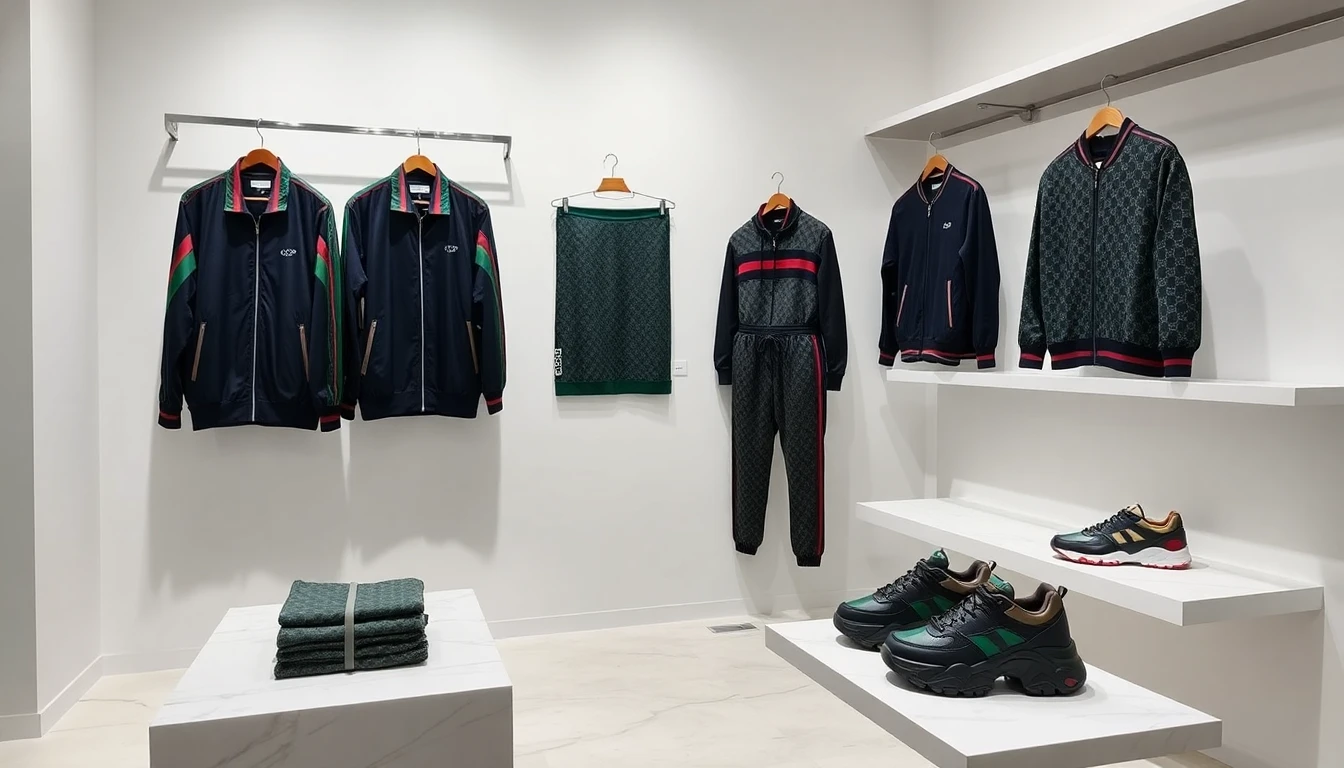
Giorgio Armani never chased athletes. He dressed power brokers, film stars, CEOs who needed suits that moved like second skin. His approach—soft tailoring, fluid drape, zero fuss—went beyond boardrooms. The fashion world decided comfort wasn't the enemy of elegance. The Giorgio Armani main line, Emporio Armani, and A|X Armani Exchange don't make training gear. They make clothes for people who want to look athletic without breaking a sweat.
The Suit That Moves
The main Giorgio Armani collection holds formal wear. But each season brings sport-inspired pieces that blur the lines. Stretch-wool blazers with elastic panels. Nylon windbreakers cut like trench coats. Drawstring trousers that look tailored until you notice the cuffs. These aren't workout clothes. They're urban armor for business travelers. You move fast through airports, meetings, dinners—all without changing.
The soft tailoring approach defines every piece. No rigid shoulder pads. No stiff linings. Just tech-nylon shells, stretch-cotton knits, blended wools that give when you bend. Armani's sport touches show up in zip closures, ribbed cuffs, hooded jackets. But the silhouette stays refined. Deep navy, charcoal, black dominate the palette. A flash of slate blue or forest green appears, then disappears. The eagle logo sits small. Quiet. You either know or you don't.
Emporio's Street Edge
Emporio Armani carries the brand's athleisure push. Logo hoodies, jogger pants, nylon track jackets, technical sneakers live here. The line targets buyers who want Italian design credibility. Plus casual gym-to-street flexibility. Fabrics include lightweight nylon, moisture-managing jersey, elastic cotton blends. Comfortable, easy-care, good for travel. But don't expect performance specs. No breathability ratings. No DWR coating guarantees. Just clean lines and that embroidered eagle chest badge.
The A|X Armani Exchange tier drops prices and raises logos. Graphic tees, oversized sweatshirts, mesh-panel sneakers, baseball caps. All aimed at younger shoppers chasing accessible luxury. The sport influence shows strongest here. Bold branding replaces subtlety. But the DNA stays Armani. Streamlined cuts, muted tones with strategic color pops, Italian manufacturing heritage. (Even if production happens elsewhere.)
The Business Reality
The Armani Group hit €2.3 billion revenue in 2024—down 5% from the prior year. EBITDA fell 24% to €398 million. Pre-tax profit dropped 66% to €74.5 million. Europe still drives 49% of income. Asia-Pacific brings 19%. The armani.com e-commerce channel grew 35-40%. It reached $146 million GMV. That platform runs 100% first-party, 100% fashion-focused. The 2.5-3.0% conversion rate matches luxury norms. 2025 growth projections sit at 5-10%. Modest but steady.
Investment doubled in 2024 to €332 million. The brand poured money into store renovations and digital infrastructure. Physical retail still matters in luxury. But online sales keep climbing. Younger buyers discover Armani through Instagram, resale platforms, and fashion archives. The group doesn't chase hype drops each quarter. It builds with patience. With precision. Like a master tailor measuring twice, cutting once.