Table of Contents
Lululemon
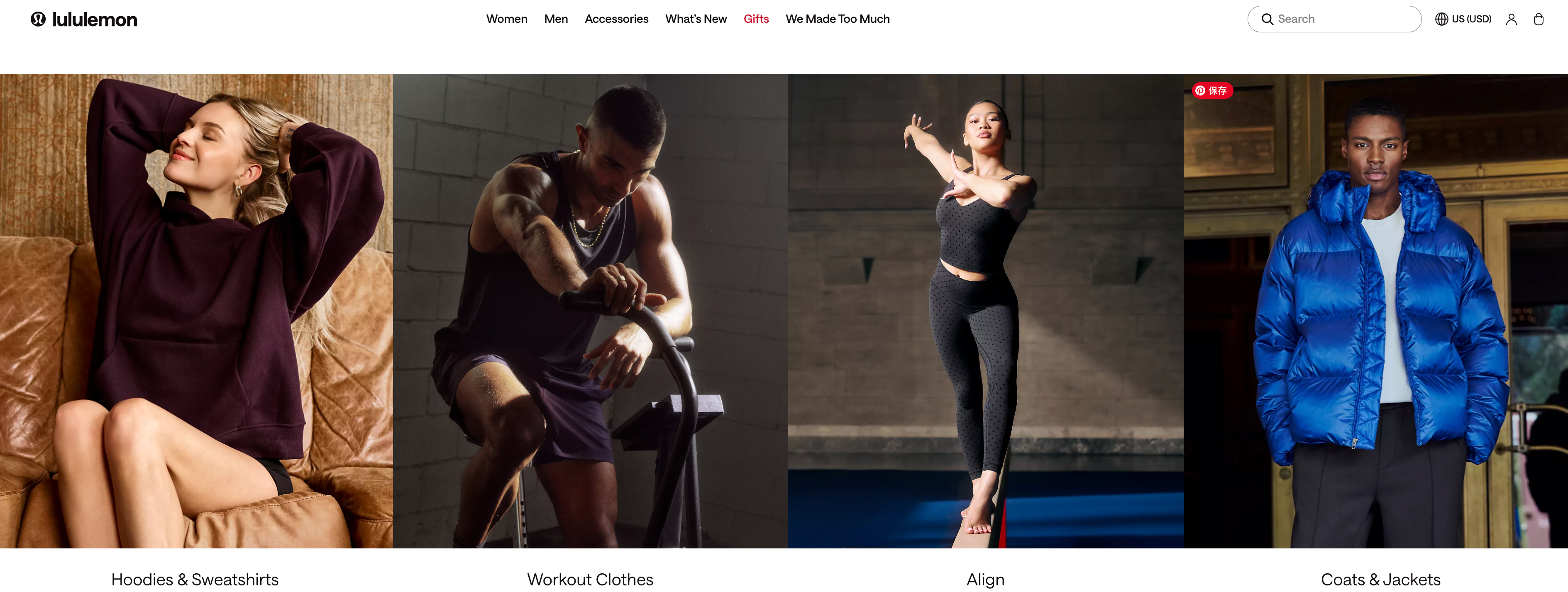
Lululemon built an empire on $98 yoga pants and cult-like customer devotion. The Vancouver-based brand changed athletic wear into a lifestyle statement. Technical fabrics became must-have items. Their Align leggings set the standard—buttery-soft, squat-proof, and worth every penny to millions of women worldwide. If you're looking to source similar yoga apparel for your retail business, understanding the premium fabric technology is essential.
But 2025 shows a different picture. The stock has dropped 57% while the broader market climbed 13%. Revenue growth slowed from a strong 30% in 2022 to a projected 4-6% for 2025. What happened?
The Numbers Don't Lie
The company's bold "Power of Three x2" plan aimed to double revenue from $6.3 billion to $12.5 billion by fiscal 2026. Wall Street isn't buying it—analysts predict just $11.5 billion. Quality isn't the problem. Everything else is.
North American women's apparel sales have stalled. This is Lululemon's core business. Comparable sales growth dropped from 16% in 2022 to just 1% in recent quarters. The brand once commanded premium prices. Now it relies on markdowns to move inventory. Those impressive 58%+ gross margins? They're shrinking.
Key Challenges:
- More competition: Athleta, Alo Yoga, and Outdoor Voices chip away at market share
- Pricing pressure: $98 leggings feel steep as inflation pinches wallets
- Leadership gaps: Chief Product Officer Sun Choe left in May 2024. That removed a key creative force.
- Economic headwinds: Tariffs and input costs squeeze profits
The Silver Lining
Lululemon trades at 12x forward earnings. That's a big discount to its historical premium. The brand still dominates premium activewear with better fabric technology and devoted customers. Men's and international segments show promise. But not enough to fix domestic weakness.
For shoppers, this means one thing: Lululemon remains the benchmark for high-performance workout gear. Wall Street may doubt the stock, but the quality stays consistent.
Alo Yoga
The numbers tell the story better than any marketing could. Alo Yoga delivered 276% revenue growth between Q3 2021 and Q3 2024. Lululemon managed just 14% in the same period. This Los Angeles brand entered the premium activewear market and changed how the game is played.
Co-founders Danny Harris and Marco DeGeorge built something special. They started with their 1992 company, Color Image Apparel. By 2022, Alo Yoga crossed the $1 billion annual revenue mark. The 2025 valuation hit $10 billion. Each founder's net worth now sits around $4.7 billion.
The Revenue Machine
April 2025 brought in $312 million in a single month. The last six months of 2025 generated $1.6 billion in e-commerce sales alone. Online channels drive about 65% of total revenue. That's a big bet on digital-first strategy. And it's working.
The product range covers 2,500+ items with 12,000+ SKUs. Seventeen million units sold in just six months. Those aren't vanity metrics. They show real market strength in high-performance athletic wear and yoga pants brands.
What Sets Them Apart:
- Alo Moves platform: 300,000+ subscribers paying $20 each month for fitness content
- Social media firepower: 3.5 million Instagram followers, 1.2 million on TikTok
- Design philosophy: Sleek cuts in neutral tones—no loud logos
- Direct-to-consumer model: Full control over brand experience
The brand won over Lululemon's core audience. But it didn't copy the formula. Moisture-wicking workout clothes and compression leggings look great on Instagram. Influencer marketing drives growth. Product quality keeps customers coming back.
One dark spot: An August 2025 age discrimination lawsuit from a former instructor raises questions. The lawsuit challenges workplace culture. Wall Street will watch how management handles this.
Nike
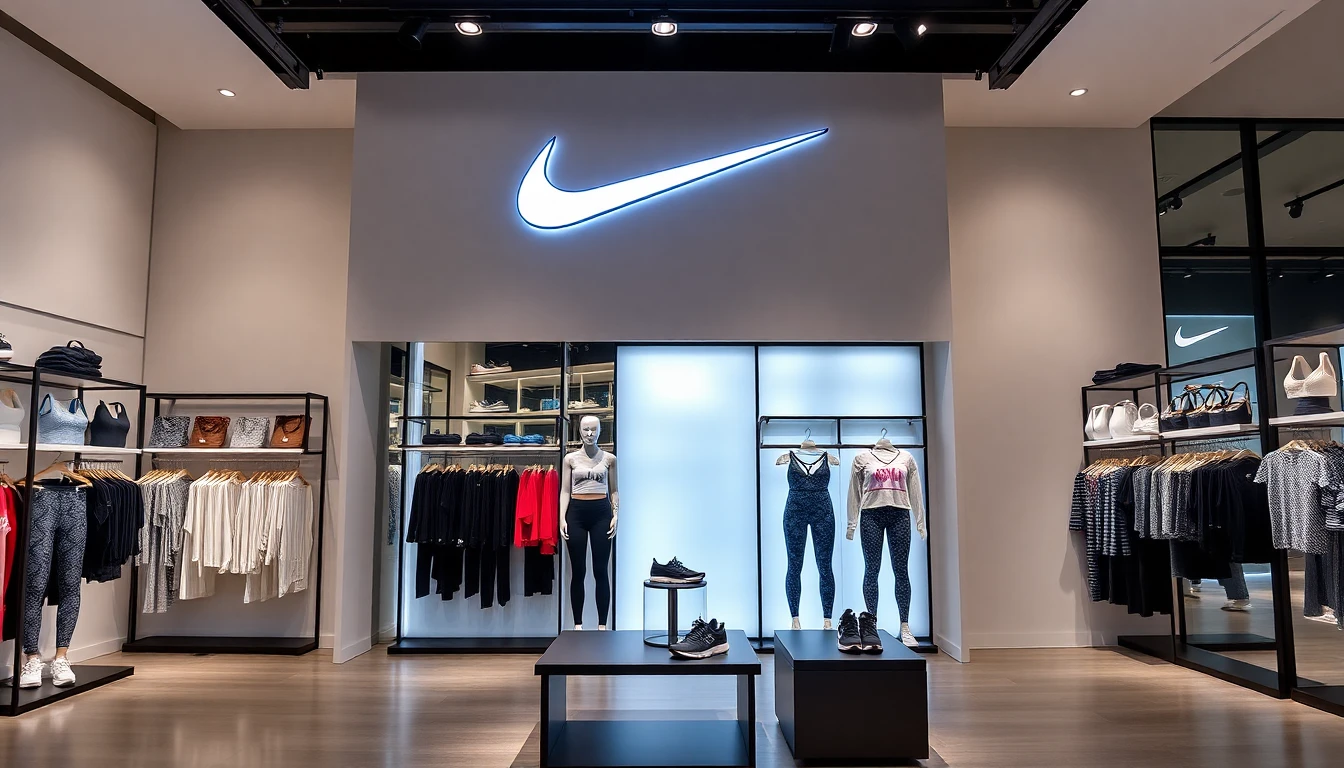
The Swoosh doesn't just sell shoes. It controls a $464.4 billion global empire. Women's activewear drives serious revenue here. Nike Women's division pulled in $89-90 billion in fiscal 2025. That beats most standalone apparel companies' total operations.
Blue Ribbon Sports started in 1964. Nike grew from a Japanese shoe distributor into the world's largest athletic brand. The apparel division grew alongside footwear. Basic running shorts came first in the 1980s. Then women's training gear expanded during the aerobics boom of the late 1980s and 1990s. For retailers looking to partner with reliable gym clothing manufacturers, Nike's supply chain model offers valuable insights.
The Technology Behind the Performance
Dri-FIT technology changed everything for moisture-wicking workout clothes. Polyester microfiber construction pulls sweat away from skin. It pushes moisture to the fabric's outer surface. There, it evaporates fast. Nike uses this across thousands of products—running tops, compression leggings, training shorts, and select sports bras for women.
Dri-FIT ADV takes it further. You get better breathability through mesh panels and laser-perforated zones. These target high-heat areas: underarms, lower back, behind knees. This engineering shines during high-intensity intervals or summer outdoor runs. If you're interested in running apparel manufacturing, understanding these fabric technologies is crucial.
Fabric composition blends 75-90% polyester with 10-25% elastane. This gives you stretch and recovery. Wide waistbands, flatlock seams, and bonded hems stop chafing. Technical design meets sleek looks.
Key Strengths:
- Scale advantage: $196 billion in U.S. revenue alone (fiscal 2025)
- Innovation pipeline: Continuous fabric and fit improvements
- Category breadth: Running, training, yoga, basketball, lifestyle—all covered
- Accessible pricing: $40-$120 range hits multiple market segments
Revenue dropped 10% year-over-year. This signals market saturation and fierce competition. Nike's R&D budget and global distribution network keep it at the top of high-performance athletic wear rankings.
Athleta
Gap Inc. paid $150 million for Athleta in 2008. The Petaluma, California brand had built a strong spot in women's performance wear since 1998. The parent company saw potential for a $2 billion revenue powerhouse. Things turned out different.
The brand hit $1 billion in annual sales by fiscal 2020. Growth stopped hard after that. Fiscal 2024 revenue dropped to $396 million—down 5% year-over-year. The slide kept going through 2025. Q2 brought $300 million (down 11%). Q3 posted $257 million (another 11% drop). Store sales fell at the same rate.
Gap Inc. calls Athleta a "purpose-led" brand. That means something real here. The company earned B Corporation certification—rare among major athletic brands. This badge requires proven social and green performance standards. Not just marketing talk. Third-party groups check these promises.
The Sustainability Angle
Sustainable fitness apparel sits at Athleta's core. The fabric choices show this: recycled polyester, lower-impact nylon, organic cotton blends. The brand works to cut water use and manage chemicals in production. Factories get checked often. These aren't extras. They're built into how products get made.
Gap Inc. talks about a "reinvigoration playbook" in earnings calls. This tackles clear problems. Revenue goals missed by big gaps show poor execution. Questions about product fit remain despite good green records.
Product Strengths:
- Leggings: High-stretch fabrics mix compression with all-day comfort—yoga pants brands use these as quality benchmarks
- Sports bras for women: Support ranges from light (yoga) to high-impact (running)
- Moisture-wicking tops: Soft fabrics that work during training
- Versatile shorts: Move from training to casual wear
The "comfort + performance" spot puts Athleta between premium tech brands and cheap activewear. Fabrics feel softer than Nike's Dri-FIT. Prices sit below Lululemon's premium level. Gym clothing essentials carry real green credentials—not fake claims.
But falling sales show the truth. Purpose-driven stories need fresh products and clearer positioning. The numbers prove it.
Under Armour
Baltimore's athletic giant hits some bumps. $5.16 billion in fiscal 2025 revenue looks solid. But check the 9.4% drop from last year. Under Armour beat Q2 earnings forecasts—$0.04 per share versus the expected $0.02. Wall Street didn't care. Shares fell 4.65% before markets opened.
The numbers tell a mixed story. Gross margins hit 47.3%, down 250 basis points. North American sales dropped 8% in Q2. Footwear crashed 16% as the brand fixes its shoe strategy. But conversion rates climb. Customers buy more items per visit. Factory stores sell full-price products better than expected.
The Restructuring Reality
$147 million in restructuring charges tells the real story. Cash expenses ate $82 million. Non-cash charges took another $65 million. Management raised fiscal 2026 operating income guidance to $95-110 million. The rebuild targets wholesale relationships and product quality.
Current Performance Splits:
- Apparel: Down just 1%—training and sportswear grow while running, outdoor, and golf slow down
- Footwear: Down 16%—the weakest area needs fixes
- E-commerce: Down 8%—fewer discounts in key markets
- EMEA region: Up 12%—the bright spot that offsets weak U.S. sales
Compression leggings and moisture-wicking workout clothes stay strong in women's training lines. Sports bras for women deliver solid sales. The brand built its name on high-performance athletic wear that handles serious sweat. That core strength remains. Prices sit between mid-range and premium—$50-$100 for most gym clothing essentials. Not cheap. Not Lululemon expensive either.
The turnaround runs into 2026. Numbers show discipline. They need steady execution.
Vuori
Joe Kudla left his CPA desk for yoga mats. He built a $5.5 billion brand. The accountant-turned-founder started Vuori in California around 2014. He saw a gap in the market. People needed athletic wear that works at the gym and the coffee shop. No loud logos. No tight, performance-focused fits. Just quality athletic wear that feels soft.
By 2017, the brand made $7 million in revenue. Then growth took off. The company grew 140-200% each year for several years. Women's clothes launched in 2018. Today they make up 50% of total sales—a big shift for a brand that started with men's surf gear.
The Numbers Behind the Calm
August 2024 brought $825 million in funding. General Atlantic and Stripes led the round. Vuori's value hit $5-5.5 billion. This puts Vuori next to Lululemon and Alo Yoga in the premium tier.
2024 e-commerce revenue reached $259 million through vuoriclothing.com. Growth slowed to 15-20%. Still solid as more brands crowd the athleisure market. November 2025 alone brought $30 million online. That's up 15-20% from the month before. The brand runs 85 stores now. They're targeting 100+ locations by end of 2025. This includes 7 international shops.
Business Model Strengths:
- 100% direct-to-consumer: No wholesale partners. Full control over margins.
- Profitable since 2017: Rare for VC-backed clothing brands.
- Target customers: Households earning $250,000-$500,000 bring in 24% of revenue. 6.13% penetration among $500,000+ earners.
- Team size: 1,800 employees support growth.
The Comfort-First Formula
DreamKnit fabric is what makes Vuori different. This special blend mixes recycled polyester with elastane. You get four-way stretch. Plus moisture control. And it resists pilling. The material feels softer than Nike's Dri-FIT. It's less tight than Lululemon's Nulu.
The Meta Pant shows their design thinking. They launched these pants in late 2019. They work for your commute, meetings, and light workouts. Slim but not tight. Stretchy but structured. No athletic branding that screams "gym clothes." Breathable workout fabric meets everyday wear.
Product highlights for women:
- Leggings: High-rise, ankle-length, minimal seams. A strong choice among yoga pants brands.
- Sports bras: Light to medium support, wireless comfort.
- Tops: Flowy cuts in soft colors, moisture control built in.
- Eco-friendly materials: Recycled polyester and organic cotton in 60%+ of products.
Most gym clothes cost $68-$128. This sits between mid-tier brands like Athleta and premium ones like Lululemon. Vuori aims at customers who want comfort more than extreme performance.
Gymshark

Ben Francis started with a sewing machine in his parents' garage. He was nineteen. The year was 2012. By 2020, that garage project hit unicorn status at £1 billion valuation ($1.45 billion). No venture capital for the first eight years. No retail partnerships. Ever. Just a kid who understood gym culture and Instagram better than legacy brands. Entrepreneurs looking to launch their own fitness brand can learn from Gymshark's journey by working with BeRunWear for custom manufacturing.
The numbers show a company facing tough challenges. FY2024 revenue reached £607.3 million—the first time past the £600 million mark. But look closer. Online store sales dropped 10-20% to $636.7 million in 2024. Net profit margins tell a harder story: 1.8% in FY2023, down from 9.5% in FY2020. Growth costs money.
The Social Media Engine
8.9 million website visits in February 2025. Conversion rates sit at 3.00-3.50%—double the industry standard of 1.5-2%. Average order value hits $150-$175. These aren't accidents. Gymshark keeps a strong Instagram and TikTok presence. That's what drives these results.
The product range focuses on athletic wear that photographs well. Seamless leggings with contouring panels. Sports bras for women in dozens of colorways. Workout clothes in body-hugging cuts that wick away moisture. Everything serves the algorithm and the mirror.
Geographic Performance (FY2024):
- United States: £250.4 million (9.7% growth)
- United Kingdom: £111.7 million (25.6% growth)
- Europe: £129.4 million (16.1% growth)
Gross margins improved to 63% in FY2024 from 60% the year before. Unit sales climbed 13.6%. The brand knows how to move product. They just need to protect profits while scaling.
Sweaty Betty
Tamara and Simon Hill-Norton founded Sweaty Betty in 1998. The London brand made it through twenty-seven years of market changes. Wolverine Worldwide bought it in August 2021 for an undisclosed sum. The parent company runs Hush Puppies, Chaco, and Merrell. The deal gave Sweaty Betty more resources. It also created pressure to deliver results.
The numbers tell the comeback story. Pre-tax profit hit £1.5 million in the latest fiscal year. Compare that to a £13.4 million loss in 2023. Operating profit reached £3.57 million against an £11 million loss the year before. EBITDA climbed to £7.48 million from a £4.52 million loss. This marks the first profit since 2021.
The Revenue Reality
Total turnover dropped to £140.4 million from £144.2 million. But gross profit rose to £74.5 million from £71.3 million. Lower sales but better margins—that's smarter operations at work. The UK accounts for £111 million. US revenue fell to £9.3 million from £13.5 million. Rest of world jumped to £19.9 million from £14.2 million.
Online sales paint a different picture. The webstore pulled $88 million in 2024—up over 50% from 2023. October 2025 alone brought $6.9 million. Desktop drives 60% of sales. Mobile takes 40%. Average order value sits at $125-150. Conversion rates hit 2.50-3.00%.
The brand cut 87 jobs. Headcount dropped from 990 to 903 employees. Chicago and Washington DC got new stores in 2024. The brand focused on targeted growth, not wide expansion. Yoga pants brands and sports bras for women remain core products. Breathable workout fabric in gym clothing essentials keeps customers coming back.
Girlfriend Collective
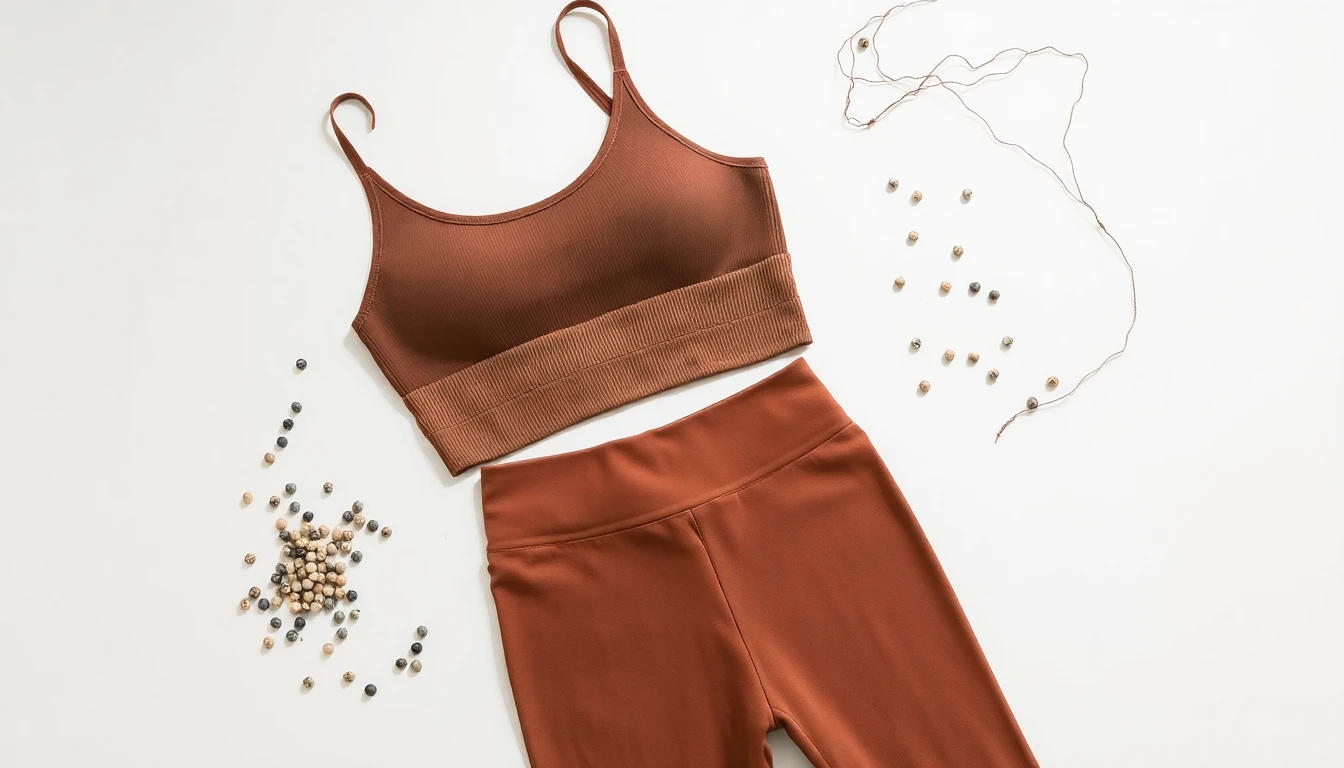
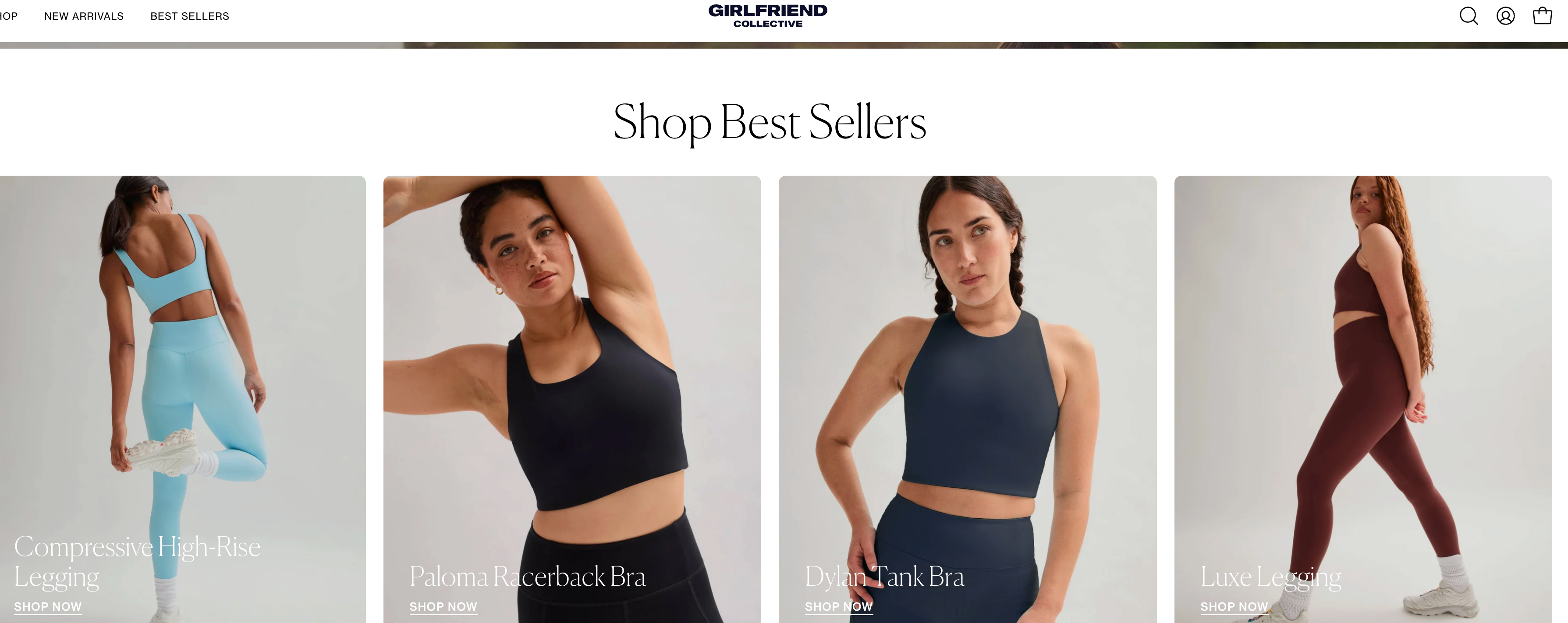
Recycled water bottles become high-waisted leggings. Fishing nets transform into sports bras. Quang and Ellie Dinh turned waste into $33 million in annual sales. This Seattle couple started Girlfriend Collective around 2016-2017. They built something rare: a profitable sustainable fitness apparel brand. Performance? It doesn't take a backseat.
The girlfriend.com store pulled $3.3 million in November 2025 alone. That's up 15-20% from October. Desktop drives 79% of revenue. Mobile takes 21%. The conversion rate hits 3.0-3.5%. That's solid for direct-to-consumer fashion. Average order value sits at $100-125.
The Recycled Materials Reality
Every fabric starts as post-consumer waste. Water bottles become LITE fabric. You get breathable material with four-way stretch. Fishing nets turn into FLOAT. This one's compressive and pulls moisture away. The brand shows you the factories. They name the recycling partners. Nothing hidden about the chain. This openness builds trust with buyers who want sustainable fitness apparel.
Product Strengths:
- Compressive Leggings: High-waisted, squat-proof, made from 79% recycled polyester
- Sports bras: Wire-free support from recycled materials, sizes XS-6XL
- Size inclusivity: Extended sizing covers many body types—rare in athletic wear
- Color range: Rich jewel tones and neutrals, all using better-for-earth dyes
Gym clothing essentials cost $68-78 for leggings and $38-48 for sports bras. Prices match Athleta's range. But you get stronger green credentials. The brand sells 100% direct-to-consumer. No wholesale means the message stays clear. Margins stay strong too.
Growth flatlined in 2024. Revenue stayed flat compared to 2023. The last three months of 2025 dropped 13% versus the prior quarter. Bigger brands now add recycled materials. Competition heats up. But Girlfriend Collective's commitment goes deeper than marketing talk.
Madewell
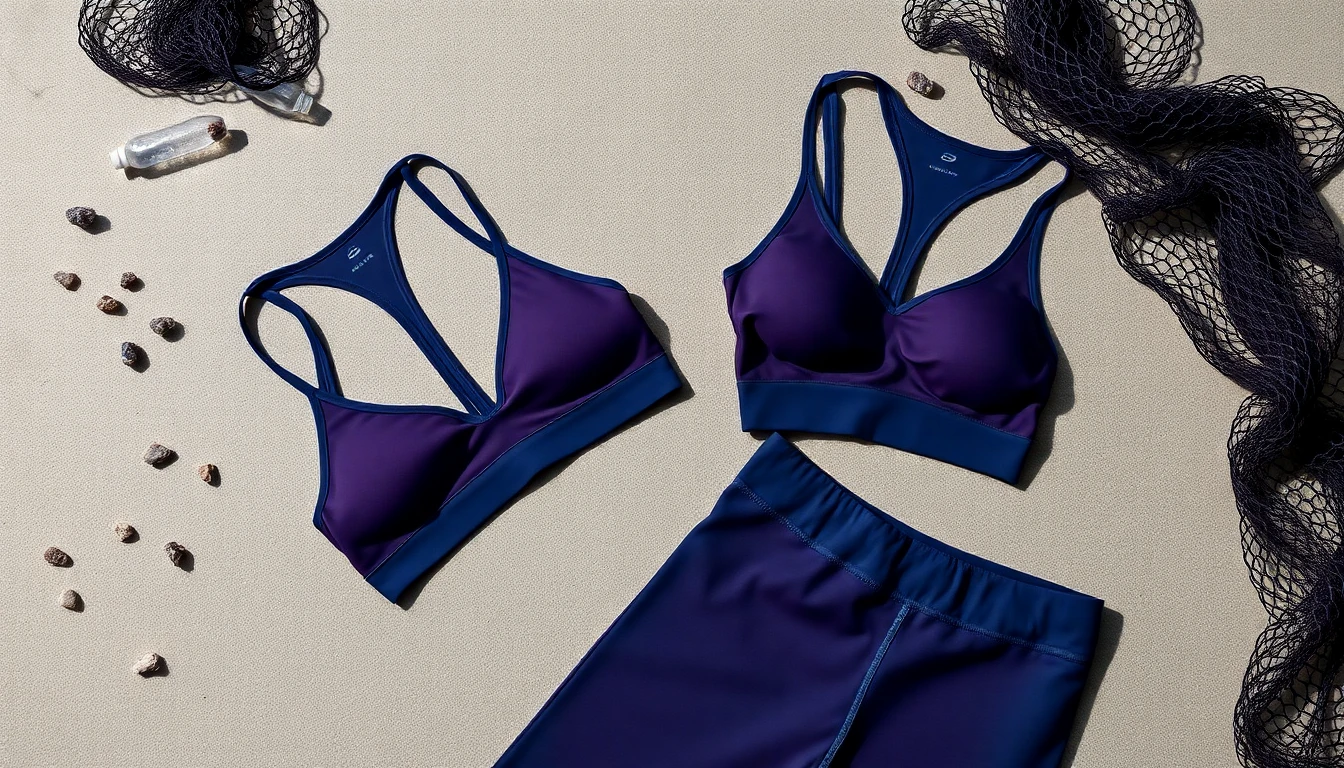
J.Crew Group brought Madewell back in 2006 as a denim specialist. The New York brand took a different path than pure athletic brands. They built fans around quality jeans, tough construction, and clean looks. Now they sell lifestyle activewear too. Comfort meets everyday wear.
The numbers are big. $864.3 million in annual revenue across 2,152 employees. They run a specialty apparel shop focused on women's and men's clothing. Denim is still the star. Tops, dresses, blazers, and bags round out the rest.
The Sustainability Commitment
Madewell Forever started as a denim resale program. It grew to include sweaters, tops, jackets, dresses, shorts, and bags. The brand makes clothes that last. These pieces have second-life value. You're not buying throwaway fast fashion.
Product Strengths:
- Stretch denim: Four-way stretch plus durability. You get yoga pants level comfort in jeans.
- Knit tops & dresses: Ribbed half-zip sweater dresses work for errands. They move with you.
- Breathable fabrics: Soft layers that let you move freely. Great for casual activity.
- Multiple fits: Skinny, straight, wide-leg, curvy cuts. Different rises too.
Select jeans drop to $75+ during sales. Regular prices run higher. Madewell sits in the premium mid-tier. Above mass brands, below luxury. They give women gym clothing basics with stretch and comfort. No loud athletic logos.