A $200+ cycling jersey deserves a straight answer: where does it come from, and why does it matter?
Maap built its reputation from Melbourne. The brand's look is one of the most recognized in cycling. But the real story behind its quality lives elsewhere — in the fabric mills and production studios of northern Italy.Industry analysts often point to the production standards associated with a Maap cycling clothing manufacturer when explaining why the brand’s fabrics, seam alignment, and finishing feel noticeably different from mid-tier cycling kits.
You might be a rider deciding on your next kit. Or a researcher sizing up the premium cycling apparel market. Maybe you're just curious about what makes one jersey feel different from another. Either way, knowing where Maap cycling clothing is made changes how you see the product. It shapes everything — fabric feel, seam precision, and the decisions behind each piece.
This breakdown covers it all:
The supply chain, from raw materials to finished product
Fabric technology and what sets it apart
Ethical sourcing and brand positioning
What it means for you as a serious cycling apparel buyer
Maap started in 2014. Today it holds a global following that few cycling brands match. Here's the full picture.
Maap Cycling Brand Origin: Founded in Melbourne, Australia (2014)
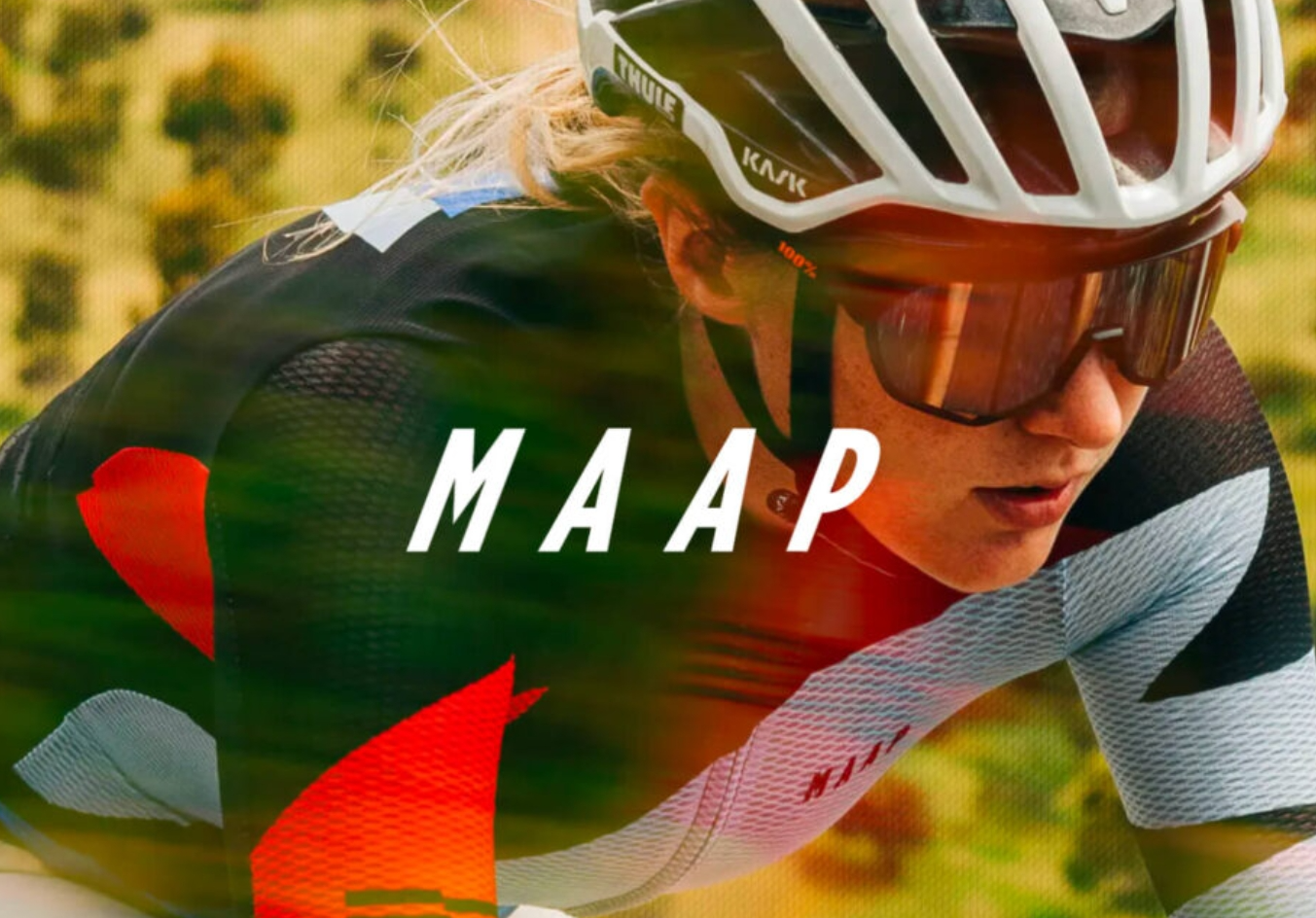
Two friends, a garage, and a stubborn belief that cycling kit didn't have to look boring — that's where Maap begins.
Oliver Cousins and Jarrad Smith started the brand in Melbourne in 2014. Ollie came from graphic design, with years at Globe, the surf and skate label. Jarrad had strong ties to Melbourne's cycling scene. He also had a background in streetwear brands like Quiksilver and Rip Curl. Together, they shared a clear frustration: performance cycling gear worked well, but it never tried to be anything more than functional.
They wanted something different. Gear that held up on a bunch ride and still looked sharp at a café stop afterward.
The Name, The Mission, The Gap They Saw
"MAAP" is open to interpretation — and that's a choice. Some link it to "Melbourne Apparel." The founders kept the meaning loose. That openness reflects the brand's thinking. It isn't tied to one identity. It's built to grow into many.
Their founding mission was clear: fuse riding performance with street-level aesthetics . Not race culture. Not podium imagery. Everyday riders who care about how they move through the world — on the bike and off it.
That focus set Maap apart from the start. Peers like Rapha leaned into cycling heritage and tradition. Maap went a different direction — design culture, Instagram-era visuals, and the energy of skateboarding and surf. The result was a brand that felt fresh and new. Built for riders who wanted performance and something worth wearing.
Those early beginnings were tight. But Maap grew fast. Within a few years, the team reached close to 100 staff. They opened more than ten Maap LaB retail spaces — including flagship locations in Melbourne's Collingwood and in London. The product range pushed well beyond road cycling into gravel, touring, and more.
The Australian address is real. But the product itself is made somewhere else — and that's worth knowing.
Where Is Maap Cycling Clothing Made? The Italy Manufacturing Answer
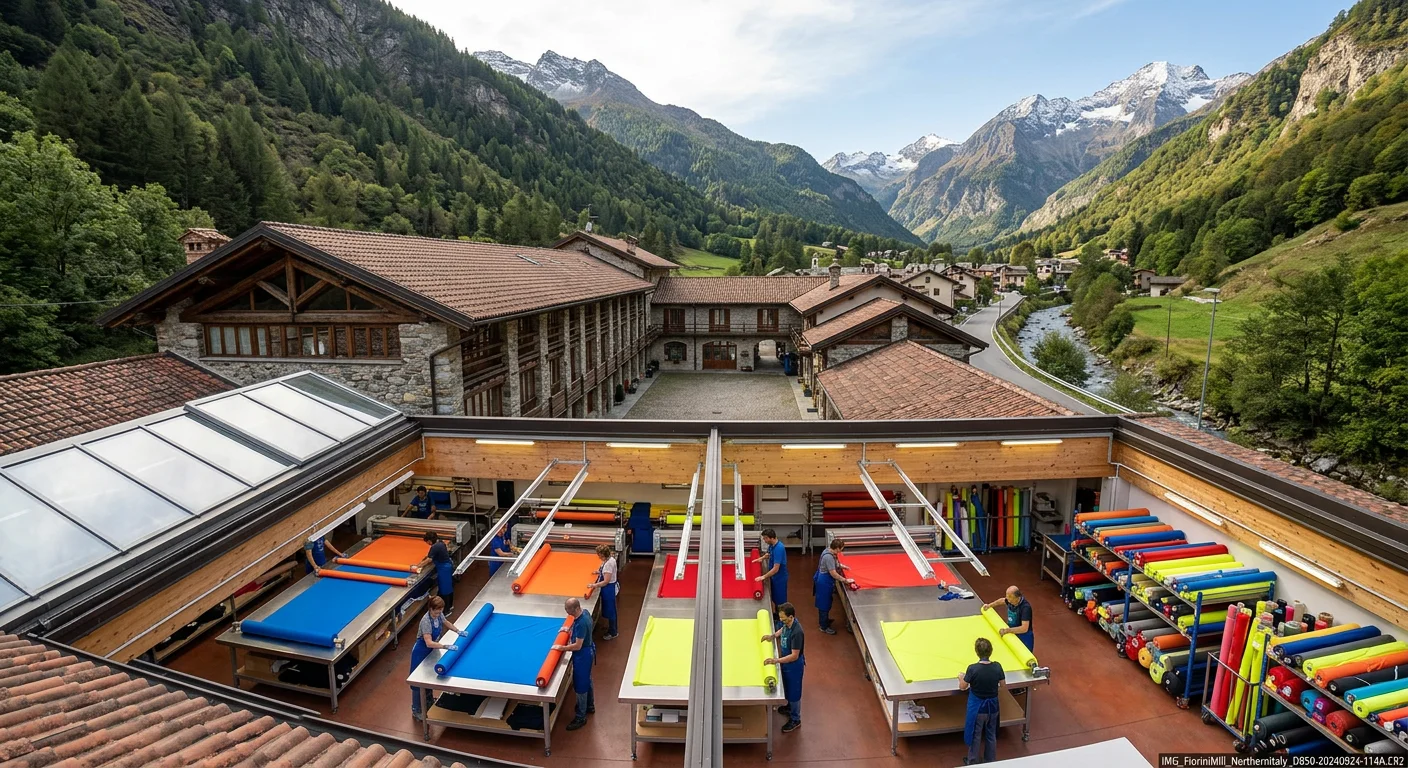
Northern Italy is where the real work happens.
Maap is an Australian brand. But the core of its production comes from Italy — and that's a deliberate choice. The fabric mills, the manufacturing studios, the technical skill behind each jersey: Italy offers what Melbourne simply can't. Maap was built on the idea that performance and beauty go together. So this location makes perfect sense.
Italian Fabric Mills: Where the Material Comes Alive
Maap doesn't pull fabrics from a generic shared catalog. The brand sources from prestigious Italian mills — producers with deep technical knowledge and long track records in high-performance textile manufacturing.
Two clear examples show what this looks like in practice:
Italian knitted sleeves — built with 3D textures designed for breathability and moisture management. The structure pulls sweat away from your skin and lets air flow right where you need it most as a rider.
Ultra-light Italian materials — made for Maap's aero-fit jerseys, where every gram counts and drag is the enemy.
Then there's AARTERO Flyte™ — Maap's best-documented fabric innovation. An Italian mill created this material. It carries ISO 14001 certification , a globally recognized standard for environmental management. That certification tells you something real: the production process itself targets reduced environmental impact — not just the finished product.
What Italy's Manufacturing Cluster Means for Quality
Italy's cycling apparel industry is no background detail. Think of it as a dense hub of specialized skill — strong in the Bergamo and Como regions — where fabric technology, production precision, and generations of craft knowledge come together. That kind of concentration is hard to find anywhere else.
Top premium cycling brands worldwide source from this same hub. Maap's choice to produce there puts it right alongside that standard.
The Melbourne identity is real. But the fabric, the seam, the finish? That story starts in Italy.
Maap Cycling Fabric Sources & Material Technology
Fabric is where Maap's technical ambition becomes something you can feel on your skin.
Every product in the lineup targets a specific performance problem — heat, drag, wet weather, long-distance fatigue. The fabric chosen to solve each one is deliberate. Maap draws from a broad network of material technologies, some proprietary, some sourced from top global partners. The result is a fabric story that runs deep.
Performance Fabrics, Built for Specific Conditions
The 4D woven fabric in the Team Bib 3.0 does two things well. It boosts muscle compression and manages temperature across changing ride intensities. Paired with it, unidirectional stretch micro-mesh covers back panels, sleeves, and collars. You get breathability, anti-sag structure, and real aerodynamic properties — no added bulk.
Heat is the primary enemy on long climbs. Maap turns to Polartec® Delta™ for that, featured in the Aeon Jersey. This fabric is built for evaporative cooling. It dries fast, fights odour, and keeps airflow steady. On a hot climb, it practically disappears on your skin.
For base layers, hollow polypropylene yarn does the heavy work. It's waterproof at the fibre level. It repels sweat, resists static, and carries both anti-bacterial and hypoallergenic properties. Few base layer fabrics pack that many functions into a single construction.
Italian Textile Blends and Thermal Layers
The thermal range draws on Italian sourcing. The Training Thermal LS Jersey and Adapt LS Thermal both use Italian-milled fabric. One blend runs 80% Polyamide / 20% Elastane at 225g. The other uses 70% Recycled Polyamide / 30% Elastane at 223g. Both handle moisture-wicking, thermo-regulation, SPF50+ protection, and water resistance.
Italian meryl® and elastane blends show up across multiple pieces too. You get four-way stretch with solid moisture management throughout.
External Partners and Certified Materials
Maap doesn't build alone. The brand works with Pertex® , Polartec® (NeoShell® and Delta™), Sympatex® , and Drytex® . Each partner brings specialist technical capability that's hard to develop in-house. This collaboration lets Maap access performance-grade materials across a wide range of conditions.
On the sustainability side, the Adapt Pro Air Jersey uses recycled yarns certified by Bluesign® and OEKO-TEX® . Air mesh sleeves and micro-perforated panels keep ventilation strong. The Outline 2.0 Jacket takes weather protection to another level — a 10K waterproof stretch membrane , thermo-taped seams, DWR treatment, and a packable build made for unpredictable conditions.
Across the full fabric lineup, the philosophy stays consistent: match the right material to the right use case, certify where it counts, and treat fabric as a core part of the product — not an afterthought.
Maap Brand Growth Timeline: From 6 to Global (2014–2025)
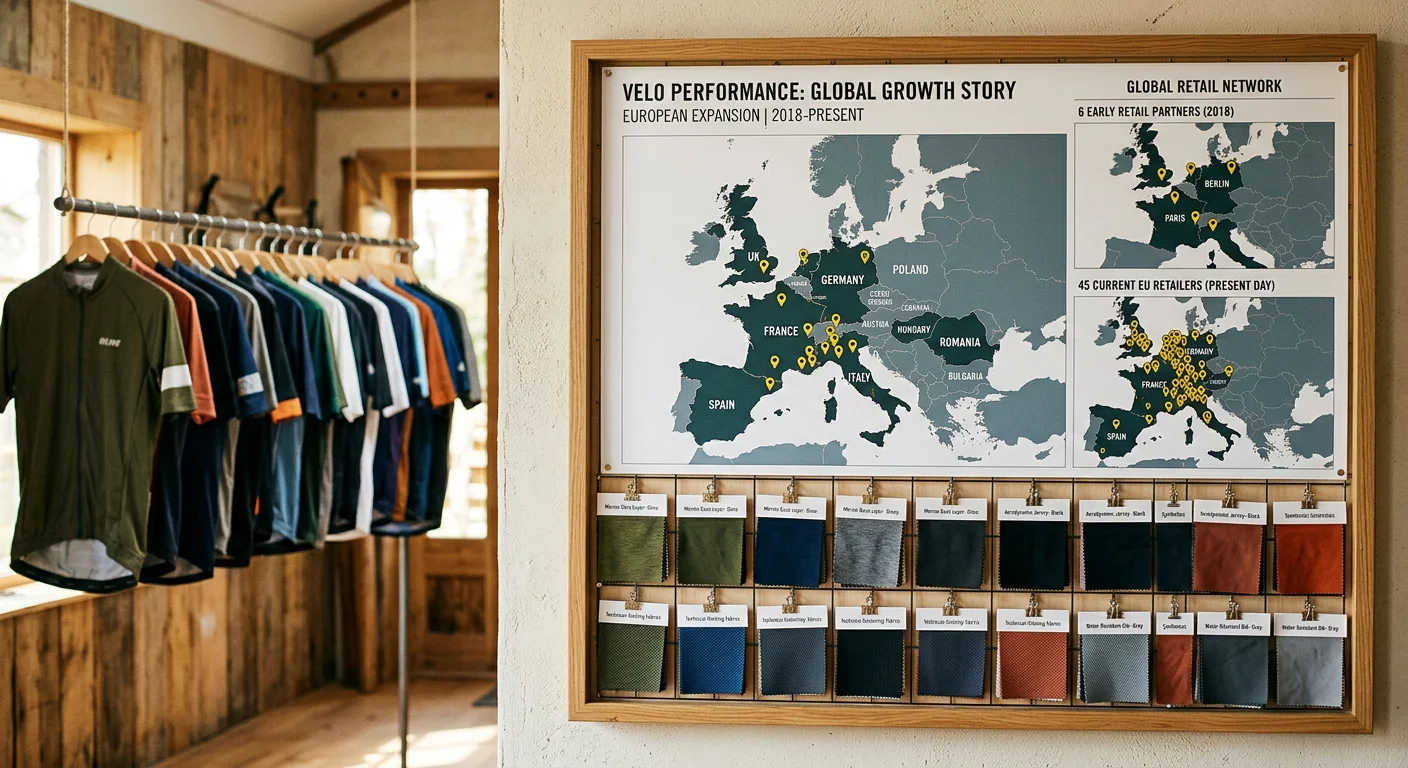
Six European retailers in the early years. Forty-five to fifty by the mid-2020s. That number says everything about how fast Maap has moved — and it hasn't slowed down.
The growth didn't happen in a straight line. It happened in layers. First the product earned trust. Then the community grew around it. Then the stores followed — not as sales points, but as gathering places.
The LaB Model: Physical Presence With Purpose
Maap calls its retail spaces LaB — short for "Life Around Bikes." The name is deliberate. These aren't shops built to move units. They move people — into rides, into conversations, into a whole way of thinking about cycling.
The first owned LaB opened in Melbourne's Collingwood in 2022 . It set the template. Local character. A consistent design language. A calendar of events and group rides built around the people who live nearby.
London came next. Then the pace picked up fast.
Five new locations in a single year. Each one runs its own subdomain and local social presence. Each one reflects the city it calls home.
Revenue and Wholesale: The Numbers Behind the Brand
The physical expansion pairs with strong digital performance. Maap recorded $8.4M in ecommerce revenue in the six months leading to April 2025. April alone brought in $1.3M , with 49,000 units sold across the period.
Wholesale partnerships carry equal weight. Maap's retail network now includes Harrods, Mr Porter, and Browns — names that show clearly where the brand sits in the market. Premium shelf space in premium environments.
From a garage in Melbourne to 45–50 European stockists and owned retail across five continents — Maap's eleven-year run stands as one of the most focused expansions in cycling apparel history.
Maap vs Other Premium Cycling Brands: Manufacturing & Quality Positioning
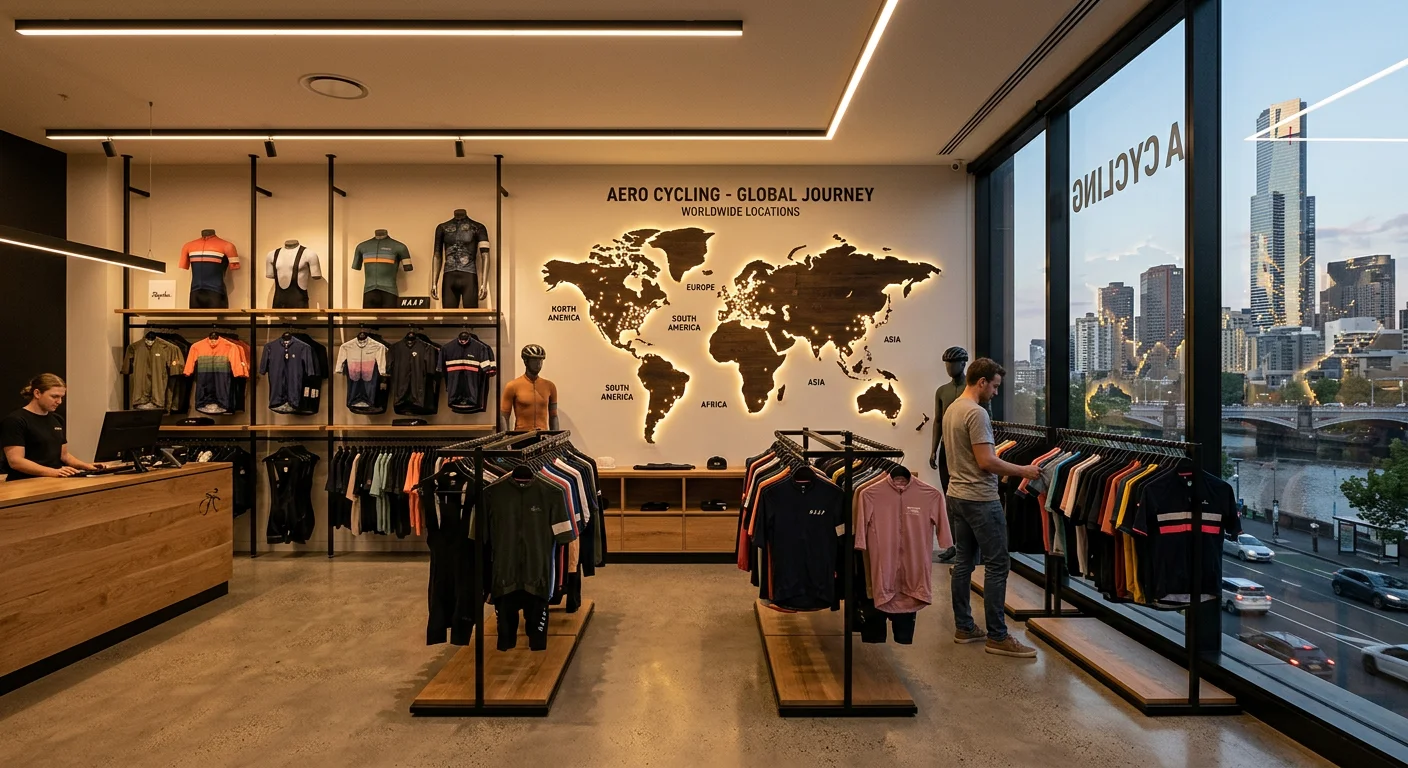
Premium cycling apparel is a crowded space. The differences between top brands aren't always obvious — until you look closely at how they make their products.
Maap holds a clear spot in that lineup. It sits below Pas Normal Studios on price. It sits above Rapha's core range. That gap reflects real choices — in materials, construction, and where production happens.
How Maap Stacks Up Against Rapha and PNS
Rapha built its identity around cycling heritage and storytelling. Product quality is solid. But manufacturing transparency is thin. Some Rapha pieces are made in Vietnam and Taiwan — nothing wrong with that, but the sourcing story is harder to trace than Maap's.
Maap is direct about it: Italian and Swiss fabrics, production based in Italy . That clarity serves two purposes — it signals quality, and it shows intent.
Pas Normal Studios sits at the other end of the comparison. Danish-founded. Launched in 2014 — the same year as Maap. Both brands share a design-forward approach and a push away from traditional cycling aesthetics. PNS prices higher. But it shares fewer details on where and how its gear is made.
Of the three, Maap makes the clearest case for its cost structure .
Why the Price Holds Up
The Pro Bib 2.0 is the best example of Maap's manufacturing choices in action. No inner thigh seams. A raw-cut front seam. A custom chamois of cycling apparel built with sports scientist Ken Ballhause of Adaptive Human Performance. The fabric holds OEKO-TEX certification . The goal was longevity — not just performance at launch, but durability through years of hard use.
These aren't marketing claims. They're construction decisions with real cost attached.
Jerseys range from AUD $180–$280 depending on the model. Here's what you get across the range:
Alt_Road jersey — abuse-resistant mixed fibres with Bluesign certification
Pro Air jersey — bold colorwork paired with technical performance fabric
Neither is built to be the cheapest option. Both are built to last.
Sustainability as a Differentiator
Maap pulls ahead of Rapha and PNS on sustainability transparency. The brand has committed to 100% recycled fabrics as a long-term goal. Bluesign partnerships and waste-reduction practices are already running — not future promises.
For buyers who care about maap cycling ethical manufacturing , that distinction is real. It's also part of what justifies the price tag.
Across the premium cycling apparel tier, Maap's manufacturing position is one of the strongest arguments for why the product costs what it does.
What Maap's Manufacturing Approach Means for Custom Cycling Apparel Buyers
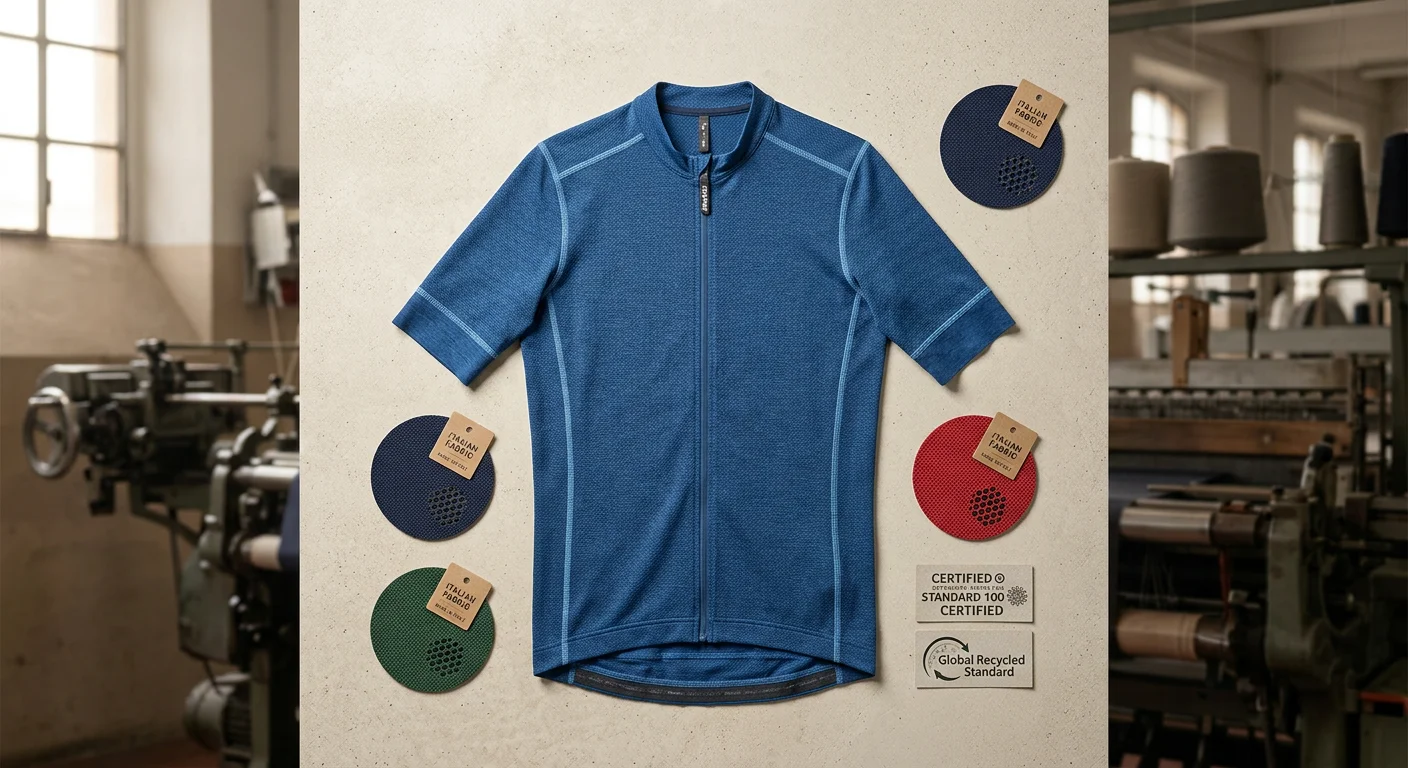
Maap's supply chain goes beyond one brand. It shows what serious cycling apparel needs to perform at the highest level.
Italian sourcing. Precision construction. Certified sustainable materials. Zero tolerance for defects. These aren't luxury details saved for market leaders. They're the baseline for any brand competing in premium cycling apparel today.
Procurement managers, brand owners, and team buyers — Maap's manufacturing model is worth a close look. Not to copy it. Just to understand what the standard looks like.
The Benchmark Is Clear. Now the Question Is Access.
Maap's approach needs deep Italian cycling apparel supplier relationships, artisan lead times, and production infrastructure built over years. That model fits a global brand scaling toward 50 European stockists. It doesn't fit a team of 30 riders or a startup launching its first custom cycling clothing kit.
That's the gap berunclothes.com fills.
| What Maap Sets as Standard | What Berunclothes Delivers |
|---|---|
| Recycled certified fabrics | GRS recycled polyester (79% CO2 reduction), Woolmark merino |
| OEKO-TEX® equivalent standards | BSCI, OEKO-TEX®, GRS certified across the full production chain |
| Precision ergonomic fit | 10,000+ rider data points; free samples XS–4XL |
| <0.5% defect rate | Matching defect threshold; 95% waste reuse |
| Weeks of Italian artisan production | 7-day samples; 6–8 week full orders; MOQ 500 pcs |
The certifications match. The fabrics match. The lead times fit real business schedules.
Procurement managers can request GRS/OEKO-TEX® quotes at MOQ 500 with 6–8 week delivery.
Emerging brands can start with a 7-day sample and CAD-ready designs in recycled merino or polyester blends.
Clubs and teams get full kit sets — jerseys, shorts, socks — with free fit testing built for 200km+ endurance.
Maap set the standard. Berunclothes puts it within reach.
FAQ: Top Questions About Maap Cycling Clothing Manufacturing
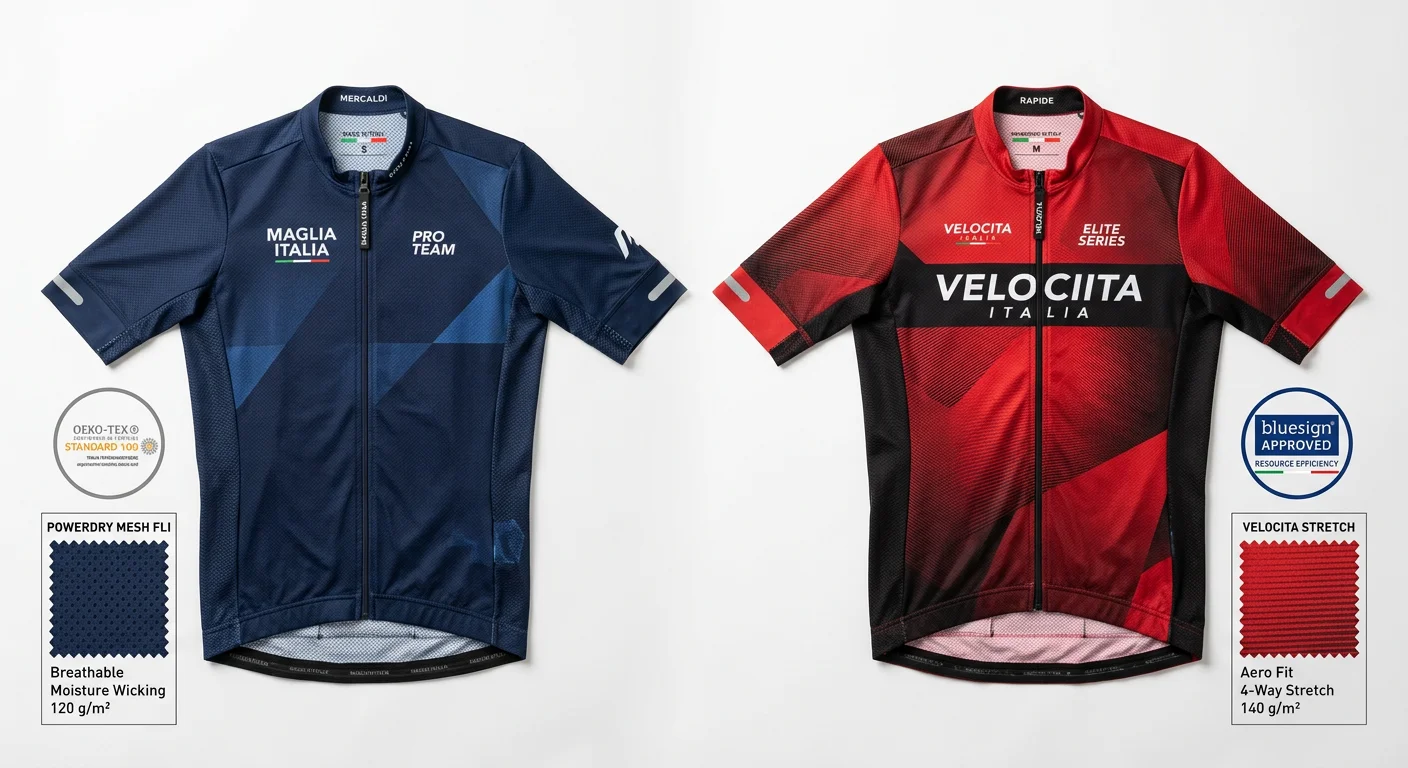
The details matter — and these are the ones riders and buyers ask most.
Is Maap an Australian brand?
Yes. Maap was founded in Melbourne in 2014 by Oliver Cousins and Jarrad Smith. The brand designs, positions, and runs its business from Australia. But design origin and manufacturing location are two separate things.
Is Maap made in Italy?
Not quite. Maap sources its fabrics from Italian mills — the technical textiles, the knitted sleeves, the advanced blends. The manufacturing itself is a different story. LTP Group , a Danish-owned production company, handles all production. They run six factories across Lithuania, Ukraine, Belarus, Romania, and Vietnam. So you get Italian materials. Built across multiple countries.
What fabrics does Maap use?
The material list runs deep:
- 100% post-consumer recycled polyester in printed jerseys
- Up to 65% pre-consumer elastane — recovered from industrial waste before it reaches landfill
- Pertex Shield fabric in the Atmos collection, rated at a 20,000mm hydrostatic head for waterproofing
- Italian-milled knitted sleeves with 3D textures built for breathability
Is Maap's manufacturing sustainable?
Maap holds Bluesign® system partner status. That's one of the stricter certifications in textile production. LTP's factories are Bluesign partners too. Plus, Maap runs the OffCuts program : leftover fabric from production runs gets redesigned into full jerseys — the Evade Pro Base is one clear example. No extra water. No extra energy. Just waste turned into wearable product.
Who manufactures Maap clothing?
LTP Group. Six factories. Five countries. All running under Bluesign partner standards. Their manufacturing footprint is broader — and more transparent — than most premium cycling brands choose to share.
Conclusion
Maap didn't become one of cycling's most respected names by accident. The Melbourne-born brand made a clear choice — partnering with Italian cycling clothing manufacturers, sourcing from good cycling clothing suppliers like Sitip and Elastic Interface, and refusing to cut corners on the details serious riders feel in the saddle.
That's the real answer behind maap cycling apparel production country : not just a geography, but a philosophy.
Researching Maap to understand what premium cycling apparel manufacturing looks like? Now you have your benchmark.
Ready to build something at that level? Berun Clothes brings the same commitment to performance fabrics, precision construction, and OEM/ODM flexibility. No guesswork involved.
The best cycling kits aren't stumbled upon. They're built with intention, with the right partner.
Ready to create yours? Explore Berun's custom cycling apparel solutions
Video Section