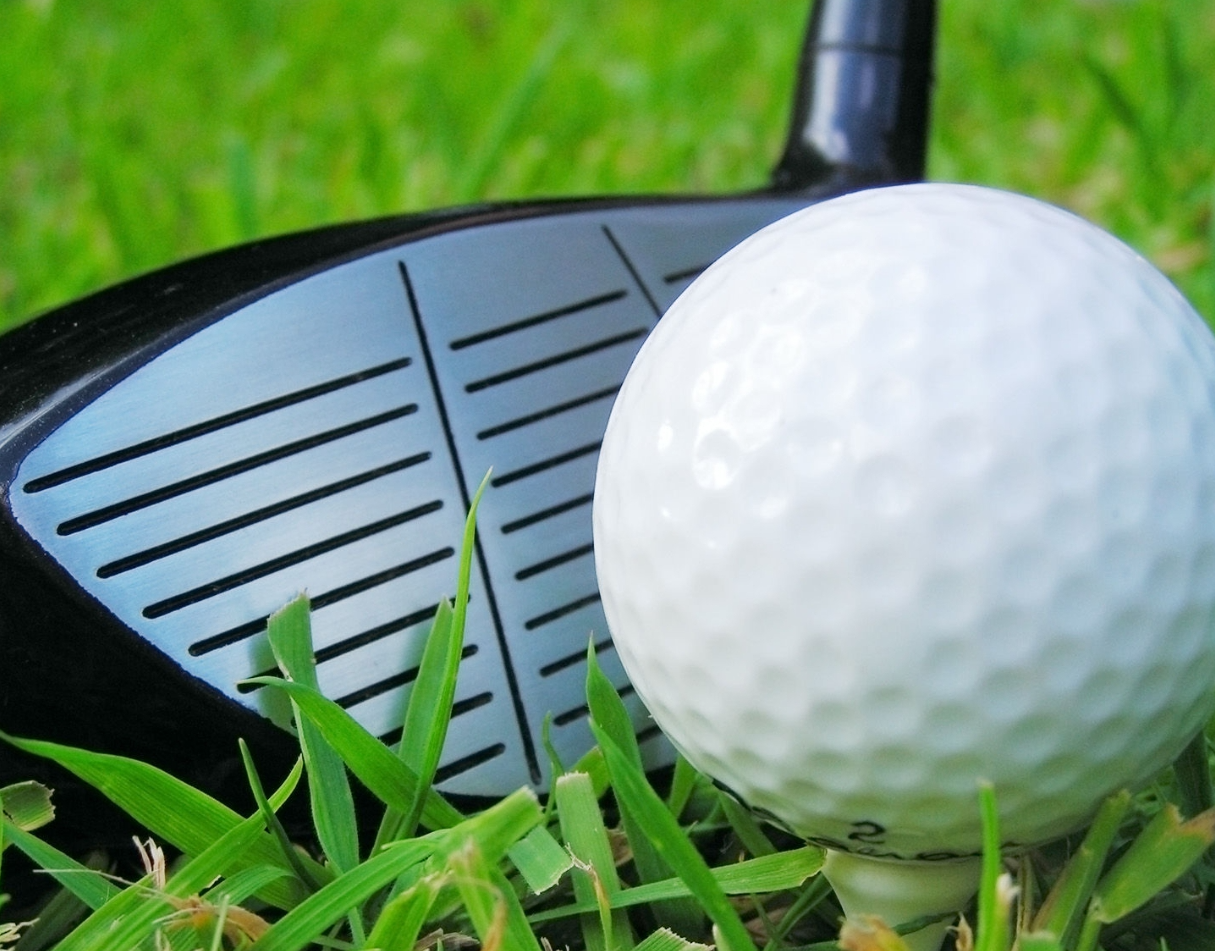
You're about to spend anywhere from $200 to $2,500 on a set of irons. So yeah, where Titleist golf clubs are made is a fair question to ask before you swipe that card.
The answer isn't as simple as a "USA" or "overseas" stamp on the hosel. There's more to it than that. Titleist's parent company, Acushnet, runs one of golf's most advanced global manufacturing networks. California precision engineering, Japanese forging artistry, and American craftsmanship all play specific, intentional roles in that system. If you're comparing brands, our Titleist vs TaylorMade comparison breaks down the key differences.
This guide covers where every major Titleist product line comes from. You'll also learn how to spot a counterfeit — and why understanding the supply chain might deepen your respect for what you're putting in the bag.
Titleist's Primary Manufacturing Hub: The Carlsbad, California Facility

Carlsbad, California isn't just a beach town with good weather. This is where Titleist turns raw materials into the clubs carried by Tour professionals and weekend golfers.
The facility at 2819 Loker Avenue East is the core of Titleist's club manufacturing network. Workers here inspect, sort, and assemble incoming components into finished clubs. Shafts get joined to clubheads. Grips get pressed and seated. Each club goes through final quality checks before reaching any retailer's shelf. Millions of clubs move through this building every year. That number isn't a marketing figure. It's a production reality.
Why Carlsbad? The Ecosystem Advantage
Location plays a bigger role in precision manufacturing than most people think. Titleist didn't end up in Carlsbad by chance.
The Carlsbad sports innovation cluster employs more than 2,300 people across 116 firms , with average annual earnings of $130,000 per employee . This isn't a workforce doing repetitive tasks. It's a dense group of engineers, designers, and technical specialists who've built careers around making sports equipment perform at the top level. Titleist pulls from that talent pool every day.
Think of how semiconductor companies cluster in Silicon Valley, or how aerospace firms gather around Seattle. Proximity to deep expertise builds on itself over time. The same logic applies here.
Assembly Hub Within a Larger Network
Carlsbad is an assembly and R&D hub — not the sole stop in Titleist's supply chain. Clubheads often start life elsewhere. Some get forged in Japan. Others get cast in Taiwan. They arrive in Carlsbad for final assembly and inspection. A separate distribution center sits nearby at 1335 Sycamore Avenue in Vista, CA , moving finished product out once it clears quality control.
Both facilities share the same phone number: (760) 804-6500 . It's a small detail. But it shows how closely this Southern California operation runs together — two buildings, one system.
What gets built here gets built right. That's the whole point.
Where Titleist Club Components Are Manufactured: The Asian Supply Chain Breakdown
35 million components flow into Carlsbad every single year. That number tells you something real: the club in your hands wasn't born in California.
The parts that become Titleist irons, drivers, and wedges travel a long road before reaching American hands. Japan, China, Thailand, Taiwan — plus South Korea, Singapore, and Malaysia to a smaller degree — all feed into the chain that produces 3 million finished clubs each year .
The Parts and Where They Come From
Break it down by component, and the picture gets specific fast:
Driver heads are forged across Asia — Japan, China, and Thailand lead the way. Each source brings its own distinct manufacturing strength.
Iron heads are forged or cast in Japan or China. Here's the straight truth: nearly all OEM iron heads are now made in China. That's not a compromise. It's the current industrial reality of precision casting at scale.
Shafts — carbon fiber and steel both — come from Japan and China.
Grips come out of Thailand and China.
None of this is hidden. None of it is shameful. This is how modern precision equipment gets made at volume without cutting corners on performance.
What Happens When Those Parts Arrive
Carlsbad doesn't just accept shipments and slap them together. Every batch arriving from Japan, Taiwan, or China goes through a strict inspection process before it touches the assembly line.
Weight and dimensional accuracy get tested on raw materials the moment they arrive.
Laser measurement systems scan each component for structural defects.
Computerized analysis catches variances the human eye can't see.
All 35 million components get checked one by one before a single club gets built. It's a quality gate, not a rubber stamp.
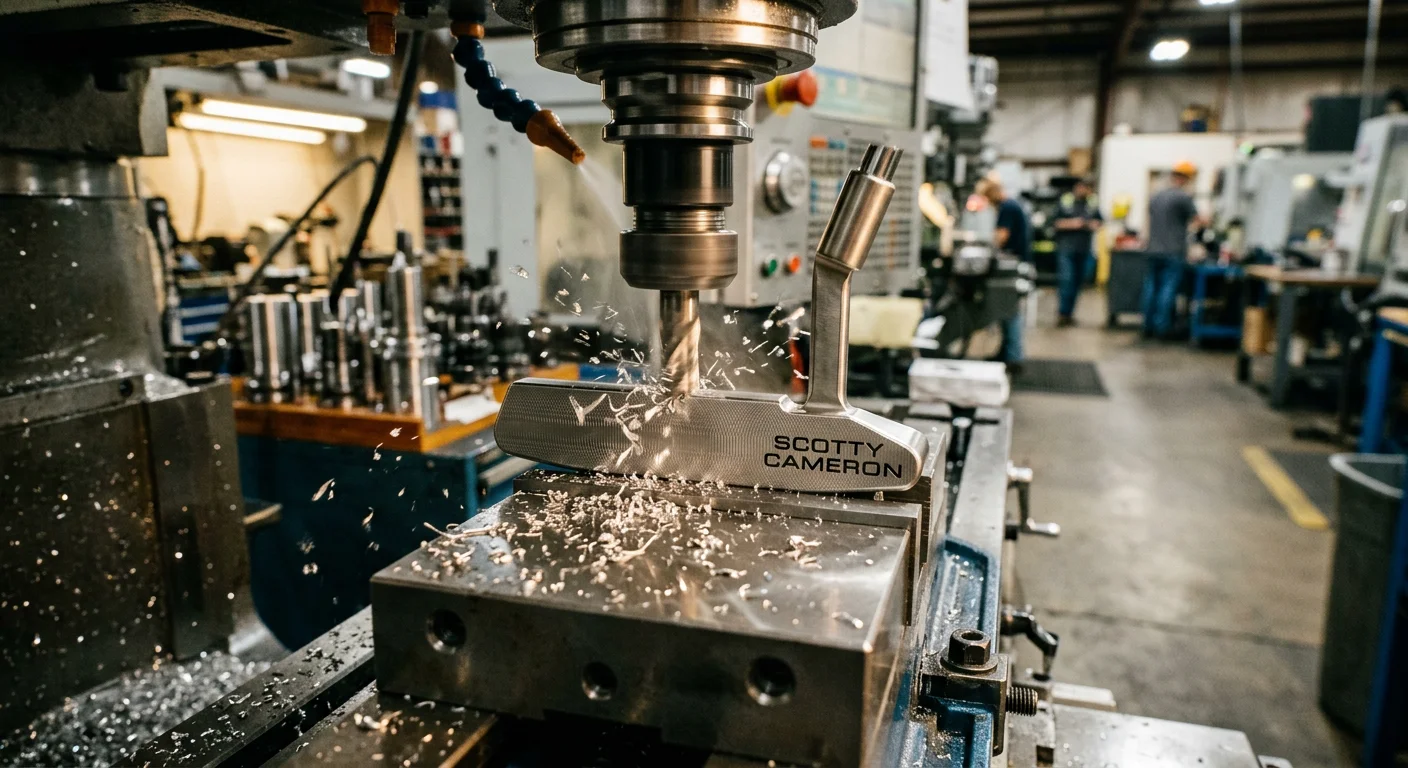
One exception worth knowing: Scotty Cameron putters skip this Asian pipeline entirely. Titleist mills them in the USA from 303 stainless steel — a deliberate, premium choice that sets them apart from every other club in the lineup.
CTA 1Product Line by Product Line: Where Each Titleist Club Is Made
Six product lines. Three continents. One finished club. Here's how it breaks down.
The Carlsbad facility doesn't run identical clubs down a single conveyor belt. Each product line follows its own path — different countries, different processes, different standards. Those differences matter. Knowing them helps you pick the right model for your bag.
TSR Series Drivers and Fairway Woods
TSR driver heads start as titanium castings in Japan or China. The casting process holds tolerances that most golf clubs factories can't match. From there, the heads ship to Carlsbad. Titleist's assembly team fits the shafts and tunes the weights at that stage. That final step carries real weight. Dialing in the weight ports and shaft combination takes skilled hands and calibrated tools — not just a torque wrench and good intentions.
T Series Irons
The sourcing story here gets interesting fast.
T100 irons are forged in Japan. Full stop. Japanese forging has a strong reputation among serious golfers — and for good reason. The process creates a density and feel that cast alternatives can't match. Ever wonder why T100s feel different at impact? The answer starts at a Japanese forge.
The T150, T200, and T350 tell a more layered story. Forged parts come from Japan. Cast parts — based on each model's design needs — come from China or Thailand. That's not inconsistency. Titleist matches the manufacturing method to the engineering spec. Then they source from wherever that method is done best.
| Model | Source |
|---|---|
| T100 | Forged — Japan |
| T150 / T200 / T350 | Japan (forged parts) + China/Thailand (cast parts) |
Vokey SM10 Wedges
The wedge heads get cast in Asia — China and Thailand handle most of that work. But Bob Vokey's design process stays in the United States. R&D, groove geometry, and final assembly all run through Carlsbad . You get American engineering precision built around Asian-manufactured components. That combination is the reason SM10 grooves perform the way they do.
Scotty Cameron Putters
Already covered in full — 100% USA-manufactured , CNC-milled from 303 stainless steel right in Carlsbad. No imported heads. No exceptions.
Scotty Cameron Putters: Titleist's "Fully Made in USA" Flagship
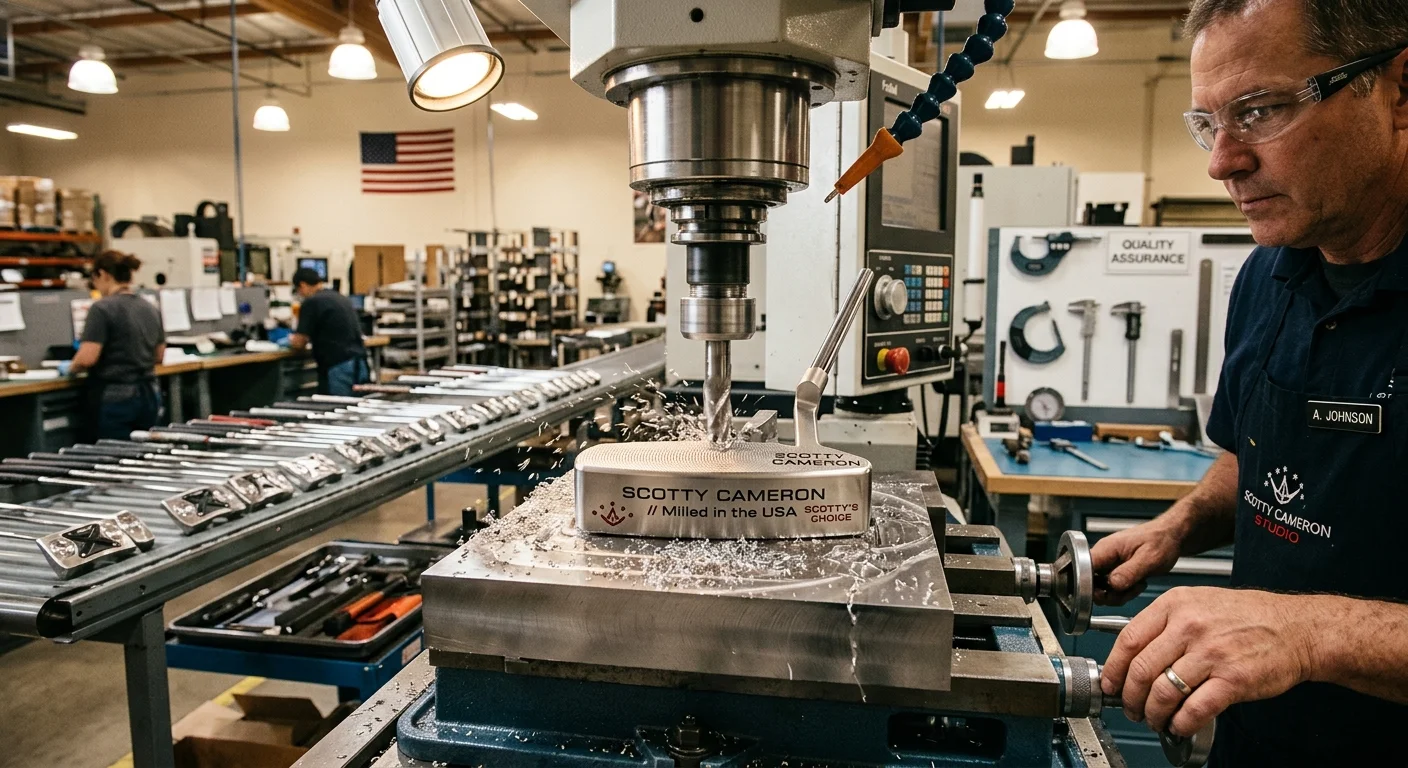
Thirty years of milled putters. One address. Zero outsourcing.
That's the Scotty Cameron story in three lines. It's also why serious golfers treat these putters differently from everything else in the Titleist lineup.
Every Scotty Cameron putter head is precision-milled in the USA . Each one is designed and assembled at Titleist's Southern California studio. The golf clubs custom shop has run out of 1697 La Costa Meadows Drive, San Marcos, CA since 2004. Not a warehouse. Not an assembly hub. A dedicated putter studio — one that archives over 30 years of milled models and still handles restoration orders by hand.
What "Milled in USA" Really Means
The material is 303 stainless steel — the same grade used in aerospace and surgical tools. Milling it instead of casting it produces a clear difference at impact. Precision angles hold their shape. Sole geometry stays consistent. Mishits roll more true than you'd get from cast alternatives.
The current lineup builds on that feel advantage with a Studio Carbon Steel (SCS) face insert . It's soft-milled before it fuses with the head, held by screws, and supported by aerospace-inspired vibration damping. A perimeter damping compound wraps the full design. Together, these features create a chain-link face milling pattern that Titleist tested for sound, roll consistency, and speed control. The result is softer than any previous Cameron generation.
Finish matters too. The satin mist stainless treatment resists glare and holds up long-term. Aluminum components use 6061 aircraft-grade stock , misted and anodized clear.
Pricing sits at $499 for standard lengths and $549 for Long Design models. For CNC-milled, USA-made putters, that's solid value. The reliable golf equipment custom shop orders ship in 30 days. Restoration work takes up to 120.
Twelve models. No shortcuts.
Titleist Golf Balls Manufacturing: A Quick Comparison (Bonus Context)
Golf balls don't get the same headline treatment as clubs. But Titleist's ball manufacturing story is the more impressive one.
For over 80 years, Titleist has produced golf balls in the greater New Bedford, Massachusetts area. Ball Plant 3 — a 200,000+ square-foot facility in New Bedford — is the global production hub. Ball Plant 2 sits nearby in North Dartmouth. A third facility, Ball Plant 4 in Thailand , handles international markets and U.S. overflow demand.
No third-party contracts. Every plant is Titleist-owned and Titleist-operated.
Quality Control Numbers Worth Knowing
The inspection data tells a clear story:
Pro V1 : ~90 quality checks per ball
Pro V1x : ~120 checks (dual-core construction requires more verification steps)
AVX : ~90 checks
Technicians durability-test finished balls every single day . They also cut open dual cores and inspect them by hand throughout every production shift.
One Critical Detail About Plant 4
Here's what sets Titleist apart from competitors who outsource to Asia and move on: Titleist formulates all core materials in Massachusetts and ships them to Thailand before final manufacturing starts. Both plants follow the same quality processes. Your Pro V1 performs the same whether it came from New Bedford or Bangkok. For more on ball selection, see our guide on soft vs hard golf balls.
Over 1,500 associates work across these facilities. The average tenure is 14 years. Add it up, and that's more than 18,000 years of combined experience making golf balls.
That's not just a workforce. That's deep, hands-on knowledge showing up on the production floor every single day.
CTA 2How to Verify Your Titleist Golf Club Is Authentic (Not a Counterfeit)
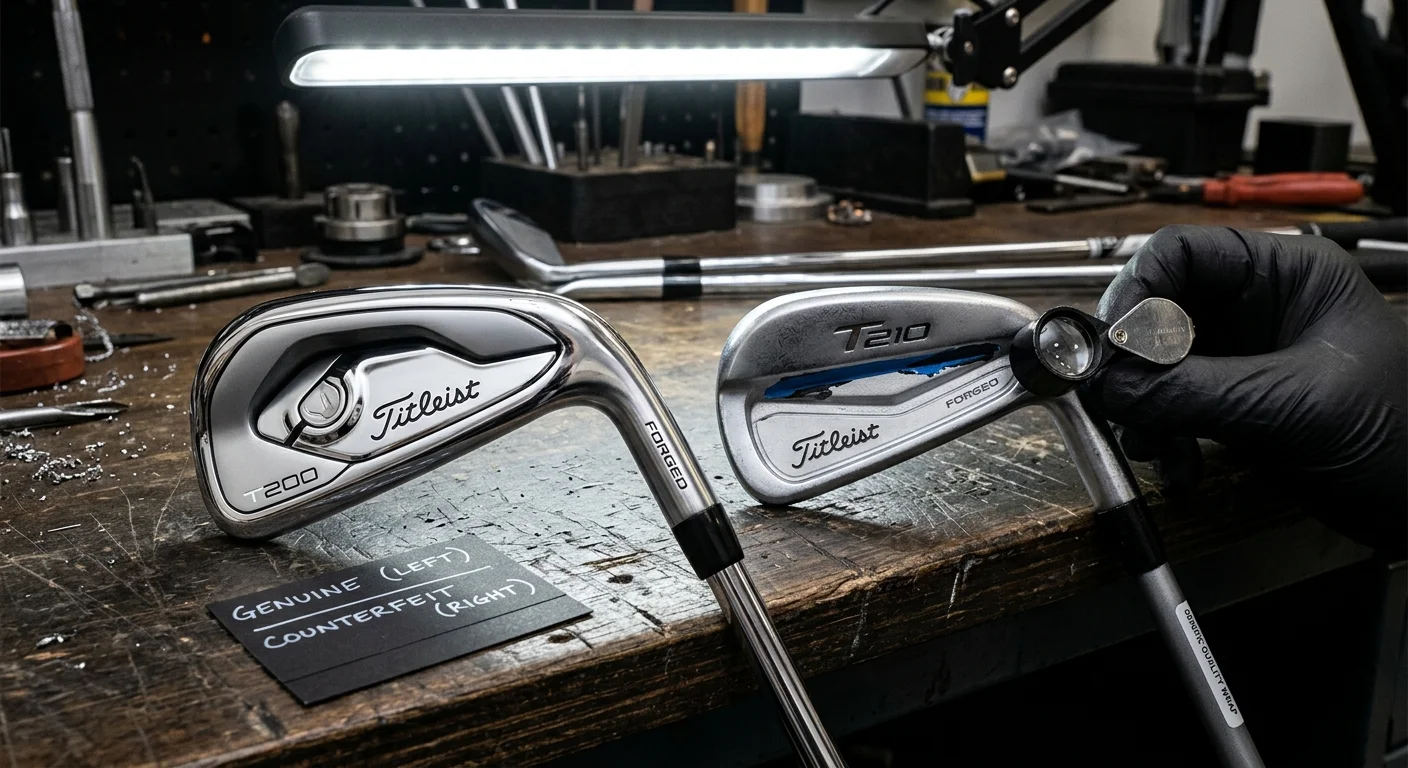
Counterfeit Titleist clubs exist. They're getting better every year. Some are good enough to fool a casual buyer at a glance.
Here's how to protect yourself.
Find the Serial Number First
Serial number location depends on what you bought:
Irons (off-the-shelf sets) : The serial appears on the 6-iron alone , etched into the metal.
Custom golf equipment iron sets : Every iron carries its own serial, etched in the same spot.
Drivers, fairways, hybrids (post-2013) : Laser-etched on the sole — not the hosel. People often search the wrong area.
Scotty Cameron putters : Check the shaft near the grip, in the band between the grip bottom and shaft.
Got the number? Register it at titleist.com/company/product-registration or call 1-800-333-4200 (Monday–Friday, 9am–5pm EST). The Team Titleist forum also accepts serial submissions for confirmation. Titleist will tell you if the number checks out.
What Fakes Look Like Up Close
Physical details tell you more than paperwork ever will. Run through this checklist before buying secondhand:
Grips : A strong rubber smell — like a pool float or bike inner tube — is an immediate red flag. Check logo alignment at address position. Paint fill that bleeds outside the lines points to a golf clubs factory reject at best, a counterfeit at worst.
Shafts : Shaft bands that peel, sit crooked, or don't match across a set are a bad sign. Flex that feels nothing like the stated rating is another clear indicator. On Titleist AP2 sets, look at the Project X steel shaft graphics — off-colors are a known tell.
Heads : Thin-looking fonts, paint fill bleeding out of cavity lines, ferrules that seem shorter than normal — these are the details counterfeiters get wrong. Vokey wedge heads are a frequent target. Hold one at address. A shape that feels off is worth trusting. The 714 AP2 bend test became well-known in collector circles for good reason: fake heads flex where real ones hold firm.
The Safest Move
Buy from titleist.com or through verified retailers. The brand's official address — 333 Bridge Street, Fairhaven, MA 02719 — is worth keeping on hand for any authenticity questions that need escalating. Global proxy sellers and secondary marketplaces carry real risk. Saving a few hundred dollars on a set of irons is not worth the weight inconsistency and performance loss a counterfeit brings.
FAQ: Your Top Questions About Titleist Manufacturing Answered
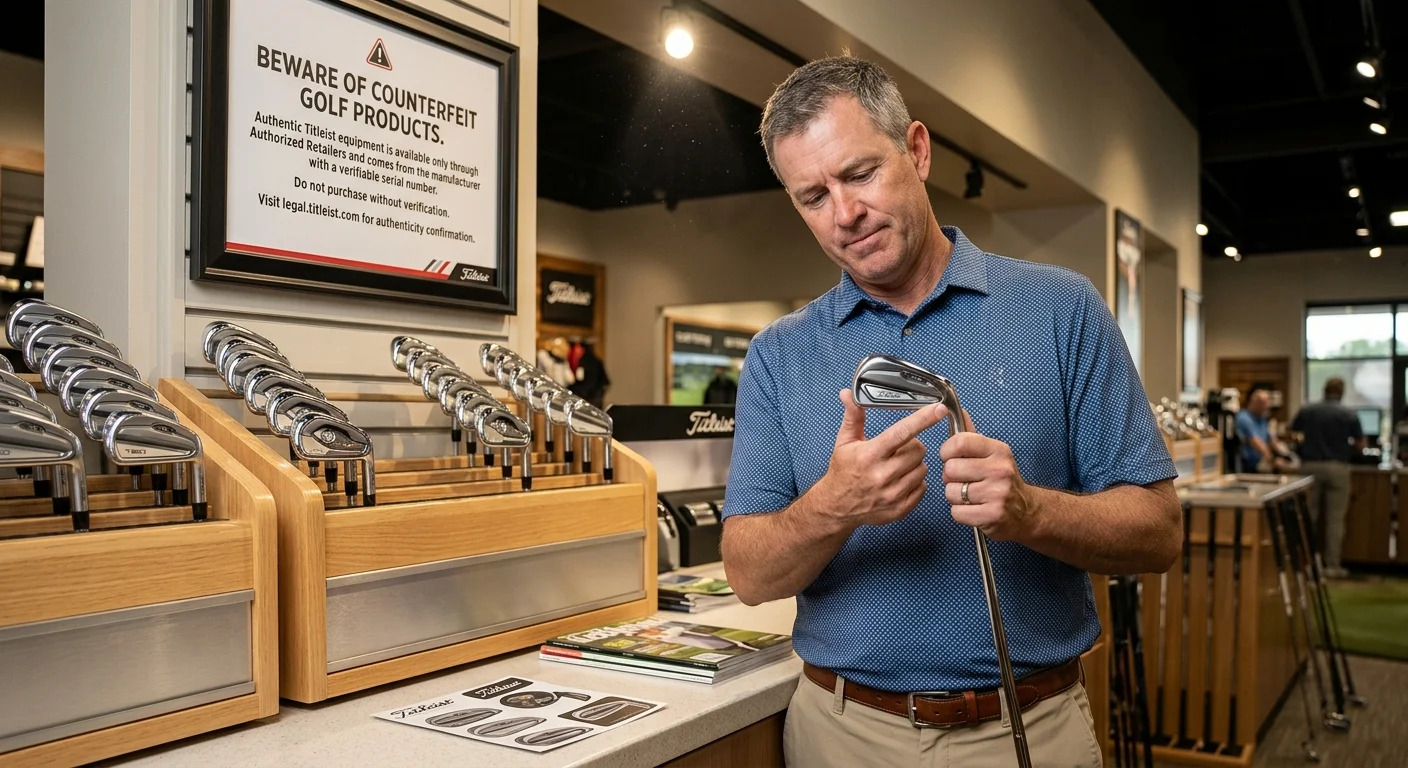
Golfers ask the same questions. Over and over. The answers deserve to be direct.
Are Titleist irons made in China?
Not the way people worry about. Some components — castings, raw materials — may come from Chinese suppliers of golf clubs. But Acushnet employees handle final assembly in Carlsbad, California. U.S. trade law defines "country of origin" by the point of substantial transformation . That transformation happens in Carlsbad. That's what goes on the label.
Is Titleist an American company?
Yes. Acushnet Company owns Titleist. The headquarters is at 333 Bridge Street, Fairhaven, Massachusetts . Design and testing take place in Carlsbad and Oceanside, California. The brand has been around for over 85 years.
Does manufacturing location affect performance?
No, not really. Performance comes from how Titleist designs, tests, and builds the club — not which country supplied the raw parts. Titleist checks every golf clubs supplier closely. The final assembly step in Carlsbad is where consistency gets locked in and quality is confirmed.
How do I know my clubs were assembled by Titleist?
Check the serial number. Titleist Certified clubs carry unique serial numbers that confirm genuine Acushnet assembly in Carlsbad. No serial number, or a number that doesn't show up at titleist.com? Walk away from that purchase.
Can I adjust loft and lie on Titleist irons?
Standard spec allows ±2° maximum bend . Custom golf gear orders hold tighter: ±1° maximum , in 1° increments. Go beyond those limits and you risk damaging the head integrity.
Conclusion
One truth stands above everything else: Titleist doesn't manufacture mystery — they manufacture accountability.
Yes, components travel through Asia. Yes, the supply chain is global. But the engineering decisions, quality standards, and final build oversight — the things that define every T-series iron, every Vokey wedge, and every Scotty Cameron putter — all trace back to American-controlled facilities. These are facilities with decades of deep institutional knowledge behind them.
That's what separates Titleist from the imitators flooding secondary markets.
So here's your next move. Before you buy any Titleist club — new or pre-owned — do three things:
Run the serial number
Check the stamping
Buy from an authorized retailer
Authenticity isn't a luxury concern at this price point. It's the whole game.
Titleist golf clubs are built with intention. Make sure yours were built at all.
CTA 3 Video Section