Table of Contents
sourcing in China is hard work. You know the manufacturing power is there. Big names like Nike and Lululemon have used Chinese factories for decades. But for growing brands, the goal isn't just finding a factory. You must find the right one.
Production rules are different now. Strategies go beyond just the lowest price per unit. Top brands want partners with strong R&D, green materials, and real skill. You need a maker who gets the details. They must know that yoga leggings require different stitching than compression running pants. If you're sourcing for the UK market specifically, check our guide on gym clothing suppliers in UK. If you pick the wrong partner, quality suffers. That ruins your brand's name quickly.
We did the heavy lifting to save you time. Don't waste hours on random, unverified wholesale lists. Instead, use our chosen list of the top 10 sportswear manufacturers in China. You might need the massive output of a giant like Anta. Or maybe the small-batch flexibility of Berunwear fits better. This guide explains what each supplier gives you.
1. Li-Ning
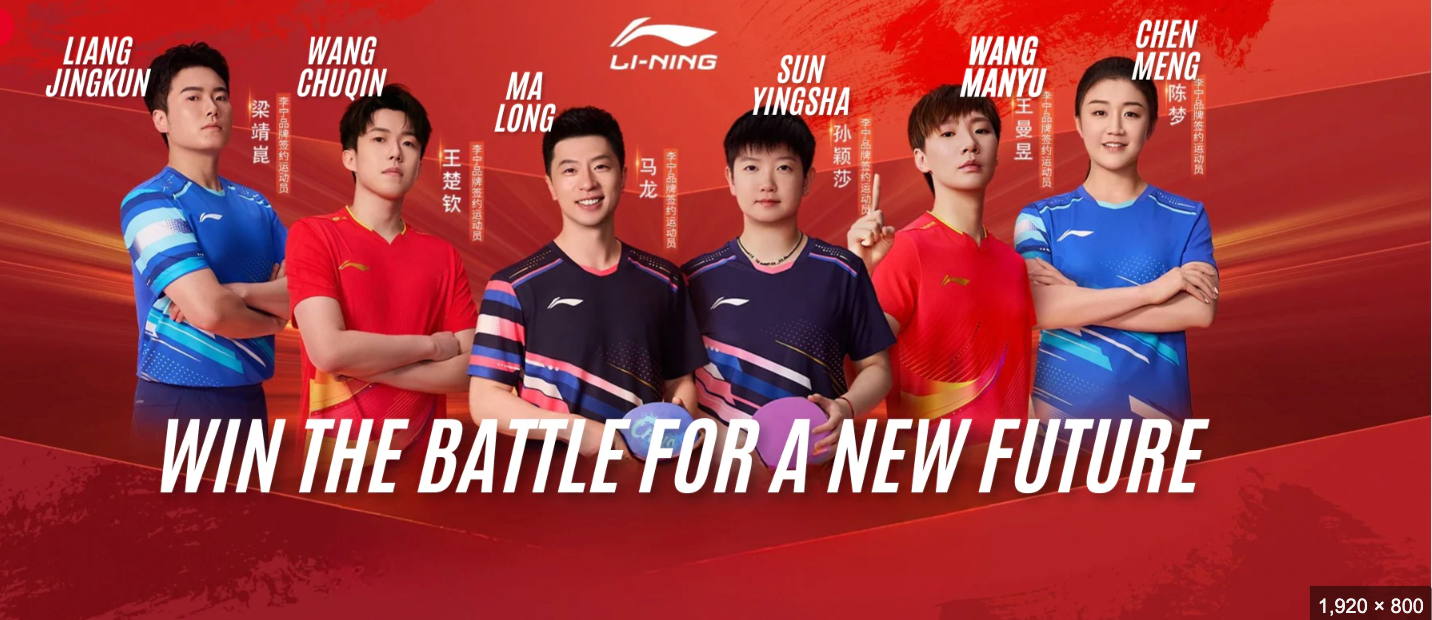
Li-Ning is China's most iconic homegrown sports brand. Olympic champion Li Ning built it himself in 1990. This isn't just another contract manufacturer. It's an integrated powerhouse that controls its entire chain, from R&D labs to 7,000+ retail stores across China.
Manufacturing Excellence Meets Brand Power
Li-Ning has over 7,000 employees. Annual revenue hit RMB 25.8 billion (about USD $3.75 billion) in 2022. Few Chinese sportswear manufacturers operate at this scale. Their net profit of RMB 4.0 billion shows strong operational efficiency. This efficiency translates into competitive pricing for B2B partnerships.
Advanced Production Capabilities
Li-Ning's manufacturing infrastructure excels in:
High-tech performance footwear using biomechanics research
Technical sportswear with proprietary material innovations
Multi-category production: running gear, basketball apparel, fitness wear, badminton equipment, and lifestyle collections
Rapid prototyping backed by independent R&D facilities
Market Position & Credibility
Li-Ning holds about 6.1% of China's sportswear market share. The brand competes head-to-head with Nike and Adidas. Major sponsorships include Chinese national teams (basketball, badminton, gymnastics) and NBA athletes like Dwyane Wade. These partnerships prove their quality standards meet international athletic requirements.
Distribution & Scalability
Li-Ning runs a massive retail network across China. Strong e-commerce presence on Tmall and JD.com adds to this reach. B2B clients get market insights and trend data that smaller manufacturers can't provide.
2. Anta Sports
Anta became China's #1 sportswear brand by revenue in 2019. They've held that top spot ever since. Founded in Jinjiang in 1991, this local shoe workshop grew into a global sports empire. By 2023, annual revenue hit over RMB 66 billion (around USD $9.3 billion).
Strategic Portfolio Management
Anta doesn't just make one brand. They run a multi-brand setup that few Chinese competitors can match:
Anta main brand – mass market athletic wear
Fila (acquired) – premium lifestyle sportswear
Descente – high-performance outdoor gear
Arc'teryx (acquired via Amer Sports) – luxury technical apparel
Wilson, Salomon, and Atomic – specialty sports equipment
B2B partners get access to production skills across different price points and product types.
Olympic-Grade Manufacturing Standards
Anta supplies China's Olympic teams (2009-2024). This means meeting strict quality standards. Their 1,900+ employees run facilities that produce everything from affordable gym wear to high-end performance gear. Work with Anta's production team? You get the same standards used for Olympic athletes.
Pricing sits in the premium range. This reflects their advanced skills and strict quality control.
3. berunwear
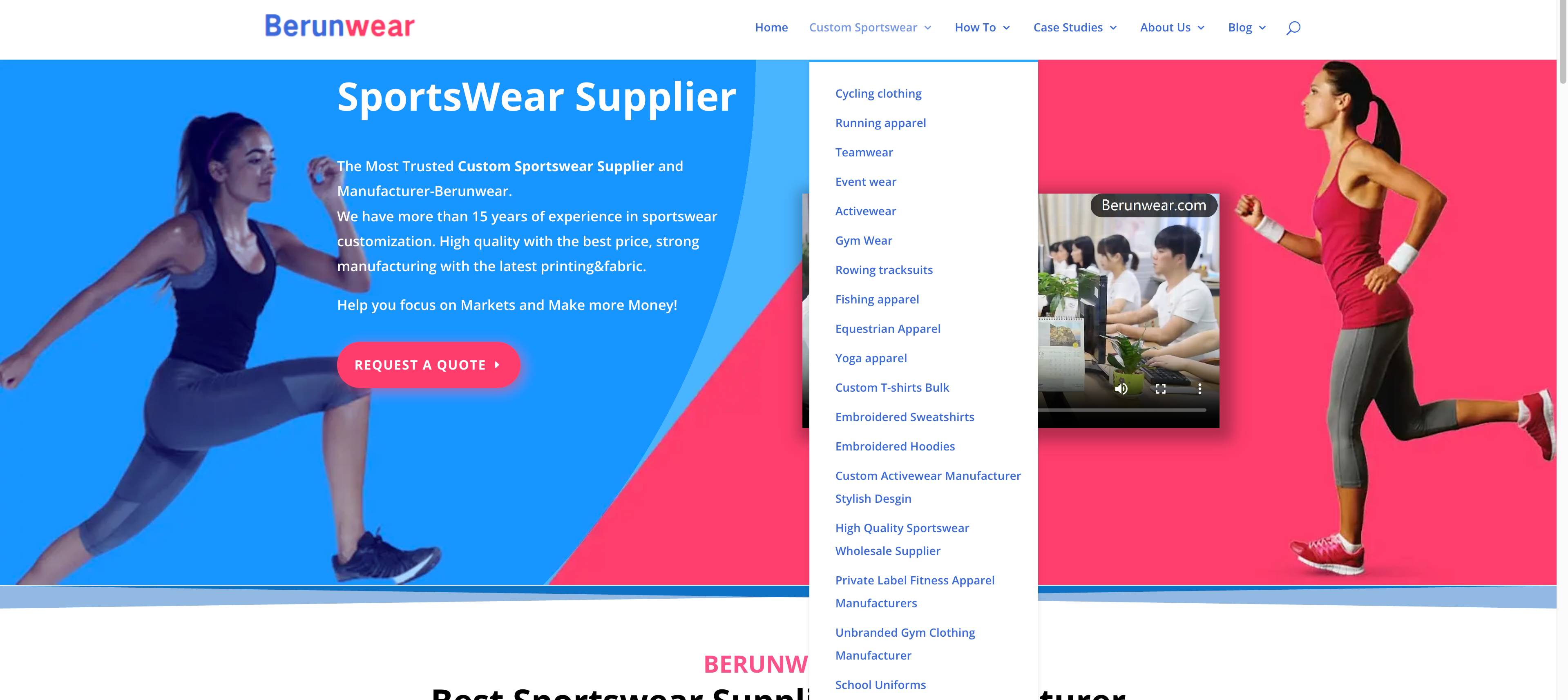
Berunwear carved out a specific niche that bigger brands often ignore: bulk team orders and promotional sportswear. Since 1998, this Wuhan-based manufacturer has focused on serving clubs, sports teams, and companies that need custom-branded athletic gear in volume.
Specialization That Drives Efficiency
With 100+ employees, Berunwear isn't trying to compete with massive retailers. They've built their entire operation around organizational buyers. Their MOQ starts at 200 pieces per design. This makes them perfect for:
Sports teams and clubs needing matching uniforms
Corporate wellness programs ordering branded activewear
Event organizers needing promotional sportswear
Startups launching team merchandise lines
Package Solutions for Team Buyers
Berunwear's strength lies in complete package deals. You're not just buying blank garments. Their custom teamwear includes logo embroidery, multiple placement options, and matched design across entire orders. Fast sample kits speed up pre-production approval. This matters a lot if you're outfitting a team before season starts.
Pricing & Market Position
Berunwear operates in the mid-to-high price range (★★★★ rating). They charge more than basic wholesale suppliers. You're paying for custom branding support and large-scale order management. Bulk buyers get reliable private label activewear production with full customization. This pricing reflects strong value, not premium positioning.
4. Eation Wear
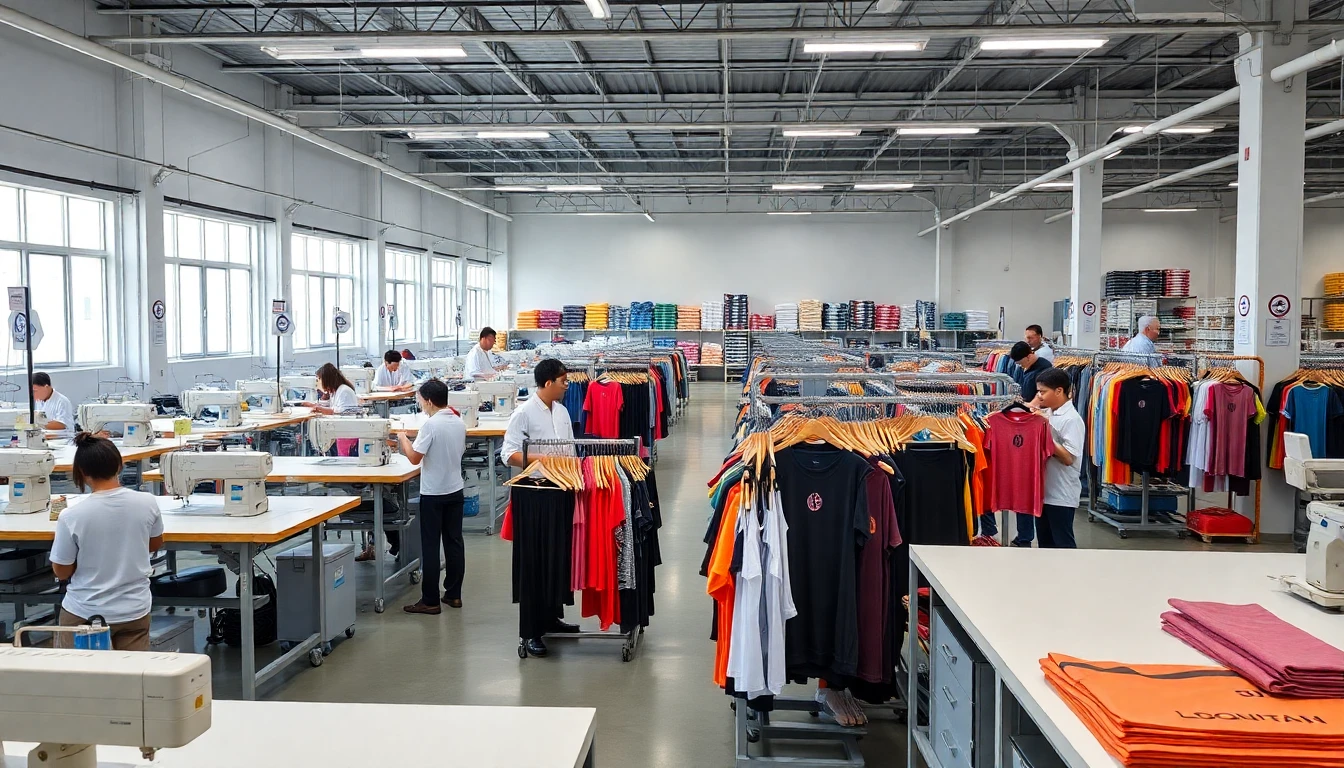
Premium doesn't always mean expensive. Eation Wear proves this from their Guangdong facilities. They've built a 500+ employee operation since 2016. You get high-end quality without luxury brand markup. Their ★★★★ rating shows they deliver solid results in custom sportswear manufacturing.
Quality Certifications That Matter
ISO 9001 and BSCI certifications aren't just paperwork. Eation Wear's quality systems get checked by outside auditors. Their social compliance gets reviewed too. B2B buyers selling to European or North American retailers need this proof. Eation Wear handles it. You don't chase certificates yourself.
Versatile Production Methods
Eation Wear runs multiple decoration techniques in-house:
Sublimation printing for full-color, seamless designs on performance wear
Embroidery services for premium branding on yoga clothing and fitness apparel
Screen printing for cost-effective logo placement on gym wear bulk orders
This variety matters. Mix decoration methods across a single order. No need to coordinate multiple vendors.
Premium Positioning Without Premium Headaches
Eation Wear competes with big names like AIKA Sportswear in premium activewear production. Their pricing shows what they can do, not brand markup. You get athletic apparel factory standards at OEM sportswear China rates. That's perfect for private label activewear brands building quality reputations.
5. SGL Sports
SGL Sports operates with 201-500 employees in Dongguan. Most boutique factories can't compete. That workforce size shows something key: they've grown beyond startup limits. Premium quality control stays intact. Their ★★★★★ rating isn't marketing hype. It shows steady delivery for new brands launching first collections and established labels protecting their names.
Production Scale Meets Premium Standards
Dongguan became China's manufacturing hub for solid reasons. SGL Sports uses this advantage well. Their employee count beats typical boutique athletic wear factories in China. You get premium gym wear supplier abilities with the volume mass-market players use. This mix helps growing brands. Start with 500 units. Jump to 5,000 units next quarter. SGL Sports handles both. Quality stays consistent.
Why Emerging Brands Choose SGL
New activewear brands hit a tough spot. High-quality makers want huge minimum orders. Low-MOQ factories give uneven results. SGL Sports fills this gap with flexible private label services. Their premium focus means higher unit costs. You're buying performance wear that protects your brand's first impression. Customer returns destroy emerging brands faster than high production costs ever will.
6. Hucai Sportswear
Yoga brands and fitness startups face a tough challenge: finding a manufacturer who gets modern activewear design. Hucai Sportswear (FC Gymwear) solved this problem in 1998. Their Dongguan facility has 100+ employees. These workers focus only on yoga and athleisure categories.
Niche Expertise That Startups Need
Hucai doesn't spread resources across every sports category. They picked yoga wear and fitness apparel. Then they mastered them. This focus gives you real advantages:
Fabric consultation services help you pick performance materials. Hot yoga needs different fabrics than gym training.
Advanced sublimation printing creates seamless, full-color patterns. No extra weight. No stiffness.
Design support turns rough concepts into production-ready technical packs.
Most athletic apparel factory China operations hand you a catalog. Hucai takes a different approach. Their team guides fabric selection based on your target customer's workout habits.
Startup-Friendly Production Model
The 200-piece MOQ per design fits emerging activewear brands well. Launch three legging designs? You need 600 total units, not 3,000. Mid-to-high pricing (★★★★) reflects their technical skills and customization depth. You're buying production knowledge alongside garments.
Hucai shows up in "top 10 sportswear manufacturer in China" lists for one reason: they deliver what yoga and fitness brands need. Technical quality. Design flexibility. Realistic minimum orders for brand launches.
7. Fengcai Sportswear
Sustainability sells. Fengcai Sportswear built their entire Guangzhou operation around this simple truth. They produce 80,000 pieces per month. All of it? Green athletic wear. This isn't greenwashing. Their production lines use sustainable materials. Their processes protect the environment.
Green Manufacturing at Scale
Fengcai targets one type of buyer: brands that need green credentials in their production chain. Fast fashion destroyed trust. Modern shoppers check labels. They ask questions. Your factory's green practices become part of your brand story.
Durability changes the money game. Cheap sportswear falls apart after twenty washes. Customers blame your brand, not the factory. Fengcai's sustainable materials cost more upfront. They last longer. Return rates drop. Customer lifetime value climbs.
Smart Positioning for Green Brands
Guangzhou's factory network gives Fengcai access to new green fabric suppliers. They've built relationships with mills that make recycled polyester, organic cotton blends, and plant-based performance materials. You get more than basic "green" options that hurt performance.
Fengcai earned their spot in China's top 10 sportswear makers by solving a real problem. They can produce sustainable activewear in large amounts. Quality standards stay high. Volume stays commercial. That's what sets them apart.
8. Xinfu Activewear
Xinfu Activewear operates in Guangdong with 100+ employees. Their mission is clear: turn technical sportswear ideas into real products. Their award-winning R&D team does this work. Since 2009, they've said no to mass production. They focus on innovation in limited runs.
R&D Strength That Opens Markets
Most factories copy designs. Xinfu creates new ones. Their technical team holds industry awards for fabric innovation and new construction methods. This R&D focus opened major markets:
North America – brands here want top performance features
Europe – strict quality and green standards rule here
Australia – extreme climates need special activewear
This wide reach shows they meet Western brand needs.
Limited Runs, Maximum Innovation
Xinfu earned a rare ★★★★★ rating. This puts them next to China's biggest sportswear suppliers in quality benchmarks. The difference? They shine at small-batch, high-tech production. Want to launch a technical running jacket with 300 units? They handle full development. Need moisture-wicking fabric that's not on the market yet? Their R&D team tests solutions.
Mid-range pricing shows real technical development work. You're buying engineering know-how, not just garment making. Brands building reputations on innovation get what they need here.
9. Fitop
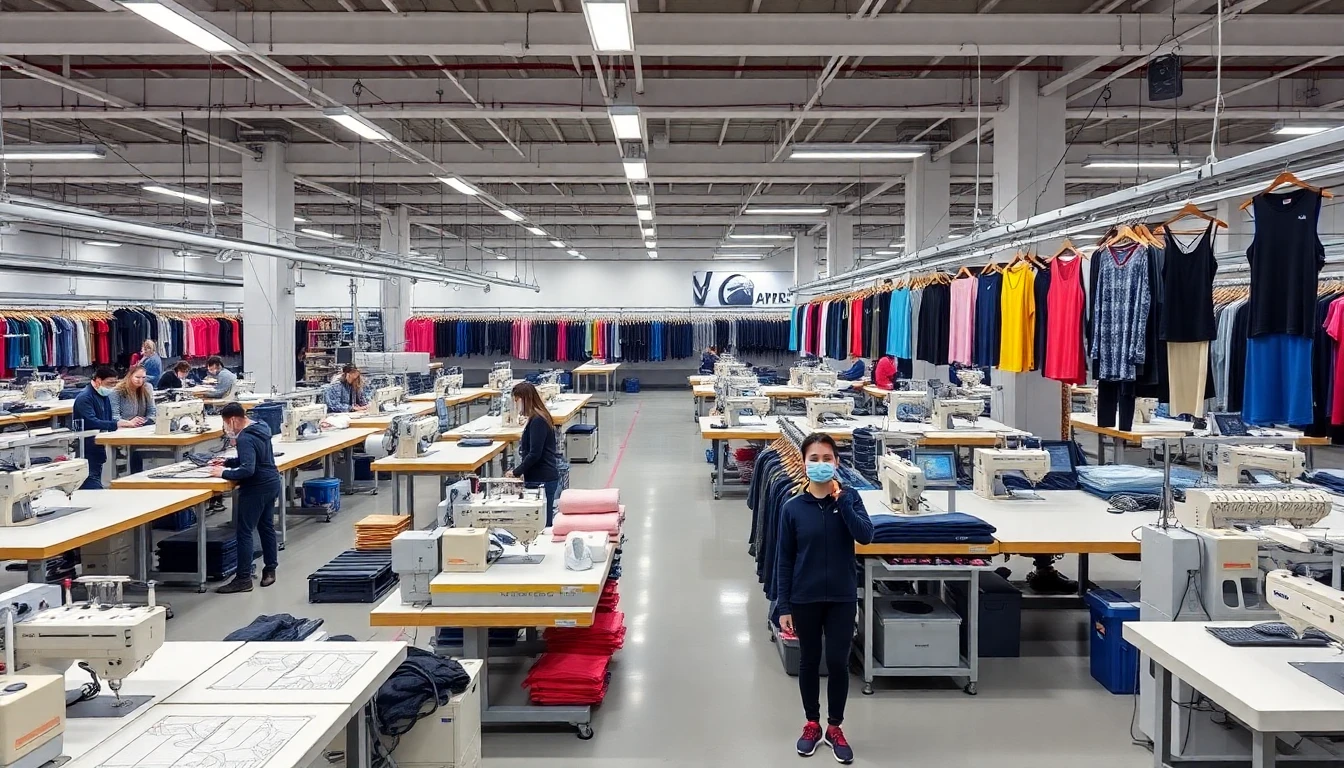
Fitop built their reputation on one thing: saying yes when other factories say no. Big order? They handle it. Small test batch of 100 units? They handle that too. This flexibility keeps them in China's top 10 sportswear makers, year after year.
Why Brands Keep Coming Back
Most custom sportswear makers choose one path. They go after huge orders from big brands. Or they work with startups on small batches. Fitop does both. Their lines handle 10,000-unit orders one day and 500-unit launches the next. No delays. No issues.
This matters more than you think. Launch a new activewear line? Start with 500 units. Product sells? Scale to 5,000 next quarter. Most China fitness apparel factories make you switch suppliers as you grow. Fitop grows with you.
Client-First Production Model
Fitop's "client-first production" isn't just talk. It's how they run things. Each brand gets a dedicated production manager. Your manager knows your quality standards. They track your delivery deadlines. They remember which design details your customers care about.
This is why Fitop ranks high among China's athletic apparel makers. You're not just another order. You're a brand partner they plan to keep.
10. Sansansun Sportswear
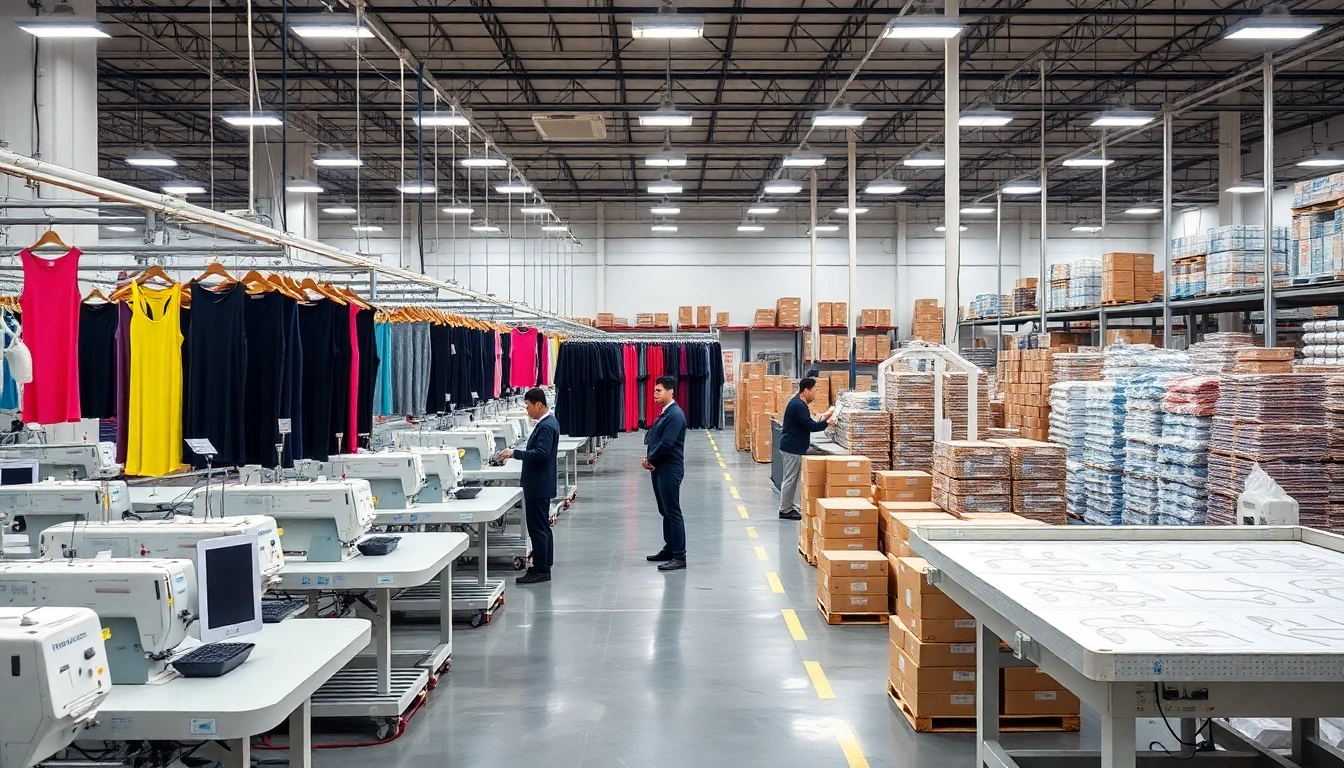
Sansansun Sportswear produces 400,000 pieces every month. That's serious volume. Most yoga wear makers in China can't hit these numbers. They struggle to keep quality steady across North America, Europe, and Asia at the same time.
Strong Supply Chain for Any Order Size
Here's what sets Sansansun apart from typical OEM sportswear China operations: their supply chain is solid. They don't rush to find fabrics after you order. Everything's ready. This setup handles both sides:
Large brand orders needing 50,000+ units with zero delays
Small batch orders starting at low minimums for new labels
Expert pattern making that turns your brand ideas into ready patterns
Big brands trust them with huge orders. Startups get the same production tech for test runs. You don't see that often in China's athletic wear factory scene.
Product Range for Modern Activewear Brands
Sansansun focuses on four main types: yoga wear, sweatpants, sports suits, and sports bras. They don't try to make every kind of athletic gear. This focus pays off. Their teams know these products cold. Fabric stretch for yoga pants? They've tested thousands of options. Sports bra support? That's their job every day.
Their reliability reputation didn't come from ads. It came from delivering quality products on time. Again and again. Across three continents.
How to Choose the Right Sportswear Manufacturer
Production capacity shows you a factory's reliability. A manufacturer running 1+ million garments per year has systems that work. They've fixed their bottlenecks. They know how to scale. JaceApparel runs a 20,000 m² facility with over 400 employees. That's not startup territory. Compare this to AIKA Sportswear's 50,000–100,000 units per month from their 3,000 m² space. Both deliver quality. The difference? Your order size and growth timeline.
Match Factory Specialization to Your Product Category
Generic factories cost you money. They waste time learning your product needs. You want specialists who've solved your exact problems a thousand times. Goal Sportswear built their entire operation around sublimated sportswear and custom teamwear. Their production lines handle nothing else. FC Gymwear focuses only on yoga and fitness apparel. Changda Garment makes organic cotton hoodies and sustainable activewear.
Specialization speeds things up. Sample approval happens faster. Quality issues drop. Your technical needs don't confuse their teams. They've made similar products for years.
Minimum Order Quantities Separate Real Options from Impossible Ones
MOQ kills more brand launches than poor marketing. You need 500 units for a market test. Factory requires 5,000 minimum. Deal stops there. ODMYA starts at 300 pieces per design. Pattern Solution and FC Gymwear handle small batch custom orders. Fitop and Ingor work both sides – they take large corporate orders and startup test runs.
Calculate your real needs before contacting factories. Launching three legging designs at 300 units each? You need 900 total pieces. Some manufacturers set MOQ per order, not per design. That difference matters.
Quality Certifications Protect Your Brand Reputation
ISO 9001, BSCI, and SEDEX certifications aren't just paperwork. They're your safety net. Healy Sportswear runs strict testing across their manufacturing systems. These standards catch problems before products ship. Your customers never see defects. Your brand stays protected.
Request actual certificates. Not promises. Not "we're working on it." Get physical papers from recognized bodies. Then verify those certificates yourself. Factories serving North American and European markets already meet these standards. They export there each month. Asian market specialists might use different quality systems. Know which certifications your target market needs.
Customization Capabilities Make or Break Brand Differentiation
Every activewear brand needs something unique. Standard catalog products don't build market positions. Need inspiration for your brand? Browse our 200+ fitness clothing brand name ideas. Pattern Solution and FC Gymwear excel at custom development and small batch prototyping. Ingor provides professional plate making and fast sampling. These services turn rough brand ideas into production-ready specs.
Ask about fabric consultation during your first call. Can they suggest performance materials for hot yoga versus gym training? Do they offer sublimation printing, embroidery, and screen printing in-house? Check their 3D pattern engineering. Fast prototyping matters most for seasonal collections. You can't wait eight weeks for samples.
Technology Determines Product Quality Ceiling
Top manufacturers use sublimation for seamless, full-color designs. They engineer moisture-wicking fabrics that work. Their 3D pattern systems fix fit problems before cutting fabric. Healy Sportswear invested big in R&D and performance fabric tech. This shows in their final products. You can't fake technical innovation with basic equipment.
Geographic location affects your logistics costs. Dongguan, Guangdong, Guangzhou, Wuhan, Xiamen, and Shenzhen lead China's sportswear production. Five eastern provinces control most clothing exports. Factories in these regions have shipping partnerships in place. Their export paperwork runs smooth. They understand international quality expectations.
Test Communication Before Committing to Production
Contact three to five shortlisted factories. Send the same inquiry emails. Track response times. Measure how detailed their answers are. Vague responses signal communication problems ahead. Technical questions deserve specific answers, not sales pitches.
Request samples right away. Pay for them. Serious manufacturers charge for samples because they invest real resources. Free samples often use cheaper materials than production runs. Test sample quality hard. Check stitching. Wash garments multiple times. Stretch fabric to failure points.
Verify actual production lead times with current clients if you can. Promised timelines and delivered timelines differ at problem factories. Your product launch depends on reliable delivery. Miss your seasonal window because production ran late? That inventory becomes dead stock.