Golf used to be simple. You had one tour, one leaderboard, and one very clear reason to fall asleep on a Sunday afternoon. Then LIV Golf arrived — Saudi-backed, loud, and built to shake things up. Your uncle who hasn't watched a tournament since 2019 now has opinions . Strong ones. The LIV Golf vs. PGA Tour debate has fractured locker rooms, split fan bases, and turned post-round drinks into heated arguments about money, loyalty, and what professional golf is even for . Even the merchandise world has felt the divide, with experienced manufacturer of golf apparel now producing custom LIV Golf and PGA Tour golf apparel tailored to the distinct branding, team formats, and event atmospheres that separate the two circuits.Want to know where Phil Mickelson went? Curious why some players can't get into the Masters anymore? Not sure what to wear to a live event? This breakdown covers all of it — no judgment, just straight answers.
What Is LIV Golf? Origins, Backing, and Mission
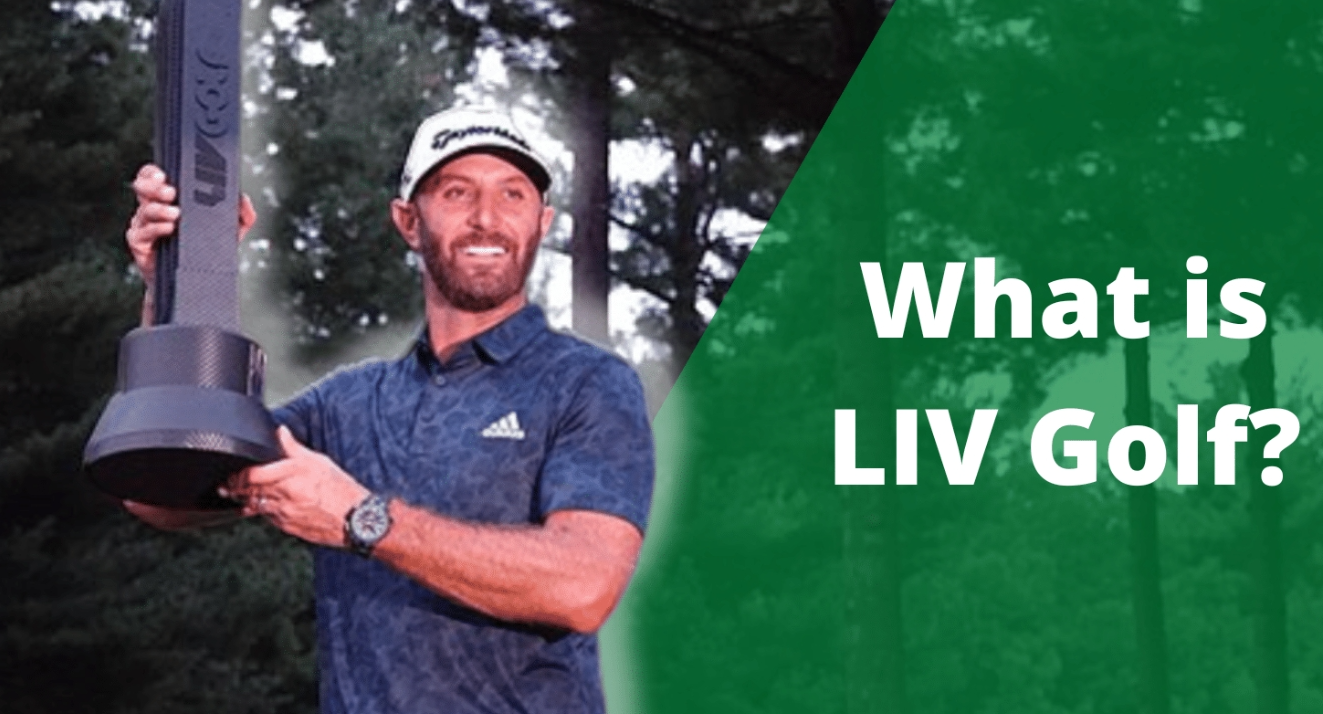
LIV Golf didn't sneak into existence — it arrived with $2 billion and zero apologies.
Saudi Arabia's Public Investment Fund (PIF) controls $776 billion in assets . That's the money behind LIV Golf. The league launched in October 2021 and held its first tournament on June 9, 2022, at Centurion Club near St. Albans in the UK. Former world number one Greg Norman took the CEO role — inspired casting or on-brand controversy, depending on who you ask.
The name tells you everything about the philosophy. "LIV" is the Roman numeral for 54. It represents two things: the score you'd shoot by birdying every hole on a par-72 course, and the league's original 54-hole format. They switched to 72 holes for the 2026 season but kept the name. Rebranding costs money, and nobody wants to explain it twice.
The league’s team identity and louder visual branding have also pushed demand for custom professional LIV-style golf apparel, reflecting the bold colors and logo-heavy uniforms that separate LIV events from the more traditional look seen on the PGA Tour.
The mission was bold, not humble: reimagine professional golf for modern audiences. Blow up the traditional format. Add team competition. Pay players so much money that the headlines write themselves.
That strategy got people's attention fast.
Here's what the financial firepower looked like in practice:
Phil Mickelson signed for a reported $200 million
Tiger Woods got an offer somewhere between $700–800 million — and turned it down (a story worth its own article)
The first LIV event featured a $25 million prize pool . Winner Charl Schwartzel walked away with $4 million in a single afternoon
Dustin Johnson, Bryson DeChambeau, Jon Rahm, Cameron Smith, and Sergio Garcia all made the jump
The format puts 54 players across 13 teams on the course at the same time. Individual rankings and team standings run side by side. It sounds chaotic at first. Watch a round, and you'll see that's exactly the point.
What Is the PGA Tour? History, Structure, and Authority
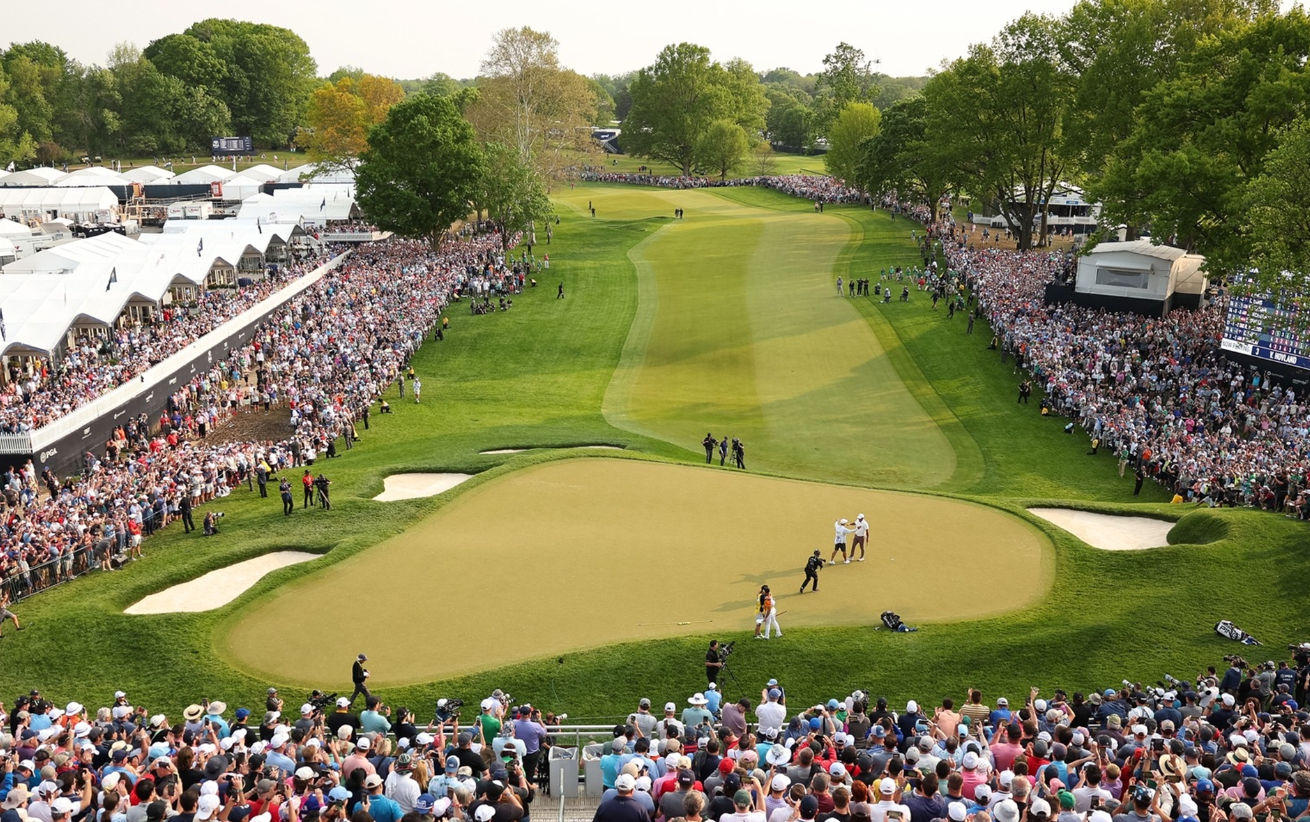
The PGA Tour has been running professional golf in America since 1968 . For context, that's the same year 2001: A Space Odyssey came out. One of those things aged better than the other. It's not the one with HAL 9000.
That year, the Tour broke away from its parent organization, the PGA of America. It became its own independent entity. It's a nonprofit — structured as a 501(c)(6) organization . That's a dry, unglamorous legal label for something that pulls in jaw-dropping sums of money.
Here's how jaw-dropping: In 2025, Scottie Scheffler earned $27,659,550 . Six wins. Seventeen top-10 finishes across 20 events. The math breaks down to $5,141 per swing and $349,730 per round . So Scheffler made more in a single afternoon of golf than most people earn in several years of not playing golf. The universe is fine. Everything is fine.
The whole system runs on the FedEx Cup points structure . It's a season-long ranking system that decides tournament entry, exemptions, and player privileges. Fair in theory. Brutal in practice.
Behind that competitive structure sits a massive commercial ecosystem — equipment brands, sponsors, and even specialized PGA Tour golf apparel suppliers producing tournament-ready clothing that matches the Tour’s strict dress standards and broadcast visibility.
But the Tour's real power isn't prize money. It's OWGR points — Official World Golf Rankings. Those rankings control access to the biggest stages in golf:
- The Masters
- The U.S. Open
- The Open Championship
Top 50 in the world? You're in Augusta. Drop out of the top 100? You're watching on TV like the rest of us.
That pipeline is a serious structural advantage. LIV Golf — despite all its billions — has spent years trying to crack it, and hasn't managed to yet.
Format Comparison: How Each Tour Works

Here's the simplest way to see the difference: one tour sends players home early. The other keeps everyone in until the end.
The PGA Tour runs 36+ events per season. Players tee off in staggered groups. Each hole start is spaced 8–10 minutes apart. After 36 holes, a cut happens. The bottom half of the field packs their bags. The top 50% (plus ties) keep playing. Out of 120–156 starters, about 65–70 players make it to the weekend.
LIV Golf runs on a different logic. No cut. All 54 players start at once in what's called a shotgun start. Every hole is occupied at the same time. The whole field moves in parallel. It's loud, fast, and chaotic — in a good way. Everyone finishes all 72 holes, every event, no exceptions.
The Team Layer (This Is the Part People Forget)
LIV isn't just an individual competition. Thirteen teams run alongside the individual leaderboard. Each team has three players. Each team's score uses the best two of three individual scores per round. Individual and team points both build up across the full season.
The season ends with a Team Championship. The top 8 teams qualify. They go through two rounds of stroke play seeding, then compete in a 32-match playoff.
Schedule Volume: More Rounds vs. More Events
LIV Golf | PGA Tour | |
|---|---|---|
Regular Events | 13 + 1 Team Final | 36+ |
Total Events | 14 | 39+ |
Event Density | ~1/month | 2–3/month |
The PGA schedule is relentless. The LIV calendar is lighter — one event per month, February through December. Some see that as a win for player wellness. Others see it as the tour taking it easy. It depends on which podcast you're tuned into.
CTA SectionPrize Money Breakdown: LIV Golf vs. PGA Tour Earnings
The numbers here are absurd. I mean that as a compliment to everyone involved.
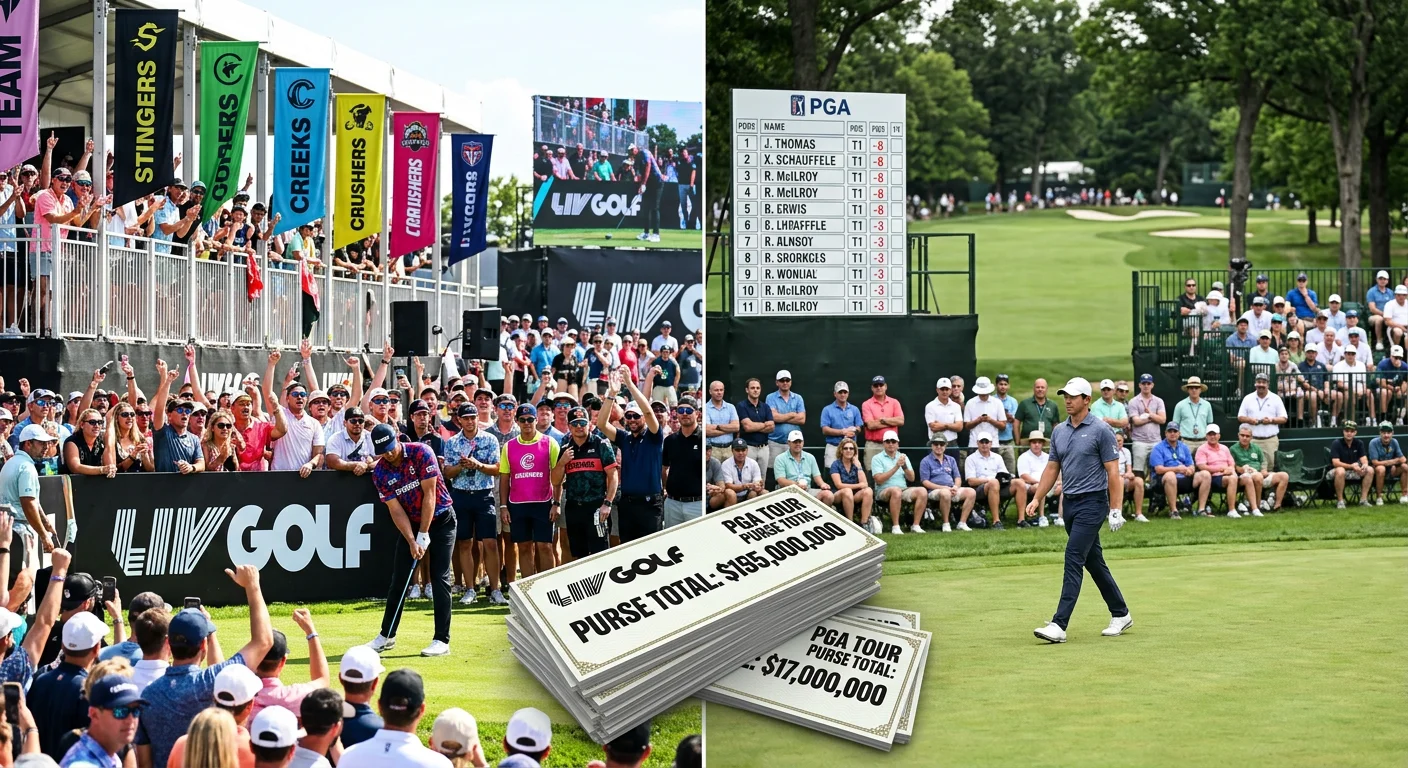
LIV Golf's 2026 purse sits at $30 million per event — up from $25 million in 2025. That splits into $20M for individual competition and $10M for team competition (team money doubled from last season). Each event also adds a $2.3M podium pool for the top three finishers. Across 14 events, the season total hits $470 million . All 57 players get paid every week. No one goes home with nothing. The participation trophy is worth six figures.
The PGA Tour's 2025/2026 season totals $487.9 million across 41 events . The Players Championship tops out at $25 million ($4.5M to the winner). The Masters pays $21 million ($4.2M to the winner). Regular events average under $10 million . Miss the cut? You earn zero.
Here's where the numbers get interesting:
LIV Golf | PGA Tour | |
|---|---|---|
Season Total | $470M (14 events) | $487.9M (41 events) |
Per-Event Average | ~$33.6M | ~$12M |
Guaranteed Pay? | Yes — all 57 players | No — cut players earn $0 |
What This Means for Players
The per-event math explains why so many players made the switch. Dustin Johnson has earned $61.8 million across 51 LIV events . That works out to $1.21 million per event . His PGA Tour average? $242,000 per event across 311 starts. Joaquin Niemann pulls in $1.44M per LIV event versus $123K on the PGA Tour. Cameron Smith earns $1.05M per LIV event , compared to $164K on Tour.
Phil Mickelson stands out as the odd case. His LIV per-event average of $251K edges past his PGA Tour average of $146K — but not by much. He also signed for a reported $200 million upfront . A nine-digit signing bonus changes how the math works out.
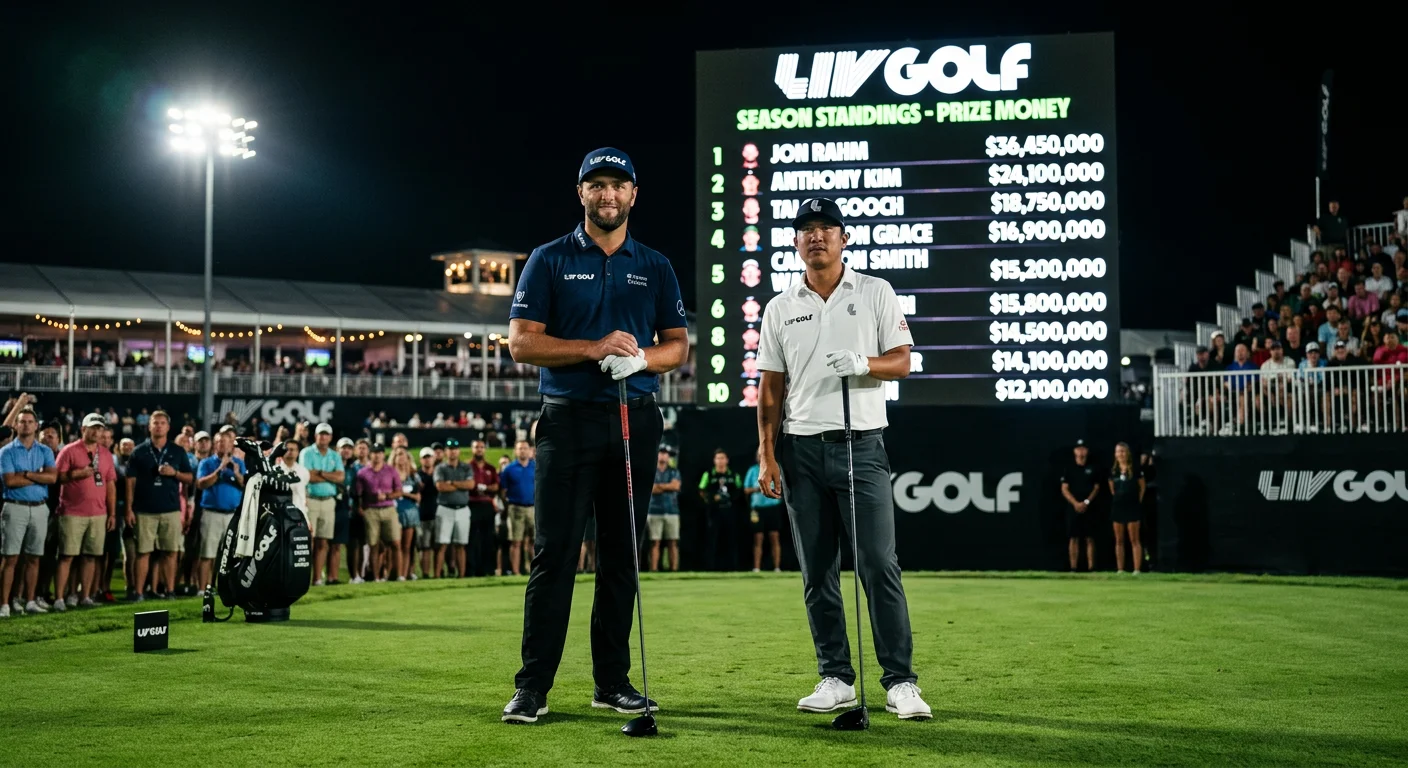
The 2026 LIV money list leader through Adelaide is Jon Rahm at $4.5 million . Right behind him? Anthony Kim — yes, that Anthony Kim, who vanished from professional golf for more than a decade — sitting at $4.203 million . Some things you just can't predict.
Player Eligibility, OWGR Rankings, and Majors Access
Turns out, the most complicated part of professional golf isn't the swing. It's the bureaucracy.
Players who jumped to LIV Golf didn't just switch leagues. They stepped into a mess of eligibility consequences that nobody explained at the signing bonus party. The biggest problem? OWGR points. The Official World Golf Rankings excluded 54-hole events. That meant LIV Golf events generated zero ranking points. Zero. Your world ranking could crater while you're cashing seven-figure checks in a field in Adelaide.
That's why LIV shifted to 72-hole events for the 2026 season. The goal: meet OWGR eligibility criteria. Whether the governing bodies grant those points is still being worked out by people in very serious rooms wearing very serious expressions.
What This Means for Majors
Here's where the OWGR drop hurts . Major championship access runs almost entirely on world ranking thresholds:
Major | Key OWGR Threshold for LIV Players |
|---|---|
The Masters | Top 50 OWGR; top 30 prior year; past champions |
U.S. Open | Top 50 OWGR (as of May 25); past 10-year winners |
The Open Championship | Top 50 OWGR at qualifying deadline |
PGA Championship | Top 100 OWGR (likely special exemption) |
Past champions still get in. Jon Rahm can still show up at Augusta. But a LIV player ranked 65th at signing, then sitting at 110th after two ranking-free seasons? They're watching the Masters from a couch. A very expensive couch, but still a couch.
PGA Tour Membership: The 42-Category Maze
The PGA Tour runs its membership through a 42-category priority ranking system — which sounds like something built by someone who loves making spreadsheets at 2am. The basics:
Top 70 FedExCup through the Playoffs: full playing cards
Ranks 71–125 : conditional status, restricted access
Ranks 126–150 : conditional, even more restricted
Full-field events dropped from 144 to 120 players in 2026. That compression hit players in the 101–125 range the hardest. Sponsor exemptions now route through the priority list. They no longer run on their own track.
Getting onto the Tour means surviving one of three narrow doors. Finish in the top 5 at Q-School . Earn one of 20 Korn Ferry cards . Or grab a Monday qualifier spot — two spots in 132-player fields, four in 144-player fields. It's not a pipeline. It's a needle.
LIV's "Lock Zone" vs. PGA Instability
LIV offers something the PGA Tour doesn't: roster security . The top 34 players keep their spots regardless of OWGR swings. No reshuffles. No conditional status. No staring at a leaderboard on Sunday praying you make the number.
System | Stability Level | Tradeoff |
|---|---|---|
LIV Lock Zone (top 34) | High — protected roster | OWGR ranking may still erode |
PGA Tour (top 100) | Medium — subject to reshuffles | Full majors access if ranked high enough |
PGA Tour (101–125) | Low — conditional only | Grinding for every start |
The irony is almost poetic. LIV players have more job security. PGA Tour players have more access to the sport's biggest stages. Nobody got everything they wanted, and everyone has strong opinions about whose fault that is.
Key Players: Who Chose LIV and Who Stayed on PGA Tour
The roster decisions in professional golf have been, to put it plainly, a lot . Like, a genuinely unhinged amount of a lot.
The ones who went to LIV and stayed there form a logical group once you understand the math. Jon Rahm, Bryson DeChambeau, and Cameron Smith are all eligible for the PGA Tour's Returning Member Program. That program is a one-time window built for LIV defectors who won a major or The Players between 2022 and 2025. All three looked at that offer and said no thank you. The guaranteed money was too good. The contract structure was solid. And the exit penalties made leaving a bad deal financially.
Dustin Johnson doesn't even qualify for the program. He didn't win a major in that window. He stays on LIV regardless.
Then there's Brooks Koepka , who did something nobody else did. His contract expired in December 2025. He walked out. He cited family time as the reason. He returned to the PGA Tour through the Returning Member Program. Per reports, he's the only player who used that window before the February 2026 deadline.
Patrick Reed took a different, messier path. He didn't sign a 2026 LIV contract. His last LIV event was August 24, 2025. He's returning to the PGA Tour as a non-member starting August 25, 2026. He's also locked out of the Player Equity Program through 2030. Golf karma, it seems, has opinions about Patrick Reed.
Kevin Na is in an even more tangled spot:
- His PGA Tour membership got reinstated
- But he faces disciplinary action for violations
- No clear return date is attached to any of it
The traffic wasn't all one-directional either. Byeong Hun An and Thomas Detry both left the PGA Tour for LIV going into 2026. That's proof the league is still pulling players, even through the chaos of ongoing negotiations.
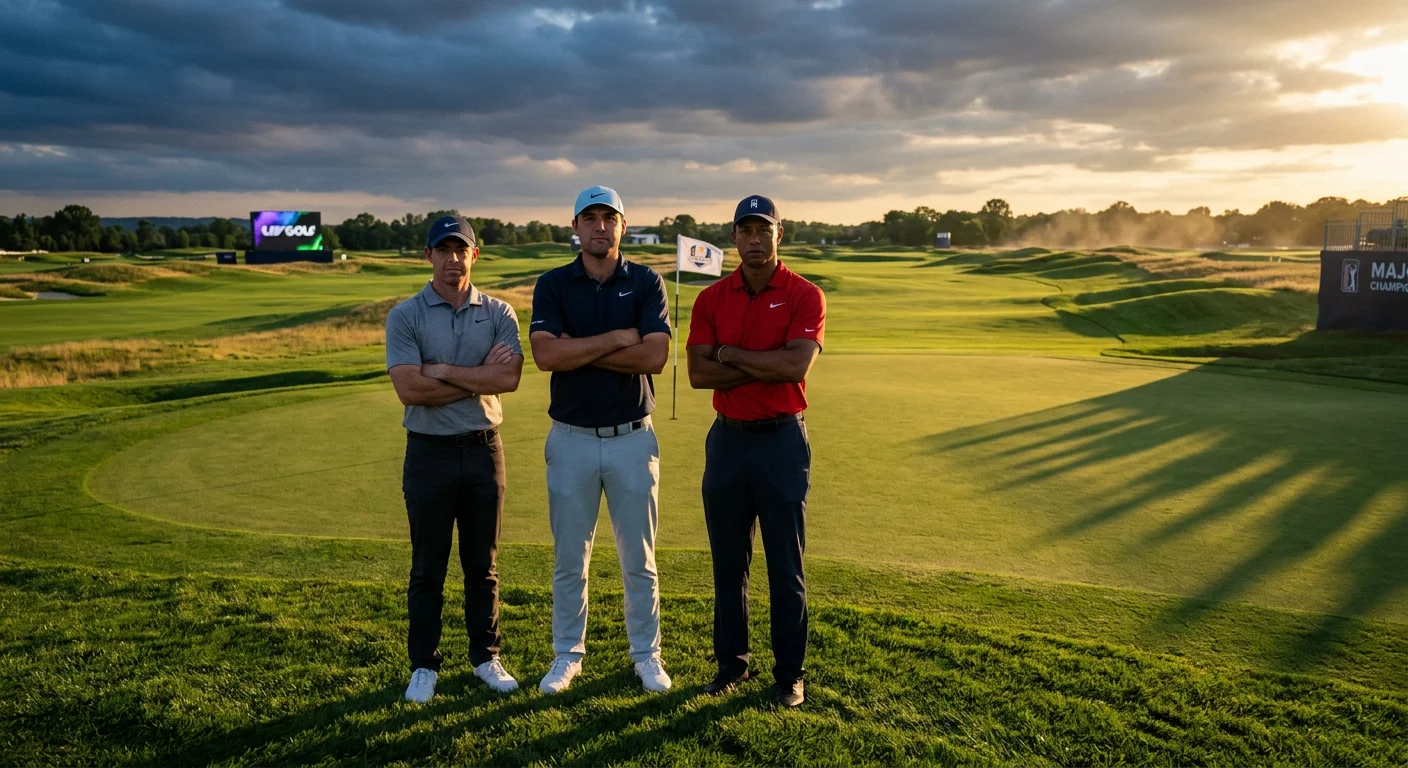
On the PGA Tour side, Scottie Scheffler, Rory McIlroy, and Tiger Woods never budged. Woods turned down a reported $700–800 million offer. Scheffler is busy winning everything in sight. McIlroy spent real energy criticizing LIV in public, then ended up part of merger conversations behind the scenes. Golf contains multitudes.
CTA SectionThe Controversy: Why LIV Golf Divides the Golf World
Nobody agrees on LIV Golf. Not the players, not the fans, not the governing bodies, not the people posting passionate comments on golf forums at midnight. That's kind of the whole story.
The loudest criticism is sportswashing — the idea that Saudi Arabia is using LIV Golf to clean up its global reputation through birdies and brand deals. The Official World Golf Rankings noted that LIV selects members "based on their nationality and not meritocratic reasons." That's a polite, bureaucratic way of saying the league's roster raises questions that go well beyond handicaps.
Then there's the merger situation. Its own special flavor of chaos. A framework agreement got signed in June 2023. Everyone held their breath. Then... nothing. As of early 2026, negotiations have stalled. No confirmed deal. No timeline. No clear explanation. LIV runs on its own. The frameworks gather dust.
The OWGR Points Problem (And Why Everyone's Mad)
LIV got OWGR points approved for 2026. Partial victory, right? Not quite. The points go to top-10 finishers only , and LIV events are classified as "small-field tournaments." An 11th-place LIV finish gets treated the same as 57th place in a full-field PGA event. Players grinding mid-table finishes walk away with almost nothing.
The move to 72 holes — made to qualify for OWGR — made some LIV players furious. Bubba Watson wasn't subtle about it. The original 54-hole format was the point . Stretching to four days felt like giving up what made LIV different. All for ranking points that barely shift anything.
It's an identity crisis wearing a golf shirt.
The qualifier controversy made things worse. In January 2026, LIV ran a qualifying event at Black Diamond Ranch in Florida — $1.5M purse, top two finishers earned 2026 tour spots. The PGA Tour declared it unauthorized under its North American jurisdiction rules. Players with PGA status who showed up faced disciplinary action. Non-members got a one-year ban from Monday qualifiers, exemptions, and Q-School.
The split isn't just about ideas anymore. It has real, documented consequences for players' careers. Those consequences depend on which side of the line you're standing on.
LIV Golf vs. PGA Tour: Side-by-Side Comparison Table
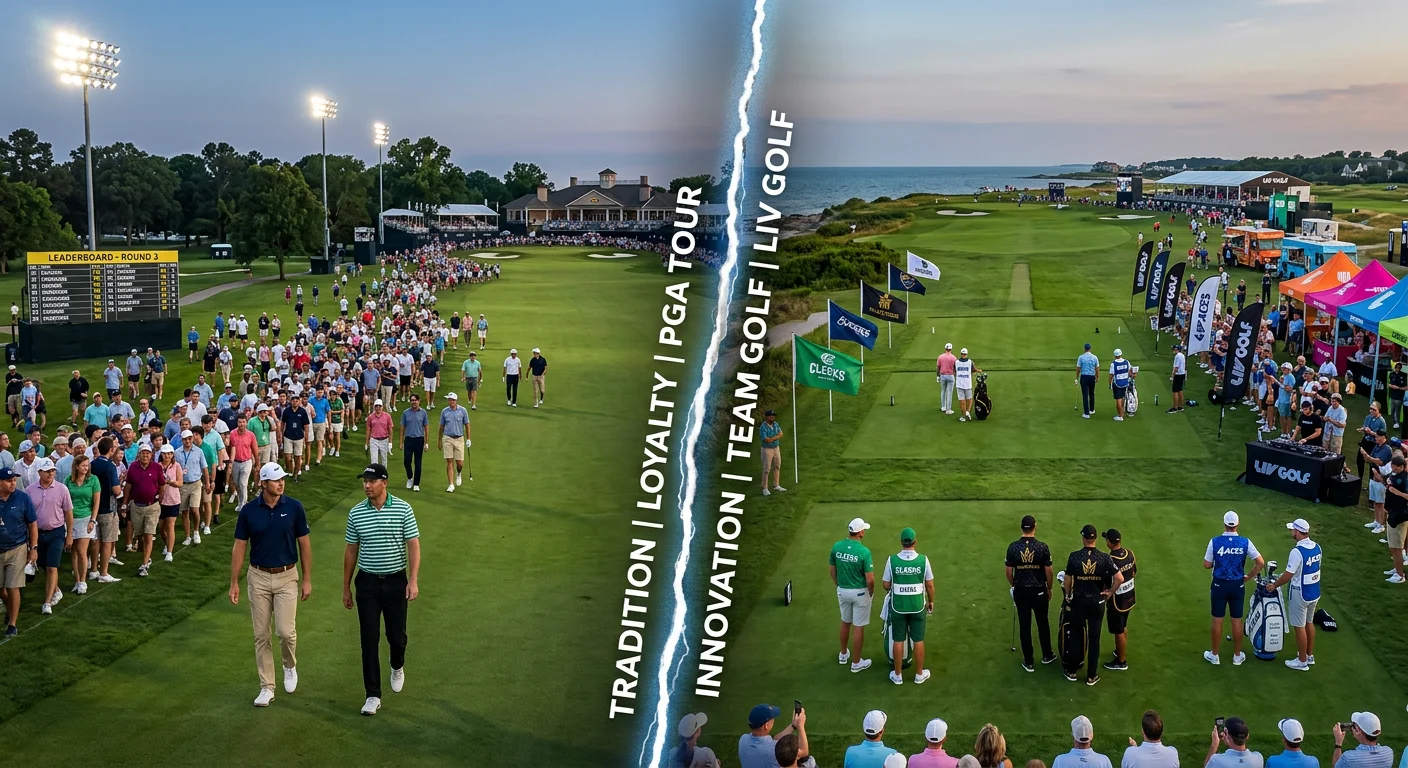
The numbers don't lie. Some of them are just hard to face.
Dimension | LIV Golf | PGA Tour |
|---|---|---|
Events Per Season | 14 | 47+ |
Event Purse | $30M | $20–25M (signature/Players) |
Individual Pool | $20M per event | Varies |
Team Pool | $10M per event | None |
Format | 72-hole, shotgun start, no cut | 72-hole, staggered, cut after 36 |
Field Size | 54 players | 120–156 players |
Annual Revenue | $65M | $1.83B |
Cumulative Losses | $1.1B+ (2022–2024) | Profitable |
The math is wild. The business model? Depending on your view, it's either bold and forward-thinking — or a very expensive fire.
Which Tour Should You Follow? (And What to Wear)

Your personality decides this. Maybe your therapist's schedule plays a role too.
- You enjoy chaos with a team scoreboard
- You don't need to watch anyone miss a cut
- You want to explain why Dustin Johnson is still relevant
- You find traditional golf too calm and quiet
- You want majors access and OWGR storylines
- You enjoy the unique pain of a collapse on hole 17
- You prefer tradition and earned glory
- You want to follow the biggest names in golf history
Follow both. They're not fighting over your loyalty.
What to wear to a live event:
LIV Golf — Crowds run younger and louder, with a festival vibe. Breathable performance polos and clean sneakers fit right in.Events like these also explain the growing demand for custom LIV Golf and PGA Tour golf apparel designed specifically for spectators who want the same breathable performance fabrics seen on tournament grounds.
PGA Tour — The dress code leans more traditional. A collared shirt, quality golf pants, and comfortable walking shoes are solid choices.
Either way, dress like someone who knows what a FedEx Cup point is — even if you looked it up twelve minutes ago.
FAQ: Most Common Questions About LIV Golf vs. PGA Tour
Okay, so you've made it this far and still have questions. That's fair. Golf seems built to spark more questions than answers.
Will LIV Golf and the PGA Tour ever merge?
Not yet. Both sides signed a framework agreement in June 2023. Then it stalled. As of 2026, there's no deal, no timeline, and no clear answers. Here's some context: the PGA Tour pulled in $1.83 billion in 2023. LIV made $65 million in 2024 — about 3.5% of that. On top of that, LIV lost over $1.1 billion total between 2022 and 2024. Saudi investment absorbed all of it. The two sides are not negotiating from equal ground. Not even close.
Can LIV players compete in majors?
Yes. Past champions, world ranking exemptions, and other qualifying criteria all still apply. It doesn't matter which tour a player belongs to. Jon Rahm played in majors during 2024 as a LIV member. No PGA Tour card needed.
Why does LIV Golf make people so angry?
Saudi Arabia's Public Investment Fund backs the whole operation. That alone raises real sportswashing concerns — and those concerns aren't fading. Then add the PGA Tour's decision to suspend players who left for LIV. Then add nine-figure signing bonuses like Phil Mickelson's reported $200 million deal. You end up with a controversy that carries genuine ethical weight and genuine financial logic. Both sides keep pulling hard in opposite directions.
How does LIV make money?
Right now, it doesn't — not yet. Saudi PIF funding covers the losses. The player contracts alone are eye-opening: Joaquin Niemann earned $69.6 million across 48 LIV events, compared to $14.9 million across 121 PGA Tour starts. The business model is built for the long run. The real question is whether "long-term" ever becomes "sustainable." That question carries a billion-dollar price tag — and counting.
Conclusion

LIV Golf and the PGA Tour aren't just two different golf leagues — they represent two different visions of what professional golf should be .
One is tradition, grind, and 72 holes of earned glory. The other is spectacle, guaranteed money, and weekend chaos with a DJ booth somewhere nearby. Neither is wrong. They're just different — and proud of it.
For apparel brands and retailers following the rivalry closely, the split has even influenced how companies design custom professional LIV-style golf apparel aimed at younger fans drawn to the league’s louder, faster format.
Now you have the full picture. The prize money, the drama, the players who left, the players who stayed, and yes, the ongoing merger saga that won't stop coming up at dinner parties.
So here's your next move: pick your side, find your player, and dress the part . At a PGA Tour major or a LIV Golf watch party — berunclothes.com has the golf apparel to make you look like you know what you're talking about.
And now? You do.
Video Section