That shirt soaking through on the back nine? It's not just uncomfortable — it's wrecking your swing, your focus, and your whole afternoon.
The debate between performance and cotton golf shirts goes beyond fabric preference. Your body goes through a lot during four-plus hours on the course. What you wear directly affects how you play and feel. Choosing the right shirt means understanding what's happening to your body out there — and dressing for it.
Buying your first moisture-wicking golf shirt? Reconsidering that drawer full of 100% cotton polos? Outfitting a whole team? The right choice depends on far more than what feels soft in the store.
Here's everything you need to know to get it right — no guesswork, no regrets at the turn.
Performance Golf Shirts: What Makes Them Different From Cotton?
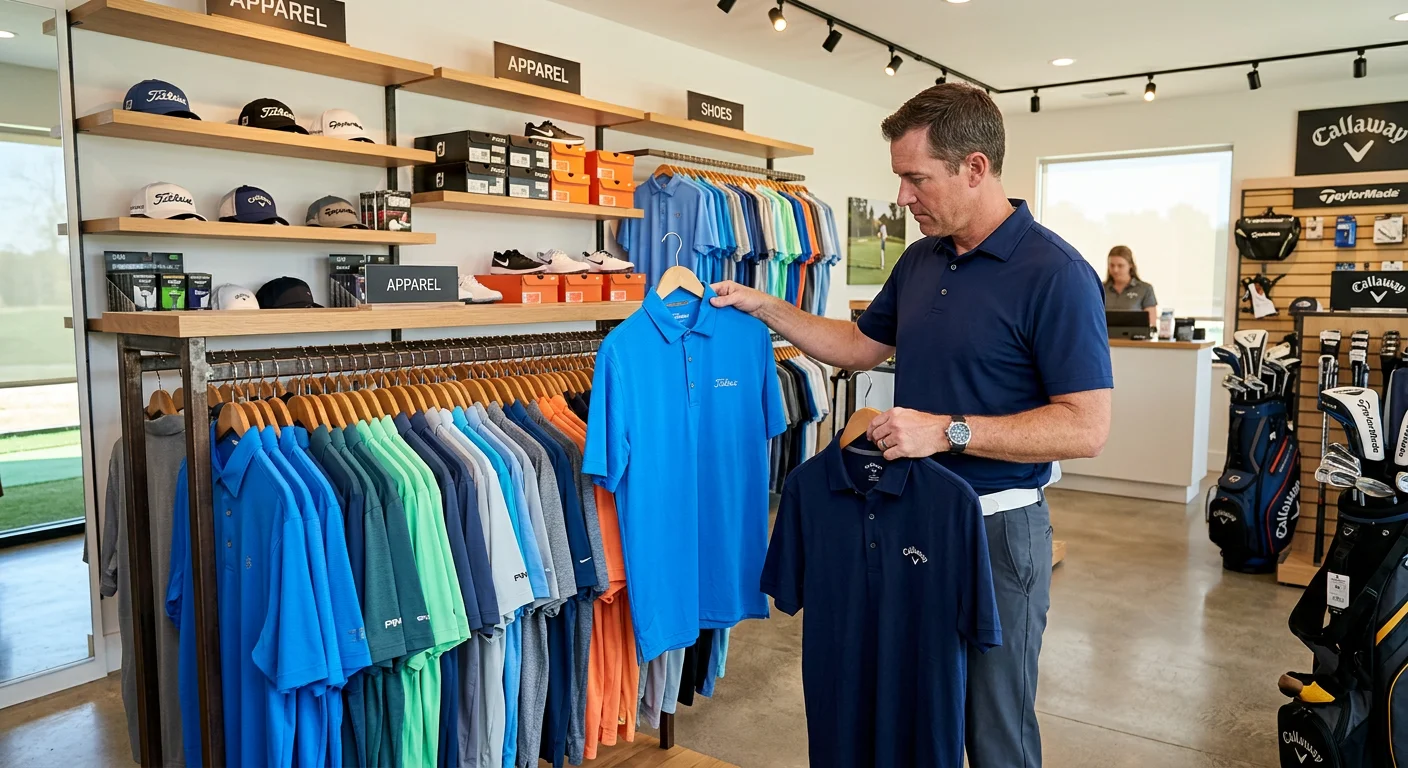
For private-label golf apparel manufacturers and custom golf shirt suppliers, fabric engineering — from elastane ratios to knit construction — determines whether a polo performs under tournament pressure or collapses after repeated wash cycles.
Step into any pro shop and you'll see it right away. The shirts on the rack aren't the heavy cotton polos your dad wore. Performance golf shirts are built differently — right down to the fiber itself.
The real difference is what the fabric does with moisture. Cotton soaks up sweat and holds it. By the fifth hole, you feel damp and weighed down. Performance fabrics — mostly polyester or polyester-elastane blends — push moisture to the outer surface. It evaporates fast. That's real moisture-wicking, not just a marketing claim on the hang tag.
Here's what that actually breaks down to:
Fabric weight : Most performance golf shirts run 160–210 gsm for warm-weather play. Cooler rounds call for up to 240 gsm. Light enough to breathe, firm enough to keep their shape.
Stretch and recovery : A 5–10% elastane blend lets the shirt move with your backswing and snap right back. Cotton stretches out and stays that way.
UV protection : Quality performance shirts carry a UPF 30+ rating. That blocks 97% of UV rays. Standard cotton offers close to zero protection.
Antimicrobial finishing : Silver-ion or zinc-oxide treatments stop bacteria from building up. That's why a cotton shirt stinks by the back nine — and a performance polo often doesn't.
Open-knit construction : Pique and single jersey structures, with mesh panels at the back and underarms, push airflow to the spots your body heats up most.
So the result goes beyond comfort. You get a shirt that holds up and works with you across four-plus hours on the course.
Head-to-Head: Performance vs. Cotton Golf Shirts Fabric Comparison
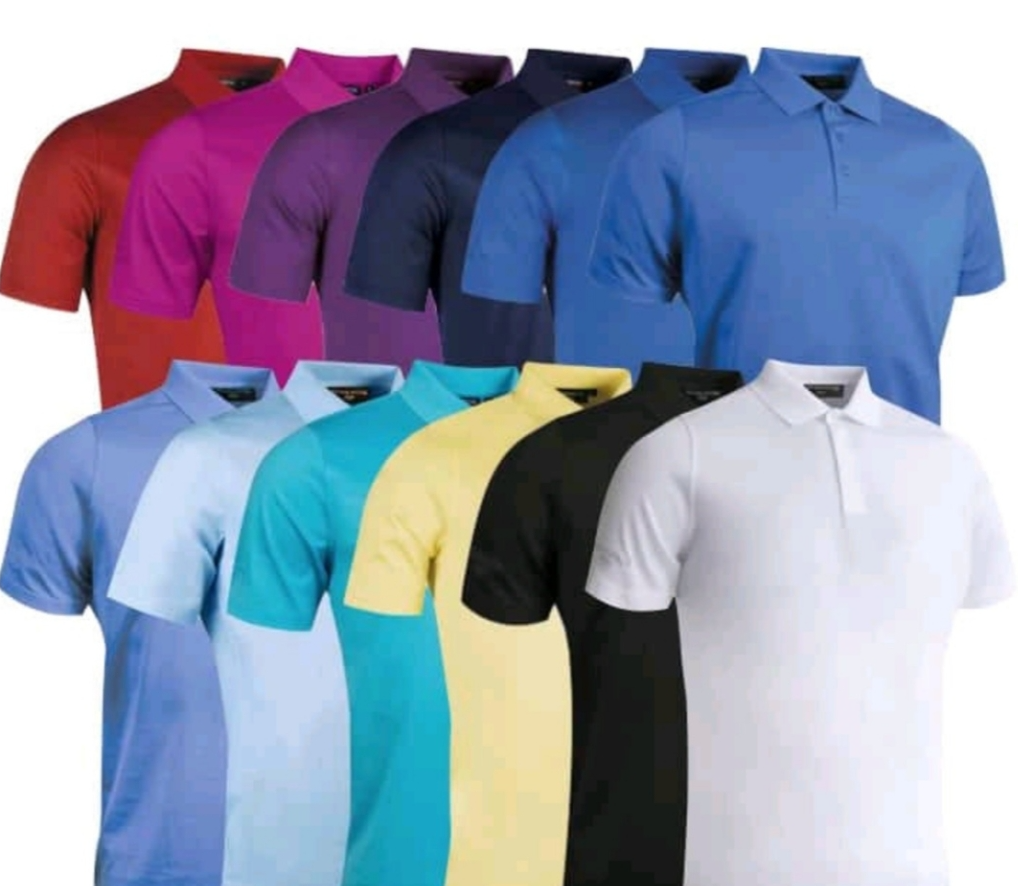
Golf apparel distributors comparing OEM golf shirt manufacturers often focus on fiber percentages, but long-term retail success usually comes down to moisture management ratings and fabric recovery performance — not brand labeling alone.
The gap between these two fabrics is bigger than most golfers expect. You won't notice it on hole one. By hole six, soaked through, you will.
Here's the clearest way to see it:
| Feature | Cotton | Performance (Poly/Spandex) | Bamboo Viscose |
|---|---|---|---|
| Moisture Management | Absorbs, stays wet and heavy | Wicks away, quick-drying | Wicks moisture, breathable |
| Stretch | Limited, mechanical | 4-way (5–20% spandex) | High in blended versions |
| Durability | Good (mercerized is better) | High — shape and color hold | Biodegradable, odor-resistant |
| Maintenance | Machine wash, simple | Wrinkle-free, no iron needed | Easy, no harsh chemicals |
| Breathability | Good when dry | Engineered high airflow | Up to 20x more breathable than polyester in bio variants |
What the Fabric Numbers Actually Mean
Performance shirts rely on polyester-spandex blends. The ratios matter. Nike Dri-FIT runs at 87% polyester and 13% spandex. Greg Norman's line sits at 88% polyester and 12% spandex. That spandex content — anywhere between 5% and 20% — is what gives you genuine 4-way stretch. The fabric won't bag out by the 12th hole.
Cotton can't match that. It stretches under pressure, then stays stretched. Collars go soft. Seams sag. After a few washes, the shape is gone.
Not all cotton is equal, though. Mercerized cotton goes through a fiber-strengthening process. It holds color better and lasts longer than standard cotton. Adidas's 2023 Go-To Pique uses a cotton-blend brrr° fabric that adds real softness and some stretch. Cotton blends are closing the gap.
The Case for Bamboo Viscose
Most comparison guides skip bamboo viscose. That's a mistake — it's a solid third option worth knowing about. It wicks moisture on its own, carries a built-in UPF 50+ rating , and resists odor with no chemical treatment needed. Some hybrid bio-fabrics push this further. HyperNatural's Supima cotton/bamboo/hemp blend, for example, is documented at 20 times more breathable than standard polyester .
You want performance-level function without synthetic fabric against your skin all day? Bamboo viscose deserves a serious look.
Cotton Golf Shirts Do Win — But Only in the Right Conditions
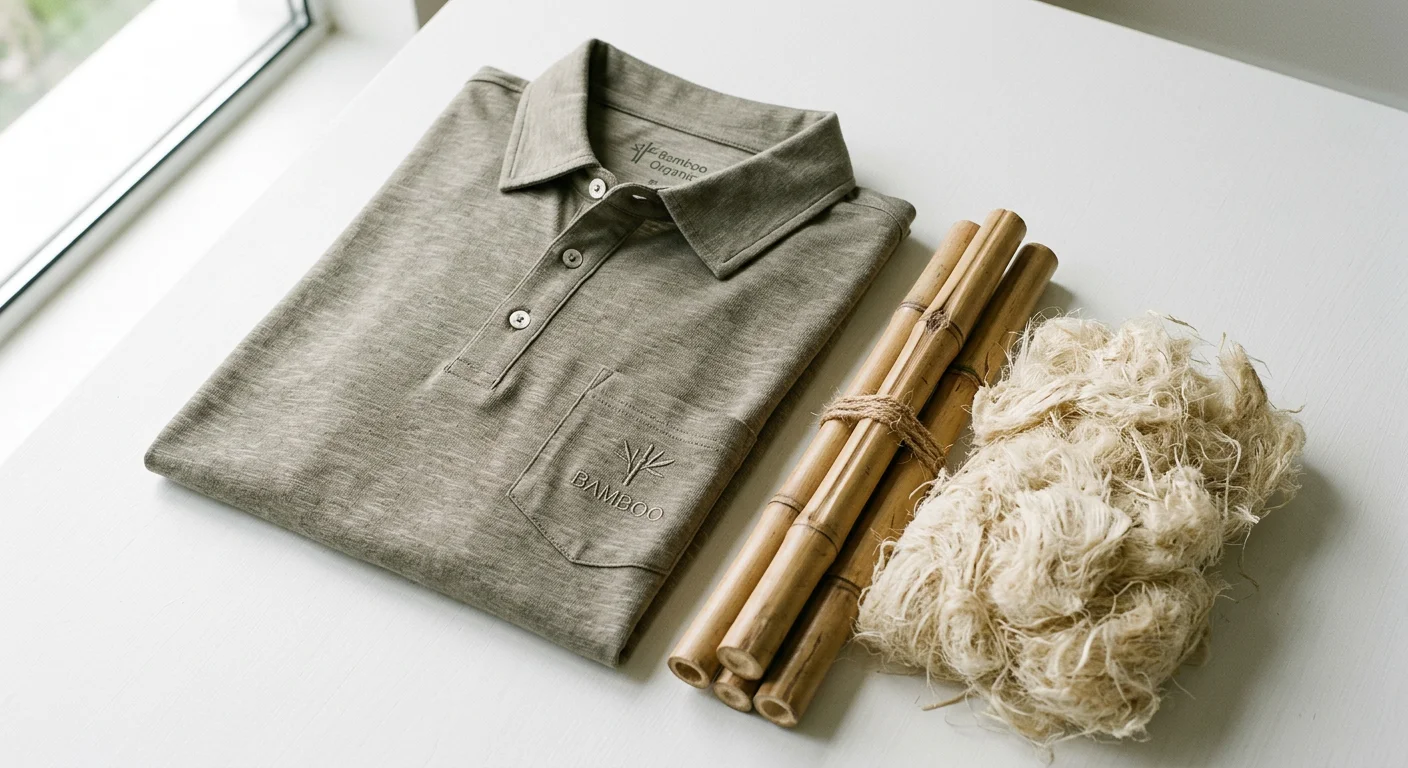
Cotton has a bad reputation in golf circles. Some of that is fair — but not all of it.
Conditions matter more than fabric choice. In the right environment, a well-made cotton polo holds its own. It can outperform synthetic shirts in ways that count for real golfers.
Cotton works best in these conditions:
Temperature between 70–85°F (21–29°C), humidity below 40% : Dry heat is where cotton shines. Sweat stays light, airflow does its job, and cotton's absorption — normally a drawback — is a non-issue.
Shorter rounds, nine holes or a casual practice session : Cotton starts to wrinkle and soften around hole ten in mixed conditions. Stick to the front nine and it stays crisp, comfortable, and pleasant against your skin.
Calm, dry days with no rain forecast : Cotton layers well and looks polished. You can walk straight from the course to lunch without looking like you just ran a race.
The Type of Cotton Matters
Not all cotton golf shirts perform the same. Pima cotton — longer fiber, softer feel — is a solid choice for comfort-focused rounds. Mercerized cotton holds its color through repeated washes and keeps its shape far longer than standard weaves.
Some golfers prefer natural fibers all day. This could be for health reasons, Oeko-Tex certified fabric preferences, or the sensory difference. Quality cotton and cotton-blend polos offer something synthetics can't copy: that broken-in softness that starts to feel like yours by the third round you wear it.
Where cotton stops winning : humidity above 50% or a full 18-hole commitment changes things. The fabric starts to work against you. Cotton-synthetic blends — built to add moisture-wicking to cotton's softness — are a smart middle ground. They give you the natural feel without going full synthetic.
CTA Section 1Need Custom Performance Golf Shirts?
Get a free quote for moisture-wicking, UV-protective golf shirts with your branding. Minimum order 50 pcs.
Get Free QuotePerformance Fabric Is Non-Negotiable: Hot Weather, Competitive Play & Heavy Sweating
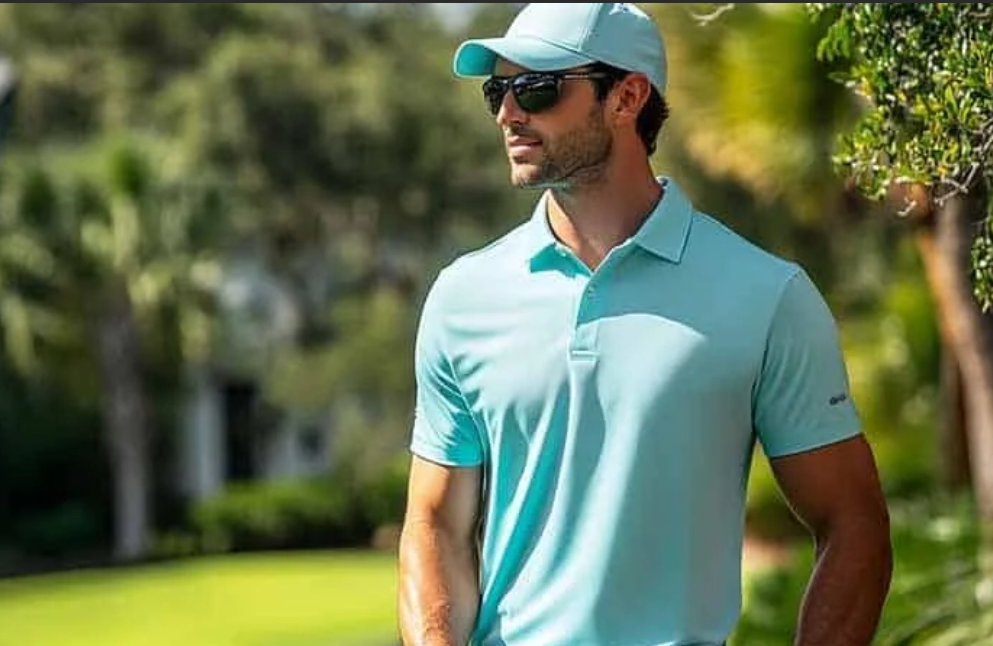
Competitive tournament organizers and custom branded golf apparel suppliers typically default to high-elastane performance polos because consistent moisture dispersion reduces player distraction during televised or high-stakes rounds.
Some rounds don't give you a choice. At 92°F with 70% humidity, you're on hole fourteen with four more to go. Cotton isn't a preference at that point. It's a liability.
Here's the hard truth about fabric science: cotton absorbs up to 8.5% of its weight in moisture before you even feel it. Viscose absorbs more, at 13%. That feels fine for the first hour. Past that, you're carrying extra weight. Saturated fabric drags across your skin. Your fine motor focus drops — and that's the difference between a clean shot and a mis-hit.
Cotton absorbs up to 8.5% of its weight in moisture. Viscose absorbs 13%. High-elastane polyester blends (86% poly / 14% elastane) show the shortest wetting times — moisture moves off your skin faster than with almost any other fabric type.
Performance fabric works differently. High-elastane polyester blends — 86% polyester, 14% elastane — show the shortest wetting times in lab testing. Moisture moves off your skin faster than with almost any other fabric type. The wetted area spreads wide and dries fast. That's not marketing language. That's test data.
Three Situations Where Performance Fabric Is the Clear Answer
Playing in heat above 85°F with humidity over 50%.
Cotton stops being a garment and starts being a sponge at these conditions. Performance weaves with open-knit piqué structures and mesh underarm panels push air through at 700–1200 mm/s. Your body's cooling system — sweat evaporation — can do its job.
Competing at a serious level, not just a casual round.
Tournament play demands consistency across all 18 holes. A shirt that clings and shifts by the back nine creates physical distraction. The 4-way stretch in a spandex blend moves with your backswing and snaps back to shape. Nothing pulls. Nothing bunches.
Bodies that run hot, no matter the weather.
A high Overall Moisture Management Capacity score matters here. The best performance fabrics hit 0.8 OMMC — that means the fabric is moving moisture away from your skin, not just sitting with it. Poor performers cap out at 0.19. You feel that gap directly. Your playing partner stays dry. You don't.
The performance golf apparel market grew from $876 million in 2021 to a projected $1.19 billion by 2025 . That growth has a clear reason. Golfers playing hard in real conditions have learned that the right shirt changes how the round feels — and more often than not, how it ends.
The 3 Biggest Myths About Golf Shirt Fabrics—Debunked

Golfers stick with bad information longer than they should. Some of it gets passed down from playing partners. Some comes from old marketing copy. Either way, it costs real money and real comfort on the course.
Here are the three myths worth putting to rest for good.
Cotton feels great in the store. Soft, familiar, and reassuring. But comfort in a changing room is a completely different thing from comfort on hole fourteen. Once cotton absorbs sweat — and it will — it holds onto it. The fabric gets heavier. It clings. That nice softness turns into a damp, sticky problem no amount of positive thinking fixes.
For cold mornings or a casual nine holes in mild weather, cotton is fine. For anything more demanding, it works against you.
This one is outdated but it sticks around. Early polyester earned its bad name. Modern performance blends are a different story. That said, not all synthetics are equal — standard polyester does trap heat and lock in odor.
The real change is in bio-based and blended fabrics. HyperNatural's Supima cotton/bamboo/hemp blend tests at 20 times more breathable than standard polyester. The category has moved on. The myth hasn't.
The label just says "polyester." The real difference is in what's blended with it — and how much. Nike Dri-FIT runs 87% polyester with 13% spandex. Greg Norman's X-Lite sits at 88/12.
That spandex percentage — usually between 5–20% — decides whether your shirt moves with your swing or fights it. Also worth knowing: spandex breaks down faster than elastomultiester. Elastomultiester holds its shape much longer through repeated washing and wear.
So, for a stretch golf polo , check the blend composition first. It tells you far more than the brand name does.
How to Choose the Right Golf Shirt Fabric: A Decision Framework by Golfer Type

The good golf shirts wholesalers building segmented product lines — from entry-level cotton polos to premium performance golf shirts bulk production — benefit from matching fabric specs to specific golfer profiles rather than offering one universal solution.
A golfer playing twice a week in Florida shares almost nothing — fabric-wise — with a weekend player in coastal Scotland. Same sport. Very different shirt.
Most buying guides skip this part. They pick a winner and move on. But the real question isn't which fabric is best . It's which fabric is best for you — on your course, in your conditions, with your body and your game.
Here's a straightforward framework to find that answer.
| Your Priority | Go With | Why It Works | Skip |
|---|---|---|---|
| Full swing range | Spandex blends (5–20%) | Genuine 4-way stretch, shape retention after every wash | Pure cotton — it stretches once and stays stretched |
| Frequent play, durability | 100% polyester base | Quick-dry, color-holds, wrinkle-resistant across heavy use | Cotton — it goes heavy and slow once wet |
| Sustainability + skin sensitivity | Bamboo viscose blends | Natural UPF 50+, odor-resistant without chemical treatment, hypoallergenic | Chemically-finished synthetics |
| Hot, humid conditions | Nylon or poly-spandex | Featherweight, fast-drying, moves with you | Fleece, 100% cotton — both trap heat and moisture |
| Luxury feel, occasional rounds | Mercerized or Pima cotton blends | Regulates temperature, anti-curl collar, soft against skin all day | Pure synthetics — functional, not comfortable |
A few things worth knowing before you decide:
Stretch is your priority? Spandex content is the number that matters — not the brand name. Look for 5–20% spandex in the blend. The higher end of that range gives you more movement through the backswing.
Longevity matters? Elastomultiester — used by lululemon in their Warpstreme line — holds up better than standard spandex through repeated washing. Worth knowing for shirts you plan to wear hard.
You have chemical sensitivity? Bamboo viscose handles moisture-wicking and UV protection with no synthetic finishing sprays needed. The performance comes from the fiber itself, not a chemical coating.
One solid rule for anyone still unsure: match the fabric to your worst playing condition, not your average one. A performance poly-spandex shirt handles a cool day just fine. Cotton on a humid afternoon? It will let you down.
CTA Section 2Source Premium Golf Shirts in Bulk
BeRun Sports manufactures custom golf apparel for brands, clubs, and retailers worldwide. Get samples before you commit.
View Golf ApparelPerformance & Cotton Golf Shirts FAQ
For sourcing managers working with golf polo shirt factories, understanding GSM ranges, elastane durability, and OEKO-TEX certification standards helps prevent costly bulk-order mistakes before production even begins.
Real questions from real golfers — answered straight.
Q: Does fabric weight matter, or is it just a spec on the hang tag?
It matters more than most people think. For summer rounds and high-intensity play, look for 160–180 gsm with 8–10% elastane. That's the range where a shirt breathes, moves, and doesn't weigh you down by hole twelve. Cooler weather calls for 210–240 gsm . Still performance-driven, just a bit more solid.
Q: How much stretch do I need in a golf shirt?
The sweet spot is 5–10% elastane , tested to ASTM D3107 standards. That range gives you real stretch and recovery. The shirt bounces back to its original shape after your backswing — not the next day. Drop below 3%, and you'll feel the resistance.
Q: Can I throw my performance polo in the wash like everything else?
Yes — with a few caveats. Machine wash with like colors. Tumble dry low. No iron, no dry clean. Heat breaks down spandex over time. Skip the high-heat cycle, and your shirt lasts a lot longer.
Q: Are performance fabrics safe for sensitive skin?
Look for OEKO-TEX certified options. That certification means the fabric passed testing for harmful substances. This includes antimicrobial finishes like silver-ion and zinc-oxide, which brands use for odor control. Chemical treatments a concern? Bamboo viscose is worth a look. It wicks moisture and delivers UPF 50+ protection straight from the fiber. No finishing sprays needed.
Q: Is a polyester golf shirt always the better choice over cotton?
Not always — but cotton's edge is narrow. It works in dry heat, mild temps, and a casual nine holes. Humidity above 50%? Full 18 on the card? Cotton starts soaking up moisture fast, and that works against you. A poly-cotton blend is often the smarter call. You get the softness of cotton without the soaked-through problem.
CTA Section 3Design Your Custom Golf Shirt Today
From performance polyester to premium cotton blends — BeRun Sports delivers OEM golf shirts that match your exact fabric and branding specs.
Start Your OrderConclusion
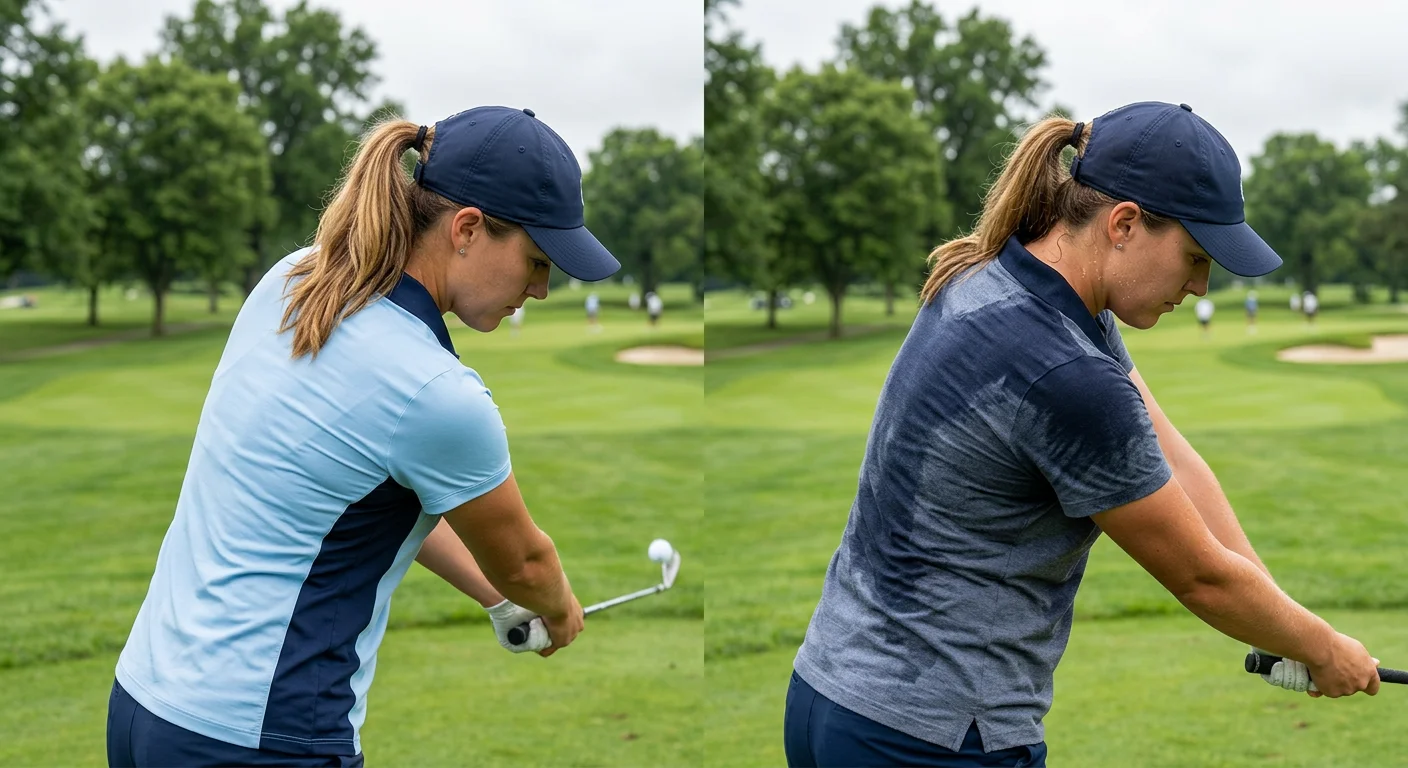
Here's the honest truth: there's no single "best" fabric in golf—only the best fabric for you .
Playing 36 holes in August heat? Sweating through every shirt you own? A moisture-wicking golf shirt isn't a luxury. It's the difference between a sharp back nine and a miserable one. But some players just want that soft, broken-in feel on a cool morning round. For them, a 100% cotton golf polo still earns its spot in the bag.
What matters most is knowing your game, your climate, and your body.
Start with this guide. Then let the details point you to the right choice. Browse Berun's full collection of performance and cotton golf shirts to find the fit, fabric, and feel that works for your game.
The right shirt won't fix your swing. But it might keep your head clear enough to focus on it.