Table of Contents
You're halfway through your morning commute. Rain clouds appear. Within minutes, you're soaked and uncomfortable. That "waterproof" label on your cycling pants? Total letdown. Sound familiar?
For women cyclists who ride regardless of weather, effective waterproof cycling pants matter. They keep you dry. They maintain your comfort, performance, and confidence in any conditions.
The market floods you with options. Each one promises miracle fabrics and breakthrough technology. How do you separate marketing hype from real protection?
You might be a commuter battling urban downpours. Or a weekend warrior exploring mountain trails. Maybe you're a year-round enthusiast who won't let seasons slow you down. Either way, you need to understand the differences between breathable cycling pants, seam-sealed construction, and moisture-wicking capabilities. These features transform your wet-weather riding experience.
This guide cuts through the confusion. You'll learn to invest in waterproof cycling gear that performs when Mother Nature tests you.
Why Women Need Specialized Waterproof Cycling Pants
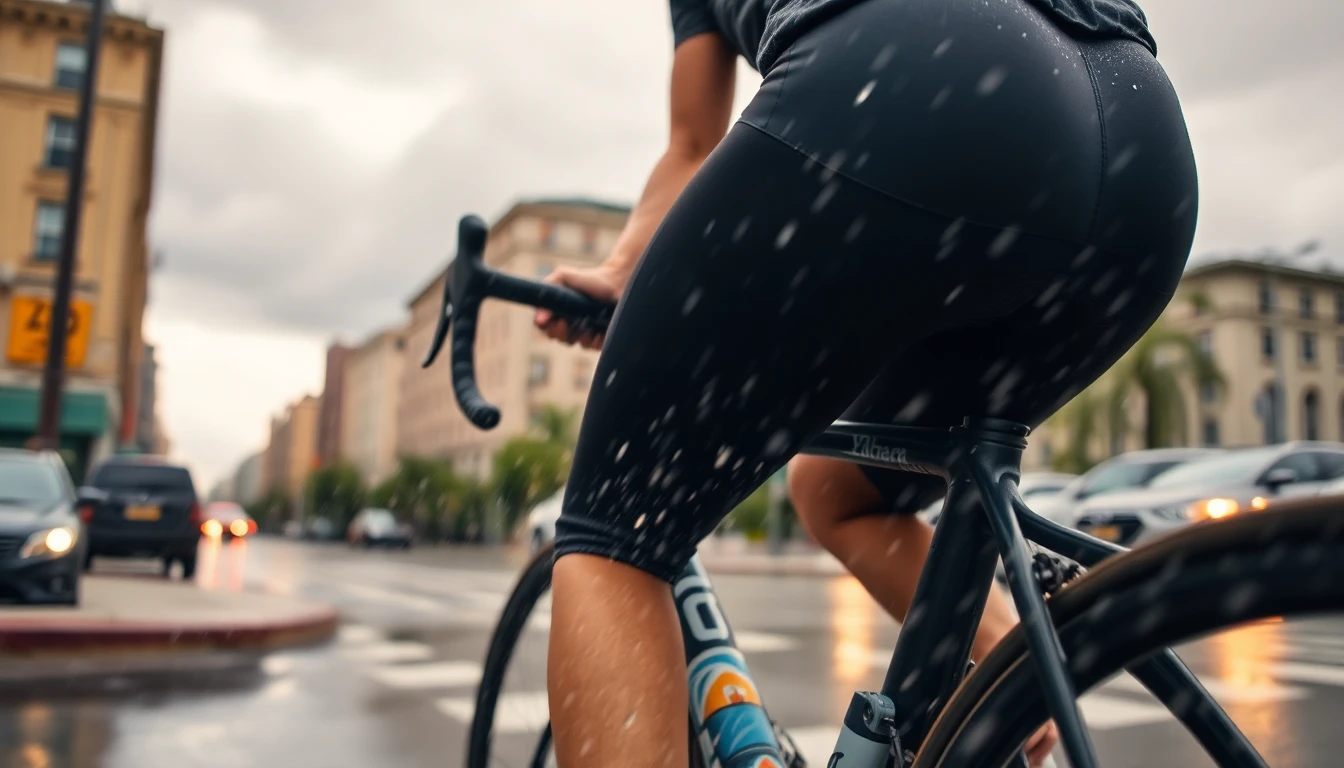
Generic waterproof cycling pants weren't designed with your body in mind. The cycling industry relies on unisex sizing. This creates problems that go far beyond simple discomfort.
The Fit Problem Nobody Talks About
Standard "one-size-fits-all" waterproof cycling pants offer what cycling apparel manufacturers call a "very generous fit." Translation? They drown petite women in excess fabric. At the same time, they fail to accommodate curves where they exist. You're left choosing between baggy material that catches in your chain or pants that pull across your hips.
Women's specialized designs solve this with tapered construction toward the calves . This prevents fabric from interfering with your drivetrain. Plus, it fits your body shape. Not revolutionary. Just basic respect for how women's bodies are built.
Engineering That Matches How You Move
Your riding position differs from men's. Your center of gravity, hip angle, and torso length create unique demands. Generic pants ignore these.
Specialized women's waterproof cycling pants give you:
4-way stretch technology - move freely through your full pedal stroke
High rear waist coverage - stays put during aggressive riding positions
Articulated knees - flex without bunching or limiting your range of motion
Adjustable cuffs - stay away from chains and gears
Performance Specs That Matter
Real protection needs real numbers. Quality women's waterproof cycling pants deliver:
Performance Specs Cards8,000mm waterproof rating - handles moderate to heavy rain without breakthrough
20,000g/m² breathability - prevents the sweat-trap effect during hard efforts
2-layer, 4-way stretch construction - waterproof membrane keeps you mobile
Reinforced saddle and inner calf zones - durable oxford polyester where friction happens
Visibility in Low Light
Commuting in low light demands visibility from every angle. Women-specific designs use REFLECT360 retro-reflective material that meets CE EN 20471 certification standards. You get 360-degree reflectivity that makes you unmissable to drivers. Not just reflective trim as an afterthought.
The Comfort Factor
Long rides in bad waterproof pants create misery. Non-breathable materials trap heat and moisture. This generates that clammy feeling that makes you want to quit. Specialized women's pants combine breathable membranes with smart ventilation. You stay protected without overheating.
Your body deserves gear designed for it. Not adaptations. Not compromises. Real engineering that acknowledges women ride with different biomechanics and require purpose-built solutions.
Waterproof Rating: Understanding Protection Levels
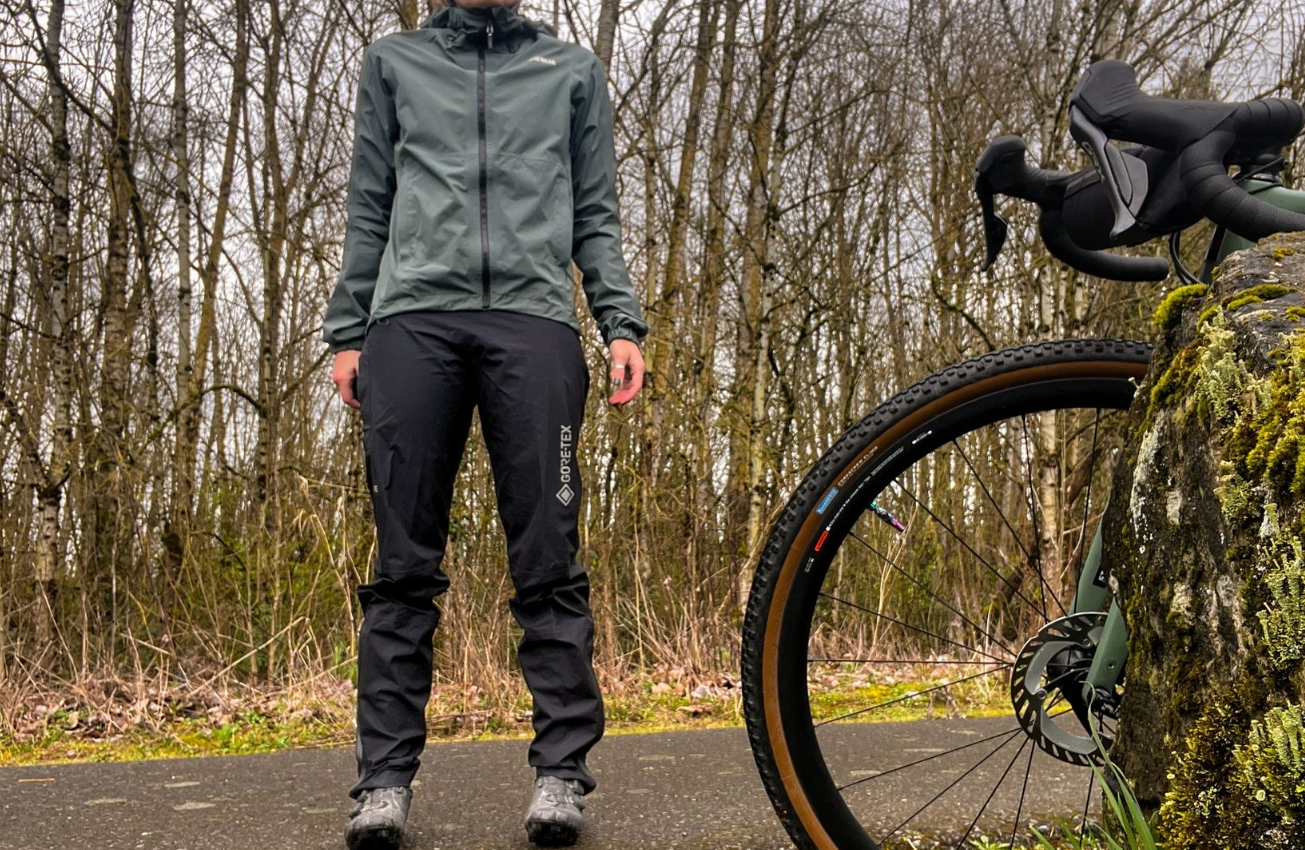
Numbers on a tag tell stories. Those cryptic IPX codes printed on your cycling pants? They're not marketing nonsense. They show lab test results. These tests measure how much water your gear can handle before it fails.
The IEC created the 60529 standard to remove guesswork. Every IPX rating matches specific testing conditions. Real pressure. Real water volume. Real time limits.
Decoding the IPX Scale for Cyclists
Most cycling pants fall between IPX4 and IPX7. Here's what that means for your rides:
IPX Rating Scale CardsIPX4 handles ordinary rain from any direction. Your commute through typical drizzle? Covered. But heavy downpours will get through after a while. Think of this as your light-duty protection.
IPX5 steps up to low-pressure water jets. Picture riding through spray kicked up by passing trucks. The fabric withstands 12.5 liters per minute from a 6.3mm nozzle at 30 kPa pressure. You're cycling in heavy traffic during storms? This level matters.
IPX6 brings serious defense. High-pressure jets at 100 liters per minute can't breach it. Mountain bikers crossing streams need this level. Road cyclists in severe weather need it too. The fabric handles assault-level water, not just rain.
IPX7 crosses into waterproof territory. Full immersion up to 1 meter for 30 minutes. You won't submerge your cycling pants on purpose. But this rating protects against anything weather throws at you. No breakthrough. No saturation. Complete barrier.
What Women Cyclists Need
For your commute, IPX4 provides enough protection against typical rainfall. Weekend warriors tackling varied terrain benefit from IPX5 or IPX6 ratings. Year-round riders who won't cancel plans for anything short of a hurricane? IPX7 justifies the investment.
The 8,000mm waterproof rating mentioned earlier translates to IPX5 performance. That's 8,000mm of water pressure before breakthrough occurs. Compare this to umbrellas (3,000mm) or basic rain jackets (5,000mm). Your cycling pants need higher standards. You're generating heat, movement, and friction all the time.
Breathability ratings matter just as much. Look for 20,000g/m² minimum. This measures how much moisture vapor escapes through the fabric per square meter over 24 hours. Without good breathability, you trade external wetness for internal sweat.
Breathability: Balancing Waterproofing and Comfort
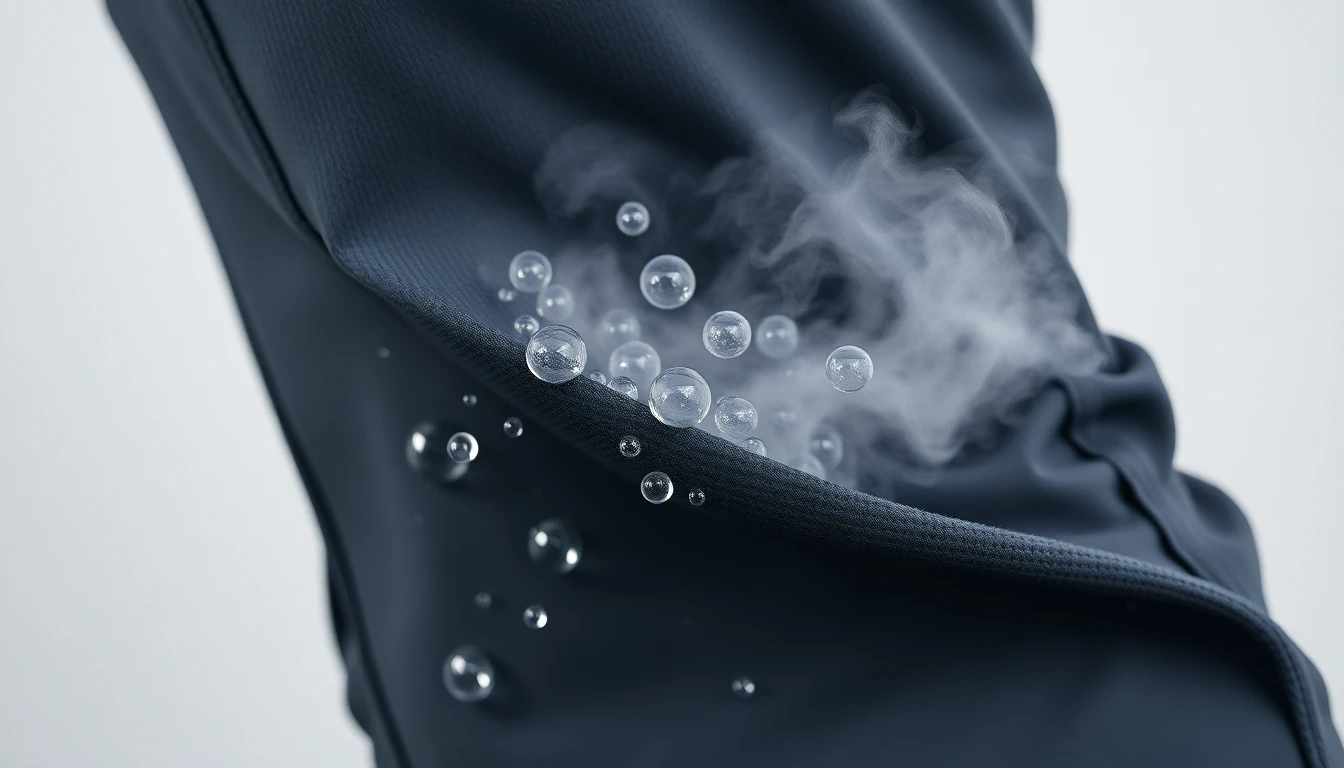
The waterproof membrane keeps rain out. But it also traps your body heat inside. This creates cycling's most frustrating problem. You stay dry from rain but end up soaked in your own sweat. The solution? Don't pick between waterproofing and breathability. Learn the science that gives you both.
The Numbers That Show True Performance
Two measurements matter for breathable cycling pants: MVTR (Moisture Vapor Transmission Rate) and RET (Resistance to Evaporative Heat Transfer) . MVTR shows how much moisture escapes through fabric in 24 hours. Premium breathability starts at 20,000 g/m²/24hr . Anything below 10,000 g/m²/24hr leaves you clammy during moderate rides.
RET Breathability ScaleRET works differently. Lower numbers mean better breathability. 0-6 RET gives excellent performance . You'll feel the difference right away during hard rides. 7-13 RET offers good breathability for most riders. 14-20 RET causes problems on long rides. Above 20 RET? Skip it. You're just buying a sweat trap with a waterproof label.
Material Science That Works
Modern cycling pants use ePTFE (expanded polytetrafluoroethylene) or PU (polyurethane) membranes between fabric layers. These tiny structures block liquid water. They also let vapor escape. Tests show ePTFE/PU fabrics achieve over 10,000mm water resistance . They also maintain 15 L/m²·s air flow . This combo cuts moisture and heat stress by more than 30% compared to regular materials .
New fabrics blend alginate with aramid fibers. Then they add PTFE membranes. A 1:4 alginate-to-aramid ratio (called B2 in lab tests) gives 15,067 g/m²/24h water vapor flow . The 5:5 blend drops to 11,970 g/m²/24h. But it improves air flow to 0.601. Both beat China's standard of 5,000 g/m²·24h minimum .
Premium pants turn these numbers into real comfort. The INOV8 VENTURELITE uses 3-layer build. It hits 15,000mm waterproofing with 40,000 g/m²/24hr breathability . Their STORMSHELL V2 balances 20,000mm protection with 20,000 g/m²/24hr vapor flow. It uses a lighter 2.5-layer design.
Your riding style decides what you need. Casual commuters do fine with 15,000-20,000 g/m²/24hr ratings. Race cyclists and mountain bikers pushing hard? Get nothing less than 30,000 g/m²/24hr. This stops inside moisture buildup.
Fit and Cut: Women-Specific Design vs Unisex Options
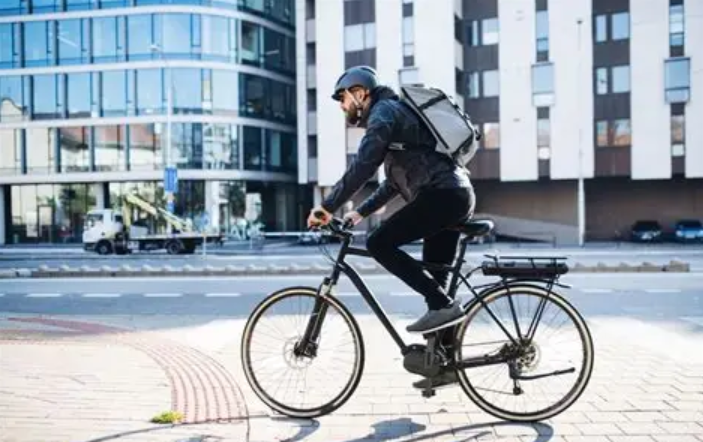
Bodies differ. Cycling pants should too. Most cycling pants manufacturers use one answer: unisex sizing. It fits nobody well.
The difference shows up the moment you zip up. Unisex cuts follow men's proportions—wider shoulders, straight torso, relaxed everything. They add fabric where women don't need it. They remove it where women do. Women's-specific designs flip this logic. Narrower shoulders. Contoured torso. Tapered waist that flares at the hips. Sleeves cut shorter and tighter. A longer rise that doesn't gap at your lower back on the bike.
The Measurements That Matter
Numbers expose the gap between these approaches:
Feature | Unisex/Men's | Women's-Specific |
|---|---|---|
Shoulders | Wider stance | Narrower build |
Torso | Straight, boxy | Contoured, shaped |
Sleeves | Long, loose | Shorter, fitted |
Waist | No definition | Tapered inward |
Hips | Straight drop | Flared cut |
Measure yourself. This shows which option serves you better. For unisex fits, measure your chest 1-2 inches below your armpit. Your waist sits 1 inch below your navel. Find your hips at their widest point. Regular fit adds 1-2 inches to these measurements. Relaxed sizing throws in 2-4 extra inches.
Women's sizing shifts these reference points. Measure your chest at bust apex. Waist at its narrowest. Hips at maximum width. Pick your style preference: missy cuts (less fitted), junior fits (close to body), or contemporary (the middle ground).
Size Reality Check
Unisex pants max out around size 34—about women's size 12. Women's-specific pants cap near size 30, fitting women's size 6-8. This range gap leaves many female cyclists shopping in men's sections. Not by choice. By default.
Industry data shows women average size 14 (large or XL equivalent). Medium gets marketed as standard. Large sells more. Unisex inventory reduces SKUs by 43% . It cuts warehouse costs. Cycling apparel manufacturers love this efficiency. Your comfort pays the price.
Making Your Choice
Some women reject form-fitting options. They want that "boyfriend fit"—oversized, relaxed, free from body-conscious design. Others want pants built for their exact proportions. Neither preference is wrong.
Try this: Measure your favorite cycling top flat. Record chest width, length, and shoulder span. Compare these to size charts. Sizing up in unisex gives you relaxed comfort. Sizing down creates a snugger profile. Women's-specific cuts deliver the right fit true-to-size. No math needed.
Your body dictates the right answer. Not trends. Not what looks good on someone else. Just honest fit that lets you ride without fighting your gear.
Material Durability: Choosing for Your Riding Style
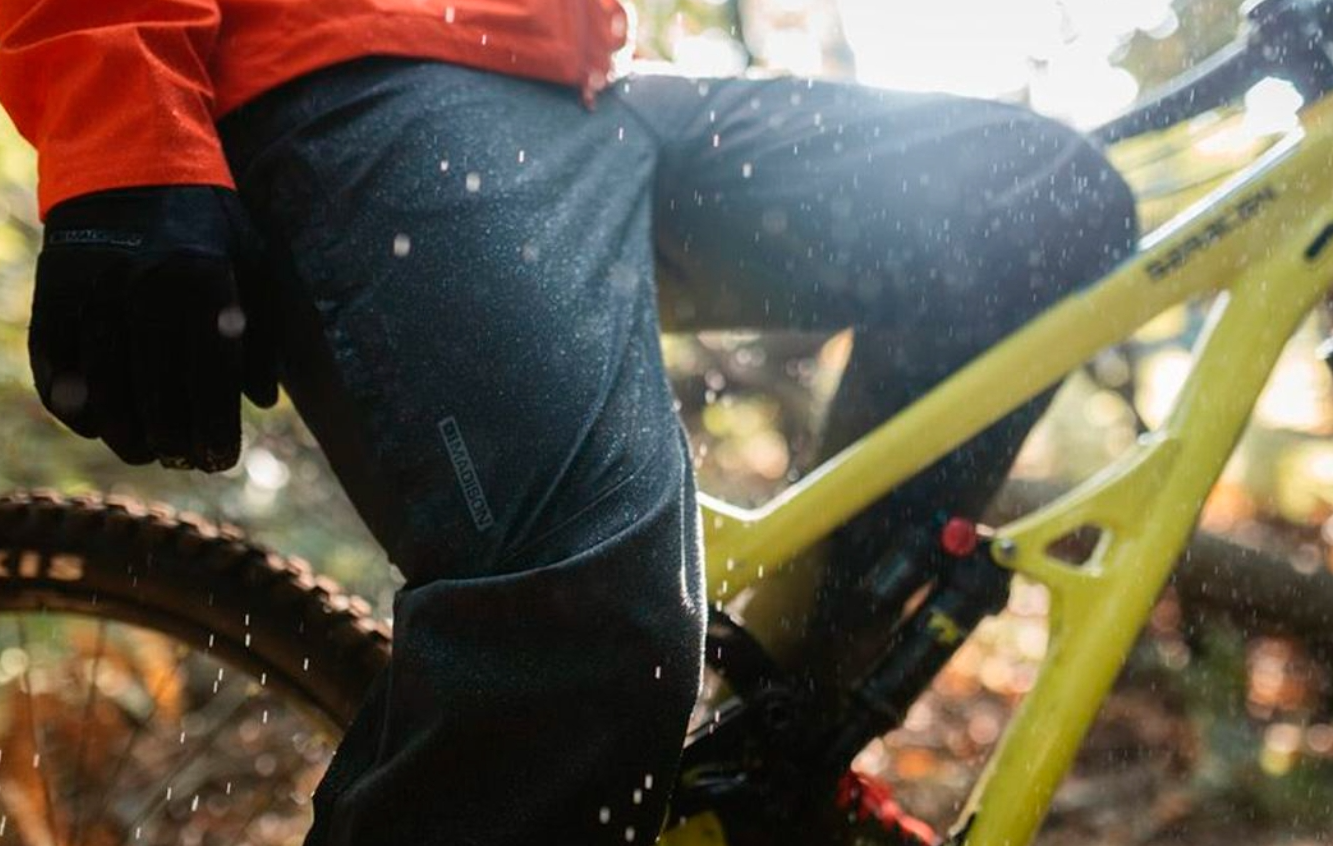
Fabric fails when you need it most. That seam splits mid-descent. The knee panel tears on a trail branch. Your "waterproof" pants leak after three months of commuting. Good materials protect you. Bad ones let you down.
The Women's waterproof cycling pants use three main fabric systems: ripstop nylon blends, polyester composites, and advanced synthetic weaves . Each one lasts differently. Your riding habits show which one survives.
Commuter Riders: Daily Grind Protection
You ride the same route. Rain or shine. Five days minimum. Your pants contact the saddle 200+ times per ride. They brush against bike frames at traffic lights. Cargo bikes and panniers create constant friction.
High-denier ripstop nylon (200-400D) handles this abuse. The crosshatch weaving pattern stops small tears from spreading. Quality commuter pants reinforce the saddle contact zone with 600D oxford polyester . This adds 40% more abrasion resistance where you sit.
Numbers prove the difference: Premium reinforced zones withstand 50,000+ rub cycles before showing wear. Standard polyester fails around 20,000 cycles. Calculate your annual commute mileage. Match it to fabric endurance ratings. A 15-mile commuter logs about 3,900 miles per year. That demands materials rated for marathon use, not weekend experiments.
Weekend Warriors: Multi-Terrain Demands
Trail riding punishes fabric in different ways. Branches scrape your calves. Rocks catch your ankles on dismounts. You pedal through brambles that shred lightweight materials in seconds.
4-way stretch fabrics with DWR (Durable Water Repellent) coating balance flexibility and protection. The stretch prevents restriction during technical climbs. DWR sheds mud and debris before they grind into fibers. Look for Schoeller or Polartec construction rated for outdoor sports. These keep waterproofing through 60+ wash cycles. Cheaper versions lose effectiveness after 15-20 washes.
Mountain bikers need articulated knee panels with double-layer construction . This design survives repeated bending without thinning. Single-layer knees develop weak spots. They fail when you're miles from the trailhead.
Year-Round Performance Riders: No-Compromise Durability
You don't skip rides. Temperature drops to freezing? You layer up. Hail forecast? You go anyway. You need materials built beyond typical standards.
3-layer Gore-Tex or eVent membranes provide the best durability for cycling pants. The outer fabric resists abrasion. The membrane blocks water while breathing. The inner liner protects the membrane from body oils and sweat. This three-part construction costs more—expect $200-350 for quality examples . But the investment pays back in longevity.
Performance fabrics endure 100+ freeze-thaw cycles without losing waterproof strength. Standard 2-layer constructions crack and separate after 30-40 cycles. Ride through winter? This difference matters.
The Weight-to-Strength Balance
Lightweight doesn't mean fragile. Modern 80-100D nylon with TPU lamination weighs less than 200 grams per square meter. Yet it delivers 15,000mm waterproofing and 20,000+ rub cycle durability . This serves riders who count grams but refuse to sacrifice protection.
Heavier riders (160+ lbs) create more friction and stress on fabric. Add 20-30% to minimum denier ratings. Average riders succeed with 200D fabric. You need 250-300D for the same lifespan.
Your riding style writes the requirements. The fabric either meets them or fails trying. Choose materials that outlast your goals.
Essential Features for Women Cyclists
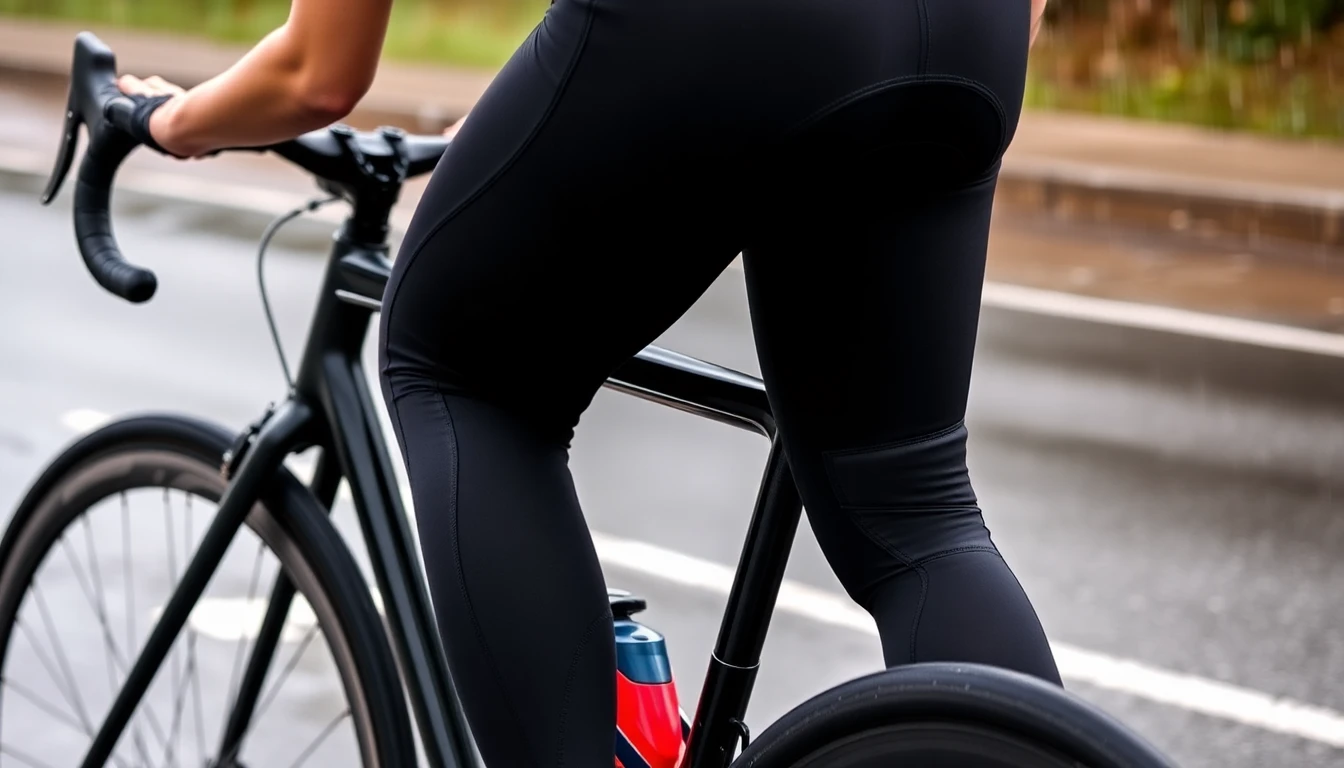
Women cyclists need equipment that goes beyond basic waterproofing. The right pants combine protection with design that fits how women's bodies work with bicycles.
Saddle Contact Zone Engineering
Your sit bones carry most of your weight during rides. Women's pelvic structures put these contact points in different spots than men's. Quality waterproof cycling pants use 600-800D oxford polyester panels in the saddle area. This doubled fabric layer stops thinning and breakthrough where friction hits hardest.
Standard pants use the same fabric throughout. This creates weak points right where pressure builds up. After 500+ miles, you'll see the difference. Reinforced zones keep their waterproof seal. Single-layer fabric gets thin spots that start to leak.
Cuff and Ankle Protection Systems
Chain spray and road grit hit your pants from below. Adjustable ankle cuffs with elastic grippers keep fabric away from your drivetrain. Look for designs with:
Hook-and-loop closures that tighten without cutting off blood flow
Silicone-backed elastic that grips without sliding up during rides
Reflective piping built into cuff seams for 360-degree visibility
Bad cuffs flap in wind. They catch on chainrings. They let water run down into your cycling shoes. Premium pants fix all three problems with one smart detail.
Thermal Regulation Features
Your core temperature swings during rides. Climbs generate heat. Descents chill you fast. Mesh-lined vents at inner thighs dump extra heat without losing waterproofing. These smart openings use:
YKK AquaGuard zippers that stay waterproof even when opened
Storm flaps that cover zipper teeth from direct rain
Laser-cut perforations too small for water drops but large enough for vapor to escape
Pocket Placement Intelligence
Standard rain pants put pockets on hips. This makes you reach at odd angles while riding. Women-specific designs move storage to rear waistband positions . Your hands reach essentials with ease. Contents stay put during hard riding.
Quality designs include:
Welded seam construction around pocket openings (no stitch holes for water to sneak through)
Water-resistant zippers rated to IPX5 minimum
Internal key clips that prevent loss during rough terrain
These features set apart basic waterproof pants from ones built for real cycling needs.
Sizing Guide: How to Measure and Choose Your Size
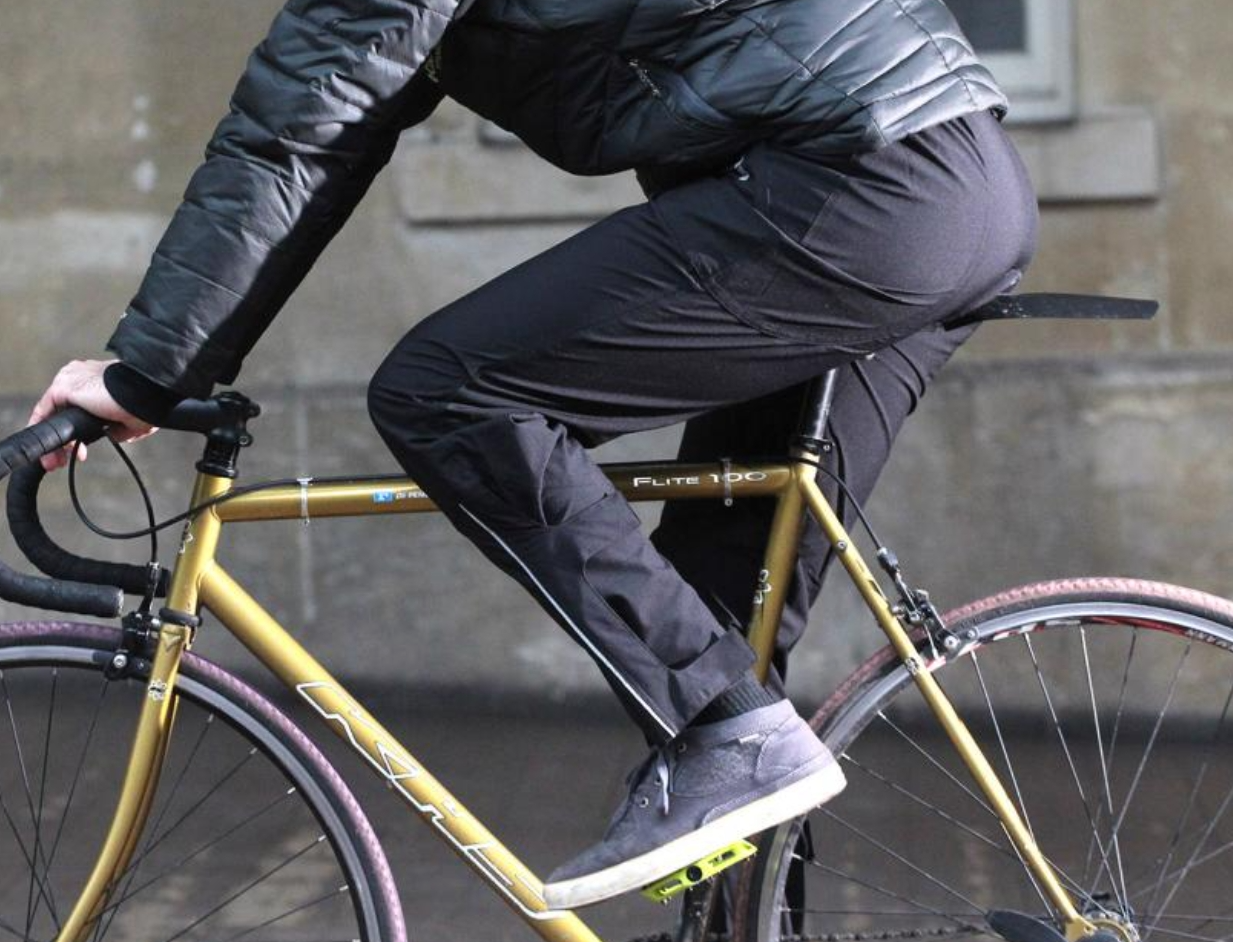
Grab a soft measuring tape. Stand in front of a mirror. Measure three key spots: bust at its fullest point, natural waist (about one inch above your navel), and hips at their widest. Write down these numbers in inches. This saves you from ordering the wrong size twice.
Decode Catalog Categories First
The sizing world splits women into three groups based on height and proportions. Misses' sizes fit women 5'5"-5'6" tall with average bust and back length. Your measurements fall into size 4 through 20 here. Size 8 means 36" bust, 27" waist, 37.5" hips—about 135 pounds.
Petite sizing targets women 5'1.5"-5'4" tall with shorter torsos and lower bust lines. The numbers shift: size 18W reads 43.5" bust, 35" waist, 45.5" hips. Notice the "W" designation. This means different proportions. Not just smaller versions of standard sizes.
Women's standard sizes cover 5'5"-5'6.5" frames with fuller figures. Size 12 here measures 42" bust, 32" waist, 42" hips—designed for about 175 pounds. The rise sits higher to prevent gapping during riding positions.
Match Your Numbers to Real Fit
Most cycling pants run true to size within their category. Cycling pants manufacturers use different base patterns though. Check your three measurements against the size chart's bust-waist-hip ratio. All three numbers need to align. One isn't enough.
Your bust measures 40", waist 30", hips 40"? You're a size 10 in women's standard sizing. Your proportions match that 160-pound target weight. Trying to squeeze into misses' size 10 (37" bust, 28" waist, 38.5" hips) creates pulling across your chest and hips.
Between sizes? Order up for waterproof cycling pants . Tight waterproof fabric restricts your pedal stroke. Extra room lets you layer thermal base layers underneath during cold rides. You can always cinch adjustable waistbands. You can't stretch fabric that's too small.
Price vs Performance: Finding Your Budget Sweet Spot
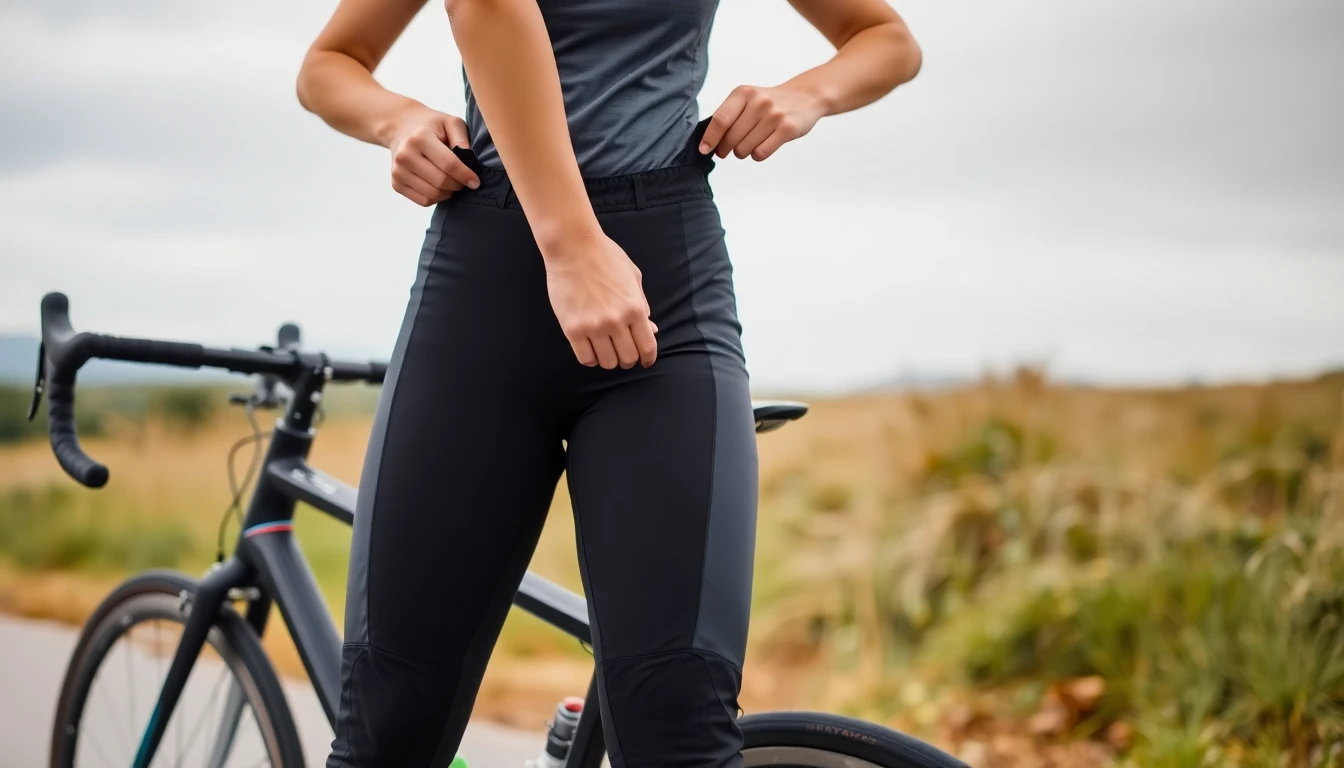
Waterproof cycling pants fall into three price zones. Each zone offers different performance levels for specific riding needs.
Price Tier CardsEntry Level: $40-$80
Basic waterproof pants start around $40. They use 2-layer polyester construction with 5,000mm waterproofing . Breathability sits at 5,000-8,000 g/m²/24hr. The capability-to-price ratio looks good on paper. You get rain protection for minimal investment.
Reality shows limits fast. These pants handle light drizzle during 30-minute commutes. Push harder or ride longer? The sweat buildup starts. Most entry-level options skip reinforced saddle zones. Expect visible wear after 500-800 miles of regular use.
Who this serves : Occasional riders. Fair-weather cyclists who need backup rain gear. Riders testing whether cycling becomes a long-term commitment.
Mid-Range: $100-$180
The sweet spot emerges here. Mid-tier pants deliver 8,000-10,000mm waterproofing with 15,000-20,000 g/m²/24hr breathability . Construction jumps to 2.5 or 3-layer systems. You get reinforced high-wear zones. Plus articulated knees. And proper ventilation systems.
Calculate your cost per ride: $150 pants lasting 3,000 miles at 15 miles per commute = 200 rides. That's $0.75 per protected ride . Compare this to entry-level pants at 100 rides before replacement = $0.60 per ride. The gap narrows with comfort and durability factored in.
Performance cycling apparel markers at this level :
- Welded or taped seams (not just stitched)
- YKK water-resistant zippers
- Reflective elements meeting CE standards
- Adjustable waist and cuffs
Premium: $200-$350+
Top-tier pants use Gore-Tex, eVent, or equivalent membranes . Waterproofing hits 20,000mm+. Breathability reaches 30,000-40,000 g/m²/24hr. These survive 100+ freeze-thaw cycles and 5,000+ miles before showing significant wear.
The price-to-performance ratio flips here. You pay 2-3x more than mid-range but don't get 2-3x the waterproofing. What you buy: extreme durability, superior breathability during hard efforts, and materials that maintain performance through years of heavy use .
Year-round riders logging 3,000+ annual miles justify this investment. Weekend warriors don't.
Finding Your Number
Track your riding patterns for one month. Count rides in rain or wet conditions. Measure typical ride duration. Calculate annual mileage.
Decision matrix :
- Under 1,000 miles/year in dry conditions → Entry level works
- 1,000-3,000 miles/year with regular wet weather → Mid-range delivers best value
- 3,000+ miles/year or extreme conditions → Premium pays back in longevity
For most women cyclists, $120-$150 hits the sweet spot. This zone provides waterproofing that works. Breathability prevents sweat buildup. Construction survives beyond one season.
Your budget meets your needs when pants last long enough that cost-per-wear drops below $1. Anything above that means overpaying for features you won't use. Or buying cheap gear that fails too soon.
Top Recommendations by Riding Scenario
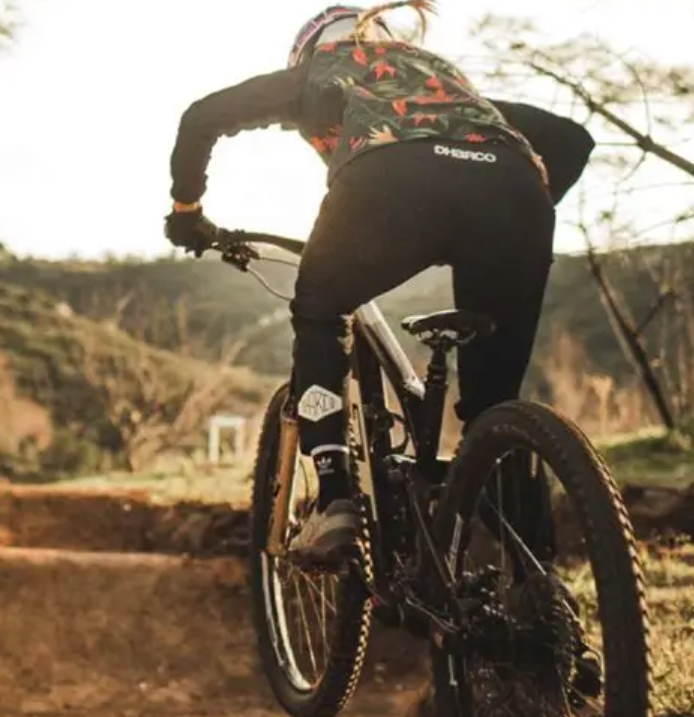
Each ride needs its own pants. Match your gear to where you ride, how hard you push, and what weather hits you.
Riding Scenario Quick GuideUrban Commuters: Rain Defense
City riding brings unique problems. Traffic spray. Constant stops at lights. Quick speed bursts, then standing still. Get pants that breathe during effort but stay cool while you wait.
Best choice : Mid-range pants ($100-$150) with 2.5-layer construction and 10,000mm waterproofing . The INOV8 STORMSHELL V2 delivers 20,000mm protection and 20,000 g/m²/24hr breathability. Weight stays under 300 grams—light enough to carry in your bag every day.
Must-have features for commuting:
- Wide reflective panels meeting CE EN 20471 standards (rush hour darkness needs this)
- Adjustable ankle cuffs that tuck into shoes without bulk
- Rear pocket with waterproof zipper for phone and transit card access
- Quick-dry fabric that sheds moisture between morning and evening rides
Average commute speed sits around 12.1 mph for women . At this pace, 15,000 g/m²/24hr breathability fabrics work fine. You won't overheat. Save premium 30,000+ ratings for harder rides.
Weekend Trail Riders: Multi-Terrain Protection
Trail riding beats up gear faster than roads. Branches scrape fabric. Mud builds up on panels. You get on and off the bike often. This creates friction at knees and inner calves.
Best choice : Reinforced pants ($150-$200) with 3-layer construction and articulated knees . Look for 600D oxford polyester reinforcement in saddle zones and inner calves. Trail debris hits these spots directly.
Mountain biking causes 43 injuries per 1,000 riding hours —more than road cycling. You need tough pants, not just waterproof ones. Downhill sections hit 20+ mph. Then you climb at 8 mph. This temperature change requires fabrics with 20,000+ g/m²/24hr breathability minimum.
Must-have features for trail riding:
- 4-way stretch panels at knees and hips (stops restriction on technical climbs)
- DWR coating rated for 60+ wash cycles (trail mud ruins cheap treatments fast)
- YKK AquaGuard thigh vents (releases heat on climbs, keeps water out)
- Reinforced cuff closures that handle constant contact with pedals and cranks
Year-Round Performance Cyclists: Built to Last
You ride no matter what. Snow? You layer up. Freezing rain? You go anyway. Your annual mileage tops 3,000 miles. Regular gear quits before your season ends.
Best choice : Premium pants ($250-$350) with Gore-Tex or eVent membranes . These handle 100+ freeze-thaw cycles without cracking. Waterproofing holds at 20,000mm+ through years of heavy use.
Performance riders average 13.7 mph but go faster during training intervals. This effort creates serious heat. Get 30,000-40,000 g/m²/24hr breathability to stop sweat buildup. Lower-rated fabrics trap moisture during hard efforts. This ruins the waterproofing benefit.
Must-have specs for serious riders:
- Welded seam construction throughout (stitched seams leak under pressure)
- 3-layer membrane system (tough outer + waterproof barrier + inner protection)
- Thermal regulation zones with mesh-backed vents
- Weight under 250 grams (every gram matters on long rides)
Cold-Weather Specialists: Winter Riding Protection
Winter cycling needs waterproofing plus warmth. You face freezing temps and precipitation together. Regular waterproof pants don't give enough heat protection.
Best choice : Thermal cycling pants ($180-$280) with fleece-backed waterproof membranes . These offer 15,000mm waterproofing plus insulation rated for 20-40°F riding.
Different cyclist types handle cold differently. Strong and fearless riders cycle in snow 26% of the time . Interested but concerned riders drop to just 3.6% . Your gear choice helps decide which group you join.
Winter must-haves:
- Wind-resistant outer layer (stops chill on descents)
- Moisture-wicking inner liner (pulls sweat from skin)
- Extended rise at back (stops cold air gaps during forward lean)
- Compatibility with thermal base layers (size up one level for layering room)
Match your pants to your real riding. Not ideals. Not photo-worthy looks. To the miles and conditions you face.
Conclusion
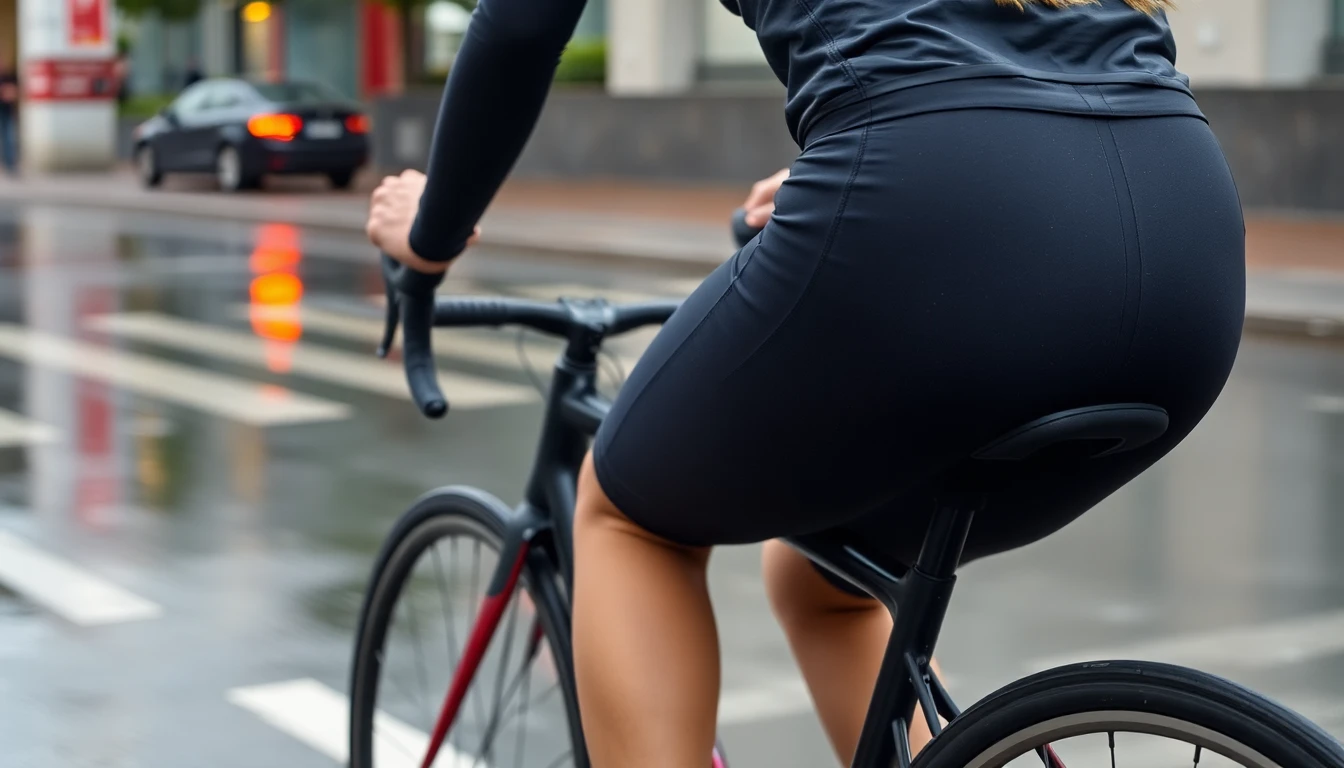
Finding the perfect waterproof cycling pants doesn't have to feel hard. Here are three essentials to focus on:
Breathability matters as much as waterproofing. Look for 10,000g+ ratings or higher.
Choose women-specific cuts. These fit your body's natural shape better.
Match your budget to how often you ride. Casual riders can find great options under $100. Serious all-weather cyclists? Premium features are worth the extra cost.
Your ideal pair gives you protection, comfort, and performance all at once. Commuting through spring showers? Training through winter rain? The right waterproof cycling pants for women turn tough rides into great adventures.
Start by picking your main riding scenario from our recommendations. Measure yourself using our sizing guide. Don't skip breathability—sweaty discomfort ruins the point of staying dry. The weather may be wild, but your comfort doesn't have to be.
Ready to gear up? Check out our collection of women's all-weather cycling gear. We designed it for riders who refuse to let rain control their training schedule.