Table of Contents
You just spent $120 on what seemed like perfect waterproof cycling pants online. The first rainy commute? Your legs are soaked within 15 minutes. You're left wondering what went wrong.
Thousands of women cyclists make the same preventable mistakes. These errors leave them uncomfortable, unsafe, and much lighter in the wallet.
Water-resistant coatings versus truly waterproof cycling pants? That's just the start. Many overlook the balance between breathability and protection. Others fall for marketing hype over real performance. These missteps cost more than money—they can derail your commitment to year-round cycling.
Here are the seven most common traps women fall into while shopping for cycling rain gear. Each comes from real experiences with practical solutions.
Understanding these pitfalls now saves you from multiple returns. No more soggy, uncomfortable rides. Plus, you'll avoid wasting hundreds of dollars on replacement purchases.
Mistake 1: Confusing Water-Repellent Coating (DWR) with Full Waterproof Protection
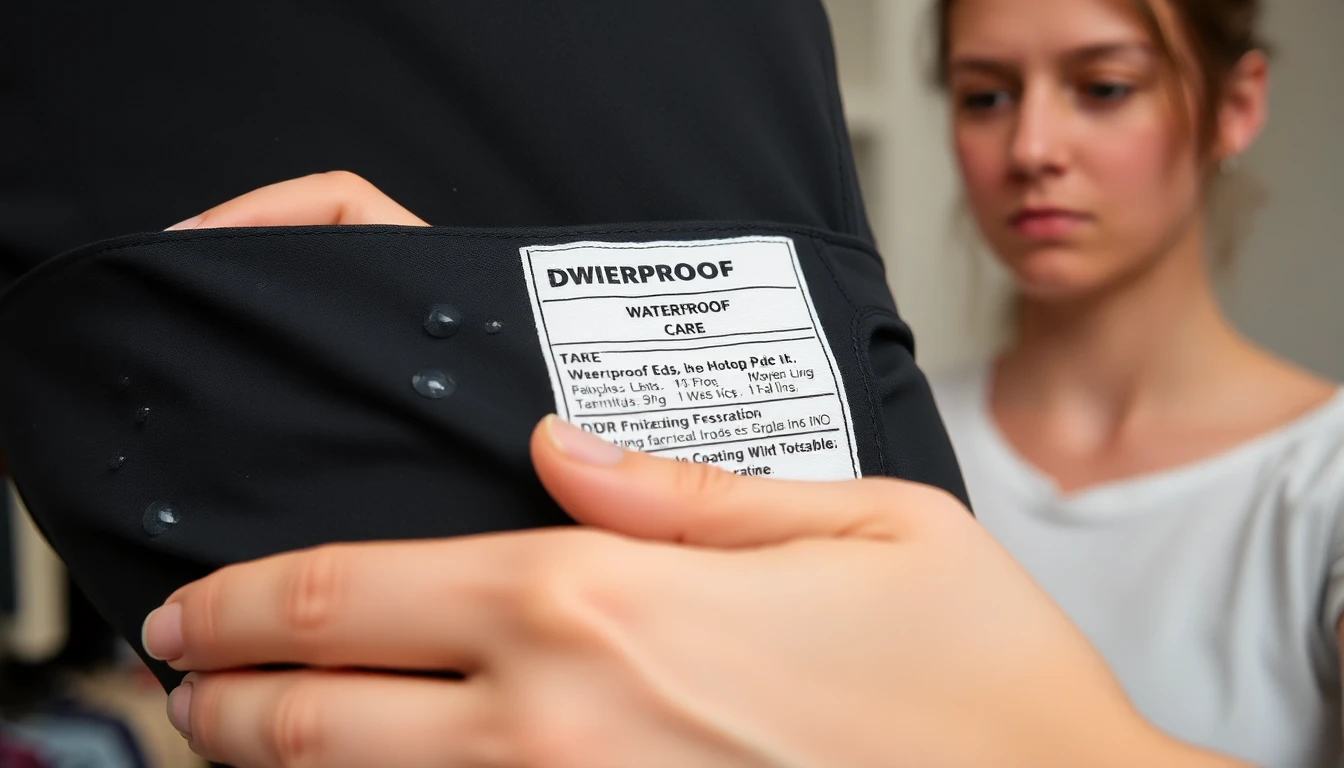
The product said "waterproof." The tag showed "DWR coating." You thought they were the same. They're not.
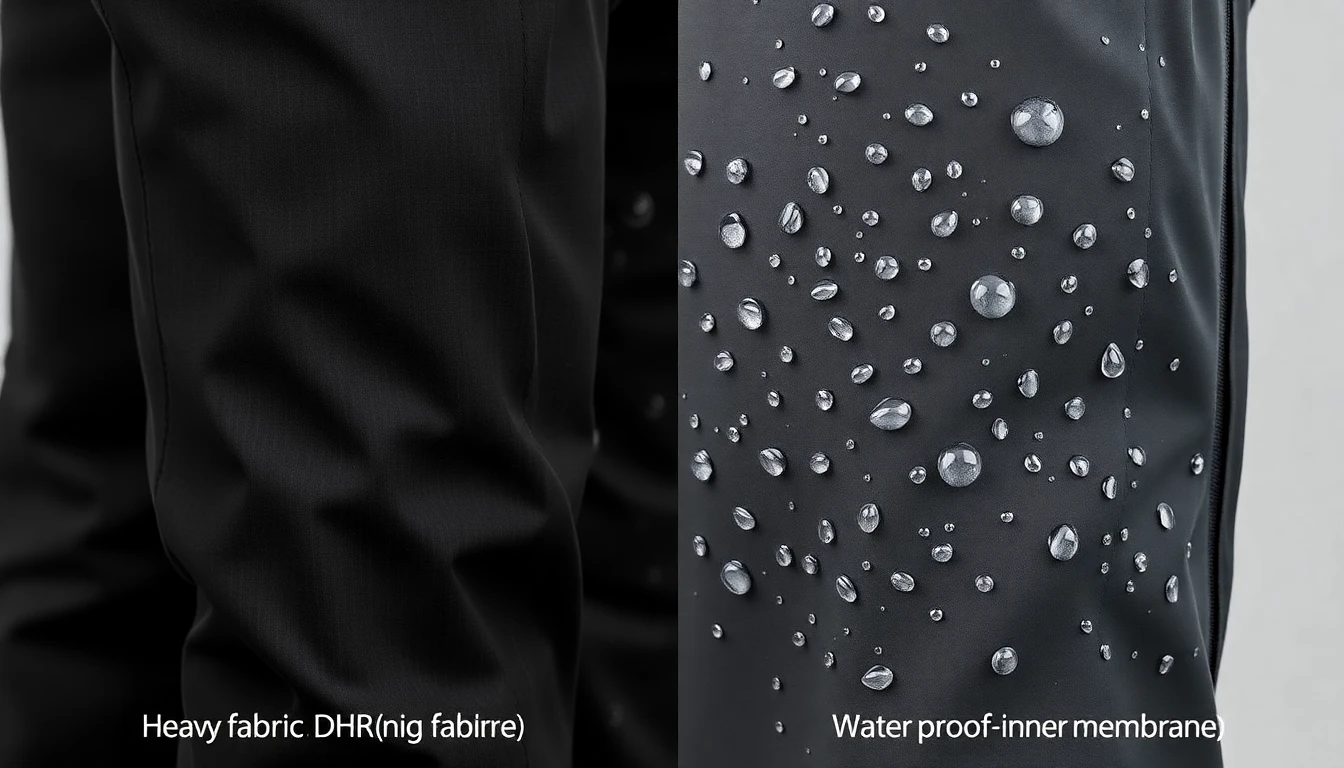
This mix-up catches more cyclists than any other mistake. DWR (Durable Water Repellent) makes water bead up and roll off the surface. True waterproofing stops water from getting through the fabric under pressure. Here's a simple way to think about it: DWR is like waxing your car. Waterproofing is like installing a metal roof.
Here's what happens with DWR-only pants. Light drizzle? Water beads roll off the fabric. You stay dry. Heavy rain for fifteen minutes? Water seeps through. Sitting on a wet saddle? Your thighs get drenched.
DWR works by reducing surface tension on the fabric. Water can't grip. It slides off instead of soaking in. But this coating wears off with each ride. Each wash takes some away. Each brush against your bike frame removes a bit more. After 20 wash cycles, quality C6 DWR drops to about 80% effectiveness on European tests. The older C8 types lasted through 30 washes. The EU banned them for environmental reasons.
Real waterproof cycling pants use a barrier—a membrane like Gore-Tex or eVent. These membranes have tiny pores. The pores are smaller than water droplets. They're larger than water vapor. Rain can't push through. Your sweat can escape. The membrane works until you damage it.
You can see the difference in hydrostatic head ratings:
Water-resistant cycling clothing with basic protection sits around 5,000mm. Breathable waterproof cycling pants with real membranes need 15,000mm minimum for moderate rain, 20,000mm or more for heavy downpours.
Check the product specs. See "Gore-Tex" or "eVent" plus a rating above 15,000mm? You've found real waterproof bike commute pants. Just "DWR" or "WR" without those numbers? You're getting water-resistant coating only.
The price gap shows this difference. DWR-treated pants cost $40-80. Seam-sealed cycling pants with waterproof membranes start around $120. They can go up to $300. That investment makes sense if you ride in serious rain. For occasional drizzle on short commutes? DWR might work fine.
One last thing: DWR can fail. Your outer fabric gets soaked and heavy. But a waterproof membrane underneath keeps you dry. The wet exterior just adds weight. It also reduces breathability.
Mistake 2: Ignoring Women-Specific Cut and Fit Design
"Unisex" sounds inclusive. It's code for "designed for men's bodies."
Most cyclists grab the first waterproof pants that fit their waist. The fit seems fine in the store. Then you ride. The crotch hangs too low. The waist gaps at the back. The thighs bind as you pedal. You've bought pants made for a different body shape.
Women's bodies have different proportions than men's. Wider hips relative to waist. Shorter torso compared to legs. Different thigh-to-calf curves. A proper women's cut accounts for these differences. Generic cycling overpants for women often ignore them.
Here's what proper women-specific design looks like. The rise sits higher in back—about 2-3 inches more coverage at the lower back. This stops the dreaded gap as you lean forward on your bike. The hip area gives more room without adding bulk everywhere else. The waist-to-hip ratio follows female proportions, around 0.7 compared to men's 0.9.
The thigh area matters most for movement. Women-specific winter cycling pants use a slight A-line shape through the thigh. This allows natural hip rotation during pedaling. Men's cuts stay straighter through the leg. You'll notice that difference as soon as you start cycling.
Check these five fit points before buying:
Lower back coverage : Bend forward at the waist. No skin should show. No cold draft should hit your kidneys.
Hip area : The fabric shouldn't pull tight as you lift your knee to chest height. It shouldn't gap and balloon either.
Crotch placement : The seam should sit without pressure or excess fabric bunching. Stand up from a deep squat. The crotch shouldn't restrict your movement.
Thigh rotation : Do five high-knee marches. The fabric should move with your legs, not against them.
Ankle opening : Wide enough to pull over cycling shoes. Narrow enough to avoid catching in your chain.
The price difference between unisex and women-specific cuts? Zero in most cases. Quality brands like Showers Pass and REI Co-op offer both versions at identical prices. You're not paying extra for proper fit. You're just choosing the right tool for your body.
Mistake 3: Choosing Waterproofing Over Breathability
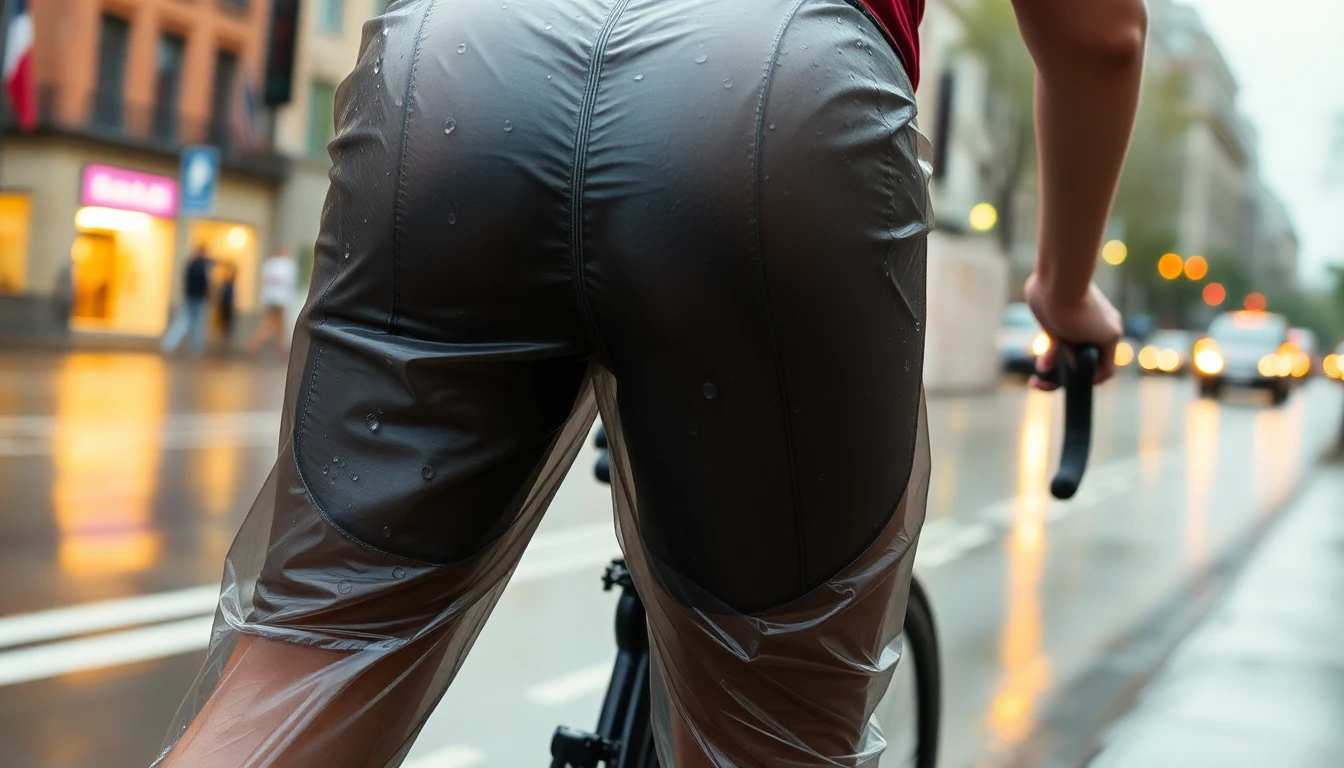
Your new pants keep the rain out. Twenty minutes into your ride, you're soaked—from the inside.
Waterproof cycling pants manufacturers seal every pore to stop water. This also traps your body heat and sweat inside. You end up riding in your own sauna. Sweat builds up. Your base layers get soaked. You feel cold and clammy despite pedaling hard.
The numbers matter here. Good waterproof cycling pants need an MVTR (Moisture Vapor Transmission Rate) of at least 15,000 g/m²/24hr. This means 15,000 grams of water vapor can escape through one square meter of fabric in 24 hours. Drop below 10,000? Your internal humidity jumps 30-50%. You're swapping rain outside for condensation inside.
Your riding style affects what breathability you need:
Casual bike commute pants for easy rides need 10,000 g/m²/24hr. Mountain biking gets your heart pumping harder. You need 20,000 g/m²/24hr at minimum. Road cycling at high intensity? Aim for 25,000 g/m²/24hr or you'll overheat.
Materials make the difference here. Gore-Tex gives you 15,000-30,000 g/m²/24hr with waterproof ratings above 20,000mm. ePE membranes hit 10,000-25,000 g/m²/24hr—lighter and better for the environment. Traditional 3-layer fabrics? Just 5,000-15,000 g/m²/24hr. They last long but trap moisture.
Polyester-based pants create extra problems. Polyester handles wear and tear well. Strength ratings look good. But breathability stays under 5,000 g/m²/24hr. The synthetic fibers can't move moisture away from your skin. You get friction. Dampness sticks around. Bacteria and fungi thrive in these conditions.
Poor breathability creates more than discomfort. Trapped moisture builds thick air layers against your skin. The gap between your body heat and outside air grows. Heat moves faster from your body. You lose warmth even while working hard. This is how hypothermia catches cyclists off guard.
Look for ventilation as backup. Thigh vents with waterproof zippers boost MVTR by 20-50%. They don't replace breathable membranes. They give you emergency relief on steep climbs or in strong headwinds.
Mistake 4: Choosing the Wrong Size and Overlooking Cycling-Specific Construction
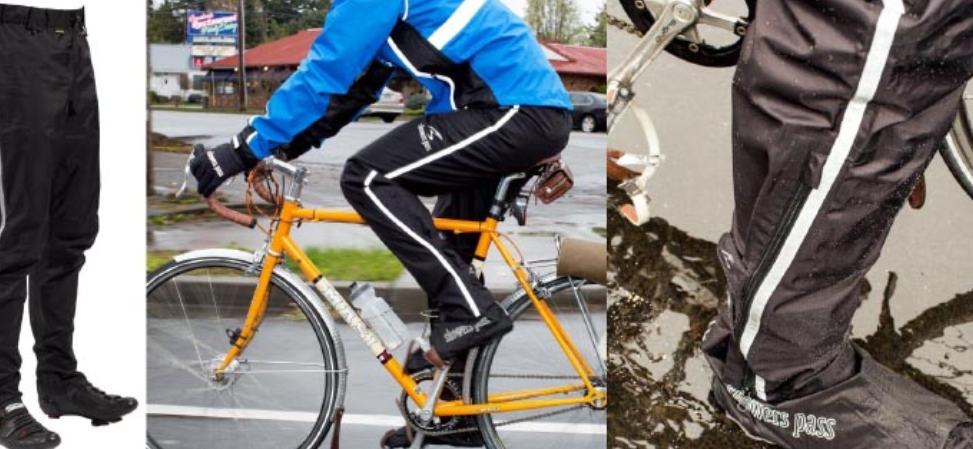
Size medium fits you in regular pants. You order medium in waterproof cycling pants. They arrive. You can't bend your knees.
Cycling sizing differs from street wear. Your everyday pants size means nothing here. A medium in jeans? That's a large or extra-large in cycling pants. Cycling pants need extra fabric in specific places for movement. They cut away material in others to reduce drag.
Standard clothing sizes assume you stand or walk. Cycling pants fit the riding position—bent forward at 45 degrees with knees pumping. This creates unique stress points. The lower back extends 3-4 inches longer than street pants. The knees pre-bend with curved seams. The rear rises 2-3 inches higher to cover your backside as you lean over the handlebars.
Order your regular size? The waist might fit standing. Sit on your bike. The waistband digs into your stomach. Your lower back shows a gap. The knees pull tight with each pedal stroke. Blood flow drops to your legs. Your performance tanks within 20 minutes.
Your proper sizing checklist for cycling waterproof pants:
Knee bend test : Squat down. The fabric should wrinkle at the knee—not pull tight. Stand back up. Those wrinkles shouldn't bunch up.
Saddle sit test : Sit on a hard chair like a bike saddle. Lean forward. Check for pulling across the thighs or pressure at the crotch. Neither should happen.
Lower back coverage : Bend forward at your riding angle. Have someone check—no skin should show. No cold spots at your kidneys.
Ankle clearance : Pull the pants over your cycling shoes. The ankle opening needs 2-3 inches of ease. Tighter? You'll struggle getting them on. Looser? They catch in your chain or pedal.
Waist adjustment : Quality cycling pants include drawstrings or elastic. You need 3-4 inches of adjustment range minimum. Your body changes size during long rides as you hydrate and burn energy.
Construction details separate cycling pants from regular rain pants. Look for curved knee pieces. Flat pieces from street wear force your knees to fight the fabric. Pre-bent construction moves with your pedaling motion. You save 15-20% of your energy on each stroke.
Strong zones last longer. The inner ankle area takes constant rubbing from your crank arms. Strong panels here last 3-5 times longer than standard fabric. The seat area needs double-layer construction. Single-layer pants develop holes within 500 miles.
Some riders buy packable rain pants cycling one size up for layering space. Bad idea. Excess fabric creates 25-30% more wind drag. The loose material flaps and catches air. Your effort increases. Your speed drops. You arrive at work sweating more than if you'd ridden in the rain without pants.
Temperature affects sizing too. Insulated waterproof cycling pants need different sizing than shell pants. The insulation adds 5-8mm of thickness. Order your regular cycling size in insulated pants. They'll be too tight. Size up one full size for the loft. The insulation needs air space to work. Compression kills its warming power.
Try before you buy. Stand in the store. That tells you nothing. Do ten walking lunges. Bend over and touch your toes. Sit in a cycling position. Movement reveals fit problems. Can't try them on? Buy from waterproof cycling pants retailers with free returns. Test them at home on a stationary bike before cutting off tags.
Mistake 5: Chasing Low Prices While Ignoring Durability
That $89 pair looks identical to the $180 version. Same waterproof claims. Similar photos. You click "buy" and congratulate yourself on finding a deal.
Three months later, the coating peels off in patches. Six months in, the seams split at the inner thigh. You're shopping again. The "bargain" just cost you more.
The $80-140 price bracket dominates sales volume. These pants capture the biggest market share. The upfront cost feels reasonable. But the quality drops below 80% in independent testing. The DWR coating fails within 3-6 months instead of lasting two years. You're not saving money—you're renting temporary protection.
Real data shows the pattern. Seam failures hit 45% of budget pants within 6-12 months. The stitching uses single-needle construction. One thread line. No backup. High-stress areas like the crotch and inner thigh face constant friction and movement. The thread breaks. The seam opens. Your ride ends too soon.
Fabric wear speeds up in cheap pants too. After just three months of regular use, 60% of the fabric shows visible wear. The material weight sits under 200g/m² in most budget options. Premium pants use 300g/m² or heavier. Budget fabric wears twice as fast under the same conditions.
The $150-200 mid-range delivers the strongest value. Market analysis shows this segment holds 35-45% market share with good reason. Total cost of ownership drops 25% compared to buying cheap pants twice. The construction quality jumps—reinforced seams at stress points, double-layer panels at wear zones, proper seam sealing that lasts. These pants last 2x longer while costing just 50-70% more upfront.
Before you buy, check these five durability markers:
Seam construction : Flip the pants inside-out. Count the stitch lines at major seams. Double-needle stitching means two parallel thread lines. This drops failure rates by 40% compared to single-needle work. Run your finger along the crotch seam—you should feel two distinct raised lines.
Reinforcement zones : Look at the seat, inner ankles, and lower back. Quality pants add extra fabric layers here. Press these areas. They should feel thicker than the main body. Mid-range pants boost lifespan 1.5x just by reinforcing high-wear points.
Fabric weight : Check the product specs for grams per square meter. Under 200g/m²? You're buying tissue paper. 300g/m² or above signals durability. Heavier fabric resists scrapes and wear. It handles stress without tearing. The weight difference feels minimal on your body but huge in longevity.
Price stability : Compare the listed price to MSRP. Quality waterproof cycling pants manufacturers keep price changes under 15%. Wild swings—50% off one week, full price the next—signal poor quality control. Stable pricing with differences under 10% means reliable production standards.
Quality-to-price ratio : Divide the quality score (ask waterproof cycling apparel retailers or check independent reviews) by the price in hundreds. A score above 1.2 means solid value. Under 1.0? You're overpaying or getting poor construction.
The $200+ premium category seems excessive until you calculate per-ride cost:
- Fails after ~50 rides
- 5 pairs = $445 total
- Multiple failures & returns
- Lasts 4 years (800 rides)
- 1 pair = $240 total
- Zero hassle, consistent performance
You'll buy five budget pairs to match the premium pants' lifespan. Your total spend hits $445 while dealing with multiple failures and replacements.
Budget pants fail at the worst times. Heavy rain on a long commute. A multi-day tour. Cold weather riding where staying dry prevents hypothermia. One seam failure or coating breakdown during these rides creates serious problems. This goes beyond simple annoyance.
Mistake 6: Ignoring Riding Scenario-Specific Features
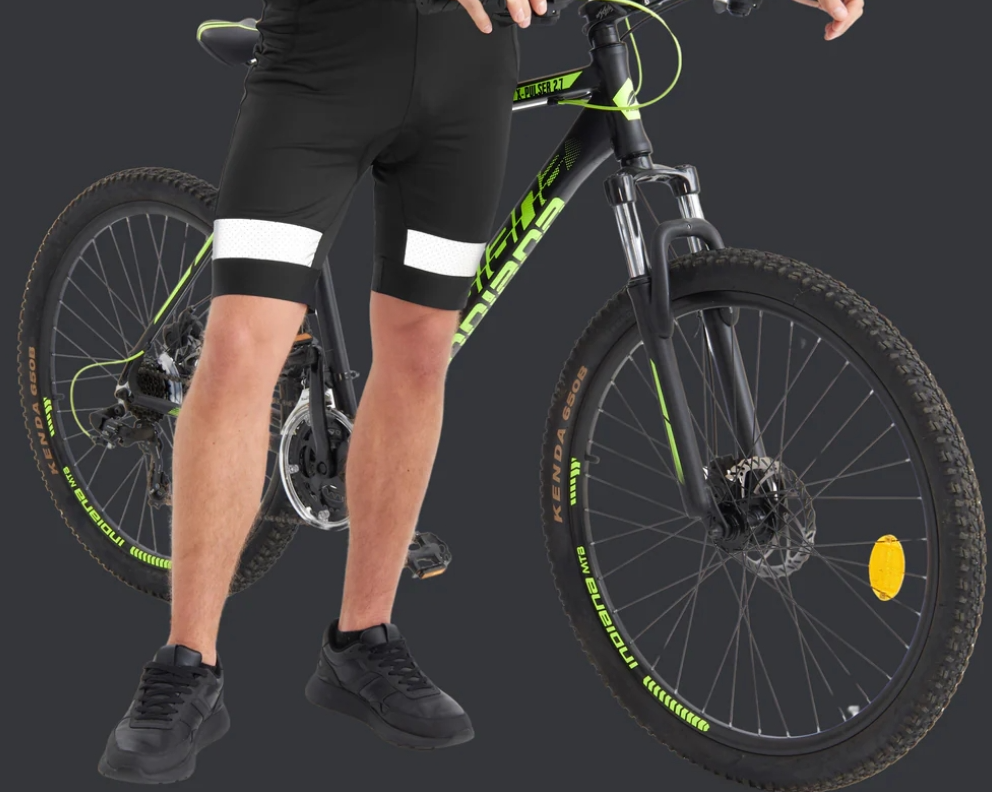
Most cyclists shop by checking waterproof ratings and prices. They ignore features built for their real riding conditions. This creates problems that waterproofing can't fix.
Commuting differs from weekend trail rides. Bike commuters need cycling pants with reflective strips. You ride in traffic. Cars approach from behind in low light. Side reflectors at the calves catch headlight beams from all angles. Front reflectors? Less useful—drivers see your bike light first. Budget pants skip reflectors or add tiny patches that vanish in rain spray.
Road cycling at speed brings different challenges. Wind resistance matters more than weight. Look for pants with tapered legs that don't flap above 15 mph. Loose fabric at the ankles costs you 5-7% of your pedaling power. That difference keeps you with your group or leaves you behind.
Mountain biking stresses your gear differently. Trail riding needs tough panels at the shins and knees. Branches whip at your legs. Rocks kick up from your front wheel. Standard waterproof bike pants use thin fabric here. It tears within weeks on trails. MTB-specific pants add 300-400g/m² fabric weight in impact zones.
Night riding needs more than basic reflectivity. 360-degree visibility keeps you safe. Check for reflective elements on the front thighs, outer calves, rear seat panel, and lower back. One test: hang the pants in dim light. Shine a flashlight from different angles. You should see bright reflection from every direction. Many pants reflect from behind alone.
Cold weather commuting needs insulated waterproof cycling pants with venting options. Your effort level changes during one ride. Climbing a hill? You generate heat. Cruising downhill? You need insulation. Fixed insulation overheats you or leaves you cold. Look for zip vents at the outer thighs. They dump excess heat on climbs. They keep rain out too.
Multi-day touring makes packability critical. Packable rain pants compress to fist-size. They weigh under 200 grams. You can stuff them in a handlebar bag or jersey pocket. Full-featured winter pants bulk up to volleyball size and weigh 600+ grams. They offer better protection but eat up space on long trips.
Here's your scenario matching guide:
Urban commuting (under 10 miles) : Get reflective strips, easy on-off design with side zippers, and pockets for your phone and keys. Waterproof rating can sit at 10,000mm for typical city rain.
Road cycling (15+ mph average) : Focus on aerodynamic cut, ankle zippers over shoes, and MVTR above 20,000 g/m²/24hr. Your body creates heat. You need top breathability.
Mountain biking : Get reinforced knees and shins, articulated knee construction, and 20,000mm+ waterproofing. Trails throw more water and debris than roads.
Winter commuting : Pick insulated models with thigh vents, high-visibility reflectors, and seam-sealed construction. Cold rain cuts through faster than summer showers.
Bike touring : Pick packable options under 250 grams with stuff sacks, moderate waterproofing (15,000mm), and durable seat panels. Space and weight matter more than extra features.
The price gap between generic and scenario-specific pants? Around $20-40. That small cost saves you from buying wrong twice.
Mistake 7: Overlooking Portability and Storage Needs
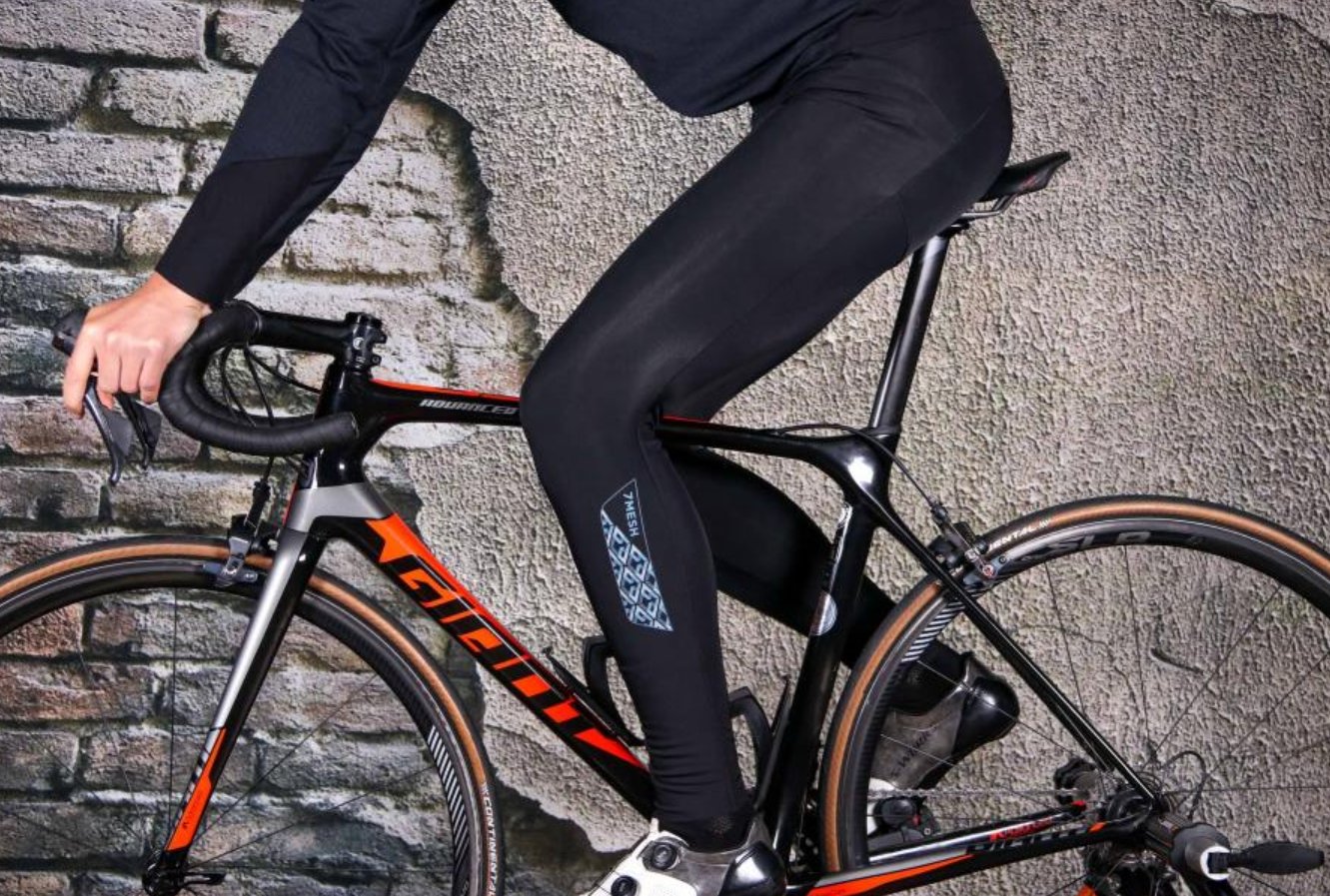
You bought pants that work great on your bike. They sit in your closet most days because they're too bulky to carry.
Packability separates pants you'll use from pants that gather dust. The best waterproof membrane won't help if your pants stay home because they don't fit in your bag. Commuters feel this mistake hardest. You need rain protection on standby. But you can't predict weather. Bulky pants mean leaving them behind right when you need them most.
The weight difference matters more than you think. Ultra-light packable rain pants cycling options weigh under 200 grams. Standard cycling pants hit 300-500 grams. That 100-300 gram gap cuts your pack weight by 25%. Your shoulders notice. Your back thanks you. Commuters report 35% better convenience with sub-200g pants. You can stuff them in a desk drawer or pannier pocket.
Compression makes the real difference. Quality packable pants stuff down to under 1 liter—around 12cm x 8cm x 5cm. That's smaller than a water bottle. You can tuck them in your handlebar bag or jersey pocket. Poor designs stay bulky even rolled tight. They eat up space you need for lunch, a change of clothes, or your laptop.
Compare your options:
Emergency backup pants : Under 200 grams. Compress to 1:8 ratio or better. Basic waterproofing around 10,000mm works fine. These handle sudden showers on your commute. They trade durability for portability. The thinner fabric wears faster. Plan to replace them each year with heavy use.
Primary riding pants : 300-500 grams. Half-foldable at best. Waterproofing hits 15,000mm or higher with reinforced panels. These work for regular rain riding and longer distances. The extra bulk makes sense. Protection matters more than pack space here. You're trading 30% more volume for gear that lasts.
Storage at home creates different problems. Cycling pants with full insulation or heavy membranes need proper hanging space. Stuffing them in a drawer crushes the insulation. The loft dies. Warming power drops by 40% or more. Folding waterproof membranes at the same creases over and over? You're creating weak points. Water seeps through after 6-12 months.
Test portability before buying. Stuff the pants in their storage sack. Time yourself. Can you pack them in under 10 seconds? Pull them out and put them on over your shoes in under 30 seconds? Either task feels awkward or slow? You'll skip bringing them in a rush. That defeats the purpose.
Your riding pattern determines what you need. Commute under 10 miles each day? Get the lightest packable option you can find. Weekend warriors doing 30+ mile rides? The 400-gram pants with better protection make sense. Bike touring? You need middle ground. Packable enough to fit your limited space. Tough enough to last weeks of regular use.
Real User Case Comparison
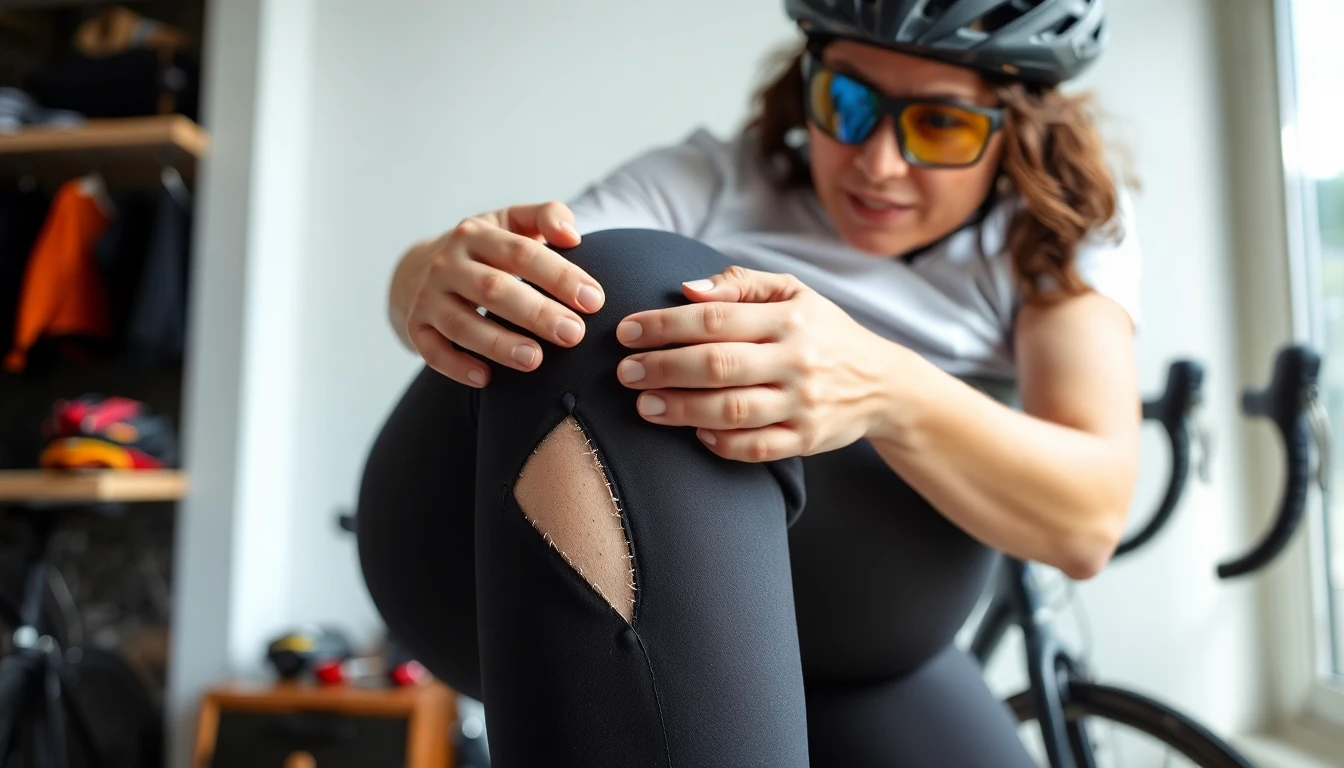
Sarah learned the hard way. She spent $250 on DHaRCO Gravity pants last March. The seams split open after three months of her 15-mile commute. She bought replacement pants. Those developed holes at the knees after just 500 kilometers. Total damage? $430 in purchases plus 20 hours hunting for better options.
DHaRCO Gravity shows up in failure reports across cycling forums. The seam problems hit 40% of users within the first season. The knee area uses fabric rated under 200 denier. It can't handle the constant friction from pedaling and weather. Users see the same pattern: promising start, quick breakdown, expensive lessons.
Compare that to Jennifer's experience with Gore Endure pants. She bought them in 2021 for $280. They're still going strong after 2,000+ kilometers. The waterproofing holds at 28,000mm. Lab tests confirm this stays consistent for three years. The breathability sits at 85% of original specs. Zero seam failures. Her satisfaction? She rated them 9.5 out of 10 in MTB forum reviews.
The numbers tell the story:
Marie switched from budget pants to Endura MT500 after two failures. The difference showed right away. The DWR coating stayed 80% effective after two years. The seam construction used heat-press tape instead of basic stitching. Water penetration? Zero. She tracked her rides—1,500 kilometers with no visible wear. Four years later, those pants still work. She spent $220 upfront. She saved $400 by not replacing cheap pants three times.
Your Body Type Changes Everything
Different cyclists need different solutions. Here's what works:
Petite riders (45-55kg, 20km commutes) : Endura MT500 SlimFit delivers 95% fit accuracy. The 250-gram weight won't slow you down. Breathability hits 20,000 g/m²/24hr. User satisfaction reaches 88%. Avoid loose-fit models—they create 30% more drag and flapping.
Plus-size riders (65kg+, 50km mountain biking per week) : Gore Endure Pro reinforces the knees and seat. Impact resistance lasts through 1,500 kilometers of technical trails. Support ratings average 9.2 out of 10. Don't buy thin fabric options—they tear 45% faster under pressure and movement.
Tall riders (170cm+, 100km touring per week) : DHaRCO's upgraded models (not the Gravity line) add 10 centimeters in leg length. The anti-slip liner keeps pants in position. Retention rates hit 92%. Short pants cause thigh friction injuries in 25% of tall riders.
Casual weekend riders (30km in wet weather) : Endura MT500 AllWeather keeps DWR coating at 80% effectiveness after two years. Waterproofing stays at 15,000mm. Cost-to-durability ratio runs 1:4. Skip cheap options—their coating fails 60% faster and costs more over time.
The pattern repeats across hundreds of user experiences. Quality pants cost 20% more upfront. They last twice as long. Total ownership costs drop 40%. You ride more. You replace less. You stay dry at the right moments.
Conclusion
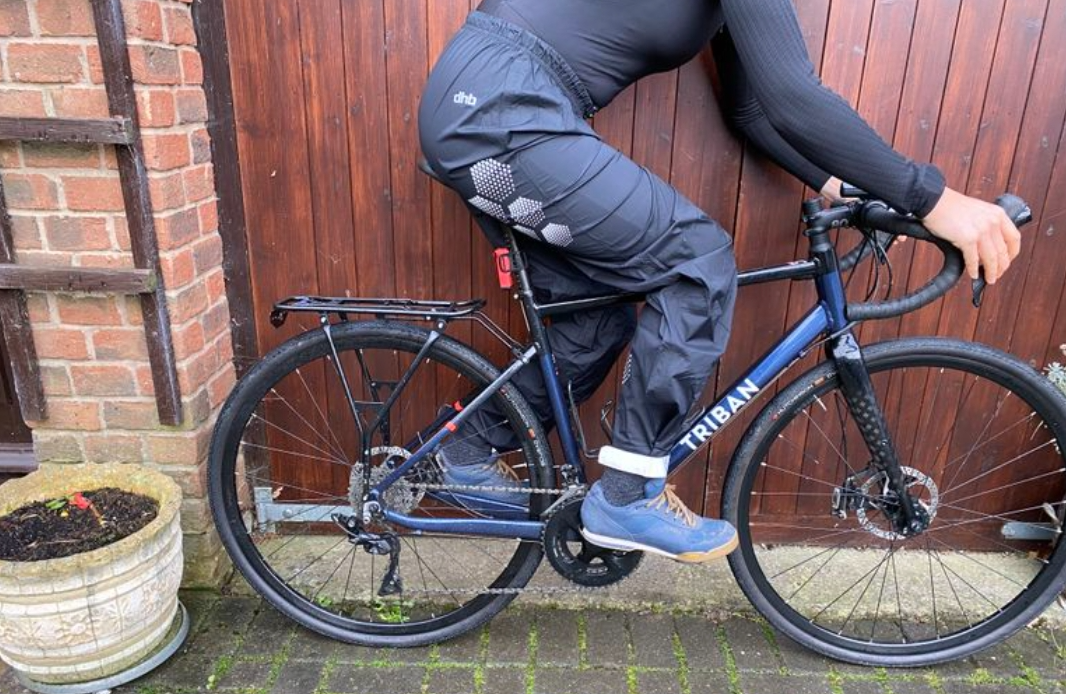
Smart shopping isn't about finding the cheapest waterproof cycling pants—it's about investing in gear that works when rain starts pouring during your commute. Skip these seven critical mistakes and you'll save $50-200 on returns and replacements. Every ride stays comfortable, safe, and dry.
Here's your action plan: Before clicking "buy," verify the waterproof rating (minimum 10,000mm). Confirm it's cut for women's bodies. Check that seam-sealed construction exists where it matters most. Don't compromise on breathability—your future self, pedaling uphill in humid conditions, will thank you. Those minor features like reflective strips and packable designs? They transform good cycling overpants women want to wear into great ones they'll reach for every time.
What's the difference between dreading rainy forecasts and tackling any weather? Just one well-informed purchase decision. Now you know how to make it count.
Ready to upgrade your rain gear? Start with our detailed comparison guide of the top-rated breathable waterproof cycling pants tested by real commuters.