Table of Contents
You're ready to order custom running gear for your team. Creating something unique sounds exciting—until the quotes arrive. Prices jump from $15 to $75 per piece. Why such a huge gap?
Understanding custom running gear costs goes beyond finding the lowest price. You need to know where your money goes. You want premium quality without overspending.
Maybe you're outfitting a corporate 5K team. Or launching a running club. Or organizing a charity race. The cost equation has more layers than you might think. Bulk discounts affect the final price. Minimum order quantities matter. Sublimation versus screen printing? That choice changes everything.
This price breakdown covers real-world scenarios. Suppliers hide certain fees upfront—we'll expose them. You'll learn how to maximize every dollar. Plus, you'll get technical fabrics that perform well.
By the end, you'll know what questions to ask. Some corners you can cut. Others? Don't even try. You'll get accurate quotes that won't surprise you later.
Custom Running Gear Price Ranges by Product Type

Product type sets your baseline cost more than anything else. A custom tank top costs different from compression tights . A moisture-wicking race shirt differs from a casual cotton tee. Here's what you'll pay across different product categories.
Running Tops: Shirts and Tanks
Key Pricing Data CardsCustom running shirts sit in the sweet spot for most team orders. Expect $8 to $25 per piece for orders of 50 to 200 units. This range covers basic performance fabrics with simple logos.
Order fewer pieces? The price climbs fast. Custom single shirts run $40 to $120 each . Small-batch production means setup costs get split among fewer items.
Technical details matter here. A polyester blend with basic moisture-wicking costs less. Advanced fabrics with anti-odor treatment cost more. Single-color screen printing keeps costs down. Full-color sublimation pushes prices higher.
Tank tops run $2 to $5 cheaper than short-sleeve shirts. They use less fabric and simpler construction. But add reflective elements or mesh panels? You're back to standard shirt pricing.
Running Bottoms: Shorts and Tights
running shorts start around $12 to $30 per unit in bulk orders. Basic polyester shorts with a simple logo hit the lower range. Want compression liners, multiple pockets, or zippered storage? Expect $25 to $45 per piece .
Compression tights cost more. Budget $20 to $50 per pair for team orders. Graduated compression technology costs more to make. Plus, you're using more technical fabric than a pair of shorts.
Split shorts, track shorts, training tights—each type affects your final cost. Longer inseams use more material. Multi-panel construction adds labor costs.
Accessories: Socks, Headbands, and Caps
Compression socks are the fastest-growing accessory segment. Custom pairs run $8 to $18 based on compression level and design complexity. Standard crew socks cost $4 to $10 per pair .
Headbands and caps offer affordable branding options. Custom headbands start at $3 to $8 each . Running caps range $8 to $15 . Both work well for small teams testing custom gear before full uniform orders.
Berunclothes delivers competitive pricing across all these categories. Their bulk pricing on running tops starts lower than industry averages. You get quality technical fabrics as standard, not as upcharges.
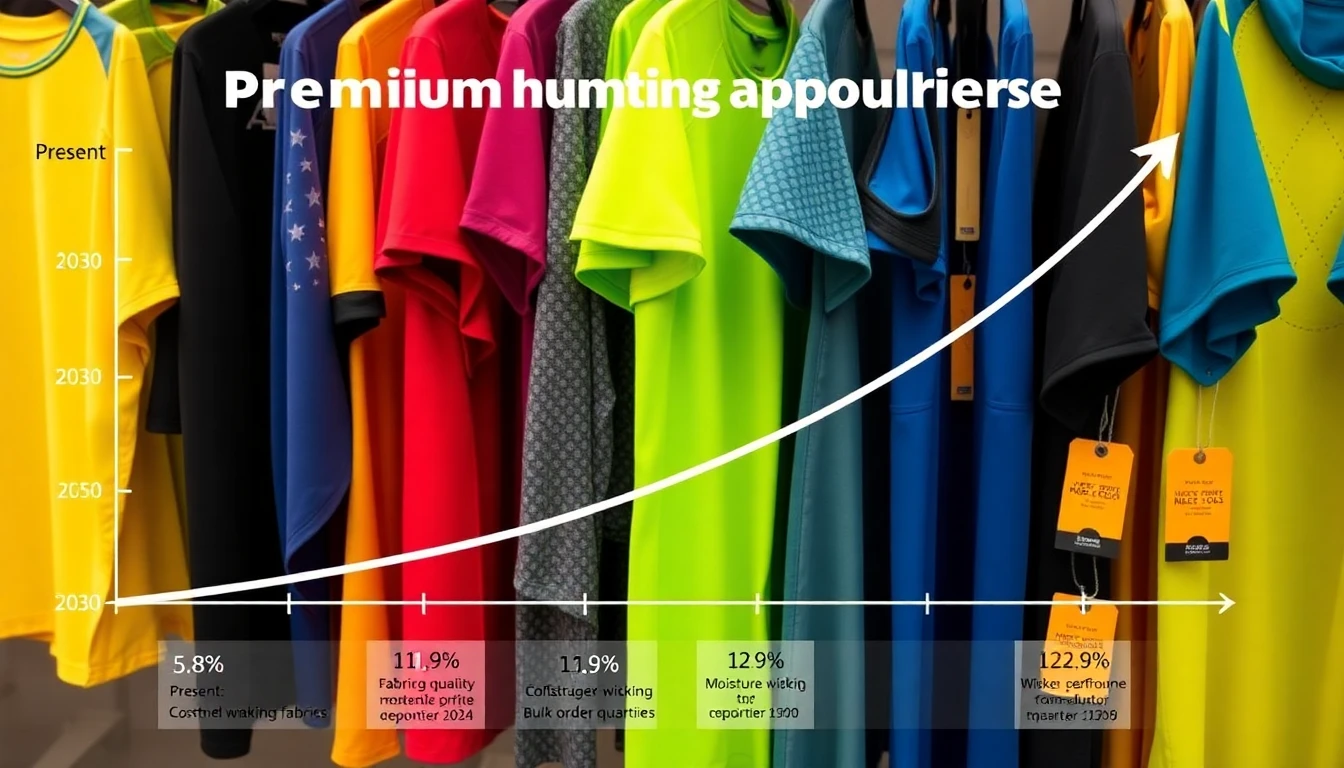
The premium running apparel segment grows at 5.8% each year through 2030. This growth shows demand for personalized, high-performance gear. Your investment taps into a proven market trend.
What Drives Custom Running Apparel Costs
Five factors control what you'll pay for custom running gear. These levers help you negotiate better and budget smarter. Most buyers focus on the sticker price alone. That's a mistake. The real story lives in the details.
Fabric Choice Transforms Your Budget
Fabric Cost ComparisonPerformance fabric costs change a lot. Basic polyester blends start around $8 per kilogram. Premium wool hits $123 per kilogram. That difference shows up in every piece you order.
Fabric weight matters more than most teams realize. A 180 GSM jersey running shirt uses less material than a 320 GSM French terry hoodie . Thicker doesn't always mean better for running gear. But it means more expensive.
Technical treatments add another layer of cost. Want DWR waterproof coating? UV protection? Moisture-wicking upgrades? Each treatment carries a premium. A polyester jacket with DWR coating costs more than the standard version. Sometimes 15-30% more.
Sustainable materials push costs even further. Organic cotton costs 30-50% more than regular cotton. Green production methods add another 15-30% to your bill. The planet benefits. Your wallet doesn't.
Basic cotton shirt material hovers around $10 per unit . Premium technical fabrics climb to $20 per unit or higher. That spread doubles your material cost before you think about printing.
Design Complexity Eats Profit Margins
Simple designs keep costs down. Add features, and labor minutes stack up fast.
Sport leggings with laser cuts cost more than basic leggings. Add zip pockets? The price jumps. Include sport-specific stitching? It jumps again. Each element needs special equipment and skilled operators .
Embroidery, reflective prints, bonded seams—these aren't just cool features. They're separate cost centers . Every embellishment needs setup time. Quality control takes longer. Defect risk increases.
Think about mesh inserts, zipper garages, or internal pockets for your custom running shirts. Each addition brings special materials plus extra labor . A flat-locked seam costs more than a standard seam. Gussets need precise cutting. These details separate performance gear from basic apparel.
Multiple logo placements increase expenses too. Each color in your screen printing demands a separate setup. Each position needs alignment and testing.
Customization Level: Full Build vs. Blanks
Cost Comparison: Full Custom vs BlanksSavings: $10 per piece by choosing decorated blanks
Here's where smart buyers save serious money. You can create custom running gear two ways: full custom production or decorated blanks .
Full custom production averages $15 per shirt . Buying quality blanks and adding your branding? $5 per shirt . That's $10 saved per piece right there.
Branding costs differ too. Custom garment branding runs about $8 per shirt . Blank apparel branding costs around $5 per shirt . Another $3 in savings per unit .
Small-batch customization overhead hits hard. Pattern development, design work, sampling—these fixed costs can reach $1,000 for a single style . Using blanks removes that expense completely.
BerunClothes offers both paths. Their blank inventory includes premium technical fabrics ready for decoration. You get the custom look without the custom overhead.
Order Volume: The Great Equalizer
Minimum order quantities aren't just supplier preferences. They're business needs. Factories face fabric minimums, printing batch requirements, and setup costs. These don't disappear for tiny orders.
Order below the MOQ? Expect surcharges. These fees cover the actual cost of inefficiency. The supplier still needs to buy a full dye lot. They still dedicate machine time to your job.
Volume pricing shows dramatic drops. Retail custom shirts range $10-50 per unit . That massive spread comes down to order size and fabric tier. Fifty pieces at the high end. Five hundred pieces at the low end.
Bulk order running apparel makes financial sense beyond unit cost. Setup fees get divided across more pieces. Material waste decreases as a percentage. Even shipping costs per unit drop a lot.
Labor and Location: The Hidden Variable
Labor costs per shirt range from $0.19 to $2.10 depending on where production happens. Geography drives this spread more than anything else.
Compare a button-up shirt order of 300 units. US production averages $25 per unit . China production averages $10 per unit . That's $15 difference per piece . It totals $4,500 extra for domestic manufacturing.
Custom running apparel uses complex operations. Flatlock seams need special machines. Gusset insertion takes skilled hands. Multiple zipper installations eat time. These garments trend toward higher labor bands.
BerunClothes balances quality and cost through smart manufacturing partnerships. Their production facilities deliver technical skills without high labor rates.
Real Budget Scenarios for Different Buyers
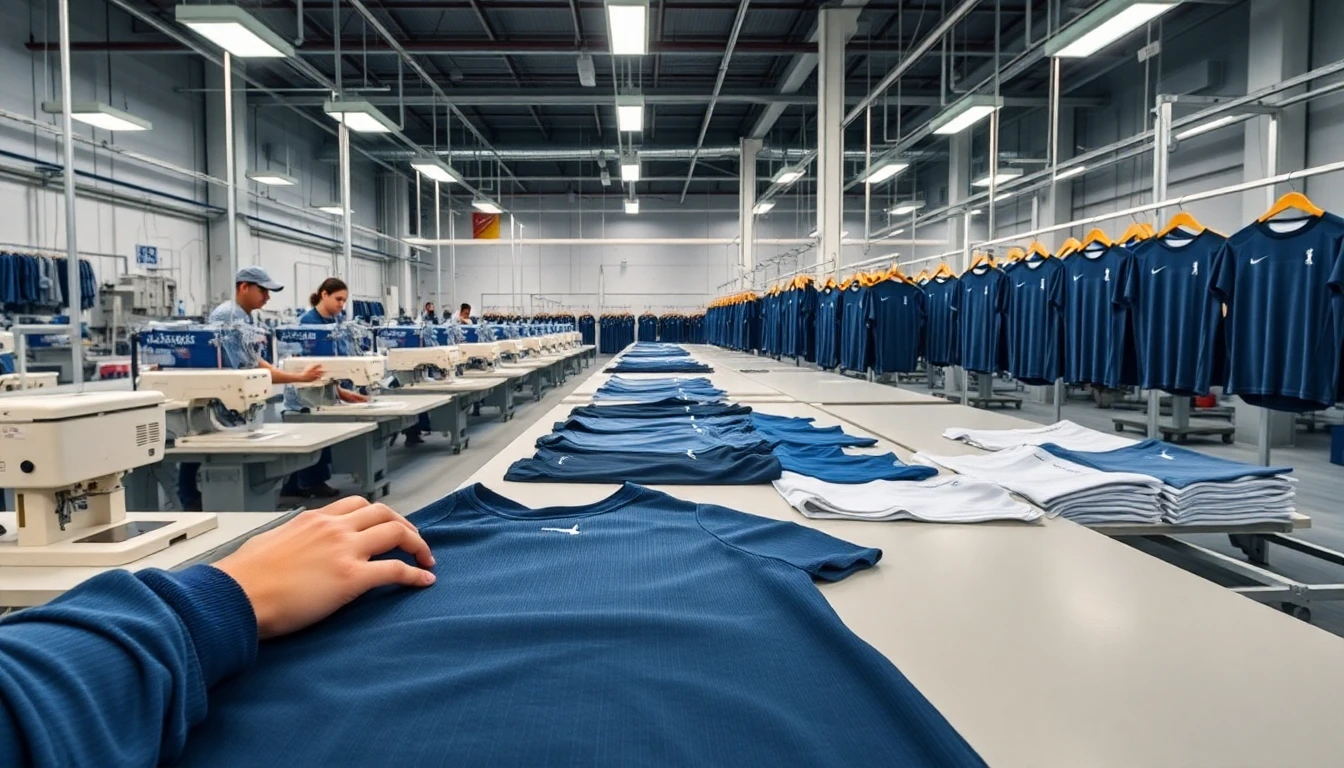
Three buyer types see your custom running gear quote. Each one sees a different number. Psychology drives their purchase choices more than product features. Know these profiles. Your pricing strategy improves. Buyers spot their own patterns.
The Tightwad Runner: Maximum Value, Minimum Spend
Twenty-four percent of buyers fall into this category. They hold onto money longer than anyone else. Every dollar spent feels like physical pain. They won't stretch budgets for luxuries. They need solid proof.
A running club organizer with this profile sets $12-15 per shirt as their limit. They'll sacrifice full-color sublimation for two-color screen printing. They'll order the minimum quantity to avoid waste. They'll skip moisture-wicking upgrades. You need to prove the cost-per-wear math first.
BerunClothes serves these buyers with clear cost breakdowns. Show them bulk order running apparel savings: 100 pieces at $14 versus 200 pieces at $11. That $600 total savings speaks their language. Frame it as money saved for future team needs, not money spent today.
Trigger phrases that work: "Lowest price per wear," "Investment in durability," "Save $X versus retail alternatives." These buyers need permission to spend. Give them data-backed reasons.
The Spendthrift Runner: Premium Experience Above All
Fifteen percent of your market doesn't check price tags. They link high cost with high quality. Emotion drives their decisions. "For sale" signs attract them oddly. Exclusivity matters more than discounts.
Corporate wellness directors often fit this profile. They'll budget $45-75 per piece for full custom running team uniforms. They want sublimation printing with unlimited colors. They'll pay design setup fees without push-back. Premium technical running materials aren't optional. They expect them.
These buyers max out credit because prestige validates their choices. A charity race organizer wants participants bragging about their gear. The shirt becomes a status symbol, not just sportswear.
BerunClothes captures this segment through quality signals. Highlight advanced moisture-wicking fabric technology. Push custom logo placement options others can't offer. Show finished samples from high-profile clients. Skip the discount talk. Discuss craftsmanship instead.
The Average Runner: Data Meets Emotion
Sixty-one percent of buyers land here. They enter talks with rough budget ideas. They'll impulse-buy sometimes but usually weigh options. This group responds to comparison charts plus emotional stories.
A running club with 50 members budgets $20-30 per shirt . They research screen printing vs heat transfer costs. They ask about minimum order quantity custom sportswear thresholds. They'll read reviews before committing.
These buyers use modified budget plans. Maybe they split discretionary funds using the 50/30/20 rule : needs, wants, savings. Custom team gear falls into "wants." They'll spend, but proof helps.
Present them with tiered options. Basic package at $18. Mid-tier at $25. Premium at $35. Show what changes between levels. Add testimonials from similar-sized teams. Offer Printing methods running shirts comparison charts. Show durability versus initial cost.
BerunClothes wins this segment through education. Explain why sublimation printing cost exceeds screen printing upfront. But it lasts longer. Break down how order volume affects unit price. Show the actual math. This clear approach builds trust. Researchers become buyers.
Hidden Fees and Extra Charges Breakdown

Your supplier quotes $18 per shirt. You plan your budget. Then the invoice arrives at $24 per piece. What happened? Hidden fees happened.
Custom running apparel carries invisible costs. Suppliers don't advertise these upfront. The charges stack up fast. Your final bill inflates by 20-40%. Small businesses nationwide lose $2,400 each year to hidden payment fees alone. Your running gear order faces the same traps.
Design and Setup Charges That Bite First
Design setup fees hit before production starts. Digital mockups cost $50-$150 per design concept. Vector file conversion adds $25-$75 . Need revisions? That's $30-$50 per round.
Screen printing setup runs $25-$75 per color . A three-color logo costs $75-$225 in screens before printing one shirt. Sublimation printing cost includes $100-$300 for digital setup. Larger orders absorb this fee easily. Small batches get crushed by it.
Pattern development for full custom builds reaches $500-$1,000 per style. Sample production adds $75-$150 per prototype. Initial quotes hide these charges. They pop up after you approve designs.
The Minimum Order Quantity Tax
Order below the minimum order quantity custom sportswear threshold? Surcharges appear. Suppliers add $2-$5 per piece for runs under 50 units. Some charge flat $150-$300 small-batch fees.
Fabric suppliers sell minimums of 50-100 meters . Your 30-piece order? You still pay for excess material. That waste becomes your cost. Invoice factoring works the same way. Advertised rates of 2% balloon to 6% after setup fees and admin charges.
Shipping and Handling Realities
Standard shipping quotes assume perfect timing. Rush production adds 25-50% to your total. Air freight costs 3-5 times more than sea freight.
Duties and customs on international orders run 8-12% for textile imports. Handling fees add $50-$150 per shipment. Individual bagging upgrades cost $0.50-$2 per piece.
Payment Processing Surprises
Credit card processing eats 2.5-3.5% of your order value. A $5,000 order loses $125-$175 to transaction fees. Wire transfers cost $15-$30 each. ACH processing adds $5-$10 per transaction.
BerunClothes provides transparent pricing. All these elements appear upfront in their quotes. Design fees, setup costs, and processing charges get listed out. You see the full picture before committing. No surprises hit you at invoice time.
Always request itemized quotes. Ask about setup, rush fees, and payment processing. The cheapest per-unit price? It won't stay cheapest after hidden charges show up.
Cost Optimization Strategies to Maximize Value
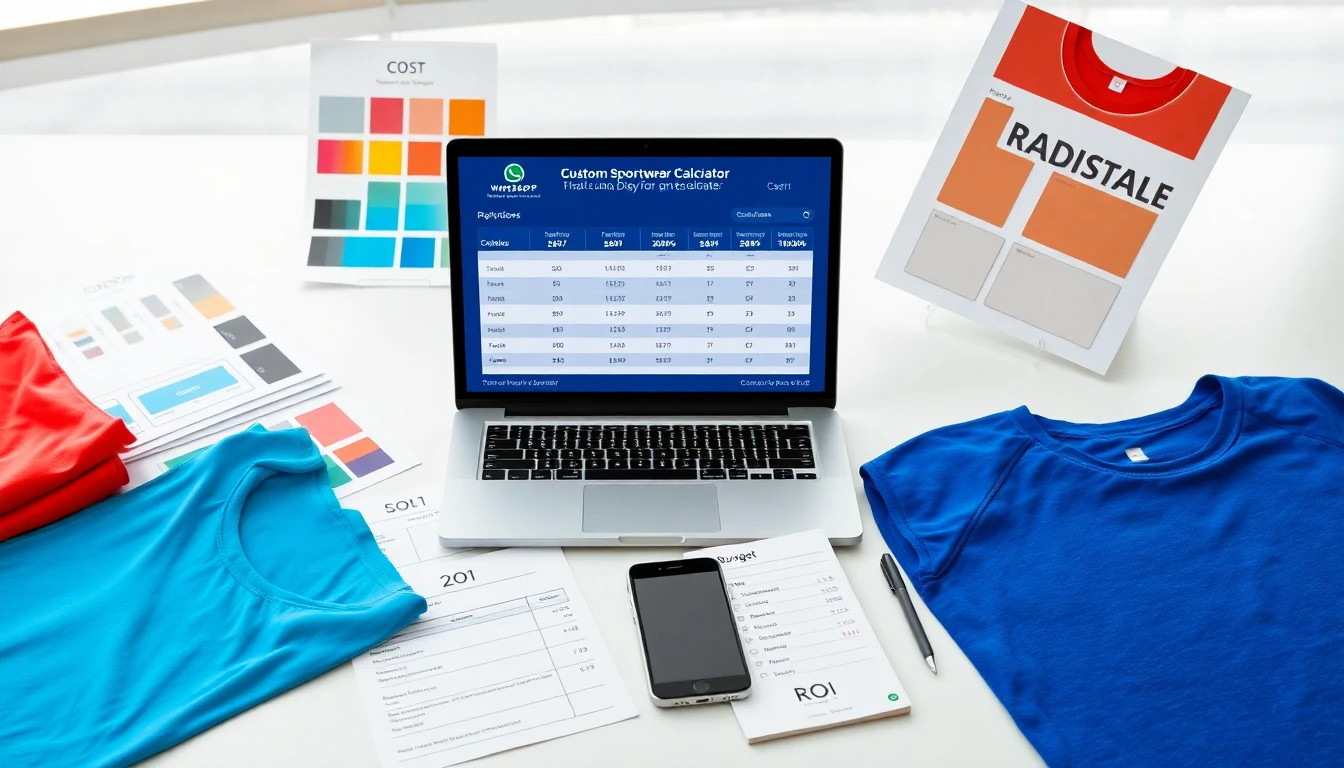
Smart teams cut custom running gear costs by 30-40% without sacrificing quality. The secret isn't finding cheaper suppliers. It's making strategic choices that stack savings across your entire order.
Order the Right Quantity, Not Just More
Minimum order quantity custom sportswear thresholds exist for a reason. But crossing them without thinking wastes money. The sweet spot sits between MOQ and the next price break.
Say your team has 47 members. The supplier's MOQ is 50 pieces at $22 each. The next tier is 100 pieces at $18 each. Simple math says order 50 and move on. Wrong.
Order 100 pieces. Your per-unit cost drops $4. Total spend increases from $1,100 to $1,800. But now you have extras for new members, replacements, and giveaways. The cost per active runner stays lower. You've cut out future small orders.
Run this calculation every time. Compare total spend versus usable inventory . Factor in growth, attrition, and backup needs. Sometimes the bigger order gives better value.
BerunClothes pricing shows clear tier breaks. Their 50-piece minimum starts one price band. Jump to 100 pieces and save $3-5 per unit. Hit 200 pieces and save another $2-3. Plan your quantity around these natural breaks.
Choose Your Printing Method Based on Volume and Design
Screen printing vs heat transfer isn't just about appearance. It's a cost equation that changes with order size.
Screen printing carries $25-75 setup per color . A three-color design costs $225 in screens before printing starts. At 50 pieces, that's $4.50 per shirt in setup alone. At 200 pieces? Just $1.13 per shirt .
Heat transfer skips setup fees. It runs $3-6 per transfer no matter how many colors. For 50 pieces with a complex logo, heat transfer wins. For 200 pieces with the same design, screen printing crushes it on total cost.
Sublimation printing cost sits higher upfront— $100-300 for digital setup. But it handles unlimited colors without extra charges. Full-color team photos or gradient designs? Sublimation beats screen printing past 100 pieces.
The math changes based on your design. Single-color logos work best with screen printing above 75 pieces. Multi-color complex designs work better with sublimation above 100 pieces. Small batches under 50 pieces work better with heat transfer to avoid setup waste.
Optimize Logo Placement for Maximum Impact, Minimum Cost
Custom logo placement affects your invoice. Each position needs separate setup, alignment, and quality checks.
Left chest logos cost less than full-back designs. They use less ink, take less time, and have lower defect rates. A single left-chest placement runs about $3-5 per shirt . Add a full back print and you're at $8-12 per shirt .
Sleeve prints, hem tags, and multiple locations stack costs fast. Each addition brings $2-4 more per piece. A three-location design can cost $15-18 in decoration alone—before the blank shirt.
Smart reduction works wonders. Instead of logo on chest + back + sleeve, go with chest + small back. You drop one setup, save $3-4 per piece , and still get strong brand presence. On 150 shirts, that's $450-600 in pure savings.
BerunClothes helps teams get maximum impact per dollar. Their design team finds high-visibility placements that keep costs down. One well-placed logo often beats three mediocre ones.
Standardize Fabric Choices Across Your Order
Custom requests break up your production. Each fabric variation needs separate cutting, different machine settings, and quality control adjustments. Costs grow fast.
Pick one moisture-wicking fabric for all tops. Choose one technical running material for all bottoms. Bulk fabric purchases drop unit costs 15-25% . Production gets more efficient. Defect rates fall.
The temptation hits hard—give captains premium fabric, give members standard. Resist it. The $3-5 per piece you save on mixed materials disappears into $8-12 per piece in broken-up production overhead.
Volume pricing on single fabric types beats variety every time. Order 200 shirts in one polyester blend at $11 each . Or order 100 in blend A and 100 in blend B at $14 each . Same total pieces. $600 difference in final cost.
Get All Design Changes Done Before Production
Design setup fees punish hesitation. First mockup runs $50-150 . Each revision adds $30-50 . Three rounds of changes cost $160-250 before production starts.
Gather all feedback upfront. Create a single approval process. Lock the design before requesting mockups. This cuts revision rounds from three to one, saving $100-180 per design.
Small teams waste money here all the time. The captain wants navy. Members vote royal blue. Someone suggests teal. Each color shift needs a new mockup and approval. Before you know it, you've spent $300 on design work for a $1,200 order.
BerunClothes makes this process easier. Their design portal lets teams vote on options before mockup requests. You request a paid mockup? You're seeing the consensus choice, not the first draft.
Time Your Order to Avoid Rush Charges
Rush production adds 25-50% to your total. A $2,000 standard order becomes $2,500-3,000 expedited. That premium buys you 1-2 weeks of faster delivery.
Plan around your race calendar. Order 8-10 weeks before your event, not 3 weeks. Standard production timelines give the same quality without panic pricing. Your team gets identical gear. Your budget stretches $500-1,000 further on a 200-piece order.
Seasonal timing matters too. Suppliers hit peak capacity January-March for spring races and August-September for fall events. Order during slow months and negotiate better rates. November orders for March races often score 10-15% discounts versus February rush orders.
Use Blank Inventory for Repeat Orders
Full custom production costs $15 per shirt average. Decorated blanks run $10 per shirt . For teams ordering each year, the blank route saves 33% on future orders.
BerunClothes keeps extensive blank inventory in popular styles. First-time buyers can test full custom. Repeat customers switch to blanks with updated branding. Same technical fabrics. Same fit. Lower cost.
This strategy works best for established teams. Year one, invest in full custom to dial in sizing and style. Year two onward, reorder blanks in the proven style and just update the logo or year. You've cut ongoing costs and kept brand consistency.
How to Get an Accurate Quote from BerunClothes
BerunClothes built their quote system around speed and clarity. Most suppliers drag you through days of back-and-forth emails. BerunClothes returns quotes within 24 hours . Their average response time? 2 hours . That pace matters for team orders or race deadlines.
Two entry points get you started. The "Get Custom Quote" button on their homepage handles general sportswear requests. The gym clothing page has a dedicated form. It promises instant quotes in 24 hours . Both paths work. Pick whichever matches your product type.
WhatsApp contact shortcuts the form process. Direct messaging cuts response loops. You upload photos, share quantities, and clarify details in real-time. Sales teams answer faster through chat than email chains.
Information That Speeds Up Accurate Quotes
Vague requests generate vague quotes. Specific data produces tight pricing. Gather these details before contacting BerunClothes.
Product specifications matter most. Name the exact garment type— leggings, sports bras, running tees, hoodies, shorts, compression tights . Specify gender fit: men's, women's, unisex. List required sizes: XS through XL or custom measurements. Count colorways per style. Three color options need different pricing than single-color orders.
Fabric specs set base costs. Note your preferred blend: polyester/spandex, nylon/spandex, cotton blends. Technical features drive pricing up. Moisture-wicking fabric costs more than basic polyester. Four-way stretch, compression weave, anti-odor treatment, squat-proof density—each feature carries premium charges. Fabric weight (gsm) affects material costs. 180-220 gsm leggings use more material than 140-180 gsm tops .
Quantity breakdowns prevent confusion. Don't just say "300 pieces." Specify per style, per color, per size. Example: Style A leggings, 500 total = 100 XS, 150 S, 150 M, 75 L, 25 XL across 2 colors. This precision helps suppliers calculate cutting efficiency and waste.
Customization details change everything. Send vector logo files in AI, EPS, or high-res PDF formats . Mark exact logo positions—front chest, left thigh, lower back. Include size dimensions: "3 cm wide left chest placement." State your decoration method: screen print, heat transfer, sublimation, embroidery, silicone logo . Multi-color prints need color counts. Gradient or photo designs require sublimation. This affects setup fees.
Construction features matter beyond basics. Flatlock seams cost more than standard stitching. Functional pockets with specific dimensions, mesh ventilation panels, YKK zippers, thumbholes, drawcords, reinforced gussets—list everything. BerunClothes needs these specs to calculate labor costs.
Quality tier shapes material selection. Budget-level gear uses basic fabrics and simpler construction. Premium lines demand technical fabrics and precise workmanship. State your target market upfront. This guides fabric recommendations and pricing bands.
Packaging requirements affect final invoices. Individual polybags, sustainable packaging, size stickers, custom carton specs—these aren't free additions. Shipping term choice ( EXW, FOB, CIF, DDP ) changes who pays freight. Destination country matters for shipping estimates.
Timeline limits influence production scheduling. Share your sample lead time expectations and bulk delivery deadline . Event dates or season launch windows help suppliers confirm what's possible before quoting.
The Five-Step Quote Request Process
Quote Process StepsBerunClothes offers flexible low MOQ options. Testing designs before bulk orders? Mention that upfront. Their quoting reflects trial production different from standard volume runs. This flexibility serves small teams and large organizations well.
Conclusion
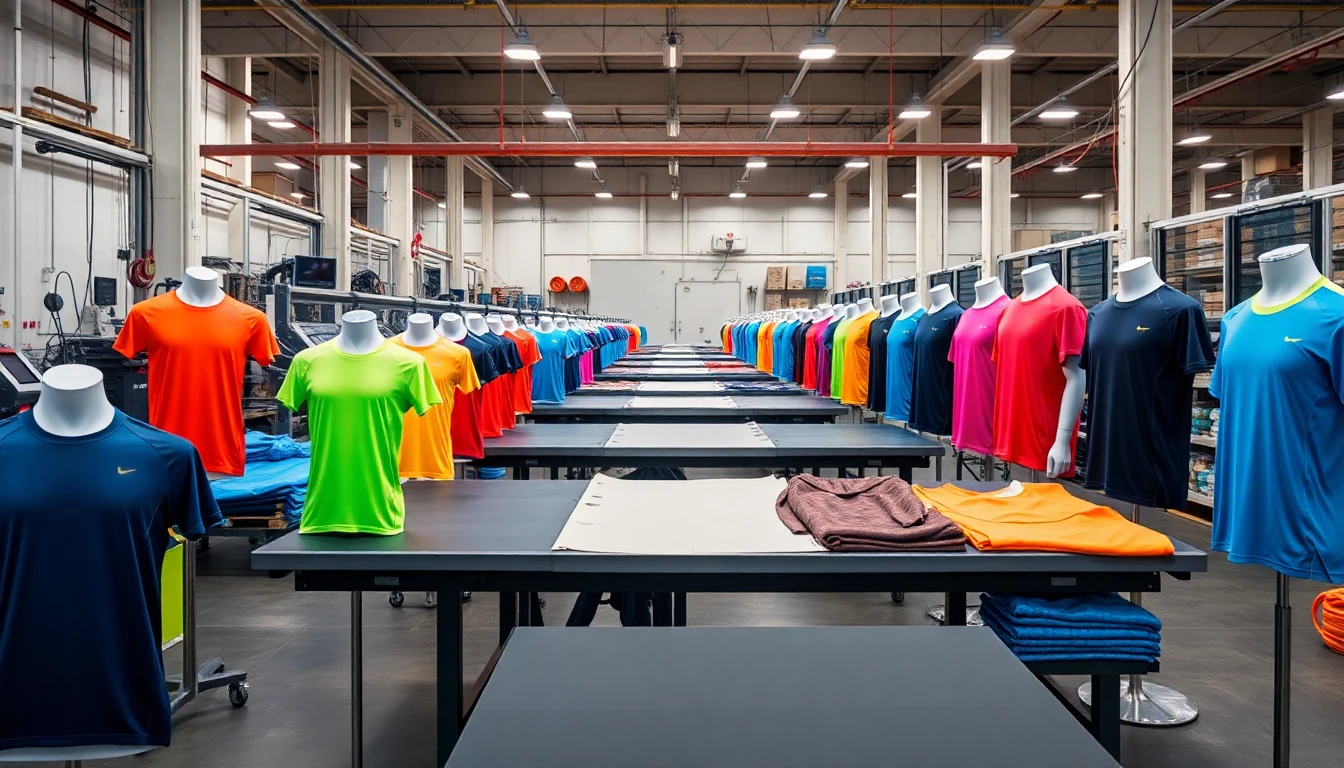
I've learned that smart spending beats cheap spending every time. The $15 shirt that falls apart after three washes costs more than the $25 one that lasts two seasons. Custom running gear isn't just about today's price—it's about cost per wear, team satisfaction, and whether you're reordering next year or scrambling to replace failures. I ask the right questions now, compare the full picture, and invest where it actually matters. That's how I turn a quote into value that keeps delivering.