Table of Contents
Ever wondered how that fitted gym tank or those soft leggings come to life? The journey from a roll of performance fabric to the activewear in your closet is more complex than most people realize.
You're thinking about launching your own fitness apparel line? Or maybe you're sourcing from sportswear manufacturers. Perhaps you're just curious about what you're paying for. Understanding this process matters.
Gym clothing manufacturing involves several key steps. Science meets craftsmanship here. Moisture-wicking fabrics get special treatments. Precision cutting ensures consistent sizing. Compression garments need different construction techniques than regular clothing.
You might be a brand founder mapping out your first production run. Or a buyer negotiating with factories. Maybe you're a designer perfecting your technical specs. Knowing what happens at each stage gives you an advantage. You'll make smarter decisions. You'll avoid expensive mistakes. Plus, you'll create activewear that performs.
The stages include fabric selection and pattern making. Then comes quality control and finishing. Each step has checkpoints most people never see.
Let's look at the full production timeline. You'll discover the hidden quality checkpoints. You'll learn the technical details that separate premium gym wear from pieces that lose their shape after three washes.
Pre-Production: Design Development & Technical Planning
Your gym wear needs a blueprint before any sewing starts. This phase turns your activewear idea into specs that factories can use to make your products.
Tech Pack Creation forms the foundation. Think of it as your garment's instruction manual. You'll include detailed flat sketches showing every seam placement. Add measurements for each size grade (XS through XXL). Include fabric specs down to the gram weight. Compression leggings? Your tech pack notes the exact compression level (15-20 mmHg for light support, 20-30 mmHg for medium). Moisture-wicking tanks need fiber blend percentages. Document the treatment methods too.
Pattern Making & Grading comes next. Pattern makers draft the master pattern in your base size (usually Medium). They grade it across your full size range. Good pattern grading keeps the fit balanced. A 2-inch waist increase shouldn't just add bulk to one spot. Pattern makers design seamless activewear pieces to reduce seams. They keep the compression strength intact.
Sample Development tests everything. First samples show fit problems you missed on paper. That racerback tank might pull at the shoulders. Those joggers could gap at the waist during squats. Expect 2-3 sample rounds before you approve. Test samples during real workouts. Burpees expose weak construction faster than any fitting room.
Budget 4-6 weeks for complete pre-production. Rush this phase and you'll face costly production problems later.
Fabric & Trims Selection: Performance Materials Sourcing
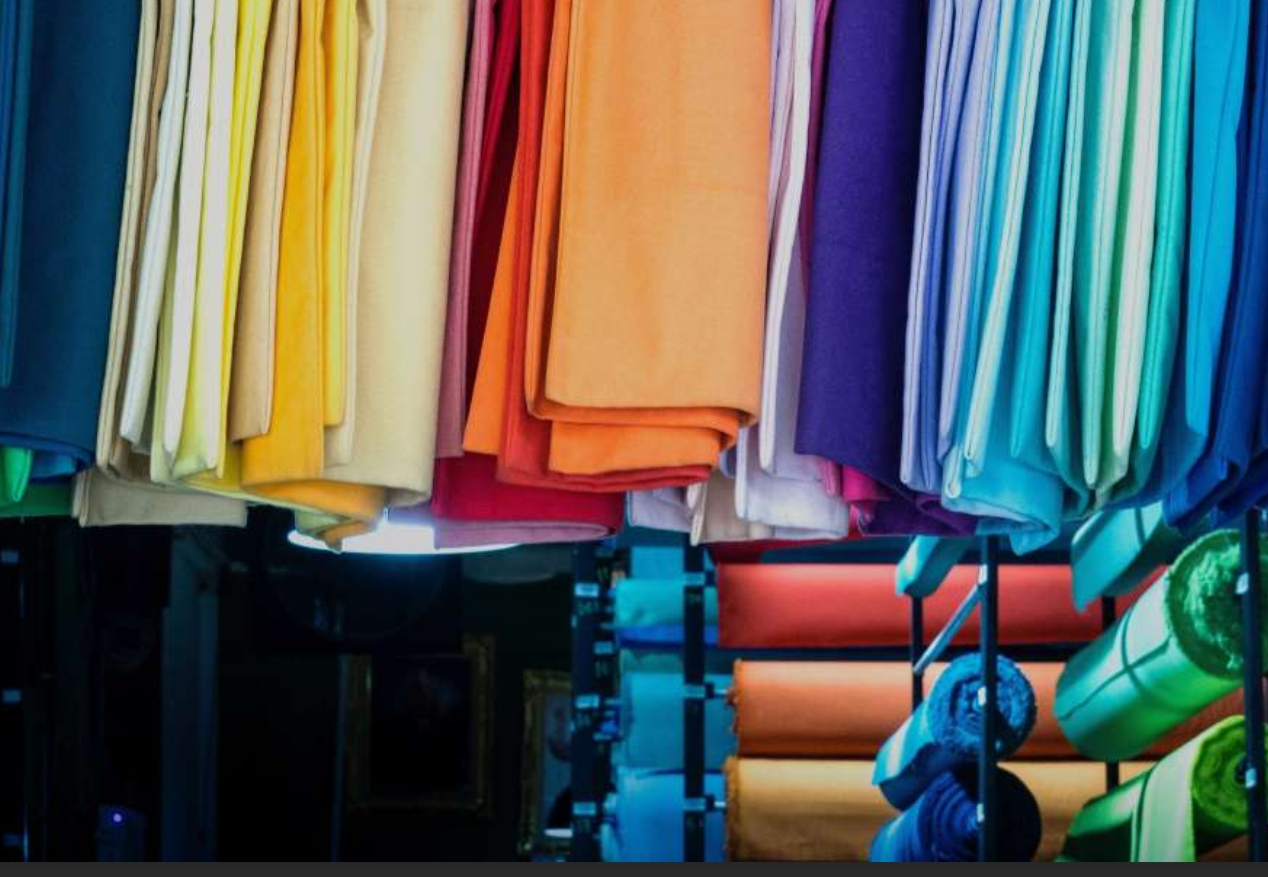
Performance fabric makes or breaks your gym wear. Your material choice decides if leggings stay opaque during squats or turn see-through. It controls whether tanks pull sweat away from skin or trap it there.
Sourcing strategies changed big by 2025.
They balance China's manufacturing power with closer options in Vietnam, Bangladesh, or Mexico. You get backup options if one supplier faces delays.
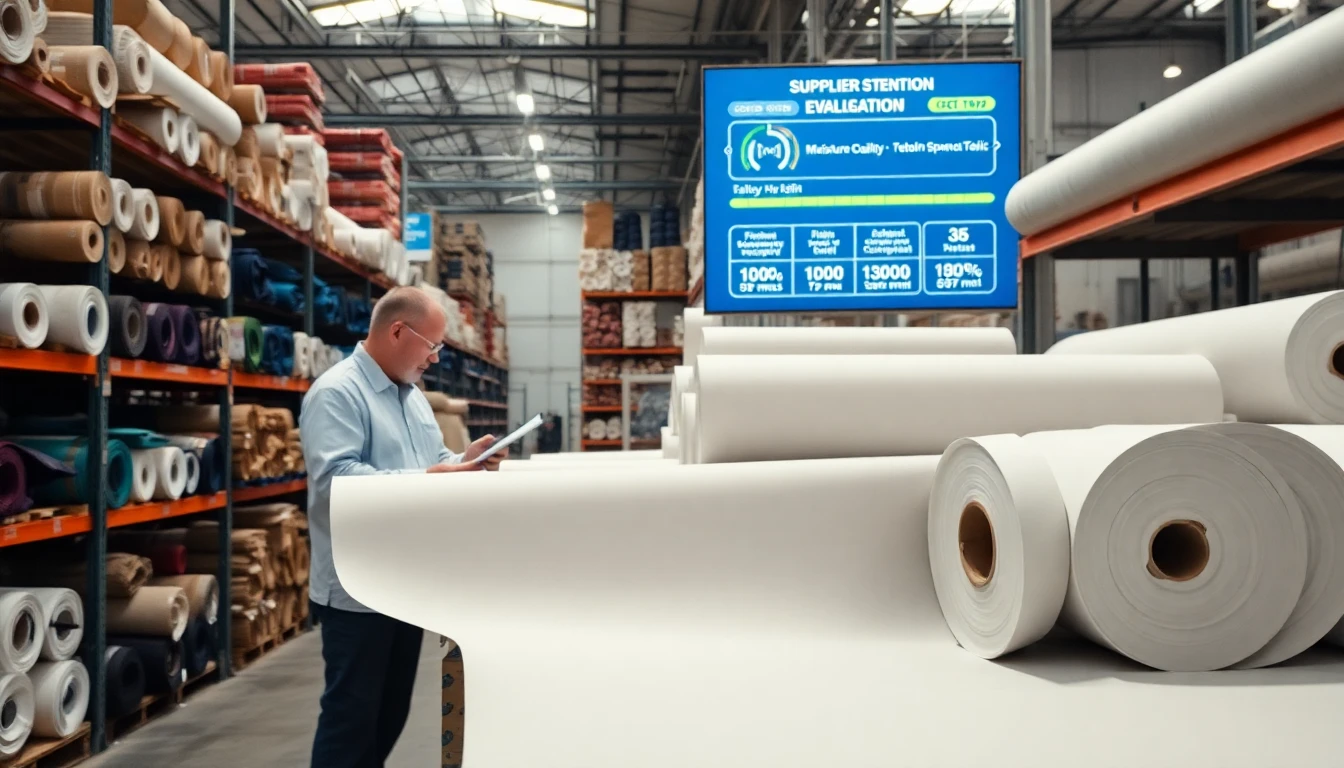
Smart brands keep stock buffers of core fabrics. Think moisture-wicking polyester blends and compression nylon-spandex. They also spread orders across different suppliers. About 78% of performance apparel firms use both tactics to stay resilient.
Fabric selection now includes green metrics.
Suppliers share carbon footprint data and life cycle reports. Recycled polyester from ocean plastics attracts eco-conscious customers. GRS certification (Global Recycled Standard) proves recycled content claims are real.
Technology changed how we track materials.
These systems track fabric stock in real-time. They predict material shortages. They suggest backup suppliers.
Rate suppliers using scorecards. Score them on price, fabric quality, delivery speed, and green compliance. Data from multiple sources cuts sourcing problems by 20-40%. Check minimum order quantities too. Premium performance fabrics often need 500-1000 meter minimums per color.
Fabric Preparation: Relaxation & Spreading Techniques
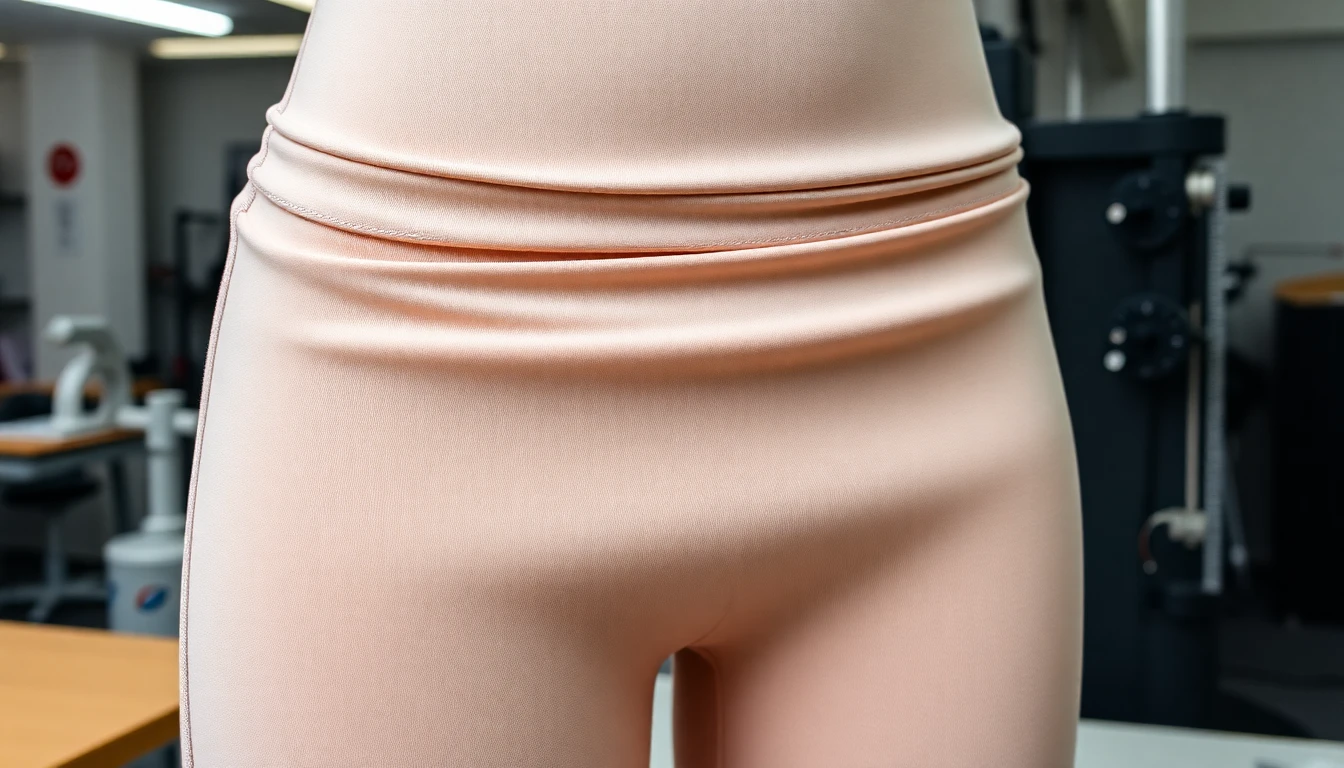
Performance fabrics arrive at the factory wound tight on rolls. That tension creates a hidden problem. Cut them right away and your gym leggings might shrink in odd patches after the first wash. Fabric relaxation solves this.
Shrinkage testing picks the relaxation method. Technicians run three tests: residual shrinkage, heat shrinkage, and steam shrinkage. Results under 2%? No relaxation needed. Between 2-4%? Use machine relaxation. Above 4%? You need bale relaxation. The fabric gets opened from rolls, folded without tension, and stored for 24-48 hours.
Cotton-elastane blends need the longest rest. All-cotton woven fabrics relax in about 12 hours. Viscose and modal need 24-48 hours. Knitted fabrics take even longer than wovens. Standard conditions matter: 21°C and 65% humidity create steady results.
Machine relaxation speeds things up. But it has limits. The C-Tex machine unwinds fabric using positive feed and dancer rollers. These remove tension. It reaches 0-2% relaxation. That's enough for intimate wear. Not enough for sportswear. A test machine reached higher relaxation levels. But it ran at just 2/17 the speed.
Higher elastane content makes relaxation more critical. Skip this step? Your compression leggings lose their exact fit.
Pattern Making & Grading for Stretch Fabrics
Stretch fabrics stretch. That simple fact creates tricky math for pattern makers.
Negative ease is the base. Regular woven patterns add ease. This helps garments fit well over your body. Stretch patterns do the opposite. They subtract ease. This "negative ease" makes the pattern smaller than your body measurements. The fabric stretches to fit. For 75% two-way stretch spandex (common gym wear), pattern makers use 8-12% horizontal negative ease. Vertical negative ease stays at zero. This keeps the length right.
The math is easy. Take your bust: 90 cm. Use 12% negative ease. Your pattern is 79.2 cm (90 × 0.88). Try 8% negative ease? Pattern becomes 82.8 cm (90 × 0.92). This formula works for all horizontal body parts: waist, hip, thigh, bicep. Vertical parts (torso length, sleeve length) stay at body measurement. No negative ease here.
Stretch patterns grade differently than woven ones. Woven garments grade up in fixed steps—say 2 cm per size across the bust. Stretch garments need smaller steps. Negative ease builds up across size ranges. Grade too many sizes from one base pattern? The fit warps. Pattern makers stick to 1-2 sizes up or down from the base. Need more sizes? Draft new base patterns.
Test your stretch before you finalize patterns. Draw a grid on your fabric. Stretch it. The largest stretched square should be no more than 50% bigger than the smallest resting square. More variation? Your stretch is uneven. Your leggings will fit unevenly across the leg.
Sample Development & Fit Testing
First samples rarely get the fit right. That sports bra might ride up during jumping jacks. Those compression tights could dig into your knees. This stage catches problems before full production starts.
Sample rounds follow a pattern. Round one tests your basic idea. Pattern makers cut the master pattern in your base size. Sewers build it using your tech pack specs. You try it on. You move. You stretch. Note every issue—armholes that gap, tight shoulders, loose waistbands.
Fit testing needs real movement. Static fitting rooms miss activewear issues. Test samples during actual workouts. Run stairs in those joggers. Do squats in those leggings. Raise your arms overhead in that tank. Fabric acts differently under stress. Seams that look fine standing might dig in during a lunge.
Quality metrics guide approval. Check seam strength. Stretch the fabric at a right angle to each seam. It shouldn't gap or show thread stress. Test how steady the compression is. Use a compression gauge to measure pressure across different body zones. Good compression leggings hold 18-22 mmHg from ankle to thigh. Check if you can see through them during stretch. Bend over in those leggings under bright light. Can you see through?
Budget three sample rounds at least. Each cycle takes 7-10 days.
Cutting Process: Precision & Efficiency
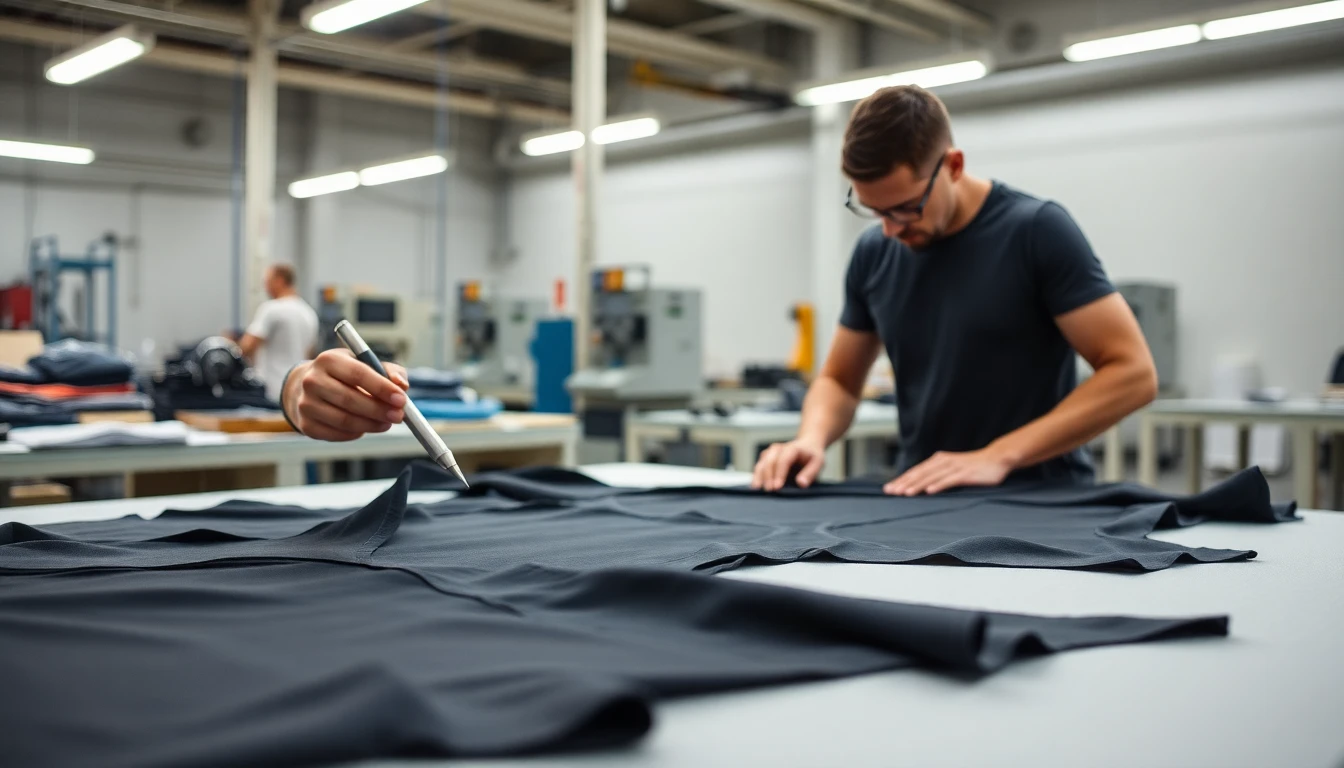
Fabric cutting decides if your size Medium fits like a Medium across 10,000 pieces. One millimeter off? Your whole production batch turns out uneven.
Modern cutting systems blend speed with accuracy. Automated spreading machines lay fabric in stacks of 50-100 plies. Each layer needs to line up exactly. Misalignment creates size differences. Cutting speed impacts everything that comes after. Cut too fast? Blade heat warps stretch fabrics. Cut too slow? Production costs skyrocket.
Computerized cutting transformed everything. CAD software arranges pattern pieces to cut down waste. Premium performance fabrics cost $8-15 per meter. Smart arranging saves 5-10% of material. That's thousands of dollars on big orders. CNC cutters track digital patterns with 0.5mm accuracy. Manual cutting can't deliver that level of consistency.
Feed rate counts as much as blade speed. Higher feed rates increase output but risk frayed edges on technical fabrics. Moisture-wicking polyester requires different settings than compression nylon-spandex. Operators make changes based on fabric weight and stretch percentage.
Quality checks start right after cutting. Inspectors confirm piece count and measurements. They look for blade drag marks or heat damage. Rejected pieces get recut before moving to sewing lines.
Printing & Embellishment: Branding Applications
Your gym wear brand lives in the details printed on fabric. A heat-transferred logo. A silicone grip pattern on waistbands. Reflective prints for night runners. These finishing touches set professional activewear apart from basic athletic gear.
Heat transfer printing leads in athletic apparel. It bonds graphics into fabric fibers. No extra weight. No stiffness. Custom T-shirt printing alone jumped from USD 4.67B in 2025 to a projected USD 11.37B by 2035. Digital label printing follows the same path—USD 12.3B to USD 20.6B in the same period. These numbers show how brands use prints to stand out.
Placement strategy matters as much as technique. Chest logos need different sizing than hip prints. Compression zones can't handle thick add-ons. They break the fabric's stretch recovery. Put branding on non-compression panels instead. Waistbands work well. So do chest panels and side leg panels where fabric lies flat.
Popular methods for adding designs:
Quality control happens after every print run. Technicians check color accuracy against Pantone standards. They test wash strength—prints should survive 50+ wash cycles without cracking or fading. They check placement stays the same across all sizes.
Sewing Assembly: Construction Techniques
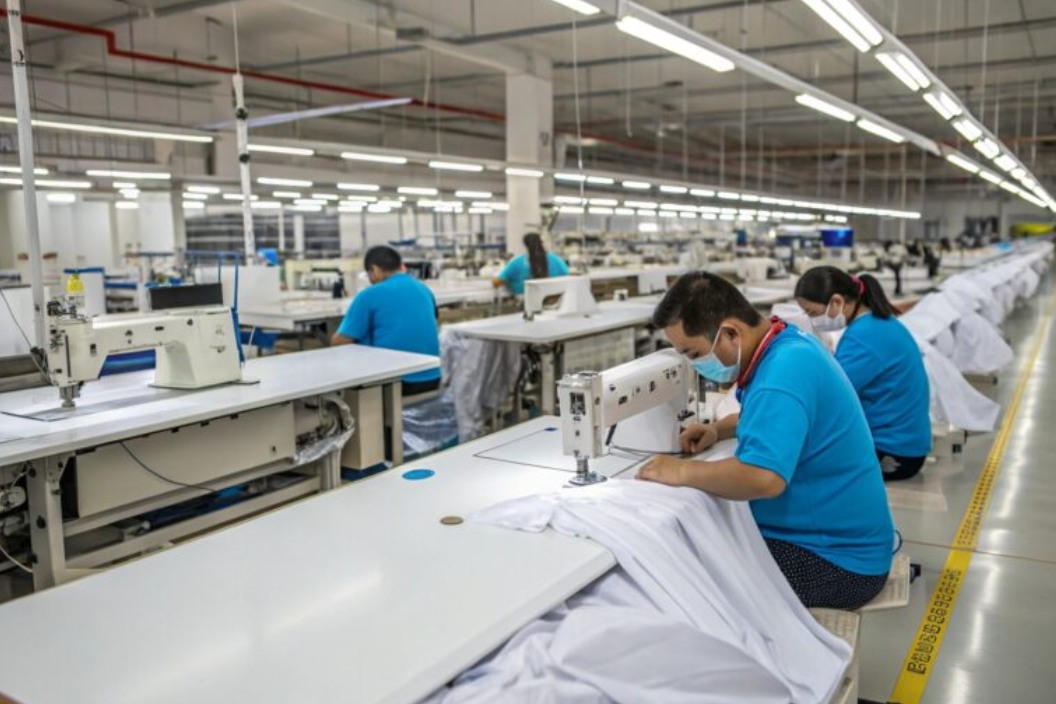
Gym wear seam allowances follow strict rules. Industry standard: 1/2 inch (12-13 millimeters). Home sewing patterns: 5/8 inch. That extra eighth-inch? It matters less than you'd think. What counts is consistency across every piece in your production run.
Stitches per inch (SPI) controls durability. Your tech pack specifies exact SPI for each seam type. Thread chain belt loops need at least 16 SPI with 2-ply thread. Why so specific? Lower counts unravel in the wash. Higher counts create stiff seams that dig into skin during workouts.
Multi-needle topstitching needs precise tension. Two or three parallel stitch rows look clean on jogger side seams and tank straps. Bad tension creates "roping"—puckered fabric between stitch rows. Operators adjust upper and lower thread tension until fabric lies flat. This takes experience. New sewers need supervision.
Flatlock seams work best for seamless activewear. These seams lie flat against skin. No chafing during high-rep movements. The interlocking threads create a stretchy join. It moves with compression fabrics. Quality flatlock seams show neat parallel rows on the outside. Messy loops on the inside? That's normal.
Elastic application follows specific steps. Waistband elastic must stretch evenly during sewing. Uneven stretching creates twisted waistbands. They roll during wear. The elastic join needs at least 3/8 inch overlap. Secure it with two rows of stitching. Single-row joins fail after repeated stretching.
Hem standards vary by size. Hems measuring 1 inch or taller tolerate 1/8 inch variance within any 6-inch span. Smaller hems under 1 inch? Maximum variance drops to 1/16 inch. Sleeve and leg openings get hemmed in a circle. This way, no seam allowances peek through. You need special binding attachments on industrial machines.
Button attachment uses lockstitch 304 machines. Each buttonhole gets at least four passes of stitching, knotted tight. Front buttons need reinforcement buttons on the inside. Skip this step? Buttons rip through fabric under stress.
In-Line Quality Control During Sewing
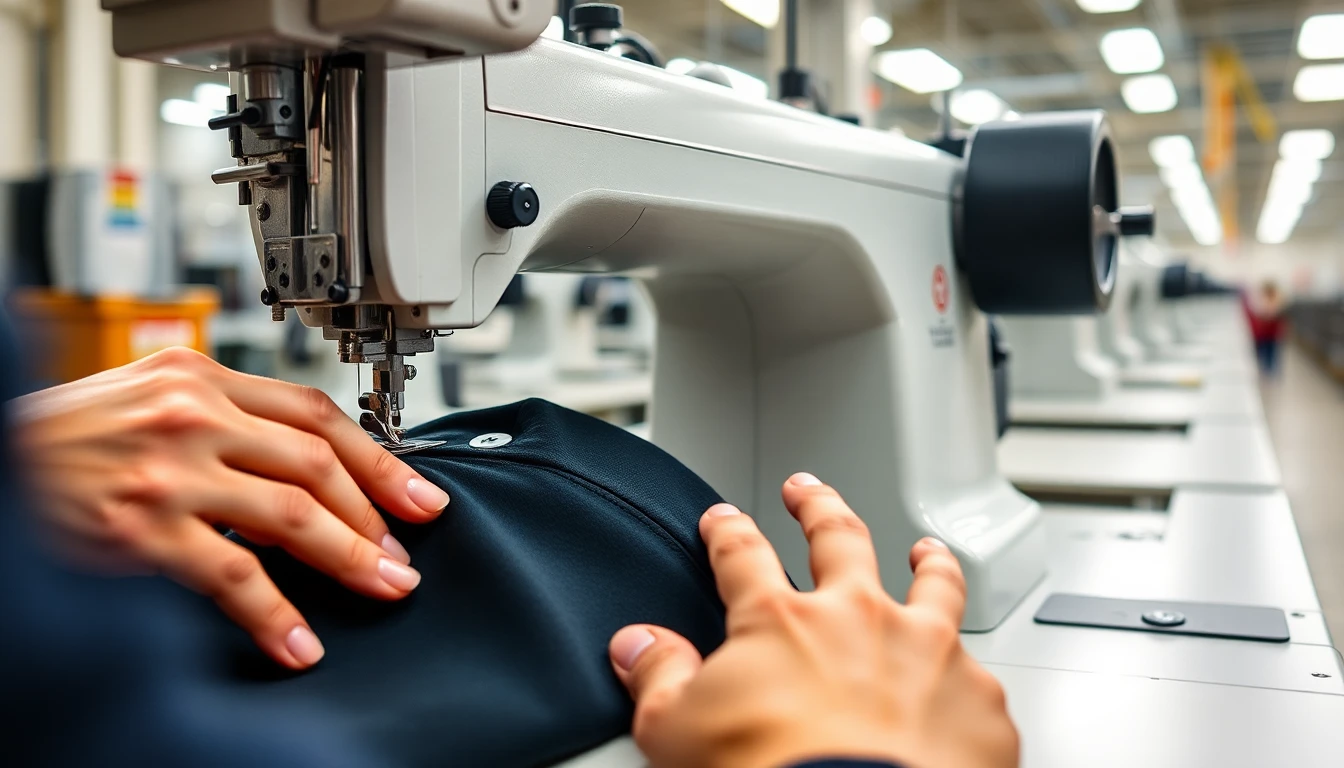
Quality inspectors stand at every 5-10 operations along the sewing line. They catch problems before bad pieces move forward. Critical seams get 100% inspection at these points. We're talking crotch joins, side seams, and armholes. Perfect pieces move to the next station.
Inline inspection uses a simple rule. Check every garment at critical operations. Sample 5-10 pieces per hour at lower-risk stations. This balances full checks with production speed. Factories track every defect in real time using check sheets. Each entry logs the lot number, operation code, operator ID, bundle ID, and defect type.
The top three sewing defects show a clear pattern:
Broken seams rank third. Other common problems? Needle cutting, open seams, jump stitches, and uneven gathering.
DHU measurement tracks defect rates. Defects per Hundred Units equals (total defects ÷ total pieces checked) × 100. Export factories target DHU below 3-4% for stable production. One Bangladesh sewing line dropped DHU by 1.51 percentage points using TQM methods. They analyzed operator data. They retrained workers on major faults. They improved line layout. The result? They cut five positions and saved 3,000 minutes in labor costs.
Control charts monitor process stability. Quality teams use c-charts to track defect counts each week. Three-sigma control limits (UCL and LCL) define normal variation. Points falling outside these limits signal process problems. One factory tracked stain defects this way. All counts each week stayed within limits. So the process was "in control" on paper. But the average defect count stayed high. Management launched fixes anyway.
Washing & Technical Finishing (If Required)
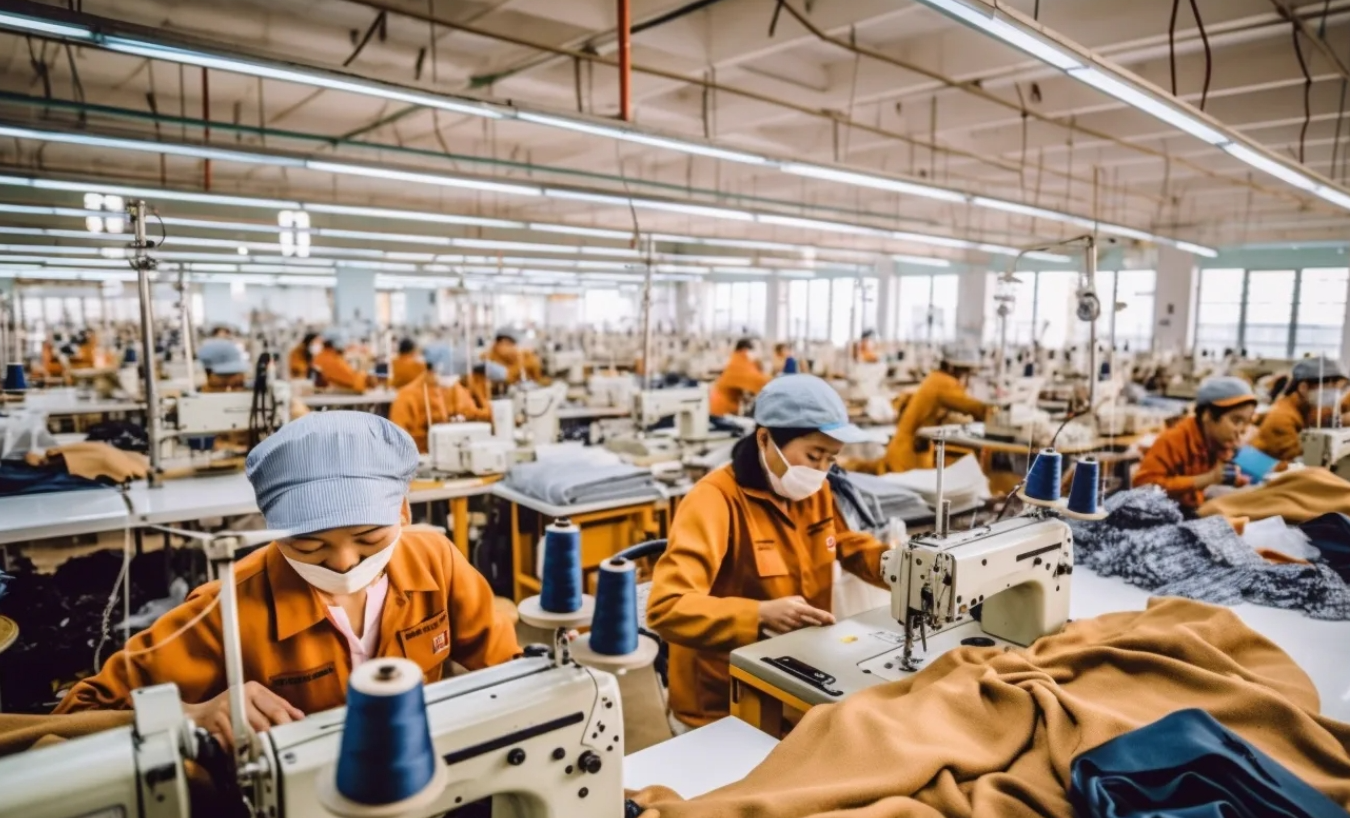
Some gym wear ships straight from the sewing line. Others need a wash bath first. This step clears out leftover dye, sizing chemicals, and fabric oils from making. It also adds the performance treatments you paid for.
The washing follows set steps. Pre-check catches sewing defects before wet work. Pre-treatment clears sizing agents and cleaning chemicals. Main wash comes next—detergent lifts leftover oils and surface dirt. Multiple rinses flush out detergent. pH gets balanced. Then comes the functional finish bath. Moisture-wicking treatments, germ-fighting coatings, or UV protection get applied here. High-power spinning removes 70-80% of water. Tumble or tunnel drying finishes the job. Final touches—sanforizing, calendaring, steaming—set the hand feel and size.
Temperature and pH matter more than you'd think. Cotton blends wash at 40-95°C. Dye type decides the temp. Synthetics stay cooler—30-60°C for polyester and nylon. Detergent baths run at pH 9-11. Softener needs acidic conditions: pH 4.5-6.0. Wrong pH levels damage tech finishes. Or they leave chemical residue that hurts skin.
High-power spinning saves energy later. Commercial washers hit 350-450 G-force during spin. This cuts drying time by 25-40%. Each machine saves USD 1,200-2,400 per year in energy costs. Paired with heat-pump dryers? You slash another 50% off drying energy versus old methods.
Quality targets keep finishing steady. Target equipment uptime: 95-98%. Mean time between failures: 2,500-4,000 hours. Average repair time: 2-4 hours. Same-day parts for 90% of components stops production delays. Wash quality should hit 95% or higher. Cycle completion targets 98%. Downtime per month stays under 2%.
Final Finishing & Comprehensive Inspection
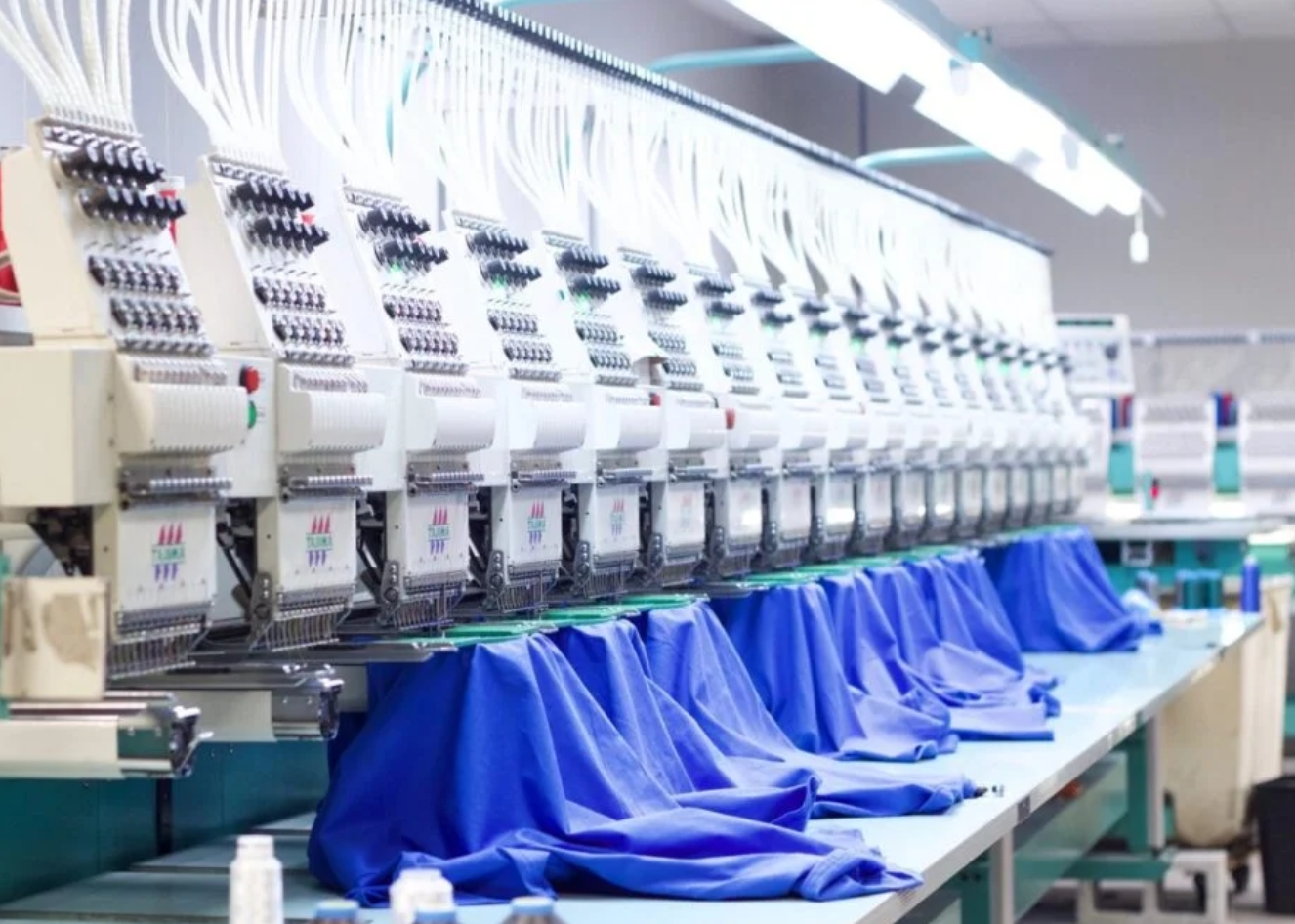
Finished garments gather at the end of the line. They look ready to ship. But smart manufacturers check again. This final step separates pro activewear from pieces that fail after one workout.
Run the full inspection at 80% production complete. Quality teams can't wait until everything ships. Find major problems at 100% completion? You face expensive rework or missed delivery dates. At 80%, factories can fix system-wide issues before the last batch runs.
AQL-based sampling guides the inspection. Acceptable Quality Limit (AQL) uses stats to decide how many pieces get checked. Small lots under 500 units? Inspectors might check 80 pieces. Large runs over 10,000 units? Sample size could reach 500 pieces. The formula balances deep checking with production speed.
Defect categories follow strict rules. Critical defects (0.1-0.4% threshold) include see-through fabric, broken zippers, or missing crotch reinforcement. Major defects (1.0-2.5% limit) cover loose threads, uneven hems, or misaligned logos. Minor defects (2.5-4.0% tolerance) catch small stitch skips or slight color shifts. Count defects above the acceptance number? The entire lot gets rejected.
Inspection teams check five key areas:
Appearance quality – Compare each piece against your golden sample under controlled lighting from 30-50 cm away. Check for stains, color shifts, fabric pills, or print cracks.
Size accuracy – Measure critical zones with tolerance bands. That size Medium waistband should hit 68 cm ±0.5 cm. Leg inseam needs 73 cm ±1.0 cm. Write down every difference.
Functional performance – Test compression strength with gauges. Time water absorption to check moisture-wicking. Cycle waistband elastic 50-100 times to verify recovery. Stretch seams to confirm they hold without gapping.
Safety compliance – Hunt for sharp edges on zipper pulls or hook closures. Verify all regulatory labels are sewn in correct positions. Check warning tags for care instructions and fiber content.
Packaging strength – Open random cartons from different pallets. Count pieces. Verify SKU barcodes match purchase orders. Drop test from set heights (6-10 drops per carton) to confirm boxes survive shipping.
Inline and final inspection deliver different results. Factories that check quality during sewing reduce final defect rates by 30-50%. Those that skip inline checks find more problems at the end. They spend more on rework. Final inspection catches what inline checks miss. But you need both layers of defense.
Pre-shipment tasks close out the process. Inspectors verify total quantity matches your purchase order. They spot-check accessories—hang tags, bags, size stickers. They confirm user care labels explain washing instructions well. They record every measurement and defect in digital reports. Photos document problems. These reports show what's shipping—before containers leave the factory.
Quality control personnel spend an extra 10-15 minutes in high-risk production zones. Chemical storage areas. Heat-press stations. Dye rooms. These spots cause the most compliance issues. A final walk catches safety violations before regulatory audits do.
The closing meeting happens before any shipment leaves. Factory managers present findings. They propose fixes for defects found. They commit to follow-up schedules. You approve or reject based on data—not guesses. This openness builds trust. It also protects your brand name.
Packing, Labeling & Logistics Preparation
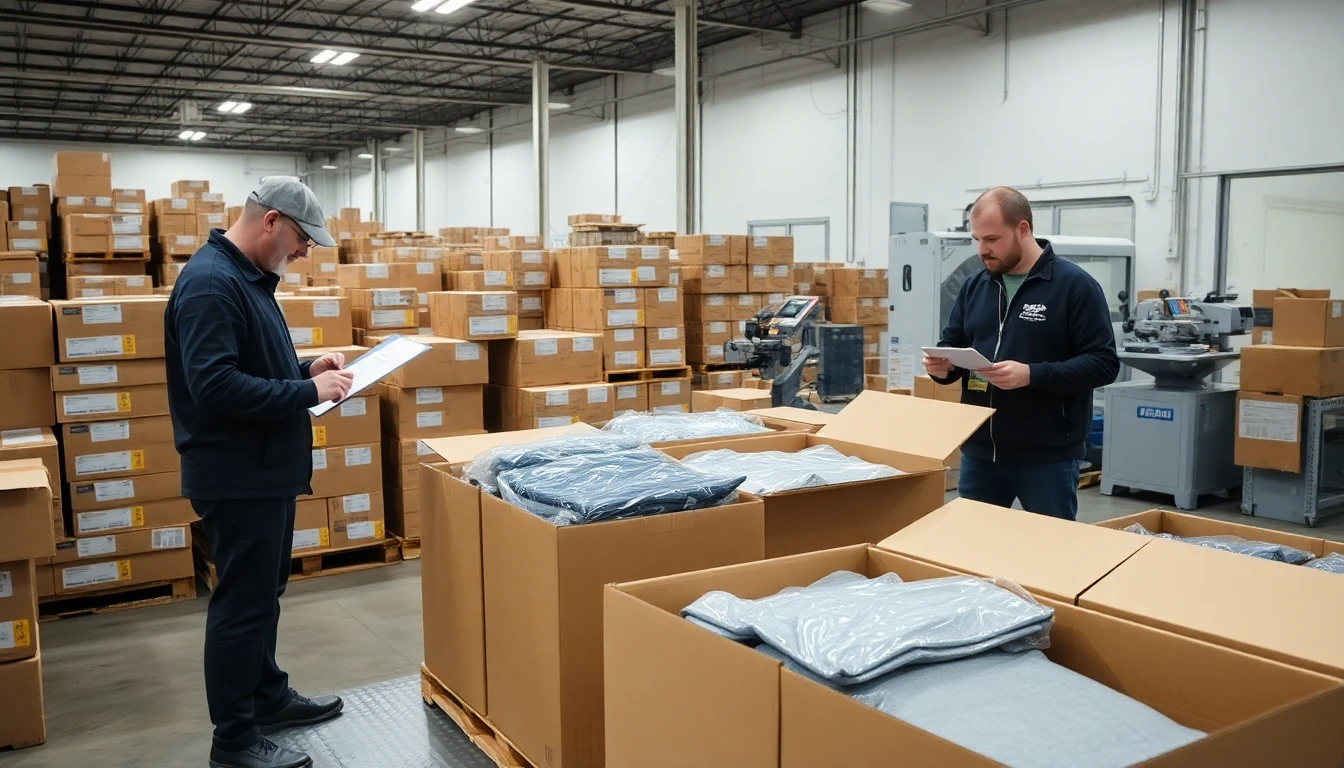
The final carton closes. A shipping label gets slapped on. Your gym leggings are ready to cross oceans or zip across town. This stage decides if your activewear arrives intact or turns into a customer complaint.
Smart labeling transformed logistics tracking. The global smart labeling market hit USD 7.7B in 2025. It'll reach USD 12.6B by 2035, growing at 5.0% each year. RFID labels alone claim 48.5% of that revenue. Cloud-based tracking platforms take 53.1%. Why does this matter for your gym wear shipment? These systems track every carton from factory floor to delivery dock. Retail and inventory applications use 20-25% of smart labeling tech. Your activewear brand can tap into the same setup big retailers use.
Packaging services grew with e-commerce demand. The US packaging and labeling services market reached USD 17.8B in 2025, up 8.5% each year since 2020. E-commerce sales jumped 9.9% over five years. More online orders mean more individual shipments. Each one needs proper packing and clear labels. Skip the details? Carriers reject shipments or charge extra fees.
Controlled labeling access cuts shipping errors. About 77% of companies say managing who prints labels improves compliance and saves time. Central labeling systems handle rules across global logistics networks. One factory. Multiple destinations. Different labeling rules. Standard systems keep everything straight.
Export shipments need smarter labels now. Basic branding labels won't cut it. International shipping demands country of origin data, HS codes, handling symbols, batch numbers, and full tracking information. Machine-readable codes—barcodes, QR codes, RFID tags—speed customs clearance. They also enable tracking and product recalls if needed.
Start with proper carton selection. Measure your folded gym wear: length, width, height, weight. Pick outer cartons with 50-75mm clearance on all sides. This space fits cushioning material. Keep size-based weight close to actual weight. Carriers charge for whichever is higher. A huge box with light leggings? You pay for air.
Cushioning needs vary by product type. Delicate items with add-ons need 50-100mm of foam, bubble wrap, or air pillows around them. Heavy compression gear packed in dense stacks? Use double-wall or triple-wall boxes. Avoid putting weight on box corners. They collapse first.
Pallets follow standard sizes. European pallets measure 1200×1000mm or 1200×800mm. US GMA pallets run 48×40 inches. Don't exceed carrier height limits—typically 1.5-1.8 meters including the pallet itself. Spread weight across the load. Most pallets max out at 500-1000kg depending on specs and carrier rules. Stack rigid cartons in columns for stability. Use interlocking patterns as needed. Secure everything with stretch film and corner boards top and bottom.
Container loads need proper securing. Use blocking, bracing, dunnage bags, and strapping to stop cargo shift. Industry practice targets less than 50mm movement during transit. Loose loads damage products. They also create safety risks during unloading.
Shipping labels carry critical information. Every label needs shipper and receiver names, full addresses, and contact details. Add a unique shipment ID with barcode or 2D code. Include carrier routing codes, service type, and account number. List weight, piece count, pallet count. B2B and export shipments require INCOTERM terms and purchase order numbers.
Regulatory labels prevent shipping delays. Hazardous materials need UN numbers, proper shipping names, hazard class, packing group, and standard pictograms. Temperature-controlled gym wear with special coatings? Mark boxes with "Keep Refrigerated" or "Frozen" with exact ranges like 2-8°C. Missing these labels? Customs holds your shipment. Or carriers refuse it on the spot.
Cost & Lead Time Optimization Strategies
Cutting lead times saves more than just days on your calendar.
Better yet, they build resilience against disruptions that cost competitors dearly.
You'll also reduce the variability that forces you to hold expensive safety stock.
Local versus overseas sourcing creates a trade-off. Nearby suppliers charge higher unit prices. But they deliver faster and accept last-minute changes easier. You'll hold less safety stock. Your cash isn't tied up in slow-moving inventory. Run the numbers for your specific volumes before you commit to either approach.
Process automation transforms production speed. Manufacturing execution systems (MES) track every work center in real time. A machine breaks down? The system reroutes operations on its own. Combine this with robotics that handle repetitive tasks. Automation slashes manufacturing lead time by 20-40%. Implementation costs run high. But the payback shows up fast in complex production environments.
Demand forecasting cuts both inventory and rush orders. Predictive analytics improve supply chain efficiency by 20%. Better forecasts let you right-size inventory levels. You avoid emergency shipments. You reduce excess stock that becomes outdated. Expect 5-20% lead time reduction once your forecasting system stabilizes.
Lean production principles attack hidden delays. Value stream mapping shows where time gets wasted—waiting, excess transport, overproduction, unnecessary motion. Single-Minute Exchange of Dies (SMED) techniques cut setup times fast. You can run smaller batches without cost penalties. Smaller batches mean faster response times. Plus, less work-in-process inventory sits around.
Track these metrics to maintain your gains: Total lead time from order to delivery. Lead time variability across suppliers and SKUs. On-time delivery rates. Top manufacturers sustain 98% on-time delivery after cutting lead times by 15%—without raising costs.
Conclusion
The gym clothing manufacturing process involves many steps. From picking moisture-wicking fabrics to final quality checks, it's more detailed than most people think. Each step matters. Pattern grading affects fit. Quality control affects performance. These choices shape the durability and comfort of your activewear.
Here's what matters most: understanding this process gives you a competitive edge. You know how compression garment production works. You understand why fabric relaxation stops warping. This knowledge helps you communicate better with gym clothing manufacturers. You spot quality issues early, before they cost you money. You make smarter budget decisions.
Ready to bring your activewear vision to life? A good gym wear line differs from a great one in one key way: the gym apparel manufacturing partner. Find one that values transparency, technical expertise, and quality.
Your next move? Connect with the fitness apparel manufacturers who will walk you through their process. Ask technical questions. Request to see their quality control protocols. The right partnership turns this journey into a success story.