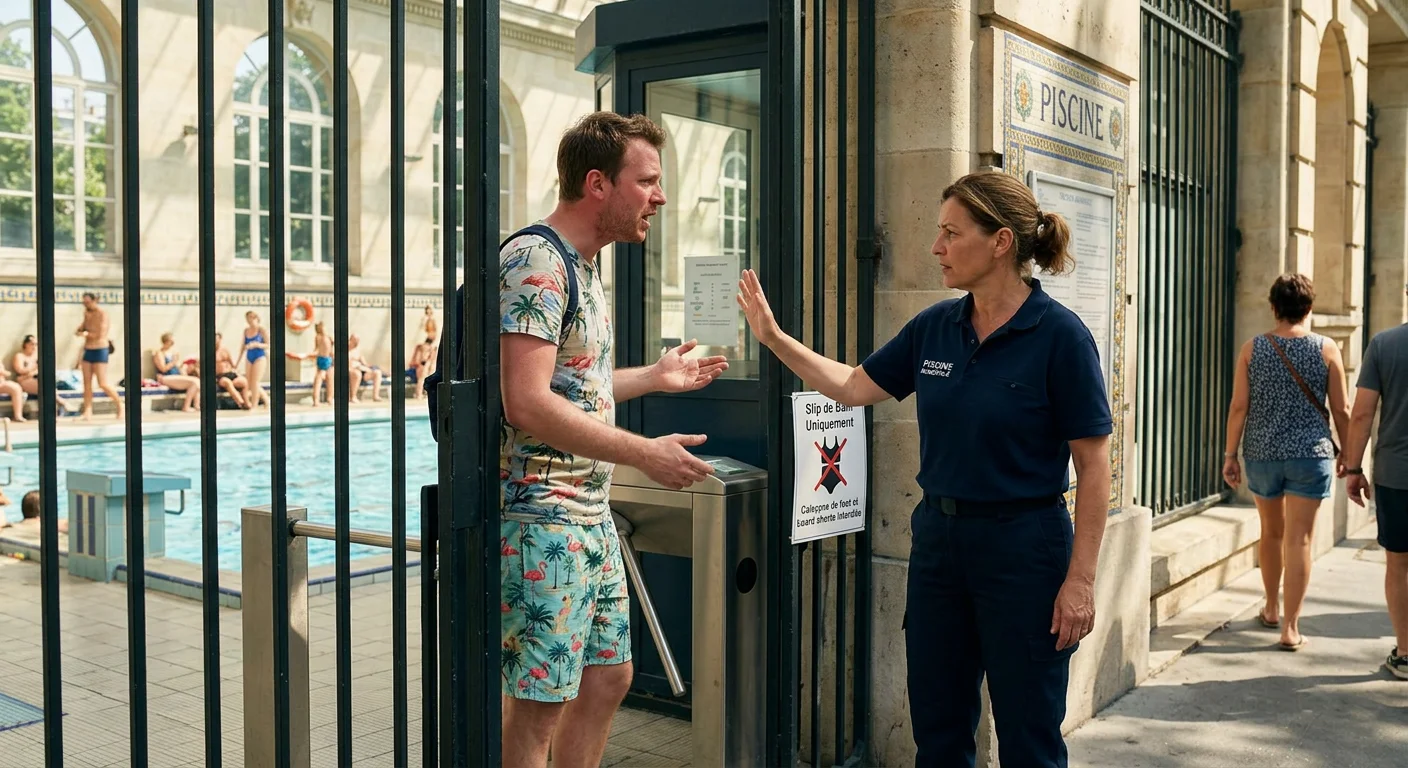
You packed your favorite board shorts from one of the custom swimwear manufacturers for European pools, ready to make a splash. You're standing at the entrance of a Parisian public pool, sun-warmed and ready to swim — and the attendant is shaking their head. Non.This moment catches thousands of travelers off guard every year. The story behind France's strict swimwear rules is far more interesting than you'd expect. French public pools ban baggy swim shorts — not out of fashion snobbery. The real reasons go back a century of hygiene law, public health logic, and a deep cultural relationship with swimming. Here's what's allowed, what isn't, and what to pack instead.
Why France Bans Baggy Swim Shorts: The Hygiene Logic Explained
The answer is simpler — and more sensible — than most visitors expect.
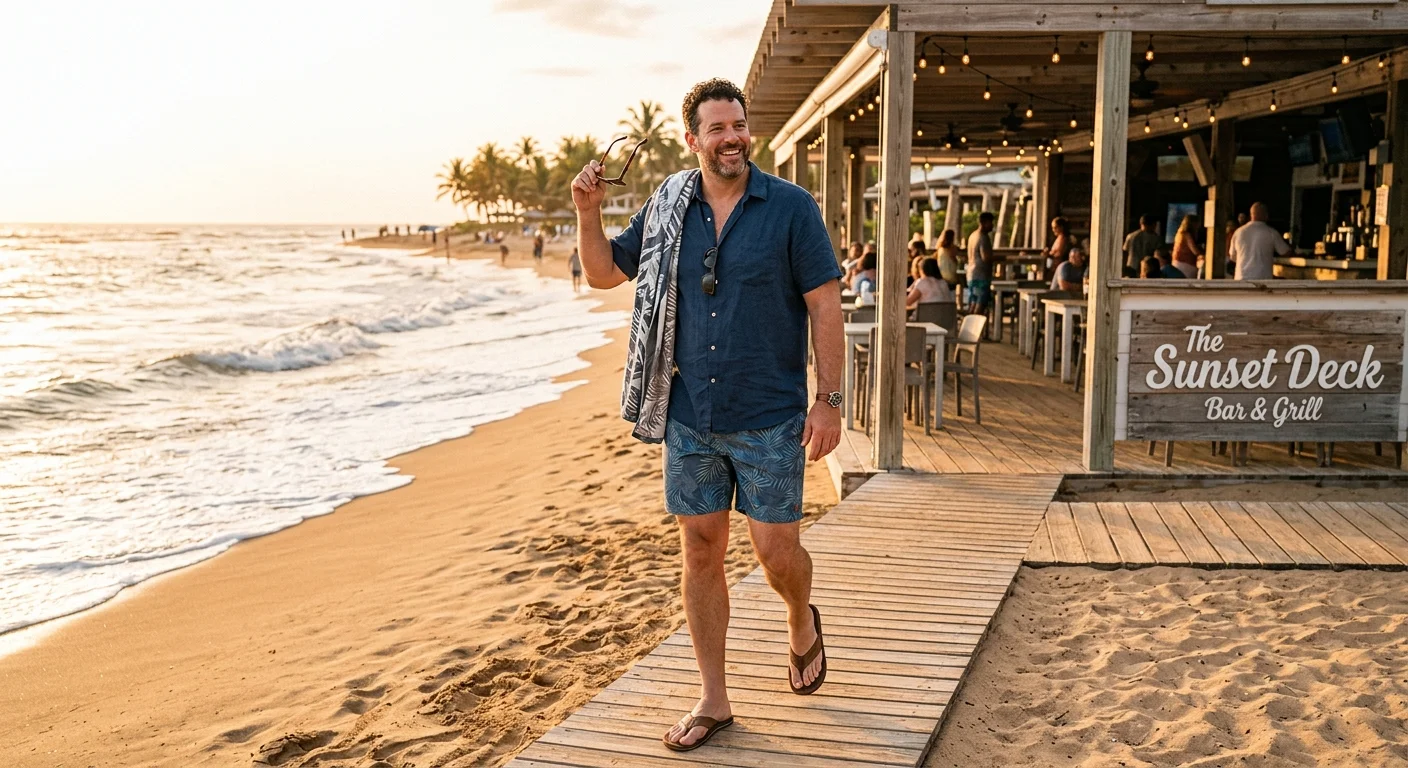
French public pools run on one core rule: what you wear into the water must never have touched a street. Board shorts, Bermudas, those knee-length shorts you'd wear to a beach bar and straight into the sea? They're just everyday clothes in disguise. By the time you reach the pool, they've picked up a full day of dust, sand, and bacteria — from pavements, beaches, and the back seat of a taxi.
Tight-fitting swimwear — the slip de bain (briefs) or jammer — sits in a different category. Nobody walks around a city in a Speedo. That's why OEM/ODM pool-approved swim clothing suppliers ensure fabrics meet these hygiene standards, arriving at pools clean and compliant.That's the whole point. Fitted trunks are worn for swimming only. So they arrive at the pool clean.
The difference is practical, not about looks:
Baggy Shorts | Fitted Trunks | |
|---|---|---|
Worn as everyday clothing | Yes | No |
Traps dirt & sand | High | Low |
Retains water on exit | High (slippery puddles) | Low |
A Parisian pool attendant told The Guardian in 2009 that Bermudas "could bring in sand, dust or other matter, disturbing water quality." That quote sums it up well.
There's also a well-known historical footnote — that the rule traces back to a 1903 public health law . Historians say this is hard to confirm. Still, the logic behind it has shaped French piscine municipale policy for generations. And enforcement today is very real.
No major public health study has put a number on the bacterial difference between baggy and fitted swimwear. The reasoning stays observational. Even so, staff enforce the rule at the door — and sometimes your only option is a €5 vending machine Speedo .
The 1903 Law: A Century-Old Rule Still Enforced Today
This isn't a recent bureaucratic memo or a post-pandemic health measure. It dates to 1903 — the same era as the Wright brothers' first flight and the founding of the Tour de France. For over 120 years, French law has required men to wear fitted, brief-style swimwear at public pools. No amendments. No exceptions. A rule that old has somehow outlasted two World Wars, five republics, and the invention of the internet.
Here's what stands out most. People have tried to change this law. The French Parliament raised it numerous times . Each time, the answer was the same quiet, firm non . No one ignored it. They defended it.
That kind of consistency is hard to find. Most countries let swimwear rules drift with fashion trends. France held the line.To help international travelers, some brands offer private label swim shorts for strict regulations, making packing easier and rule-compliant.
For visitors, this has a real, practical impact. The 1903 standard applies to every public piscine municipale in the country — Paris, Nice, Lyon, a small town in Brittany. No pool is exempt. This dress code isn't a local quirk. It's national policy, still on the books, still checked at the door.
So pack the right swimwear before you go.
What You Can and Cannot Wear in a French Public Pool
The rules are clearer than you'd think — once someone lays them out.
For Men: What's Allowed
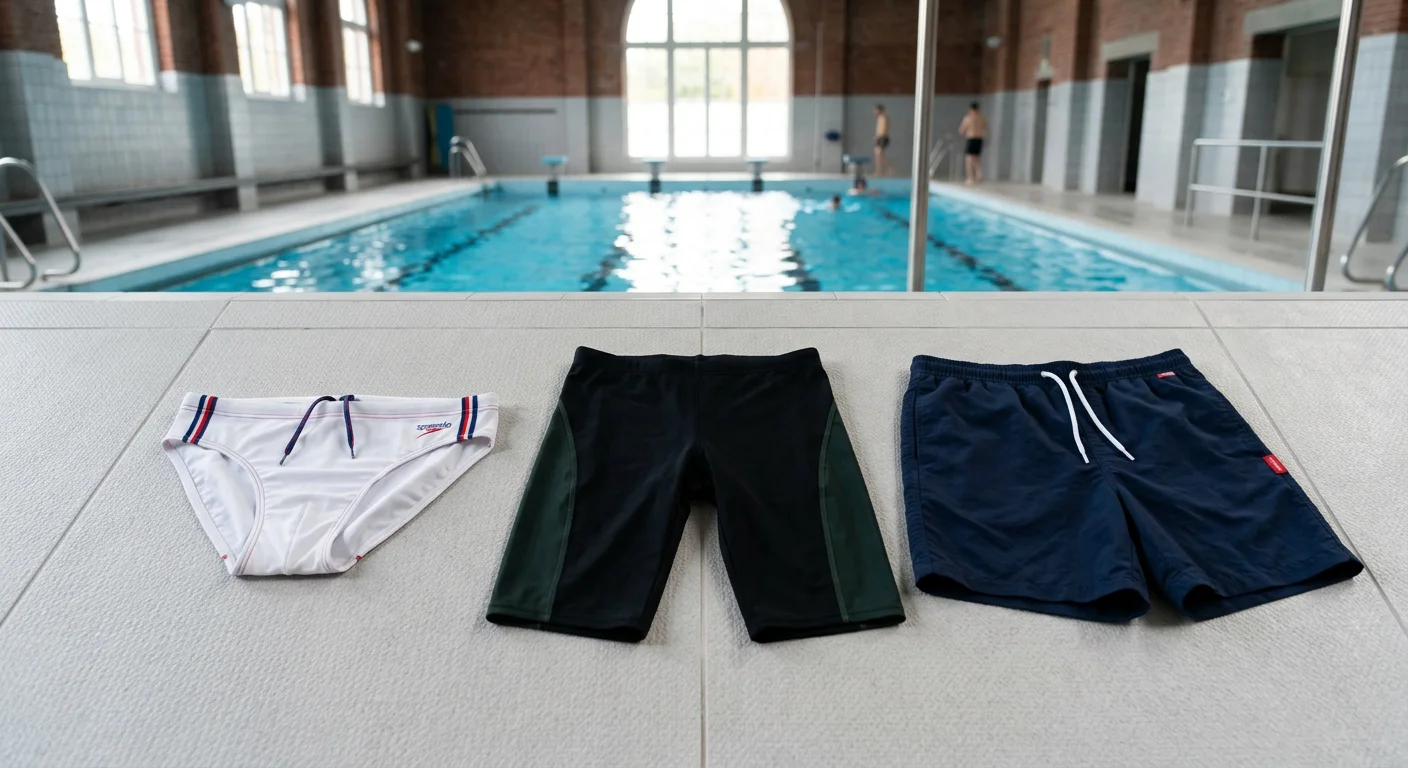
Three styles pass at the door of any piscine municipale :
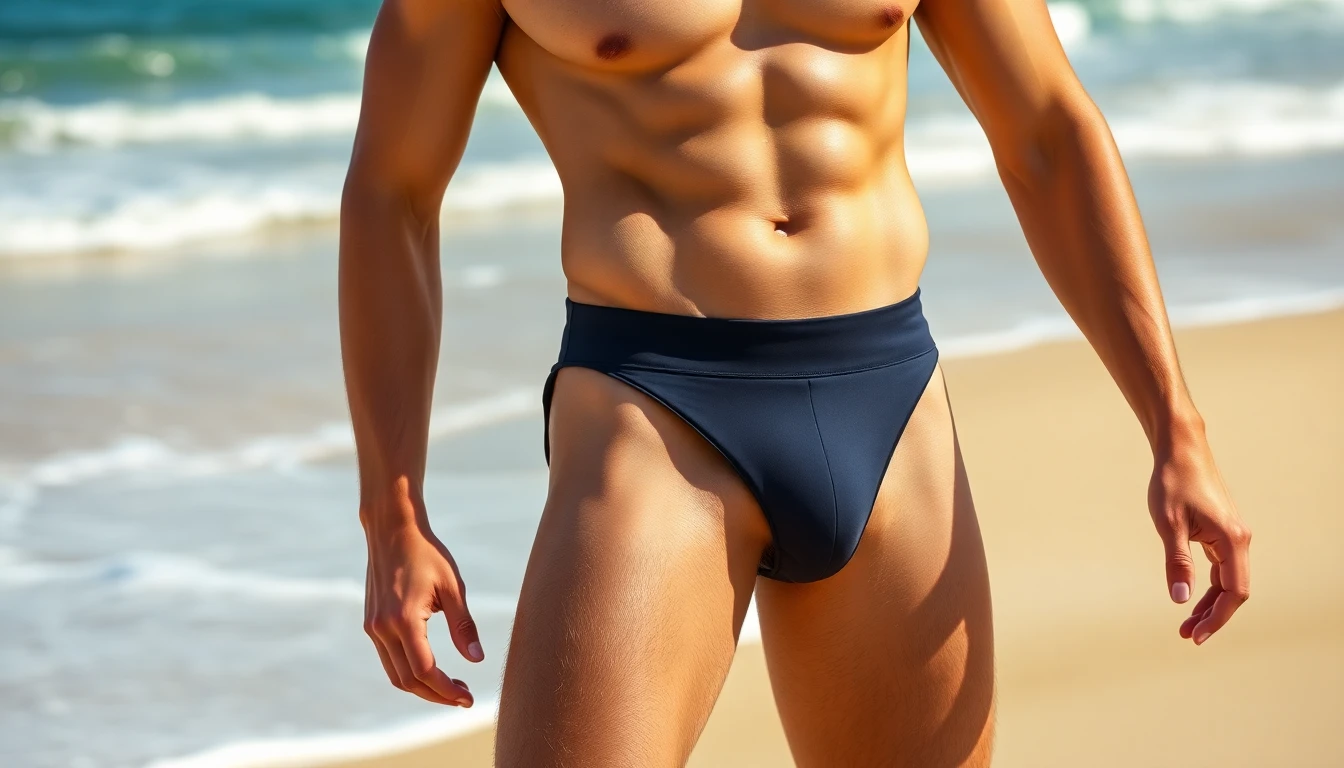
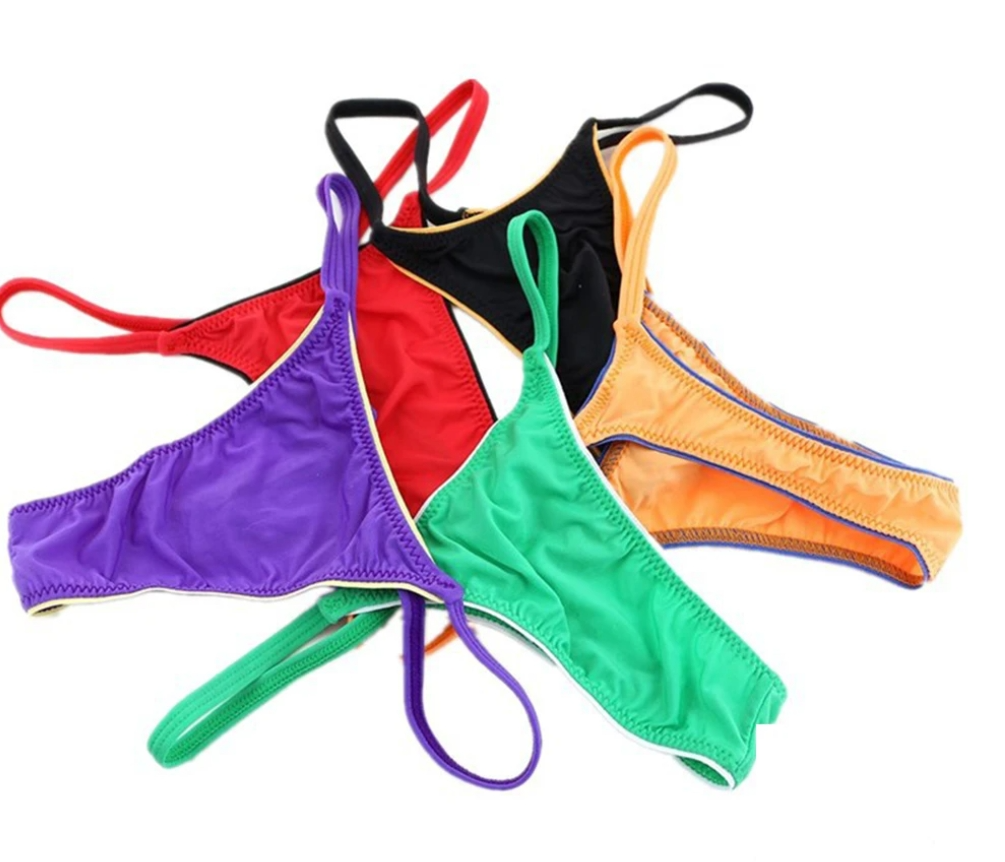
Slip de bain (briefs/Speedo-style): The classic. Minimal, form-fitting, 10–15 cm from the waist. Synthetic fabric — nylon or polyester — that clings to the body with no looseness. This is the default choice across French public pools.
Boxer de bain (tight swim shorts): Think compression shorts, not beach shorts. These sit at mid-thigh, around 30–40 cm long. The fabric is stretchy and synthetic, hugging the skin. No inner netting. No loose lining. Fabric that billows at all? It won't pass.
Jammers : Knee-length, competition-style trunks — the kind you'd see in an Olympic heat. Tight, hydrophobic, no sagging. Around 50 cm long. Brands like 361° carry these online without much trouble.
Leading wholesale performance swimwear providers offer these designs in bulk for sports clubs and hotels, ensuring compliance without sacrificing style.
A useful pre-purchase test: pinch the fabric and pull. The shorts fail the test if they stretch more than 5 cm from your skin. Same goes if they drip after a quick dunk and retain more than 100 ml when wrung. Skip those.
For Men: What Isn't Allowed
Surf trunks (Quiksilver, Rip Curl, etc.): Loose, knee-length, often cotton-blend. This is the style that fails at the door.
Bermuda shorts : Cotton-heavy, drawstring waist, streetwear cut. These get turned away. No exceptions.
Baggy athletic shorts : Any shorts over 30 cm with excess fabric that soaks up water.
For Women
Women's rules are more relaxed in style, but the hygiene standards still apply:
One-piece swimsuits — any cut, competition or tank style
Bikinis — all coverage levels accepted
Tight swim leggings or shorts — synthetic and form-fitting
Burkinis are banned under French law — this covers pools and goes beyond them too
Swim Caps: Often Mandatory
Many French pools — including several in Paris, Rezé, and Saint-Lô — require swim caps for all swimmers , no matter how long or short your hair is. The reason is practical. Caps keep hair out of the filtration system. That cuts down how much heated water the pool has to replace. Many lightweight and quick-dry swimwear factories also offer matching caps for full compliance and convenience.Less waste, less energy, less wear on the infrastructure. No cap? Most pools sell them on-site.
Private Pools and Hotels: Different Story
The 1903 hygiene law covers public pools and water parks . Campsite pools and hotel pools tend to have more flexibility — board shorts sometimes get a pass. Still, check ahead rather than assume. Pack a compliant suit. Any leniency you get is a bonus, not a guarantee.
Show up without the right gear? Most public pools have vending machines on-site selling fitted trunks and caps — around €5. It's not a punishment. It's a backup plan the pools built in for this exact situation.
What Happens If You Show Up in Board Shorts: Real Enforcement Scenarios
The attendant doesn't argue. They point — at your shorts, then at the door.
French public pools enforce the rules quietly and without debate. No negotiation. No exceptions for confused tourists. The staff have seen this exact moment thousands of times. You haven't.
Here's how it goes:
Verbal explanation — a staff member walks over and explains the rule
Denial of entry — your swimwear doesn't meet the standard, you don't get in
Vending machine redirect — most pools direct you to an on-site machine selling fitted trunks for around €5
That last part matters. This isn't a punishment. The pools built this system for exactly this situation. They expect it. They've prepared for it.
They won't wave you through anyway. Some venues let things slide based on who's at the door. French piscine municipale staff don't. They apply the rule the same way every time — at every pool, in every city.
Get it wrong and here's what you're looking at: a wasted trip, a €5 emergency Speedo, and the specific embarrassment of being turned away while everyone else walks straight in.
Pack the right swimwear before you leave. The vending machine is a backup, not a plan.
France Pool Rules for Tourists: Your Pre-Trip Checklist
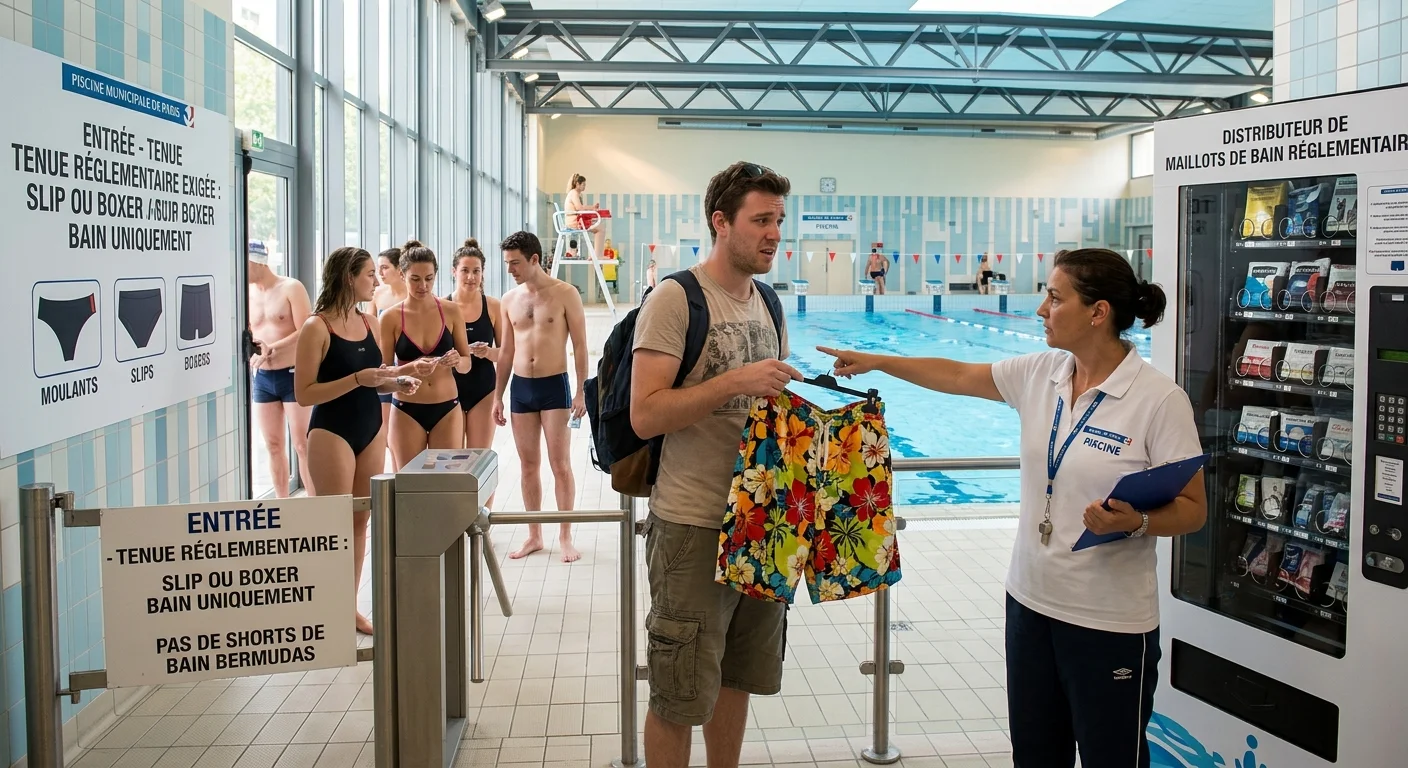
Three things France takes to heart: bread, wine, and pool hygiene. Show up at any piscine municipale without the right swimwear. You'll learn about that third one the hard way.
The good news: following the rules is simple. You just need to know what to bring.
What to Pack
Fitted swimwear — non-negotiable. Men need a slip de bain , jammer , or tight swim shorts that hug the body. No baggy cuts. No knee-length styles. No drawstring waists. Women get more options — bikinis, one-pieces, and tight swim leggings all pass. This standard holds at every municipal and campsite pool. At beaches, rivers, and the sea? No restrictions at all.
A swim cap (bonnet de nage). Most public pools in France require one for every swimmer. Hair length doesn't matter. Grab one before you travel — they're cheap and take up almost no space in your bag.
Ordering online? Give yourself at least 7–14 days before departure . Sites like berunclothes.com carry jammers and swim briefs built to meet French pool standards.The sizing fits the requirement too — no guesswork needed.
The Day-Of Routine
Every pool requires a full-body shower before entering the water . No exceptions. The showers sit right past the changing rooms. Use them before you get in.
Also keep in mind: no T-shirts in the water, no inflatables or airbeds, no solo swimming.
A Quick Prep Timeline
Days Before Trip | Action |
|---|---|
14+ days | Order compliant swimwear online |
7 days | Test the fit; pack a spare |
1 day | Call or check venue website for cap requirements |
Private and hotel pools tend to be more relaxed — board shorts sometimes slip through. Don't count on it, though. Pack the compliant suit regardless. Any extra flexibility you find is a bonus.
Swim Brief vs. Jammer vs. Boxer de Bain: Which Compliant Style Is Right for You
All three styles pass at the door. The real question is which one you'll feel comfortable wearing — and which one fits how you plan to swim.
The Slip de Bain (Brief): Maximum Speed, Minimal Fabric
Briefs are the benchmark. High-cut legs, V-shaped front, low-rise waist — covering 20–30% less surface area than a jammer. That slim cut pays off in the water. Briefs generate 5–10% less drag than jammers. That gap matters for lap swimming or diving. They dry fastest, bunch nowhere, and give your hips and legs full freedom of movement.
The honest caveat? English-speaking visitors who aren't used to European pool culture often find briefs surprising. They're the style that catches people off guard. Not ready for that? Start somewhere else.
The Jammer: The Middle Ground Worth Knowing
Jammers run from the waist to just above the knee — about 50–70% more coverage than briefs. Competitive swimmers use them for endurance work. The thigh compression cuts muscle vibration and keeps circulation steady through longer sets. Plus, jammers hold up better against chlorine. They last 20–30% longer than briefs under regular pool use.
Want more coverage without losing compliance? Jammers are the practical pick. They work best for lap swimming rather than sprinting. berunclothes.com carries a Knee-length Endurance series in sizes S–XXL (28–42" waist).
The Boxer de Bain: The Smartest Starting Point for First-Timers
Here's the style most travel guides skip over — and the one that solves the most problems.
A boxer de bain isn't a beach short. It's a 4–7 inch inseam swim boxer: stretchy, synthetic, body-hugging, with no loose fabric and no inner lining. You get more coverage than a brief. More freedom than a jammer. And it clears every French pool door without question.
Coming from board shorts? This is your entry point. It drops the "tight-fit" barrier and keeps the fit pool-compliant at the same time. The short 4–7 inch inseam cuts water resistance by 20–30% compared to longer boxer styles. You get a secure fit, a relaxed silhouette, and zero awkwardness at the turnstile.
The berunclothes.com Active Boxer (5" inseam, sizes M–XL, 32–40" waist) is built for this purpose. Chlorine-resistant fabric, quick-dry construction, and sized to fit snug without squeezing.
Which One Is Right for You?
Brief | Jammer | Boxer de Bain | |
|---|---|---|---|
Coverage | Minimal | Knee-length | Mid-thigh |
Drag reduction | Best | Good | Good (short inseam) |
Best for | Speed, sprints | Endurance, laps | Casual swimming, first-timers |
Tourist comfort level | Low | Medium | High |
Chlorine lifespan | Moderate | Long | Moderate–Long |
One practical tip before you buy: size down one from your usual for performance fit. All three styles should sit flush against the skin — no pulling away, no excess fabric catching water. Ordering from berunclothes.com ? The sizing guide on each product page already accounts for this.
Start with the boxer de bain if you're new to this. Move to jammers once you're comfortable. Arrive at briefs on your own terms — or don't. All three get you in the door.
France vs. Germany vs. UK/US: How Pool Swimwear Rules Compare Worldwide
France isn't the odd one out here. It enforces something most of Europe already agrees on — just without putting it on paper first.
Germany, Italy, Spain, and Switzerland all require tight-fitting swimwear at public pools. Loose shorts that double as street clothes get turned away. The reason is the same as in Paris — they bring the outside world in with them. More than 80% of European public pools enforce fitted male swimwear. Most also require pre-swim showers and swim caps. France didn't create this logic. It wrote it down first.
The Anglosphere takes the opposite approach. In the UK, the concern flips direction — Speedos got banned at venues like Alton Towers for being "not appropriate for a family setting." The US and Australia follow the same instinct. Board shorts are the default. Pre-swim showers are a suggestion, not a rule. No one at the door checks your fabric's drag coefficient.
Country | Tight Suits Required | Baggy Shorts Allowed | Speedos Restricted |
|---|---|---|---|
France 🇫🇷 | ✅ | ❌ | No |
Germany 🇩🇪 | ✅ | ❌ | No |
Italy 🇮🇹 | ✅ | ❌ | No |
UK 🇬🇧 | ❌ | ✅ | Sometimes |
US 🇺🇸 | ❌ | ✅ | No |
Australia 🇦🇺 | ❌ | ✅ | Sometimes |
The divide isn't about swimwear. It's about priorities — public hygiene versus personal comfort and modesty. Europe puts the pool first. The Anglosphere puts the individual first.
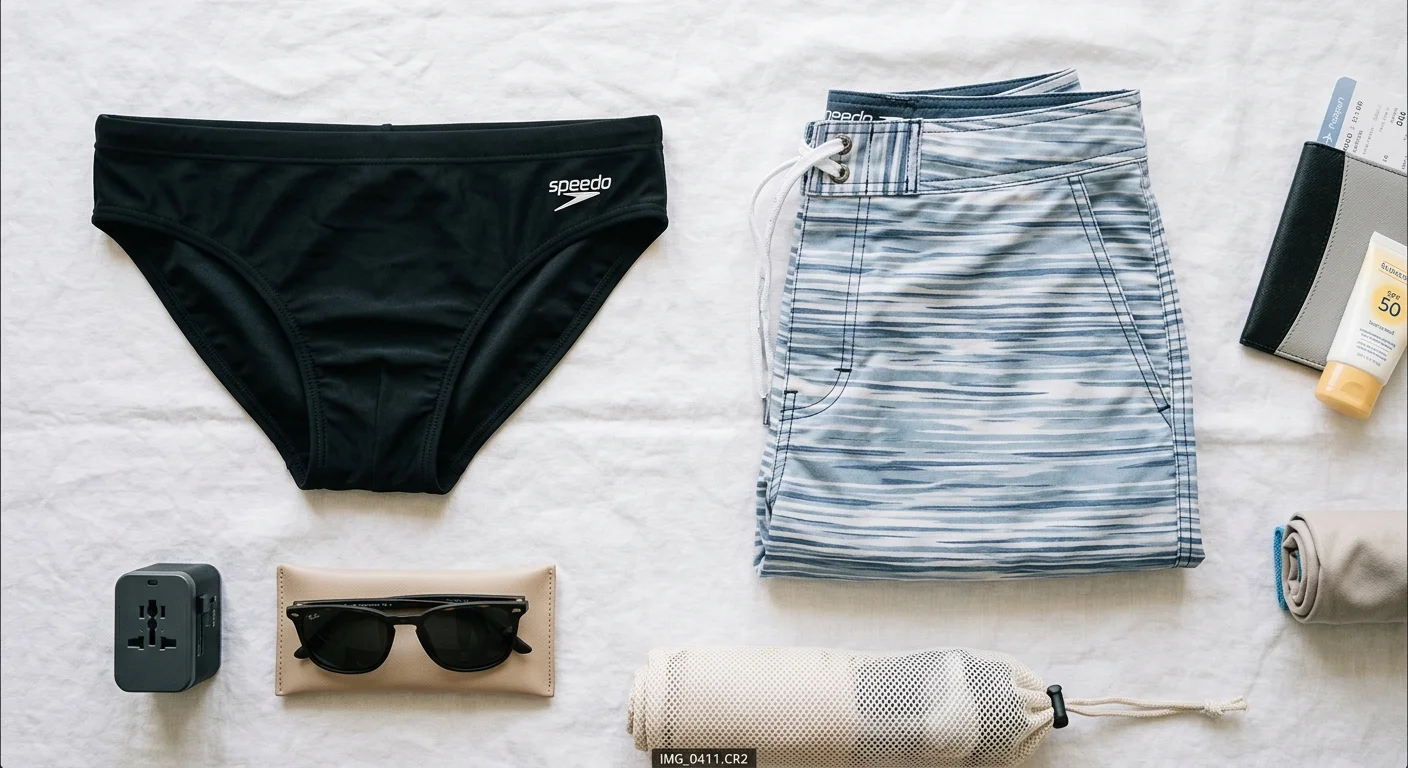
Traveling across both worlds? Pack one black Speedo-style brief (€10–20, quick-dry nylon) and one loose board short. Together, they cover you from a Parisian piscine municipale to a Sydney beach club — no emergency vending machine required.
FAQ: Your Top Questions About French Pool Rules Answered
First-timers tend to show up with the same questions. Here are the straight answers.
Do children have to follow the same swimwear rules?
Yes — every swimmer, no matter the age. There's no under-5 exemption, no "he's just a toddler" exception. Your child gets in the water, they need fitted swimwear. Make sure you pack it before you go.
Do women face the same restrictions?
The same hygiene rules apply to everyone. Loose T-shirts, oversized shorts, or anything that doubles as regular clothing won't pass. Bikinis, one-pieces, and fitted swim leggings are all fine. The rule is simple — no streetwear in the pool.
What if I forgot to pack the right swimwear?
It happens all the time, and French pools are prepared for it. Most public pools have vending machines stocked with fitted trunks — around €5 each. Want more options? Head to a nearby Decathlon . There's one in almost every French town, open seven days a week, with swim briefs starting at €5–15. Large supermarkets like Carrefour also carry a small swimwear section. You won't be stuck.
Does the swim cap rule apply to bald swimmers?
Yes. Many pools — especially in Paris — require a cap for every swimmer, regardless of hair length. A shaved head still needs a cap. The rule is about protecting the filtration system, not your hair. Most pools sell caps on-site, so forgetting one isn't a disaster.
Are private pools in France regulated differently?
On swimwear, yes — private and hotel pools are more relaxed. On safety , the rules are strict. The Raffarin Law (2006) requires all private in-ground pools built after 2004 to install an approved safety device. That means one of the following:
A fence at least 1.1m high with a self-locking gate
An alarm system
A reinforced cover
A shelter
Skip this, and the fine is €45,000 . That rule covers the pool's structure — not your swimwear.
What time do Paris public pools open?
The hours are shorter than most visitors expect. Most open at 7–8:30am , close midmorning, then reopen at 11:30am–1:30pm . Some locations add longer evening slots on certain days. Lines build up fast at opening time. Get there early, or be ready to wait.
Conclusion
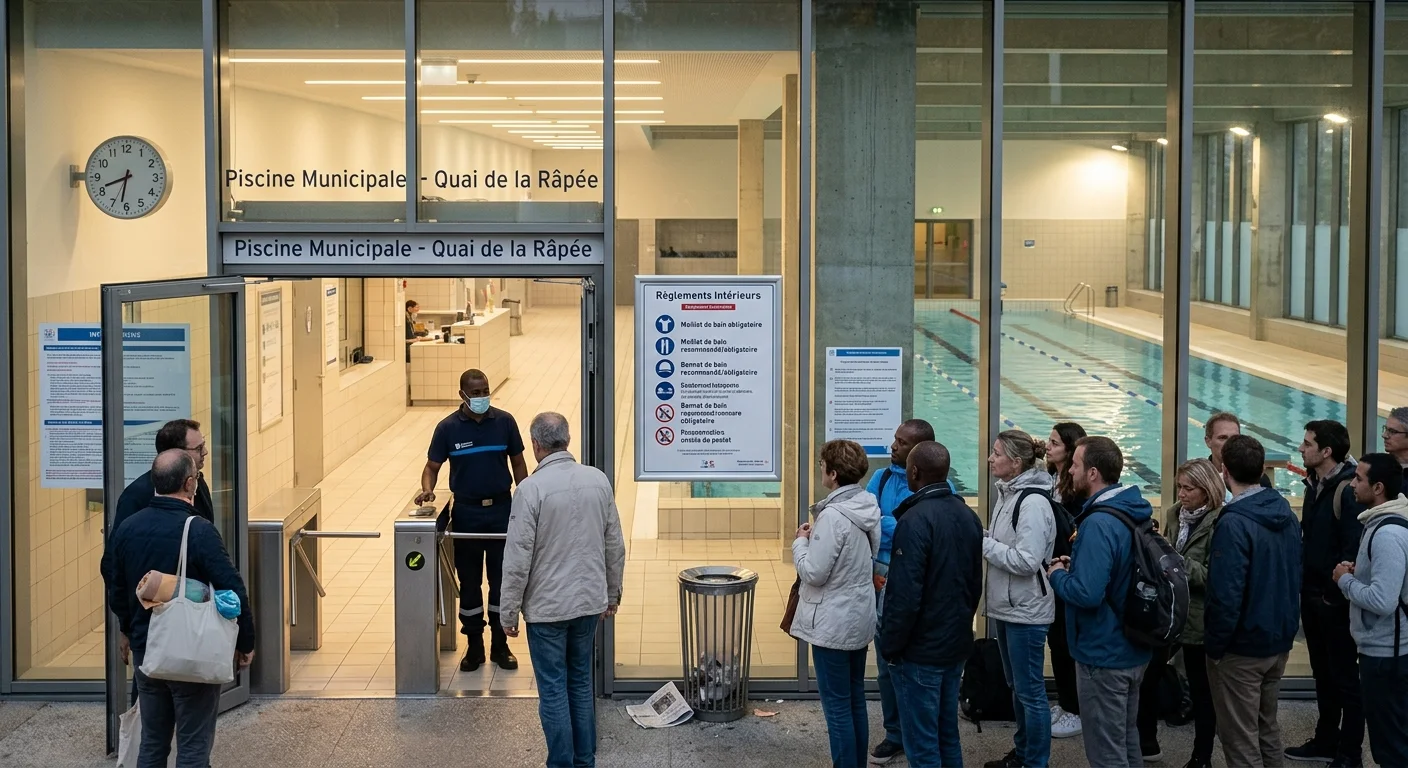
France's pool rules aren't bureaucratic stubbornness. They reflect a century of collective hygiene wisdom, enforced at every piscine municipale across the country. The rule is straightforward: fitted swimwear only. No exceptions, no negotiations with the lifeguard.
Here's what you need to know before you pack:
Board shorts stay in the hotel room
A proper swim brief or jammer gets you through the turnstile
Knowing this before you arrive saves you from an awkward conversation at the entrance — the kind you'd be retelling for years
So check your bag before your trip. Baggy swimwear won't get you in. Now's the time to sort that out.
Browse our range of French pool-compliant swim trunks and jammers from trusted wholesale performance swimwear suppliers. Every style meets the slip de bain obligatoire standard. Plus, they look great in the water too.
Pack smart. Swim with ease. Bonne baignade.