Table of Contents
The beach should be a place of freedom and self-expression. Yet many men hesitate before packing that sleek thong swimsuit from quality manufacturers. They wonder: Will people judge me? Could I face legal trouble? Are there outright bans?
Here's the truth: the answer isn't universal.
European beaches from Barcelona to Nice have embraced minimal coverage swimwear for decades. American shores tell a different story. Asian beach cultures? They add another layer of rules and expectations.
Maybe you're interested in the body positivity movement. Perhaps you're curious about revealing swimwear for men. Or you want the tan lines to match your confidence level. Understanding where and how to wear thong swimwear can turn anxiety into power.
This guide gives you practical insights on three key areas: legality, cultural acceptance, and smart tips for wearing what makes you feel your best. The right information makes all the difference. You can stop hiding in your hotel room and start walking down the sand with real confidence.
Legal Status of Men's Thong Swimwear by Region
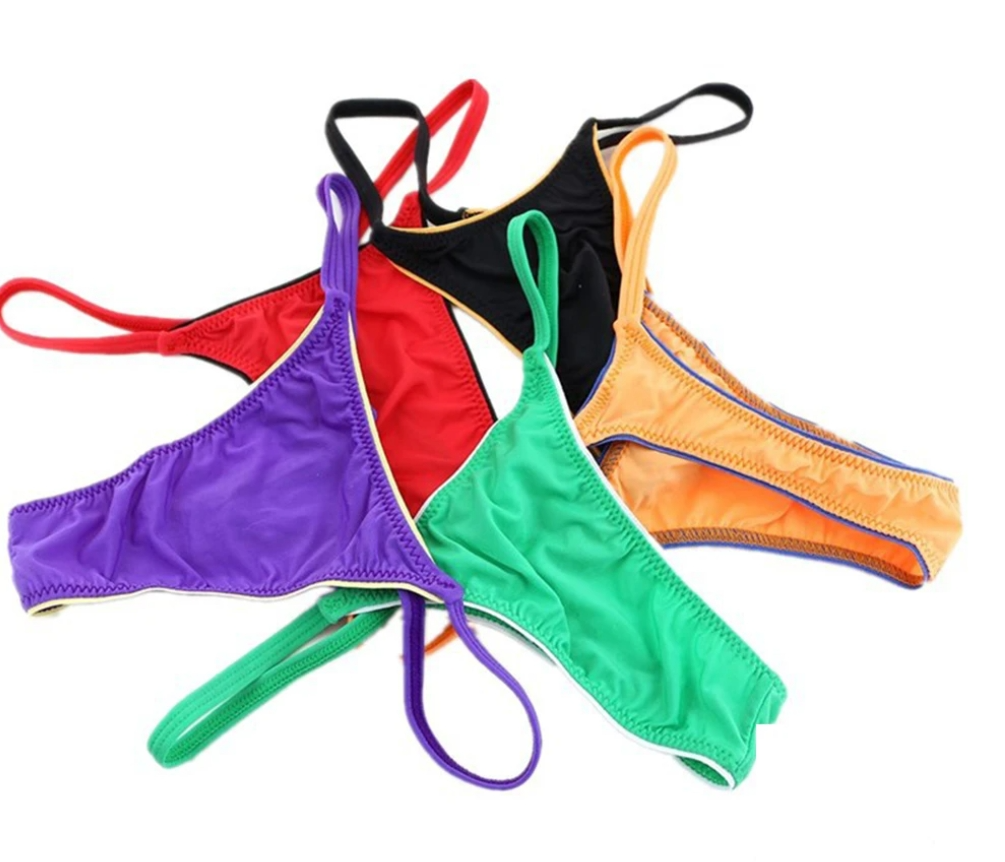
Laws around men's thong swimwear change based on your beach location. Rio de Janeiro accepts what gets you cited in Myrtle Beach.
The United States: A Patchwork of Local Bans
America has no federal rules on thong swimwear. Cities and counties make their own rules instead. Myrtle Beach in South Carolina bans thong swimsuits on public beaches. Kure Beach in North Carolina does the same. Brevard County in Florida also prohibits them. This includes popular spots like Cocoa Beach.
These bans come from "public decency" ordinances. How they're enforced differs by location. Some officers give warnings. Others issue fines right away. Check local regulations before you pack for an American beach vacation. Call the beach patrol or visit the municipality's website. One Florida beach might allow thongs. The next county over might not.
Australia: More Bark Than Bite
Australia has no nationwide ban on men's thong swimwear. The country's indecent exposure laws focus on genitals, not fabric coverage. Yet the debate comes up often.
In 2022, the Gold Coast sparked controversy over g-string swimwear. Mayor Tom Tate rejected calls for a ban. Australia has dealt with swimsuit regulations since 1907. Bondi officials proposed mandatory "skirts" over swimsuits back then. That idea failed. In 1920, swimmers in Cronulla faced fines for minimal coverage. A century later, Australian beaches still allow thong swimwear by law. Some local council bylaws might add restrictions in certain areas.
Canada: Legally Ambiguous, Practically Permissive
Canadian law doesn't ban thong swimsuits. Section 173 of the Criminal Code prohibits "indecent acts." Judges decide what counts as indecent. Courts have ruled that nude sunbathing and swimming don't meet that threshold. So thong swimwear falls within legal bounds at most Canadian beaches.
Brazil: The Thong Capital
Brazil celebrates minimal coverage swimwear as part of beach culture. Men's thongs blend into the scenery from Copacabana to Ipanema. The country hosts 35 nudist spaces. This includes eight public beaches where municipal decrees allow minimal or nude wear. Brazilian beaches show how legal acceptance creates cultural comfort.
Europe: Relaxed and Accepting
Spain, France, and many other European countries embrace thong swimwear for men. Barcelona's beaches, the French Riviera, Greek islands—all welcome revealing swimwear for men. No legal concerns exist. European beach culture values body positivity and individual expression. You won't find "no thong" signs posted along Mediterranean shores.
Restrictive Regions: Tread Carefully
Dubai issues indecent exposure warnings on beaches. Signs posted since 2008 make expectations clear. Minimal swimwear violates cultural norms. Security can eject you from the beach. Muslim-majority countries ban or discourage thongs through cultural and religious codes.
New Zealand and South Africa: Liberal Approaches
New Zealand has no thong ban. A 1991 High Court ruling quashed a beach nudity conviction near children. The court deemed it non-offensive. South Africa follows similar logic. Nudity falls under indecent exposure laws. But beaches like Sandy Bay in Cape Town (post-1994) and the official Mpenjati Beach (opened 2015) tolerate minimal swimwear.
The Bottom Line
Geography decides legality. Research your destination before you go. Not sure about the rules? Check with local authorities or beach management. Legal freedom doesn't always mean social comfort—we'll explore that next.
Where Men Can Wear Thong Swimwear
Some beaches welcome minimal coverage swimwear. Others? You'll stick out like a tourist in Times Square wearing a bathrobe.
Local culture makes the difference, not just laws. A beach might have zero legal restrictions but plenty of sideways glances. Another spot treats thong swimwear like any other beach option—normal and unremarkable.
Here's where you can relax and enjoy the sun.
European Beaches: The Gold Standard
Mediterranean shores started the relaxed attitude toward revealing men's swimwear. French Riviera beaches from Saint-Tropez to Nice see thongs every day. Spanish coastlines around Barcelona and Sitges? Same story. Greek islands, Croatian shores, Italian beaches—thong swimwear fits right in.
European beach culture embraces body positivity for all genders. Men's bikini swimwear gets the same reaction as women's: none at all. Families, couples, solo travelers, and retirees share the same stretch of sand. Nobody blinks.
Portugal's Algarve region welcomes minimal swimwear. Germany's Baltic Sea beaches lean liberal. Even in the UK, Brighton's shores attract open-minded beachgoers who don't care about your coverage level.
The Gen Z crowd drives growth here too. Thong swimwear sales show projected annual increases of 5-7% through 2026. Celebrity endorsements push boundaries further. What felt daring ten years ago now looks like standard beach fashion.
Brazilian Beaches: Cultural Acceptance at Its Peak
Rio de Janeiro's Copacabana and Ipanema set the global standard. Men in sungas (Brazilian swim briefs) or thongs mix with every other beach visitor. Zero judgment exists.
Brazil's beach culture values confidence over coverage. Skimpy swimwear runs deep here. Standard boardshorts feel like the alternative. The country has 35 official nudist spaces. Eight are public beaches. Full nudity gets municipal approval, so thongs don't register as revealing.
São Paulo's coastal areas follow the same pattern. Salvador's beaches in Bahia? Same acceptance. Brazilian culture treats the body as something to celebrate, not hide.
Select North American Spots: Know Before You Go
The US swimwear manufacturing market hits USD 7.78 billion by 2030. Growth of USD 1.99 billion between 2024-2029 shows demand expanding. Cultural acceptance lags behind sales numbers, though.
Miami's South Beach attracts international visitors with European attitudes. You'll see men's confidence swimwear without drama. Fire Island in New York caters to LGBTQ+ communities. Alternative men's swimwear styles dominate there. Key West's beaches lean the same way.
California has Venice Beach, Black's Beach (San Diego's clothing-optional zone), and certain Palm Springs resort pools. All welcome minimal coverage. Resort pools at LGBTQ+-friendly hotels across major cities create safe spaces for thong swimwear.
North America represents 30% of global men's swimwear growth. The US leads with new product launches tied to water activities. This doesn't mean every beach accepts every style. Check local vibes before you strip down to that neon thong with UV-reactive fabric.
Asia Pacific: Limited but Growing
The Asia Pacific region holds 43.44% of the men's swimwear market share. China's rapid tourism growth and beach vacation trends push sales up. Cultural norms around modesty remain strong, though.
Thailand's Pattaya draws international crowds. They accept revealing swimwear more. Bali's beaches see everything, so minimal coverage for men doesn't shock. These spots cater to Western tourists who bring different beach dress codes.
Japan's public baths accept nudity in designated areas. Beaches stick to conservative swimwear, though. South Korea follows similar patterns. Onsen culture differs from beach culture.
LGBTQ+-Focused Destinations: Built-In Acceptance
Partner with retailers like OUTFAIR for niche thong sales? There's a reason that business model works. LGBTQ+ beach spots create automatic comfort zones.
Provincetown in Massachusetts, Sitges near Barcelona, Mykonos in Greece, Puerto Vallarta's beach clubs—these locations celebrate self-expression. Body positivity male swimwear finds its most enthusiastic audience here.
Timing Matters Too
Search interest for men's swimwear peaks at 94 in June and 84 in May. It drops to 32 by August. Plan your thong swimwear debut during high season. Beaches fill with diverse crowds then. You'll blend better in the mix.
March through May builds anticipation. June through August delivers peak acceptance. Align your confidence with the calendar.
How to Choose Legal and Appropriate Men's Thong Swimwear
Picking the right thong swimsuit is about more than style. You need a plan that keeps you comfortable, legal, and confident.
Check your destination's rules first. Generic "beach-friendly" advice fails once local laws set clear boundaries.
Step One: Verify Your Exact Jurisdiction
Delaware treats buttock exposure as a misdemeanor. Tennessee bans thongs except in select recreational areas. These are prosecutable offenses, not suggestions.
Florida creates the most confusion. The state allows thongs statewide. But counties and cities override that freedom all the time. Miami-Dade and South Beach? You're clear. Lee County beaches around Fort Myers? Also fine. Cross into Columbia County or Dixie County and you've broken the law.
Key West bans them despite the city's reputation for tolerance. Daytona Beach enforces restrictions within city limits. Walk a few miles down the coast to Volusia County beaches and thongs become legal again. Hillsborough County prohibits them, yet Tampa city allows them. Manatee County says no, but Bradenton beaches say yes.
The No Fashion Police website tracks these changes. Laws shift. What worked last summer might earn you a citation this year. Call local beach patrol offices if you can't find current ordinances online. Ask them: "Can men wear thong swimwear on your public beach?"
Step Two: Understand Venue Differences
State parks follow different rules than municipal beaches. Almost all US national parks and recreational areas allow thongs unless outlawed. Alabama, Connecticut, and New Mexico state parks permit them. Florida state parks ban them despite statewide legality on other beaches.
Private venues create their own policies. Hotels, resort pools, and waterparks can prohibit thong swimwear regardless of local law. Verify before you book. The legal right to wear a thong on a public beach doesn't transfer to a Marriott pool deck.
Step Three: Check Coverage Requirements
Most ordinances require coverage of "private parts and genitals." Buttocks fall into gray areas. Some jurisdictions treat them as indecent exposure targets. Others don't care.
Are you in a borderline location? Choose designs with a bit more coverage. Cocksox CX02 swim briefs offer minimal coverage without crossing into thong territory. They use opaque solids that stay opaque when wet. Beachgoers have worn them at Pennsylvania state parks and Volusia County beaches without issues.
Cheeky bikini cuts work where full thongs risk arrest. Myrtle Beach arrested four women in 2013 for wearing thongs. A cheeky cut would have avoided that problem.
Step Four: Read the Social Context
Hawaii allows thongs by law. Women wear them often. Men almost never do. You won't face legal trouble, but you'll stand out. Most men stick with surf shorts or Speedos there.
Enforcement happens once someone complains or officers deem behavior "too offensive." Daytona Beach police enforce their ban. Other locations ignore violations unless a complaint arrives. Gauge the crowd before you commit.
Step Five: Pack a Backup
Bring low-profile swim briefs for restricted areas. You planned this beach trip for months. Don't let unclear signage or last-minute rule discoveries ruin it. A backup option means you can pivot fast and still enjoy your day.
Research saves you from awkward confrontations, fines, and forced wardrobe changes behind a beach towel.
Common Questions About Men Wearing Thong Swimwear
Numbers tell an interesting story. Just 4% of men wear thongs on a regular basis, according to a survey of 501 respondents. That's about one guy in every 25. Yet the market keeps expanding at 5-7% each year through 2026. Someone's buying these swimsuits—and more men are curious about trying them.
The questions come up again and again. Here are the honest answers.
Are men's thongs popular, or is this just hype?
Thong swimwear occupies a niche space right now. Between 1-4% of men add thongs to their regular underwear rotation. This includes swimwear choices. Board shorts and trunks dominate Google search interest by massive margins.
But popularity isn't the same as growth. Gen Z drives the thong swimwear expansion. Younger men in their 20s and 30s show the highest adoption rates. Body positivity movements and celebrity endorsements shaped how they view swimwear. These influences make revealing men's swimwear normal. Previous generations saw this as radical. Today's young men see it as simple self-expression.
The broader men's swimwear market tells the growth story well. The segment hit USD 4.97 billion in 2023. Projections put it at USD 7.78 billion by 2030—a compound annual growth rate of 6.8%. Alternative forecasts predict USD 1.99 billion in growth between 2025 and 2029, with an 8.1% CAGR. Thong swimwear rides this wave. It falls under the "alternative men's swimwear styles" category.
Global swimwear manufacturing revenue should reach USD 34.1 billion by 2034. Men's swimwear grows from USD 5.87 billion in 2024 to USD 8.10 billion by 2034. That's a steady 4% annual increase. Thongs won't overtake board shorts anytime soon, but the trend line points up.
When should I buy men's thong swimwear?
Timing matters for selection and price. Search interest for men's swimwear peaks at 94 in June and 84 in May, based on Google Trends normalized data. It crashes to 32 by August. Retailers stock the best variety from March through May. Shop during this pre-summer window. You get access to new designs, neon colors, and retro patterns before sizes sell out.
Thong-specific search interest follows the same March-to-August spike. June through August is peak wearing season. But inventory shrinks then. Order in April or May. You'll beat the rush and have time for exchanges if sizing feels off.
E-commerce handles 31.7% of swimsuit revenue now. Online shopping gives you privacy. Plus, you get broader selection than physical stores. Most brick-and-mortar shops don't dedicate shelf space to men's thong swimwear. Specialty retailers and direct-to-consumer brands fill that gap.
What fabrics work best for thong swimwear?
Polyester and nylon blends dominate the market with a 65.8% share. You get durability, UV protection, and quick drying from these fabrics. Polyester alone holds 35.1% of men's swimwear fabric from quality suppliers market. Chlorine won't damage it. Neither will saltwater or sun exposure.
Green materials gain traction too. Recycled polyester and sustainable nylon appeal to eco-conscious buyers. They perform the same as virgin fabrics. But they carry a smaller carbon footprint.
Opaque solids matter more than fabric type when wet. Some materials turn sheer under water. Check reviews or product descriptions for "stays opaque when wet" language. Nobody wants surprise transparency at the beach.
Will I look out of place wearing a thong?
Context decides this. European beaches, Brazilian shores, LGBTQ+ destinations, and select North American spots treat thong swimwear as normal. You'll blend into the crowd.
Conservative areas? You'll stand out. The Asia Pacific region holds 43.44% of the men's swimwear market share. But cultural norms around modesty remain strong there. Same goes for many US beaches outside major coastal cities.
North America contributes 30% of global men's swimwear growth. Demand exists. But it concentrates in specific locations. Miami, Fire Island, Key West, Venice Beach—these places expect diverse swimwear choices. A small-town lake in the Midwest? You'll get a different reception.
Your comfort level matters as much as location. Confidence makes minimal coverage swimwear work. Hesitation shows. Start at a resort pool or private beach before trying public spaces if you're unsure.
Recommended Men's Thong Swimwear from berunclothes.com
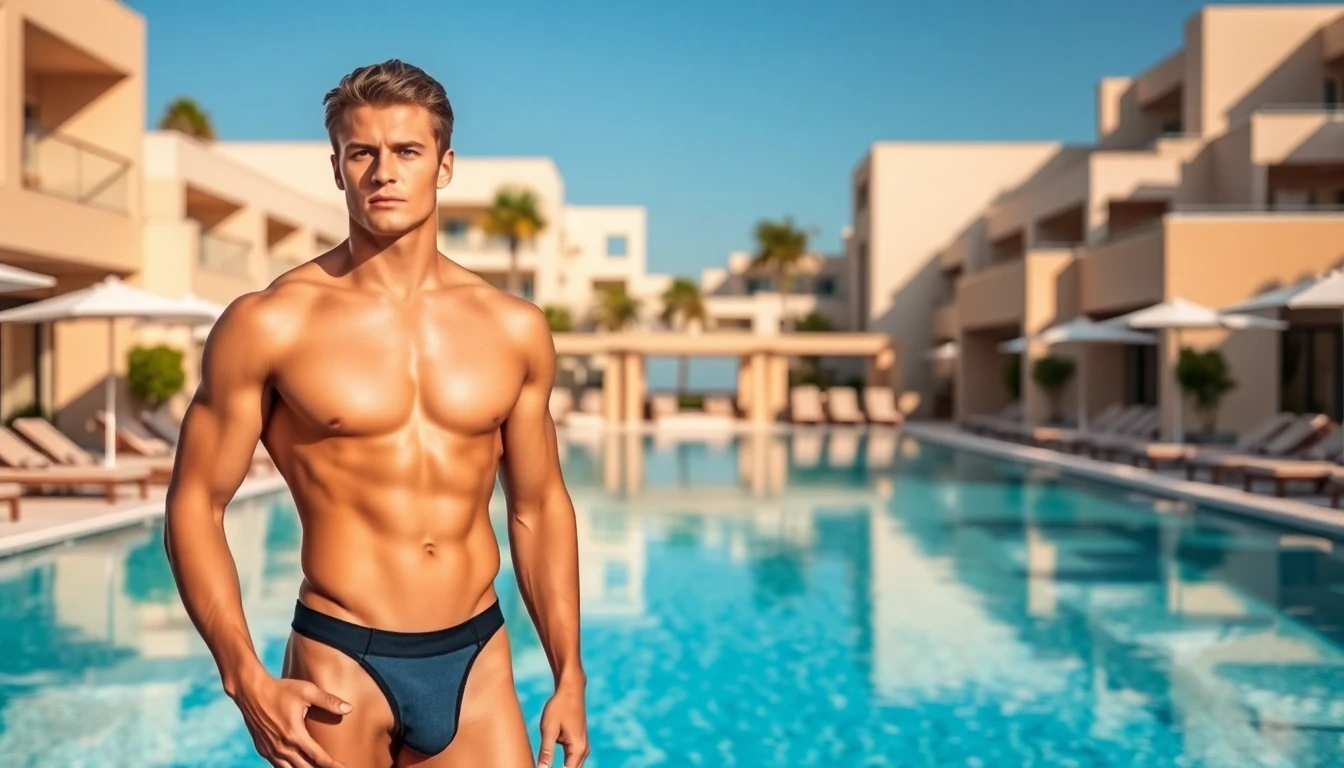
Berunclothes.com built its men's thong collection around three ideas: all-day comfort, eye-catching designs, and materials that handle chlorine and saltwater.
The brand makes minimal coverage swimwear that looks bold but works well for actual wear. Each piece uses polyester-nylon blends that stay solid when wet. No surprise sheerness. No fabric breakdown after heavy use.
Classic Minimal Coverage Options
The Essential Thong Swim Brief delivers what the name says. You get clean lines, solid colors, and a fit that works for beginners and experienced wearers. Black, navy, and white give you versatile choices. The waistband sits flat on your skin. It won't dig in as you move.
Want something with personality? The Neon Wave Collection adds electric blue, hot pink, and lime green to your beach gear. UV-reactive fabric makes these colors pop brighter under direct sunlight. Gen Z buyers love these shades. They fit the body positivity movement's focus on self-expression.
Performance-Focused Designs
The Quick-Dry Sport Thong works for active beach days. The fabric pulls moisture away from skin faster than standard swim materials. You go from ocean to beach volleyball without that heavy, wet feeling. Flatlock seams stop chafing during long wear.
Traveling to several beach spots? The Retro Pattern Line has geometric prints and color-blocked designs from 1980s European beach culture. These patterns hide minor stains better than solid colors. They also photograph well—great for vacation content creators.
Sizing and Fit Guidance
Berunclothes.com gives you detailed size charts with hip and waist numbers. Most customers say the sizing runs true. Between sizes? Order down for a sleeker fit. Order up for more comfort during all-day wear. The return policy covers exchanges within 30 days.
Each thong includes a mesh storage pouch. This protects fabric from snags in your beach bag. It also speeds drying time between wears.
This collection shows that custom revealing men's swimwear from quality manufacturers doesn't mean picking quality or style. You get both.
Conclusion
Can men wear thong swimwear in public? There's no universal yes or no answer. It depends on where you are, the beach culture, and your confidence level. Here's what's clear: minimal coverage swimwear for men is legal in most places . Social acceptance varies. Liberal European beaches welcome it. More conservative regions don't.
You're drawn to revealing swimwear for men ? Start small. Pick destinations known for European beach culture . Research local beach dress codes. Body positivity applies to everyone, no matter the gender. Men rocking men's bikini swimwear at clothing-optional beaches or progressive coastal towns aren't breaking rules. They're embracing personal style and comfort.
Your journey with alternative men's swimwear styles starts here. Understand your rights. Respect local norms. Wear what makes you feel authentic. Ready to explore? Browse our wholesale collection of men's confidence swimwear from China manufacturers at berunclothes.com. The right fit isn't just about fabric. It's about freedom.