Table of Contents
The right cycling apparel manufacturer can make or break your brand.Pick the wrong partner, and you'll face missed launch dates. You'll get cheap fabrics that pill after three rides. Customer reviews will destroy your reputation before you even start.
Pick the right one? You've got a production partner who gets it. They know moisture-wicking isn't just marketing speak. They understand that sublimation printing quality separates casual riders from serious cyclists.
Launching a premium performance line? Building a private label cycling brand? Your manufacturer becomes your invisible co-founder. Their skills determine your product quality. Their reliability shapes your delivery promises. Their expertise decides if your designs go from concept to race-ready gear.
This guide covers nine key steps to check out cycling jersey manufacturers. You'll verify their fabric sourcing. You'll review their quality control processes. You'll test how fast they respond. You'll check their production track record.
You'll know what questions to ask. You'll spot red flags that need quick action. You'll build a partnership that grows with your goals instead of holding you back.
Step 1: Define Your Brand Requirements and Production Specifications
Most cycling brands waste three months going back and forth with manufacturers. Why? They never wrote down what they need.
Put your requirements on paper before you contact any cycling jersey manufacturer. You need a product spec sheet that covers four key areas.
Start with your business case. What market gap are you filling? Budget-conscious weekend riders? Elite triathletes who need aero fabrics? Your production volume matters here. Ordering 200 units is different from 2,000 units. Your budget per garment matters too.
Define your user stories. Write down your target cyclist's real problems. "As a commuter cyclist, I need reflective elements visible from 300 feet. This helps drivers see me in low light." Clear details like this guide your fabric choices. They also guide design features that count.
List your functional specs. Set performance benchmarks as non-negotiable standards. Your moisture-wicking cycling gear needs specific wicking rates. Your fabrics need durability ratings after 50 wash cycles. Include size specs for each option in your range. Note required safety certifications for your market.
Detail your manufacturing requirements. Set quality standards for sublimation printing. Write down acceptable stitching methods. Define color consistency tolerances. These specs create the quality control baseline. Every OEM cycling clothing partner must meet it.
Create tables. Add mockups. Include fabric swatches if you have preferences. Precise documentation helps you find the right cycling wear factory faster.
Step 2: Research and Identify Potential Cycling Clothing Manufacturers
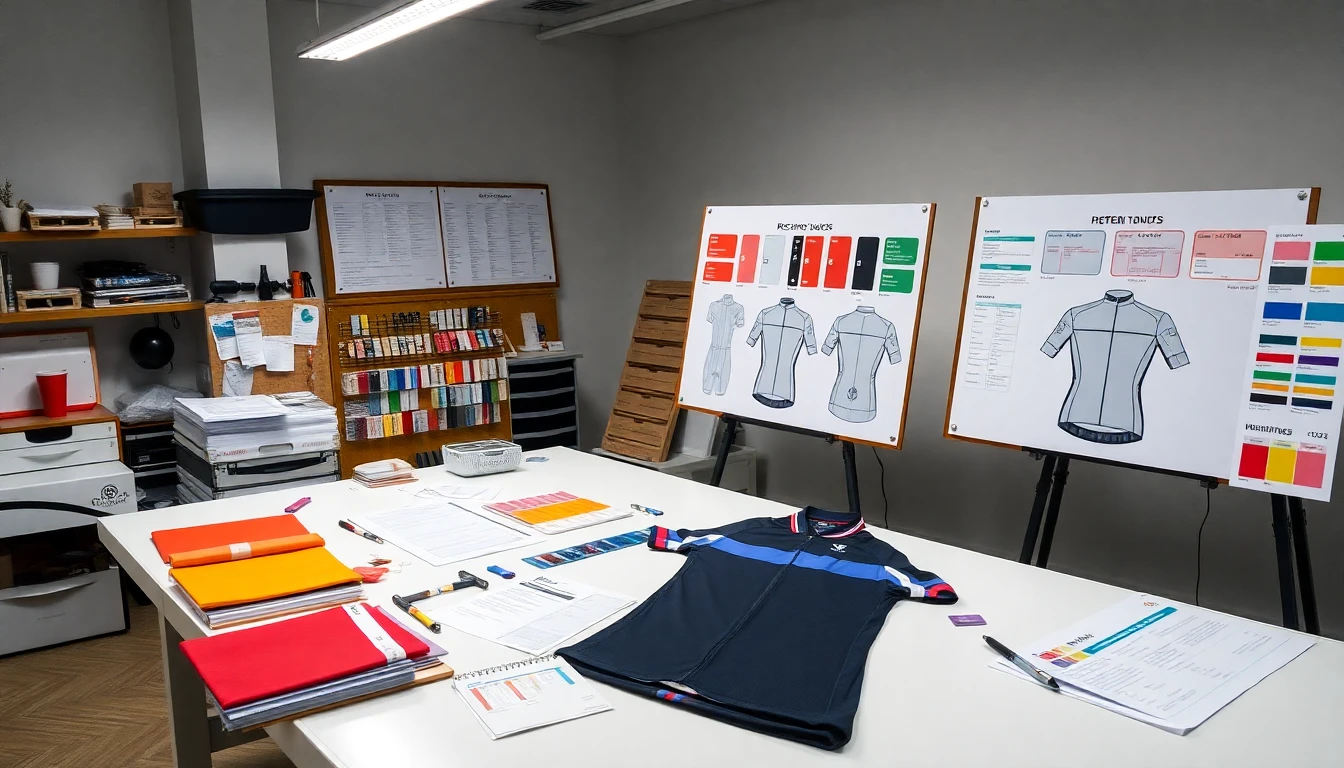
You've got your specs sheet. Now comes the detective work.
The global cycling apparel market hit USD 5.24 billion in 2024. Hundreds of factories claim they can produce your gear. Most can't deliver what they promise.
Cast a wide net first. Build a list of 15-20 cycling jersey manufacturers. Mix geographic regions. Include established names and new players. Europe holds 32.42% of the market share. North America represents USD 1.09 billion in revenue. Asian manufacturers offer competitive pricing and solid technical skills too.
Use multiple research channels. Browse trade shows like Interbike and Eurobike. Check cycling industry directories. Search LinkedIn for OEM cycling clothing specialists. Visit Alibaba and Made-in-China for overseas options. Join cycling brand owner forums. You'll find entrepreneurs sharing their supplier experiences there.
Screen for basic qualifications. Does the cycling wear factory show actual production photos? Do they list specific fabric suppliers like Lycra or Coolmax? Can you find reviews from other brands? Check if they serve your volume range. A factory producing 50,000 units each month won't prioritize your 500-piece order.
Verify their specialization. General athletic wear factories differ from dedicated cycling apparel suppliers. Look for manufacturers who know chamois padding, flatlock stitching, and sublimation printing for cycling. Their product gallery should show features like silicone grippers and aerodynamic panel cuts.
Save contact details. Note their minimum order quantities. Track their response times to your first inquiries. This research phase takes about two weeks. But it saves months of production problems later.
Step 3: Check Manufacturing Ability and Quality Standards
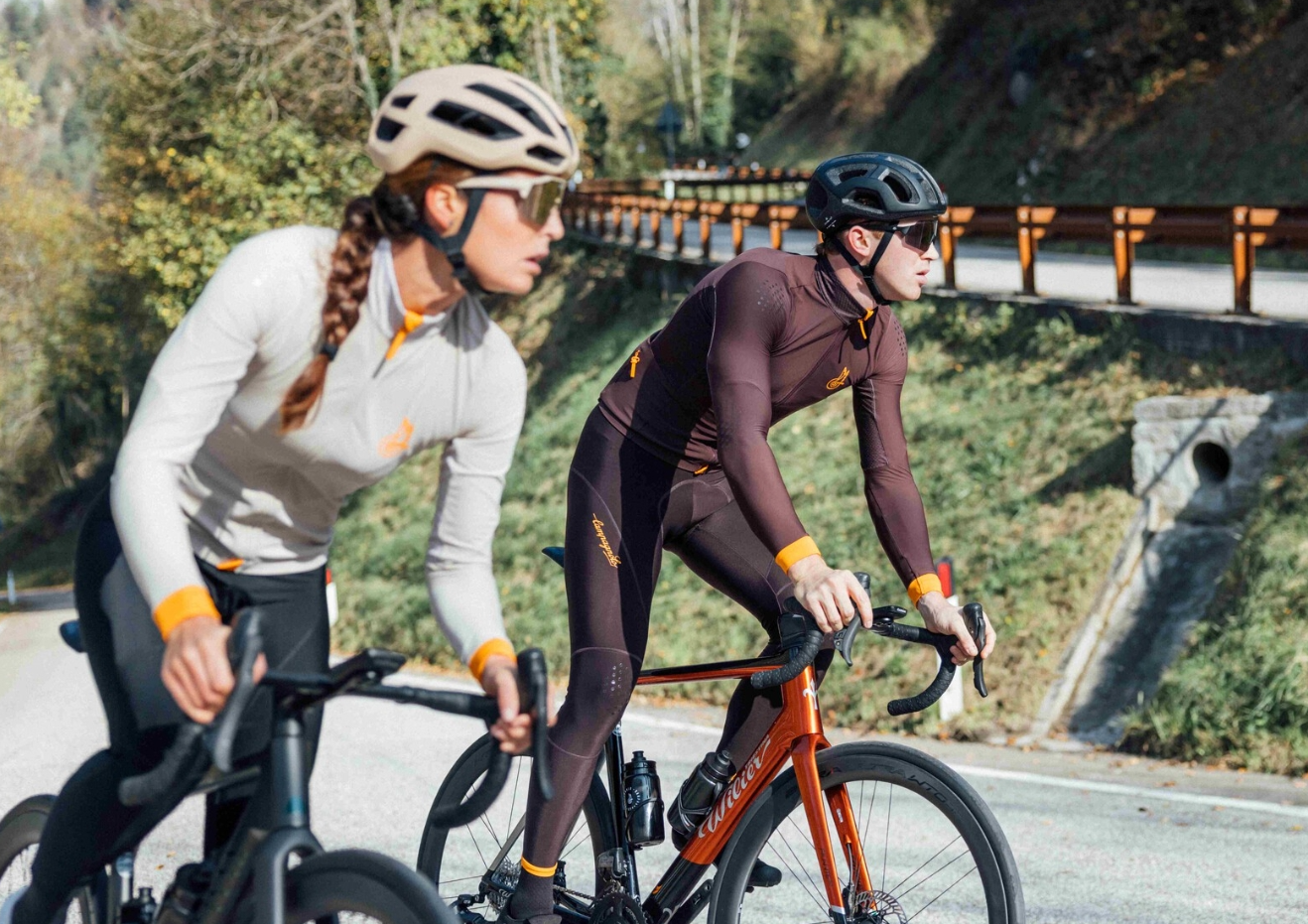
A factory tour shows what a sales call won't.
Ask to visit the facility before signing contracts. Virtual tours help if you're checking overseas cycling jersey makers. But walking the production floor yourself works best.
Check their quality management setup. Ask directly: Do you run a quality management system? 55% of manufacturers use formal QMS platforms for audits, change management, and fixes. The cycling wear factory you pick should track problem handling and supply chain quality through clear processes. No QMS? That's a warning sign for private label cycling apparel production.
Check their certifications. ISO 9001 certification shows they follow quality management standards. ISO 14001 proves environmental care—key if your brand values sustainability. Get copies of current certificates. Call the groups that issued them to confirm they're valid. Some factories show expired ones and hope you won't check.
Look at their quality control points. See how they measure First Pass Yield. This KPI shows what percentage of products meet standards without fixes. Calculate it: (Units passing first check / Total units made) × 100. Top cycling clothing makers hit 95%+ FPY rates. Also check their Scrap Rate: (Scrapped units / Total units made) × 100. Anything above 3% means production issues.
Test their fabric quality steps. Ask how they check moisture-wicking performance. Get lab reports on fabric strength after 50 wash cycles. Check their Supplier Defect Rate: (Bad supplier units / Total supplier units received) × 100. Performance cycling fabric needs strict material standards. Your maker should reject poor textiles before production starts.
Look at their quality investment. Smart factories spend more on quality systems. Data shows 38% of makers expect 21-38% increases in quality tool spending this year. Another 10% plan 41-50% spending jumps. Ask what upgrades they've done lately. New sublimation printing gear? Better testing tools? Their answers show they care about quality growth.
Calculate their Cost of Quality. Get a breakdown: Prevention costs + Check costs + Failure costs. Makers spending $10M-$49.99M per year on quality programs (39% of the market) take standards to heart. Those investing $50M-$99.9M (24% of makers) offer top-tier reliability for OEM cycling clothing deals.
Track customer return numbers. Ask for their Return Material Authorizations data. How many finished products come back due to defects? What's their Defect Density per 1,000 units? These numbers tell the truth. High RMA rates mean quality control failures that'll turn into your customer service problems.
Write down everything you see. Take photos of check stations. Record equipment details. Note team sizes at each quality point. This proof guides your final choice.
CTA 1Step 4: Assess Customization Flexibility and Design Support
Your designs deserve better than "we'll try our best."
Generic templates kill brand identity. Your cycling apparel needs unique features that match your vision. The manufacturer's design support decides if you launch something distinctive or just another forgettable jersey.
Test their customization range first. Can they handle simple logo placement? What about complex panel designs? Performance cycling fabric needs technical skills beyond basic garment production. Ask how they approach custom chamois padding specs. Check if they adjust compression zones for different body types. Request samples showing different design complexity levels.
Examine their design collaboration tools. Top OEM cycling clothing partners provide digital mockup systems. You see 3D renders before production starts. They offer tech pack development support. They suggest improvements based on fabric behavior and rider biomechanics. Siemens AG cut machine downtime by 20% using real-time analytics platforms. Your cycling jersey manufacturer needs similar tech to track design iterations and production readiness.
Check their feedback mechanisms. Do they integrate customer input into design refinements? Netflix measures time-to-market for new content. They tie it to satisfaction scores. This resulted in 23% revenue growth in 2021. Your cycling wear factory needs similar responsiveness. They adjust sublimation printing patterns based on test feedback. They modify fit based on wear-test data from actual riders.
Verify scalability across order sizes. Adobe runs pulse surveys measuring team readiness for changes. Your manufacturer handles both 200-unit test runs and 5,000-unit production batches. Design quality stays consistent. Unilever improved market responsiveness by 35% using flexibility dashboards. Demand similar adaptability. Your private label cycling apparel partner must pivot designs. Market conditions shift. New fabric technologies emerge. They adapt.
Step 5: Verify Production Capacity and Turnaround Times
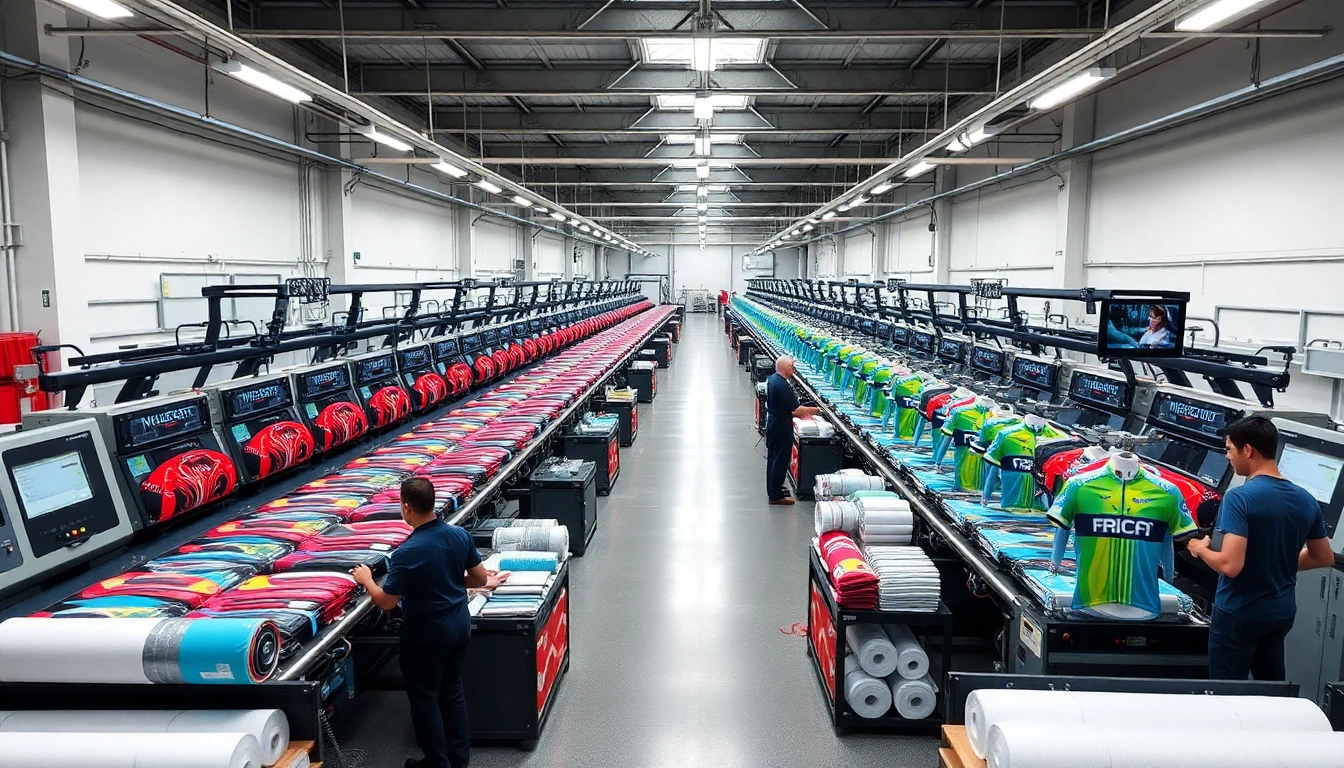
Production promises need numbers to back them up.
A cycling jersey manufacturer says they can handle your order. Great. But can they prove it? Can they deliver 2,000 moisture-wicking cycling jerseys in six weeks? Can they keep quality standards high? Or will you hear excuses about equipment breakdowns three weeks before launch?
Ask for their real capacity numbers. Start with their design capacity. This is the max output under perfect conditions. Then get their effective capacity. This accounts for planned maintenance and breaks. Next, demand their actual capacity numbers from the past three months. This shows real output after downtime and quality issues.
Calculate their scheduled capacity together. A factory runs two 8-hour shifts. That's 16 hours per day (960 minutes). Per week, that's 80 hours or 4,800 minutes. Now compare this against their actual production logs. Big gaps? Red flag.
Find their bottleneck machines. Ask which equipment has the lowest capacity in their cycling apparel chain. Sublimation printing stations often create bottlenecks. Cutting tables do too during high-volume runs. Get the max output rate per machine. Pieces per day. Yards per week. Subtract hours lost to maintenance and downtime. The machine with the smallest number? That controls your entire production timeline.
Check their inspection stages. Request their Pre-Production Inspection process. Do they check performance cycling fabric before mass production starts? Do they verify components? This prevents material shortages that kill deadlines. Check their During Production Inspection at 20-50% completion. They should monitor quality issues in real-time. They should spot efficiency bottlenecks fast. Confirm their End-of-Production inspection. It should verify order quantities, defect rates, and packaging standards before shipping.
Test their monitoring systems. Top OEM cycling clothing factories track equipment performance through digital dashboards. They get alerts when machines underperform. RAPAC cut scrap rates using real-time monitoring on their mixer line. Your manufacturer needs similar tools. They should track actual versus potential capacity. They should watch resource use trends. They should categorize downtime.
Ask the direct questions. What's your capacity per day for custom sublimation printing on our specific fabric? Is your rework rate below 1% for mature processes? Can you show production logs proving consistent output over the past quarter?
Document everything. Compare their claimed turnaround times against their actual capacity calculations. The math works or it doesn't.
Step 6: Analyze Pricing Structure and Payment Terms
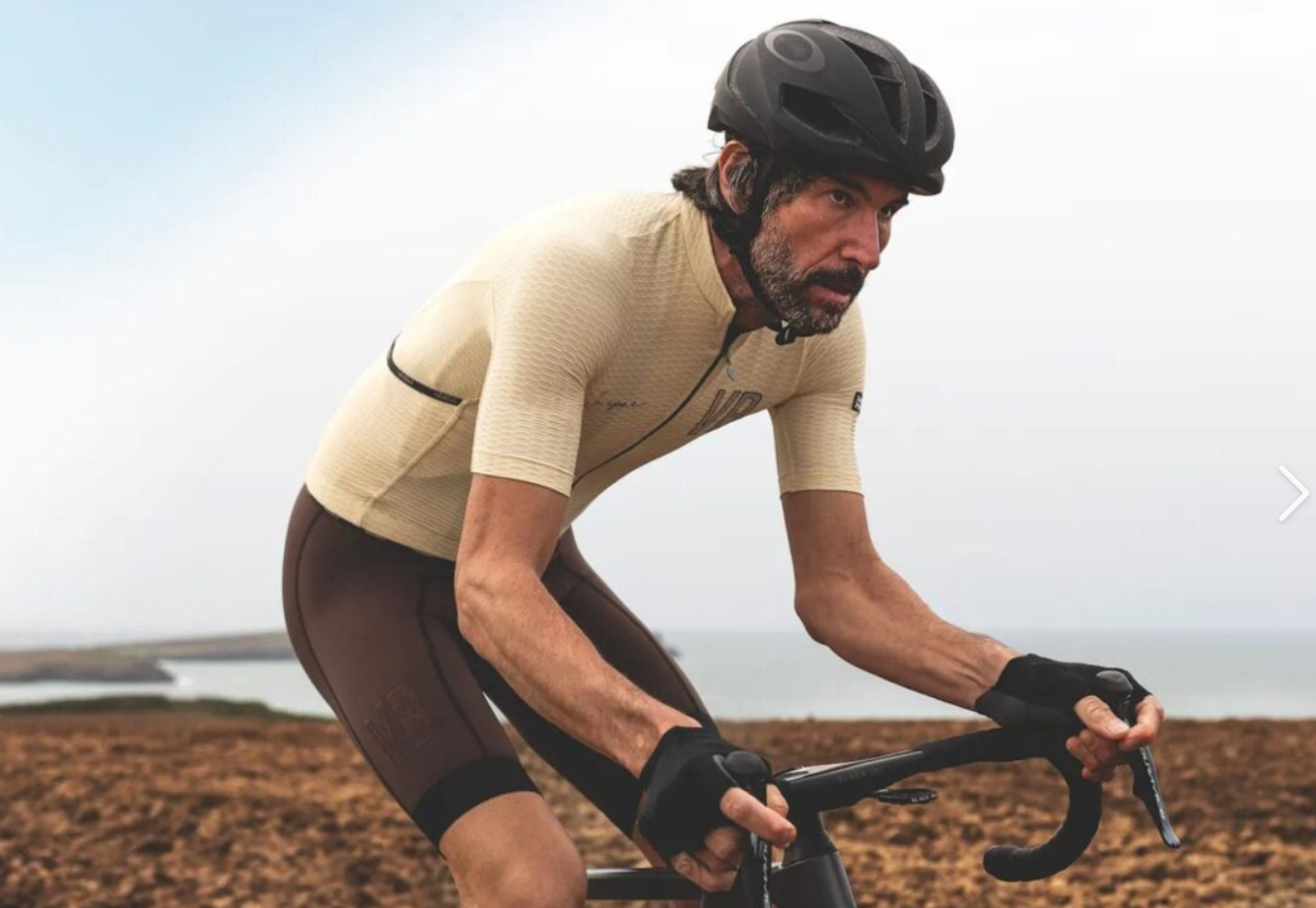
Clear pricing tells you which cycling jersey manufacturers you can trust.
A factory sends you a quote. Looks good. Then the surprises hit. Setup fees pop up. Rush charges pile on. Shipping costs triple what you expected per unit. You're stuck before you see the real numbers.
Break down every line item in their quote. Don't take a single "unit cost" number. Get the full breakdown: fabric cost per garment, labor cost per piece, sublimation printing charges, packaging expenses. Vague pricing hides fees. Ask about sampling fees. Mold costs for custom zippers. Pattern adjustment charges. Quality inspection fees. Each extra cost eats into your profit.
Compare pricing tiers across order volumes. Get quotes for 500 units, 1,000 units, and 2,500 units. Calculate how much the per-unit price drops at each level. Good OEM cycling clothing partners reward growth. Their pricing drops as your orders grow. Watch out for factories that don't adjust pricing much between tiers. This means they're inflexible or padding their quotes.
Check their payment term options. Standard terms are 30% deposit, 70% before shipment. Some cycling wear factories give net-30 or net-60 terms once you build a relationship. Others want 50% upfront. Track what each payment stage triggers: Does the deposit start production? Does final payment happen after you inspect quality or before? Payment timing impacts your cash flow and control over quality.
List their pricing factors. What makes costs go up or down? Rush production adds 15-25% to standard pricing. Special cycling fabric picks change base costs. Multi-color sublimation printing runs higher than two-color designs. Know these factors. You'll negotiate better. Your budgets will be spot-on from day one.
Get everything in writing. Verbal promises about "flexible terms" don't matter once invoices show up.
Step 7: Test Communication and Customer Service Quality

Your cycling jersey manufacturer's customer service shows what your partnership will look like.
Poor communication does more than annoy you. It delays production. It creates quality issues no one spots until shipping. Urgent questions turn into three-day email chains. You miss launch dates.
Test their service quality before you sign. Use real metrics. Track how they respond. Don't trust gut feelings about "nice sales reps."
Measure First Response Time. Send three questions at different times. One during work hours. One in the morning. One in the evening. Track how long until you get a real answer. Skip the automated "we got your message" responses. You need human answers with substance.
Calculate Average Resolution Time. Ask a technical question about fabric specs. Request custom print samples. Write down when you asked. Write down when you got full answers. Long wait times kill trust fast.
Check Customer Effort Score. After each talk, rate this: How easy was it to get what you needed? Use a 1-7 scale. Scores below 5.5 mean friction. You work too hard for basic info. Above 5.5 signals low effort. Above 6.5? They make your life easier.
Calculate it: Add all your scores from multiple talks. Divide by the number of talks. Example: You contacted them five times. Your scores were 6, 5, 7, 6, 7. That's 31 total divided by 5. Your average is 6.2. That's solid.
Test First Call Resolution. Pick a somewhat complex question about private label cycling apparel specs. Call and see if they solve it in one talk. Top cycling wear factories hit 85-90% FCR rates. Below 85%? They shuffle you between departments. Or they give you partial answers.
Track problem handling. Create a small test. Ask about a fake production delay. Do they provide ETAs without you asking? Do they offer backup plans? Do they follow up later to confirm? How they respond here shows how they'll treat real problems.
Send follow-up questions to test consistency. Do different team members give you the same info? Different answers mean internal communication issues. These issues will hurt your OEM cycling clothing orders.
Document everything. Save email timestamps. Record call lengths. Note who helped you and how. This data shows patterns their sales pitch won't show.
CTA 2Step 8: Request and Evaluate Sample Orders
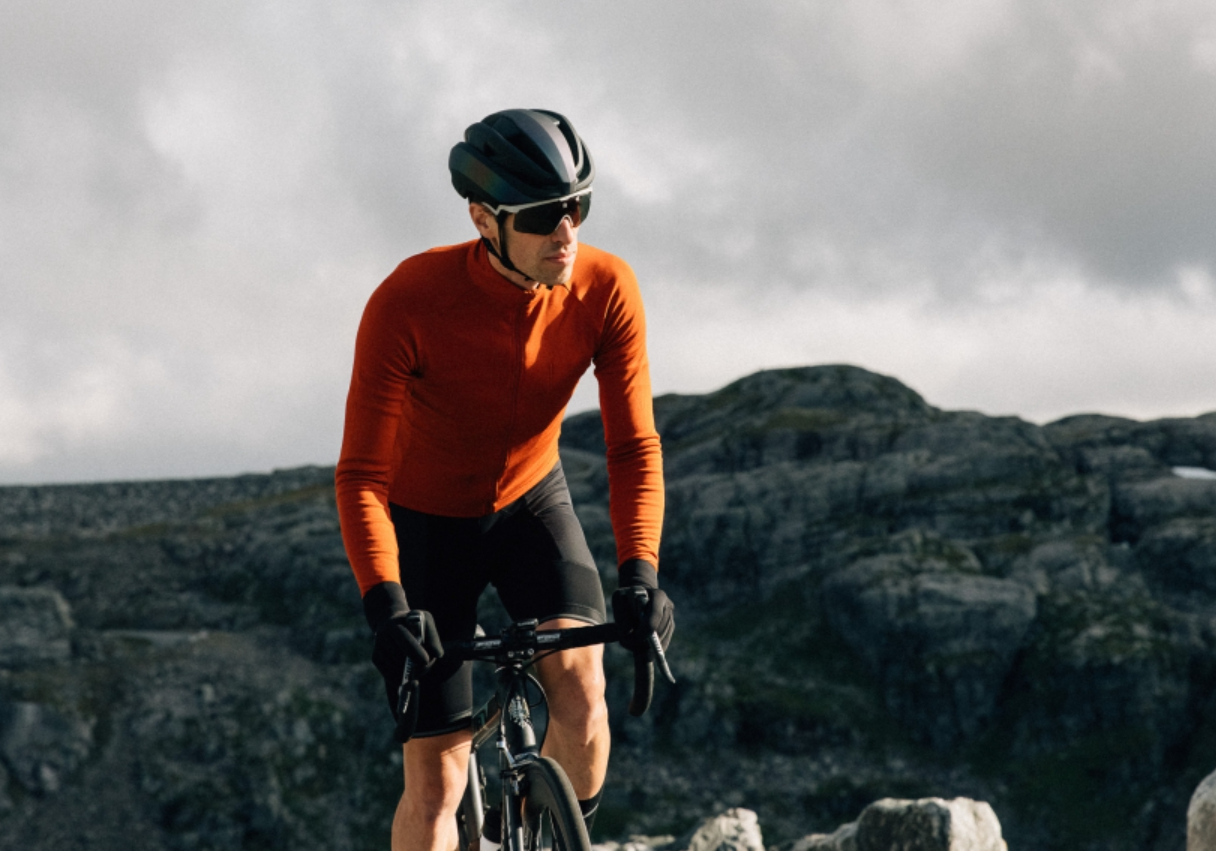
Samples aren't just product previews. They're proof.
A cycling jersey manufacturer can promise performance fabric that wicks sweat in 2.5 seconds. They can claim sublimation printing won't fade after 100 washes. But hold that sample in your hands first. Put it through lab tests. Get riders sweating in it. Those promises mean nothing until then.
Order samples at three key points in your production timeline.
Pre-production samples come first. These show your final design before the factory cuts thousands of yards of fabric. Check every detail here. Verify your logo placement. Measure the chamois padding thickness. Test the zipper smoothness. Feel the silicone grippers. This is your last chance for adjustments before mass production starts. One brand caught misaligned seams at this stage. They saved $8,400 in rework costs.
Production samples arrive during the run. Pull these from the line at 20-30% completion. You spot problems fast. Defective stitching patterns? Color issues in sublimation printing? Catch these issues now. You prevent material waste. Calculate your potential loss: 2,000 units × $18 fabric cost = $36,000 in materials at risk. Production samples protect that investment.
Select finished samples from different batches near completion. Grab units from various production batches. Compare them against your pre-production sample. Quality should match. Variations here expose quality control failures in OEM cycling clothing processes.
Use the Q.C.D.S. framework to evaluate each sample batch. Check Quality first. Run moisture-wicking tests. Measure fabric stretch recovery. Count stitches per inch on flatlock seams. Your cycling wear factory should hit 95%+ First Pass Yield on samples.
Calculate their Scrap Rate from sample production: (Scrapped sample units / Total sample units made) × 100. Rates above 2% signal production issues that'll plague your full order.
Analyze Cost transparency. Compare sample pricing against market rates for similar private label cycling apparel. Get detailed breakdowns. Some factories charge $45-$75 per custom sample. Others waive fees for orders above 500 units. Negotiate here.
Test Delivery reliability through sample orders. Track their OTIF rate (On-Time In-Full): (On-time & complete sample deliveries / Total sample deliveries) × 100. Anything below 90% means deadline problems ahead.
Evaluate Service responsiveness during sample revisions. Time their response to your adjustment requests. Quality cycling jersey manufacturers turn around sample modifications in 7-10 days.
Confirm their sample policy details before ordering. Ask about minimum order quantities for samples. Get lead time commitments in writing. Clarify who pays shipping costs. Some factories require 3-5 sample minimums. Others produce single units for testing.
Order multiple samples for real-world validation. Send them to target customers. Get feedback from actual riders. One startup ordered 10 samples. They distributed them to local cycling clubs. The feedback revealed fit issues their internal team missed. They adjusted sizing before the 2,000-unit production run.
Compare pre-production samples against production samples. Take photos. Measure dimensions. Note any quality drift. Consistency here predicts mass production reliability.
Post-production fixes cost 5-8 times more than sample evaluation. Spend time here. Test well. Your launch success depends on what you catch now.
Step 9: Check References and Review Manufacturing Track Record
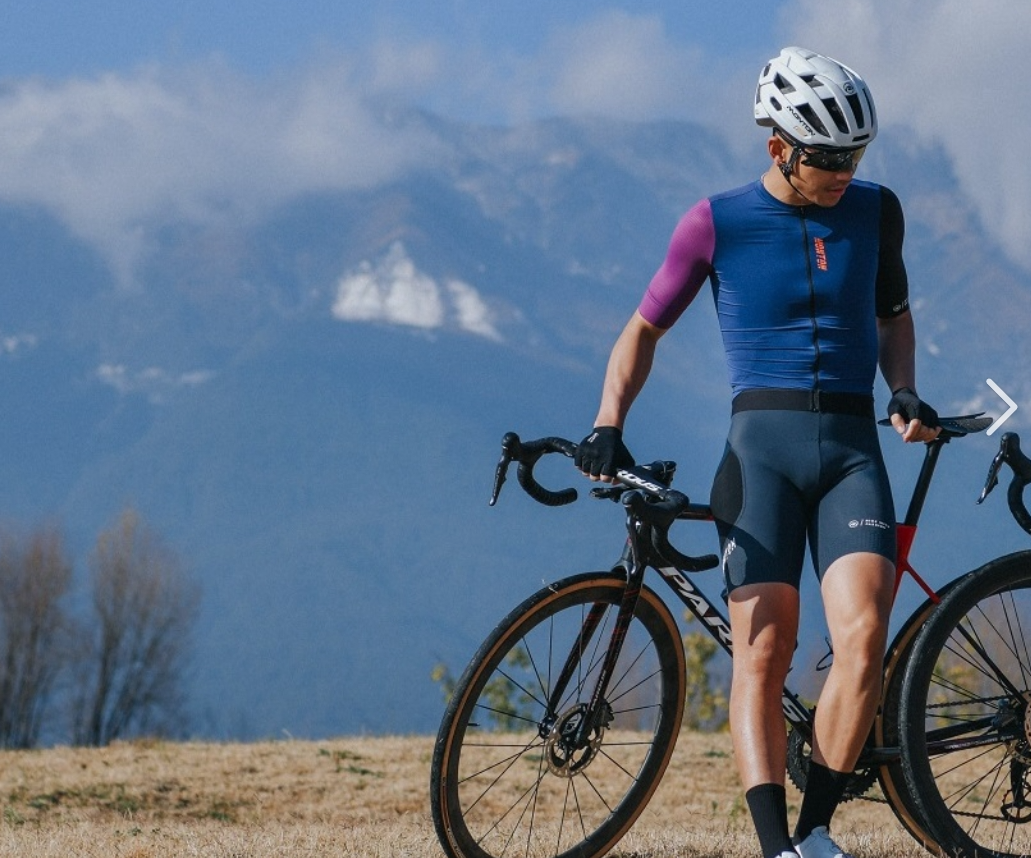
Past performance data cuts through every promise a sales rep makes.
Your cycling jersey manufacturer claims 98% on-time delivery. They say their defect rates are "industry-leading." Great. Now prove it. Show me the numbers from actual production runs. Give me client names who'll confirm those claims.
Start with their Overall Equipment Effectiveness score. This metric shows you production reality. Calculate it: Availability × Performance × Quality. Top cycling wear factories hit 85% or higher. Below 75%? That means frequent breakdowns. It means speed losses. It means quality failures. Ask for OEE data from the past 12 months. These breakdowns reveal seasonal patterns. They show improvement trends.
Demand their First Pass Yield records. This metric counts units passing inspection without rework on the first try. Calculate: (Good units / Total units produced) × 100. The benchmark sits at 92%. Your OEM cycling clothing partner should beat this. Below 90%? They waste time fixing mistakes instead of making your gear. Request FPY data split by product type. Sublimation printing jerseys might hit 94%. Bib shorts might run 89%. Know which products they handle best.
Check their equipment reliability through MTBF. Mean Time Between Failure tells you how often machines break down. Calculate: Operating hours / Number of failures. Target 1,000+ hours. A factory running 160 hours per week (two shifts) with frequent breakdowns? That's 640 hours MTBF. Too low. You need partners whose machines run for months without issues.
Request client references with specific metrics. Generic testimonials mean nothing. Ask for three brands they've produced for in the past two years. Contact those brands yourself. Ask pointed questions: What was their actual First Pass Yield on your orders? Did they meet delivery deadlines? How did they handle quality issues? One reference sharing "20% downtime reduction" tells you more than ten vague praise emails.
Verify their defect and return rates. Get their Defect Rate: Defective units / Total units produced. The industry benchmark sits at 3.5%. Also check Customer Reject Rate. This shows the percentage of finished goods buyers send back. Mature production lines should stay below 1%. Higher rates? Quality control fails before shipping.
Cross-reference everything. Their sales pitch says one thing. Their production data says another. Trust the numbers.
USA-Based vs Overseas Manufacturing: Making the Strategic Choice

Geography isn't just a map dot. It's dollars, deadlines, and whether your brand survives year two.
USA manufacturing cranked out $2.91 trillion in 2024. That's 17.3% of global production. China hit $4.8 trillion—28.7% of the world's output. These two countries control 45% of everything made on earth. Your cycling jersey comes from one of these systems or smaller players trying to compete between them.
The choice isn't obvious anymore.
Production in the USA costs you more per unit. Expect $300 to $3,000 higher costs compared to overseas cycling wear factories. USA manufacturing wages averaged $106,691 in 2024, including benefits. That's before you add in 95% of workers getting health insurance. Overseas labor runs a fraction of that. The math seems simple: go offshore, save money, win.
Except the math changed in 2025.
Trade deficits for made goods jumped $174.6 billion in the first five months of 2025 versus 2024. That's a 30% increase. USA imports crossed $300 billion per month by March 2025. Tariffs hit hard. They raised costs. They cut jobs—manufacturing positions dropped 59,000 after April 2025 tariffs landed. Building spending in the sector declined too.
Tariffs don't touch USA-made goods sold here. Zero import duties. No surprise charges. No China tariff wild swings eating your margins three months before launch. You know your costs upfront. You lock in pricing. No exchange rate gambling. No customs delays.
Lead times shrink from months to days. USA cycling jersey makers turn samples around in a week. Overseas? Add shipping time. Add customs clearance. Add potential delays. One brand switched to USA production. They cut their sample-to-market time by 60%. They tested customer response faster. They adjusted designs mid-season. Speed became their edge.
Shared language and legal systems cut errors. No translation mistakes. No confusing quality specs. Problems hit? You're in the same time zone. You call. They answer. You visit the factory without a 14-hour flight. Buck Mason and Allbirds reshored footwear and apparel production for these reasons—quality control and faster product turnover beat pure cost savings.
Brand loyalty pays real money. Customers notice "Made in USA" tags. They pay more for ethical production. Stories about making things here sell. Your cycling apparel supports American jobs and communities. Marketing becomes easier.
But USA capacity has limits in niche sectors like performance cycling fabric. Job openings hit 409,000 in August 2025. The industry needs 3.8 million workers by 2033. Not every specialty exists here at scale.
Overseas production still wins on pure unit costs. Lower costs drive offshoring despite every other risk. Your brand targets budget-conscious cyclists? Premium USA costs might kill your price point. Some brands split production—premium lines USA-made, entry-level offshore.
Nearshoring offers middle ground. Mexico became the top USA auto parts supplier. Over 1,200 new factories opened there between 2020 and 2024. USMCA benefits plus close location deliver faster shipping than Asia. No full USA costs either. Some cycling wear factories in Mexico hit sweet spots: good pricing, two-day truck delivery, similar time zones.
Every USA manufacturing dollar creates $2.64 in total economic impact. USA producers invest 51.8% of private-sector R&D spending. Foreign direct investment topped $2.4 trillion in 2024. Those partners employ over 5.3 million Americans. Your factory choice ripples through chains.
The reality in 2025? Trade uncertainty shifted how businesses think. The Purchasing Managers Index dropped every month since February. It last crossed 50 in April 2024. Over 75% of makers cite trade policies and tariffs as their top concern. Production activity fell $202.3 million in the first half of 2025 versus 2024.
Speed and reliability now beat pure cost benefits. Automation narrows the labor cost gap. USA factories invest in tech that cuts per-unit costs while keeping quality high. One OEM cycling clothing partner cut production costs 18% through automated cutting and sublimation printing systems.
Run the numbers for your specific situation. Calculate total landed costs—not just factory prices. Add shipping. Add duties. Add quality issues. Add communication delays. Add inventory carrying costs from long lead times. Think about brand positioning. Think about customer willingness to pay more for USA production.
The right choice depends on your brand strategy, not industry trends.
CTA 3Conclusion
Finding the right cycling apparel manufacturer goes beyond checking boxes. You need a partnership that grows your brand and protects your reputation. Some manufacturers cut corners on quality control. Others overpromise on turnaround times. These are the ones who'll cost you customers, credibility, and cash. Look for manufacturers who invest in performance cycling fabric . They should offer clear communication and proven cycling apparel chain expertise. These partners become your competitive edge.
Your next move? Take the evaluation framework you've learned here and use it. Start with 3-5 manufacturers. Request samples. Ask tough questions. Trust your gut when something feels off. The cheapest quote often fails to deliver real value. A flashy website doesn't guarantee quality bike clothing production.
Your brand needs a manufacturing partner as committed to excellence as you are. This decision shapes more than your next production run. It sets the course for your brand's future. So choose with care.