Baggy MTB shorts aren't just a fashion choice — they're a performance decision. Every serious trail rider makes it sooner or later. Talk to any seasoned enduro or downhill rider. They'll tell you the same thing: once you ditch the Lycra, you don't go back.
New to the sport? You're probably wondering why everyone on the trail wears loose-fit shorts instead of the sleek kit you see in road cycling. That's a fair question — and a smart one. There are five real, tangible advantages at play. They affect how you ride, how well you're protected, and how long your gear lasts. Product development trends tracked by experienced baggy mountain bike shorts manufacturers show the same pattern: riders consistently prioritize durability, pocket utility, and freedom of movement over pure aerodynamic efficiency.
Here's what the pros already know.
Why Mountain Bikers Choose Baggy MTB Shorts Over Lycra
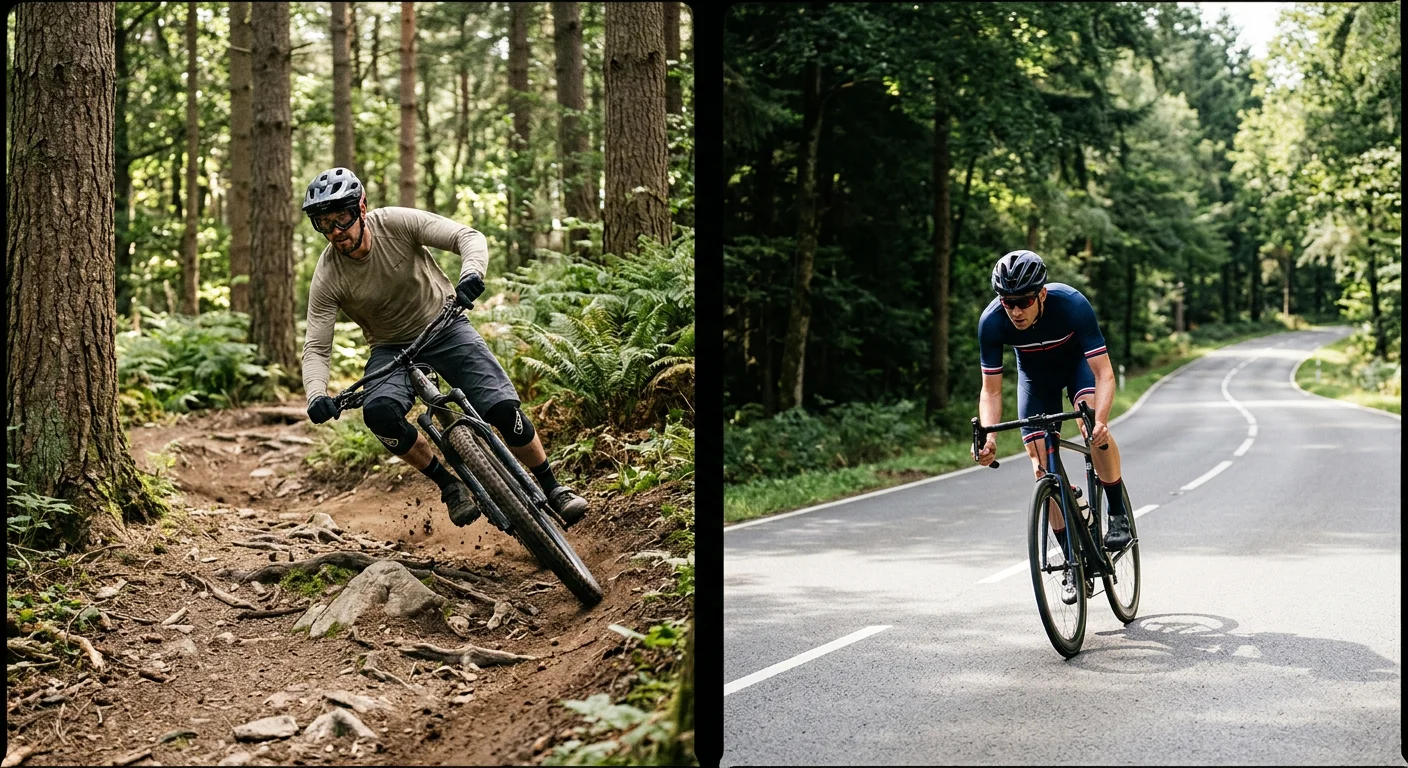
The divide is real, and it runs deep. Spend a single afternoon at a trailhead and you'll see it right away: road cyclists clip in wearing skintight Lycra; mountain bikers show up in loose, rugged shorts built for punishment.
This isn't tribalism for its own sake. There's a logic to it.
The practical case against Lycra on the trail is straightforward:
Crashes happen. Lycra tears apart on contact with gravel and roots. Baggy shorts put a tough layer of nylon or polyester between your skin and the ground — material that slides, not shreds.
Friction is the enemy on long rides. Baggy MTB shorts use a dual-layer design. A loose outer shell pairs with a padded liner. The outer fabric glides against the saddle. The chamois stays locked against your skin. No chafing. No hot spots.
Pockets matter. Trail riding shorts carry tools, snacks, and a phone. No backpack needed.
Sun exposure is a real risk. Some Lycra is thin enough to let UV rays burn through. Baggy shorts cover more leg, full stop.
What about aerodynamics? Wind tunnel data shows a 6% gap between a full skin suit and trail baggies. The gap between different baggy styles? About 1%. For enduro mountain bike shorts and downhill MTB shorts, that 1% is noise.This practical design philosophy is exactly what many custom baggy mountain cycling appparel services build around when developing trail-oriented gear for teams, brands, and riding clubs.
Aerodynamics count on a flat road at 30 mph. On a rocky trail, they mean nothing.
Lycra still makes sense in one context: timed XC racing . Uphills and flat sections reward every small efficiency gain there. Outside that lane, the trade-offs pile up fast — no pockets, poor crash protection, and weak sun coverage.
Benefit #1: Superior Crash Protection That Lycra Can't Match
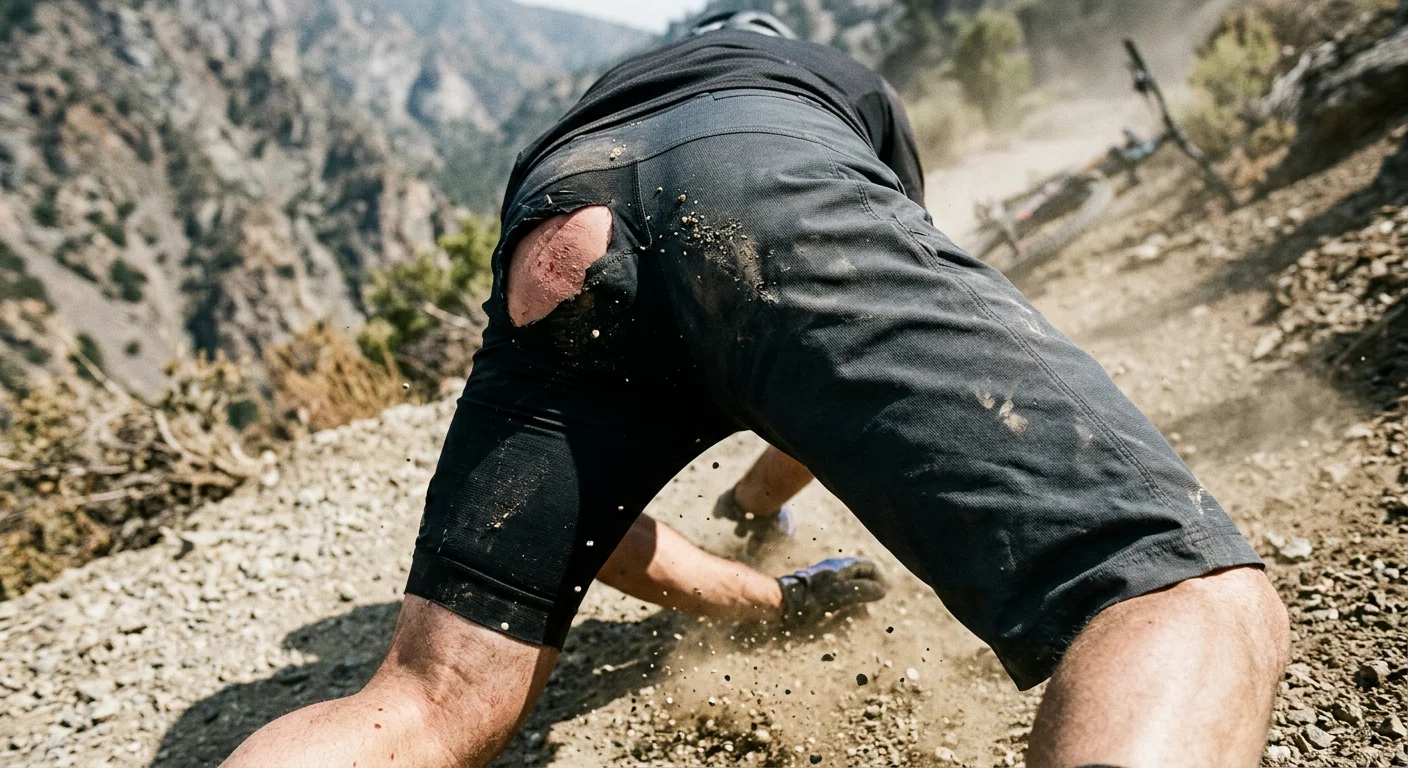
At 30 km/h, a slide crash lasts about half a second of ground contact. In that half-second, fabric density is the one thing standing between your skin and gravel. Lycra — at around 120 g/m² — fails in the first fraction of that contact. It doesn't slow the abrasion. It just disappears.
This isn't opinion. It's physics measured in grams per square meter.
The Numbers Don't Lie
Fabric weight ties straight to crash survivability:
| Fabric Type | Weight | What Happens in a Crash |
|---|---|---|
| Lycra / road shorts | ~120 g/m² | Zero abrasion protection |
| Fast-fashion poly/spandex | ~150 g/m² | Pills after 6 rides; fails on first impact |
| Mid-tier recycled nylon | ~180 g/m² | Shows clear wear after 200 km |
| Fox Ranger nylon-spandex | 185 g/m² | Handles mixed trail, moderate crashes |
| Fox Defend double-layer | 220 g/m² | Built for rock gardens and high-speed enduro |
| Cordura® + Dyneema® | Pro-spec | Sustains 500 km with no visible wear |
The gap between a Lycra-weight shell and a crash-rated outer short is massive. Fox's own lineup makes it clear: the Defend's 220 g/m² fabric is 83% denser than the 120 g/m² Flexair. Fox does not recommend the Flexair for technical or rocky terrain. That's the baggy MTB apparel manufacturer telling you straight — light fabric is not trail fabric.
Built for the Fall, Not Just the Ride
Fabric weight is only part of the story. Quality durable bike shorts built for MTB include structural features that Lycra construction cannot handle:
These aren't marketing features. They're the difference between standing up after a fall and heading to the emergency room.
The Armor Compatibility Problem Lycra Can't Solve
Here's where the protection gap goes beyond material. Enduro mountain bike shorts and downhill MTB shorts are built to wear over knee pads and hip armor. The loose cut creates a fabric buffer between protector edges and terrain. Lycra-based shorts give you no such buffer. A protector plate hits the ground, and there's nothing between the hardware edge and your skin except the armor's own casing.
Loose-fit shorts with grip-enhanced inner leg material keep knee pads locked in place during hard riding. Take that outer layer away, and armor shifts. It ends up in the wrong spot right when you need it most.
The enduro racing surge backs this up with real numbers: Australian entries climbed 54% across the country in 2025 , with demand shifting toward longer, heavier fabrics as riding gets more aggressive. The riders pushing harder on more technical terrain aren't picking baggies for looks. They're picking them because the alternative leaves them exposed — full stop.
CTA 1Benefit #2: Unrestricted Mobility and All-Day Trail Comfort
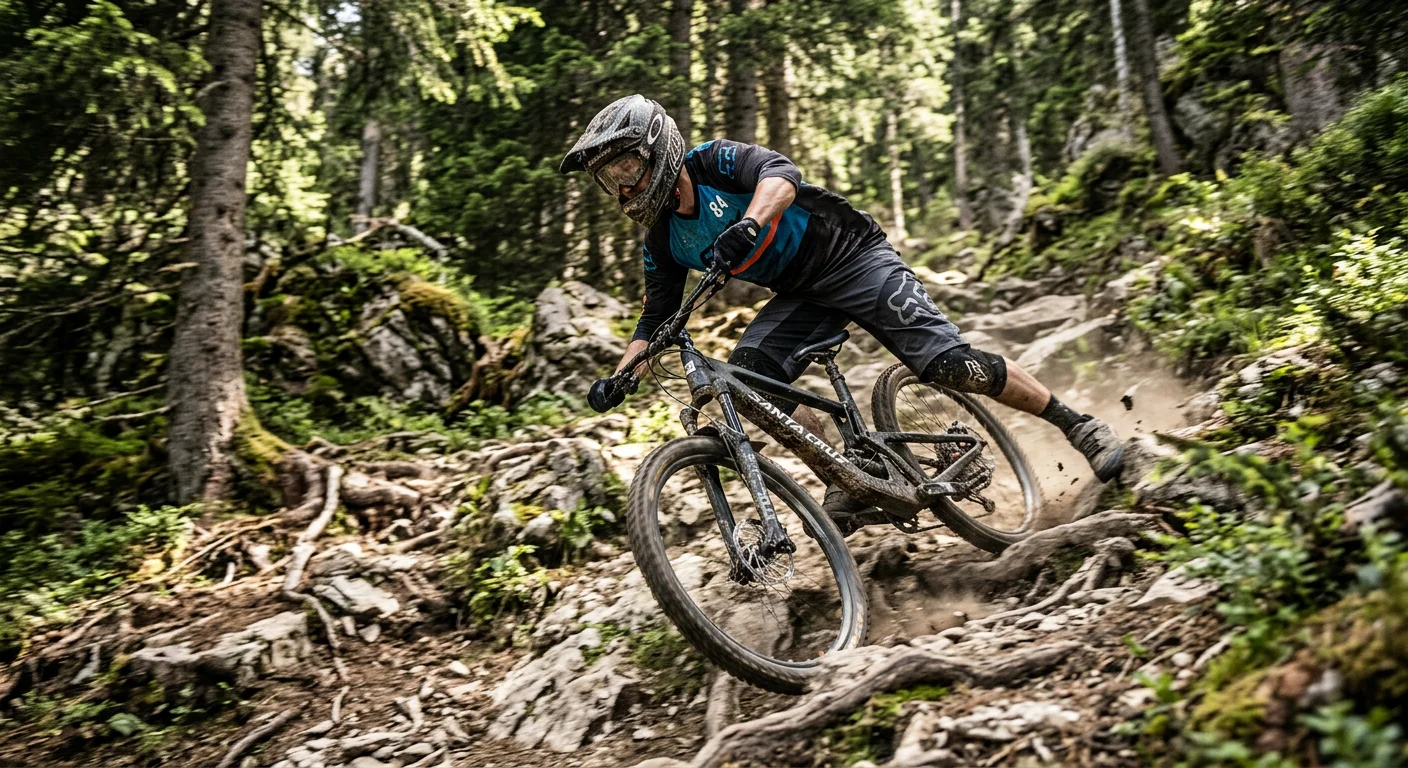
Range of motion is everything on a technical trail. Not speed. Not strength. You need to shift your weight, drop your hips, and throw a leg out before a root catches your pedal. That freedom of movement is what keeps you upright and in control.
Tight Lycra works against that. It pulls across the thigh on deep hip flexion. It binds at the knee as you stand hard out of a corner. Small restrictions, sure. But stack them across a four-hour enduro stage or a full day of trail riding, and they add up to real fatigue and sloppy body positioning.
Baggy MTB shorts cut out that friction point for good.
The Cut Is the Feature
The loose outer shell of a quality pair of trail riding shorts isn't extra fabric — it's built-in clearance. Drop into attack position, and the shorts move with you. Throw the bike sideways mid-corner, and there's zero fabric tension pulling against your hip rotation.
Design patterns like extended crotch depth, articulated panels, and wider thigh clearance are commonly specified by performance-focused baggy MTB clothing sppliers when producing shorts intended for enduro and technical trail riding.This matters most in three specific situations:
Technical climbing — standing pedal strokes demand full hip extension. Tight fabric cuts your power stroke short, rep after rep.
Steep descents — a low, rearward riding position needs deep hip flexion and open knee angles. Baggy shorts handle both with no resistance.
Unexpected moments — dabbing a foot, kicking a leg clear of a crash — these are explosive, unplanned moves. Your shorts need to keep up right away.
All-Day Comfort Isn't a Luxury
Sustained wear matters too. Cycling shorts with liner — a dual-layer baggy design — fix the long-ride comfort problem that single-layer Lycra can't touch. The outer shell slides against the saddle. The padded inner stays locked against your skin. Each layer does its own job. Neither gets in the other's way.
The result is mtb gear comfort that holds up across hours, not just the first climb. For riders spending full days on the trail, that's a big deal. It's the difference between finishing strong and calling it early.
Benefit #3: Practical Pockets That Actually Work on the Trail
Reach into a Lycra kit mid-ride for a gel. Go ahead. You'll find nothing — because there's nowhere to put one.
Every road-cycling convert hits this problem on their first real trail outing. You're three miles from the trailhead. Energy is dropping. Your nutrition is bouncing around in a backpack you never wanted to wear.
Baggy MTB shorts fix this at the design level.
Pockets Built for Movement, Not Marketing
Quality trail riding shorts come with two to four exterior pockets. Each one is sized for real trail use — not for looks. We're talking a full-size smartphone, a folded trail map, two gels, and a multi-tool. These aren't thin slits cut into a hem. They're wide-mouth openings with zipper closures. They stay shut at speed and through rough terrain.
Placement matters just as much as size. Hip-line pockets on loose fit cycling shorts sit low on your leg. You can reach them while standing on the pedals.From a sourcing perspective, pocket placement, reinforced stitching, and zipper hardware are also factors that influence custom MTB clothing wholesale prices, especially when brands request additional storage or reinforced pocket construction for trail use. No need to let go of the bars. That one-handed grab — no stopping, no unclipping, no digging through a pack — keeps your rhythm going. Lose that grab, and you lose your flow.
Less Gear on Your Back
Pockets connect to how much you carry on your back. Stash your phone, a snack, your keys, and a tube in your shorts. On shorter rides, a full hydration pack becomes optional. That's a real weight cut. It's also a real comfort boost on enduro mountain bike shorts runs. A bouncing pack is the last thing you want over chunky terrain.
Pockets that work aren't a small detail. On the trail, they're the feature you reach for every single ride.
Benefit #4: Weather and UV Protection for Variable Mountain Conditions
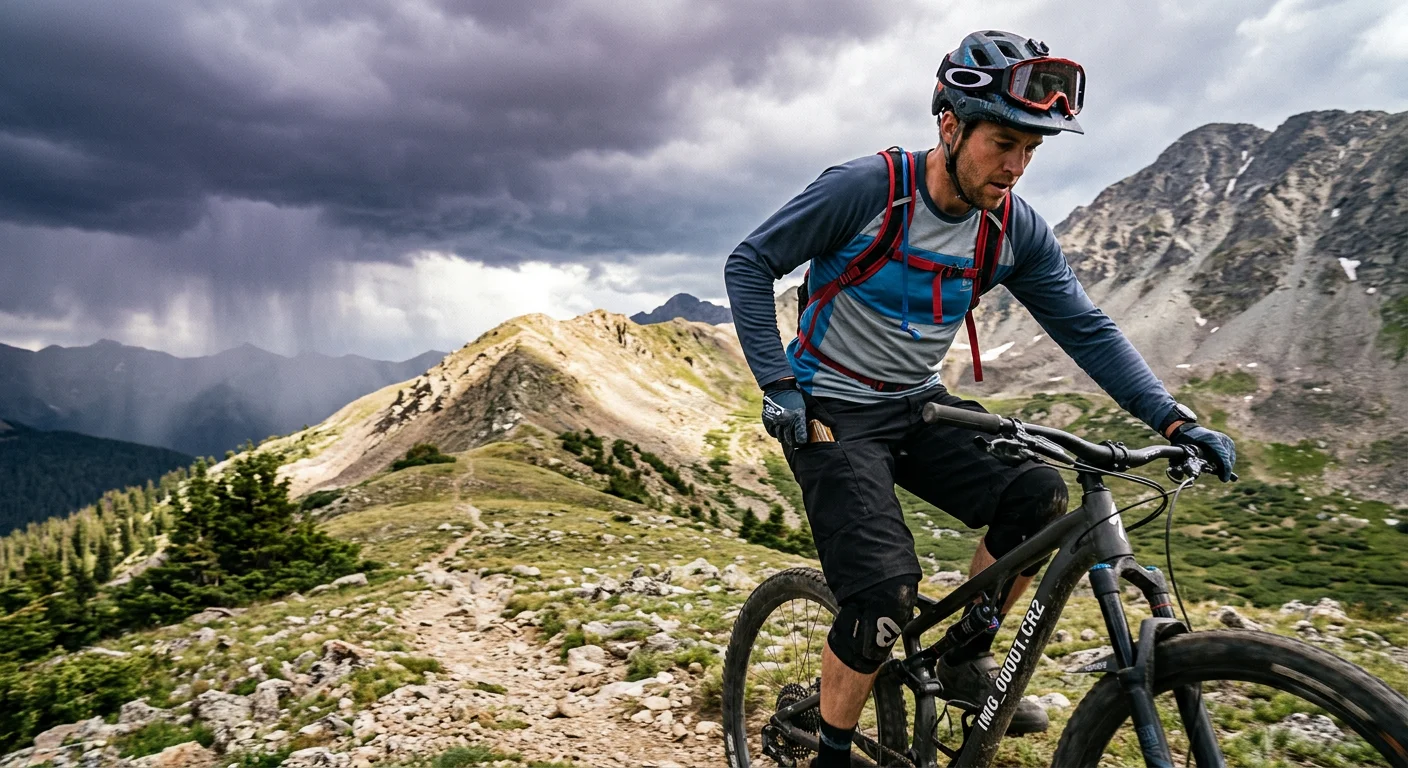
Mountain weather doesn't negotiate. One hour you're sweating through a sun-baked ridgeline. The next, a cold front hits and the temperature drops fifteen degrees before you reach the bottom.
That variability is the whole game in the mountains — and your shorts need to handle both ends of it.
Sun Exposure Is a Real Threat, Not an Afterthought
At altitude, UV radiation increases 10–12% for every 1,000 meters you climb. That's a serious number on a full-day trail ride above 4,000 feet. Thin Lycra gives you almost no buffer. Some road-oriented fabrics let UV rays straight through — you're riding with zero protection.
Baggy MTB shorts cover more leg. That's the simple, unglamorous truth. More coverage means less exposed skin. Less exposed skin means less UV damage across a long summer season of riding.
Built for Variable Conditions
Heavier woven fabrics — nylon blends in the 180–220 g/m² range — block wind chill on technical descents far better than stretch Lycra. Moving fast through tree shadows on a north-facing slope? That extra fabric layer makes a real difference.
Enduro mountain bike shorts and downhill MTB shorts are built for variable alpine terrain. That specification gap is exactly why a well-built custom baggy mountain bike shorts factory will typically start with heavier nylon blends or reinforced ripstop panels when designing shorts intended for aggressive trail riding.
The wind resistance comes from the fabric itself. No extra layer needed. No stopping to pull on a wind shell. No lost movement.
It's protection that works quietly in the background — which is how the best mountain biking apparel should operate. You don't think about it. It just handles it.
Benefit #5: Built to Last — Durability and Multi-Terrain Versatility
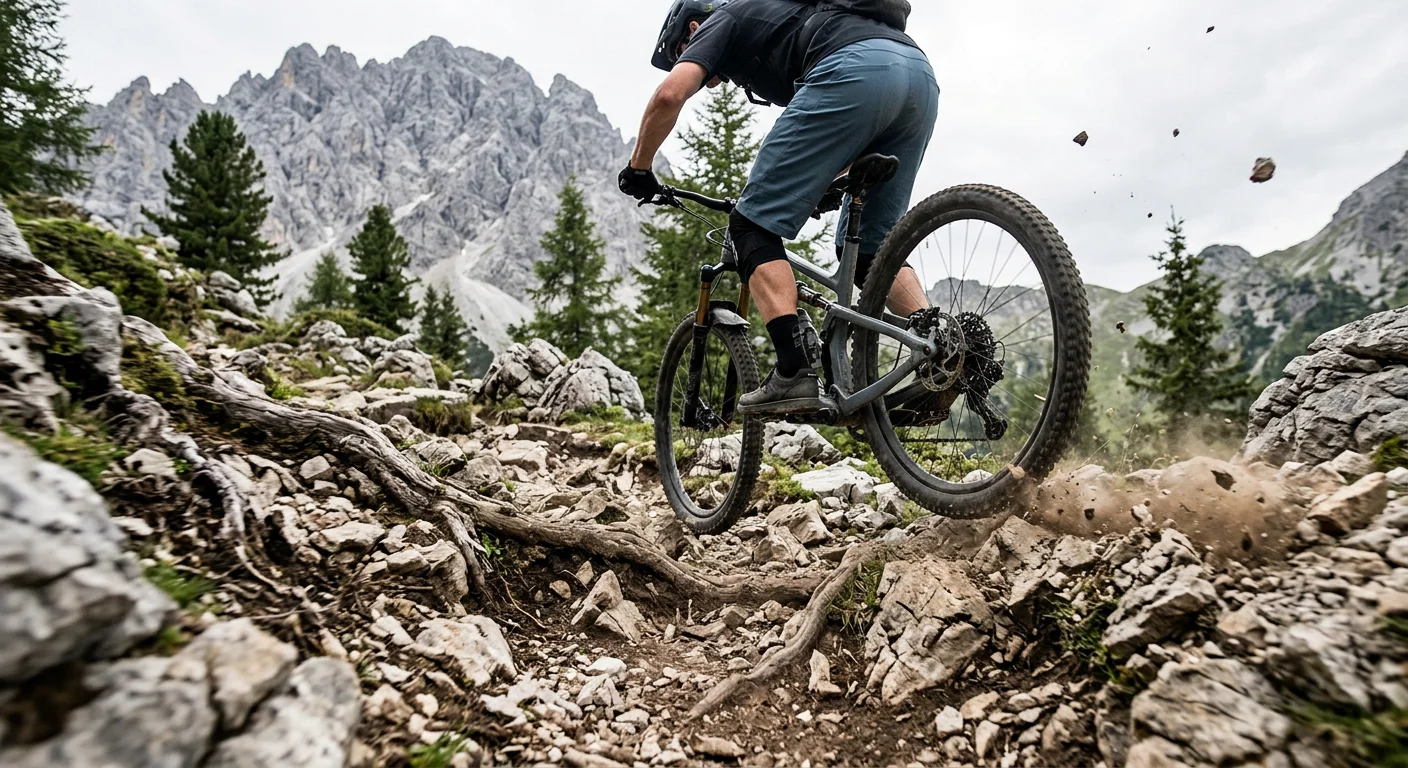
Gear that quits on you mid-ride isn't gear — it's dead weight you paid for.
Mountain terrain is relentless. Roots, rocks, sharp-edged brake levers, abrasive pine bark — every ride is a stress test. Cheap shorts show their weakness fast. Seams split. Fabric pills. Pockets blow out at the zipper. You've seen it happen. Maybe it's happened to you.
Quality baggy MTB shorts are built to take this kind of punishment — ride after ride, season after season.
Fabric That Fights Back
The outer shell on serious durable bike shorts isn't chosen for looks. It's chosen for resistance. Heavy nylon blends — the same material used in workwear and technical outerwear — handle abrasion without breaking down. A well-constructed pair of downhill MTB shorts in the 180–220 g/m² range will outlast three or four pairs of lightweight alternatives by a wide margin.
Rough terrain wears down every piece of gear it touches. That's the nature of the sport. Quality construction takes that abuse instead of giving in to it. Here's what that looks like in practice:
Double-stitched seams that don't split under stress
Reinforced stress points at the hip and inseam
Bar-tacked pocket corners that stay intact after hard use
These details separate a short built to last from one built to look good on a rack.
One Short. Every Terrain.
The versatility case is simple. One pair of well-built trail riding shorts covers the full range of mountain biking apparel demands:
You're not buying a different short for every discipline. You're buying one piece of mtb clothing that adapts without falling apart.
That's the real value of premium loose fit cycling shorts — the cost-per-ride drops the longer you own them. A short that holds up for two full seasons on technical terrain isn't an expense. It's an investment — one that pays out every time you clip in.
CTA 2How to Choose the Right Baggy MTB Shorts: Key Factors for Buyers
Five benefits mean nothing if the shorts don't fit. Bad sizing turns premium fabric into wasted money. A bad chamois turns a long ride into a suffer-fest you won't repeat.
Here's what matters most, ranked by priority.
1. Waist System First
The waistband is where fit either holds together or falls apart. Look for a flexible waist that sits higher at the back. That rear rise stops the waistband from rolling down while you're bent over the bars. It also keeps the waistband from pressing into your gut on steep climbs. These are small details. Across a four-hour ride, they make a real difference.
2. Get the Liner Right
The chamois is the core of any cycling shorts with liner setup. You want 6 to 12 panels — more panels give better shape around your sit bones. One firm rule: test the chamois on the bike, not standing in a changing room. No underwear underneath. Antimicrobial fibers stop the kind of problems you don't want to deal with on a remote trail.
3. Fabric Feel and Leg Grip
Quality loose fit cycling shorts grip the leg without bunching. The fabric needs to feel responsive — close enough to stay put, loose enough to move freely. Your waist and hip measurements may fall between sizes. Size up. A larger outer shell causes far fewer problems than a shell that locks up your quad mid-descent.
4. Inseam Length by Discipline
Inseam length shapes how trail riding shorts perform on the trail:
Too short and you lose knee coverage. Too long and wet fabric drags on your chain or snags a branch at the worst possible moment. Keep excess thigh gap under two inches.
Know Your Numbers
Measure these five points before ordering:
Waist circumference
Hip circumference (4 inches above inseam)
Thigh circumference (1 inch below crotch)
Quad circumference
Inseam length
The sizing table below covers S through XL across hip, quad, and inseam:
| Size | Hip | Quad | Inseam |
|---|---|---|---|
| S | 31–33" | 15–17" | 13.5" |
| M | 33–35" | 17–19" | 13–13.25" |
| L | 35–37" | 19–21" | 13" |
| XL | 37–39" | 21–23" | 12.5" |
Riders over 6'4" (193 cm) should size up no matter where their measurements land. On the border between two sizes — say, a 33-inch hip — go with the larger option. Durable bike shorts with a bit of extra room on the leg beat shorts that cut into your movement at a critical moment every time.
CTA 3Conclusion
The gear you wear on the trail isn't just a comfort choice — it's a performance decision.
Baggy MTB shorts exist for a reason. Real mountain biking demands real protection and real mobility. You need gear that holds up when the terrain gets rough. These shorts absorb the impact of a rocky crash. They carry your essentials without getting in the way. The benefits aren't small — they're the difference between a ride you survive and one you own.
Still debating between loose fit cycling shorts and skin-tight Lycra? Think about what your riding demands. Most of the time, the answer points to something tougher and more versatile. Something built for trails that don't follow a script.
Ready to gear up? Browse Berun Clothing's MTB shorts collection . Find a pair built for where you ride — not just where you park your car.
The mountain doesn't care what you're wearing. But you will.
Video Section