Once the trailhead disappears behind you and the cell signal cuts out, everything gets real. Hunting goes deeper than shooting straight. It's about reading the land, staying alive, and hauling meat back to camp with your head held high — which is why many brands now rely on technical hunting clothing manufacturers to develop gear that performs reliably in extreme backcountry conditions.
You might hunt whitetail on weekends. Or you might chase elk deep into roadless backcountry. Either way, the line between a solid hunt and a dangerous situation comes down to a short list of skills — ones you either have or you don't.
These 100 essential hunting and survival skills cover it all. Field dressing. Tracking animal signs. Building a fire from scratch. Finding your way without GPS. This is the complete toolkit serious hunters need — built for the field, not the classroom.
Navigation Skills Every Hunter Must Master (Skills #1–15)
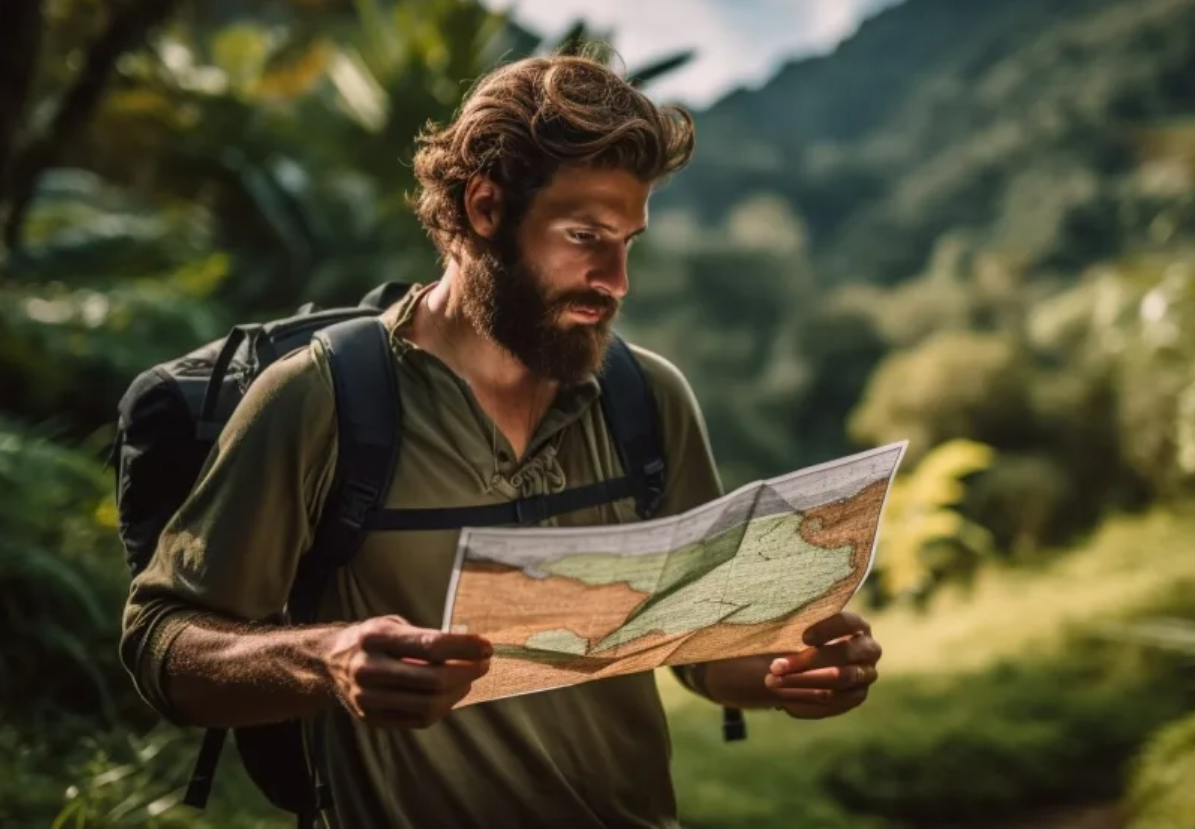
Dead reckoning kept Lewis and Clark alive. It'll keep you from spending a night shivering in the dark, too.
Navigation is the skill most hunters assume they have — until the moment they don't. The same level of precision applies to gear design, where OEM/ODM hunting gear designed for rugged terrain ensures hunters stay prepared when technology fails.Cell towers don't reach ridgelines. GPS batteries die at the worst possible time. Studies show 80% of hunters experience electronics failure in backcountry conditions , and GPS accuracy drops to near zero in dense canyon terrain. The hunters who make it back to camp are the ones who treated navigation as a discipline, not an afterthought.
Skill #1 — Land Navigation: Map & Compass
Pull out a topographic map and a baseplate compass. Learn to read contour lines — ridges, saddles, drainages. Master magnetic bearing. Account for magnetic declination (10–15° east across the US West). Practice dead reckoning : the average adult logs about 2,500 steps per mile. Count your paces. Know where your feet have taken you.
Paper never runs out of battery. In signal dead zones — which account for 70% of failures in heavy forest canopy — this skill matters most.
Pro Tip : Before any backcountry hunt, mark your trailhead, camp, and two escape routes on a 1:24k scale topo map. Add physical landmarks — rivers wider than 50 yards, peaks over 1,000 feet. These give you solid anchors when the terrain all starts to look the same.
Skill #2 — GPS & Digital Mapping
A GPS unit is a force multiplier, not a safety net. Learn to set waypoints, drop pins, and overlay topo layers onto your digital map. Set grid-based hunt zones in 500-meter blocks. Always carry a printed map as backup. Signal reliability drops below 50% fast — especially in canyon country.
Heavy-use GPS batteries last 20–48 hours. Know that going in. Carry spares or a power bank.
Skill #3 — Reading Terrain Like a Hunter
Terrain tells you where animals live before you spot a single track. Start with the basics:
Ridges funnel game movement between drainages
Saddles are natural crossing points — elk use 1,000-foot saddles for 2–5 miles during migration
Benches at 200–500 feet of elevation hold bedding animals through midday
Drainages are water highways; follow them and you follow game
Skills #4–5 — Wind & Stealth Movement
Wind isn't just weather — it's your biggest tactical variable. In the US Rockies, prevailing winds run west to northwest. Thermals rise 300–500 feet per hour after dawn. Set up with a 270° wind block and you cut scent detection on about 90% of your approaches.
Move at 1–2 steps per minute in thick brush. Snap a twig? Freeze for 30 full seconds. Pro hunter data shows quiet stalks succeed 15% of the time . Rushed stalks? About 2%.
Skills #6–8 — Tracks, Sign & Timing
Fresh deer tracks run 2–3 inches wide with an 18–24 inch stride in rain-free conditions under 12 hours old. Bear prints measure 5–7 inches , rounded, with claw marks extending 1.5 inches forward. Toe drag points to a loaded gait about 70% of the time — use it to confirm direction.
Read sign clusters too. Deer beds are 3×4-foot ovals. Rubs show up on 3–5 inch trunks starting in October. Scrapes measure about 2×3 feet with fresh urine. A zone holding 10 or more signs per 100 square yards is a heat zone. Hunt it hard.
Time your entry around animal behavior. The first two hours after dawn account for 60% of all encounters. The final hour before dark drives 70% of successful kills.
Skills #9–15 — Weather, Fieldcraft & Situational Awareness
A barometric drop of 0.1 inches per hour signals an incoming front — deer movement doubles. Altocumulus clouds predict rain 12–24 hours out. Storm fronts spike overall animal activity by as much as 40% . Read the sky like it's part of your scouting report.
Natural navigation works when instruments fail. A shadow stick at noon points true north at its shortest point. The Big Dipper's outer edge points straight to Polaris within ±2 degrees . Moss grows on the north face of trees about 70% of the time — but drop that number to near 50% in windy valleys.
Situational awareness ties everything else together. Run a 360-degree scan every five minutes . Backtrack 100 yards every hour to lock in your return landmarks. Feel disoriented? Stop moving. Retrace. Think.
The hunters who get lost aren't reckless. They're just the ones who forgot that the land doesn't care about their confidence.
Fire Starting Skills for Hunters in Any Conditions (Skills #16–25)
Cold kills faster than any predator in the backcountry. A fire isn't comfort — it's currency.That’s why many heavy-duty hunting clothing factories focus on materials that maintain performance even in wet and freezing conditions where fire-starting becomes critical.
Skill #16 — Carry Three Ignition Sources, Minimum
One is none. Two is one. Keep at least three ignition sources in your kit. One stays on your body at all times — not in your pack. Packs separate. They fall away during river crossings, hard scrambles, and bad drops. Your body-worn backup doesn't.
Reliability hierarchy:
- Waterproof matches in a sealed container — fastest, most foolproof
- Ferro rod — throws hot sparks in wet conditions, good for thousands of uses, waterproof by design
- Flint and steel — last-resort primitive backup
Skill #17 — Master the Ferro Rod Before You Need It
Scrape the metal striker along the rod in one quick, deliberate stroke. Hold the rod tip close to your tinder — just above it. One pass throws enough sparks to catch dry material.
Pro Tip : Buy a larger rod. Smaller rods do fine in ideal conditions. At 6 a.m. with cold, gloved hands, a larger rod is what stands between you and frustration.
Skills #18–19 — Build in Any Weather
Wind and rain are your two worst enemies. Here's how you beat them:
Wet or snowy ground : Build a raised platform first. Wet earth kills flames before they get started
Feather sticks are your best friend in rain. Shave dry wood from the inner core into curled slivers
High humidity : Chase dry tinder hard — your material quality matters more than your technique
Start small. Flame first, then finger-sized twigs, then wrist-sized sticks. Rushing the fuel progression kills more fires than bad weather ever will.
Skills #20–25 — Structure, Site Prep & Maintenance
Three arrangements that work:
- Teepee — fast ignition, burns hot
- Log cabin — longer burn, good for sustained warmth
- Lean-to — holds up in wind, easy to feed
Clear your site before you strike a single spark. Snow smothers flames fast. Dry leaves push fire straight into camp.
Your standard : Every hunter should build a knee-high fire in under ten minutes — any conditions, gloves on.
Emergency Shelter Building Techniques for Backcountry Hunters (Skills #26–35)
Shelter kills you quiet and slow — that's why most hunters underestimate it.To support these harsh environments, private label hunting clothing solutions for professional survival gear brands often integrate insulation and modular layering systems suited for extended exposure.Exposure doesn't announce itself. It creeps in through wet boots, a dropping barometer, and the sudden realization that camp is four miles farther than you thought.
Skill #26 — Read the Terrain Before You Build
Stop before you pull a single branch. Ask four questions:
- Where is the wind coming from?
- Where does water drain?
- Are you below a slide zone?
- What's the ground made of?
Rocky terrain gives you solid tie-down options but won't take stakes. Alpine zones have almost no natural anchors. You're building self-sufficient from the start. Two trees standing six feet apart beat any other feature on that landscape.
Skills #27–29 — Three Shelters Every Hunter Should Know
Lean-to (~90 minutes): Ridge pole, branches leaned at 45 degrees, one foot of dead grass on the roof. Simple. Field-proven through days of hard rain.
Debris Hut : Pile vegetation two to three feet thick over a ribbed framework — grass, ferns, pine boughs, moss. Stack it deep. Thin coverage breaks down overnight. You'll wake up cold.
Snow Cave (sub-zero use only): Four feet of snow minimum. Dig the entrance just wide enough for your body. Cut a cold well at the low point. Sleep platform goes highest. Punch a six-inch ventilation hole through the roof. Skip that hole and you trade frostbite for suffocation.
Skill #30 — Tarp Systems for Fast Deployment
Modern ultralight tarps come in under one pound. Learn the wedge setup : stake two corners into the wind — not opposing corners. Tie your center line. Done right, one tarp handles hard weather and desert shade both.
Pro Tip : Practice tarp setups in your backyard at night. High wind and darkness expose every gap in your technique before the backcountry does.
Skills #31–33 — Build an Elevated Sleep Platform
Cold ground pulls heat out faster than cold air does. Build your sleeping platform 12–18 inches off the earth . Use log cabin-style construction with jam-knot lashing at the corners. Lay two to three cross-support beams — one to two inches in diameter — positioned behind your knees and lower back. Don't lash them fixed. Move them around until the position feels right.
Finish the mattress layer with half-inch saplings in a herringbone pattern . Top it with fresh green pine boughs.
Skills #34–35 — Quick Structures & Breathability
A half-wigwam goes up in 15–20 minutes. Ten saplings, eight feet long, one inch at the base — wedged into a frame or staked at the edge. River cane works fine when saplings are scarce.
Breathability matters no matter what you build. Poor airflow builds internal condensation. Your gear soaks through by morning. On multi-day hunts, a wet sleeping system is a medical problem — not a comfort problem.
Water Sourcing and Purification Skills for Wilderness Hunters (Skills #36–40)
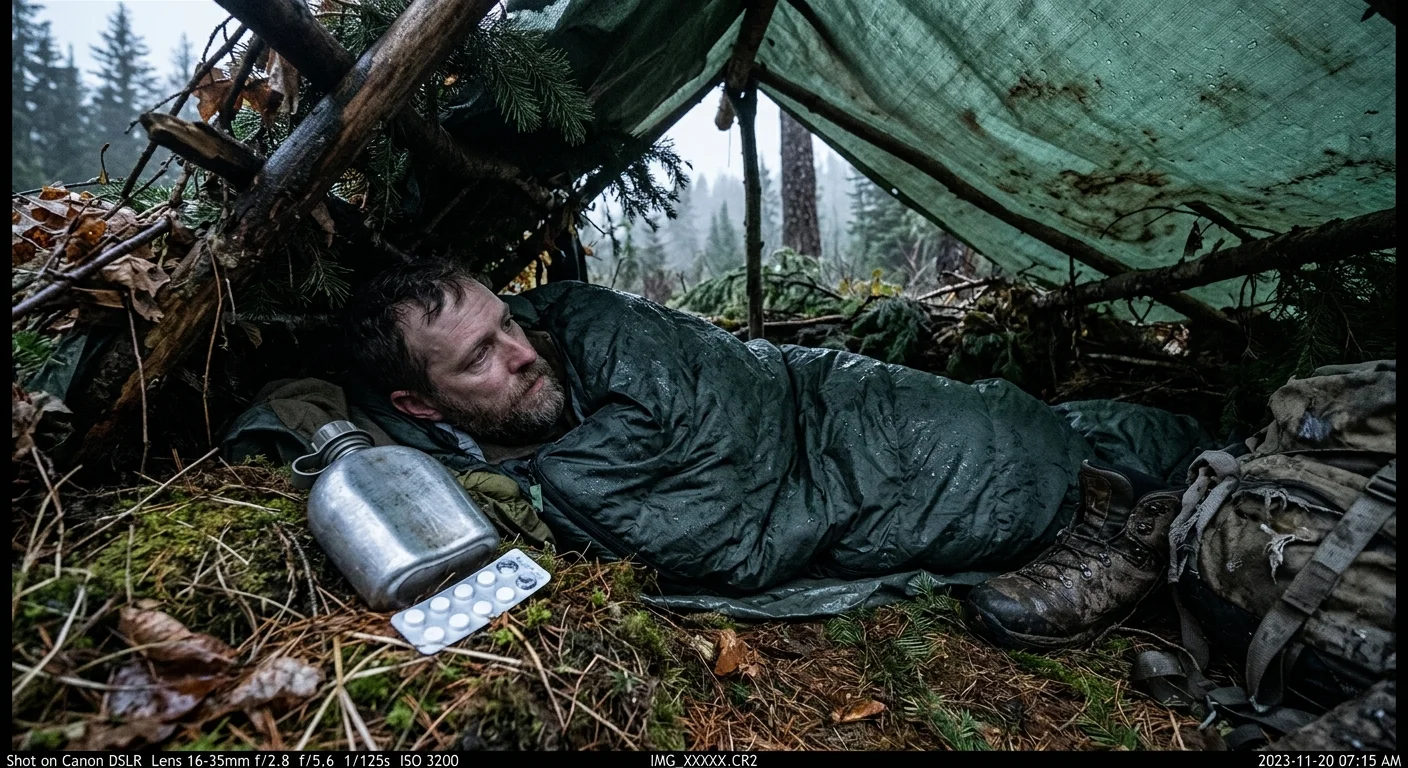
Three days. That's how long dehydration takes to kill you — and your judgment starts slipping long before that.In extended expeditions and training environments, wholesale tactical hunting apparel for outdoor survival courses and expeditions is designed to support long-duration performance in remote conditions.
Water beats food in every wilderness survival system. Shelter comes first, then water. Flip that order and food becomes irrelevant.
Skill #36 — Find the Right Source
Moving water wins over still water, every time. Rivers and streams push out contaminants. Stagnant pools grow Giardia. Springs and seeps that filter through rock tend to be the cleanest surface water you'll find.
On your topo map, target low drainages and U-shaped bends. Stay away from anything downstream of farmland or busy game trails.
Skills #37–39 — Three Purification Methods
Boiling : Kills 99.9% of pathogens. One minute at a full rolling boil. Simple. All you need is fire and a container.
Filter : A Sawyer Mini weighs 57 grams and covers most field scenarios. Run murky water through a shirt first to pre-filter the big stuff.
Tablets : Under 10 grams total. Two drops of bleach per liter, wait 30 minutes. Your best backup option when other methods fall through.
Skill #40 — Plan Your Water Stops
Budget 3–4 liters per day for drinking and cooking. Mark refill points every 10–15 kilometers before you leave camp.
Pro Tip : Carry a dedicated dirty-water bag. Collect first, purify at camp. Keep dirty water away from your clean vessel — no exceptions.
Field First Aid Skills Every Hunter Should Practice (Skills #41–55)
Bleeding, broken bones, and hypothermia cause 60% of all field incidents — and none of them wait for a good time. Reliable gear matters here too — many hunters trust custom camouflage hunting apparel suppliers that prioritize durability and concealment while maintaining comfort during emergency response situations.The backcountry doesn't call an ambulance. You are the ambulance.
Every serious hunter carries a first aid kit. Not every hunter knows how to use one. That gap gets people killed.
Skill #41 — Build the Right Kit for Your Hunt
Two configurations. Pick based on pack weight and trip length.
Lightweight Kit (under 2 lbs) — day hunts, close-in country:
- CAT or SOF-T tourniquet (1x)
- 6" Israeli compression bandage (1x)
- SAM splint, foldable 36" (1x)
- Antibiotic ointment packets (4x), antiseptic wipes (10x), elastic bandages (2x), ibuprofen 200mg (10 tabs)
Full-Function Kit (4–6 lbs) — multi-day backcountry:
- Two tourniquets — one primary, one backup
- Israeli bandages in both 6" and 4" (2x each)
- QuikClot hemostatic gauze (2x), HyFin chest seals (2x)
- SAM splints (2x), burn gel, moleskin, tick remover
Pro Tip : Pack the kit you'll carry. A full kit sitting in the truck does nothing when you're three miles deep.
Skills #42–44 — Stop Bleeding First, Ask Questions Later
Deep cuts from knives and broadheads are hunting's most common serious injuries. Here's the sequence:
Direct pressure — gauze, 5–10 minutes, no peeking
Elevate the wound above heart level if possible
Tourniquet if bleeding won't stop — place it 2–3 inches above the wound, note the exact time on the strap or your wrist
Clean with antiseptic. Wrap with an Israeli bandage, snug and tucked. Watch for redness spreading more than two inches from the wound or any discharge. That's infection moving in.
Skills #45–47 — Fractures and Sprains in the Field
A broken bone in the backcountry isn't a hospital problem yet — it's a stabilization problem first.
Fracture protocol:
1. Check circulation, movement, and sensation before and after splinting
2. Pad a SAM splint and secure it to the joint above and below the break
3. Elevate and put ice on it in 20-minute cycles if available
4. Do not try to realign the bone. Splint it where it sits. Then get out.
Ankle sprains follow RICE — Rest, Ice, Compression, Elevate above heart level. Buddy-tape if stable. The ankle won't hold weight at all? Splint it with a SAM splint or a stick-and-bandage wrap before you move.
Skills #48–50 — Hypothermia: Catch It Early
Body temperature drops below 95°F (35°C) and the brain starts lying to you. Wind chill below 20°F (-7°C) speeds that up fast.
Know the warning signs. Shivering comes first. Then confusion and fatigue. Then — the dangerous part — shivering stops. No shivering in cold air is a red flag, not a good sign.
Response sequence:
1. Get out of the wind. Strip off wet clothing right away
2. Warm the core: skin-to-skin contact, warm fluids (no caffeine, no alcohol), dry insulation
3. Skip the hot bath — sudden rewarming triggers shock
4. Watch breathing the whole time
Skills #51–53 — Heat Stroke Hits Without Warning
Temperature above 104°F (40°C) combined with humidity over 70% brings heat stroke. The warning sign most hunters miss: sweating stops . Confusion, rapid pulse, and nausea come next.
Immediate steps:
1. Move to shade. Put wet cloths on the skin and fan hard
2. Pack ice at the neck, armpits, and groin — the major blood flow points
3. Give electrolytes if the person is awake and can drink
4. No aspirin. No improvement in 30 minutes? Get them out
Skills #54–55 — CPR and Satellite Evacuation
Field CPR without equipment:
1. Check for a response. No response? Trigger your satellite communicator now (Garmin inReach, SPOT)
2. 30 chest compressions : two inches deep, 100–120 per minute, center of the chest
3. 2 rescue breaths : head tilt, pinch nose, one second per breath
4. Keep the 30:2 cycle going until help arrives. Solo? Run 120 compressions, then take 30 seconds to send GPS coordinates and injury details
Give your exact GPS coordinates, the type of injury, and the number of people in your group. Rescue teams need that information to be right.
The hunters who walk out of bad situations aren't just lucky. They prepared for the worst before they ever left the trailhead.
Animal Tracking Skills and Reading Hunting Terrain (Skills #56–65)
The ground tells the whole story — you just need to know how to read it.
Tracking isn't mystical. It's applied observation. Every print, scrape, and broken twig is data. Stack enough data together and you stop reacting to animals. You start predicting them.
Skill #56 — Read a Deer Track Like a Map
Measure toe-to-toe length first — that gives you body size. Watch stride pattern next.
Short stride, wide spread = fast movement.
Long, narrow stride = calm, unhurried walk.
Crisp edges with sharp impressions mean the track is under 24 hours old. Crumbled, soft edges? You're looking at 1–3 days of history.
Fresh tracks carry a faint earth smell. Press your finger at the edge. Clean hold means the animal is close.
Skills #57–58 — Multi-Species Sign and What It Means
Heavy canine tracks signal coyotes or wolves working the same ground. That directly affects fawn survival. Cats and foxes near nesting areas do more to explain turkey declines than any population study ever will.
Turkey tracks are easy to spot — three toes splayed outward, the largest print among game birds. Confirm presence first. Then build a pattern from there.
Skill #59 — Rubs, Scrapes, and Rut Timing
Bucks rub saplings 2–6 inches in diameter starting in October. Scrapes — dirt pits 6–18 inches wide — appear during pre-rut and peak rut. Find a rub line connecting two scrapes and you've found a travel corridor worth hunting hard.
Skills #60–62 — Terrain-Based Tracking
Soft loam, snow, and sand give you clean impressions. Hard rock and dry dirt give you almost nothing. Shift your focus to scat and disturbed vegetation on those surfaces. In forests, leaf litter covers tracks. Check broken twigs at knee height and flattened ground cover instead.
Pro Tip : Carry a measuring tape and camera. Log every major track cluster with GPS coordinates. Visit multiple sessions and the patterns will show themselves.
Skills #63–65 — Landscape Reading and Predictive Movement
Half of tracking happens before you touch a single print. Mark "islands" — food sources, water, dense cover — on your topo map.
1.Herbivores orbit these islands.
2.Predators follow herbivores.
The open ground connecting islands? That's a travel corridor, not a hunting spot.
After a shot, use the terrain to predict movement. Wounded animals push toward water, thick cover, and familiar trails. Check two things fast: wind direction and the animal's first reaction. A hard jump means a hit. A low bolt suggests a miss. Both clues cut your search time.
Wild Game Processing and Field Dressing Techniques (Skills #66–75)
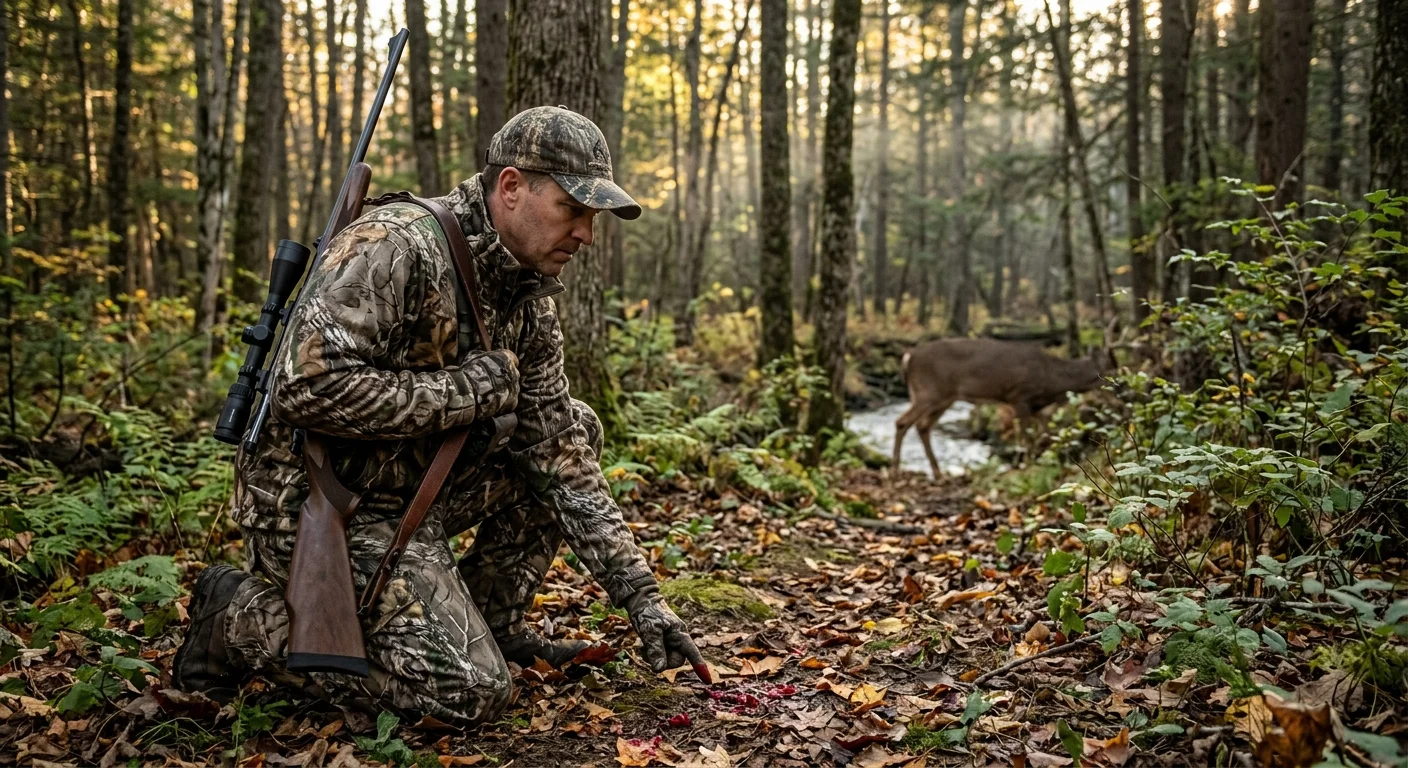
Meat spoils fast. You spent hours finding, stalking, and killing that animal. Two hours in warm air with an unprocessed carcass wastes all of it.
Skill #66 — Field Dress Right Away
Heat is your enemy the moment the animal hits the ground. Get your knife out fast.
Position the animal : Back flat, head uphill, hind legs spread wide and braced with rocks or branches.
Initial cut : Start at the sternum, run the blade to the pelvis — 4 to 6 inches to open the cavity. Cut shallow. Piercing the stomach ruins meat and poisons the cavity fast.
Circle the anus 2–3 inches out, then tie off the rectum before pulling
Open the chest cavity through the diaphragm
Pull the heart and lungs first, then work the intestines out sideways
Split the pelvis to extract the lower intestines in one clean pull
Wipe the cavity with a cloth. Prop it open for airflow.
Skill #67 — Temperature Decides Your Next Move
Above 40°F : Pull the hide off fast — it traps body heat like insulation. Cool the carcass with running water or pack it in a cooler. Quarter elk and moose on-site. Large body mass holds heat too long and meat goes bad before you know it.
Below 40°F : Leave the hide on for 3–4 hours. The ambient cold will drop the carcass temperature on its own.
Skills #68–70 — The Gutless Method
No tree to hang from? No problem. The Alaska gutless method works solo on the ground. Skin, quarter, and bone out all edible meat without opening the body cavity at all. It's faster in cold weather. It's also cleaner in tight terrain.
Skills #71–75 — Knife, Wrapping, and Common Mistakes
Use a 4–6 inch blade — sharp, clean, and honed before you start. Wear disposable gloves. Drop the entrails well away from roads.
Wrap meat in breathable game bags . Add cheesecloth and black pepper to repel flies. Keep it dry. Moisture is where bacteria grow.
Pro Tip : A dull knife tears tissue and contaminates meat. Hone your blade before the first cut — not after.
Wildlife Safety and Predator Awareness Skills (Skills #76–85)
Predators were here before you. They know the terrain. You don't.
That gap shrinks fast once you learn to read sign, behavior, and the right response for each animal. Skip that knowledge and you're a slow-moving target in somebody else's territory.
Read the Sign Before You See the Animal
Fresh bear scat runs 1–4 inches in diameter , packed with berries or vegetation. Cougar scat is segmented, about 1 inch wide , full of hair and bone fragments. Both look nothing like what a deer leaves behind. Moist, shiny scat means the animal passed through within the last 24 hours.
Claw marks separate species at a glance. Grizzly scratches run 4–7 feet high on tree trunks with deep parallel gouges — grizzly claws extend 4–5 inches. Black bear marks sit lower and shallower, made by 2-inch claws.
Find sign within 0.5 miles of camp? Relocate. Not tomorrow. Now.
Encounter Protocols by Species
Animal | Response |
|---|---|
Black bear / Cougar | Fight back — eyes and nose |
Grizzly (defensive charge) | Deploy bear spray at 25–30 ft |
Any predator, first contact | Group up, make noise, back away slow and steady |
Bear spray stops 92% of charges . A 12-gauge slug stops 96% — but stress drops your hit rate to around 50%. Spray wins on pure accessibility. Holster it on your chest. You need it in under three seconds.
Harden Your Camp Every Night
Hang food 12 feet high, 6 feet from the trunk, 100+ yards from your tent . Cook and eat 100 yards downwind of your sleeping area. Burn scraps. Pack everything else out. No cosmetics in the tent — ever.
Pro Tip : Birds tell you what you can't see. Mobbing calls and sudden silence both signal something moved in close. Read bird language and you get 30–60 seconds of warning before any visual contact.
Survival Mindset and Mental Resilience for Hunters (Skills #86–95)
Gear fails. Weather turns. Bodies break down. What keeps a hunter moving through all three at once is the one thing you can't buy at an outfitter: a trained mind.
Skill #86 — Know the Rule of 3s
Three minutes without air. Three hours exposed to the elements. Three days without water. Three weeks without food. That order is your survival decision tree. Panic hits. Your brain starts spinning. Run this list. It tells you what to fix first.
Skill #87 — Master the S.T.O.P. Method
Stop. Halt movement. Breathe deep before you touch anything.
Think. Assess your actual situation, not your feared one.
Observe. Read the weather, the terrain, and what resources you have around you.
Plan. Set small goals — reach that ridge, make camp by sundown, eat at noon.
Small wins add up. Break a bad day into steps you can actually manage. You'll outperform the hunter chasing one desperate fix every time.
Skills #88–90 — The Five Mental Resilience Attributes
Survivors share a clear mental pattern. Build all five traits:
Positive Attitude — Not blind optimism. Active, conscious pushback against negative thinking.
Mental Toughness — The ability to want to quit and keep moving anyway.
Motivation — Tied to real goals: the hunt, your fitness, getting home safe.
Work Ethic — Consistent discipline builds a mental rhythm that holds under pressure.
Adaptability — Conditions change. Plans fall apart. The survivor adjusts to new reality fast.
Skill #91 — The 3-Second Negative Thought Rule
Give yourself three seconds of panic. Then push back hard. Negative loops — I'm lost, I'm done, this isn't fixable — are the real threat in a survival situation. Not the cold. Not the dark. Cut those thoughts off before they spiral.
Skills #92–95 — Train Resilience Before You Need It
Mental toughness isn't built in the field. You build it before you ever get there. Practice it ahead of time so it's ready under pressure.
Simulate pressure : Picture every outcome — good and bad — before the season opens
Debrief every hunt : Identify where your discipline held and where it cracked
Build a communication plan : File your route, your expected return time, and a clear rescue trigger — 24 hours overdue, someone makes the call
Run the routine : Set your meal times, rest times, and check-ins on a fixed schedule. That structure gives you stability inside chaos
Pro Tip : The hunters who fall apart on day three of a solo backcountry hunt aren't weaker people. They just never put themselves through discomfort before it counted.
Essential Hunting Gear and Clothing Skills for Backcountry Safety (Skills #96–100)
Bad gear doesn't just make you uncomfortable — it makes you a casualty.
Skill #96 — Build Your Kit in Three Layers
Gear works like shelter: build in layers, build in backup. Start with safety basics:
- Blaze orange for visibility
- Layered clothing for temperature control
- Waterproof boots broken in over 20+ miles
Then add your skills tools :
- Fixed-blade knife
- Multi-tool
- Binoculars
Back all of that with emergency reserves :
- Mylar survival blanket
- Fire starter
- Game bags
- Water filter
Each layer covers what the one before it can't.
Skill #97 — Dress for the Terrain, Not the Forecast
Use a three-layer system — no exceptions. You need a moisture-wicking base, an insulating mid layer, and a waterproof outer shell. Each layer does a specific job, and skipping one puts you at risk.
Alpine terrain calls for merino wool plus Gore-Tex rated at 20k waterproof. Wetlands require breathable waders. Your outer layer's DWR rating needs to exceed 10k mm hydrostatic head. Anything below that fails in heavy rain — full stop.
Don't dress for the morning forecast. Dress for what the terrain will throw at you by noon.
Skills #98–100 — Knife, Multi-Tool, and the Upgrade Path
Carry both. A belt knife — 3–5" drop-point, full-tang 1095 steel — handles field dressing cleanly. The multi-tool covers everything else: repairs, rigging, camp tasks, and quick fixes in the field.
New hunters: put 40% of your first $1,000 into boots . That one choice cuts your field failure risk by 80%. Cheap boots destroy your feet, slow your pace, and end your hunt early. No piece of gear punishes you faster for going budget.
Skills still outpace gear — always. But the right gear lets your skills actually show up.
Conclusion
Every skill in this guide exists for one reason: to bring you home.
These 100 hunting and survival skills cover everything from reading a topographic map at dawn to breaking down a whitetail before dark. They aren't a checklist to memorize. They're a language to learn. The hunters who move through the backcountry with quiet confidence didn't get there by luck. They got there by doing the work — one skill at a time — until instinct replaced hesitation.
Start where you are. Pick three skills you don't yet own and drill them this season. Practice fire-starting in the rain. Walk new terrain without your phone. Sharpen that hunting knife until it shaves hair.
The wilderness rewards preparation. It punishes assumption.
Gear matters too. The right hunting clothing sits between competence and catastrophe — it's that critical. Check out Berun's backcountry hunting collection and outfit yourself like a hunter who plans to come back.
Now get out there. The woods are waiting.