You commit to swimming as your go-to workout. Then you hit the water — and realize there's a lot more going on than you expected. Different strokes, different techniques, different everything .
Most swimmers spend years sticking to one or two moves. They never find out what their body can really do.
This guide covers all 8 types of swimming strokes — from the powerhouse butterfly to the forgotten trudgen. You get full technique breakdowns, fitness benefits, and straight-up training tips to help you swim smarter, not just harder.
New to the pool or sharpening your competitive edge? There's something here that will change how you move through water.As technique evolves, professional swimwear manufacturers and custom swimsuit services continue to refine how swimmers reduce drag and improve efficiency in every stroke.
1. Freestyle (Front Crawl) — The Fastest Stroke and How to Perfect It
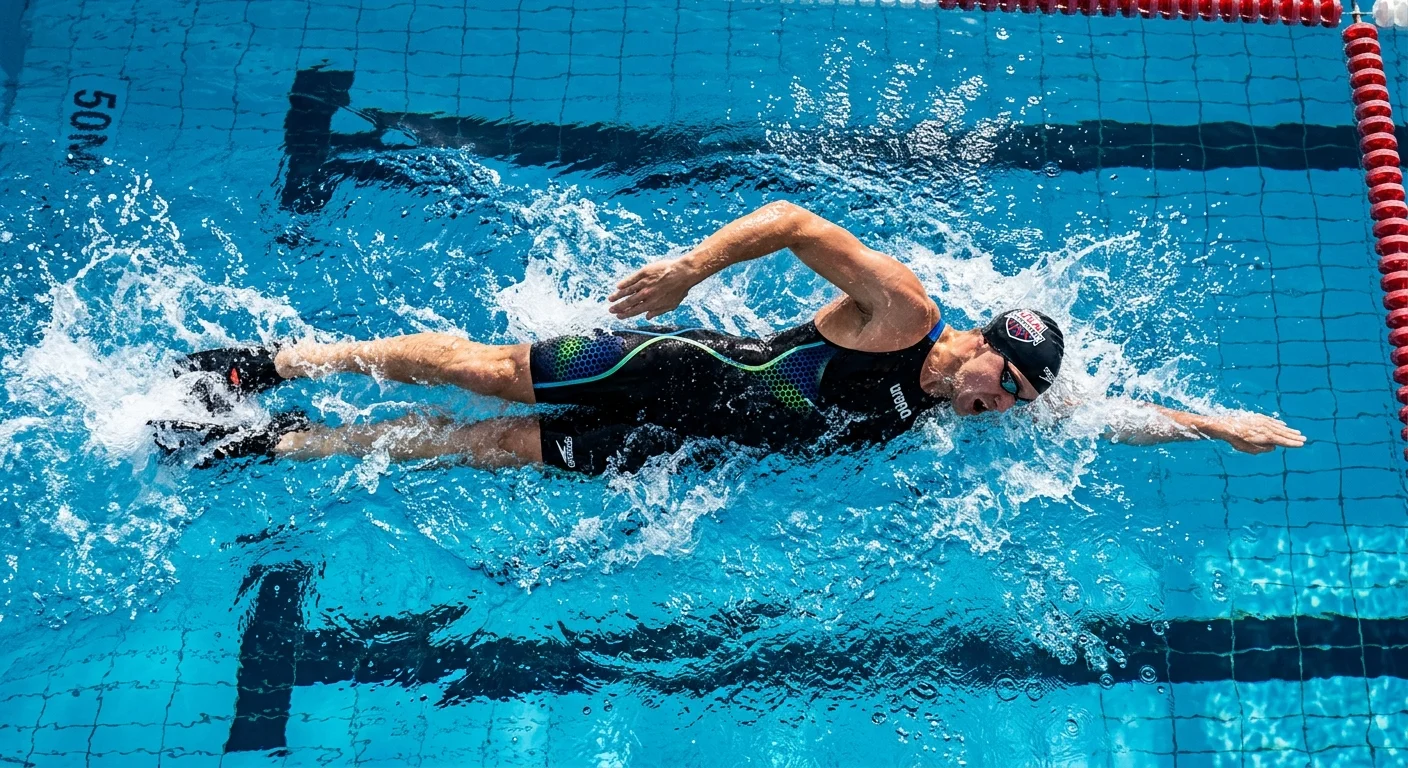
Cesar Cielo Filho covered 50 meters in 20.91 seconds in 2009. That record still stands. No other stroke comes close. Freestyle outpaces backstroke, butterfly, and breaststroke in every distance category. Speed is your goal? Start here.
What Makes Freestyle Fast
The secret isn't power. It's drag reduction .
Your hand enters the water at a 45° angle , fingers first, thumb-side down. Go in straight overhead and you fight 20–30% more resistance on every stroke. Underwater, your arm traces a smooth half-moon arc — high elbow catch, pull straight back to the hip. That propulsive phase lasts 0.7 seconds per cycle. Every fraction counts.At the elite level, swimmers often rely on custom freestyle swimsuit services to fine-tune fit and maximize hydrodynamic efficiency during high-speed strokes.
Body roll matters just as much. Aim for 60–80° per side . Flat swimmers stall. Rollers glide.
Kick Rhythm — Match It to Your Distance
Rhythm | Best For | Stroke Rate |
|---|---|---|
2-beat | Distance (400m+) | 40–50 SPM |
4-beat | Mid-distance | 60–70 SPM |
6-beat | Sprints (<200m) | 80–100 SPM |
Most amateurs sit around 40–50 SPM — too much glide, not enough momentum. Push to 70–90 SPM and you'll pick up a 5–10% pace gain fast.
Three Errors That Slow You Down
Arm crossing the midline — Your pull drifts inside the shoulder line. Fix it with single-arm drills. Keep your elbow high the whole way through.
Over-rotating to breathe — Past 90° and your recovery dies. Eyes down, chin toward your armpit. Breathe every 2–3 strokes .
Knee-driven kick — A knee bend past 10° creates drag. That drag burns 15–20% of your energy for nothing. Drive from your hips. Keep ankles loose.
Gear That Works With You
Low-profile goggles cut head drag by 2–5mm . That's a small number, but it adds up across hundreds of strokes. For suits, a seamless, low-drag cut shaves 1–2% off your 50m time. Berunclothes.com carries low-contour freestyle models — worth a look before your next session.
2. Backstroke — The Swimmer's Best Friend for Back Health
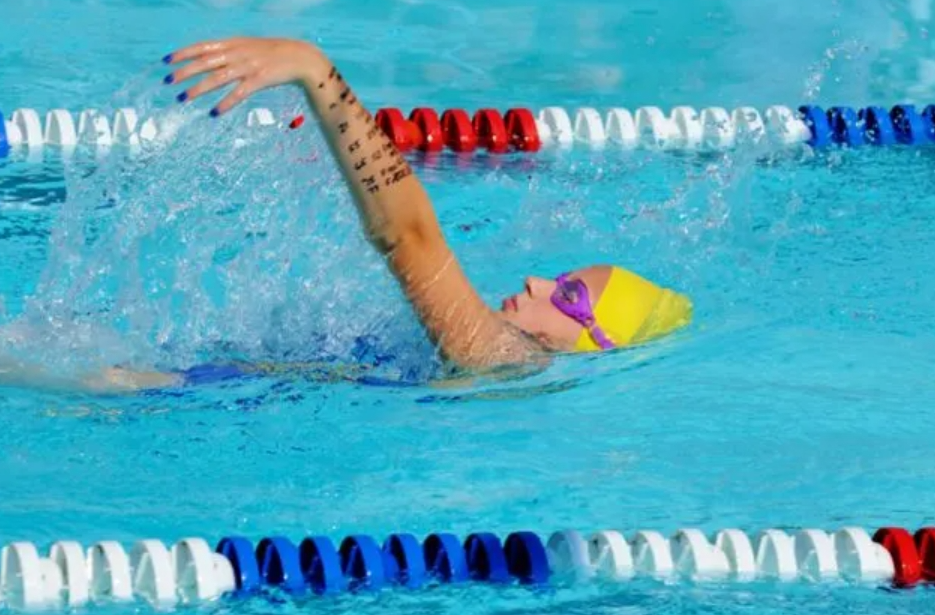
Lie back. Let the water hold you. Of all eight strokes, backstroke is the one that gives something back to your body.
It burns 400–600 calories per hour . You'll work your lats, chest, arms, glutes, and core. Your spine stays decompressed. Your joints stay relaxed. Running leaves your back aching? Backstroke is your answer.To maintain alignment and reduce drag, many advanced swimmers turn to professional backstroke swimsuit manufacturers for suits designed specifically for supine stability.
The Real Challenge: Swimming Straight Blind
You can't see where you're going. That's the defining problem of backstroke. It trips up almost every beginner.
Two fixes that work:
- Count ceiling tiles between strokes — pick two reference points on both sides to stay centered in the lane
- Use the overhead flags — those lane markers exist to guide backstroke swimmers. Track them on every lap. They keep you straight.
Where Most Swimmers Go Wrong
Hips sinking is the most common fault. It comes down to weak core stability , not a poor kick. A drooping hip creates drag. No amount of arm power fixes that.
Hand entry matters too. Keep your arms at shoulder-line extension — not wider, not narrower. Going too far either way puts extra stress on your shoulder joints. Do that enough times, and overuse injuries build up.
Who Benefits Most
People with existing back tension do well with this stroke. It strengthens the muscles that support your spine — lats, erectors — without putting pressure on them. Doctors also recommend backstroke during pregnancy. It reduces spinal load and lets the water carry the weight your joints normally handle.
Gear Worth Having
A well-fitted silicone cap reduces drag and keeps your head stable. Anti-fog goggles are non-negotiable. You're staring at the ceiling the whole time. A fogged lens throws off your line and sends you drifting into the next lane.
3. Breaststroke — The Beginner-Friendly Stroke With Deceptively Complex Timing
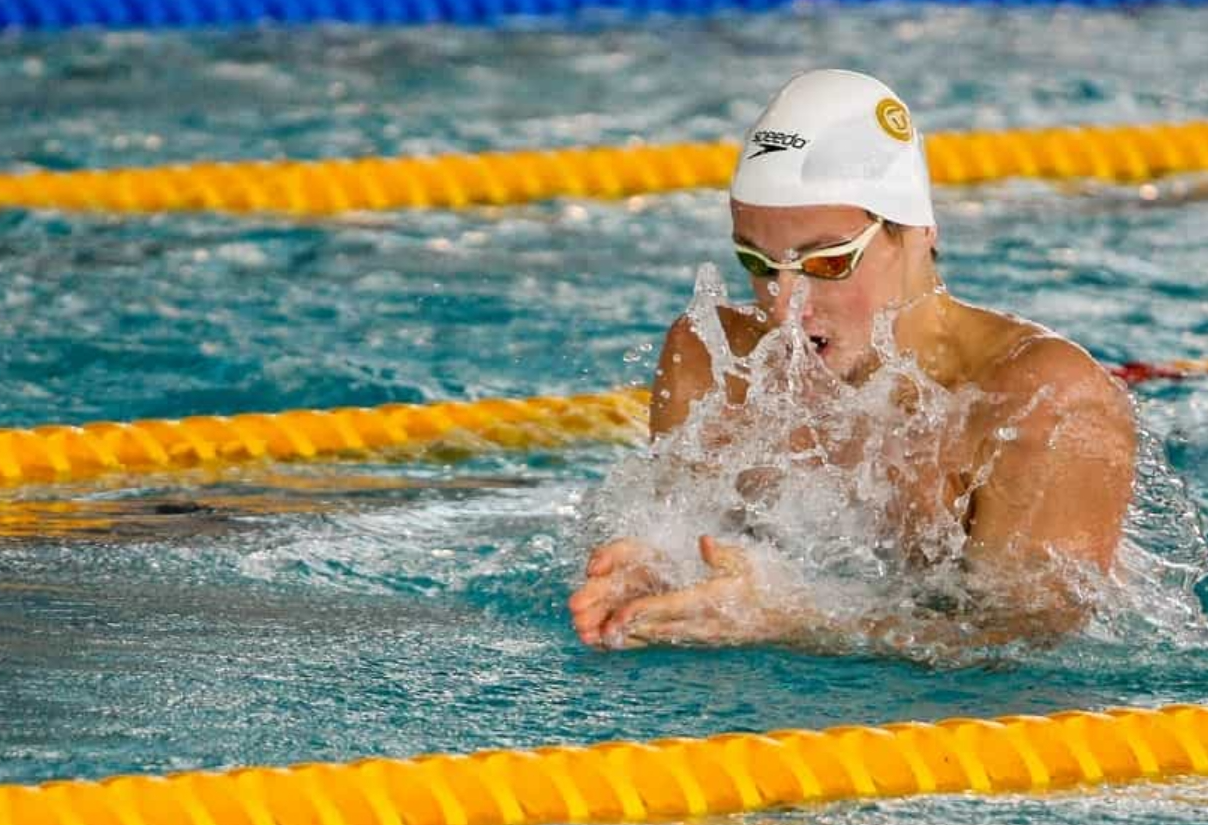
Breaststroke looks effortless from the pool deck. Underwater, it's anything but.
Most beginners learn this stroke first — and most swimmers never fully crack it. The reason is timing. Pull, breathe, kick, glide. Four beats. One continuous rhythm. Get the sequence wrong and you lose speed on every single cycle.At a competitive level, swimmers often explore custom breaststroke swimsuit services to improve glide efficiency during the critical recovery phase.
The Four-Beat Rhythm That Decides Everything
Elite breaststrokers keep 20–30% of their kick speed through the glide phase. Most recreational swimmers drop 50–80% of theirs. That gap isn't about fitness. It's about timing.
At 100m pace, each stroke cycle takes 1.0–1.25 seconds . At 200m, it stretches to 1.6–1.8 seconds . The glide isn't dead time — it's where your momentum either holds or collapses.
Stroke count tells the real story:
Competitive swimmers cover 25 meters in 14–18 strokes at 50m pace
Pull more strokes than that, and your timing is bleeding speed somewhere
Whip Kick vs. Wedge Kick — Pick the Right One
Kick Type | Best For | Why |
|---|---|---|
Whip Kick | Competitive swimmers | More propulsion, lower speed loss |
Wedge Kick | Recreational or bad knees | Lower impact, forgiving on joints |
The wedge kick works well for anyone dealing with knee discomfort. Keep ankle eversion at 15–20° and drive your legs inward firmly. That combination keeps knee rotation in a safer range and cuts injury risk.
Calories and What You're Training
Breaststroke burns 600–700 calories per hour for a 70kg adult. That's lower than freestyle and butterfly. The trade-off is a much lower stroke rate — around 5–6 strokes per 25 meters . It's easy on the body and holds up well across long sessions.
One Drill Worth Doing Every Session
Push off the wall and track your underwater glide distance. Elite swimmers hold 8–12 meters before taking their first stroke. Most beginners surface at half that. Focus on adding 1–2 meters to your push-off glide over six weeks . That's the fastest way to build breaststroke efficiency without overhauling your whole technique.
4. Butterfly Stroke — The Advanced Powerhouse and How to Build Up to It
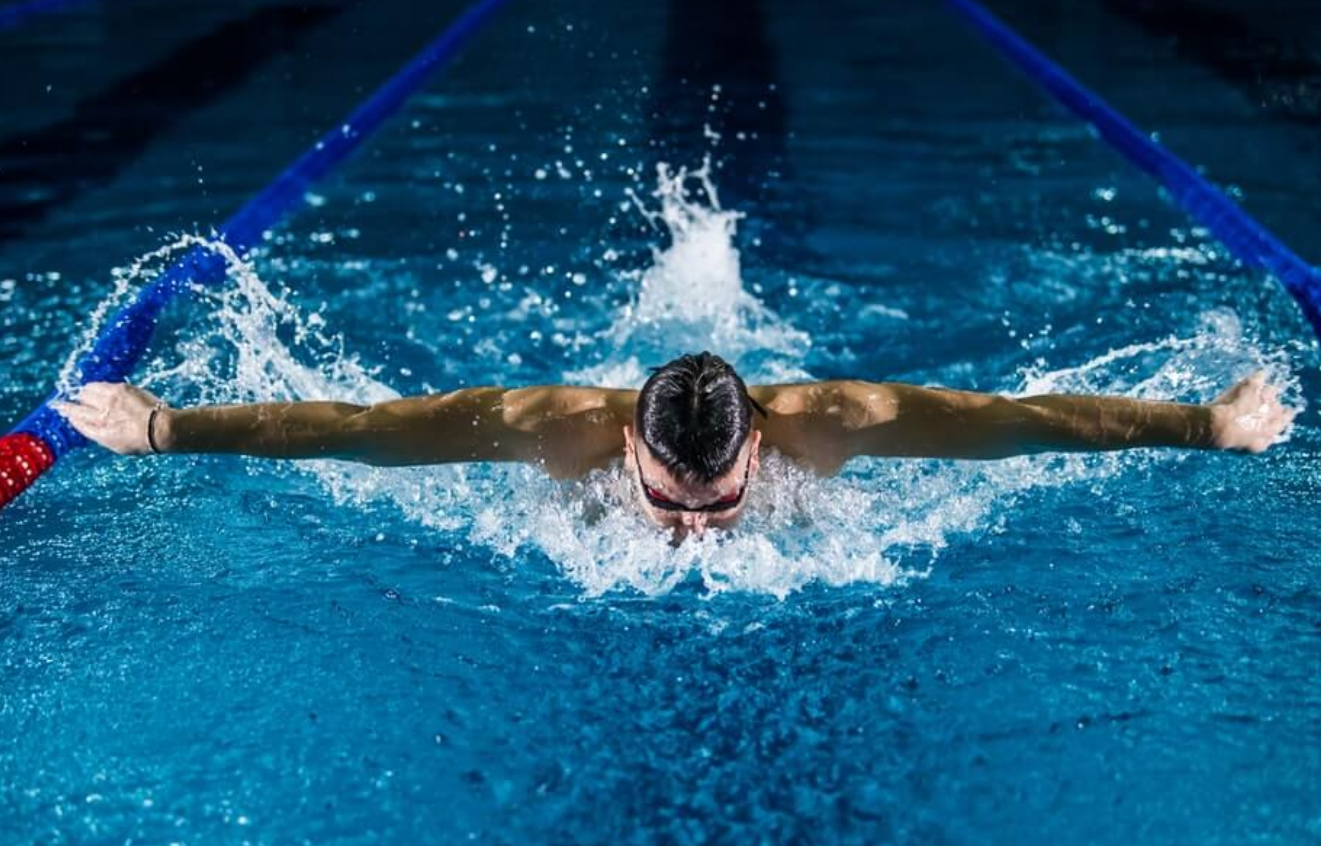
Butterfly breaks people. That's just the truth. It separates swimmers who train from swimmers who commit — and the difference shows within the first 25 meters.
But here's what most coaches won't tell beginners: you don't learn butterfly with your arms. You learn it with your hips. Your chest , to be exact.For elite performance demands, some athletes rely on custom butterfly stroke services to optimize compression and support during high-intensity cycles.
Start With the Dolphin Kick — Everything Else Follows
Grab a kickboard. Forget your arms exist. The undulation wave starts at your chest . It travels through your core and releases through your feet. Head to toe — not waist to toe. That distinction matters more than anything else in this stroke.
Keep the kicks small and fast . A big, splashy kick looks powerful. It isn't. It's slower. Feet stay together. Think flicker, not stomp.
Two kicks happen per stroke cycle:
- First kick — downward, timed at arm entry
- Second kick — during the outsweep, as arms push back
Getting that timing right is everything. Research shows the entry-kick index correlates at r = -0.45 to velocity. The earlier your kick syncs with arm entry, the faster you move.
Stroke Rate Is Your Real Target
Elite sprint butterfly swimmers hold 60+ stroke cycles per minute . That number doesn't happen by accident. Studies confirm stroke frequency correlates with speed at r = 0.83 — one of the strongest kinematic predictors across all strokes.
So what does that mean for you? You need rhythm, not muscle. Smooth, continuous propulsion beats powerful-but-broken cycles every time.
Efficiency data from TritonWear tells a clear story:
Age Group | Strokes Per Length (M) | Strokes Per Length (F) | Underwater % |
|---|---|---|---|
10 years | 12.9 | 12.7 | 15.7% |
25 years | 8.9 | 10.0 | 24.6% |
Better swimmers take fewer strokes and spend more time underwater . That's the progression to chase.
Breathing Without Killing Your Momentum
Lift your head at the outsweep plus second kick upbeat . Let your upper body's natural rise do the work. Eyes go down toward the pool bottom — not forward. A forward gaze increases drag. Looking down lets the water work with you instead of against you.
Protect Your Shoulders
Butterfly is brutal on shoulders once volume gets too high. Keep it to 10–20% of your total session until your technique is solid. Build through short sprint intervals — not long grinding reps. Early vertical forearm (EVF) drills do a lot of good between sets. They lock in your catch position before fatigue takes over.
5. Sidestroke & Elementary Backstroke — The Underrated Strokes for Endurance and Recovery
Nobody talks about these two. That's the exact reason you should learn them.
Sidestroke and elementary backstroke don't show up at the Olympics. No world records. No competitive spotlight. But lifeguards train with sidestroke because it delivers under pressure. Swim programs worldwide link better water safety education — including these strokes — to a 40% decline in global drowning rates . That's a serious number.
Sidestroke — Built for Distance, Not Speed
You lie on your side, body long and low in the water. One arm leads, one trails. Your legs drive a scissor kick — one leg forward, one back, snapping closed to push you forward. The rhythm is slow and steady. Breathing comes easy. No rotation, no timing battle, no breathless scramble.
That's the whole point. Sidestroke burns less energy over long distances. Open water swimmers switch to it as pace drops and fatigue builds. Lifeguards count on it during rescues — one arm stays free to support a victim while the other pulls through the water.
Elementary Backstroke — Your Recovery Stroke
Elementary backstroke is your cooldown lap — but with real purpose behind it.
You float on your back, both arms moving together underwater. They sweep out wide, then draw back in. Your legs copy a reversed frog kick , pushing outward then snapping closed. It's calm, it's slow, and you can hold it for a long time without tiring.
Coaches slot it between hard sets for one reason: it keeps you moving without draining you. Beginners get a lot from it too. It builds back floating, teaches body alignment, and breaks down gentle kick mechanics — all before you tackle the full demands of competitive backstroke.
Who These Strokes Are For
Swimmer Type | Best Stroke | Why It Works |
|---|---|---|
Children (Level 5–6) | Elementary Backstroke | Builds back floating confidence, intro to endurance |
Seniors / Rehab | Both | Low-impact, easy on joints, steady rhythm |
Lifeguards | Sidestroke | Keeps one arm free, saves energy mid-rescue |
Endurance swimmers | Sidestroke | Open water pacing tool |
Pull buoys pair well with both strokes — especially for seniors or anyone dealing with leg fatigue in longer sessions. They cut the load on your legs without touching your upper-body mechanics.
These strokes won't win you a race. But they'll keep you in the water longer, keep you safer, and leave something in the tank for when it actually counts.
6. Combat Sidestroke — The Navy SEAL Technique Worth Stealing for Open Water
Navy SEALs don't swim for fitness. They swim to survive — and the stroke they count on most isn't freestyle.
Combat Sidestroke (CSS) has one purpose: cover distance in open water while staying invisible, efficient, and ready. Low profile. Almost no splash. Eyes forward the whole time. In rough water, currents, and tides, it beats freestyle in every practical category.
How It Works
One full CSS cycle runs three elements on separate timing:
Bottom arm pulls through a breaststroke arc, sweeping to your thigh
Top arm runs a freestyle catch and pull on its own timing
Legs drive a wide scissor kick — a hybrid of sidestroke and breaststroke — pushing more propulsion than a standard scissor kick
Then comes the glide. Hold streamline for 2–5 seconds . That pause is where CSS earns its edge.
Most swimmers hit 3–5 strokes per 25 meters . That's far fewer than freestyle. The SEAL Physical Screening Test sets a 500-yard swim benchmark at under 12:30 minutes . Strong CSS swimmers clear sub-9 minutes — and burn less energy than any comparable stroke to get there.
Train It for Open Water
Drill | Structure | Distance |
|---|---|---|
Endurance block | 100m CSS steady + 50m freestyle fast + 50m recovery | Repeat 10–15x (2,000–3,000m total) |
Mobility builder | CSS with fins | Start gradual; build open water endurance |
Fins are standard SEAL equipment. Add fins, and the scissor kick shifts to a flutter kick. Start in the pool with fins first. This builds ankle mobility before you move to open ocean conditions.
What You Gain Beyond Speed
CSS keeps one hand free — useful for carrying gear or supporting another swimmer. Directional control is sharper than freestyle in rough water. The side profile raises your head just enough for situational awareness. Your streamline stays intact.
For triathletes and open water swimmers, adding CSS sets into longer swims builds emergency stamina. That's the stamina that counts when conditions get rough.
A lightweight rash guard or close-fit skinsuit pairs well with CSS training. It cuts drag in open water and shields you from sun exposure during long sets. That's the kind of kit worth grabbing before your first serious open water session.
7. Trudgen Stroke — The Forgotten Hybrid That Bridges Speed and Endurance
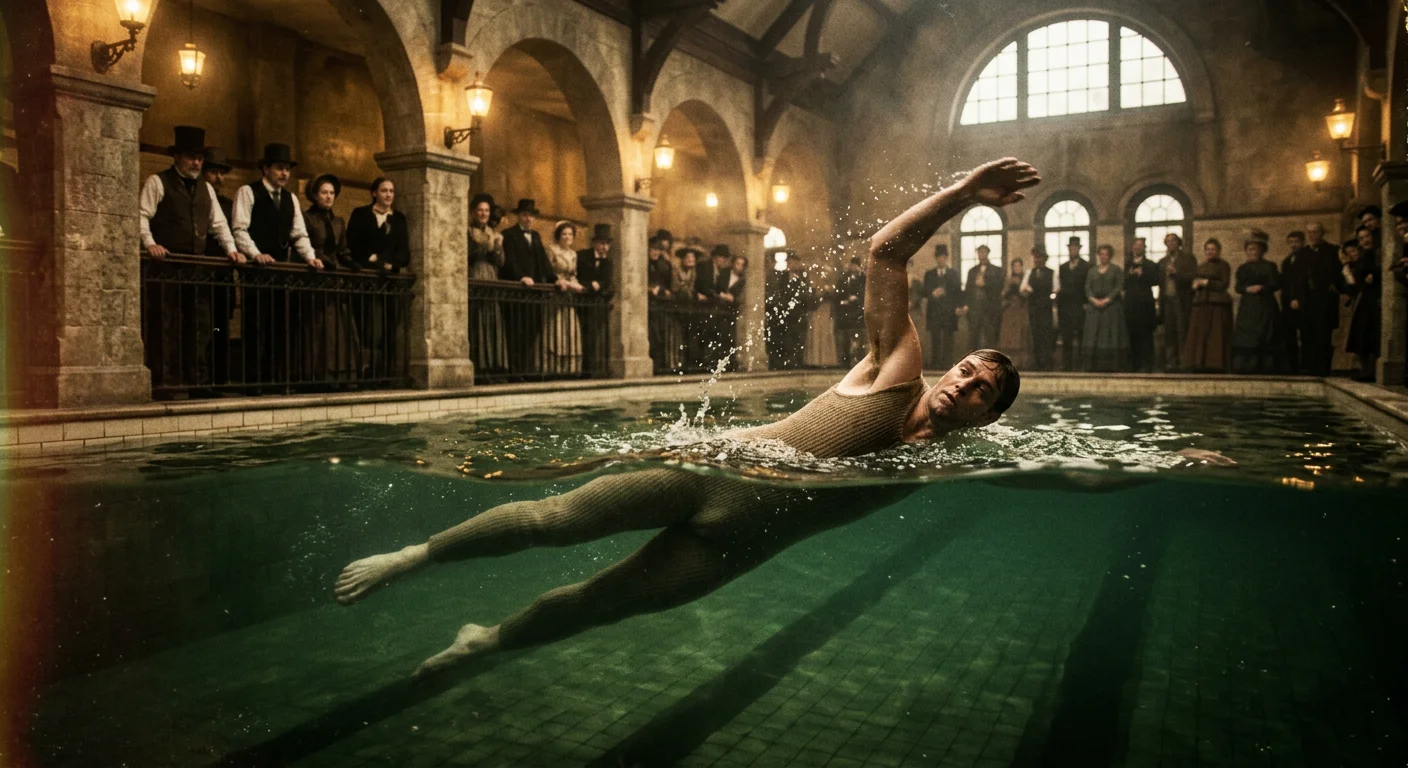
August 11, 1873. John Trudgen jumps into Lambeth Baths and swims 160 yards faster than anyone expected — using a stroke no one had seen before. He alternated overhand arms, added a scissor kick every second pull, and kept his body tilted to one side. That performance won him the 100-yard English Championship two years later. Then around 1900, Alick Wickham's front crawl took over — and the trudgen faded from view.
It never disappeared, though.
What the Stroke Actually Is
Two overhand arms alternate, just like freestyle. Every second stroke, your legs spread wide on recovery, then snap shut on the pull — a scissors motion. Your body stays mostly side-on. You breathe every two strokes. It's slower than freestyle, but the coordination it demands is genuine and not easy to fake.
Where It Still Shows Up
At the 2016 Olympics, elite water polo forwards spent 4.5% of swim time using breast trudgen. That sounds small. But the Spearman correlation between breast trudgen time per match and team success sits at +0.52 . That's a number worth paying attention to.
Why Train It
The trudgen builds three things at once — arm strength, core timing, and leg power — all inside a single movement. The scissor-to-flutter rhythm shift carries over straight into freestyle drills. Roy Saari ran with a trudgen variant to take most of his NCAA titles through the 1960s.
So no, it won't win you a race. But it will make you a sharper, stronger swimmer overall.
8. Swimming Strokes Comparison: Speed, Fitness Benefits & Who Should Choose What
Eight strokes. Eight different demands on your body. The one you pick shapes your entire training approach.
Speed: Where Each Stroke Stands
Freestyle sits at the top — and it's not even close. Cesar Cielo's 50m record of 20.91 seconds still holds. Breaststroke is the slowest of the competitive four. It still trails freestyle by just 5 seconds over 50 meters. That gap matters for pace-based interval work.
One formula separates fast swimmers from the rest:
Distance Per Stroke × Stroke Rate = Speed
Raise your stroke rate by 10% and speed climbs to 1.14 m/s . Improve DPS alone? Smaller gain. The sweet spot combines both — +5% stroke rate, +5% DPS — bringing you to 1.13 m/s with less energy burned.
Who Should Choose What
Your Goal | Best Stroke | Why |
|---|---|---|
Maximum speed | Freestyle | Lowest drag, highest stroke index |
Back health & recovery | Backstroke | Decompresses spine, trains lats |
Low-impact endurance | Breaststroke / Elementary Backstroke | Easy on joints, steady rhythm |
Open water / survival | CSS / Sidestroke | Energy-efficient, practical |
Full-body power | Butterfly | Highest demand, highest reward |
Cross-training variety | Trudgen | Builds timing, arm strength, core |
No single stroke does everything. Freestyle builds speed. Backstroke protects your spine. Butterfly builds raw power. Sidestroke stretches your energy reserves. Rotate through all of them — your body grows stronger from every angle.
Common Swimming Mistakes Across All Strokes (And How to Fix Them Fast)
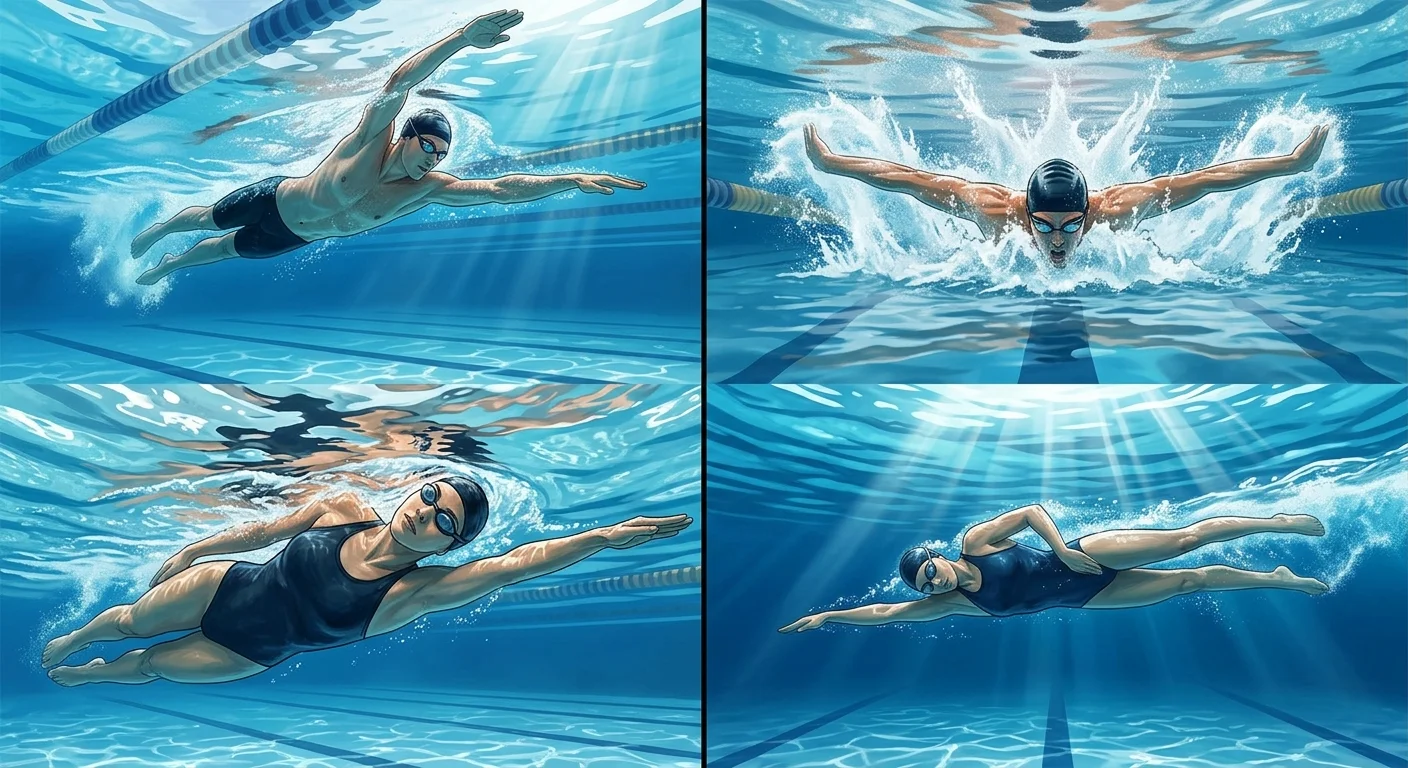
Bad habits don't announce themselves. They settle in lap after lap, until your times stall, your shoulders ache, and you can't figure out why.
Research tells a blunt story: the majority of swimmers carry at least one significant freestyle error — and most don't know it. A dropped elbow during the pull-through phase affects 61% of swimmers . Incorrect head position trips up close to half. These aren't minor quirks. They're speed leaks that compound across every single length.
The good news? Most errors trace back to the same handful of root causes.
The Mistakes That Cost You Most
Your elbow drops. In freestyle and backstroke alike, a low elbow kills your catch before propulsion starts. Fix it with high-elbow sculling drills. Add a snorkel so you can focus on arm mechanics alone, with no breathing distraction pulling your attention away.
Your head lifts to breathe. Your chin clears the water — your hips sink, drag spikes, and your streamline collapses. Keep one goggle in the water as you breathe. Rotate your body. Don't crane your neck.
Your kick comes from the knee. Bent knees create drag and burn out your quads fast. Drive the movement from your hips and glutes. Keep kicks small, fast, and continuous.
Your arms cross the centreline. This throws your whole body off balance. Enter each hand in line with its shoulder — straight forward, no drift inward.
Your push-off goes to waste. A wide turn, a slow turn, a broken streamline off the wall — each one erases momentum you built across the full length. Lock your arms behind your ears, keep your head neutral, and hold your body tight. Hold that position through the breakout. Take your first breath after 2–3 full strokes , not before.
Fix one at a time. The gains stack faster than you'd expect.
Best Gear for Each Swimming Stroke (Equipment Guide for Every Level)
The right equipment does more than make swimming comfortable — it changes what your body can do. Studies confirm 2–6% speed and time improvements from optimized gear alone. At elite level, that margin separates a podium finish from a personal best.
Training Aids Matched to Your Stroke
Kickboard — Great for freestyle and butterfly leg drive at high intensity. Also works well for backstroke drills at sub-max effort.
Hand paddles — A real game-changer for backstroke. Blood lactate drops from 10.03 to 5.85 mmol/l with paddles at max speed, and perceived effort drops with it. For freestyle, paddles lock in the 80–100° elbow angle that drives peak propulsion.
Pull buoy — Essential for breaststroke timing work and freestyle catch-up drills.
Snorkel — Lets you focus on butterfly undulation and breaststroke breathing drills without managing your head position.
Goggles by Stroke and Setting
Situation | Lens Type | Key Feature |
|---|---|---|
Indoor pool | Clear/light tint (80–92% transmission) | Flexible silicone frame |
Outdoor/open water | Polarized or mirrored (15–35% VLT) | 100% UV, 90% glare reduction |
Backstroke | Wide peripheral, clear lens | Anti-fog coating lasting 12hr+ |
Competitive | Low-profile hydrodynamic frame | 5–10% drag reduction |
Suits by Stroke and Level
For freestyle and butterfly, a tech suit cuts drag by 5–7% and adds 2–4cm of buoyancy . Berunclothes.com's competitive line targets sprint optimization directly — bonded seams and a low-cut back keep resistance low at full speed. For backstroke, breaststroke, and recreational training, go with a jammer or brief cut rated at 500+ hours of chlorine resistance . It holds up through hard, regular sessions far better than standard training suits.
FAQ: Everything Beginners Ask About Swimming Strokes
These questions come up at every pool deck, every beginner class, every first open water session. Here are the answers — straight and simple.
What's the easiest stroke to learn?
Freestyle. The movement is natural and shoulder-driven. You can build a working rhythm at 50–70 strokes per minute without months of drilling. No other stroke has a shorter learning curve.
Is freestyle the same as front crawl?
Yes, they're the same stroke with two different names. One full cycle — right arm plus left arm — runs 0.99 to 1.5 seconds at competitive pace.
How many strokes are used in competitive swimming?
Four: freestyle, backstroke, breaststroke, and butterfly. In medley relay, the order goes backstroke → breaststroke → butterfly → freestyle.
Which stroke is easiest on the knees?
Backstroke. It skips the inward scissor motion that loads pressure onto the knee joint — that's the move breaststroke relies on. Freestyle ranks second, at a hip-driven 50–70 SPM.
What stroke rate should beginners target?
For freestyle, start at 50–70 SPM. Try this self-test: swim 7 × 100m. Add 4 SPM each rep. Track your time, stroke count, and effort as you go. Your sweet spot shows up on its own — something like 72 SPM, 1:05 per 100m, effort 8/10.
How do I measure my stroke efficiency?
Count your strokes over 50 meters. Use 55–65% of your height per stroke as your distance-per-stroke target. Run four × 25m sets — normal, long, fast, efficient — and compare the results. That shows you where your energy is going and what's costing you the most.
Conclusion
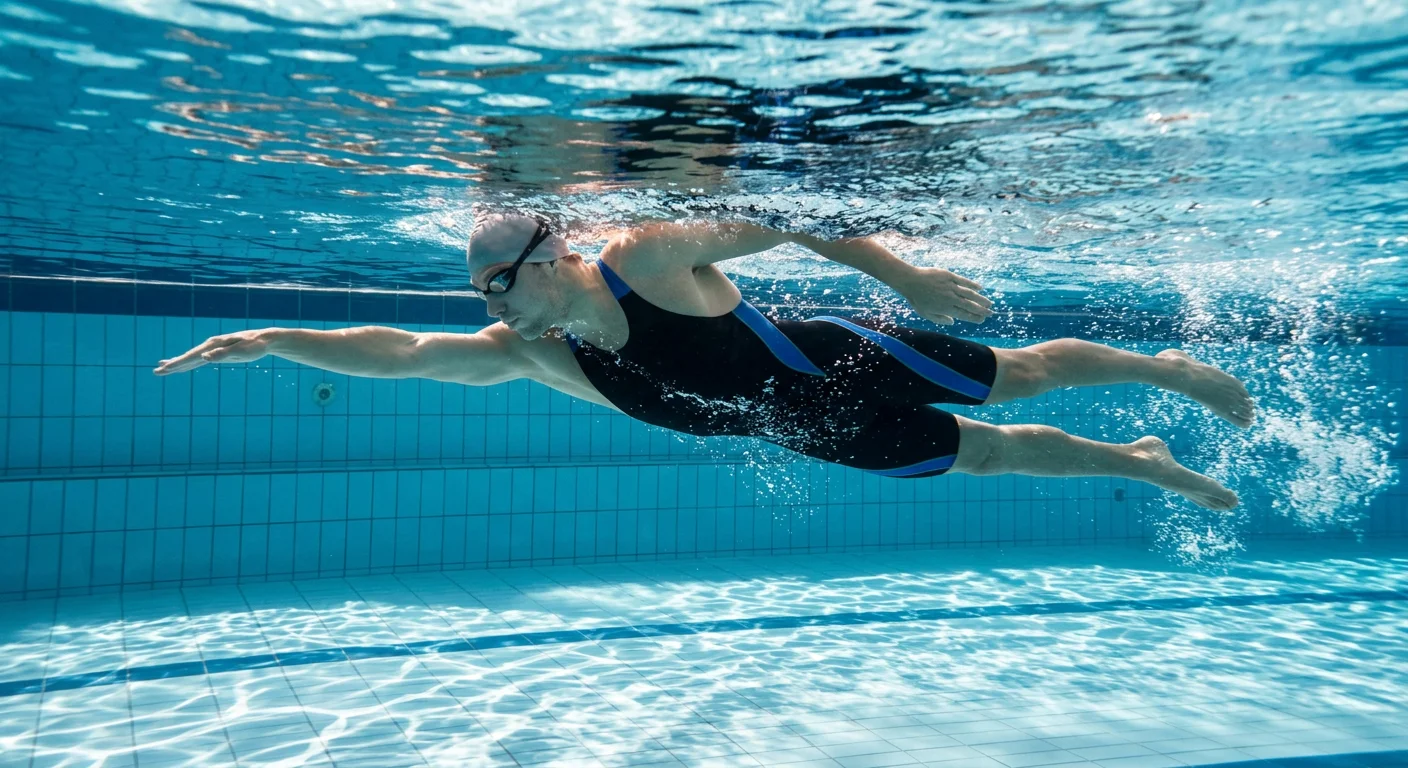
Every stroke in this guide has its own story. Freestyle brings a relentless rhythm. Butterfly demands raw power. Breaststroke offers a meditative pull. The combat sidestroke works with quiet efficiency beneath open water. Eight strokes. Eight different relationships with the water.
Here's what nobody tells beginners: you don't need to master all of them at once. Pick the stroke that calls to you. Drill the fundamentals until they feel natural. Then add the others as your confidence builds. Your body will thank you for the variety — and so will your progress.
The right gear matters too. Your swimsuit should move with your stroke, not against it. That one difference separates feeling restricted from feeling free. Check out Berun's swim collection — performance swimwear built for every technique covered here.
Now stop reading. Go swim. The water's been waiting long enough.