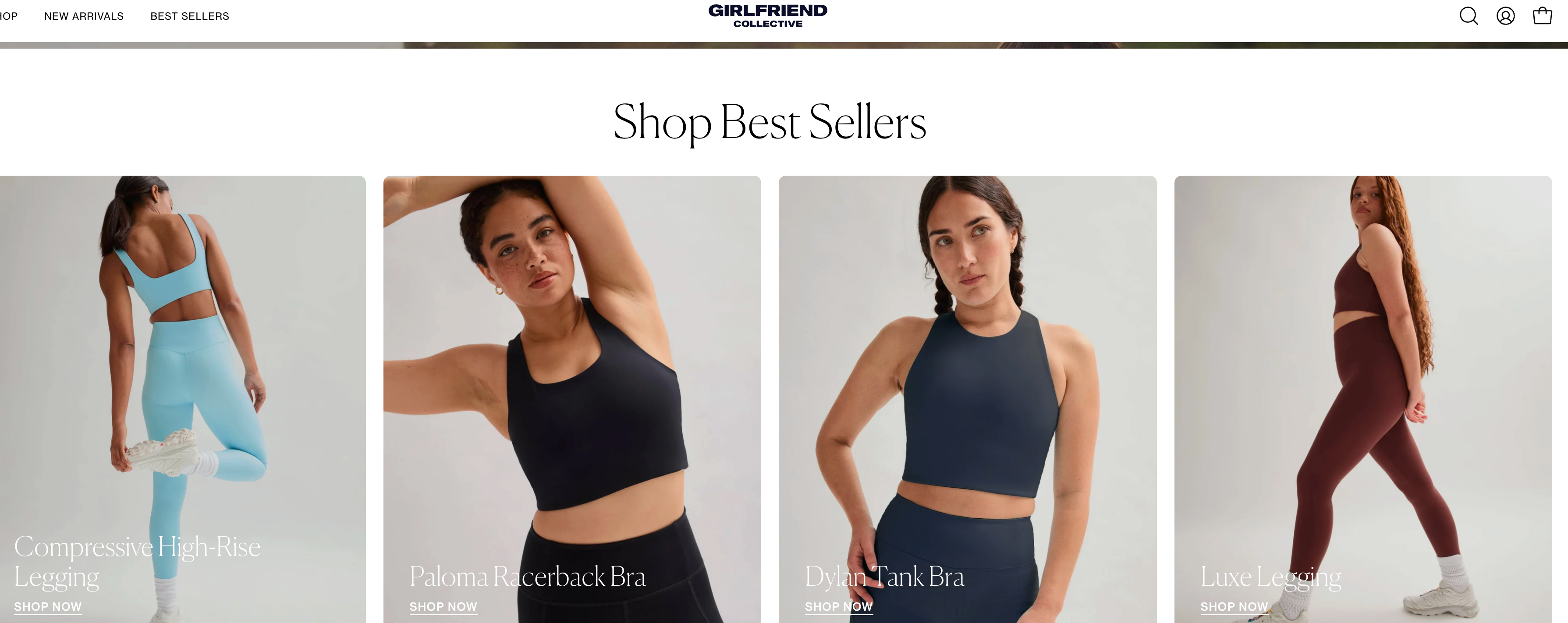
You've stood in front of a class schedule or scrolled through workout apps, asking yourself the same question over and over: yoga or Pilates? Both promise a leaner, stronger body without the brutal intensity of a HIIT session. But for real, visible results, they work in very different ways— and increasingly, both disciplines are supported by evolving performance gear developed alongside yoga clothing suppliers working closely with studios and fitness brands.
Your goal might be burning fat, sculpting a defined core, or just moving through life feeling lighter. Either way, the answer isn't the same for everyone.
This guide gives you an honest, science-backed breakdown of yoga vs Pilates for weight loss and body toning . So you can stop second-guessing and start choosing the practice that fits your body, your goals, and your life.
The Short Answer: Which One Wins for Weight Loss and Toning?
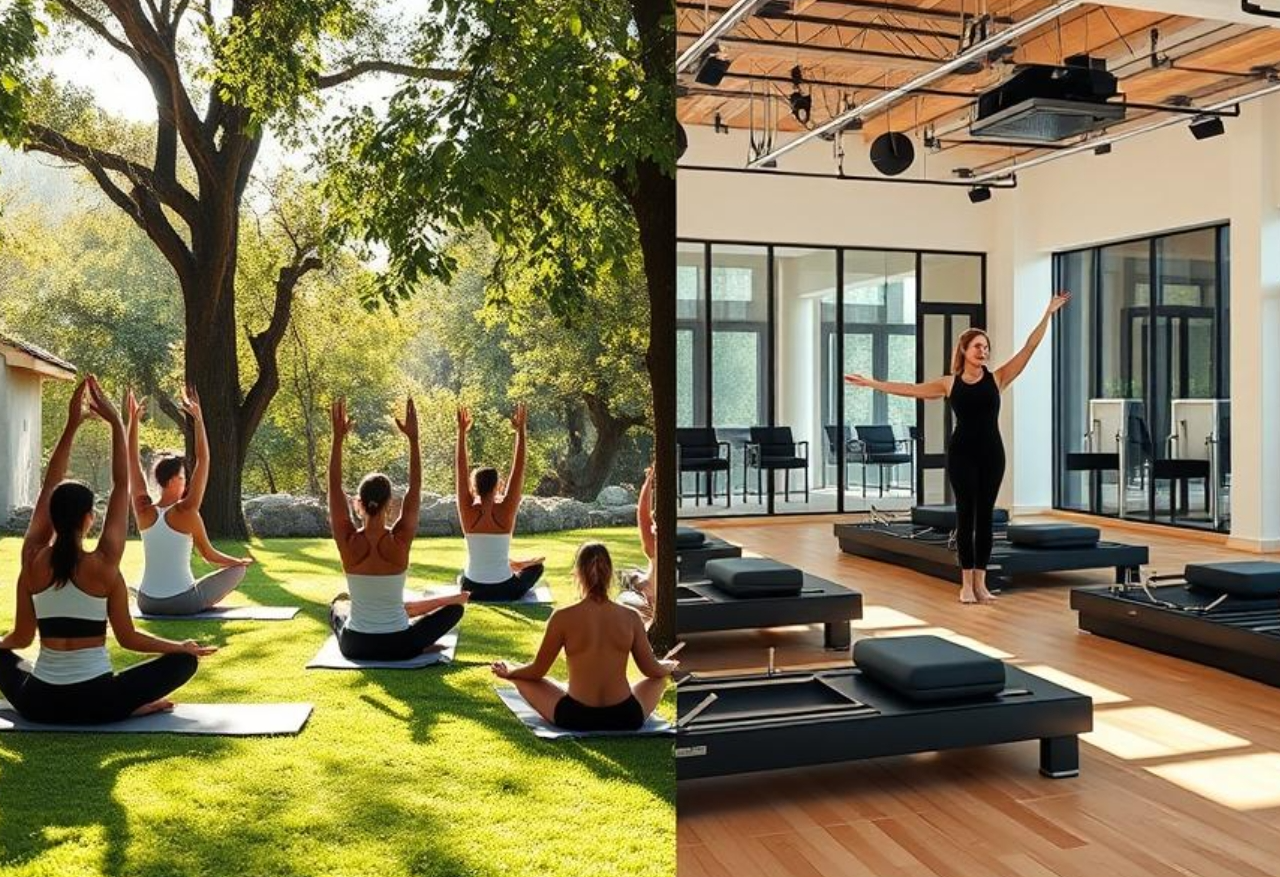
Here's the honest truth: there is no single winner — but there is a right answer for you .
Body toning and core definition your main goal? Pilates has the edge. It targets specific muscles to build lean, functional strength without adding bulk. Research backs this up. Pilates preserves lean body mass while cutting fat percentage by around 1.4% over five months .
Chasing weight loss and fat burn ? Vinyasa or Power Yoga is a strong contender. A high-intensity flow session burns 300–500 calories per hour . That's on par with Pilates at moderate effort. The dynamic, rhythmic movement also gives your metabolism a boost — much like cardio training does. Studies show consistent yoga practice at around 175 minutes per week , paired with mindful eating, can deliver 5% body weight loss in as little as 16 weeks.
The real deciding factor? Consistency beats everything.
Burning more than 2,500 calories per week through exercise cuts long-term weight regain close to half. Yet about 1 in 5 people keep any fitness routine going long-term. So the best practice is the one you'll keep showing up for — full stop.
Goal | Best Choice | Calorie Burn |
|---|---|---|
Core toning & sculpting | Pilates | ~250–400 cal/hr |
Fat loss & metabolism boost | Vinyasa/Power Yoga | ~300–500 cal/hr |
Both | Alternate both | — |
Pick the mat that excites you. That's where results begin.
Calorie Burn Face-Off: How Much Fat Do You Burn?
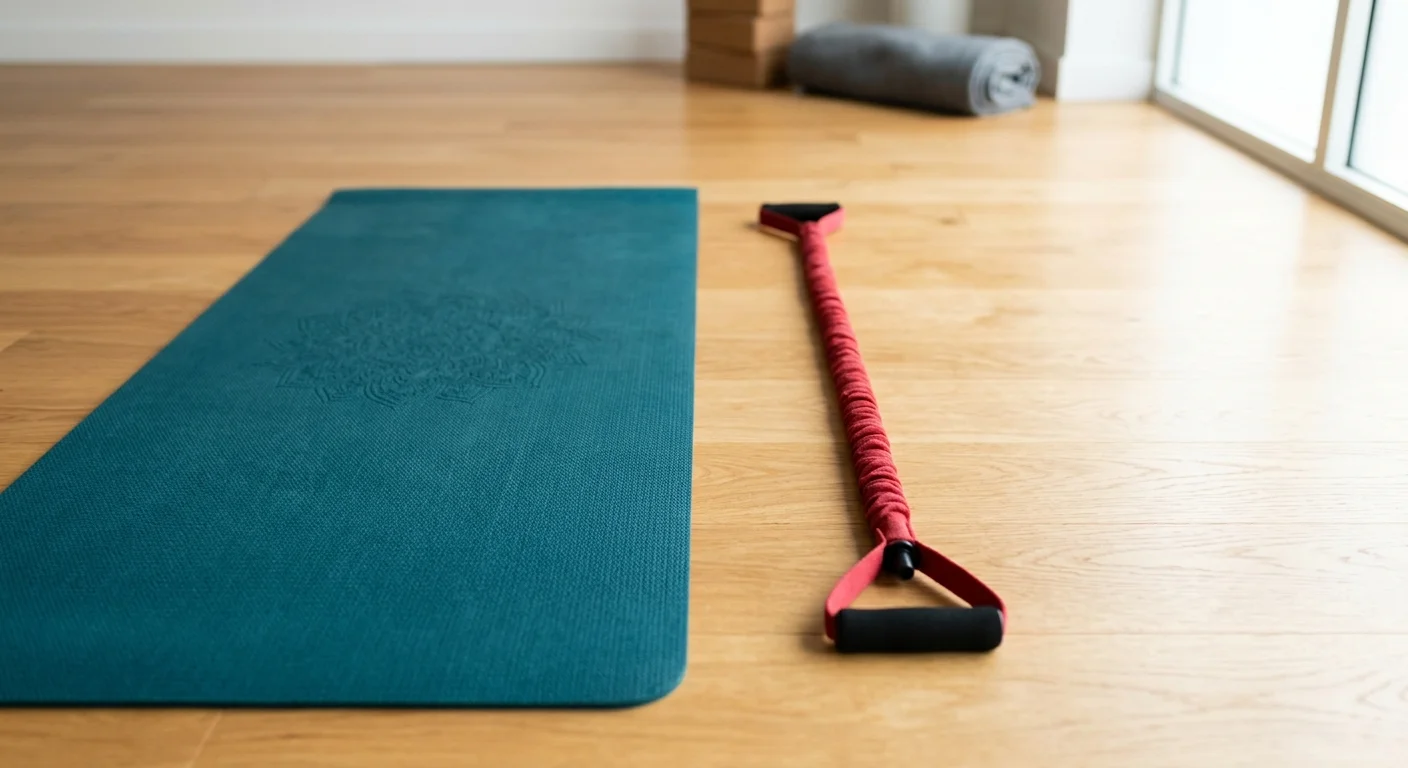
Numbers don't lie — but they do need context.
Take a 160-pound person doing one hour of exercise. The calorie difference between yoga and Pilates styles is bigger than most people expect:
Practice | Calories Burned (1 hr) |
|---|---|
Hatha Yoga | ~144 cal |
Beginner Pilates | ~175 cal |
Advanced Pilates | ~254 cal |
Power Yoga | ~237 cal |
Vinyasa Yoga | ~540 cal |
That gap between a slow Hatha class and a flowing Vinyasa session? Close to 400 calories . That's not a minor detail. It's the difference between a gentle stretch and a real fat-burning workout— and it's exactly why many emerging activewear brands collaborate with yoga outfit manufacturers to design gear that adapts to different intensity levels.
It's Not Just the Practice. It's the Intensity.
Most comparison articles skip over this part: the style you choose matters far more than the category label .
A vigorous Pilates reformer session outpaces a slow yoga class every time. Power Yoga can burn as many calories as a moderate elliptical session (~365 cal/hr). The movement — not the name on the timetable — drives the result.
Science backs this up. Your body burns fat best at around 60–80% of your maximum heart rate . Advanced Pilates and Vinyasa yoga can both push you into that zone. You just need to bring real effort to the session.
The 3,500-Calorie Reality Check
You've heard it before — losing one pound of fat means burning 3,500 calories. It's a fair starting point, but the full picture is messier. Your body adapts over time. It gets better at burning fewer calories, especially during a calorie deficit. Progress slows. That's not failure. That's just biology.
So here's what that means for your training: no single workout session creates dramatic change . Results come from steady, repeated effort over time.
Both yoga and Pilates can support fat loss. Pair either one with mindful eating , and results come faster. Movement gets you through the door. What you eat decides how far you go.
Body Toning Results: Pilates Core Sculpting vs Yoga Full-Body Shaping
The research is clear on this one — and it may settle the debate sooner than you'd think.
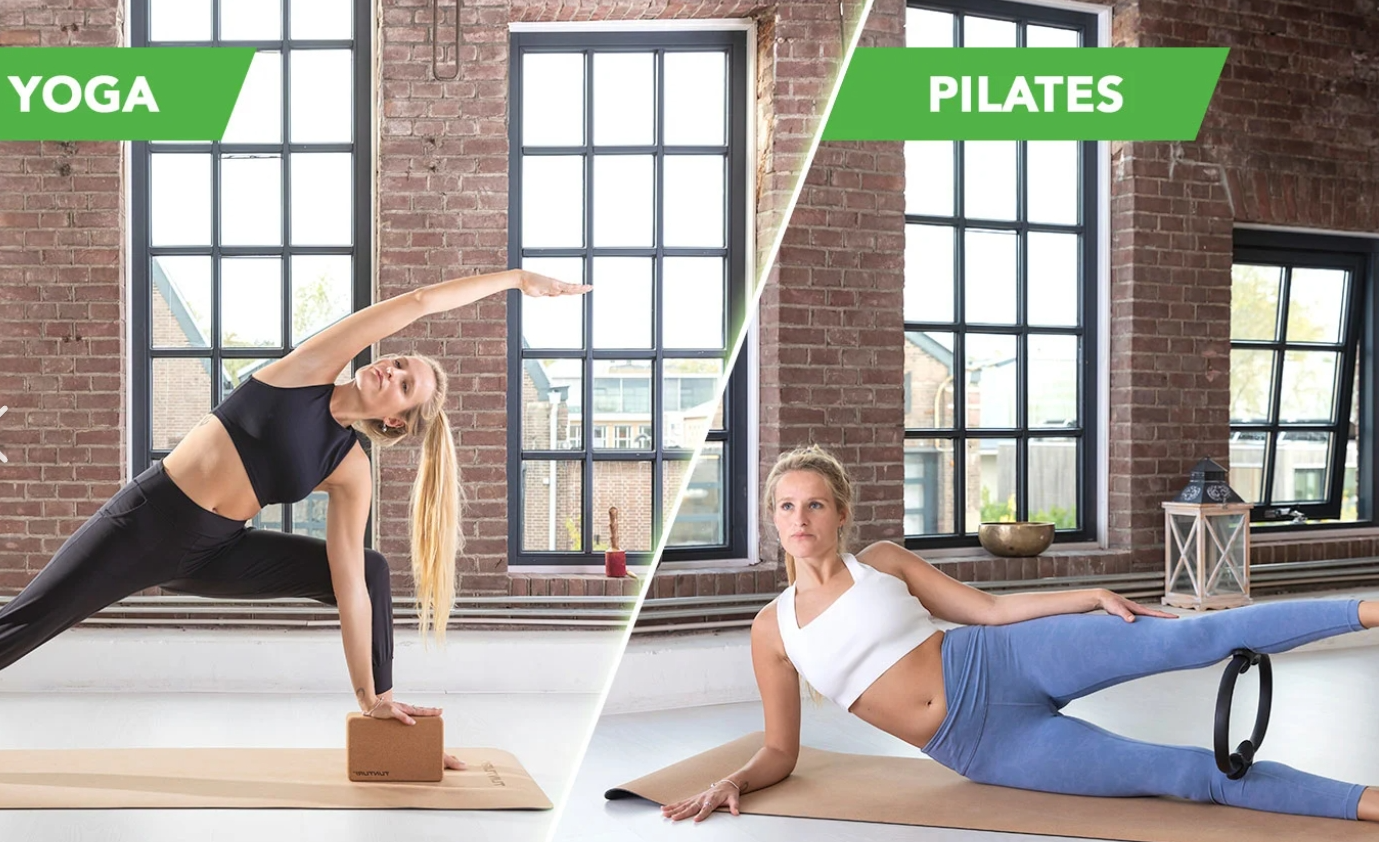
That's not a vague "feel stronger" improvement. That's not a vague "feel stronger" improvement. That's measurable, visible definition — the kind that shows up in the mirror. Pilates gets there through precise core activation. Every movement asks your core to stabilize while your limbs work. The result is lean, carved muscle — no bulk added. You end up with that long, athletic look. Tight and functional, not heavy.
Yoga takes a different path. It doesn't isolate specific muscles. Instead, it shapes the body through long holds, balance challenges, and deep flexibility work. Poses held under tension stretch the muscles and build endurance. Over time, you get a toned, fluid physique — though the process is slower.
The numbers show this gap clearly:
Aspect | Pilates | Yoga |
|---|---|---|
Primary Focus | Core sculpting, defined abs | Full-body endurance, lengthening |
Toning Speed | Faster (resistance-based reps) | Slower (stretch and hold) |
Muscle Effect | Build + lengthen (lean, defined) | Elongate + flex (toned via flexibility) |
Effect Size vs Control | 0.16 | 0.01 |
Pre–Post Effect Size | 0.14 | 0.06 |
Equipment Makes a Real Difference
Pilates has one advantage yoga doesn't: resistance tools . Reformers, springs, resistance bands, and medicine balls all push the sculpting effect further. They speed up results in ways that bodyweight-only yoga can't match. Behind the scenes, many of these tools are complemented by apparel systems developed through OEM/ODM Pilates & Yoga clothing services that align product design with specific training environments.Faster toning is the goal? That difference matters.
Yoga's strength is its accessibility — no equipment, no barrier to entry.
The Combined Approach
The data points to something worth noting: these two practices work well together . A strong Pilates core opens the door to deeper, more demanding yoga poses. More advanced yoga builds the flexibility that keeps Pilates training safe. For women chasing both definition and full-body shape, mixing the two is worth trying. Aim for 2–4 Pilates sessions per week alongside regular yoga. That combination may deliver the most complete transformation.
Mind-Body Benefits: Stress, Metabolism & the Weight Loss You Don't See on the Scale
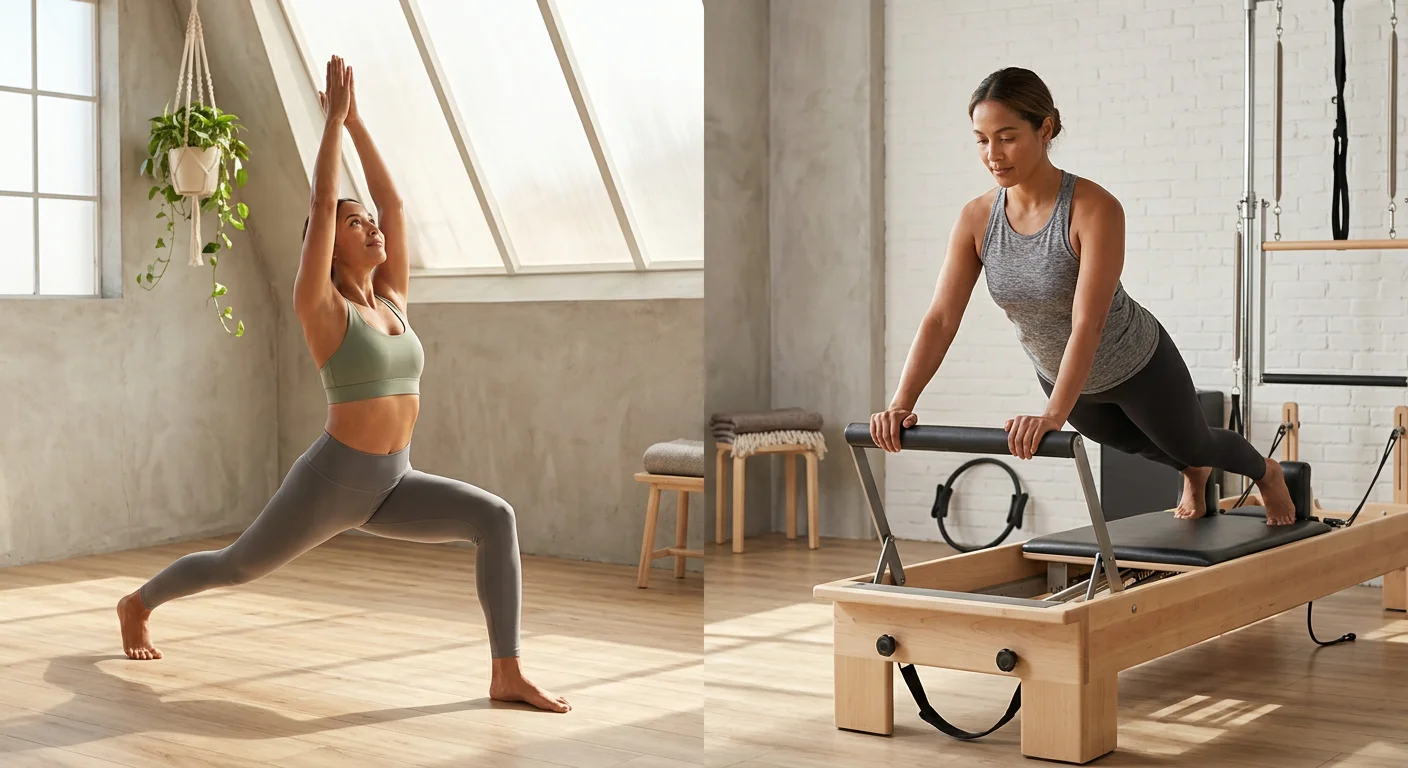
Chronic stress is wrecking more weight loss journeys than any missed workout ever could.
Stressed women burned 104 fewer calories after a high-fat meal compared to their relaxed counterparts. Across a year, that hidden gap adds up to 11 extra pounds -- without changing a single food choice. The culprit is cortisol, your body's primary stress hormone. Elevated cortisol doesn't just make you crave sugar and fat. It pushes your body to store fat in the abdomen, raises insulin levels, and pulls your metabolism away from burning energy well.
A study of over 23,000 adults found that obesity tied to psychosocial stress across ten life domains — from relationship breakdown to workplace pressure. Stress isn't a side issue in weight management. It's a central one.
This is where both yoga and Pilates earn their place beyond the calorie chart.
How Each Practice Addresses the Stress-Weight Connection
Yoga and mindfulness-based movement bring cortisol down. Regular practice breaks the stress-eating cycle — the emotional, reactive eating that tears apart an otherwise clean diet. A meta-analysis of 30+ studies confirmed that yoga reduces BMI in overweight populations. It works through regulating stress hormones and metabolic function. That's the yoga metabolism boost running in the background, long after the mat is rolled up.
Pilates works in a different way. It demands precise, focused movement — and that trains deep body awareness. Staying present with every rep sharpens movement quality and metabolic efficiency over time. Three months of steady exercise in obese women reduced amygdala activity, a brain marker tied to stress and systemic inflammation.
The takeaway is simple: reducing stress is a fat loss strategy , not just a wellness bonus. Whichever practice keeps you calm, focused, and consistent is doing more for your body than the calorie counter will ever show.
Who Should Choose What: Personalized Recommendations by Goal & Fitness Level
Most people don't fail at fitness from lack of willpower. They fail because they picked the wrong starting point. Seventy-three percent of fitness users report better results when their training matches their goal and fitness level. That stat alone should shift how you approach this decision.
Here's a clean breakdown — based on what you're chasing.
By Goal
Fat loss first : Dynamic yoga is your entry point. A Vinyasa or Hatha class burns around 250 calories per hour. It builds a natural rhythm that keeps you coming back. Women who followed dynamic yoga lost 15–20% body fat over 12 weeks . Build that base first, then layer in Pilates to sharpen the results.
Body shaping without bulk : Pilates wins here — and it's not close. It activates 60–70% of target muscles with precision . Yoga hits 40–50% in the same category. That focused muscle recruitment carves lean definition without adding size. Both practices keep muscle mass gain below 5%. No bulk. Just shape.
Flexibility as the main goal : Yoga delivers a 20–30% improvement in range of motion within 8 weeks for beginners. Pilates improves flexibility too — but only about half as much in the same timeframe.
Back pain or joint issues : Pilates is the safer, smarter choice. Research shows it cuts back pain by 25–40% through targeted spinal stabilization. Yoga's deep flexibility work can aggravate certain injuries — proper form management is essential, and that takes guidance.
By Fitness Level
Level | Best Starting Point | Why |
|---|---|---|
Beginner (0–3 months) | Yoga (Hatha style) | 90% beginner-friendly, lower dropout risk (15% vs Pilates' 25%) |
Intermediate (3–12 months) | Pilates | Precision training builds 20% more strength |
Advanced | Hybrid of both | Maximum transformation across all dimensions |
One honest note for beginners: Pilates has a steeper learning curve. Give it 4–6 weeks before movements start feeling natural. Love structure and clear progressions? That challenge pays off. Still finding your footing? Yoga's variety gives you a much gentler on-ramp — and lower odds of quitting early.
The best choice isn't the most impressive one. It's the one that fits where you are right now.
The Power Combo: Why Mixing Both Delivers Faster Results
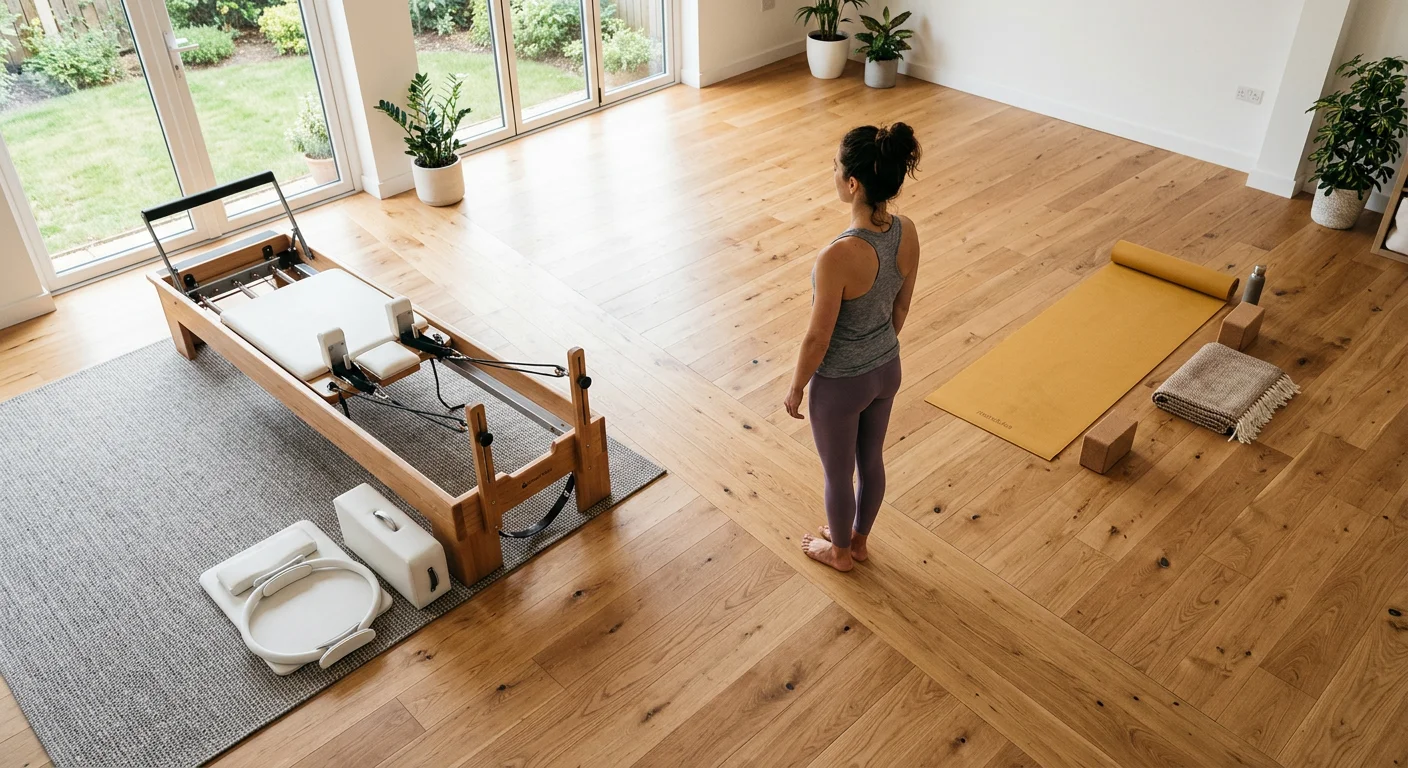
The body doesn't have to choose — and neither do you.
Combining yoga and Pilates isn't a compromise. It's the smartest training strategy out there. Each practice fills the exact gaps the other leaves behind. Yoga opens joints and lengthens tissues. Pilates precision work needs that. Pilates builds core stability. That stability makes deeper yoga poses feel safe to attempt. Together, they create a feedback loop that speeds everything up.
The numbers back this up. After 12 weeks of combining both:
That's not a minor efficiency boost -- that's a completely different training outcome.
A Simple Weekly Structure That Works
No schedule overhaul needed. Three to four sessions per week gets the job done:
Day | Focus | Duration |
|---|---|---|
Monday | Yoga flexibility (Sun Salutations, Pigeon Pose) | 45 min |
Wednesday | Pilates core (Hundred, Teaser, Side Plank) | 45 min |
Friday | Yoga warm-up → Pilates series | 60 min |
Sunday (optional) | Gentle recovery combo | 30 min |
How to Start Without Overwhelming Yourself
Weeks 1–2 : Two yoga sessions focused on hips and shoulders, plus one introductory Pilates session
Progressive overload : Add 10 seconds to planks or extra reps each week
Track two things : plank hold time and forward fold reach — simple, honest progress markers
Support recovery : Aim for 1.6g protein per kg of bodyweight each day
Small, steady steps. That's where real transformation starts.
What to Wear for Yoga and Pilates: Gear That Supports Your Performance
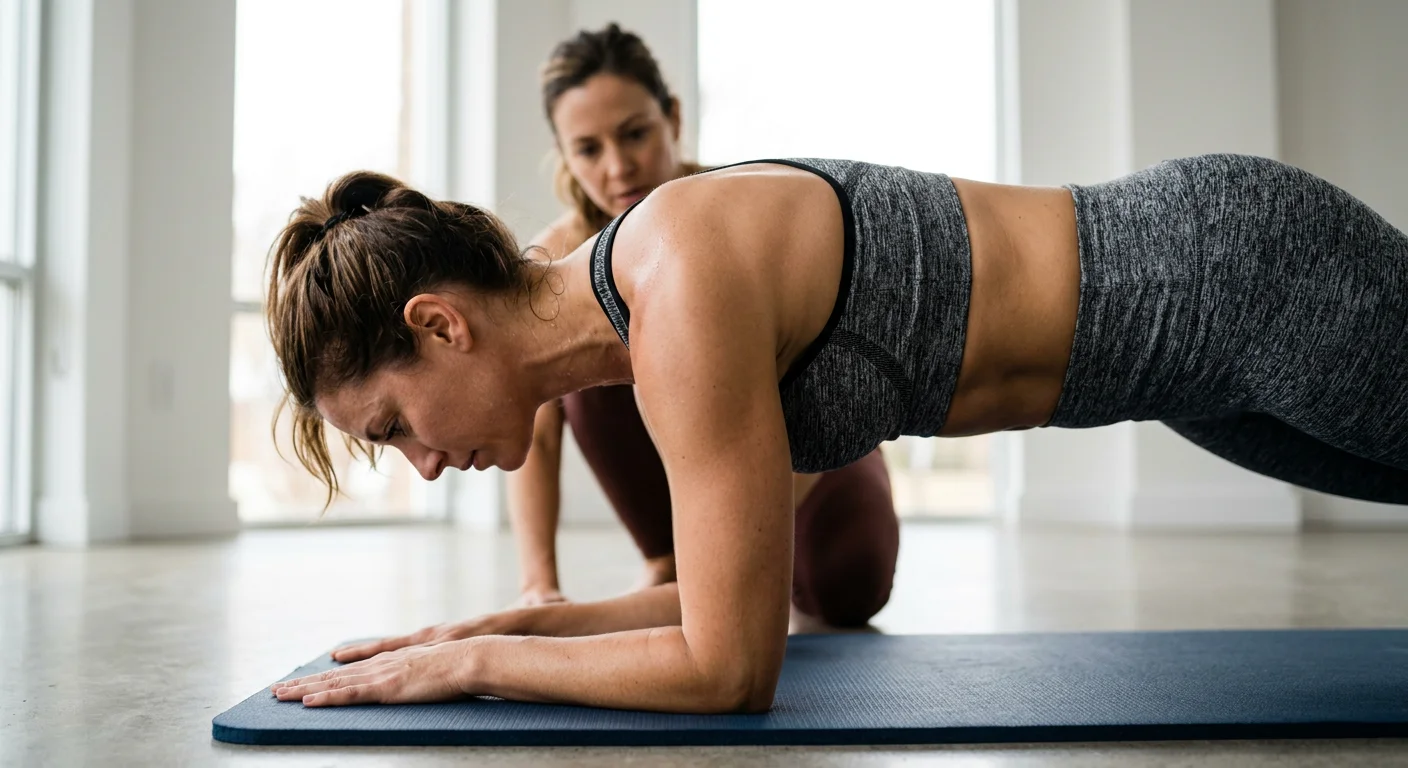
The right clothing does more than look good. It changes how you move, how your instructor reads your alignment, and how long you stay focused before discomfort takes over.
For yoga , that means 4-way stretch fabrics with a non-rolling waistband. In a downward dog or an inversion, the last thing you want is leggings creeping down or bunching up. High-waist leggings with a secure, grippy waistband are the foundation — no compromises there, which is why many growing fitness brands turn to custom yoga apparel wholesale partners to balance performance and scalability.
Pilates calls for something a bit different. Form-fitting silhouettes matter here. Your instructor needs to see your spine, your hips, your posture. A compression high-waist style handles two jobs at once: it supports core engagement and gives your coach a clear view of your alignment— a design approach commonly refined inside pilates & yoga clothing factory environments focused on precision fit..
Across both practices, look for:
- Moisture-wicking, seamless construction — cuts down on chafing during repetitive mat work
- Polyester-spandex blends — durable, stretchy, and quick-drying
- Eco-friendly fabrics — over 60% of active consumers now seek sustainable options,a demand increasingly met by pilates & yoga clothing wholesalers serving global wellness markets
Flowing through Sun Salutations or grinding through the Hundred — gear that moves with your body keeps your focus where it belongs. On the practice itself.
FAQ: Quick Answers to What People Search
Some questions keep coming back. These are the ones people type into search bars late at night, looking for a straight answer. Here are the most common ones, answered directly.
How many calories does yoga burn per hour?
Expect 200 to 600 calories, based on the style you choose. Hatha sits at the gentler end — around 200 to 300 calories. Vinyasa pushes into the 400 to 600 range. A 150-pound person doing a flowing Vinyasa class burns about 240 calories in an hour. Body weight, session length, and intensity all shift that number. Use a fitness tracker to get a more accurate personal figure.
Can Pilates give you a flat stomach?
Yes — with consistency. Aim for three sessions per week, 30 minutes each. Build your routine around the Hundred, Teaser, and Double Leg Stretch. Focus on pulling the transverse abdominis inward with every rep. Add clean eating to that, and visible definition tends to show up within 4 to 6 weeks .
What do Pilates results look like after 8 weeks?
Your waist gets smaller — often by 2 to 4 inches . Posture improves and starts to feel natural. Studies show around a 20% strength gain and a 5 to 10% body fat reduction with 3 to 5 sessions per week. Progress feels slow at first. Then it becomes hard to ignore.
What's the core difference between yoga and Pilates benefits?
- Flexibility improves by up to 30%
- Cortisol drops by around 20%
- Your mind gets quieter and clearer
- Core endurance climbs 25%
- Posture straightens out
- Muscles get definition without bulk
Mix both into your week — about two days each — and you get all of it.
Conclusion
Here's the truth no algorithm can give you: the best workout is the one you'll show up for.
Pilates sculpts your core and reshapes your posture. It builds lean, functional strength that changes how you move each day. Yoga opens your body and calms your nervous system. It also gives your metabolism a quiet but real boost. For weight loss and body toning , both work. But together? They change everything.
Stop waiting for the perfect answer. Roll out your mat, book that reformer class, or just begin — in whatever kit makes you feel good and ready to move. That first session matters far more than which discipline "wins."
Your body is ready for this. Are you?
👉 Explore BeRun's yoga and Pilates activewear collection— made to move with you, whatever path you choose.