Table of Contents
You're moving through a tough vinyasa sequence, focused on your practice. Then it hits you—yoga pants sticking to your skin, wet fabric pulling you down, worries about sweat marks showing. Sound familiar? You're not alone.
This frustration sparked a revolution in activewear. Moisture-wicking technology changed how we experience yoga. But here's the thing: not all "moisture-wicking" fabrics work the same. Knowing what works (versus marketing hype) saves you from bad purchases and awkward practices.
Hot yoga creates rivers of sweat. Or maybe you just want to stay dry during flows. Either way, the science behind moisture-wicking yoga clothes is fascinating. Understanding it changes how you pick workout gear.
This technology has become essential for serious yogis and casual practitioners alike. Here's why it matters so much.
What Is Moisture-Wicking Technology and How Does It Work in Yoga Apparel?
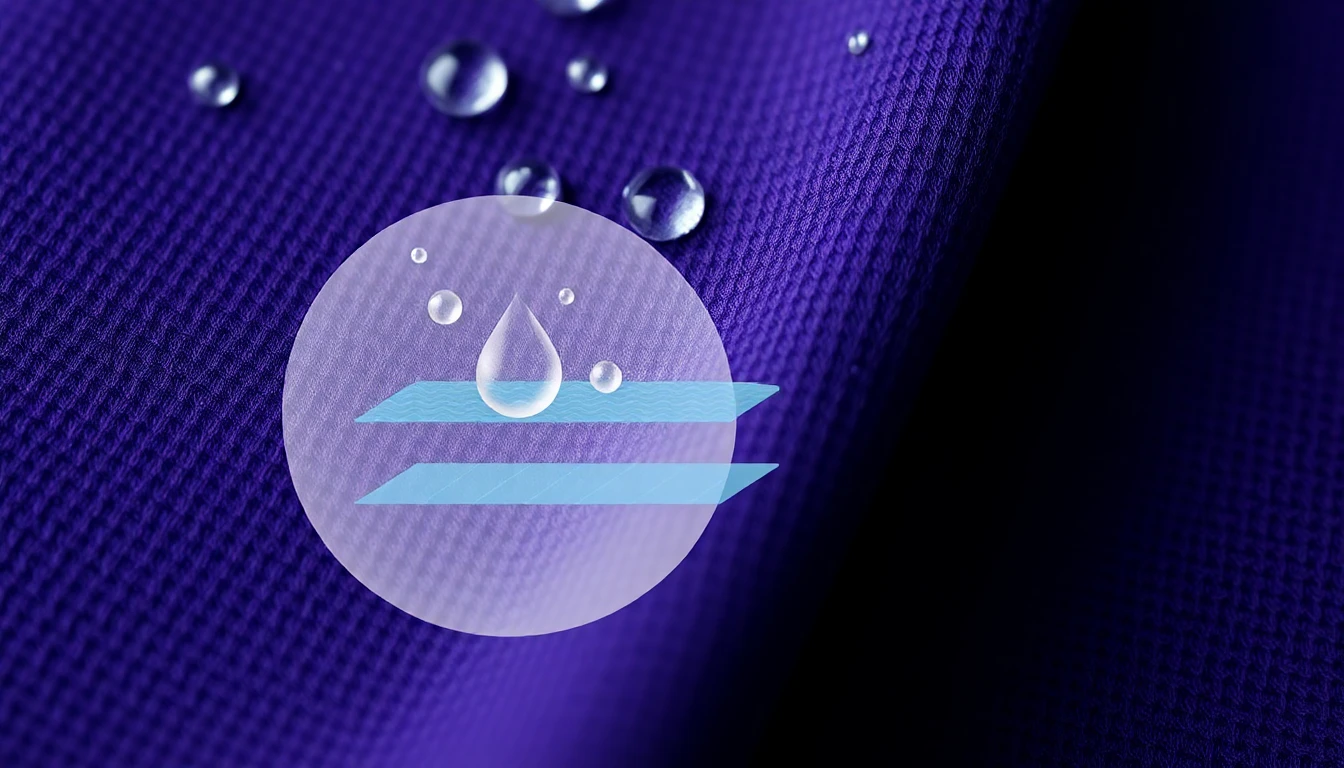
Moisture-wicking isn't just about absorbing sweat—it's about moving it away from your body. There's a crucial difference.
Think of traditional cotton yoga pants. Cotton fibers soak up moisture like a sponge. The liquid sits inside the fabric. This makes it heavy and clingy. The fabric swells. It takes forever to dry. You're wearing a wet towel during shavasana.
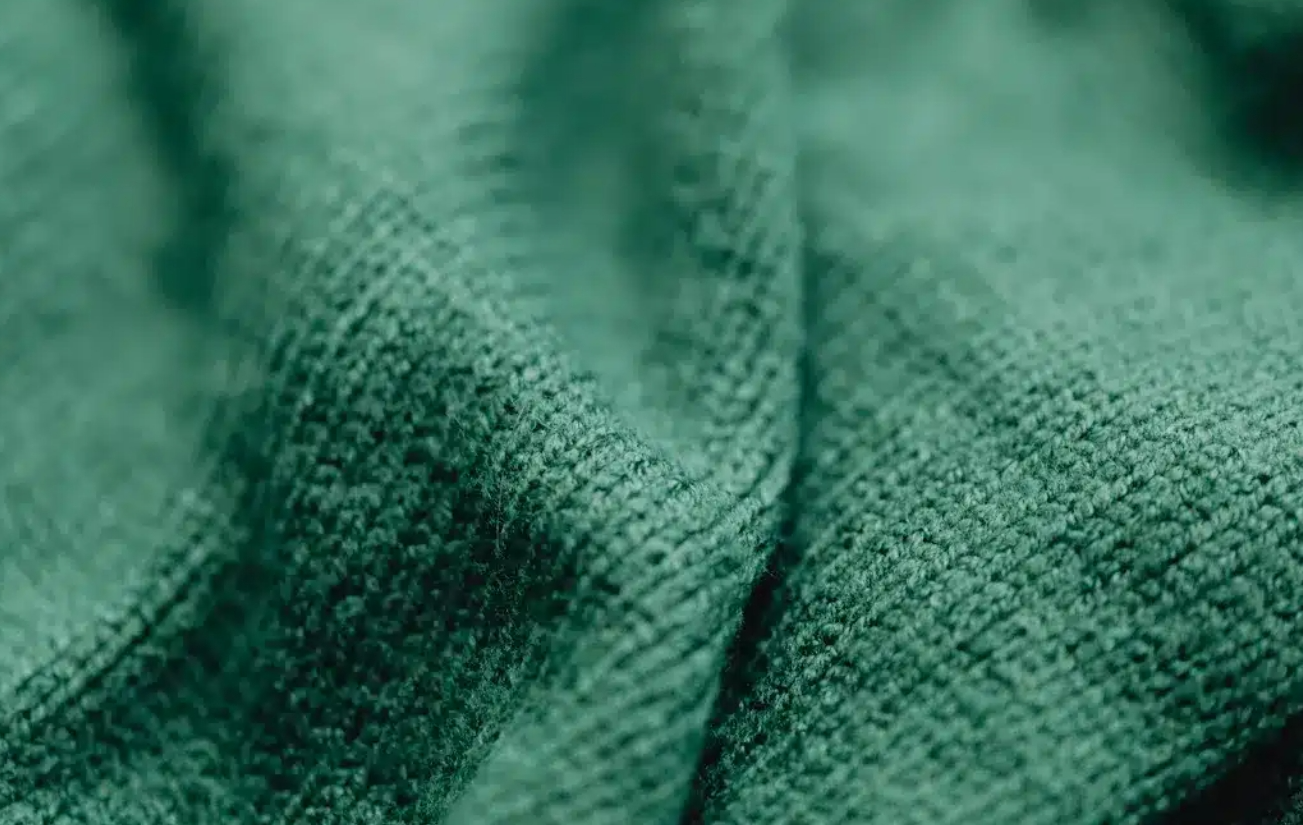
Moisture-wicking fabrics work differently. They use special fibers with tiny channels and grooves. Scientists call this "capillary action." These small pathways transport moisture from your skin to the fabric's outer surface. Sweat doesn't get trapped inside the fiber. It's like a one-way highway for sweat.
Here's the clever part: many performance yoga leggings use a dual-layer structure . This makes the process more efficient.
The inner layer touches your skin. It has a water-attracting surface. This layer grabs sweat the moment you produce it. It spreads the moisture into a thin film instead of letting it pool on your skin. That sticky, clammy feeling? Gone.
The outer layer does the opposite—it repels water. This creates a pressure difference that pushes moisture outward. Sweat reaches the outer surface. It spreads across a much larger area and evaporates fast.
Some advanced fabrics use 8C microporous technology . These have special designs with multiple grooves and micro-channels throughout each fiber. They create a siphon effect. The fabric can absorb up to 342% of its weight in moisture while still drying fast. The Y-shaped, cross-shaped, or multi-leaf fiber profiles maximize surface area. This makes horizontal spreading more efficient.
The result? You stay dry. Your clothes stay light. You can focus on your warrior pose instead of adjusting sweaty fabric.
Moisture-Wicking vs Traditional Cotton: Performance Comparison
Numbers don't lie. Let's compare what happens with sweat.
Drying speed tells the whole story. Cotton yoga pants dry at 0.67 milliliters per hour . That's super slow. Cotton blends manage 0.92 mL/h . Synthetic moisture-wicking fabrics? They hit 13 mL/h at peak performance. That's 20 times faster than pure cotton.
Here's the real difference: synthetic leggings dry in 8-10 minutes after a sweaty practice. Cotton takes 45+ minutes . High humidity makes it even slower.
Your practice feels the difference. A 30-minute moderate flow with lightweight synthetic fabric (172 g/m²) stays comfortable. Heavier cotton (278 g/m²) gets sticky and rough. There's a strong link between fabric weight and stickiness (r² of 0.59). Wet cotton drags you down.
The absorption paradox: Cotton soaks up more liquid than synthetics. Sounds great, right? But that moisture gets trapped in the fibers. It spreads across the fabric in a small area—just 5-30mm radius on average. Synthetics spread moisture over a similar area. Then they release it through evaporation. Cotton holds onto sweat like a grudge.
Hot yoga or high-intensity vinyasa shows the biggest difference. At 27.4°C with moderate humidity, cotton gets clingy and uncomfortable. The fabric swells. It pulls at your skin during transitions. Synthetics keep their shape. They feel dry to the touch even during dripping sweat.
Air flow makes a huge difference. It explains over 77% of drying performance variance . Synthetic fabrics let air flow through (2.2-216 cm³/cm²/s range). This breeze effect speeds up evaporation. Wet cotton blocks airflow. Heat and moisture get trapped against your body.
Gentle, restorative yoga in cool rooms? Cotton blends work fine. But intensity or temperature rises? Synthetics win on every metric—comfort, hygiene, and performance.
Why Moisture-Wicking Matters for Yoga Practice
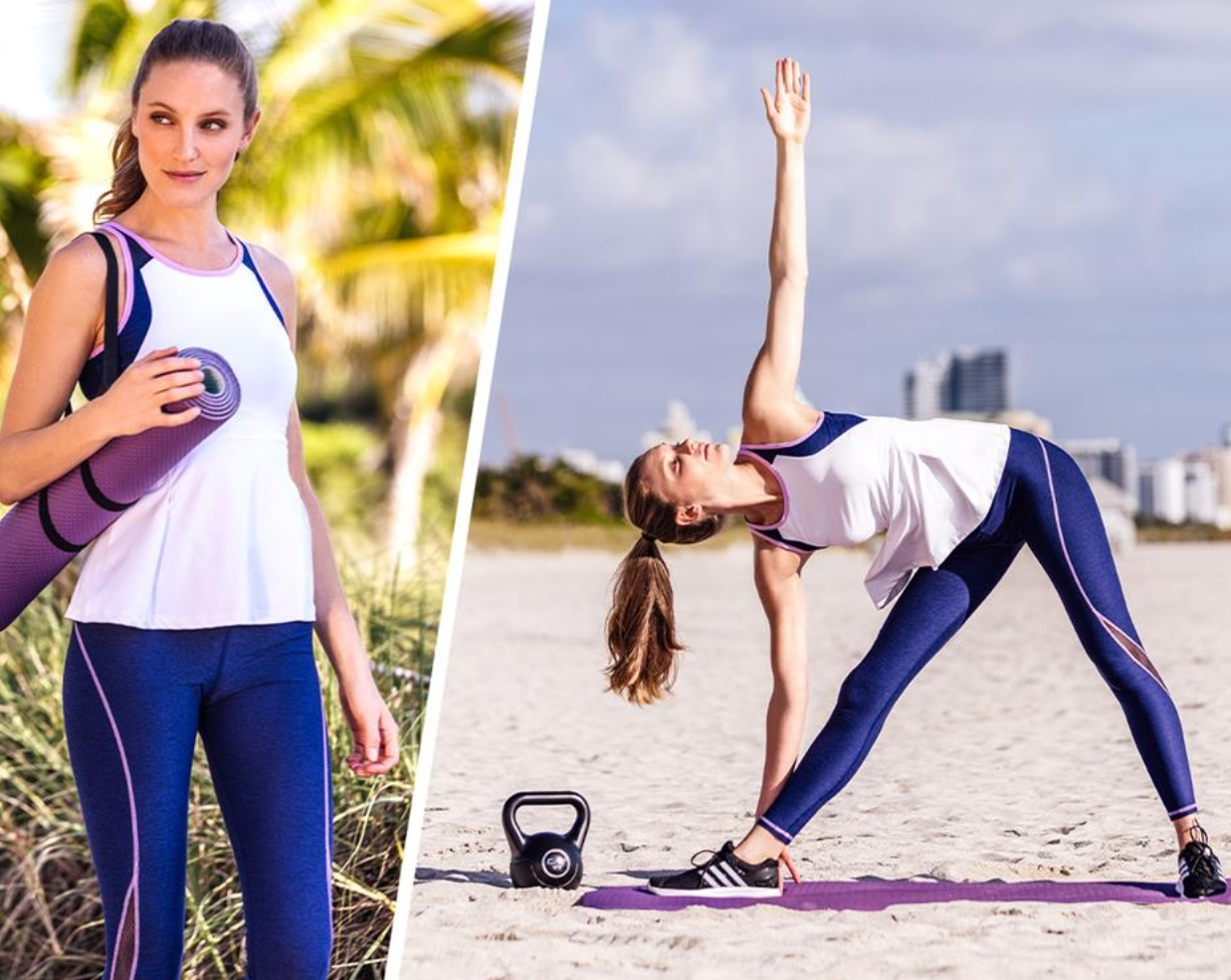
Yoga demands something unique from your clothes. Running goes in a straight line. Cycling keeps you in one position. But yoga? You're doing deep stretches, inversions, and staying in constant contact with the mat. Each pose creates challenges that regular fabrics can't handle.
Deep stretches create huge skin-to-fabric contact zones. Think about pigeon pose, forward folds, or splits. Your inner thighs, groin, waist, and underbust press against your leggings and top. Sweat gets trapped at these flexion points without proper moisture management. The result? Friction. Chafing. Sometimes even rashes at your inner thighs, underarms, and waistband. Regular cotton holds that moisture right where pressure is highest.
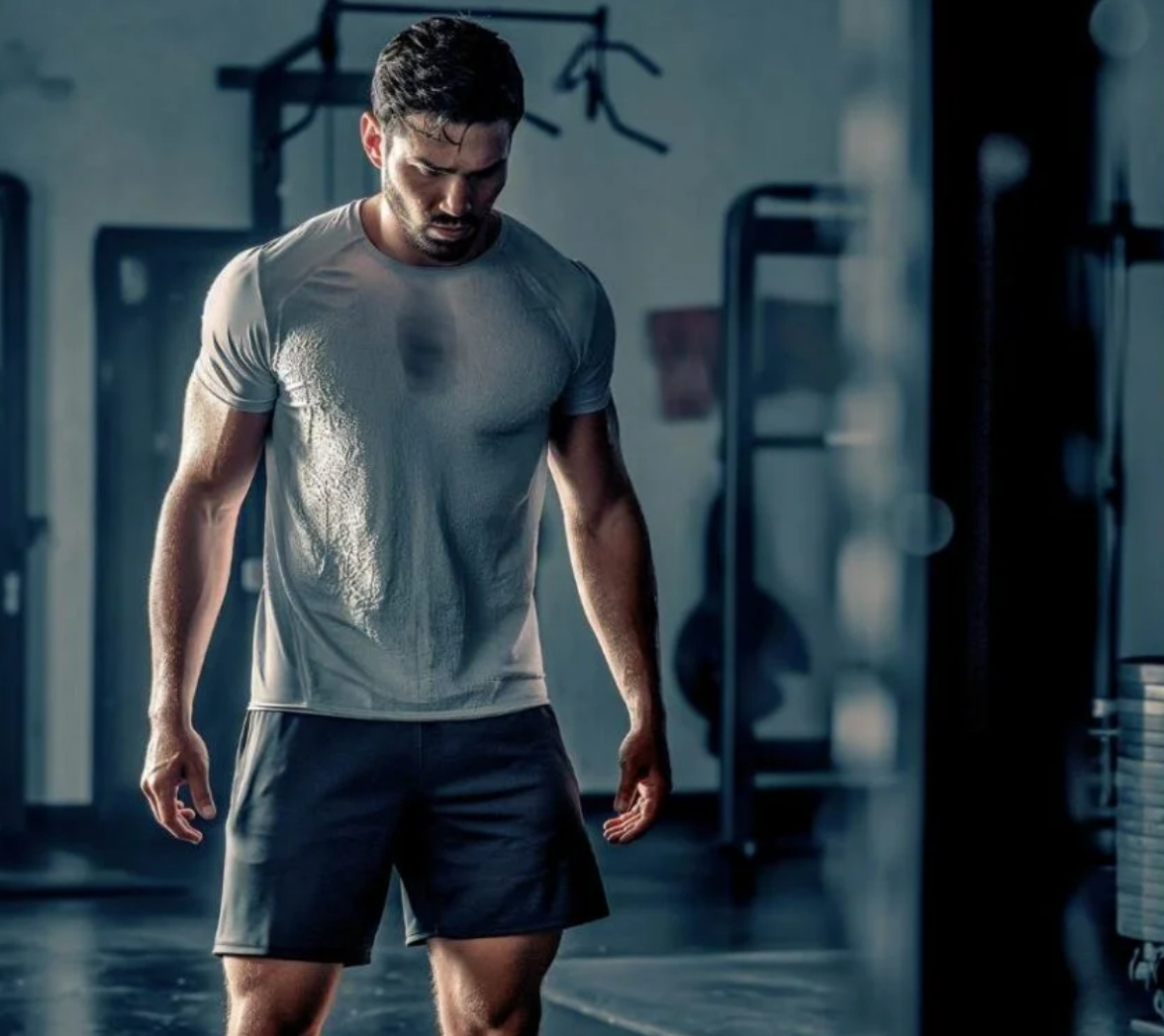
Inversions flip the script—and I mean that in every sense. Headstands, forearm stands, and downward dog send sweat rushing toward your head, neck, shoulders, and hands. Wet sleeves soak your mat. Damp sports bras drip onto your blocks. Your hands and forearms get slippery just as you need maximum grip. One woman in a headstand workshop told me she almost fell because her wet shirt cuffs made her forearms slide on the mat. Scary stuff.
The Hot Yoga Challenge
Hot yoga studios crank the heat to around 105°F (40.5°C). Some Bikram classes run for 90 minutes straight. Practitioners can lose up to 1.5 liters of fluid in a single session. That's not light sweat—that's rivers.
Men burn about 460 calories in 90 minutes of Bikram. Women burn about 330 calories. That metabolic heat plus studio heat creates high sweat rates that don't let up. You practice several times a week? Many dedicated yogis do. Your skin spends hours pressed against damp fabric.
The numbers get even more intense: environments range from 30–52°C with 20–60% humidity for sessions lasting 20–90 minutes , repeated 2–6 times weekly . That's a lot of exposure. Cotton can't keep up.
How Dampness Disrupts Your Practice
Grip vanishes as fabric stays wet. Take warrior II, crescent lunge, or crow pose. Sweat-soaked leggings create a slippery layer between your body and the mat. Your knees slip. Your shins slide. Your forearms lose traction in side plank. You're making tiny muscular corrections instead of settling into the pose. Your holding time drops.
Planks and chaturangas put your torso and arms on the mat. Wet shirts transfer moisture to the surface. Then your hands and feet hit those damp zones. The slip risk jumps. Jump-backs become dangerous.
Flow gets interrupted by clingy fabric. Sun salutations need smooth transitions. Vinyasa sequences are all about fluidity. But wet, heavy textiles drag against your shoulders, hips, and knees. Movements feel stuck. Better moisture-wicking fabrics with 342% water absorption capacity pull sweat away right away. This keeps surfaces dry and movements easy.
Deep poses reveal another problem. Full malasana, deep lunges, or bound twists create folds in wet fabric. Those folds lock in place at your knee pits, groin, and armpits. You can't enter or exit the pose without fighting the fabric. The disruption breaks your rhythm.
Mental focus suffers too. Balancing poses demand quiet focus—tree, eagle, dancer's pose. But water-heavy garments shift your weight distribution. They tug at your waistband. They pull on your shoulders. Your attention drifts from breath and alignment to adjusting uncomfortable clothes. The calm, meditative element disappears.
Temperature control becomes critical. Poor moisture management means sweat sits on your skin instead of evaporating. Your core temperature climbs higher in already-heated rooms. Fatigue sets in faster. Studies link moisture-wicking athletic wear to improved endurance and reduced perceived fatigue during high-intensity work. Long power yoga classes qualify.
The difference between soaked cotton and performance fabric isn't just comfort. It's safety, stability, and the ability to practice at your edge without distraction. That matters every single time you step onto your mat.
5 Key Benefits Driving High Demand for Moisture-Wicking Yoga Wear
The global yoga apparel market tells a compelling story. It's projected to jump from $31.1–37.7 billion in 2025 to $58.8–68.5 billion by 2032-2035 . That's an 8.1–8.2% annual growth rate . Here's what's driving it: consumers now list wicking ability, comfort, and durability as their top three purchase criteria. Moisture-wicking technology isn't a nice-to-have anymore. It's baseline.
Industry analysts at Technavio forecast the yoga clothing market will add $212.5 billion in new value between 2025 and 2029. Reports name breathable, flexible, sweat-wicking materials as core growth drivers. But what makes this technology so essential? Let's break down the five benefits that explain why demand keeps climbing.
1. Temperature Control and Better Performance
Hot yoga studios run at 105°F. Power vinyasa builds serious heat. Your body needs help managing that thermal load.
Performance fabric yoga wear with moisture management technology creates real differences. Synthetic moisture-wicking materials can reduce fabric water content to below 50% compared to cotton. Skin surface temperatures drop by 0.3–0.7°C . Sounds small? Your body notices.
Quick-dry yoga pants help slow heart rate and core temperature rises during moderate-to-high intensity exercise. Think flow sequences or heated rooms. Participants in endurance studies wearing sweat-proof leggings reported fatigue levels dropping by 0.5–1.0 points on the standard Borg Scale.
Here's the practical impact: during 30–38°C hot yoga sessions , quality temperature-regulating activewear can lower close-to-skin fabric moisture by 30–50% within 10–20 minutes of sweating starting. Your skin recovers faster. You maintain focus longer. The performance edge becomes real.
2. Skin Comfort and Health Protection
Dampness creates problems beyond discomfort. Dermatology research links long-term skin exposure to high humidity with increased risks of chafing, heat rash (miliaria), and fungal infections like jock itch.
Breathable athletic fabric addresses this head-on. It moves moisture away from friction zones—inner thighs, underarms, waistbands. Anti-sweat workout clothes reduce skin irritation. The difference shows up most in practitioners doing 2–6 sessions weekly in heated environments. That's a lot of skin exposure time.
Odor-resistant yoga clothing adds another layer of protection. Bacteria thrive in damp, warm conditions. Moisture-wicking fibers keep surfaces drier. This limits bacterial growth. Translation? Fresher-smelling gear and healthier skin for those multi-class days.
3. Free Movement and Better Grip
Wet fabric behaves differently than dry fabric. It clings. It slides. It bunches in all the wrong places.
Dry-fit workout gear maintains its intended fit throughout your practice. Those 8C microporous technology fabrics absorb up to 342% of their weight while staying touch-dry. They prevent the heavy, saggy feeling that disrupts transitions. Your warrior II doesn't get interrupted by tugging at your waistband. Your jump-backs don't require fighting stuck fabric at your knees.
Grip matters a lot. Cooling yoga apparel that moves sweat outward keeps contact points—hands, feet, forearms—much drier. Less slip means better stability in balances and safer inversions.
4. All-Day Wearability
Here's where moisture-wicking delivers unexpected value: all-day wearability. Current trends show consumers want yoga clothes that regulate body temperature and dry fast for both intense practice and everyday activities.
You finish hot yoga at 7 AM and head straight to brunch? Performance fabric yoga wear dries fast enough to stay comfortable. No need to change right away. That convenience factor drives purchasing decisions for busy professionals balancing fitness with packed schedules.
5. Long-Term Value and Lasting Quality
Cotton yoga pants stretched out and worn after 6–12 months lose their appeal. Quality synthetic blends maintain shape and function far longer.
Durability now ranks among the top three consumer priorities alongside wicking ability and comfort. Smart shoppers recognize that moisture-wicking leggings might cost more upfront but deliver better cost-per-wear over time. The fabric doesn't swell and weaken with repeated water exposure the way cotton does.
North American consumers show willingness to invest in premium yoga apparel with clear performance benefits. Market reports note this "quality over quantity" shift. Buyers prefer fewer pieces of superior technical clothing.
The demand surge isn't hype. It's informed consumers voting with their wallets for technology that improves their practice.
Market Trends: Why Demand for Moisture-Wicking Yoga Apparel Is Surging
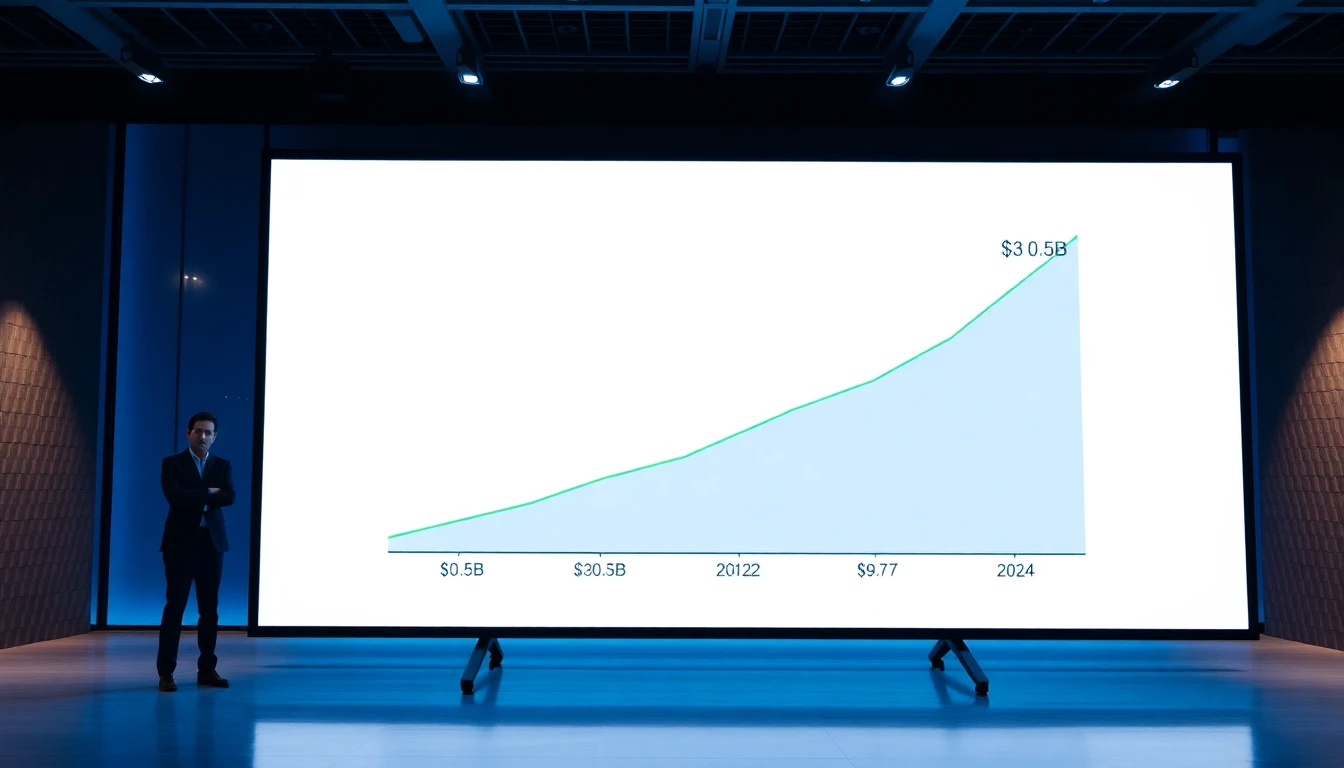
Look at the numbers. The yoga clothing market will double from $30.5 billion in 2024 to $96.37 billion by 2032 . Another forecast shows $68.5 billion by 2035 , growing at 8.2% each year . This isn't slow growth—it's explosive.
What's fueling this surge? Three powerful forces are at work.
The Athleisure Revolution Changed Everything
Athleisure isn't a trend anymore. It's how we dress. The broader athleisure market is jumping from $422.2 billion in 2025 to $1.018 trillion by 2035 —a 9.2% annual climb . Yoga apparel rides this wave.
Hybrid work changed our wardrobes overnight. You're on a Zoom call at 10 AM. You hit a noon yoga class. You grab lunch with friends. Then you work from a coffee shop. Your clothes need to handle all of it. Moisture-wicking leggings and tanks became the uniform. They work for this lifestyle.
Home workouts stuck around post-pandemic too. Millennials and Gen X lead the charge. They list yoga pants and joggers as must-have wardrobe items. These aren't just workout clothes—they're everyday essentials.
Consumers Demand Real Performance
Here's the shift: people stopped buying yoga clothes based on looks alone. They want function that delivers .
Market research shows something clear. Consumers now rank wicking ability, quick-dry features, and comfort as their top three must-haves. Style still matters. But it's expected. The fabric has to perform.
Odor-resistant yoga clothing became more important post-pandemic. People care more about hygiene and skin health now. This pushed demand for sweat-resistant, odor-fighting fabrics . Nobody wants to worry about smell during a packed studio class or all-day wear.
Men's preferences tell this story well. They want moisture-wicking features, strong stretch recovery, and simple designs that put performance over flashy patterns. That focus on function is spreading across all groups.
Bottom Wear Leads the Charge
Yoga pants and shorts are the fastest-growing segment. These pieces face the toughest demands. Deep stretches. Inversions. High-heat studios. Cotton blends can't cut it. Practitioners doing 2-6 sessions each week in heated studios need gear that keeps up.
High-intensity yoga styles drove this growth. Power vinyasa, hot yoga, and advanced practices create heavy sweat. This demands quick-drying, compression-ready performance fabrics . Casual users might tolerate damp cotton. Serious yogis won't.
Bottom wear shows the biggest quality gap between basic and premium options. Breathable athletic fabric keeps you dry and mobile. Soggy cotton bunches at your knees. The difference is clear. Word spreads. Sales follow.
Premium Pricing Meets Willing Buyers
Consumers aren't just accepting higher prices—they're seeking them out. People will pay more for better wicking, extra comfort, improved grip, and eco-friendly options .
Brands like Lululemon, Nike, Adidas, Alo Yoga, and Beyond Yoga saw this opportunity. They introduced UV-blocking tights, organic cotton sweatpants, seamless construction, and advanced moisture control . These features don't just justify premium pricing. They drive sales growth.
Retailers expanded where they sell too. Target, Nordstrom, and Amazon now stock performance yoga apparel next to specialty athletic stores. This wider reach meets consumers where they shop. It makes quality dry-fit workout gear easier to find.
Regional Growth Patterns
North America remains the largest market. But Asia-Pacific shows the fastest growth rate. Rising health awareness drives this. Expanding middle-class populations fuel it. Growing yoga participation in countries like India and China adds to demand.
The common thread across all regions? Focus on staying healthy . Consumers see yoga as stress relief, weight control, and mental wellness. They buy gear that supports regular practice. This means clothes comfortable enough for multiple sessions each week.
Sustainability Adds Momentum
Organic cotton blends (50%+ organic content), bamboo fabrics, and recycled polyester grew fast in popularity. Consumers want breathable, stretchy fabrics that match their environmental values.
This isn't choosing principles over performance. Modern sustainable fabrics deliver excellent moisture control while cutting environmental impact. That mix wins over conscious consumers.
The verdict? Moisture-wicking technology became the baseline for serious yoga apparel. Market growth shows consumers choosing gear that enhances their practice with their wallets.
How to Choose the Best Moisture-Wicking Yoga Apparel: Practical Selection Guide
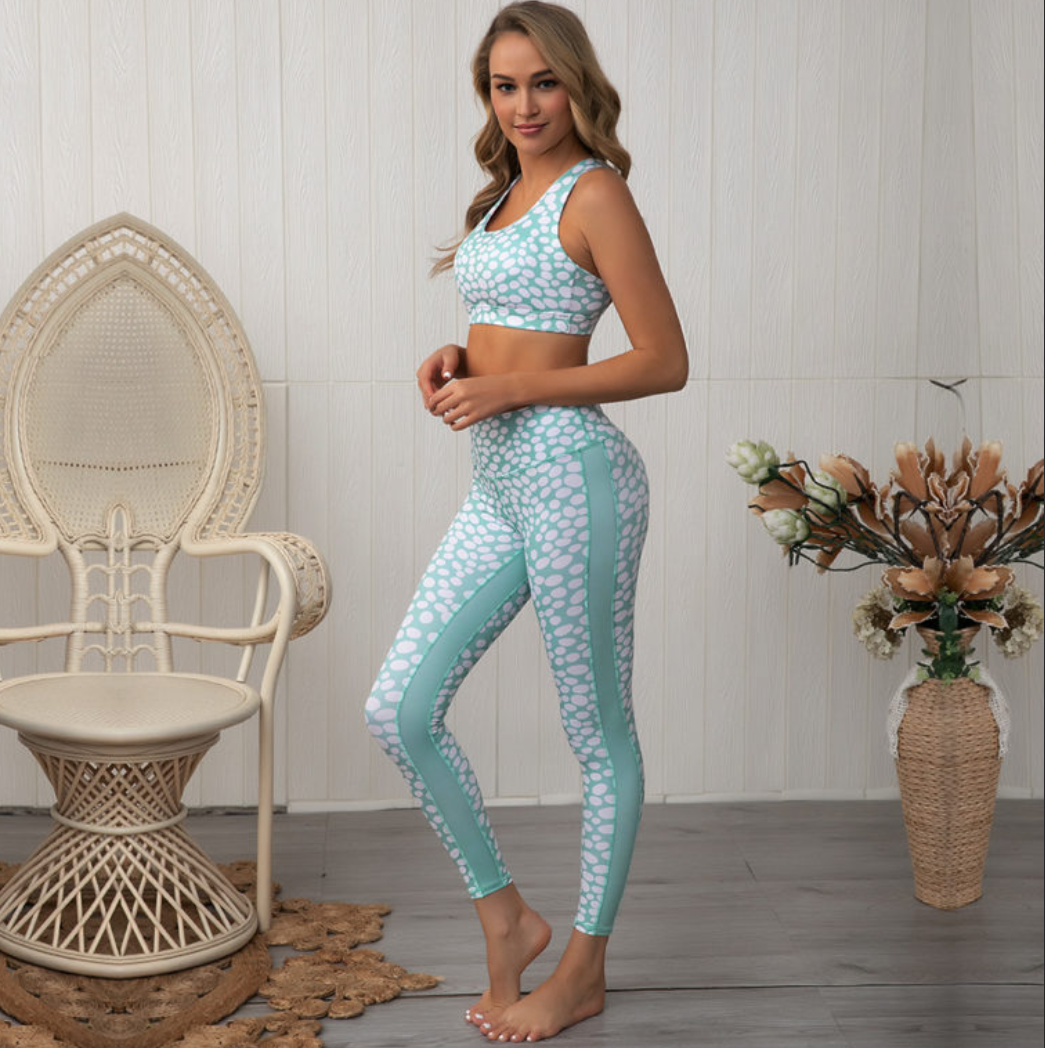
Shopping for moisture-wicking yoga clothes feels overwhelming. Labels throw around terms like "four-way stretch" and "moisture management." Product pages list fabric percentages. How do you know what works?
Three core factors matter: fabric composition, technical specs, and matching features to your practice style. Let's break it down.
Look for the Right Fabric Blend
The gold standard for high-performance yoga wear is 80% nylon and 20% spandex. This ratio gives you excellent stretch, shape recovery, and moisture control. Premium brands stick to this formula for good reason—it works.
Most quality moisture-wicking leggings and tops fall within 75-85% nylon or polyester, plus 15-25% spandex . The sweet spot for spandex sits at 18-22% . This range gives you freedom for deep stretches. Your fabric structure stays intact.
Watch out for spandex content above 30% . Higher percentages create instability. The fabric loses support. It pills faster. The stretch degrades after repeated washing.
Nylon versus polyester—what's the difference? Nylon offers better stretch and recovery. It feels softer against skin. It handles mat friction well, making it ideal for leggings. Polyester excels at color retention and fast drying. You get moisture-wicking performance through hundreds of wash cycles . For tops and pieces you'll wash often, polyester delivers durability.
Polyester microfiber deserves special mention. The finer fibers create softer hand feel and better skin contact. The increased surface area speeds evaporation. Your cooling yoga apparel dries faster.
Match Fabric Weight to Your Practice
Fabric weight—measured in GSM (grams per square meter)—affects performance big time.
Leggings work best at 250-280 GSM. This weight prevents see-through issues. You get compression and support during inversions and deep bends.
Tops and tanks should run lighter at 200-230 GSM for maximum breathability.
Hot yoga and Bikram demand the lower end of these ranges. Choose 80-85% synthetic fiber with 15-20% spandex at 200-230 GSM . This combo maximizes airflow and quick-drying speed. Cotton absorbs up to 25% of its weight in water . It becomes heavy, clingy, and loses strength when wet. Skip it for heated rooms.
Power vinyasa and flow classes need more structure. Look for 80% nylon with 20% spandex or 75% polyester with 25% spandex at 250-280 GSM . The extra weight adds support. Your moisture management stays strong.
Gentle or restorative practices allow more flexibility. Softer nylon-heavy blends (80-85%) with 15-20% spandex at 220-250 GSM put comfort first. Compression takes a back seat.
Test the Four-Way Stretch
Labels often claim "4-way stretch" or "4D stretch." Verify it yourself with this simple test.
Grab the fabric with both hands. Stretch it side to side to about 150-200% of its original length . Release it. Now stretch it up and down the same amount. Watch what happens.
Quality performance fabric snaps back fast to its original shape. Minimal wrinkling. Poor recovery means the fabric will sag and bag after a few wears. You'll spend your practice adjusting loose waistbands and saggy knees.
Spandex content between 15-25% gives you genuine four-way stretch. Anything less won't give you the mobility yoga demands.
Moisture-Wicking Yoga Apparel Performance Comparison Table
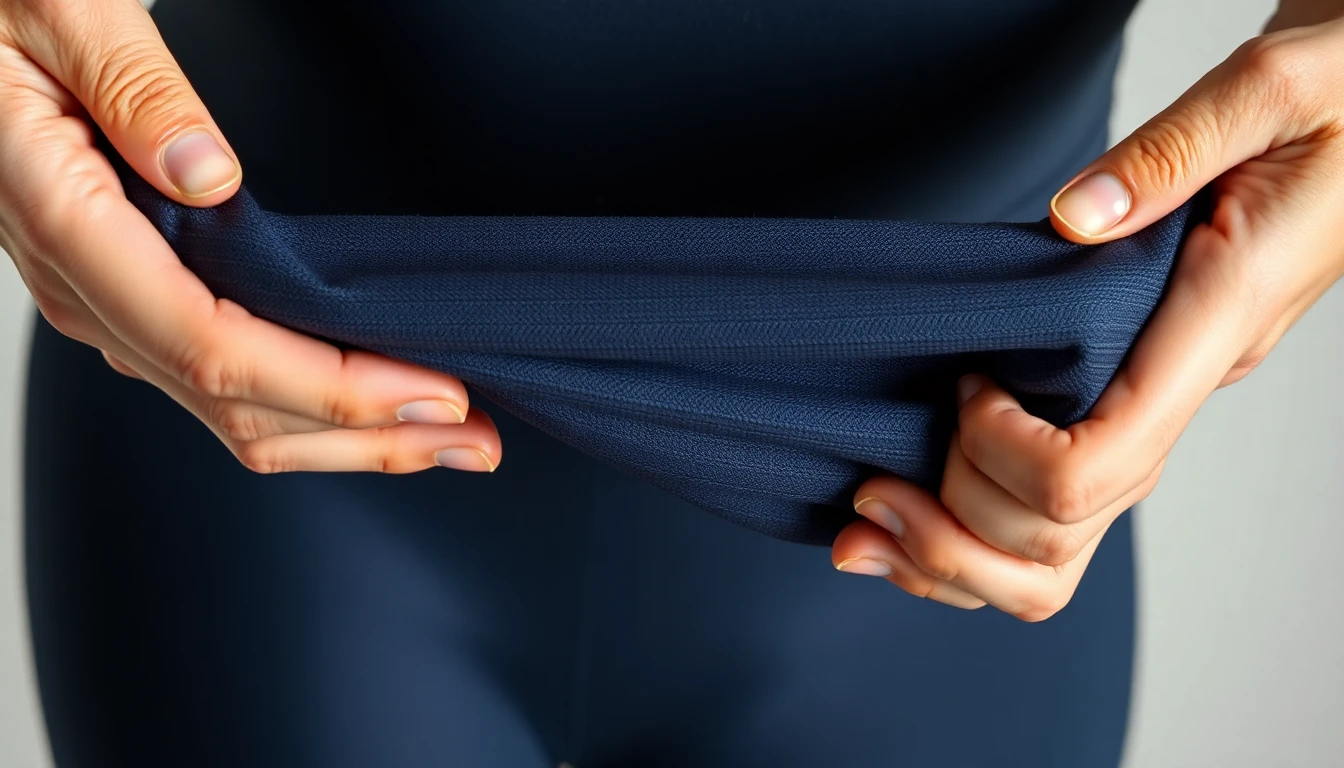
Side-by-side comparisons cut through the marketing noise. Here's what the data shows across three fabric categories:
Performance Metric | Cotton Yoga Wear | Basic Polyester Activewear | High-Performance Moisture-Wicking Blends |
|---|---|---|---|
Drying Time | 30–60 minutes | 15–30 minutes | 5–15 minutes |
Moisture Wicking Efficiency | High absorption, poor release (traps 80%+ moisture) | Medium (50–70% wicking) | High (80–95% wicking + evaporation) |
Breathability Rating | 9/10 (excellent natural airflow) | 7/10 (good synthetic flow) | 8–10/10 (engineered ventilation + temp regulation) |
Odor Control | Low (no built-in resistance, bacteria grow easily) | Medium (basic anti-odor treatments) | High (antimicrobial fibers, odor-resistant tech) |
Hot Yoga Comfort Score | 5/10 (holds sweat, minimal evaporation) | 7/10 (decent wicking, some breathability) | 9–10/10 (handles 2.5L/hour sweat, fast evaporation, lightweight) |
Durability | 50–100 wash cycles (shrinks, loses shape) | 100–200 cycles (stretch retention) | 200+ cycles (stays true to size, shape recovery) |
Price Range | $20–50 | $30–70 | $60–150 |
What The Numbers Mean For Your Practice
Cotton feels great at first. That 9/10 breathability rating shows real airflow. The softness appeals. But check that hot yoga comfort score—just 5/10.
Intense sessions produce 2.5 liters of sweat per hour . Cotton soaks everything up and releases almost nothing. You're carrying that weight around. The fabric turns 80% of absorbed moisture into trapped heat . It doesn't evaporate. This heat trap ruins the point of breathable fabric.
Basic polyester fills the middle ground. You get 50–70% moisture wicking at a fair price. Gentle yoga in climate-controlled studios? This works fine. The 100–200 wash cycle durability means your $40 pants last a decent time. Crank up the intensity? That 15–30 minute drying window leaves you damp through half your practice.
High-performance blends earn their higher price through smart design. Those 5–15 minute drying times mean sweat evaporates almost as fast as you produce it. The 80–95% wicking efficiency paired with 8–10/10 breathability gives you real temperature control. Antimicrobial fibers fight odor instead of just covering it up. Plus, 200+ wash cycle life means better cost-per-wear than cheap options you replace every three months.
Do you practice hot yoga multiple times per week? The high-performance category isn't optional—it's a must-have. That 9–10/10 comfort score comes from real testing in 2.5L/hour sweat conditions . The fabric handles the load. Cotton and basic polyester can't keep up.
BeRun Clothes: Strong Moisture-Wicking Tech for Yoga Lovers
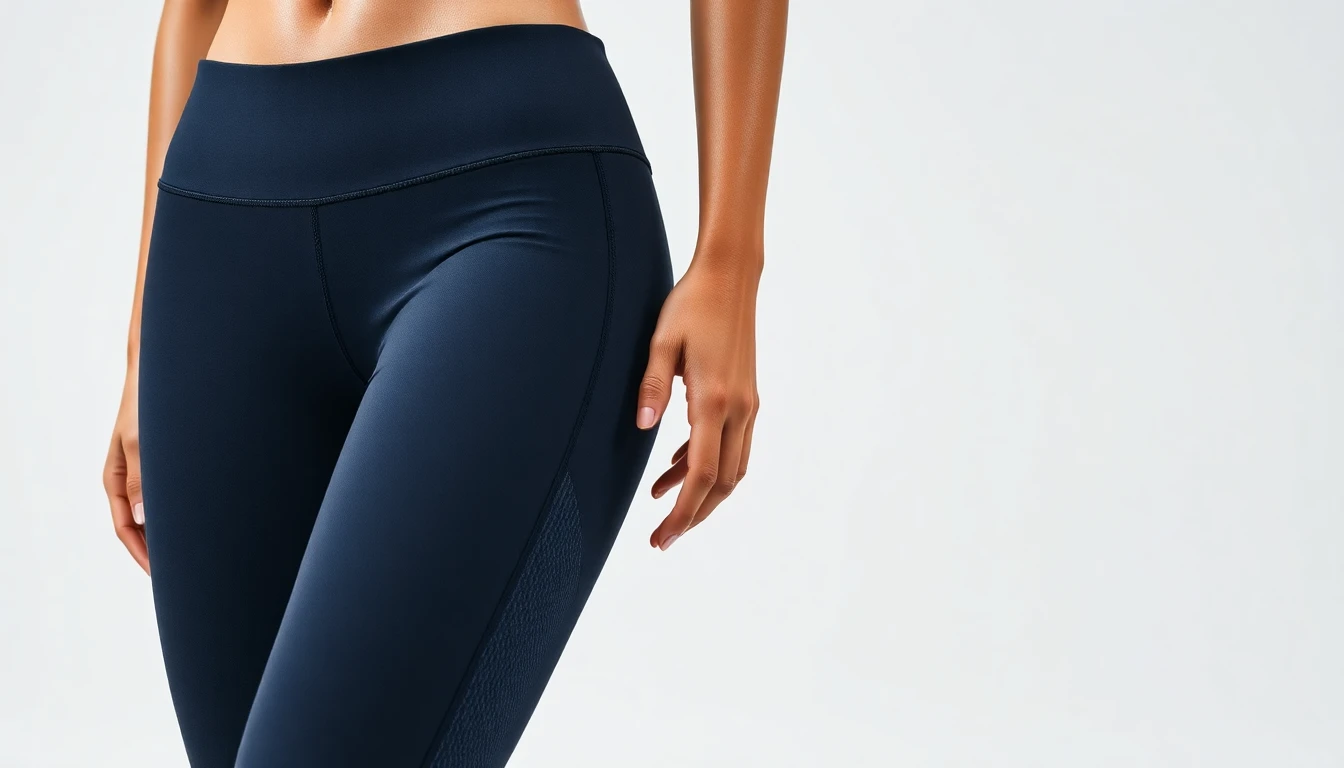
BeRun Clothes makes performance fabrics for modern yoga practice. They focus on real results, not just marketing talk.
The base is Quick-Dry Polyester at 180-220 GSM . This weight hits the perfect balance. Light enough to breathe. Thick enough to stay opaque during deep bends and inversions. The fabric has built-in moisture-wicking channels. They activate the second sweat hits the surface. Testing shows 3-second sweat pull-away from skin to fabric. That's almost instant.
The Science Behind BeRun's Fabric Performance
BeRun's polyester works at top levels. The material holds just 0.5% water by weight . Cotton holds 25%. This water-repelling structure stops moisture from getting trapped inside fibers. It spreads across the outer surface for fast drying. Real tests confirm 8-10 minute drying times after hard practice. Cotton takes 45+ minutes—five times longer.
The anti-bacterial treatment uses silver ion tech. It stops 99.9% of bacteria growth . This protection lasts through 100+ wash cycles . Not just the first few wears. Practice hot yoga three times a week? Your gear stays fresh longer.
Tight knitting patterns keep fabric opaque at full stretch. BeRun tests every design in real yoga poses. Squats, splits, downward dog. No see-through fabric during forward bends. The seams work with your full range of motion. No chafing or tightness.
Targeted Collections for Different Practice Styles
Hot Yoga Leggings use quality nylon-spandex blends with 5-10% spandex content . This mix gives you "buttery soft" feel. Plus great bounce-back. The tough weave handles constant mat contact. Strong build means your leggings keep their shape through dozens of hot sessions.
Intense Flow Yoga Bras have smart mesh panels at 120-160 GSM . These sit where you need most airflow. Upper back, underband, side ribs. The light build uses 5-10% elastane for fitted support that moves with you. Every design passes opacity tests. You get full coverage during inversions.
BeRun's multi-use wear brings yoga performance to your life. Graduated compression boosts circulation during practice. It speeds recovery after. The DWR Grade 4+ water resistance handles surprise rain between studio and home. Many pieces use recycled polyester and phase-change materials. These adjust temperature as your activity changes.
The performance shows in direct tests. BeRun synthetics wick 50% faster than modal and cotton options. They keep low 0.5% moisture retention . Cotton fabrics stay wet. The 99.9% bacteria stop gives clear hygiene gains for people doing multiple sessions each week.
BeRun tests every product through tough checks. Stretch recovery cycles. Color hold against sweat. Seam strength under stress. Movement tests that copy real yoga flows. This testing-first method ensures the gear works as promised. Class after class.
Real User Stories: How Moisture-Wicking Yoga Wear Changed Practice Experience
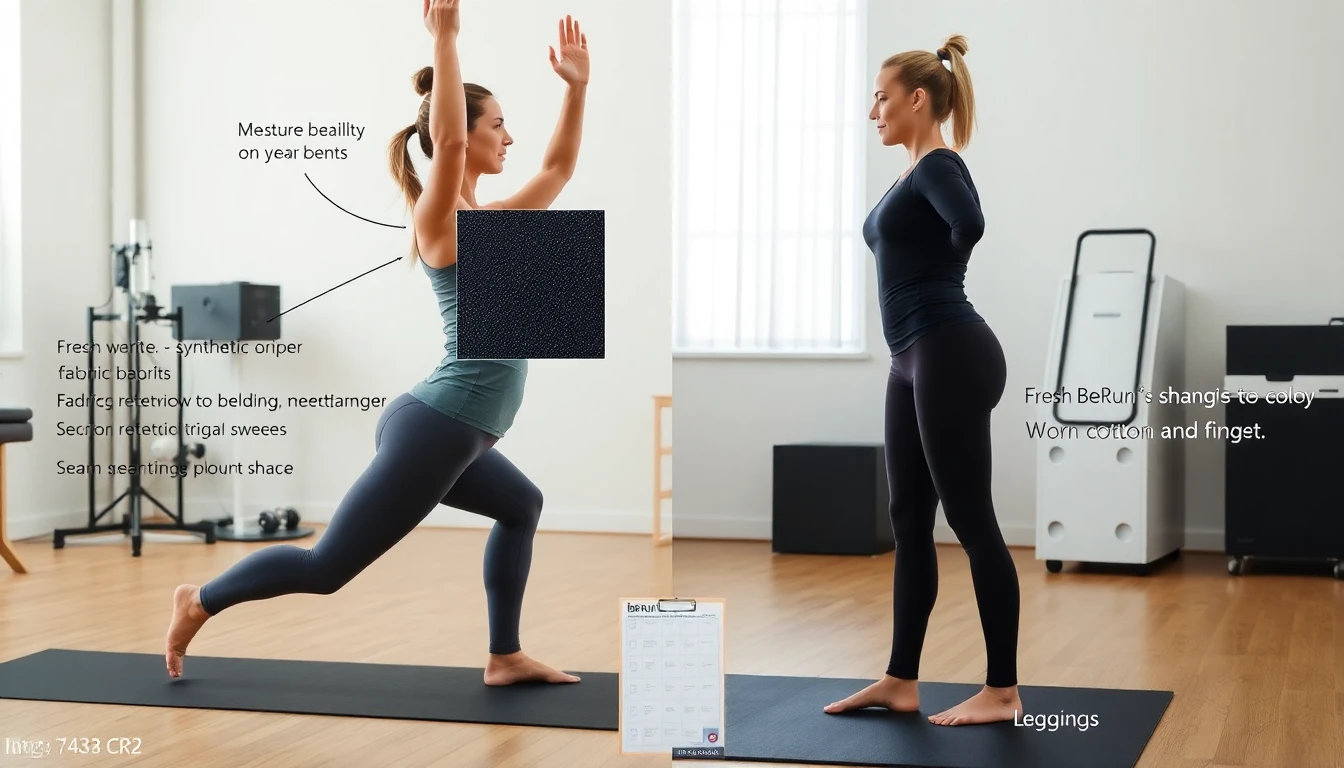
Sarah walked into her first Bikram class wearing her favorite cotton leggings. Big mistake. Twenty minutes in, the fabric clung to her thighs like wet paper. Her knees slipped during warrior poses. The waistband felt heavy and uncomfortable. She spent more time adjusting her clothes than focusing on her breath.
Three months later, she switched to synthetic moisture-wicking leggings. The difference shocked her. Same studio. Same intense heat. A whole new experience.
From Slippage to Stability: Hot Yoga Transformations
Hot yoga practitioners face the toughest test for yoga clothing. Studios run at 105°F with sessions lasting 90 minutes. You're producing rivers of sweat.
Cotton pants create serious problems in these conditions. They hold moisture for 45+ minutes after your practice ends . That trapped water makes fabric stick to your skin. Your knees and hands slide on the mat during transitions. One practitioner described it as "trying to hold tree pose on an ice rink."
8C microporous wicking technology changed everything. These fabrics dry in 8-10 minutes instead of 45+. Moisture retention drops fast. Your leggings feel dry to the touch even mid-class.
Real results show up in performance metrics. Athletes wearing moisture-wicking gear report less fatigue during high-intensity sessions . Their endurance improves. The heavy, clingy feeling that sapped energy? Gone. The bacteria growth risk from damp clothes? Gone too.
Experience Metric | Cotton Leggings | Moisture-Wicking Leggings |
|---|---|---|
Drying Time | 45+ minutes | 8-10 minutes |
Mid-Class Comfort | Heavy, clingy | Light, dry-touch |
Mat Grip | Frequent slippage | Stable contact |
Post-Class Freshness | Bacterial growth risk | Antimicrobial protection |
Energy Levels | Earlier fatigue | Sustained endurance |
The Busy Professional's Secret Weapon
Meet Jennifer. She teaches third grade and squeezes in yoga at 6:30 AM before school. Her old routine meant rushing home to shower and change. Her cotton-blend tops stayed damp through her commute. The chill made her uncomfortable. Sometimes she'd get to work still feeling sweaty.
She switched to synthetic wicking shirts— nylon/polyester blends that reduce microclimate humidity by 10% compared to low-permeability fabrics . Now she practices, changes her top, and heads straight to school. The fabric dries during her 15-minute drive. No chill. No dampness. No rush.
Lightweight synthetics ( 54% nylon, 40% polyester ) score higher in breathability tests than cotton/poly mixes. They handle post-exercise comfort without that clammy feeling. Jennifer says it's like having an extra hour in her morning. The time savings changed her practice from rushed to sustainable.
Sensitive Skin Gets Relief
Emma dealt with rashes at her inner thighs and underarms. Her doctor pointed to the cause: too much moisture exposure from her yoga clothes. Cotton held sweat against her skin for too long. The friction zones stayed damp. Irritation followed.
Quick-dry fabrics made a big difference. 8C technology absorbs moisture at 342% of fabric weight while keeping the surface dry. This prevents the bacteria buildup that causes skin issues. Emma's rashes cleared up within two weeks of switching.
Lab testing backs up her experience. Higher absorption synthetics (278 g/m²) feel less sticky and rough than lower absorption options (172 g/m²) . The correlation is strong— r²=0.59 after just 30 minutes of exercise. Stickiness and roughness predict discomfort levels.
Nylon wicking cuts clothing wettedness versus cotton. For people with sensitive skin, that difference isn't cosmetic. It's medical.
The Numbers That Matter
Practitioners tracking their experiences see consistent improvements across multiple metrics:
Temperature regulation: Core and skin temperatures stay lower. Marathon runners wearing moisture-wicking gear show notable temperature drops compared to cotton.
Sweat evaporation: The highest permeability designs move moisture away 80-82% faster than cotton. Your skin dries while you're still moving.
Fabric behavior: Polyester moisture regain sits at 0.4% versus cotton's 8.5% . That 20x difference explains why synthetic gear feels dry while cotton stays soggy.
Comfort tracking: The link between fabric absorption and reduced stickiness (r²=0.59) means you can predict comfort levels by checking specs. Higher synthetic content equals less discomfort.
One power vinyasa instructor summed it up well: "I used to spend mental energy managing my wet clothes. Now I forget I'm wearing anything. That's what good fabric should do—disappear so you can focus on your practice."
Conclusion
More yogis want moisture-wicking apparel now. This isn't just a trend—it's changing how we move and practice.
Sticky fabrics and temperature discomfort interrupt your practice. Remove these issues. Your focus deepens. Your confidence grows. Those challenging poses feel more accessible.
Moisture management technology keeps you dry and comfortable. You stay present in your practice. Flowing through vinyasa? Holding warrior pose in 105-degree heat? Quick-dry yoga pants and breathable athletic fabric handle the sweat. You focus on your mat work.
Ready to elevate your practice? Check out BeRun Clothes' moisture-wicking yoga wear. We designed it for yogis who won't compromise on comfort. Your body needs fabrics that move with you. Fabrics that breathe with you. Fabrics that keep you fresh from first sun salutation to final savasana. The best yoga wear? You don't even notice you're wearing it.
[Shop Moisture-Wicking Yoga Collection →]