Table of Contents
Finding the perfect cycling kit in Northern California doesn't need to be hard. You're a weekend rider cruising through wine country? Or maybe you tackle Mount Diablo's tough climbs regularly. Either way, the right gear makes a big difference. Knowing where to shop matters just as much as what you buy.
The Bay Area has plenty of great cycling shops. You'll find traditional cycling clothing stores and smart online retailers of cycling apparel too. They stock everything from affordable basics to custom-fitted performance wear. Good gear helps you look sharp and ride faster.
San Francisco has historic cycling shops. Sacramento offers newer boutiques. Big chains carry the latest moisture-wicking tech. Local craftspeople make custom jerseys. This guide shows you where Northern California cyclists shop. You get insider tips on which stores do what best. So you spend less time searching and more time riding.
Physical Cycling Apparel Stores in Northern California
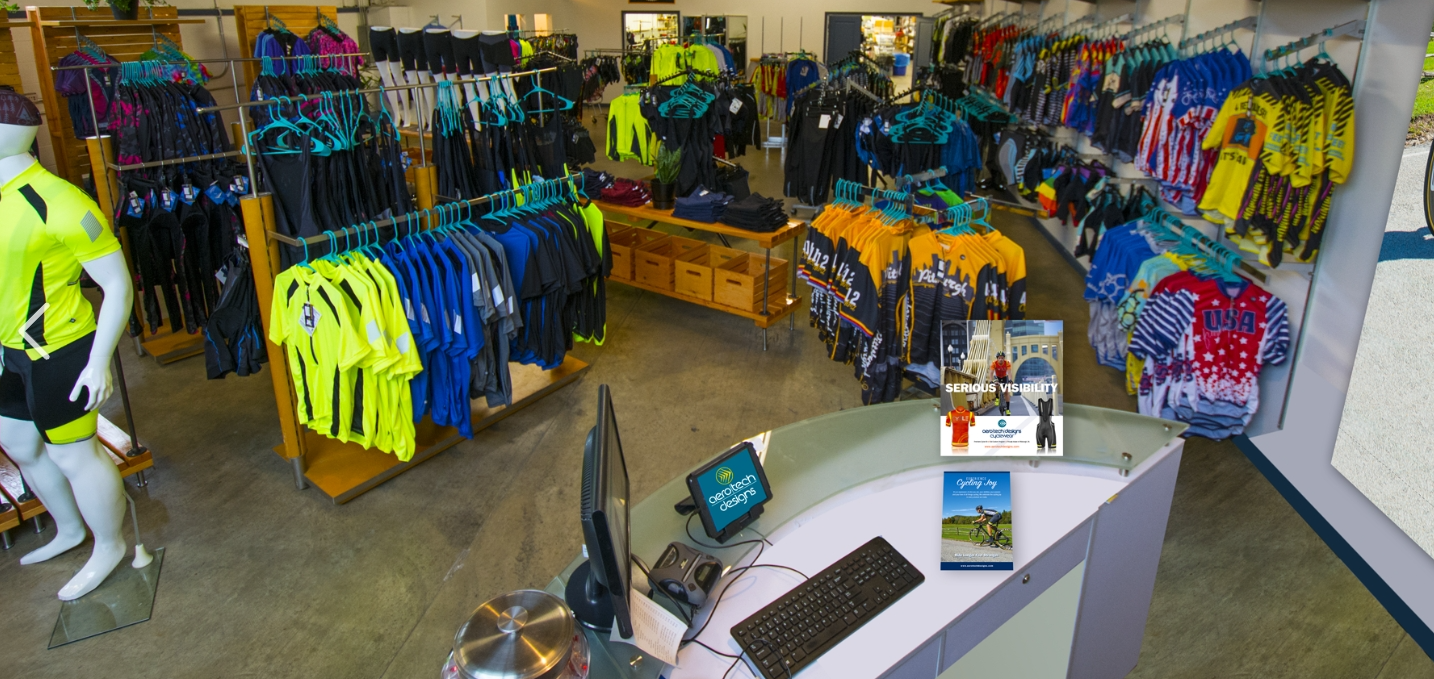
Specialty cycling stores dominate Northern California's cycling apparel market. They grabbed 36.68% of total market share in 2024. That's no accident. These shops offer something online retailers can't match—real expertise. Plus, you touch, feel, and try on gear before you buy.
Mike's Bikes leads the pack across Northern California. Ken Martin and Matt Adams built this empire from the ground up starting in 1998. Now they run 12 locations throughout the region. Their 260-person team spreads across retail stores, a distribution center, and an online fulfillment facility. You'll find premium brands like Specialized, Santa Cruz, BMC, and Salsa on their racks. They grew smart—through buying other shops and picking the right new locations.
Jax Bicycle Center operates 10 cycling apparel's stores across California. Several sit in prime Northern California spots. Industry insiders rank them among the "Big BRAIN Ten"—the largest bike retailers in America. That size means serious buying power. It also means deep product selections.
Walk into these specialty shops and you get more than products. You get knowledge. Staff members understand compression zones in cycling bibs. They explain chamois padding differences. They know which fabrics breathe best on hot climbs. They also know which thermal tech works during foggy coastal rides.
The fitting zones matter too. You can test how bibs feel in riding position. You can check jersey pocket placements. You can verify that arm warmers stay put. These dedicated spaces help you make smart choices—not guesses based on online photos.
These stores host group rides every week. They run maintenance workshops. They build loyalty programs that reward regular customers. This community approach keeps cyclists coming back. Online retail grows at 8.85% each year through 2030, but these shops still thrive.
Top Online Cycling Apparel Retailers Based in Northern California
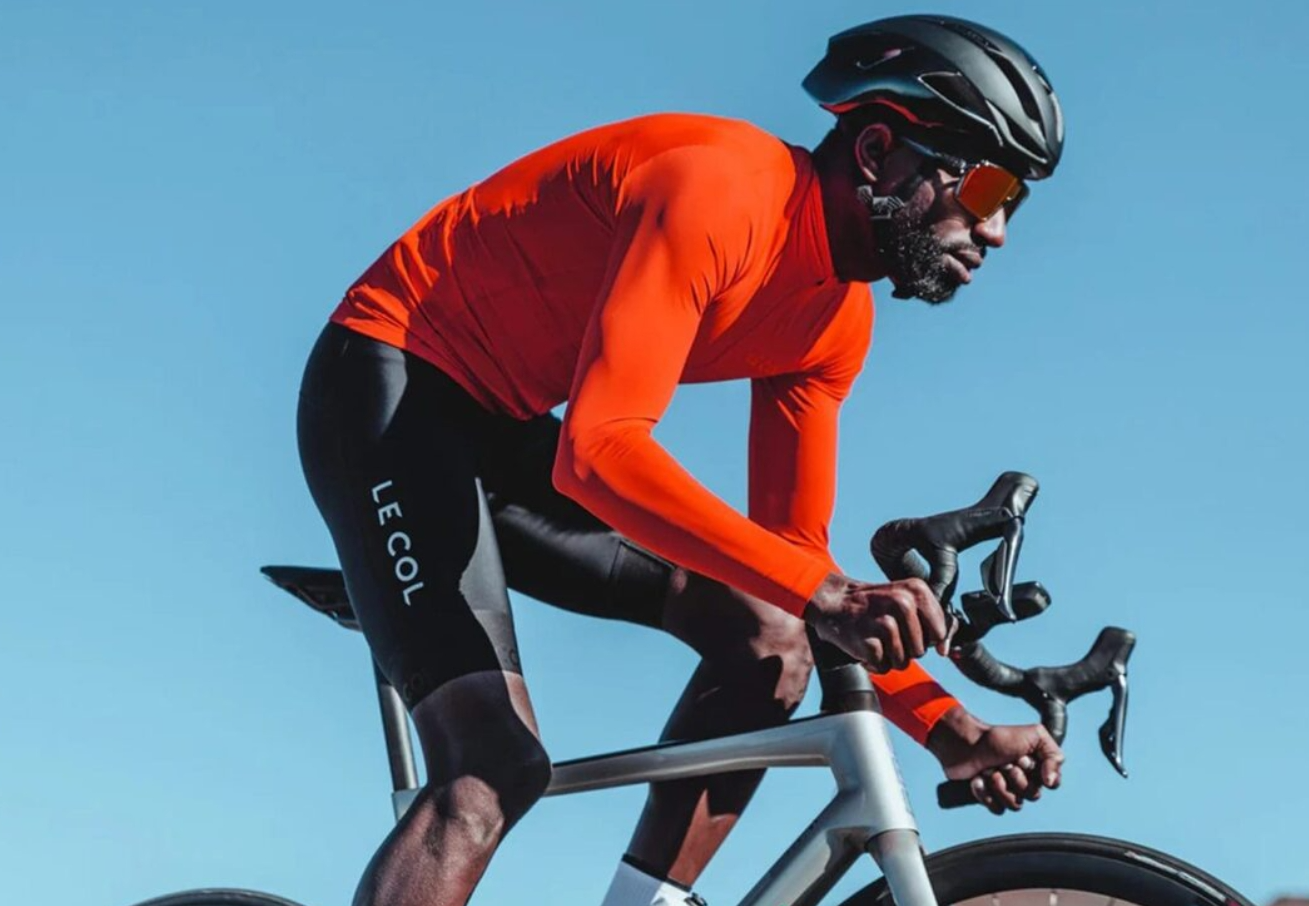
Northern California creates a unique type of cycling brand. Small teams. High standards. Real riders make every design choice. These online retailers ship across the country. But their roots stay deep in Bay Area cycling culture.
Ornot Bike operates in San Francisco's industrial areas. Tyler Wren started this brand in 2013. His mission was simple: technical cycling gear that works. No fluff. Just clean designs tested on real roads. They joined 1% for the Planet from the start. Environmental care is part of their core business. Their online cycling apparel's store matches San Francisco cycling: practical, focused on performance, no pretense. You order direct. They ship fast. The fit runs true to size. They cut patterns based on rider feedback, not generic sizing charts.
Eliel Cycling values California craftsmanship. They handcraft every jersey in-state. Performance jerseys start at $150 for short-sleeve. Long-sleeve versions cost $155. This pricing shows real quality. You get premium fabrics. Careful construction. Designs that last thousands of miles. Men's and women's cuts both get full attention. They're opening a new headquarters in 2025. Events are planned all year. September 27 marks their first official group ride. Smart move. They're building community around the brand, not just selling products.
Voler Apparel stamps "Made in USA" on everything. That matters to riders who care about their gear's origin. Their online store covers the basics: jerseys, shorts, complete kits for men and women. They engineer clothing to last. Seams don't blow out after one season. Fabrics don't pill after three washes. It costs more upfront. But it saves money over time.
Bike Connection combines physical and online retail of cycling apparel. Their San Francisco and Palo Alto stores supply a large online catalog. You'll find 66 glove options. 29 short-sleeve jerseys. 60 shorts and bottoms. 51 sock varieties. They stock serious brands. Giant Surge Pro bibs at $399. Rapha Core collections. Giant Caldo arm warmers marked down from $120 to $45. Their online stock reflects what serious riders need, not what marketing teams push.
These Northern California cycling clothing retailers get something department stores don't: cyclists buy from people who ride. Every product description sounds like someone who's battled headwinds through the Altamont Pass wrote it. Every fit tip sounds like advice from a coffee shop after a group ride. This real feel turns browsers into buyers. Distance doesn't matter once the knowledge feels close.
Bay Area Premium Cycling Apparel Chains
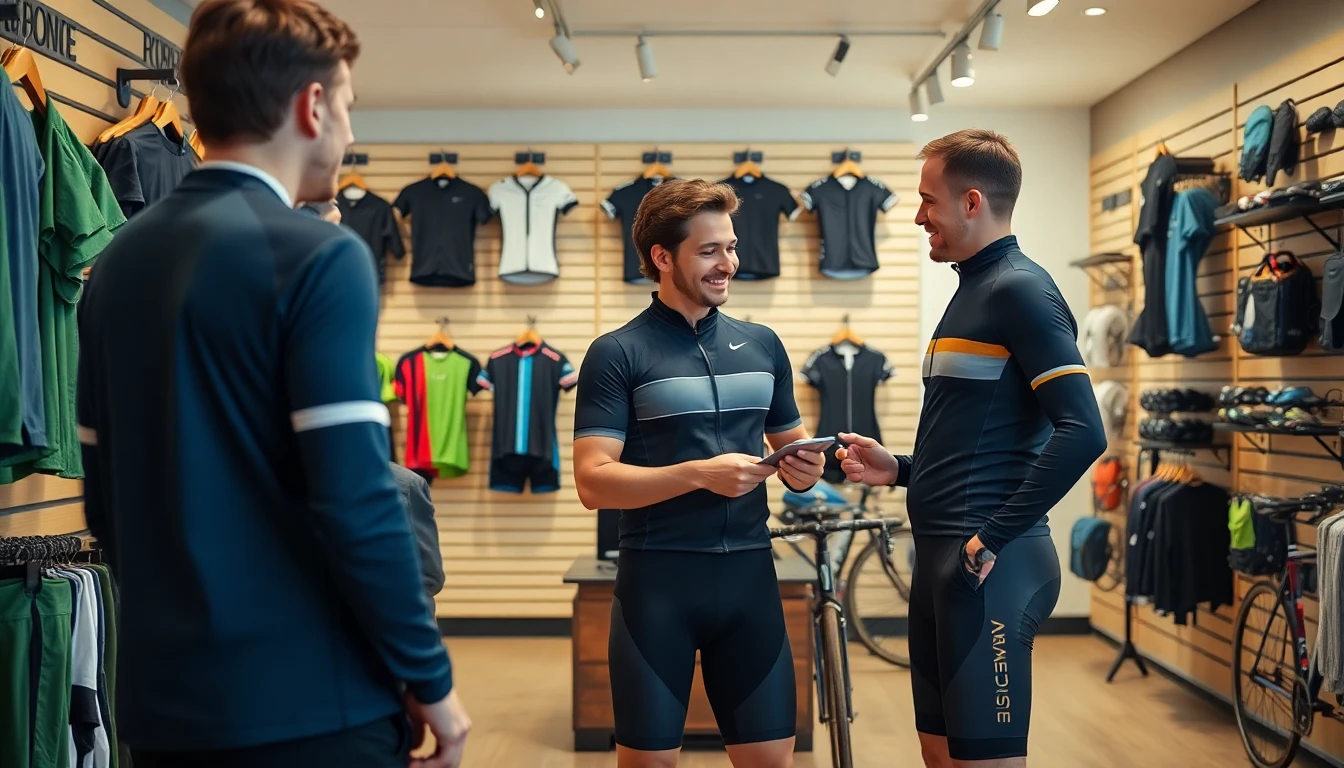
Premium doesn't mean unapproachable. The Bay Area cycling scene proves this every day. Shops here stock high-end gear without the attitude. You get quality products. You get real service. Nobody judges you for asking basic questions.
Bike Connection runs two locations—San Francisco and Palo Alto. Both stores serve riders who know value versus price. Their premium selection shows this. Giant Surge Pro bibs cost $399. That's serious money. But these bibs last three seasons of hard riding, not three months. Their Macha Pro shoes run $399. Right now they're marked down to $199.99. Smart timing saves you 50% on pro-level footwear. They also stock Rapha Core cycling bib shorts. These aren't bargain-bin basics. This is the kit you wear on long days. Comfort matters. The 7iDP Sam Hill knee pads cost $89.99. Mountain bikers who know protection don't blink at that price.
Valencia Cyclery focuses on all-weather reliability. San Francisco weather changes three times during one ride. You need gear that adapts. They carry Bontraker and Giro apparel built for these conditions. Fog rolls in at mile twenty. Rain threatens at mile thirty. Your clothing needs to handle both. No support vehicle full of backup kits required. Valencia's staff gets this Bay Area reality. They recommend pieces that layer smart, not just pieces that look fast.
Laurel Cyclery sits in Oakland at 3715 MacArthur Boulevard. Chris and his team have run this shop since 2014. Premium bicycles, yes. But their apparel game is just as strong. They keep gloves, helmets, and lights in stock year-round. No "we'll order that for you" delays. You walk in. You walk out equipped. December 2025 hours run Monday through Friday 11am to 6pm. Saturdays 10am to 5pm. Sundays they close. Call ahead at (510) 328-1158 if you need specific sizing. They also offer online ordering with in-store pickup. You reserve gear from home. You try it on at the shop. Returns happen fast if the fit doesn't work.
These chains get Bay Area cycling economics. Riders here spend money on gear that performs. But they expect value, not just brand names. Premium means quality build. It means fabrics that last. It means customer service from people who ride these roads themselves.
Specialty Cycling Boutiques and Local Favorites
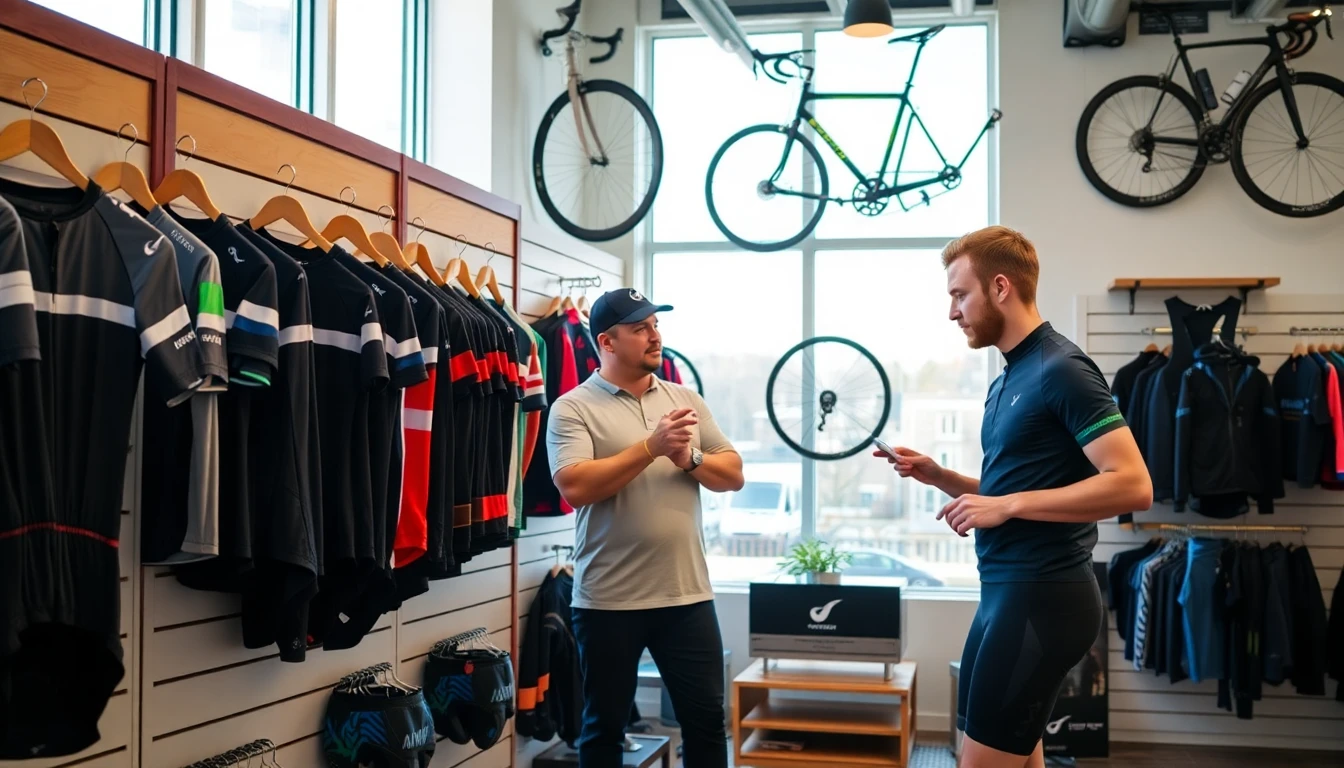
Northern California's cycling boutiques run their own way. National chains can't match them. These shops skip trends. They stock what riders need on local routes. Walk into one and you see the difference right away. Staff knows compression zones in cycling bibs . They explain chamois padding from experience, not spec sheets. They've ridden this gear on Mount Tam's steep descents, through Marin's eucalyptus groves, across the Richmond-San Rafael Bridge's tough crosswinds.
These boutiques grabbed 36.68% of the cycling apparel market in 2024 . Online retail grew fast, yet boutiques held strong. Location doesn't explain it. Pricing doesn't either. Knowledge does. Staff here gets why you need different breathable cycling fabric for Sacramento valley heat versus San Francisco fog. They know which moisture-wicking cycling clothes work on Old La Honda Road at noon in July.
The fitting experience sets boutiques apart from big-box stores. No guessing at sizes from online charts. You try padded cycling shorts in riding position. You check how jersey pockets sit over the bars. You test that arm warmers stay put during hard efforts. These fitting zones slash return rates. Riders walk out with gear that works.
Community keeps these shops going. Group rides leave from their doors each week. Maintenance workshops pack their calendars. Loyalty programs bring customers back season after season. One South Bay boutique runs Thursday night rides every week, all year. Same loop. Same pace groups. New faces join each week. The ride ends at the shop. Coffee comes out. Stories get swapped. Gear gets talked about. Someone asks about road cycling clothing for an upcoming century. Staff knows that rider's preferences, fit quirks, and budget.
This personal service fuels the 8.70% global market growth rate in cycling apparel through 2033. North America hits 6.9% CAGR . Boutiques win through relationships, not ad spending. They stock premium brands other stores skip. They order rare European cycling jerseys for customers planning Alpine trips. They recall you like Italian bike shorts cut a bit longer than American brands.
Prices beat department stores. A good cycling kit from a boutique starts around $200. Top performance cycling wear runs $400-500. These pieces last, though. Seams hold after six months. Fabrics don't pill after twenty washes. The cost pays off over multiple seasons. Boutique customers get this. Buy once right beats replacing cheap gear three times.
The NBDA 2025 Specialty Bicycle Retail Channel Study surveyed over 200 U.S. retailers late in 2025. Results show what riders know: specialty shops win at product knowledge and customer service. Staff gets real training on technical fabrics, fit rules, and seasonal layering. This know-how builds trust. Riders believe staff who use this gear themselves.
Northern California boutiques move faster than chains. Mountain bike apparel trends went casual in 2024. Local shops changed stock right away. No waiting for corporate buyers to approve new products. They called reps that day. Relaxed-fit trail jerseys filled racks within weeks. Customers saw it. Sales proved it right.
These shops face tough odds too. Online sales grow 8.85% annually . Direct-to-consumer brands cut out retailers. Mass merchants sell basic cycling wear cheap. But boutiques offer what Amazon can't: human know-how for each rider. That keeps them vital in Northern California's cycling scene.
CTA Section 1Budget-Friendly Options for Cycling Apparel in NorCal
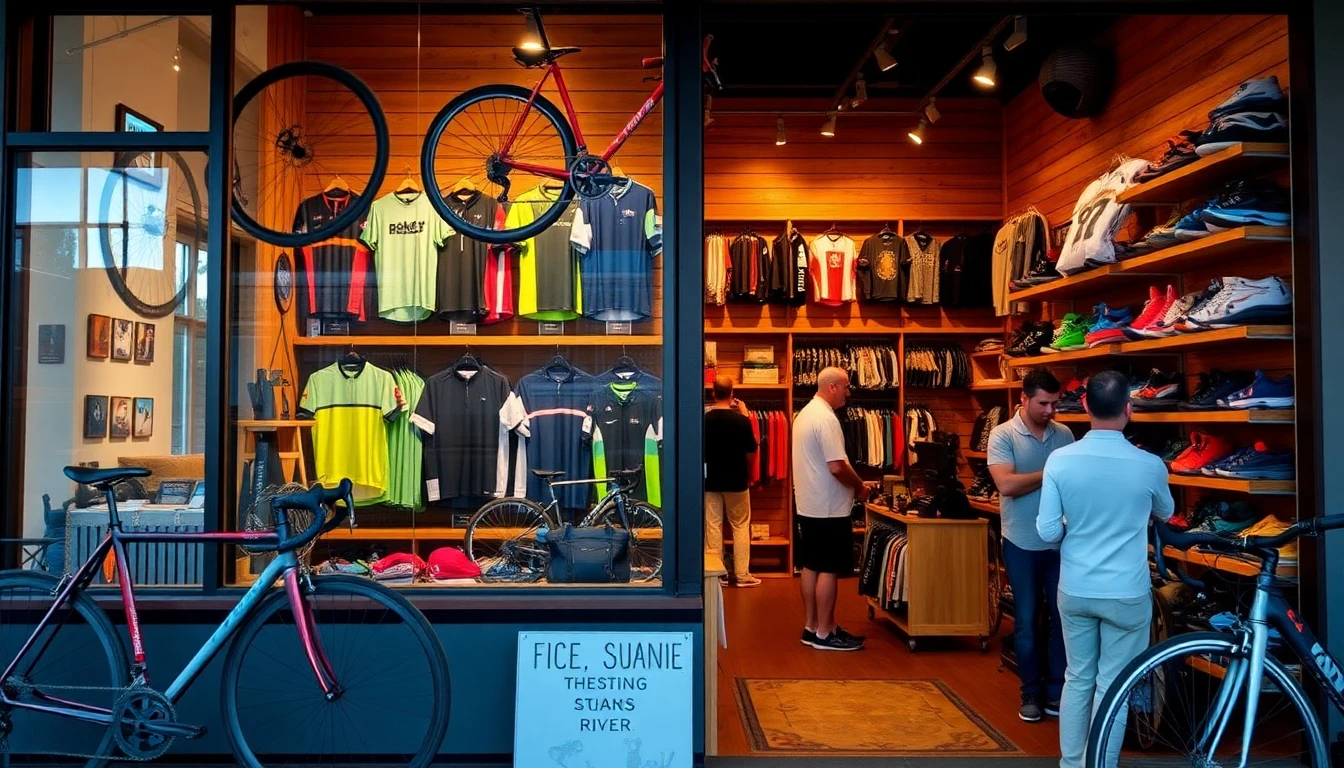
Quality cycling gear doesn't demand trust fund money. NorCal riders know this secret. Smart shopping beats big spending every time.
Steep & Cheap delivers deep discounts to NorCal addresses. Their online clearance racks slash prices up to 60% off retail. The R7 2in1 Short - Men's drops from $119.95 to $47.98. That's 60% savings on proper padded cycling shorts with built-in liner. The Perfetto RoS 2 Wind Short-Sleeve Jersey - Men's hits $126.49, down 45% from $229.99. This isn't cheap quality. You get premium road cycling clothing at clearance prices.
Women riders find serious deals too. The Ombre Ultralight Mesh Jersey costs $113.37, marked down 40% from $188.95. You get premium breathable cycling fabric at mid-range pricing. The Turq Merino Short-Sleeve Jersey drops to $60 from $120. Natural merino controls temperature better than most synthetic blends. Half price makes it easy to afford.
Cycling bibs get heavy discounts here. The LUXE Bib Short - Men's runs $195, cut 30% from $279. The Signature Bib Short costs $149.40 after 40% reduction from $249. Both have quality chamois and compression zones. They match $300+ competitors. The FR-C Pro Bib Short drops to $149.97 from $249.95. Pro-level build at amateur pricing.
Winter gear discounts run even steeper. The Corsa Long-Sleeve Softshell Jersey - Men's shows $109.95 to $199.96, slashed up to 56% off $249.95. The TK1 Bib Tight costs $129.95, reduced 35% from $199.95. Cold-weather performance cycling wear becomes affordable.
REI Co-op stores cover Northern California—San Francisco, Berkeley, Sacramento, and beyond. Their cycling section focuses on flexible pieces, not race-day kits. Discounts hit 40% during member sales. Rapha Core Cycling Bib Shorts - Men's range $90.93 to $155. The same brand's Core Long-Sleeve Cycling Jersey runs $85.93 to $125. Entry-level Rapha tops department store brands.
PEARL iZUMi leads REI's technical options. The Quest Barrier Convertible Jacket - Women's costs $64.83 to $145. Sleeves zip off. One jacket handles three seasons. The Elite Gel Cycling Gloves - Men's run $30.93 to $45. Gel padding protects hands without bulk. The Elevate Bike Pants drop to $109.73 from $170—35% savings on trail-ready bottoms.
Mountain bike apparel gets equal attention at REI. Fox Ranger Bike Gloves cost $20.93 to $34.95. The Ranger TruDri Bike Jersey runs $44.93 to $69.95. Both pieces handle serious trail time. Patagonia Landfarer Bike Shorts go for $68.93 to $99. These shorts work from trail to brewery. They don't scream "cyclist."
Smart timing boosts savings. REI member sales stack with clearance prices. Steep & Cheap rotates inventory each week. Check both sites Thursday mornings. New deals drop then. Sign up for email alerts. Flash sales happen fast—sometimes four hours, then gone.
Budget shopping needs patience, not luck. Track your sizes in preferred brands. Know which bike shorts fit your body. Learn your cycling jersey length preference. Sales hit, you buy right away. No time for try-on delays at 60% off.
NorCal's cycling season runs all year. This means steady deals. Summer moisture-wicking cycling clothes get cleared in September. Winter thermal gear drops prices in March. Previous season colors cost less. Performance stays the same. Your cycling kit works the same in navy as it does in the new season's teal.
These budget options keep you safe and comfortable. Every piece listed meets the same testing standards as full-price gear. Seams hold. Fabrics breathe. Chamois pads last. You just pay less because you shopped smart.
Custom and High-Performance Cycling Clothing Manufacturers
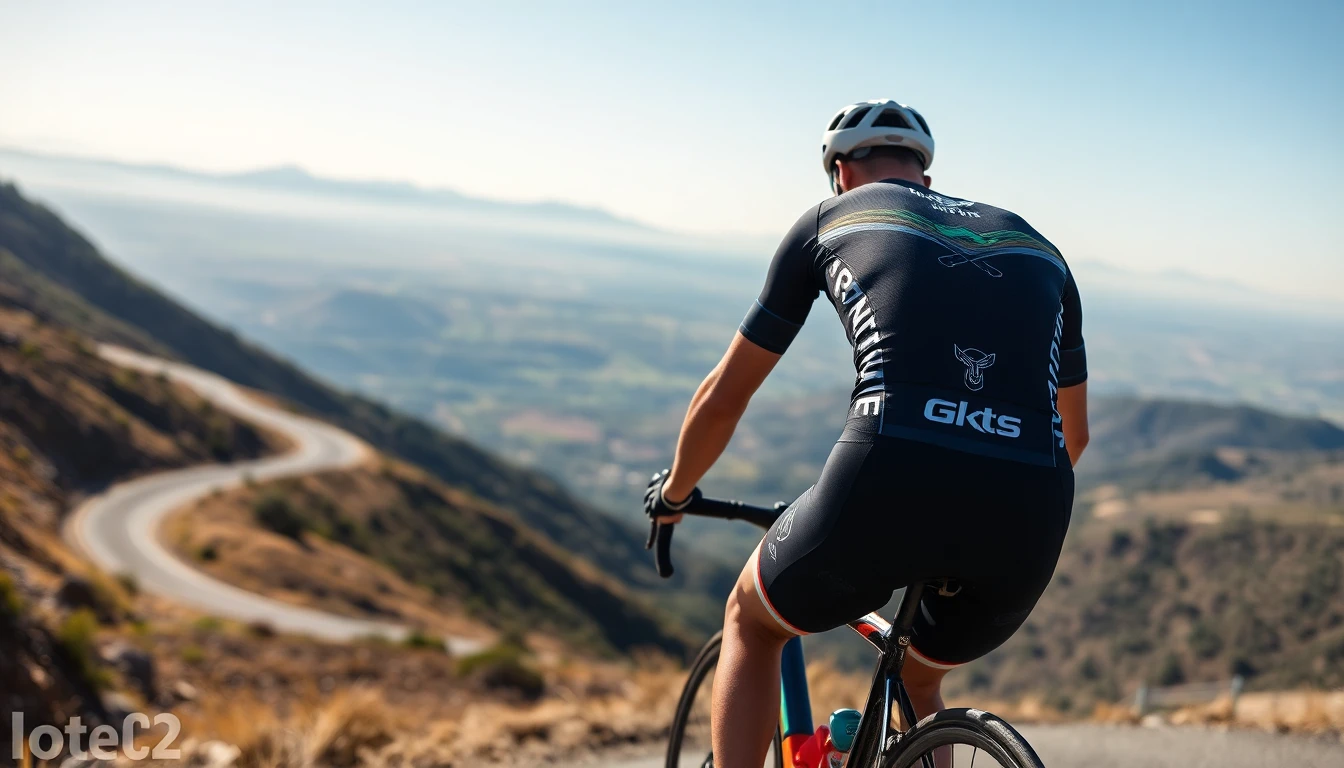
Northern California's cycling scene needs more than store-bought gear. Riders here tackle tough routes—Mount Hamilton's 19-mile climb, Marin's sharp descents, Sacramento's long rides under harsh sun. Stock jerseys fall short. Custom cycling clothing makers fix this. They build gear for your body, your team colors, your needs.
The global custom cycling clothing market grows fast right now. North America drives over 33% of worldwide demand. U.S. riders—California riders in particular—want personal gear. Club rides need branded logos. Group photos need standout graphics. Generic sizing doesn't fit most body types, so riders want custom fits. The market responds. Projected CAGR sits at 5.8% from 2025 to 2031 across jerseys, cycling bibs, shorts, caps, gloves, and shoes.
Market Stats CardsAssos of Switzerland GmbH leads luxury performance cycling wear . Their fabrics feel different the second you touch them. Custom-fit services take your measurements. They build cycling bibs with advanced chamois tech. June 2023 brought their latest bib shorts—made for riders who demand the best. Swiss precision shows in every detail. Seams line up right. Compression zones hit the right spots. Premium prices get you premium results.
Rapha Limited built its name on community and quality. Their special collections come in small batches—March 2023 designs sold out in days. Rapha's road cycling clothing blends British style with performance tech. You order custom team kits through their site. Minimum orders start at 15 pieces. Graphics upload simple. Color matching stays tight. Turnaround takes 4-6 weeks. Their San Francisco store at 2198 Fillmore Street lets you feel fabrics before ordering.
Pactimo LLC and Champion Systems Ltd run the group-order platforms. Cycling clubs across Northern California use them. Upload your logo. Pick from hundreds of breathable cycling fabric choices. Choose moisture-wicking cycling clothes in many color mixes. Minimum orders beat Rapha—some start at 6 pieces. Price drops with volume. A custom cycling jersey costs $85-120 for small runs, $65-90 for club bulk. Padded cycling shorts range $95-140 solo, $75-110 in volume.
Black Sheep Cycling runs online-first. They drop limited collections, then pull them. Northern California riders watch their Instagram. New mountain bike apparel designs drop Tuesday mornings. Gone by Thursday. Custom orders need 25-piece minimums. But the cuts fit American bodies better than European brands. Trail jerseys breathe well. Bike shorts use tougher fabrics than road versions.
Tech sets modern custom makers apart from old print shops. Digital sublimation printing cuts setup costs. Your five-rider team pays the same per-piece as a fifty-rider club. Graphics print in sharp detail—gradients, photos, complex logos all work. 3D body-scanning tech exists at some facilities. Stand in the scanner for 30 seconds. It maps your exact measurements. Custom cycling kit patterns cut to those specs. Returns drop. Fit problems vanish.
Castelli S.r.l. focuses on serious road racing. Their custom program serves top teams. Want aero cycling jerseys that save watts? They'll build them. Need cycling bibs with special chamois for 200-mile rides? They make that. Minimum orders run higher—20 pieces typical. NorCal racing teams love their performance cycling wear . The fabrics survive hard washing. Colors stay bright after a season.
Velocio sells direct with quick drops. Their custom portal opens four times a year. You design. They produce in 3-4 weeks. Small batches work—some riders order personal cycling kits in sets of three. Different cuts for different rides. Road kit in one design. Gravel kit in another. Mountain bike apparel in a third. All matching, all custom, all built for your rides.
Better materials push this market ahead. Moisture-wicking cycling clothes now use new polyester blends. Sweat moves off skin 40% faster than 2020 fabrics. Breathable cycling fabric has laser-cut holes in hot zones. Your back vents better. Body temp stays controlled on Sacramento valley climbs. Special textures cut drag—dimpled fabrics like golf balls, wind tunnel tested, proven faster.
The full cycling apparel market hit $7.034 billion in 2025 . It's growing at 7.8% CAGR through 2033 . Custom segments grow faster—riders want unique gear. Northern California makers grab this trend. Local custom shops in San Francisco and Oakland work with Champion Systems for club runs. They handle fitting. Champion handles making. Riders get personal service plus bulk pricing.
Company orders boost growth too. Tech firms in Silicon Valley order branded cycling jerseys for worker teams. Minimum 50 pieces. Full custom graphics. Company logos. Department names. These orders help fund smaller custom runs. Makers balance big company work with small fan projects.
Giordana Cycling Ltd and Endura Ltd compete on tech specs. Giordana's cycling bibs use Italian-made chamois pads. Endura builds Scottish strength into every seam. Both offer custom programs. Both ship to Northern California in 4-6 weeks. Pricing stays close—$100-130 for custom bibs, $80-110 for jerseys.
Green pressure changes this business. Raw material costs shift. Riders want earth-friendly choices. Some makers now offer recycled polyester cycling kits . Performance matches new materials. Prices run 10-15% higher. Northern California customers buy them anyway. Green values matter here.
Asia-Pacific making grows fastest worldwide. China, Vietnam, and India make most custom cycling wear. But Northern California riders still pick American and European makers. Quality control runs tighter. Customer help responds faster. Returns go easier. You pay more. You get more.
The market stays fairly tight. Nike, Adidas, and Specialized Bicycle hold top shares. They push new ideas—athlete tracking systems, digital design tools, green material lines from January 2023. Smaller custom makers follow their tech. The gap shrinks each year. What cost $10,000 to develop in 2020 costs $2,000 now. Custom makers grab pro-level features faster.
Smart riders time their custom orders right. Place them in October for next season. Skip the March-April rush when every club orders at once. Lead times stretch during peak months. October orders ship by January. You test gear through winter. Changes happen before summer rides.
Northern California's custom cycling clothing scene thrives. Riders here don't want basic solutions. They want gear that works on their routes, fits their bodies, shows their teams. Makers deliver just that.
Shopping Tips: Online vs In-Store for Cycling Apparel
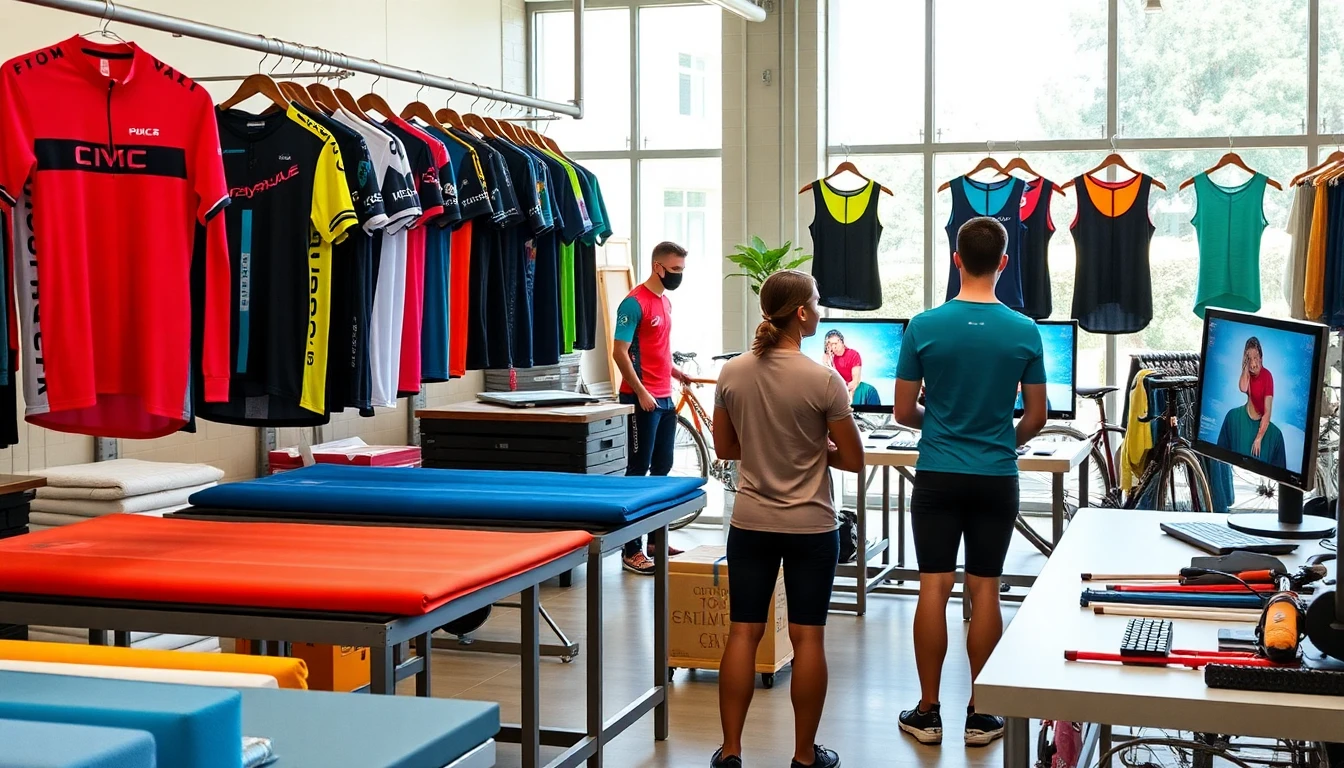
Your cycling gear budget works harder with smart spending. Online stores grabbed 55% of cycling apparel market share in 2023 . That's no accident. Click, compare, buy—all from your couch. But local bike shops still matter. Smart riders use both channels. Both sides have clear benefits.
Online Shopping Benefits
Price pushes online sales up. 80% of cyclists now buy apparel online . The math is simple. That $150 jersey at your local shop? It costs $110 online. Same brand. Same quality. Online cycling clothing retailers skip physical overhead. They pass savings to you.
Selection beats any single store. Canyon ships to 77 countries . Specialized reaches 32 . Your local shop carries maybe 15 jersey styles. Online platforms stock hundreds. Every color. Every size. Every fit variation. Search for "women's cycling bibs with Italian chamois" at 11pm. You'll find twelve options. Try that at a closed shop.
Checkout page traffic jumped 12% year-over-year from November 2020 through October 2022. Canyon sees 38,000 checkout visits each month . Trek gets 9,000 . Specialized hits 7,000 . These numbers show real buying intent, not just browsing. FAQ page visits rose 17% in the same period . Riders research hard before clicking "buy now."
You can compare prices in seconds online. Open five tabs. Compare that performance cycling wear across sites. Read reviews from riders who've logged 5,000 miles in those padded cycling shorts . Check return policies. Some offer free returns within 60 days. Others charge restocking fees. Know before you order.
Online customization goes deep. Upload your team logo. Pick exact Pantone colors. Add rider names to cycling jerseys . Minimum orders start at six pieces with some makers. Your Tuesday night group ride gets matching kits. No need to call print shops or visit stores three times.
Discounts hit harder online too. End-of-season sales slash prices 40-60%. Sign up for email lists. Flash sales drop at odd hours—Tuesday 2pm, Thursday 9am. Set alerts. That cycling kit you want will go on sale. Patience saves serious money.
In-Store Shopping Benefits
Fit can't be faked online. Cycling bibs need exact sizing. Too tight crushes circulation. Too loose creates friction. Walk into a shop. Try on three sizes. Squat down. Reach forward like you're on the drops. Feel how chamois pads sit. That ten-minute test beats guessing from size charts.
Apparel sales dropped 20% year-over-year in physical retail stores . But that stat hides something important. The 25% of riders who still buy at local bike shops aren't fools. They value what screens can't deliver. Staff who ride every day know which breathable cycling fabric works on Mount Tam. They've tested moisture-wicking cycling clothes through Sacramento's 105-degree summers.
Shops host fitting clinics. They explain chamois care. Staff show you how to wash bike shorts the right way. This extends gear life two seasons. Join a Thursday night ride. Test new road cycling clothing on real roads before buying. Online stores can't match this.
Your century ride leaves Saturday. It's Thursday. Your cycling jersey ripped. Walk into a shop. Walk out equipped. Online orders need two-day minimum. Sometimes a week. Local stock solves urgent needs.
Returns go faster in person too. Those bibs don't fit right? Bring them back that afternoon. Swap sizes. Try the new pair. Done in 20 minutes. Online returns mean printing labels, packing boxes, waiting for refunds. Some charge restocking fees. In-store returns cost you nothing but gas.
The Smart Hybrid Approach
Mix both channels. Research online. Buy basics like cycling kit gloves and socks during sales. Test big items in stores first. This means cycling bibs , mountain bike apparel , and technical performance cycling wear . Note your size in each brand. Road cycling clothing runs small in some European makes. American brands cut wider.
Store finder traffic dropped 41% year-over-year . Trek's store finder fell from 123,000 visits per month to 72,000 . Specialized dropped 32% . This shows the online shift. But it also means less crowded shops. You get better service. More staff time for your questions.
Northern California riders balance both well. Buy your training cycling jerseys online at 40% off. Get your race-day kit fitted at Valencia Cyclery or Bike Connection. Online works for basic items. Stores work for premium purchases where fit makes the difference.
Watch shipping costs. That $15 savings disappears with a $12 shipping fee. Free shipping thresholds matter. Order enough to clear them. Or pick up at local distribution points if available. Some brands offer ship-to-store. You get online pricing plus in-person pickup. Best of both.
CTA Section 2Expert Picks: Where Local Cyclists Shop
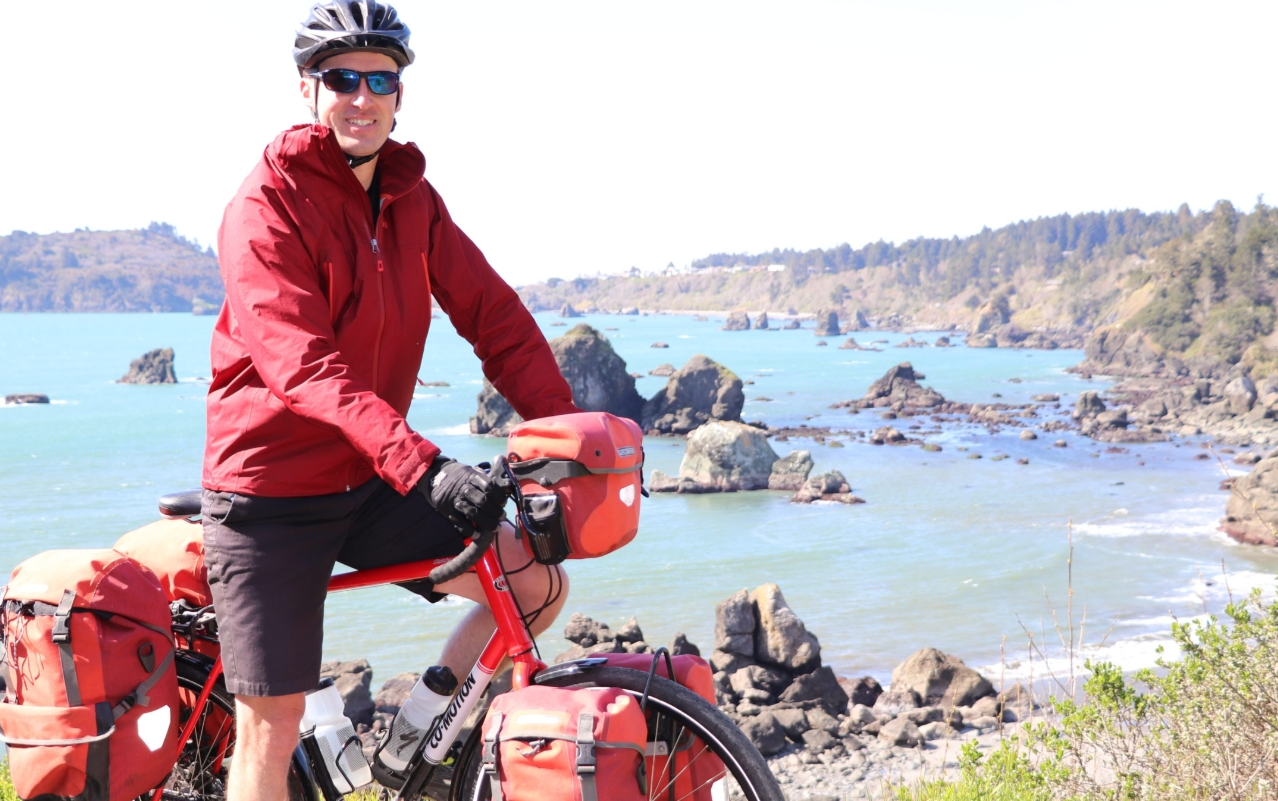
Northern California's cycling community knows its shops. Ask ten riders where they buy gear. You'll hear the same five names. These aren't accidents. These shops earned loyalty through decades of service, not marketing budgets.
Mike's Bikes tops every local rider's list. Walk into their San Rafael location on a Saturday morning. You'll see weekend warriors, Cat 3 racers, and commuters all waiting for the same mechanic. Staff turnover stays low here. Some employees hit ten-year marks. That experience shows. They remember your bike's quirks. They know your fit preferences. They respect your budget limits. Their twelve locations mean you're never far from help. Break a spoke in Berkeley? The Telegraph Avenue shop fixes it. Need new cycling bibs in San Jose? The Saratoga store stocks your size. This builds trust that online retailers can't match.
Sports Basement attracts the practical crowd. Their membership model costs $5 per year. It unlocks permanent discounts. Regular cycling jerseys cost 10-15% less than competitors. The Presidio location draws San Francisco riders. Sunnyvale serves South Bay commuters. Selection focuses on proven sellers: Pearl Izumi, Giro, Bontrager. You won't find cutting-edge performance cycling wear here. You will find reliable moisture-wicking cycling clothes that work. Their staff skews younger, newer to cycling. But prices offset any knowledge gaps. Smart shoppers grab Sports Basement basics. Then they get specialty shop advice.
REI Co-op owns the casual-to-serious transition market. New riders start here. The return policy removes risk. One year, any reason. Try padded cycling shorts for six months. Don't like them? Full refund. This policy turns hesitant buyers into confident cyclists. Their Northern California reach is wide: Berkeley, Corte Madera, San Carlos, Sacramento, Roseville. Each location stocks core road cycling clothing and growing mountain bike apparel sections. The co-op dividend returns 10% each year to members. Spend $500 on gear? Get $50 back next March. Regular riders call this their gateway shop. Learn basics here. Graduate to specialty stores later.
Valencia Cyclery is Oakland's cycling soul. Local racers trust Chris and his team with race-day prep. They stock technical pieces other shops skip. Wind vests from small European makers. Breathable cycling fabric innovations from Japanese brands. But they also carry commuter basics. This range serves Oakland's diverse riding population. The shop hosts rides each week leaving from their MacArthur Boulevard door. These rides sort themselves. Fast group at 6pm, social pace at 6:15pm. Riders bond over climbs. Then they talk gear over post-ride beers. That community converts to sales. You trust recommendations from riders who suffer the same hills you do.
Performance Bicycle closed most stores. But their online presence still draws Northern California loyalty. Riders who shopped Performance in the 1990s and 2000s remember fair prices and deep catalogs. The website continues this tradition. Their house-brand cycling kit pieces cost 30-40% less than name brands. Quality sits between budget and premium. Fine for training rides, questionable for centuries. Smart locals use Performance for consumables. Bike shorts that wear out after a season anyway. Extra cycling jerseys for muddy days. Backup gloves. Save premium budgets for pieces that matter.
Word-of-mouth drives these picks. Just 20% of bike shops deliver service that creates repeat customers. The shops listed above made that cut through consistent effort. They hire riders who race, commute, tour. They stock sizes beyond medium-large-extra large. They remember faces, names, bike models. This human element survives despite online retail's 55% market share. Northern California cyclists still value expertise they can ask questions to. Gear they can touch before buying. Communities they can ride with every Thursday night.
Conclusion
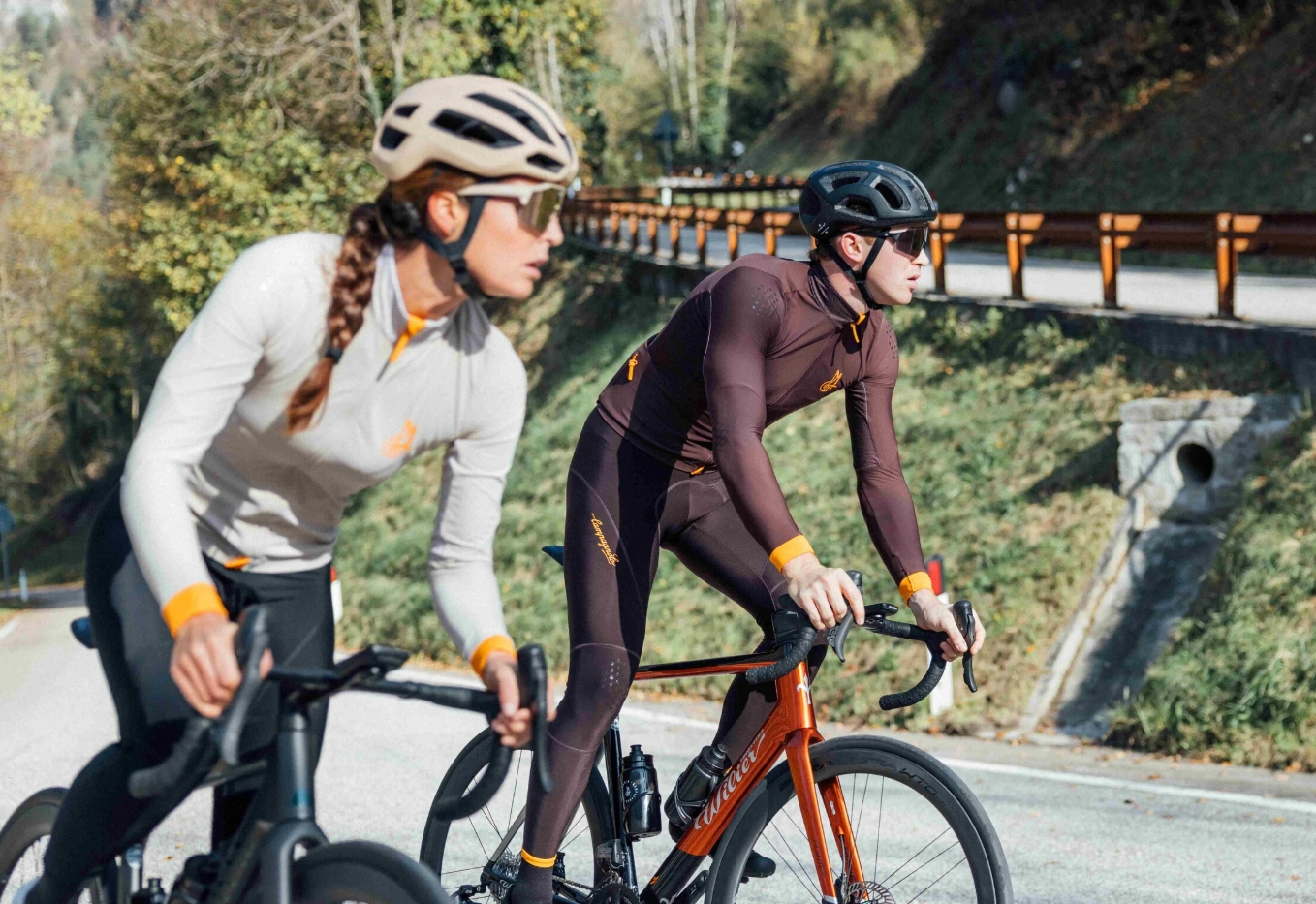
Northern California's cycling scene thrives on two things. First, the legendary trails and coastal routes. Second, the vibrant community of retailers who understand what riders need. San Francisco's neighborhoods hide specialized boutiques. Silicon Valley has performance-focused chains. Quality cycling apparel is always nearby to match your ambition on two wheels.
The real beauty? You have options that fit every riding style and budget. Test the feel of padded cycling shorts in a local shop. Browse custom kits from NorCal's own cycling apparel's manufacturers. The region offers something rare—access to cutting-edge performance wear. Plus, you get expertise to help you choose right.
Start with the stores closest to your favorite routes. Talk to the staff who ride these same hills and headwinds. Try on that jersey. Feel the fabric. Ask the questions another cyclist can answer. Your perfect cycling kit isn't just about the clothes. It's about finding the place where your riding goals meet people who get it. That's what Northern California does best.
Now get out there and ride in something that feels right.
CTA Section 3