You've held up a $100+ Skims swimsuit and asked — where did this come from, and is it worth it? That question matters more than most brands care to admit.
Are you focused on quality? Concerned about ethical sourcing? Or just curious about what's behind Kim Kardashian's billion-dollar brand? Either way, knowing where Skims swimwear is made tells you a lot. It affects the fabric touching your skin. It affects the workers who made it.
This guide covers Skims' manufacturing partners, swimwear factory locations, material choices, and supply chain transparency. So you can shop with real information — not just brand hype.
Skims' Manufacturing Partners and Factory Locations
SKIMS doesn't manufacture in a single swimwear factory or even a single country. Its production network spans at least five nations — Turkey, China, Thailand, Cambodia, and Vietnam. Each country plays a specific role in delivering the seamless, body-sculpting aesthetic the brand is known for.
Here's what the supply chain looks like, broken down by partner and location.
Turkey: The Seamless Specialists
Two key manufacturing partners operate out of Istanbul.
EK Texal is the most significant of the two. The facility covers 250,000+ square feet and employs over 500 workers . It specializes in high-end shapewear, lingerie, and activewear using seamless fabric technology. Think bodysuits, leggings, and compression garments — the core construction behind Skims' Second Skin line. Seamless production at this scale isn't cheap or simple. It's precision work, and EK Texal's infrastructure is built around that.
The second Istanbul partner, K Mo San VZ , focuses on softer, seamless underwear and loungewear sets. The work is less technical than compression manufacturing. Still, it demands consistent quality control at high volume.
China: The Volume Engine
Two major Chinese swimwear manufacturers make up the rest of the core production network.
Henl Tha , based in Guangzhou's Guangdong Province, employs over 2,225 people . It handles nylon-spandex shapewear, including Second Skin bodysuits and soft compression pieces. The factory also produces for Shein and Amazon — a clear sign of serious capacity for fast-fashion-scale output. Its operations also extend into Cambodia and Vietnam.
Hangjo HS Fashion operates out of Dongguan with a large footprint:
- 6 garment factories
- 3,000+ workers
- 6 sample rooms
- In-house R&D
- A digital print workshop
- A dedicated testing lab
In 2015, the company reported a $221 million turnover . In 2016, it ranked among the top 7 Chinese garment exporters to Europe . Their expertise covers woven and knitwear, Jersey, and fabric development. High minimum order quantities point to Skims buying at serious scale.
Singapore and Beyond
Cherry Intimate is headquartered in Singapore, with added operations in Bangladesh and China. It handles mass production of shapewear and undergarments. Cherry Intimate fills the volume gaps that specialty swimwear factories can't cover on their own.
The Swimwear Question
Here's the straight answer: none of Skims' known manufacturing partners are linked to its swimwear line by name. The available data covers shapewear, bodysuits, loungewear, and underwear. That said, the seamless construction and nylon-spandex expertise built across Turkish and Chinese swimwear factories transfers well to swimwear production. Stretch, compression, durability, and body-contouring fit — these skills carry over.
One thing is clear: Skims is not made in the USA. Its production network is international across the board, built for scale, technical precision, and cost efficiency across multiple manufacturing hubs.
What Materials Are Used in Skims Swimwear?
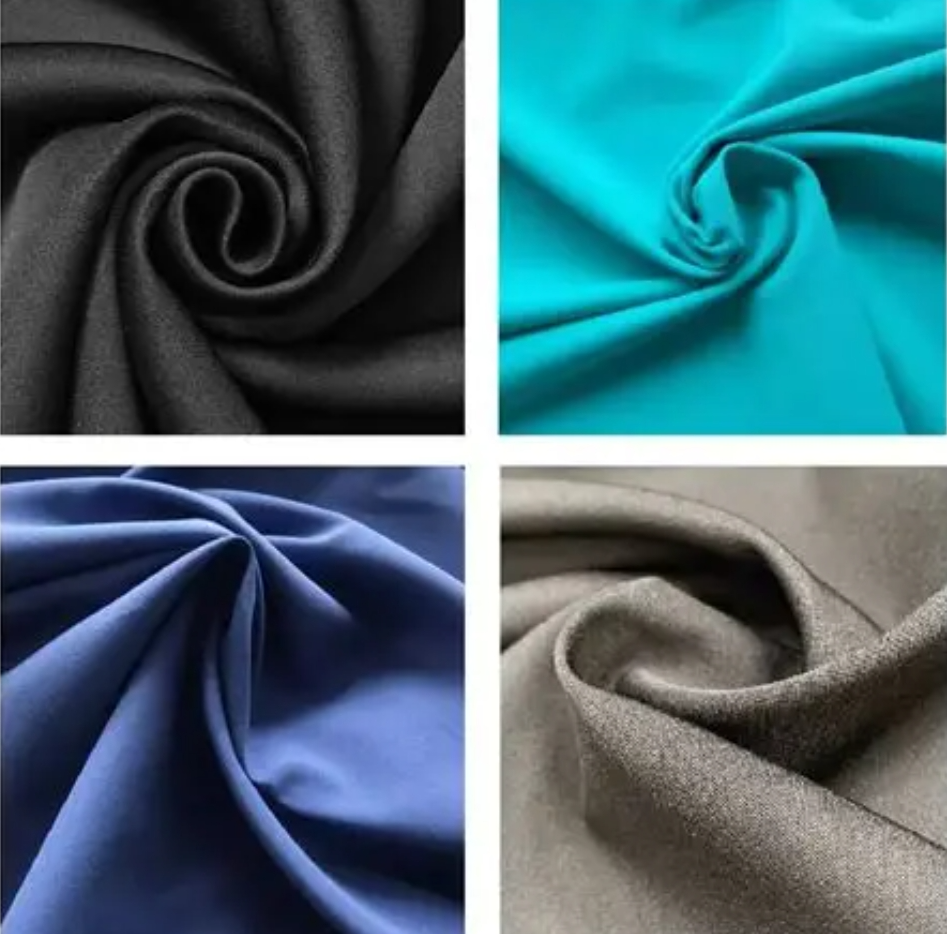
The fabric label tells you more than most people bother to read. For Skims swimwear, it's worth reading.
Take the Signature Swim Scoop Neck One Piece in Onyx — one of the brand's most recognizable styles. The composition breaks down as 76% Recycled Polyamide / 24% Elastane . That's the whole formula. Two ingredients. But the ratio matters more than you'd think.
Why That 24% Elastane Number Is Significant
Most fashion swimwear brands stick to an 80/20 nylon-spandex standard — 20% elastane at most. Skims pushes that to 24%. Four points higher. That gap delivers real differences in stretch and shape retention. Your swimsuit bounces back after wearing. No sagging. No pilling. That's exactly what the higher elastane ratio is built to do.
The recycled polyamide side of the blend pulls its own weight too. Recycled nylon matches virgin nylon in performance — soft against skin, quick-drying, water-repellent — and it costs less to produce in terms of environmental impact.
What You Get From This Blend in Practice
| Property | Industry Standard (80/20) | Skims (76/24 Recycled PA/Elastane) |
|---|---|---|
| Stretch | Very Good | Enhanced |
| Shape Retention | Moderate | Strong, anti-pilling |
| Dry Time | Quick | Quick |
| Chlorine Resistance | Rare | Not specified |
| Sustainability | Low | Partial (recycled fiber) |
This blend carries the same sculpting logic from Skims' shapewear line. It's just built for water now.
The care instructions show how precisely this fabric is engineered:
- Rinse cold after every wear
- Hand wash cold
- No bleach
- Hang dry only
- Skip the dryer
- Skip the iron
Treat it right, and the fabric holds up longer. Those steps aren't suggestions — they protect what you paid for.
One honest caveat: chlorine and UV resistance are not specified for this blend. Lap swimmers and anyone spending full days in direct sun should factor that in before buying.
Is Skims Swimwear Ethically Made? Supply Chain Transparency Review
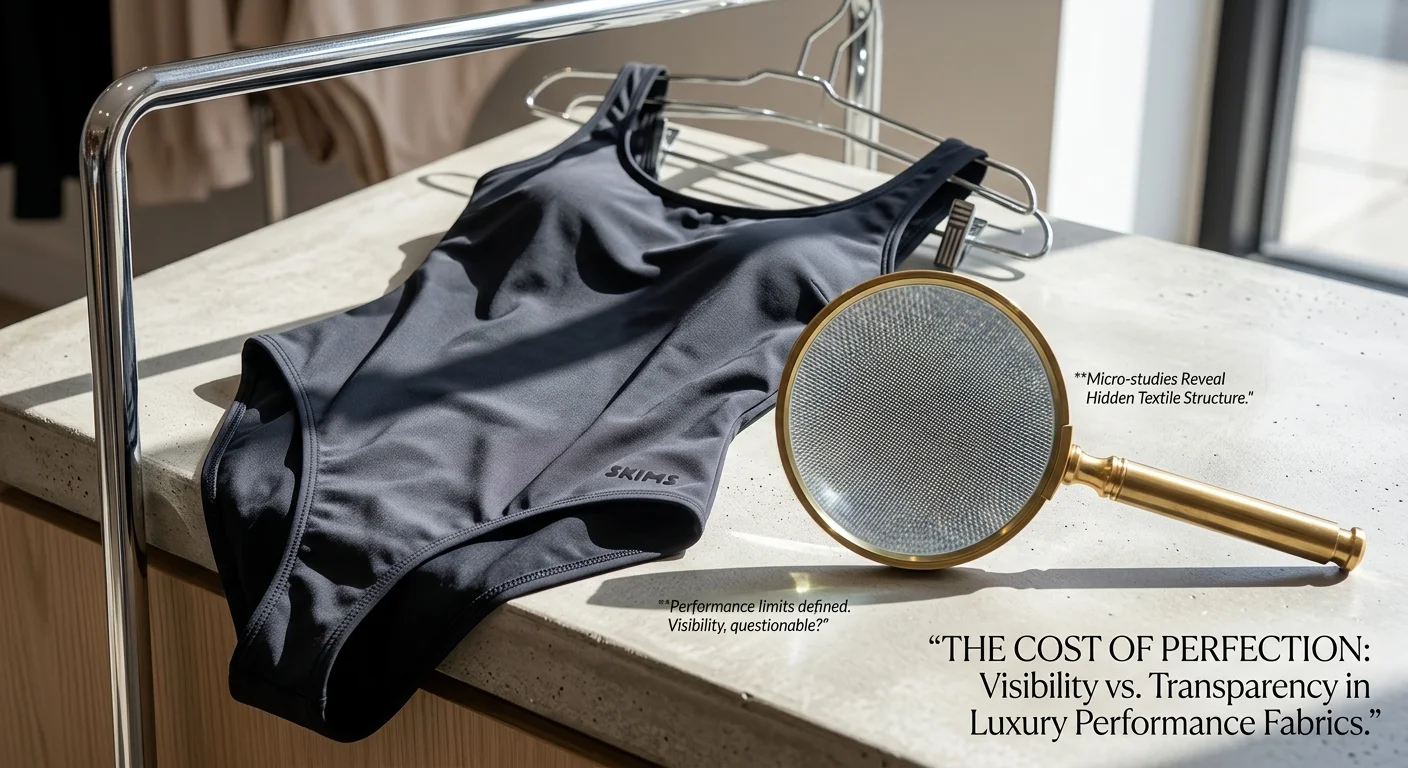
Transparency is either a brand's strongest asset or its most obvious absence. For Skims, it's the latter.
Ethical fashion researchers and independent reviewers hit the same wall every time they try to audit Skims' supply chain. There's very little to audit — not because the information is hard to find, but because Skims hasn't made it public.
What Skims Discloses
Skims does publish a California Transparency in Supply Chains Act statement . That document commits the brand to "transparency and ethical practices" — focused on preventing modern slavery and human trafficking. On paper, that sounds meaningful.
In practice, it isn't enough.
The statement contains no:
- Swimwear supplier names or factory lists
- Third-party audit results
- Tiered supply chain mapping
- Verification process details
You get a commitment. You don't get evidence. A Social Responsibility Policy and Code of Conduct do exist — but they're buried on the Great Britain version of the site. The main US storefront, where most customers shop, doesn't surface them. You'd have to know to look for them.
The Certification Gap
Independent ethical fashion review platforms — including assessments comparable to Good On You — score Skims at the lowest end of ethics, transparency, and sustainability evaluations. Across the board.
No evidence of certification exists from:
These aren't obscure benchmarks. They're the floor-level credentials that even mid-market brands pursue. Their absence stands out — more so for a brand charging $100+ per swimwear piece.
The Philippines Product Recall
One specific incident adds weight to the broader concern. A product recall showed that certain children's pajama sets were manufactured in the Philippines — a country Skims had never disclosed as part of its manufacturing footprint. No additional swimwear factories or production partners from that region have come to light since.
It's a small data point. But it points to something real: the supply chain may be broader and less mapped than available records suggest.
What This Means for Shoppers
No major labor violations have been reported against Skims. That's worth noting. But no controversy is not the same as ethical compliance. No independent audits exist. No swimwear supplier transparency. No accessible certifications. So there's no way to confirm that the standards Skims claims to follow are being enforced at the swimwear factory level.
Shoppers who care about ethical manufacturing and supply chain transparency will find Skims heavy on aspiration and light on accountability. That gap is worth weighing before you reach the checkout page.
CTA SectionHow Does Skims Swimwear Manufacturing Affect Quality?
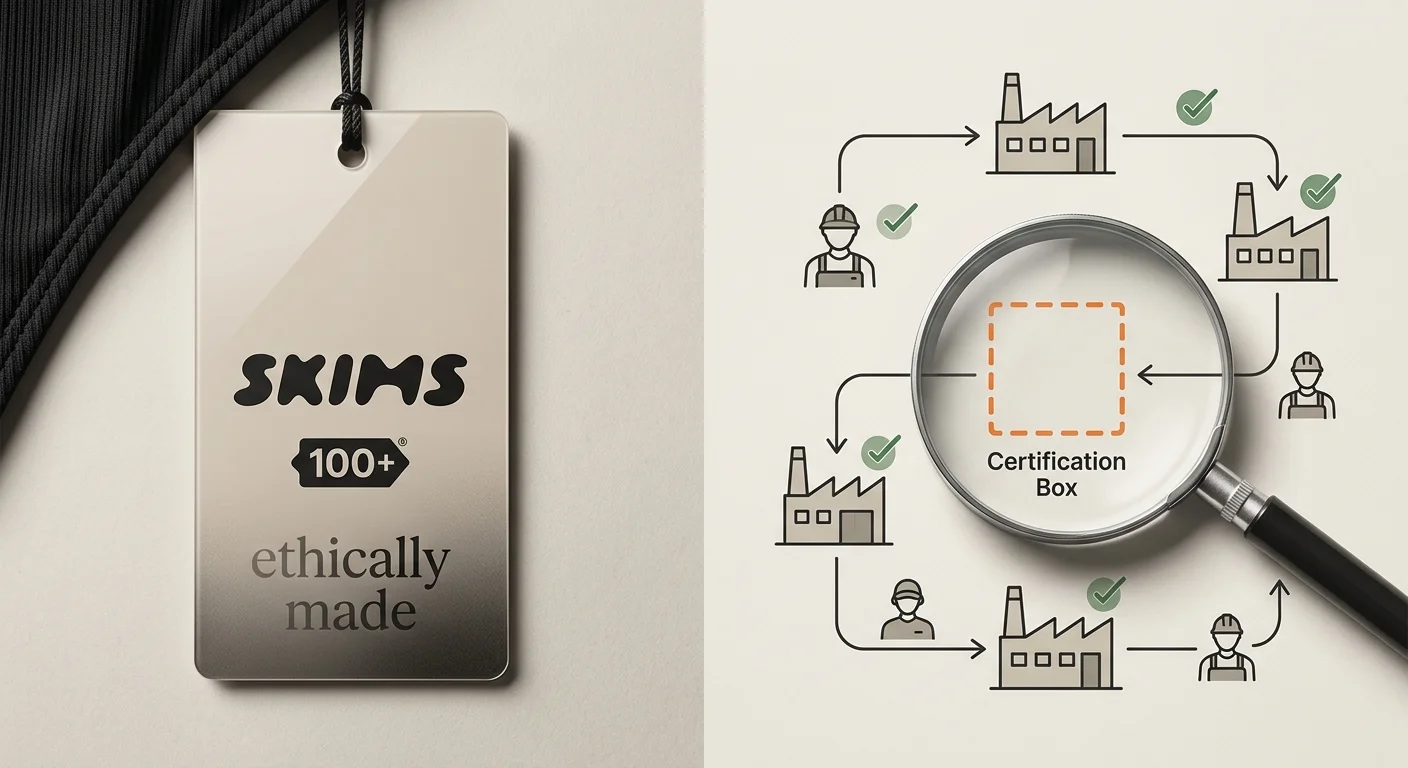
Manufacturing decisions leave fingerprints on every product. With Skims, those fingerprints tell a clear story — what you're paying for, and what you're getting in return.
Scale, Precision, and the Seamless Process
Skims runs large-scale production. Their seamless manufacturing facilities span up to 200,000 square feet or more. Over 300 workers handle cutting, stitching, quality control, and packaging — all within one integrated workflow.
That scale comes with trade-offs. High-volume production means small deviations can spread fast across thousands of units. Skims tackles this with machinery calibration logs and zero-tolerance specs on cut and sew dimensions. Every pattern deviation gets caught early — before it turns into a product-wide problem.
Precision cutting is non-negotiable for swimwear. How well the fabric is cut determines how well it stretches. The rubber elastic in waistbands and leg openings is built to resist chlorine and saltwater. Standard elastic breaks down in those conditions — this doesn't.
Quality Control, Stage by Stage
The quality process runs through four distinct checkpoints:
What the $100+ Price Tag Reflects
Skims doesn't publish a manufacturing cost breakdown. But the quality structure itself tells you where the money goes — internal audits plus third-party verification, premium elastane ratios, and specialized chlorine-resistant components all add up.
The direct-to-consumer model helps keep margins healthy. But the multi-stage testing infrastructure is real and substantial. That's what separates a swimsuit that holds its shape after fifty wears from one that fades and sags before summer ends.
Skims Swimwear vs. Other Brands: Manufacturing & Value Comparison
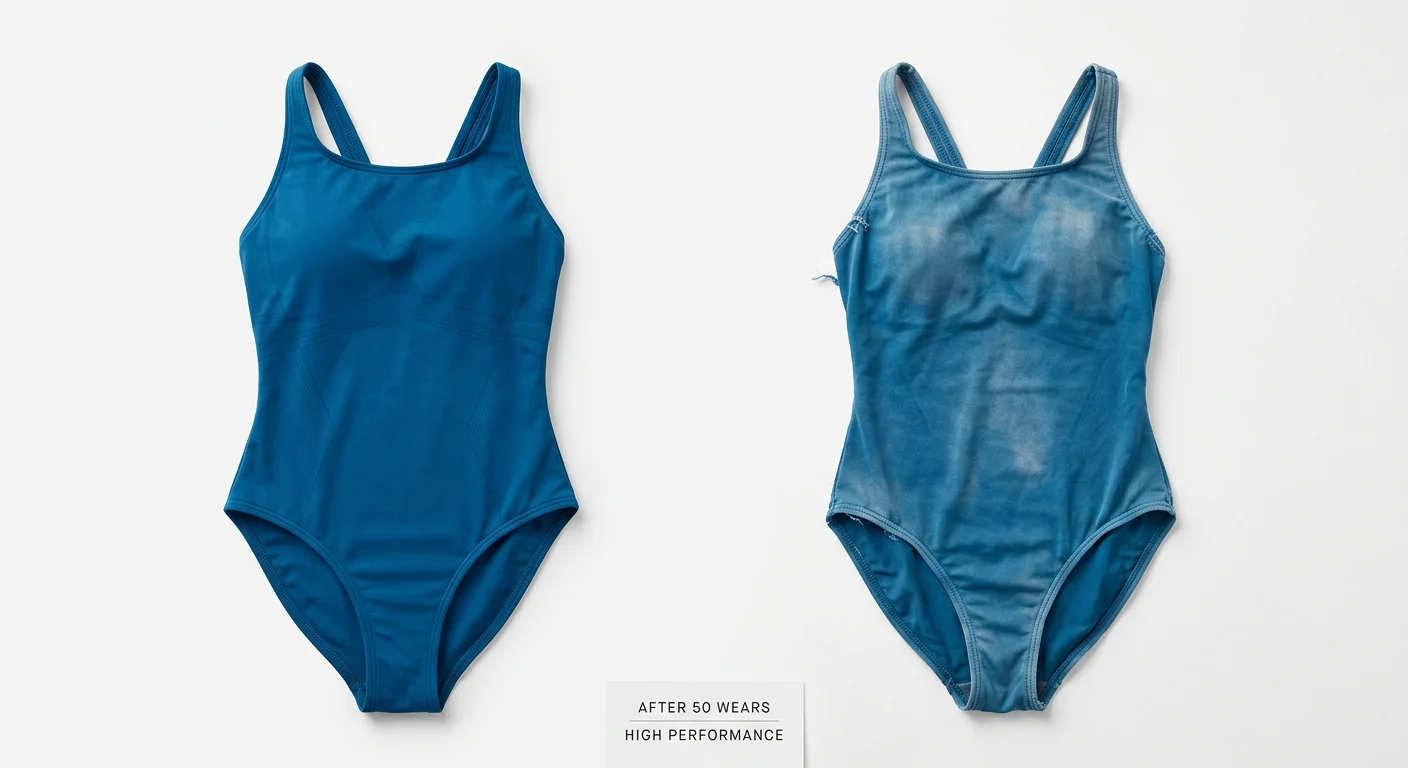
Side-by-side comparisons can make things uncomfortable. Put Skims next to competitors who've taken a different path on manufacturing, materials, and transparency — and the picture gets very clear, very fast.
The numbers don't lie. Neither does the label.
What the Comparison Shows
Skims swimwear runs $68–$148 for bikini sets. Aerie sits at $50–$110 . Berun comes in at $45–$89 — about 30–40% less than Skims for similar coverage.
| Aspect | Skims | Aerie | Berun |
|---|---|---|---|
| Manufacturing Location | Thailand, China | Vietnam, China, Indonesia | Vietnam (audited) |
| Fabric Standard | 95% nylon or 21% nylon-spandex blends | Up to 50% recycled nylon | 82% recycled nylon, 18% spandex |
| Certifications | None disclosed | Partial | Bluesign + OEKO-TEX Standard 100 |
| Transparency Level | Partial — countries listed only | Supplier lists available | Factory names + third-party audits |
| Bikini Set Price | $68–$148 | $50–$110 | $45–$89 |
The Fabric Gap Is Real
Skims leans heavily on synthetic fabrics. The brand hasn't addressed one key issue: microplastic shedding . Standard nylon fabrics shed around 2.5mg/L of microfibers per wash cycle — that's the industry benchmark. Berun uses recycled nylon with seamless bonding at 0.2mm seam tolerances . It tests at just 0.1mg/L . It also carries UPF 50+ protection.
That's not a marketing claim. That's a measurable result.
The Transparency Gap Is Even Bigger
Skims lists manufacturing countries. That's it. Berun goes much further. It publishes factory names — including its Hung Yen, Vietnam facility. That factory employs 500 workers who earn an average of $350/month . The regional industry average sits at $200. Sedex 4-Pillar third-party audits confirm those numbers.
Skims' replenishment rate fell from 68% in 2022 to 23.8% in 2024 . That's a real concern for shoppers who rely on seasonal restocks. Berun holds a steadier 45% replenishment rate . That points to tighter production control and more consistent product availability.
Skims' lack of supply chain detail is a real issue — and you don't have to settle for it. Berun offers a verified supply chain, recycled-fiber construction, and a 2-year durability guarantee. Lab tests show just 5% stretch loss across 500 washes . Skims comes in at 15%. The value case speaks for itself.
The more honest brand is also the more affordable one. Worth keeping in mind before you buy.
CTA SectionFAQ: Common Questions About Skims Swimwear Manufacturing
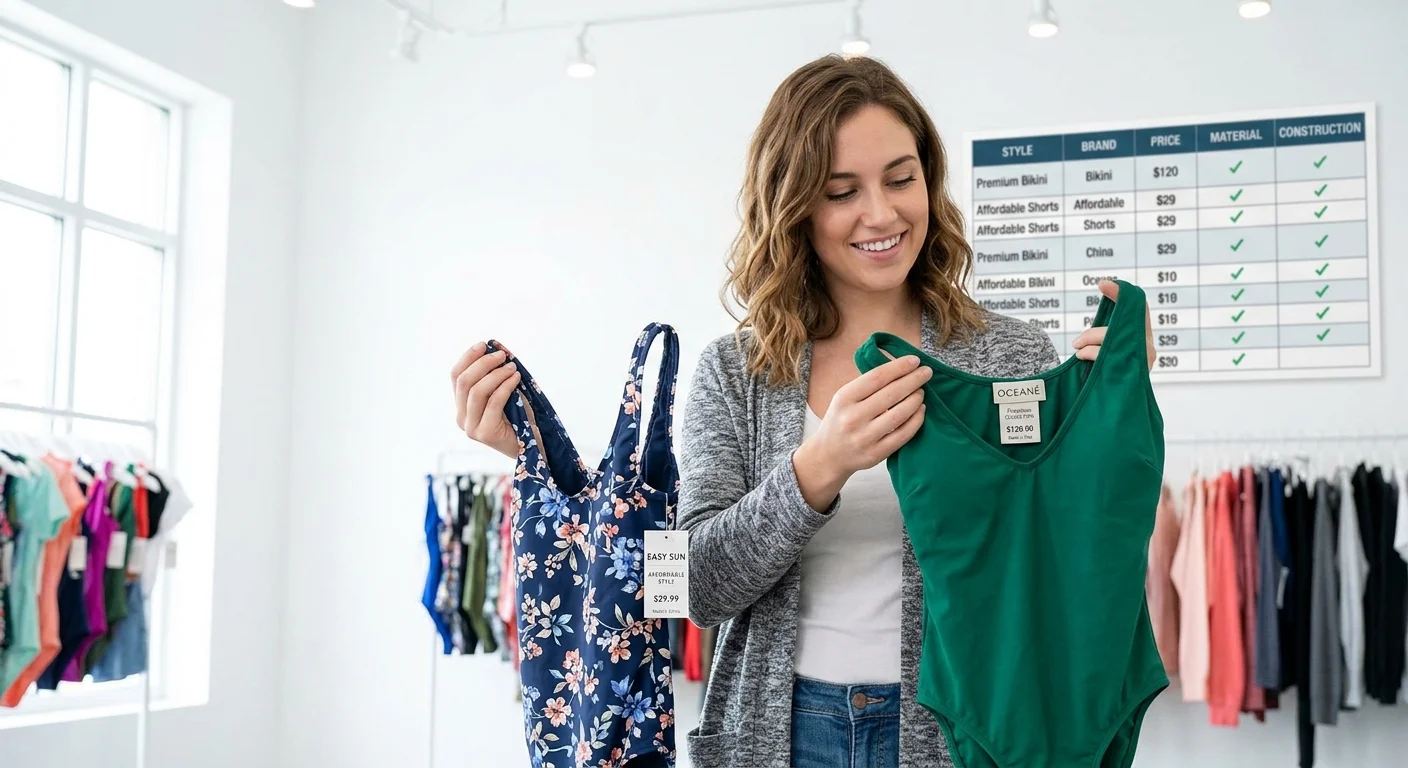
Shoppers ask sharp questions before spending $100+ on a swimsuit. Here are the straight answers.
Where is Skims swimwear made?
Skims sources and manufactures across Thailand, China, and Turkey. Thailand and China handle most of the production.
Is Skims made in the USA?
No. Skims is an American brand, but it does not make its products in the US. All manufacturing happens overseas.
Is Skims made in China?
Yes. China is one of Skims' main production locations. Thailand is the other major hub.
What fabrics does Skims swimwear use?
The brand works with nine fabrics total. Four are mostly cotton-based. The rest are synthetic — nylon and spandex blends. The Essential Bodysuit fabric is 95% nylon. The Cozy line contains 21% nylon. Swimwear falls into the synthetic category. These blends are chosen for stretch and shape retention.
Does Skims use sweatshops?
Skims says on its website that workers get fair wages, safe environments, and healthy working conditions. That said, Thailand and China — both key production countries — have faced repeated, industry-wide allegations of worker overwork and underpayment. No independent audits back up Skims' claims.
Is Skims sustainable?
Partly. Skims has measured its carbon footprint and teamed up with Watershed to track and cut emissions. The brand has also shifted packaging to biodegradable materials. Critics have called these moves out as potential greenwashing — especially the compostability claims on packaging.
What sizes does Skims swimwear offer?
Skims runs a wide size range built to serve body types and skin tones that other brands often overlook. This is one of the things that sets Skims apart from most competitors.
What does Skims disclose about its supply chain?
Skims has published a California Transparency in Supply Chains Act statement. It covers modern slavery prevention. Outside of that, public disclosure is thin. You won't find SKIMS swimwear factory names, audit results, or any tiered swimwear supplier mapping.
Conclusion
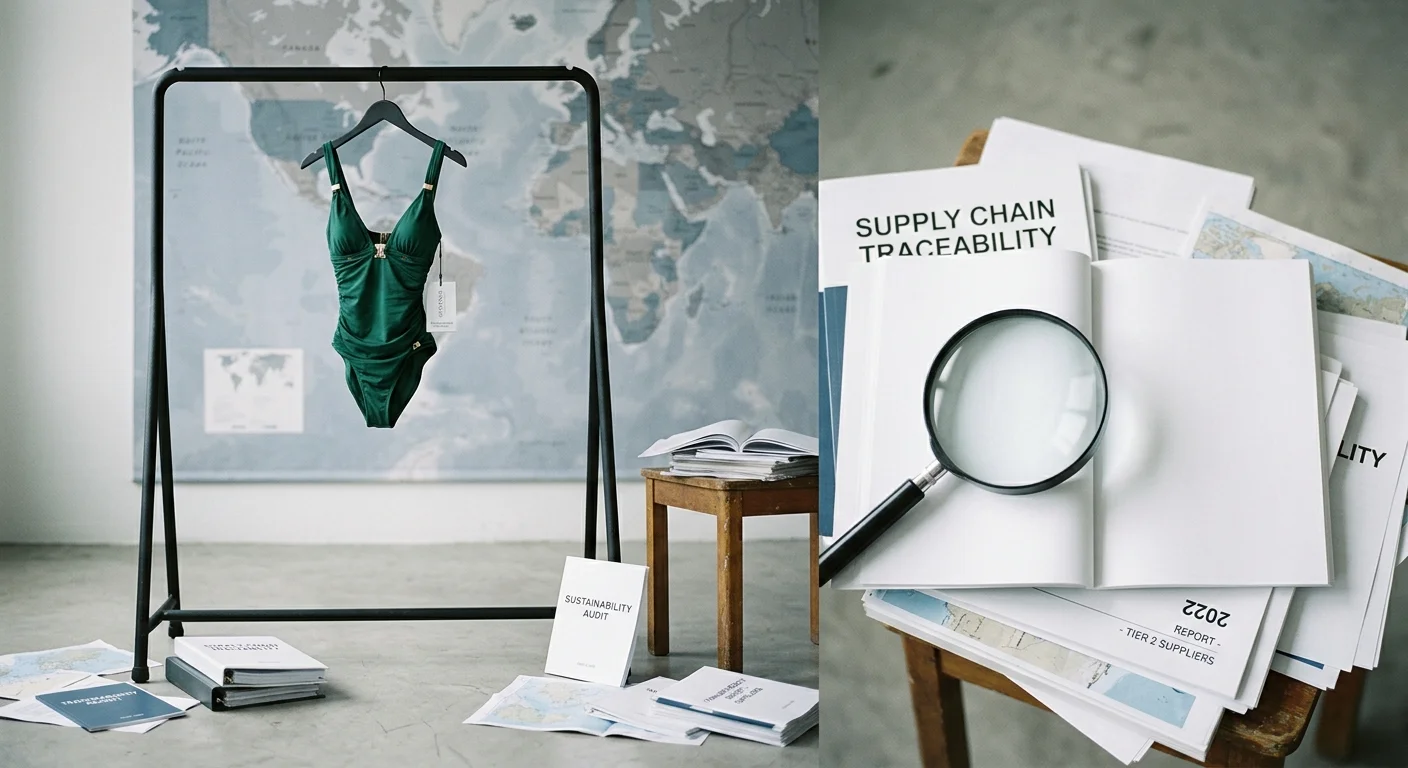
Skims swimwear has an interesting story. Celebrity-driven branding meets a global manufacturing reality that hasn't quite matched its premium price tag yet. The brand pulls fabrics from multiple countries, leans on synthetic performance materials, and keeps supply chain details vague enough to leave ethically-minded shoppers with more questions than answers.
Here's the bottom line: knowing where your swimwear is made isn't just trivia. It's real purchasing power. And now you have it.
Skims' manufacturing origins may align with your values and budget — great. But maybe you want a brand with quality construction and clearer ethical commitments, without the steep price tag. There are solid alternatives out there built with the same care you're shopping with.
Your swimwear should feel as good to buy as it does to wear. Start with that standard. Let it guide every choice from here.
CTA Section